
Uruguay
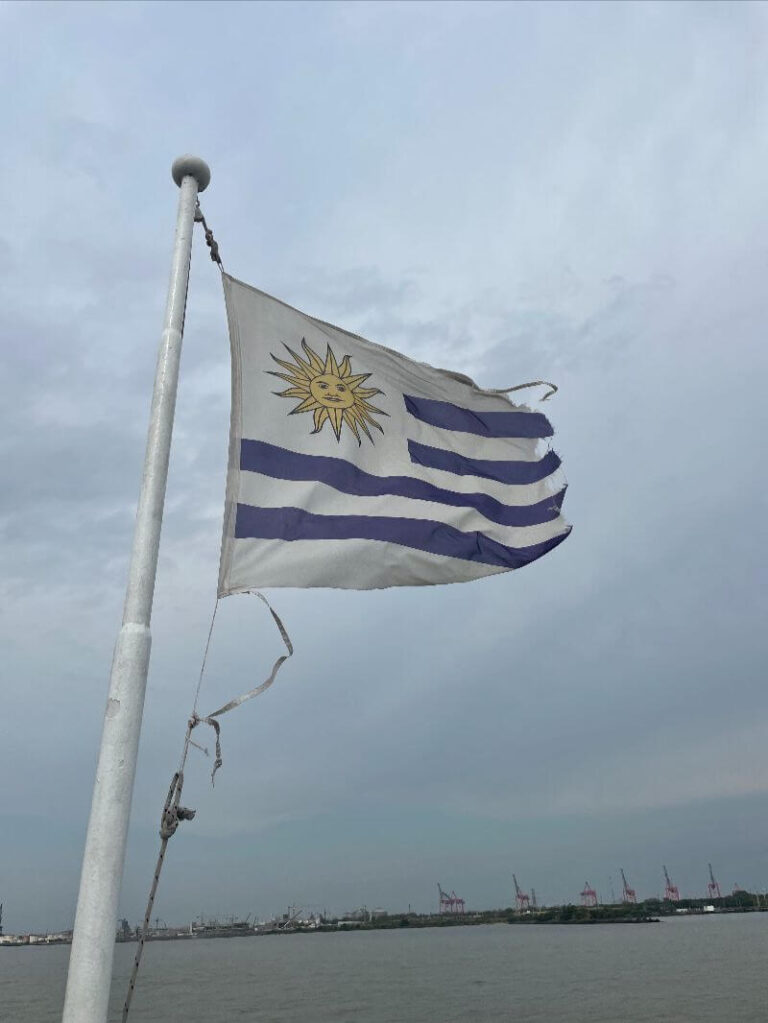
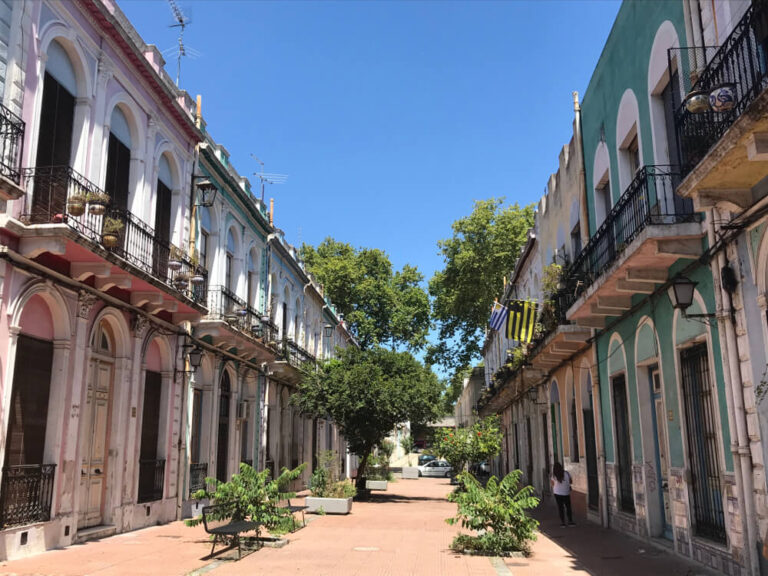
Uruguay knows how to take things easy. Days drift between beachside cafés, long lunches, coastal road trips and evenings that somehow turn into late nights. Montevideo brings the city buzz, while little surf towns and sleepy fishing villages offer a slower side of South America. Add a serious love of mate, grilled meat and good wine, and you've got a country that's pretty damn easy to settle into.
- Navigate:
- Quick Facts
- Book Your Trip
- FAQs
Our Must-Read Guides

Quick Facts
Book It
Hostels
The one we actually use to lock in dorm beds across Uruguay.
Hotels
Treat yourself to your own room once in a while.
eSIM
Data the second you land – no SIM hunt at the airport.
Travel Insurance
The cover we trust on every trip – built for backpackers, actually affordable.
Tours
Even on a budget, some experiences are worth paying for.
Transport
Book your trains, planes, buses and ferries across Uruguay.
Travel Advice From The Trenches.
Subscribe to our newsletter for practical guides, honest destination breakdowns, and budget travel tips straight from the road. No fluff, no filler.
No spam · Unsubscribe any time
Our Latest Stories from Uruguay
New trip stories, guides, and honest lessons, straight from the backpack.
Uruguay Travel FAQs
Is Uruguay expensive for backpackers?
Uruguay is one of the more expensive countries in South America, particularly compared with neighbouring Argentina and Brazil. Montevideo and popular beach resorts can be pricey, especially during summer. Hostels, local markets and travelling outside peak season can help keep costs down.
When is the best time to visit Uruguay?
December to March is summer in Uruguay, making it the best time for beach trips and coastal towns. January and February are particularly lively, but also the busiest and most expensive. Spring and autumn bring milder weather and fewer crowds.
What is mate, and why does everyone drink it?
Mate is a traditional herbal drink made from yerba mate leaves, served in a small cup and sipped through a metal straw called a bombilla. It's a huge part of everyday life in Uruguay. You'll see locals carrying their mate cups and flasks of hot water everywhere. Give it a try, but be warned, it's a little bitter!
Can you visit Cabo Polonio?
Yes, and it's well worth the detour. This remote coastal village has no conventional road access, so visitors travel across the sand dunes in authorised 4x4 vehicles. Expect sandy streets, sea lions, simple accommodation and a wonderfully off-grid atmosphere.