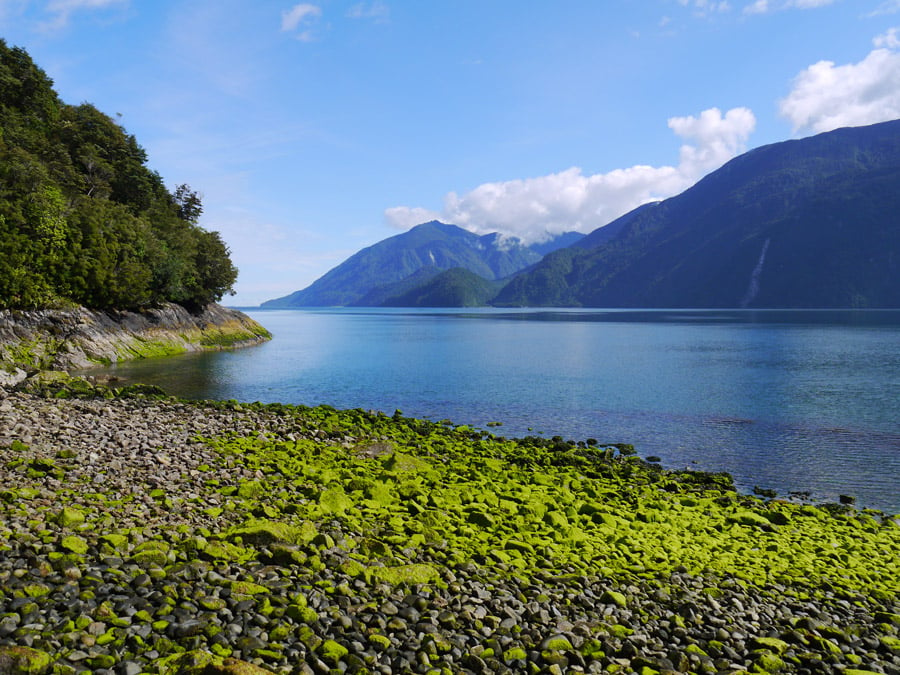
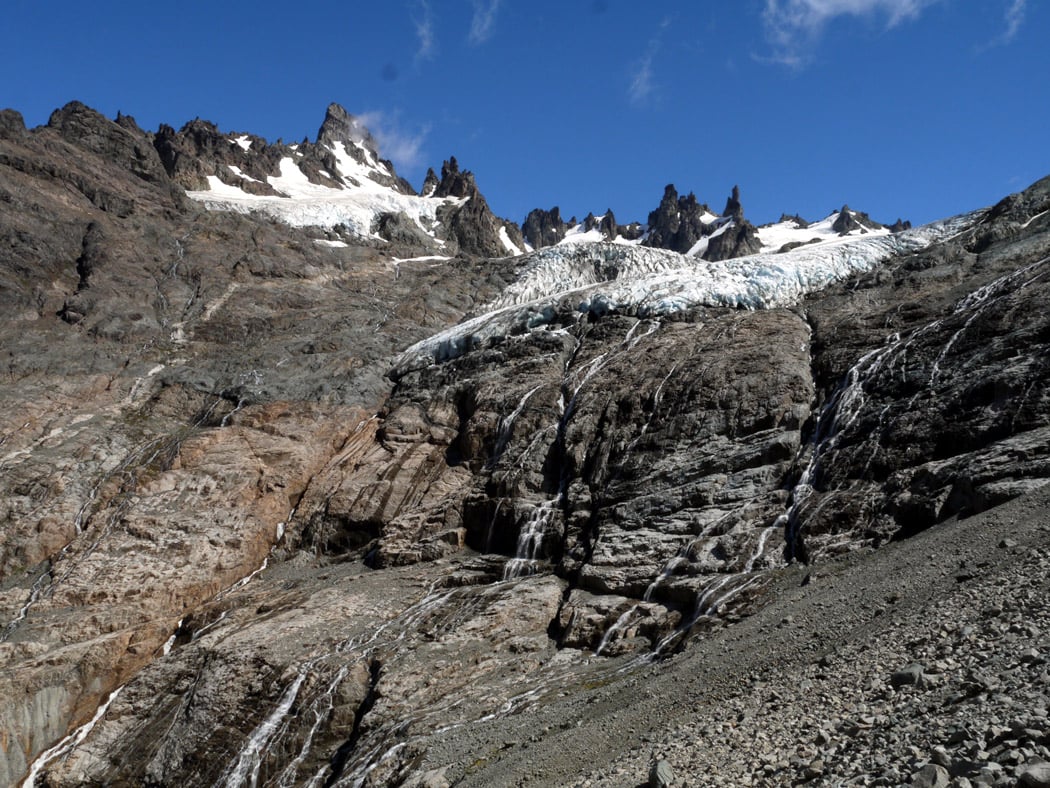
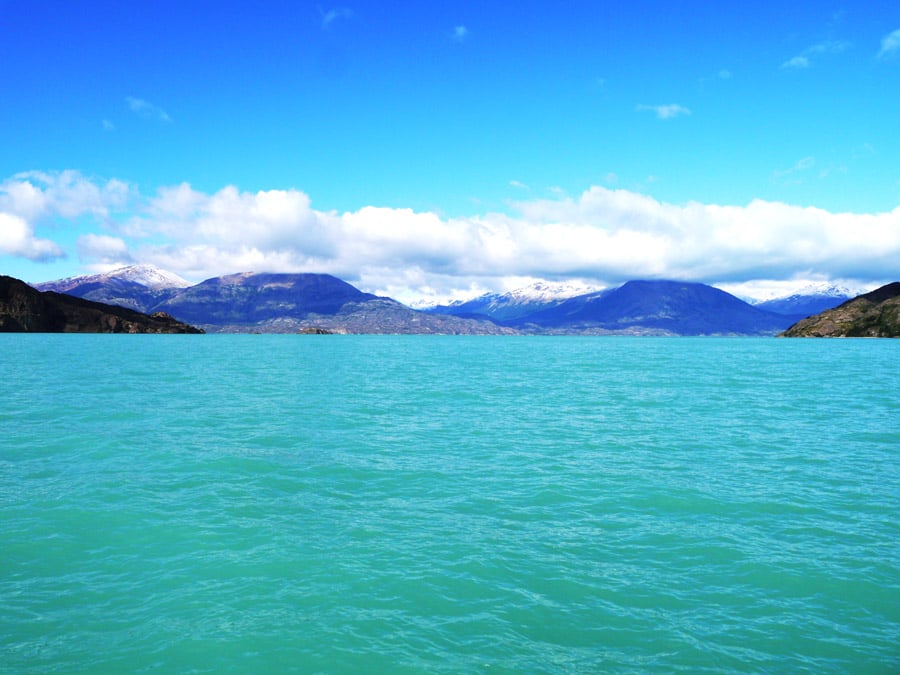
Patagonia. Just the very mention of it is enough to stir your wanderlust.

This wild stretch at the bottom of South America is on many travellers’ bucket lists. Legendary for its jagged peaks, sprawling glaciers, and windswept plains, much of it looks like it’s been ripped straight from a fantasy film. Hikers flock here from every corner of the globe. Drawn by its incredible beauty and the chance to traverse iconic trails like the W Trek and Laguna de los Tres.

Yes, it can be busy on the famous routes. But once you step off the beaten path, you’ll quickly find yourself in landscapes so raw and empty that it will feel like you are teetering on the edge of the world.

But make no mistake about it. Hiking in Patagonia isn’t something you should take lightly. Here, the weather changes faster than you can say pisco sour. The distances, too, are deceivingly long, and the terrain can be utterly unforgiving. Yet, that is why I love it!

To safely enjoy hiking in Patagonia, trust me when I say, you’ll need the right gear. It also helps if you have a decent level of fitness and have completed a good chunk of preparation. Sounds a bit daunting, doesn’t it? But don’t worry, I’ll walk you through what’s involved.

The purpose of this guide is to help you decide which Patagonia hikes are best for you. In it, I’ve covered the most iconic trek you can do, along with some personal favourites and lesser-known trails that most people do not attempt.

It doesn’t matter if you want to start low-key with a quick day hike or attempt a multi-day adventure. I want to give you a practical lowdown of what to expect.

Here are four of the very best hikes in Patagonia.

Los Glaciares National Park

The Broke Backpacker is supported by you. Clicking through our links may earn us a small affiliate commission, and that's what allows us to keep producing free content 🙂 Learn more.

What to Know Before Hiking in Patagonia

Best Hikes in Patagonia
1.Laguna de los Tres, 2.The W Trek, 3.Laguna Capri, 4.Perito Moreno Glacier Mini-Trek

Hiking in Patagonia offers an experience unlike anywhere else on the planet. One moment you’re tracing a turquoise lake framed by snow-capped peaks. Next, you’re crunching across barren steppe where the wind nearly knocks you sideways. It’s one of the most incredible places to visit during your trip to South America.

This region is famous for its extremes. It’s a place where jagged spires like Fitz Roy, colossal glaciers tumbling into icy fjords, and wide valleys that seem to stretch as far as the horizon, produce a landscape that is nothing short of extraordinary. Every time I see it live, I am mesmerised. 

It doesn’t matter which one you choose to tackle; every trail here feels cinematic. In fact, you can almost hear The Lord of the Rings Soundtrack accompany you as you navigate them!

Of course, all that beauty masks the challenges of hiking through Patagonia. For a start, the weather is notoriously unpredictable. Beautiful blue skies can flip to brooding clouds or sleet before you know it, while winds that are strong enough to send your hat flying are never too far away. 

The trails, too, can be long, rugged, and arduous. Many have steep climbs and mostly rough terrain. And they tend to be so remote that sometimes, you might not see other people for miles!

Don’t get me wrong, I am not saying this to scare you off. Instead, I just want to give you a heads up. These challenges are exactly what make hiking in Patagonia so rewarding.

Patagonia Trail Safety

When navigating any of Patagonia’s hiking trails, safety should always be at the front of your mind.

Probably the best thing you can do is prepare yourself fully for the experience. This means taking the time to familiarise yourself with your route, regularly checking the weather forecast, and having a realistic idea of how long the hike will take. I find it helps to have a clear plan before I set off.

It might sound like a romantic, free-spirited notion to wander off into the wilds as your mood takes you. However, sometimes it pays to be a little pragmatic. That is why I always advise other hikers to share their plan with someone back home and at their hostel or campsite. That way, if anything goes wrong, at least a couple of people will know where you are meant to be.

Unfortunately, bumps, cuts, scrapes, blisters and bruises are part and parcel of Patagonia hikes. That is why it is always worth carrying a small first aid kit. I can’t remember how many times I have had to use it on my travels!

On top of that, it is also very important to bring the right gear for the trail you’ve chosen to tackle. The conditions in Patagonia can vary widely. On some routes, that means snow and ice. On others, it’s more about dusty paths and river crossings. Therefore, you’ll need to pack accordingly. (I cover essential items in the packing list section later in this guide.)

Something else to remember is that it is imperative to carry water with you. The dry winds here can dehydrate you very quickly. So, make sure you carry more than enough to last the distance. It is also a good idea to bring hydralytes with you as they help replenish lost sodium and other minerals, which water alone cannot do.

Finally, consider taking out travel insurance that covers hiking and other outdoor activities you might want to do. Hopefully, you’ll never require it. But it’s always a good backup to have just in case.

The Top Four Hikes in Patagonia

So, where do you even start hiking in a place as wild and sprawling as Patagonia?

After all, this region offers several options, including everything from quick day hikes with jaw-dropping views to bucket-list treks that take over a week to complete. 

To provide you with some inspiration, here is my guide to four of the very best Patagonia hikes you can attempt.

1. Laguna de los Tres – The Best Day Hike in El Chaltén

If there’s one hike that sums up the magic of hiking in Patagonia, it’s Laguna de los Tres. This trail is all about getting front-row seats to Mount Fitz Roy – a highlight of backpacking Argentina for many folks. That famous jagged peak that’s basically become Patagonia’s poster child. I’d seen it on postcards and Instagram feeds for years. But trust me, nothing compares to standing at the lagoon at sunrise, watching the mountain glow fiery orange as the first light hits.

laguna-de-los-tres-patagonia

My adventure began in El Chaltén, a small trekking town in Argentine Patagonia. Getting there was surprisingly straightforward. Like most travellers, I arrived by bus from El Calafate, which took around three hours. The moment I arrived, it instantly dawned on me that everyone was here for the same reason. To get into the mountains.

Most businesses sold hiking gear or provisions in some shape or form, and the hostels had rows of muddy boots drying outside them. Even the cafés were full of unofficial tour guides, in the shape of other travellers who related their experiences to anyone who asked. 

The great thing about Laguna de los Tres is that the trailhead is right at the edge of town. This means you don’t need transport to get started, and can literally roll out of your hostel bed and be on the trail within minutes. Luckily, if you have had a rough night, the first few kilometres ease you in with a gentle climb through native lenga forest. Soon, after that, it opens up to tremendous views of the Río de las Vueltas valley.

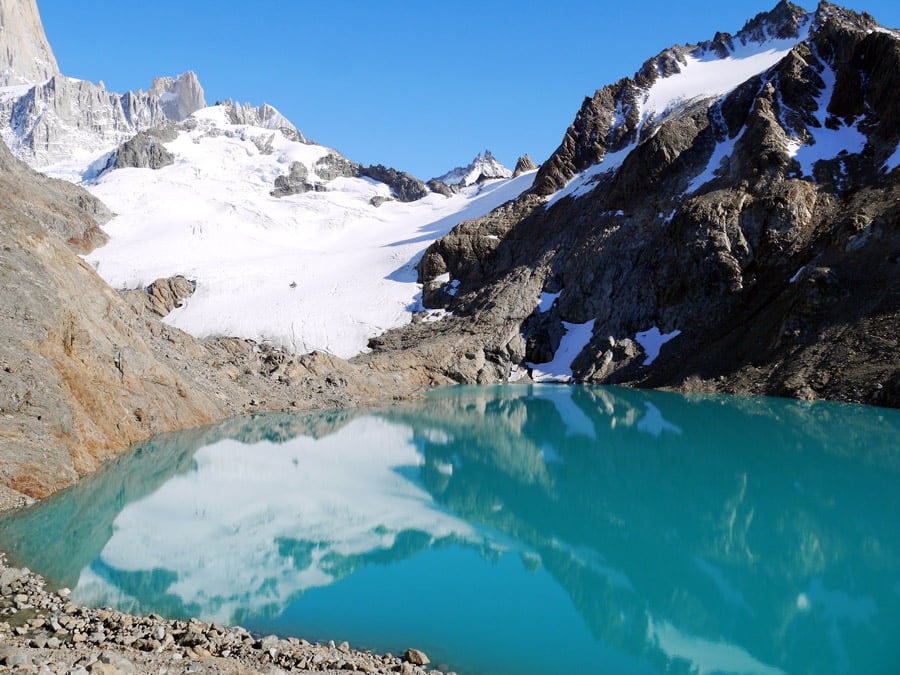
The hike is approximately a 22 km return trip, with roughly 750 metres of elevation gain. It took me about 9 hours to complete. However, I did stop regularly to enjoy the scenery and take photos. What I would say is that the final hour is the real kicker. It is a steep, rocky climb that feels never-ending, and to be honest, this section had me questioning my life choices on more than one occasion! But then, after cresting that ridge, I saw Fitz Roy reflected perfectly in the turquoise waters of Laguna de los Tres. And, suddenly, it was all worth it.

This is the kind of trail where you regularly bump into people. And it actually became a bit of a game to seek out as many different nationalities as possible. Germans, Brazilians, Aussies, Brits, I met well into double figures while traversing it. That’s part of the fun of doing this trail because the shared pain of the climb makes it easy to bond and encourage others.

Back in town, the atmosphere is just as social. El Chaltén has a handful of lively breweries where trekkers gather in the evenings to toast their sore legs. Don’t miss the empanadas either. After a long day on the trail, you could probably get into double figures of them, too!

In my opinion, the best time to tackle the Laguna de los Tres is between November and March. Around then, the weather is warmer and the trail is free of snow. However, this being Patagonia, “warmer” doesn’t mean predictable. When I last went, there were perfect blue skies in the morning and moody clouds in the afternoon!

If you like to hike solo, the good news is that this trail is well-marked. However, if you’d prefer to learn more about the area, guided tours are available and offer excellent local insight.

Key Hike Info

  • Length: 22 km (approx. 750 m elevation gain)
  • Duration: 8–10 hours
  • Difficulty: Average
  • Best Season: November–March

Where We Stayed

In El Chaltén, I stayed at Rancho Grande Hostel, a big and bustling place that’s a hub for hikers. The dorm rooms were simple, yet cosy enough. But the real drawcard here was the on-site restaurant. Its milanesa steak was absolutely delicious, and came in a hearty portion size, too!

If you would prefer something quieter, the Hostel & Departamentos Kaiken might be more to your liking. It offers cosy common spaces and a more chilled-out vibe, which you might appreciate if you are feeling tired after your hike. It’s still social, but a little less rowdy than Rancho. 

At the higher end, cost-wise, the Chalten Suites Hotel offers comfortable rooms with mini bars, private bathrooms, and good Wi-Fi. Some of the things you might dream of when you are tackling this trail.

2. The W Trek – The Best Multi-Day Hike in Torres del Paine

If Laguna de los Tres is Patagonia’s best day hike, then the W Trek is the headline multi-day adventure. This is the trail that put Patagonia and backpacking Chile on the world map.

Patagonia

Located within the Torres del Paine National Park, this is a place where granite towers rise like stone cathedrals, glaciers stretch to the horizon, and valleys have been carved over millions of years by ancient ice. In fact, the W is more than a hike. It’s an epic, almost mythical experience.

You are probably wondering how the W Trek gets its name. Well, it is not a short way to say a very long word that begins with that letter. But rather it is so-called due to the shape of the route. Over four to five days, you’ll zigzag through the park’s blockbuster highlights. This includes the Base of the Towers, the French Valley, and Glacier Grey. Each leg is a trek within itself. But when strung together, they form one of the most rewarding hiking journeys in the entire continent of South America.

Getting to it involves a bit of planning. Most travellers fly into Punta Arenas or Puerto Natales. Puerto Natales, where I flew to, is the main gateway. It is a lively little town that is filled with gear rental shops, bakeries serving enormous cakes, and plenty of hostels that buzz with pre- and post-trek energy. From here, buses leave daily for Torres del Paine and will drop you at any of the trailheads on the route.

My friends and I started our trek at Paine Grande, and it didn’t take long for us to feel the immensity of the landscape. The first stretch follows Lago Pehoé. Here, the Cuernos (horn-like peaks) loom above and will stop you in your tracks when you first lay eyes on them. They are humbling, intimidating, and exhilarating, all at the same time. 

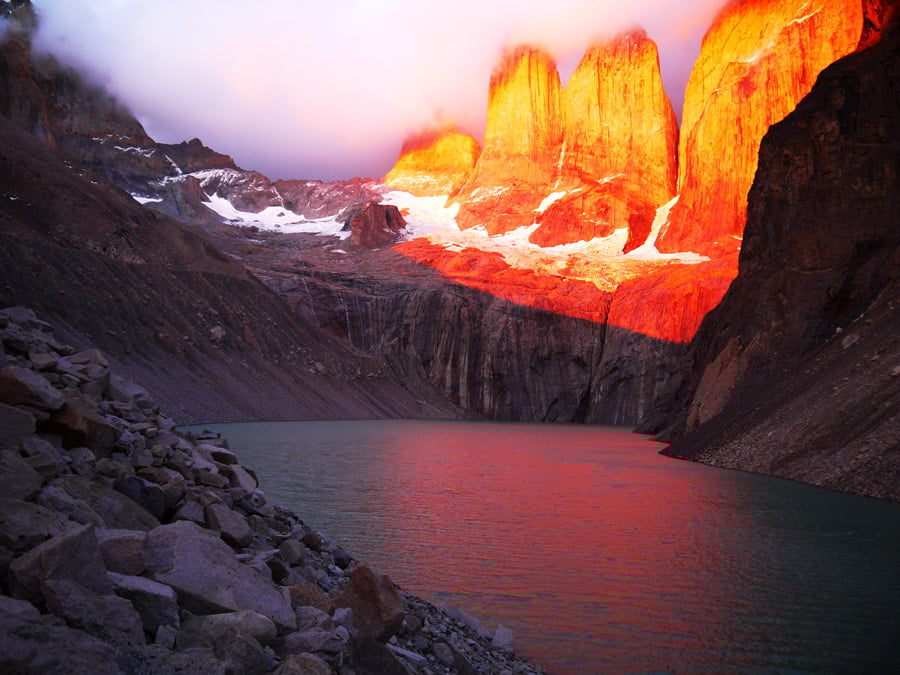
On this trail, each day brings the promise of a new highlight. The French Valley, with its avalanches rumbling in the distance, is utterly captivating. Elsewhere, Glacier Grey is another world altogether. Blue ice stretches endlessly, cracking and shifting before your very eyes. It’s all incredibly compelling. And then, of course, there’s the pièce de résistance. The magnificent Base of the Towers.

Completing that final climb at dawn, slogging up a rocky moraine, before the sun paints the granite spires gold, is one of my greatest achievements. However, the W Trek isn’t just about the scenery. It is actually quite social, too. Each night, we camped alongside fellow hikers from every corner of the globe. Some shared food, others stories. And a few passed around wine kept in plastic bottles. By the second night, we’d built our own little trail family, which seemed to grow each day after. This camaraderie was a real highlight for me as it made the long days that little bit easier.

In terms of difficulty, the W Trek is as challenging as it gets. On most days, you will cover between 12 and 22 kilometres, and there are plenty of ups and downs. However, the trails are well-marked and several refugios (mountain lodges) dot the route. They offer surprisingly good meals, beds, and even cold beer if you don’t fancy camping. Fair to say I took advantage of them more than once!

If you want to complete this trek, the main season for doing so runs from November to March. At that time, the weather is most stable. However, even then, you can expect strong winds and rain at some point. You can attempt to tackle the route in the shoulder months of October and April when there are fewer crowds. But the nights are distinctly colder, and some refugios won’t be open.

Given how difficult this trail is, I would suggest tackling it in the way that best works for you. If you would prefer to go solo and not be held back by others, then by all means go it alone. Alternatively, should you want to go with others, a tour might be a better bet. There are plenty you can book, and those companies organise the logistics of permits, campsite bookings, and transport for you.

Key Hike Info

  • Length: 72 km (approx. 2,500 m elevation gain)
  • Duration: 4–5 days
  • Difficulty: Difficult
  • Best Season: November–March

Where We Stayed

In Puerto Natales, Chile, we stayed at the Hostel Last Hope. Personally, I found it to be a cosy spot with strong Wi-Fi and friendly owners. The communal dinners were also a highlight because they felt a bit like a family gathering.

On another trip, I also stayed at the Hospedaje Magallanes, which is a charming B&B run by a Chilean-German family. I booked a private double room here, which enabled me to have a fantastic sleep, and I really enjoyed the home-made breakfast. It came with real German bread and awesome coffee!

Inside the park, we mixed camping with staying in refugios. But after the trek, we treated ourselves to a night at the Río Serrano Hotel + Spa. It was expensive, but the chance to enjoy massages and a lovely soak in a hot tub was the ultimate treat after our exertions.  

3. Laguna Capri – A Fun, Easy Hike in El Chaltén

Not every hike in Patagonia has to be an epic multi-day slog with sore legs and blisters as battle scars. Some people just want a trail that’s easy enough to tackle in a few hours, while still delivering those mind-blowing views that make this region so famous.

That’s what makes Laguna Capri such a good option. Tucked into the foothills above El Chaltén, this hike is short, sweet, but ridiculously rewarding. My mates and I first stumbled on Laguna Capri while looking for a warm-up hike before attempting Laguna de los Tres. As it turned out, it was the perfect introduction.

The trail starts from town just past the visitor centre, with the path climbing gently through native lenga forest. Occasionally, breaks in the trees tease you with glimpses of Mount Fitz Roy in the distance. However, within a couple of hours, you reach the lake itself.

And what a sight it is! 

The water is calm and reflective, and on clear days it mirrors Fitz Roy in all its jagged glory. It’s one of those spots where you can happily laze on the shore for hours and simply take it all in. We spent an afternoon here sharing mate tea with some Argentine hikers who insisted it tastes better in the mountains. You know what. They were right!

Comprising about an 8-kilometre round trip, with 300 metres of elevation, this trail is one that can be completed by most fitness levels. I even saw families with young teenagers do it (quicker than me, mind!). Like Laguna de los Tres, it’s a great trail for meeting other travellers. We bumped into a group of backpackers from Chile who’d been cycling across the Andes. They convinced us to join them for beers back in town later that night. In fact, that’s the magic of El Chaltén. Its trails may guide you to lakes and peaks. But they also lead to new friendships.

One thing to note is that while it’s a short hike that can take between 2 to 4 hours, it’s very easy to get caught out by the weather. I know I said this before, but we saw hikers who got caught out by sudden rain showers because they didn’t bring a rain jacket. You should also be aware that the lake makes a brilliant lunch spot. But there are no facilities up there, so you’ll have to pack in what you need and take your rubbish back with you.

This is a trail you can complete just as easily on your own as with others. Again, season-wise, the best months are November through March. As the summer days are long, you can even head off just after lunch and return to El Chaltén well before dinner. During the winter months, the trail can be covered in ice. At this time, I would recommend going as part of a guided tour, as there aren’t so many people on the trail to provide you with assistance if you need it.

Key Hike Info

  • Length: 8 km (approx. 300 m elevation gain)
  • Duration: 2–4 hours
  • Difficulty: Easy
  • Best Season: November–March

Where We Stayed

As mentioned, in El Chaltén, I stayed at the Rancho Grande Hostel. However, I have heard from other travellers that the Patagonia Hostel is pretty good. The cooking facilities are meant to be excellent for those who want to self-cater.

Elsewhere, the Destino Sur Hotel & Spa de Montaña gets good raps, too. Other hikers have told me it is an excellent breakfast, which isn’t really what you want to hear when your tummy is rumbling halfway along the trail!

4. Perito Moreno Glacier Mini-Trek – A Glacier Lover’s Dream

Not all hikes in Patagonia are about long valleys and steep passes. Some trails take you straight onto the ice.

The Perito Moreno Glacier Mini-Trek is a once-in-a-lifetime experience where you get to strap on crampons and walk across one of the most famous glaciers in the world. It’s less about distance and more about the sheer awe of the place. I’ll never forget the crunch of ice under my feet and the sight of blue crevasses stretching out like frozen rivers.

The adventure starts in El Calafate, which is the main base town for visiting Perito Moreno. El Calafate is well connected, with flights from Buenos Aires and buses from El Chaltén. Once you arrive there, it’s about 80 kilometres to where the glacier sits in Los Glaciares National Park.

If you want to walk on the ice, it is mandatory to take a day trip with a tour company. However, if you don’t fancy doing that, you can marvel at it from a viewing platform. Tours usually begin with a boat ride across Lago Argentino. I really enjoyed travelling on it as it presented me with a staggering close-up of the glacier’s jagged face. This intimidating wall of ice is over 70 metres high and constantly groans as chunks crash into the freezing water below.

Once ashore, the guides will fit you with crampons and then lead you in small groups onto the surface. That’s when the magic happens as they weave you through bright blue crevasses. You also get to peek into ice caves and even sip glacier water straight from a melt stream. At one point, our guide even produced a bottle of whisky, which he poured over chunks of 1,000-year-old ice. Apparently, this is a Patagonia rite of passage. I certainly appreciated it!

The Perito Moreno Glacier Mini-Trek isn’t a long or difficult hike in the traditional sense. It covers only a few kilometres, which you complete in just over two hours. But the terrain is uneven and requires intense concentration, so it actually feels longer. There are age restrictions to do the trail (you have to be between 10 and 65), and I would say you’ll need a decent level of fitness to do it. That said, the main challenge for most people will be to resist the urge to stop every five seconds to take another photo!

Our guide said the best time to do this trek is during Patagonia’s summer months of November to March. During this period, tours run daily. Outside of this window, the conditions can be too dangerous for walking.

Some travellers I met were put off doing this trek because of the cost. But in my opinion, it’s worth every peso. Walking on Perito Moreno is something you’ll remember forever. Just be mindful to wear shades. The glacier reflects the sun’s rays intensely.

Key Hike Info

  • Length: 2–3 km (on the ice)
  • Duration: 2 hours (plus transfer time)
  • Difficulty: Easy/Moderate
  • Best Season: November–March

Where We Stayed

In El Calafate, we stayed at America del Sur Hostel, which was modern, clean, and offered superb panoramic views of Lago Argentino. The staff here were also very helpful in booking the mini-trek tour for us.

Another excellent choice seems to be the Folk Hostel, which a couple of people on my tour raved about. The team there even provided them with boxed lunches for their trek.

For those who are travelling as a family or want the comforts of a hotel, the Mabra Suites is a popular option in town.

Where to Stay in Patagonia

When planning your Patagonia hikes, one of the big questions you’ll need to address is where to base yourself. As you can imagine, with such a huge region, there isn’t one single “best” place. Instead, it really depends on which trails you’d like to tackle and how close you want to be to them.

el calafate landscape patagonia argentina
Views for days on the road.

Many travellers choose to stay in larger towns or cities like Puerto Natales, El Calafate, or Coyhaique and then make their way out to the parks. The benefit of doing so is obvious. Bigger towns have supermarkets, eateries, bars, gear rental shops, and usually laundrettes. There are also more accommodation options, including hostels where you can meet fellow hikers, and it’s easier to organise buses and onward travel from there. If you want to go hiking in Patagonia on a budget, then it’s definitely the best option.

On the flip side, there’s a lot to be said for guesthouses and smaller local stays in the trail towns themselves. Places like El Chaltén or Villa Cerro Castillo feel more intimate and “authentic”. The vibe is usually more laid back, and you often get treated like part of the family, especially if you stay with a local host. You might even benefit from their local knowledge of weather conditions or other trails you can tackle. 

Then, of course, there’s the option of camping. Patagonia has plenty of campgrounds, which bring you closer to the surrounding landscapes. Usually, it costs less to stay in them than in other accommodation options. You can also expect spectacular scenery right outside your door, especially if you pitch a tent inside Torres del Paine.

What to Bring on Your Hike in Patagonia

If there’s one piece of advice I would give to anyone who wants to go hiking in Patagonia, it is that it is essential to have the right gear at your disposal. 

Fitz Roy, Patagonia, El Chalten - Argentina

Having the right clothes and wearing them in layers can make all the difference between you enjoying an epic experience or enduring a miserable one. It is also imperative to wear a good, sturdy pair of hiking boots, because the wrong footwear can cause your feet no end of grief. Patagonia can also get dangerous quickly if conditions change, so it’s best to always be prepared, no matter what you’re expecting.

Naturally, the further you go, the more you’ll need to take with you. Shorter day hikes, such as Laguna Capri, don’t require much beyond sturdy weather-appropriate clothes, shoes, water, and a few snacks. However, once you start committing to multi-day treks like the W or the O Circuit, then things like tents, cooking equipment, warm sleeping bags, and a backpack that won’t break your shoulders must also be included.

There are lots of other things you might not necessarily think of that are vital to have when hiking in Patagonia. Below is a detailed packing list that covers everything from waterproof layers to first aid basics.

It is worth making the effort to take them with you. The remoteness of most of the Patagonia trails means there are no shops to bail you out. So, if you forget to take anything, you’ll have to make do without.

Product
Description
Trekking Poles
Best trekking poles
Trekking Poles

Black Diamond Alpine Carbon Cork

  • Price > $$$
  • Weight > 17 oz.
  • Grip > Cork
Headlamp
Headlamp

Petzl Actik Core Headlamp

  • Price > $$
  • Weight > 1.9 oz
  • Lumens > 160
Hiking Boots
Merrell Moab 3 - best travel shoes
Hiking Boots

Merrell Moab 2 WP Low

  • Price > $$
  • Weight > 2 lbs 1 oz
  • Waterproof > Yes
Daypack
Osprey Daylite Plus
Daypack

Osprey Daylite Plus

  • Price > $$$
  • Weight > 20 oz
  • Capacity > 20L
Water bottle
Grayl Geopress Water Purifier
Water bottle

GRAYL Geopress

  • Price > $$$
  • Weight > 16 oz
  • Size > 24 oz
Backpack
Osprey Aether AG 70
Backpack

Osprey Aether AG70

  • Price > $$$
  • Weight > 5 lbs 3 oz
  • Capacity > 70L
Backpacking Tent
Backpacking Tent

MSR Hubba Hubba NX 2P

  • Price > $$$$
  • Weight > 3.7 lbs
  • Capacity > 2 person
GPS Device
Garmin GPSMAP 64sx Handheld GPS
GPS Device

Garmin GPSMAP 64sx Handheld GPS

  • Price > $$
  • Weight > 8.1 oz
  • Battery Life > 16 hours

Don’t Forget Your Patagonia Travel Insurance

ALWAYS sort out your backpacker insurance before your trip. There’s plenty to choose from in that department, but a good place to start is Safety Wing.

They offer month-to-month payments, no lock-in contracts, and require absolutely no itineraries: that’s the exact kind of insurance long-term travellers and digital nomads need.

SafetyWing is cheap, easy, and admin-free: just sign up lickety-split so you can get back to it!

Click the button below to learn more about SafetyWing’s setup or read our insider review for the full tasty scoop.

Final Thoughts

Patagonia is the kind of place that grabs hold of you and doesn’t let go. The sheer variety of landscapes here, from its towering granite spires and endless glaciers to quiet forest trails and turquoise lagoons, makes it one of the most unforgettable hiking destinations on the planet.

Every trail here tells a different geological story. And every step is a reminder of just how wild and beautiful the world can be. For this reason, choosing a favourite hike almost feels unfair, because each one offers something unique.

That said, if I had to recommend just one, it would be Laguna de los Tres in El Chaltén. While the final climb is brutal, the views standing at the lagoon, as the first rays of the sun light up Mount Fitz Roy, are something that will stay with me forever.

Of course, if you’ve got the time, desire, and stamina, multi-day treks like the W will push you beyond limits you never knew you had. They’ll reward you with landscapes you only see once in a lifetime, and awesome memories to relate to the grandkids.

Whichever path you choose, hiking in Patagonia is an adventure I recommend everyone should do on at least one occasion.

Looking for more info on travelling to Patagonia and Argentina?