Jamaica
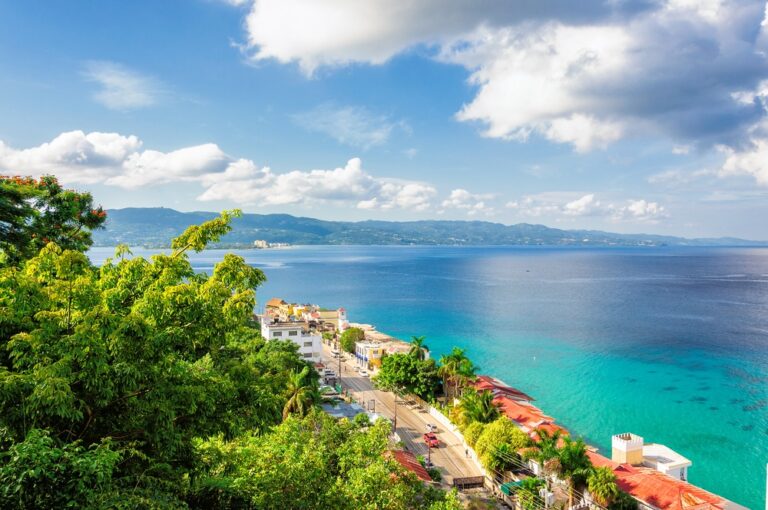
Jamaica is a lot more than the soundtrack to your holiday. This is the birthplace of reggae, home of the world's fastest sprinters and a place where jerk seasoning deserves its own passport. Beyond the famous beaches, you'll find misty mountain roads, roadside cookshops and a culture that's made a massive mark on the world. Come ready to eat well, turn the music up and see a side of the Caribbean that goes far beyond the beach lounger.
Our Must-Read Guides
Quick Facts
Book It
Hostels
The one we actually use to lock in dorm beds across Jamaica.
Hotels
Treat yourself to your own room once in a while.
eSIM
Data the second you land – no SIM hunt at the airport.
Travel Insurance
The cover we trust on every trip – built for backpackers, actually affordable.
Tours
Even on a budget, some experiences are worth paying for.
Transport
Book your trains, planes, buses and ferries across Jamaica.
Travel Advice From The Trenches.
Subscribe to our newsletter for practical guides, honest destination breakdowns, and budget travel tips straight from the road. No fluff, no filler.
No spam · Unsubscribe any time
Our Latest Stories from Jamaica
New trip stories, guides, and honest lessons, straight from the backpack.
Jamaica Travel FAQs
When is hurricane season in Jamaica?
Hurricane season runs from June to November, with the highest risk generally between August and October. You can still visit during these months, but there's a greater chance of heavy rain, tropical storms and travel disruption. If you're planning a trip, keep an eye on weather forecasts, consider flexible bookings and make sure your travel insurance covers weather-related disruption.
Is Jamaica expensive for backpackers?
Jamaica can be pricier than some other Caribbean destinations, particularly if you stick to all-inclusive resorts, tourist restaurants and organised excursions. Travelling independently, eating at local cookshops, staying in guesthouses and using local transport can help stretch your budget. It's worth planning transport costs in advance, as taxis and transfers can add up.
What should travellers know about Jamaican culture?
Jamaican culture is shaped by a rich mix of African heritage, music, food, language and community traditions. Reggae and dancehall are a huge part of the island's identity, while Jamaican Patois is widely spoken alongside English. Take time to chat with locals, try traditional food and approach cultural experiences with curiosity and respect. And don't assume every Jamaican speaks or behaves the same way: the island has plenty of different perspectives and personalities.
What is jerk cooking?
Jerk is a Jamaican cooking tradition that uses a distinctive blend of spices, often including allspice, thyme and Scotch bonnet chilli. Meat is traditionally marinated and cooked over wood or charcoal, creating that smoky, spicy flavour. You'll find plenty of variations, so prepare for some serious heat!