The internet has completely changed the landscape of work and travel. If we are living in the middle of a tech revolution, then viva la revolución!
We are no longer chained to one country or a desk at our workplace. Now the whole world can be the office for the day.
The broke backpackers and aspiring vagabonds of the yesteryears are starting to figure out that travelling doesn’t need to be something you do for a few years in your twenties before you “return to real life”. In fact, travel can BE your real life.
But how do you make that dream into reality?
Well, you become a digital nomad. There is no better way to combine the best of two worlds.
This guide on becoming a digital nomad is for all aspiring nomads. It is for long-suffering office workers and new graduates with shiny Macs. This is for lifestyle travellers who just realised the holes in their pockets plunge way too deep. And it’s for brave career-changers…
This guide is even for you if you’ve already been nomadic for a while but it feels like maybe you could be doing it even better…
These are all my best tips for digital nomads and how to become a digital nomad.
This is all the info you need.
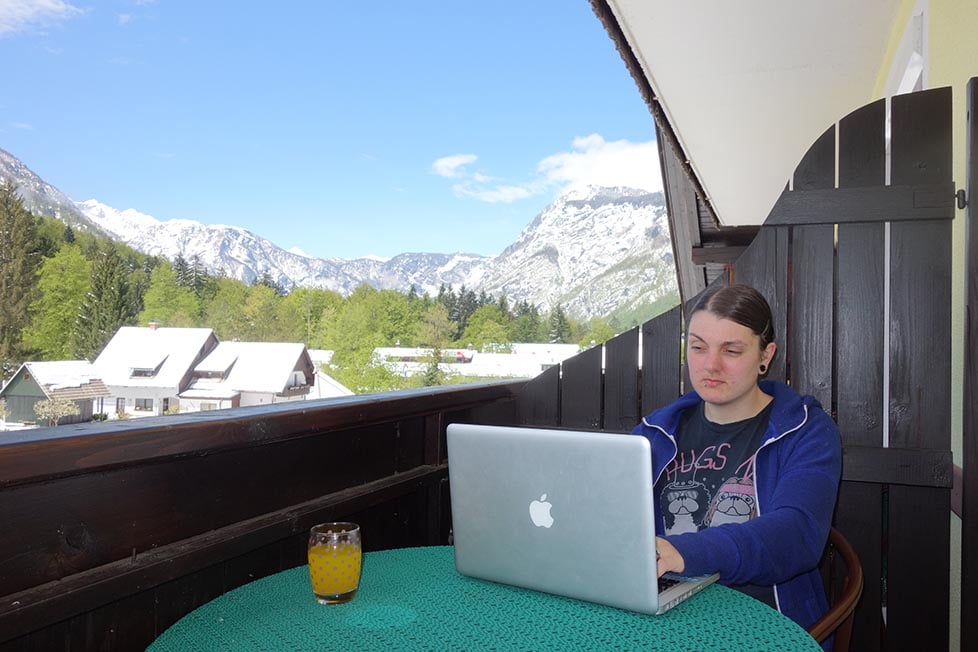
Image: Nic Hilditch-Short
The Broke Backpacker is supported by you. Clicking through our links may earn us a small affiliate commission, and that's what allows us to keep producing free content 🙂 Learn more.
What is a Digital Nomad?
A digital nomad is somebody who travels the world whilst working online… It’s as simple as that! There is no right or wrong way to be a nomad, but there are a few baselines that are true to most of us.
Digital nomads work remotely. But they are different from remote workers; instead of working from a permanent home office, nomads move around between cities and countries, all the time.
Being a nomad is not the same as budget backpacking; usually, nomads have a bit more expendable income, stay in one place longer than a backpacker, and prioritise work over travelling.
Nomads are also different from expats and immigrants; usually, nomads stay in one place for such a short time that they don’t have a chance to become legal citizens in that country (according to recent digital nomad stats).
Governments around the world are starting to catch up on the challenges of the semi-legal status of nomad living, and they’re starting to help us out. It seems that every week another country comes up with a new digital nomad visa!
If you have access to the internet and a decent laptop, you can work online. Congrats – you have just learned how to be a digital nomad!
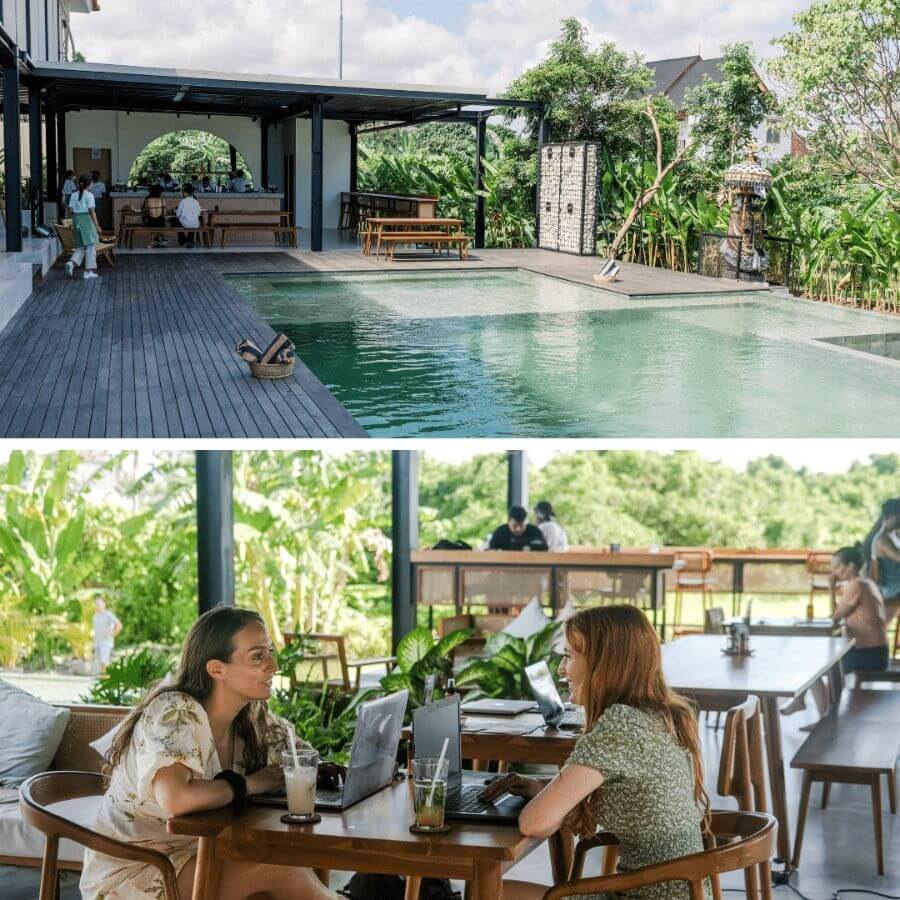
Is this the world’s best hostel for digital nomads?
Tribal Hostel – Bali’s first purpose-built co-working hostel and perhaps the greatest hostel in the world!
An ideal hub for Digital Nomads and backpackers, this very special hostel near Canggu is now finally open…
Come on down and enjoy amazing coffee, high-speed wifi and a game of pool ?
Why Being a Digital Nomad is So Fucking Great
Travelling is a truly life-changing gig. It’s a million different things to a million different people.
Travel is about weird food and intoxicating cultures. It’s about epic sunrises and dark roads that seem to run forever in front of your headlights. It’s about partying it up in Colombia and conquering the Himalayas.
Travel is about freezing your ass off in a tent, catching a cutie’s eye across the bar, and pushing yourself out of your comfort zone. It’s about evolving, learning, forging connections and re-evaluating what matters to you in your life.
It’s about learning valuable lessons.
But more than anything, travel is about freedom.
The freedom to go where your heart desires.
The freedom to try being a new person, to start your life from scratch, to reinvent yourself.
Freedom, to many of us, means to live an alternative lifestyle, to break the mould, and step away from a traditional, predictable existence.
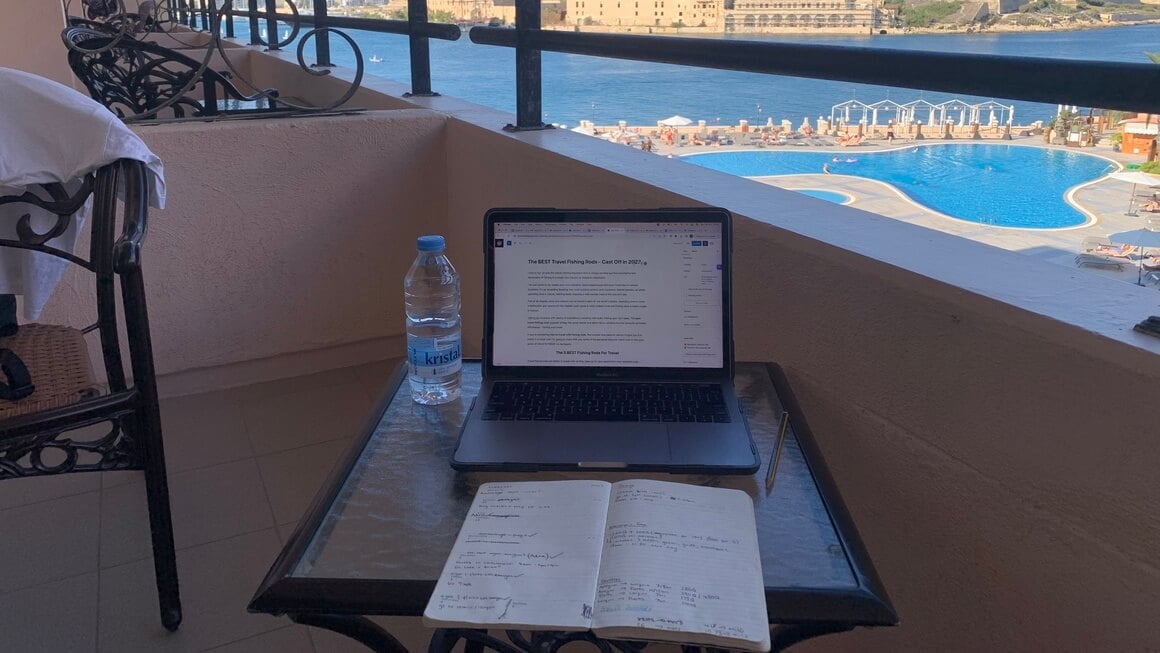
Photo: @joemiddlehurst
And at the end of the day, we all want more freedom. Becoming a digital nomad offers you that freedom.
Wouldn’t it be great if every day could be like the highlight reel of your best trip ever?
Of course, it’s not all unicorns and rainbows. You will be tired, and bored, and sick of your job; just like in any other type of work.
But becoming a digital nomad has been the best decision I ever made. It lets me travel without sacrificing my career, and vice versa. It gives me flexibility, opportunities, and permission to make my life look the way I want it to. But this doesn’t just go for me – backpacker stats have been on the rise, thanks to more people being able to work on the road.
It allows me and others to meet people after my own heart; the people that I always missed when I lived at home.
In a word (or a few), it’s just a grade-A lifestyle.
Work: How to Be a Digital Nomad and Find Nomad Jobs
The first step in how to be a digital nomad is to figure out what you can actually do to make it happen.
- Do you have skills that you can translate into a digital career?
- Does your current job allow you to take off and work online?
- What kind of work are you interested in?
There are plenty of good gigs out there, from digital nomad jobs for beginners to prestigious remote careers for pros. You can even start by finding a travel job and eventually graduate to a digital nomad. Opportunities are aplenty.
This first section is all about work, work, work: how to figure out what you want to do, the best digital nomad jobs, and how to actually work as a digital nomad.
How You Can Work from Anywhere
The spectrum of digital professionals is a large and colourful one. Basically, there are many ways to work as a digital nomad.
Most DNs are freelancers, which basically means they work on a project-by-project basis. Being a freelancer is a bit of an uncertain road since you rarely know exactly how much money or work you’ll get in a month.
On the other hand, freelancers are usually flexible with their working hours. Plus, if you can find a few good clients, projects usually start rolling in after the rough-and-tumble start. I work as a freelancer and I love the flexibility; if I feel like taking a holiday, I can just let my clients know I’ll be off and drop everything.
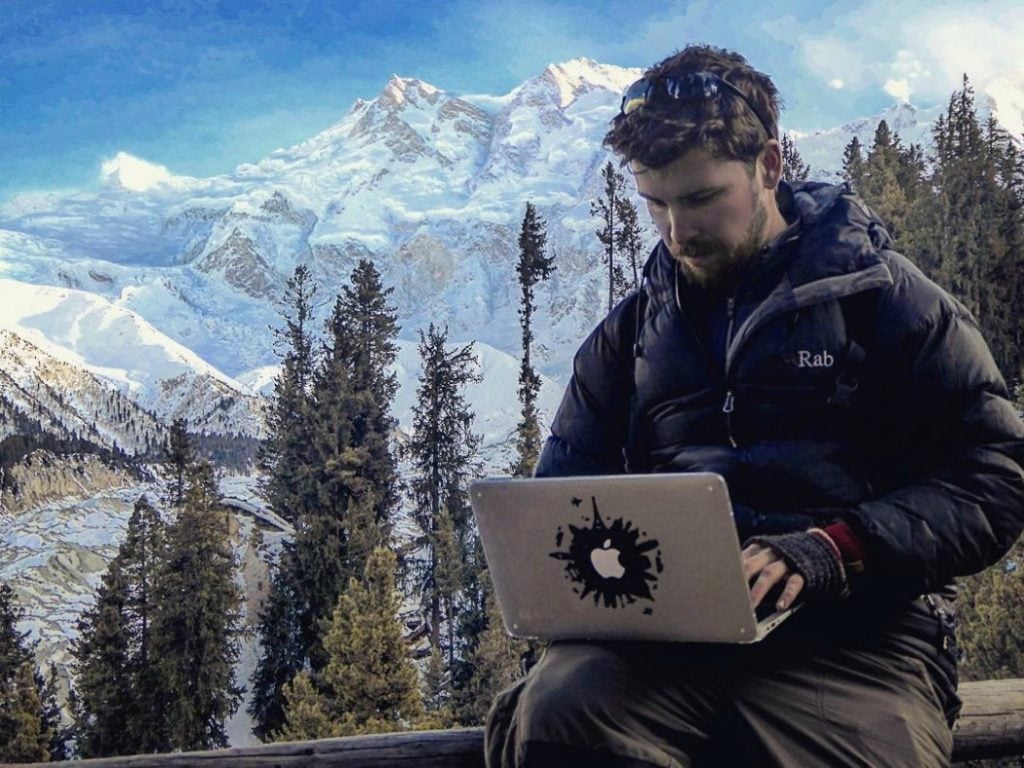
Image: Will Hatton
The second option is to be an online entrepreneur. Many nomads have their own companies. It does come with more responsibilities than just working for individual projects (including legal responsibilities!). But it allows you to be your own boss, scale up your business, and open the highway to high earning potential – if that’s your thing.
The downside of starting a company is that it usually has to be based somewhere – which you personally are not. Your country of origin might allow you to run your business also from abroad, so it’s worth looking into it. Or you can base your company somewhere through a remote programme!
The third option is to be employed by a company and just work remotely. It’s the most restricting option since you usually have to work company hours (even from a different timezone), participate in meetings, and keep your boss updated on your whereabouts.
Then again, having a steady remote job means knowing how much money you’ll earn each month, and possibly getting benefits that most of us scattered nomads can only dream of like health insurance and a pension.
Best Digital Nomad Jobs
Basically, you can do anything as long as it’s possible to be done on a laptop over an internet connection.
How much do digital nomads make in a month, though? That depends entirely on your job and dedication. Some of the most popular digital nomad jobs include:
- IT and tech jobs – web and software development, UI/UX design
- Language jobs – teaching English, translation, transcription
- Creative jobs – photography, creative writing
- Writing jobs – copywriting, blogging
- Marketing jobs – e-commerce, product management
Sound good? This is only the tip of the iceberg of the professional side of digital nomadism.
There are tons more options that let you flex your skills and become the best nomad you can be. And wouldn’t you know it – The Broke Backpacker has an excellent run-down on all things DN jobs.
How to Be a Nomad and Find Work
That’s a damn good question. Maybe ten years ago you could just set up a travel blog, post a couple of blurry shots on Instagram, and you’d already have a following.
These days the market is oversaturated on a lot of nomad-friendly fields. This means that some digital nomad jobs for beginners are hard to get or don’t pay well. You need to put your best hustle suit on and persevere.
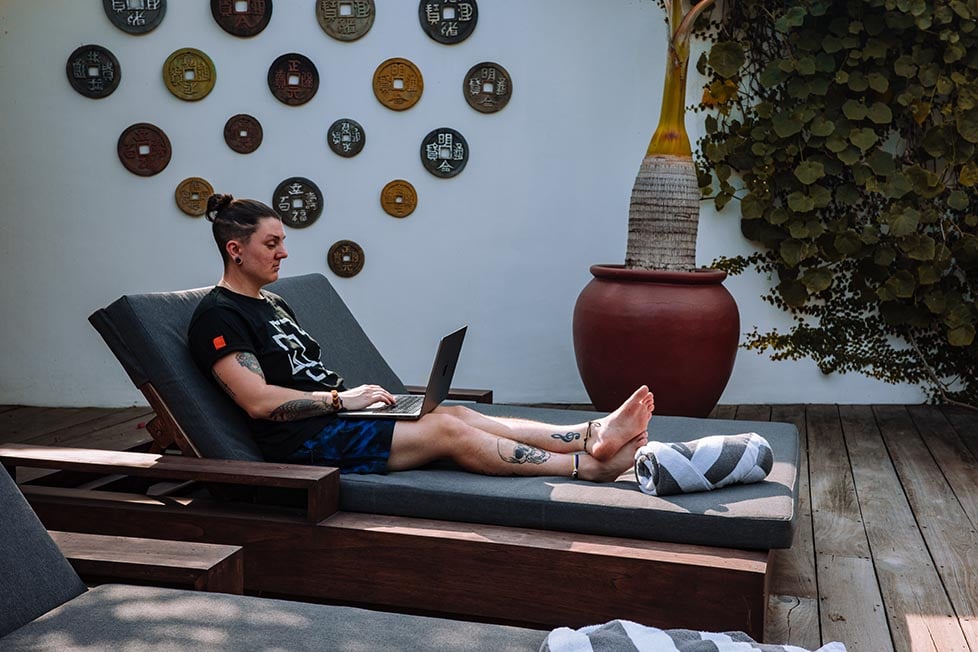
Image: Nic Hilditch-Short
There are many online platforms where freelancers can start looking for small gigs and expand their portfolios. Check out Fiverr, Upwork, Freelancer, Toptal, or Guru. They pay little at first but it’s very much a case of “grow as you go”: the more work you do, the better your ratings, and the easier it becomes to get better jobs.
If you’re already an experienced professional, the uphill road might be slightly less steep. You can contact companies directly or look for suitable positions on LinkedIn. As a translator, I sent my CV to agency after agency in my home country until I’d established a few steady clients.
Networking can also be golden – this is why you head to places where other nomads hang out. (That’s how I ended up writing for The Broke Backpacker with this legendary team! The horizons are endless.)
Word of mouth is powerful. Through collaborations, friendships, and referrals, clients soon start finding you.
Where Do Digital Nomads Work?
This is something I get asked surprisingly often; so let’s answer it once and for all…
Short answer: you can work from anywhere in the world with an internet connection.
Long answer: read on…
I guess you’ve seen all those stock photos of digital nomads working with their feet dangling in pools and their asses parked on some high mountain top. I mean, you’ve definitely seen that if you’ve read this far – we use those photos, too.
But it’s more for the *aesthetic* (insert sparkle emojis). We all know that Instagram is the worst and you shouldn’t believe everything you see on there. In reality, digital nomads tend to go for slightly more comfortable work spots.
Many nomads work from home if it’s comfortable enough to set up a home office. Also – it’s free, which may or may not matter if you’re just getting started. Another free option is public libraries which are always quiet and usually have decent wifi.
Personally, I feel way more motivated to work when I’m around other nomads, so I usually go out for the day to work.
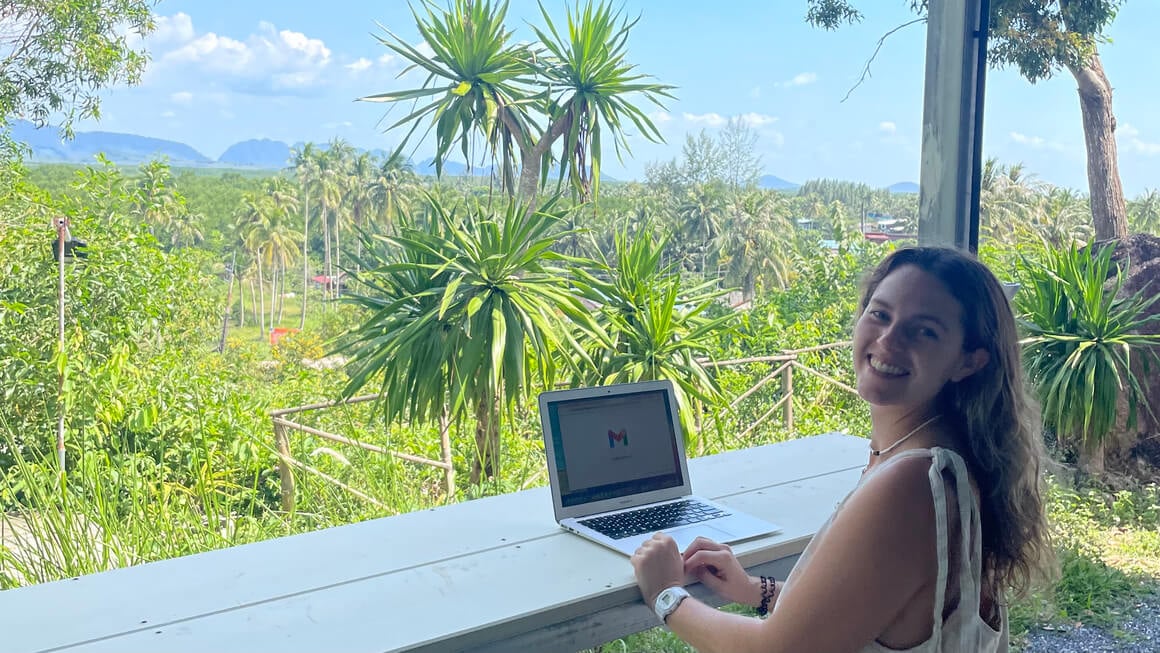
Photo: @danielle_wyatt
I love working from cafés. You can get good coffee and order lunch without breaking the workflow, which is just the best thing. They usually have comfortable seats and play good music. Just watch out: some cafés can give you the stink eye if you hang out all day and don’t keep ordering things. Also, try to find spots where nomads are welcome.
Another good option is co-working spaces which have started popping up like crazy. Some co-working spaces are little more than a desk and a chair, whereas others offer everything you think you could need and more. Often they’re community centres for digital nomads and offer workshops, community networking, and friendship events. Some even have co-living options where you can stay with other nomads. You can also find huge digital nomad communities like Freaking Nomads online that you can connect and link up with.
In the end, your work spot depends on what’s available around you and what kind of environment helps you focus best.
What to Sort out Before Leaving: Digital Nomad Checklist
If you’re a nomad newbie, getting started on the DN life is not necessarily as easy as packing up a bag to go. (Although it helps if you have a nice travel packing list already jotted down.) Here are a few things to put down on your digital nomad checklist before heading off to the world:
Insurance
Getting coverage by regular travel insurance can be tricky as a nomad since you don’t have a specific itinerary or a set length for your trip.
For remote workers who live and move across different countries, these situations can affect not only the trip itself but also daily work, income, and access to essential services. In this context, travel insurance for digital nomads is usually considered differently from standard short-trip coverage, because the practical demands of location-independent travel are broader and more complex.
Safetywing’s unique gist is that they offer a hybrid of travel insurance and health insurance. Safetywing doesn’t, unfortunately, cover electronics and valuables – but it’s a super simple form of international health insurance. So, you’re good to go from anywhere, itinerary-free (except the USA). So cover yo’ ass.
Plus it’s CHEAP and on a month-to-month basis. Read our SafetyWing insurance review or visit their site by clicking below, then they’re at your disposal all the time!
Travel Banking and Credit Cards
Using your bank card to pay for things or withdraw money abroad can get REAL expensive. Luckily, there are tons of great travel credit cards that can reverse ATM fees and other spicy extra charges. The most popular ones are Revolut and Wise. Learn how to master travel banking, and you’re good to go.
Having an international bank account and an attached card is also useful if you need to receive or send money in another currency and you’ll also want to learn a bit more about how travel foreign exchange works.
Image: Nic Hilditch-Short
Make sure that your bank cards will also be valid for a while after you leave. It’s rare, but some banks don’t ship new cards abroad or they will do it with a lot of grumbling.
Also, notify your bank that you’re going abroad. Otherwise, they might flag your innocent Monday lunch mojitos in Playa Del Carmen as suspicious activity and freeze your card.
Accommodation and All Your Earthly Possessions
Are you currently renting a place or maybe even own your own house or apartment?
Before leaving, you need to decide what to do with all the shit you own. Sell everything and become fully nomadic, or try a soft landing and sub-let your apartment while you first try out the digital nomad lifestyle for a few months?
If you’ve never been a nomad before and want to just try it out, you can store your belongings for a few months while you’re travelling. Try asking your family or friends for temporary storage space. When you feel their previously unconditional love and affection for you start to crack because your shit is all up in their shit, you can rent an actual storage space.
Permanent Address
Which brings me to my next point…
In such a digitalised world, it is excruciating that we still need to deal with address questions so often. So what do you do if you don’t permanently live anywhere?
Get electronic mail. At least in Finland, most government agencies have thankfully finally switched to a paperless system, and I can receive all my tax shit and bills completely in the cyberspace.
Image: Nic Hilditch-Short
Use a temporary address. In a lot of cases, your address is just needed because… well, there are various reasons. It’s completely fine to just put down the address of your most recent apartment or hotel.
Use someone else’s address. Whenever I need to put down an actual address for real-life purposes, I put down my parents’ address, because they’re cool and don’t mind it. You could probably set up a similar system with a parent, relative, or a really good friend.
And for receiving mail, you can use your current address, or see if someplace you frequently stay offers a mail service. Many coworking spaces let you receive letters and packages there if you’re a member, and I’ve heard of guest houses and gyms doing the same too. You can also try poste restante and collect your mail from a local post office.
Phone Plans
Moving between countries also means that you need to keep buying new SIM cards. So what do you do about not having a permanent phone number?
Actually, keeping your number is fairly easy. Make sure you get a phone that has dual SIM capacity, AKA two sim card slots, so you can keep using both your old sim card and the one you buy in every new country.
I have had my Finnish number for years which is handy since so many of my apps and websites use it. I have parked the number which basically means I pay a small fee every month instead of a full phone bill to keep the number in use. Even though I can’t make calls or send texts, I can still receive both on my Finnish number.
There are also some international SIM cards for travel that could work for you if you genuinely have no base phone number!

Image: Will Hatton

A new country, a new contract, a new piece of plastic – booooring. Instead, buy an eSIM!
GigSky eSIMs work just like an app: you download it, pick your plan, and BOOM! You’re connected the minute you land. It’s that easy.
Read about how eSIMs work or click below to see one of the top eSIM providers on the market and ditch the plastic.
Grab an eSIM!Where to Go as a Digital Nomad
If the whole world is your oyster, how do you start scoopin’ it out? There are approximately 193 countries in the world, but not all of them are made equal when you’re looking for your next home as a digital nomad.
What to Look for
Well, the first thing you obviously need to figure out is if you can have reliable internet where you’re going. (One of the reasons I skipped out on India, no matter all the great stories of Goa I’d heard.)
Above all though, I value a good community. Work and travel are just so much better when you can actually do both with someone cool.
Most nomads also chase warm weather – but hey, you don’t have to. Some digital nomad hotspots like Bansko in Bulgaria are at their peak in the winter when snowboarding nomads take over the town. And backpacking Europe in winter is actually pretty magical.
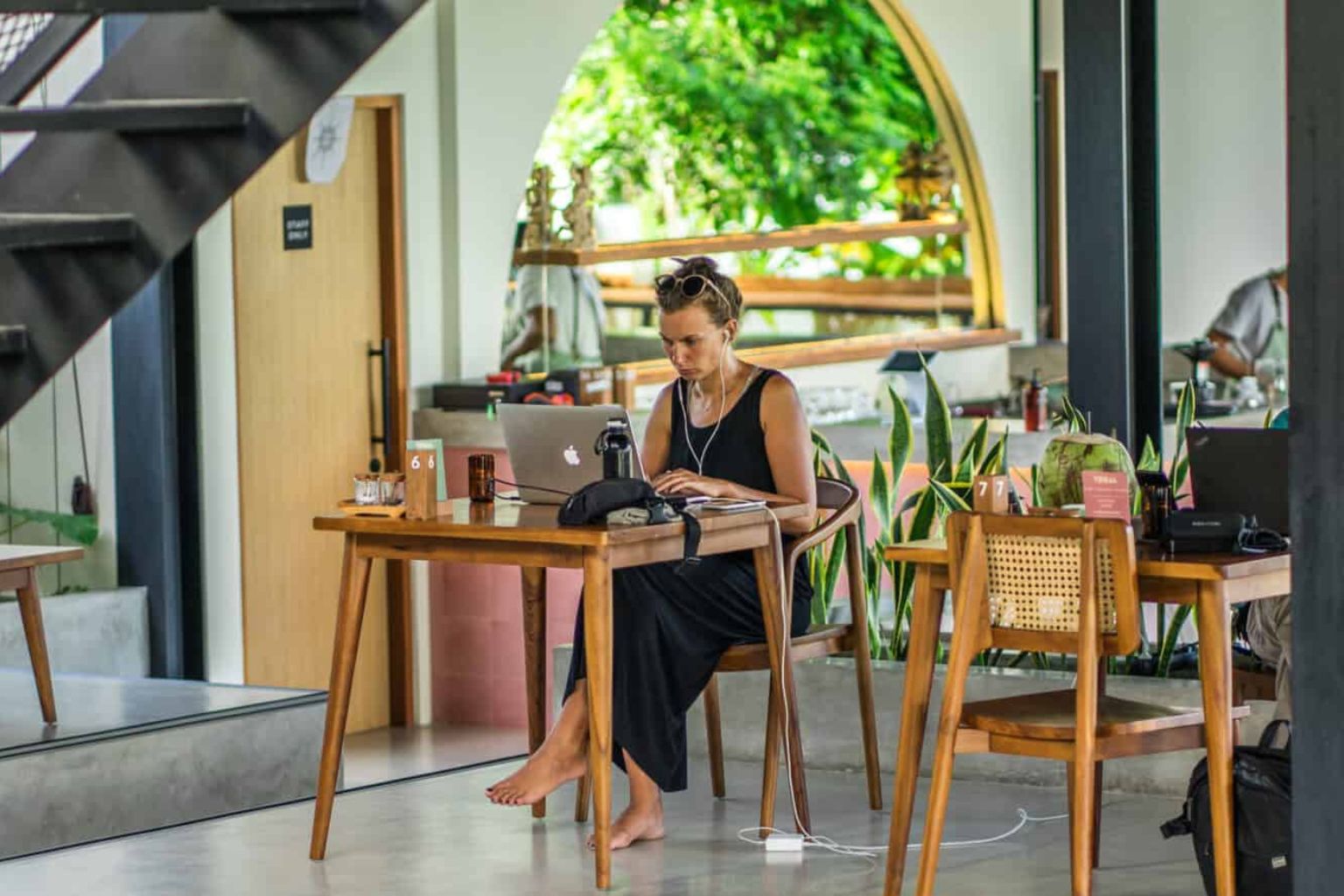
Photo: Tribal Bali
Your digital nomad budget also determines where you can afford to live. Living somewhere cheap means that you can probably afford to have a better lifestyle and/or to work less.
Do a bit of research on what to do after work, too. Paradise beaches are great and all, but if you’re a mountain person or a city slicker, you might get sick of it pretty quickly.
And lastly, you’re usually arriving in a country on a tourist visa. So in some places, the length of your stay may be pretty limited. It’s worth looking up which countries offer a digital nomad visa and other schemes that allow you to stay longer.
Best Cities for Digital Nomads
These are some of the old-school and newly added favourites for digital nomads in 2021!
- Canggu and Ubud in Bali, Indonesia
- Chiang Mai, Thailand
- Lisbon and Madeira, Portugal
- Las Palmas and Tenerife, Spain
- Cape Town, South Africa
- Medellín, Colombia
- Mexico City and Playa del Carmen, Mexico
And the great news is… there are TONS of other 100% dope places to hang your hat in.

Photo: Nic Hilditch-Short
How to Be a Digital Nomad
I’m possibly a bit of an oddball for a digital nomad. I didn’t just go on a backpacking trip one day and realised that that’s what I wanted to do for the rest of my life. Well, kind of, but my rise to DN fame was way more planned out.
I always knew I wanted to leave Finland ASAP because fuck dealing with that darkness and cold. That’s why I picked a major in Uni that would allow me to get the hell out as soon as I graduated. (In reality, I never even went to my graduation ceremony – at that point, I’d already been living in Poland for months – lolz). I got a Master’s Degree in translation, and off I went to the great big world.
For many nomads, the road is usually not that straightforward (or academic), many nomads simply worked hard and started from zero. That’s the story to show how ANYONE can become a digital nomad.
The Truth About Being a Digital Nomad – Smooth Sailing All the Way?
Listen, I’ll preach about the wonders of location independence to the ends of the world. It’s something I gladly suffer through even on the more miserable days because the rewards are just so much sweeter than not doing it.
But let’s be honest, sometimes this life puts you through a whirlpool of challenges. Travel burnout is not a joke, and digital nomads are not invincible to it either.
Brace yourself. This is as real as it gets.
Work Doesn’t Just Magically Fall into Your Lap – Shocking!
With all the hype, you’d think it would be as easy as picking up a laptop to travel and work online. The truth is, the digital nomad dream takes a lot of work, especially if you’re an entrepreneur or a freelancer starting basically from scratch.
As long as you have a wifi connection, a travel friendly laptop, a bit of resourcefulness and a ton of dedication, you can create a very successful online business in under two years. In the meantime though, it is a hustle.
Even when I started with a Master’s Degree and a very clear plan of what I wanted to do, it took a few months to start finding work. It took another year more to start earning a decent wage. Experience is boss, just like in any other type of work.
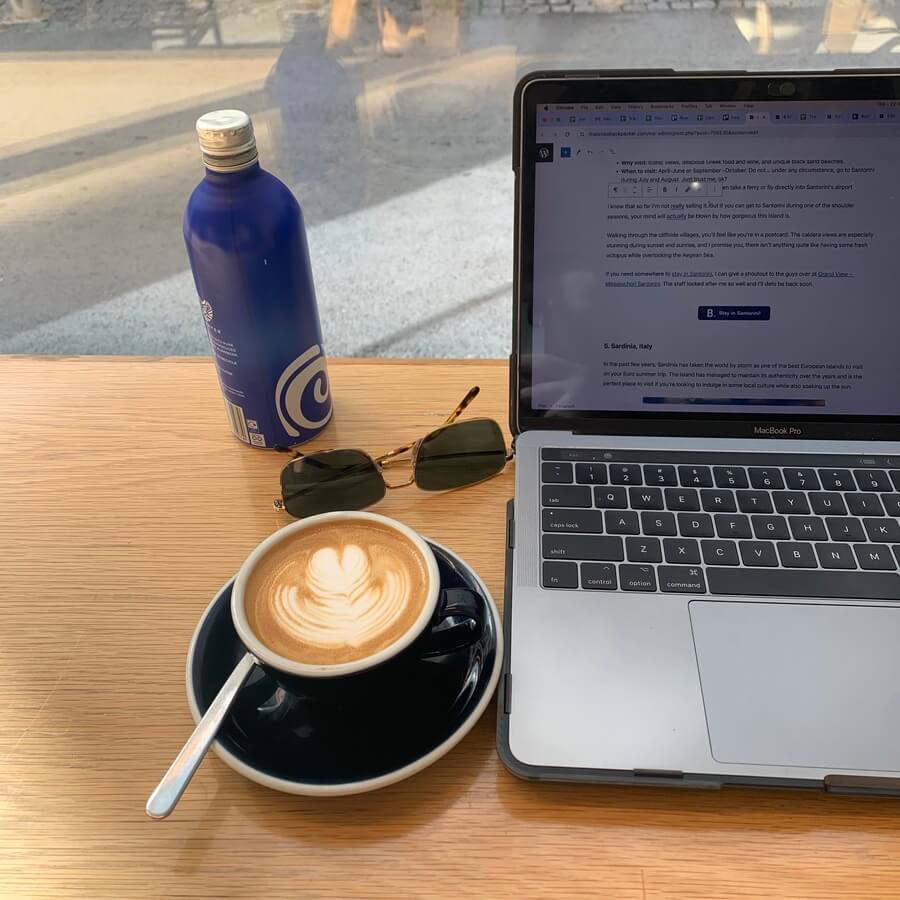
Photo: @joemiddlehurst
I was also broke after finishing university, so to keep travelling I took up hostel jobs and other odd gigs to make ends meet. This actually stopped me from having time to focus on building my digital nomad career.
This is why it’s best to start out with some savings. I used to work pretty much any minimum-experience-level job just to save up a few bucks.
Start with a nice nest egg and you have time to focus on the work you WANT to do, not the work you have to do to survive.
Plus, it’s always smart to have a rainy-day fund for the time if something eventually goes tits up: your MacBook falls into the pool, a tropical parasite hospitalises you, or your current country’s political system collapses and you have to fly out ASAP. (Shoutout to all you brave backpackers in borderline dangerous countries!)
There Are Some More Things you Should Know…
The digital nomad lifestyle isn’t for everyone: you’re going to catch a lot of critique for being a nomad.
Some people simply don’t understand why you would voluntarily want to live nomadically. I think it took my parents a few years to realise that it wasn’t just a passing fad (it’s not a phase, mum!) and that I actually wasn’t coming back.
Most people in your life will be supportive. That’s great. But even among those people, you will feel like they would prefer you to stay closer to home, even if they don’t say it directly.
You will miss a lot of things – weddings, births, even deaths. The fear of missing out is real. The slight guilt of not being there for your family and old friends can be tough to deal with.
And some people… they’re just straight-up dicks about it. You might get called selfish, non-committal, neo-colonialist (that’s what you get for living like a king in cheap countries…), and just straight-up crazy.
But this is your life – you have to follow your passions and do things that make you happy.
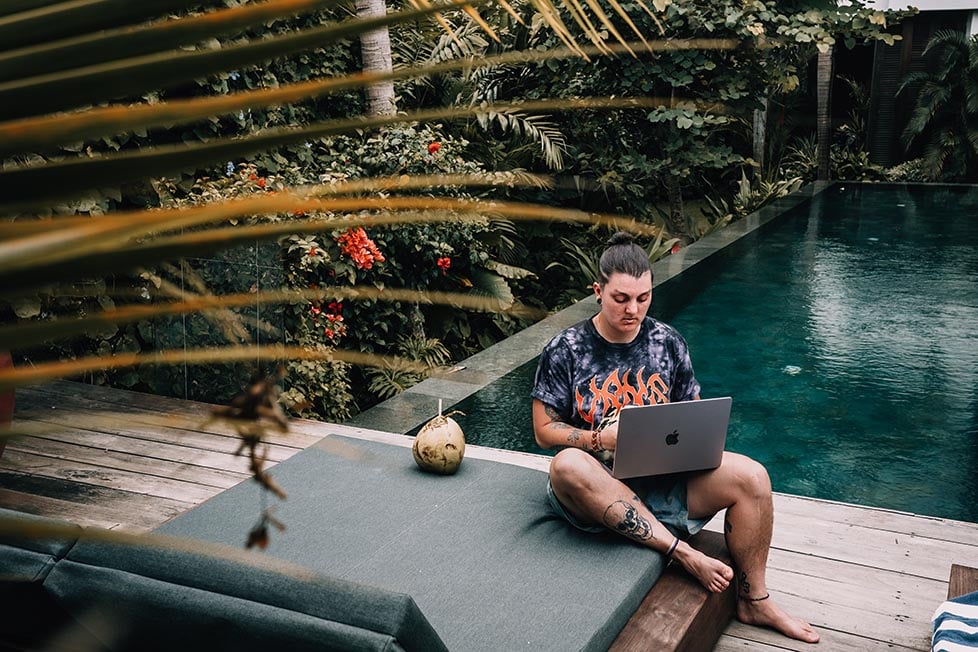
Image: Nic Hilditch-Short
The traditional grind is simply not for everyone. It’s fantastic that we have this opportunity to leave it behind if we want to. All you can do is your best, to keep in touch with people back home, and make sure you visit every once in a while.
Many digital nomads also struggle with loneliness. That’s only natural when the lifestyle is so transient – people come and go and so do you, and it’s hard to keep saying goodbyes.
On the other hand, the flexibility and mobility of being a nomad also let you follow your new friends wherever. You can meet them in other places around the world, and even stay somewhere if you really fall in love with a place (or a person). More on that next…
Is Being a Digital Nomad Sustainable in the Long Term?
It seems to be a common myth that digital nomads work some shady, small-coin jobs because they’re young and naive and just want to see the world. That’s not (always) true: it’s 100% possible to have a real career as a digital nomad and earn even more than you would at a traditional job.
If you’re planning to lead this lifestyle for a long time though, it’s worth thinking about your life goals outside of work. What do you actually want from life?
Many nomads are single or casually dating and thriving. Serious relationships can be hard because of distances, changing places, and general fuckboy-/girl-ery.
But despair not! It’s also possible to find a great relationship as a digital nomad.
Actually, it’s probably easier to find someone with aligning values since you’re bumping into people living the same kind of lifestyle all the time. There are even digital nomads travelling with children, poly-dating, and nomadic LGBTQ+ communities. Whatever relationship you’re looking for, or not looking for, it’s very much possible.
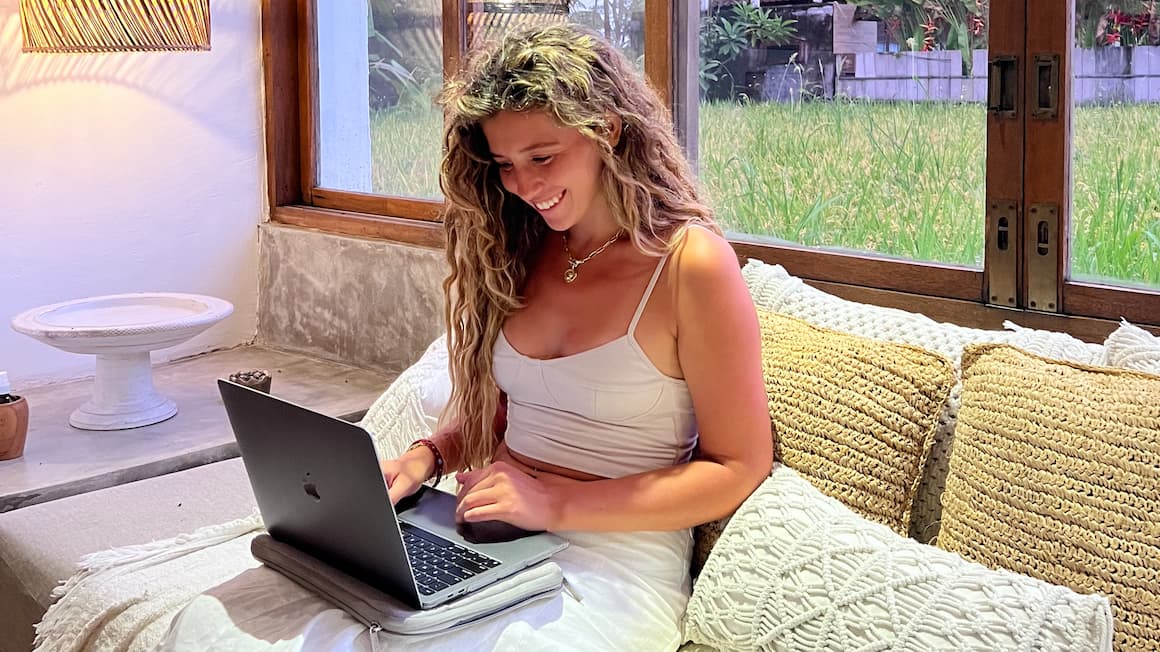
Photo: @amandaadraper
Being a digital nomad also changes travel, and especially the way you personally travel. Quick stints in beautiful places and perpetual goodbyes start to feel stale. Eventually, most digital nomads start craving to have a base, which is extremely healthy.
I hit the wall at around the two-year mark in my nomad career. So I did what seemed the best: I found a place with a great digital nomad community and settled there, more or less.
I still travel as much as I can. But now, in between trips, I return to the same place. And guess what? Having a semi-stable home feels fantastic. There’s no place like home.

Our GREATEST Travel Secrets…
Pop your email here & get the original Broke Backpacker Bible for FREE.
Not All That Glitters Is Gold… But It’s Still a Pretty Shiny Life.
Alrighty, Aphrodite, that’s about as far as I can help you – the rest of the path is yours to discover!
Being a digital nomad is a sure hustle at first: cooking your own dinners, sacrificing social events for a bit more work, making deals with the devil to put your business forward… Just kidding, you can totally do it by yourself. No sinister powers are needed.
It’s an exciting journey though, and extremely rewarding. I’ve been nomadic for almost four years now and I would NOT change this lifestyle for anything.
Learning how to become a digital nomad is not hard. But it is also not as easy as snapping your fingers.
If you’re serious about being a nomad, try it out for a while; get nomad friends, and talk to people. Following nomads online and clicking likes on an influencer’s Instagram is not gonna give you a very good image of what this life is actually like.
There are a lot of people out there who are full of shit and simply know how to advertise their glitzy lifestyle online in a way that makes it look like child’s play to become a digital nomad.
But if you really want to make the dream work – if you want to travel with your laptop and live in all these amazing places around the world – the only person stopping you is yourself.
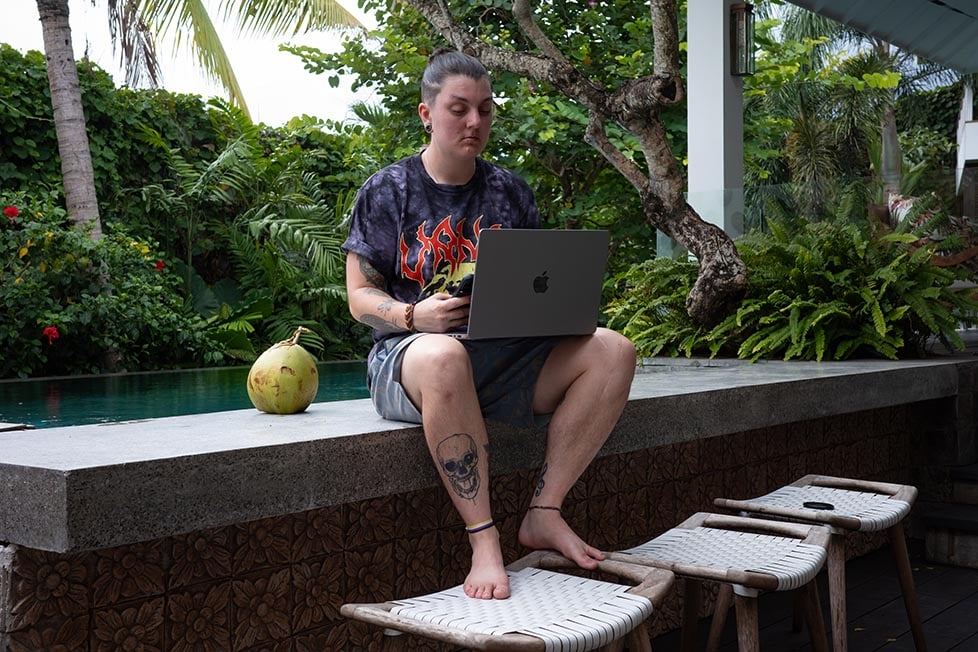
Image: Nic Hilditch-Short
It’s a very achievable dream and one that millions of people worldwide are currently starting out on.
If you ever get lonely, or frustrated, or broke, just know you’re never alone; there is a wonderful, accepting, beautiful digital nomad community that welcomes you, supports you, and understands what it’s like to crave a different life.
You want to build a life of freedom. That’s obvious. Now the question is, will you do what it takes to take your life and make it your own? Do you want to be the master of your destiny? Do you want to become a digital nomad?
Is it easy?
Nah.
But is it worth it?
100%, hands down, hell yes.
You can live a lifestyle of perpetual travel. You can live a life of freedom. You can be your own boss, make money online, and join the millions of beautiful people who are a part of the digital nomad revolution.
And you can start now.




This article on becoming a digital nomad offers a comprehensive and practical roadmap for anyone looking to break free from the traditional 9-to-5 lifestyle. It highlights the flexibility and freedom that comes with remote work, but also doesn’t shy away from addressing the challenges, such as isolation, time zone differences, and the need for self-discipline. I particularly appreciate how the article stresses the importance of building a reliable income stream before fully diving into the digital nomad lifestyle. It’s easy to get caught up in the romanticized notion of working from exotic locations, but the reality is that it requires significant planning and resilience. The advice on choosing the right tools, managing work-life balance, and staying productive is invaluable. Ultimately, this article reinforces the idea that being a digital nomad is not just about travel, but about cultivating a sustainable and adaptable career that allows for personal growth and freedom. It’s both a dream and a responsibility.
Great read! I’m currently doing a PhD abroad and saving up funds, then I’m OFF. Have worked both remotely and as a freelancer before, love to navigate difficult (Middle Eastern) countries, and am bound in no way, so I should be good. Inshallah, yalla.
Awesome article — I’ve just hit the 1 year mark in my digital nomad career and everything you say here really resonates.
I’m currently based in Sri Lanka and would really recommend it to anyone looking for a cheap, chilled alternative to the more well-trodden DN hotspots in SE Asia. The surf is amazing here too! 🙂
Very inspirational! Thank you for sharing your experiences as a digital nomad. We started our journey earlier this year. It’s always great to read about fellow nomads chasing and living the dream! Going to check out your other site now. 🙂
I find your post really inspiring. I am presently travelling as a seafafer aboard a cargo ship and luck has it, good thing we have internet 24hours. I’m from the Philippines and planning to launch my own website and find a niche in the market. My passion includes music, travelling, engineering. I am in a sea of dilemma on what exactly will work for me. Hope that you can shed light and give some valuable tips and ideas that will work with my given information. All the best.
My advise is to do some proper niche research before you make your choice… Remember that you HAVE to workout how to drive traffic (I advise SEO) as without traffic, you haven’t got anything – so choose your niche wisely.
I could hear your voice echoed inside my head, while I read. The most honest blog I have ever read. It punched me right on my face like “FuckYou, see it’s not impossible”… hahahha, you were amazing , felt like I was right in front of you and you are like , A Big fist bang on that coffee table saying “See, it’s possible Girl”. Damn!!!!!! Thank you….. Keep growing and never slowing.
Damn girl! It sure is possible with that kinda attitude – I love it 🙂 Guzzle down some coffee and get brainstorming… 🙂
Trouble is the rules keep changing. China fails to ship. Amazon drops fees, FaceBook goes silly, and your ads don’t fire.
Me, I’m still working at it.
Great post.
Cheers Penny…
I to am trying to ditch the desk and travel more. Your blog was an eye opener and I loved all the good information you had. I am getting ready to start my own blog….wish me luck.
Thanks
Building a blog really wasn’t all that hard, it’s building an audience that’s hard!
Hey Will, Im doing my final project in Design school on Nomadic Furniture and was wondering if you had time for a short fifteen minute interview on what you do, where you’ve lived, and what things you’ve brought with you. Any insight you have is much appreciated. Hope to hear from you soon.
Nick
I read this post fully regarding the difference of most up-to-date and
earlier technologies, it’s awesome article.
Hey Will. First of all great article – muchly appreciated. So I was hoping for some advice. I am 32 years old and currently working and living in Brighton. Im a minimum wage chef with no enjoyment in hospitality, and as Brighton is the 2nd most expensive place to live I also have zero savings.
Anyways, iv started having panic attacks again after a four years absence and in my head I know I need to get out the UK and make a go of the nomadic lifestyle. Family, friends etc are not a concern. Unfortunately time is a huge constraint. Both seasons (summer is ending) and my inability to stray and work and attempt to save.
Essentially I’m looking to sell everything I own which would net me around £500. This is not much I’m aware.
My question then to you would be what would you suggest as a first step, the big leap so to speak.
ANY advice would be appreciated.
Thank you and keep up the amazing work!
James
Hey James, I hail from Brighton myself! £500 ain’t much but you can stretch it far if you need too… You can travel for a little while on that but it’s going to be hard unless you head to India, Iran, SEA or Central America; pick a cheap region, be open to picking up work as you go and if you have a laptop you can look into making money online – there’s lots of options but admittedly, you do need some cash to get started. My advise is hitchhike, couchsurf, work on farms – and along the way, you will figure out what you want to do 🙂
Cheers Will.
,You reaffirmed what I already suspected. I figured with the savings and the imminent weather change my best option would be to head to the Netherlands, then Germany down to Italy then Greece across to Turkey then Find a cheap flight to China. Im open to working in whatever means necessary similarly I’m not adverse to dumpster diving, camping in parks etc. What ever needs to be done right?!
I am curious about the online money making – iv been doing some research but in all honesty I’m pretty clueless. Im currently trying to figure my webpage/blog and thankfully I think iv found my niche!
Again, thanks for the swift reply and embrace the adventures!
James
That was a great read. It fills me with great hope when I see how quickly you made it, inside 2 years and while travelling with little money. I am a little concerned about how to truly grow and develop the blog site while travelling, dealing with poor internet in South America and keeping on top of spending! However, I know I’ll make it. That belief just doesn’t fade and I’m living for the day when any time is beer o’clock and I can take 6 weeks off when I want!
Hey CJ and thanks man! It’s definitely a uphill struggle at first but if you persevere and put in the hours, you will prevail! My top tip would be, since you are going down the blogging route, to focus on your SEO and to pick a niche where you can dominate that SEO – If you ain’t got readers, you ain’t got nothing and with social media getting more and more competitive, SEO is the way to go. I’ve seen your site – it’s good man, best of luck with your adventures! If you make it to Venezuela, let me know, would love a guest post from you.
Hi Will! Cheers for the tips (and the praise!). SEO has been but a distant acquaintance thus far (#yoast plug-in) but I’ve great intentions of powering through a course or three on the topic! Social media is definitely a crowded field now but I’ve high hopes for the future, just got to be patient and persevere as you say!
Venezuela looks slightly less than appealing right now, but who knows, I should be on the continent for the guts of a year so plans can change! Would be delighted of the opportunity to guest post for you so I’ll keep that one in mind for sure! Hope the ebook is doing well, going to be snapping it up soon to keep my wallet in check!
Hi Will, the link at the end of Step One didn’t lead to an article on best Digital Nomad jobs but to one on non digital jobs. Where is the correct one?
I am inyerested in meeti g up with other people who truely want to drop the average lifestyle and just go, like now. I founda lot of talkers and not the get yp and go people I woukd like to meet. Any thoughts, i tried the recommemdes webaites.
Get a laptop, hit the road, figure out what makes you tick, try one hundred things, discover your passion, chase it, own it.
Great post Will – I think that $1,000 per month mark is crucial and a point when you realize the “possibilities” even further. I also think what most people miss out on though, and where many people go wrong, is that they fail to see it’s all about the hours you put in – not the work itself. ie. it pays to work hard rather than trying to be clever all the time!
Well done selling out your Pakistan tour in 5 days, I never knew it happened so quickly – you’re amazing man!
Cheers Derek! I hope you’re kicking ass out in Africa amigo and I hope, even more, that you get your ass back Asia-side soon so we can catch up! You take it easy dude.
Hello I’m 17 years old
I would love to be a nomad person, travelling is my goal, I only study to make sure I will have enough money to travel
In september I will probably go to a Biology university
I would love to work até national geographic or something similar, not be in a lab all my life, I want to move
My parents don’t like this idea cause they say after it Wil be complicate if I have childs and a man
Anyways
I want to be my own boss to travel as often as possible
Cause I DONT think my parents will agree if I was travelling all my life, I’m scared, I don’t really know how to start, if after I Will find a job, If it will be as good as I think ir is, I’m scared but I know I want to travel, to Discover the world
I would love too, to have a traveler blog, while I’m travelling I would be writing my adventures
I’m Lost
Please Help me
Peace
Hey Angelina, being a nomad is the way to go! Nat Geo is for many a dream, they are the pinnacle of adventure journalism. Getting in is very hard though and you would need to work your way up, build a following online and get your wwork featured on other online publications – all of this is achievable. If you want to be your own boss, there are a lot of different ways now to start making money online – blogging, vlogging, amazon niche websites, drop-shipping etc – have a look at the ditch your desk section of the site, there’s some good stuff in there and I’m working on a lot more guides on how to quit normal life and travel cheap whilst earning money. If all you really want to do is travel, then that’s awesome – go with it. Trust me that travelling will not damage your chances of finding a job when you get home; travelling will make you more confident, give you more experience, teach you how to multi-task, how to problem solve, how to socialise. It’s the ultimate tool for personal growth and will make you far more hire-able than something straight out of uni. A travel blog is a great way to record your adventures but it is very hard to make money out of travel blogging and there are easier online avenues. There are just a LOT of travel blogs now so standing out is tough. My advice is to travel. If you want any further advice, drop me an email – will@thebrokebackpacker.com Good luck!
I enjoy your articles and have recently started out travelling and thinking strongly along the lines of earning while we travel. Difference is though, that we are 49 & 50 year young midlifebackpackers who would love to do the whole digital nomad lifestyle. Other than the youngsters out there, we have some passive income via a small property portfolio & are debt free, so that would help.
However, we have way more commitments and of course it costs money to maintain properties, medical aids, insurances etc, so breaking free also becomes more difficult with age.
There is much talk of generating income and the various methods are much publicized but of course the details are always vague & never specific, unless one spends 100s of dollars on online course being told that you can make 100’s of dollars if you offer courses, You know, the whole pyramid way of scamming people for bucks.
Anyway, right now I’ve barely figured out how to set up a basic blog, facebook page & best of all an income generating guest unit called Protea Retreat, that is taking off on Booking.com, so at least that’s one way to fund our next travels. Read all about it on Midlifebackpackers.
Cheers-Menno & Janneke
Hey amigos! You are definitely right… There’s a fuck ton of misleading, pyramid-scheme, get-rich quick info out there and the internet is a minefield. But, luckily, if you know where to look it can also be a goldmine. There are so many opportunities out there right now, I’m unleashing a ton of blog posts on other digital nomad careers this year, and it’s totally possible for anybody with a laptop and fingers to make money online. Your situation does sound a little different to some of my readers but although you may have different obstacles you will also have different advantages – chances are you have more capital to put into online ventures and that can help you grow your business so much faster (don’t worry – I’m not suggesting you pay for a course!) if you spend it in the right way… Good luck in all your online ventures and watch this space, I’ll be publishing a lot of really practical content soon on this topic.
This was such a great read and inspired me so much to plan my next travels – thanks so much! – Also similar to boat work, there’s some winter season jobs you can get helping set up music festivals in the alps, meaning you can travel round and ski/board too !
YOu are a boss! I’m a digital nomad through career coaching and am trying the travel blog thing simultaneously. I agree with you everyone can do it but really good on you for doing it on $50/week. I’m sure you had a lot of fun stories to tell – and learned tons about yourself and what little you needed along the way. I’m a fan hope to meet you in the same country someday!
Cheers Emily, there have been some interesting tales for sure 🙂 Hopefully catch you on the road for a beer sometime! 🙂
What a great read. Currently doing my adventures in New Zealand and hopefully trying to break out if the normal and become a digital nomad. With these read i now know how to become a digital nomad.
Wise words Will (WwW) copyright.
Useful info, insight and inspirational words to get out there and do it, with the tools and many possibilities you have suggested.
Nice one dude.
Super nice post! You have created a great life for yourself. I didn’t think about Drop Shipping yet, good idea.
Thanks for sharing.
Awesome post. You are absolutely correct about making money by writing, blogging and teaching. I’ve been doing okay with those lines of work. Loved the dropshipping idea. Thanks for that one!
Hi Will, I am planning a trip to Nicaragua soon from the US. Do you know if I can book a 1 way flight-Miami-Spirit Air with an onward bus ticket to Costa Rica maybe 60 days after Nica entry. I want to travel open ended to other areas over a few months. Hope it is not a problem.
I’ve handed in my notice and in around 100 days will be flying back to Asia to backpack and be a beach bum. I’ve told my friends and family I will be back after 1 year but in my head I know the only thing stopping me from travelling forever will be running out of money. It’s inevitable. How could I return to a 9-5 life after experiencing the world and its wonders! This list is seriously helpful, I’m considering getting a TEFL when I find somewhere I love and would like to settle. Thank you for the inspo, well done on setting up that life for yourself. x
Could you make a list of the things you should have to travel? Along the lines of passport, travel insurance, copy of birth certificate, etc?
It’s in the works! For the record; never take your birth certificate travelling! 🙂
good
These were some really creative ideas. I started off teaching english myself in Thailand and absolutely hated it for numerous reasons. After about 3 years of teaching , I eventually got my SEO business up and running. It has been the dream life ever since. I also highly recommend web design. I am terrible at it but I have some friends who are creative and make a killing!
Hey Steven! Hell yeah man, there is SO much scope out there for those looking to make a living online; blogging is my passion but I may well have a crack at something new next year as well! 🙂