The Broke Backpacker is supported by you. Clicking through our links may earn us a small affiliate commission, and that's what allows us to keep producing free content 🙂 Learn more.
- Sagada in 60 Seconds
- Before You Go
- Getting to Sagada
- Where to Stay in Sagada
- The Perfect Sagada Itinerary
- Top Things to Do in Sagada
- Must-Dos for First-Timers
- Best Adventures
- Chill and Cultural
- Food + Coffee Guide
- Budget & Costs
- Getting Around in Sagada
- Safety, Etiquette, and Responsible Travel
- Things I’d Do Again (and Things I Wouldn’t Touch With a Stick)
- Alright. Last Things Before You Head Up the Mountain
Sagada in 60 Seconds
- Best time to go (and why): November-February. You’ve got the best chance of clear skies, with minimal rain, dust and chances of typhoons! December is the busiest month, so if you want to avoid the crowds, I’d suggest any other time during this period.
- Ideal length of stay: 3-4 days should be the sweet spot for you to soak up all of the scenery this region has to offer. It gives you time to go exploring, along with some downtime to kick it back and take in the views.
- Budget range per day: Expect to pay 2000-3000 pesos per day for accommodation, activities and food. As always, if you’re a lil boujey, expect to spend way more than this!
- Internet/reception reality: Not as bad as you’d expect in the mountains! Smart is your best bet for service. Plus, there are tons of guesthouses and hotels with reliable Wi-Fi if you search for it – just don’t assume it’s a given.
- What’s “non-negotiable”: You have to register at the Municipal Tourism Office and pay a fee of 100 pesos on arrival. From there, they’ll give you a sheet of tour providers and rates. Unfortunately, this is NOT a place for DIY tours as the board of tourism forbids it. Think of it as doing your part to help the local economy out and keeping yourself safe!
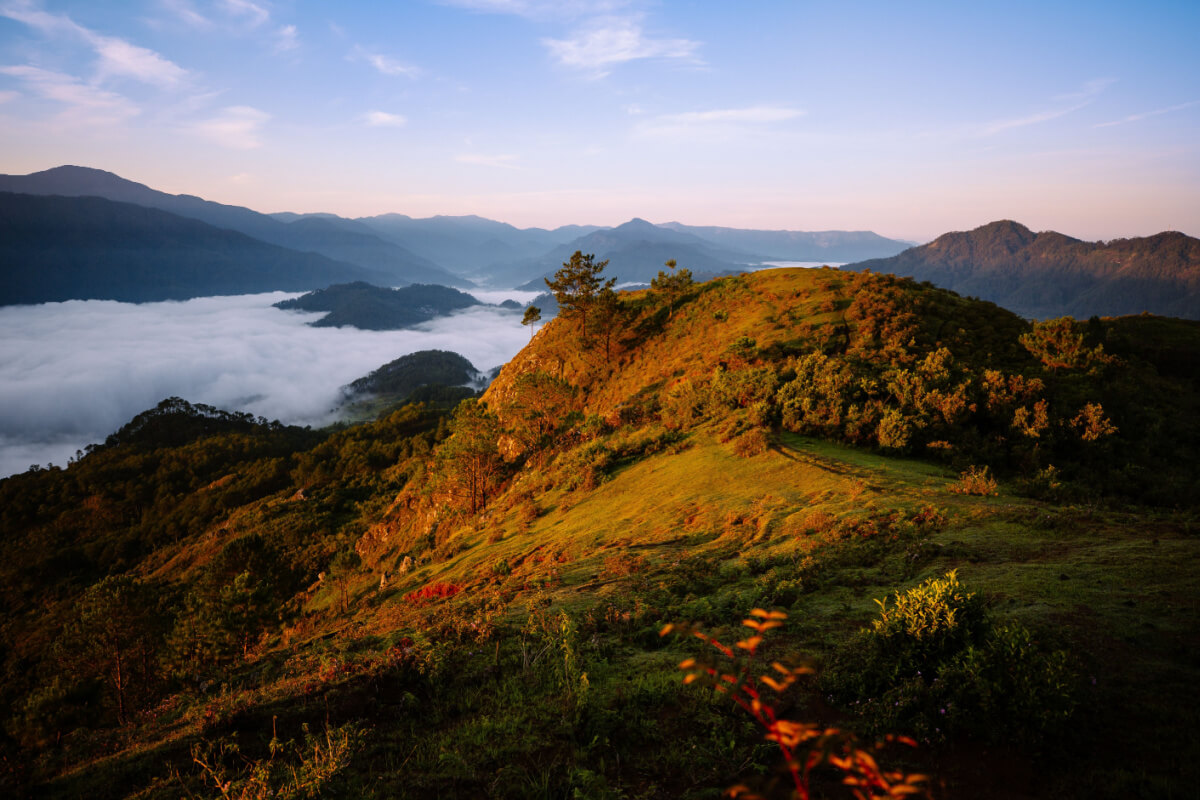
- Sagada summed up: If Sagada only gives you three shots, make them count by hiking into Echo Valley to stare up at the hanging coffins, crawling through the cold, muddy madness of Sumaguing Cave, then dragging yourself out of bed for a Kiltepan sunrise where the mountains float above the clouds.
Before You Go
Sagada looks chilled, and it is, but it runs on rules, clipboards, and a system that absolutely does not care about your overnight bus drama. Knowing how things work BEFORE you arrive will let you enjoy all the mountain air with none of the faff of scrambling to find things to do.
What to Do First When You Arrive
Drop your bag at your homestay or lodge and head straight to the Sagada Tourism Office. This is the first move, always.
Register your arrival, pay the required fees, and let the staff walk you through what can realistically be done with your time and energy. Book your activities immediately, especially caves and sunrise viewpoints, since slots fill faster than people expect. Get assigned guides, and listen when they explain safety rules, even if you have done similar things elsewhere and lived to tell the tale.
Once that is done, breathe. Grab food, wander town, and enjoy the rare feeling of being, dare I say it, slightly cold in the Philippines.
To Tour or Not to Tour?
Guides are non-negotiable in Sagada for basically everything that involves dirt, cliffs, caves, or leaving the main road. The only places you can roll into solo are privately run spots like Sagada Weaving, the pottery studios, and Ganduyan Museum.
Finding joiners can be annoying if you are on you’re travelling solo or as a pair. Weekends make life easier because more bodies equal more options, and chatting to other backpackers once you land usually works faster than waiting around and hoping the universe provides.
If I was heading to Sagada this year solo, I’d hop on whatever Philippines backpacking group chats I could find a couple days before my trip and try and rally up some troops. That way, you won’t be waiting around to fill a tour, plus you’ll have some mates to be exploring with!
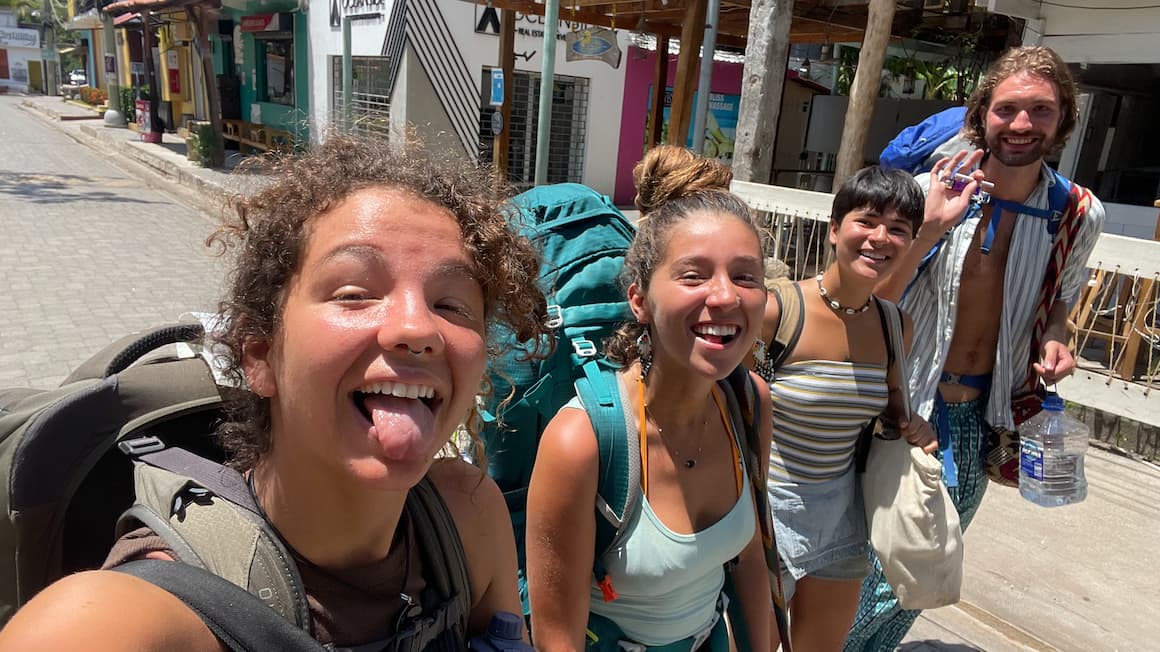
Photo: @amandaadraper
Travelling to Sagada This Year?
Sagada still operates on a centralised tourism system, and now it is tighter, smoother, and far less forgiving of winging it than in previous years. Every visitor registers once, pays the environmental and registration fees, and then books activities through accredited guides only. This is not optional, not flexible, and not something you talk your way around with charm and a smile like in other places in the Philippines.
The big shift heading into this year is enforcement. Guides are assigned properly, group sizes are controlled more strictly, and time slots actually matter now. Activities like cave connections, Bomod-ok Falls, and even Echo Valley are monitored more closely to protect the land and avoid the circus Sagada never wanted to become. DIY wandering into major sites has quietly died, and quite frankly none of the locals are nostalgic about it…
Common Mistakes That Catch People Out
- Turning up late in the day and assuming everything can be arranged tomorrow morning still backfires regularly. Sagada works best when plans are made early. Impromptu backpakers: consider this your warning.
- Arriving without accommodation bookings during peak months leads to awkward scrambling or settling for something wildly overpriced. This town is small, and beds are finite.
- Assuming activities can be done independently remains the classic rookie error. Caves, waterfalls, and heritage sites require guides, and trying to bypass that system earns nothing but frustration.
- Underestimating the cold continues to surprise people who packed like they were headed for a beach. Trust me, I’ve been stung WAY too many times.
What to Pack
| Item | Why I carry it | Budget alternative |
|---|---|---|
| Backpack (My ride or die in the 40L Osprey Fairview) | For its tardis-like qualities. No matter how long or short my trip may be, my trusty Osprey always sorts me out | This one from Decathalon is a very similar budget alternative! |
| Layers! A merino wool long sleeve is well worth the splurge | The cold will feel biting compared to the country’s usual humidity | This long-sleeve shirt is a great staple to have. |
| Waterproof shoes for caves and waterfalls. My trusty Tevas always see me through here. | You never know when you’re wading through water and wish you weren’t getting your Nice Sandals wet! | These Tevas with foam soles are always slightly more affordable. |
| A small daypack for day trips | To carry your essentials. If you’re hiking I find daypacks are more comfortable to carry than a bum bag. | Waterfly Small Hiking Backpack 12L. So long as it carries your stuff – it does the job! |
| Enough cash to last you through Sagada | Card machines are few and far between and ATMs are often empty and unreliable when it comes to international cards! | No getting around a budget version of this unfortunately! |
| A power bank. If your phone is compatible, MagSafe ones are great to avoid dealing with the faff of wires | Long days on tour and hours of snapping pics will drain your battery quicker than you’d expect! | A good old-fashioned non-magsafe power bank always runs a little cheaper. This is a solid option. |
| Camera of choice. Mine is the Fujifilm X-T30. | For those dramatic misty mountains shots | The Panasonic LUMIX ZS100 is a great option under $600. |
Getting to Sagada
Back in the day, the only way to get to Sagada from Manila was with a change in bus. Lazy backpackers like myself can now rejoice, as a direct sleeper bus now exists. Now, going from A to B consists of a sleeper bus, but you can still go old school and break the journey up into two legs if you don’t fancy one long bus or prefer the scenic route.
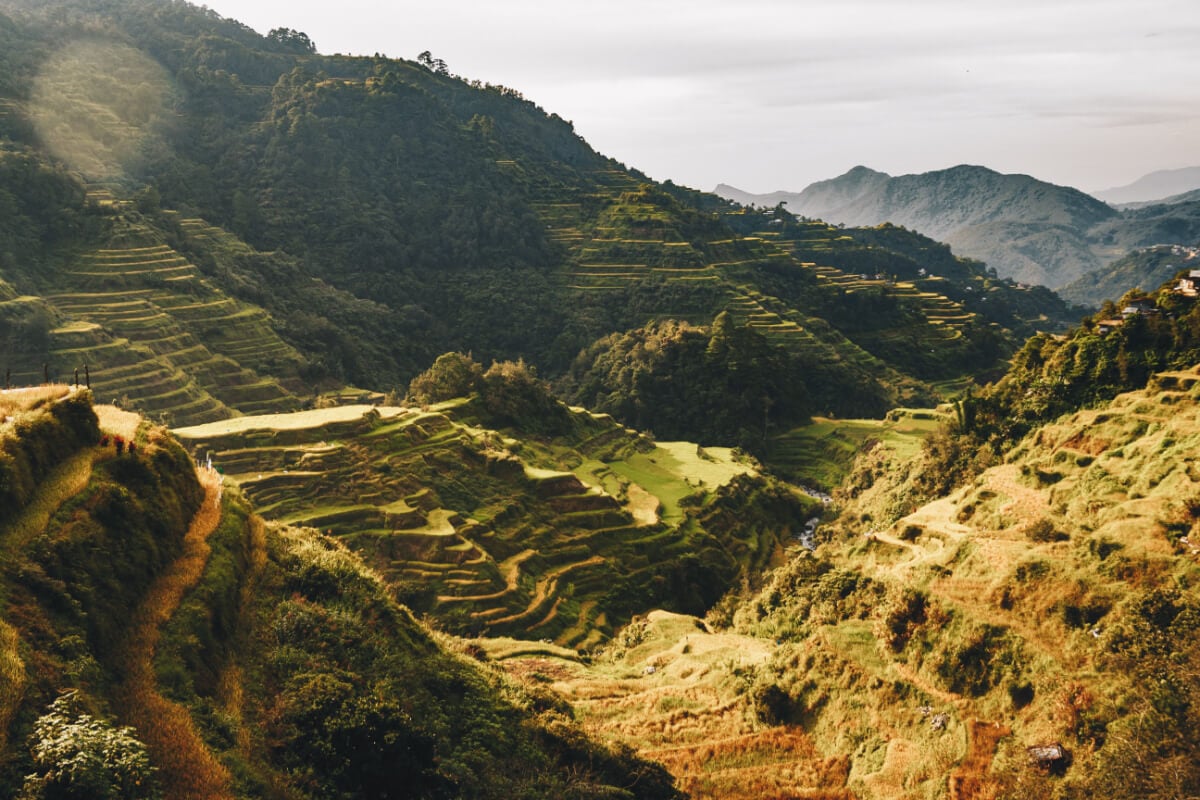
The two indirect ways to reach Sagada from Manila are either via the mountain city of Baguio, or via the smaller town of Banaue, which is a popular destination in itself for its rice terraces.
I know that’s probably a lot of options to weigh up from Manila, so let me break each one down a lil more so you can figure out the best way to make your pilgrimage to Sagrada.
The only company running a direct overnight bus from Manila (Cubao) to Sagada is Coda Lines.
You board in the evening and wake up in Sagada the next morning after about 11–12 hours of road, hills, and hopefully some kip acquired.
It’s a straight shot without switching vehicles, and seats can sell out on weekends and holidays. Cash or online booking options vary so check when you book.
There are several bus companies that run regular buses, usually hourly, between Manila and Baguio. You can also catch buses overnight. Victory Liner is one of the main companies and they run buses from Cubao, Pasay and Monumental Main Terminal in Caloocan City.
The trip takes between 4-6 hours and you can choose a basic or deluxe bus service. You can book online via operator sites or platforms like PHBus and 12Go, or buy at the terminal. Expect to pay roughly 500–900 pesos depending on bus class.
On arrival in Baguio, you will need to get from the main bus station to Dangwa Station, a short taxi ride away, to catch the GL Trans bus to Sagada. You can also choose to stay in Baguio if you’d prefer to explore the town before heading to Sagada.
Buses leave on the hour from 6 am to 1 pm and take about 5-6 hours to reach Sagada. These buses are basic, with tiny seats and no air-conditioning. A word of warning: prepare for a hot and bumpy ride! This tickets costs around 220–235 pesos and can be bought at the terminal only, as there’s no reliable online booking platform for this leg of the journey.
Going via Banaue is the slower, scenic route into Sagada, best suited to travellers who either want to see the rice terraces or need a backup when direct buses and Baguio connections are sold out. It runs on daylight, patience, and loose timing rather than tight schedules, which makes it rewarding if you are not in a rush and frustrating if you are.
The first leg is Manila to Banaue, usually overnight. Buses from operators like Coda Lines and Ohayami Trans leave from Cubao and take around nine to ten hours, with fares generally between 800 and 1,200 pesos depending on bus type. Departures are limited and fill up quickly on weekends, so booking ahead matters. You arrive early in the morning, tired but firmly in mountain country.
From Banaue, getting to Sagada is more improvised. Travel usually involves a jeepney or van toward Bontoc, then onward to Sagada, taking roughly three to four hours once a vehicle fills. Expect to pay around 300–500 pesos for this leg. Tickets are bought locally at the terminal, travel is daytime only, and late arrivals often mean staying the night. This route trades speed for scenery and flexibility, and works best if the journey itself is part of the plan rather than something to rush through.
I’d only recommend this option if you’re travelling in a big group and are short on time, but not on money. From Manila, expect to pay 20,000-30,000 pesos one way depending on the type of vehicle.
Not for the broke backpacker, but it’s certainly the easiest way to get from A to B with no detours and some level of comfort.?
Where to Stay in Sagada
Sagada isn’t huge, and it doesn’t (yet) have a row of fancy high-end hotels. What the town does have is a solid range of places from super-basic homestays to mid-range guesthouses, with a couple of spots that feel almost boutique by local standards. Most accommodation options are walkable from the town centre (shops and cafes), and the vibe ranges from family-run and chill to rustic but clean.
You won’t find hostels in Sagada, but backpackers will find that homestays and guesthouses are the backbone of lodging here. If you feel like splashing the cash a little more to make those cold mornings more bearable, there’s been an assortment of cool boutique options popping up in recent years.
Agape Log Cabin | Best Guesthouse for Backpackers

- Vibe: Quiet, mountain views, cosy, low-key
- Why stay here: Alpine-style cabin feel with wide-open mountain views and genuinely fast Starlink Wi-Fi, all within walking distance of town.
- What you’ll trade off: A short uphill walk instead of stepping straight into cafés.
- Expect: Hot water, strong Wi-Fi and mostly stable power
- My take: I’d choose this if I wanted calm mornings, good internet, and good bang for your buck.
Avalon House at the Lallalai Earth Village | Best Unique Stay

- Vibe: Secluded, earthy, quiet, slightly surreal
- Why stay here: Sleeping in an earthen house surrounded by pine forest makes Sagada feel like a Lord of the Rings side quest rather than a bog-standard mountain town trip.
- What you’ll trade off: Distance from town and fewer nearby food options once the sun goes down.
- Expect: Hot water, steady Wi-Fi (but not always speedy), generally reliable power
- My take: I’d choose this if I wanted silence, space, and a unique stay that feels like part of the landscape rather than sitting on top of it.
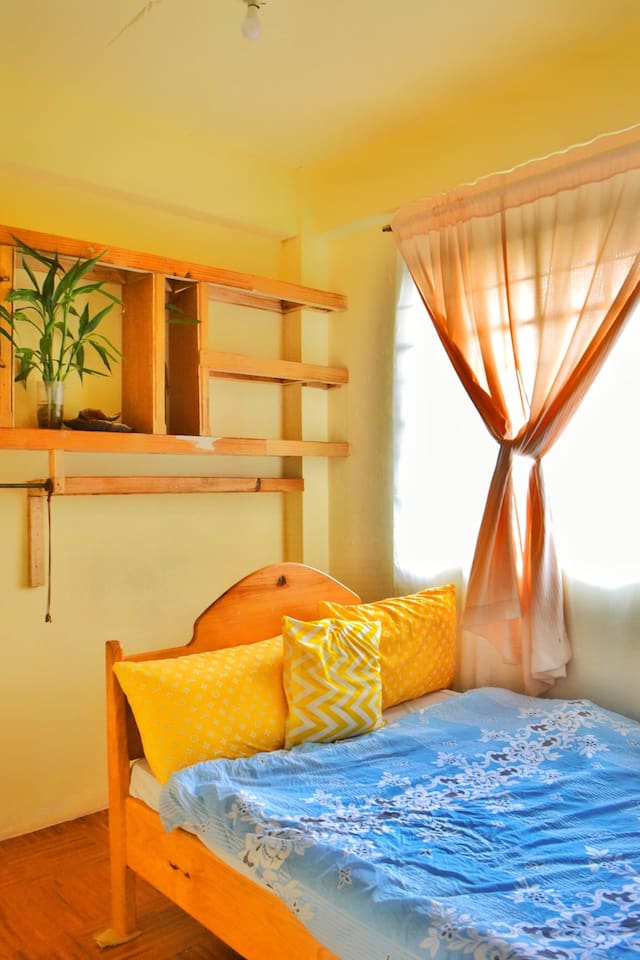
Cozy room in Sagada | Best Centrally Located Stay
- Vibe: Central, homey, local, low-key
- Why stay here: You’re right in town, walking distance to the Tourism Office, food, and bars, with solid Wi-Fi and a hot shower waiting after long days out.
- What you’ll trade off: Less privacy than a hotel and the usual background sounds of family life.
- Expect: Hot water | Wi-Fi strong | Power reliable
- My take: I’d choose this if I wanted to stay central, skip transport entirely, and actually experience Sagada through the people who live there.
The Perfect Sagada Itinerary
So what does a trip here look like? For starters, you have to remember to register online and book a single night’s accommodation at a trusted location. You need this to get through the border!
There are increasing amounts of red tape to account for the number of tourists. It’s worth double-checking what is and isn’t allowed. However, I do know that you must stay for at least one night! So why not try 3…?
Day 1: The Tourist Office, Sumaguing Cave, Lake Danum
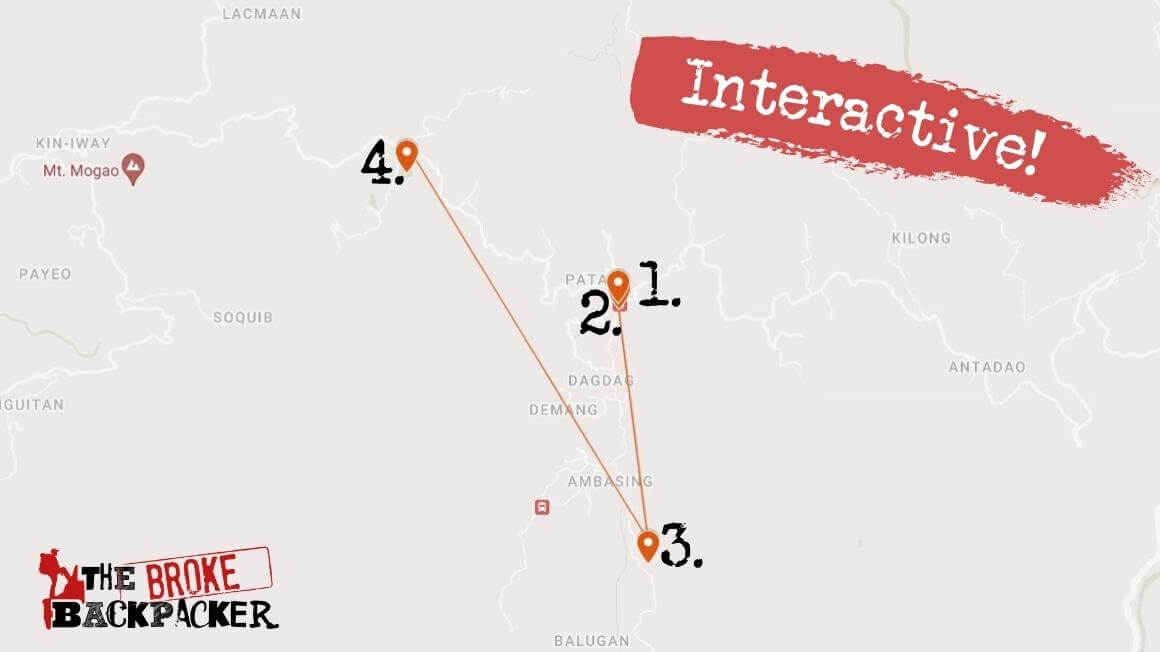
There’s no way anyone is taking part in a sunset hike on day one. You’ve likely come off an overnight bus, you’re groggy, and your legs haven’t caught up yet. That said, you can still get plenty done today.
Head straight to the Sagada Tourism Office first. This is where you register, pay the environmental and registration fees, and book your tours, including the mountain sunrise for day two. You will part with a noticeable amount of cash here. And yes, it might sting. There is an ATM in town, but don’t rely on it blindly. This will be one of your biggest expenses in Sagada, and it happens upfront.
Once that’s out of the way, grab a solid breakfast at one of the nearby cafés. You’ll want fuel before doing anything physical. After eating, the Ganduyan Museum is worth about an hour and gives helpful context before heading underground.
Next, get stuck into Sumaguing Cave, one of the most popular things to do in Sagada. This is a full caving experience, not a stroll. Expect tight spaces, ladders, slick rock, and plenty of strange cave formations. The whole activity takes around two hours including transport. Wear clothes you don’t care about, because you will come out muddy.
After caving, most people are ready to slow things down. Head out to Lake Danum for sunset views if the weather behaves, and maybe a picnic if you planned ahead. It’s calm, low-effort, and a good way to finish the day. You’ve got an early start tomorrow, so don’t overdo it at the local bar.
Day 2: Mountain Sunrise, Blue Soil Hill and Hanging Coffins
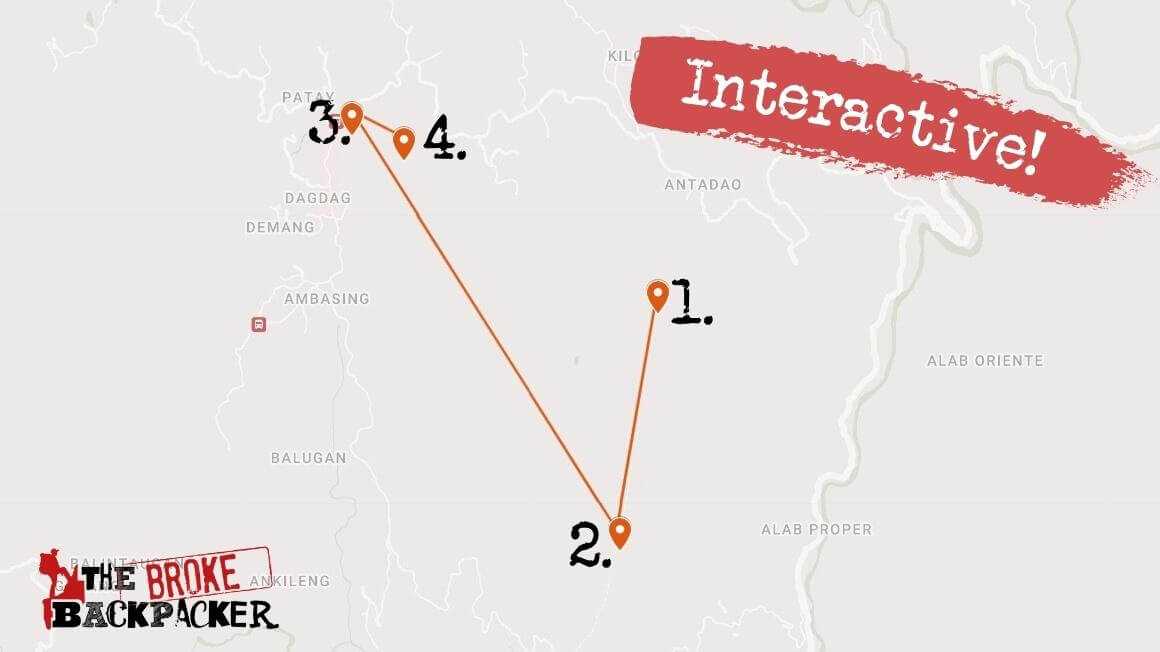
It’s a 4:30 am start to catch some genuinely stunning views. Head out to Marlboro Hills (including Kamanbaneng) to rise above the clouds and watch the mountains slowly wake up. It’s one of those Sagada moments that justifies the early alarm, trust me. There are usually vendors around selling snacks and hot drinks, which helps if, like me, your brain doesn’t fully boot up at this hour.
Next, you’ll embark on the hike to Blue Soil Hill. The trek takes around two hours and is mostly downhill, passing through a handful of other viewpoints along the way. The blue soil itself is the star, but the walk getting there is half the experience. This leg is usually booked together with the sunrise, so exact routing depends on your guide and conditions.
Once you’re back in town, grab a well-earned brunch and spend a bit of time doing nothing in the town centre. If you want something easy and free to stretch your legs, you can walk up to the cemetery at Calvary Hill for views over Sagada. This one is strictly optional so if you’re pooped from the early start, I wouldn’t blame you for wanting to chill for the rest of the day. Saying that, it’s short, local, and doesn’t demand much after the morning effort.
Later in the afternoon, head out to see the Hanging Coffins. The tour takes about an hour and is more about history and tradition than physical effort, which makes it a good balance to the day. Finish with dinner back in town — Log Cabin is a popular option — and yes, this is the night you can have a beer or five tonight.
Day 3: Bomod-ok Falls, Balangagan Cave
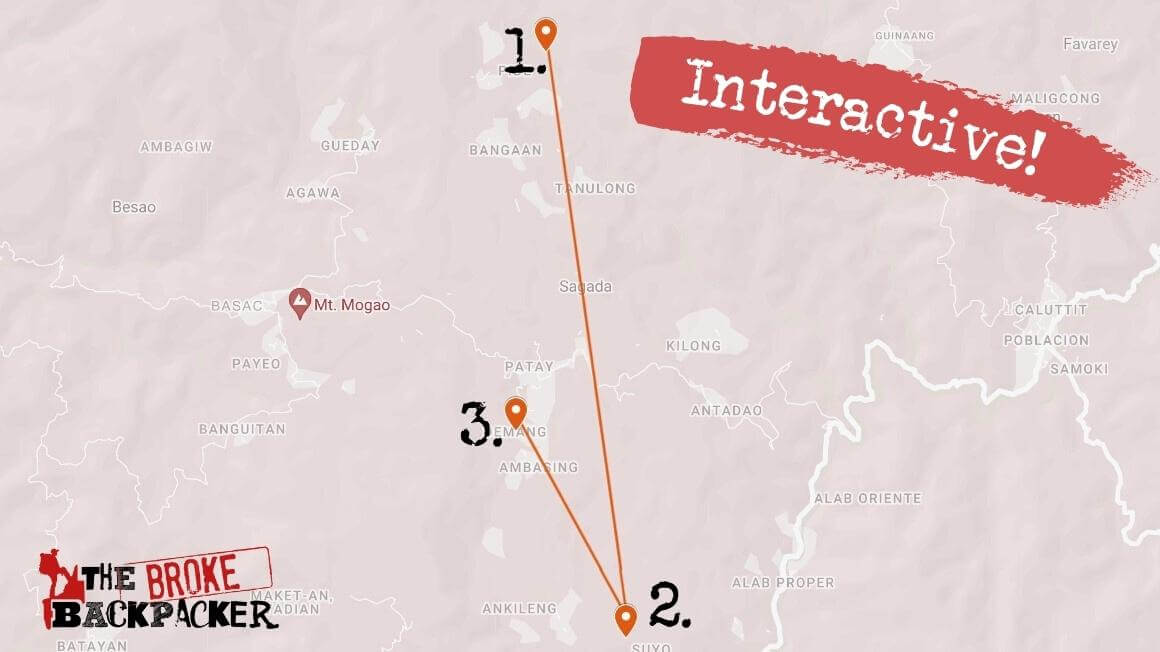
Heading out to Bomod-ok Falls is Sagada doing what it does best. It’s the biggest waterfall in the area and you earn it the old-fashioned way, by trekking through villages and rice terraces before dropping down to the final stretch. The walk is part of the experience, not just a means to an end. Once you reach the falls, there’s time to hang around, take photos, and, if the water level and weather behave, jump in for a swim.
Head back to town for lunch after the hike, because you will be ravenous.
For your second caving experience of the trip, jump into Balangagan Cave. It’s less visited than Sumaguing and a bit less forgiving. If you’re comfortable with caving and want something more hands-on, this one is challenging and rewarding, with some of the prettiest cave formations in Sagada. Expect to get wet, muddy, and work for it.
Still standing after that, Demang offers a quieter look at life away from the main tourist loop. What you see depends entirely on timing and what’s happening locally, so treat it as a bonus rather than something to chase.
Top Things to Do in Sagada
Being one of the most beautiful areas of the Philippines, there is a boatload of cool stuff to do in Sagada. My Sagada travel guide has got all the best ones, including intricate cultural oddities, paradisical nature, and some saucy bonuses!
Must-Dos for First-Timers
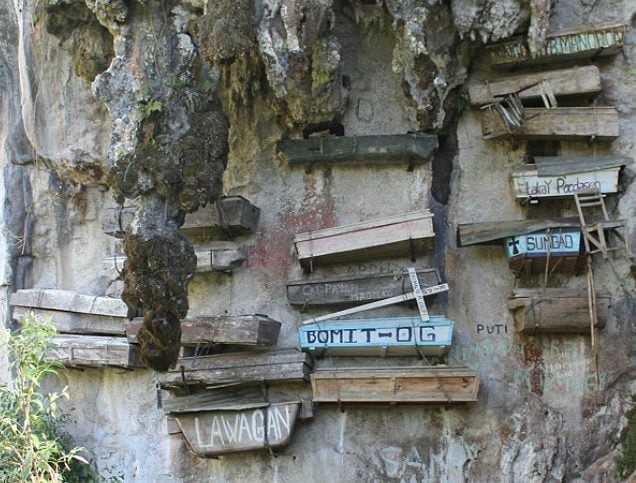
Marvel at the Unique Hanging Coffins
- Who it’s best for: Anyone who wants to understand why Sagada is Sagada, not just tick off viewpoints. This one’s for curious travellers, culture lovers, and people who are happy to trade adrenaline for something genuinely different. No extreme fitness required, and if you’re a bit of a history neek like me, it’ll be right up your street.
- Time needed: About an hour. Maybe a little longer if you’ve combined it with a tour to Echo Valley, but it’s one of the least time-hungry activities in town.
- Cost ballpark: Around 300–500 pesos per person, depending on group size, booked through the tourism office with a guide.
- Worth it? Yeah. Easily. It’s one of those Sagada experiences that doesn’t lean on hype. Skip it, and you miss the cultural backbone of the place. The traditions behind the coffins are still alive, and the quietly intense setting is something you should experience at least once.
One of the main reasons a lot of people make the trek up to Sagada is to see the iconic hanging coffins. The Igorot people of Sagada have traditionally ‘buried’ their dead in colourfully painted coffins clinging to the sides of limestone cliffs, or piled up at the entrance of caves.
They believe these methods of burial provide an easier path for the spirits to reach the great beyond, as well as keep wild animals from their remains. These days it is more common for locals to bury their dead in cemeteries – although there are still a few locals who choose to be buried in the traditional way. I love a bit of spooky history, and this excursion is a fascinating insight into Sagada’s history and culture.
Go Spelunking in Massive Cave Systems
- Who it’s best for: Backpackers who like their adventures physical, messy, and slightly unhinged. If tight spaces don’t bother you and getting wet, muddy, and scraped up sounds like a good time, this one’s for you. Not a great match for claustrophobia, weak knees, or anyone who prefers their adrenaline clean and controlled.
- Time needed: Around 3–4 hours for the full Cave Connection from Lumiang to Sumaguing. Shorter caving options inside Sumaguing alone take less time and exist for people who want a taste without going all in.
- Cost ballpark: Roughly 1,500–2,000 pesos per person, depending on group size and route. Guides are mandatory and booked through the tourism office. This is one of the pricier Sagada activities, but it’s also one of the most involved.
- Worth it? Absolutely, if you’re built for it. Cave Connection is wet, cold, physical, and occasionally uncomfortable but it’s all worth it for the mems.
If adventure is your middle name, and you’re backpacking the Philippines, then spelunking may very well be the perfect activity for you. It is like being birthed again, except this time you are old enough to be aware of it. Definitely not for the claustrophobic! There are also stacks of wooden coffins located at the mouth of Lumiang Cave, which is always an interesting sight.
This is Sagada at its most raw. If that sounds intimidating, stick to Sumaguing alone. If it sounds exciting, this is one of the most memorable things you can do here.
Best Adventures
Hike in the Lush Mountainous Surroundings
- Who it’s best for: Anyone who wants Sagada beyond caves and viewpoints. This suits casual walkers, culture-focused travellers, and people who want big scenery without committing to full-day sufferfests. There are tougher hikes too if you feel like earning your dinner, but plenty of options stay friendly and achievable.
- Time needed: Anywhere from 2–4 hours for half-day hikes like Echo Valley, up to a full day if you go for bigger routes such as Mt Ampacao or longer waterfall hikes. Most people slot one hike into a morning or afternoon without wrecking the rest of the day.
- Cost ballpark: Very affordable. Guide fees are usually a few hundred pesos per person, depending on route and group size. Maps are free from the tourism office, and guided hikes are booked on arrival.
- Worth it? Yes, especially Echo Valley. It packs a lot into a half day: rice terraces, an underground river, hanging coffins, a waterfall, and constant mountain scenery. It’s one of those hikes where the views keep changing just as you think you’ve seen it all. If you want more of a challenge, Mt Ampacao delivers effort and altitude without any other the usual throngs of tourists.
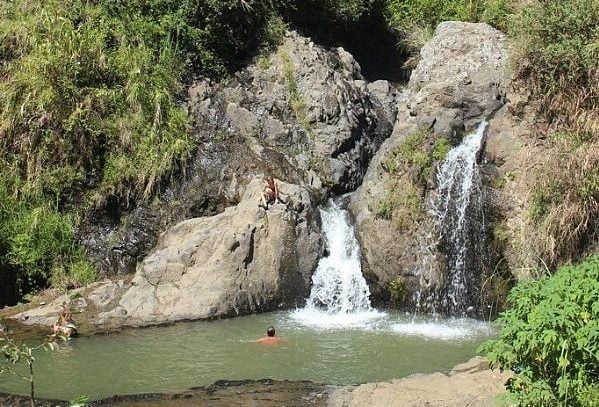
Swim under a waterfall
- Who it’s best for: Travellers looking to cool off after dusty hikes and caves. Bokong suits easy days, Bomod-ok is for those happy to put the miles in, and Pongas is best left to people who enjoy slippery trails and a bit of exposure.
- Time needed: Anywhere from 30 minutes at Bokong Falls near town to half a day for Bomod-ok or Pongas once you factor in the trek. Pongas takes the longest thanks to steeper, more demanding terrain.
- Cost ballpark: Low to moderate. Some falls can be visited independently, others require a guide booked through the tourism office. Expect a few hundred pesos per person, depending on distance and group size.
- Worth it? It depends on water levels. After heavy rain, Sagada’s waterfalls are absolutely worth the effort. In the dry season, some of them thin out, pools shrink, and the payoff can feel underwhelming after a long hike. Bokong usually holds up best thanks to its depth, while Bomod-ok loses some drama when the flow drops. Pongas is the biggest gamble, great after rain, skippable when it’s dry. If the falls are running low, you’re often better off putting the energy into hikes or caves instead.
Try your hand at rock climbing
- Who it’s best for: Curious first-timers and budget travellers who want to try climbing without paying city prices or dealing with intimidating routes. This is very much beginner territory.
- Time needed: Around 1–2 hours, depending on how into it you get. Easy to slot into a free afternoon.
- Cost ballpark: Cheap by climbing standards. Expect a few hundred pesos, with all gear included
- Worth it? Yes, if you’ve ever wanted to try climbing without committing hard. You can usually just turn up at the climbing spot behind the cemetery, or get pointed there by the tourism office. Low risk, low cost, but a whole loada fun.
Chill and Cultural
Eat Your Way Through Sagada
- Who it’s best for: Travellers who don’t expect much from food in small mountain towns and are happy to be proven wrong. Also ideal if your daily plan quietly revolves around where you’re eating next.
- Time needed: If you’re a foodie like me, this might well take up a BIG chunk of your trip. You won’t be mad at it.
- Cost ballpark: Most meals land around 200–350 pesos for a solid main. Nicer sit-down spots and Western dishes like pizza or pasta creep closer to 400–500 pesos. Desserts and coffee usually sit under 150–200 pesos. You can eat very well here without denting your budget.
- Worth it? Yes. Sagada’s food scene has no right being this good. From lemon pie, wood-fired pizza, Korean comfort food to proper Pinoy classics, you won’t go hungry here.
Try the Local Coffee
- Who it’s best for: Coffee drinkers who don’t expect much from the Philippines and are about to be pleasantly corrected. Also good for anyone who likes knowing where their coffee comes from and prefers mountains over latte art.
- Time needed: Flexible. You can duck into a café for 20 minutes or lose an afternoon hopping between spots and refilling your cup.
- Cost ballpark: Very reasonable. Expect ?120–?200 for a solid cup of locally grown coffee. Slightly more if it’s house-roasted or served in a sit-down café.
- Worth it? Yes, with one big caveat. Sagada’s altitude and cool climate produce genuinely good coffee, and many cafés serve local beans, sometimes roasted on-site. It’s one of the quieter surprises of the town.
You’ll also see civet coffee (Kopi Luwak) offered around, but it comes with a hard ethical line. The industry relies on systematic abuse of the endangered civet for beans, and it’s not something worth supporting, no matter the novelty.
Think hard before you spend your dollaridoos: The Broke Backpacker doesn’t engage with animal tourism, and neither should you. (The other coffee is fine though.) 🙂
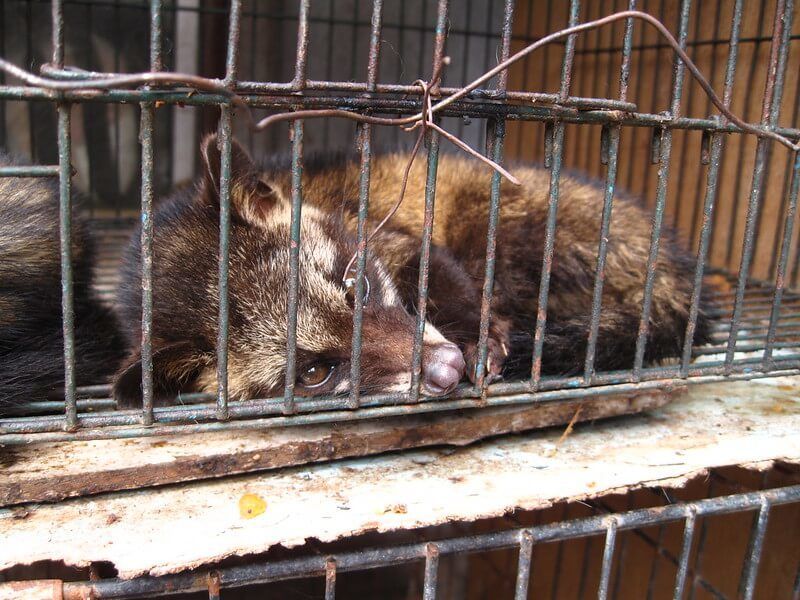
Photo: surtr (Flickr)
Go for a Leisurely Stroll Around Town
- Who it’s best for: Travellers who don’t need constant activities to feel like they’re doing something. This suits slow walkers, wanderers, and anyone who likes letting a place reveal itself without a schedule.
- Time needed: A couple of hours, or an entire afternoon if you let it stretch. This is easy, unstructured exploring that fits between bigger activities.
- Cost ballpark: Mostly free. You’ll only spend money if you stop for food, coffee, or pick up woven goods from local shops.
- Worth it? Yes. Sagada doesn’t stop being interesting once you leave the trail. Step off the main road and you’re quickly surrounded by pine-covered hills, rice terraces, and quiet paths that feel far from town despite being minutes away.
A few standouts sit just outside the centre: the Sagada Weaving Cooperative for well-made textiles and a look at the craft behind them, Gaia Café for its eccentric treehouse setup and vegetarian food, and Misty Lodge for wooden-lodge vibes and genuinely good pizza.
Food + Coffee Guide
Sagada punches wildly above its weight when it comes to food. For a tiny mountain town wrapped in mist and curfews, I was seriously impressed with the lineup on offer here. These are the places I actually went back to, talked about later, and would happily eat at again tomorrow.
Best Breakfast Spot
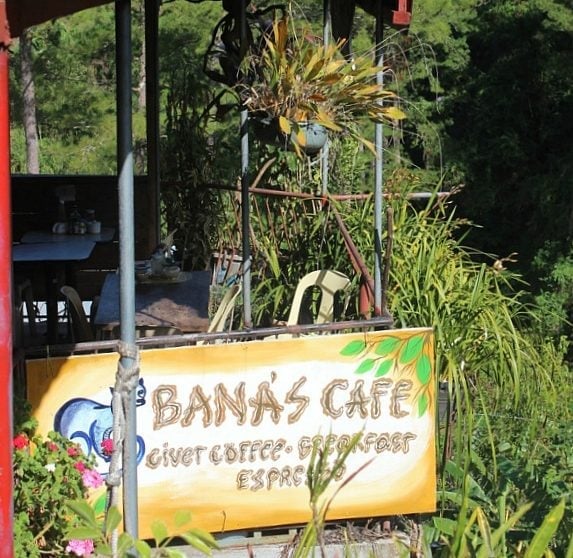
Bana’s Cafe: best for starting the day right
Get: Any breakfast plate with local Sagada coffee
Why: Big, satisfying breakfasts with real flavour and a gorge-side view that makes mornings easier.
Price vibe: Mid
This is the breakfast spot in Sagada. The food is consistently excellent, the coffee is fresh, and quite frankly, great. If you’re fuelling up before a day on tour, you’ll be starting your day right.
Best Dinner “Reward Meal”
Misty Lodge Cafe: best post-hike dinner
Get: Pizza
Why: Proper, from-scratch pizza that feels earned after a long, chilly day.
Price vibe: Mid
A little out of town but completely worth it. I’ll only really allow non-local food if it’s done right, and this place absolutely nails their dough.
Best Café With a View / Rainy-Day Hideout
Gaia Cafe and Crafts: best for lingering
Get: Whatever vegetarian dish is available
Why: Treehouse-style seating, valley views, and a calm atmosphere that suits Sagada perfectly.
Price vibe: Mid
Not always open when promised, but when it is, it’s special. Best enjoyed slowly, preferably while the clouds roll in.
Lemon Pie: The Non-Negotiable Sagada Experience
Sagada Lemon Pie House: best for the classic
Get: Lemon pie, or egg (custard) pie if lemon’s sold out
Why: It’s the original, and it still delivers.
Price vibe: Budget
Go earlier in the day if you want your pick. Seating is on floor cushions around low tables, Japanese tea-house style, which somehow makes the pie taste even better (don’t ask me how).
“I Ate This Twice” (No Regrets)
Bana’s Cafe: yes, again
Get: Chicken curry or honey and broccoli chicken
Why: When something’s that good the first time, you don’t overthink it.
Price vibe: Mid
Both dishes are genuinely incredible, not just “good for Sagada.” I think about the broccoli chicken maybe once a week. This is one of those meals you keep comparing others to for the rest of the trip.
Budget & Costs
Sagada looks cheap on paper, but tours can drain the budget fast. Beds, food, and beers are all very backpacker-friendly, but activities are where your daily spend really gets decided. Almost everything worth doing involves a registered guide and a fee, and whether you split that cost with a group or go solo makes a massive difference.
If you travel smart, join tours, and don’t insist on doing everything privately, Sagada stays firmly in budget territory. If you don’t, those “just one more hike” decisions add up fast. It’s not a place that is inherently expensive, but it absolutely rewards travellers who plan a little and share a lot.
A Daily Budget in Sagada
Need some more info? Here’s a breakdown of a stereotypical daily budget in Sagada…
| Expense | Broke Backpacker | Frugal Traveler | Creature of Comfort |
|---|---|---|---|
| Accommodation | $7–15 | $15–30 | $30–50+ |
| Transport | $0–5 (walk) | $5–10 (trikes/jeepneys) | $10–15 (motorbike/ride) |
| Food | $2–8 | $5–15 | $15–25 |
| Nightlife | $0–7 | $5–15 | $10–20 |
| Activities (tours/guides/fees) | $8–25 | $25–40 | $40–60+ |
| Water + small essentials | $1–3 | $2–6 | $3–8 |
| Total (per day) | $22–60 | $62–114 | $110–188+ |
My Takeaways:
- Accommodation: Basic dorms and guesthouses dominate here. If your trip to Sagada looks itinerary heavy, save some dolla on your accom here. If you’re here to just suck in the mountain vibes, maybe it’s time to splash on nicer digs!
- Transport: If you’ve decided to stay close to the centre, you can certainly save your precious pennies on transport here. Most walkers use zero transport locally; trikes and jeepneys are cheap, and occasional motorbike rental adds to cost if you’re staying further out.
- Food: Local eats are very affordable; café meals/beer bump the daily food bill modestly. As always, a good restaurant is always worth the splurge in my humble opinion.
- Nightlife: Sagada doesn’t have a “nightlife” like a city or beach party town. Most restaurants and bars close by around 9–10 pm because the local ordinances actually require it and the community runs on early mornings, not late nights. So apart from a couple of post-tour bevvies, you won’t be going wild.
- Activities (tours/guides/fees): This is where you’ll splash the most cash. Cave tours, hikes, and viewpoint guides vary by group size — splitting guides makes big differences, but solo rates can push the higher end of the range.
- Water + small essentials: Opting for a guesthouse with free water refills and coffee is a great way to save cash here.
Prices swing hard in Sagada, and tours are the ultimate reason for this. Link up with other travellers and split guide fees and things stay comfortably backpacker-friendly. Go private for everything and your budget starts gasping for air faster than you’d expect in a mountain town.
Getting Around in Sagada
Walkability
Sagada is compact and easy to explore on foot. Most guesthouses, cafés, and key spots in town are within walking distance, and walking is often the most practical way to get around. The terrain is hilly and the weather can turn misty fast, but nothing is outrageously far once you’re based centrally.
Motorbikes
Motorbikes are an option in Sagada, though they’re not as common or convenient as in other parts of the Philippines. A small number of guesthouses and locals rent scooters or semi-automatic bikes, and some travellers arrive with their own. They’re useful for reaching viewpoints or nearby villages, but steep roads, rough surfaces, and fog mean they’re best left to confident riders.
Trikes, Jeepneys, and Tour Vans
Sagada doesn’t run on ride-hailing apps or constant trike traffic like in other parts of the country. Jeepneys connect the town to nearby destinations, but within Sagada itself, transport usually means arranging a local driver or joining a tour van through your accommodation or the tourist office. It’s informal, community-run, and requires more patience than most backpacker hubs.
When You Need a Guide (and Why It’s Enforced)
Guides are mandatory for caves, major hikes, and protected sites. This rule exists to keep visitors safe and to protect Sagada’s fragile environment from overtourism. The upside is that local guides are knowledgeable and relatively fairly priced. I’m not much of a tour gal myself, but I have to admit that these guides add far more context and meaning to the experience than going it alone.
Safety, Etiquette, and Responsible Travel
Sagada is a quiet, close-knit mountain town where visitors are generally welcomed and serious crime is rare. Basic travel awareness goes a long way here: keep track of your belongings, don’t push your luck, and respect that you’re passing through a community rather than a resort town. Most people have a smooth, uneventful stay.
Most mishaps here come from adventure activities rather than people. Caving, hiking, and climbing are the main drawcards, and guides are mandatory for good reason. Follow instructions, use the safety gear, and don’t wander off solo trying to play explorer. Caves are fragile environments, so it goes without saying that touching formations, scratching your name into rock, or blasting flash photography causes damage that can’t be undone.
Sagada’s hanging coffins are part of an active indigenous burial tradition, not a novelty attraction. If you visit indigenous villages or small communities in the rural areas always ask before taking photos. The people who live in these villages are not exhibits in a museum. They are normal folks just living their lives. Always show them the complete respect that they deserve.
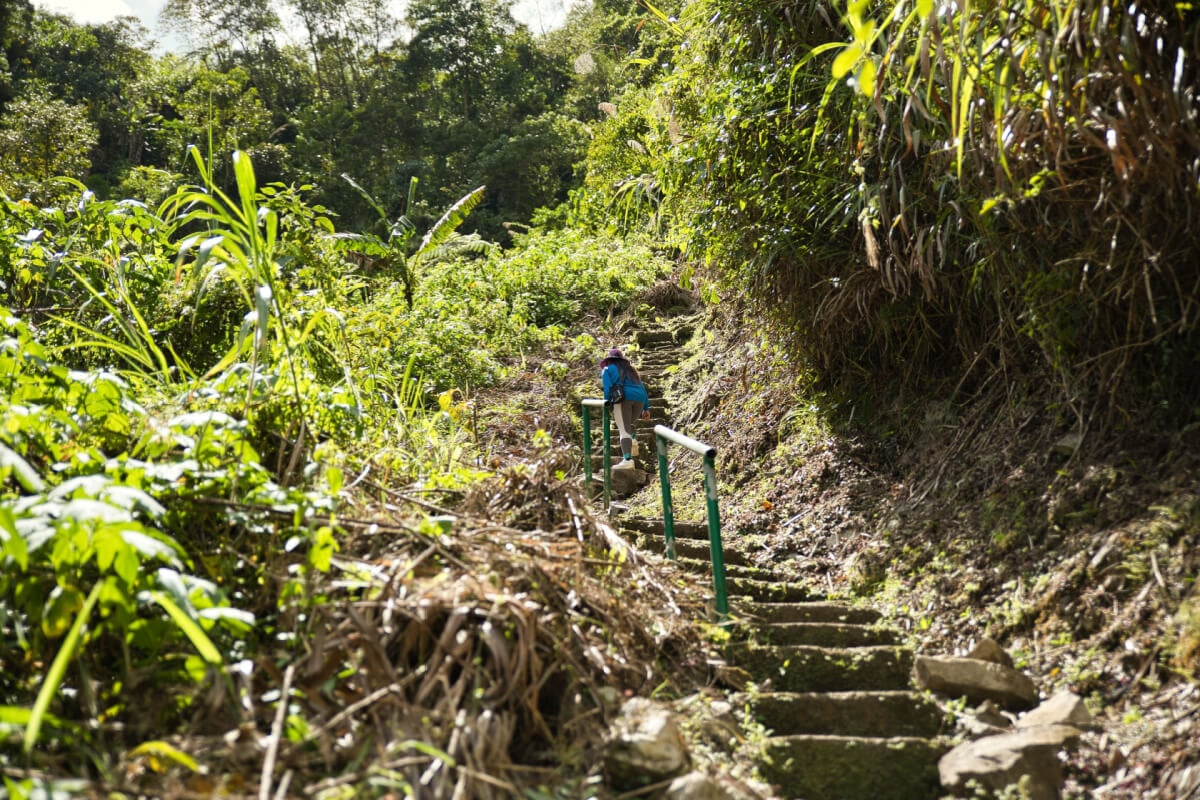
Nightlife exists, but it’s mellow. A few spots serve drinks, most places shut down early, and evenings tend to wind down naturally after dinner.
With all that in mind, travel insurance is a smart move in Sagada. Medical facilities are limited, evacuation takes time, and outdoor activities come with real-world risks. Having cover means you can enjoy the mountains without stressing over what happens if something goes sideways.
Sort out your insurance before you go. There are several good options, but our overall pick is SafetyWing. Most of the Broke Backpacker team has used it at one point or another, and we’ve filed claims for rabies jabs in Bali, a hospital stay in Mexico, and a clinic visit for a stomach bug that wouldn’t quit. All paid out.
It’s month-to-month, no lock-in, no itinerary required, and you can buy it after you’ve already left. A little over $2 a day if you’re under 40.
New SafetyWing customers: use code BROKEBACKPACKER for 8 free weeks of electronics theft coverage. You have to scroll down and click the pink camera on their landing page to enter it, and you have to do it before creating your account.
Things I’d Do Again (and Things I Wouldn’t Touch With a Stick)
| Do ? | Don’t ? | My rule of thumb |
|---|---|---|
| Book caves and hikes through the tourist office | Try to sneak into caves without a guide | If it needs a guide, there’s a reason for it |
| Walk everywhere in town | Assume transport will magically appear | Either pre-book or be prepared to make it your own way. Uber’s not a player here. |
| Wake up early for misty mornings | Plan jam-packed, back-to-back days | One main activity per day is plenty |
| Eat at the same good café twice | Chase every restaurant “just because” | When something slaps, repeat it |
| Respect hanging coffin sites quietly | Treat sacred spots like photo props | If locals wouldn’t do it, neither should you |
| Carry cash | Expect ATMs and card machines to behave | Cash is king, and it runs out fast |
Alright. Last Things Before You Head Up the Mountain
Sagada is a fantastic place to head to, especially if your Philippines trip has become too beachy. The rice paddies, mountain air and bizarre culture are all massive drivers of tourism in the region.
However, that doesn’t mean that it has become overcrowded. Whilst you will undoubtedly meet other tourist groups, the Philippine travel authority keeps a sharp eye on tourism in the region. So don’t worry!
You’re going to need that adventurous spirit because Sagada is probably one of the strangest and most brilliant places you will ever go to.
Do the prep, pack the layers, eat the same good meal twice, and don’t rush it. Sagada rewards travellers who show up with curiosity and give the place time to unfold. It’s a slowburn love you won’t forget. Enjoy the mountains, dudes!




Whatever pleasant experiences in Sagada were destroyed by an awful tour of a cave. Clear warnings and preparation information was not made. Sumaging cave has a danger spot. I spoke with the Tourist officer and said I cannot recommend it without a rope in one spot. There is more to this story leading to failure for me. The officer and others were shocked at my being left alone and no assistance in checking a watery rockface. I am leaving a day early due to this disaster.
I am in Sagada now and am not impressed with the town it self and not with most of the food either. We have a budget hotel for 40 dollars a night. Its a dump. I agree with a lot about you wote but the tone is too idyllic for me. We booked for 7 days so we can relax in the mountains. Sagada is wonderful to be active but the town it self is very noisy. Traffic, building, sawing metal. The whole night dog barking dogs, and roosters going for it at all hours. We travel extensively so we have been in places like this so often. But based on all the positive vibe information we decided to stay longer than normal. That is why I also want to tell the other side of Sagada.
Cool!!! really great information! From Altadena, Ca – LAX to manila. Then driving straight to visit Vigan city on mid-Jan. 2024. Definitely, now we will add to visit Sagada and take the Haselman hi-way.
Cheers!
How about drones? Do I need to ask for a permit or pay?
Hi GL,
Flying drone can be problematic in some countries and could therefor land you in a spot of unintended trouble. There are a bunch of amazing sites out there such as droneregulations.info or drone-made.com that would be a great place to start research into this.
Sagada is literally so far away from the hustle and bustle of the city. I’m still thinking of the perfect date to file my leave at work and finally go there. I like these kind of places and I have hiked Indian Himalyas a few times and Sagada is giving me that kind of vibe ,see you soon echo valley.
Hi Keith,good for you,I dare you to visit that special place( I’m a proud sagadian-contact me if you need more information)
What time is the last trip of sagada to baguio?
This just confirmed that Sagada is our next destination. Been a road trip from Bataan to Iligan City, to Cebu, Bohol, Samar, Leyte, Iloilo, Baler, Pagudpod, Baguio, Alaminos and Bolinao. Can’t wait for our next family road trip!
Congrats! Let us know how Sagada goes for you!
Just came across this site and honestly I enjoy reading your posts especially about my hometown Sagada..??. Thank you for sharing.
Your ideas are very interesting and these places are also looking very cool. I loved your post. Keep updating!
Thanks, Mike!
Such a Wonderful information. I usually get some good information whenever i read your post. Thanks for the information. Am eagerly waiting for your next post.
Wow, so much information. After reading i think Sagada is best for travelling in nature. the houses are so nice. BTW the pictures are well too
I’ve been thinking of going to Sagada lately since I think Sagada is the best place to unwind. It’s literally so far away from the hustle and bustle of the city. I’m still thinking of the perfect date to file my leaves at work and finally go there!
I am super psyched about sagada thanks for the insights
Bravo..thats the magic of sagada that I know..thanks Katie for your post…pure blooded sagadian here..
Sagada is the perfect place for nature lover. Thanks, Katie for explaining everything in detailed. I would visit Philippines next year. This will help me a lot.
Definitely, Sagada is a must visit here in our country the Philippines. And so nice of you for sharing such an informative post about it. Can’t wait to go to Sagada again, it’s definitely worth it place to go to if I want to go out of the town. Amazing post!
Never heard of this place and that too in Philippines. It seems Sagada is full of new adventures to explore.
Wow, so much detailed from information here. I grew up in Zamboanga, Philippines and then lived in Cebu City until I got married and moved to the U.S. I would love to go on the Sagada adventure. I am on a budget so these will help me when I go back to visit my family if I can afford to go. Thanks 🙂
Wow… Ultimate indeed! Not a place that was on my radar until now, cheers!