Before arriving in Botswana, I wasn’t sure what to expect as a solo female traveller. It didn’t look like an easy backpacking destination.
After spending 30 days travelling independently through the country, though, one thing surprised me most: how safe I felt.
Not in the sense that I stopped paying attention or assumed nothing could go wrong, but I quickly realised that I felt safe travelling throughout the country, and that I could move around freely without constantly feeling on edge.
I found it calmer and more straightforward to navigate than I expected, which was part of what made the experience so rewarding.
Botswana is slow-paced, nature-driven, and deeply rewarding. For me, it was defined by genuine interactions, incredible wildlife, and some of the most striking landscapes I’ve experienced in Africa.
After 30 days travelling Botswana using public transport, shared rides, occasional hitchhiking, campsites, guesthouses, backpacker lodges, Couchsurfing and Workaway, this is what solo female travel in Botswana actually felt like for me.
What Solo Travel in Botswana Actually Looks Like
Before arriving, I assumed the hardest part of travelling through Botswana alone would be staying safe. In reality, the bigger challenge was simply getting from one place to another.
The country has a strong reputation for stability and relatively low levels of violent crime; however, Botswana isn’t designed around spontaneous backpacking.
Some of the country’s best experiences are also in remote areas that aren’t particularly easy to reach independently, and even in the main hubs, you can’t always count on finding other backpackers.
Once I understood that, travelling became much easier.
- That means travelling independently in Botswana requires a particular mindset.
- You need to be comfortable not knowing exactly when you’ll arrive.
- You need patience.
- And you need to avoid planning your itinerary so tightly that one delayed journey ruins the rest of your trip.
For me, that adjustment was much more important than learning how to stay safe.
Getting Around Independently
Public transport was one of the things I was most curious about before travelling through Botswana, and it ended up being far less intimidating than I expected. The transport itself rarely worried me. The tedious part was usually waiting.
For me, these were the most practical transport options:
- Long-distance buses between major towns like Gaborone, Francistown, and Maun
- Combis for shorter regional routes
- Shared transfers arranged through backpacker lodges for safari areas
- Occasional hitchhiking where public transport wasn’t practical
Hitchhiking as a Solo Woman
Hitchhiking worked for me, but I don’t think it should be presented as something every solo female traveller needs to do. It’s a personal decision, and your comfort level matters more than saving money or sticking rigidly to an itinerary.
When I accepted a ride, I made sure I had a rough idea of where I was going. If something didn’t feel right, I was under no obligation to get in. I was always selective and trusted my instincts. My basic hitchhiking rules were:
- Only accept rides that felt right in the moment
- Have a rough understanding of where I was going
- Confirm if any contribution was expected
- Stay aware without overthinking it
The Broke Backpacker is supported by you. Clicking through our links may earn us a small affiliate commission, and that's what allows us to keep producing free content 🙂 Learn more.
Accommodation Without a Big Hostel Network
Accommodation was one of the areas where Botswana felt most different from traditional backpacking destinations.
You can’t always rely on finding a cheap dorm bed at the last minute, particularly outside larger tourism hubs such as Maun and Kasane.
I stayed in Botswana in a mixture of:
- Campsites
- Guesthouses
- Backpacker lodges
- Couchsurfing accommodation
- A Workaway placement
Sometimes I booked ahead. Other times I arrived and figured things out locally.
My biggest lesson was that the absolute cheapest option isn’t always worth it.
After a long day of travelling, I was often happy to spend slightly more on somewhere secure, comfortable and well located rather than save a small amount and make the arrival unnecessarily difficult.
In popular safari destinations, I would recommend contacting accommodation ahead of time, particularly if you’re travelling during a busy period.
For a solo traveller, knowing where you’re sleeping that night can remove a lot of unnecessary stress.
Meeting People as a Solo Traveller
Botswana isn’t the easiest destination if your main reason for backpacking is meeting lots of other travellers.
The hostel network is much smaller than what you’ll find in places such as South Africa, and there were periods when I didn’t meet another traveller for several days.
That was probably the biggest emotional challenge of travelling alone.
I enjoyed the independence, but long travel days and quiet towns could occasionally feel lonely.
The easiest places to meet people were backpacker lodges, campsites and safari gateways, particularly where overlanders and independent travellers were passing through.
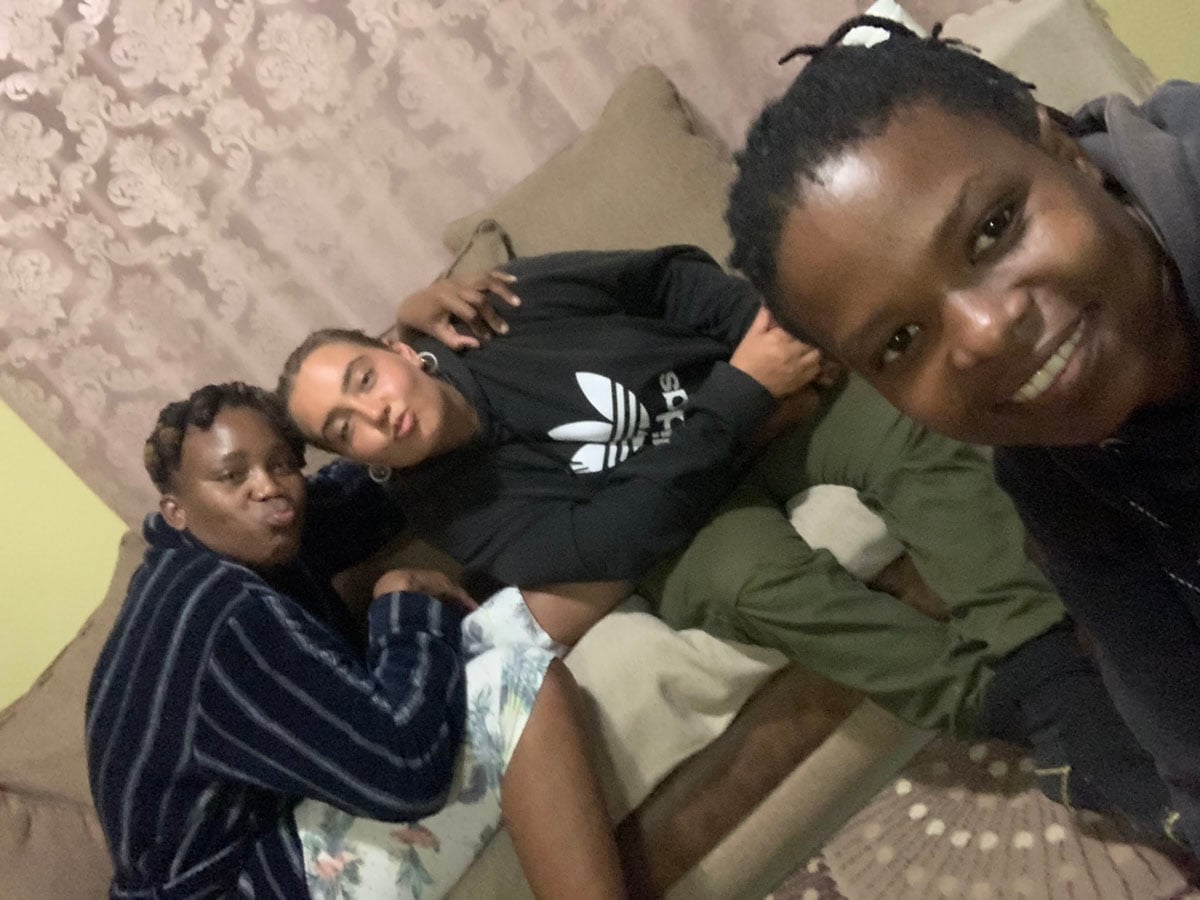
Couchsurfing also made a big difference for me. I used it not only as an accommodation option but to meet locals, get recommendations and occasionally connect with people for transport or activities.
That gave me a much more personal experience of Botswana than simply moving between tourist attractions.
If you’re someone who needs a constant social environment while travelling, Botswana may feel isolating at times.
If you’re comfortable spending time alone, however, the quieter atmosphere can be one of its greatest strengths.
Is Botswana Good for Solo Female Travellers?
Botswana is a great destination for solo female travellers, and I found it to be one of the calmest and most rewarding countries I’ve travelled through alone.
Where Zambia or visiting Namibia can feel easier for meeting other backpackers and moving quickly between hostels, Botswana feels slower, quieter, and more self-directed.
I found Botswana to be less social and focused on the typical backpacker and party overall, but more structured and calmer in terms of long-distance travel and day-to-day interactions.
How to Stay Safe Travelling in Botswana
During my month in Botswana, I felt comfortable:
- Walking around towns during the day
- Using public buses, hitchhiking and shared taxis
- Staying in campsites, guesthouses and backpacker accommodation
- Asking strangers for directions or help
- Joining group activities as a solo traveller
- Walking around in the evening in places where I felt comfortable
- Travelling independently between towns
- Visiting local bars and enjoying the nightlife
- Meeting locals through Couchsurfing
I still used common sense, particularly around transport hubs and when arriving somewhere unfamiliar.
At night, I avoided unnecessary walks through poorly lit or isolated areas and was more cautious around busy bus stations. I also maintained the habit of keeping one earphone out when walking so I could hear what was happening around me.
Nothing particularly dramatic happened. And honestly, that’s the point.
A large part of what made Botswana feel safe was the absence of constant tension.
Is Botswana Safe for Solo Female Travellers?
Yes. Based on my experience, Botswana felt like one of the safest countries I travelled through in Africa as a solo woman.
What’s often missing from that narrative is how safe, calm, and welcoming it feels day to day, especially as a solo female traveller.
I never experienced harassment or a threatening situation that made me question whether I should be travelling alone. I wasn’t constantly approached, pressured or hassled, and I rarely felt like I needed to be on high alert.
That doesn’t mean Botswana is risk-free. I still paid attention to where I was staying, how I was getting somewhere and what time of day I was travelling. I used the same basic awareness I would use anywhere as a solo traveller.
But there is a difference between being aware and being afraid.
For me, Botswana was much more about the former.
Whether I was in a busy bus terminal, arriving in a new town, staying at a campsite or travelling between destinations, I generally felt comfortable moving independently. People were usually polite and helpful, and interactions tended to be curious rather than intrusive.
That made a noticeable difference to the experience of travelling alone.
The People: Culture, Hospitality and Daily Interactions
The people you meet whilst travelling really do make the trip much more than just visiting a place, but they make it a real journey of discovery. As a solo female traveller, they are what made me fall in love with Botswana.
How Locals Treat Solo Female Travellers
One of the things I appreciated most about Botswana was how normal it felt to travel alone.
As a woman travelling independently, I was generally treated with quiet respect. People were curious, but I rarely felt that curiosity becoming intrusive.
People I met were often interested in where I was from, why I was travelling alone, what I thought of Botswana and, inevitably, which football team I supported.
Interactions were usually relaxed rather than aggressive or commercial.
I received attention from men, as I have in many countries, but in my experience it was generally mild. A polite but firm response was enough when I didn’t want to continue a conversation.
As a young woman, I was also conscious of being noticeable in some places. Even so, I generally experienced curiosity rather than hostility or unwanted attention.
That feeling of being able to move through a place without constantly being drawn into interactions was one of the most enjoyable parts of the trip.
Whether I needed directions, transport information, or help finding accommodation, people were willing to assist, even when there were language barriers.
I never felt stranded or ignored, and that willingness to help removed much of the friction that can come with travelling independently in a country with less established tourist infrastructure.
Respecting local customs
Botswana felt relatively relaxed culturally, but I still dressed modestly in everyday settings and was particularly mindful in smaller towns and rural communities.
A few simple things go a long way:
- Greet people properly.
- Be patient.
- Ask before taking photographs.
- Dress respectfully, particularly outside tourist areas.
- Don’t expect everything to happen quickly.
I found that a respectful, low-key approach was usually met with the same in return.
Police checkpoints
Police checkpoints are common on major routes. In my experience, they felt routine and professional rather than intimidating.
Passengers may be asked for identification or immigration documents, so I kept my passport accessible during longer journeys.
Again, this was one of those situations that sounded more intimidating beforehand than it actually felt once I experienced it.
Language and Communication
Language was one of the easier parts of travelling through Botswana.
English is widely used, particularly in towns, transport hubs and tourism settings, so I rarely had problems arranging things or chatting with people.
Setswana is the national language, and you’ll hear it throughout daily life. I didn’t become fluent, but learning a few basic phrases made interactions warmer and was appreciated.
A few useful ones are:
| English | Setswana |
|---|---|
| Hello | Dumela |
| Thank you | Ke a leboga |
| Please | Ka kopo |
| Yes | Ee |
| No | Nnyaa |
| How much? | Ke bokae? |
| Where is it? | E kae? |
| I am going to ___ | Ke ya kwa ___ |
| Stop here | Emisa mo |
You don’t need to speak Setswana to travel independently, but making an effort with greetings is worthwhile.
The Hardest Parts of Solo Female Travel in Botswana
Safety wasn’t the hardest part of my trip. The challenges were much more practical.
The cost
Botswana can be expensive compared with many other African backpacking destinations. Safari activities are the obvious example, and travelling alone can make them particularly expensive because some trips and transfers are priced around private vehicles or groups.
I kept costs manageable by camping, using public transport, travelling slowly and joining group activities wherever possible.
Limited backpacker infrastructure
Botswana doesn’t have the same established backpacker circuit as some neighbouring countries. That means you have to create some of your own connections and make more decisions independently.
Long travel days
Distances between destinations are significant, and getting somewhere can take much longer than expected. If you’re travelling through Botswana, don’t build an itinerary that leaves you with no room for delays.
Isolation
Travelling alone gave me enormous freedom, but there were also times when I wished I had someone to share the experience with.
There were days when I didn’t meet another traveller. Long journeys could feel lonely, particularly when there wasn’t much happening at the destination.
For me, those periods were manageable because I genuinely enjoy my own company. But it’s worth being honest about this before choosing Botswana for a solo trip.
Wildlife Safety: The Risk I Took Most Seriously
If you’re travelling through Botswana independently, one area where I would recommend taking safety particularly seriously is wildlife.
The country’s remoteness and incredible wildlife are part of what makes it special, but they also mean you’re sometimes sharing space with animals rather than simply observing them from a distance.
I never had a dangerous wildlife encounter, but camping in bush environments made me much more conscious of where I was and how I behaved.
Simple precautions include:
- Secure food and rubbish properly.
- Follow campsite rules.
- Don’t enter restricted areas.
- Carry a torch after dark.
- Listen to guides and local advice.
- Don’t approach or feed wildlife.
The important thing is not to be frightened of wildlife. For me, it was about understanding that you’re sharing space with wildlife, not simply staying alongside it.
Why Botswana Is Still Worth It
For all the logistical challenges, Botswana was one of the most rewarding countries I travelled through during my time in Africa.
The biggest reason was wildlife.
The Okavango Delta
The Okavango Delta was one of the highlights of my entire trip.
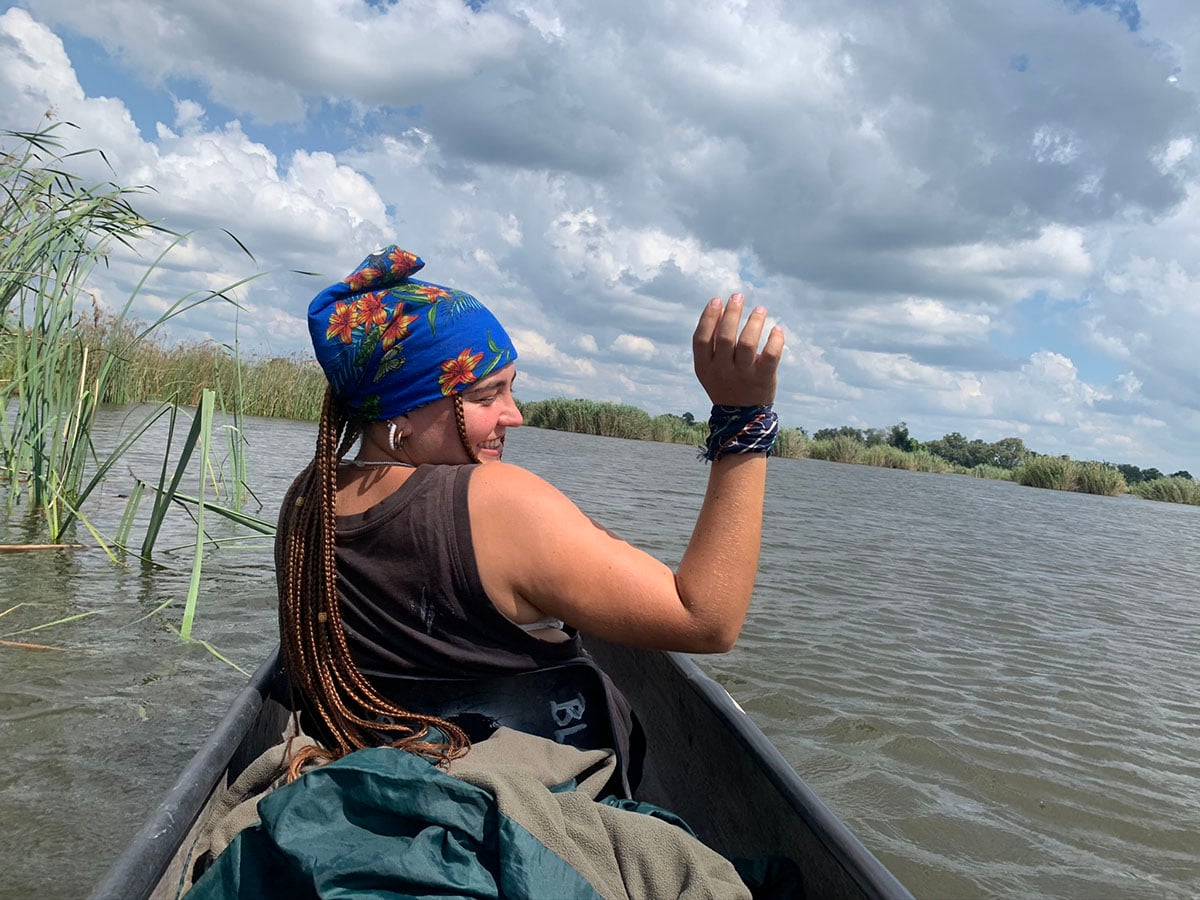
Exploring the Delta by mokoro, walking with a guide, and camping in the wilderness created an experience that felt completely different from conventional sightseeing.
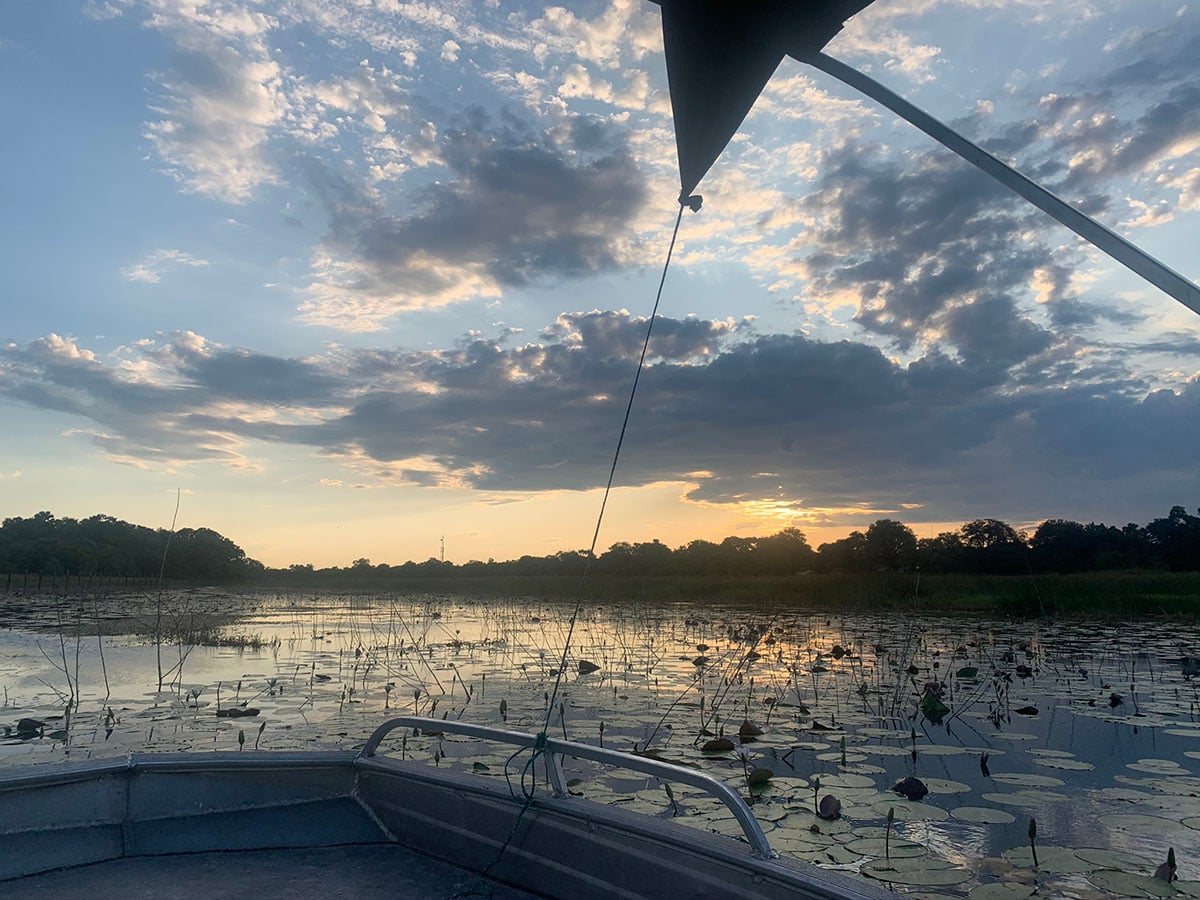
I especially loved gliding through the Delta in a mokoro, watching hippos and crocodiles slip through the water. The freedom of being surrounded by wilderness is what made the experience feel different from conventional safari tourism.
Chobe National Park
Chobe was another major highlight.
Seeing elephants, hippos, and other wildlife in such numbers was unforgettable, and the river itself made the experience particularly memorable.
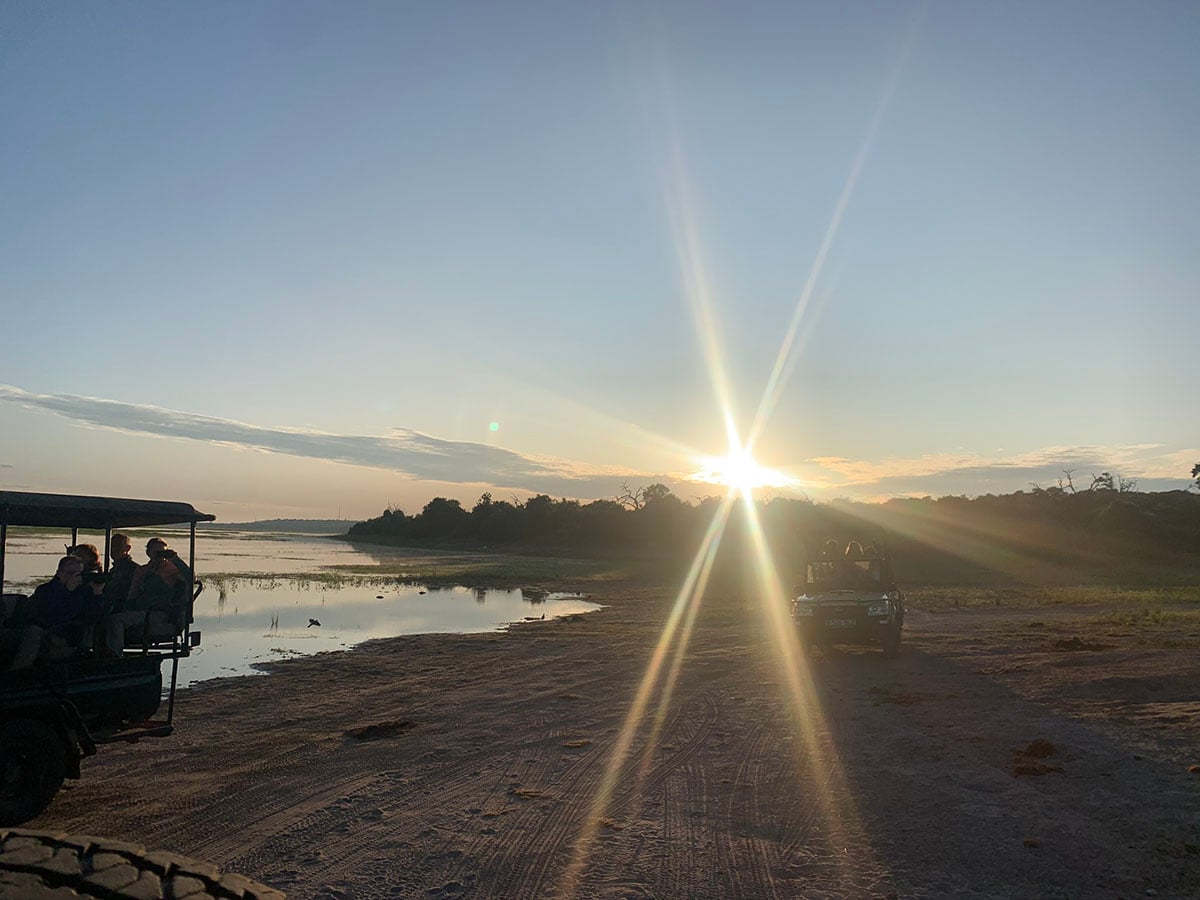
A sunset cruise on the Chobe River and a game drive were among my favourite experiences.
The Slower Pace of Travel
Botswana naturally slows you down. Long distances, fewer transport options, and limited routes create a more deliberate rhythm of travel. Once I adjusted, I found it refreshing compared to faster, more hectic backpacking routes.
Fewer Crowds Than Other Safari Destinations
Botswana also gave me something I hadn’t realised I was looking for: space.
I visited during the low season, so traveller numbers and safari traffic were naturally lower, but the country still felt noticeably quieter than some other major safari destinations.
It wasn’t just that there were fewer people; it was that the landscape itself felt expansive enough to absorb them.
There was room to slow down and actually notice where I was.
That slower rhythm, combined with Botswana’s wildlife and genuine human connection, is what made the experience so memorable.
After two years of backpacking across ten countries in Southern and Eastern Africa, Botswana ranks among my top three countries for wildlife experiences and nature.
But the wildlife wasn’t the only thing that stayed with me.
Some of my favourite memories came from ordinary interactions with people I met along the way.
Incredible Wildlife
The wildlife in Botswana was consistently impressive. From boat safaris and game drives to simply being in nature around campsites, many encounters felt raw and authentic rather than staged or crowded.
After two years of backpacking across ten countries in Southern and Eastern Africa, I can confidently say Botswana ranks among my top three for wildlife, nature, and animal experiences. It was one of the biggest reasons I came—and it completely delivered.
Genuinely Kind Interactions
Beyond the landscapes and wildlife, some of my most positive interactions in Southern Africa happened in Botswana. Whether with hosts, locals, or people I met along the way, there was a consistent sense of calm friendliness that made travelling alone feel easier and more comfortable.
Botswana’s combination of space, wildlife, and genuine human connection is what made the experience so memorable.
My Tips for Women Travelling Alone in Botswana
If you’re planning to travel through Botswana alone, these are the things I’d keep in mind.
Give yourself more time than you think you need
Keep your plans flexible. A rigid itinerary doesn’t work particularly well here. Leave room for delayed buses, unexpected opportunities and days when travelling simply takes longer than expected.
Instead of expecting everything to work like a traditional backpacking route, I learned to build in extra time, ask questions, call accommodation ahead and accept that some journeys would take most of a day.
A journey that looks straightforward on a map can involve an early start, a long wait, a change of vehicle and several more hours on the road. Plans can change, and schedules don’t always behave the way you expect them to.
Don’t always choose the cheapest accommodation
For solo travel, a secure and convenient place to stay can be worth paying slightly more for. Also, check availability before arriving if you can, especially in places such as Maun and Kasane.
Trust your instincts
This applies particularly to hitchhiking and unfamiliar situations.
I hitchhiked during my trip, but only when I felt comfortable with the situation. You never need to justify saying no.
Get appropriate travel insurance
I wouldn’t travel through Botswana without insurance, particularly when planning safari activities or spending time in remote areas.
I personally used SafetyWing because it suited the type of adventure travel I was doing and was straightforward to set up.
Sort out your insurance before you go. There are several good options, but our overall pick is SafetyWing. Most of the Broke Backpacker team has used it at one point or another, and we’ve filed claims for rabies jabs in Bali, a hospital stay in Mexico, and a clinic visit for a stomach bug that wouldn’t quit. All paid out.
It’s month-to-month, no lock-in, no itinerary required, and you can buy it after you’ve already left. A little over $2 a day if you’re under 40.
New SafetyWing customers: use code BROKEBACKPACKER for 8 free weeks of electronics theft coverage. You have to scroll down and click the pink camera on their landing page to enter it, and you have to do it before creating your account.
Click here to find the ideal policy for you.
FAQs on Travelling Solo in Botswana as a Woman
Ok, you might still have a few more questions; if that’s the case, I’m here for you.
Is Botswana safe for solo female travellers?
Yes. Based on my experience travelling independently for 30 days, I felt comfortable travelling around Botswana and never experienced harassment or a threatening situation that made me question travelling alone. Like anywhere, I still used normal awareness, particularly at night and around transport hubs.
Is Botswana expensive?
Yes, particularly for accommodation and safari activities. However, budget travel is possible if you’re willing to camp, use public transport, join group activities, and travel slowly. Botswana isn’t a cheap backpacking destination, but you don’t need to travel exclusively through luxury lodges either.
Can you travel around Botswana without a 4×4?
Yes. I travelled independently using buses, combis, shared rides, and occasional hitchhiking. A 4×4 is useful for accessing some remote safari areas, but it isn’t necessary for travelling between the country’s main towns.
Can you backpack Botswana on a budget?
Yes, although it requires more planning and flexibility than backpacking in many other countries. Camping, guesthouses, Couchsurfing, Workaway and public transport can help keep costs down. Joining group safari activities is also important if you want to make expensive experiences more affordable.
How long do you need in Botswana?
I’d recommend at least 10–14 days for a highlights trip, but three to four weeks gives you much more breathing room. After travelling there for 30 days, I still felt I could have stayed longer.
Is Botswana a good first African destination?
It depends on what you’re looking for. If you’re interested in wildlife, nature, independent travel and a quieter experience, it can be an incredible introduction to Africa.
Should You Travel in Botswana Alone?
Yes — if you’re comfortable travelling independently.
Travelling through Botswana alone gave me an unusual kind of freedom. There wasn’t always a ready-made route or a hostel full of people waiting to join your plans. I had to make my own way, accept a little uncertainty, and become comfortable with my own company.
In return, I got space.
Space to travel slowly. Space to meet people without constantly feeling surrounded by tourists. Space to experience wildlife in extraordinary landscapes. And space to simply be somewhere without feeling like I needed to rush through it.
As a solo female traveller, I never felt that I needed to be fearless. I just needed to be aware, flexible and willing to adapt.
If you’re looking for wildlife, wilderness, independence and the freedom to experience Africa at a slower pace, I’d absolutely go.