⚠️ Travel Advisory Notice
The security situation in Israel is currently volatile, and several governments advise against travel to all or parts of the country. Before planning any trip, please check your government’s official travel advice:
- 🇬🇧 UK: gov.uk/foreign-travel-advice
- 🇺🇸 US: travel.state.gov
- 🇦🇺 Australia: smartraveller.gov.au
- 🇨🇦 Canada: travel.gc.ca
This article is kept online for reference and future planning. Always verify current conditions before booking.
Tel Aviv is Israel’s vibrant cultural hub. Sitting on the Mediterranean coast, it blends historic neighbourhoods with striking Bauhaus architecture, buzzing nightlife, excellent food and some of the country’s best beaches.
That said, if you’re planning a trip, safety is probably on your mind. Since the outbreak of the Israel–Hamas war in October 2023, many travellers have understandably been asking whether it’s safe to visit Tel Aviv and how the situation has affected travel.
In this guide, we’ll break down the current situation, look at the facts, and share practical tips to help you make an informed decision about visiting Tel Aviv.
- Current Safety Situation (2026)
- Is it Safe to Visit Tel Aviv Right Now?
- How Safe is Tel Aviv? (Our take)
- Is Tel Aviv safe? (The facts)
- 19 Top Safety Tips for Travelling to Tel Aviv
- Is Tel Aviv Safe to Travel Alone?
- Is Tel Aviv Safe for Solo Female Travellers?
- Is Tel Aviv Safe to Travel for Families?
- Is it Safe to Drive in Tel Aviv?
- Are Taxis Safe in Tel Aviv?
- Is Public Transportation in Tel Aviv safe?
- Keeping Your Money Safe in Tel Aviv
- Is the Food in Tel Aviv safe?
- Can You Drink the Water in Tel Aviv?
- How is Healthcare in Tel Aviv?
- Helpful Israel Travel Phrases
- FAQ about Staying Safe in Tel Aviv
- Final thoughts on the safety of Tel Aviv
Current Safety Situation (2026)
Israel has been in an active state of war since the Hamas attacks of October 7, 2023. The conflict with Gaza has involved regular rocket alerts across southern and central Israel, including Tel Aviv. Iran launched direct missile and drone strikes on Israeli territory in April 2024 and again in October 2024. Hezbollah in Lebanon launched rockets into northern Israel throughout 2024, with a ceasefire taking effect in late 2024 that remains fragile.
The US State Department currently rates Israel at Level 3: Reconsider Travel, with Level 4 Do Not Travel for Gaza and areas within 80km of the Gaza border. The UK Foreign Office advises against all travel within 40km of the Lebanese border and to Gaza.
Tel Aviv itself is not on the Do Not Travel list. The city is well away from the Gaza border, has a functioning Iron Dome air-defense system, and Israelis continue to live and work normally. That said, air raid sirens do occasionally sound in Tel Aviv and you should know where the nearest shelter is. Follow local civil defense instructions immediately if sirens activate.
Is it Safe to Visit Tel Aviv Right Now?
The honest answer is that it really depends on the very current situation.
The ongoing conflict in Israel has experienced periods of heightened tension, including rocket and missile attacks, military operations, regional escalation and travel disruptions. Although Tel Aviv remains a lively city where people continue to live, work and go about their daily lives, the security situation is very different from what it was before the war.
If you’re thinking about visiting, make sure you do your homework first. Checking the latest government travel advice before booking and before you travel is absolutely essential, as advice can change so quickly in response to events on the ground. We also strongly recommend following any guidance issued by local authorities during your trip.
While you’re in the country, keep an eye on local news and stay aware of what’s happening around you. Security alerts and warning sirens can occur with little notice, so staying informed is one of the best ways to stay safe. We also recommend picking up a local SIM card or eSIM so you can stay connected and receive updates wherever you are.
Tel Aviv continues to attract visitors from around the world, but this isn’t a destination where you should arrive without understanding the current situation. Take the time to get up to speed before your trip, follow official advice and be prepared to stay flexible. Travel plans can change quickly in this part of the world, so don’t assume that because you’ve already booked, your trip should automatically go ahead as planned.
How Safe is Tel Aviv? (Our take)
Honestly, Tel Aviv will probably surprise you.
Despite the headlines it often attracts, this is a city packed with beachgoers, cyclists, remote workers, late-night revellers and some seriously good food. It’s energetic, modern and, in many ways, feels more Mediterranean than Middle Eastern.
Of course, that doesn’t mean you can switch off completely. Like any big city, petty theft does happen, especially in busy areas, on public transport and on the beach. Leaving your bag unattended while you go for a swim isn’t the best idea, and it’s always worth keeping an eye on your valuables.
It’s also worth remembering that you’re visiting a country with a mix of cultures, religions and traditions. Tel Aviv itself is known for being liberal and laid-back, but a little awareness and respect for local customs will go a long way.
For most travellers, everyday crime isn’t likely to be the thing that causes problems in Tel Aviv. The bigger consideration is staying informed about the wider situation in Israel and making sure you’re following official advice before and during your trip.
But that’s just our take. Let’s dig into the facts and figures to see what the data says.
Is Tel Aviv safe? (The facts)

The Broke Backpacker is supported by you. Clicking through our links may earn us a small affiliate commission, and that's what allows us to keep producing free content 🙂 Learn more.
If Tel Aviv was as dangerous as some headlines make it sound, people simply wouldn’t keep visiting. But they do.
While visitor numbers are still below the record-breaking highs seen before October 2023, tourism has been recovering, with around 1.3 million international visitors arriving in Israel in 2025. That’s a noticeable increase on 2024 and a sign that many travellers still feel comfortable visiting the country.
When it comes to everyday safety, Tel Aviv generally performs much like other large cities. The most common issues affecting travellers tend to be things like pickpocketing, unattended belongings going missing, and the occasional tourist scam rather than violent crime.
Of course, Tel Aviv isn’t your average city break destination. The wider security situation in Israel remains the biggest factor travellers need to consider, which is one reason the country ranks relatively low on global peace indexes compared to many popular European destinations.
So what’s the takeaway? For most visitors, the biggest day-to-day risks are likely to be the same ones you’d find in plenty of major cities around the world. The difference is that a trip to Tel Aviv also requires you to stay informed about the wider situation and keep an eye on official travel advice.
With that in mind, let’s look at some practical tips for staying safe during your trip.
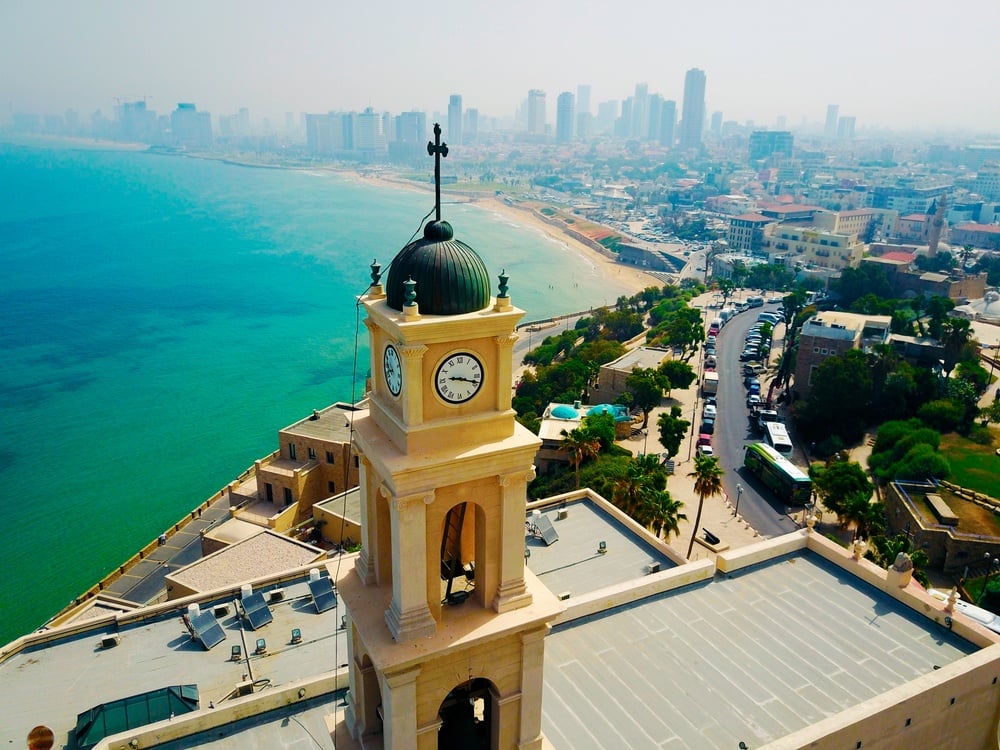
Tel Aviv is one of those cities that tends to win people over pretty quickly. Between the beaches, food, nightlife and laid-back atmosphere, it’s easy to see why so many travellers enjoy their time here.
That said, it’s still worth doing a little preparation before you go. While many of the usual travel safety rules apply, there are also a few things that are fairly unique to Israel. These tips will help you avoid common mistakes and make the most of your trip.
- Follow official advice – Travel advice and local guidance can change quickly. Before and during your trip, make sure you’re following the latest information from both local authorities and your government.
- Monitor local news – Staying informed is especially important in Israel. Keep an eye on local news, official travel advice and any guidance from local authorities.
- Know what to do if you hear an air raid siren – While most visitors will never experience one, it’s worth familiarising yourself with local emergency procedures and the location of nearby shelters, just in case.
- Get a local SIM card or eSIM – Staying connected makes it easier to navigate the city, keep up with local updates and stay in touch with family and friends.
- Be sensitive – Avoid getting drawn into heated discussions about politics or the conflict. Being respectful of different views, cultures and religious traditions will go a long way.
- Pay attention around religious holidays – Large gatherings, demonstrations, and changes to transport schedules can occur around religious holidays, so it’s worth checking what’s happening locally.
- Be vigilant at large gatherings – Whether you’re attending a festival, parade, concert or sporting event, it’s always worth paying a little extra attention to your surroundings.
- Keep your passport safe – Keep your passport secure and only hand it over when genuinely required by officials or accommodation providers.
- Carry a copy of your ID – Having a copy of your passport and immigration documents can be useful if you need to identify yourself or replace lost documents.
- Don’t leave things unattended at the beach – Tel Aviv’s beaches are fantastic, but unattended bags, phones and wallets can quickly disappear.
- Keep an eye on your belongings on public transport – Buses and train stations are generally safe, but crowded areas are always worth being a little extra vigilant in.
- Limit the amount of cash you carry – The less cash you’re carrying around, the less you stand to lose if something goes missing.
- Be careful what you photograph – Avoid taking photos of military or police installations, and be respectful when photographing people, particularly in more conservative communities.
- Be sensible with transport at night – Tel Aviv is a city that stays up late, but it’s still worth sticking to licensed taxis and reputable transport options after dark.
- Dress appropriately – Tel Aviv is generally relaxed, but some religious neighbourhoods and sites have more conservative expectations when it comes to clothing.
- Remember that weekends work differently – Many businesses close from Friday evening through Saturday for Shabbat, and public transport is limited during this time. It’s worth keeping in mind when making plans.
- Stay hydrated – The Mediterranean sun is no joke, especially in summer. Carry water with you and don’t underestimate how quickly a day at the beach can wear you out.
- Learn a little Hebrew – You’ll get by just fine with English, but a few words of Hebrew will usually earn you a smile.
- Don’t do drugs – Drug laws are taken seriously, and penalties for possession, trafficking and smuggling can be severe.
Is Tel Aviv Safe to Travel Alone?
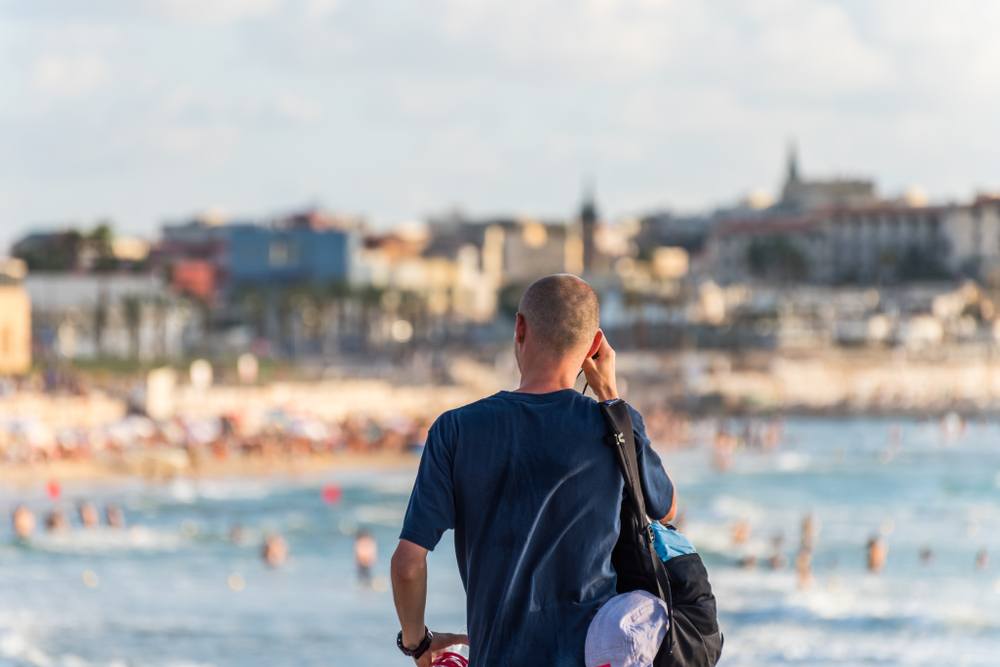
Yep, for the most part, Tel Aviv is a great place to travel solo.
If you’re worried about spending your whole trip eating dinner alone or wandering around with nobody to talk to, don’t be. Tel Aviv is a social city. People are out at cafés, bars, beaches and markets from morning until late at night, and it’s generally pretty easy to meet both locals and other travellers along the way. English is widely spoken too, so getting around and asking for help is rarely a problem.
If you’re staying in hostels, choosing somewhere sociable can make a huge difference. Tel Aviv has a good hostel scene, and it’s one of the easiest ways to meet people if you’re arriving on your own. Just make sure you do a little research before booking. The cheapest option isn’t always the best one.
As with any big city, keep an eye on your belongings, don’t leave your stuff unattended on the beach, and avoid carrying all your cash and bank cards in one place. Having a backup card tucked away separately can save a lot of hassle if something goes missing.
It’s also worth staying connected. A local SIM card or eSIM will help you navigate the city, keep up with local updates and stay in touch with people back home. And if you’re planning to explore beyond Tel Aviv, let somebody know where you’re heading.
One thing that catches some travellers out is public holidays. Yom Kippur, for example, can bring much of the city to a standstill, so it’s worth checking local dates before making plans.
Finally, while Tel Aviv is famous for its nightlife, don’t let a great night out turn into a bad morning. Getting completely wasted in an unfamiliar city is rarely a good idea.
All in all, Tel Aviv is a friendly, easy-going city that’s well-suited to solo travel. If you’re sensible and stay informed, there’s every chance you’ll have a fantastic time.
Thinking about travelling beyond the city? Check out our Backpacking Israel Travel Guide for budget tips, route ideas and advice on exploring the rest of the country.
Is Tel Aviv Safe for Solo Female Travellers?

Of course! For most solo female travellers, Tel Aviv is an easy and enjoyable city to explore.
If you’ve already read the solo travel section above, most of the same advice applies here too. Keep your wits about you, trust your instincts and use the same common sense you would anywhere else.
That said, some women do report experiencing unwanted attention or catcalling from time to time. It’s usually more annoying than anything else, but don’t feel like you have to be polite if somebody is making you uncomfortable. A firm “no” is perfectly acceptable.
It’s also worth being mindful of how much personal information you share with people you’ve only just met. There’s no need to tell strangers where you’re staying, your room number or exactly what your plans are for the next few days.
If you’re looking to meet people, consider joining a tour, attending a local meetup or connecting with other female travellers. Not only can it be a great way to make friends, but you’ll often pick up useful local tips and recommendations too.
And if you’re enjoying Tel Aviv’s nightlife, keep an eye on your drink and don’t accept drinks from strangers. It’s hardly unique to Tel Aviv, but it’s always worth remembering.
One practical tip: keep your phone charged whenever possible. Whether you’re navigating the city, ordering a taxi or checking travel updates, having a working phone can make life a lot easier. A small power bank is never a bad idea either.
One final thing to bear in mind is that Tel Aviv is not necessarily a reflection of the whole country. It’s one of the most liberal parts of Israel, and attitudes can be quite different in more religious areas. If you’re planning to travel beyond the city, it’s worth doing a little research beforehand. In some neighbourhoods and religious sites, dressing a little more conservatively can help you feel more comfortable and avoid unwanted attention.
All in all, Tel Aviv is a solid choice for solo female travellers. It’s easy to get around, easy to meet people and easy to enjoy on your own.
Is Tel Aviv Safe to Travel for Families?

If you’re wondering whether Tel Aviv works as a family destination, the answer is generally yes.
Sure, the city has a reputation for nightlife and beach parties, but during the day you’ll find parks full of children, families out for lunch and plenty of kid-friendly things to do. It’s a relaxed place, and children are very much part of everyday life here.
The beaches are usually the big winner. There are miles of sand, lifeguards are on duty at many beaches, and there’s plenty of space for kids to run around and burn off some energy. Just don’t underestimate the Mediterranean sun, especially in summer. Sunscreen, hats and lots of water are your friends.
Away from the beach, there are parks, playgrounds, museums and markets to explore, and the city itself is fairly easy to get around with children in tow.
As with any trip, a bit of planning goes a long way. Check local conditions before heading to the beach, keep an eye out for any swimming restrictions and make sure you’re up to speed with the latest travel advice before you go.
The biggest consideration for families isn’t usually day-to-day safety in Tel Aviv itself, but the wider situation in Israel. Many families continue to visit, but it’s important to understand the current situation, follow official advice and make sure you’re comfortable travelling before booking your trip.
Overall, if you’re looking for a city break with beaches, good food, outdoor spaces and plenty to keep children entertained, Tel Aviv has a lot going for it.

The #1 thing you can do to stay safe upon arrival to a foreign land is to get yourself an eSim before you leave home. That way you can get connected the minute you land. No more dodgy cabs. No more hanging round phone stores.
Get an eSIM with GigSkyIs it Safe to Drive in Tel Aviv?

Yes, driving in Tel Aviv is generally safe, but whether it’s enjoyable is another question.
The roads are modern, road signs are usually displayed in Hebrew, Arabic and English, and it’s fairly easy to navigate with a sat nav or navigation app. If you’re planning to explore other parts of Israel, renting a car can be a convenient option.
The bigger challenge is dealing with the traffic. Tel Aviv has a reputation for busy roads, impatient drivers and the occasional creative interpretation of the rules of the road. Expect plenty of horn-honking, last-minute lane changes and drivers who seem to be in a hurry to get absolutely everywhere.
Parking can be another headache. Finding a space in central Tel Aviv isn’t always easy, and local parking rules can be confusing if you’re visiting for the first time. Even the parking machines can be a bit of a faff, so don’t be surprised if paying for parking takes longer than expected. Many locals use parking apps instead, which can make life a lot easier.
For most visitors staying in the city, a car simply isn’t necessary. Between public transport, taxis and walking, it’s usually possible to get around without the stress of driving and parking.
That said, if you’re a confident driver and want the freedom to explore beyond Tel Aviv, there’s no reason not to rent a car. Just bring a little patience with you.
Are Taxis Safe in Tel Aviv?
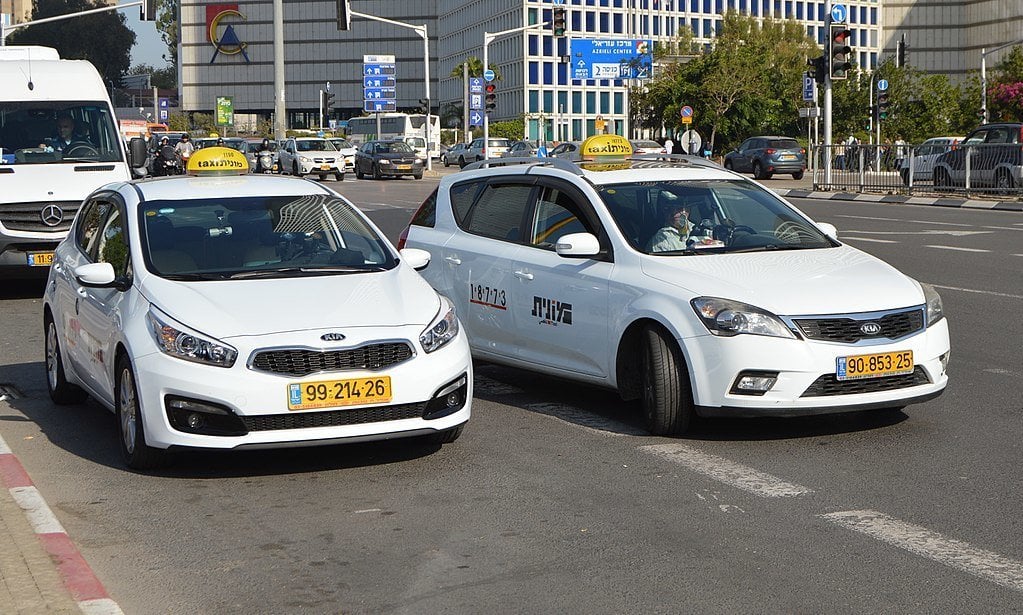
Yep, for the most part, taxis are a safe and easy way to get around Tel Aviv.
You’ll find licensed taxis all over the city, and most drivers are friendly and straightforward to deal with. The main thing to be aware of is the occasional attempt to overcharge tourists. By law, taxis should use a meter, so if a driver tells you it’s broken or tries to talk you into an expensive flat fare, you’re usually better off finding another cab.
If you’d rather take the guesswork out of things, ride-hailing apps can make life a lot easier. Gett is the most popular option in Israel, while Uber also operates here, though not quite in the same way it does in some other countries. Both allow you to book a licensed taxi through the app, track your journey and pay electronically.
If you’re arriving late at night, heading somewhere unfamiliar or simply don’t fancy standing by the roadside trying to flag down a cab, using an app or asking your accommodation to book one for you is often the easiest option.
All in all, taxis and ride-hailing apps are a reliable way to get around Tel Aviv. Stick to licensed services, keep an eye on the meter if you’re paying in person, and you shouldn’t run into any problems.
Is Public Transportation in Tel Aviv safe?

Public transport is part of everyday life in Tel Aviv, and most visitors use it without any issues.
Getting around the city is easier than it used to be thanks to a mix of buses, trains and the Tel Aviv Light Rail. While the system can feel a little confusing at first, especially if it’s your first time in Israel, most visitors get the hang of it pretty quickly.
If you’re relying on public transport, a journey-planning app can be a lifesaver. Apps such as Moovit make it much easier to figure out routes, check live updates and avoid standing at a bus stop wondering if you’ve gone completely the wrong way. You can also find route information on the Dan public transport website, which operates many of the city’s bus services.
As with public transport anywhere in the world, it’s worth keeping an eye on your belongings, particularly during rush hour or at busy transport hubs. Most journeys are uneventful, but crowded buses and stations are always a good place to stay aware of your surroundings.
One thing that often catches visitors out is Shabbat. Public transport services are reduced or stop altogether from Friday evening into Saturday, so it’s worth factoring that into your plans.
If you’re planning to travel beyond Tel Aviv, Israel’s train network is generally clean, modern and an easy way to get between major cities. If you’d rather explore on two wheels, the city’s Tel-O-Fun bike-sharing scheme is another popular option.
Overall, public transport is a safe and practical way to get around Tel Aviv, and most visitors won’t have any problems using it.
Keeping Your Money Safe in Tel Aviv
Keeping your money safe in Tel Aviv isn’t something most travellers spend much time worrying about, but it’s still worth taking a few sensible precautions.
Credit and debit cards are widely accepted throughout the city, so there’s usually no need to carry large amounts of cash. In fact, carrying less cash is often the safer option.
It’s also a good idea to have a backup payment method. Keeping a spare bank card separate from your main wallet can be a real lifesaver if your wallet is lost, stolen or simply left behind somewhere.
If you need cash, try to use ATMs attached to banks rather than standalone machines, and always keep an eye on your surroundings when withdrawing money.
Some travellers also like to use a money belt or hidden pouch for storing emergency cash, spare cards or important documents. You probably won’t need it for day-to-day spending, but it can provide a little extra peace of mind.
As with anywhere, stay aware of your belongings in busy areas, on public transport and at crowded markets or beaches. Most visitors won’t have any issues, but a little caution never hurts.
Other than that, use the same common sense you would anywhere else and your money should stay right where it belongs.
Is the Food in Tel Aviv safe?

Let’s put it this way: you’re more likely to over-order than get food poisoning.
Food is a big deal here, and you’ll find everything from busy street food stalls and neighbourhood cafés to trendy restaurants and bustling food markets. In general, food hygiene standards are good, and most travellers won’t have any issues.
As with anywhere, some places are better than others. A good rule of thumb is to follow the crowds. If a restaurant, bakery or falafel stand is packed with locals, that’s usually a pretty good sign.
And speaking of street food, don’t skip it. Falafel, shawarma, hummus and fresh pita are all part of the Tel Aviv experience. Just be careful when somebody offers you spicy sauce for the first time. Trust us, a little goes a long way.
If you do end up with an upset stomach, it’s often less about food safety and more about your body getting used to different ingredients, spices and eating habits.
Fresh fruit and vegetables are plentiful and generally excellent, but it’s still worth giving anything you’ve bought from a market a quick wash before tucking in.
One thing to keep in mind is that many businesses adjust their opening hours around Shabbat, and some restaurants may close from Friday evening into Saturday.
All in all, Tel Aviv is a fantastic city for food lovers. Follow your nose, follow the crowds and don’t be afraid to try something new.
Can You Drink the Water in Tel Aviv?
Sure can! The tap water in Tel Aviv is safe to drink, so there’s no need to survive on bottled water during your trip.
Bringing a reusable water bottle is a good idea, especially if you’re spending long days exploring the city or hanging out at the beach. Tel Aviv can get seriously hot, and staying hydrated is far more important than worrying about where your next bottle of water is coming from.
You’ll often be served tap water in restaurants, too, usually without even having to ask for it.
So save yourself some money, bring a refillable bottle and spend your spare cash on hummus instead.
How is Healthcare in Tel Aviv?
Chances are, you won’t need to think about healthcare at all during your trip. But if you do get sick, twist an ankle, eat something that doesn’t agree with you or otherwise find yourself needing medical help, Tel Aviv is well equipped to deal with it.
Healthcare standards in Israel are high, and Tel Aviv has plenty of modern hospitals, clinics and pharmacies. It’s also not unusual to find English-speaking medical staff, especially in places that regularly deal with visitors.
For anything minor, pharmacies are easy to find and generally well stocked. If you take prescription medication, though, it’s always a good idea to bring enough with you rather than hoping you’ll be able to replace it once you arrive.
If you ever do need an ambulance, the emergency number in Israel is 101.
The main thing to remember is travel insurance. Medical care in Israel can be expensive, and some hospitals and clinics may ask for payment up front. It’s not the most exciting thing to spend money on before a trip, but it’s one of those things that’s worth having and hoping you never need.
Sort out your insurance before you go. There are several good options, but our overall pick is SafetyWing. Most of the Broke Backpacker team has used it at one point or another, and we’ve filed claims for rabies jabs in Bali, a hospital stay in Mexico, and a clinic visit for a stomach bug that wouldn’t quit. All paid out.
It’s month-to-month, no lock-in, no itinerary required, and you can buy it after you’ve already left. A little over $2 a day if you’re under 40.
New SafetyWing customers: use code BROKEBACKPACKER for 8 free weeks of electronics theft coverage. You have to scroll down and click the pink camera on their landing page to enter it, and you have to do it before creating your account.
Click here to find the ideal policy for you.
Helpful Israel Travel Phrases
While Hebrew is the official language of Israel. Roughly 20% of the population speaks Arabic. Signage across the country is displayed in both Hebrew and Arabic. English is widely spoken in Israel.
Here are a few useful phrases in Hebrew for your backpacking in Israel adventure:
Hello –Shalom
Morning— Boker
Please –Bevakasha
Cheers – L’chayiym!
What? – Mah?p
Where? – Heykhan?
No plastic bag – eyn sekyt nayylun
No straw please – bli kash, bhvakasha.
No plastic cutlery please – bli ” ma plastik, bhvakasha.
Beer — Biyrah
Thanks! — Todah!
FAQ about Staying Safe in Tel Aviv
Here are some quick answers to common questions about safety in Tel Aviv.
Final thoughts on the safety of Tel Aviv
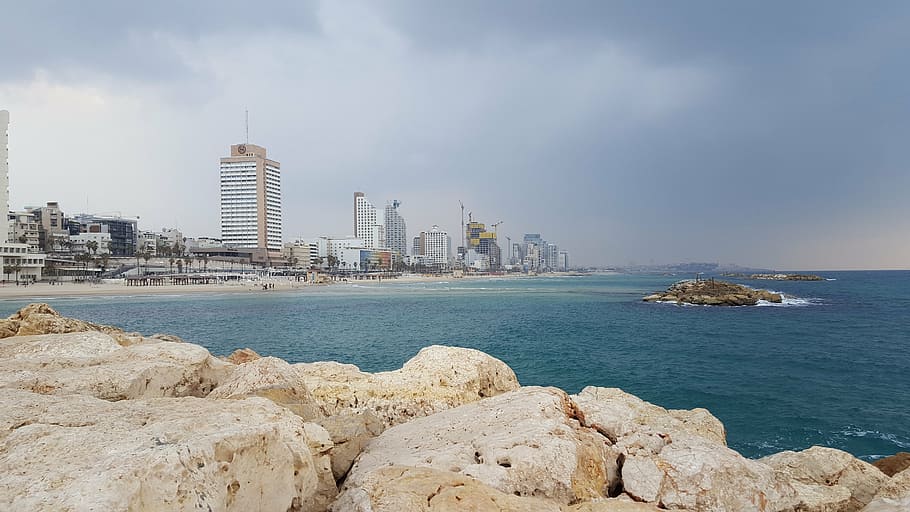
Tel Aviv is one of those cities that catches a lot of people off guard. It’s got great food, lively nightlife, fantastic beaches and a creative energy that’s hard not to like.
Of course, it’s also important to understand the wider situation in Israel. Stay up to date with official travel advice, keep an eye on developments and be prepared to be flexible if plans need to change.
Do that, and there’s every chance you’ll come away wondering why you didn’t visit sooner.
Disclaimer: Safety conditions change all over the world on a daily basis. We do our best to advise but this info may already be out of date. Do your own research. Enjoy your travels!