Cos There’s Nothing Worse Than Being Hungry in Transit
It’s 2 a.m. in a fluorescent-lit airport somewhere you’ve never heard of. Your connection has been delayed. The only food available is a sad-looking sandwich that costs more than the hostel bed that you should be snoring in by now.
Or maybe you’re rattling through Indonesia on a 14-hour overnight bus, wondering whether you should have risked your innards and bought that mystery meat skewer from the dodgy looking warung at the last rest stop afterall.
Or perhaps you’re two days into a trek with another 20 kilometres to walk before camp. Uber eats doesn’t seem to work halfway up Mount Hunger.
Different situations, same problem, you need food, and you need food that travels well.
A few well-chosen snacks can save you money, keep your energy levels stable, and stop you making terrible decisions purely because you’re hungry. (We’ve all paid £12 for a stale airport croissant at some point.)

What Makes a Good Travel Snack?
One of the easiest ways to save money on the road is also one of the most overlooked – bringing your own snacks. Airport food is notoriously overpriced, bus station meals are often disappointing, and on remote trails, there may be no food available at all – if there is any, it will also be an absolute rip-off. Case in point, I recently paid 90 Yuan (£10!) for a single banana on a recent hike up Mt Emei.
But not all snacks are created equal. Rather, the best travel snacks tend to score highly in three areas:
Shelf Stability
If it needs refrigeration, forget it. Unless, of course, you travel with a fridge, in which case, seek mental help!
The ideal travel snack can survive a week in your backpack, a day sitting on a bus luggage rack, and being accidentally crushed beneath your rain jacket without becoming a science experiment or being classified as a biohazard. Preservatives aren’t the enemy here – remember, this is about survival on a long hike or travel day, not your everyday diet!
Calorie Density
This matters much more than most travellers realise. A gram of fat contains roughly twice the calories of a gram of carbohydrate or protein. That’s why foods like nuts, nut butter, and jerky are so useful when you’re travelling light and just need the energy. Also, don’t forget to use a calorie maintenance calculator to help make sure you are having enough calories to sustain your trip.
For trekkers, calorie density becomes especially important. Many experienced long-distance hikers aim for snacks delivering around 100 calories per ounce or more. Remember that every extra gram you carry uphill feels like 2 grams or 10 by the end of the day. Bring something that will pack nicely into your travel daypack.
Failing to fuel properly can lead to fatigue, poor concentration, mood swings, reduced physical performance, and that familiar travel phenomenon known as becoming irrationally angry because you’ve missed lunch. Trust me, this time calories are your friend!
Low Smell and Low Mess
Your seatmates on that long bus ride will thank you for choosing low-smelling, low-mess snacks.
Nobody wants to spend twelve hours trapped beside a tuna sandwich (especially if they’re already feeling a bit travel sick), and few things are less enjoyable than digging melted chocolate out of your backpack. Even if you’re in one of the best countries for food, forget it if it’s messy or smelly!
The best travel snacks are easy to eat, easy to carry, and don’t make you unnecessary enemies.
The Best Snacks for Long Travel Days
Now that we have established the ground rules, let’s look at our favourite (AKA the best) snacks for travel and hiking. I’ve put together this list not only of my own favourites, but I’ve also reached out across the team to see what my fellow Broke Backpackers carry with them.
1. Nuts and Trail Mix
The Broke Backpacker is supported by you. Clicking through our links may earn us a small affiliate commission, and that's what allows us to keep producing free content 🙂 Learn more.
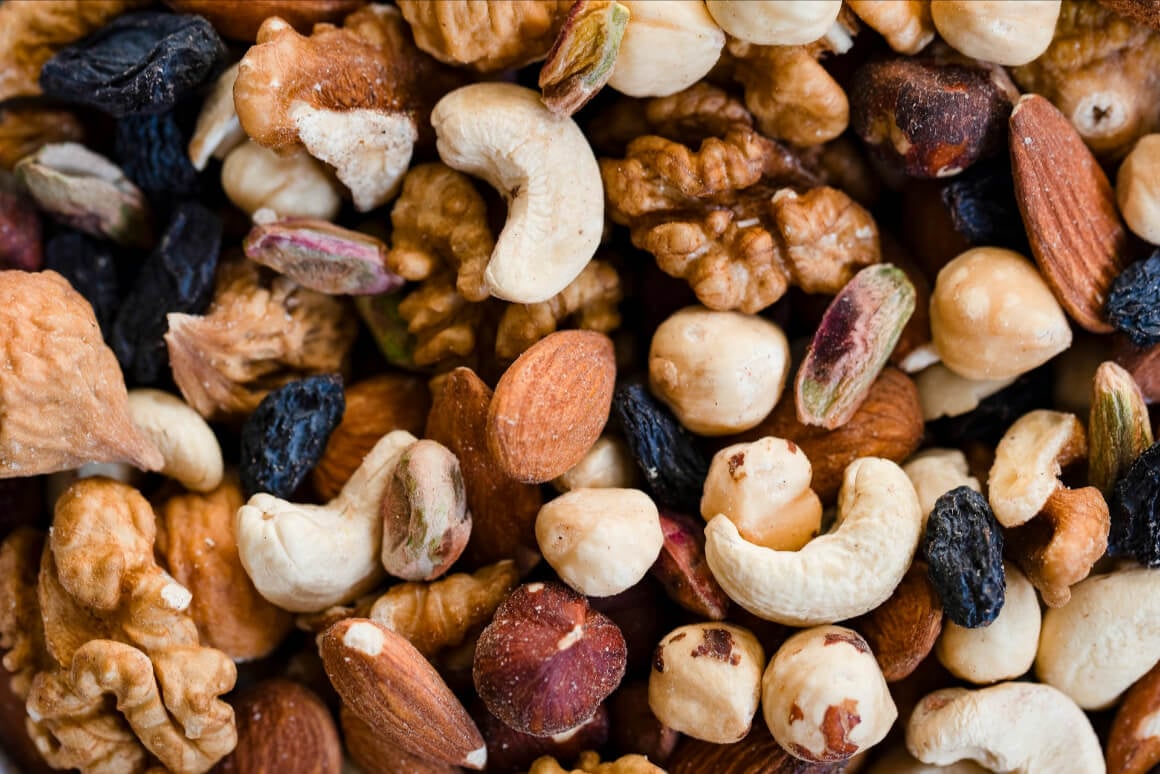
If travel snacks had a hall of fame, nuts would be first-ballot inductees.
They’re (relatively) cheap, widely available, calorie-dense, packed with healthy fats, and virtually impossible to ruin. Almonds, cashews, peanuts, walnuts, pick your pistachio!
Trail mix (known as Scroggin’ in New Zealand, apparently!) takes things a step further by adding dried fruit, seeds, and sometimes a sprinkling of chocolate for a useful balance of quick and slow-release energy.
The only real danger is accidentally eating an entire day’s worth of calories while absent-mindedly staring out of a train window.
Pro tip: Portion your trail mix into smaller bags before you leave. Taya did this recently whilst hiking up Mt Rinjani in Indonesia, and it meant she had enough to see her through a multi-day hike.
Team Picks: Aiden – I adore Pecan’s, otherwise it’s non-salted peanuts. Other teams pick – classic trail mix with almonds, raisins, and dark chocolate.
2. Energy and Protein Bars
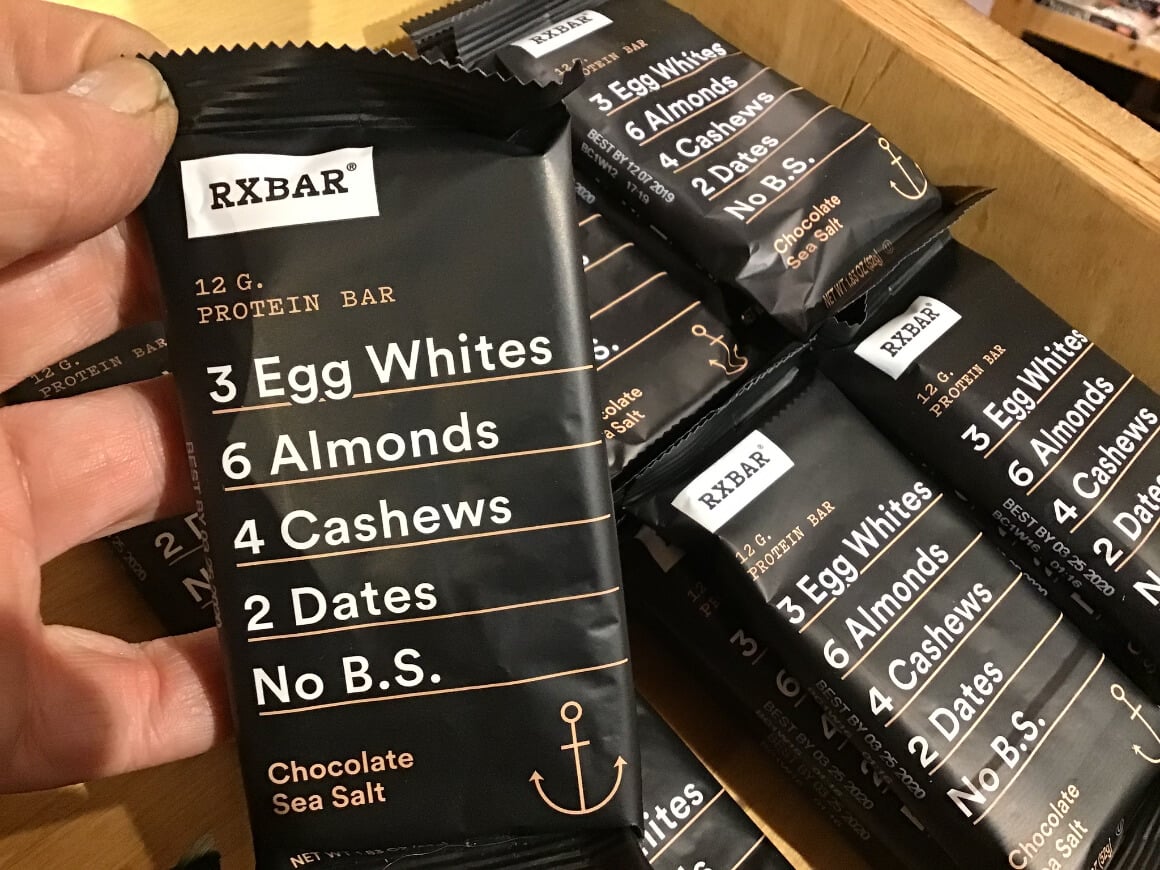
Energy bars have become a backpacker’s staple for good reason. They’re compact, durable, and generally deliver plenty of calories without taking up too much space.
Many popular trekking bars sit right around the sweet spot of 100 calories per ounce, making them ideal snacks for hiking and long travel days.
The catch?
Some so-called “protein bars” are essentially candy bars wearing gym clothes. Ignore the marketing and read the nutrition label instead. Look for reasonable protein content, some fibre, and a sensible amount of sugar.
They are also not all that cheap to buy these days; I once ate $5 worth within an hour.
A good bar should keep you going. A bad one gives you thirty minutes of energy followed by an existential crash.
3. Dried Fruit
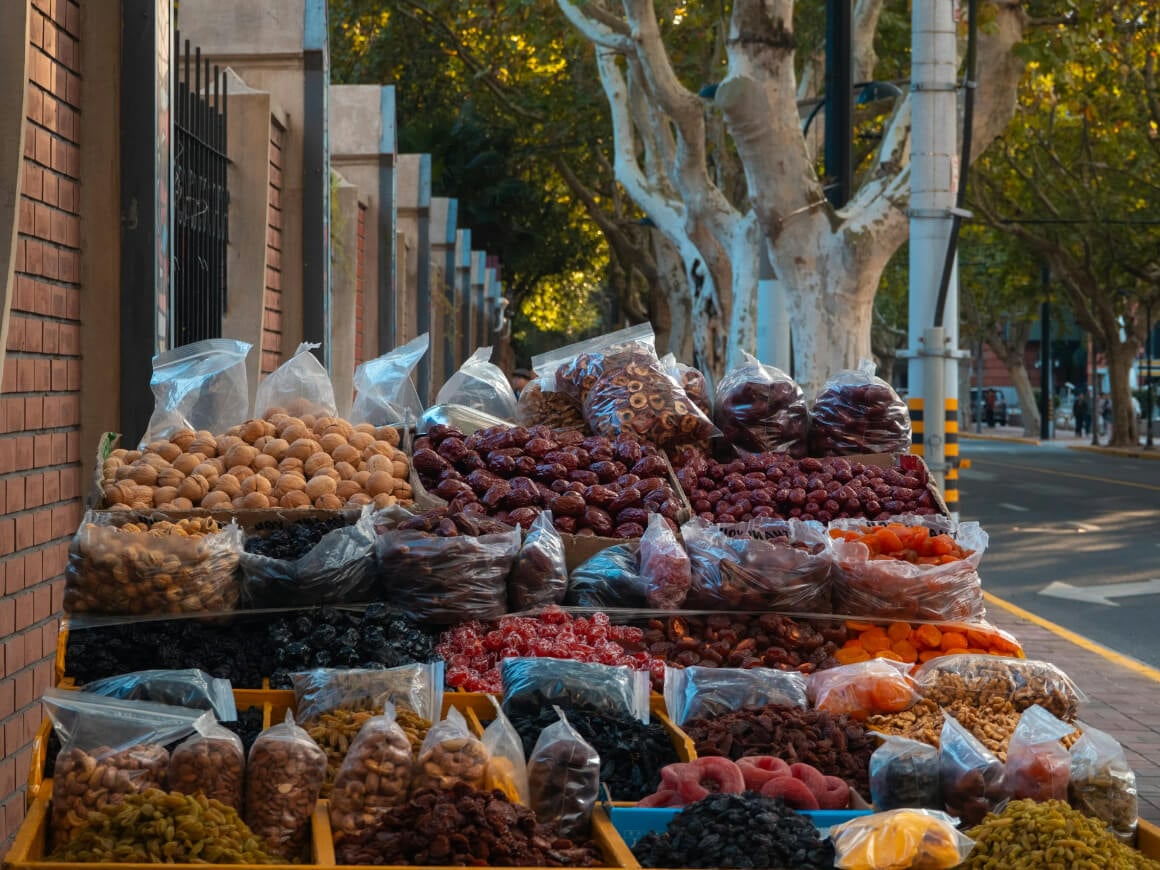
Dried fruit is one of the oldest travel snacks in human history.
Before convenience stores existed, people were drying fruit because it worked. Heck, it was even the most abundant form of sugar available in the Olde Worlde before Columbus discovered the Americas.
This all-time classic provides quick carbohydrates, weighs very little, stores easily, and pairs perfectly with nuts and jerky. When I’m planning a hiking trip, I always stock up on my favourite dried fruits… because I’m a baller like that!
Mango, apricots, dates, raisins, banana chips, there’s no shortage of options. Just be sure to watch for added sugar. Some dried fruit products contain so much extra sugar that they’re closer to confectionery than fruit.
One extra travel tip: eat fresh fruit before international flights. Many countries have strict biosecurity laws and will confiscate it at customs anyway.
Team Picks: Dried mango, Medjool dates.
4. Jerky and Biltong
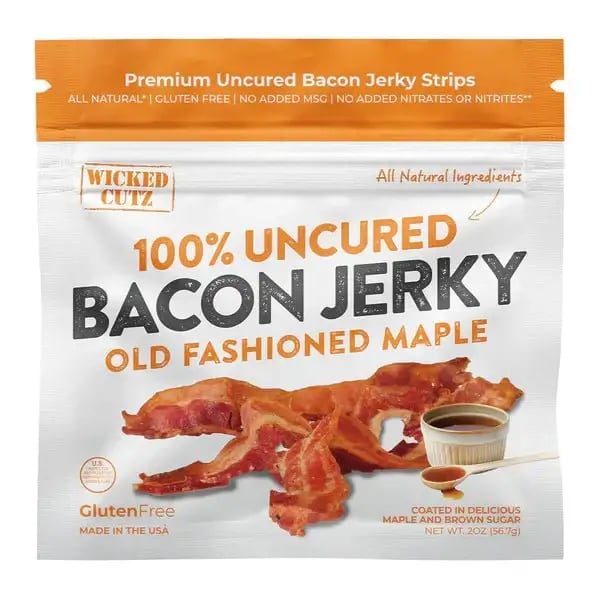
If I know I’m facing a long travel day, this is usually what ends up in my bag.
Jerky solves a lot of problems at once.
It’s lightweight, protein-rich, shelf-stable, packed with flavour, and often contains enough salt to help replace electrolytes lost through sweating. I always make sure to prepare properly for a hike or when I’m on the road all day.
Traditional beef jerky remains the classic choice, but the category has expanded massively in recent years. It’s so effective that this is what the original cowboys would bring with them on the long cattle drives across the Great Plains.
Then there’s biltong.
Originally from Southern Africa, biltong is air-dried rather than heat-cooked. It’s typically cured using vinegar, coriander, and spices rather than sugary marinades. The result is a softer texture, cleaner flavour profile, and (many would argue) a superior eating experience.
It’s the kind of thing many backpackers discover while travelling through South Africa or Namibia and spend years trying to find again afterwards.
Both jerky and biltong offer excellent calorie density and protein content, making them particularly useful for trekking, road trips, and long transit days. The biggest challenge is variety. Most supermarkets carry only a handful of options.
If you want to explore beyond standard beef jerky, specialists like Jerky Brands stock everything from premium biltong and chicken jerky to fish-based and vegan alternatives.
Team Picks: Jeff has recently converted to bacon jerky.
5. Nut Butter Packets

These are wildly underrated.
Single-serving peanut butter or almond butter packets deliver a surprising number of calories in a very small package. They’re great on crackers, spread onto fruit, squeezed directly into your mouth after a brutal climb, or mixed into oatmeal.
They also travel remarkably well.
If you’ve ever found yourself hungry in an airport with nothing but a banana and poor life choices, a nut butter packet can save the day.
Team Picks: Peanut butter squeeze packs, almond butter packets.
6. Electrolyte Packets
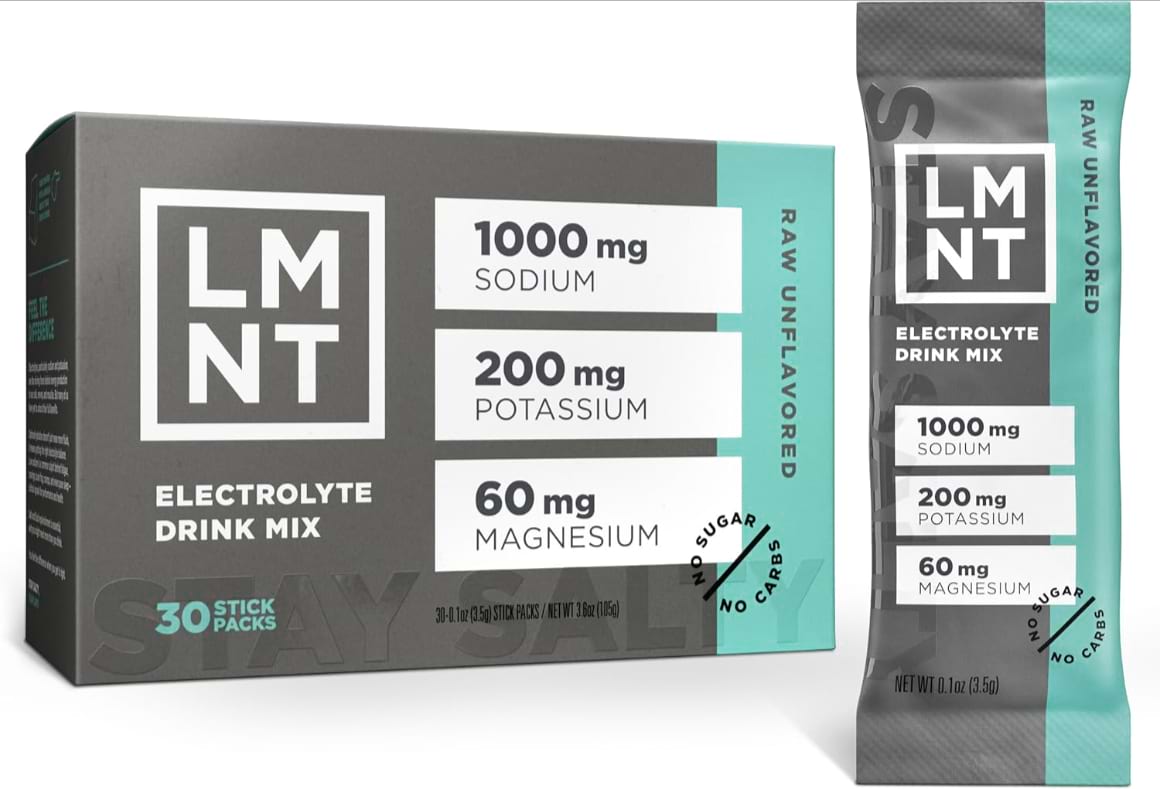
This is technically not a snack, but it is still making the list. I mean, if I were giving a beginner the hiking 101 or some insider tips to surviving long-haul travel… these would be top of the list when it comes to hydration.
Long travel days are surprisingly dehydrating. Aeroplane cabins operate at extremely low humidity levels, buses often blast air conditioning, and hiking obviously involves plenty of sweat.
Adding an electrolyte packet to your water can help replace sodium and other minerals lost throughout the day. They’re lightweight, inexpensive, and take up virtually no space.
And if you’re already eating salty snacks like jerky or biltong, they fit naturally into the same travel-fuelling strategy.
A variation on this is to try propel powder packets. When I did the Appalachian Trail, I looked forward to my kiwi-strawberry drink for dinner every night.
Team Picks: LMNT, Liquid I.V, Propel Packs.
7. Instant Noodles
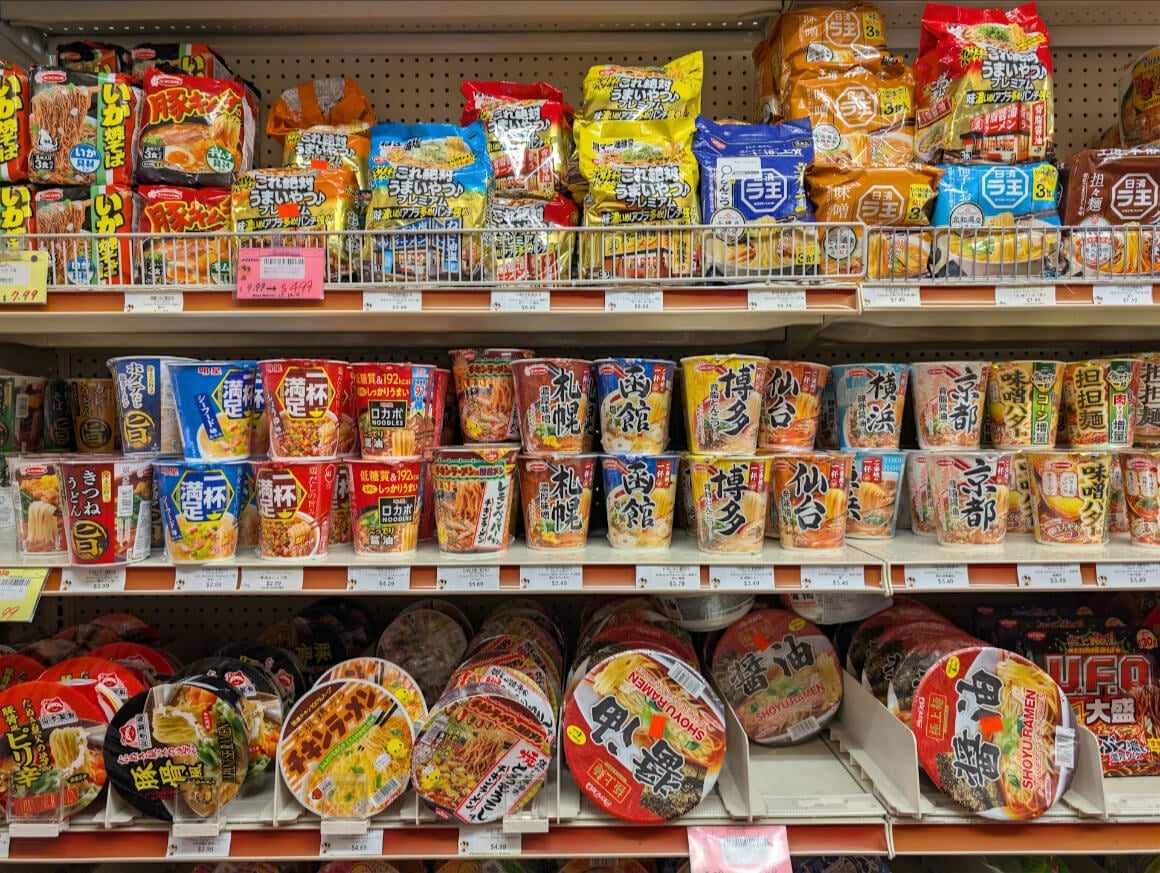
This one isn’t for everybody, but if I’m travelling through Asia, there’s a good chance I’ll have a couple of instant noodle pots stuffed somewhere in my backpack.
They’re cheap, filling, and available almost everywhere from Thailand’s 7-Elevens to Chinese train stations. More importantly, hot water is surprisingly easy to find in much of Asia. Most airports, ferry terminals, train stations, and long-distance buses across East and Southeast Asia have boiling water dispensers somewhere nearby.
No, instant noodles aren’t a nutritional powerhouse. But when you’re facing a 12-hour train journey, a delayed bus, or a midnight arrival in a town where everything has already shut down, a steaming cup of noodles can feel like a five-star meal.
Team Pick: Whatever spicy local brand we happen to find.
8. 3-in-1 Coffee Sachets
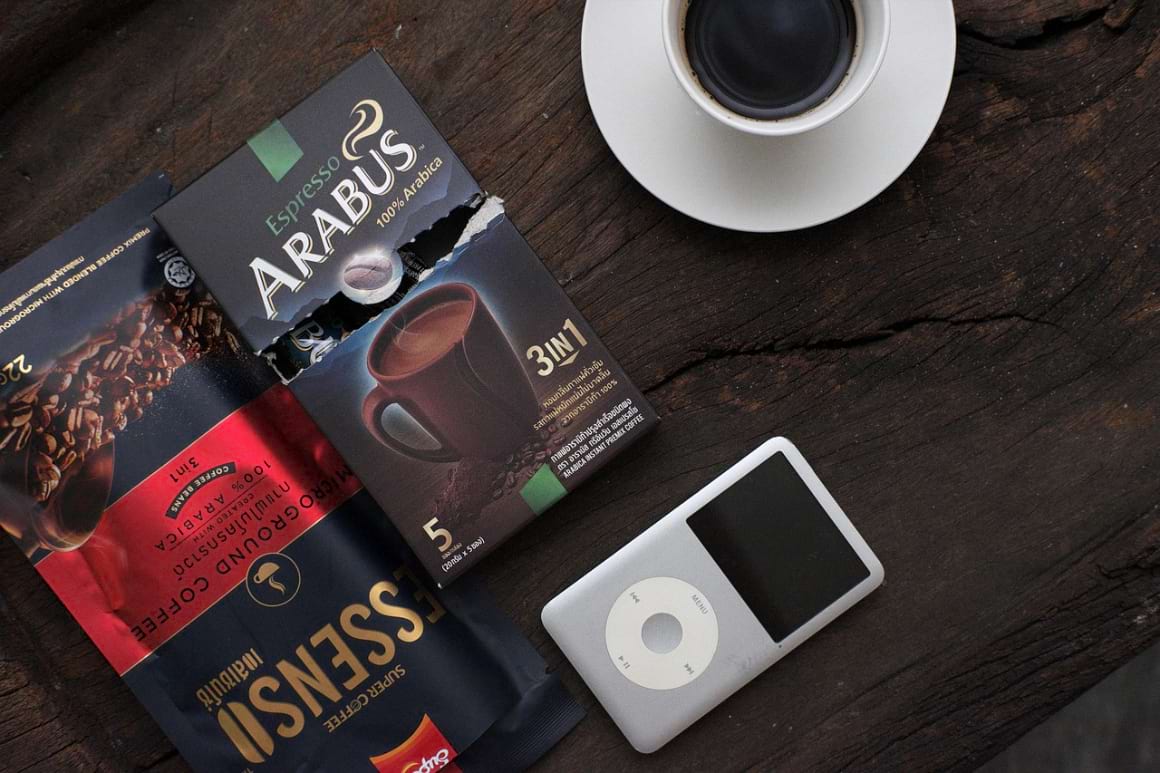
I’ll be honest, all of these taste objectively terrible. They’re usually some strange combination of instant coffee, powdered creamer, and enough sugar to power a small village.
Yet I almost always carry a few.
Why? Because they’re ridiculously convenient.
If you’re travelling through Southeast Asia, you’ll often find free hot water long before you’ll find decent coffee. Being able to produce a caffeine hit at a bus station, ferry terminal, roadside cafe, or guesthouse kitchen has saved many mornings, and at least one potentially dangerous afternoon.
In fact, after a long travel day and not enough sleep, I’ve genuinely caught myself nodding off while riding a motorbike (I shit you not!). Since then, I’ve become a lot more serious about managing fatigue on travel days, and a quick coffee sachet can make a surprising difference when you’re running on empty.
They’re lightweight, dirt cheap, and one of those little comforts that can improve a rough day more than you’d expect.
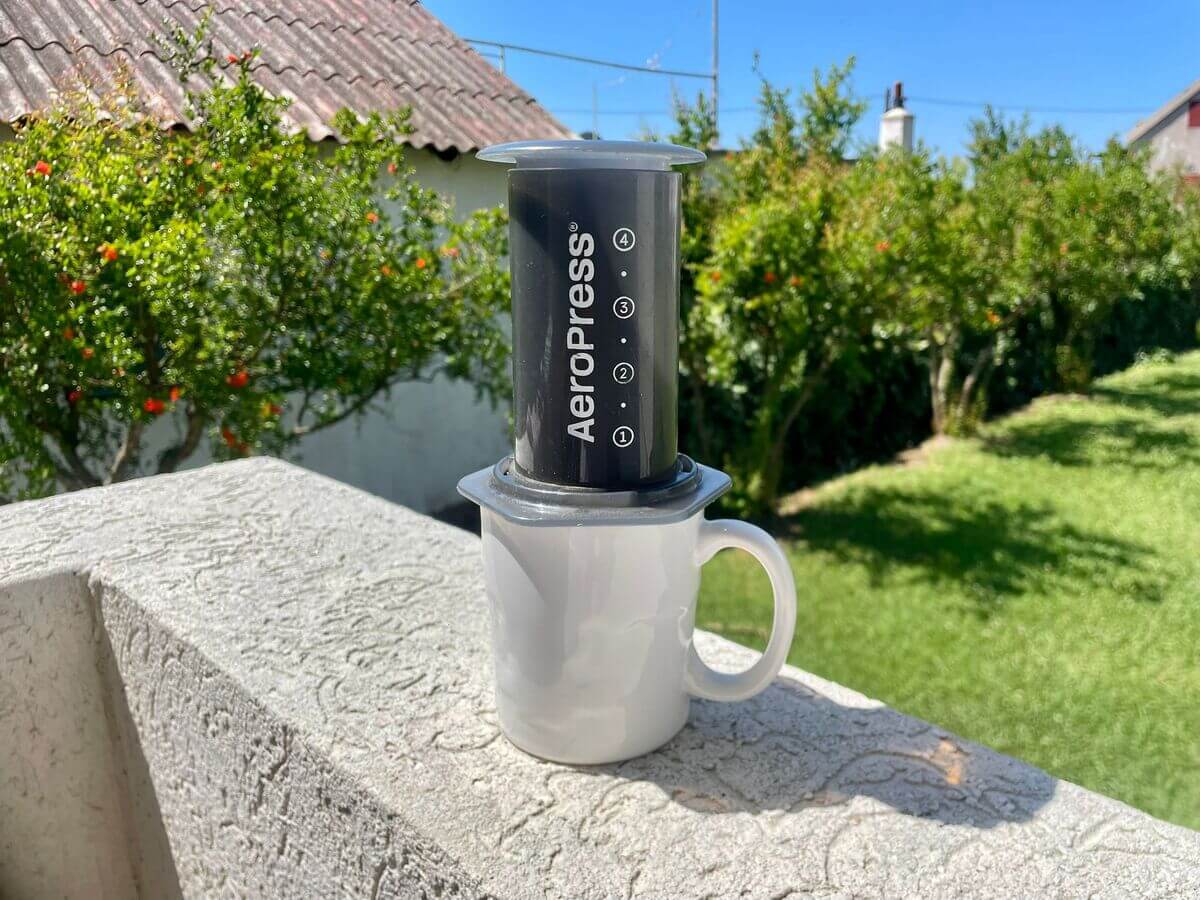
A development on this is to carry an aero-press, travel & trail coffee maker. It delivers much tastier results than the shitty sachets but is less convenient – less ‘instant’ even…
Team Pick: Whatever suspiciously sweet local brand costs less than a dollar.
Snack Smugglers Beware!
It may surprise you to learn that some seemingly innocent, innocuous foodstuffs can get you into trouble at the wrong border, so here’s a practical travel tip that doesn’t get mentioned often enough.
Many countries enforce strict agricultural import laws and will happily confiscate them at customs. So eat fresh fruit, vegetables, and other fresh produce before landing internationally.
Packaged snacks like nuts, protein bars, dried fruit, and commercially sealed jerky generally travel much more easily, although regulations vary by destination.
A quick check before flying can save an awkward conversation with a customs officer, especially in some of the more strict countries such as Australia and New Zealand.
Where to Stock Up Before Your Trip
The best time to buy travel snacks is, of course, before you leave home, not when you’re trapped inside, or en route to an airport paying sky-high prices.
Amazon is quite probably the easiest place to grab energy bars, trail mix ingredients, nut butter packets, and electrolyte sachets in bulk.
For jerky lovers, Jerky Brands is worth a look if you’re after something beyond the usual supermarket selection. Their range includes traditional jerky, biltong, chicken, fish, and even vegan options, making it easier to build a snack stash that doesn’t get boring halfway through your trip.
Future-you, stranded in an airport at 2 a.m., will be grateful you planned ahead.
Good Snacks Make Better Travel Days
Nobody comes home from a trip talking about the handful of almonds they ate on a bus through Laos or the packet of biltong that got them through a delayed flight in Istanbul.
But small comforts matter when you’re on the road or out on the trail.
The reality is that travel rarely goes exactly to plan. Buses run late. Flights get delayed. Trails take longer than expected. Restaurants close early. Sometimes the only food available is overpriced, underwhelming, or simply not there at all. Having a few reliable snacks tucked away in your bag won’t transform your trip, but it can transform a rough day into a manageable one.
Whether you’re backpacking across continents, tackling a multi-day hike, or simply trying to avoid spending £15 on airport sandwiches, the formula remains remarkably simple: carry food that is lightweight, calorie-dense, shelf-stable, and something you actually enjoy eating.
For me, that usually means a mix of nuts, dried fruit, electrolyte sachets, and some form of jerky or biltong. It isn’t glamorous, but neither is being hungry at 35,000 feet or halfway up a mountain.
Pack smart, snack often, and save your travel budget for the experiences you’ll actually remember.