There are few pleasures sweeter than gallivanting around Europe in the summer. And one of the best parts of it all…doing it by train.
The opportunities truly are endless. Mornings with a croissant in a Parisian boulangerie, travel days watching Swiss mountains blur past you, and late-night stops for gelato in Italy. Jumping from country to country with ease, a new culture, language, and food unlocked every time you step off the train.
The variety is both a blessing and a curse.
It’s up there with one of the most difficult trips you can plan. You could spend years in Europe and still not truly tick it off. So how the hell do you tackle it in one summer?
The truth of it all: a good Interrail route isn’t about squeezing in as many destinations as possible. It’s about picking stops intentionally and giving them enough time to sweep you off your feet.
This guide won’t tell you how to successfully execute a whistle-stop tour. Instead, I’ll run you through how to plan your route, choose your stops, and actually get from A to B. Because once you’ve locked in your route, you can let the journey really do the sweet talkin’.
What Is Interrail?
Now, let’s take it right back to the beginning and start with the basics. There’s so much info online that it can be overwhelming, but it all boils down to being pretty simple once you’ve brushed up on the essentials.
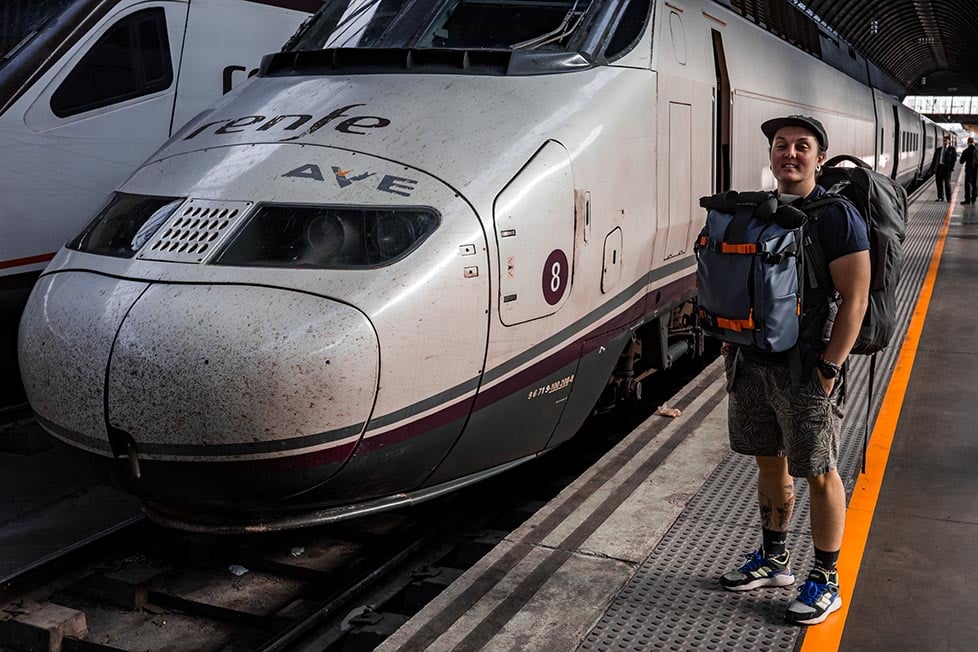
Image: Nic Hilditch-Short
The Broke Backpacker is supported by you. Clicking through our links may earn us a small affiliate commission, and that's what allows us to keep producing free content 🙂 Learn more.
Interrail vs Eurail: The 2026 Update
Eurail vs Interrail used to trip people up, but it can officially be put to bed. Eurail was retired in September 2026, so everyone, wherever you live, buys an Interrail Pass. Eurail passes bought before then still work.
Where you live only matters for a few rules: your Global Pass covers one trip out of and one trip back into your home country, and you can’t buy a One Country Pass for the country you live in.
How Interrail Travel Days Work
Travel days are what you’re really buying with a pass. A travel day is one calendar day, midnight to midnight, on which you use your pass. Once it’s running, you can jump on as many trains as you like until it ends. Five connections in a day still cost you one travel day, so don’t panic about changing trains.
Whether you need to count them depends on the pass. A flexi pass gives you a set number of travel days to use within a set window, so a 10 days in 2 months pass means 10 days of train travel spread across two months. The rest of the time you can park yourself in one city and do nothing more strenuous than hunting down the cheapest beer. A continuous pass makes every day in its window a travel day, which suits constant movers but means you’re paying for the days you spend horizontal in a hostel nursing your hangover.
Night trains are the best trick in the book. Board before midnight and stay on until morning, and it only costs you one travel day, the day you left. Any trains you took earlier that day come under the same travel day. Change trains after midnight and that’s two.
Step 1: Decide What Kind of Trip You Want
Before you open a single map, work out what you actually want from this trip. Most people do it backwards. They start with ‘Which countries can I visit?‘ and end up with a route that looks gorgeous in theory and feels like a part-time job in reality.
Instead, start with ‘What kind of trip do I want?‘
First time in Europe? You’ll probably fancy a fast-paced blitz through the big-hitter cities. Fair enough, but you’ll remember the train stations better than the sights. Slow travel means fewer stops, local neighbourhoods and time to people-watch in a good café.
Food and culture lovers can build a route around markets, historic cities and one too many pastries. Outdoorsy types can chase hiking, mountains, lakes and national parks. Or pick a region or theme and let it make half your decisions for you.
Your answer also steers your pass. Constant movers suit a continuous pass. Everyone else is probably better off with a flexi pass.

Photo: Nic Hilditch-Short
How Long Do You Have?
Your trip length decides how many places you can get away with. Every stop means packing up, catching a train, finding a new hostel and working out where to score a cheap meal that night. Some trains also charge a reservation fee on top of your pass, so more stops means more cash.
A week suits two places, three at a push. A fortnight stretches to four or five. A month gets you eight to ten, with a few spare days for the unexpected. That works out at about three nights per stop, which is roughly what it takes to see a city without only seeing its train station.
Trying to fit too many destinations into a short trip can leave you constantly travelling and tired instead of exploring. Instead of building an itinerary around how many places you can theoretically cram in, focus on how much time you can realistically have in each place to enjoy it.

Image: Nic Hilditch-Short
Step 2: Choose Your Destinations
Now for the all-important task of choosing your destinations. This sounds like such a first-world problem, but trust me. This is a crucial step! But where to begin!? Don’t worry, I’ve got your back!
Make a Wish List
Firstly, start by writing down every destination you would love to visit, without worrying about whether they all fit into one trip. Once you have your list, divide it into three categories: must-visit destinations, places you would like to visit, and places to see only if they fit naturally into the route.
This makes it much easier to prioritise when you start cutting or rearranging destinations. Your must-visit places become the foundation of the trip, while the rest can remain flexible.
Think Geographically
Secondly, a good Interrail route should make geographical sense. Group destinations by region and try to move steadily in one direction rather than zig-zagging back and forth across Europe. A map is one of the simplest tools for visualising your route and spotting unnecessary detours.
However, don’t assume that two places that look close together are automatically well connected by train. Check actual journey times and connections before finalising your plans. A short distance on a map can sometimes involve a surprisingly long or inconvenient journey.
Don’t Try to See Everything
Lastly, and this I totally get, by the way. It’s incredibly tempting to plan 10 or more cities into a two-week trip, especially when visiting Europe for the first time. Been there, done that, got the pub crawl t-shirt! But packing in too many destinations can quickly turn your adventure into a race.
One-night stops often mean spending a large part of the trip checking out, travelling, finding your next accommodation, and checking in again. And boy is that tiring! Instead of constantly moving, give yourself enough time to actually explore. One of the most common Interrail mistakes is trying to cram too many countries into too little time. You can always save something for the next trip. That’s one of the most exciting parts!

Image: Nic Hilditch-Short
Step 3: Put Your Destinations Into a Logical Route
Now comes the exciting part – turning your wish list into an actual itinerary. Look at your chosen destinations and decide on a logical direction of travel. You might travel steadily east, south or west, create a loop that brings you back to your starting point, or begin in one city and finish in another. It really depends on your list and what you want to achieve.
The key is to look beyond the map. Check where major rail connections actually run and how long each journey takes. A route that looks perfect geographically may involve slow trains, awkward connections or unnecessary detours. Wherever possible, avoid backtracking and arrange your destinations into a route that keeps you moving naturally from one place to the next.
Example Route
Take a route such as Paris → Amsterdam → Berlin → Prague → Vienna → Budapest → Venice → Rome. This route creates a broadly logical journey through Europe, beginning in Western Europe before heading east through Germany and Central Europe, then turning south towards Italy.
Remember that your route doesn’t need to be perfectly straight (I mean, I’m not!) or completely linear. Sometimes a slightly longer train journey is worthwhile if it allows you to visit somewhere you really want to see. The goal is to create a route that balances efficient travel with the destinations that matter most to you.
A common mistake I see people making all too often is building an itinerary purely around what looks close on a map without checking the actual train connections. Always compare journey times before finalising your route.

Image: Nic Hilditch-Short
Step 4: Check the Train Journeys
This is one of the most important stages of planning your Interrail trip! Once your destinations are arranged into a logical route, check EVERY individual leg before committing to the itinerary. A route can look perfect on a map but become much less practical when you examine the actual train journeys.
For every journey, check the total duration, whether direct trains are available, how many changes are required, and the departure and arrival times. You should also check whether a reservation is required, whether the train is covered by your pass, and whether taking it will use one of your available travel days.
Don’t Just Look at Distance
Distance can be misleading when planning a rail trip. Two destinations may look close together on a map but have poor train connections, meaning a supposedly short journey could involve several changes and take much longer than expected.
This is why journey time matters more than kilometres. Always check the full route rather than assuming nearby cities will be quick and easy to reach. Good rail connections can make destinations that are further apart surprisingly convenient, while poor connections can turn a short distance into an exhausting travel day.
Think About Your Actual Travel Day
Also consider what each travel day will actually feel like. Arriving at your destination late at night may not make much sense if you are only staying for one night before leaving the following morning again. After checking in and getting settled, you could have very little time left to explore. Not ideal!
Long train journeys can still be worthwhile, particularly if they replace a flight and take you directly into the centre of your next destination. However, don’t underestimate their impact on the rest of your itinerary. A six- or seven-hour journey can effectively take up most of a day, even if the train itself is comfortable.
The most common mistakes at this stage are assuming every European train is covered by an Interrail Pass, looking only at distance rather than actual journey times, and forgetting to check connections. Taking the time to examine every leg of your trip now can save you from missed connections, unexpected costs and an itinerary that feels far more rushed than expected.
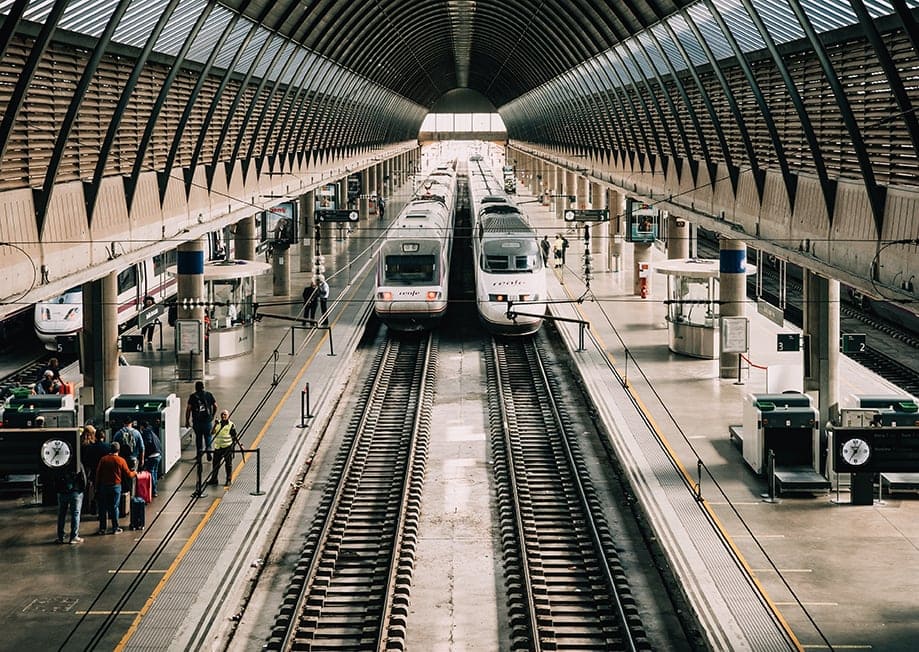
Image: Nic Hilditch-Short
Step 5: Understand Train Reservations
Something crucial that you need to remember is that having an Interrail Pass doesn’t necessarily mean you can simply board every train you want. While many services are included without an extra booking, some trains require you to reserve a seat or sleeping accommodation before travelling. ¡Esto es muy importante!
Which Trains Need Reservations?
Reservation requirements vary, but they’re most common on high-speed trains, certain international services, popular routes and night trains. These services can have limited availability, particularly during busy periods, so don’t assume you’ll always be able to book a seat at the last minute.
You don’t need to learn the reservation system for every European country at this stage. When planning your route, simply check whether your intended trains require reservations and factor this into your itinerary.
Reservation Costs
Reservations can also involve an additional fee, even when the train journey itself is covered by your Interrail Pass. This is important when comparing the cost of an Interrail trip with buying individual train tickets, as reservation fees can add a noticeable amount to your overall budget.
Book Popular Trains Early
Don’t leave popular trains until the last minute, especially if you’re travelling during summer. Night trains, busy international routes and other high-demand services can sell out well in advance.
A common mistake is budgeting only for the Interrail Pass and forgetting about reservation fees. Check the likely costs before finalising your route so you aren’t caught out by unexpected expenses later.

Image: Nic Hilditch-Short
Step 6: Decide How Long to Spend in Each Place
Once you’ve chosen your destinations, decide how long you actually want to spend in each one. There’s no perfect formula, but giving every place the same amount of time can make your itinerary feel rushed and limit what you get to experience.
The 2-3 Night Rule
For major cities, 2 or 3 nights is a useful starting point. This usually gives you at least one full day to explore, rather than arriving, checking in and leaving again before you’ve had time to see much.
When to Stay Longer
Consider staying longer in large cities with plenty to see, or in places where you want to take day trips. Hiking and outdoor destinations may also deserve extra time, especially if the weather affects your plans. You might also want longer stays in places where you’d prefer a slower pace and time to explore beyond the main attractions.
When One Night Can Work
One night can still work for smaller stopovers, destinations that break up a long journey or places where you have a specific reason for visiting. Just make sure the stop adds something to your trip rather than becoming another destination to tick off.
A common mistake is treating every destination as a box to tick. Give more time to the places that genuinely interest you, and don’t be afraid to skip somewhere if your itinerary is becoming too crowded.

Photo: Nic Hilditch-Short
Step 7: Work Out Your Budget
Before finalising your Interrail route, break your budget into the main costs you’ll need to cover. This gives you a much clearer idea of what the entire trip will actually cost. Here are the most common budget considerations:
- Interrail Pass: Adult Global Passes currently start at around $330, with longer and more flexible passes costing significantly more. Check Current Interrail Pass prices before buying, as exchange rates and pass prices can change.
- Train reservations: Interrail reservation fees can range from a few dollars to $40 or more per journey, depending on the train and route.
- Accommodation: Hostel beds can cost roughly $15 to $50+ per night, depending heavily on the destination and season. I recommend checking out HostelWorld for the best prices.
- Food: A budget traveller might spend around $15 to $40+ per day, depending on where and how they eat.
- Local transport: Allow roughly $5 to $15 per day in cities where you’ll regularly use public transport.
- Attractions: Costs vary widely, so check the current prices for the specific sights you want to visit.
- Travel insurance: Compare policies based on your age, trip length and level of cover.
- Flights to and from Europe: Prices vary enormously depending on your departure city, destination and booking dates.
Getting Insured Before You Travel
Sort out your insurance before you go. There are several good options, but our overall pick is SafetyWing. Most of the Broke Backpacker team has used it at one point or another, and we’ve filed claims for rabies jabs in Bali, a hospital stay in Mexico, and a clinic visit for a stomach bug that wouldn’t quit. All paid out.
It’s month-to-month, no lock-in, no itinerary required, and you can buy it after you’ve already left. A little over $2 a day if you’re under 40.
New SafetyWing customers: use code BROKEBACKPACKER for 8 free weeks of electronics theft coverage. You have to scroll down and click the pink camera on their landing page to enter it, and you have to do it before creating your account.
Click here to find the ideal policy for you.
Don’t Forget Reservation Fees
I know I’ve already mentioned this, but reservation fees can significantly affect the value of an Interrail Pass. A route using several high-speed, international or night trains can add a substantial extra cost, so don’t compare the pass price with individual tickets without including these fees. Trust me on this!
Destination Costs Matter
Western Europe generally costs more than many destinations in Central and Eastern Europe – fact! A route through expensive cities can push your daily budget up considerably, particularly when accommodation is included. Always check current destination budget guides before booking, as costs can (and do) change quickly.

Photo: @amandaadraper
Step 8: Leave Some Flexibility
One of the biggest advantages of Interrailing is flexibility, so don’t plan it out of your trip. You don’t need to book every train, hostel and activity months in advance unless reservations are required or you’re travelling during a particularly busy period. This also keeps it exciting.
Leave a few free days where possible and give yourself the option to stay longer somewhere you love. Your plans may change once you’re on the road, and allowing for delays, unexpected changes or spontaneous opportunities can make the trip much more enjoyable.
Don’t Plan Every Hour
I always recommend having a basic itinerary, but don’t turn it into a rigid schedule. Leave space for discovering local neighbourhoods, joining other travellers for an unplanned day out, or simply taking a slower morning with coffee in bed. Some of the best travel experiences are the ones that happen spontaneously.
Build in a Buffer
Always allow extra time around important travel connections. This is particularly important before a flight home. Don’t schedule your final train journey to arrive just a couple of hours before an international flight, as a delay could quickly turn into a missed flight. And we all know the consequences of this!
A common mistake is over-planning the entire trip, leaving no buffer days and booking everything as non-refundable. Keep some flexibility in your route, and you’ll have much more room to enjoy the journey.

Photo Nic Hilditch-Short
Example Interrail Routes
The bottom line is that there isn’t one perfect Interrail route. It’s like a unicorn – it doesn’t exist! Your ideal itinerary will depend on how much time you have, what you want to see and how quickly you like to travel. I’ve created some examples for you to use as inspiration and adjust them accordingly to suit your own trip.
1 Week: First-Time Interrail Trip
Paris → Brussels → Amsterdam
A short trip works best when you keep things simple. This route gives you three major European cities with relatively straightforward rail connections between them. With only a week, you’ll have enough time to experience each destination without spending the entire trip moving between trains. Think Eiffel Tower, sipping wine on the Seine, drinking beers brewed by monks, eating mussels, and eating a stroopwafel next to De Grachten.

Image: Nic Hilditch-Short
2 Weeks: Central Europe
Berlin → Prague → Vienna → Budapest
This is a classic Central European route that works well over two weeks. The destinations offer plenty of variety while keeping the journey relatively manageable. Rather than trying to cross half of Europe, you can focus on exploring each city properly. You’ll also have some great cultural variation with plenty of new cuisine to enjoy and sights to see.

Image: Nic Hilditch-Short
3 Weeks: Central + Southern Europe
Amsterdam → Berlin → Prague → Vienna → Ljubljana → Venice → Florence → Rome
With three weeks, you can create a more ambitious route through several regions. However, eight destinations is still a lot, so consider adding extra nights to your favourite stops or removing a destination if the itinerary starts to feel rushed. As I said before, it’s not about ticking as many countries off as you can; it’s about experiencing each destination for what it is.

Image: Nic Hilditch-Short
1 Month
A month-long trip gives you the opportunity to slow down rather than simply adding more cities. It allows you to spend several nights in major destinations, take regional detours, as well as to leave space for places you discover along the way. A longer trip should give you more freedom, not just a longer list of places to tick off. Don’t forget that!
Interrail Route Planning Checklist
Before booking your Interrail Pass, trains or accommodation, take a final step back and look at your trip as a whole. A route can seem exciting when you’re planning each destination individually, but it’s important to make sure everything works together.
Use this checklist to make sure you’ve considered the practical details, from journey times and reservations to your budget and the amount of time you’ll actually have in each place:
● Choose your trip length.
● Make a destination wish list.
● Group destinations geographically.
● Create a logical route.
● Check actual train journeys.
● Check which trains require reservations.
● Calculate the total cost.
● Decide how many nights to spend in each destination.
● Book accommodation where necessary.
● Leave some flexibility.
● Add a buffer before your flight home.

Image: Nic Hilditch-Short
Ready to Plan Your Interrail Adventure?
Are you now inspired and ready to plan your Interrail adventure or what!? I’m almost ready to embark on an adventure myself! And I’m pretty confident that I’ve given you all the tools you need to make it a proper success!
I always say, the best Interrail route isn’t necessarily the longest, and it certainly isn’t the one with the most countries. A great trip starts with what you actually want to experience, then builds a route around geography, realistic rail connections, and the time you have available.
Also remember to check journey times and reservation requirements BEFORE you commit, give yourself enough nights to properly experience each destination, and leave some wiggle room for the unexpected. The beauty of Interrailing is that the journey itself can be just as memorable as the places you visit.
At the end of the day, the goal of Interrail isn’t to collect countries like stamps. And it’s certainly not to try to see everything either. It’s to come home feeling like you had an unforgettable adventure. That, my friend, is the mark of a successful trip!
Safe travels, mon amie!