Thinking of planning a trip to South America?
Well, I’ll let you in on a little secret – it’s nothing short of epic! And that’s putting it pretty lightly! The continent is wild, has some insane, jaw-dropping natural wonders, ancient cultures, and ridiculously delicious cuisine. It will blow your mind (and some of it might set your mouth on fire too!).
But let me just give you a little teaser of what to expect. Think of the misty mountain ruins of Machu Picchu in Peru, the humid and lively Amazon jungle, and colourful towns in Colombia. Or what about the vast salt flats of Bolivia and the tango-filled streets of Buenos Aires?
Enticed yet? I thought so.
South America packs one serious, sensory overload punch right in the guts, but in the good way, of course. Every country feels like a new world to explore, and you will be in constant awe of your surroundings.
Something that’s often overlooked is a SIM card, and that’s a poor call. A local SIM card for South America, or even better, an eSim, is a proper game-changer. It’s essential for navigating, translating, or booking a ride. It will also save you time, money, and a whole lot of frustration.
But don’t stress, I’ve got you covered! This super handy guide will help you to travel smarter and stay connected so you can spend more time living and adventuring and less time stressing.
Let’s dive in, shall we?
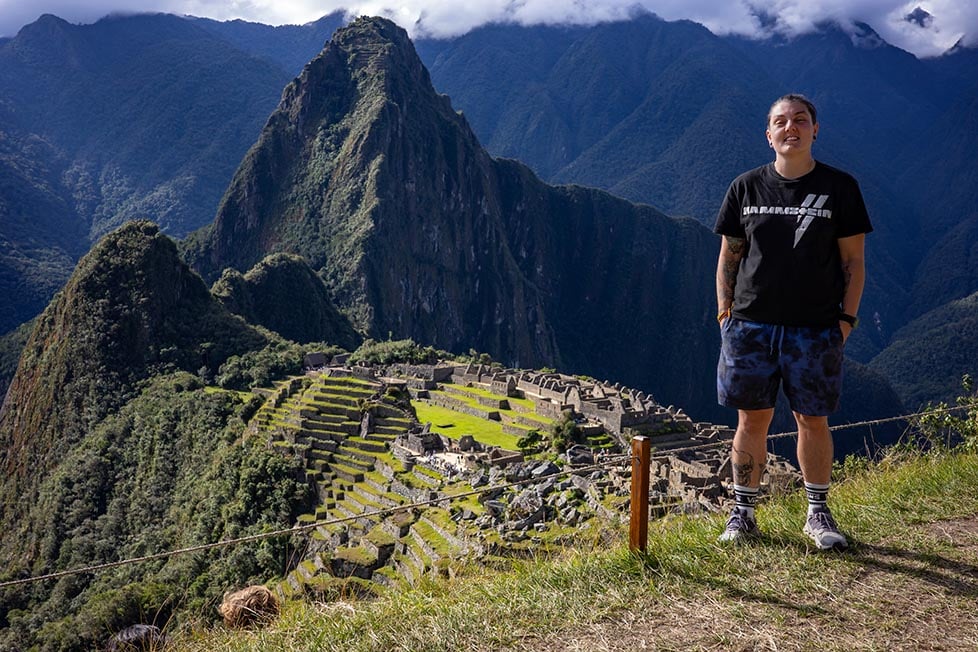
Photo: Nic Hilditch-Short
The Broke Backpacker is supported by you. Clicking through our links may earn us a small affiliate commission, and that's what allows us to keep producing free content 🙂 Learn more.

GigSky
- Price > $0 for 100MB trial SIM

4S
- Price > From $3.99

HolaFly
- Price > From $9.90

Claro
- Price > From $4
Why Buy a SIM Card For South America?
Before I continue, I think it’s important to set the record straight and tell you why exactly I think you should get a SIM card in South America. Let’s face it – a smartphone has become your travel lifeline in today’s world. It’s your entertainment hub, your map, your translator, and your social connection.
It allows you to stay in touch with your loved ones when you’re far away or potentially find a match on Tinder. From booking bus rides in Bogota to translating restaurant menus in Santiago, and even sharing jaw-dropping selfies of Patagonia on Instagram, your phone does it all, and you’ll need it when backpacking in South America, trust me!
Photo: Nic Hilditch-Short
Now, don’t get me wrong, your native SIM card might very well work in South America, but it is a bit of a gamble. Roaming can prove to be super expensive, and, depending on your provider, you could be hit with sky-high data charges. That would be like a slap in the face from a 30-pound Salmon from Jurassic Lake in Patagonia – Not so great! Your connection could also just suddenly drop, and you might end up stranded in the middle of nowhere without data. Not fun and potentially unsafe!
Getting a local SIM card in South America is a much smarter way to travel, giving you access to local networks. It’s reliable, cheaper, and a much more stress-free way to travel. Plus, you don’t have to rely on dodgy public Wi-Fi networks. It’s way more of a necessity than it is a convenience – and that’s coming from my personal experience. Rather, stay online permanently and keep the adventure rolling!
Buying a SIM Card For South America – Things To Consider
We’re all very different in the way that we travel. Our needs, wants, and travel styles are all unique and tailored to our personal preferences. When it comes to buying a SIM card in South America, there’s really no “right” answer. There might, however, be an option that’s better suited, though.
Let’s take a look at some of the variables that will impact your decision, below:
Price
What a surprise, hey, price! Price is probably the most obvious factor when it comes to getting yourself a SIM card. If you’re anything like me, you love a good deal and hate being ripped off.
I’ve also come to learn that, in life, just because something is cheap doesn’t mean it’s good. Sure, I’m all about budget backpacking, but sometimes that cheap item ends up costing you dearly in the long run.
The same applies to SIM cards for South America. You might get a cheap deal, but it’s important to check the fine print and see what the costs are for topping up data once it runs out. Some are hellishly expensive or worse, can’t be topped up once they run out.
Always do proper research and see exactly how much things cost initially, as well as to top up, and whether or not you actually can. Then, once you have all the information, you can make a much more informed decision.
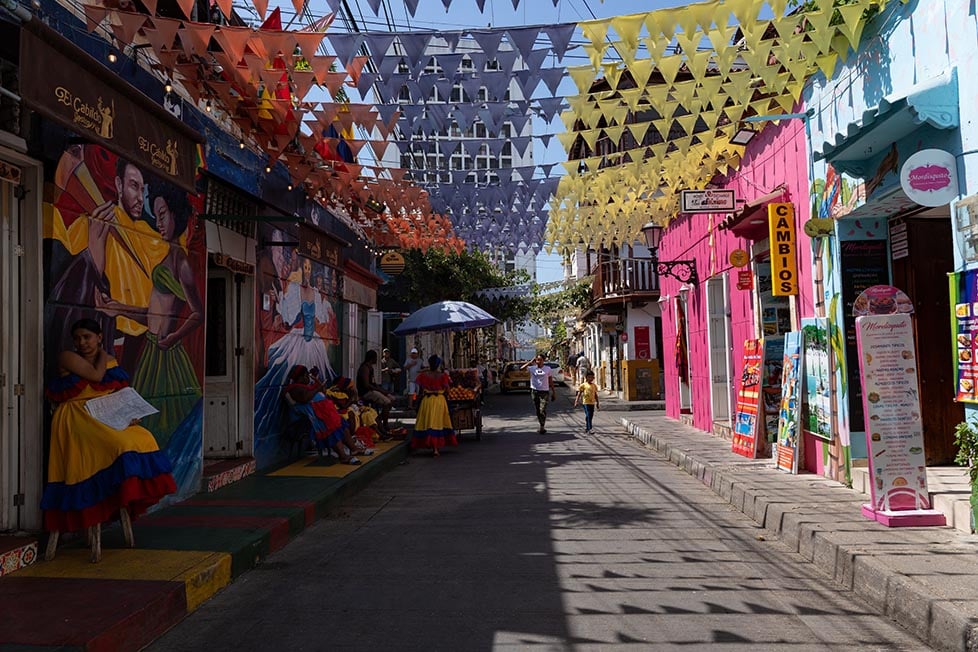
Photo: Nic Hilditch-Short
Data
Next up, and one that is important for many reasons, is the data offering provided by network operators. It’s important to pay close attention to exactly how much data you’ll be getting for the price you’re paying. Some network operators advertise large data packages but catch you out with a large portion being “night data”, valid between ridiculous hours of the night.
A great starting point is to work out exactly how much data you use on a daily basis back home, and then add on a bit more. You’ll be travelling after all, and using your phone a lot more while on the go and off a Wi-Fi network. You can track this easily on your phone, and it will give you a great idea of how much data you’ll need for your trip.
You should also check how much the network operator charges to top up data, and whether or not you’re able to do so. More often than not, the initial SIM card is cheap, but then you get slotted to top up data once you run out. The better quality international SIM cards won’t do this!
Coverage
Coverage, oh coverage. Man, this can be one of the most frustrating things with a phone. Not only when travelling, but back home too. My advice – do as much research as you can about the destinations that you’ll be visiting. Obviously, South America is a large area, and this will differ greatly from country to country, but research is key. Proper planning will ensure that you aren’t left high and dry with no coverage.
Now, there is such an array of different landscapes in South America, from high-altitude, mountainous areas to low-lying areas at sea level, and everything in between. Make sure that you know exactly where you’ll be travelling to and whether or not there are signal blind spots before you buy your SIM card. The last thing you want is to find out the hard way. Mistakes can become expensive and inconvenient.
While cellphone network coverage varies significantly depending on the country, you can expect an overall decent connection in the major cities and towns. In rural areas, expect overall fair connection, but reliability might drop significantly when compared to major cities and towns, especially if you’ve got a travel eSIM.
Also, don’t expect too much when it comes to remote areas of South America, particularly around the Amazon region in parts of Peru, Bolivia, and Paraguay. Here, it’s all about satellite and long-distance radio systems, so plan accordingly.
Countries like Brazil, Chile, and Argentina have started to roll out 5G networks in major cities, too, with ongoing expansion. But overall, you should expect 3G or 4G networks as the standard.

Photo: Nic Hilditch-Short
Bureaucracy
Listen, it’s not 1995, so getting a local SIM card in South America is relatively easy as a tourist. This is especially true in larger cities and at major airports. There is generally pretty minimal red tape, and you don’t require a whole host of documents in order to get connected.
You should generally expect to have to show your passport for SIM card registration in most countries due to local regulations. But hey, if you’ve done some travelling in your time, this should feel like the bare minimum. You should also ensure that your phone isn’t locked to a network provider back home, as this will pose an issue for getting a SIM card. Some countries might also require a local address, although this is less common; however, a hotel or accommodation address is usually fine.
Expiration
Finally, another rather important factor is the expiration of your SIM card. Always be sure to check in with regard to the lifespan of the SIM card that you’re potentially going to purchase. A lot of the time, SIM cards have a limited lifespan and expire after a certain amount of time, say 30 or 60 days. After this, they often can’t be extended, and you’ll need to buy another one. More cost and more inconvenience. Many SIM cards last indefinitely, though (well, plastic lasts forever, right?), so always just check in with the network provider before committing.
What do I suggest? Well, try and work out how long you’ll be spending in the country and take it from there to see which SIM cards are best for your trip. If you’re only staying for a short amount of time, there’s no need to worry. If you’ll be returning, then you might want to consider getting a SIM card that lasts indefinitely. Again, it all comes down to planning, but I know this is sometimes difficult as plans do change when travelling.

A new country, a new contract, a new piece of plastic – booooring. Instead, buy an eSIM!
GigSky eSIMs work just like an app: you download it, pick your plan, and BOOM! You’re connected the minute you land. It’s that easy.
Read about how eSIMs work or click below to see one of the top eSIM providers on the market and ditch the plastic.
Grab an eSIM!Where To Buy a SIM Card For South America
Now, let’s take a look at the top places to get a SIM card for South America. Again, this will differ from country to country, but a lot of the options will remain consistent between them.
eSim
Right, first up, and although not a physical place to get a SIM card for South America, is an eSIM. I feel like it’s a great starting point and really the way forward for travel. An eSim has so many advantages, and they’re definitely revolutionising the way we travel.
The best part is the “buy before you fly” option, which essentially means you can purchase an eSIM before you depart for your destination. That way, as you touch down, you’re connected. You also don’t have to do any physical SIM card swapping, AND you’re not purchasing a little piece of plastic. Reducing your carbon footprint one eSim at a time – now that’s cool!
But with everything in life, there are some downsides. Not all phones are compatible with eSIM technology, and sometimes they can be a bit more expensive than a local SIM card. Always check that your phone is compatible beforehand to avoid any disappointments. With regards to the cost, I’ll pose a question to you. What’s a small extra fee for such a great convenience and such epic flexibility?
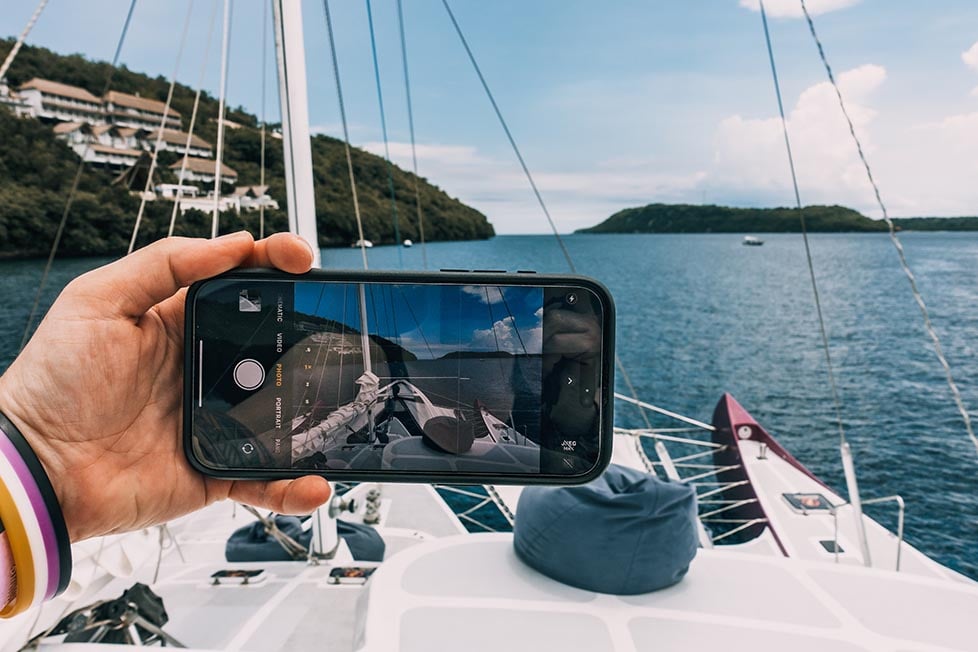
Image: Nic Hilditch-Short
In the Airport
The airport is the first spot for getting a SIM card for South America, as it’s generally where you will enter the various countries. And it’s one of the most popular places to get a SIM card upon arriving in South America. Most of the major airports across the continent have SIM cards available for tourists to purchase, whether it’s in Brazil, Uruguay, Colombia, Chile, or Peru.
Again, with anything in life, there are both pros and cons of getting a SIM card at the airport. I’ll start with the positives. Firstly, it’s hella convenient. You land, go through passport control, get your bags, grab a SIM, and you’re A for away. Airport staff also generally speak pretty good English, and there are no issues with language barriers at the airport.
But on the downside, there isn’t usually much choice in terms of packages and data offerings at the airports, unfortunately. The other major downside is that SIM cards are usually quite a rip-off at the airport. Or at minimum, quite a lot more expensive than in the cities and towns. Again, you might want to pay that little bit extra for the convenience of being connected as you exit the airport terminal.
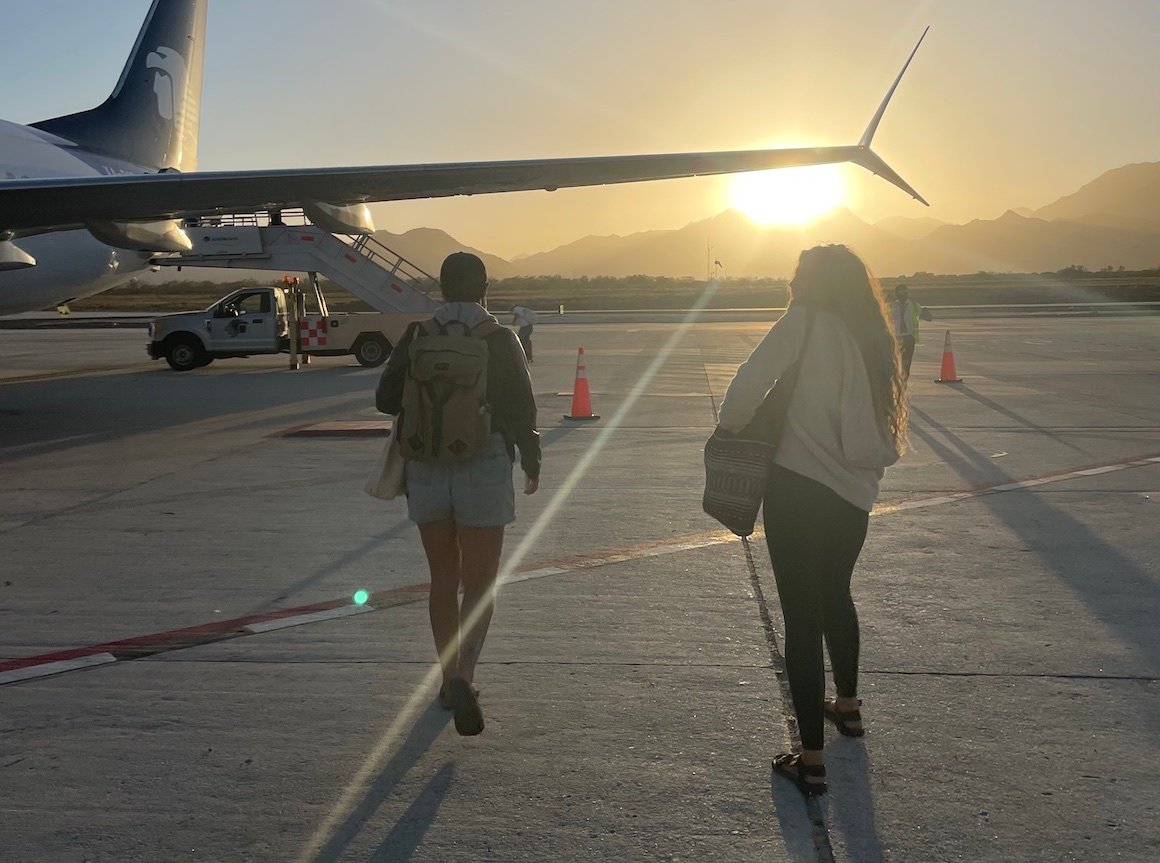
Photo: @audyscala
At a Store
Getting a SIM card at a store in South America is often regarded as the easiest and cheapest place to do so. The only issue here is finding a store, and even this isn’t really much of an issue, to be honest. It’s best to find a carrier store or an authorised retailer like Claro, Entel, Movistar, Personal, or Tigo in one of the major towns or cities. You can usually find them at shopping malls, in downtown areas, bus terminals, tourist zones, or electronics and cellphone accessory shops.
Stores also offer the widest range of data plans and SIM card options, with prices that are often much more competitive than airport kiosks. Plans are often also a lot more flexible and don’t require long-term commitment, which is always a bonus. The downside here is that there can sometimes be a language barrier in stores, especially in smaller towns and more rural areas.
English is generally spoken in tourist hotspots and urban areas, so you’ll be fine getting by. Spanish is obviously the predominant language spoken throughout South America, with Portuguese spoken across Brazil.
And don’t stress, as a tourist, you can absolutely buy a SIM card in South America. It’s common and legal in every country across the continent, and all you need is your passport for registration. If a local store turns you away, it’s usually because they don’t know how to register foreigners. Rather than head to an official store, then and they’ll sort you out.
Online
In some countries in South America, local carriers or tourist SIM services allow you to order a SIM card online before you arrive. You can then have it delivered to your hotel, or you can pick it up at the airport. While this is possible, local carriers in countries like Argentina, Chile, and Colombia rarely offer home delivery for tourist SIM cards. It’s also harder to do online in Brazil due to CPF requirements.
Having said this, most tourists just simply buy their SIM cards for South America in person due to the registration process. A passport is often required, and staff need to register your name as per local laws. Nothing heavy, just protocol.
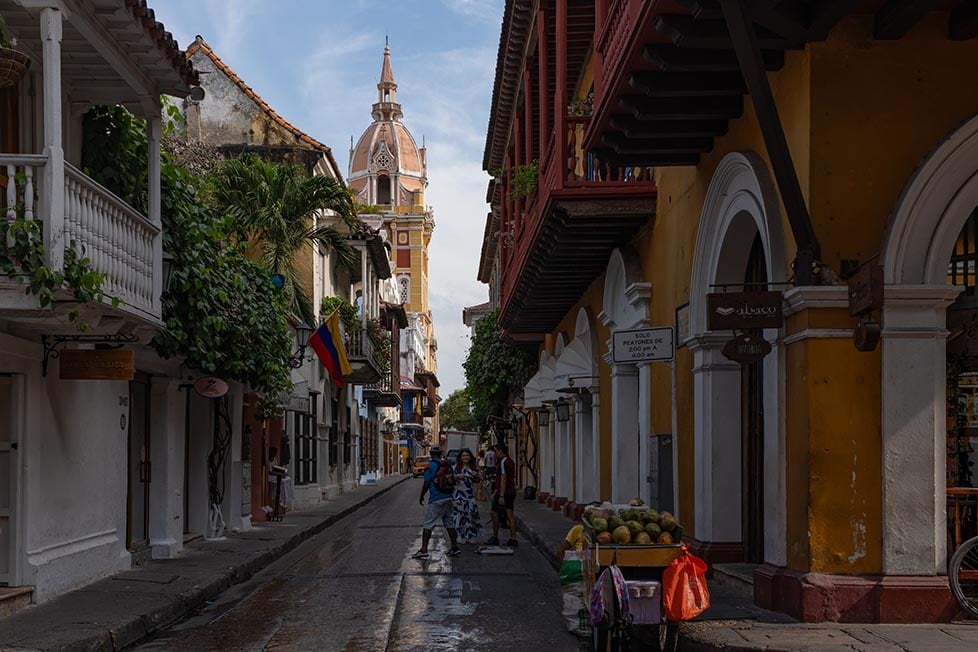
Photo: Nic Hilditch-Short
Best South American SIM Card Providers
There are obviously plenty of options available to you for a SIM card in South America, but here are some of my top recommendations:
GigSky

GigSky is one of those eSIM providers that quietly gets things right with few silly gimmicks. It’s a US-based company with serious global reach, offering mobile data in 190+ countries through partnerships with major international networks. In real terms, that means you can land, switch on your phone, and be online in minutes — no airport SIM stalls, no language barrier panic, and no getting rinsed by roaming fees.
Where GigSky really shines is reliability. The plans are clearly priced, the coverage is genuinely global, and the connection is stable enough for maps, bookings, uploads, and the occasional “work-from-anywhere” moment. It’s not trying to be flashy or gimmicky.
For long trips, multi-country itineraries, or anyone who’s been burned by sketchy local SIMs before, GigSky is a solid, no-drama choice that earns its reputation on the road.
4S

Heads up: 4S eSIM is still a relatively new player. We’re actively road-testing it over the coming months and will keep this page updated as we go.
4S eSIM is a newer name in the eSIM space, and one that’s only just starting to pop up on travellers’ radars. They’re positioning themselves as a straightforward, travel-first data provider, offering eSIM plans for a growing list of countries at competitive prices. Setup is the familiar QR-code process, and everything runs through a clean, no-nonsense platform — which, at the very least, suggests they understand what travellers actually want: quick access, clear pricing, and no friction at the airport.
So far, our experience with 4S eSIM has been quietly promising. Coverage has been solid in testing, speeds have held up for everyday travel use (maps, messaging, bookings), and there haven’t been any nasty surprises hidden in the fine print. It’s still early days, and we’ll be continuing to test 4S eSIM over the coming months across different destinations, but the signs are good.
If they keep building coverage and maintain this level of reliability, 4S eSIM could end up being a strong alternative to the more established players.
And check this, readers can bag 15% off all sale items using the code TBB at checkout!!!!
HolaFly
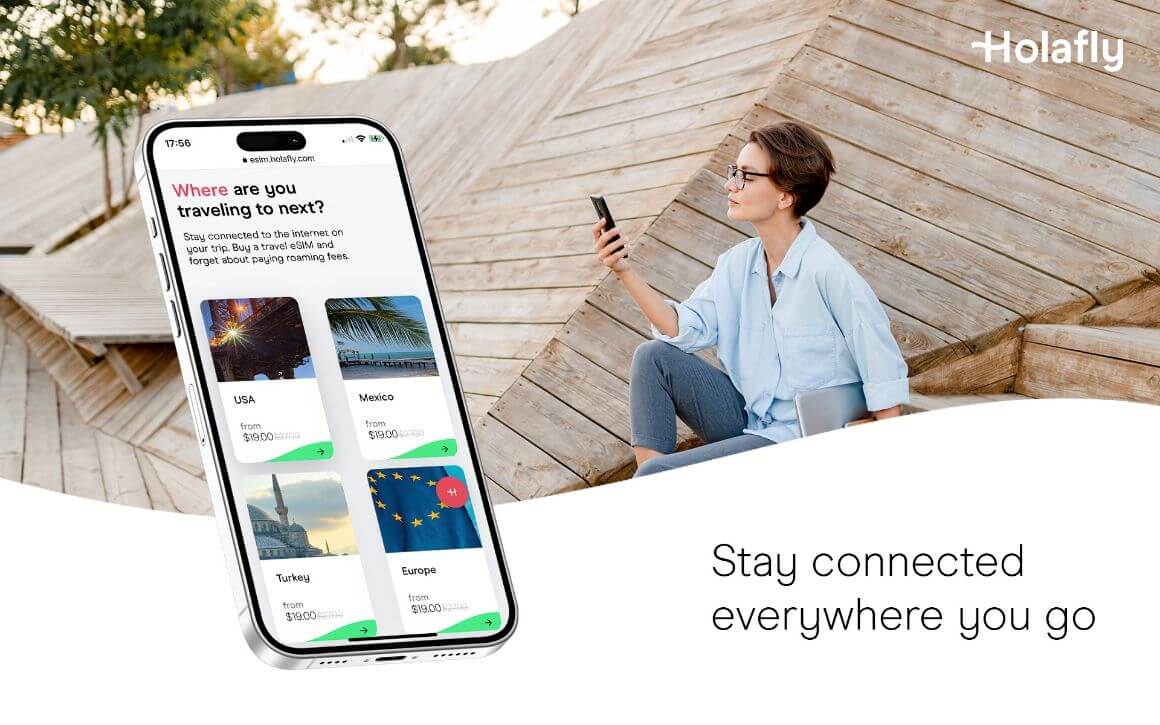
HolaFly is another great option for an eSIM in South America, without the need for a physical SIM card. It’s easy to activate, and you get instant access to the internet with a great, seamless connection throughout Latin America. You can enjoy fast and reliable internet with unlimited data, depending on the number of days, as follows:
- 1 day, $9.90
- 7 days, $39.90 ($5.70/day)
- 14 days, $60.90 ($4.35/day)
- 30 days, $98.90 ($3.30/day)
Claro
Claro offers the best overall coverage in South America, with affordable prepaid plans and tourist SIM cards. Claro is available in most countries, including Brazil, Argentina, Colombia, Peru, Chile, Ecuador, Uruguay, Paraguay, and more. Some examples of prepaid SIM card data plans are as follows:
- Colombia: 6GB data, 50 minutes, 50 sms’s, $15
- Brazil: 7 days, 2GB data, $2; 30 days, 6GB data, $6
- Argentina: 30 days, 25GB data, 500MB for Free Fire, 500MB for each social media app, $10
- Chile: 15 days, 1GB data, 50 minutes, $4
Movistar
Movistar is another great SIM card choice for South America, offering both strong urban and rural coverage. It’s available in Chile, Argentina, Colombia, Peru, and Ecuador, with great data speeds and good reliability. You can easily buy a SIM card in one of their official stores with just a passport, although customer service might be a bit slower than Claro in some countries.
Here are some SIM card data plans available in South America:
- Colombia: 7 days, 1.4GB data, $3.30; 15 days, 2.5GB data, $5.85; 30 days, 2GB data, $10
- Argentina: Tourist Week, 2GB data, 1GB social media data, 7 days, $0.20; Tourist Month, 3GB data, 1GB social media data, 30 days, $0.50
- Peru: 10 days, 1G data, $2.70; 20 days, 2GB data, $5.40; 30 days, 2.5GB data, $8.10
- Chile: 1GB data, valid for 15 days, $4.20
Entel
Entel, a Chilean company, operates in Chile, Peru, and Bolivia, providing excellent value and reliable connectivity in remote areas.
Here are some of their plans:
- Chile: 1GB data, 15 minutes talk time, valid for 15 days, $2
- Peru: 7GB data, valid for 30 days, $5.30; 12GB data, valid for 30 days, $7.70; 20GB data, valid for 30 days, $10.40
- Bolivia: 1GB data, valid for 5 days, $1.45; 3GB data, valid for 15 days, $4.30; 13GB data, valid for 30 days, $14.50
Personal (By Telecom Argentina)
Personel is one of Argentina’s leading mobile network providers, operated by Telcom Argentina. They offer extensive 4G and LTE across the country, and major cities offer great a connection and reliable speeds.
Here are some of their tourist plans:
- 3GB data, valid for 30 days, $2.56
- 25GB data, valid for 30 days, $7.40
What Is The Best SIM card in South America For Tourists?
| Provider/Package | Price (Basic Sim) | Top Ups Allowed? | Expiration |
|---|---|---|---|
| JetPac | $13.5 | Y | 7 days |
| Nomad | $9 | Y | 7 days |
| HolaFly | $37.90 | Y | 7 days |
| Claro | $4 | 15 days | |
| Movistar | $4.20 | 15 days | |
| Entel | $2 | 15 days | |
| Personal (By Telecom Argentina) | $2.56 | 30 days |
Final Thoughts on Getting a SIM Card For South America
South America is a continent that captivates with its sheer diversity, from ancient civilisations and vibrant cultures to breathtaking landscapes and unforgettable food experiences. Whether you’re trekking through the Andes or dancing the night away in Buenos Aires, Heck, maybe you’re relaxing on a beach in Brazil or exploring the colourful streets of Cartagena.
However, to make the most of your journey, staying connected is key. Having a local SIM card or an eSIM means easier navigation, seamless bookings, real-time translation, and the ability to share those once-in-a-lifetime moments online.
Whether you go with a trusted local provider like Claro, Movistar, or Personal, or opt for a global eSIM service like GigSky, 4S, or HolaFly, the goal is the same. To travel smarter, safer, and with more freedom.
If you’ve had a great SIM experience or even learned what to avoid, your insight can help fellow travellers stay connected across South America. After all, travel is better when we share tips that make it smoother for the next adventurer.
Safe travels and enjoy the journey!
Photo: Nic Hilditch-Short