Broke backpackers go nuts for a great work exchange opportunity, and you should too!
Workaway has become one of the best-known platforms in the work exchange world, making it easier for travellers to connect with hosts around the globe. You don’t necessarily need a long list of qualifications to get started, just a willingness to help, a bit of initiative and a Bob the Builder attitude (“Yes, we can!”). For travellers trying to stay on the road a little longer without draining their savings, swapping a few hours of work for food and accommodation can be pretty bloody appealing.
I’ve used Workaway myself, and when it works, it really works. Many placements are built around a few hours of help each day, leaving you time to explore rather than spending your entire trip working. You meet people you might never otherwise cross paths with, and get the chance to properly immerse yourself in local life.
But Workaway isn’t perfect. Not every host is a legend. Some treat volunteers like free labour, some listings are vague or misleading, and even with the platform’s support and safety measures, things don’t always go to plan.
And with more platforms popping up, Workaway isn’t the only option anymore, nor is it necessarily the best one for every type of traveller. So, here’s a round-up of the best work exchange sites that are like Workaway but are NOT Workaway (because we believe in equal opportunity).
Before we dive into the full breakdown, here’s what this guide covers:

Photo: @monteiro.online
The Broke Backpacker is supported by you. Clicking through our links may earn us a small affiliate commission, and that's what allows us to keep producing free content 🙂 Learn more.
- Why is Workaway So Popular?
- Best Workaway Alternatives
- Bonus Options That Aren’t Work Exchanges (But Still Get You Free Stays)
- How to Actually Land a Good Placement
- Messaging Templates (Copy/Paste Ready for ya!)
- Safety and Ethics (Read This Before You Book Anything)
- The DMs I Get Every Time I Mention Volunteering Abroad
- Now Go And Spread Your Volunteering Wings!
Why is Workaway So Popular?
Workaway jumped onto the work exchange scene in early 2002, looong before work exchanges were “mainstream”. Over the years, its online community has grown into one of the best-known names in budget travel. It’s the sort of thing you’ll hear about in a hostel kitchen, on a chicken bus and in nearly every budget backpacking Facebook group. It was (and still is) one of the biggest budget travel cheat codes around.
They didn’t get popular by accident, though. They literally nailed the brief and solved a huge pain point for backpackers and hosts alike. With low barriers to entry and a massive variety of hosts, there was something for all sorts of travellers. Whether you fancied helping out at a hostel, spending time on an eco-farm or getting stuck into a community project, the idea was simple: swap a few hours of help for food and a place to stay.
Workaway’s general guidance is that placements usually involve:
- Around 4-5 hours of work per day
- 5 days a week (with days off agreed with the host)
- Tasks that match the host’s needs – gardening, cleaning, reception, cooking, childcare, DIY projects, animal care, etc.
- Free time built in so you can explore the area, join activities, or just chillax
Best Workaway Alternatives
Workaway is no longer the only choice for broke backpackers. And if I’m honest, it might not be the best fit for everyone. Depending on what kind of experience you’re after, you might find better options elsewhere, whether that’s more structured support, farm-based stays or a different mix of hosts and opportunities.
So, being the curious folk we are, we’ve been looking at the other platforms out there to see what they have to offer. Here are a few of my favourite Workaway alternatives:
| Alternative | Quick Verdict | Best For | Typical Gigs | Price |
|---|---|---|---|---|
| Worldpackers | Best for support and community | Travellers who want structured exchanges, host reviews and additional support | Hostels, social media, reception, eco?projects, NGOs | Annual membership fee |
| Global Work and Travel | Best for guided experiences | Travellers who want help organising placements and travel logistics | Working holidays, internships, au pair, hospitality jobs | Programme fees vary |
| Trusted Housesitters | Best for pet lovers | Travellers who want accommodation in exchange for looking after homes and pets | Pet sitting, house sitting | Annual membership fee |
| WWOOF (The OG Farm Option) | Best for farm stays | Anyone who wants a true farm?to?table experience and doesn’t mind getting muddy | Organic farming, gardening, homesteading | Country-specific membership fee |
| HelpX | Old?school budget option | Travellers who want a huge variety of hosts at a very low cost | Farm stays, hostels, homestays, handyman tasks | One-off fee for two-year membership |
| HelpStay | Best curated selection | People who want a Workaway?style platform with clearer categories and vetted opportunities | Hostels, farms, community projects, eco?builds | Annual membership fee |
| Volunteers Base | Best free option | Travellers who want to avoid membership fees | Farming, building, teaching, hostels, homestays | Free |
1. Worldpackers – The Broke Backpacker Favourite!
- Best for: Travellers who want good support, clear expectations, and a strong community vibe
- Common gigs: Hostel work, agriculture, teaching English, au pairing, social media, eco-projects
- Where it shines: Host reviews, community resources and support for travellers.
- What you get: Host approval process, WP Safeguard, Academy learning resources and an intuitive platform.
- Cost (this year): From $59/year (Annual membership fee, with several tiers available).
- Safety & support: Host approval process, ongoing review monitoring and support seven days a week. Eligible members can also access WP Safeguard if an exchange goes wrong.
Worldpackers is probably the dopest Workaway alternative out there. The site is all about connections, and not only between hosts and penniless backpackers. Through their blog, volunteers can share their stories (and hone their writer’s quills), and you can find an answer to almost every little question you might have about volunteering in a certain country or position. The Academy also offers useful learning resources for travellers preparing for an exchange.
The website is really easy and intuitive to use. You can filter by job, country, or region, or even pick if you’d rather do a normal help exchange worldwide or participate in an educational programme to maximise the learning experience. You can create an account and browse available positions for free before deciding whether to pay for a membership.
And they’re serious about the safety of their members. Hosts advertising on the platform go through an approval process, and if anything should go awry, Worldpackers’ WP Safeguard may help you find another host or reimburse you for alternative accommodation, depending on your membership tier and the circumstances. It’s worth checking the terms before signing up, as this isn’t automatic cover or travel insurance.
We sent a resident broke backpacker on a volunteering mission to Vietnam with Worldpackers, and he had an incredibly rewarding time learning how to master new crafts.

Photo: Ralph Cope
- Pros: Good offerings, great support, and awesome community
- Cons: More pricey than many other options
- Insider tip: Apply to hosts who have recently been active. Worldpackers shows when a host last replied. Prioritising hosts with fast response times massively increases your chances of getting accepted and avoids the dreaded “ghost host” situation.
- Why it’s a good alternative to Workaway: Worldpackers is a great option if you want a polished platform, a big traveller community and useful resources to help you prepare for your exchange. Its host approval process, seven-day support and WP Safeguard are useful extras. Workaway has stepped up its own safety features, too, so it’s worth comparing what each platform offers before deciding which one suits you best.
2. Global Work and Travel
Best for: Travellers who want a guided, hand-held experience rather than a DIY work exchange
Common gigs: Working holidays, au pair, hospitality jobs, internships, teaching abroad
Where it shines: Visa help, placement support, and full trip coordination
What you get: A dedicated trip coordinator, help with documents, programme matching, and ongoing support.
Cost: Programme fees vary by destination and type. Significantly higher than typical exchange sites.
Safety & support: Strong support structure, pre-departure guidance, and in-country assistance, including a 24/5 emergency support line.
Although not as well-known as Workaway, Global Work and Travel offers amazing travel experiences across 30+ countries, with more than 60 different trips and programmes to choose from. What sets GWT apart, though, is that you get much more help organising your trip. The company offers working holidays, fully guided volunteering trips and a range of other overseas experiences, with a dedicated trip coordinator and ongoing support.
You’ll get help with sorting visas, airport pick-up transfers and finding accommodation. They even offer flexible payment plans, making it easier to get on that plane ASAP!

Image: Nic Hilditch-Short
- Pros: Absolutely stellar customer support, help with organising the practicalities of travelling overseas, and a great website.
- Cons: They don’t have as many traditional work-exchange opportunities as other networks, and their programmes can be significantly more expensive.
- Insider tip: Start planning early! Global Work & Travel recommends booking 6-12 months ahead, and getting organised early can give you a better choice of start dates and job opportunities. If you’re flexible about where you end up, you may have even more options.
- Why it’s a good alternative to Workaway: These guys are ideal for travellers who want structure and support rather than a more “DIY search”. Unlike Workaway, where you browse listings and contact hosts yourself, Global Work & Travel helps organise your experience, from visa guidance and pre-departure planning to support while you’re away. You’ll pay more for that extra assistance, but it can make the whole process a lot less daunting.
3. WWOOF – Best Way to Find Farm Work
Best for: Travellers who want hands-on farm work, rural stays, and a slower, grounded travel style
Common gigs: Organic farming, gardening, animal care, homesteading, sustainable agriculture and related eco-projects.
Where it shines: Deep cultural exchange, close contact with local families, and learning sustainable farming
What you get: Accommodation and meals in exchange for helping with day-to-day farm activities.
Cost: Membership fees vary by country. You’ll generally need a separate annual membership for each national WWOOF organisation you want to join. WWOOF Independents is another option, covering hosts in more than 80 countries without their own national organisation.
Safety & support: Host profiles, member feedback and country-specific WWOOF organisations. Host approval and support processes vary between national networks.
WWOOFing is not about volunteer opportunities for dogs (that would be CUTE), but it’s one of the OG work exchange sites out there. Founded in 1971, Worldwide Opportunities on Organic Farms is a pretty self-explanatory title – they offer a narrower lens of volunteer opportunities, but it’s a fantastic way to get in touch with the countryside and see more of the rural side of the country you’re travelling in.
WWOOF is organised nationally, but not every country has its own organisation. For destinations without one, there’s WWOOF Independents, which covers more than 80 countries. You can choose from a wide range of projects, from trail-building in Armenia to bison-farming in Canada.
The membership fees stack up quickly, so WWOOF is not the most ideal option for serial country-hoppers. It’s bloody fantastic while backpacking Australia, New Zealand or the US, though. Pretty much any country that is expensive as hell but has huge rural areas teeming with farm work opportunities.
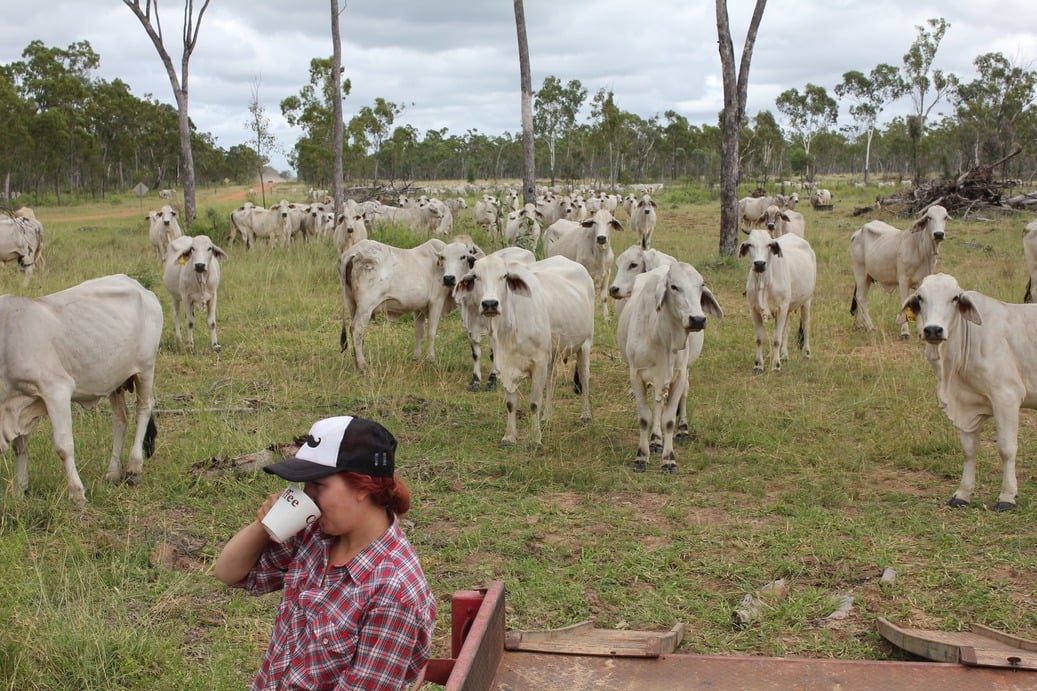
Photo: Elina Mattila
- Pros: Wide network, well-established, brings you close to local life
- Cons: Focused on farming and rural projects, so there’s less variety than on broader work-exchange platforms. Membership fees can also stack up.
- Insider tip: Look for hosts with detailed daily schedules and recent traveller reviews. Farms that clearly outline tasks, hours, and living conditions tend to offer the best experiences.
- Why it’s a good alternative to Workaway: WWOOF is best for travellers who want a farm-based experience rather than a mix of odd jobs or hosting hostel pub crawls. Its focus on organic and sustainable farming means you’ll find opportunities to learn about growing food, rural living and more sustainable ways of life. If that’s what you’re looking for, it offers a much more specialised experience than Workaway.
4. HelpX – A Budget-Friendly Work Exchange Site
Best for: Travellers who want a ton of host options at a low cost.
Common gigs: Farm stays, hostel help, gardening, house projects, homestays.
Where it shines: Huge host network, long-running reputation, very affordable membership.
What you get: Accommodation (and sometimes meals) in exchange for help.
Cost: Free basic membership, with a €20 Premier membership lasting two years.
Safety & support: Basic. Relies on host profiles, reviews, and community feedback rather than hands-on support. HelpX does not provide its own insurance.
HelpX is one of the oldest work exchange sites, making it another great Workaway alternative. Since it’s one of the OGs in the game, its network of hosts is pretty big, and that gives you a whole platter of options to choose from. (Even though the layout of the website makes me mildly disoriented.)
HelpX was launched in April 2001, making it one of the earlier online work-exchange platforms.
A neat thing about HelpX is the community page where solo working travellers can find buddies for their next volunteering/travel adventure. HelpX has two levels of membership: Free and Premier. You will need to sign up for the Premier membership to be able to contact hosts directly and read their reviews, but at least it’s cheap: just €20 for two years! HelpX says the typical arrangement involves around four hours of help per day in exchange for accommodation and meals, although this varies considerably between hosts.

Image: Nic Hilditch-Short
- Pros: Lots of opportunities offered, cheap
- Cons: Clunky website
- Insider tip: Sort hosts by “last updated” and prioritise those with recent activity. HelpX shows when host listings were last updated, so this is a useful way to identify active opportunities and avoid contacting hosts whose information may be out of date.
- Why it’s a good alternative to Workaway: HelpX wins on price, with two years of worldwide Premier access for just €20. It’s a particularly good option for budget-conscious travellers who don’t mind a more basic website and are happy to do a little more research when choosing their hosts.
5. Helpstay – A Lesser-Known Alternative to Workaway
Best for: Travellers who want lots of options across many countries
Common gigs: Hostels, NGOs, teaching, farm stays, homestays, community projects
Where it shines: Wide global coverage, varied roles, easy filtering by region and job type
What you get: Accommodation (and sometimes meals) in exchange for help
Cost: €42.99 for one volunteer; €51.99 for couples per year
Safety & support: Hosts are screened and approved by the HelpStay team. Listings include details of tasks, expected hours, accommodation and any fees, with reviews from previous helpers. The support team is available if you need advice or assistance.
Helpstay works much the same as all the other Workaway-like sites. It lists your potential hosts; you can filter by region or by the job you want, all the good stuff. Helpstay is a bit more obscure than many of the other options, but they do offer a ton of options in more than 100 countries, with over 2,500 opportunities advertised.
However, I found the website a little unintuitive, especially when looking for info about the company itself. On top of that, I’d recommend you check out the job listings carefully before applying. Helpstay seems to have more listings that are subject to a fee when compared to similar work exchange sites. Some hosts offer free exchanges, while others charge a contribution towards accommodation, meals or other costs. Any host fees should be displayed on the individual listing, so check these carefully before committing.
Now this in itself is not necessarily alarming – sometimes volunteering programmes ask volunteers for small contributions, and they usually go for a good cause. But if you’re being asked to pay almost $400/week to teach kids and plan your own lessons… that doesn’t sound too legit. Always check exactly what a fee covers, who receives the money and what support is included. A high fee doesn’t automatically mean a placement is a scam, but it should prompt you to ask more questions.
Luckily, you can look for free exchanges, but make sure you check the individual listing carefully. Some opportunities still involve contributions or additional costs.
If you’ve seen HippoHelp recommended on other sites, heads up: HippoHelp was acquired by HelpStay in early 2025. The original HippoHelp platform was discontinued, and the website now showcases a selection of opportunities from HelpStay. Its old map-based search feature is no longer available, so you’ll need to use HelpStay’s standard search and filters instead.
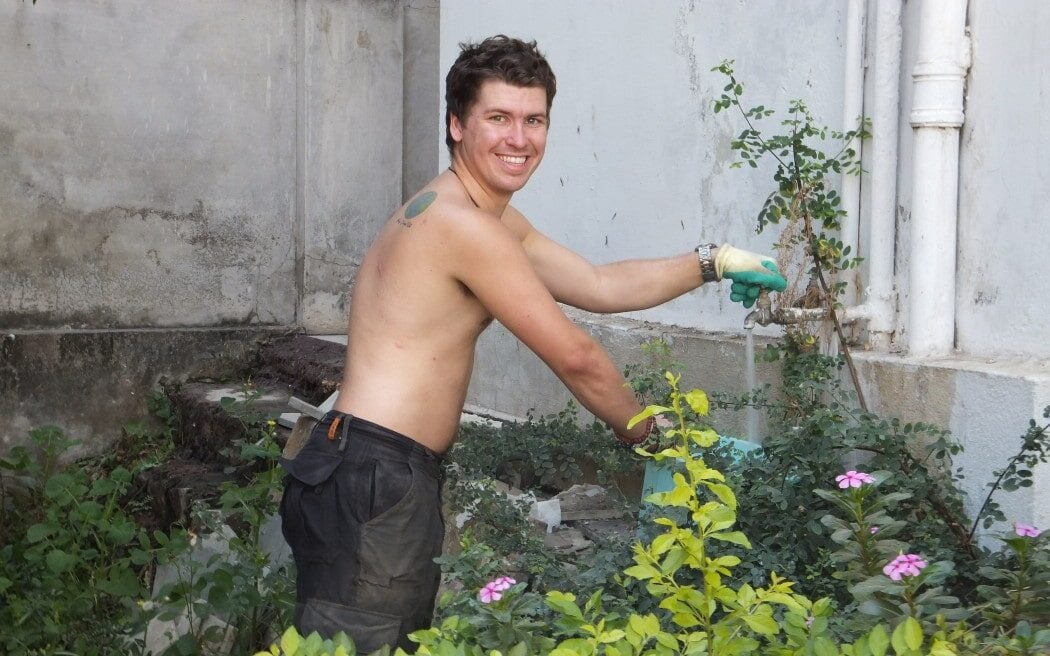
Photo: Will Hatton
- Pros: Lots of opportunities, wide range of project types and international coverage
- Cons: Less known than other work exchange sites, some listings involve additional fees
- Insider tip: Use the “free exchanges only” filter before you start browsing. It can help narrow down the options, but still check the listing for any additional costs before applying.
- Why it’s a good alternative to Workaway: Its global spread is impressive, and it offers a broad range of project types. If you’re flexible about your destination and want to cast a wide net, HelpStay is worth considering. Just make sure you check the individual listings carefully, particularly if you’re looking for a completely free exchange.
6. Volunteersbase – A Work Exchange Site Without Annual Fees
Best for: Travellers who want a completely free work exchange option
Common gigs: Homestays, gardening, farm help, hostel work, odd jobs
Where it shines: No annual membership fees, simple browsing and a one-off identity verification process.
What you get: Accommodation (and sometimes meals) in exchange for help
Cost: Free to browse, with a one-off €10 verification donation for lifetime access to contact hosts.
Safety & support: Basic. Volunteers and hosts are responsible for checking each other and agreeing arrangements independently. Identity verification helps reduce spam, but isn’t a guarantee of safety.
VolunteersBase is one of the few Workaway alternatives that doesn’t charge an annual subscription. You can browse projects for free, but you’ll need to make a one-off €10 donation to verify your identity before contacting hosts. Once that’s done, you’ve got lifetime access, with no recurring membership fees.
The website is pretty basic. You can search for hosts by country, and browse different types of projects. Volunteersbase also doesn’t seem to have much support available in case anything goes awry with the work exchange. This leaves a lot of responsibility to you as the voluntourist, but a savvy voyager shouldn’t have much trouble with this. VolunteersBase is clear that it doesn’t arrange or oversee exchanges. It’s simply a platform connecting hosts and volunteers, so you’ll need to do your own checks, ask for references and agree on working hours, accommodation and meals before travelling.
All in all, VolunteersBase is a more basic option than some of the other Workaway alternatives, but if you’re really trying to travel for free, avoiding a recurring membership fee is definitely a good thing.

Photo: Roaming Ralph
- Pros: No annual membership fee
- Cons: Basic website. Limited hands-on support, with volunteers responsible for checking hosts and arrangements themselves.
- Insider tip: Message hosts with specific dates and a short intro about your skills. Clear, friendly messages tend to get faster replies on platforms with less structure.
- Why it’s a good alternative to Workaway: VolunteersBase is the better choice for suuuper budget travellers who want to avoid annual membership fees altogether. The one-off verification donation makes it ideal for long-term backpackers, budget travellers, or anyone testing out work exchange for the first time without committing to a recurring subscription.
7. TrustedHousesitters – Best for Pet Lovers
Best for: Pet lovers, couples, digital nomads, and slower travellers.
Common gigs: Dog sitting, cat sitting, house sitting, light home care.
Where it shines: High-trust community, a large global network and structured membership features.
What you get: Free accommodation in return for caring for pets and keeping the home secure.
Cost: Membership required. Plans vary by tier and location, with different features included at each level.
Safety & support: ID checks, reviews and references, with additional protection and support available on certain plans.
TrustedHousesitters is one of the best-known house-sitting platforms in the world. Instead of work exchange, it focuses on pet care: you stay in someone’s home for free while looking after their animals. It’s ideal for travellers who love pets, want a quieter pace, and prefer a comfortable home over a hostel bunk.
The platform is polished and highly structured, with ID-verified profiles, reviews and references. Some membership tiers also include additional protection and support. It’s especially popular in Europe, the UK, Australia, and North America, making it a great option for digital nomads or slow travellers who want to cut accommodation costs without doing physical labour (except for walking pups!)
IMPORTANT NOTE: House-sitting isn’t always as straightforward as it sounds when it comes to visas. Even if you’re not being paid, some countries may view looking after someone’s home or pets in exchange for free accommodation as work. There have been reported cases of travellers running into trouble at the border after declaring they were house-sitting. It’s another good reminder to check the rules before you book that lovely-looking sit!
TrustedHousesitters provides explanatory letters for some destinations, but these do not guarantee entry or establish that house-sitting is permitted under local immigration rules. Don’t rely on one as proof that you’re allowed to house-sit on a tourist visa.
If you’re doing a house-sit outside of your home country, research the local regulations before accepting the assignment or travelling. Check official immigration guidance or contact the relevant authorities if you’re unsure.

- Pros: Useful trust features and a huge network.
- Cons: Hefty membership fee required, competitive in big cities, not suitable if you don’t like pets
- Insider tip: Apply quickly. Many of the best sites get dozens of applicants within hours. A warm intro message, a clear travel window, and a couple of strong references can dramatically increase your chances of getting accepted.
- Why it’s a good alternative to Workaway: Instead of doing physical work or long volunteer shifts, you simply care for and cuddle cute pets and enjoy a free home (not just a bunk!) It’s ideal for remote workers, couples, and slow travellers who want a peaceful base rather than a work exchange environment.
Bonus Options That Aren’t Work Exchanges (But Still Get You Free Stays)
If you’re mainly looking for free or low-cost accommodation, not a work exchange per se, there are a few other routes that can save you a ton of money. These options require more DIY vetting, but they’re great for flexible travellers who don’t mind taking the lead.
House sitting/ pet sitting: Swap pet care and basic home care for free accommodation. I’ve already mentioned TrustedHousesitters, but you can also check out Nomador, and MindMyHouse. Expect to apply early, build a strong profile, and show you’re reliable with animals.
Volunteer and work-exchange directories: Instead of relying on one membership platform, you can browse different directories and charity listings for volunteer or seasonal opportunities. You’ll need to vet hosts yourself, so check reviews, expectations, and safety. HopperJobs lists work-exchange opportunities around the world, although you’ll need a paid subscription to access most listings. Idealist is more focused on volunteering with non-profits and community organisations, rather than finding accommodation in exchange for work. Other good places to start include local NGO listings.
Niche exchange communities: Yoga retreats, eco lodges, surf camps, meditation centres, and permaculture farms. Many offer room and board in exchange for help. These can be amazing, but read the fine print. Some “volunteer” roles are actually paid programmes in disguise.
Ask hostels directly: Old school, but still effective. Many hostels offer bed-for-shift deals if you show up in person, stay friendly, and can start soon. Just have a chat with the hostel gods, uh, I mean management, and see if you could score a small job that can cover the costs of your stay. This might include working the bar, cleaning rooms, or even leading the bar crawl.

Photo: @amandaadraper
A few tips to help with your hostel work hunt:
- Ask for specifics: hours, tasks, days off, and what you get in return.
- Look for fair exchanges: Make sure the hours and responsibilities feel reasonable for what you’re receiving. There’s no universal rule for how many hours a bed is worth, so agree on the details before you commit.
- Avoid guilt trips: if a manager pressures you into extra shifts “because you’re part of the family,” that’s a red flag. You’re doing this for “free”, remember…
- Trust your gut: if the vibe feels off, walk away. There are always other hostels.
Hostel staff is not your only hope, either. Talk to other travellers about the cool places they’ve been, and don’t be afraid to jump at a chance to deviate from your plans to do something epic.
One of the absolute highlights of my South American trip was spending a couple of days on a one-man-operated coffee farm in the mountains of Bolivia, where, in exchange for picking coffee beans every other day, I stayed and ate for free and could explore the national park around me. This is a national park that usually runs one-day tours for a hundred bucks… And none of this would have happened if I hadn’t got the lead from a German backpacker at the hostel.
These options take a bit more initiative, but they are worth giving a go before forking out for a platform that you may not even like!

Photo: Elina Mattila
How to Actually Land a Good Placement
Most people think work exchange is about “finding a host”. But the reality is, it’s just as much about getting chosen. I’ve been through the process of landing a work exchange many times now, so I thought I’d share with you 5 steps that massively increase your chances of landing solid placements (and avoiding the weird ones).
- Search: Cast a wide net. Don’t get too set on the first gig that you see. Browse by country, dates, and type of work. Don’t fall in love with the first cute farm dog you see. You want options!
- Shortlist: Save your fav 5-10 hosts that you think match the vibe you’re looking for. Make sure they have recent activity, clear expectations, photos of the actual accommodation you’ll be staying in, and reviews that mention communication and fairness
- Vet em’: Before messaging them, check the hours vs. benefits (is it fair?), tasks (are they being realistic), reviews (we want green flags only) and living setup (privacy, food, wi-fi). Check whether the host has clear information about working hours, days off, meals, accommodation and any extra costs. It’s also worth checking whether the arrangement is legal under local visa rules and whether you’ll need your own travel insurance. If anything feels “off”, trust your gut and just move on. It’s not worth it.
- Message: It’s time to slide into their DMs, baby! Send a short, warm message that gets to the point. Hosts get a ton of messages, so keep your intro short, sweet, human and easy to say yes to.
- Confirm: Once you’re (hopefully!) accepted, be sure to lock down the details. What are the hours, days off, meals, accommodation type, start/end dates and any deal-breakers? Get the agreed arrangements in writing before you travel. If hosts avoid answering these… tell them to jog on (in nicer terms).

Photo: @intentionaldetours
Messaging Templates (Copy/Paste Ready for ya!)
Below is a series of my go-to message templates when applying for gigs. You’ll have to edit them to match who you are and what you’re looking for, but these have landed me roles in the past so they are tried and tested… and yes, I like to throw in a cheeky smiley face here and there! :))
1) First Message (keep it short & friendly)
Hi [Name],
I’m planning to be in [location] from [dates], and your listing stood out to me. I have experience with [skills relevant to their tasks], and I enjoy [something personal that fits their project].
I particularly liked [specific detail about their project or listing], and I’d love to get involved.
If the dates work for you, I’d love to chat and learn more about what you need.
Thanks!
[Your name]
2) Follow Up After 3 Days (just a wee polite nudge)
Hi [Name],
Just checking in in case my last message got buried. I’m still interested in helping out from [dates]. No rush, just wanted to make sure you saw it 🙂
Thanks again,
[Your name]
3) Negotiation (hours, meals, days off)
Hi [Name]
Everything sounds great, and I’d love to confirm the stay. Before we lock it in, could we clarify a couple of details?
- Expected hours per day and the tasks involved
- Days off
- What’s included (meals, accommodation, etc.)
- Any additional costs or contributions I’ll need to cover
- The agreed start and end dates
I just want to make sure expectations match 🙂
Thanks so much!
[Your name]
Safety and Ethics (Read This Before You Book Anything)
Visas and legality: Before you get carried away planning your next work exchange, there’s one boring-but-important thing to check: your visa. Don’t assume you can volunteer or work in exchange for accommodation on a tourist visa. Rules vary from country to country, and unpaid work isn’t automatically allowed just because you’re not getting paid. Some destinations require a specific visa or permit, even for volunteering. Do your homework, check the official immigration advice for wherever you’re heading, and don’t just take the host’s word for it. Better to check now than run into trouble at the border!
Vetting hosts starts before you ever send a message: A good placement should feel clear, fair, and safe from the very first interaction. If something feels off, trust that feeling. Our guts rarely steer us wrong!
Watch for host red flags. A few signs you should walk away:
- Vague or shifting expectations (“we’ll see when you get here…”)
- No photos of the accommodation
- Reviews mentioning overwork, guilt-tripping, or poor communication
- Hosts who avoid answering direct questions
- “Emergency” requests that pressure you to commit immediately
- If a host can’t explain the work, hours, or living setup, just skip them
Be extra careful with child and animal volunteering. Some roles look meaningful but are ethically messy. A few key signs to watch out for are:
- Avoid anything that feels like “pay to play” with kids or animals.
- Be cautious with “orphanage style” volunteering; short-term volunteering in orphanages can be harmful to children and may contribute to exploitation.
- Skip animal attractions that involve performances, selfies, or unclear welfare standards.
- If a project can’t explain where money goes or how volunteers are supervised, that’s your cue to leave, folks.
Get everything in writing. Before you confirm, make sure you have a written agreement on: hours, tasks, days off, meals, accommodation, start/end dates, and any special expectations. Make sure there are clear terms that protect both you and the host.

Photo: @themanwiththetinyguitar
Always have an exit plan. Even great placements can go sideways. I always have the following in place:
- Keep a small buffer fund for 2-5 nights in a hostel or hotel.
- Know the nearest town and transport options.
- Tell a friend or family member where you’re staying and check in regularly.
- If you feel unsafe, you don’t need permission to leave. Just get the F out of there.
Travel insurance is non-negotiable. Work exchanges aren’t paid jobs, so you’re responsible for your own coverage. But don’t assume a standard travel insurance policy automatically covers work exchanges or volunteering. Check the policy wording and ask the insurer to confirm that your specific tasks and activities are covered. A flexible, travel-friendly policy (like SafetyWing-style nomad insurance) can help with medical issues, trip issues, and emergencies. You can’t put a price on peace of mind… well, you kinda can, but it’s worth it.
Platform safeguards help – but they’re not a magic solution. Some platforms offer host verification, support teams, and refund-style guarantees. From a gal who had to use the Worldpackers support, I’ll give it to them; they were bloody fantastic. They paid for me to stay three nights at a hostel up the road and removed the weirdo host who spent the first night flirting with me from the platform.
However, if I had actually read over all the reviews, I would’ve noticed that he gave off bad vibes and I wouldn’t have booked it in the first place. The support systems can be helpful if you need to leave quickly, but they’re not a force field. Your best protection is still prevention:
- Good vetting
- Clear written expectations
- A backup plan
Safety isn’t about being paranoid; it’s about being prepared. This is supposed to be fun, remember!!
The DMs I Get Every Time I Mention Volunteering Abroad
These are the questions that slide into my inbox nearly every single time I talk about work exchange.
Now Go And Spread Your Volunteering Wings!
So there you have it, a round-up of some of the best work exchange websites like Workaway for this year, plus a few bonus ways to score free stays if you’re travelling on a budget. And hey, if you still end up choosing Workaway, you can always check out our Workaway review (and snag yo-self a mean discount).
Obviously, working in exchange for housing is a fantastic way to save money while travelling. Lower accommodation costs can also help you stretch your travel budget and keep exploring for longer. But the real magic in work exchanges is that they also translate into extremely unique travel experiences.
It’s cool that you’ve seen the sunrise at Angkor Wat or climbed to the top of the Eiffel Tower, but did you help run a tiny mountain hostel or learn how to shear sheep?
Not to mention that in many work exchange spots, you have a REAL chance to connect with local communities and contribute in a positive way. (But do consider some of the ethics of voluntourism, too.)
Still sitting there reading? Make it real and start planning your epic work exchange adventure! See you out there, friends 🙂