South Korea
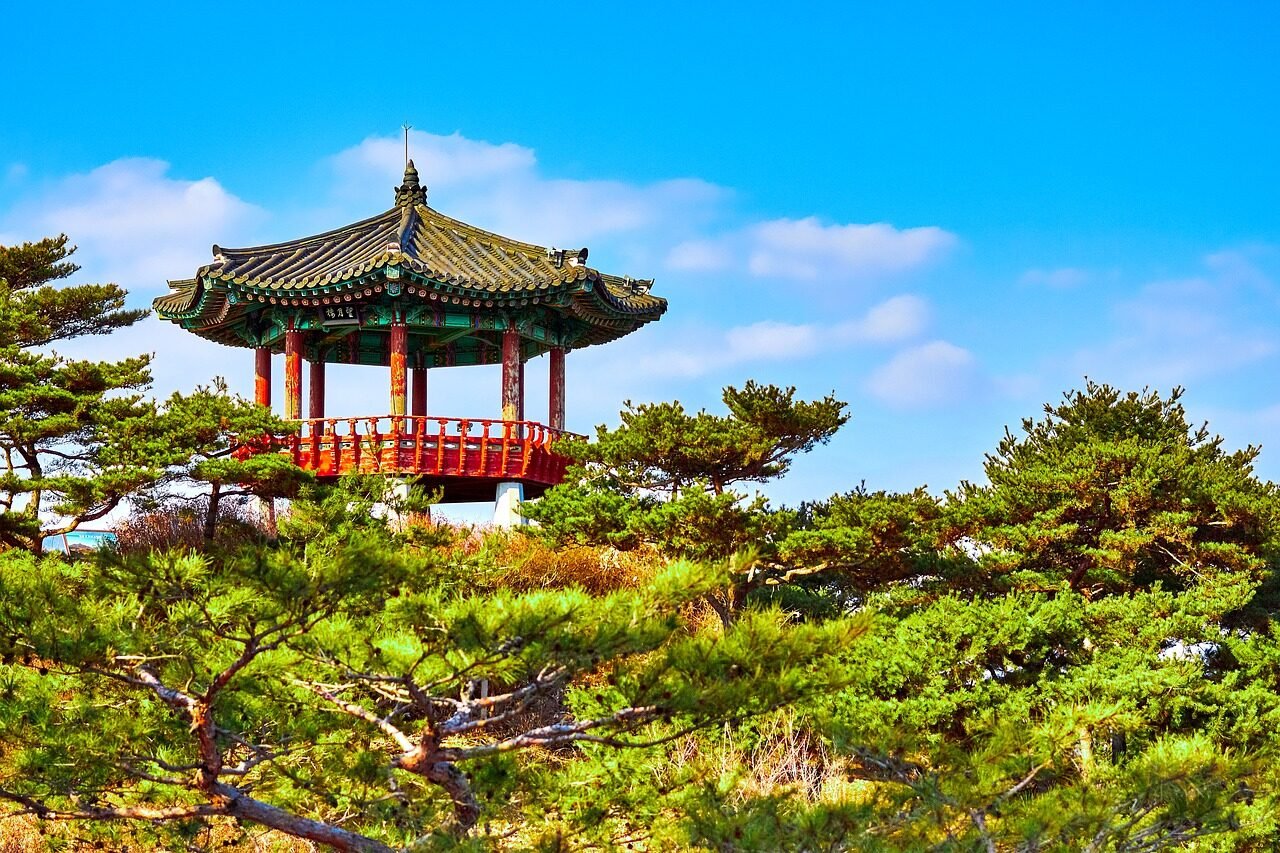
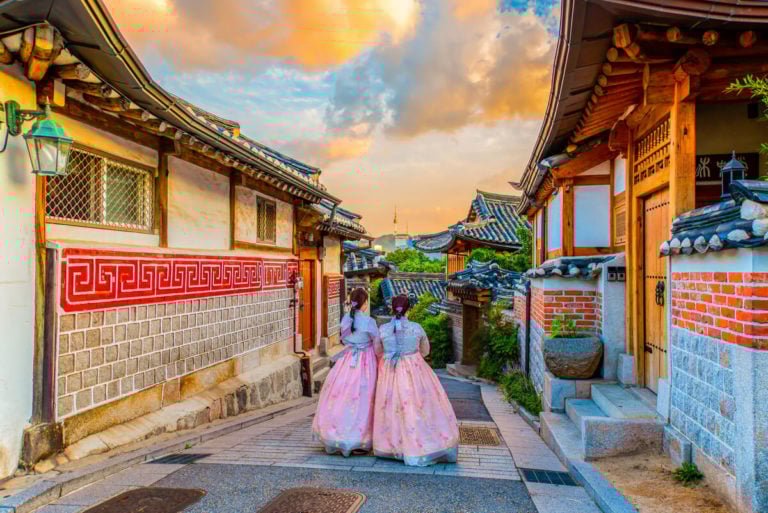
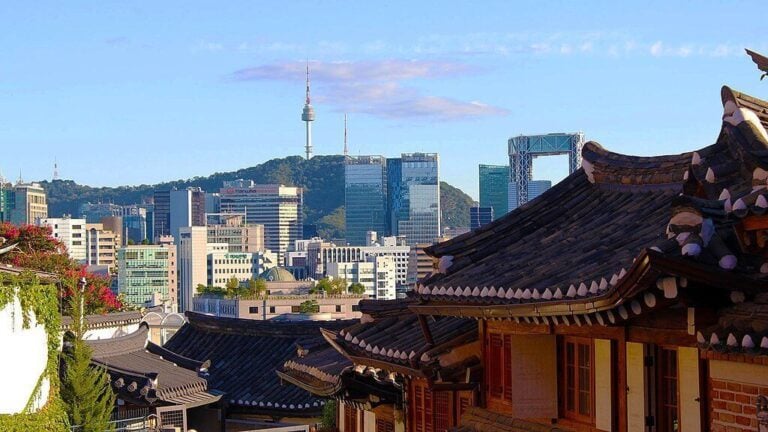
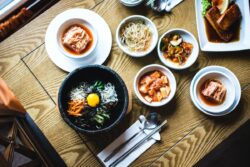
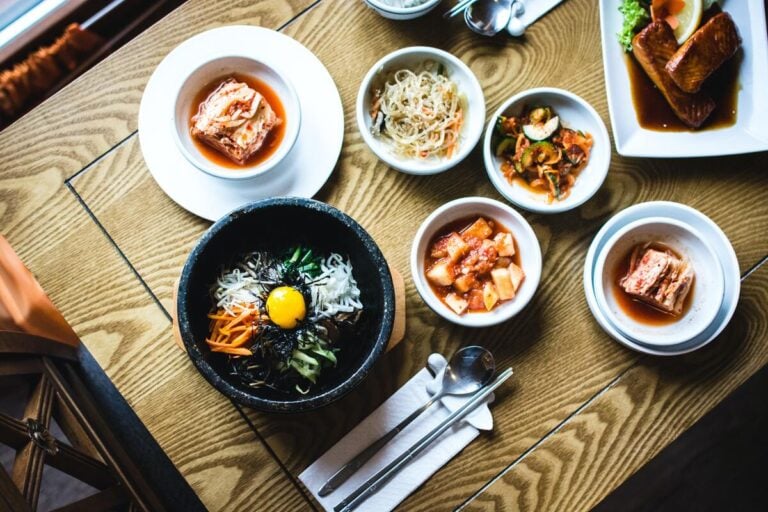
South Korea is a country of contrasts. Ancient traditions sit alongside buzzing city life, Seoul's skyscrapers rise above centuries-old temples, and old-school markets sit just around the corner from some seriously futuristic tech. But if there's one thing that brings it all together, it's the food. And honestly? South Korean food is UNBEATABLE. Come for the K-culture, stay for the barbecue, kimchi and late-night street food.
Read Our Backpacking GuideOur Must-Read Guides
Quick Facts

South Korea Accommodation Guides
 Editor's Pick
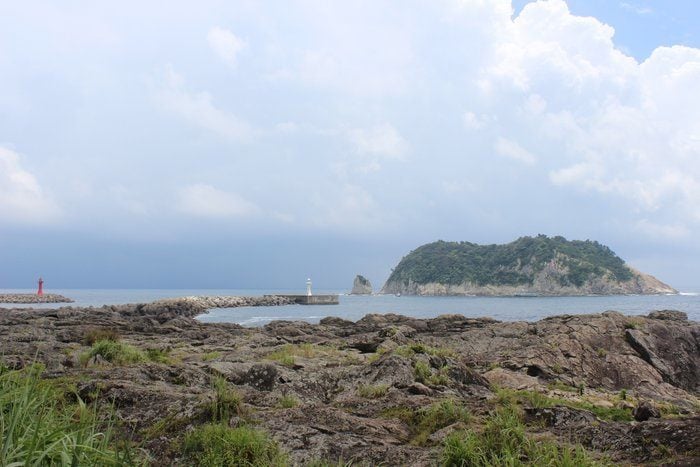
Where to Stay in Jeju (Best Places)
Where is the Best Place to Stay in Jeju? Looking for a specific place to stay? These are my highest recommendations for…
 Editor's Pick
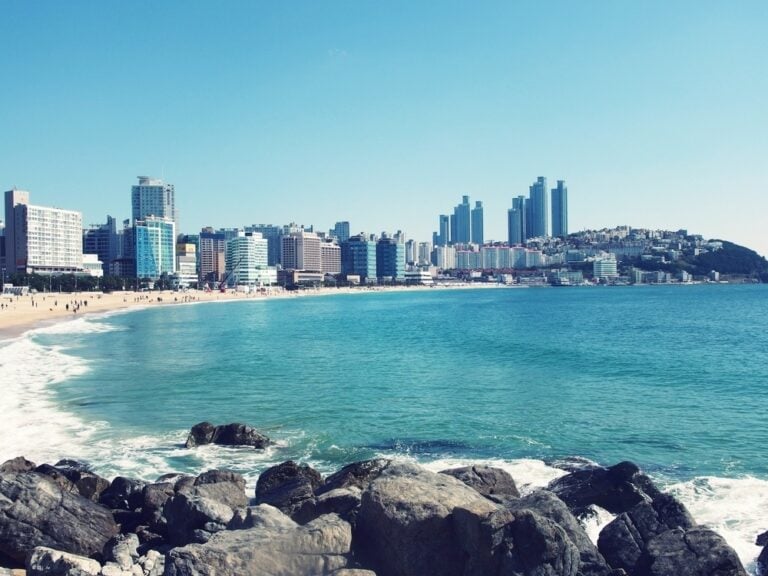
Where to Stay in Busan (Best Places)
Busan Neighbourhood Guide – Best Places to Stay in Busan Busan is a massive, high-energy coastal city that can feel overwhelming on…
 Editor's Pick
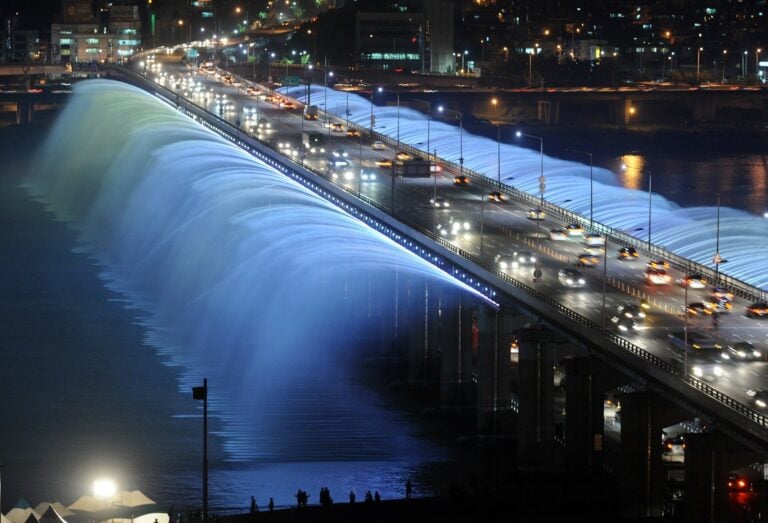
The 5 Best Hostels in South Korea
Quick Answer: The Best Hostels in South Korea The 5 Best Hostels in South Korea While the backpacking scene in South Korea…
 Editor's Pick
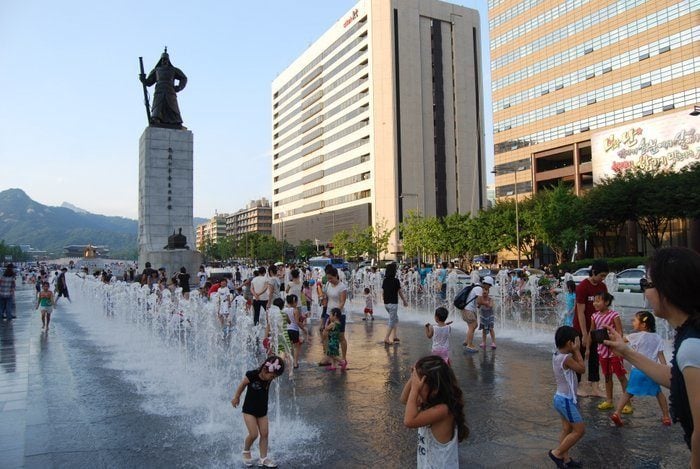
The 5 Best Hostels in Seoul
Quick Answer: The Best Hostels in Seoul The 5 Best Hostels in Seoul Don’t sweat it if you’ve not found the best…
 Editor's Pick
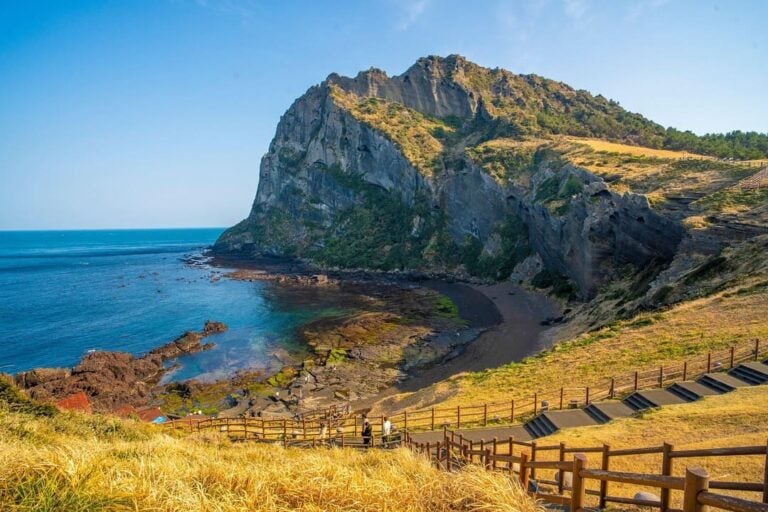
The 5 Best Hostels in Jeju Island
Quick Answer: The Best Hostels in Jeju Island The 5 Best Hostels in Jeju Island Here it is—the ultimate roundup of Jeju’s…
 Editor's Pick
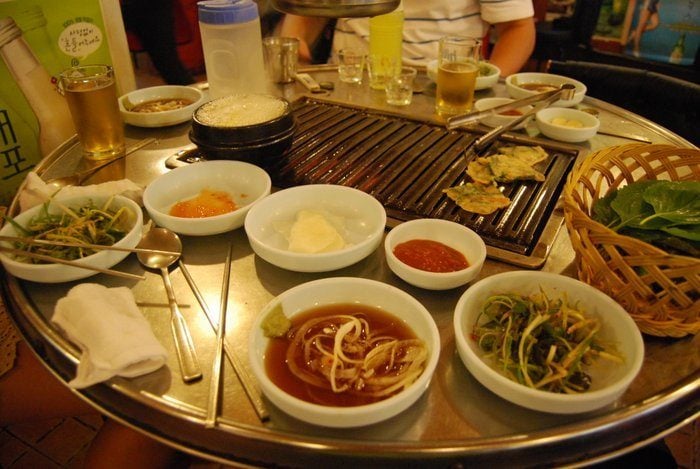
The 5 Best Hostels in Busan
Quick Answer: The Best Hostels in Busan The 5 Best Hostels in Busan If you’re backpacking South Korea then you should swing…
 Editor's Pick
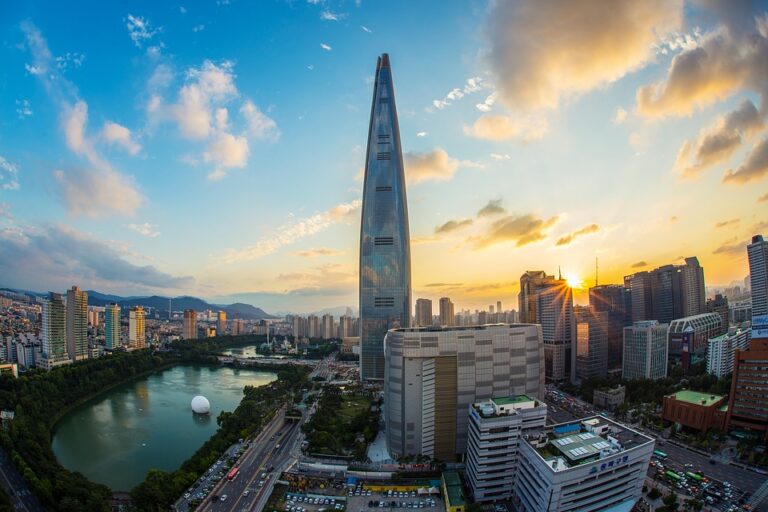
The 4 Best Capsule Hotels I Found in Seoul
In a Rush? Here Are My Favourite Capsule Hotels In Seoul In Detail: Where I Recommend Staying in Seoul If these capsule…
 Editor's Pick
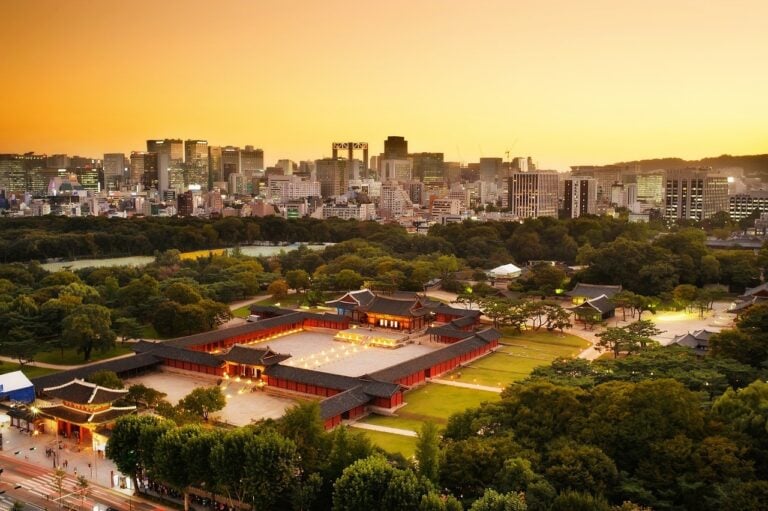
15 of the Best Airbnbs in Seoul: My Top Picks
Quick Answer: These are the Top 5 Airbnbs in Seoul The Top 15 Airbnbs in Seoul We’ve had you waiting long enough!…
 Editor's Pick
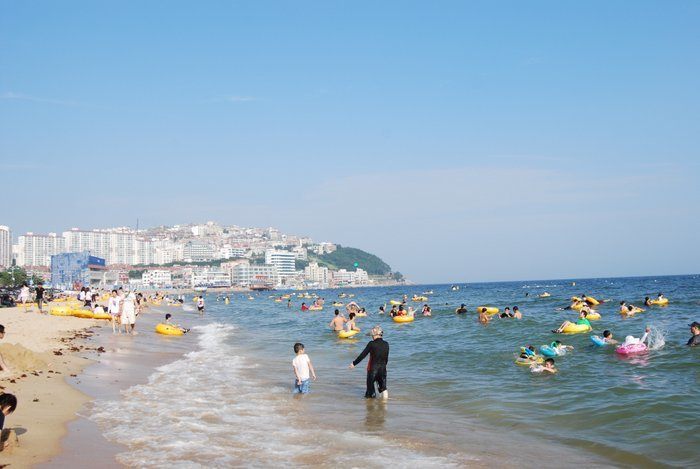
15 of the Best Airbnbs in Busan: My Top Picks
Quick Answer: These Are the Top 5 Airbnbs in Busan What to Expect from Airbnbs in Busan The Airbnbs in Busan are…
Know Before You Go
The no-BS planning guides, prep tips, and field-tested picks we use on the road.

Book It
Hostels
The one we actually use to lock in dorm beds across South Korea.
Hotels
Treat yourself to your own room once in a while.
eSIM
Data the second you land – no SIM hunt at the airport.
Travel Insurance
The cover we trust on every trip – built for backpackers, actually affordable.
Tours
Even on a budget, some experiences are worth paying for.
Transport
Book your trains, planes, buses and ferries across South Korea.
Travel Advice From The Trenches.
Subscribe to our newsletter for practical guides, honest destination breakdowns, and budget travel tips straight from the road. No fluff, no filler.
No spam · Unsubscribe any time
Our Latest Stories from South Korea
New trip stories, guides, and honest lessons, straight from the backpack.

South Korea Travel FAQs
What's the best way to travel around South Korea?
South Korea has an excellent public transport network. High-speed trains make it easy to travel between major cities, while local trains and buses are useful for getting off the main tourist trail. Seoul and other cities also have extensive subway systems, making it easy to explore without a car.
What is a Korean jjimjilbang?
A jjimjilbang is a traditional Korean bathhouse and sauna complex, and it's a brilliant way to experience a different side of Korean culture. You'll usually find hot baths, saunas and relaxation areas, with some staying open around the clock. Just be prepared for the bathing areas to be separated by gender and completely nude!
What is a Korean convenience store like?
Korean convenience stores are practically an institution. You'll find them everywhere, often open 24/7 and packed with surprisingly good food. Grab some instant noodles, kimbap, snacks and a drink, then heat everything up and eat at the little tables outside. It's cheap, easy and a very Korean travel experience.
Do I need to visit Seoul to experience South Korea?
Not at all. Seoul is an obvious starting point, but there's plenty to discover beyond the capital. Head to Busan for beaches and seafood, Gyeongju for ancient history, Jeju Island for volcanic landscapes or smaller cities and rural areas for a slower side of Korean life.