Beijing is one of the world’s great ancient capitals with a history dating back three millennia. Located in northern China, it’s the third most populated city in the WORLD!
If you’re looking for a Beijing itinerary that covers all of the city’s top attractions, you’ve come to the right place. This sprawling metropolis is large and spread out, and attractions are dotted throughout the city. If you’re a first-time traveler to Beijing, this guide will help guide your trip.
Beijing is a great choice for travelers interested in history, culture, and architecture. You can witness ancient palaces and temples alongside the city’s modern skyline and Beijing’s known as much for its modern architecture as its ancient sites.
In this comprehensive guide, I’ve made sure to include the city’s top attractions as well as the best place to stay in Beijing, how to get around in the city, and great day trips. So let’s get started on the best Beijing itinerary!
A Little Bit About this 3 Day Beijing Itinerary
Beijing is China’s capital city and is brimming with history, culture, good food, and unforgettable attractions. It has something for every traveller, from sprawling parks to incredible museums; you’ll never run out of things to do in Beijing!
Whether you’re spending one day in Beijing or planning an unforgettable Beijing itinerary, some phenomenal options are jostling for a spot on your list. I’d personally suggest taking at least two or three full days to explore the city.
If you want to see all of the important landmarks, you might be able to fit everything into 24 hours, but that’ll guarantee a lot of stress. So do yourself a favour and set more time aside.
In this itinerary, you’ll find three days packed with culture, history, and adventure. But don’t worry, you won’t have to rush from A to B, trying to fit everything in.
I’ve chosen the ideal daily structure, added times, routes to get there, and suggestions on how long you should spend at each spot. Of course, you can add your own spots in, swap things around, or even skip some places. Use this itinerary as inspiration instead of a fixed plan to get the most out of your trip!
3 Day Beijing Itinerary Overview
- Day One: Temple of Heaven | Tiananmen Square | Forbidden City | Lama Temple | Temple of Confucius
- Day Two: Yuanmingyuan Park | The Summer Palace | Beijing Zoo | The National Museum of China | Peking Opera Performance
- Day Three: Olympic Park | Beijing Night Market | 798 Art District | Red Theatre Beijing Kung Fu Show | Military Museum of the Chinese People’s Revolution
Beijing is a large city with many accommodation options to choose from. Staying in a good location will give you the advantage of being closer to the city’s main attractions, which means less time spent travelling!
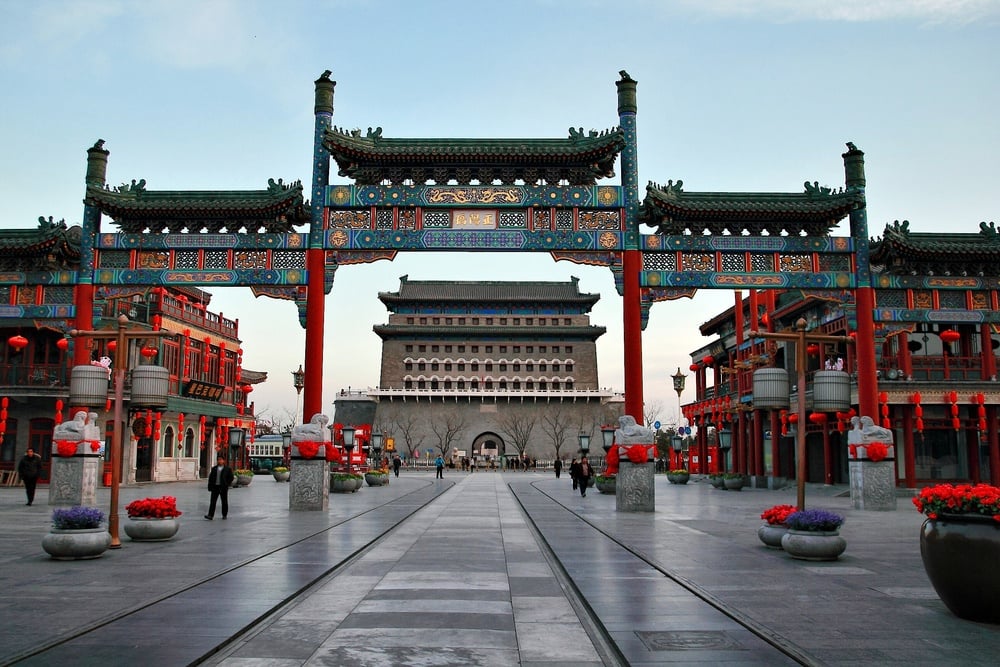
The best place to stay in Beijing to be close to all the action is Qianmen. This area is close to Tiananmen Square, the Forbidden City, parks, temples, popular restaurants, and more. This popular precinct also lies at the centre of Beijing, making it a great starting point to reach the other areas of the city. It’s also well serviced by public transportation!
The Broke Backpacker is supported by you. Clicking through our links may earn us a small affiliate commission, and that's what allows us to keep producing free content 🙂 Learn more.
If you want to experience Beijing’s ancient culture slightly removed from the more touristy city center, the Houhai or Nanluoguxiang areas are an excellent choice. These two districts showcase the indigenous Beijing heritage! You’ll find plenty of hotels, restaurants, cafes, shops, and bars. This area also boasts convenient public transportation.
These neighborhoods are only four or five stations from Tiananmen Square. So you’ll be close enough to easily fulfill your Beijing itinerary, but you’ll enjoy a bit more peace and less crowding.
Best Hostel in Beijing – Peking International Youth Hostel
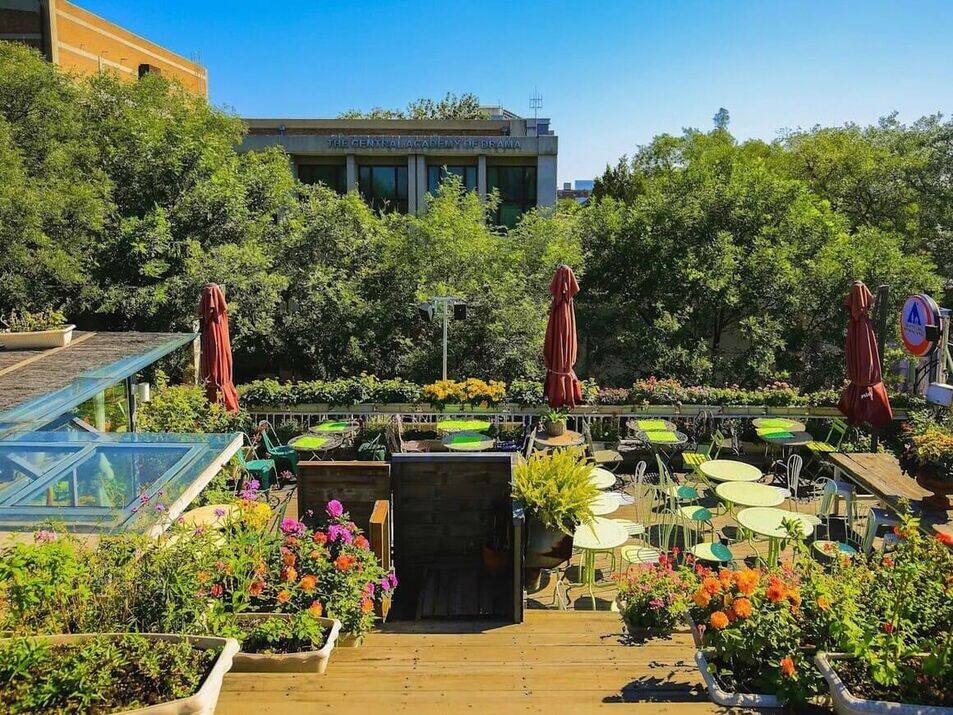
The Peking International Youth Hostel has hosted many backpackers in China throughout the years and even won awards for being an excellent hostel. There’s a wide range of room options, so you’re sure to find something to suit your needs.
There’s a rooftop terrace to enjoy a cocktail from the bar, and the attached restaurant is a great place to people-watch over a delicious meal. This is the best place to stay in Beijing for solo travellers who want to meet new people.
If you are looking for hostels in Beijing, check out my guide to the best hostels in Beijing.
Best Budget Hotel in Beijing – Beijing Prime Hotel Wangfujing
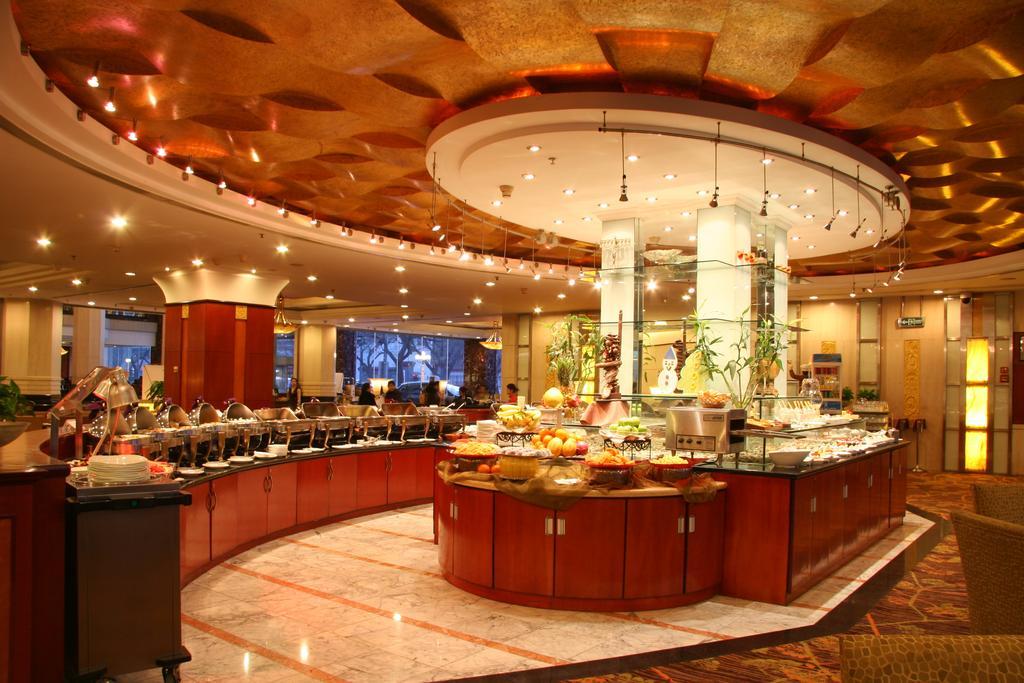
The Beijing Prime Hotel Wangfujing is very accommodating. Each room is equipped with both air conditioning and heating facilities, a flat-screen TV, a minibar, a coffee/tea maker, and more.
Guests will enjoy 5 dining options, an indoor pool, and free parking. There is also free Wi-Fi that runs throughout the property, and every room features a city view!
Best Luxury Hotel in Beijing – New World Beijing Hotel
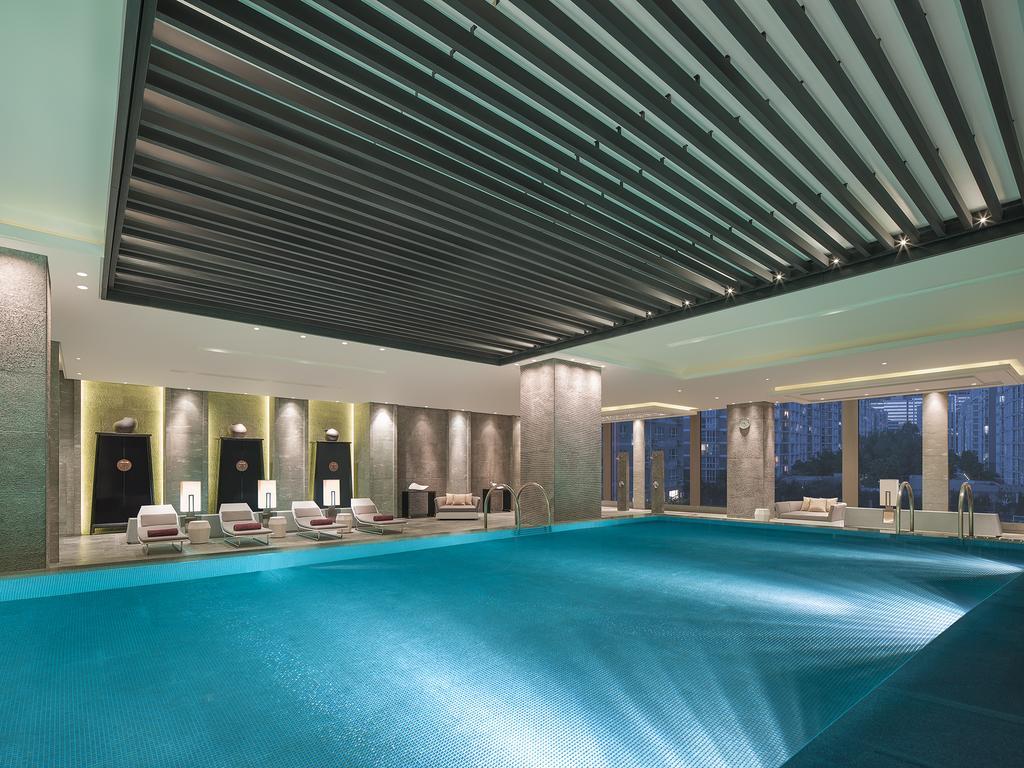
The New World Beijing Hotel is a modern and well-styled accommodation. The property features an indoor swimming pool, a spa center, and a fitness center.
All rooms offer city views and come with a flat-screen TV, a work desk, a seating area with a sofa, and more great features! This hotel will make your vacation in Beijing very luxurious.
Start your Beijing itinerary by checking out some of the city’s most famous historic sites. Make sure to wear your walking shoes. Once you arrive at these sites, you’ll be able to take your own self-guided Beijing walking tour!
9:00 AM – Temple of Heaven
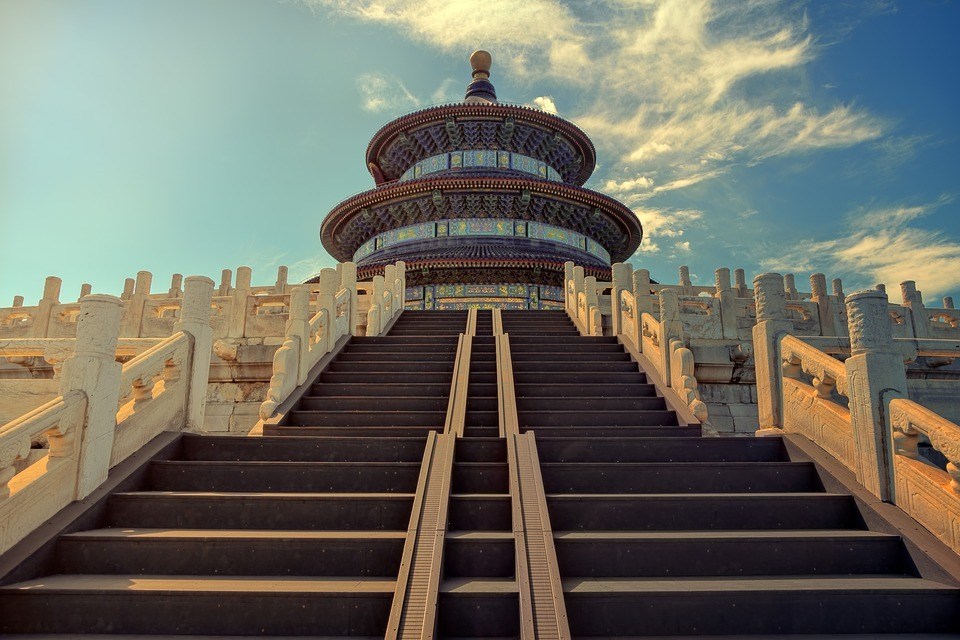
The Temple of Heaven is an imperial complex of religious buildings in central Beijing. It was constructed in 1420, which was the 18th year of the reign of the Ming Emperor Yongle! It is the place where the emperors of the Ming and Qing dynasties would worship and pray for a good harvest.
This UNESCO World Heritage Site possesses marvelous architecture and is filled with exhibitions about China’s past emperors! The complex is comprised of three main parts: the Hall of Prayer, the Imperial Vault of Heaven, and the Circular Mound Altar. There is also a large park inside the complex walls.
The Hall of Prayer, also known as the Altar of Prayer for Good Harvests, is located in the northern part of the temple complex. In ancient times, this was where the emperors held ceremonies to pray for good weather and abundant harvests.
Facing south, the Imperial Vault of Heaven is a round pavilion originally built in 1530 and rebuilt in 1752. This is the place used for housing God’s tablets used at the Ceremony of Worshipping Heaven!
The Circular Mound Altar, also known as the Terrace of Worshipping Heaven, is located to the south of the Imperial Vault of Heaven. It’s an open circular stone altar where the emperors would offer sacrifices to Heaven on the day of the Winter Solstice. This ceremony was to thank heaven and pray for peace and a good harvest.
Journey back in time as you discover the history of the Ming Dynasty and the Qing Dynasty! The Temple of Heaven complex is very large and spread out. Make sure to plan enough time to explore the grounds and enjoy this stop on your Beijing itinerary.
- Cost: December – March: USD $4.00 April – November: USD $5.00
- Getting there: from your hotel, take the subway to Tiantan East Gate Station on Line 5 and walk.
- How long should I spend there? It is recommended to stay around 2 hours.
11:00 AM – Tiananmen Square
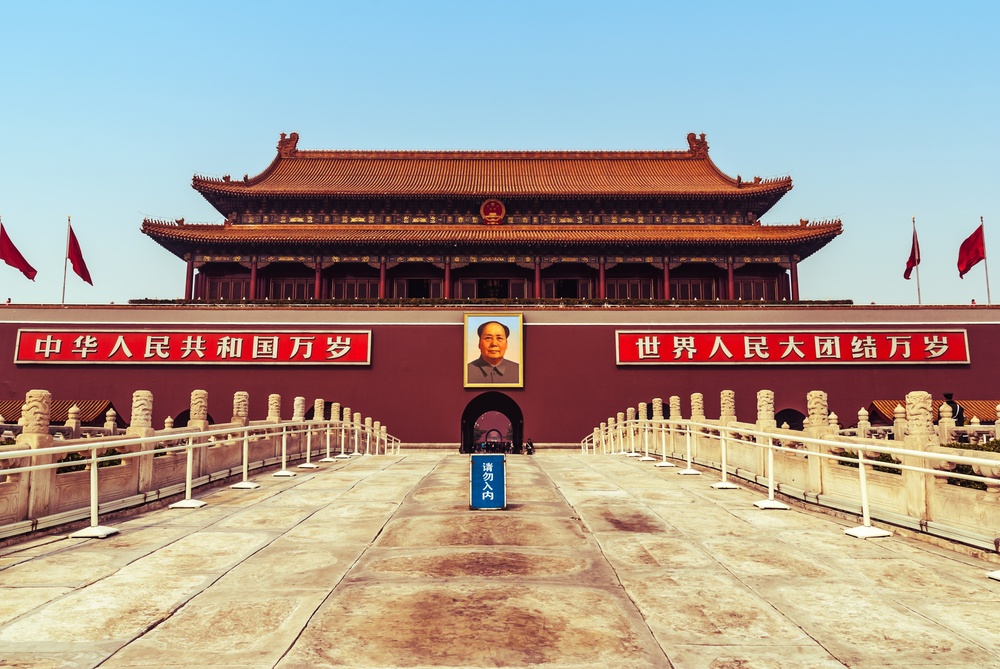
Tiananmen Square is located in the heart of Beijing. The Square houses several important Beijing attractions.
The Tiananmen Gate is the most popular attraction. This gate is widely used as a national symbol of China and has great political and historical significance. Tiananmen, or the Gate of Heavenly Peace, was first built during the Ming Dynasty in 1420.
Tiananmen was the entrance to the Imperial City, within which the Forbidden City was located. Although the original building was first constructed in 1420, the gate has been completely destroyed and rebuilt several times.
The gate is 217-feet long, 121-feet wide, and 105-feet high. In line with other official buildings of the empire, the gate has unique imperial roof decorations, which are crouching beasts. Only official buildings of the Chinese empire are permitted to use these roof decorations.
At the entrance to the gate, two lions are standing in front, and two lions are guarding the bridges. In Chinese culture, lions are believed to protect humans from evil spirits. Tiananmen Gate is featured on the National Emblem of the People’s Republic of China and has been featured in designs of Chinese stamps and coins.
There are several other important attractions within Tiananmen Square – firstly, the Monument to the People’s Heroes is the largest monument in China’s history. The Great Hall of the People is the site of the China National People’s Congress meetings and an important site for political and diplomatic activities. Lastly, the Chairman Mao Zedong Memorial Hall is where Chairman Mao’s body lies in a crystal coffin.
Tiananmen Square is one of the most popular places to visit in Beijing, with thousands of people visiting the Square every day!
- Cost: It’s free to visit Tiananmen Square; however, some attractions inside the Square will have entrance fees.
- Getting there: take the metro to Tiananmen West or Tiananmen East Station and walk from there.
- How long should I spend there: depending on how many of the surrounding attractions you visit, you could spend 1-2 hours here.
12:00 PM – National Museum of China
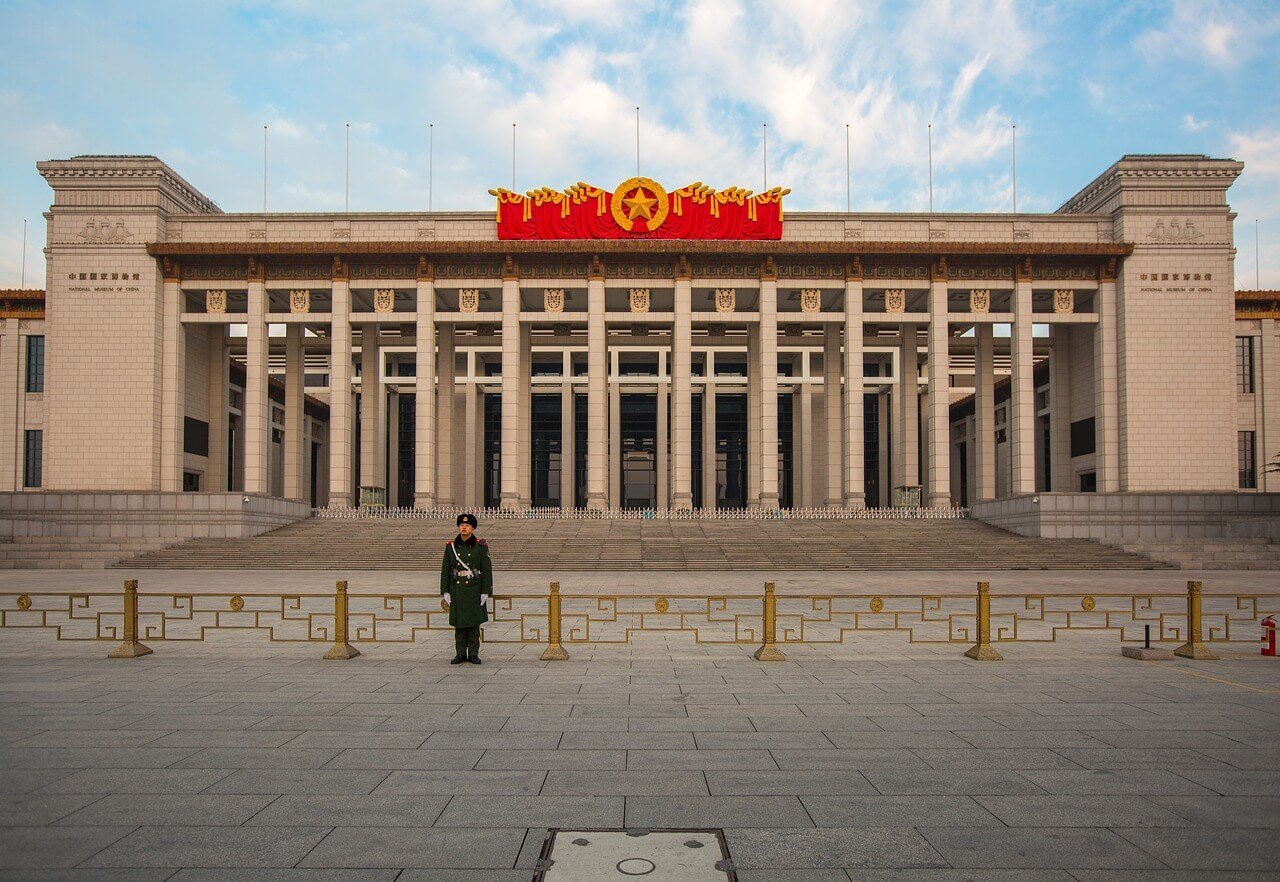
The National Museum of China is located to the east of Tiananmen Square, opposite the Great Hall of the People. It is an inclusive museum of time-honored Chinese culture and history and ranks among the largest modern museums in the world!
The museum has a total of 48 exhibition halls and is devoted to displaying treasured collections in the form of various thematic exhibitions. Guests will see and learn about the art of bronze, porcelain, jade, Chinese calligraphy and paintings, Buddhist statues, Ming and Qing furniture, Chinese coins, and more!
Ancient China and the Road to Rejuvenation are the main exhibitions and show nearly 3,000 historic materials from Yuanmou Man. There are also revolutionary relics from the First Anglo-Chinese War in 1840.
See displays full of ancient Chinese cultural relics as well as significant archeological discoveries and ethnic folk customs! There are also temporary exhibition halls that display modern art.
Although this attraction is free, you have to book your tickets once you arrive, and to do so, you will need your ID or passport! This is a very large museum, so make sure to plan your time accordingly when going through this 2-day itinerary in Beijing. However, since the museum is free, you could always return during your free time on your Beijing trip itinerary.
You can also see the Mausoleum of Mao Zedong, or Chairman Mao Memorial Hall. it’s within walking distance of the museum if you have a particular interest in Chinese history.
- Cost: Free!
- Getting there: it’s across the road.
- How long should I spend there: 1-3 hours, depending on how much you love history.
3:00 PM – Forbidden City
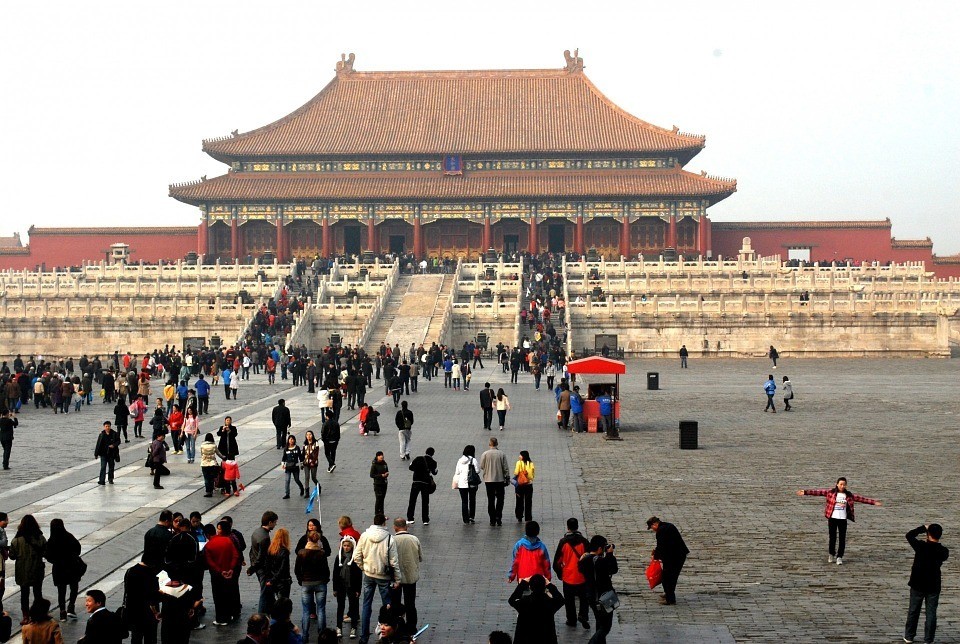
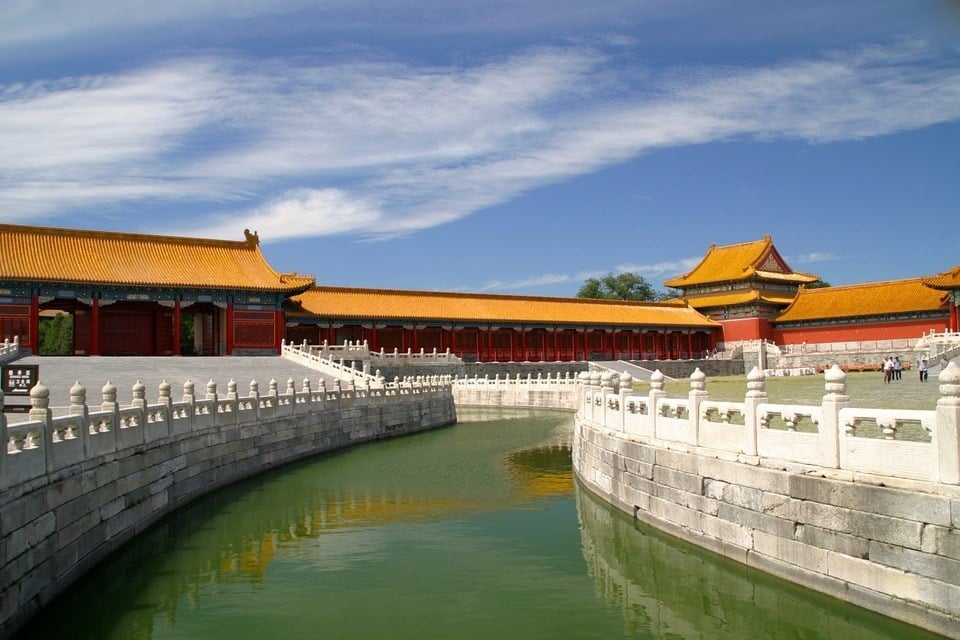
The Forbidden City, also referred to as the Palace Museum, is a palace complex that exemplifies traditional Chinese palatial architecture. It was constructed from 1406 to 1420 and consists of 980 buildings covering over 180 acres!
Located in central Beijing, it was the former Chinese imperial palace of the Ming dynasty up until the end of the Qing dynasty. It has served as the home of emperors and has been the ceremonial and political center of the Chinese government for over 500 years!
It houses an extensive collection of artwork and artifacts from the Ming and Qing dynasties. Among this vast collection are paintings, calligraphy, ceramics, and antiquities of the imperial collections.
In ancient times, this structure was considered a divine place, which meant it was forbidden to ordinary people, hence the naming of the Forbidden City. Today, it’s one of the top Beijing attractions with an annual average of 15 million visitors!
This is the largest imperial palace in the world and you can easily spend 2-3 hours here. Take your time strolling the complex. Marvel at the traditional gardens, see the living and governing quarters, and admire Chinese architecture at its finest!
The Forbidden City is a World Heritage Site and is listed by UNESCO as possessing the world’s largest collection of ancient preserved wooden structures. It doesn’t matter how many days in Beijing you plan to spend, this is a must-see attraction!
- Cost: April – October USD $9.00 November – March USD $6.00.
- Getting there: it’s a 20 minute walk from Tiananmen Square to the South Gate.
- How long should I spend there: you could spend 2-3 hours here.
7:00 PM – Watch a Peking Opera Performance
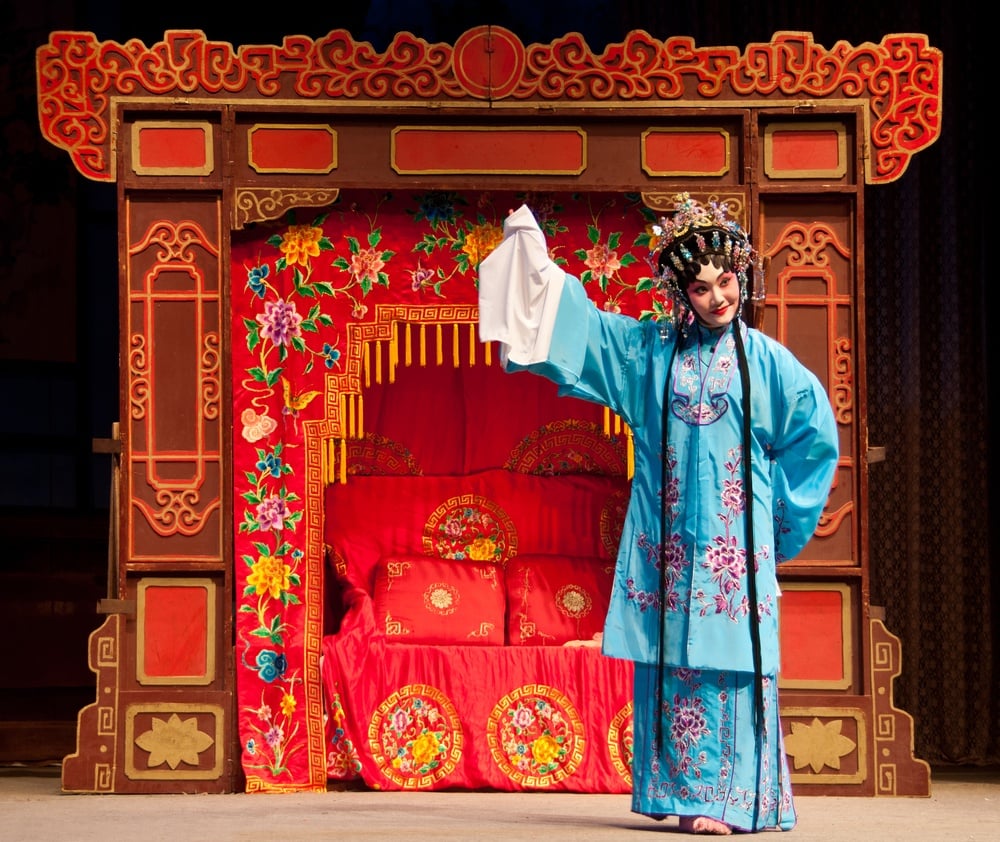
Peking Opera, also called Beijing Opera, are shows presenting dramatic plays that infuse four artistic methods: singing, mime, dance, and acrobatics. These performances combine music, literature, aria, and face painting to tell a unique story.
Peking Opera arose during the mid-Qing dynasty and was extremely popular in the Qing court. It is regarded as one of the cultural treasures of China! The opera features four main role types: gentlemen, women, rough men, and clowns. Performers are dressed in elaborate and colorful costumes!
There are a number of locations where you can watch a Peking Opera performance in Beijing. The National Center for the Performing Arts is one option. Immediately west of Tiananmen Square and near the Forbidden City, this modern venue is right in the city center, making it easy to get to.
This state-of-the-art theater has a titanium-accented glass dome that is completely surrounded by a man-made lake. It is said to resemble an egg floating on water, or a water drop, thus giving it the nickname ‘The Giant Egg’.
If you wish to watch a Peking Opera in a Beijing venue dating from the late 17th century onwards, check out the opera stages at Prince Gong Mansion, Zhengyici-xi-lou, and Huguang Guild Hall.
Watching a Peking Opera performance is a truly unique experience and a great way to end your 2-day itinerary in Beijing!
- Cost: Tickets start at approximately USD $55.00 and increase in price based on seat selection
- Getting there: take the subway Line 7 to Hufangqiao, take Exit C and walk for 100 meters.
- How long should I spend there: the show usually lasts for about 2 hours.
If you only have 2 days in Beijing, this is the perfect way to spend your second day. Make sure to bring your camera, you’re going to be checking out even more of the city’s most picturesque locations!
9:00 AM – Yuanmingyuan Park
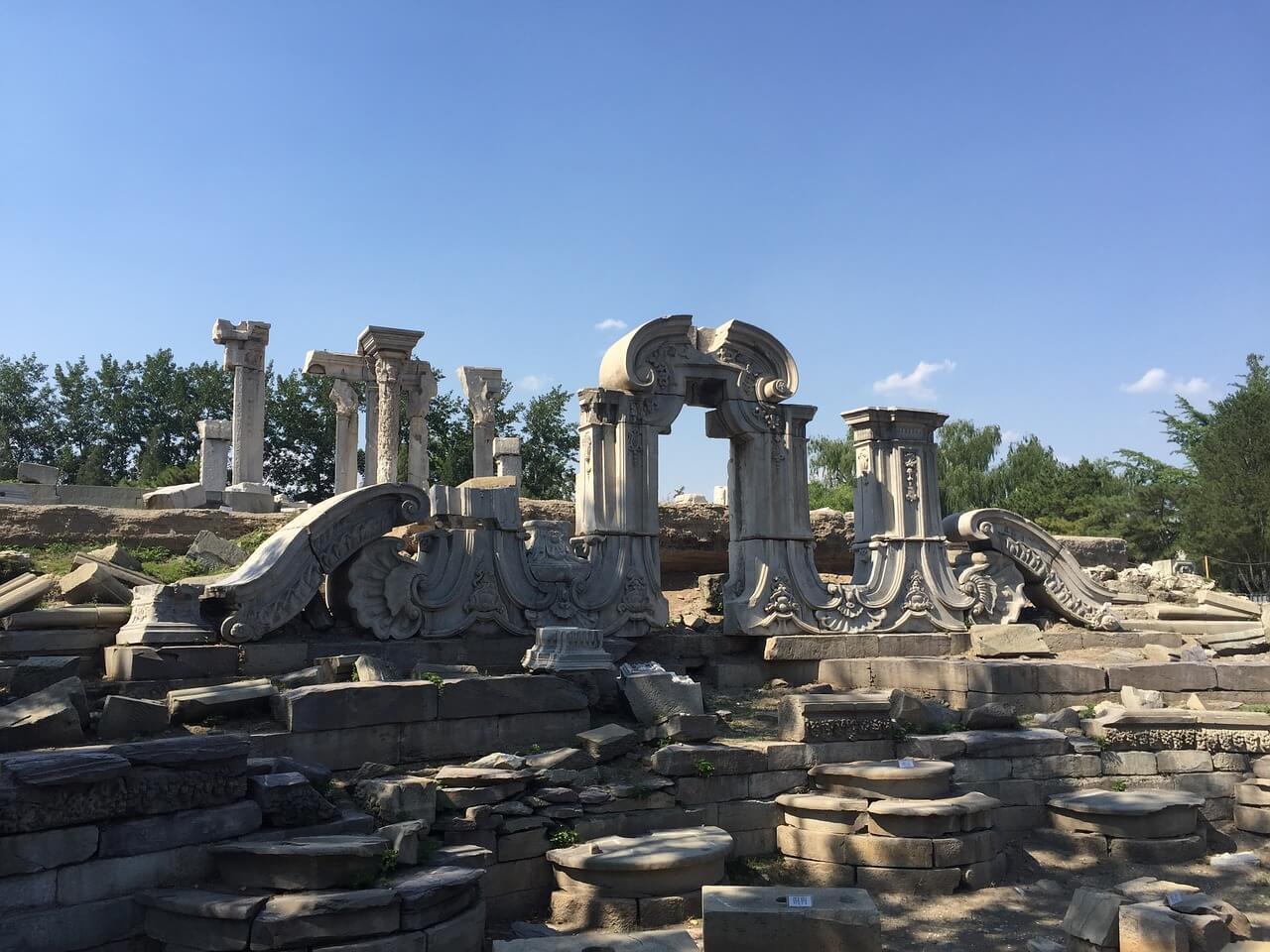
Yuanmingyuan Park, also known as the Ruins of the Yuanmingyuan, the Garden of Perfection and Light, and the Old Summer Palace. This hot spot is located to the east of the present-day Summer Palace.
The Garden was first constructed in the year 1709 during the Qing Dynasty. Over the next 150 years, this garden was expanded into a large-scale Chinese emperors’ private garden, covering a total area of over 864 acres! Yuanmingyuan Park consists of three parts: Garden of Perfect Brightness, Garden of Eternal Spring, and Garden of Elegant Spring.
When the garden was in its prime, there were hundreds of scenic spots. Each is made up of exotic flowers from different parts of the country, rivers and ponds, earth and rock hills, pavilions, chambers, kiosks, and halls!
Most of the Yuanmingyuan Park was destroyed by the British troops occupying Peking, China, who looted and then burned the Yuanmingyuan. Although the vast majority of these spots were destroyed, they are still visible. Part of the park’s uniqueness is that you can admire the crumbling ruins and structures against the beautiful Chinese landscape.
Several of the original structures and scenic spots have been reconstructed and offer a lovely place to relax. This is a fascinating place to visit and a must-see stop on your Beijing itinerary!
Insider Tip: You can stop by the exhibition hall to see a picture of Yuanmingyuan Park when the garden was in its ‘heyday’.
- Cost: USD $1.50
- Getting there: take the subway to Yuanmingyuan Station on Subway Line 4, and walk to the South Gate.
- How long should I spend there: around 1-2 hours will be enough time.
10:30 AM – The Summer Palace
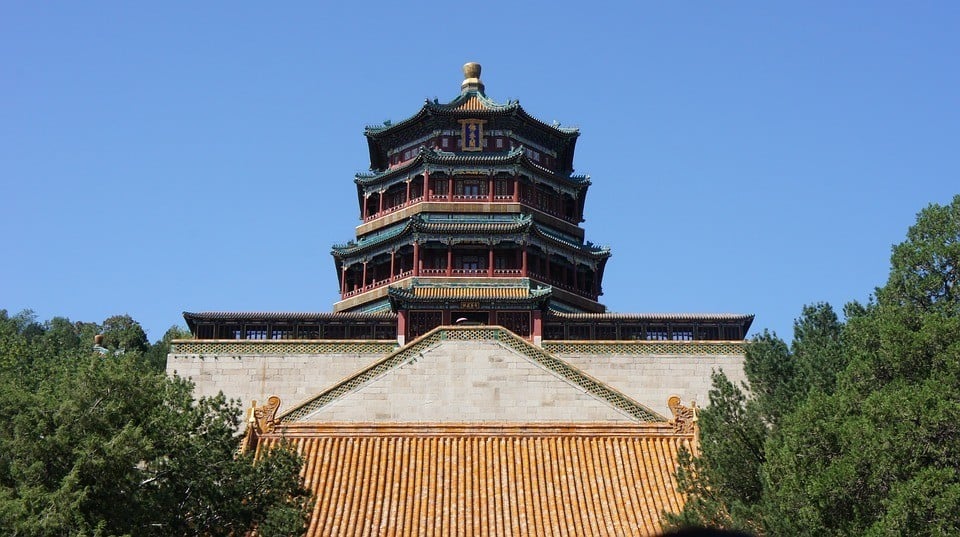
The Summer Palace is located in northwest Beijing, nine miles from the city center. It comprises a large collection of lakes, gardens, and palaces, and was an imperial garden during the Qing Dynasty. It’s the largest and most well-preserved royal park in China!
The Summer Palace has been open to the public since 1914. There are many different historic buildings and temples, each possessing its own uniqueness and charm. There are also over 3,000 man-made ancient structures, including pavilions, bridges, corridors, and more!
The Summer Palace can be divided into four parts: the Court Area, Front and Rear Area of Longevity Hill, and Kunming Lake Area.
The Court Area was used as both a residence for guests and an area used to conduct government business. It includes a number of halls, courtyards, and displays. Longevity Hill rises beside the lake and is dotted with halls and temples, and ornately decorated gates.
Kunming Lake is at the center of the Summer Palace and is the key landscape feature. The famous Seventeen-Arch Bridge is an important attraction in the lake area. This famous 490-foot bridge spans from the East Palace Gate to the northeast coast of Kunming Lake.
The Summer Palace complex covers 717 acres, with 75% of this area being made up of water. It is listed as a World Heritage Site, and UNESCO declared the palace a masterpiece of Chinese landscape design.
Insider Tip: If you have the energy for it, climb the hill to the Buddhist Temple and you’ll be greeted with an enchanting view overlooking the entire area!
- Cost: April – October: USD $9.00, November – March: USD $7.00
- Getting there: it’s a 30-minute walk from the last stop.
- How long should I spend there? You could spend 2-3 hours here.
1:30 PM – Beijing Zoo
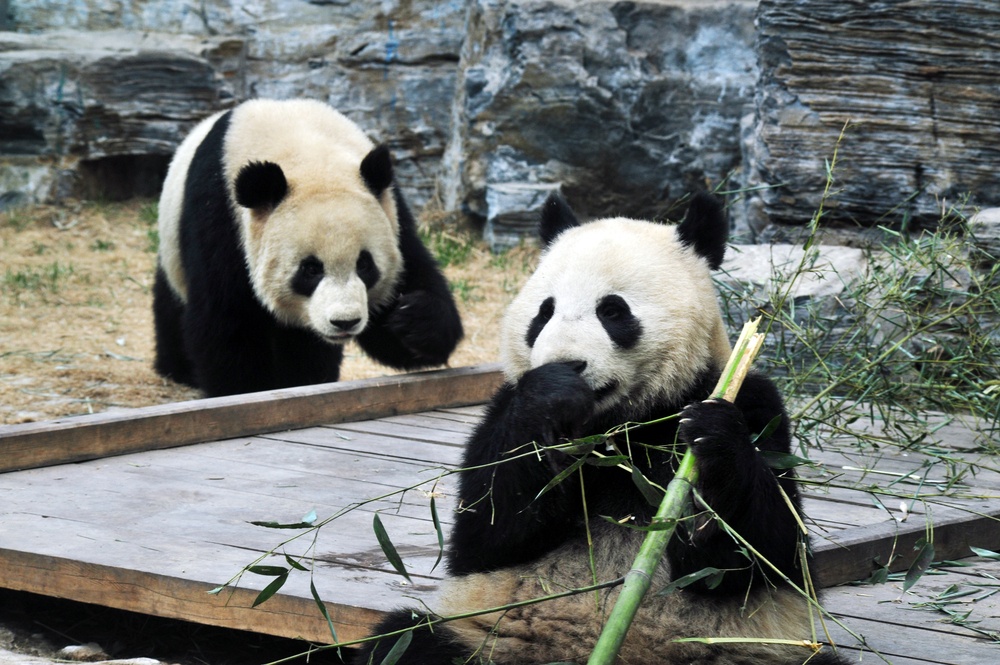
The famous Beijing Zoo is located in the Xicheng District of Beijing. It is home to 450 different species with approximately 5,000 animals.
It contains a wide and diverse collection of animals, exhibition halls, and sites of historical interest. The most popular animals at the zoo are the golden monkeys, northeast tigers, milu deer, and the giant pandas!
The zoo does not just contain native Asian animals. You’ll see other animals from all over the world, including polar bears, American bison, kangaroos, zebras, elephants, and giraffes.
The zoo comprises 16 different exhibition areas and halls. The most popular hall is the Panda Hall. To house such large animals, the Panda Hall covers an area of roughly 2.5 acres. The inside of the hall is designed to replicate traditional Chinese gardens, and it delivers a truly stunning, tranquil scene.
Beijing Aquarium is also located inside the Beijing Zoo and is the largest inland aquarium in the world. It features thousands of different aquatic species. From man-eating fish to fierce sharks, to sea-elephants and everything in between! While you’re here, make sure to check out a dolphin, sea lion, or whale performance inside the aquarium’s Ocean Theater.
If you’re planning a trip to Beijing with kids, this is an attraction you don’t want to skip!
- Cost: The basic entrance fee is USD $2.00; other attractions inside the zoo can be added for additional fees.
- Getting there: take the subway Line 4 to Dongwuyuan (Beijing Zoo) Station. Take Exit B, and you will arrive at the south gate of the zoo.
- How long should I spend there? 2 hours will be enough time.
4:00 PM – Lama Temple (Yonghegong)
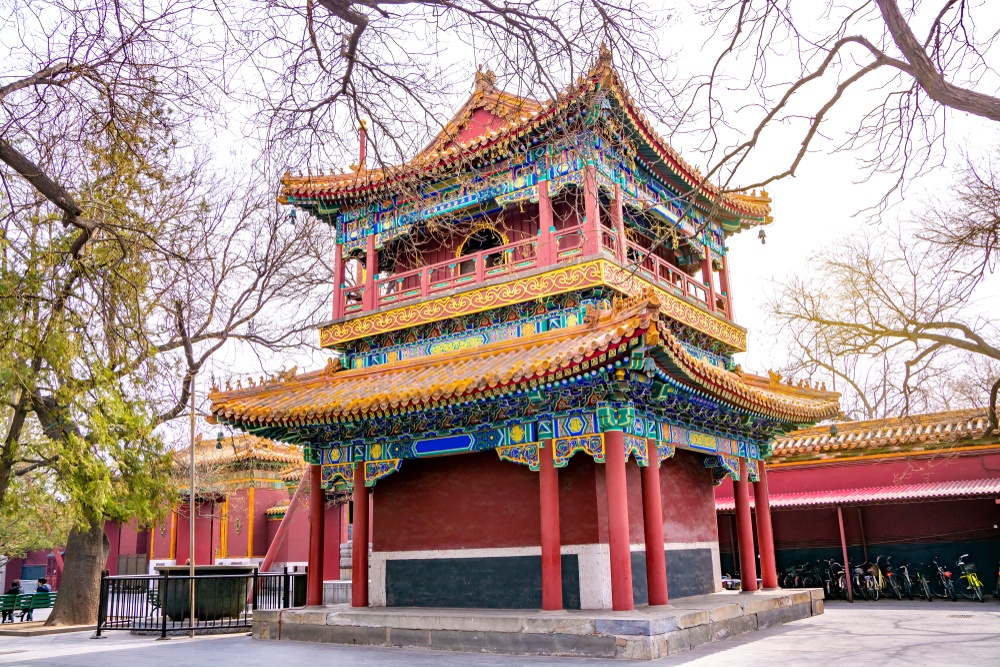
The Lama Temple, also referred to as the Yonghe Temple or the Harmony and Peace Palace Lamasery, is located at the northeast corner of Beijing. It’s considered the largest and most perfectly preserved lamasery in present-day China!
The temple was built in 1694 during the Qing Dynasty to serve as the residence of Emperor Yongzheng when he was a prince! However, in 1744, the Qing Dynasty formally changed the status of the dwelling to that of a lamasery, making it the national center of Lama administration.
There are five main halls that are separated by courtyards: The Gate Hall of Harmony and Peace, the Hall of Harmony and Peace, the Hall of Everlasting Protection, the Hall of the Wheel of the Law, and the Pavilion of Ten Thousand Happinesses.
The Hall of Harmony and Peace is the main hall of the temple. Inside, there are three bronze Buddhas on display: Sakyamuni, Kasyapa-matanga, and Maitreya. There are also 18 statues of Buddha disciples positioned on both sides of the Hall. A picture of Avalokitesvara is located on the west wall, who possesses thousands of hands and eyes!
The building and artwork of the temple are a combination of Han Chinese and Tibetan styles. If you’re spending a weekend in Beijing or backpacking through China, expect this site to be very busy. Nonetheless, it’s definitely worth including in your Beijing itinerary!
- Cost: USD $4.00.
- Getting there: take the metro to Yonghegong Lama Temple Station and walk.
- How long should I spend there? An hour would be long enough.
5:00 PM – Temple of Confucius

The Temple of Confucius is located just around the corner from the Lama Temple! This important temple is where people would go to pay homage to Confucius during the Yuan Dynasty, Ming Dynasty, and Qing Dynasty.
Confucius is considered the greatest thinker and educationalist in ancient China. The temple is a peaceful temple located in busy Beijing, and a great place to learn about a key figure who helped shape Chinese culture.
It was initially built in 1302, with additions being made during the Ming and Qing Dynasties. It covers a total area of 5.4 acres and is the second-largest temple constructed for Confucius!
This temple consists of four courtyards. The main structures include the Gate of the First Teacher, the Gate of Great Accomplishment, the Hall of Great Accomplishment, and the Worship Hall.
In the Hall of Great Perfection, there is a large collection of ancient Chinese musical instruments, along with the central shrine to Confucius. Various carvings can be found inside the temple grounds; notably, a famous carving of two flying dragons playing with a pearl among the clouds.
Take a time-out from the hustle and bustle of Beijing to relax and enjoy the tranquility of the temple complex. This Beijing temple doesn’t usually attract heavy crowds, so you’ll be able to explore the intricacies of the temple decorations in a more serene environment!
- Cost: USD $4.00.
- Getting there: it’s a seven-minute walk from the last stop.
- How long should I spend there: 45 minutes to an hour will be enough time.
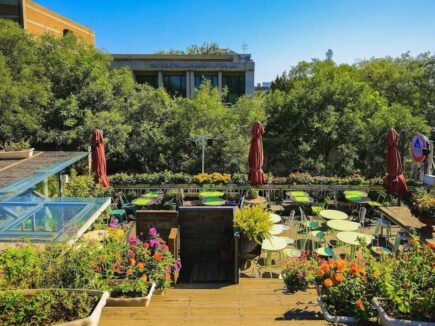
Peking International Youth Hostel
The Peking International Youth Hostel has hosted many backpackers in China throughout the years and even won awards for being an excellent hostel. There’s a wide range of room options, so you’re sure to find something to suit your needs.
- $$
- Free WiFi
- Free Luggage Storage
Now, what to do in Beijing in 2 days is covered; more time means you’re going to need more attractions to fill your time. Here are a few more options that are perfect for a 3-day itinerary in Beijing!
Olympic Park
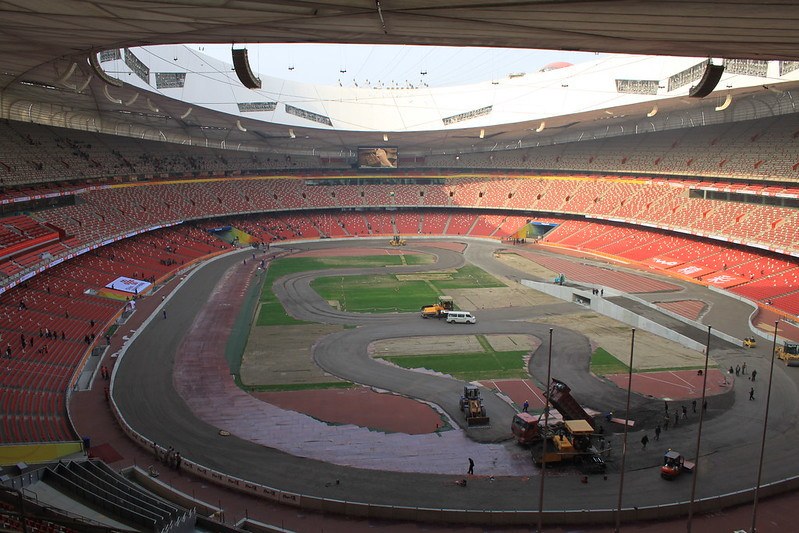
Photo: Gary Todd (Flickr)
- Open every day from 6:00 am – 9:30 pm.
- A great place to enjoy a leisurely walk or a run.
- Check out the Birds Nest after taking a trip through Beijing’s iconic historical landmarks.
The Beijing Olympic Park is a very impressive Olympic compound that was built to host the 2008 Summer Olympics. It was significantly upgraded for use during the Winter Olympics also hosted by China in 2022!
After the 2008 Olympic Games, it was transformed into a comprehensive multifunctional activity center for the public! The park itself is immaculately clean and well-maintained, and the architecture is very modern.
The Central Section is especially impressive. Make sure to have your camera ready to capture photos of the iconic Bird’s Nest and Water Cube buildings. These structures are even more impressive in person than they are on TV!
This attraction can be enjoyed both during the day and at night. At night, the lights will be turned on and you’ll be able to see these unique structures lit up! This iconic Olympic Park is a great attraction to visit if you’re planning a 3-day itinerary in Beijing.
Visit a Beijing Night Market
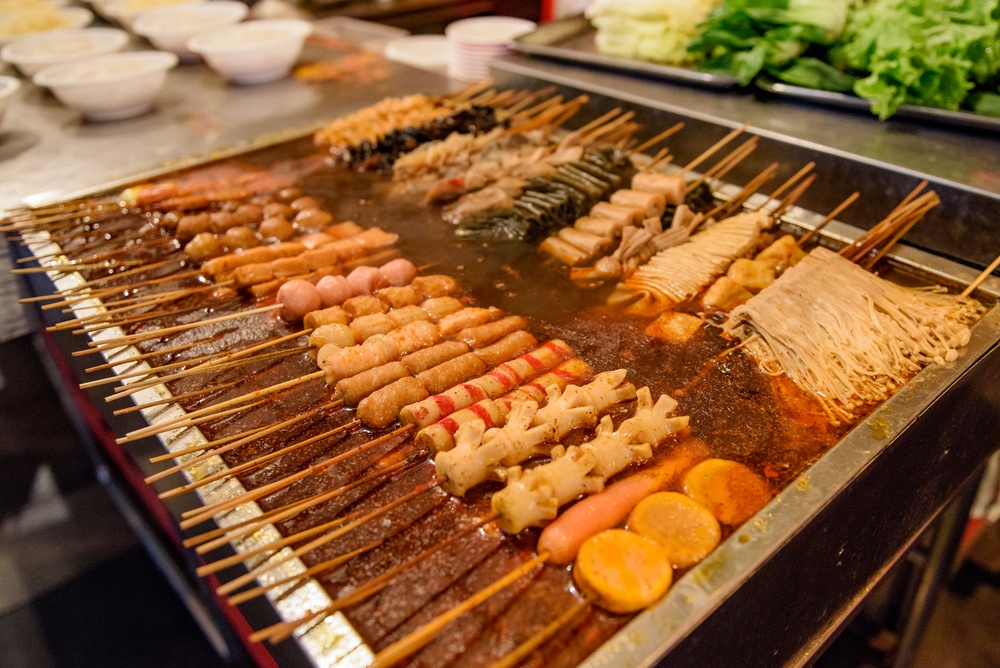
- The most popular Beijing night markets are Wangfujing Snack Street, Qianmen Snack Street, and Niu Jie Muslim Snack Street.
- Find a large selection of food catering to different dietary needs.
- Night markets offer a social and casual atmosphere.
Beijing night markets are the best places for tourists to taste delicious local meals and snacks. At these markets, you’ll find a dazzling array of snacks from all corners of China. You’ll find Chinese food stalls filled with everything from fast food snacks to restaurant-style dishes to Chinese delicacies to exotic fruits and vegetables!
Try out Beijing’s local snacks, like fried-pouch rolls, glutinous rice rolls with sweet bean flour, yellow pea cakes, and steamed pork dumplings. Make sure to bring an appetite, as you’ll be pleasantly overwhelmed with food options.
If you’re a night owl, you’re in luck, as many of Beijing’s night markets stay open late. Savor the taste and the aroma of freshly made Chinese dishes by adding a stop at a night market to your itinerary for Beijing!
798 Art District
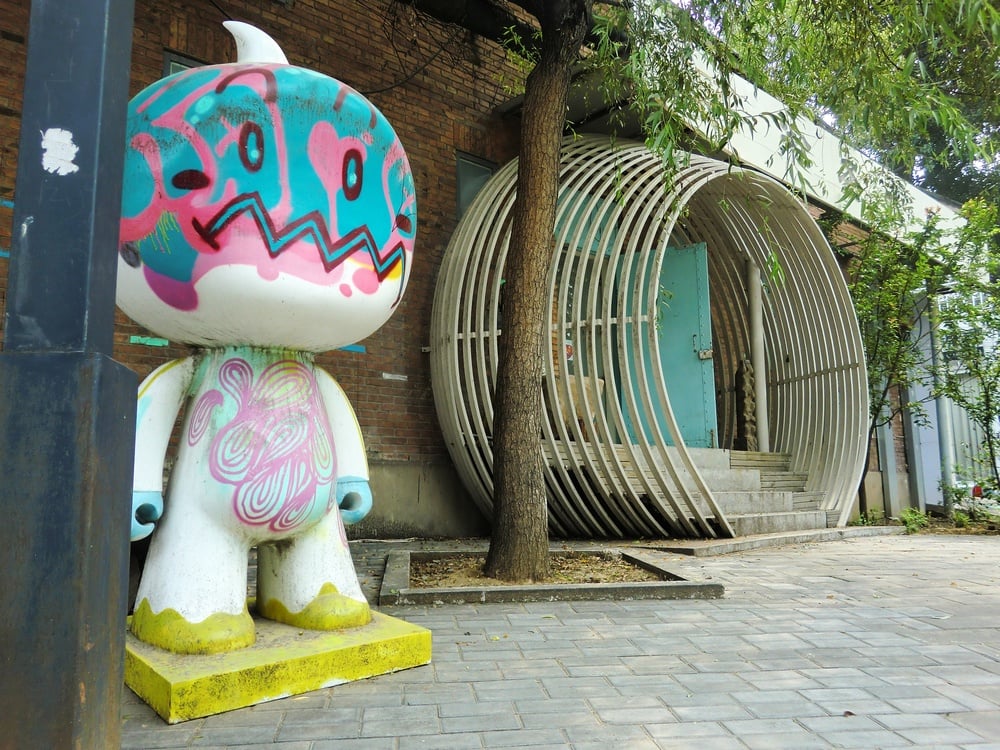
- A large range of art galleries, restaurants, bars, and shops.
- A complex of 50-year-old decommissioned military factory buildings!
- This is an enchanting area of the city that every art lover should visit on their Beijing trip!
The 798 Art District, also referred to as Factory 798, is China’s most progressive artistic precinct. It is located in the Dashanzi Chaoyang District of Beijing. It’s a hotspot of modern art, culture, and design that boasts a unique architectural style and houses China’s thriving artistic community!
This abandoned industrial area turned modern art district is decorated with murals, wall art, sculptures, and plenty of graffiti. Eateries and small coffee shops dot the precinct and make this area cozy yet lively.
Beijing is home to one of Asia’s most exciting craft beer scenes, and this neighborhood is a great area to enjoy a drink. Ram Brewpub is a microbrewery offering a great selection of domestic and imported beers. This is a great place to sample the selection!
From avant-garde galleries to trendy food and drink joints to modern shops. This area of the city is fun to explore and a great addition to your Beijing itinerary.
Red Theatre Beijing Acrobatics Show
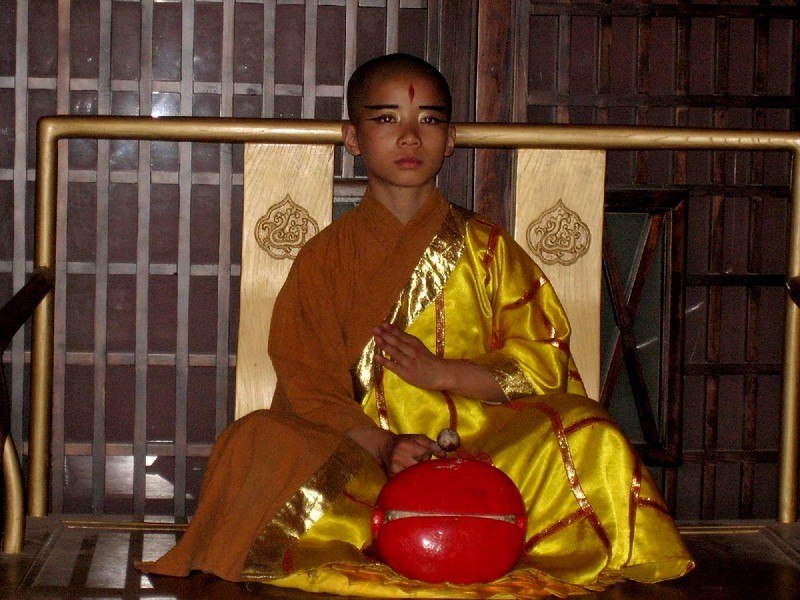
Photo: Melinda van den Brink (Flickr)
- No.44 Xingfu Street, Dongcheng District, Beijing
- The Temple of Heaven and Hongqiao Market (the largest market in Beijing) are nearby and worth visiting before the show starts.
- Tickets at the window cost between USD $29.00 and USD $127.00. Or, book online for a discounted price.
The Red Theatre’s Beijing Acrobatics Show is performed by a group of the country’s best performers. Defying the limits of the human body with daring moves.
Admire the skill of some of China’s top Acrobats! You’ll be provided with great entertainment and great insight into Chinese culture. The show is truly captivating and will have you entertained from start to finish! This is one of the most popular attractions in the city, making this a great addition to your Beijing itinerary.
Military Museum of the Chinese People’s Revolution
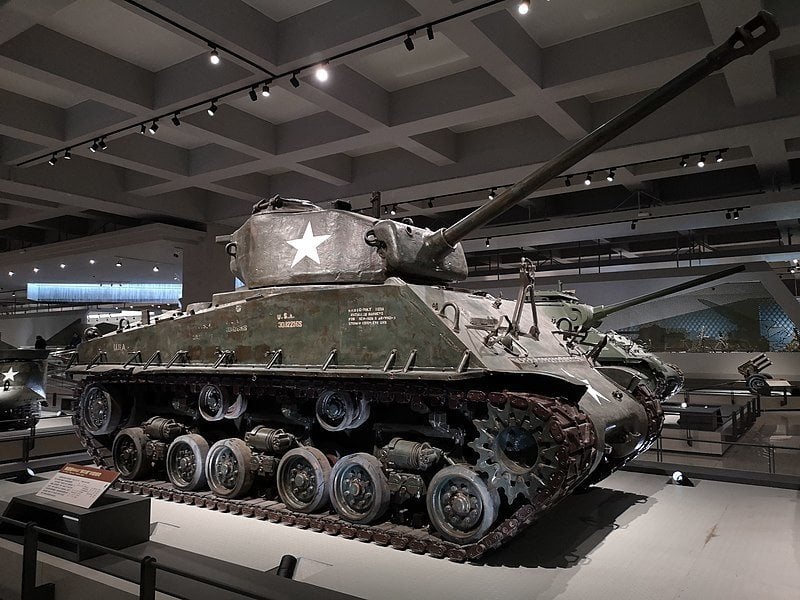
Photo: Assassin3577 (WikiCommons)
- Located on the west of Tiananmen Square along Chang’an Avenue.
- This is the first comprehensive military history museum in China!
- The museum hours are from 9:00 am – 5:00 pm, with the last tickets offered at 4:00 pm.
The main building of the Military Museum of the Chinese People’s Revolution consists of seven floors, with 43 exhibition halls categorized into eight themes. The museum aims to collect, research, and exhibit cultural relics, objects, and documents of the achievements and history of the Chinese military.
Learn about the Revolutionary Wars led by the Chinese Communist Party, the National Defense and Army Development of the People’s Republic of China, and more. You’ll be able to view nearly 300 large-sized weapons and more than 1,700 light weapons. Learn about military technology!
The museum is free to visit; tickets can be collected at the ticket office in the museum or online. You must have your ID or passport to book tickets. If you’re interested in the military, this is a great stop to add to your 3-day itinerary in Beijing!
Beijing: Mutianyu Great Wall & Underground Palace Tour
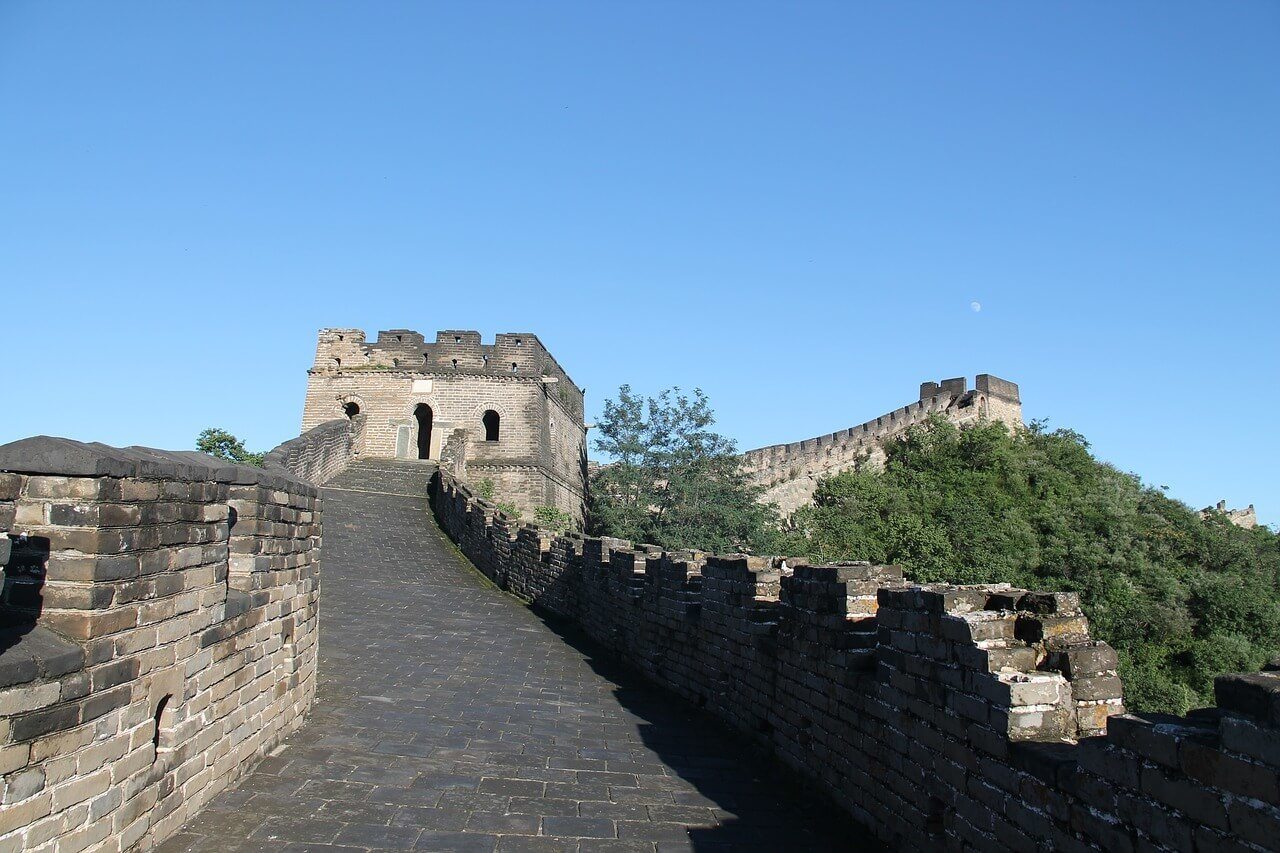
- One of the most iconic landmarks in Chinese History.
- A UNESCO World Heritage Site.
- Only a short day trip from the city centre.
On this full-day tour, you’ll explore the Mutianyu section of the Great Wall of China and the Underground Palace. Start your trip by visiting the Ming Tombs. See the mausoleums of the Ming Emperors, as well as the largest collection of tombs of the Ming Dynasty!
Visit a jade factory and witness the impressive manner in which jade products are made. Relax with your group and enjoy a traditional Chinese tour. Stretch your legs as you take a guided walking tour along this well-preserved section of the wall!
Beijing has four distinct seasons. The peak season for travel to Beijing is in the Fall. This is when the weather will be most favorable to outdoor activities! However, Beijing is a popular tourist destination year-round. Here’s a quick rundown of the seasons to help you better decide when to visit Beijing.
The summer months (June – August) produce hot and humid temperatures. This is also Beijing’s rainy season. Heavy rainstorms can occur, even on sunny afternoons!
The Fall months (September – November) are the best times to travel to Beijing. The temperatures will be mild and pleasant, the rain will have died down, and there will still be plenty of sunshine.
During the winter months (December – February), you’re going to want to pack a warm winter jacket, as the weather will be very dry and cold!
If you’re touring Beijing in the Spring (March – May) the temperatures will be mild but windy. There will also be a sharp difference between day and night temperatures!
| Average Temperatures | Chance of Rain | Crowds | Overall Grade | |
|---|---|---|---|---|
| January | 2°C / 36°F | Low | Calm | 😐 |
| February | 5°C / 42°F | Low | Medium | 🙂 |
| March | 12°C / 54°F | Low | Calm | 🙂 |
| Apriil | 21°C / 69°F | Low | Busy | 🙂 |
| May | 27°C / 80°F | Average | Busy | 🙂 |
| June | 30°C / 87°F | High | Busy | 😐 |
| July | 31°C / 88°F | High | Busy | 😐 |
| August | 30°C / 86°F | High | Busy | 😐 |
| September | 26°C / 79°F | Average | Busy | 🙂 |
| October | 19°C / 66°F | Average | Busy | 🙂 |
| November | 10°C / 50°F | Low | Medium | 🙂 |
| December | 4°C / 39°F | Low | Calm | 😐 |
No matter how many days in Beijing you choose to spend, you’re going to need to figure out how to get around!
Beijing has excellent public transportation with an extensive network of subways and buses. To use these forms of transportation, you must purchase a rechargeable IC card, which you can use for both the subway and buses! These cards can be purchased at bigger subway stations and will take you to all the top attractions in Beijing. Look for the blue sign that says IC Card.
Keep in mind that Beijing is a very crowded city; therefore, don’t always expect an actual seat when you use public transportation. You might have to stand instead!

Many people who live in Beijing don’t own cars; therefore, taxis are a popular form of transportation. Sanlunche has a similar concept to taxis, but it is usually powered by a moped. Sanlunche translates to three-wheel-car and is very similar to the tuk-tuks found in Southeast Asia. It is important to point out that if you choose to take a Sanlunche, a fee should be agreed upon upfront!
Lastly, the most common form of transportation is on your own feet. Once you arrive at a destination, you’ll find that walking is a great way to truly experience the city.
Whether you’re spending one day in Beijing or teaching English, safety is an important thing to keep in mind when traveling to a big city! Overall, Beijing is a very safe place to visit. However, it is always recommended that tourists take precautions when traveling to a new destination.
As with any other large and populous city, pickpocketing can be common. To minimize the risk of being targeted, avoid isolated areas, keep your belongings with you at all times, and don’t flash your valuables. Stay especially vigilant when traveling to popular Beijing landmarks and on public transportation.
Taxi drivers are another thing that tourists are going to want to watch out for in Beijing. They are notorious for overcharging and robbing passengers. Unlicensed and unmetered taxis should not be taken. The best solution is to use public transport, which is inexpensive and available!
Scam risk is high in Beijing. Counterfeit currency is something tourists should watch out for. Travelers should check their banknotes carefully before accepting them, as banks will not accept them.
Other than crimes related to scams and theft, there is very little risk of serious criminal acts. Keep your wits about you, and you’ll be able to stay safe while fulfilling your itinerary for Beijing!
FAQs For Your Beijing Itinerary
Find out what people want to know when planning their Beijing itinerary.
Final Thoughts
The Chinese culture has been molded by nature and history to become an ancient oriental realm. Beijing is a great place to experience the true essence of the Chinese heritage! The city is filled with elements that blend the old world with modern Beijing.
Everywhere you look, you’ll see a harmonious ensemble of picturesque landscapes, buildings, and attractions. I hope this Beijing itinerary will help you explore the popular attractions spread throughout the city. AND, find a great place to stay, and discover everything that Beijing has to offer!
This sprawling city has something for everyone. Find peace in Beijing’s artful landscapes, tune into your spiritual side at the city’s temples, and savor the flavors of authentic Chinese food.
With this itinerary, you’ll experience the very best of Beijing! Once you’ve planned your trip, it’s time to pack your bags! Be sure not to leave any essentials behind by checking out my China packing list.
Photo: @joemiddlehurst