Nikko is a small city up in Tochigi Prefecture, a couple of hours north of Tokyo, and it’s basically the front door to Nikko National Park: a sprawling volcanic playground of mountains, lakes, wetlands and every shade of green in between. This place doesn’t mess about when it comes to scenery.
Cedar forests, waterfalls crashing down at every turn, and mountain air so crisp it’ll certainly blow the cobwebs away. Throw in a stack of UNESCO-listed shrines dripping in gold leaf and intricate carvings, plus enough steaming onsens to boil away weeks of hostel-dorm grime, and you’ve got a region that does both nature and history properly.
But here’s the thing: where you base yourself in Nikko can make or break the whole trip. Fancy waking up a stone’s throw from centuries-old shrines? Want to hole up in a ryokan on the edge of Lake Chuzenji with mountains reflected in the water? Or would you rather stay central, close to the station and the noodle shops, so you can dip in and out easily? I’ve spent enough time bouncing around this region to have a solid idea of where’s actually worth your yen, so here’s the rundown of the best areas to stay.
Photo: @audyscala
The Broke Backpacker is supported by you. Clicking through our links may earn us a small affiliate commission, and that's what allows us to keep producing free content 🙂 Learn more.
Nikko’s Four Best Neighbourhoods to Stay in
Nikko might be a small mountain city, but it punches well above its weight when it comes to variety and is a must-visit on any trip to Japan. Wherever you decide to base yourself here, you’re never far from something worth the walk.
Picking the right Nikko neighbourhood isn’t just about what’s convenient; it’s about deciding what kind of trip you actually want: are you after sacred temples on your doorstep, hot springs to sink into after a day of hiking, or wild nature that makes you forget Tokyo’s chaos exists just a couple of hours south?
Tucked into the mountains north of the capital, Nikko is one of those rare spots where all three collide.
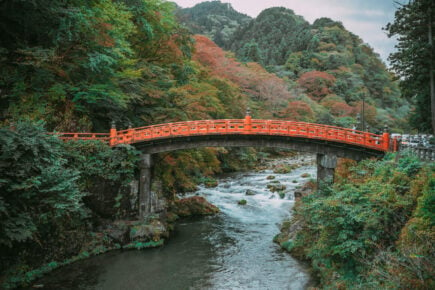
Central Nikko near Shinkyo Bridge
Central Nikko is made up of a couple of areas. Just north of the busiest part is a neighbourhood called Shichiri, a small zone that follows the Daiya River towards the Shinkyo Bridge. Staying here is a good option for first timers.
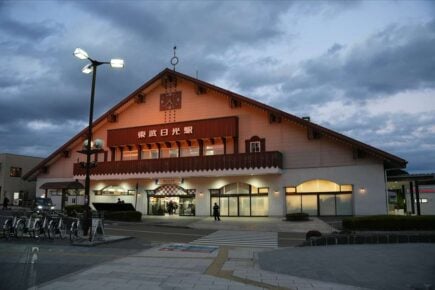
Nikko Station
Nikko Station is the practical base, putting both JR and Tobu stations within a few minutes’ walk and the World Heritage Sightseeing Bus right on your doorstep. It trades a bit of temple-town atmosphere for pure convenience, ideal if you’re short on time and want the logistics sorted without overthinking it.
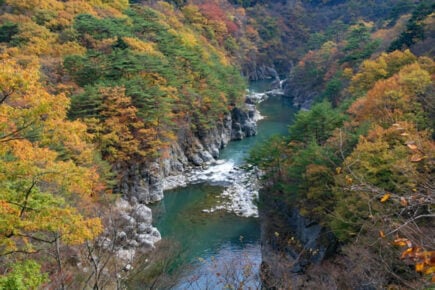
Kinugawa Onsen
Kinugawa Onsen is the hot spring base, a resort town along the river built for slowing down with mineral baths, boat cruises and good food rather than shrine-hopping. It’s a bit further out from the main sights, so it works best as a relaxing add-on to a shrine-heavy stint elsewhere in Nikko rather than your only base.
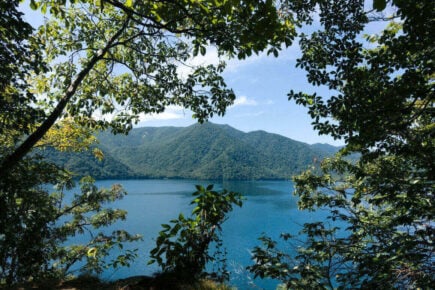
Lake Chuzenji
Lake Chuzenji is the scenic base, an alpine lake ringed by mountains with hiking, waterfalls and boating on your doorstep, plus the best leaf-peeping in the whole region come autumn. It’s roughly 40 minutes from Nikko Station and skews mid-range to luxury, so it suits travellers happy to spend a bit more for proper alpine payoff over budget convenience.
1. Central Nikko near Shinkyo Bridge: Best for a First-Time Visit
Central Nikko around Shinkyo Bridge is really made up of a cluster of areas, but just north of the main tourist crush you’ve got Shichiri, a quiet little patch that hugs the Daiya River as it winds towards Shinkyo Bridge. Base yourself here and you get the best of both worlds: close enough to feel the cultural pulse of the city, but with the wilds of Nikko National Park right on your doorstep.
This is shrine central. Toshogu, Nikko’s most extravagant UNESCO-listed shrine complex, is here, along with the wonderfully out-of-the-way Takino’o Shrine, tucked in the cedar forest with its own waterfall and a ‘try your luck’ torii gate where you chuck a pebble through a hole for good fortune. Then there’s Shinkyo Bridge itself, the vermilion arch that’s meant to be one of the most beautiful bridges in Japan and the mythical gateway that legend says was formed by two intertwined snakes.
Accommodation here ranges from tiny family-run inns and traditional ryokans to apartment and cottage rentals, so there’s something whatever your budget looks like. It’s got a hushed, spiritual sort of energy that makes it the obvious pick if this is your first time in Nikko and you want everything within easy reach.
- Best For: First-time visitors, solo backpackers in Japan
- The Vibe: Social, spiritual, central
- Proximity to Transport: Central and well connected, short bus ride from both JR and Tobu stations
- Budget: Budget to mid-range
- Crowds: Moderate to high during the day, quieter once the day-trippers clear out
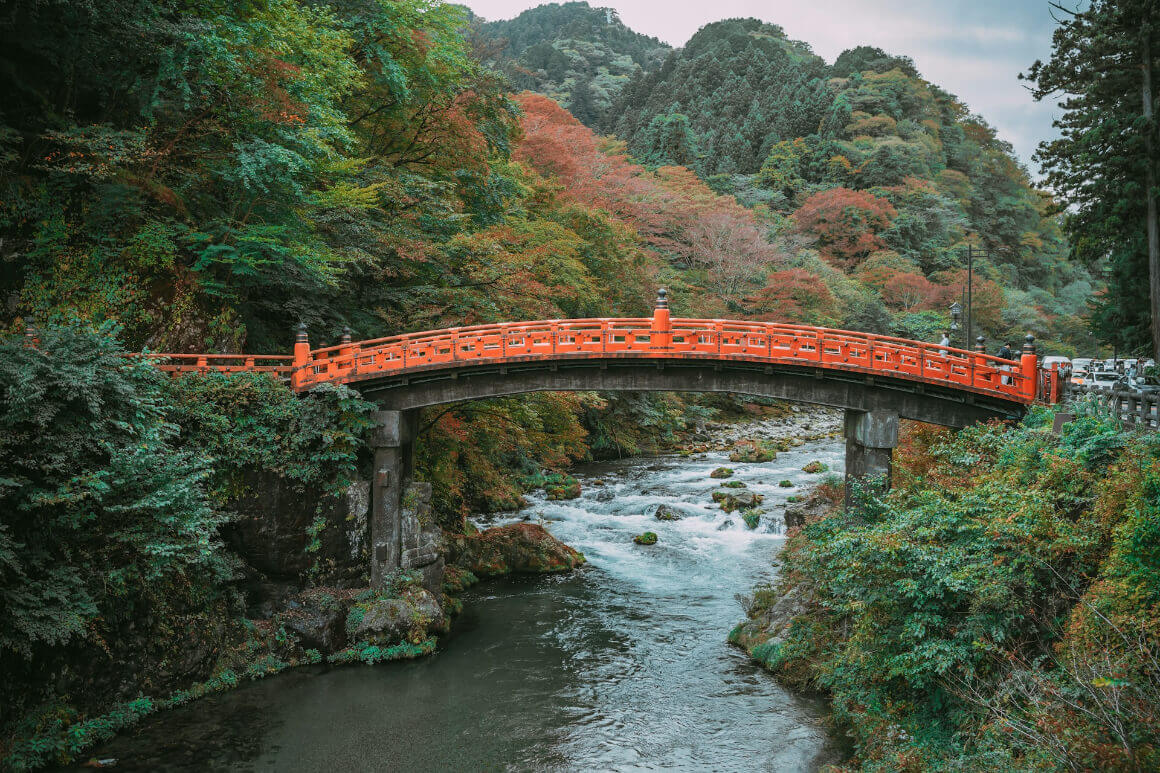
Things to See and Do in Central Nikko near Shinkyo Bridge:
- Walk across the iconic red lacquer-painted Shinkyo Bridge
- Visit the Takino’o Shrine and the Nikko Toshogu Shrine, just north of the neighbourhood
- Check out the Nikko Tamazowa Imperial Villa Memorial Park – a former palace with beautiful gardens
- Ski or snowboard the iconic backcountry powder in Kagura in winter
- Stroll along the Kanmangafuchi Abyss, a path lined with stone Buddhist monk statues covered in moss
- Hike to the Jakko and Urami Waterfalls
- Indulge yourself with a day at the Nikko Wanashiro Onsen Yashio-no-yu day spa
Nikko Park Lodge: Best Hostel
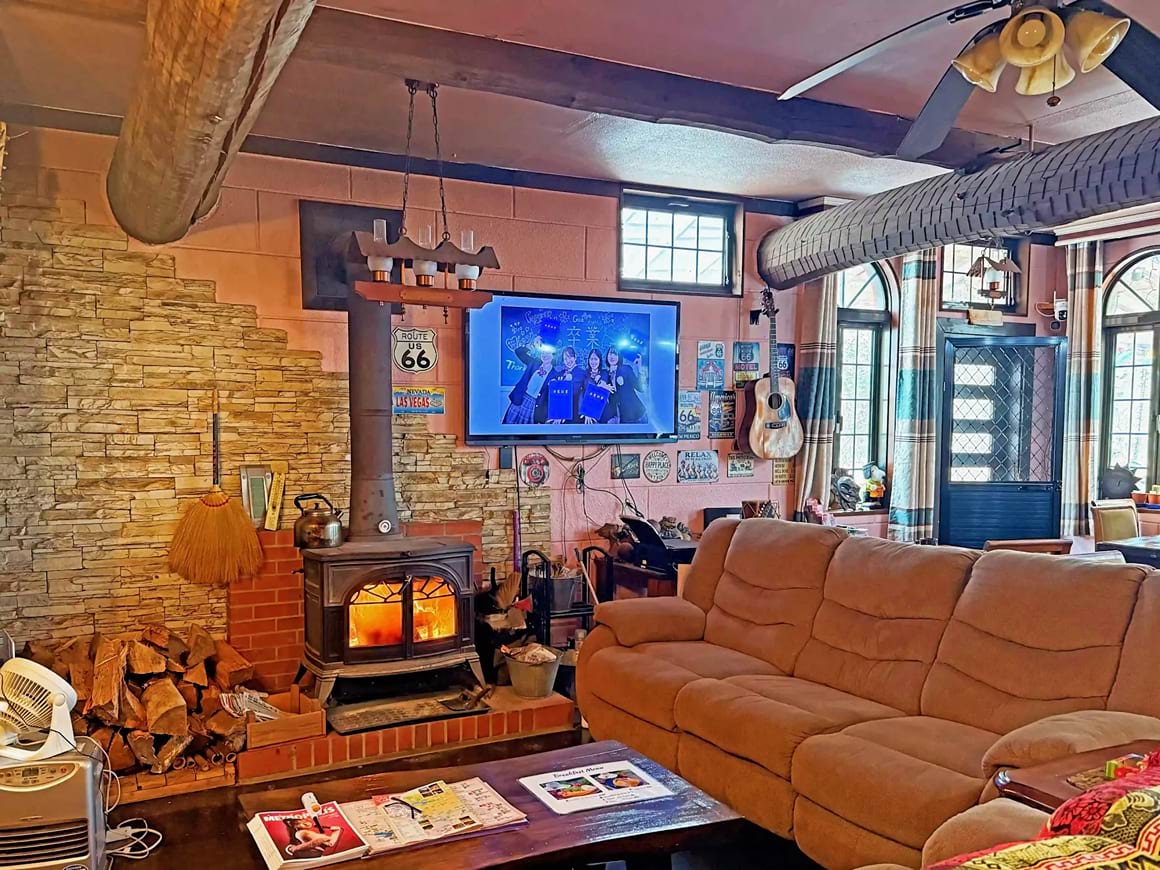
Like Nikko itself, this hostel feels like a warm hug. The owners are really friendly and sweet people who are always down to give you recommendations to do or just have a chat! The beds are super cosy with warm electric blankets and the overall facilities are perfect if you are looking for a peaceful place to rest after a long day exploring. You’re out of the main tourist trail surrounded by nature, perfect for those wanting to escape the hustle…less so if you have heavy backpacks you have to lug to get there!
Shinkyo Inn: Best Inn
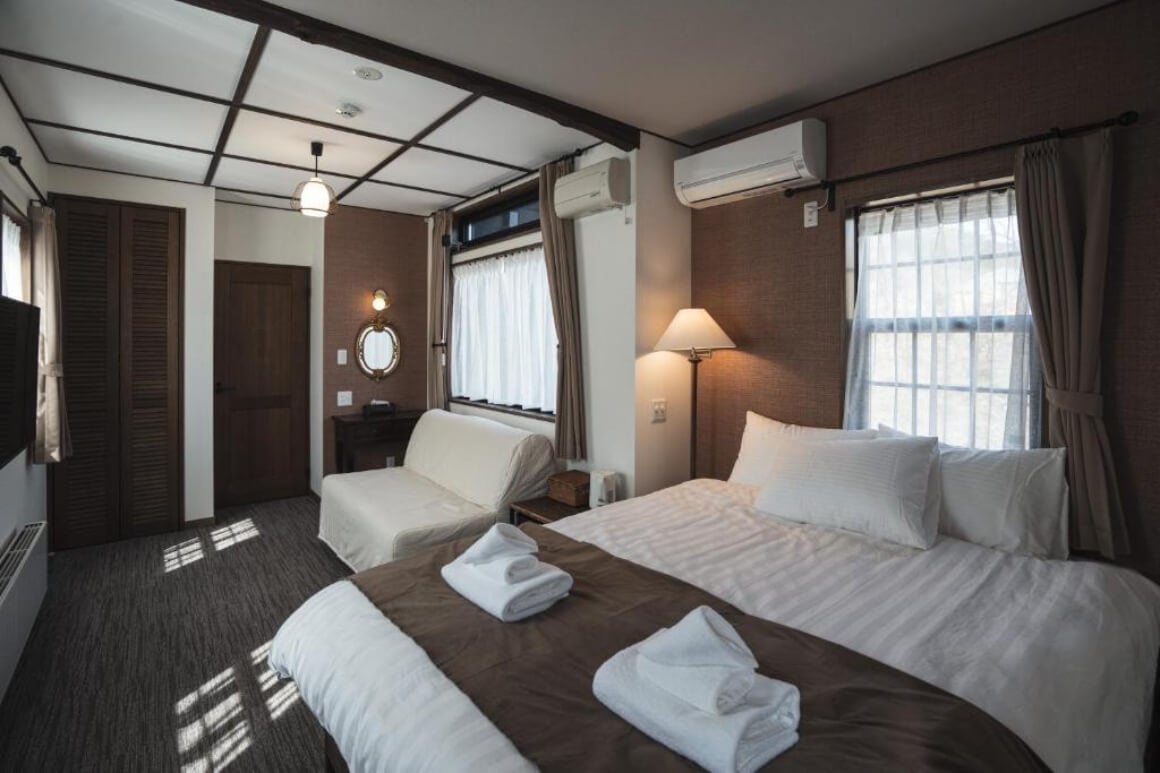
Staying at Shinkyo Inn feels like spending the night in someone’s warm, inviting home. And it’s all because it is owned and managed by a lovely couple who will be glad to share their recommendations for the area. The rooms are simple yet comfortable, with tatami mats and soft lighting that make evenings feel calm and relaxing. The location couldn’t be better – literally steps from Shinko Bridge in the heritage area of Nikko.
Cottage FU-SHA: Best Airbnb
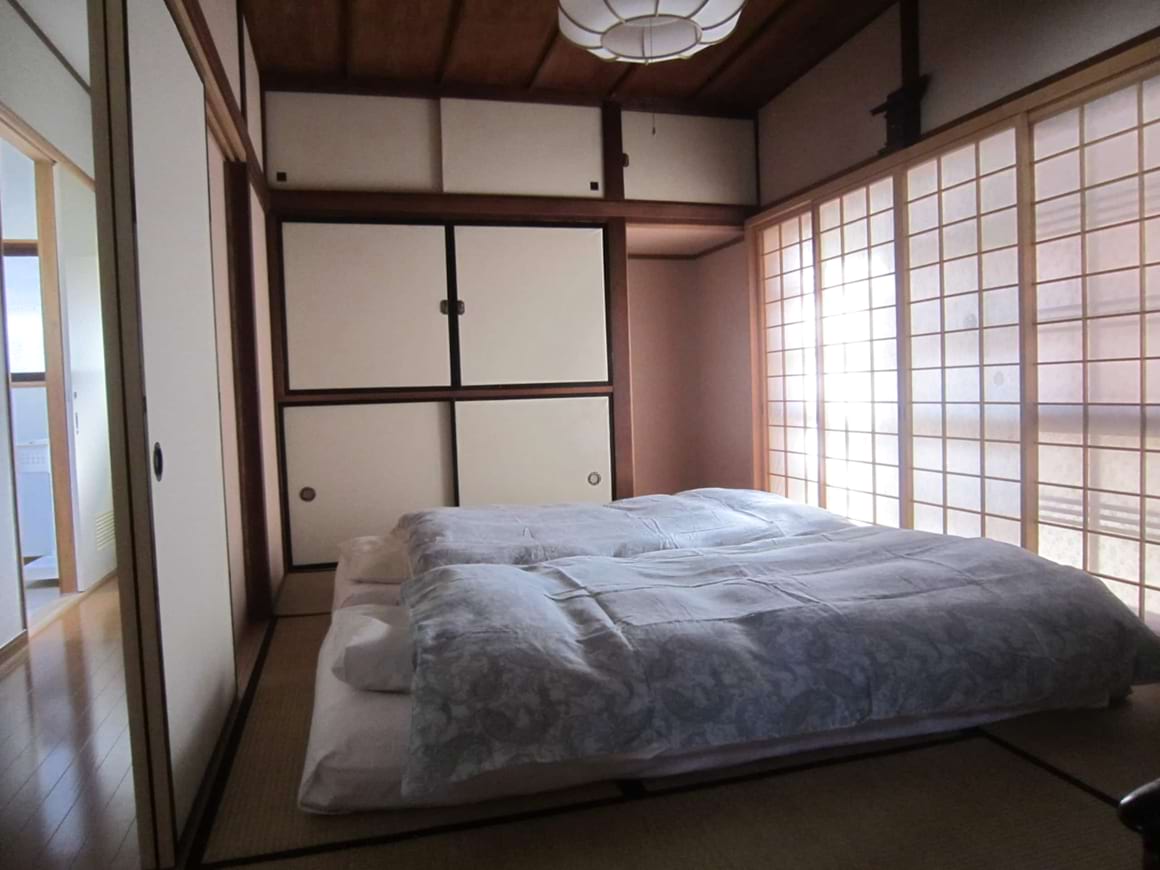
This is possibly one of the cheapest Airbnbs you’ll find in Nikko. This private Japanese style cottage has a small sitting room, a small kitchen, a large modern bathroom with that classic high tech Japanese toilet. The rooms are Japanese style rooms with tatami mats and divided by sliding roors. It can sleep up to five people, meaning you can really slash prices down if you’re coming to Nikko with the gang.
2. Nikko Station: Best for Transport
If you want an accessible, no faff base for your trip to Nikko National Park, Nikko Station is your gal. This is where JR Nikko Station and Tobu-Nikko Station sit within a few minutes’ walk of each other, and honestly, if you’re the sort of backpacker who’d rather spend five extra minutes on a bus than twenty minutes lost trying to find your ryokan down some unmarked lane, this is your area. It’s perfect if you’re also on a short itinerary for Japan and don’t want to waste time.
The World Heritage Sightseeing Bus runs from here out to all the big hitters, and when traffic’s behaving, it’ll get you to Shinkyo Bridge in about five minutes and Futarasan Jinja Shrine in ten. Just don’t bank on that during peak season weekends, when the roads clog up, and your five-minute hop turns into a proper slog. Aim for early morning buses if you can, and dodge weekends where possible.
It’s also the sensible drop-off point for luggage admin. There are coin lockers right at the station, and if you’re not fussed about lugging a backpack up the winding Irohazaka road later on, you can send your bags ahead to your next stop via Japan’s luggage forwarding service instead of hauling them onto a bus that barely has room for your knees, let alone a 60-litre pack.
- Best For: Transport-focused travellers, short stays, first-time visitors on a tight schedule
- The Vibe: Practical, functional, low-fuss
- Proximity to Transport: Immediate, JR and Tobu stations within a few minutes’ walk of each other
- Budget: Budget to mid-range
- Crowds: Moderate, busiest around train arrivals and departures
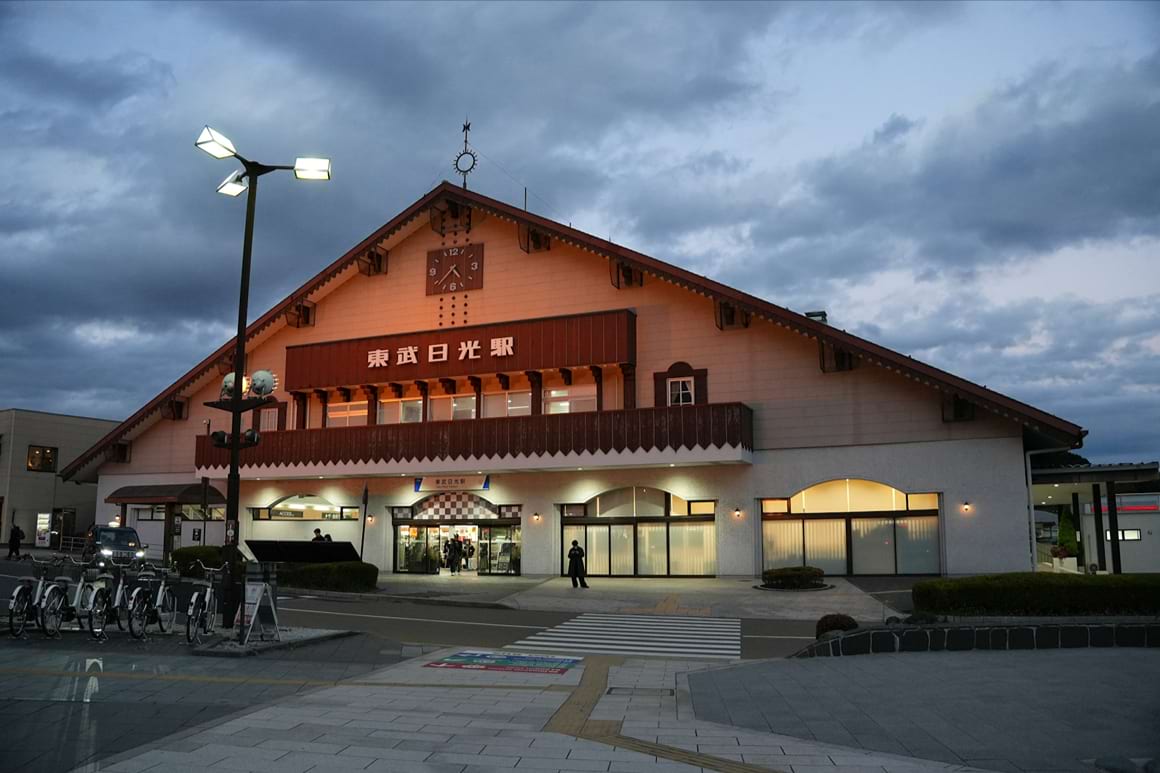
Things to See and Do in Nikko Station
- Wander Nikko’s old shopping street, where souvenir shops, yuba (tofu skin) specialists and old-school cafes line the road leading up towards the shrines. It’s the perfect activity to kill time between train and bus connections.
- Walk to Kanmangafuchi Abyss, a gorge along the Daiya River lined with rows of Jizo statues wearing red bibs.
- Grab yuba at a local restaurant, since Nikko’s signature dish is this delicate tofu skin, and the station area has plenty of no-fuss spots to try it without needing a reservation.
- Stock up at the station convenience stores, because once you’re out at Chuzenji or deep in the national park, options thin out fast, so this is your last easy chance to grab snacks and drinks.
- Hop the World Heritage Sightseeing Bus towards Shinkyo Bridge, which takes about five minutes when traffic’s kind, making the station your launch pad for the whole shrine circuit without needing your own wheels.
- Send your bags ahead before heading further into the mountains, using the luggage forwarding counters near the station, so you’re not dragging a full pack up winding roads later in the trip.
Roost Hostel Nikko: Best Hostel
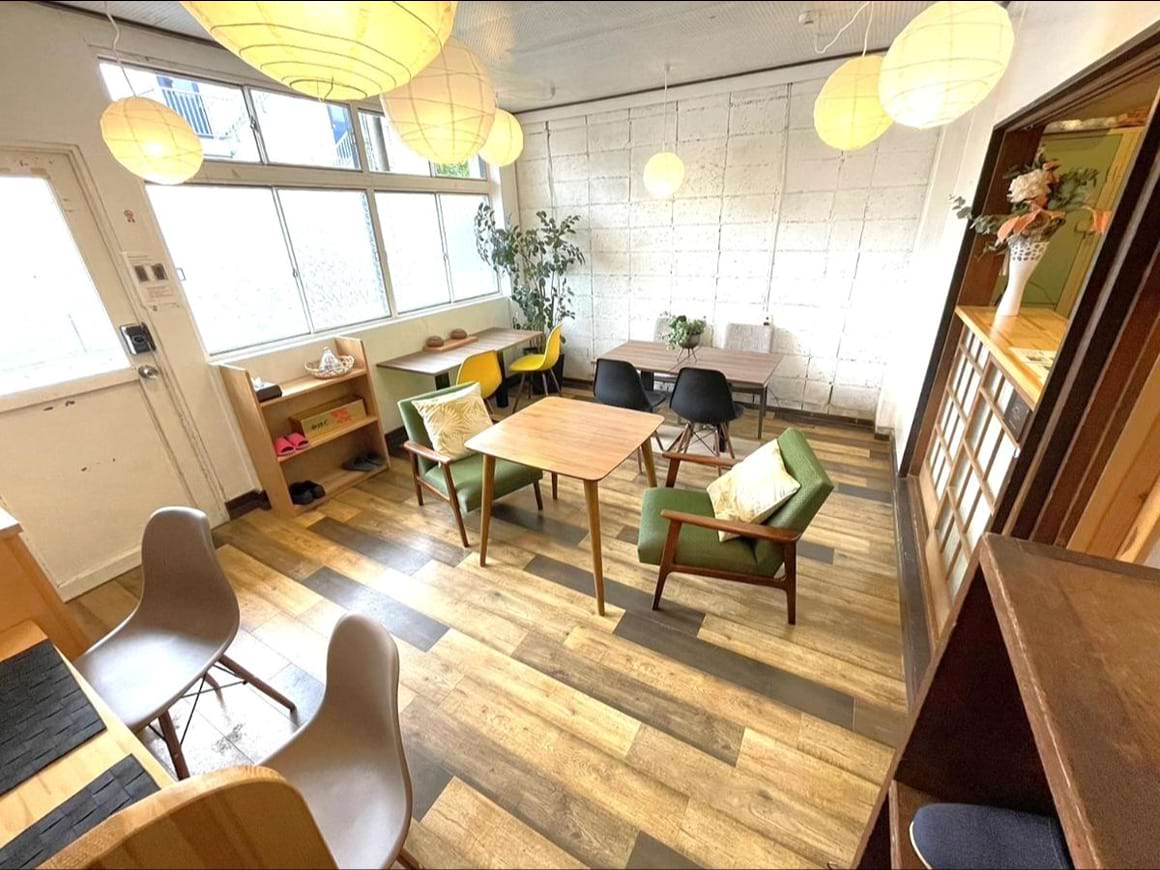
A solid capsule hotel option in Nikko, just a 7 minute walk from the train station. Ideal for solo travellers passing through for a night or two, it’s tucked one street back from the main drag, so you get all that peace and quiet without sacrificing convenience. The dorms themselves are properly spacious for a capsule setup, and the curtains actually do their job, giving you real privacy when you’re trying to get a decent night’s kip.
Nikko Station Hotel 2: Best Hotel
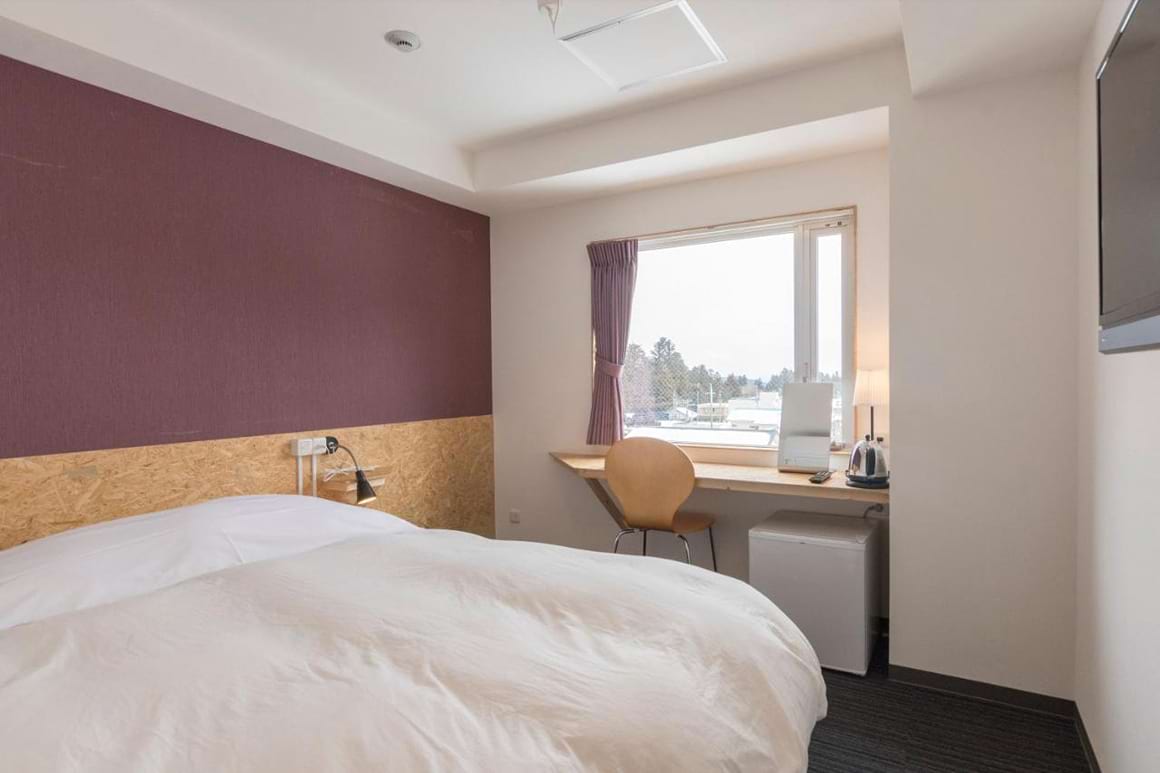
This hotel’s a solid budget pick, close to public transport and both train stations, and central enough that you’re never far from restaurants, cafes and the usual run of shops. It’s clean, comfortable, and throws in a basic breakfast, nothing flashy, but enough to get you out the door. What really sold it for me was the proximity to the train station and bus stop, it made exploring Nikko National Park properly easy without needing to plan every journey around bus timetables.
2 Bedroom Apartment Near Station: Best Airbnb
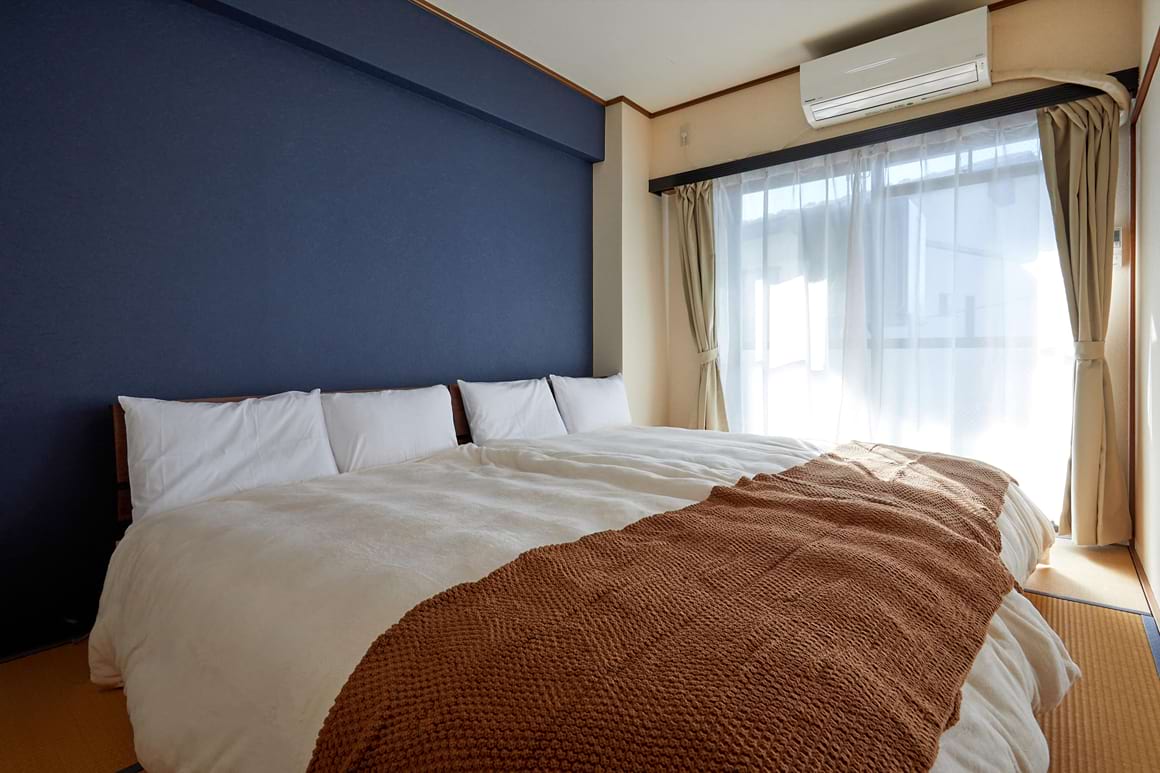
Nicely placed accommodation in Shimo-Imaichi, Nikko, about 10 minutes from the train station. Public transport puts every major sight within easy reach, and there’s a supermarket, a handful of restaurants and a 7-Eleven all close by for whenever hunger strikes. The beds deserve a special mention too, properly comfortable, the kind you sink into and wake up nine hours later wondering where the time went. With two bedrooms and a kitchen, it’s got the space to actually settle in rather than just crash for the night.
3. Kinugawa Onsen – Best for Hot Springs and Resort-Town Vibes
If shrine-hopping’s got you templed out and your legs are staging a mutiny, Kinugawa Onsen is where you go to make amends. This is The Area for hot springs in Nikko, set along the Kinugawa River. It’s less about ticking off UNESCO sites and more about sinking into a steaming bath and hoping your muscles forgive you for the steps you’ve put them through.
It’s a bit of a trek out from the main shrine circuit, connected by its own stretch of the Tobu Kinugawa Line, though depending on your route you might need to swap trains at Shimo-Imaichi. Worth it though, because this stretch of river town has built its whole identity around one thing: making you slow down. Boat cruises drift along the Kinugawa River if you fancy floating past the scenery instead of walking it, and there’s a cable car up to a monkey park and observation point on Mount Maruyama for when you want a view with your wildlife.
But let’s be real, the food and the baths are why you’re here. Ryokan and hot spring hotels line the riverbank, most with their own mineral baths on site, and the whole point of a night here is good food, hot water and doing absolutely nothing productive for twelve hours straight. It leans more resort-town than backpacker-hostel, so budget options are thinner on the ground than central Nikko, but they exist if you dig.
- Best For: Hot spring relaxation, a slower-paced detour after shrine-hopping
- The Vibe: Resort-town, relaxed, riverside
- Proximity to Transport: A bit further out, own stretch of the Tobu Kinugawa Line, sometimes requires a change at Shimo-Imaichi Station
- Budget: Mid-range to luxury, budget options thinner on the ground
- Crowds: Moderate, mostly onsen-goers rather than day-trippers
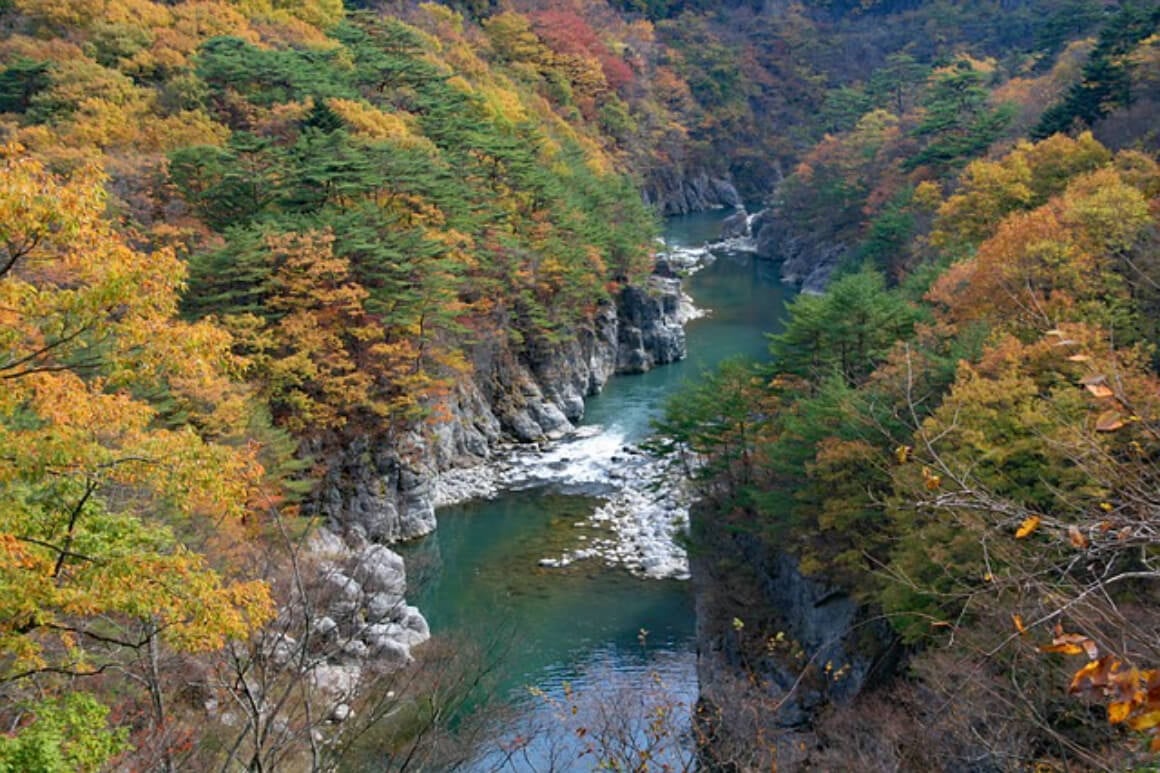
Things to See and Do in Kinugawa Onsen
- Stroll the traditional Japanese streets at the Edo Wonderland theme park
- Walk across the Kinu-Tateiwa Otsuribashi Suspension Bridge
- Ride the Osaru-no-yama cablecar ropeway for gorgeous forest views
- Admire the cherry blossoms at the Nikko City Kinugawa Leisure Park
- Unwind in a mineral bath at the Akebi Onsen
- Join a guided ice climbing expedition during winter
- Spend a day at Tobu World Square theme park with miniature-scale recreated historical buildings
Hotel Otaki: Best Budget Stay
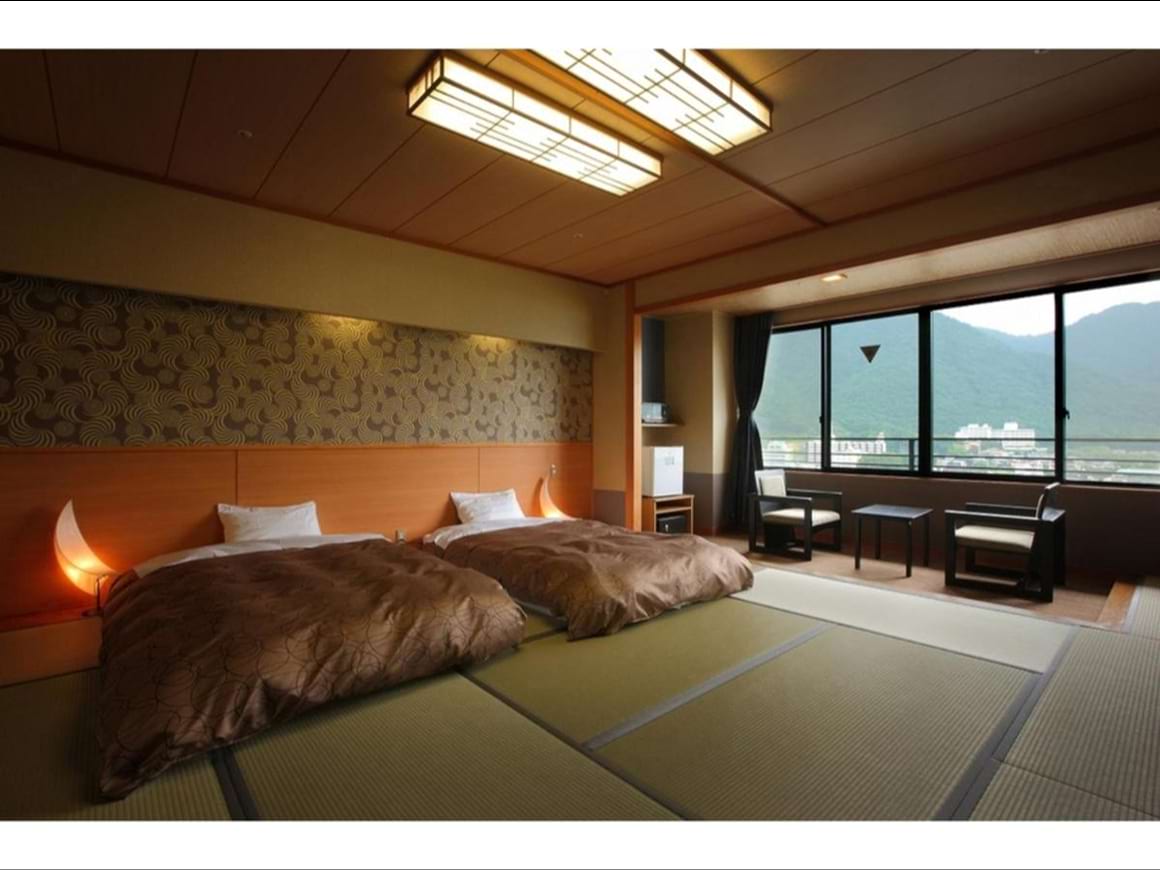
Want to stay in the Kinugawa Onsen area without completely blowing your budget? Allow me to introduce you to Hotel Otaki, a hotel tucked away in nature that reminds you that budget backpacking IS doable in this region. They boast two onsens, one indoor and outdoor, plus some seriously insane views of the mountains.
Tsuganoki: Best Resort
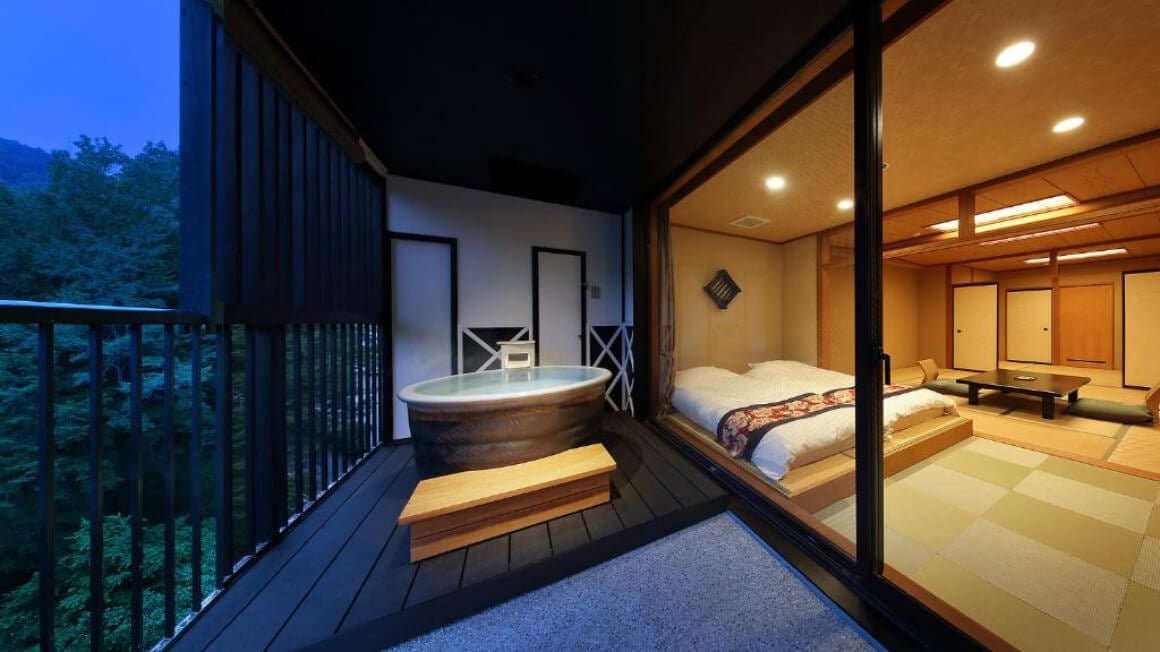
Tsuganoki might be the most luxurious resort in the area. It feels more like a retreat than a hotel, one where everything from the interiors to the deep soaking tubs to the views is designed to slow you down. Despite it being a clear step up from your bog standard hotel, the value for money here is seriously impressive. It overlooks the river, with just about every room featuring its own unique onsen. Bookings include breakfast and dinner, prepared to perfection at the in-house restaurant.
2 Bed Luxury Home with Balcony: Best Onsen House
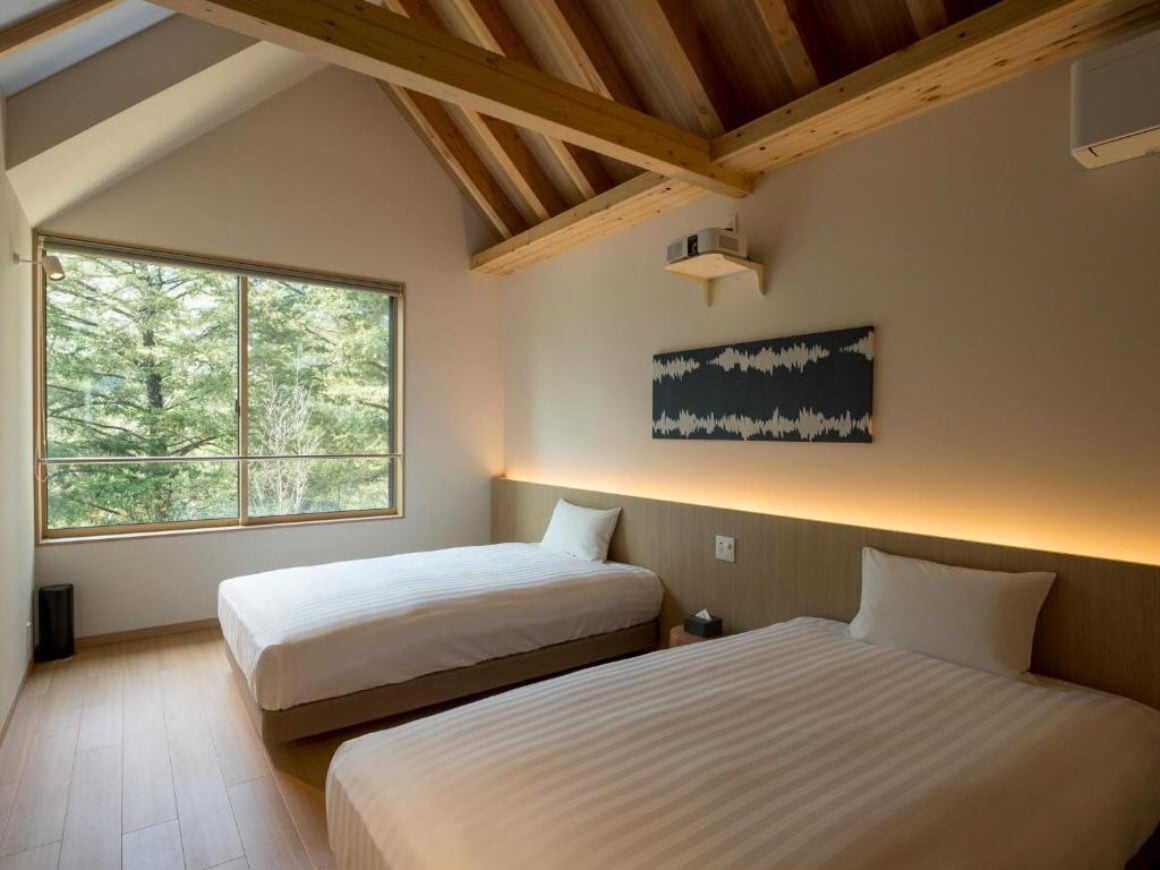
High vaulted ceilings, dimmable lighting, and neutral tones like greys and beiges set the tone in this two-bedroom home. The space is dominated by light wood and glass, which really invites the outdoors in. When it comes to amenities, this spot has a full massage chair, sauna, and a private onsen. It’s basically a little private spa house. If you’re splitting between the gang, it works out to be quite affordable.
4. Lake Chuzenji – Best for Nature Lovers and Outdoor Adventurers
Lake Chuzenji made a name for itself among wealthy foreign diplomats during the summer months, and it’s easy to see why. This stunning lake is a haven for boating and swimming, and is home to two historic ambassadors’ villas to prove it. Today, it feels like an alpine retreat, ideal for spending quiet mornings by the water and adventurous days exploring the surrounding mountains. Whatever season you visit, it’s gorgeous for a summer hike, a winter ski, and even for leaf peeping in fall.
Lake Chuzenji made its name with wealthy foreign diplomats who’d escape here during the sticky Tokyo summers, and it’s not hard to see why they bothered with the trek. This is a verrrrrry nice alpine lake, ringed by mountains and still home to a couple of historic ambassadors’ villas as proof of its former glamour. These days it’s less about diplomatic garden parties and more about quiet mornings by the water followed by long days out in the mountains, boating and swimming in summer, hiking through the surrounding peaks, skiing when the snow settles in, and turning up in autumn when the whole basin goes red and gold for leaf-peeping season.
The vibe here is part romantic escape, part proper outdoor adventure, and it delivers on both depending on what mood you’re in. If you’ve got the budget for it, the lakeside is lined with resorts and ryokan that go all in on the luxury end, with open-air baths with mountain views and kaiseki dinners after a day on the trails. Budget backpackers should know upfront that this isn’t where you’ll find your cheapest bed in Nikko – you’ll most likely see Lake Chuzenji as a day trip. But, if you’re willing to splash out for a night or two, this is where the payoff for that spend is most obvious.
- Best For: Nature lovers, hikers, outdoor adventurers, couples wanting a splurge
- The Vibe: Alpine, romantic, adventurous
- Proximity to Transport: Around 40 minutes by bus from Nikko Station
- Budget: Mid-range to luxury, slim pickings for budget stays
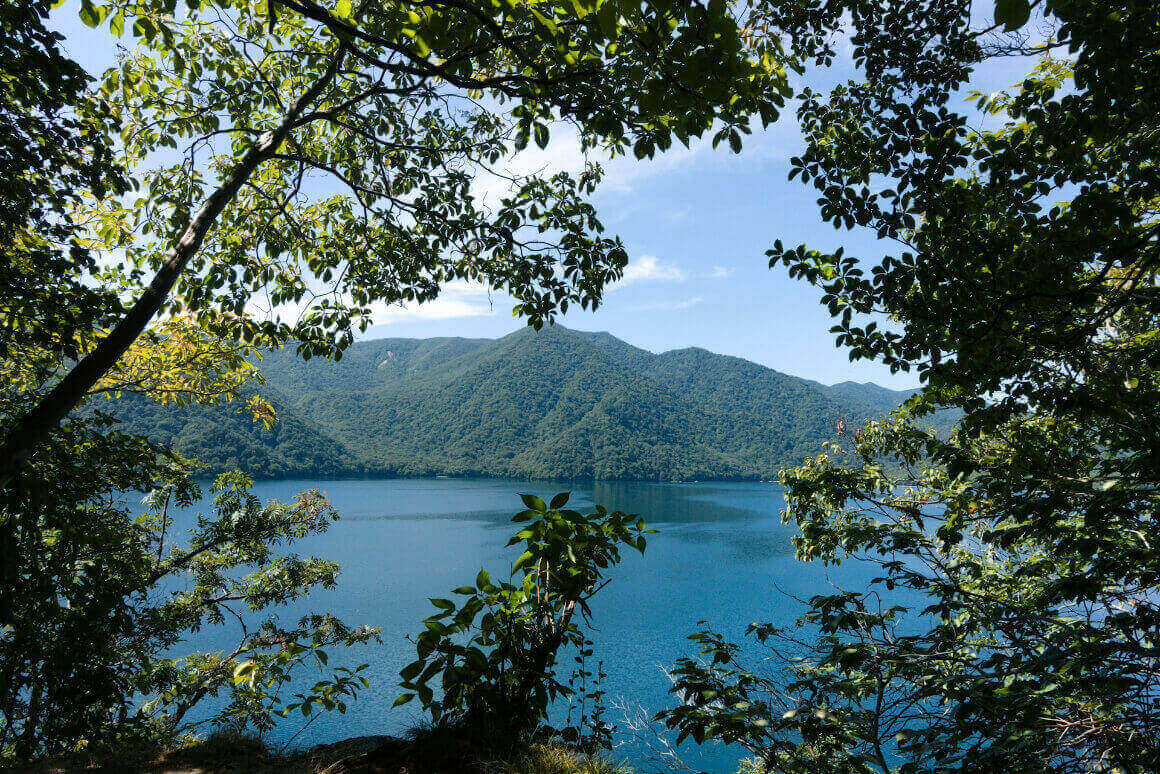
Things to See and Do in Lake Chuzenji
- Hike to the Senjogahara Observation Deck
- Explore the hidden gems of the lake on a guided rafting and trekking tour
- Hike to the 8156 foot peak of Mount Nantai, an active volcano with gorgeous views of the lake
- Visit the Italian Embassy Villa Memorial Park, particularly beautiful in fall
- Marvel at the magic Kegon Falls, one of Japan’s most iconic waterfalls
- Take a boat trip to the Kozukejima Island, a small picturesque island in the middle of the lake
- Ride to the top of the Akechidaira Ropeway for some of the most beautiful views in Japan.
- Mountain bike through the forested Mount Hangetsu
Women-only B&B Kegon Falls: Best Hostel
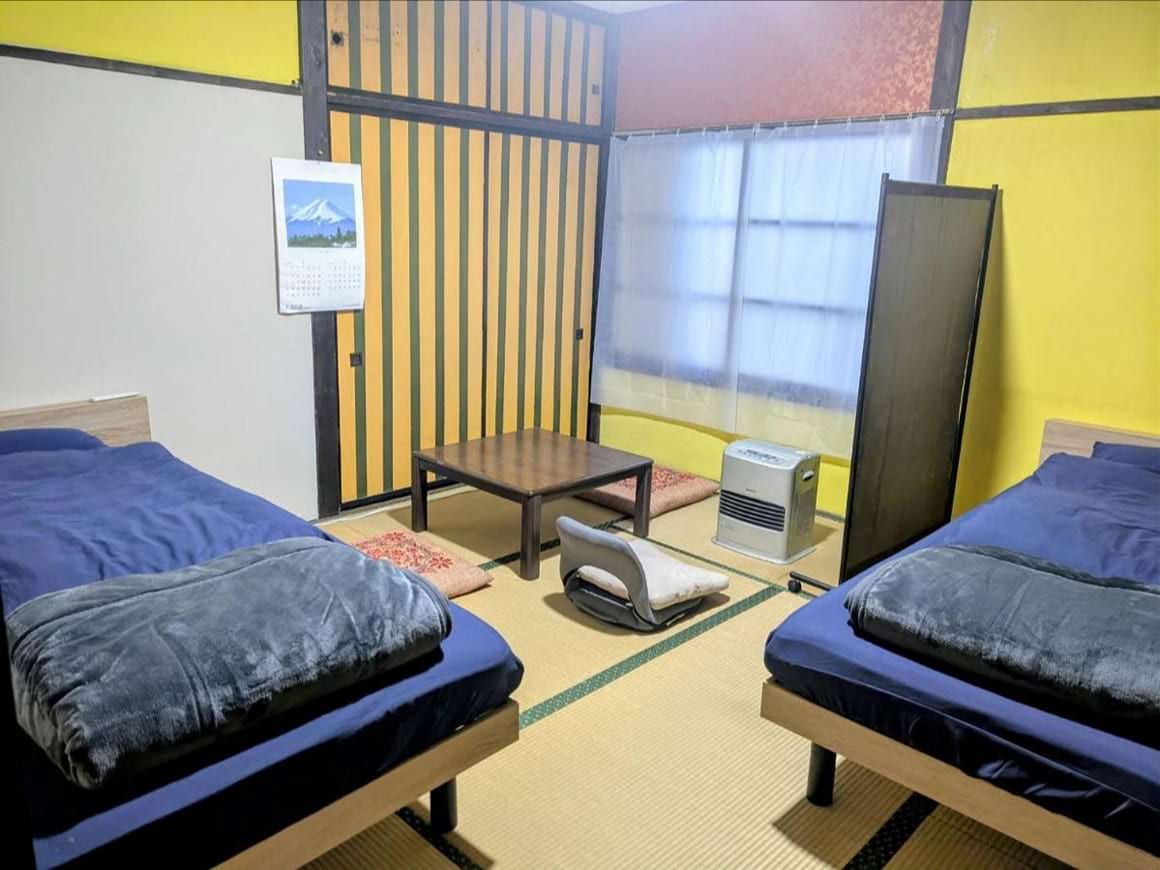
Sorry lads, this is the only hostel I could find in the area, and it’s strictly for the gals. The owner, though, an absolute gem. He goes out of his way to make every guest feel looked after, right down to handing over all the local tips and whips up a mean breakfast that goes well beyond the usual toast and jam. Location-wise, you’re smack in the middle of nature with solid bus connections out to all the main sights, so you’re never actually cut off despite the peace and quiet.
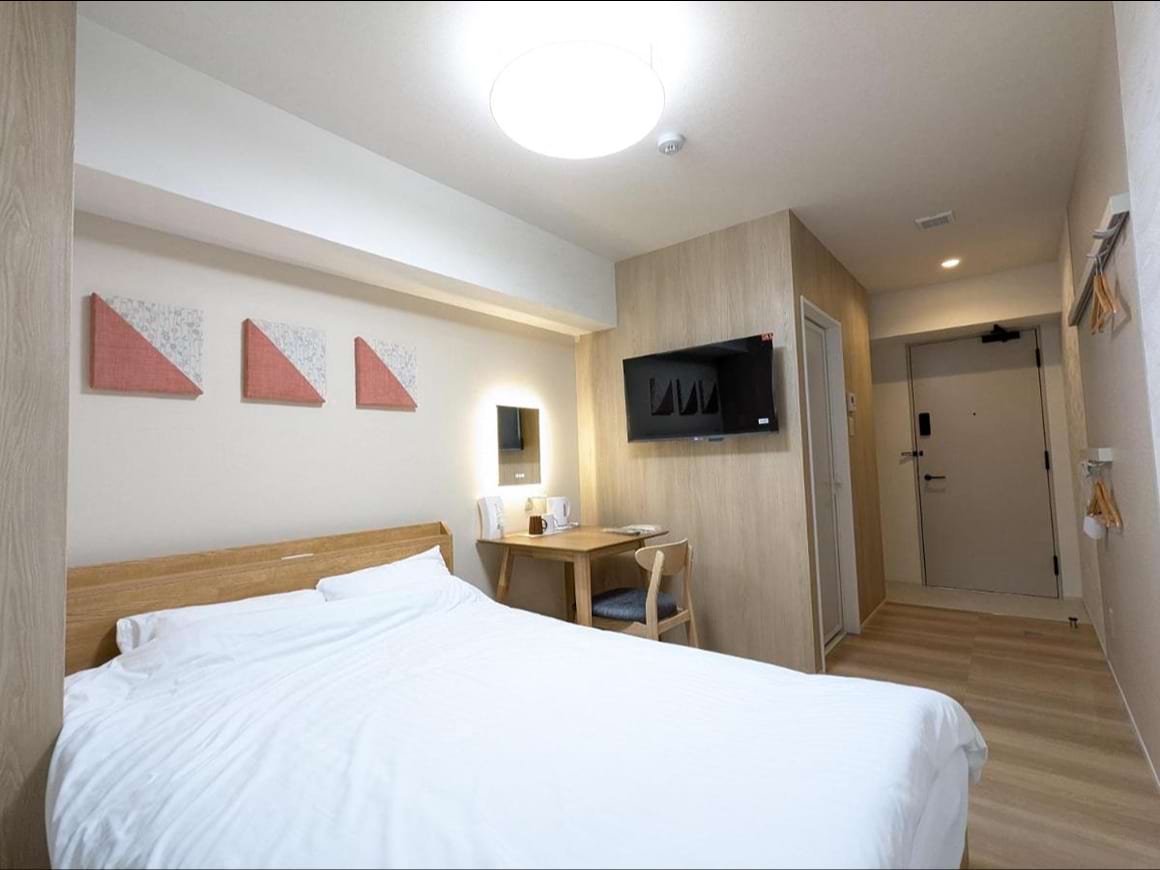
Nikko Beans Hotel: Best Budget Hotel
Iku went well out of his way to make you feel properly at home. The food’s simple but really well done, locally sourced, and he’ll take the time to actually explain what’s on your plate and where it’s come from rather. It’s a minimalist, no-frills sort of stay, exactly what you want when you’re after somewhere comfortable to actually switch off.
Hatago Nagomi: Best Mid-Range Hotel
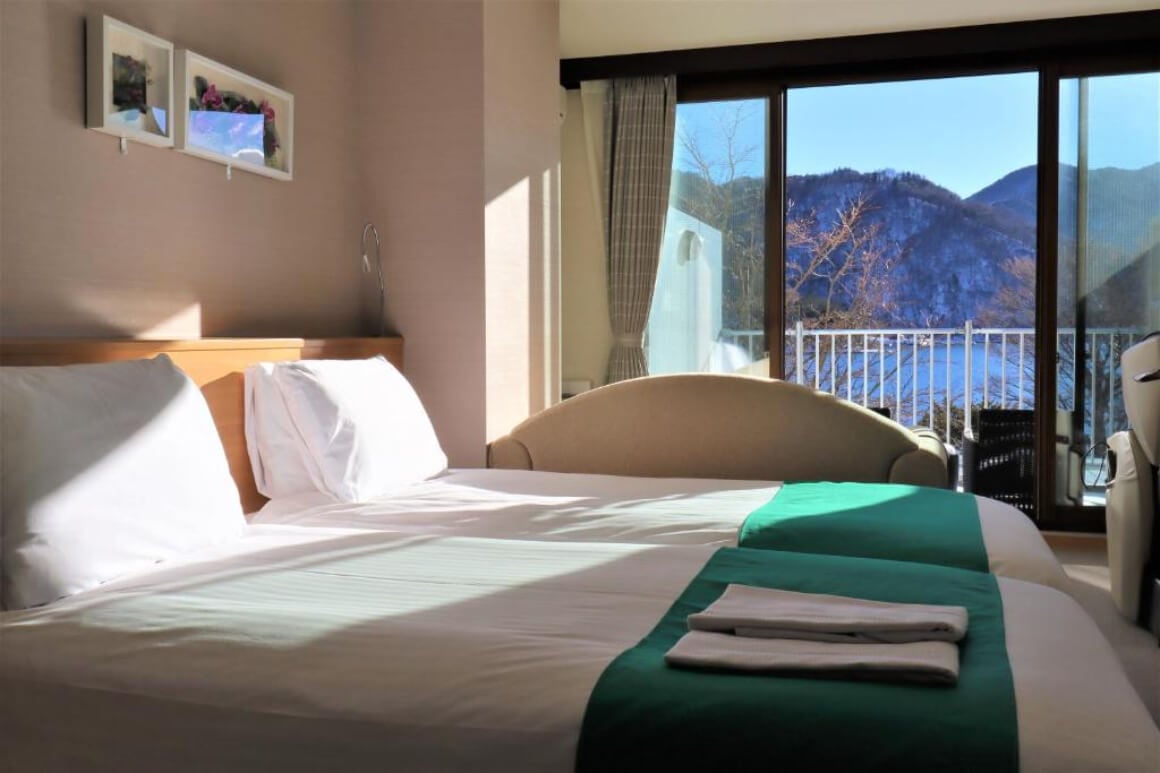
If you’re wondering where to stay in Nikko for a bit of self-care, Hatago Nagomi has that lakeside retreat vibe where every detail feels intentionally calm. The rooms are a mix of modern and traditional, with warm wooden interiors and views that practically beg you to go outdoors. The atmosphere feels like a quiet, serene retreat that feels worlds away from busy city life. The highlight has to be the views of the lake, but the onsen and on-site restaurant are also huge draws.
FAQs About Where to Stay in Nikko
For those who still aren’t quite sure where to stay in Nikko, these frequently asked questions might help settle your uncertainties:
Don’t Forget Travel Insurance for Nikko
Few things are bound to go round with a trip to Nikko, but it’s always best to come prepared in case they do. Sort decent travel insurance BEFORE your trip to Nikko.
Sort out your insurance before you go. There are several good options, but our overall pick is SafetyWing. Most of the Broke Backpacker team has used it at one point or another, and we’ve filed claims for rabies jabs in Bali, a hospital stay in Mexico, and a clinic visit for a stomach bug that wouldn’t quit. All paid out.
It’s month-to-month, no lock-in, no itinerary required, and you can buy it after you’ve already left. A little over $2 a day if you’re under 40.
New SafetyWing customers: use code BROKEBACKPACKER for 8 free weeks of electronics theft coverage. You have to scroll down and click the pink camera on their landing page to enter it, and you have to do it before creating your account.
Which Part of Nikko Should You Choose?
Here’s the honest answer: there isn’t a wrong one, only a wrong fit for what you’re actually after. If this is your first crack at Nikko and you want shrines, temples and that hushed spiritual weight right outside your door, central Nikko near Shinkyo Bridge is where you belong. If you’re short on time and just want the logistics to disappear so you can focus on the actual travelling, base yourself near the station and let the buses do the work. And if you’ve got a couple of extra days and don’t mind spending a bit more, get yourself up to Lake Chuzenji, because waking up to mountains reflected in still water is the exact version of Nikko most people imagine.
What I’d say, having spent a fair bit of time bouncing around this region myself, is trust your gut over any checklist. If you’re the sort who wants to be first through the shrine gates before the tour groups descend, stay close to them. If you’re the sort who’d rather fall asleep to silence and mountain air, the extra bus ride out to the lake is worth every minute of it. Nikko doesn’t demand a complicated itinerary to be worth it, it just asks you to actually think about what kind of mornings you want while you’re there.
So pick your base, book your bus tickets, and get out there. Whichever corner of Nikko you land in, you’re closer to cedar forests, waterfalls and centuries of history than you’ll be almost anywhere else in Japan, and that’s not a bad place to wake up.
- Check out our ultimate guide backpacking around Japan.
- Or… maybe you want to check out some Airbnbs in Japan instead.
- Save yourself hassle and money and get an international SIM card.
- Swing by our super epic backpacking packing list to prep for your trip.