I spent 3 weeks roaming around Egypt, and I’m not gonna lie, it was tiring, frustrating and even disheartening at times.
Egypt is unlike any other place I’ve travelled to. And I mean that in the best and worst of ways.
I am fortunate to have been able to travel quite extensively throughout my mere 30 years of existence. And I like to believe that I’ve seen and experienced quite a bit during that time.
Silly little Tomás thought he was prepared for this trip. Even after reading and being told countless times that it wasn’t for the weak…
So it makes sense to start there: Egypt ain’t for the weak.
This is a country that will slap you around and call you names – and it will make you question if you’re really into that after all.
But don’t get me wrong – it is a fascinating place with extraordinary history and sites of breathtaking beauty. Probably like nothing you’ve ever seen before.
Am I happy that I went? Yes. Would I do things differently if I went again, though? Hell yes.
So here are my top travel tips for making the most out of your backpacking trip to Egypt. Learn from my mistakes so you can make different ones and tell the next person about them.
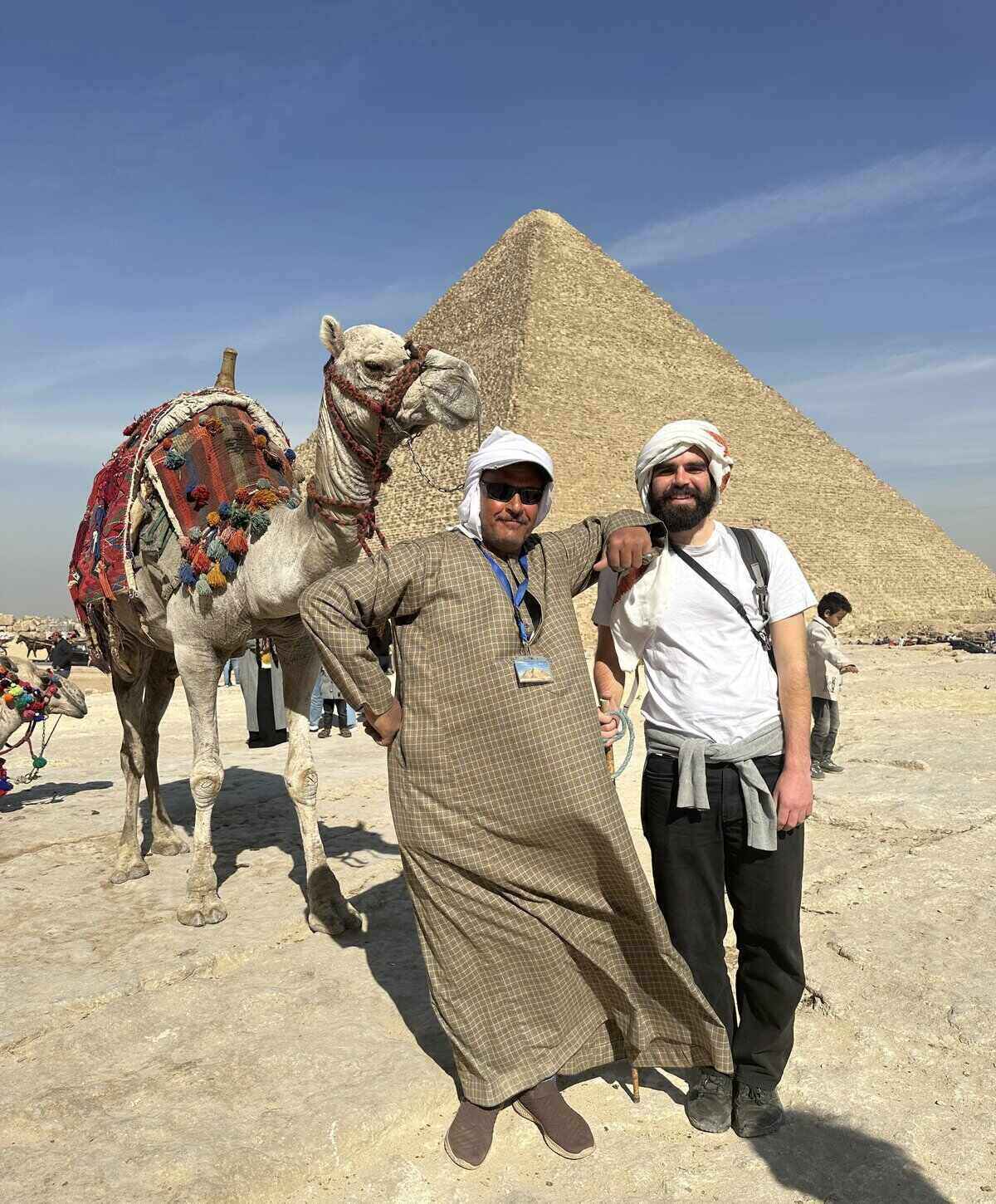
Photo: @monteiro.online
The Broke Backpacker is supported by you. Clicking through our links may earn us a small affiliate commission, and that's what allows us to keep producing free content 🙂 Learn more.
1. Never accept the 1st price
Haggling is very much alive in Egypt – it’s a core aspect of Egyptian culture – and it’s easy to get “ripped off” if you don’t at least attempt to negotiate.
Get used to questioning the first number that is thrown in the air, as people will often try to get the greatest dollar (or should that be, pound?!) value out of you. Call it “culture” 😉
This is especially true for taxis and buying goods at markets, but it can even go as far as a restaurant meal. I’ve successfully negotiated the price of my lunch once (trust me, I had to). Brush up on your haggling skills, and you’ll do fine.
Don’t get me wrong, I’m happy to pay twice the local price if that means they can get it at a fairer price, but it becomes a little ridiculous when it reaches 5 times that.
2. Learn how to say “no”
La’a! Trust me, Egypt will be a test of your mental resilience.
I could write paragraphs on end about my experiences with hasslers in Egypt, but I won’t. At least for now.
Just be prepared to deal with the touts, cause they’re EVERYWHERE. I felt like I was constantly dancing between someone trying to sell me something or lead me astray down a dark alleyway.
It might feel rude, but the easiest way to deal with it is to just say “no, thanks” (la’a, shokran) and to never look back.
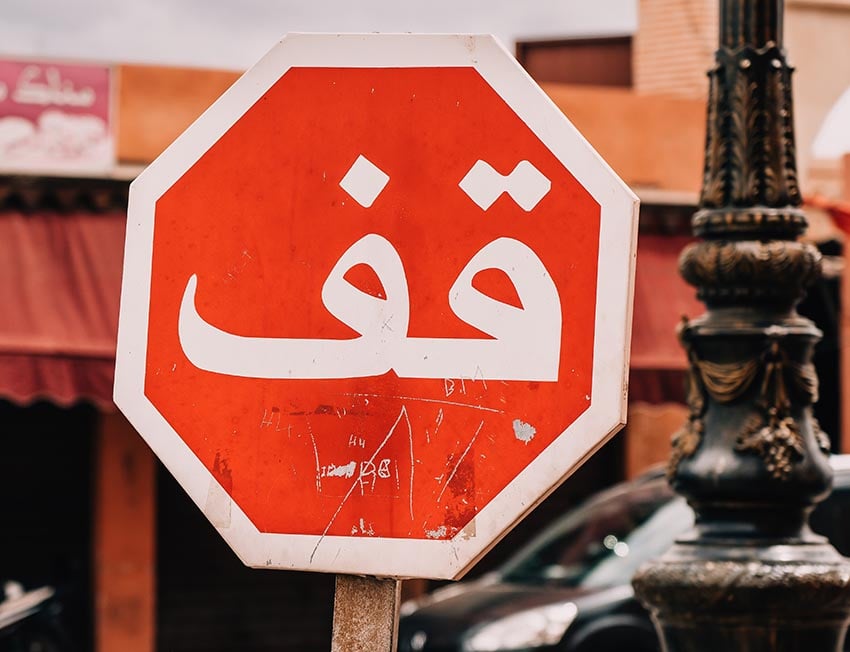
Photo: Nic Hilditch-Short
You’ll be tempted to engage and smile, and this is because you’re nice. I love you. I wish I could tell you that works, or even that it makes sense.
But you’ll quickly realise that it will suck every single drop of energy you have left in you.
The easiest way to guard your peace of mind is to not engage or make eye contact once you’ve stated you’re not interested. They will take any form of contact as another reason to try to make the sale, even if you’re begging them to stop with tears in your eyes. I still felt safe travelling in Egypt, but it does make you put your guard up a little more.
People had already warned me about this, and I really thought I was prepared.
I wasn’t.
3. Learn a bit of the language
Learning a language when you travel can go a long way.
First, it’s always nicer for locals if they don’t need to constantly adapt to speak a language that’s not their own – even if that just means getting asked where the toilet is – and it usually results in extra sympathy, or cheaper things 😉
Nobody’s expecting you to become fluent in three weeks, but you’d be surprised how much nicer your experience becomes when you go beyond the hellos and thank yous.
Ask the locals you come across for tips. Learn the numbers, learn how to say please, thank you, no worries, how to ask for the toilet, and the things you’ll need the most – you’ll quickly realise what they are.
I used an app called Algo to store flashcards that helped me practice whenever I had some time to spare, and it worked out great. Essentially, you create flashcards with the translations (I recommend just writing them the way they sound to you), and you can test yourself anytime. It’s good fun!
Alternatively, there’s a great website called Cleo where you can learn some of the most useful phrases for travelling around.
4. Have local contacts
I think one of the things I struggled the most with in Egypt was the lack of genuine, local contact. It felt like most interactions with locals had a second underlying intention (ie, a sale).
I tend to use Couchsurfing a lot whilst travelling because it allows for precisely that, but as I was with a friend for two of the three weeks, I ended up not giving it much attention. I should’ve.
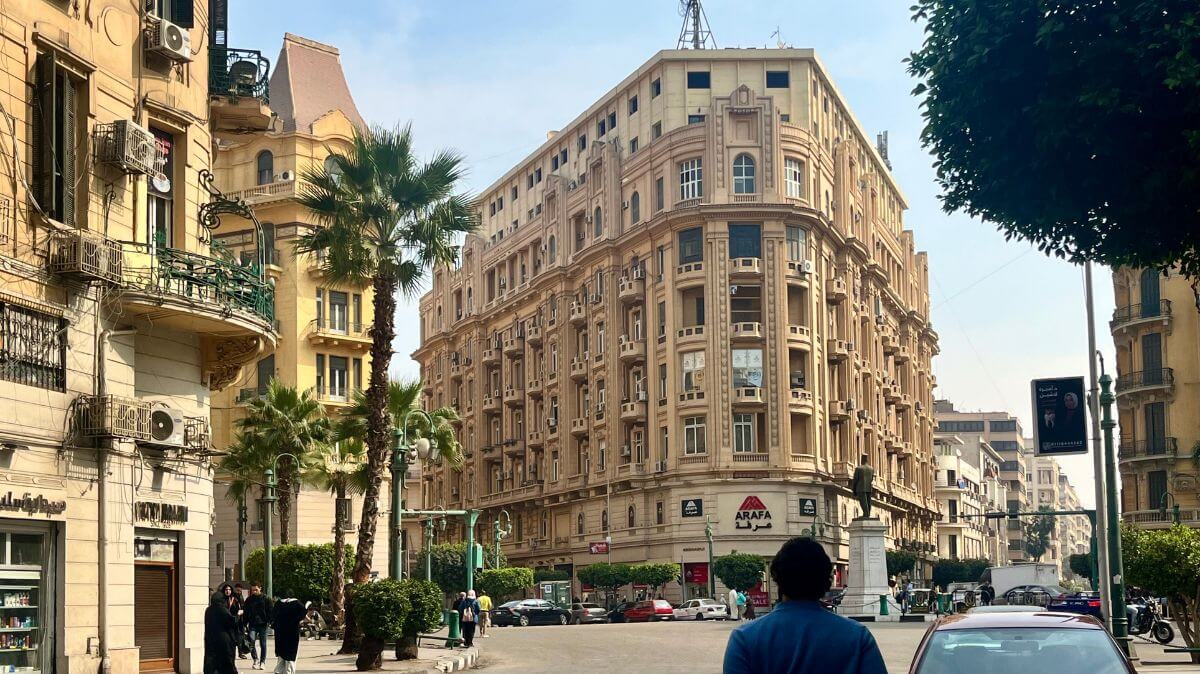
Photo: @monteiro.online
I had a local contact in Cairo, and spending time together with them made for some of the most wholesome moments of the trip, and learning about some unique places to visit. Staying at a local artist’s house on my last days was also great for that!
I recommend contacting some Couchsurfers before you go, even if you don’t plan on staying with them. Arrange meetups, beforehand or on the spot, look for accommodation in people’s houses, or just ask for a tip or two.
5. Carry small money for tips
I come from a country where this is very much not a thing, so it took some getting used to…
Egypt has a strong tipping culture, and you’re expected to tip for a variety of services, including bag handling at bus stations, taxi rides, etc. Restaurants often include a service charge.
My best advice is for you to try to break your bigger bills so you’re always ready. And don’t be afraid to ask for change for your tip – no matter how ridiculous that might sound.
PS – It is not uncommon for workers at tourist sites to start giving you information and leading you to believe they’re just being nice. These situations often end with their hand cupped like a small bowl, thrown in front of you, and a cheeky smiley face saying “money, tips”.
Be strong, amigos.
6. Be careful when crossing the road
I experienced this a little in Alexandria, but nowhere near what I found in the capital. Crossing the road in Cairo has got to be one of the craziest experiences of its kind.
Everything seems wrong, yet everything somehow still works. Egyptian drivers are nuts, and traffic signs are pretty much non-existent. I thought Vietnam was crazy, and then I saw this…
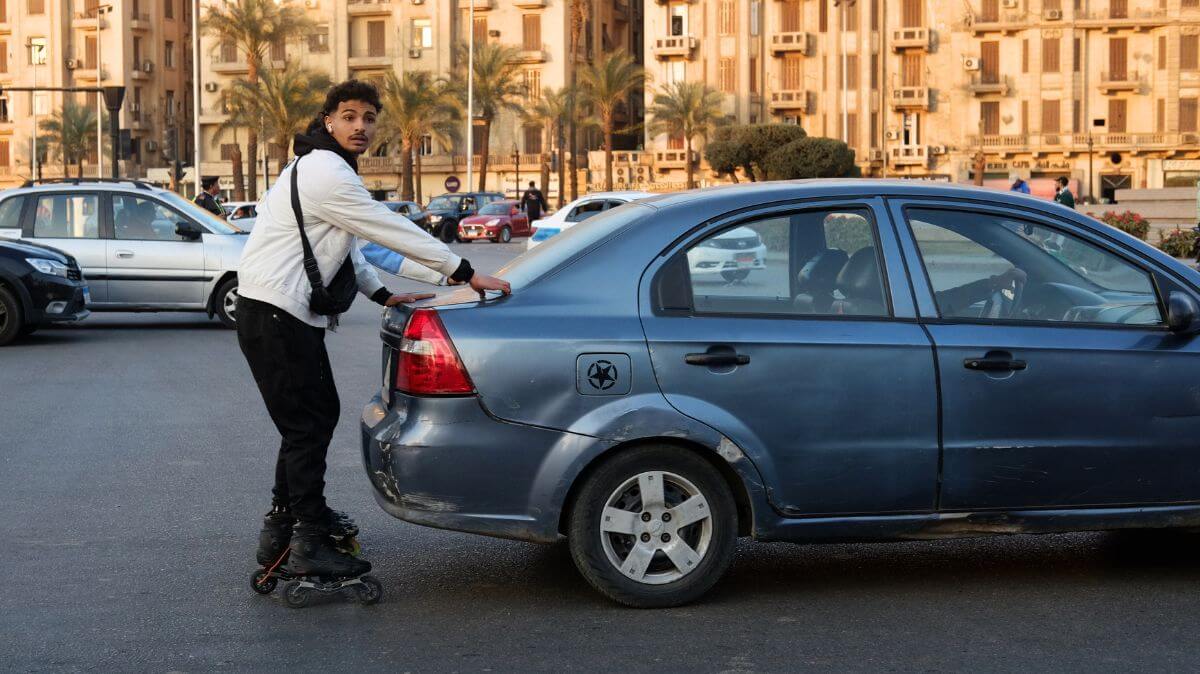
Photo: @monteiro.online
The best way to not die is to say your prayers before you step onto the road – and to follow someone else ahead of you and stay close. Like, really close.
If there is no one in front of you, good luck, amigos. Breath deep, first in and then out. Walk like you’re going somewhere (you are!) and put a confident, mean face on.
Suck it up and own it, champ!
7. Plan ahead
Remember that you could spend a chunk of your time travelling – Egypt is massive, and the distances between places may be longer than you think.
Try to plan your days by area, especially in major cities where traffic is both intense and unpredictable.
Do your research as well for the routes you’re planning to take. I planned my trip assuming I could easily cross from Aswan to Marsa Alam, only to find the road had been closed for tourists recently.
8. Spend time in Aswan
Well, and since I couldn’t head to Marsa Alam, I just stayed in Aswan. I was too exhausted from the way down, so I couldn’t even think about readjusting my plan.
Everything felt like a sign to slow down, and Aswan was the perfect place for that. Upon arrival at my hostel (Go Inn Backpackers – highly recommend), I understood it was exactly where I needed to be.
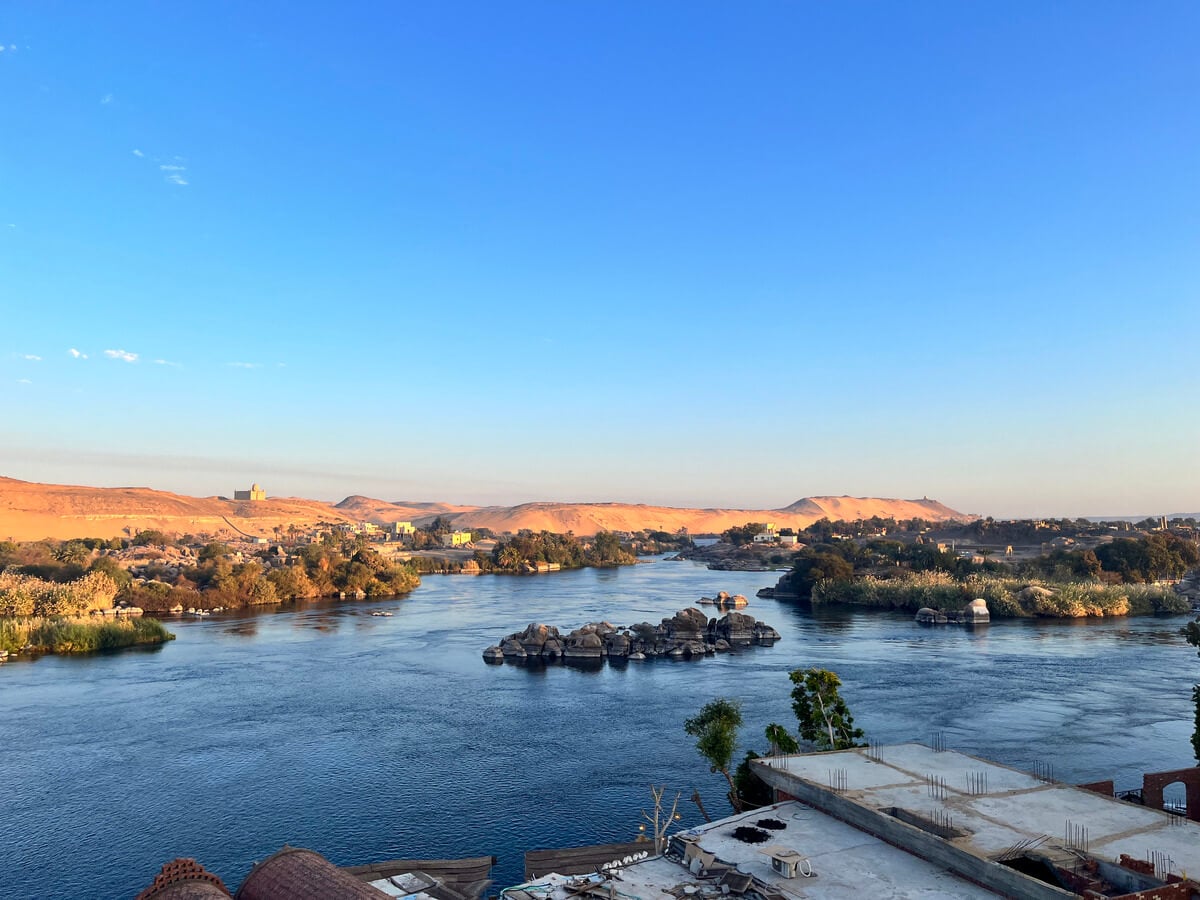
Photo: @monteiro.online
There are plenty of things you can do here. If you’re not tired of temples yet, you can explore Philae, but there are plenty of little islands nearby to hop around at a more leisurely pace.
Head over to Elephantine, explore Nubian culture, visit the island of the botanical garden (Kitchener’s Island), and go up and down the dunes. There is so much to explore!
9. Sleep in Abu Simbel
A common thing to do while in Aswan is to do a day trip to the famous temples of Abu Simbel.
Most organised tours leave from Aswan super early in the morning (around 4 am) and have you back early afternoon. As of 2025, there was also one public bus per day doing this route, but it’s not super common for travellers to choose this method.
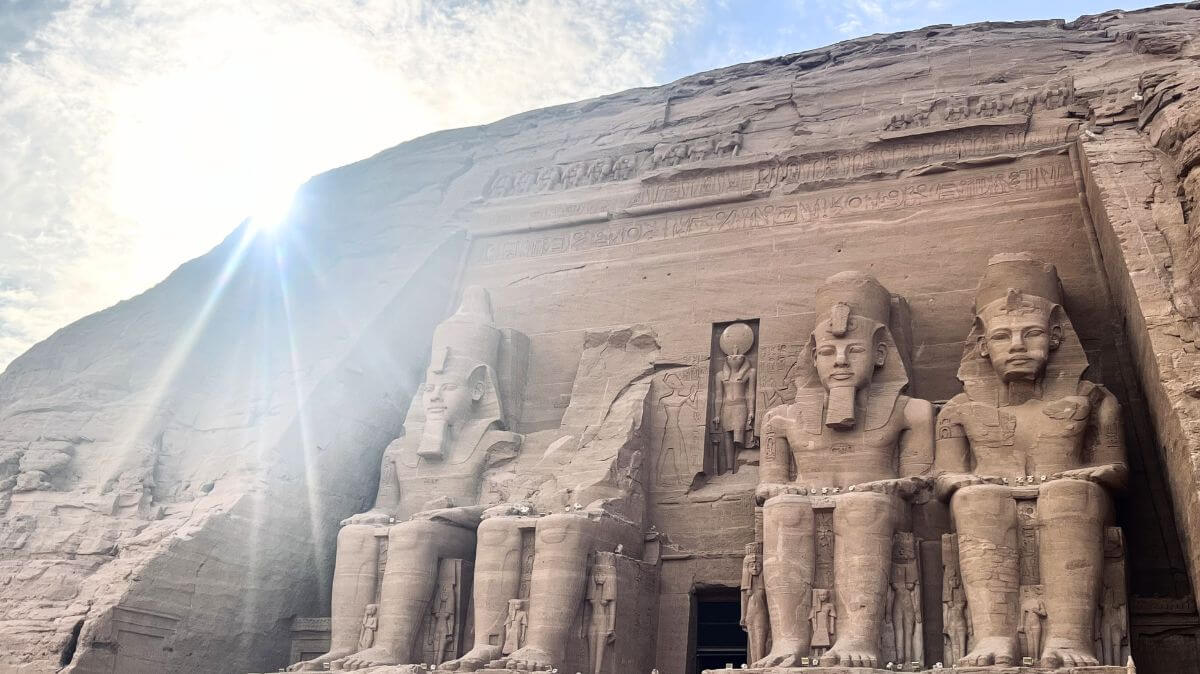
Photo: @monteiro.online
I joined a group leaving from my hostel, but decided to stay overnight and just find a way to come back the next day. I figured since most people would be gone by lunchtime, the temple would be quieter and emptier. I was right! It turned out to be one of the best experiences of my trip to Egypt. For more tips and inspiration, check out our Egypt travel guide.
There is a light show at night at the temple, too, which I found a little underwhelming, but sleeping in town was cool. There’s not much going on, but it’s chill and feels a little more authentic, as not everyone is trying to sell you stuff or get your attention.
10. Beware of the desert sun
The sun in Egypt is STRONG. I went during winter, and it was still heavy, especially towards the middle of the day.
Make sure you account for this on your trip, get some sunscreen, perhaps a silly little hat or something to cover your head. Wear light clothing and work in layers, as it also gets cold during the night, especially in winter.
11. DON’T skip the White Desert
Speaking of the desert sun, I’d like to reinforce one major recommendation: the White Desert.
I remember asking a friend who had been to Egypt a couple of years before I did. I asked him what the one thing he thought I shouldn’t miss. was “The White Desert”, he said, “it’s the most incredible thing I’ve ever seen”. So I made sure I saved time for it in my itinerary.
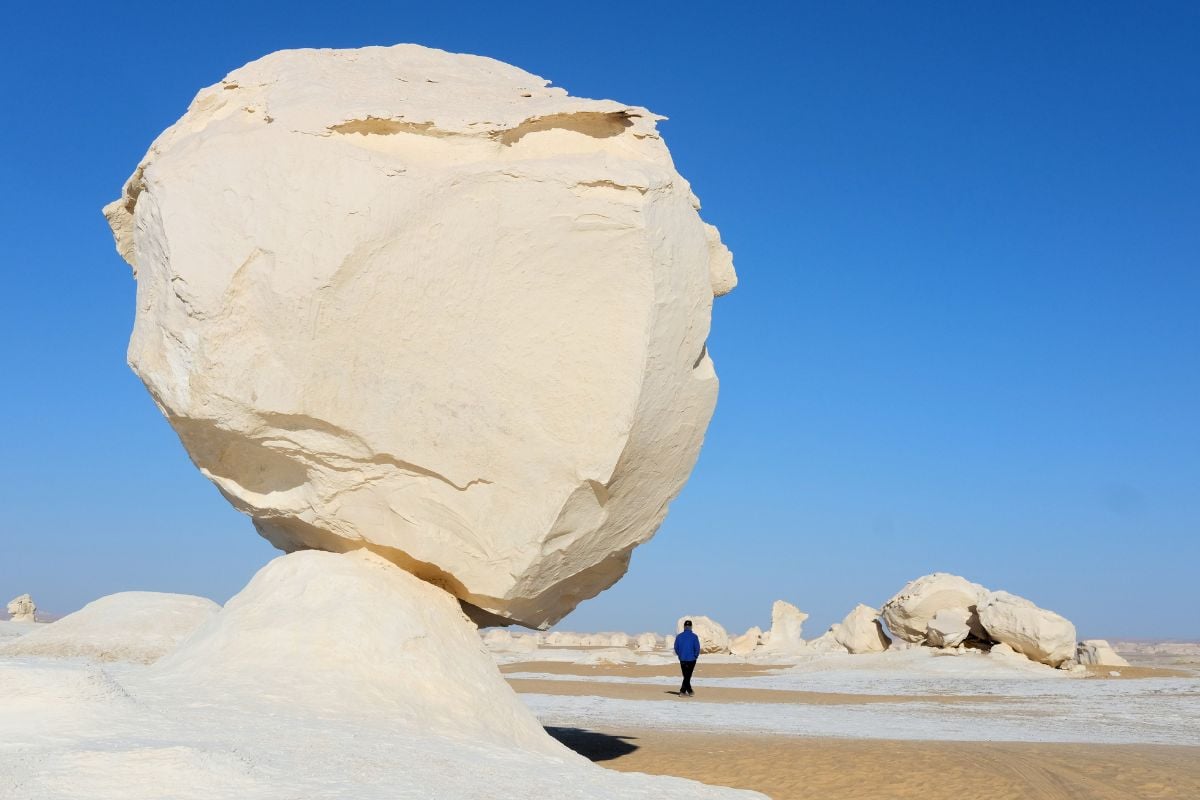
Photo: @monteiro.online
After a bit of research, I understood it wasn’t possible to do this trip independently (at least at the time I went), so the only way was to book a tour. I booked mine through Dahab Hostel in Cairo, and it was cheaper than everything I found online (big shout out also to one of the best hostels in Cairo)
The place is absolutely surreal. Miles on end of weird, wind-carved chalk formations, sitting as if they were statues in a big, open-air museum. The drive through on the 4×4, just around sunset, was bloody incredible.
Make sure to spend the night if you can (2D1N tours are pretty common). A night under the desert stars just hits differently.
12. Fly to save time
As you’ve probably already realised, distances in Egypt can get LONG. And traversing the country is often tiring and time-consuming.
One of the things I’d do differently is to consider flying for longer distances. This is how I’d get from Cairo to Luxor if I were to do it again.
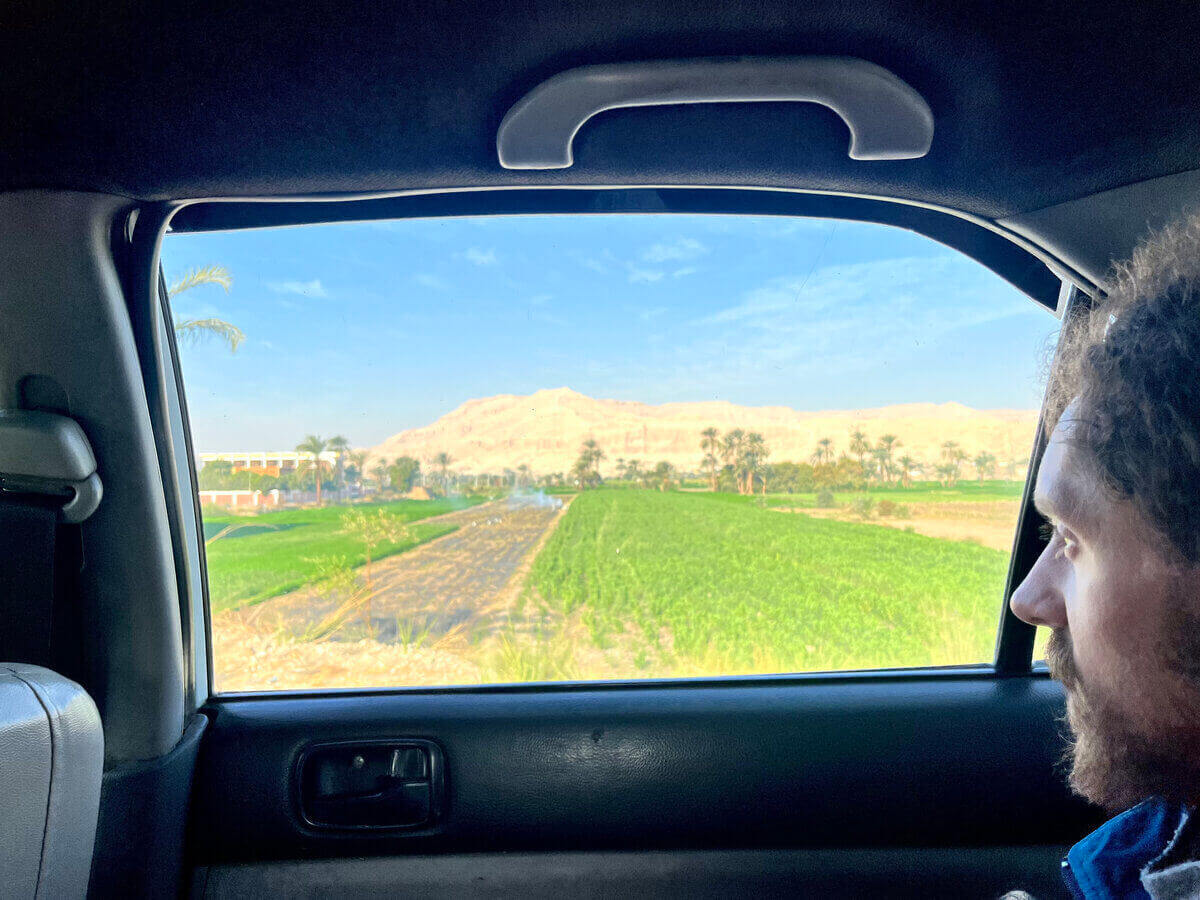
Photo: @monteiro.online
Unfortunately, I only thought about it once I was already in the south, but it still saved me a long, uncomfortable trip on the bus back up.
I paid around $40 more to get from Aswan back to Cairo, but it also took me 10 hours less. Do look for EgyptAir deals (it often pays to wait for the last day for cheaper prices cause they lower it to fill seats).
13. The student card “hack”
Most historical sites and museums in Egypt offer a 50% discount for students.
If you’re a student, this is pretty straightforward. Just make sure to bring your student card with you!
If you’re not, but you’re under 30 (or, more specifically, under 28) and have left school not too long ago, I recommend fetching your old student card and packing it in your bag. Give it a try.
I didn’t have one, but a friend travelling with me tried this out and was successful on 50% of his attempts. Makes a difference considering how much some of the attractions cost.
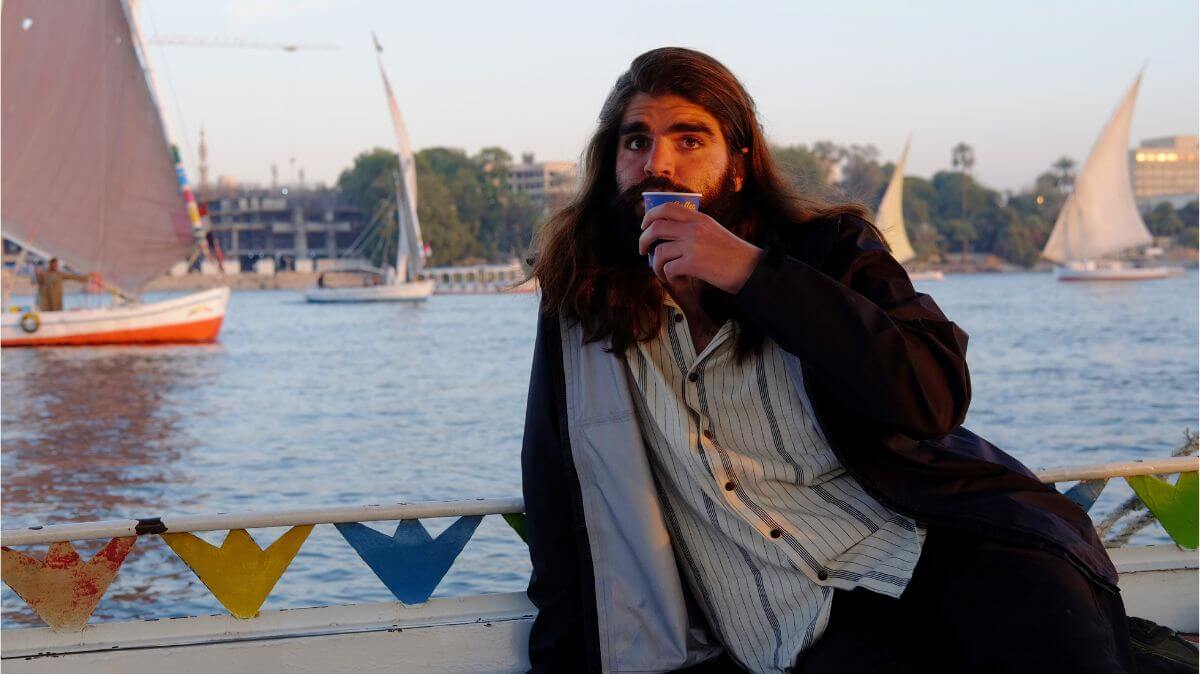
Photo: @monteiro.online
14. Be smart about transportation
Public transportation is a thing, and despite often being a confusing thing, it will pay off in some cases when compared to a private driver or a taxi.
In Cairo, you’ve got the metro, which is by far the most efficient and can save you hours (really) in transportation around the city. Places like Luxor have also got pretty efficient systems with tuk-tuks and local boats (going from the east to the west bank).
In big cities, you can (and should) also use the moto taxis if you’re comfortable. You can request them through Uber and Careem (a similar app which is popular in the region). I don’t advise doing it for rides longer than 10-15 minutes unless you don’t value your life too much, though!
All in all, what I want to say is: study your transportation options and compare them to understand what makes the most sense for you. Entering a taxi may sound enticing, but it may also be just about to throw you into the most horrific rush hour traffic you’ve ever experienced. It’s also a good idea to ask at the place you’re staying for some local tips as well.
My best tips in a nutshell
I am aware this post may sound a bit negative or even discouraging at times, especially if you’re in planning mode and just want that little bit of final inspiration and advice before your trip.
But there’s no point in sugarcoating things. There’s no point in me telling you only the great things about travelling in Egypt because the truth is that I didn’t have an easy time in the country. And from speaking with other travellers, I don’t think I’m the only one.
Egypt is a divisive country, much like Morocco or India are, and there’s just nothing one can do about it. Some folks love them, some folks hate them.
Go out there and experience it for yourself, because at the end of the day, that’s all that matters.
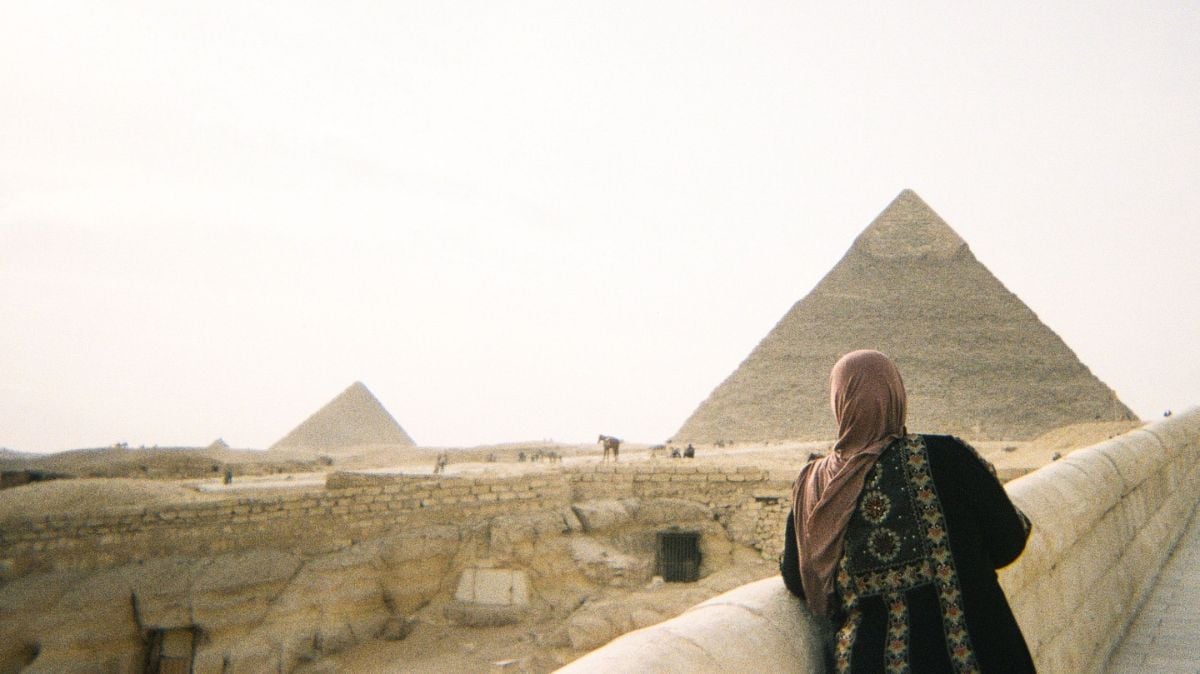
Photo: @monteiro.online




As someone who has spent a lot of time in Egypt and is back there at the moment, it’s important to say that away from the big tourist areas you will have a much better experience. In places like Fayoum, Al Minya and Sohag, I’ve been treated to a welcome as good as anywhere in the world. I’ve lived in Alexandria and never been hassled. Dahab and the coast to the north is fairly laid back. A lot of young Egyptians go there on holiday to escape the conservatism found across the country so you’ll have a good chance of meeting people.
Women travelers could well have a very different experience to men, so best to go with at least one other, preferably a husband, real or pretend.
Don’t want to put any women off as you could well have a great time but hopefully some women travelers can comment on their experiences.