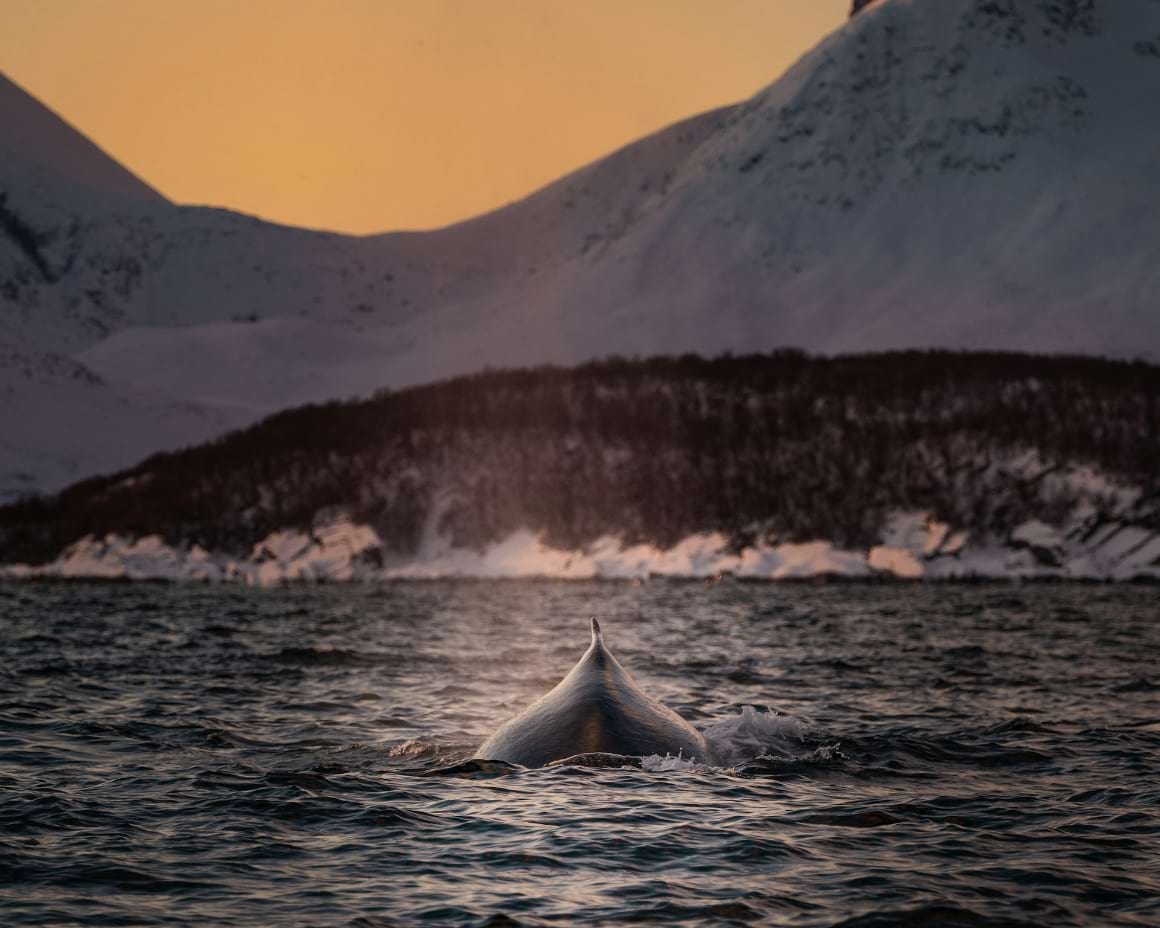
Whales. You can watch ’em nearly anywhere in the world, they make some of the longest migrations in the world, after all. But in the depths of winter, where the days are short and the vitamin D is sparse, whales slip quietly through the waters of Norway.
It seems as though the only respite in these Norwegian winters are its ocean inhabitants (and the occasional appearance of the Northern Lights, of course).
But I’m not sure if you know, but Norway has a LOT of fjords and waters for whales to cover. Blink, and you might miss them.
Choosing the right whale tour is essential to making memories you’ll remember long after you’ve thawed from the cold. Lucky for you, this ultimate guide to whale watching in Norway will cover all of that, and more.
From the best spots, to what type of whales you might spot, you can consider yourself a pro with all things whales in Norway after I’ve filled you in with the 411.
The Broke Backpacker is supported by you. Clicking through our links may earn us a small affiliate commission, and that's what allows us to keep producing free content 🙂 Learn more.
- About Whales in Norway
- What to Expect from Whale Watching in Norway
- Where Is the Best Place to Whale Watch in Norway
- How To Choose The Best Whale Watching Tour in Norway
- What to Pack for Whale Watching in Norway
- Top Tips for Whale Watching in Norway
- FAQs on Whale Watching in Norway
- Final Thoughts on Whale Watching in Norway
About Whales in Norway
Norway’s whales seem to run the show in the northern coasts of Norway, and with that, their presence shapes the entirety of the fjords. These encounters sit within a landscape defined by steep cliffs, cold air, and light that shifts by the hour.
If you’re thinking of a trip to Norway to go whale watching, you’ve certainly cottoned on to a gem of a plan. Wrapped in layers that exist for function rather than fashion, you’ll gain insight and context into how the behaviour of each species of whale reinforces how closely the local ecosystem ties to the movement of herring, seasonal temperatures, and the geography of the fjords.
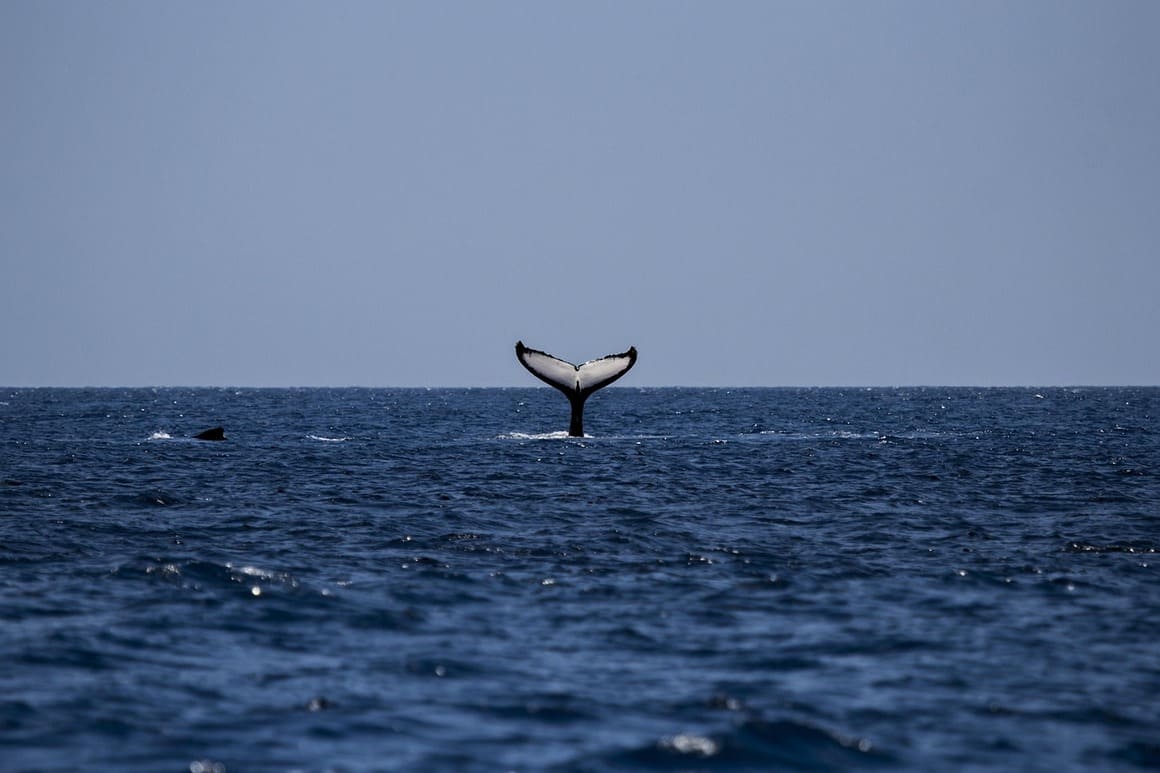
Unlike whale watching in Moorea and other parts of the globe, Norway’s coast pulls in a diverse cast. From humpbacks, orcas, sperm, and minke, you’re sure to be in for a real treat of whale buffet out at sea. The nutrient-rich waters here make for perfect conditions for whales to feed, give birth, and rest before carrying on with their migration.
Nothing about Norway’s whale activity drifts into the abstract. Each species interacts with the coastline, the deep water, and the winter cycle in ways that’ll give you a rare glimpse into the marine life in this corner of the world. It’s cold. The days are short. Yet it all feels quietly magical. It’s not a timed theatre performance, but a small insight into these creatures’ lives and a reminder of how magical our oceans are, even in the depths of winter.
What Type of Whales Can You See in Norway
Out of all of the whale casts in Norway, the amount that you see really depends on your luck that day.
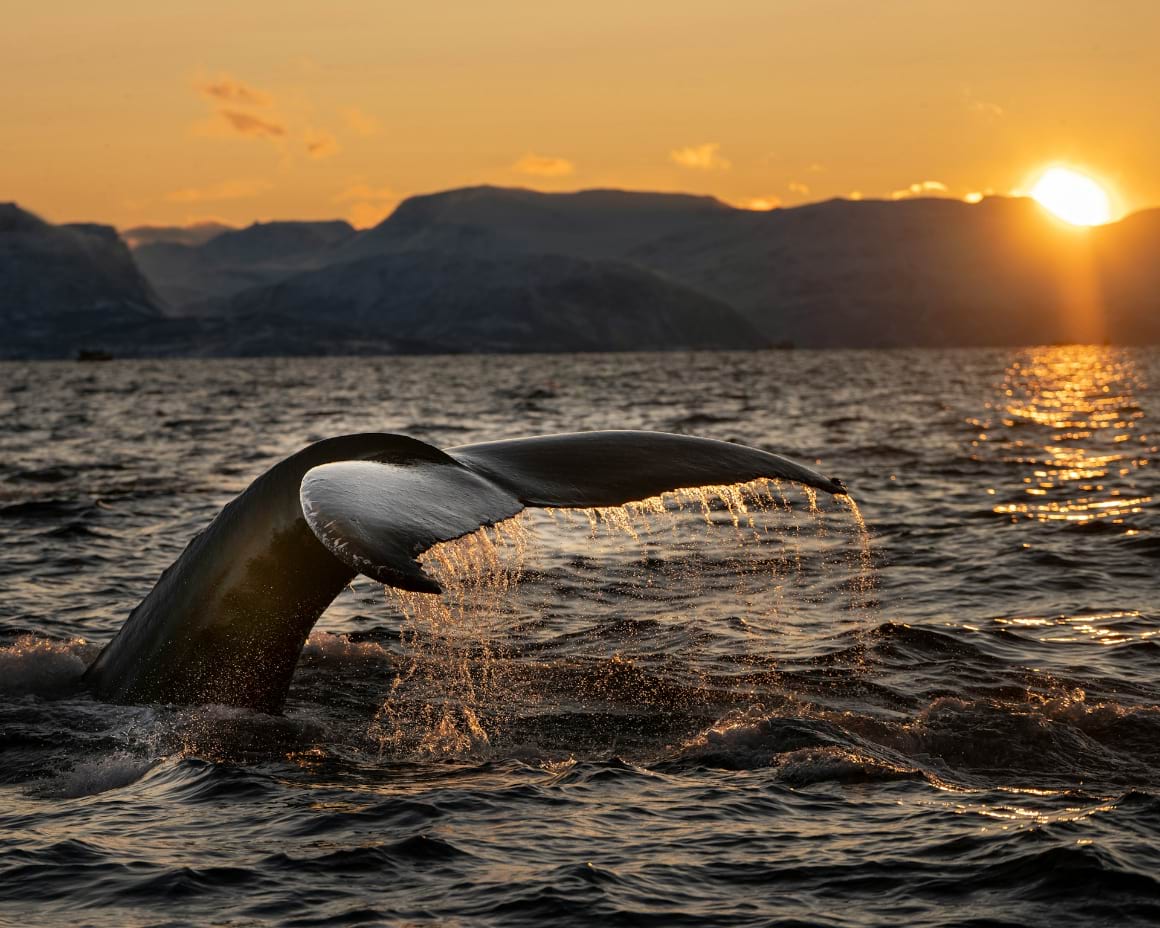
Humpbacks cruise through the water with a calm serenity, treating those looking close enough to the occasional glimmer of a tail slapping the water. They rock up in the winter months when the herring gather, turning the dark season into a feeding frenzy that keeps them fuelled well into the warmer months.
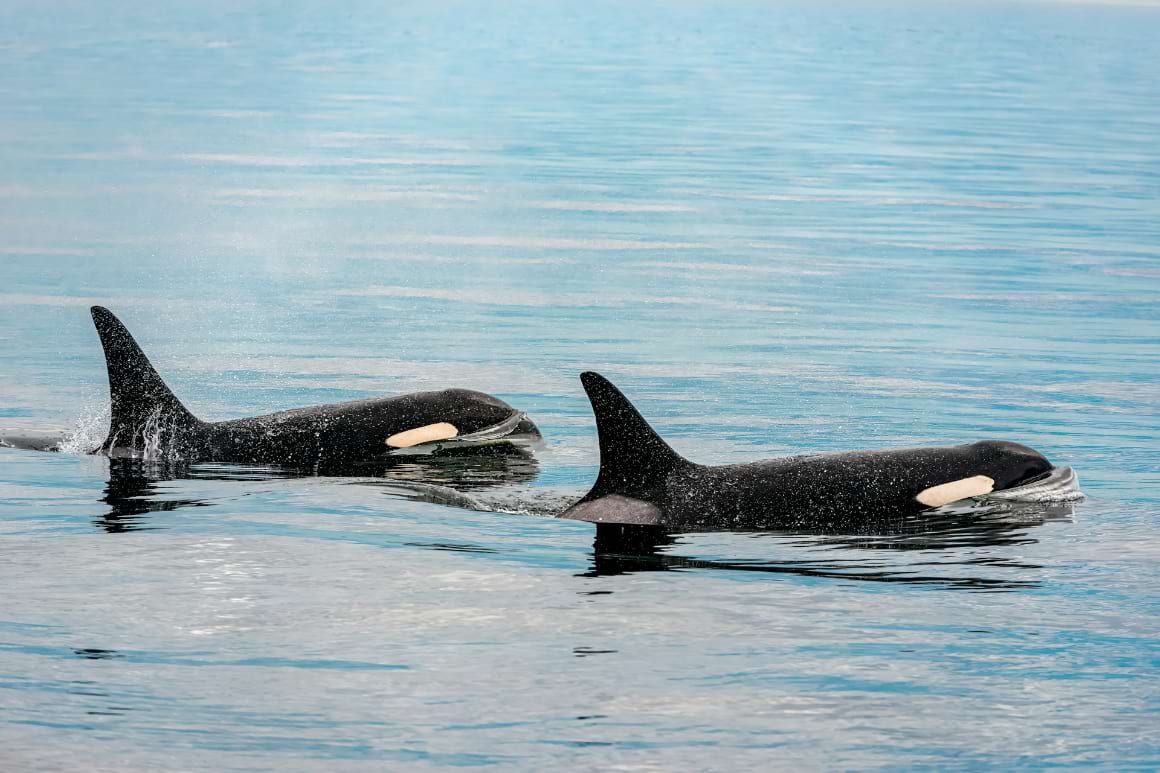
Orcas track the same herring with tightly organised group behaviour. Their communication, coordination, and efficiency stand out in the stillness of the Norwegian winter. Unfairly dubbed as the killers of the whale bloodline, orcas are just as docile as other whales and aren’t even whales at all. Despite sharing a lot of characteristics with the whales they share these waters with, taxonomically, they’re actually dolphins! The more you know, eh?
Sperm whales hold to the deep channels, particularly around Vesterålen. Their vertical dives, long submersions, and slow ascents provide a direct look at a species built for the extreme depth of the Norwegian Sea. Observing them offers a grounded understanding of their physiology rather than a fleeting spectacle, and it gives you a real sense of the depth of the ocean and its inhabitants. There is SO much more to the sea than just the coastline and what we can see from it.
What to Expect from Whale Watching in Norway
You’ll wake up early, but it won’t be bright – you’ll be up long before that point. Norwegian winter means short days, and you’ll have a lot of travel to undergo before any chance of seeing whales. The daylight hours in winter are short this far north, and that limited light creates a moody atmosphere that gives every sighting a cinematic feel.
The journey out through these deep fjords and Arctic coastlines will show you rolling landscapes that feel both wild and strangely calm at the same time. The boats used for these excursions range from sturdy, heated vessels to smaller RIB boats that skim across the surface with a bit more speed. Nowadays, you’ll even find electric boats that are practically silent so as not to disturb the whales and their patterns and behaviour.
Depending on how awake you feel, the mood on board will oscillate between excited chatter and hushed anticipation, waiting for the main act to start. The scenery stands on equal footing with the wildlife, though. The fjords, snowy peaks, and frozen coastlines are something to be in awe of in themselves. Few travellers make it to this part of the world, especially in wintertime.
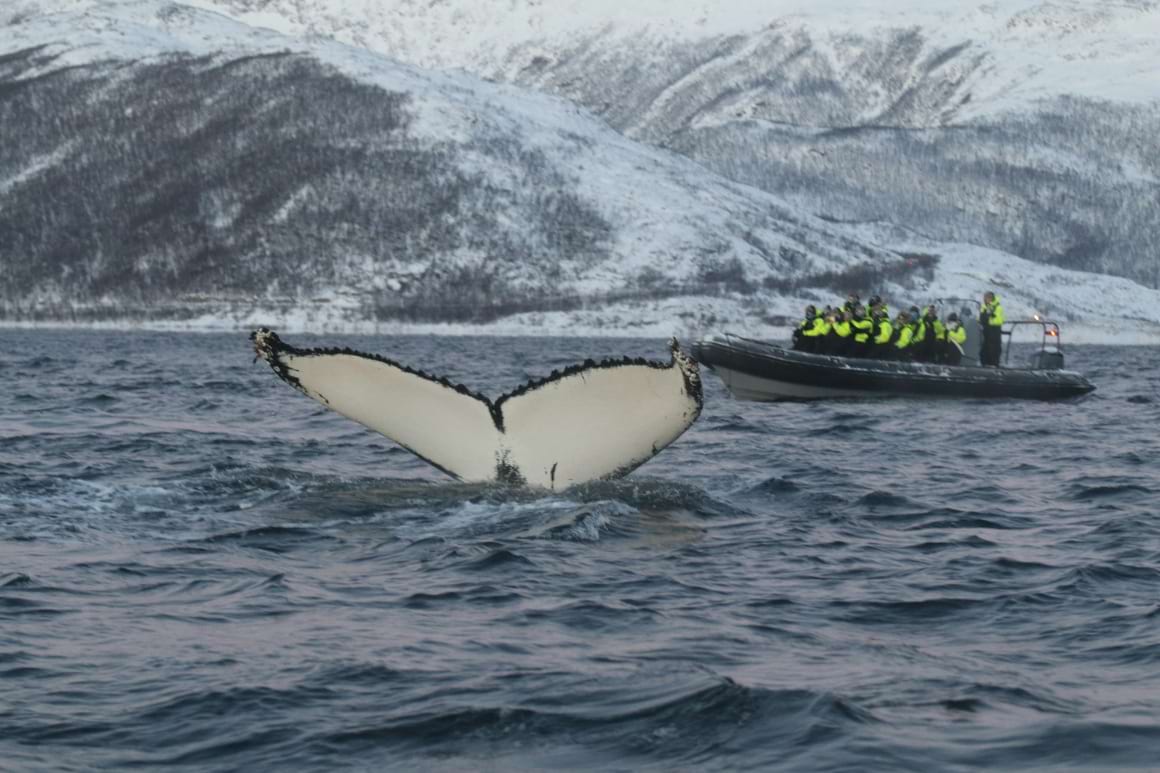
And then, just as some defeatist part of you says you might be one of the unlucky ones to come away empty-handed, you’ll see it. A small glimmer of a fin skimming the surface or a shoot of a blow in the distance. Perhaps it missed you entirely, only for your eyes to hone in under the knowing gaze of your guide.
Sure, seeing whales is ALWAYS going to be a cool experience. But gaining a small insight into the natural routines of these creatures feels like the biggest privilege of this whole expedition. Watching their movements unfold according to feeding patterns, light, and sea conditions brings you a little closer to the whales and their landscape with each sighting.
Some appear as quick passes, with a dorsal fin breaking the surface before sliding back into the depths. Others play out as extended sequences, with whales surfacing again and again as they feed, travel, or rest between dives. As far as adventure holidays go, Norway has to be up there in the hall of fame.
Where Is the Best Place to Whale Watch in Norway
Luckily for you, the whales get around in Norway. From Tromsø to more remote regions in the fjords, catch them on a good day, and there’s a near guarantee of seeing whales in Norway if you put your mind to it.
Of course, the more off the beaten whale path you go, the fewer and further apart. BUT the encounters you do have will feel way more magical, as if somewhat earned for meeting the whales where they are.
I’ll give you the 411 of each location, what you can expect and the types of whales you can spot.
Tromsø
Tromsø stands as the most accessible and consistently active hub through the winter season. The city offers easy departures, sheltered fjords nearby, and a long run of seasonal herring that draws large groups of orcas and humpbacks close to shore. The combination of steady sightings, reliable operators, and dramatic coastal scenery makes for one of the most straightforward trips to whale watching.
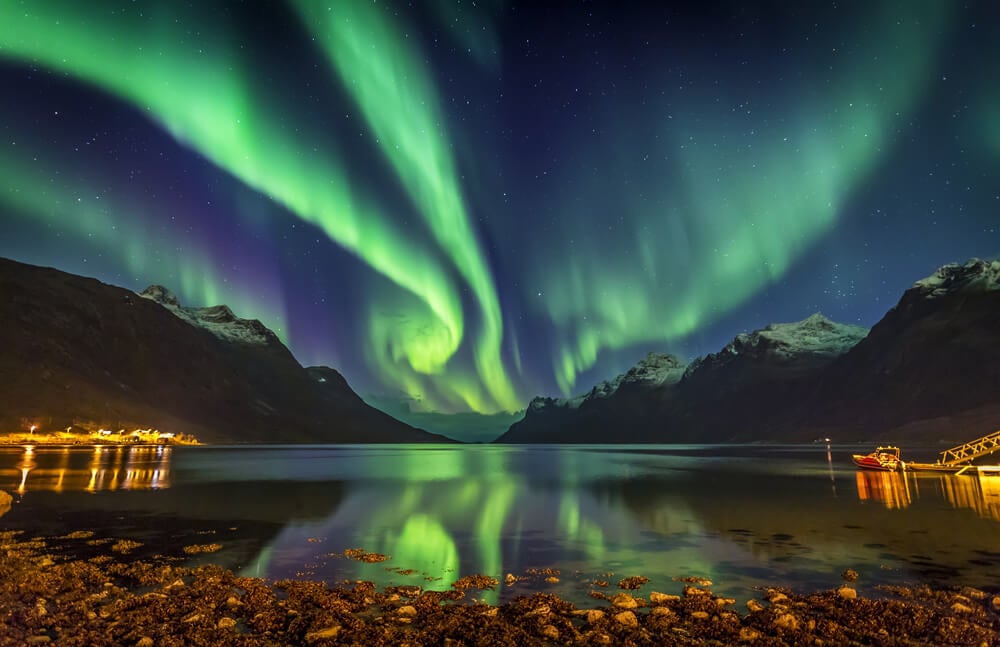
Staying in Tromsø proves to be a popular option – and for good reason. The light during the polar night adds a moody glow to the water, and the fjords surrounding the city give the whales a calm feeding ground that keeps them within reach of day trips. Whale watching season also coincides with the northern lights season, meaning you can have a trip that ticks off two bucket list moments for the price of one.
Andenes and Stø in Vesterålen
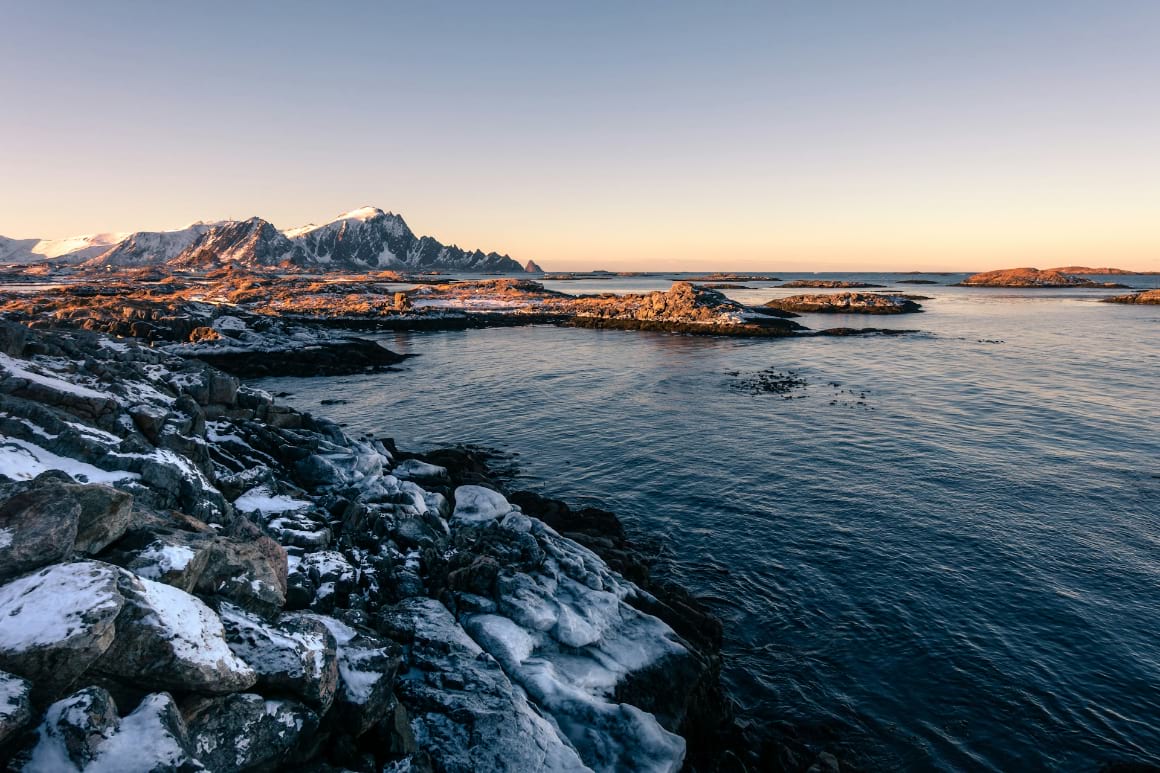
Vesterålen has a reputation built on deep offshore waters located close to land. The continental shelf drop-off sits only a short distance from the harbour, which brings sperm whales into range during summer and early autumn.
Tours set off from Andenes and the fishing village of Stø, but both offer the promise of long horizons and show off the stark beauty of the Vesterålen archipelago. Sightings often feature the tall blow and square head of sperm whales resting between deep dives, which is a key difference from the herring-driven winter activity around Tromsø.
Skjervøy
Skjervøy has developed a strong following among travellers who want a more intimate Arctic setting during the winter herring season. The whales gather here in large numbers, often right inside the fjords, and the quiet fishing villages create a sense of place that feels deeply connected to the land and the wildlife. Smaller harbours, short sailing times, and close-range encounters shape the overall experience in this region.
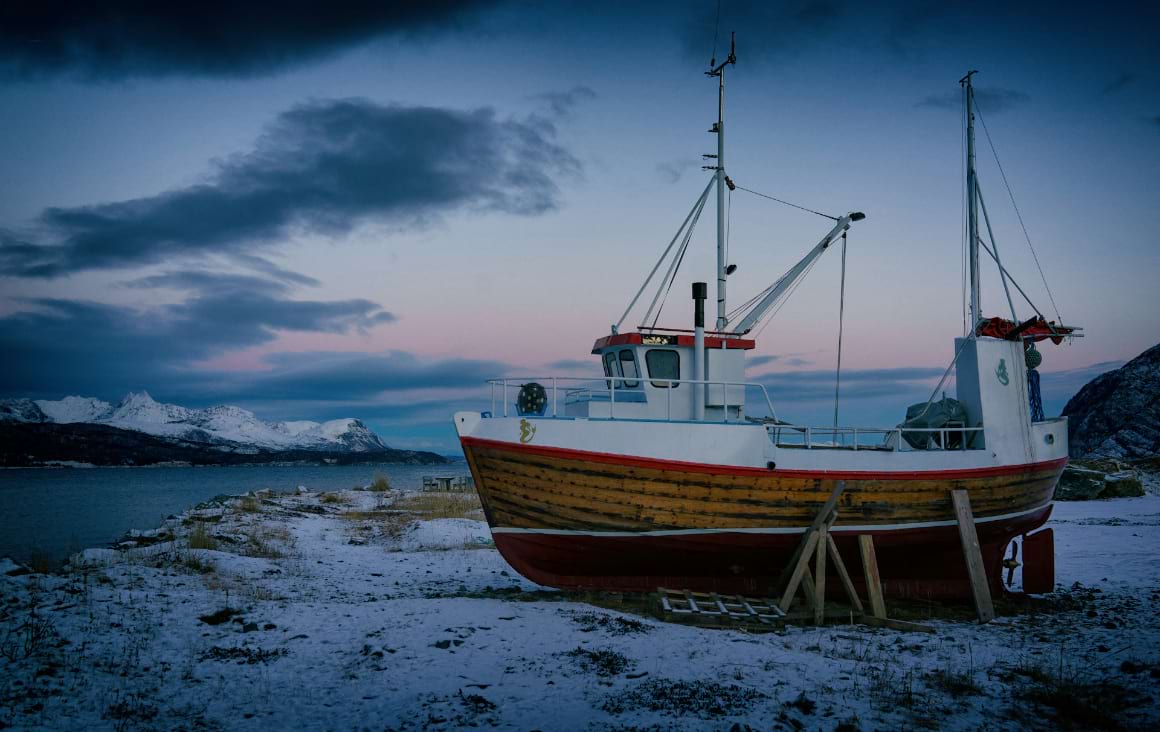
Alta
Anyone who chooses Alta usually does so for the solitude and the ability to go off the beaten path. Unlike the popularity of whale watching tours in Tromsø, the feeling of sharing a vast stretch of water with the occasional whale meandering through feels completely unshared and somewhat sacred.
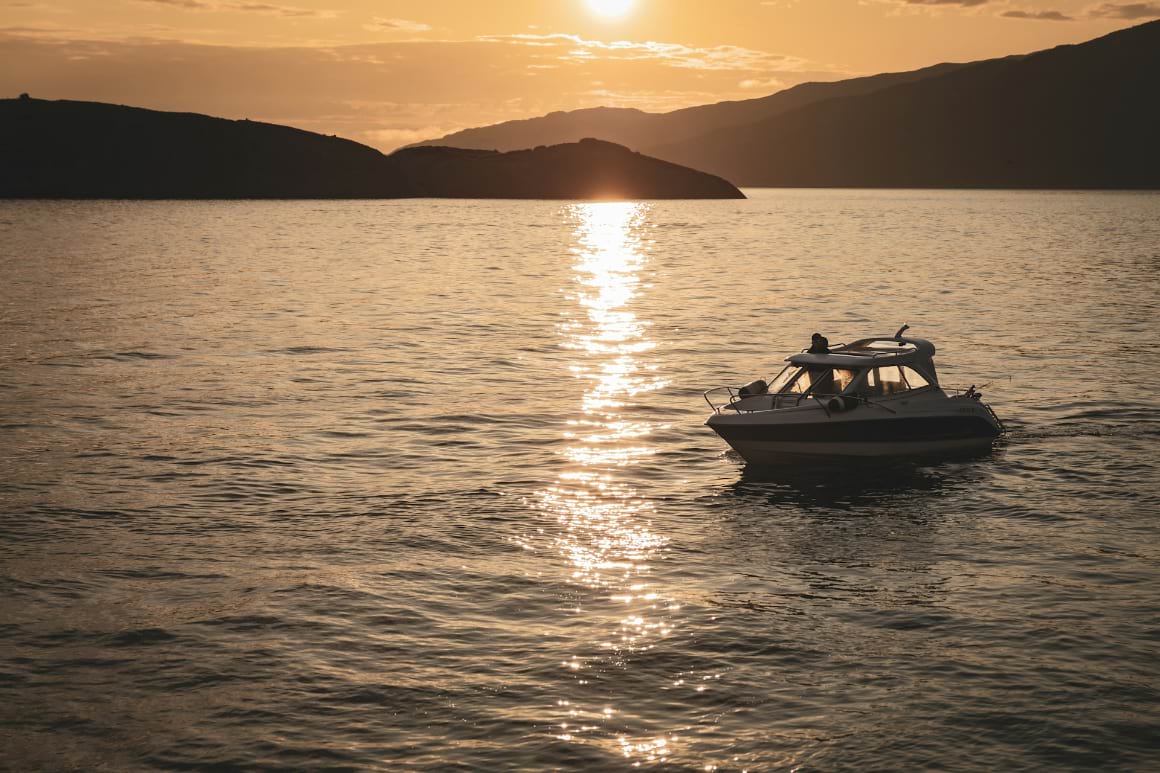
Sightings in Alta centre occur mainly in winter, because the herring migrations occasionally push into the Altafjord. When the fish move in, orcas and humpbacks follow, creating moments where large groups feed and travel through the fjord. These appearances do not follow the dense concentrations seen in places like Skjervøy, but the encounters that happen here often feel expansive and somehow even more magical.
How To Choose The Best Whale Watching Tour in Norway
There are a myriad of options when choosing how you want to watch these fellas out at sea. So pick your poison – there are just a couple of things to factor in.
- Timing and species – When you go will depend on what type of whale you want to see. Consult with this guide and choose accordingly.
- Type of Boat – I won’t sugarcoat it – you’ll be freezing your ass off out there. If you want to be as up close and personal with the whales as you can, book an RIB boat and wrap up WARM. If keeping all ten fingers is important to you, you can pick a more comfortable boat with indoor spaces for you to stay warm.
- Tour Size – Smaller tours give you a more intimate experience, but with that comes a heftier price tag.
- Travel Time – Consider how far you’ll travel out to sea (rougher seas, more time) and cancellation risks if the weather deteriorates.
- Tour operator ethics and sustainability – Ethical animal tourism matters more than you’d think. A lot of the appeal comes from seeing whales in the wild, not just spooking them with loud engines or getting too close. The good tours use quieter or hybrid boats and follow guidelines for how close they approach. Plus, the guides know their stuff and do it with care.
- Whale Guarantees – If a tour boasts a “whale guarantee” (if you don’t see a whale, you can repick another day or get a partial refund), that’s a strong sign.
With all of that in mind, here are my top recommendations for the best whale watching tours in Norway.
From Tromsø: Northern Lights and Whale Safari by Catamaran
Set yourself up for a double-whammy of Arctic magic with this overnight run through the fjords, starting with an evening pickup and a front-row seat to the northern lights dancing across the sky. Stay in one of the boat’s cabins in preparation to be up bright and early for a little whale action. Staying overnight often means being one of the only boats out in the early hours of the morning, where the fjords, whales and scenery feel like a big secret you’d rather keep to yourself.
From Skjervøy: Whale Watching with RIB Boat
Get up close to killer whales and humpback whales, experiencing the beauty of northern Norway’s nature. You’ll swap a bit of comfort for the thrill of being up close and personal with the whales. The crew out there know their world inside out, sharing unique whale lore that you can geek out over. By the time you head back in, you’ll know all the ways these creatures trade whistles and pulsing sounds. The day is filled with adrenaline, nature, and unexpectedly nerdy delight.
From Tromsø: Polar Whale Safari
Make the most of the northern seas on this boat safari from Tromsø to Skjervøy, where the route cuts through rugged coastline and wide, open water that feels made for spotting humpbacks and orcas. The crew knows the lay of the land and the water, guiding you toward the places where these giants feed and glide, with sea birds sweeping overhead as if they’ve claimed the whole sky. Lunch comes along as part of the package, so you can literally make a meal out of the day.
What to Pack for Whale Watching in Norway
Pants, socks, underwear, soap?! Take it from me, packing for a trip away is not always quite as straightforward as it seems. Working out what to bring and what to leave at home is an art I have perfected over many years.

Ear Plugs
Snoring dorm-mates can ruin your nights rest and seriously damage the hostel experience. This is why I always travel with a pack of decent ear plugs.
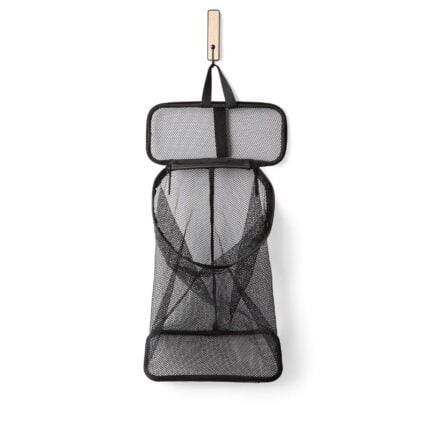
Hanging Laundry Bag
Trust us, this is an absolute game changer. Super compact, a hanging mesh laundry bag stops your dirty clothes from stinking, you don’t know how much you need one of these… so just get it, thank us later.

Sea To Summit Micro Towel
Hostel towels are scummy and take forever to dry. Microfibre towels dry quickly, are compact, lightweight, and can be used as a blanket or yoga mat if need be.
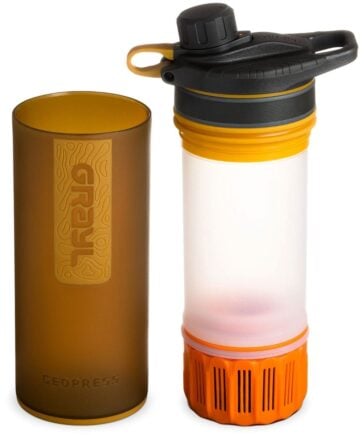
Grayl Geopress Water Bottle
Always travel with a water bottle! They save you money and reduce your plastic footprint on our planet. The Grayl Geopress acts as a purifier AND temperature regulator. Boom!
Having the right gear will make all the difference when it comes to the big day. Staying warm, keeping your gadgets juiced and having the RIGHT gadgets will let you stay all the more present with your whale exchanges.
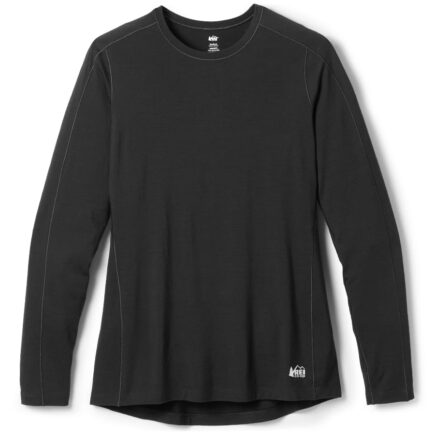
Warm Base Layers
Wool or high-quality synthetics keep heat close to your body and stay warm even when damp.
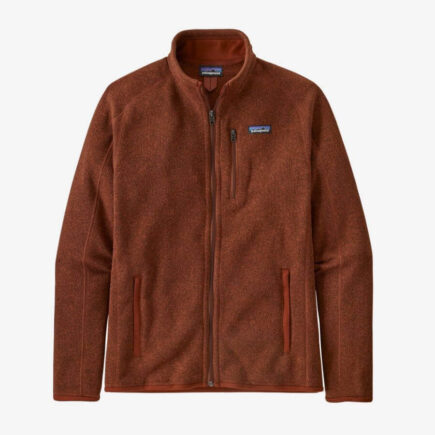
Insulating Mid-Layers
A thick fleece or wool jumper adds solid warmth between your base layer and outer shell.
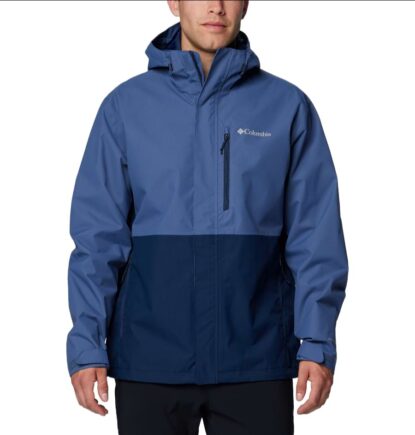
Windproof, Waterproof Outer Shell
A jacket and trousers that block wind and spray keep the cold from settling into your bones.
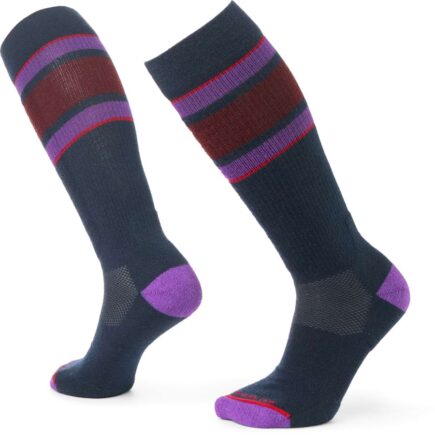
Thermal Socks
Preferably wool, thick enough to hold heat inside heavy boots.
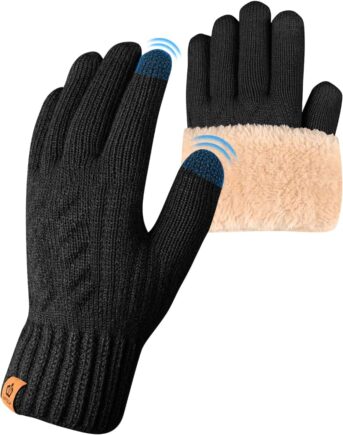
Warm Gloves
Bring two pairs: one insulated pair for warmth and one thinner pair if you want to handle a camera.
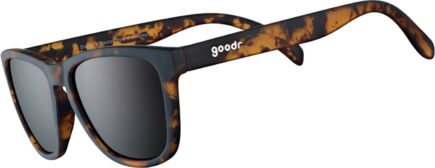
Sunglasses
The glare on those bright mornings at sea is no joke. A good pair of polarised glasses will have you covered.
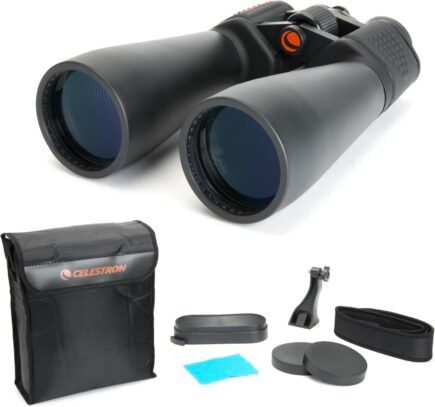
Binoculars
They turn distant shapes on the horizon into clear sightings and help pass slow stretches at sea.

Power Bank
Cold temperatures drain batteries quickly. Keeping your phone and camera running takes backup power.

Dry Bag
This is especially important for protecting your gear from splashing on board.

Hand Warmers
Small, lightweight, and incredibly effective during long, cold hours on deck.
Top Tips for Whale Watching in Norway
Your flights are secured. Your woollies and thermals are packed. Now all that’s left to do is to set your alarm at the crack of dawn and hope that the whale Gods are on your side. To maximise your luck, I’ve compiled my top tips for having the best time on your whale watching expedition.
- Wrap up warm. Layers matter. Wool base layers, a windproof outer shell, thick gloves, warm boots, and something to cover your face make the difference between enjoying the trip and counting down the minutes till you’re back on dry land.
- Bring binoculars. You never know, you might even be able to multiply your whale count tenfold with them!
- Choose the right season for the right whales. Winter brings orcas and humpbacks to places like Tromsø, Skjervøy, and Alta. Summer in Vesterålen means sperm whales, and lots of ’em. Picking the region based on the season boosts your chances.
- Choose an operator who knows the water like the back of their hand… Your whale watching trip is only as successful as the people leading it. Guides who know their stuff have waaaay more of a fighting chance of striking gold and finding pods of whales than those blindly sailing through the fjords. So things like whale eating habits, mating rituals, comfort levels with people being close, for example.
- …And make sure that they’re ETHICAL. A knowledgeable operator means nothing if they’re not following guidelines surrounding whale tourism. We are guests in the whale’s home, and being respectful guests is paramount!
- Book in advance. Peak season means peak tourist numbers. Book your tour well in advance to avoid disappointment. This goes for accommodation too.
- Stock up on grub. Whale watching is a day-long excursion, and although there should be food to buy on board, I’d pack your own lunch to keep yourself fuelled!
- Bring sea sickness medication. If you lack sea legs like me, having motion sickness tablets is the difference between an easy breezy journey and one that’ll have you feeling green all day.
Don’t Forget Travel Insurance
The odds of something going wrong on your whale watching trip are slim, but never zero! Unfortunately, things can go wrong when you least expect them. This is why good travel insurance is essential before you head on your trip to Norway.
Sort out your insurance before you go. There are several good options, but our overall pick is SafetyWing. Most of the Broke Backpacker team has used it at one point or another, and we’ve filed claims for rabies jabs in Bali, a hospital stay in Mexico, and a clinic visit for a stomach bug that wouldn’t quit. All paid out.
It’s month-to-month, no lock-in, no itinerary required, and you can buy it after you’ve already left. A little over $2 a day if you’re under 40.
New SafetyWing customers: use code BROKEBACKPACKER for 8 free weeks of electronics theft coverage. You have to scroll down and click the pink camera on their landing page to enter it, and you have to do it before creating your account.
FAQs on Whale Watching in Norway
Still have more Qs? I’ve rallied up the most frequent ones I get asked for your reading pleasure…
Final Thoughts on Whale Watching in Norway
I am in a perpetual hunt for moments that make me feel small as a human, to remind me how insignificant a role we play to the big, wide world. Whale watching does exactly that. Tours or not, these whales will continue to frequent these waters year-round, from the depths of winter to the days of midnight sun.
Norway’s winter seas have a way of trimming life down to the essentials, and watching whales move through that stark landscape feels like tapping into something bigger than your usual periphery of life.
When all is said and done, the real reward comes from giving yourself over to the pace of the Arctic. The guides, the fjords, the shifting light, the wildlife, it all amalgamates to a travel experience unlike anywhere else in the world. And if you’re a fellow devotee of the ocean, why would you not want to take the opportunity to witness these whales for yourself?
If the opportunity has presented itself to you and you’re reading this as a result, that is a sign enough in itself. Go forth and explore, friends.