Tucked away in the middle of the Irish Sea, the Isle of Man is one of the British Isles’ best-kept secrets. It’s a place where Viking history, medieval castles, mountain summits and rugged coastal cliffs all fit into an island barely 30 miles long. Better yet, you don’t need a car, or a huge budget, to experience it.
Despite being relatively compact, the island feels far from claustrophobic: you can have entire beaches and forests to yourself, with just the wildlife for company.
Whether you’re here to tackle sections of the spectacular Raad ny Foillan coastal path, ride century-old steam trains, explore ancient ruins or soak up the atmosphere of the legendary TT races, the Isle of Man packs an impressive amount of adventure into a surprisingly small space.
I spent a year living on the Isle of Man, and still have a long list of hikes and beauty spots to return for.
If you’re looking for huge nightclubs or eternally tropical beaches, this probably isn’t the destination you’re after. But if your idea of a great trip involves windswept headlands, hidden coves, superb wildlife, unique pub nights and a healthy dose of history, you’ve come to the right place.
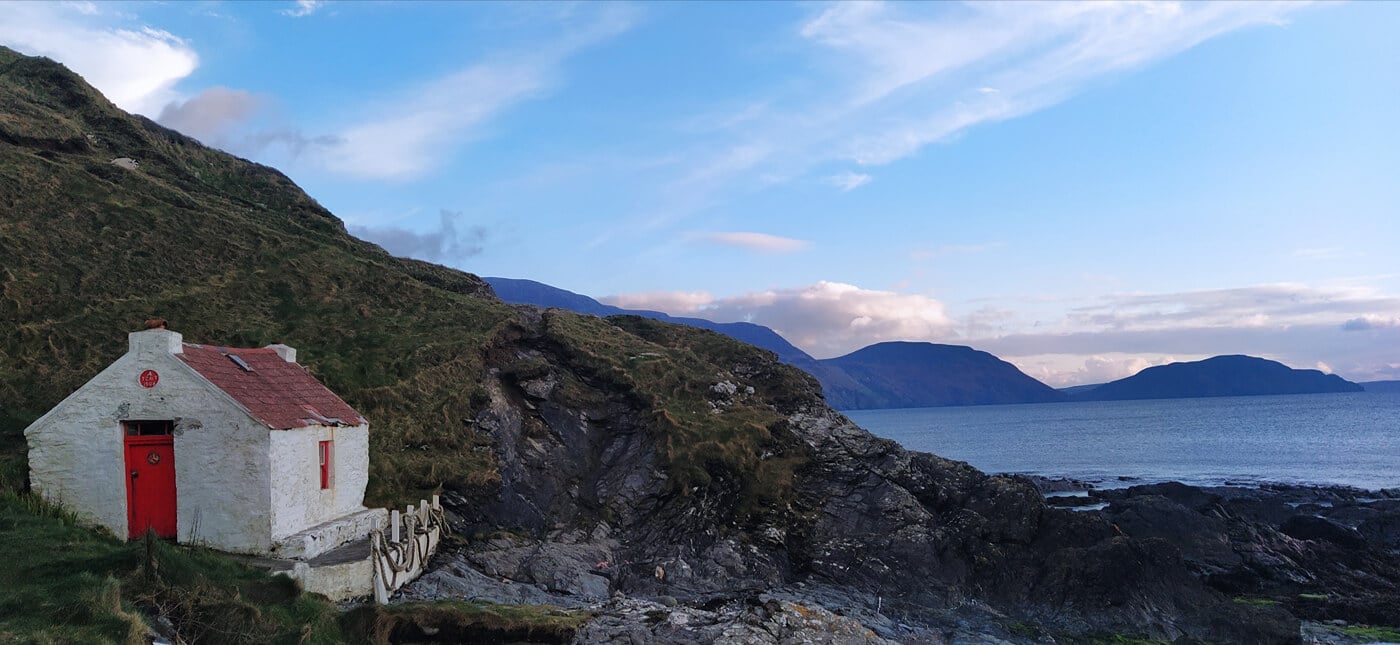
Photo: Ciaran Nye
The Broke Backpacker is supported by you. Clicking through our links may earn us a small affiliate commission, and that's what allows us to keep producing free content 🙂 Learn more.
Why go backpacking in the Isle of Man?
The Isle of Man is made for slow yet adventurous travel. You can base yourself in one town, travel almost anywhere by bus or heritage railway, and spend your time hiking coastal trails, swimming in secluded bays or exploring charming villages with incredible history.
It also offers something increasingly rare in the UK: a real sense of discovery. Despite being just a short ferry or flight from the mainland, the island feels distinct, with its own parliament, language, traditions, and wild wallabies!
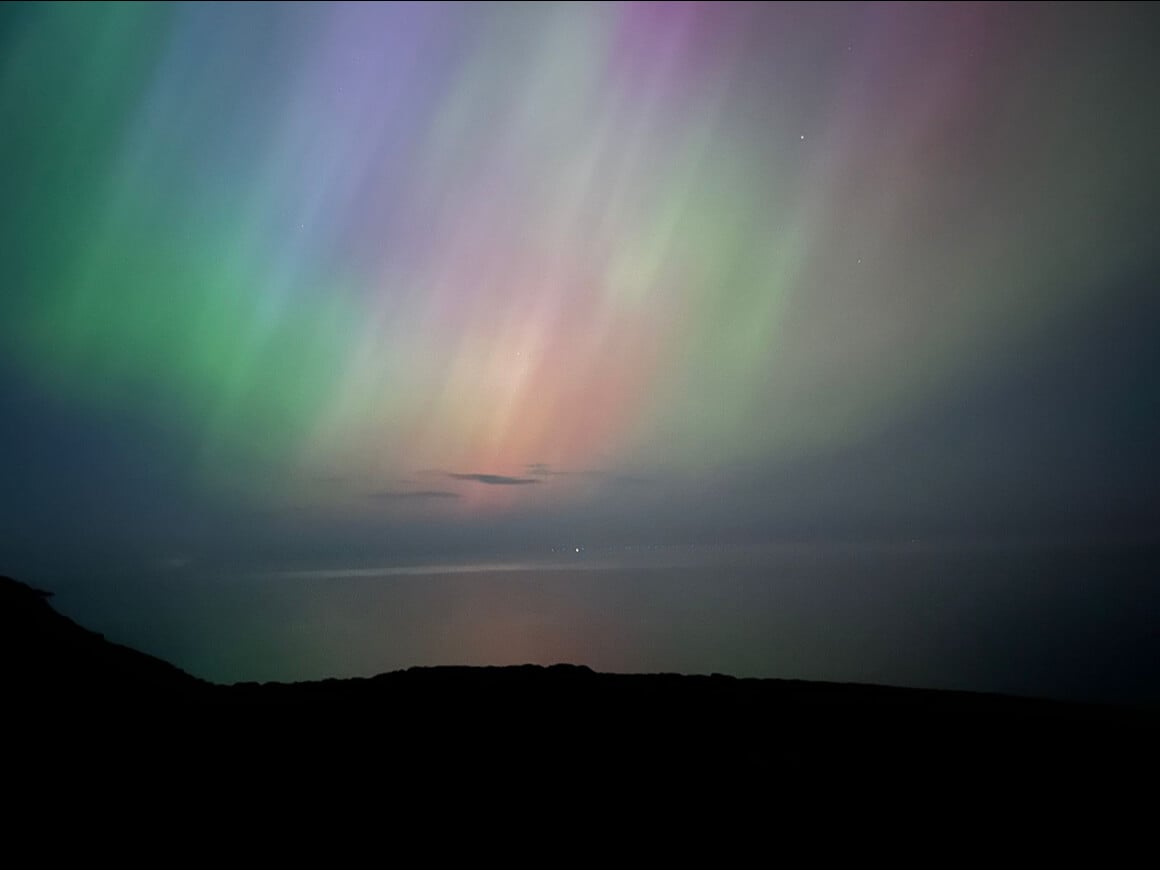
Photo: Ciaran Nye
It’s familiar enough to be easy to travel, but different enough that every day offers the chance to stumble upon something that feels unique. The island is incredibly varied, and you’ll find each town and landscape has its own character and feel.
If you’re after an affordable adventure that’s equal parts nature, history and culture, the Isle of Man deserves a place on your backpacking bucket list.
You might even catch the Northern Lights…
Best Places to Visit in the Isle of Man
The Isle of Man is well-connected and easily navigable.
Given the relative compactness of the island, rather than suggesting fixed itineraries, it makes more sense to give an overview of the isle’s offerings, including spots to check out and activities to get stuck into.
In terms of day trips, nowhere is too far from anywhere – peruse the list, see what takes your fancy and build a (weather-flexible) plan. With real variety on the Island, you can tailor your Isle of Man adventure to your particular interests.
Coastal Paths
The Isle of Man boasts some of the best scenery in the British Isles. If you’re serious about coasting, check out our guide to the ‘Raad ny Foillan’ (‘The Way of the Gull’), which spans the full 100-mile perimeter of the island.
If you’re short on time or fancy a day trip, here are some standout sections of the Isle of Man’s coastal frontier.
Grab a paper map – available in most towns – and also consider downloading the OS Maps app which covers the entire island in excellent detail.
Port St Mary to Port Erin
This 11km stretch of dramatic coastline takes in the ‘chasms’ (some very big cracks), offers the chance to see superb wildlife, and also delivers top-notch grub at The Sound Cafe with panoramic views.
For a very cool side-quest, consider taking a boat trip around the stunning Calf of Man (a small island opposite The Sound) for a unique opportunity to see rare birds, seals and dolphins.
These trips can be arranged in Port St Mary. You can also detour (on foot) to the historical site of Cregneash – more info on this to follow.
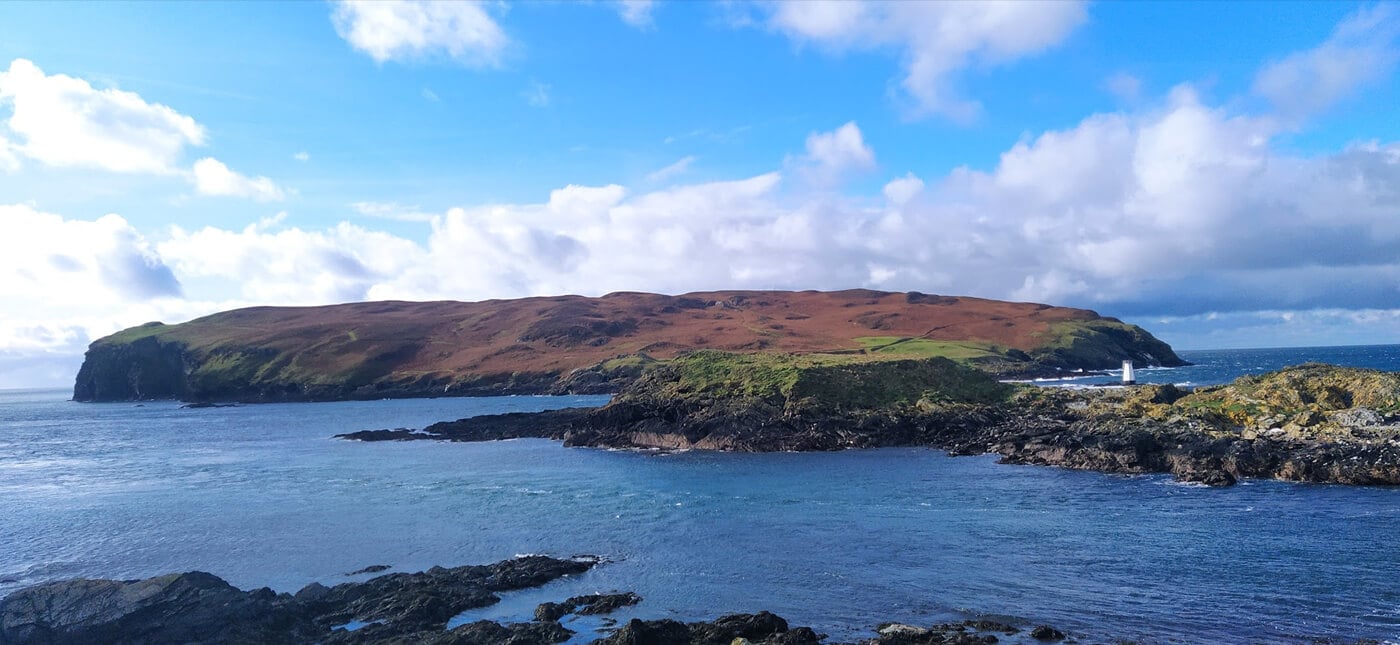
Photo: Ciaran Nye
Port Erin to Niarbyl
Heading out of Port Erin and traversing the bay, you’ll pass Milner’s Tower on Bradda head and trace the clifftops north. Take in the incredible Fleshwick Bay, climb up Cronk ny Arrey Laa before finally finishing at Niarbyl Bay, a justifiably treasured spot.
The full walk is about 15km in total with a fair degree of up-and-down.
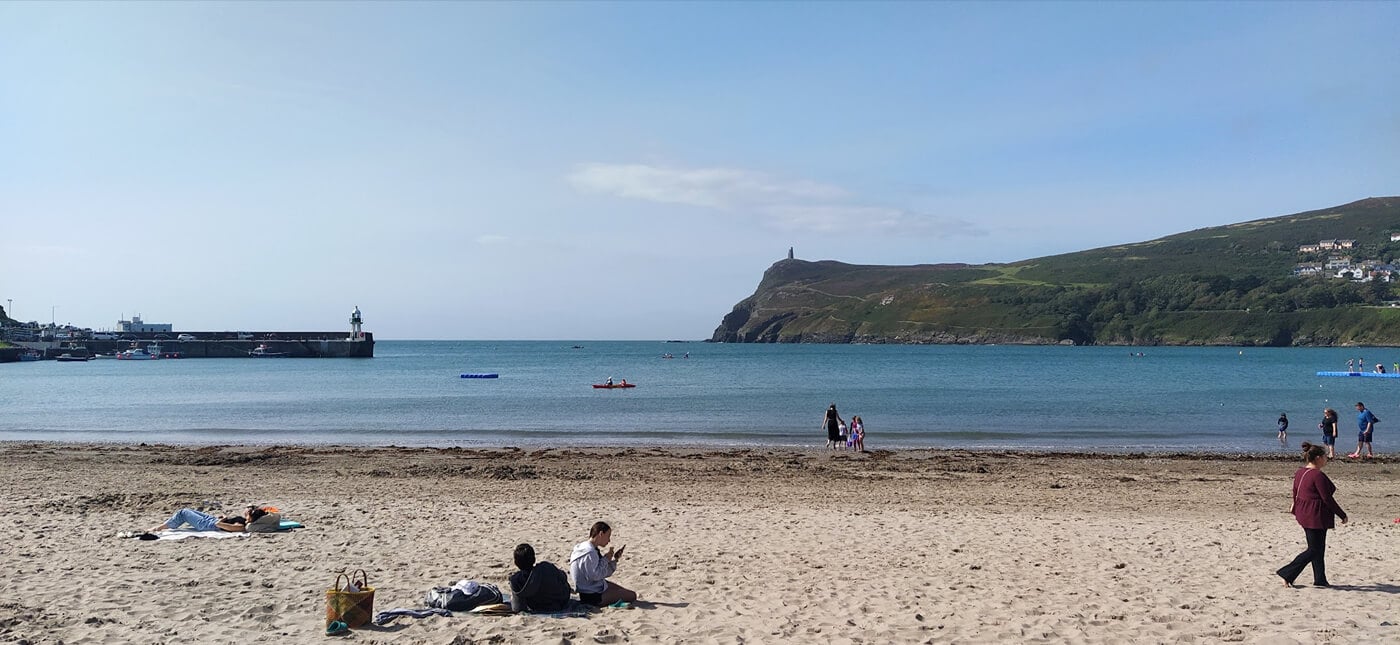
Photo: Ciaran Nye
Maghould to Laxey
This is one of my favourite sections of the Raad Ny Foillan.
The starting point – Maghould – is a beautiful and historic area, named after the Island’s patron saint. This day hike explores dramatic headlands and the truly gorgeous spots of Port Cornaa, Ballaglas Glen and Dhoon Glen, complete with clear, flowing waterfalls.
Pending short detours, you can also take in several historic sites, including Cashtal yn Ard (a well-preserved Neolithic chambered tomb) and King Orry’s Grave (4000-5000 years old, hidden in a garden, tucked behind a cottage…).
Around 14km in total.
Laxey to Douglas
Soak up Laxey promenade and consider an ice cream. Heading south, highlights of the route included the secluded Garwick Beach, Ballanette Reserve and Groudle Glen (look out for wizards).
This 14km stretch boasts excellent variety and starts at well-connected towns with pubs, restaurants and shops.
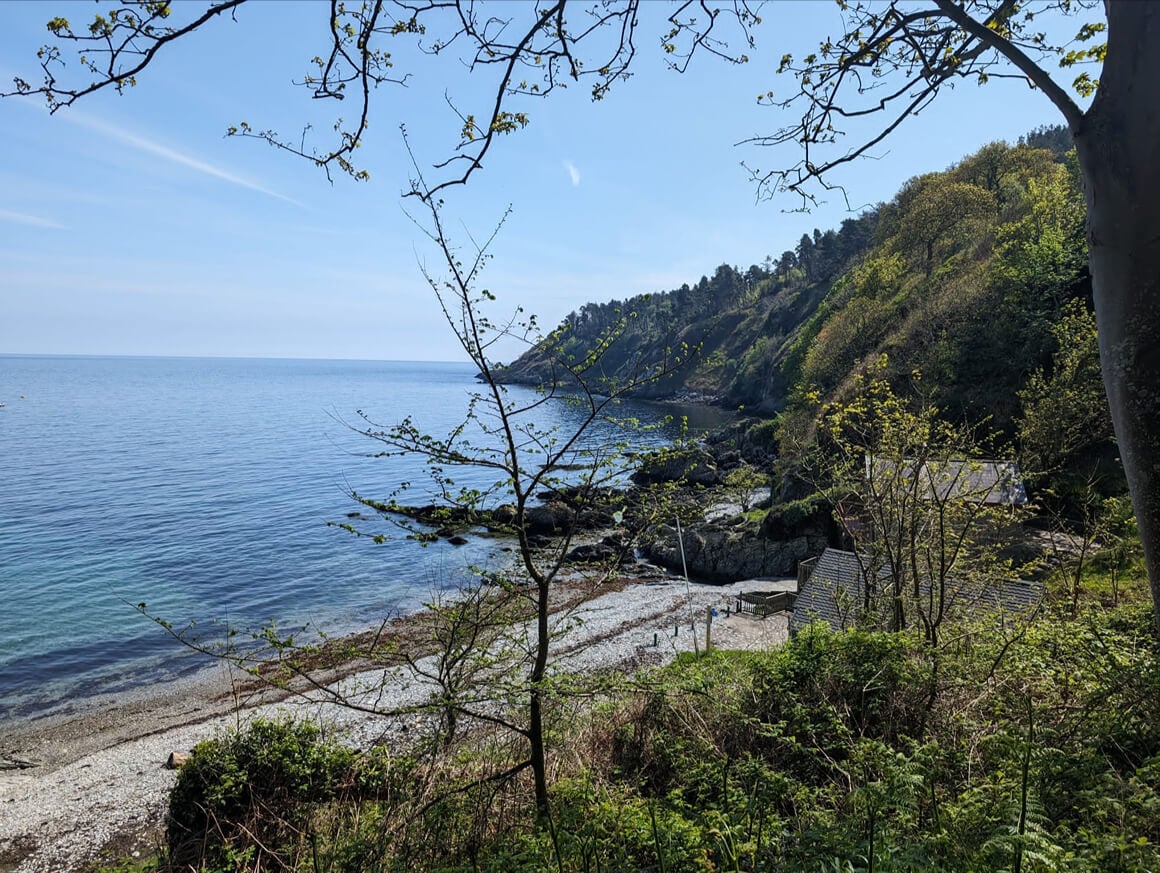
Photo: Ciaran Nye
Douglas to Derbyhaven
Kick off your day heading south down Marine Drive. I was lucky enough to live at the end of this incredible track for a while and can attest to the fact that it’s one of the finest (yet accessible) coastal walks on the island.
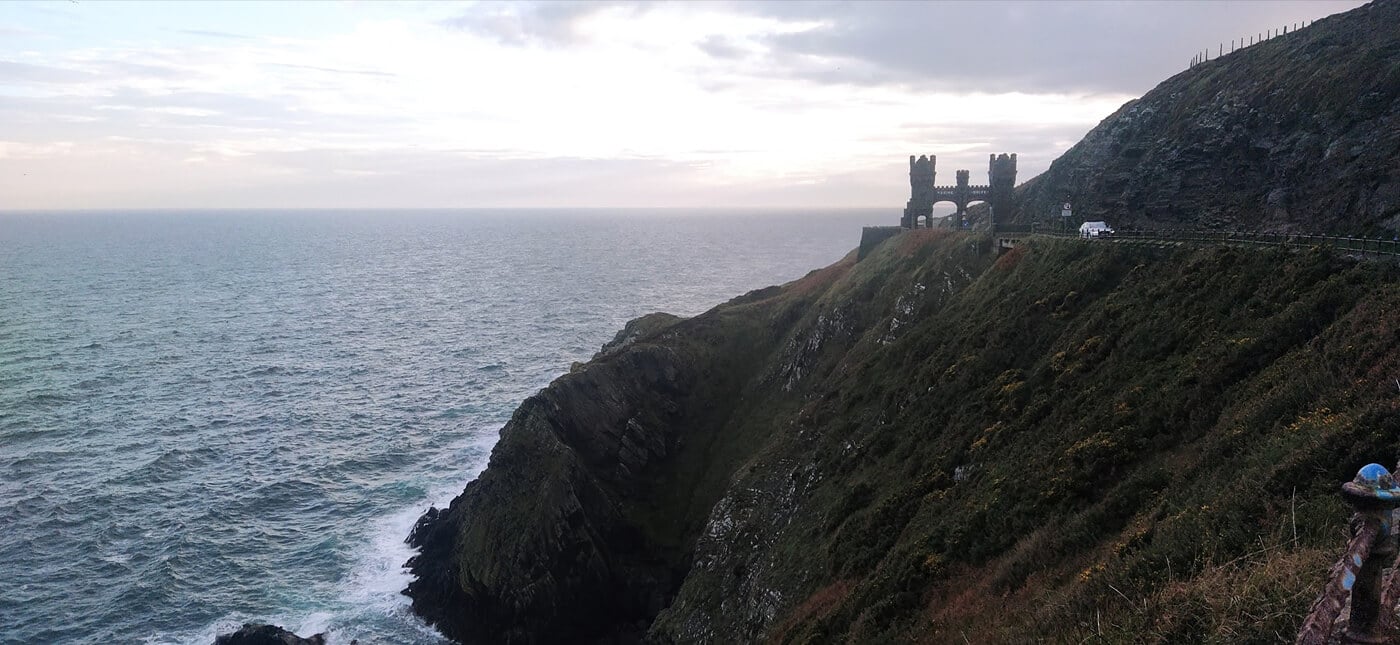
Photo: Ciaran Nye
Chill out at Port Soderick, and check out Cronk ny Merriu’s Iron Age fort. More forts and the airport follow (this is actually quite cool, as you walk around the edge of the runway), before you reach Derbyhaven.
Wander out to Dreswick Point if you want to have a gander at Jeremy Clarkson’s old house.
Mountains, Glens and Reservoirs
The coastal routes above take in a number of glens and high cliffs, but it’s worth mentioning some of the island’s additional beauty hotspots, including mountains, reservoirs and glens.
Snaefell summit (highest point on the island)
It would be rude not to start with Snaefell (‘snow mountain’ in Old Norse): the highest peak on the Isle of Man.
Rising to 610m, clear skies permit views of the seven kingdoms from the top (The Isle of Man, England, Ireland, Scotland, Wales, and the Kingdoms of Neptune and Heaven).
If hiking’s not your thing, hop on the Snaefell Mountain Railway at Laxey and take in the views.
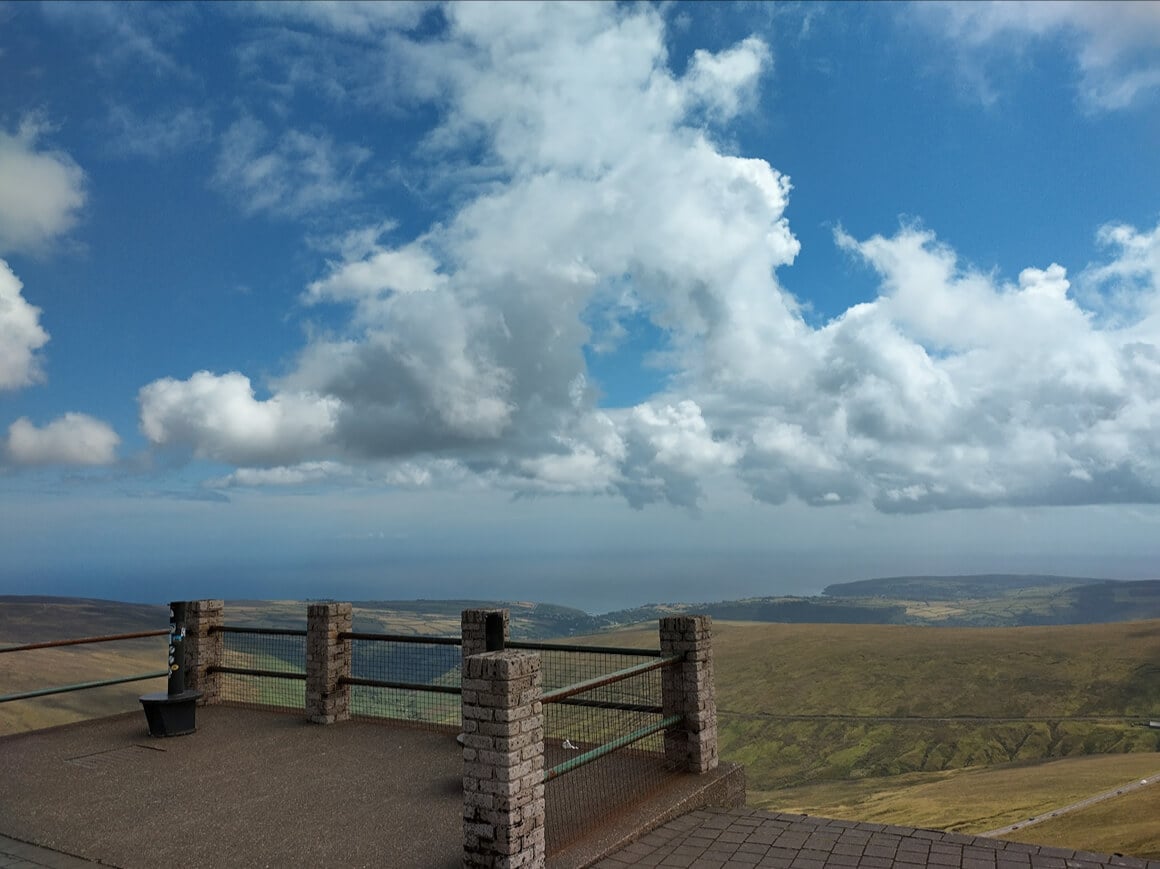
Photo: Ciaran Nye
Glen Mooar and Spooyt Vane
This beauty spot is nestled on the west coast of the island, near Kirk Michael. Venture into the glen to discover the incredible Spooyt Vane waterfall (Manx Gaelic for ‘white spout’) and a very refreshing natural swimming spot.
Sulby Reservoir
One of 26 registered Dark Sky Discovery Sites on the Isle of Man, Sulby is the island’s largest reservoir (well-stocked with trout if you’re into fishing). Combine this with a trip to the Curragh Wildlife Park.
Curragh Wildlife Park
The Curragh Wildlife Park is one of the best spots for hanging out with some of the island’s hundreds of wild wallabies (yes, you read that correctly…).
Apparently, a couple of bold, redneck wallabies went rogue and escaped from the wildlife park, giving rise to a wild population in the North of the island.
Castles, Historical Sites and Attractions
The Isle of Man’s history is one of its biggest draws, with Celtic, Norse and British influences visible across its castles, ancient burial sites and folklore.
It’s definitely worth making time for at least one of these. Many are also easy to make part of a day trip.
Peel Castle
Set on St Patrick’s Isle, Peel Castle is one of the island’s coolest historic sites.
Constructed in the 11th century, Peel Castle is a medieval fortress with Viking connections, said to be haunted by Moddy Dhoo (‘the Black Dog’). It’s in a truly epic spot, overlooking picturesque Fenella Beach.
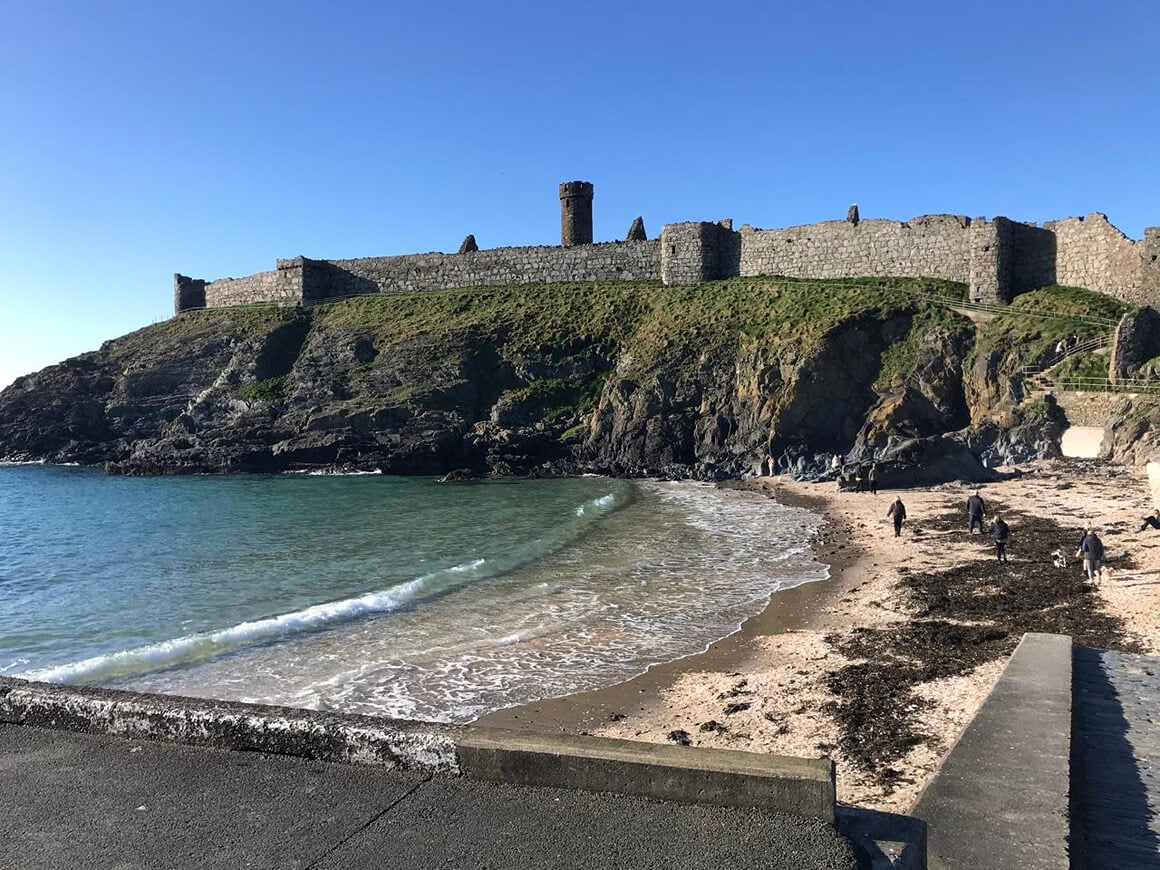
Photo: Ciaran Nye
Castle Rushen (Castletown)
Castle Rushen is one of the best-preserved medieval castles in the British Isles, sitting right in the middle of Castletown. Wander the ancient fortress, including the building’s old Victorian prison cell.
Rushen Abbey
Rushen Abbey is a peaceful former monastery near Ballasalla, with gardens and a visitor centre explaining its medieval history. Well worth adding if you’re already exploring the south.
St Michael’s Isle (Fort Island)
Just off Derbyhaven, St Michael’s Isle is a small rocky island with ruined chapel remains and Derby Fort. Two great battles were held here in the fight for control of the island in 1250 and 1275.
It’s an easy add-on if you’re walking around Langness, Derbyhaven or Castletown.
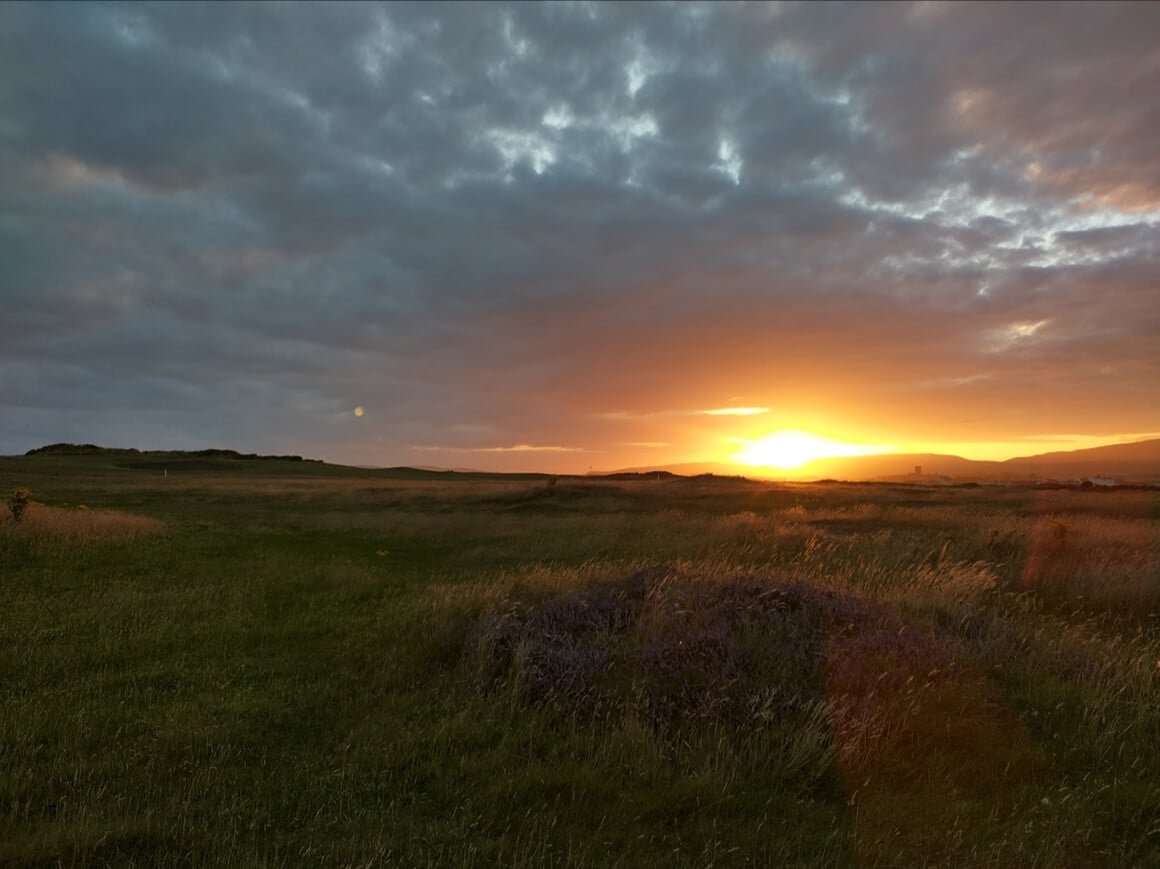
Photo: Ciaran Nye
Manx Museum
The Manx Museum in Douglas is the best starting point for understanding the island’s history. It covers everything from Viking finds and Manx folklore to TT racing and modern island life.
House of Manannan
The House of Manannan in Peel focuses on the Isle of Man’s Celtic, Viking and maritime past. It’s a great indoor option to consider, especially in the context of the fickle Manx weather…
Cregneash
Cregneash is a preserved Manx village near the southern tip of the island, overlooking the Calf of Man. The oldest open-air folk museum in the British Isles, it gives a feel for traditional crofting life, Manx cottages, local crafts and the island’s rural past.
King Orry’s Grave
King Orry’s Grave is a Neolithic chambered tomb tucked away in Laxey, hidden in a garden behind a cottage. Despite the name, it predates the Viking king by thousands of years, and is 4000-5000 years old.
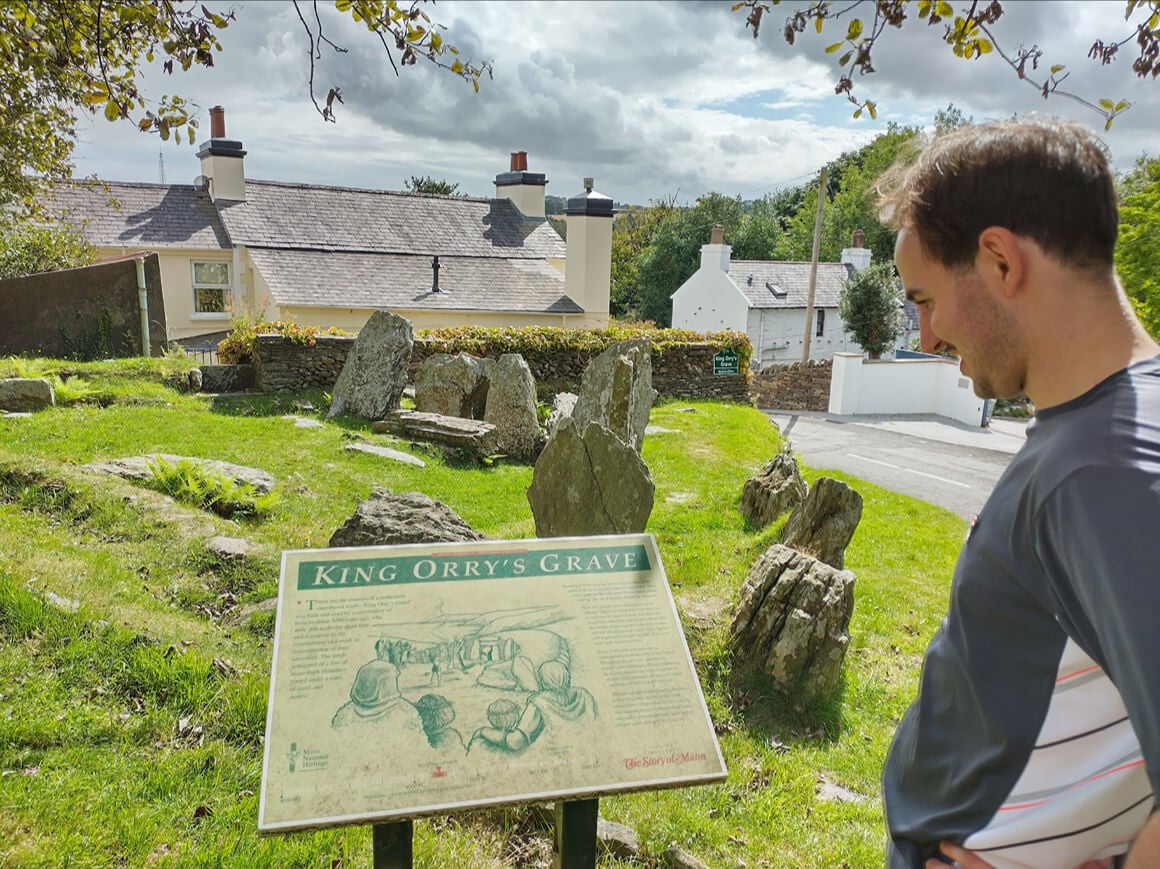
Photo: Ciaran Nye
Meayll Hill
Meayll Hill, above Cregneash, is home to a Neolithic chambered tomb with sweeping views over the south of the island. Combine this with a walk to The Sound, the Chasms or Port Erin.
Cronk ny Merriu
Cronk ny Merriu is an old coastal fort near Port Grenaugh, with evidence of later Norse use. Well worth the historical detour if you’re walking the Douglas to Derbyhaven stretch.
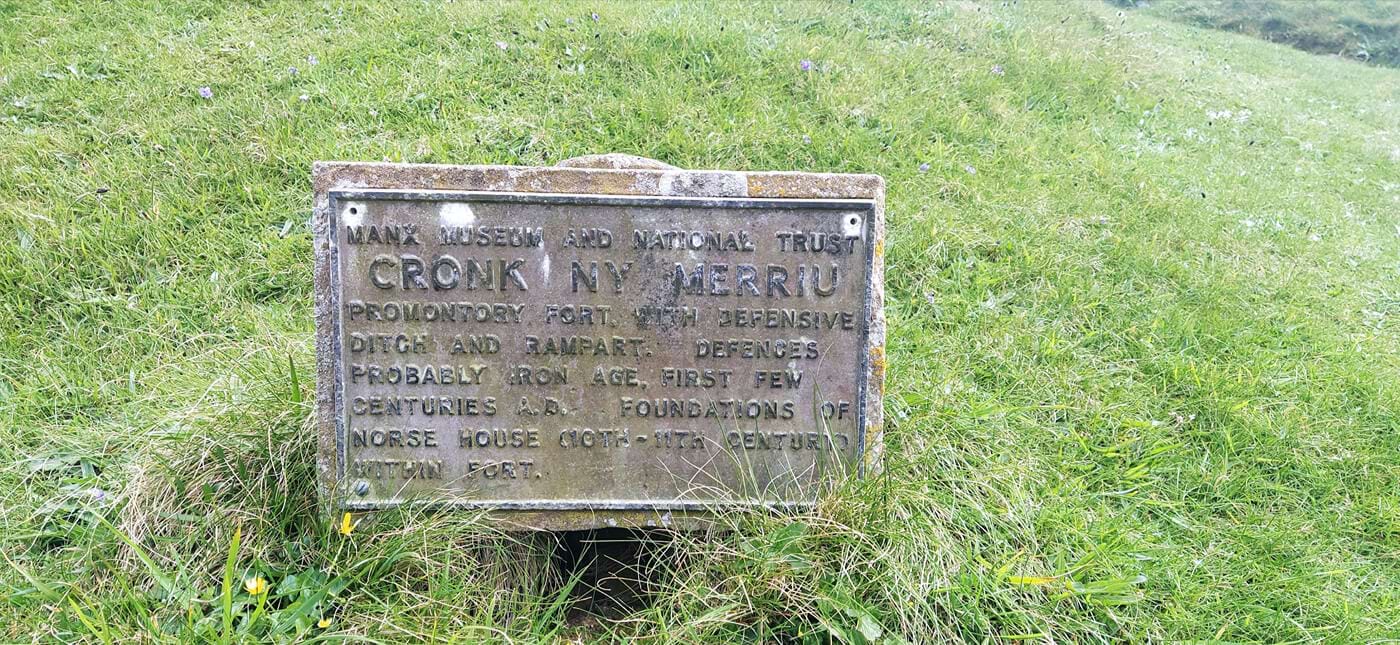
Photo: Ciaran Nye
Cashtal yn Ard
Cashtal yn Ard is one of the island’s best-preserved Neolithic tombs, set above Maughold with views towards Cumbria on a clear day. Check it out if you’re exploring the north-east coast.
Towns to Base In
Douglas
Welcome to the capital. Douglas’ seafront promenade and quay are superb in the sunshine, and well worth a wander.
You’ll find a good array of restaurants, pubs and provisions, including outdoor shops for anything you need to go hiking/camping as part of your trip.
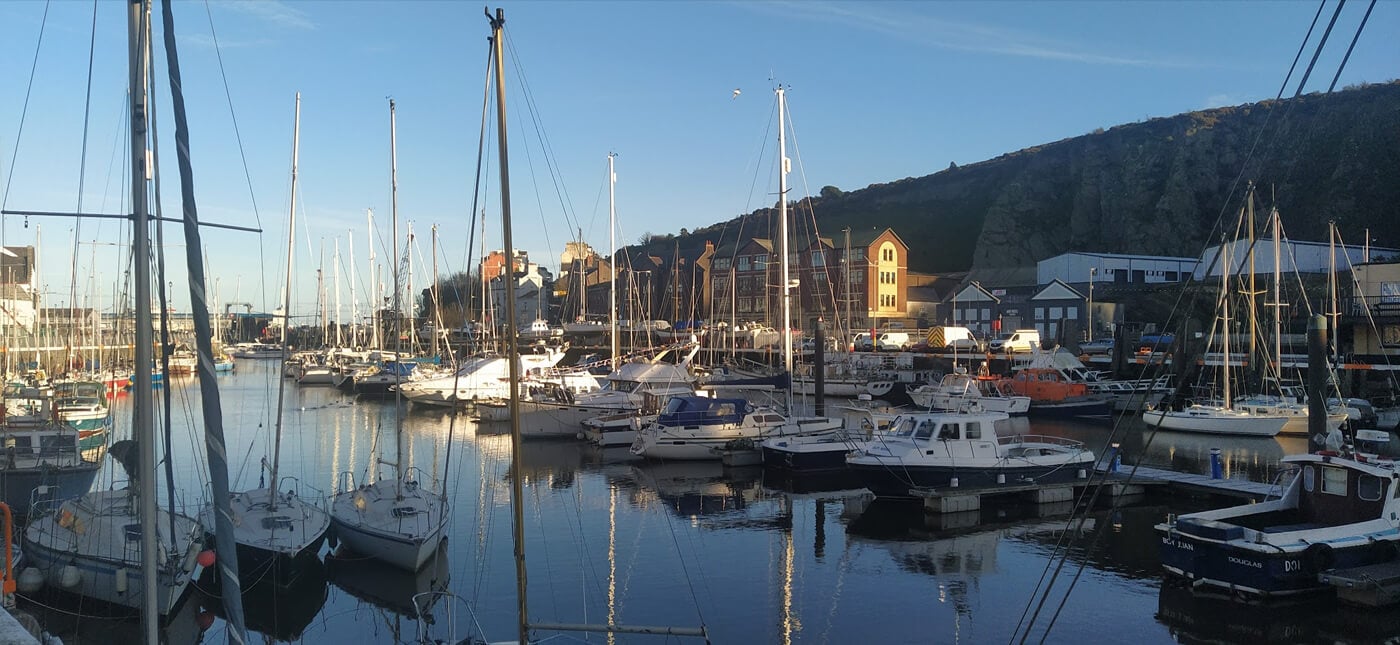
Photo: Ciaran Nye
Check out the Manx Museum, have a go on the horse tram (April-November) and grab some grub at Just Pizza and Pasta.
Douglas has a big beach to wander, but for a quiet, secluded spot near town, I’d recommend walking out to Port Skillion for a dip, near The Great Union Camera Obscura.
Peel
Upon moving to the Isle of Man, Peel quickly became one of my favourite spots on the island. ‘Sunset city’ (disclaimer: it’s not a city) is absolutely worth your time.
My recommendation for the perfect day in Peel would include hanging out at Fenella Beach and having a dip before grabbing a widely renowned Davison’s Ice Cream.
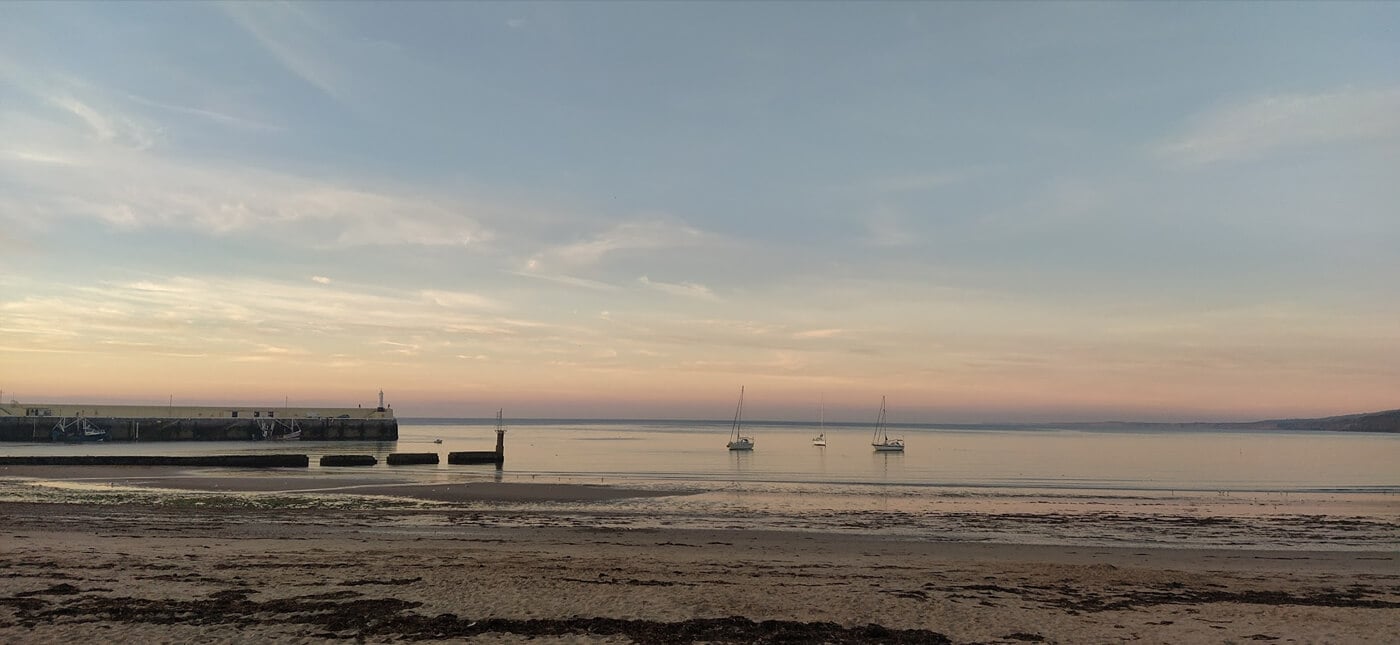
Photo: Ciaran Nye
Check out the cool Viking displays at the House of Manannan museum before heading to the Black Dog for some live music and pizza (highly recommend the Salty Dog, topped with Manx Queenies, i.e. scallops).
Finally, grab a pint at The Whitehouse. You might need to ask around to find it, but this proper, old-fashioned pub serves up real ale and occasionally a compact but very entertaining disco…
Ramsey
Ramsey is the main town in the north and has a quieter, more local feel than Douglas or Peel, with its impressive Swing Bridge and array of local pubs.
It’s a good option if you want to explore the less touristy side of the island, especially the north-east coast, Maughold, Ballaglass Glen, Dhoon Glen and the hiking trails around the northern hills.
In town, check out the beach, harbour, Mooragh Park and the long Queen’s Pier. It’s also the northern end of the Manx Electric Railway, which is an awesome excursion in and of itself.
Grab an exceptionally good ice cream at the Gelatory, and if you’re into Chinese food, Mini Cafe shouldn’t be missed.
Castletown
Castletown is the island’s old capital and one of the easiest places to recommend if you want a good dose of history.
Castle Rushen sits right in the middle of town, so you can step off the bus or train (via the Steam Railway) and be straight into one of the Isle of Man’s main historic sites.
The town itself is compact and easy to explore on foot. Walk the harbour, visit Castle Rushen, have a look at the Old House of Keys, and then extend the trip towards Derbyhaven/St Michael’s Isle if the weather is decent.
Would highly recommend the Gluepot for a drink (formerly the Castle Arms).
Port St Mary
Port St Mary is a small harbour village in the south, and it works very well as a starting point for hiking. It has a quiet, local feel, with fishing boats, sea views and easy access to some of the island’s best coastline.
Starting here and heading South along the coast and around the headland is a perfect way to explore The Chasms, Cregneash, The Sound and Port Erin.
Before setting off, there are a few excellent coffee shops to fuel up on cake and caffeine, such as Cornerhouse Coffee.
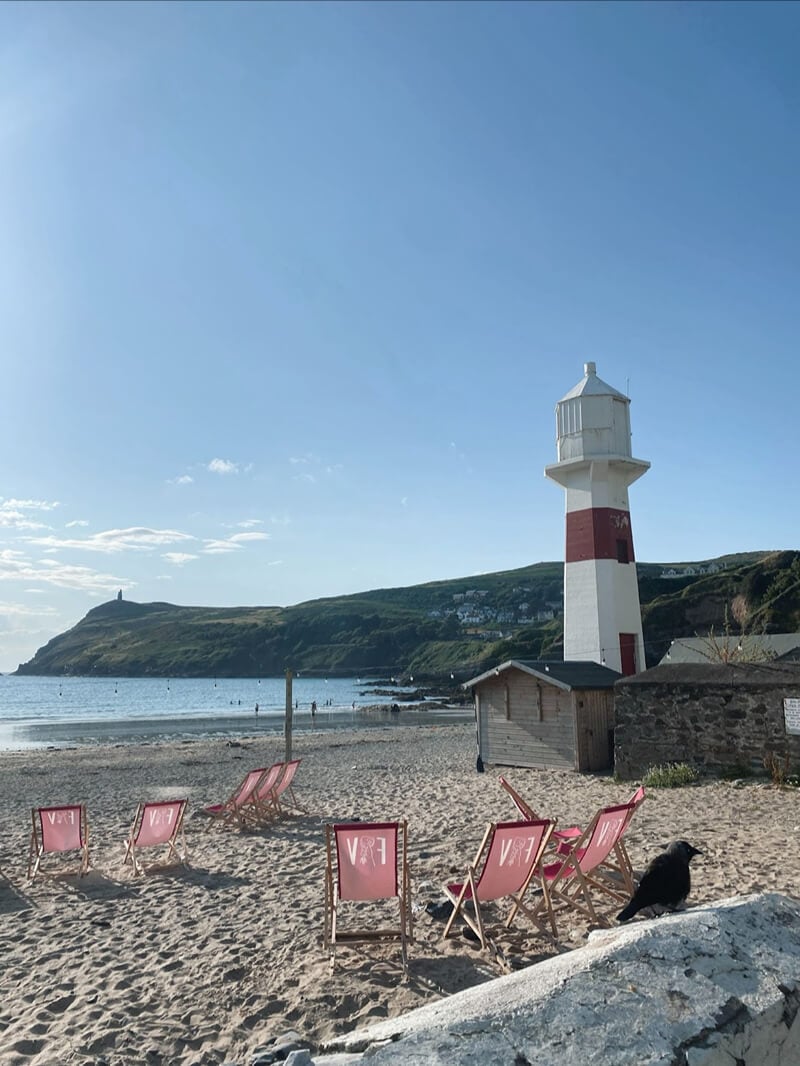
Photo: Ciaran Nye
Port Erin
Port Erin is one of the best places on the island for a proper seaside day.
Set around a sheltered bay in the south-west, it has a sandy beach, calm water on a good day, and easy access to some of the Isle of Man’s best coastal walks.
Start with a wander along the beach before heading up to Bradda Head, where you’ll get cracking views back over the bay and out towards the Calf of Man.
If you fancy a longer walk, continue towards Fleshwick Bay or link it up with the coastal path towards Port St Mary, Cregneash, The Chasms and The Sound.
I’d highly recommend grabbing some good-value grub at The Bay before settling in for excellent drinks at Foraging Vintners with sunset views.
Laxey
Laxey is a little village with a lot going on, tucked into a steep valley on the island’s east coast.
It’s best known for the Laxey Wheel, the huge red waterwheel built to pump water from the old mines.
Take the Manx Electric Railway from Douglas or Ramsey, check out the wheel, then walk down through the village towards Laxey Beach and the harbour.
If the weather is playing ball, Laxey is also a great jumping-off point for Snaefell, either by hiking up from the valley or taking the Snaefell Mountain Railway.
For a bit of ancient history, King Orry’s Grave is hidden away in the village and well worth tracking down. Laxey works especially well as a day trip because it combines coast, mountains, heritage transport and history in one stop.
Quick plug also for the pork baps at the Laxey Beach Stop Cafe.
Top 5 Things to Do in the Isle of Man
1. Hike the Raad ny Foillan Coastal Path
One of the Isle of Man’s greatest gifts is its coastline. The roughly 100-mile (160 km) Raad ny Foillan circles the island, taking in dramatic cliffs, secluded bays, fishing villages and remote beaches.
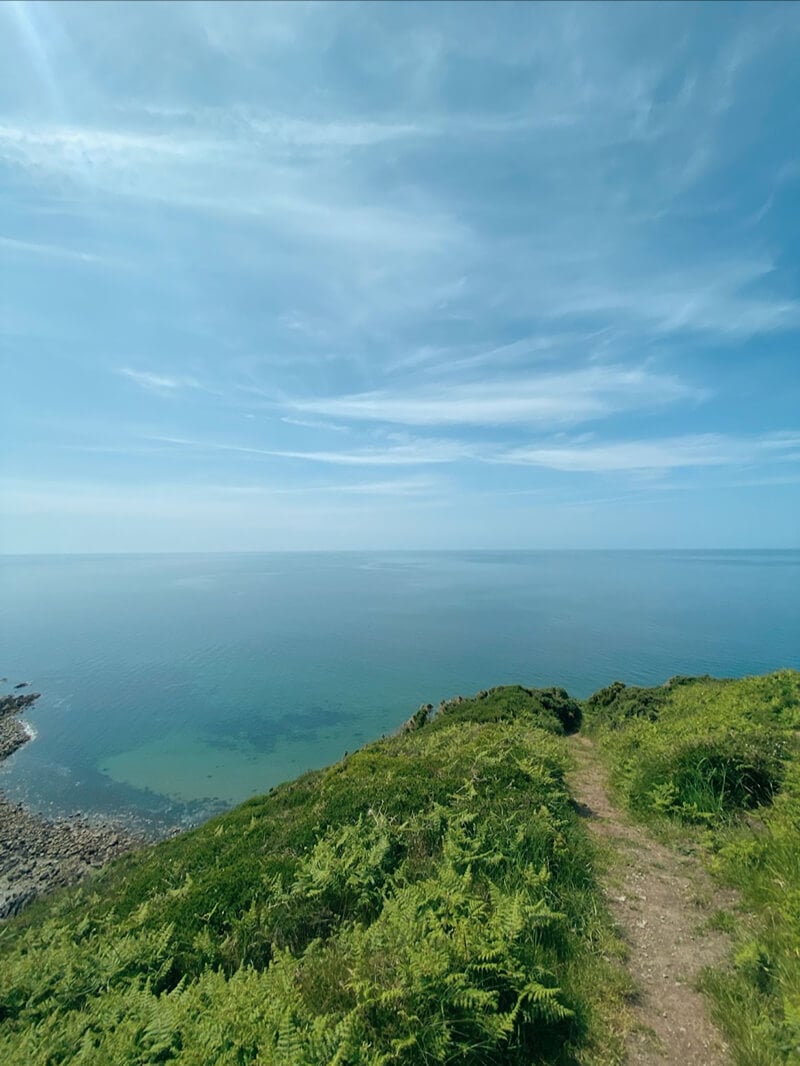
Photo: Ciaran Nye
You don’t need to tackle the whole thing. Day hikes between Peel, Niarbyl, Port Erin, Maughold and Douglas are among the island’s highlights.
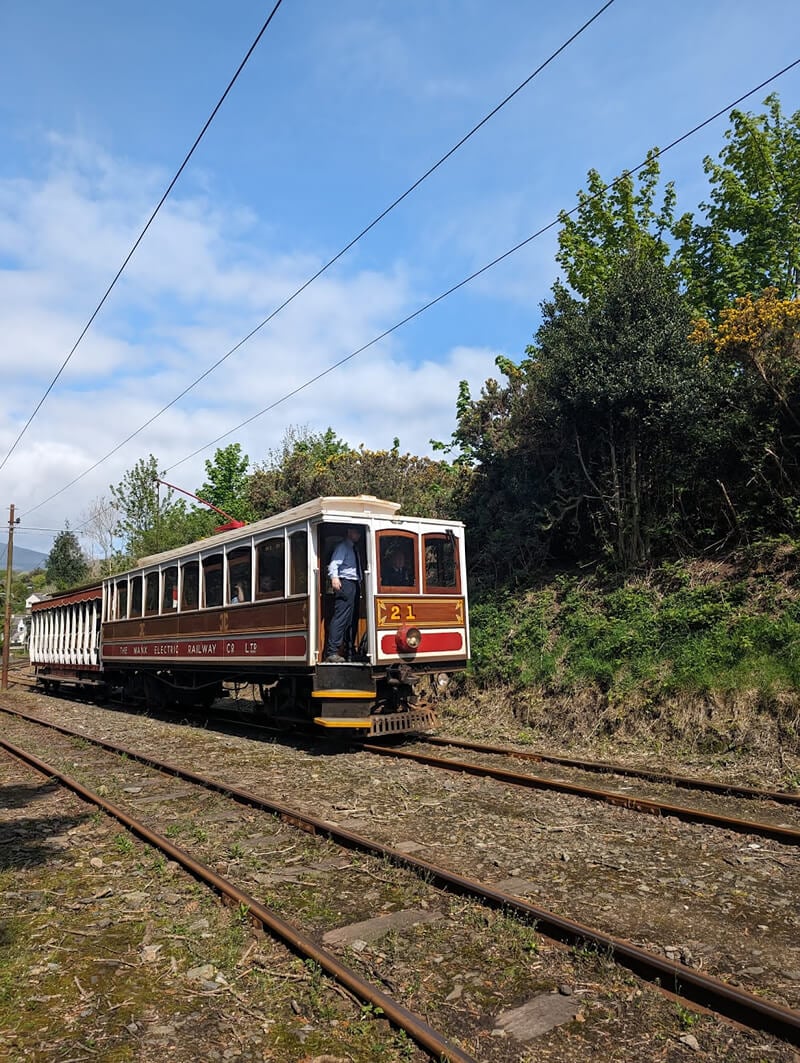
Photo: Ciaran Nye
2. Ride the historic railways
Whether you’re a proper transport nerd or just enjoy nice scenery, some of the unique transport options on the Isle of Man are well worth your time.
Vintage steam trains, Victorian electric trams and the mountain railway are all still running, making getting around part of the adventure rather than just a necessity.
Highlights:
- Steam Railway (Douglas–Port Erin)
- Manx Electric Railway (Douglas–Ramsey)
- Snaefell Mountain Railway to the island’s highest point
3. Explore Peel Castle
If you only visit one historic site, make it Peel Castle. Perched dramatically on St Patrick’s Isle, it’s one of Britain’s most atmospheric castle ruins.
Dive into Viking history and explore the medieval fortifications, alongside spectacular coastal views.
Stick around afterwards to wander Peel’s harbour, grab an ice cream and watch the fishing boats come in.
4. Summit Snaefell
At 620 metres, Snaefell isn’t particularly high, but on a clear day, local folklore claims you can see seven kingdoms: England, Ireland, Scotland, Wales, the Isle of Man, heaven and the sea.
Whether you hike up from Laxey or simply ride the mountain railway, the panoramic views are among the best on the island.
5. Step Back in Time at Cregneash
Nestled at the island’s southern tip, Cregneash is a beautifully preserved Manx crofting village where thatched cottages, traditional farms and winding lanes offer a glimpse into life on the Isle of Man before the modern era.
Experience the arts of blacksmithing to weaving, while native Loaghtan sheep roam the surrounding fields. Even if you skip the museum buildings, the village itself is worth wandering for its peaceful atmosphere and stunning coastal setting.
Bonus: Experience the Isle of Man TT
For two weeks each summer, the Isle of Man transforms into the home of the world’s most famous road race.
The island becomes home to a truly epic spectacle. Even if you’re not a die-hard motorsport fan, it’s worth catching at least one race.
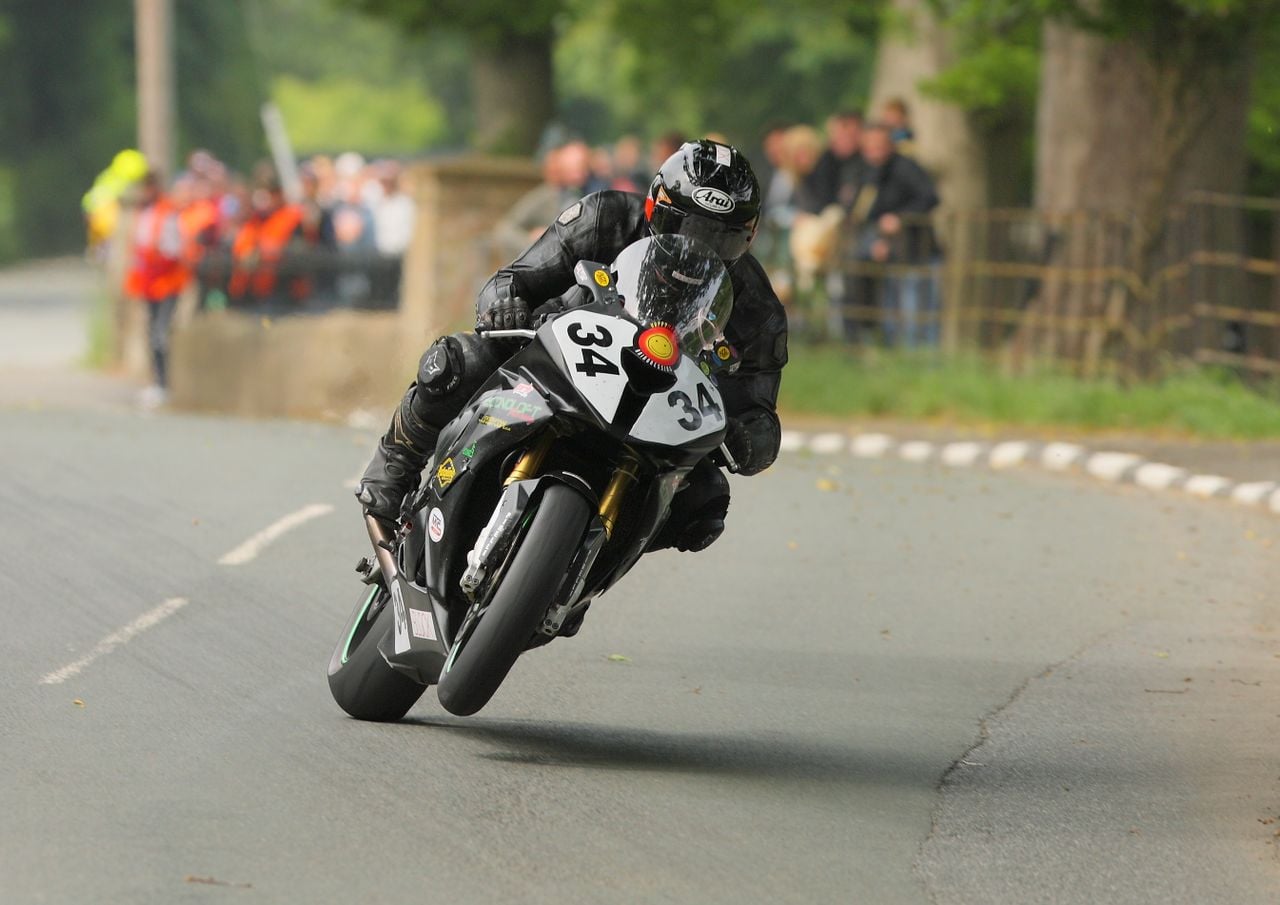
Find a spot on the hedgerows at a famous corner like Creg-ny-Baa, Ballaugh Bridge, or Bray Hill, soak up the atmosphere with thousands of fans, and watch riders hurtle past at speeds of up to 200 mph (320 km/h) on ordinary public roads.
It’s slightly surreal and unlike any other sporting event in the world.
Just be prepared to plan ahead. Accommodation sells out months in advance, ferry tickets disappear quickly, and prices are at their highest, but if you can make it work, visiting during TT fortnight is an experience you’ll be talking about for years.
Where to Stay
One of the best things about backpacking the Isle of Man is that you don’t need to move around constantly. The island is small, public transport is excellent, and almost everywhere can be reached as a day trip if you base yourself somewhere sensible.
Douglas is the obvious choice, with the best transport links, plenty of places to eat and easy access to buses, heritage railways and the ferry terminal.
Peel offers a more relaxed seaside atmosphere, while Port Erin is ideal for beaches and coastal hikes. Ramsey is another solid option if you’re planning to spend more time exploring the north.
If you’re travelling on a budget, camping on the Isle of Man is an awesome option. There are campsites dotted all around the island, many in fantastic coastal or countryside locations, and they’re generally well-maintained and affordable.
During TT fortnight, numerous temporary campsites also pop up, creating a lively, festival-like atmosphere that’s often much cheaper than booking a hotel or guesthouse.
Here are some of the best places to stay:
Camping
For a true backpacking experience, I’d highly recommend camping.
Not only is it one of the cheapest ways to explore the island, but it also lets you wake up right next to some of the Isle of Man’s best scenery, making it easy to hit the trails early or enjoy long evenings by the coast.
There are plenty of excellent campsites across the island, many within easy reach of the Raad ny Foillan coastal path. If you’re after a bit more comfort, you’ll also find camping pods and glamping options.
Without even asking, we also had several kind locals offer us spots of land to camp on.
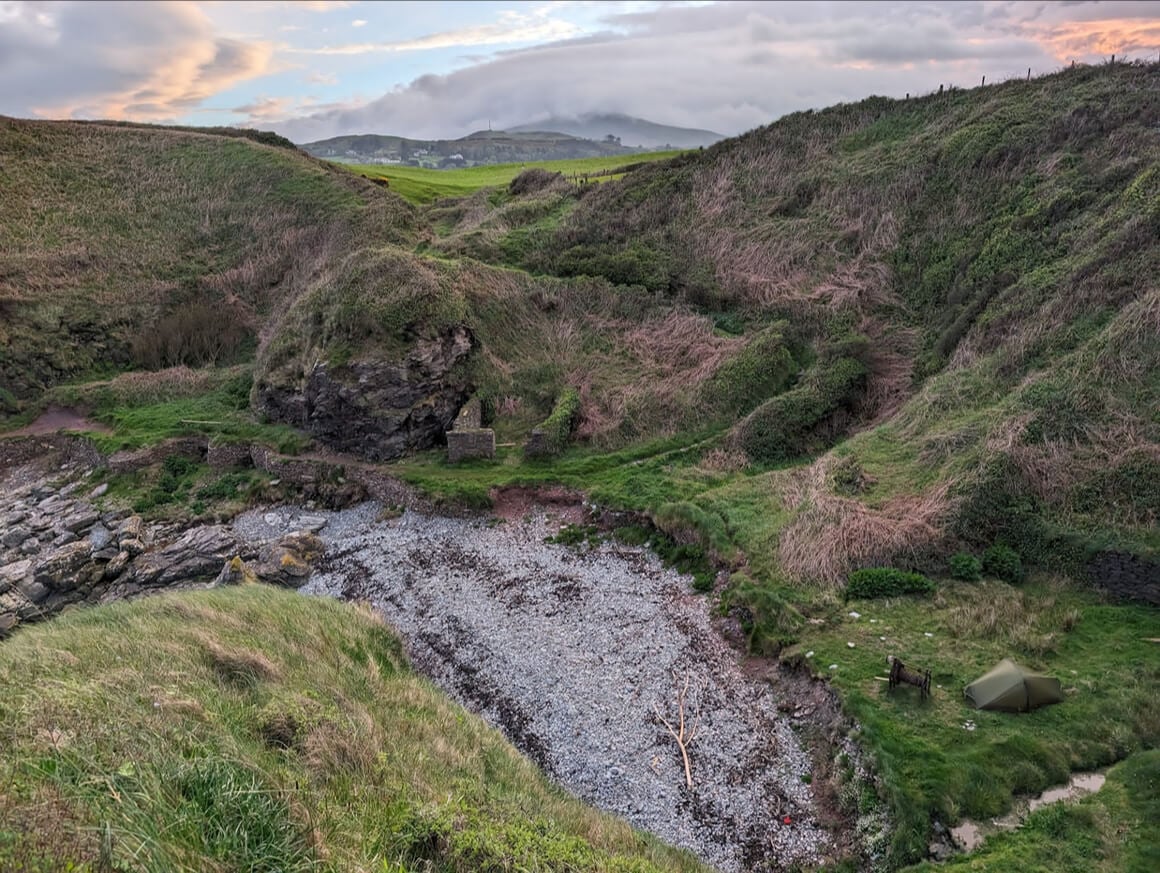
Photo: Ciaran Nye
Here are a few excellent campsites that are well worth considering:
- Isle of Man Camping, Douglas
- Glen Dhoo Campsite, Douglas
- Glendown Farm Campsite, Port St Mary
- Peel Campsite, Peel
- Glen Wyllin, Kirk Michael
- Laxey Campsite, Laxey
Like most parts of the UK, wild camping without landowner agreement is not strictly permitted. However, if you ask permission from locals wherever possible, remain discreet, leave no trace, set up camp late and leave early, you are unlikely to have any trouble.
Be respectful and open, and the Manx people are as genuine and friendly as they come. Also, be sure to respect the unique environment found on the Isle of Man, the only whole-nation UNESCO Biosphere in the world.
Guesthouses/BnBs
If camping isn’t your thing, the Isle of Man has no shortage of welcoming guesthouses and B&Bs. You’ll find lots of choice across Douglas, Peel, Ramsey, Castletown and Port Erin, with plenty of options ranging from budget rooms to boutique stays.
Given the island’s compact size, you don’t need to worry too much about choosing the “perfect” location. Pick somewhere that best suits your interests, then use the island’s transport links to explore everything else.
A great resource for browsing and booking guesthouses and B&Bs across the island is the official tourism site: Visit Isle of Man B&B and Guest Accommodation.
To save you time, here are a number of recommendations to get you started:
- All Seasons, Douglas. Good value en-suite rooms, starting at £19.95 per person.
- The Furnleigh, Peel. Lovely bed and breakfast, family-run for over 20 years. Prices from £32 per room, including breakfast.
- Balmoral Guest House, Port Erin. Small, family-run guesthouse, overlooking a beautiful sandy beach.
- The Gingerhall, Sulby. Family-run business (pub and accommodation), right on the famous TT course, continuously trading since the 1800s. Warm and friendly, this is an ideal spot for exploring the North. Starting from £70 per room.
- Adelphi Guesthouse, Douglas. Ideally located for exploring Douglas and beyond, Adelphi Guesthouse offers comfortable rooms starting at £35 per person including breakfast.
- Knockaloe Beg Farm Guest House, Patrick. This awesome spot offers a range of accommodation, from glamping (wigwams), ‘The Tower’ (a beautiful 17th-century converted outhouse, with a hot tub) and a guesthouse (bed and breakfast). During the lambing season (Easter), you can join the team to welcome hundreds of new lambs into the world. Slightly more expensive than the budget options on this list, but well worth it if you want a rural, Manx experience. Prices vary – check out their website.
Getting There & Around
How to reach the Isle of Man (ferry / flights)
The quickest way in is flying to Isle of Man Airport (Ronaldsway). There are loads of direct flights from cities like London, Manchester, Liverpool, and Dublin, which usually take around an hour.
The airport sits in the south of the island, near Ballasalla, and buses from here can take you to Douglas or further south.
Alternatively, you can take the ferry with the Isle of Man Steam Packet Company. There are a number of routes from Liverpool, Heysham, and Dublin, with a crossing time of ~2.5-4 hours.
Ferries arrive right into Douglas, but be warned – this isn’t always the smoothest of crossings…
Public transport on the island
For a relatively small island, the public transport here is solid. Buses connect most of the key towns and spots across the island. Check out Bus Vannin for the latest timetables.
This gives you a lot of flexibility, as you can base yourself anywhere on the island and nowhere is out of reach for a day trip.
There are also a few ‘heritage’ transport options (the Isle of Man Steam Railway, the Manx Electric Railway and the Snaefell Mountain Railway) which are very cool and unique experiences, often with fantastic views en route.
Budget Breakdown
How Much Does It Cost?
The Isle of Man isn’t necessarily a budget destination in and of itself, but do it right, and you can still get by on a budget. Below you’ll find a run of how much stuff is likely to cost, and some money-saving tips.
Overall:
- Budget: £30–£60 per day (camping + mostly self-catered)
- Mid-range: £60–£130 per day (B&Bs + mix of eating out)
- Comfort: £140+ per day (hotels + regular meals out)
Accommodation
Accommodation is the biggest expense on the island. Campsites are your best bet for a very budget trip, while many B&Bs/guesthouses are also reasonably priced and offer great value.
- Camping: £10–£25 per night
- B&Bs / guesthouses/hotels: £30 – £100 per night
Food
Food costs depend heavily on how often you eat out. There are loads of shops in the main towns for grabbing cheaper DIY lunch supplies to save some wonga.
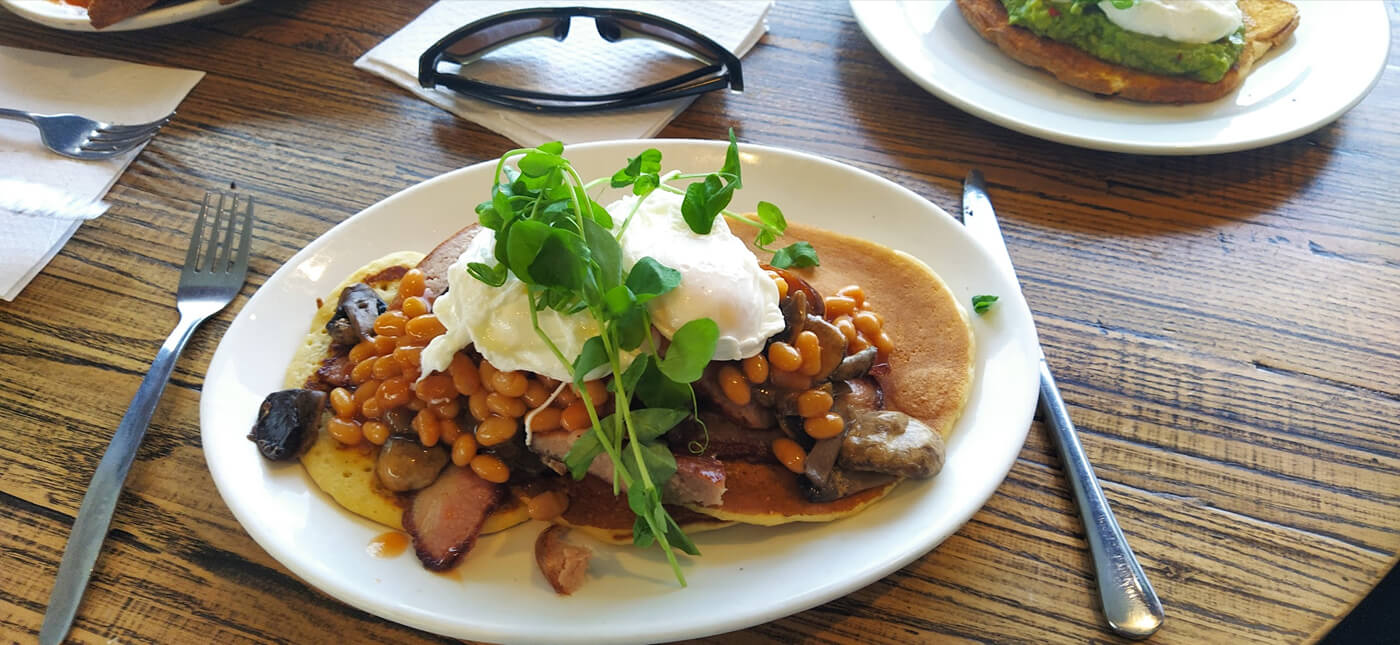
Photo: Ciaran Nye
- Self-catering: £10–£15 per day
- Supermarket supplies + occasional meals out: £20–£40 per day
- Eating out regularly: £40–£70+ per day
Transport
Getting to the island is your main upfront cost. Buses are very reasonable if needed.
- Ferry: £30–£80 (foot passenger)
- Flights: £40–£120+ depending on season
- Buses: £1.20–£3.60 per journey
It’s worth keeping an eye on flight prices. Flights can either sell out or quickly become expensive; on the other hand, you can grab some excellent-value last-minute deals if you’re lucky and remain vigilant.
If you’re going to be taking a fair amount of public transport (which is likely if you’re not renting a car), it’s worth considering grabbing a Go Card. There are options that include tickets to Heritage sights and the wildlife park too. These can be bought at:
- Douglas Sea Terminal
- Douglas Steam Railway Station (when trams are operating)
- Derby Castle MER Station (when trams are operating)
- Manx Museum
- Ramsey Bus Station
- Laxey and Ramsey MER stations (when trams are operating)
- Isle of Man Airport Information Desk
- Port Erin Railway Station
- Castletown Railway Station
- House of Mannan, Peel
Isle of Man Packing List
The Isle of Man’s weather has a habit of changing its mind every half an hour, so pack for all four seasons, even in summer.
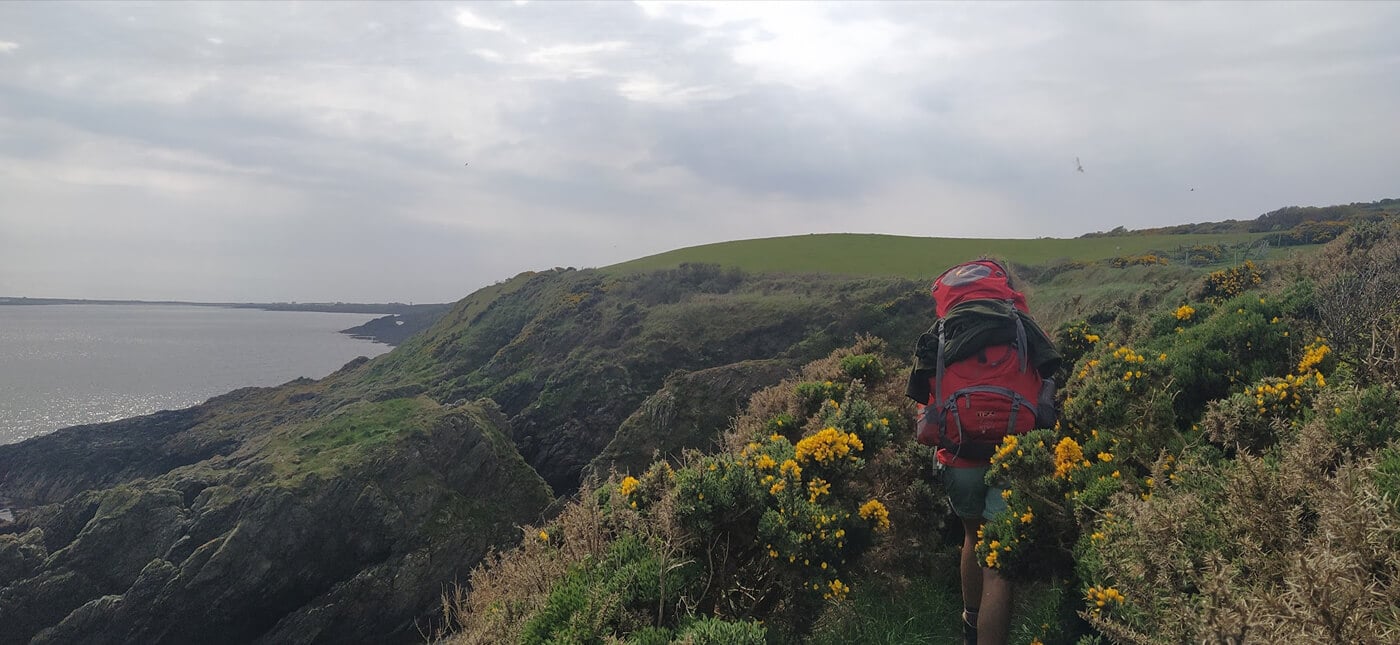
Photo: Ciaran Nye
- Windproof shell
- Waterproof jacket
- Walking shoes or boots
- Layers
- Dry bag or waterproof backpack cover
- Offline maps
- Swimwear
- Reusable water bottle
- Camping gear – tent, sleeping mat, sleeping bag.
When to Visit
Spring and summer are the best times to visit the Isle of Man, with longer days, better walking conditions and more going on around the island. Autumn can also throw up some stunning views, though you’ll want proper waterproofs, just in case.
Be aware of TT fortnight. It’s an incredible time to visit, but accommodation gets booked up early, ferry prices rise, and the island becomes much busier than usual.
Winter is of course doable if you like empty beaches, wild weather and cosy pubs, but expect short days, strong winds and a much quieter atmosphere.
Final Thoughts
The Isle of Man might not be the first place that springs to mind when planning a backpacking trip, but that’s exactly why it deserves a spot on your list.
You can summit a mountain in the morning, explore a medieval castle after lunch, hike rugged coastal cliffs in the afternoon and finish the day with a pint in a centuries-old pub.
Its compact size is one of its biggest strengths. Even if you base yourself in one spot, almost every corner of the island is within easy reach by bus, heritage rail or on foot.
Whether you’re chasing dramatic hikes, fascinating history, quirky traditions or the buzz of TT fortnight, the Isle of Man delivers far more adventure than its size suggests. Particularly for outdoor lovers, the Isle of Man is one of the UK’s most underrated destinations.