A trip to the Balkans has become hot stuff in recent years. And what better way to whisk yourself through this region than on a big ‘ol road trip?
With your own set of wheels, you can experience varying history, cultures, landscapes as you wander from country to country. Every stop offers a taste of local traditions shaped by centuries of influence, from architecture to cuisine to communities.
Tourism in the Balkans has grown, but the freedom of a road trip keeps the journey yours to shape. You can veer off the main paths, chase hidden villages, or dive headfirst into the energy of the summer coast – the pace, the detours, the stops, all entirely up to you.
A road trip is an experience meant to be savoured on your own terms. To help you map it out, these two routes act as your ultimate road trip guide from Slovenia to Montenegro, with everything you need to dive straight into this rich and diverse slice of Southeastern Europe.
The Broke Backpacker is supported by you. Clicking through our links may earn us a small affiliate commission, and that's what allows us to keep producing free content 🙂 Learn more.
Why Road Trip from Slovenia to Montenegro
Well, why not? If you want a real slice of the coastal beauty that the Balkans has to offer, all with your own freedom of doing it at your own pace, then a road trip really is the way to go. I love a road trip, and I love a multi-country trip, so a trip from Slovenia to Montenegro seems like a no-brainer!
You’ll get to tick off the Balkans’ best bits in one trip, with the opportunity to weave through varying landscapes, cultures and coastlines. You’ll get to experience hikes through mountains and valleys in Slovenia, old charming cities in Bosnia and Herzegovina, and island hop in Croatia and soak in some seriously epic views of the Adriatic coastline.
Work your way through national parks, with alpine views up in northern Slovenia through to waterfalls and lakes in Croatia, all the way through to the mountains in Montenegro if you fancy it! There are a couple of different routes to choose from, so you can stick to cruising down coastal roads or head inland and even scope out Serbia.
The beauty of a road trip is curating an itinerary that boils down to what you want to do and see. Spend as little or as long as you like in one spot: I could spend weeks in Plitvice Lakes National Park alone. If you’re a slow traveller, this’ll suit you down to a T.
If you don’t have your own set of wheels, I can highly recommend DiscoverCars; it’s my go-to platform when I need to rent a car. They will help you to compare prices, company reviews and have a fab customer support system. Plus, they offer insurance packages too.
Driving in the Balkans
Renting a Vehicle in Slovenia
Chances are, you’ll probably be starting your trip in Slovenia’s capital, Ljubljana. Renting a car in Slovenia is pretty straightforward, though you can also get one from other cities like Bled or Maribor.
You’ve got to be at least 21 and have had your license for at least 2 years. Other rentals require you to be 25 or will charge a surcharge, so just double-check this before settling on a company.
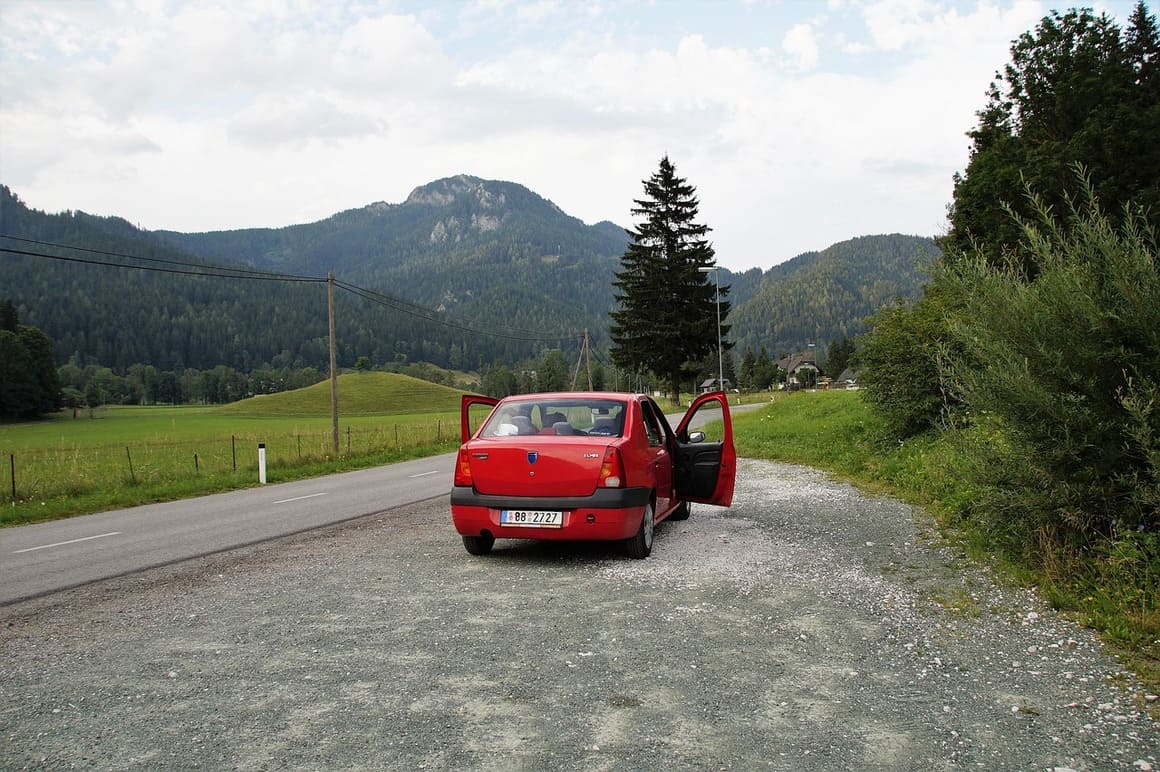
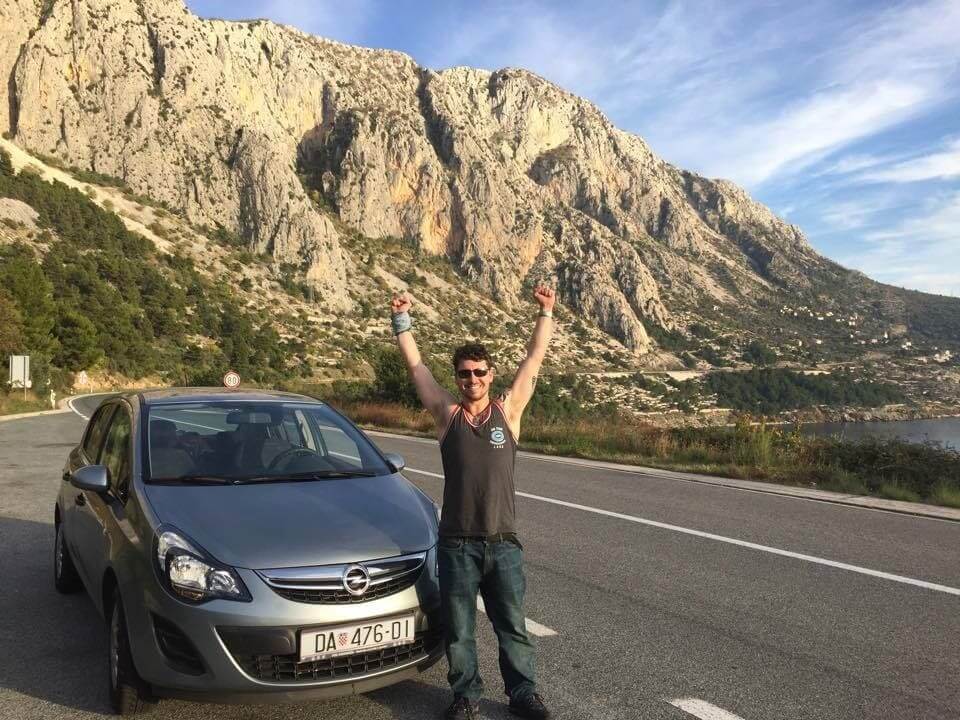
It’s also worth noting that if you plan to drop the car off in Montenegro at the end of your trip, you might be asked to pay a surcharge. You might be able to get away with this if you’re dropping it off at the airport, depending on the company, though!
Driving from Slovenia to Montenegro means multiple land border crossings, and this is something you definitely do NOT want to forget to mention to your insurance provider. Your insurance might be invalidated otherwise, so this is super important!!

Green Cards
A green card is essentially the insurance system in the Balkans and will allow you to drive through multiple countries. It’s an absolute minimum to drive through countries like Bosnia and Montenegro, so this is absolutely essential to getting you prepped for your big trip. If you haven’t done it yourself previously, your rental company can help with sorting your green card for a small fee.
If they can’t help you and you’re a last-minute Sally like me, you can also buy it at some land border crossings – DEFINITELY make sure of this before doing your first crossing. It’s worth noting that you tell them the countries you plan to cross, so you can use it multiple times, so they don’t just mark it for one country. It’s just a lil card, but you’ll need it for every border crossing you do, so keep it safe.
Road Rules in the Balkans
Driving in the Balkans is fairly straightforward and safe. They drive on the right side of the road, and you’ll soon learn that the speed limit is definitely more of a suggestion to the locals. The roads are narrow, the corners sharp, and don’t be surprised if you’re stuck in traffic of goats in more rural parts. Surely that makes everyone drive a little more warily?
Of course not!
Is it that the locals know the roads like the back of their hands? Partly. My suggestion is that they are more concerned with getting somewhere quickly and fast than worrying about the nick of their car.
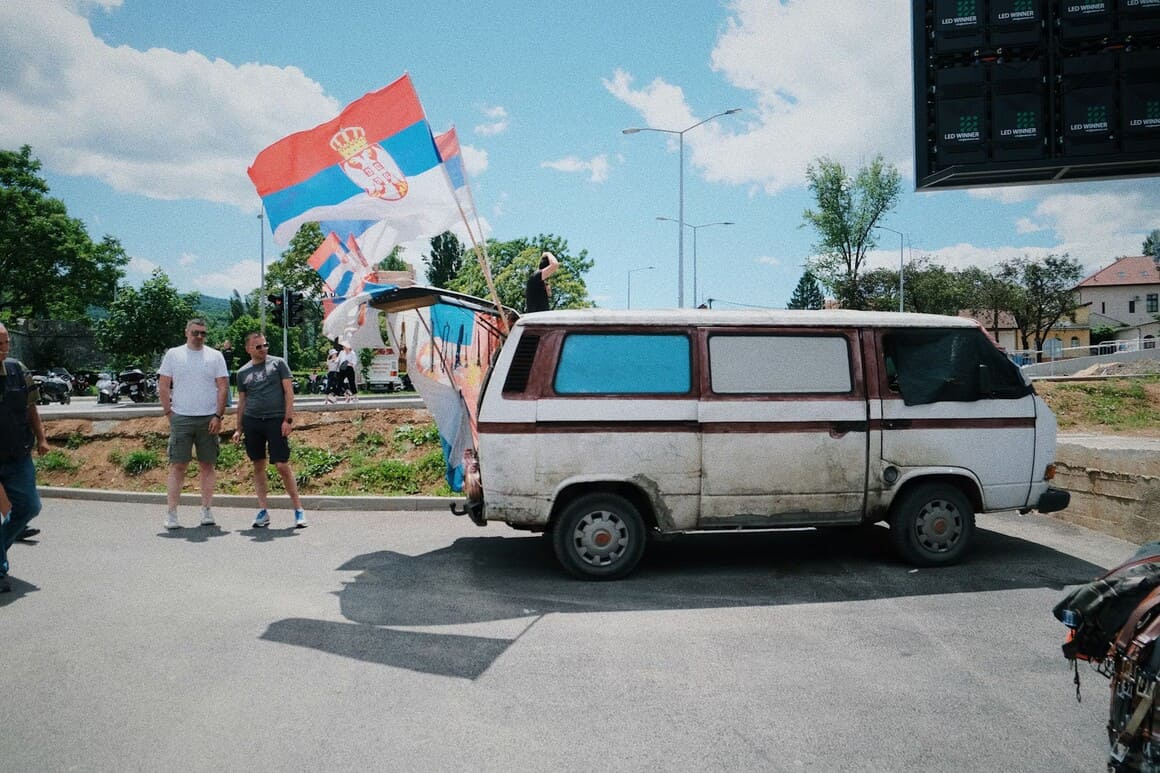
Just be ready to pull over for oncoming cars on narrow roads, and don’t be intimidated by being overtaken by vans making a mad dash around blind corners! You’ll learn it’s all part of the chaos and charm of roadtripping in this region.
Tolls and Vignettes
Tolls and vignettes in the Balkans are a mixed bag, with every country running its own setup for road payments. Some stick to old-school toll booths, while others have gone digital with motorway passes or number plate systems. It’s worth knowing how each one works before you hit the road, since it saves a lot of time, hassle, and the odd fine along the way.
Slovenia uses a vignette system for motorways and expressways. As of 2025, these are fully digital, meaning you register your number plate online or at petrol stations rather than sticking a label on the windscreen. Rentals often come with one included, but it is essential to check before driving off. A weekly vignette costs roughly €16 for cars, and the fines for not having one are steep.
Bosnia and Herzegovina only has a handful of motorways with toll booths, mostly near Sarajevo and along the route to Mostar. Beyond that, the roads are toll-free but slower, with narrow stretches through hills and villages. The few tolls that do exist are cheap, just a few euros each time.
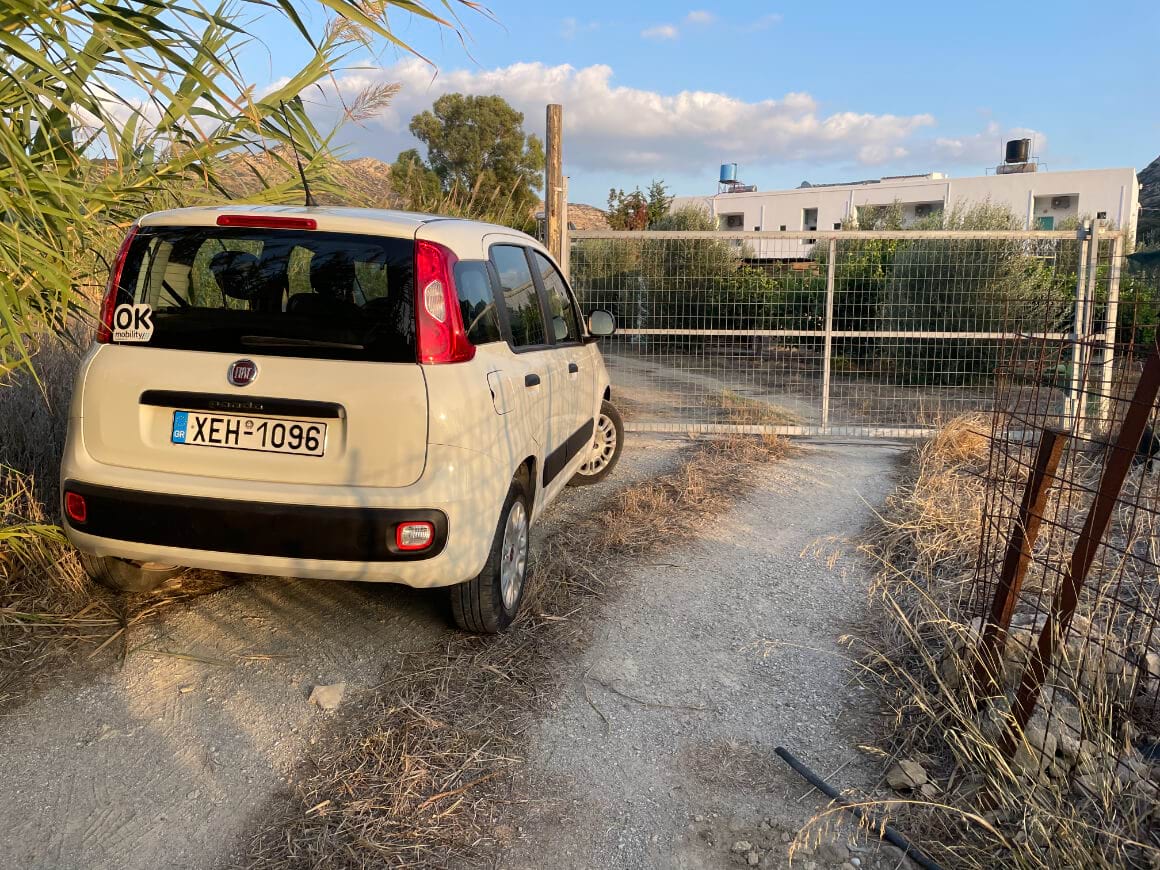
Croatia runs a straightforward toll booth system on its main motorways. You grab a ticket when you enter and pay when you exit, either with cash or a card. Prices vary depending on distance and vehicle type. The roads are smooth and easy to drive, but the costs can build up if you are covering long stretches. For a free alternative, plenty of travellers take the old D8 coastal road. It is slower, but it winds past some stunning seaside towns and views worth the detour.
Montenegro has no vignettes and barely any tolls. The only notable one is the Sozina Tunnel, which links Podgorica to the coast near Bar and costs about €2.50 for cars. Everything else is free to drive, though expect plenty of mountain bends and a few speed traps along the way.
Serbia uses a toll booth system much like Croatia’s. The main highways between Belgrade, Niš, and Novi Sad are tolled, and you can pay in cash or by card.
Parking
Parking can be a real pain in the ass, especially if you’re planning to come in the summer. Towns like Split, Dubrovnik, and Kotor fill up early, and public car parks charge a premium for anything near the water. It’s often easier to leave your car slightly inland and walk into the old towns. It’s also worth carrying around a few euros or local currency coins for older machines that don’t take cards.
Montenegro’s coastal roads are especially tight, so planning ahead saves a lot of circling later. It’s worth checking with your accommodation beforehand to see if they offer parking or have any recommendations. The last thing you want to do is spend hours in the evening trying to find parking after a long day of driving and exploring.
Road Trip 1: A Lil Bit of Everything (10 Days)
Road Trip 2: Inland Adventures (10 Days)
- From: Ljubljana
- To: Kotor
- Total Distance: 1,070 km / 665 miles
- Days: 10
- Top Road Trip Stops: Lake Bled, Triglav National Park, Plitvice Lakes National Park, Dubrovnik Old Town, Bay of Kotor
This road trip is a journey through the heart of the Balkans, from Slovenia’s alpine landscapes to Montenegro’s dramatic bays. It starts in Ljubljana, where you’ll most likely be getting your rental car from. From there, the route heads north to Lake Bled and the Julian Alps, where turquoise lakes, rugged peaks, and winding mountain roads slowly turn up the level of adventure.
Crossing into Croatia, you move between cities, forests, and waterfalls. Zagreb’s colourful streets and café culture give way to Plitvice Lakes National Park, letting you slow down and take in the surroundings. The itinerary only spans across 10 days, but there’s plenty of time to slow down and meander through these little villages if time affords you the privilege.
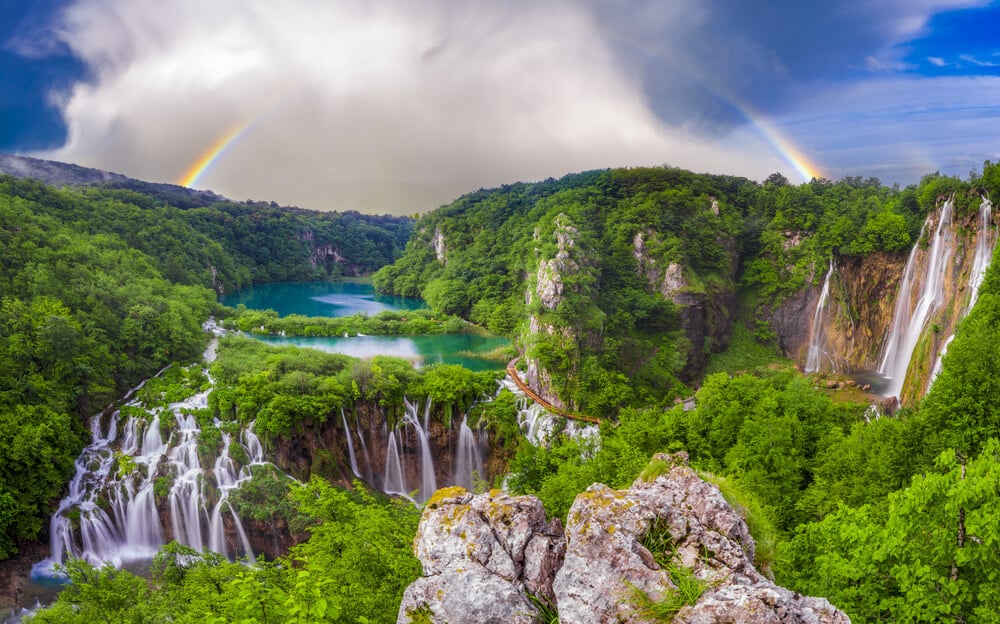
From there, you’ll coast down the Dalmatian coast, followed by Dubrovnik’s old town, city walls, and Adriatic vistas. The trip concludes in Montenegro with Kotor, where the old town’s winding alleys and the bay’s dramatic backdrop provide a strong, satisfying finale.
Across roughly 1,070 kilometres, the journey balances scenic drives with time to explore, combining mountains, rivers, waterfalls, and coastline into a route that you can complete as quickly as you like. It’s designed for travellers who want to see the region with eyes wide open, absorbing the landscapes, towns, and seascapes without the rush. Each stop is roughly only an overnight stop, so if you prefer to travel more slowly than this, tweak this itinerary accordingly.
Road Trip Highlights:
- The drive over the Vrsic Pass and along the Soca River
- Plitvice Lakes National Park
- Dalmatian Coast – Split to Dubrovnik
- Kotor Bay
Day One: Ljubljana
Day one consists of renting your car and getting your bearings. If you’re really squeezed for time, you can head straight on the road to your next stop, but I do really think that Ljubljana warrants a day of exploring in its own right. It’s compact, full of history and very affordable – a dream for backpackers in Slovenia.
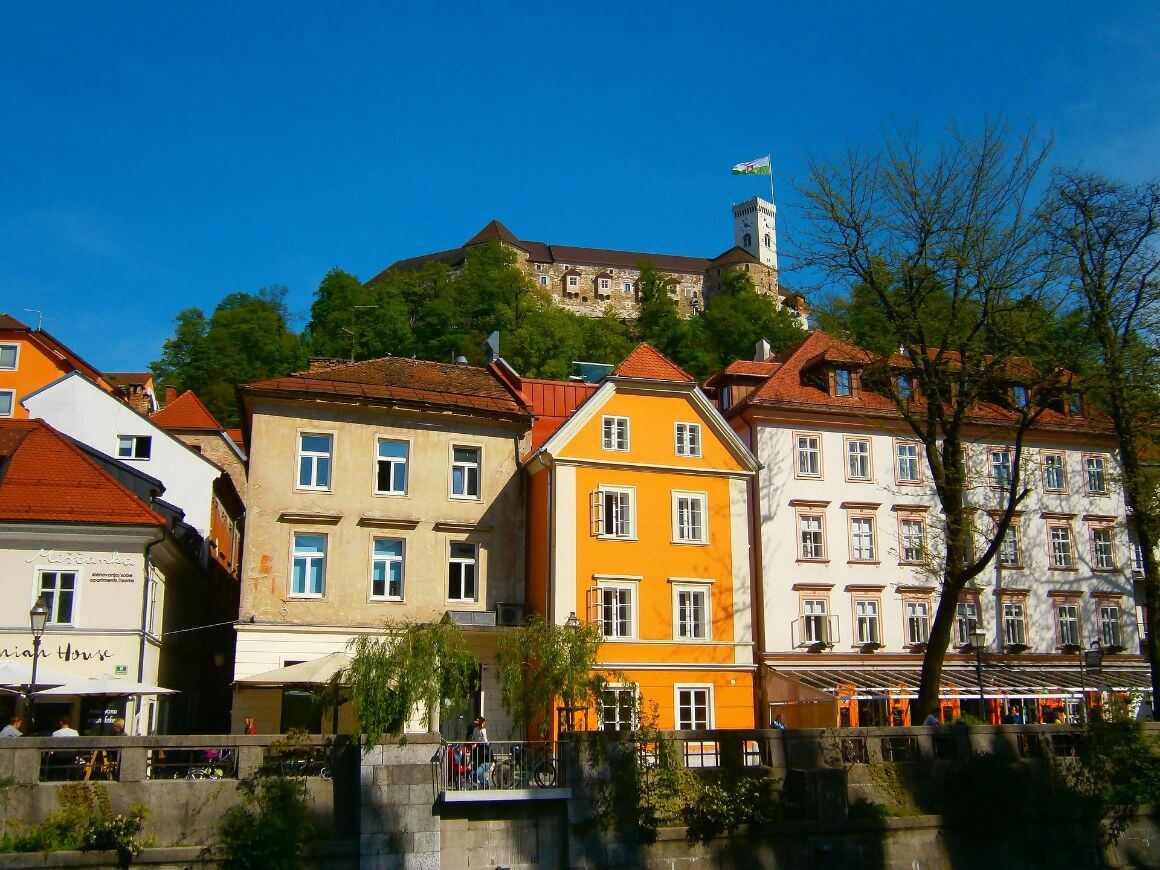
Spend the day exploring the old town, Ljubljana Castle, and the riverfront cafés. It’s a laid-back city with a creative edge, so dinner at one of the local bistros or a casual wine bar is a great way to ease into the trip and get a feel for the Slovenian capital.
- Best Stops: Ljubljanica River, Ljubljana Castle
- Where to Eat: Druga Violina
- Where to Stay: Tivoli Boutique Inn
Day Two: Ljubljana to Lake Bled (1 hour drive)
The drive from Ljubljana to Lake Bled is short, so you can set off whenever you like in the day. Although I must say, the early bird gets the worm here. Lake Bled is insanely busy during high season, so the earlier you arrive, the more you’ll get to take in its magic without the crowds. Keep this in mind when booking your hostel in Lake Bled.
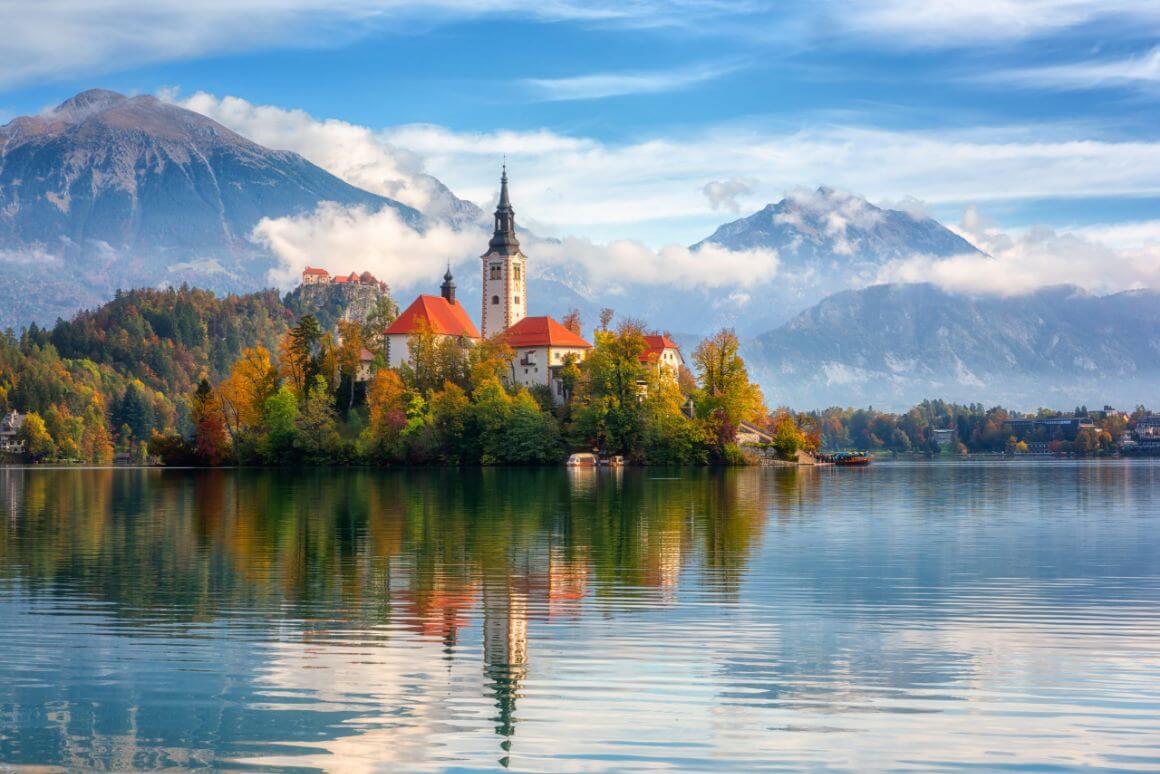
A walk around Lake Bled isn’t a strenuous affair, but the path stays close to the water and rewards you with ever-shifting views of the mountains that envelop it. Bled Castle sits pretty above the lake and boasts some pretty stunning views if you’re up for making the journey up there. If the weather is on your side (or if you feel like braving the cold), you can have a dip in the lake during the late hours of the afternoon.
There’s something about the way the wave hits the water in the golden hours of the day that feels like a magical start to the trip. And the best part is you’ve got plenty more of these moments to come.
- Best Stops: Bled Castle, Cycling around Lake Bled, Vintgar Gorge
- Where to Eat: Ostarija Peglez’n
- Where to Stay: Hotel Starkl – Heritage & Unique
Day Three: Lake Bled to Triglav National Park via the Vrsic Pass (1.5-2 hour drive)
Day three means heading to Triglav National Park. You can drive directly there within half an hour, but going through the Vrsic Pass is definitely a detour worth doing. As you leave Bled, the road climbs steadily, winding through forests and mountain slopes until the scenery opens up towards the Julian Alps in a way that feels unmistakably alpine.
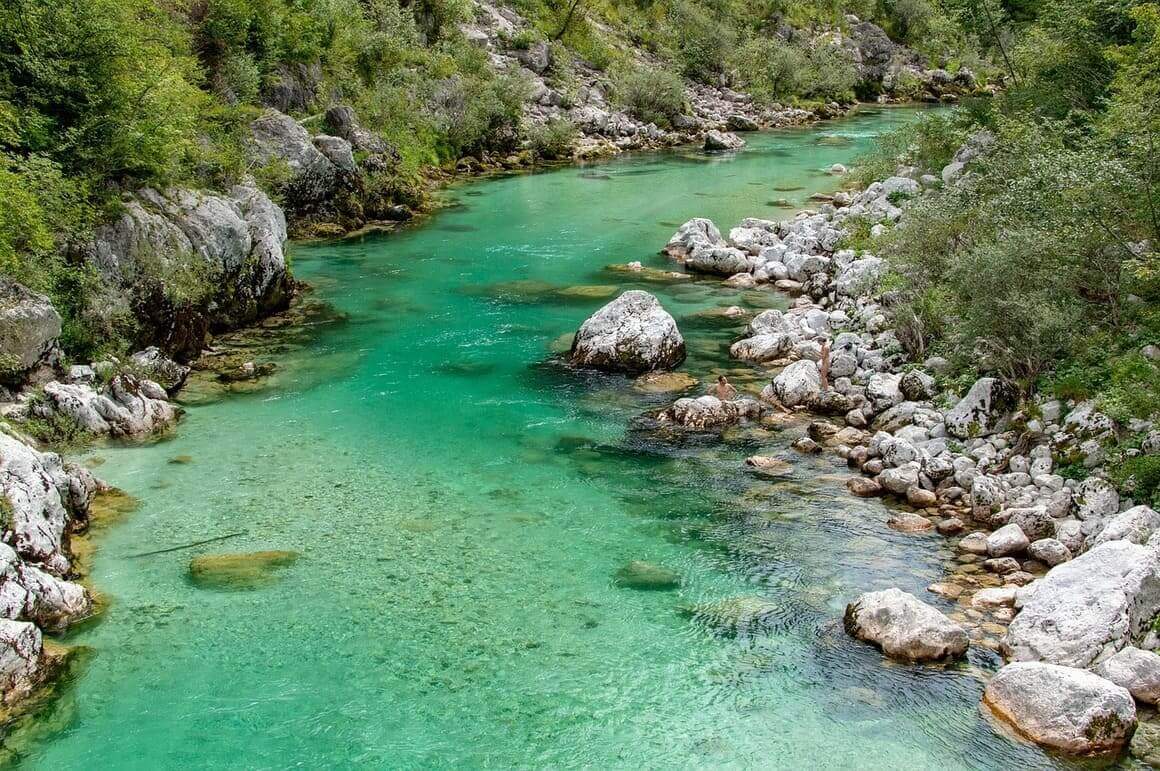
You’ll pass by the Soca River, which is the official starting point of the Soca Trail, so you can hike until your heart’s content. The villages around Bohinj and the Soca Valley are blissfully simple, with wooden houses, small cafés, and steady mountain air.
Everything around this national park in Slovenia invites a slower pace, giving you breathing room to simply wander around and explore these mountainous villages. Everything is super close together, so if you don’t want to move around too much, it’s a good idea to stay in last night’s accommodation. If you want a change of scenery, you can always stay in and explore a new village like Bohinj or Bovec.
- Best Stops: Ride the Vogel Cable Car, Lake Bohinj, Pericnik Waterfall
- Where to Eat: Gostilna pri Hrvatu
- Where to Stay: Hotel Bohinj
Day Four: Triglav National Park to Zagreb (3.5–4 hours drive)
The drive from the mountains into Croatia brings a change of pace. The Julian Alps fade into rolling hills and open valleys as you cross the border, and the route is steady enough to give you time to enjoy the changing scenery around you.
In Zagreb, the Upper Town has cobbled streets, historic rooftops, and quiet courtyards that make it easy to explore on foot. If you’ve settled on the Lower Town when choosing where to stay in Zagreb, you’ll be greeted with wide streets, squares, and tons of green spaces for a breather.
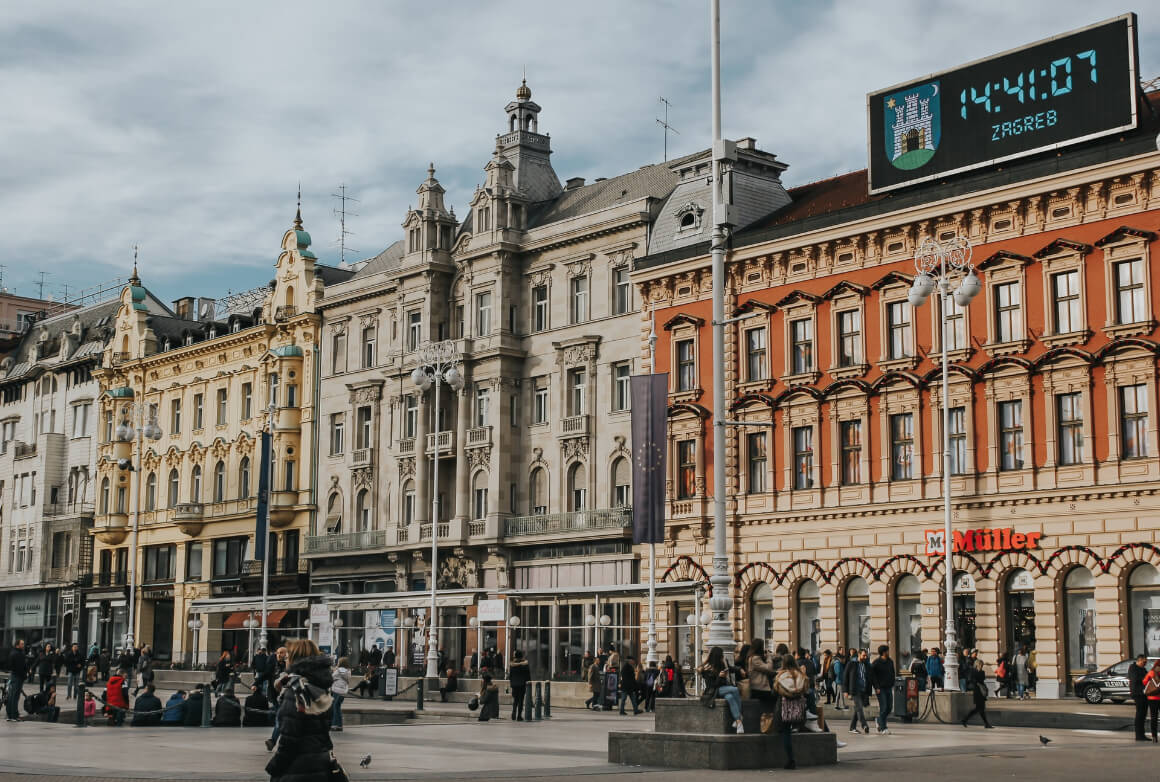
It’s a cool city to observe its history, but also the everyday rhythm of life happening around you. For a capital, it’s placid, laid back, and a great stop off before heading deeper in Croatia on your road trip.
- Best Stops: Lower Town, Cafe Hop, St Mark’s Church
- Where to Eat: Bekal
- Where to Stay: B&B Cool Centre Zagreb
Day Five: Zagreb to Plitvice Lakes National Park (2.5 hours drive)
The drive from Zagreb to Plitvice Lakes covers about 130 kilometres and takes around two and a half hours. The landscape gradually changes from rolling hills into dense forests, setting the scene for the park’s lush scenery.
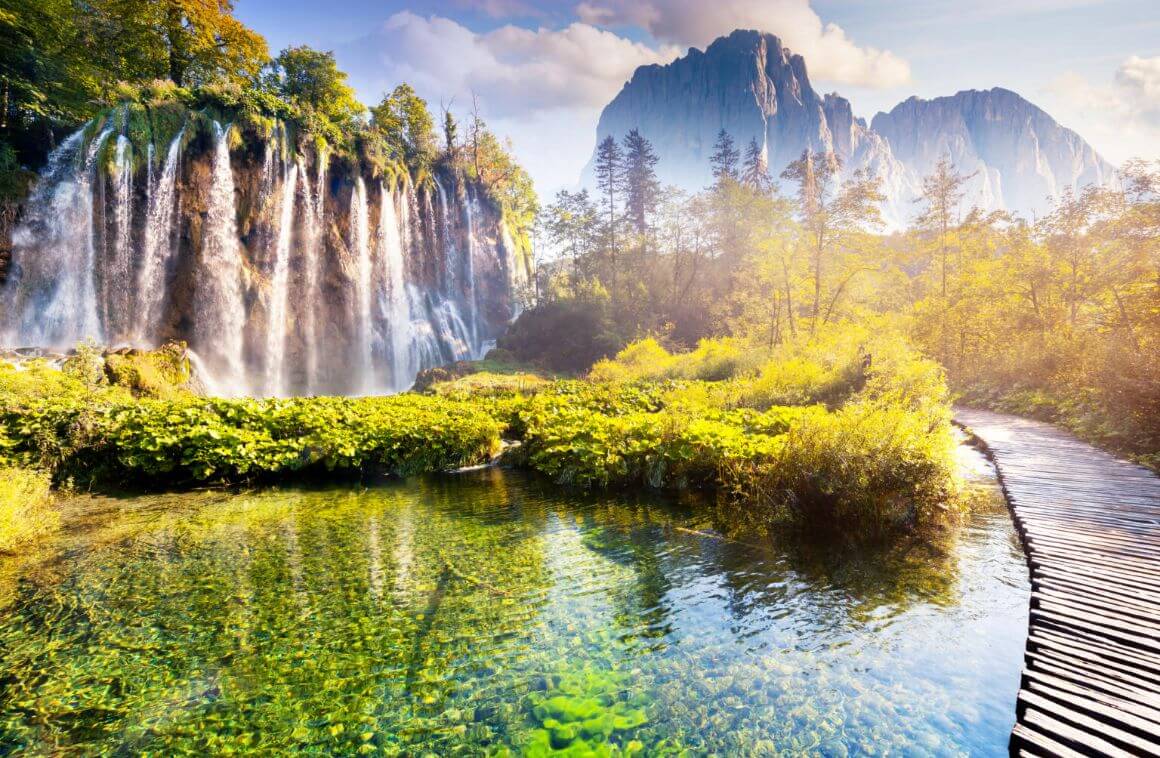
This national park in Croatia is best experienced at a steady pace. The network of wooden walkways and trails winds through a series of turquoise lakes, connected by waterfalls and surrounded by thick forest. You can choose a shorter loop for a relaxed stroll or one of the longer routes to see more of the park’s lakes and cascades.
- Best Stops: Waterfall chasin’, Walk the wooden trails and bridges
- Where to Eat: Cascada Restaurant
- Where to Stay: Fenomen Plitvice Resort
Day 6: Plitvice to Split (4 hours drive)
The drive from Plitvice Lakes to Split moves south through Croatia, transitioning from forests and hills into more open countryside as you approach the Dalmatian coast. And, trust me, the first glimpses of the ocean will be glorious. The roads are generally straightforward, with small towns and roadside landscapes providing natural stopping points if needed.
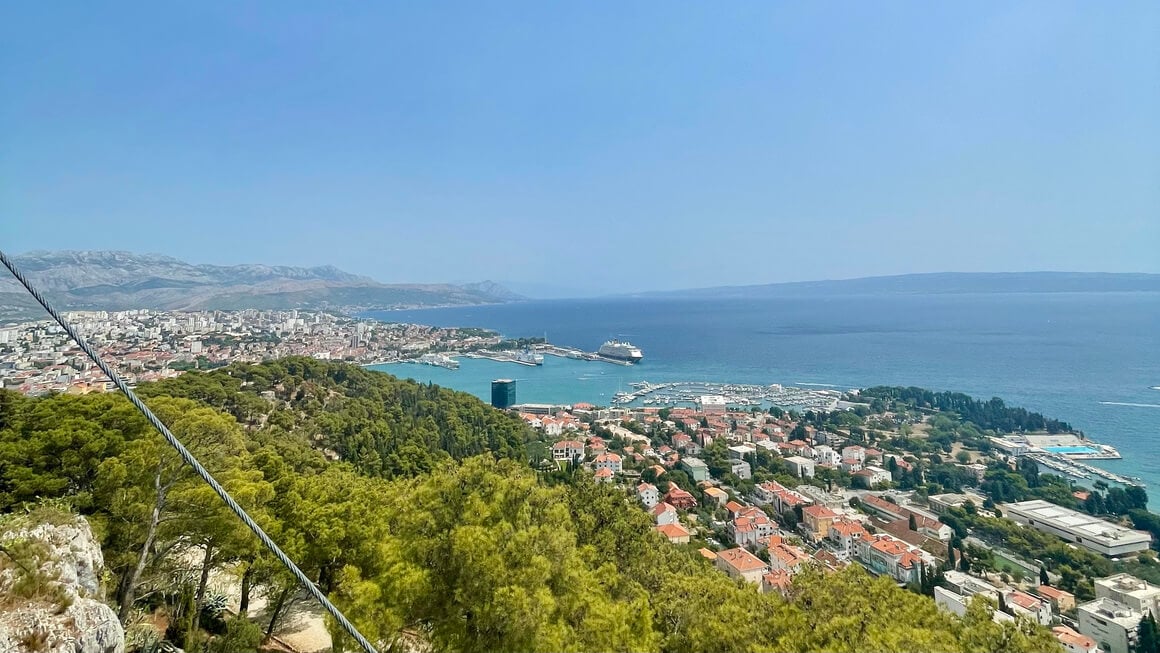
Photo: @danielle_wyatt
Split offers a cool mix of history and coastal vibes. Diocletian’s Palace forms the heart of the city, with narrow stone streets, hidden courtyards, and local shops scattered throughout. Wandering through the palace and the surrounding old town makes for an easy afternoon, and the history shows itself as you go, with no need for a fixed route.
Evening is best spent near the water, taking in the atmosphere and anticipating the island hopping you’ll be doing the following day.
- Best Stops: Knin, Trogir, Split Waterfront
- Where to Eat: Sug Restaurant
- Where to Stay: Hotel Agava Split
Day 7: Split
Day seven is all about settling into Split and exploring the city, which means a rare day off from driving! The world is your oyster here…you can book on with an island hopping tour, hop from church to palace or simply watch the world go by on the waterfront promenade with an Aperol in hand.
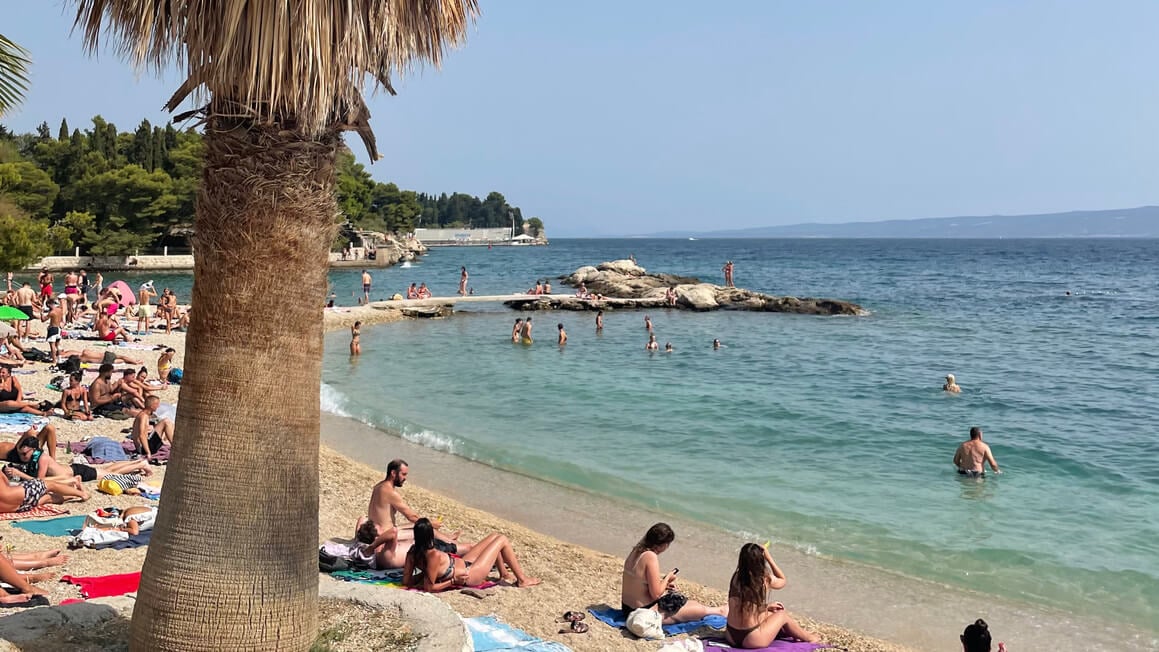
Photo: @danielle_wyatt
The heart of Split sits within Diocletian’s Palace, a fourth-century structure that now forms part of the old town. The stone streets, small squares, and hidden passages are an absolute treasure trove just waiting to be discovered by those curious enough.
If you’re looking for a bit of cardio, a walk up to Marjan Hill will reward you with views overlooking the city, harbour and islands, depending on which trail you choose. No matter where your day leads you, end up by the water by evening, hopefully feeling recharged and ready to continue into Croatia tomorrow.
- Best Stops: Hiking, island or bar hopping!
- Where to Eat: Cicibela food and wine bar
- Where to Stay: Hotel Ambassador
Day 8: Split to Dubrovnik (4.5 hours drive)
The drive from Split to Dubrovnik covers roughly 230 kilometres and follows one of the most scenic stretches of the Croatian coast. The road moves between coastal towns, open sea views, and long runs of quiet shoreline, and changing landscapes will definitely feel like one of the more picturesque drives of the trip.
A stop in Ston adds a clear break along the route. The town sits quietly at the edge of the peninsula, with long stone walls rising across the hillside and a quaint main square at its centre. The area is known for oysters and salt pans, so it doubles up as a lunch spot and a place to stretch your legs by early afternoon.
The final run into Dubrovnik brings a noticeable shift in scenery. Spend the rest of the day meandering down its streets and matching the city’s slow pace. Don’t worry about missing anything, you have a whole day of adventure set out for you tomorrow.
- Best Stops: Stobrec, Ploce Viewpoints, Ston
- Where to Eat: Kapetanova kuca
- Where to Stay: Royal Neptun Hotel
Day 9: Dubrovnik
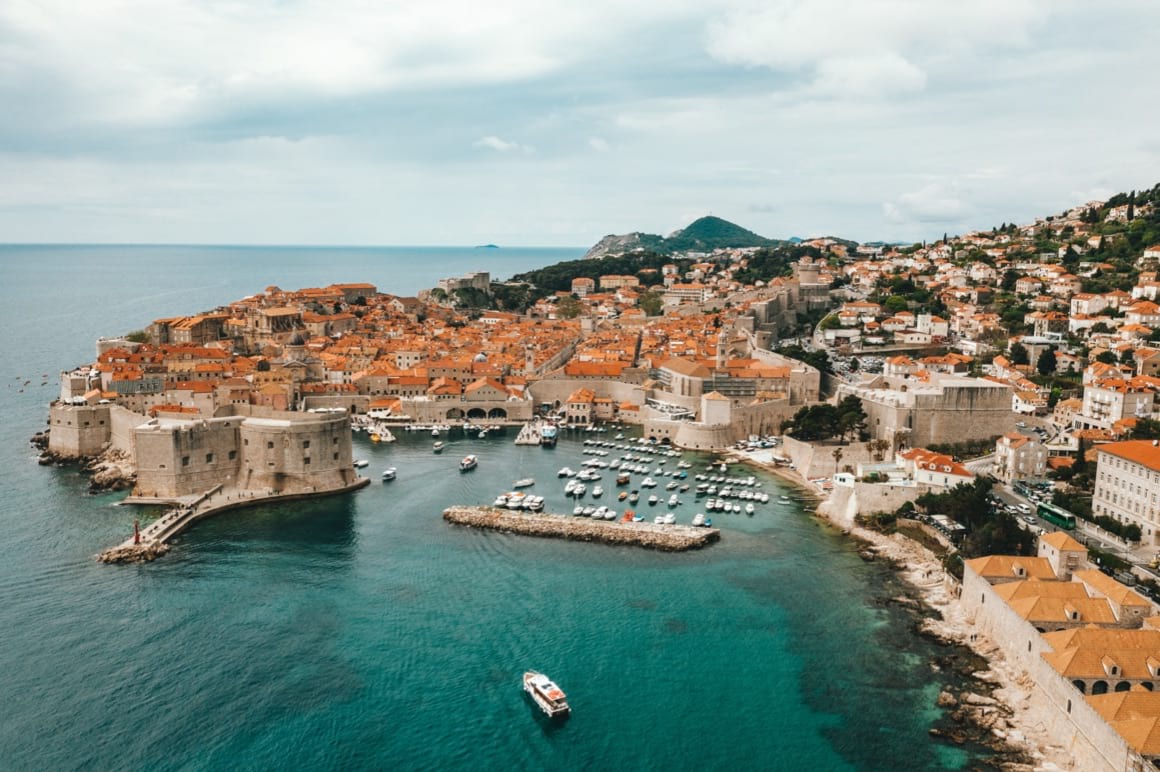
Dubrovnik is busy, bright, and beautiful, and it works best when you lean into all three. Start with the city walls because they give you the best view and the clearest sense of the place. Inside the old town, you can wander through the lanes, stop for a drink when you feel like it, and enjoy the simple pleasure of being in a place where every corner is unassumingly picturesque.
The cable car to Mount Srd is worth doing. The view from the top gives a strong sense of the coastline and where Dubrovnik sits within it. It’s cool to look back and imagine you coasting down those same roads to get to this point.
Tomorrow marks the final day, and I’m sure there’ll be some nostalgia bubbling already for all the sights and sounds you’ve experienced in the last ten days. Depending on the time, you can choose to spend another night here or move on to Kotor, the final stop, in the morning.
- Best Stops: The City Walls, Mount Srd Viewpoint, Gundulic Square
- Where to Eat: Gradska kavana Arsenal Restaurant
- Where to Stay: City Hotel Dubrovnik
Day 10: Dubrovnik to Kotor (2 hours drive)
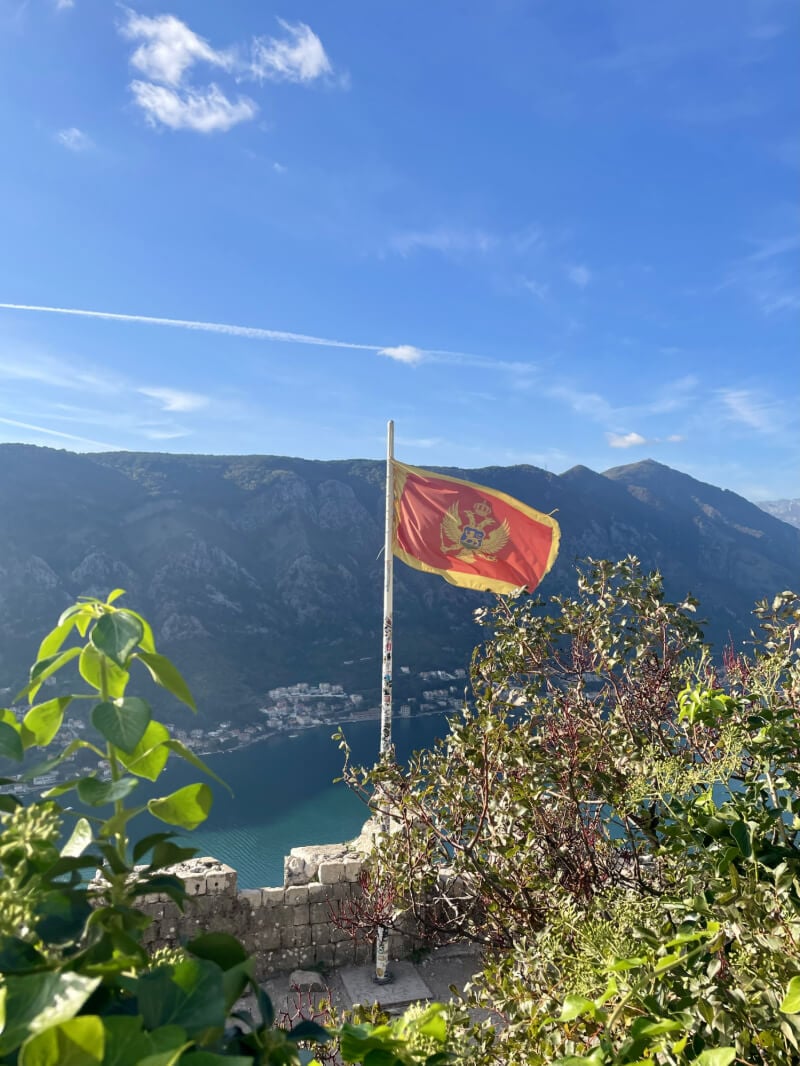
Photo: @danielle_wyatt
The drive from Dubrovnik to Kotor is straightforward and makes a good final stretch of the trip. Once you cross into Montenegro, the bay starts to appear beside you and the mountains close in around the water in a way that feels instantly different from the Croatian coast.
Kotor sits right at the curve of the bay, and the old town feels compact and familiar from the moment you walk through the gate. I definitely recommend venturing up to the fortress steps for a big view before calling it a trip. The climb opens things up as you go, and the bay looks great from the higher sections. Spend your final evening in Kotor’s old town, a beer in hand, calling it a wrap on an insane 10 days in the Balkans.
- Best Stops: Perast, Risan Bay Pull-ins, Kotor Old Town Gate
- Where to Eat: BBQ Tanjga
- Where to Stay: Garni Hotel TIANIS
- From: Ljubljana
- To: Durmitor National Park
- Total Distance: 2,400km / 1,500 miles
- Days: 21
- Top Road Trip Stops: Postojna Caves, Triglav National Park, Rovinj, Island Hopping from Split, Durmitor National Park
This route hits some of the best landscapes in this part of Europe. You start in Ljubljana, take in lakes, rivers, and mountains, then drop down into Croatia and Bosnia before finishing in Montenegro. It’s a trip that leans on nature and steady scenery rather than crowds or tourist traps that you can find on the coast. You’ll move through quiet valleys, national parks, and old towns, each with its own character.
Lake Bled is all about the calm, the Soja River is strikingly turquoise, Postojna Cave is a wild underground ride, Zagreb has the cafés and easy streets, and Plitvice and Krka are all about waterfalls. Mostar flips the vibe with its old bridge and river, and the run into Montenegro delivers proper mountain views before you hit Durmitor, which really stands out.
The days in Durmitor give you space to breathe and take in some of the strongest alpine scenery around. Overall, the route is all about easy-going drives, good scenery, and a mix of quaint little towns that’ll give you a slice of local living. It is a trip built on variety and steady movement; you’ve got enough to sink your teeth into but not too much that you’ll feel stretched thin. As always, feel free to add more or less days, depending on the pace you like to travel.
Road Trip Highlights:
- Lake Bled
- Postojna Cave & Predjama Castle
- Plitvice Lakes & Krka National Parks
- Tara River Canyon
Day 1: Arrive in Ljubljana
Arriving in Ljubljana is an easy start to the trip. The city is small, friendly, and simple to navigate, so choosing where to stay in Ljubljana isn’t a difficult one. Once you collect the car and drop your bags, you can just head straight out for a wander. The river runs through the centre with cafés and terraces lining both sides, and the old town has enough colour and character to pull you in right away.
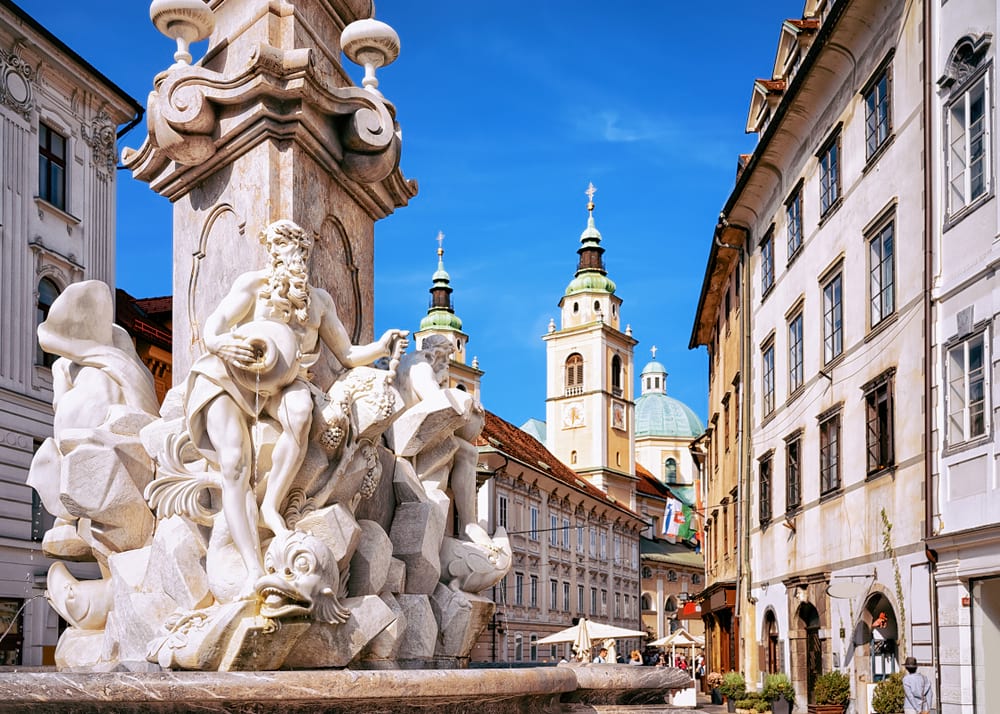
A trip up to Ljubljana Castle gives you a clear view of the city and the hills around it, and it works as a nice way to settle into the place. Dinner is easy with plenty of relaxed spots along the water, and the whole city keeps a gentle pace that suits the first night of a road trip. It sets things up nicely without taking too much out of you.
- Best Stops: Ljubljanica River, Ljubljana Castle, Central Market
- Where to Eat: Slovenska Hisa – Figovec
- Where to Stay: The Hotel Ljubljana
Day 2: Ljubljana to Lake Bled (1 hour drive)
The drive from Ljubljana to Lake Bled is short, so there’s no stress about a super early start. Bled is one of those places that feels instantly pleasant, with the lake sitting quietly below the hills and the island giving the whole scene a clear focal point.
You can find a lakeside terrace, try the cream cake the town is known for, or just spend time by the water, taking in the surroundings. It is an easy day with simple plans, good views, and plenty of room to enjoy the lake at your own pace.
- Best Stops: Bled Castle Viewpoint, Pletna Boat to the Island, Swimming in the Lake (if you can brave the temp!)
- Where to Eat: Old Cellar Bled (Lake view)
- Where to Stay: Hotel Park – Sava Hotels & Resorts
Day 3: Lake Bled to Triglav National Park and Soca River (1–2 hours drive)
Leaving Bled and heading toward the Julian Alps shifts the trip into proper mountain country. The road takes you over the Vrsic Pass, which is full of tight bends, big views, and those classic alpine moments that appear without much warning. Once you are on the other side, the landscape drops into the Soca Valley, where the river runs clear and bright through open meadows and forest.
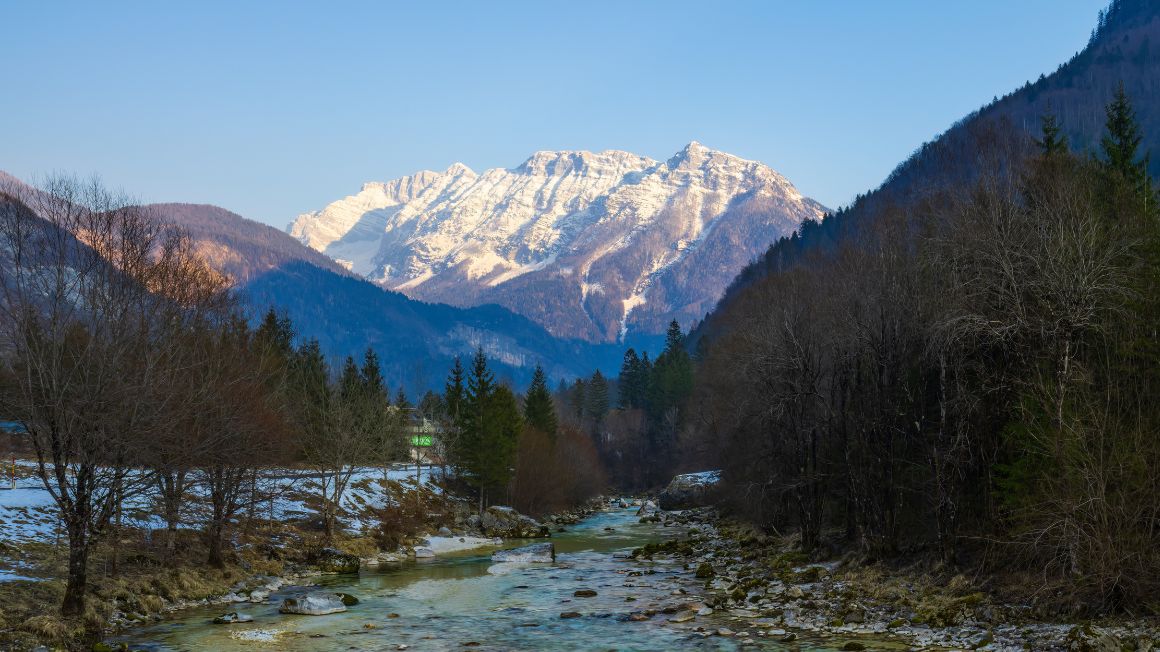
The world is your oyster when it comes to stops on this day. Walk around Lake Bohinj, cable car up Mount Vogel for wide mountain views, or spend time by the river watching the colour of the water move through the valley. Small villages like Bovec give you easy places to pause for food or a break before settling in for the night. It is a strong mountain day with plenty of scenery and a relaxed flow from one place to the next.
- Best Stops: Lake Bohinj, Vrsic Pass Viewpoints, Great Soca Gorge
- Where to Eat: Old Cellar Bled (Lake view)
- Where to Stay: Hotel Park – Sava Hotels & Resorts
Day 4: Soca River to Postojna (2.5 hours drive)
Day four moves you out of the mountains and into a different part of Slovenia. The drive south is steady, with the river fading behind you and the landscape opening into farmland and low hills. Postojna has a completely different feel from the alpine side of the trip. The main draw is the Postojna Cave, a massive underground system that is mind-blowingly impressive in scale. The guided route takes you through wide chambers, long tunnels, and formations that feel older than anything above ground.
Just outside town sits Predjama Castle, a castle built straight into the cliff face, which looks as dramatic as it sounds. It is easy to pair the cave and the castle in the same afternoon, leaving the rest of the day to walk around, try some local dishes and indulge in some R&R before crossing into Croatia the next morning.
- Best Stops: Tolmin Gorge, Vrsic Pass Viewpoints, Great Soca Gorge
- Where to Eat: BISTRO ŠTORJA
- Where to Stay: ECO Hotel Center Postojna
Day 5: Postojna to Zagreb (2–2.5 hours drive)
The drive from Postojna to Zagreb is easy peasy, leading you from Slovenia’s green hills into Croatia’s open countryside. Despite being Croatia’s capital, Zagreb moves at an easy-going pace. Sure, people are just getting on with their day, but there’s a lack of intensity that you often find in other capitals.
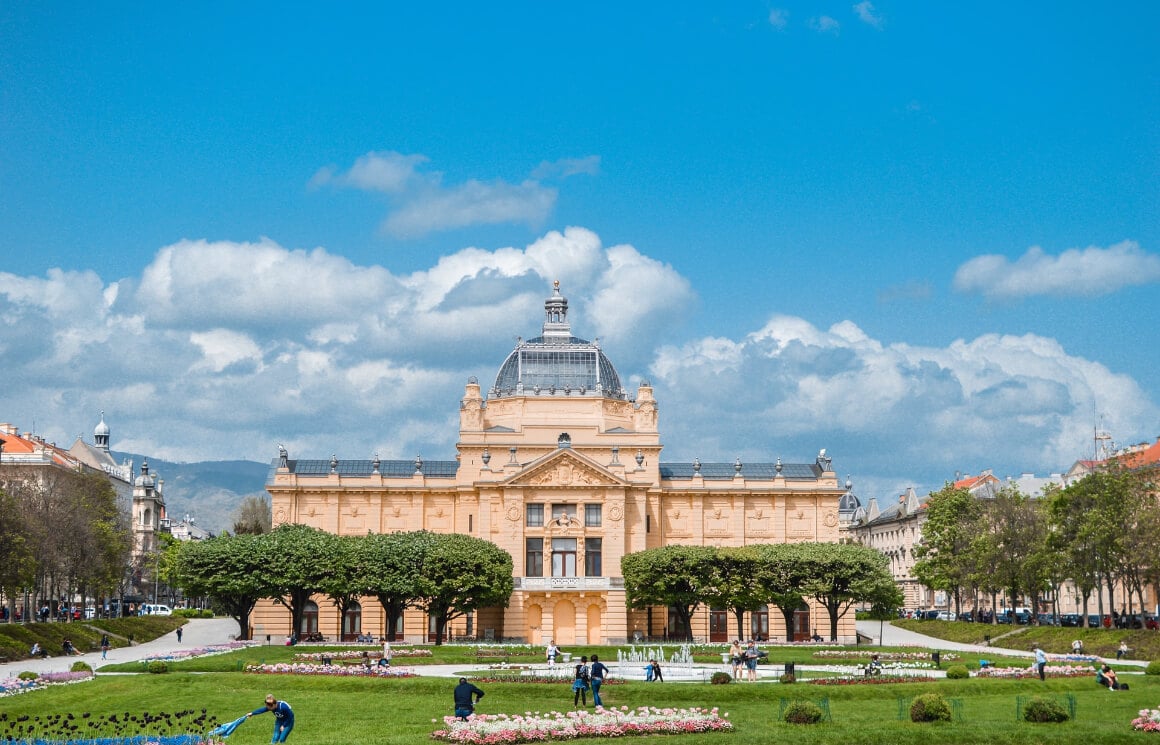
The trams cut through the centre, cafés spill out onto the pavements, and old buildings mix with modern touches peaking through. The Upper Town gives you cobbled streets, viewpoints, and a few easy landmarks that fit naturally into a day of wandering.
By the afternoon, the city starts to slow down a bit. Locals drift between bars and parks, and you can fall into that same rhythm without needing to plan anything. Zagreb has a slow pace that I admire, and it’ll be exactly what you need to pause before heading toward the lakes and national parks that define the rest of the trip.
- Best Stops: Krsko, Zagreb Upper Town, Dolac Market, Tkalciceva Street
- Where to Eat: HERITAGE – Croatian Street Food & Shop
- Where to Stay: MINT Boutique Studio Apartments
Day 6: Zagreb to Plitvice Lakes National Park (2.5 hours drive)
Leaving Zagreb in the morning brings a clear shift from city pace to open countryside. The drive towards Plitvice starts by rolling through fields and small villages before the road starts to wind through the forest. You won’t miss Plitvice once you get there – it won’t let you.
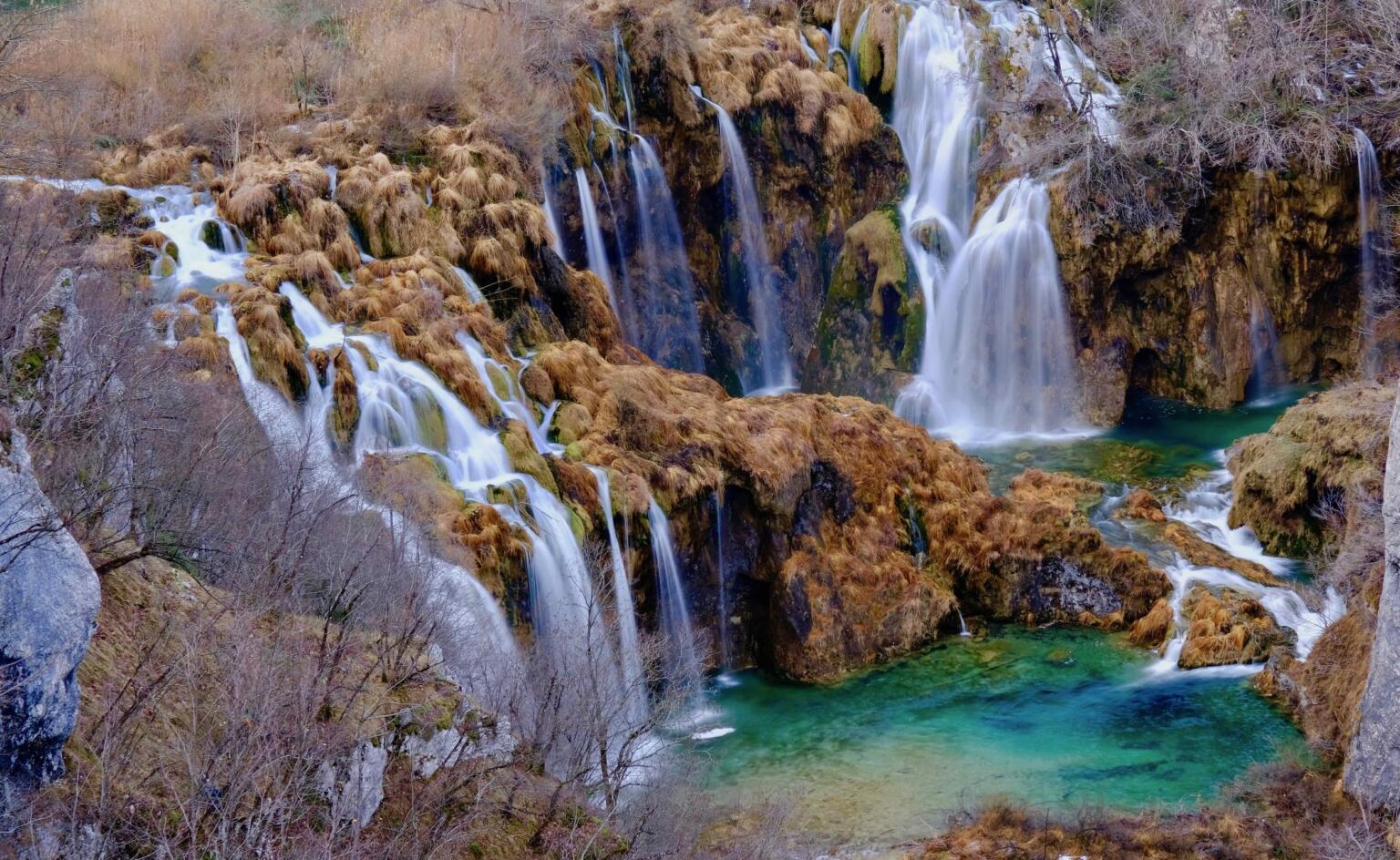
Plitvice Lakes National Park is a chain of clear lakes connected by waterfalls, all tucked into thick forest that feels dreamlike. It is an easy park to enjoy because nothing feels complicated. You follow the paths, take in the lakes, stop when something catches your eye, and keep going when you feel ready. Spend the rest of the day here doing some of the best hikes in Croatia or simply just absorbing the calm.
- Best Stops: Veliki Slap, Kozjak Lake Crossing, Upper Lakes Trails
- Where to Eat: Pizzeria Vucnica – Plitvice Lakes National Park
- Where to Stay: Plitvice Village
Day 7: Plitvice to Krka National Park and Mostar (4.5–5 hours drive total)
Day seven covers a lot of ground but still avoids being overwhelming. It’s the beefiest day of driving of the trip, so it’s worth setting off early. Leaving Plitvice brings you back through rolling countryside before dropping into the landscape around Krka National Park, which has its own font of waterfalls and river bends, different to Plitvice. A couple of hours here is enough to walk the main loop and take in the scenery without feeling like you’re rushing through it.
From there, the road carries you toward Mostar, and you feel the shift as soon as you cross into Bosnia and Herzegovina. Mostar is the end goal for today. The old bridge, the river, and the surrounding streets have a distinctive character that feels different to other cities covered in the trip. It’s easy to fall into a slower rhythm here, suiting the end of a travel-heavy day and getting you geared up for backpacking Montenegro.
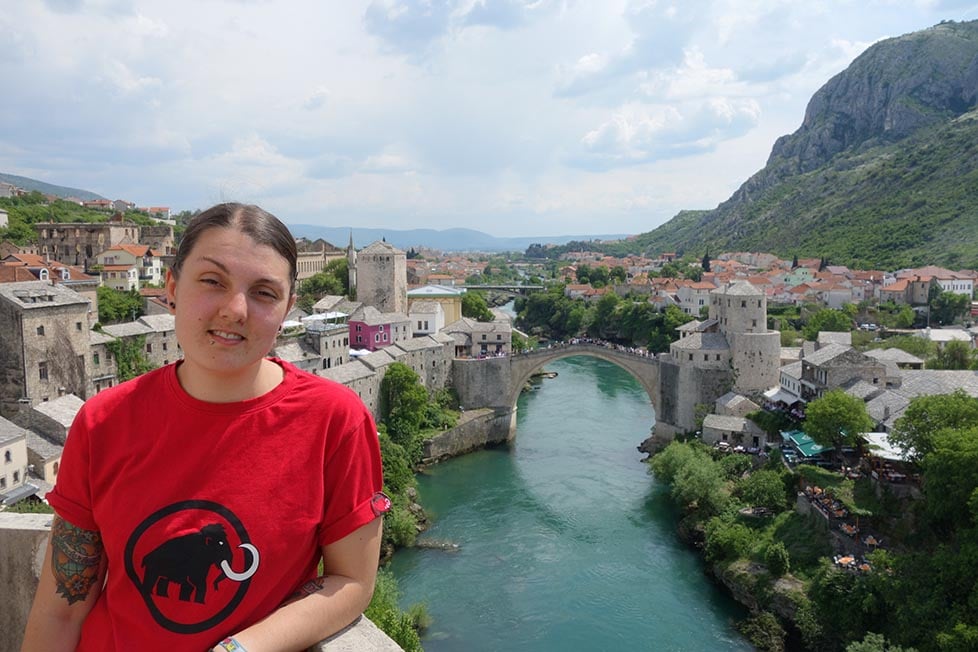
Image: Nic Hilditch-Short
- Best Stops: Skradin, Lozovac Viewpoint, Mostar Old Town
- Where to Eat: Tima – Irma
- Where to Stay: Villa Sunset Mostar
Day 8: Mostar to Durmitor National Park (6–7 hours drive)
Leaving Mostar kicks off a day that feels completely different from the rest of the trip. The road carries you out of the heat and stone of the city and straight into proper mountain country. Valleys open up, the landscape shifts every half hour, and the whole drive has that slow-building sense of heading somewhere special.
The stretch through the Tara River Canyon might just be one of the standouts of the trip. The cliff walls rise straight up, the river cuts deep below you, and the views come at you in a way that keeps you looking out the window more than the map.
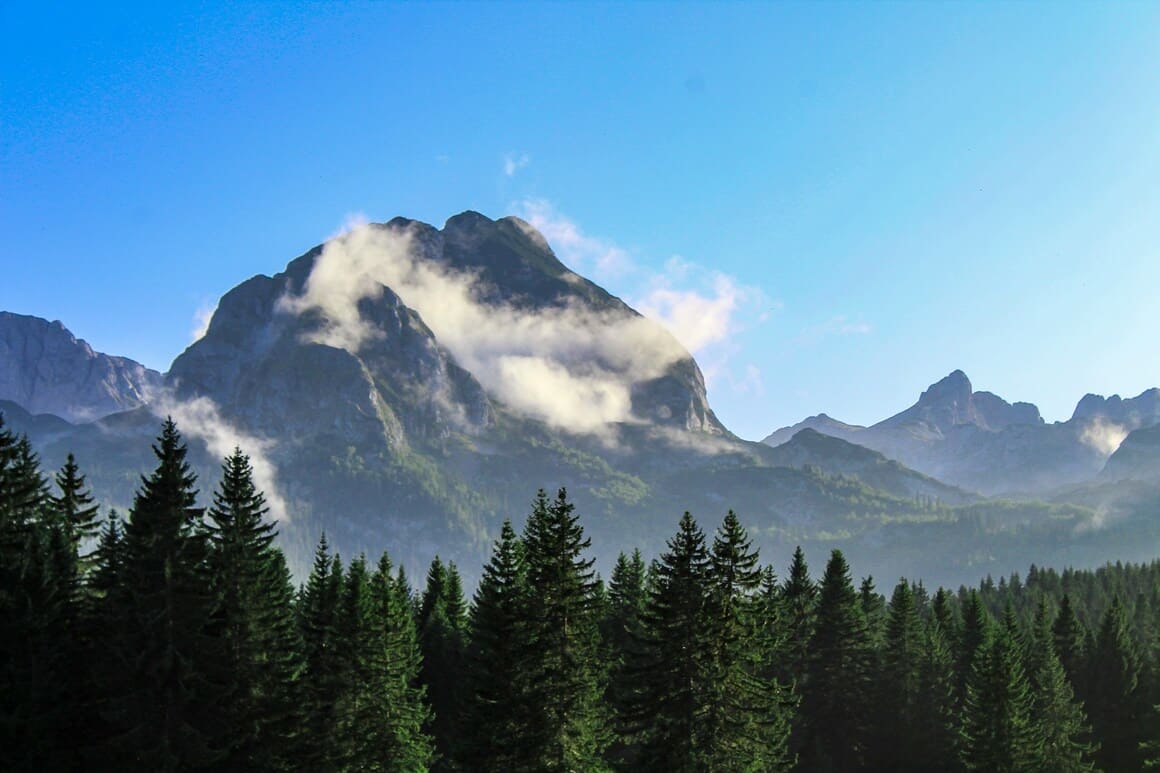
Rolling into Durmitor feels like landing in another world. Black Lake sits just outside town and makes a great first stop after the drive, with a loop that settles your legs and your head in one go. It is a solid end to a long day and a great lead-in to exploring the park properly tomorrow.
- Best Stops: Mostar Old Bridge Viewpoint, Jablanica Lake Pull-ins, Durdevica Tara Bridge
- Where to Eat: Krcma Nostalgija
- Where to Stay: Durmitor National Park
Day 9: Durmitor National Park
No driving for you today. No, sir, just you, your hiking boots and the smell of the pine. Day nine is the kind of day that reminds you why you bothered driving all the way out here. A UNESCO heritage site, Durmitor feels fresh the moment you step outside, with sharp peaks, clear air, and that quiet mountain energy that this inland road trip is all about.
Black Lake is the obvious place to start. The loop around it is easy, steady, and gives you a good look at the forest and the mountains without needing any big effort. From there, you have plenty of choices. Short hikes, longer ridge walks, or even just drifting between the viewpoints that sit along the main roads.
- Best Stops: Black Lake, Zminje Lake, Bobotov Kuk Trailhead
- Where to Eat: Restaurant Or’O
- Where to Stay: Apartments Peaks
Day 10: Durmitor National Park to Departure / Next Destination
This day is a flexible one depending on how much time you have. Morning in Durmitor works well for a short walk around Black Lake or a quick stretch in the forest before leaving. If this is the end of the road for you, this day will consist of heading home – whether that be to Podgorica to return your car and catch a flight or otherwise.
If you’re not ready to end the trip here, you’ve got a couple of different options. Backtracking into Croatia along the coast gives another dose of sea views and small towns, while heading toward Serbia through Novi Pazar to Belgrade shifts the scenery and pace completely, ending the trip with a bigger, livelier city.
- Best Stops: Spots you’ve missed in the national park or wherever you’re headed next!
- Where to Eat: If heading to Podgorica, check out Grill Beli
- Where to Stay: Hotel Marienplatz Podgorica is worth checking out if Podgorica is your next/final stop
Insurance in the Balkans
In the Balkans, it is illegal to drive without car insurance. Every driver is required to carry at least minimum liability coverage, and rental companies will always ask if you’ve got protection sorted before handing over the keys.
For your own peace of mind, it’s worth going beyond the basics and opting for full coverage that protects you from hefty bills if something goes wrong.
One option you might want to consider is RentalCover.com. They offer fully comprehensive insurance with roadside assistance.
Sort out your insurance before you go. There are several good options, but our overall pick is SafetyWing. Most of the Broke Backpacker team has used it at one point or another, and we’ve filed claims for rabies jabs in Bali, a hospital stay in Mexico, and a clinic visit for a stomach bug that wouldn’t quit. All paid out.
It’s month-to-month, no lock-in, no itinerary required, and you can buy it after you’ve already left. A little over $2 a day if you’re under 40.
New SafetyWing customers: use code BROKEBACKPACKER for 8 free weeks of electronics theft coverage. You have to scroll down and click the pink camera on their landing page to enter it, and you have to do it before creating your account.
FAQs for Slovenia to Montenegro Road Trips
Still got questions about road tripping through the Balkans? I get it. It’s a big trip with tons of Qs to be answered. Here are the most frequently asked ones I get.
Final Thoughts
The Balkans have been on many adventurers’ bucket lists for a hot second now, so it’s only a matter of time before it catches on with the masses. WHO KNOWS what the Balkans will look like in years to come?
That is to say, you gotta strike while the iron is hot.
This region is beautiful and still vaguely undiscovered now. The wildness of its roads, the relative solitude of its national parks and the curiosity of its locals are a fundamental part of what makes this road trip so special. Who knows if that is to last forever?!
The beauty of these road trips is in their flexibility. You set the rhythm, linger where you want, and explore the corners that speak to you, whether that’s quiet inland villages, dramatic national parks, or bustling coastal towns.
All that’s left to do is rent that car, fill up the tank, and hit the road. There’s a HELLUVA lot of the Balkans waiting for you.
Oh, and don’t forget to check out DiscoverCars for the best deals on rental cars.
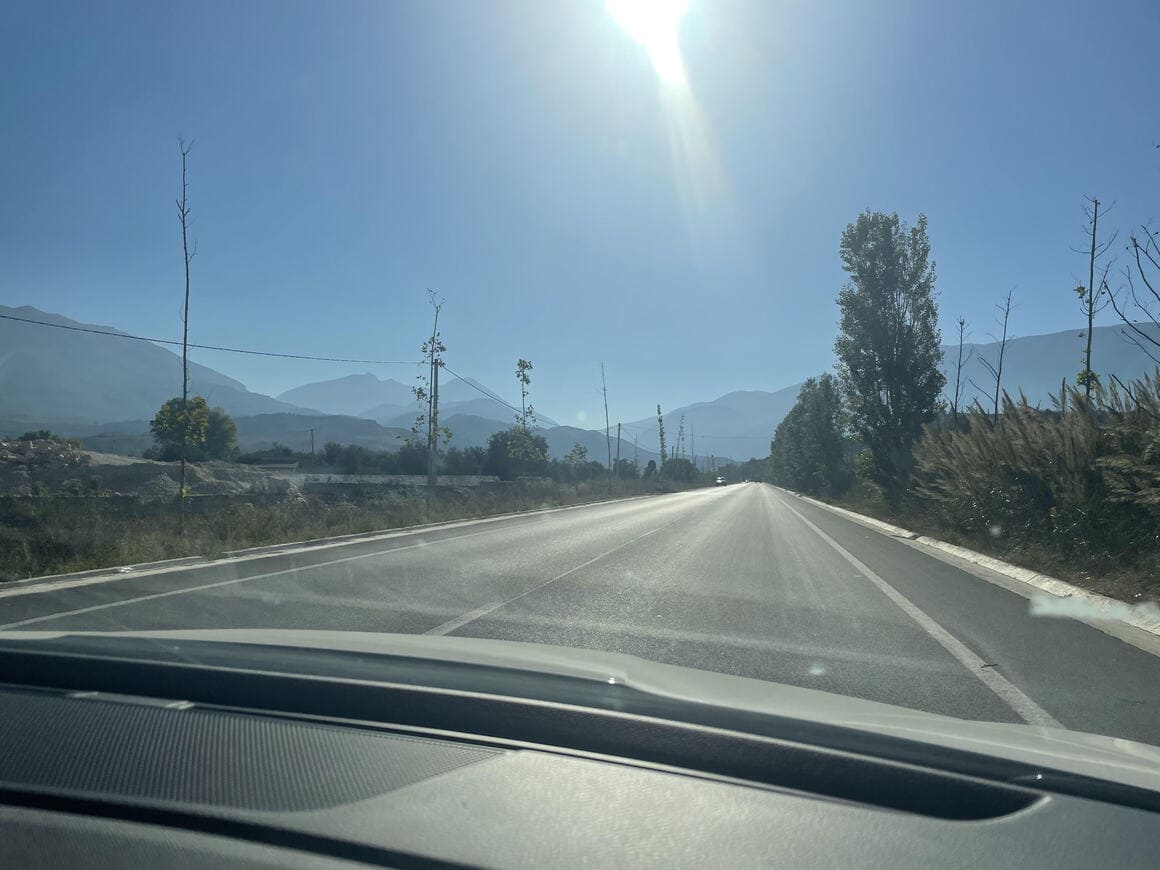
Photo: @solowithel
- Our in-depth Backpacking Slovenia guide has heaps of info for your trip.
- Check out where to stay in Montenegro for some dope accommodation.
- Check out the best hostels in Kotor for the start of your epic trip.
- Our in-depth backpacking packing list has all the info you’ll need for your trip.