Gearing up for my first ‘try’ dive, my instructor turns to me:
‘I’m sorry, I’m about to ruin snorkelling for you for life.’
A few hours later, I was face to face with schools of fish gliding through, my curiosity allowing me to linger in one spot way longer than a mask and snorkel ever could. I remember thinking really clearly about how the coral formations looked like one big underwater playground, as if I had just unlocked a whole new side quest suddenly to explore.
Dammit, he was right.
Like many backpackers gallivanting across SEA, I did my discover dive and eventually returned to get my cert in Koh Tao, Thailand. Despite now living there three years later (it happens to the best of us), what this guide won’t do is simply tell you to get certified somewhere cheap and call it a day.
Yes, Southeast Asia is one of the cheapest spots in the world to get certified, and yes, it is also ridiculously cheap to dive. But as with anything, cheap ain’t always best. Some of the most mind-boggling sites in the region will, in fact, cost you a pretty penny.
As an advanced diver with over 50 dives logged, all in Southeast Asia, I can tell you three things straight: where to actually go, what no one tells you before you book, and how to dive Southeast Asia without blowing your budget from a diver who’s actually done it, not an agency selling trips.
Let’s dive on in.
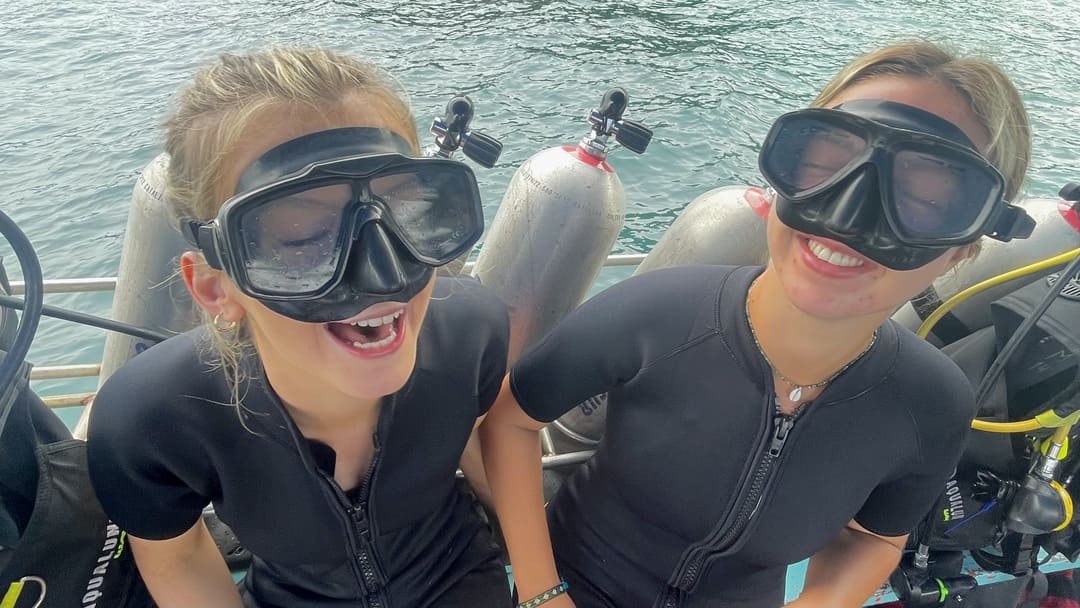
Photo: @taya.travels
The Broke Backpacker is supported by you. Clicking through our links may earn us a small affiliate commission, and that's what allows us to keep producing free content 🙂 Learn more.
What No One Tells You About Diving This Region
Diving in SEA is insane, but it’s not all sunshine and rainbows. The reality is that dive sites are often cheap and accessible in this region, but it’s not to say that they’re all created equal.
I’ve learned to become wary of hyped diving locations on the main backpacker trail. I’ve come to realise that popularity isn’t always worth its weight. In fact, a location’s accolades often mean you’ll be contending with equal parts humans and fish. Not fun.
To sound snobby, I’ve learned that there’s a difference between “backpacker popular” and “diving popular”. A place like Koh Tao is backpacking popular: it’s cheap, social, and the likelihood is you’ll be passing through anyway when backpacking Thailand.
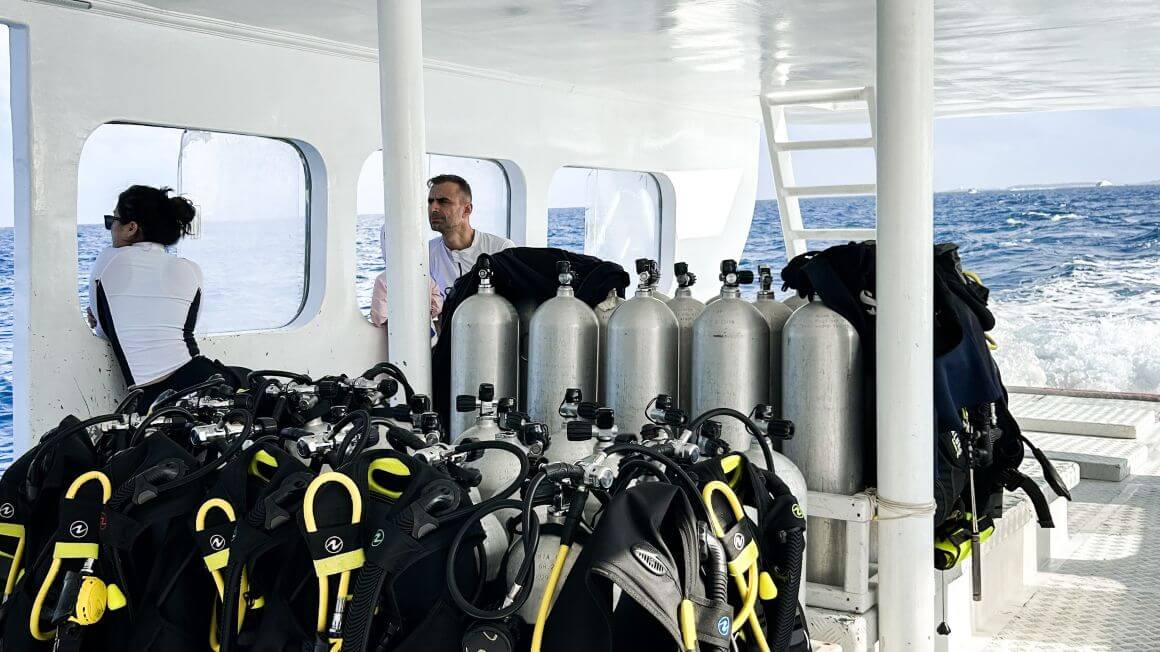
Then, there’s “diving popular“. This is for those creme de la creme, bucket-list diving sites that will make you jump through hoops. They require two days of travel, permits sorted months in advance and your newborn child. But, in spite of it all, there’s a reason why they can’t escape the lips of the diving community. They offer genuinely mind-blowing, I cannot believe this is the world, diving.
And that, my friends, is the broad spectrum we’re dealing with when we’re talking about diving in Southeast Asia.
Not only that, but it’s super seasonal too. Turns out the ocean isn’t immune to the powers of Mother Nature either. Huh. Currents, visibility, tides, storms: a dive is only as perfect as its conditions. Nothing sucks more than having your heart set on a dive trip only for you to see after as far as your dive buddy beside you. In places where tourism is dive-dependent, they all but pack up shop in the off-season.
So, if you’re looking to rock up and dive that site you’ve had your eyes set on for months simply because it was convenient and you were passing through, take a hot second. Most manta ray seasons are, you guessed it, seasonal, and some contend with ocean conditions so sketchy that a boat wouldn’t be able to take you there for a good chunk of the year anyway.
Good diving requires good planning. If you happen to be in the right place at the right time, lucky you. But for the most part, I wouldn’t bank on it.
Where to Learn to Dive (and How to Do It Cheap)
Are you looking to dip your toes into the diving world in SEA? Wanna know the best and/or cheapest place to get certified? Luckily for you, SEA is the best (in my humble opinion) place to do so. I’ll give you the 411 on the best spots and what to expect.
Koh Tao, Thailand
As much as I have my grouches with diving here, Koh Tao is probably up there with the best place to learn to dive in Southeast Asia. It’s cheap, sites are accessible, and conditions are mostly calm year-round. Plus, there are SO many dive schools here that you can be really nitpicky about the type of vibe that you want, whether that be social, a school with smaller groups or one that avoids those dreaded 6 am wake ups. It’s so easy to fit a dive into any and all itineraries for Koh Tao, no matter what kinda backpacker you are.
If you’re nervous about diving, Koh Tao is a great spot – everyone’s in the same boat; the instructors do it day in and day out, so you know you’re in safe hands. It gets branded as a ‘PADI machine,’ mostly for disparaging reasons, but when it comes to getting certified, it earns its stripes.
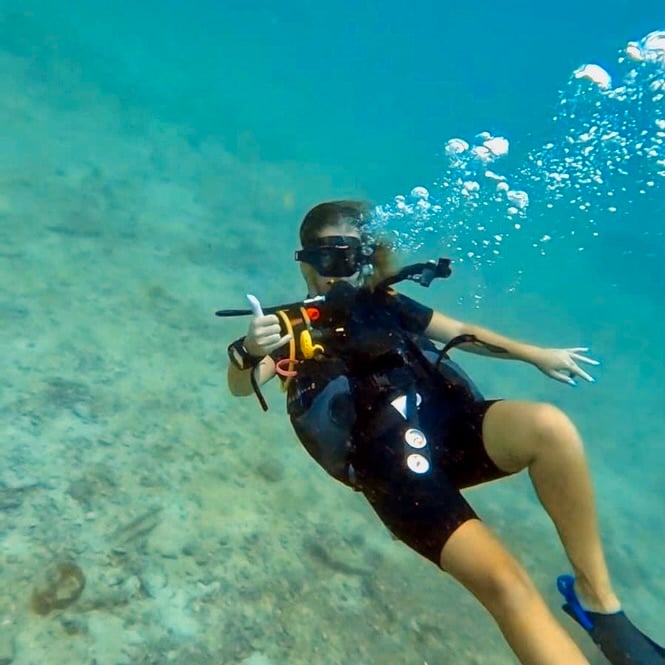
Photo: @taya.travels
Now the downsides: sites, especially the ones popular with Open Water learners, get pretty bloody manic. It can be managed by going with smaller schools that try and avoid the riffraff, or going to the less popular sites at less popular times. Even still, if the idea of sharing a site with a load of newbie divers who don’t know their reg from their fins induces anxiety, then maybe another spot is best for you!
I did my open water with Taco Shack, and then my advanced with them the following year. The instructors were legends, and making friends on the course was second nature – I’d deff recommend for a solo backpacker looking for a social experience.
Andaman Sea, Thailand
I’ve left this as broad as the entire sea that wraps the west coast of Thailand, so you can really take your pick here. My main recs for spots would be Phuket, Krabi, Phi Phi, Koh Lanta, etc., but really, all sites will be the same level of quality. You could literally plan out a whole Thailand trip just bumping across these islands and get some epic diving in.
I’ve heard amongst the diver grapevine (seriously, all divers talk about is diving) that the Andaman Sea is goated for diving over the Gulf of Thailand. Coral is more vibrant, the fish scene is poppin’, and you’re sharing it with waaaaaay fewer divers.
Like most of Thailand, conditions stay pretty calm and are just made for newbies. There are no drift dives or crazy difficult conditions to contend with unless you’ve gone in super low season and don’t have the weather gods on your side.
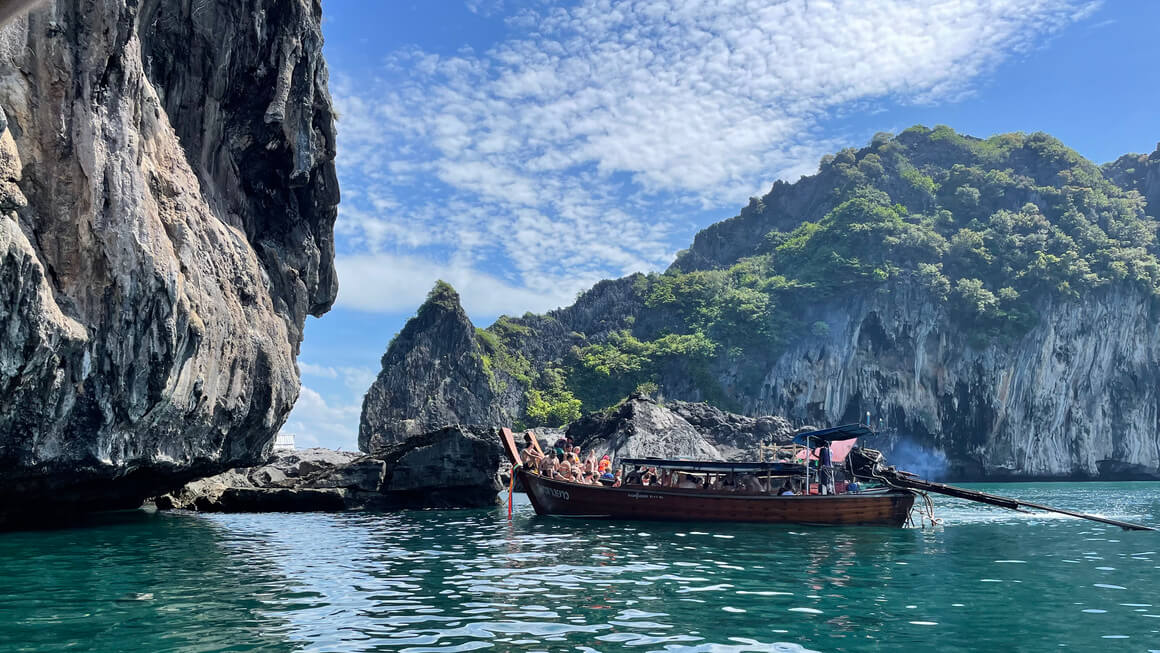
Photo: @danielle_wyatt
The diving scene isn’t as concentrated as it is in Koh Tao, but if you go to big backpacker spots like Phi Phi, I’m sure you’ll run into similar social scenes. It doesn’t run just as cheap as Koh Tao, with more remote islands like Koh Lanta being slightly more spenny, but it’s still super affordable.
If you don’t mind splashing out a couple thousand more baht for smaller groups and better dive sites, the islands on the Andaman Sea side of Thailand are a great shout. If you do end up getting your open water here, make sure to head up north to the Similan Islands: dubbed as the Spot to go diving in Thailand and one of the most stunning places in the whole country.
Gili Islands, Indonesia
I love the Gili Islands. To me, it’s the perfect backpacker hub. You’ve got great social hostels, great nightlife, and I easily fill my days with nothing more than my towel, Kindle, and a snorkel. But venture out a little deeper, and you’ll see where the real magic lies. Sites here consist of sheer wall drops, shark sightings, and aptly named sites like Turtle Heaven.
Backpackers don’t flock here specifically to do their Open Water in mind, but that doesn’t negate the fact that it’s a really good place to consider. It’s relatively affordable; there aren’t a ton of schools, and groups stay intimate and focused.
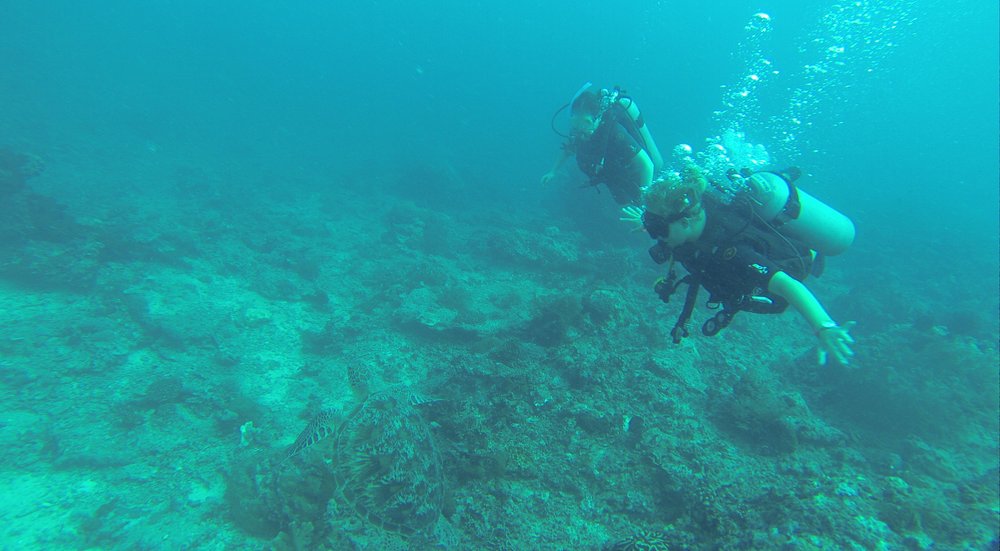
A big pull to come here is for my fellow seasick girlies. The Gilis are a small cluster of islands, and the sites don’t stray too far from the mainland, meaning trips never tend to be more than 10/20 minutes. Just don’t be like me and be on the 6 am boat after getting home at 3! Short trips or not, that’s a one-way trip to vom town. Not cool or clever.
Moalboal, Philippines
What better place to get your open water than in one of the best countries to dive in? You can get certified and literally hop from island to island, collecting dives like Pokémon cards.
Moalboal is a great place to learn as the conditions are relatively calm and easy year-round. It’s got the famed sardine run, which is very cool, but expect the crowds to match it. Surrounding sites like Pescador Island are worth lingering for in themselves. Like Amed, most dive sites here can be reached by a quick shore swim, no boat needed. Steep walls start close to shore, so you get depth and interesting terrain without needing to graft for it.
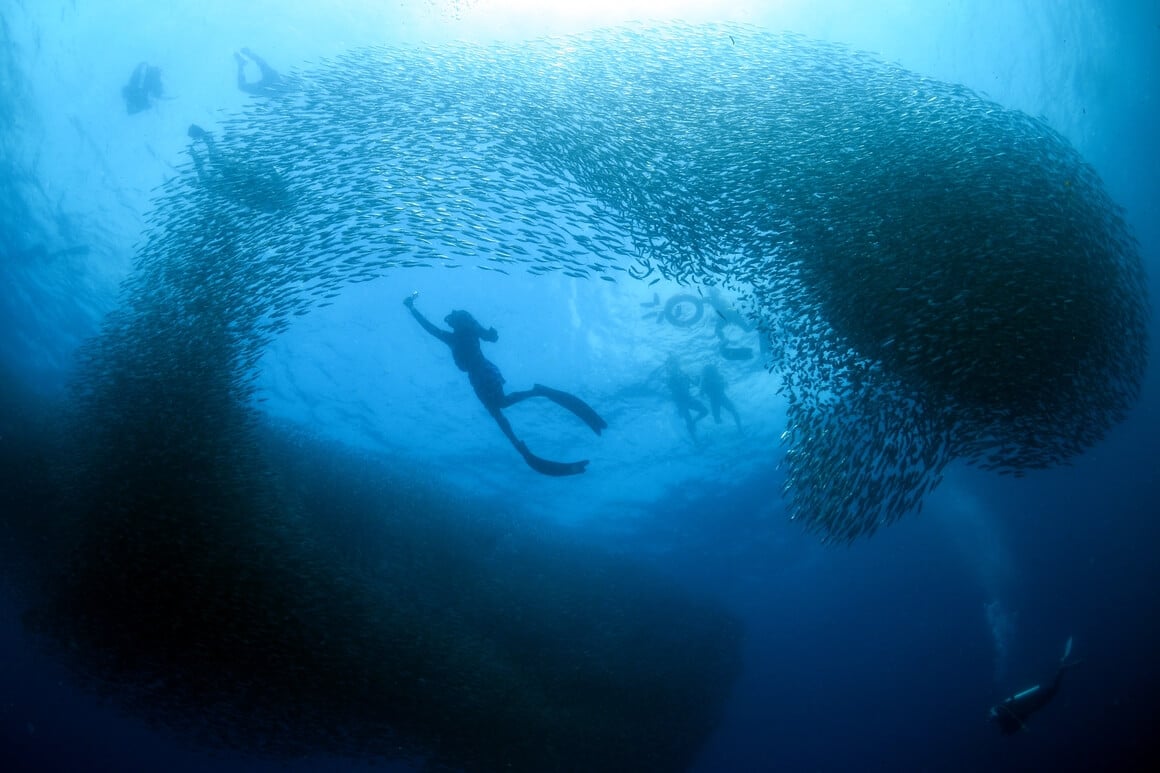
Open Water courses do run on the higher end of the spectrum in terms of costs, but if you’re specifically in the Philippines to dive and want somewhere calm and reliable to kick off your diving era, Moalboal is a good shout. Schools litter the main strip, so you can window-shop past a couple to fit the right vibe and price for you.
The Course Ladder
New divers get confused fast because the naming makes it sound more complicated than it is. Here’s the actual progression:
- Discover Scuba Diving is just a taster, not an actual certification. It’s just a one-day thing teaching you skills basic enough that you can keep yourself alive and taking you to a few shallow sites. It’s good if you’re not sure diving’s for you and don’t want to commit money or days to finding out. Many shops let you count this dive towards your Open Water course if you decide to continue, so it’s not wasted time either way.
- Open Water Diver is the opening portal to the world of diving. The one that lets you dive anywhere in the world with a buddy, no instructor required, down to 18 metres. It takes 3-4 days to complete on average and is where most people stop unless you fall down the rabbit hole and start getting really nerdy about diving. And trust me, it’s easily done.
- Advanced Open Water comes after, and it’s less about learning to dive safely and more about expanding what you’re allowed to do: deeper dives (down to 30 metres), navigation, and a handful of adventure dives you pick yourself, night diving, wreck diving, whatever’s on offer locally. There’s no exam, unlike the Open Water, just five dives and five knowledge reviews.
The Advanced Open Water is worth doing if you’re planning to keep diving through your trip rather than doing one course and never touching a tank again. For Southeast Asia specifically, tons of the big boy things to see lie under 18m, so I really recommend getting your advanced if you’re looking to continue diving around the region. But again, dip your toe in with the open water, and you can assess the extent to which you think you’ll be hooked!
How to Choose a Dive School Without Getting Burned
The cheapest shop on the strip isn’t automatically the worst one, and the priciest isn’t automatically the safest. What actually matters:
- Student-to-instructor ratio. PADI’s maximum is 8 students per instructor, but that’s a ceiling. Of course, the bigger the group, the more social it is, but it also means getting less attention from your instructor if you need it. Ask directly what ratio they run.
- Actual reviews, not just star ratings. Skip the aggregate score and read a handful of recent written reviews for specific instructor names and specific details about what the equipment is like, how the pool session went, etc. A shop with fifty five-star reviews that all say “amazing!!” and nothing else tells you less than five reviews that mention how patient the instructor was with someone who panicked on their first mask-clear.
- …Or, better yet, rely on good ol’ word of mouth. This, to me, is worth its weight in gold vs online reviews. You can pick someone’s brains about their experience, what the instructors were like and get the pros and cons of a specific school.
- What’s included, not just the headline number. Compare like for like. A course quoted at $250 that excludes eLearning materials might end up pricier than one quoted at $300 that includes everything, once you’ve added the bits back in. Keep in mind some spots require you to pay a national park fee that is almost never included in the overall quoted price.
- Either way, all certifications are the same in the end. No matter if you picked SSI or PADI, no matter if you paid $100 less than other schools. Where you learn matters far more for how comfortable and confident you feel doing it than for the piece of plastic you walk away with.
| Location | Open Water price (approx) | Duration |
|---|---|---|
| Koh Tao | $280–$370 | 3–4 days |
| Andaman Sea, Thailand | $280-$440 | 3–4 days |
| Moalboal | $380–$430 | 3–4 days |
| Amed, Bali | $210 (SSI) to $550 (PADI) | 2–3 days |
Where to Actually Dive Once You’re Certified
Right, so you’ve done the hard work, your PADI is secured, and now you’re ready to really tally up your dive log…so, where to go? You don’t want to go from 0 to 100 with super technical dives that expect 50+ dives already – you want the nice and easy stuff to ease yourself into it and really build up your confidence. These spots would be top of my list as a complete newbie open water diver.
Perhentian Islands, Malaysia
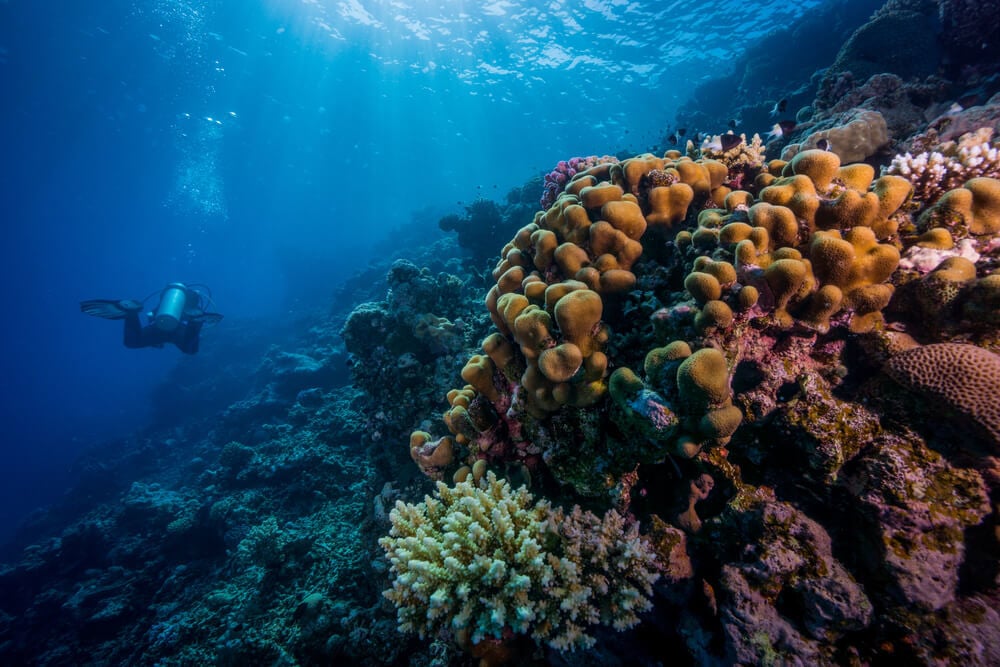
The Perhentian Islands are a remote set of islands nestled in the northeast of Malaysia. They’re not on most backpackers’ radar as they stray from the usual backpacker route, but for a couple extra steps, the diving is so, so worth it. Dive sites here never reach past 24m, so you won’t have FOMO for being capped at 18m.
| Source: Adam Ke (Shutterstock)
Like most of the diving in the Gulf of Thailand, conditions stay relatively calm and easy-breezy, making it a dream for newly qualified divers. That being said, tourism here is so directly related to diving that, come the wet season, everyone packs up shop and heads to the mainland. All resorts close and even boats stop operating, which I suppose is a good alternative to rocking up and realising you’ve missed the season.
Off-season is November to March of every year, though these dates can move around depending on the weather.
If you did your open water in somewhere that’s heaving like Koh Tao, you’ll be amazed to see the contrast in just how quiet and unshared these sites are. For the best diving in the Gulf of Thailand by a mile, the Perhentian Islands are your gal. Plus, this area is home to some of the best beaches in Malaysia for those chilled rest days.
Amed, Indonesia
Nestled in the sleepy north away from the raucous tourist trail lies Amed, an absolute haven for shore and wreck dives. In fact, it’s pretty much what people come here to do! The USAT Liberty wreck is just up the road, a famed WWII sunken ship which now homes an array of coral that all but absorbs the ship’s structure. It’s a big bucket-list dive, but people come for the wreck and end up lingering way longer than planned because of the sheer diversity of its sites.
Pretty much all dives start straight from the coast of Amed or nearby villages, so no boat is involved. This makes dives a fair bit cheaper, plus you don’t have to contend with a choppy boat en route. I’m pretty sure it was the cheapest dives I’d ever done!
Like the town itself, the diving scene is quiet and laid back. Once you stray from the main heavy hitters, you’ll find yourself exploring sites with no one but your buddy and instructor! Amed is also a big spot for muck diving, though as a newbie there was no chance of my eyes lasering in on anything that small without my instructor pointing it out for me first. For some of the cheapest diving in SEA with a fraction of the crowds, Amed is definitely one to consider.
Nusa Penida, Indonesia
Now, this might be a bit of a rogue contribution, but I think Nusa Penida is a fantastic stop for divers looking to build their confidence and skills up. On a calm day, conditions are similar to other sites off the coast of Bali: calm, wicked viz, and lots of marine life to see. But when the wind picks up, Nusa Penida is prone to currents, but this isn’t anything new divers should shy away from. Every day’s a school day after all, and learning how to dive in choppier conditions is one of the quickest ways to build yourself up as a resilient diver.
On the days when you’re having to contend with current, you’ll be drift diving. This essentially means the boat will drop you elsewhere; you’ll drift like a leaf in the wind, and the boat will pick you up close to where you ascend. Of course, vibe check with yourself and other schools – if they reckon conditions are rough and you’d rather have a chill dive, wait it out a couple of days.
Conditions aside, the diving in Nusa Penida is pretty epic. It’s mostly famed for its manta ray sightings, and luckily these sites are mostly protected from the craziest currents. If you’re REALLY lucky, you might have a chance of spotting mola mola and an array of sharks. You’ve got a perfect mix of things to keep you entertained underwater, all whilst building up those dive skills you might not have learned during your open water.
Similan Islands, Thailand
Getting qualified in South East Asia is so cheap; why not splash the cash you saved on some epic diving in the Andaman Sea? In terms of diving in Thailand, the Similan Islands are pretty much the creme de la creme of it all, with over 20 dive sites offering a chance of seeing some of the most pristine coral in the country, along with pelagics and mega schools of fish.
It’s a protected national park, so everything down there looks lush and wild, clearly a favourite with the fish as much as the divers. Richelieu Rock keeps popping up on ‘best dive sites on Earth‘ lists, and once you’ve been, you’ll understand why.
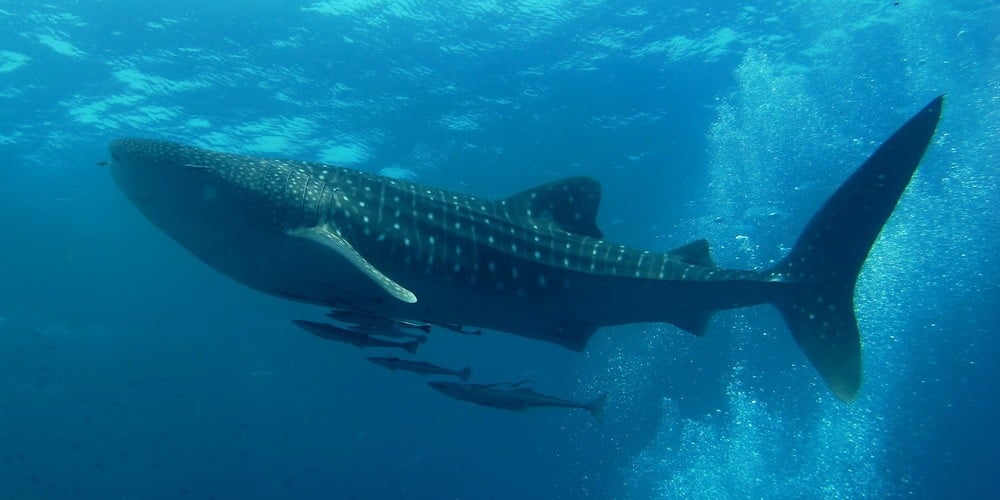
Photo: Abe Khao Lak (WikiCommons)
Most people visit the Similans on a liveaboard, meaning days of non-stop diving and working on your tan in between. As spenny as liveaboards can be, the ones in the Similans are kind of as affordable as they get. Plus, you’ll be surrounded by other diving geeks, so it’s pretty much assumed that you can learn a thing or two from them.
A liveaboard isn’t mandatory anyway; you can easily stay in Khao Lak on the mainland and do day trips, though you’ll find diving here significantly more expensive than the rest of the country. Even so, the Similans have built a reputation strong enough that the extra wonga is worth it if you want to see underwater topography this impressive.
Bohol, The Philippines
Bohol is a gem for divers who’ve just got their cert and want to rack up some real experience. It’s calm, it’s easy to reach, and there’s plenty to get stuck into. Coral gardens, towering walls, even drift dives if you fancy dabbling in something a bit more technical. It’s a popular stop on the Philippines backpacker trail too, so there’s a proper social scene if that’s what you’re after.
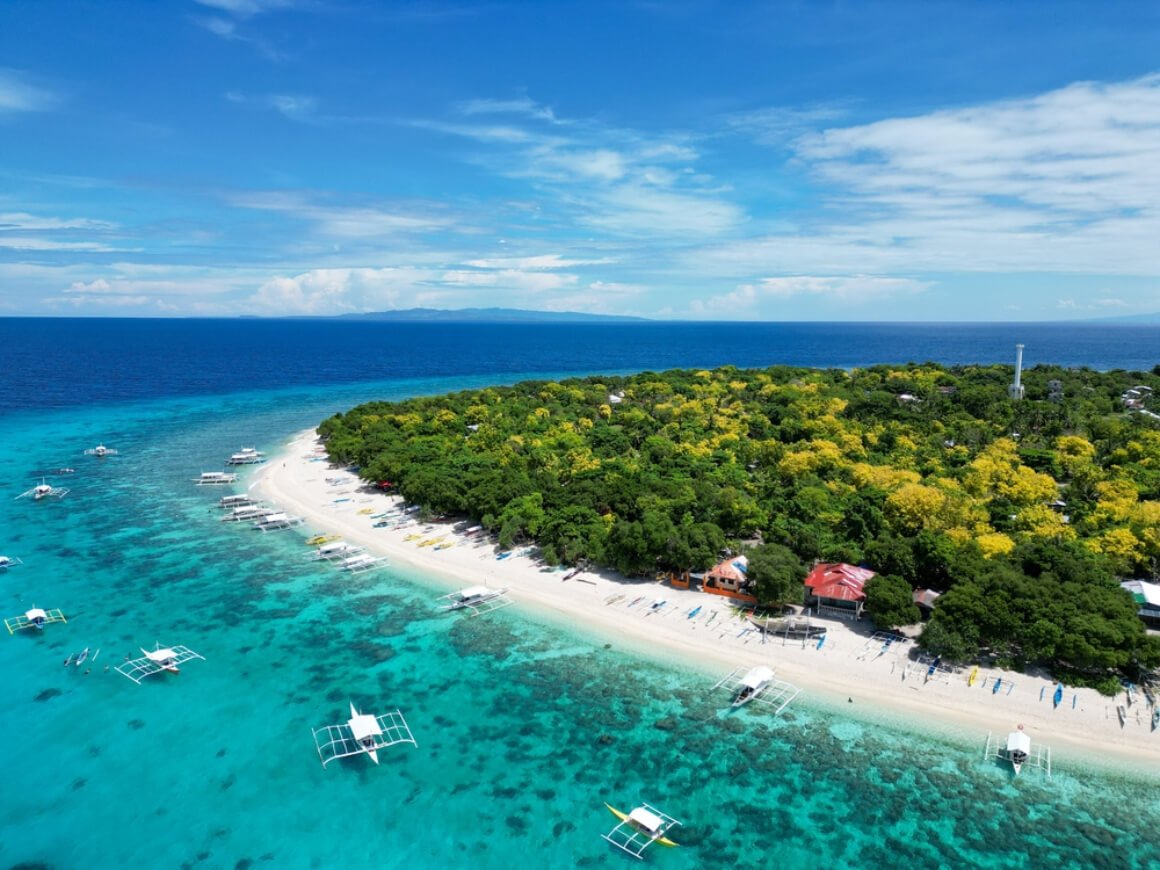
Unlike other diving spots in the Philippines that’ll make you work for it, Bohol doesn’t ask much of you at all. Most dive schools cluster along Alona Beach, and the sites themselves are rarely more than 20 minutes away by boat. If you’re short on time but want to see what all the fuss is about with diving in the Philippines, this is the place to dip your toes in. And the rest of you.
The Bucket-List Sites: Worth the Money or Overhyped?
We’ve talked about the cheap, the easy and the accessible; now, how about the headliners? These are the spots that make a name for themselves despite cost and viability to get there. If there’s one thing to know about divers, if they have their sights set on something, they’ll get there. Money and ease be damned.
Here are the spots that linger on divers’ tongues the most, and whether I think they’re ACTUALLY worth the hype.
Raja Ampat, Indonesia
Out of any name on this list, Raja Ampat holds the top spot on my bucket list, and has done so for years. So why haven’t I yet taken the plunge? Because it’s an absolute bitch to get to. Even if you find yourself already in Indonesia, expect to take another two flights and a couple of boats in there for good measure. Getting to this absolute gem of a national park in Indonesia is half the battle… and the fun!
Most people take liveaboards here to really capitalise on the opportunity of seeing those more remote and mind-boggling sites, but day trips are still doable, albeit expensive compared to the rest of the country. Most operators will take open water divers, but the diving is often drift-based, and currents can turn without warning, so this isn’t the place to be working on your buoyancy for the first time. If your logbook is thin, tell your operator honestly and let them pick sites to match.
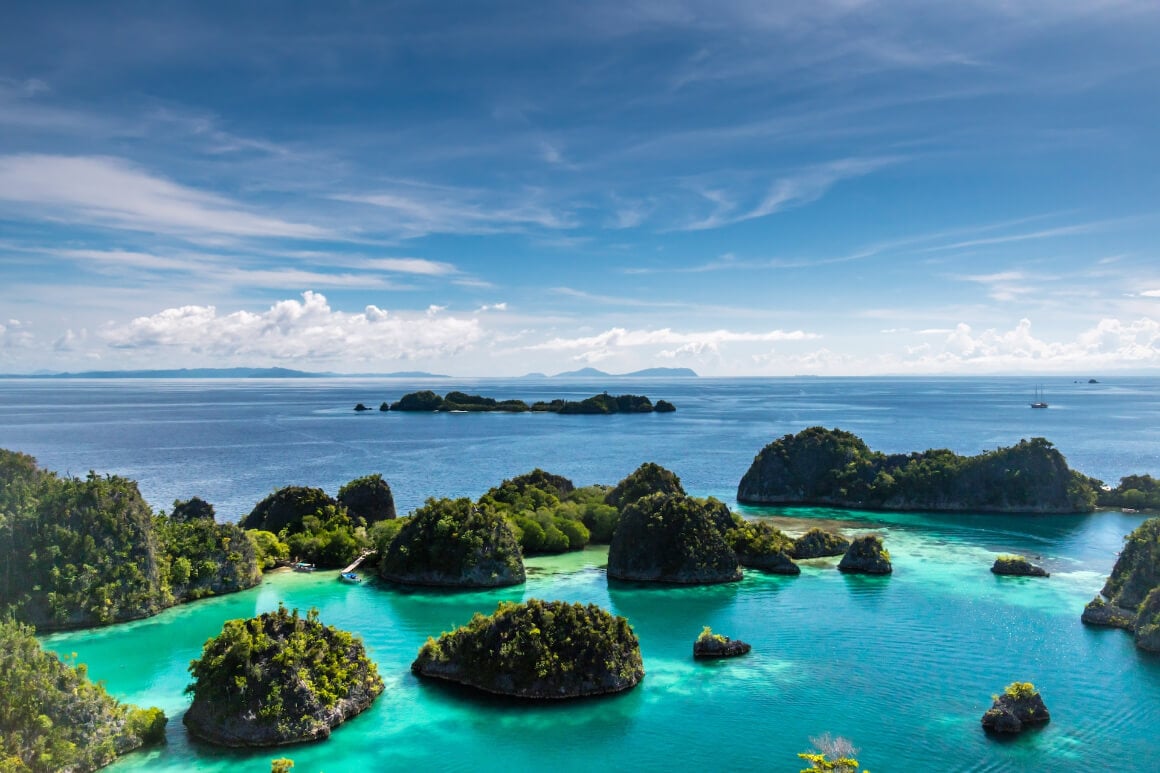
The coral coverage and fish biomass here genuinely can’t be replicated anywhere else in the region, so if the budget stretches to it, it’s more than worth the hit. Until I’ve got the patience and bank account to match, I’ll be dreaming of the day I can make it to this part of the world.
Komodo Islands, Indonesia
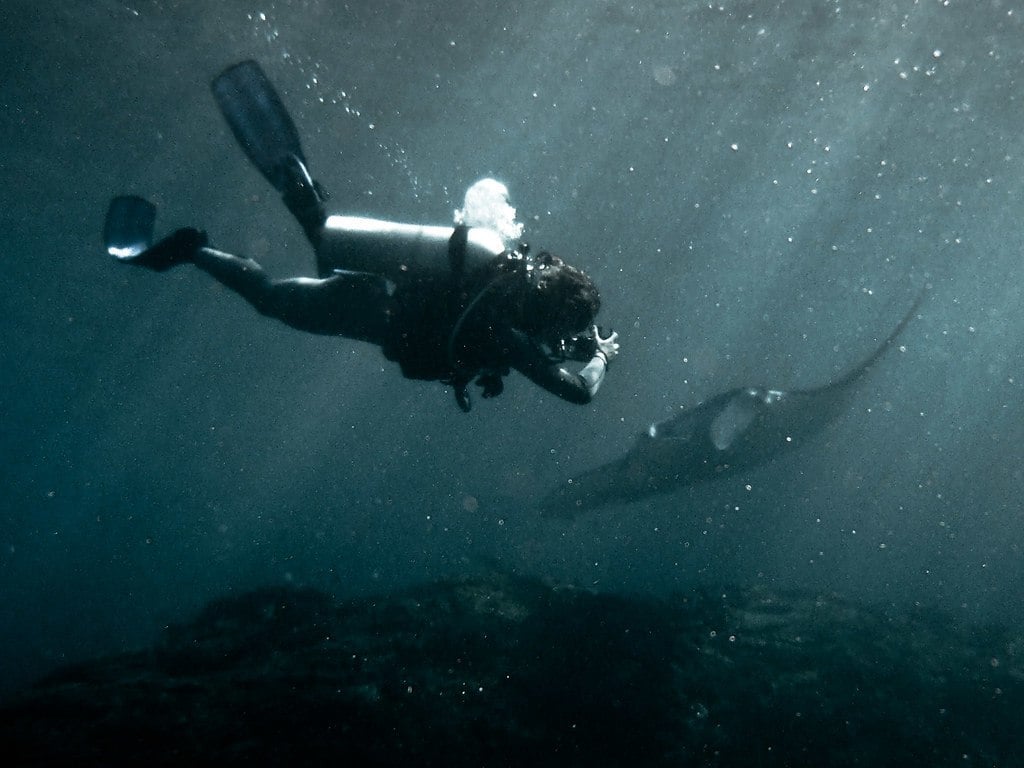
The Komodo Islands are another place that constantly gets mentioned in the best places in the world to dive. It was my first ‘bucket list’ place to dive, and even then it exceeded my expectations tenfold. Diving amongst a group of manta rays who followed us for the duration of our dive was such a pinch-me moment that I’ll forever be chasing in my future diving expeditions.
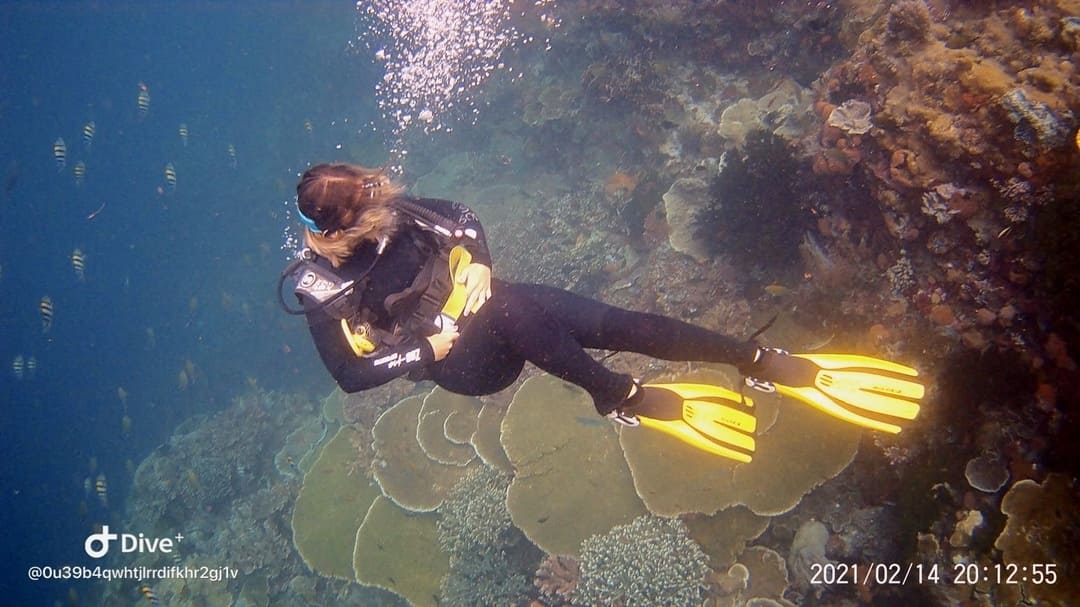
Photo: @taya.travels
This one is definitely not the place to find your fins, as sea conditions, currents and viz can change fast. I actually ended up losing my group and had to ascend on my own, which can be panic-inducing, to say the least, let alone if you’re a newbie. With the national park fee and most schools requiring a three-dive trip minimum, it’s not the cheapest place in Indo to be blowing bubbles.
Even still, a trip to Komodo is 100% worth it, especially if you’ve just come off the boat expedition from Lombok and want to carry on with the truly biodiverse topography this national park offers. Just make sure to time your trip according to the best times to visit Komodo.
Malapascua, Philippines
Malapascua is known for one thing and one thing only: thresher sharks. It’s one of the only regions in the world where sightings are pretty much guaranteed year-round. The catch is that the sharks hang around a cleaning station sitting at 18 to 30 metres, and dive operators typically want you at an advanced level before taking you down for the 5 am shark dive (yes, it’s an early start; no, there’s no way around it unless you want to glimpse a shape in the murky distance).
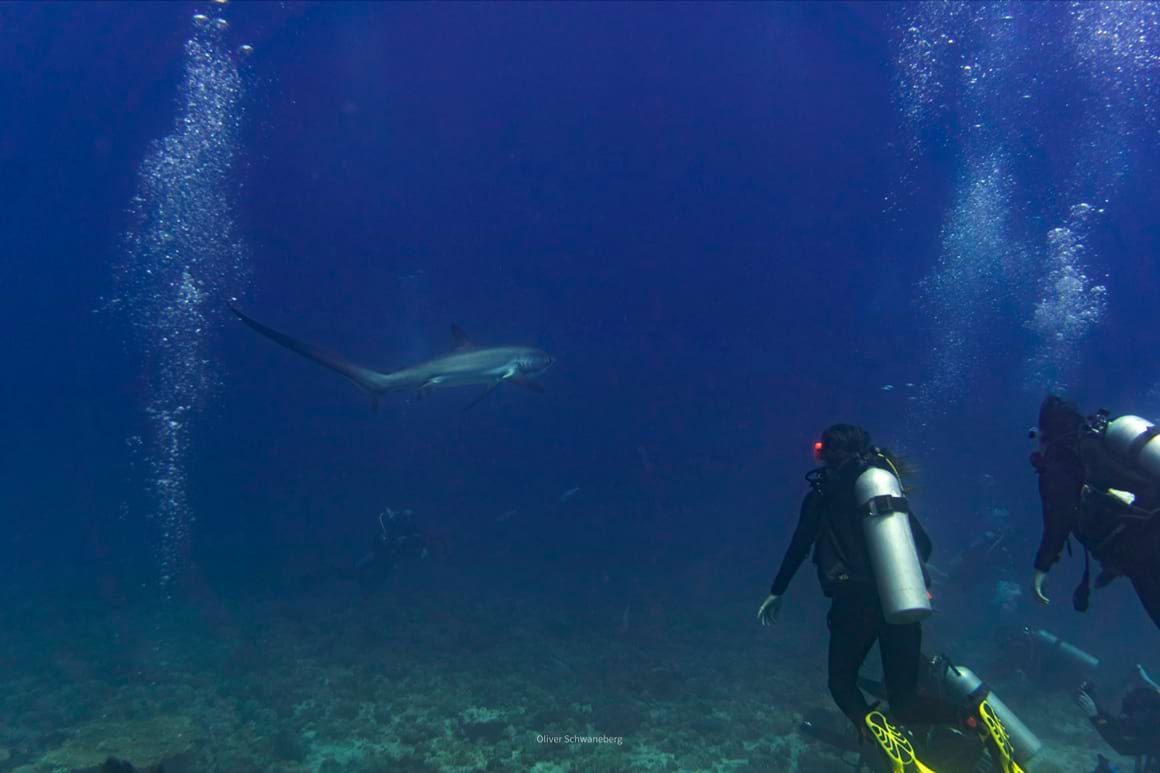
As for whether it’s worth it: well, it’s up to you. Seeing the elusive thresher shark is such a bucket list moment for some divers that this is worth a trip in itself. But, apart from thresher sightings, I don’t think the sights in Malapascua are as mind-blowing as others that you’d find in the Philippines. If you’re more into coral gardens and diverse fish like me, you’d probably be tempted more by other islands in the Philippines that require less of a journey to get there.
Sipadan, Malaysia
Sipadan runs on a permit system, only 120 divers allowed on the island per day, and those permits get snapped up by dive operators based in Mabul months in advance. This is why everyone bangs on about booking early. The rationing exists because the site got hammered by over-tourism before Malaysia stepped in, and it’s worked wonders. For a proper untouched feeling, diving in this part of Borneo is seriously breathtaking.
Barrel sponges the size of cars, more turtles than you can count, and schooling barracuda that form a tornado above your head. It’s mostly wall diving with manageable currents, so open water divers can absolutely do it, though most people base themselves on Mabul or Kapalai first and treat Sipadan as a day trip add-on rather than the whole trip. Worth the hype, worth the admin.
Tubbataha Reefs, Philippines
This reef is a liveaboard – no day trips, no way around it. The reef sits far enough offshore that it’s only accessible March to June, when conditions allow boats to make the crossing safely. Prices reflect the exclusivity; expect to pay more here than almost anywhere else in the Philippines for diving.
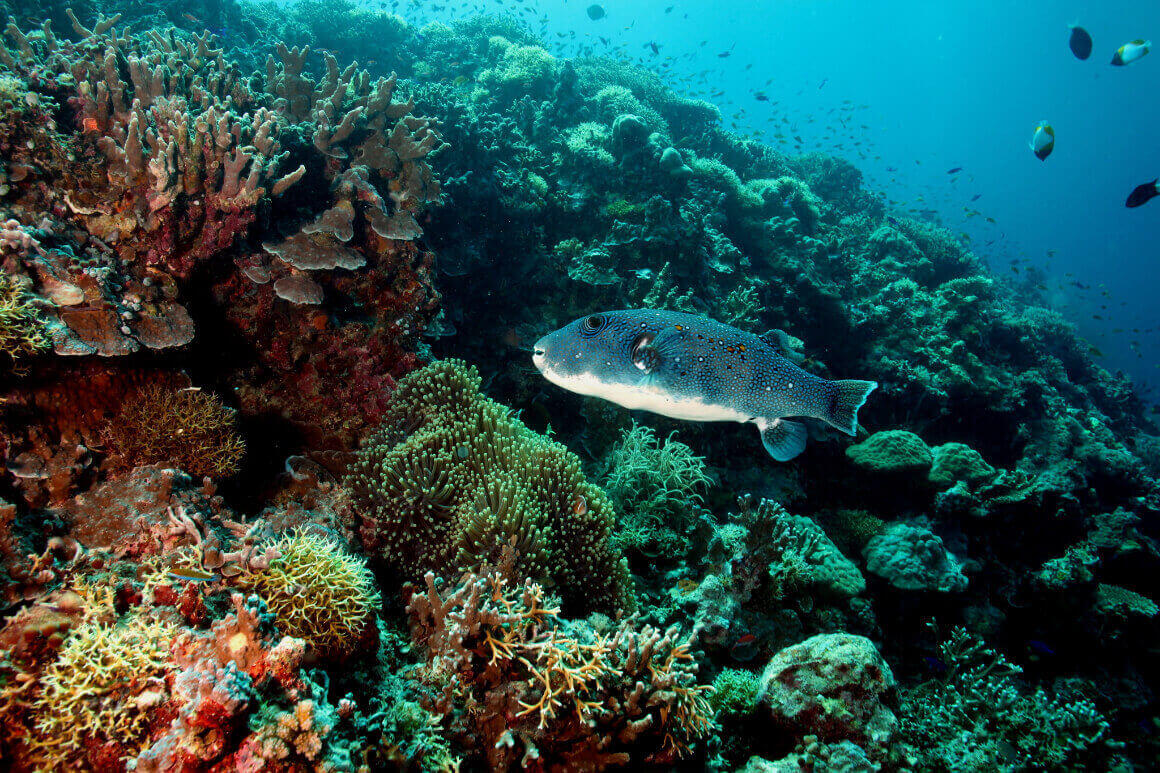
Photo: q phia (Flickr)
What you get for it is a reef that’s barely been touched, sharks patrolling in numbers, and visibility that makes photos look fake. Most operators are happy to take open water divers since the diving itself isn’t technically demanding; it’s the cost and short season that gatekeep this one, not skill level. If you can make the dates and budget work though, it’s worth every peso.
Coron, Philippines
Coron is aaaaaaaall about wreck diving, specifically WWII Japanese shipwrecks sitting in Coron Bay. If you’re a nerd about diving and history, this will be right up your street. New divers will be able to explore some sites, but most of the cool shit does sit under 20m. Diving is one of the main attractions of visiting Palawan, but as a destination it offers a lot more. So it’s worth visiting if you want somewhere you can include diving as a part of your itinerary alongside other activities.
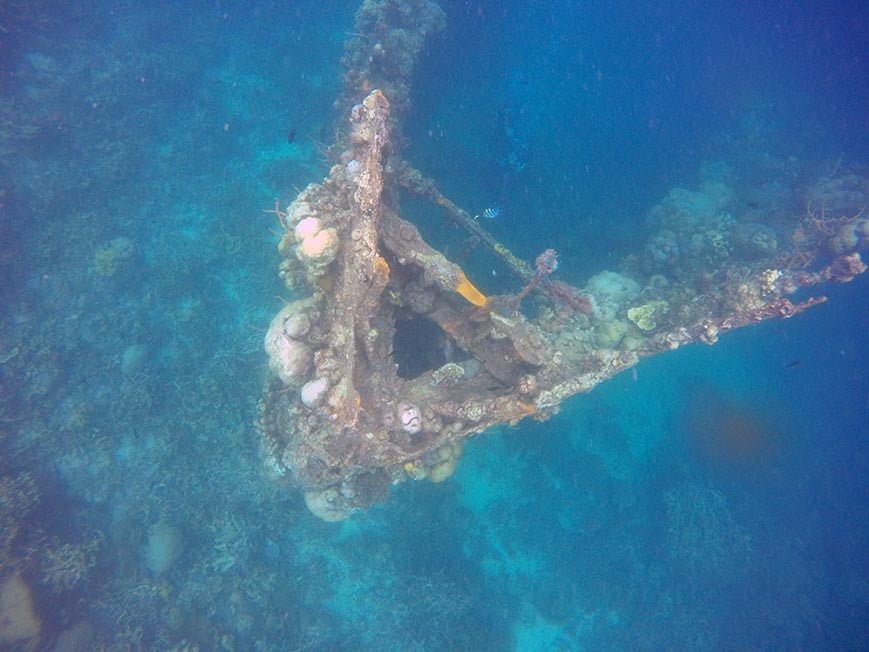
Image: Nic Hilditch-Short
I’d be wary of schools who tell you they can take you deeper with an open water cert – most care more about getting your money than making sure you’re safe. Unfortunately, this seems to be pretty normalised across Coron’s dive schools. And for divers who haven’t quite mastered their buoyancy, kicking you head in the middle of a wreck is hardly an enjoyable dive.
For some of the best wreck diving in the world, diving in Coron is very much worth it. If, like me, wreck diving doesn’t do it for you, I don’t think you’ll get too much FOMO by skipping this one.
Quick Country-by-Country Cheat Sheet
| Country | Signature diving | Best for | Rough cost | When |
|---|---|---|---|---|
| Thailand | Similan Islands, Richelieu Rock | Newly certified divers wanting everything from dirt-cheap reef dives to premium pelagic sites | $50-180/day day trips (Koh Tao cheapest, Similans priciest), $510-630 for a 3-4 night Similan liveaboard | Year-round but it changes depending on whether you dive on the west/east coast |
| Indonesia | Bali, Komodo, Raja Ampat | Everything from budget shore diving to bucket-list liveaboards | $50-190/day day trips (Bali cheapest, Komodo priciest), $300-450+/day liveaboard (Raja Ampat, no day trips available there) | Year-round in Bali, Apr to Nov for Komodo, Oct to Apr for Raja Ampat |
| Philippines | Coron, Malapascua, Tubbataha | Beginners and wreck divers, with pockets for the more advanced | $65-90/day day trips, $3,000-4,000 for a week-long Tubbataha liveaboard | Mar to Jun (Tubbataha), year-round elsewhere |
| Malaysia | Perhentian Islands, Sipadan | Dirt-cheap reef diving for beginners, or permit-controlled wall diving for the more experienced | $40-55/day day trips (Perhentian), $150-200/day permit-inclusive (Sipadan) | Apr to Dec, avoid monsoon (Oct/Nov) |
When to Dive: Season by Region
Southeast Asia doesn’t run on one calendar. While Thailand’s Gulf coast is having its best month, the Andaman side over on the same landmass might be getting hammered by monsoon swell, and while Bali’s having a stormy wobble, Komodo could be flat calm. Get your months muddled up and you’ll end up booking a liveaboard straight into a washout (trust me, I’ve made that mistake in Southeast Asia), so here’s as much breakdown region by region as I can give ya without hearing it from the Weather Gods myself.
Gulf of Thailand (Koh Tao)
Diveable pretty much year-round since it’s sheltered from the worst of the monsoon, though March to May is the sweet spot for calm seas and the best shot at whale sharks, with visibility regularly hitting 20-25 metres. The only time diving can get a bit hit or miss here is in the depths of the rainy season and in the windy season when winds kill the viz.
When I did my open water in November (peak rainy season), the viz never improved past 5 metres, but hey, at least it gave me experience in some bad conditions.
Andaman Sea (Similan Islands, Khao Lak, Phuket, Koh Lanta)
This is the one to look into first because the Similan Islands National Park physically shuts for six months of the year. It’s open from 15 October to 15 May and closed the rest of the time for monsoon safety and reef recovery, so diving outside of this time is all but impossible.
Similan Islands aside, December to March tends to bring the calmest seas and best visibility amongst other sites in the Andaman Sea. Phuket, Koh Lanta, and Phi Phi don’t close in the same way and can be dived year-round, though conditions get choppier during the same May to October monsoon stretch.
Indonesia (Bali, Komodo, Raja Ampat)
As Indonesia’s archipelago is so widespread, there’s no one ‘best’ season to dive here. Hone it where you have your sights set on and go from there. Amed and northern Bali are diveable year-round since they’re sheltered from the worst of the Lombok Strait currents that hit Nusa Penida and Padang Bai, but the dry season from April to November brings the clearest water and calmest conditions. I went to Amed in peak rainy season and conditions were unsurprisingly a bit rubbish.
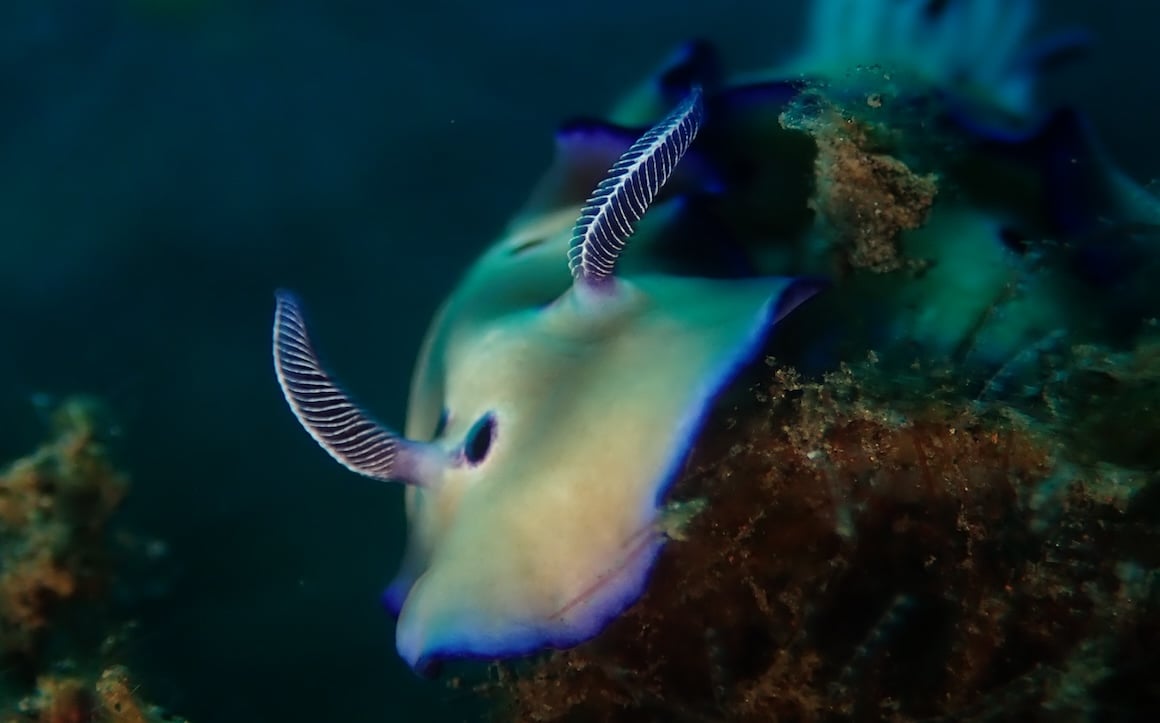
Photo: @audyscala
Bali’s Nusa Penida is a bit of a rare case: decent diving year-round thanks to resident manta rays, but the famous mola mola only show up reliably from July to October when cold upwellings pull them into diveable depths. I actually skipped out on diving here because of the killer current that was battering the island during my visit, so I’d aim for April to October when the sea is meant to be at its calmest.
Komodo runs best April to November, outside the wet season. My experience diving in Komodo in November was INSANE – I have no complaints. Raja Ampat flips the other way; October to April is the window, when seas are calmer, and visibility opens up across the archipelago.
Philippines (Coron, Malapascua, Tubbataha)
Coron and Malapascua are diveable most of the year, though conditions calm down noticeably outside typhoon season. Tubbataha is the strict one here; the reef is only accessible by liveaboard from March to June, full stop, when a short weather window allows boats to safely make the crossing. Outside that, you can kiss your diving dreams goodbye as it’s simply not reachable.
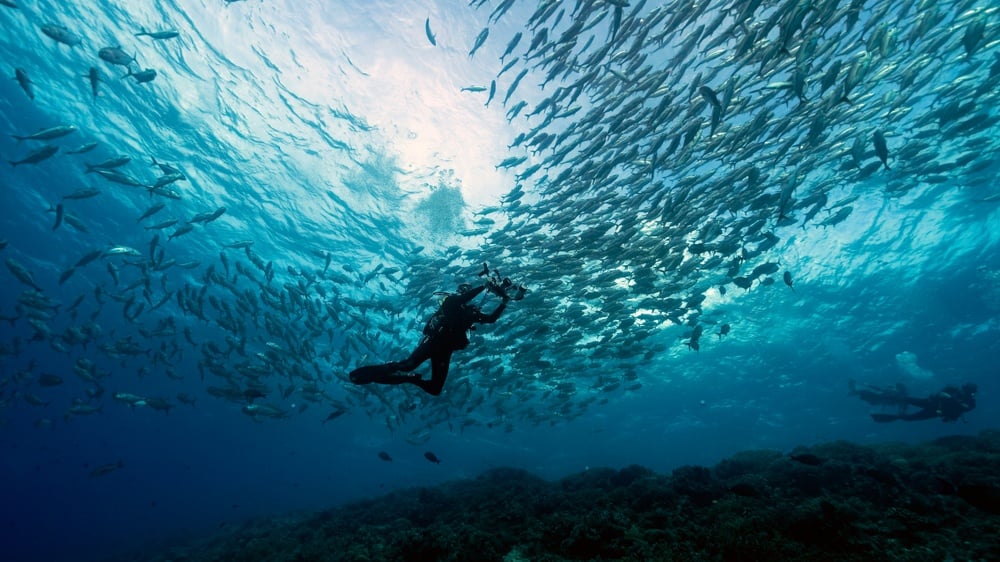
Malaysia (Sipadan, Perhentian Islands)
The Perhentian Islands shut down entirely for the monsoon; resorts close and boats stop running from November to February, reopening in March or April and running through October, with the calmest conditions typically April to September.
Sipadan has no monsoon shutdown and is diveable most of the year, but Sabah Parks closes the island completely for the whole of November regardless of weather, a separate conservation measure. Outside that, March to October brings the best visibility, often 20-40 metres on a good day.
How to Do It Cheap: What Diving Here Really Costs
Diving in South East Asia is amongst the cheapest in the world, but little hidden costs can add up fast. Plus, cheapest rarely means best, so here are a few things to keep in mind to snag a good deal without any sacrifices.
Certification: where and how you book changes the price
The volume hubs (Koh Tao being the obvious one) will always undercut the premium spots, simply because they’re certifying so many divers a year that competition keeps prices down. If your main goal is getting qualified as cheaply as possible, go where the backpacker traffic already is rather than a boutique operator on a quieter island.
Places like Koh Tao will offer accommodation packages with their courses, meaning you can save even further by staying in your school’s accommodation. I did this via a hostel, and it’s a great way to make mates who are all learning at the same time as you.
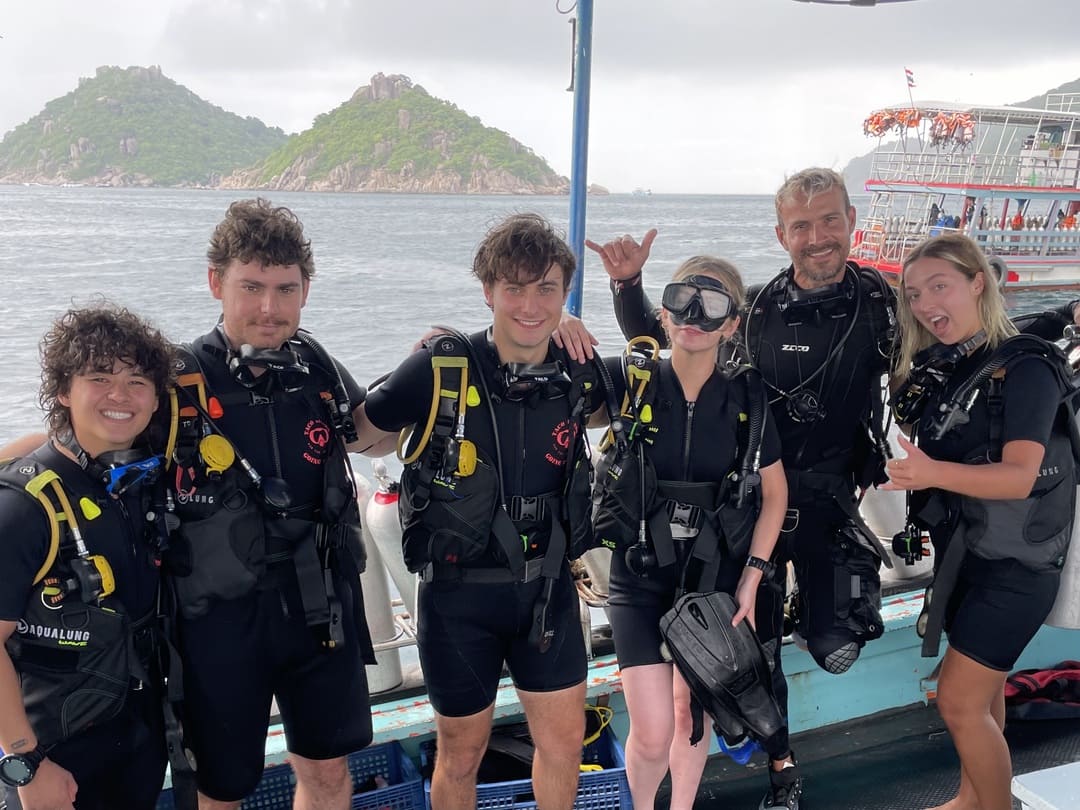
Photo: @taya.travels
Beach-based courses (where your open water dives happen straight off the sand) are almost always cheaper than boat-based ones, because there’s no fuel or boat crew to pay for. If your budget’s tight and you’re not fussed about which reef you qualify on, look for spots where shore dives are common.
Fun dives and multi-dive packages
Buying dives in bulk (a 5 or 10-dive package rather than paying per trip) usually knocks a decent chunk off the per-dive price, sometimes close to half compared to booking one dive at a time. If you know you’re sticking around a destination for more than a couple of days, ask about a package before your first dive rather than after. As someone who lives in Koh Tao, this is how I can manage to dive weekly, as I end up paying about 25% less by buying in bulk.
Sites with a ‘premium’ reputation (a Richelieu Rock, Sail Rock) usually carry a fuel surcharge or a higher day-trip price than the closer, less famous sites. That’s not a rip-off as it genuinely costs more to run the boat that far, but it’s worth keeping in mind if you’re expecting the same bog-standard price in the region. Also watch out for diving in national parks where you have to pay a fee to enter. Places like Komodo National Park have a hefty fee, which bumps up your total cost, which dive schools never include.
Liveaboards
Liveaboard price differences between boats diving the exact same sites usually come down to the boat itself, cabin size, shared versus private bathrooms, age of the vessel, not the diving on offer. Booking an older, more basic boat is a legitimate way to cut costs without cutting the quality of what you’re actually there to see.
In terms of saving money, shoulder season runs supreme here. Sailing right at the start or end of a park’s open season tends to be discounted, and conditions are often still perfectly diveable.
Gear: rent vs buy
Renting a full set is the sensible move for your first year or two of diving; it’s cheap almost everywhere in the region and saves you lugging kit through airports. Plus, so many dive shops offer gear rental included in their fun dive price, so you’re rarely out of pocket. The maths only flips toward buying once you’re diving often enough that rental fees stack up past the cost of owning it outright.
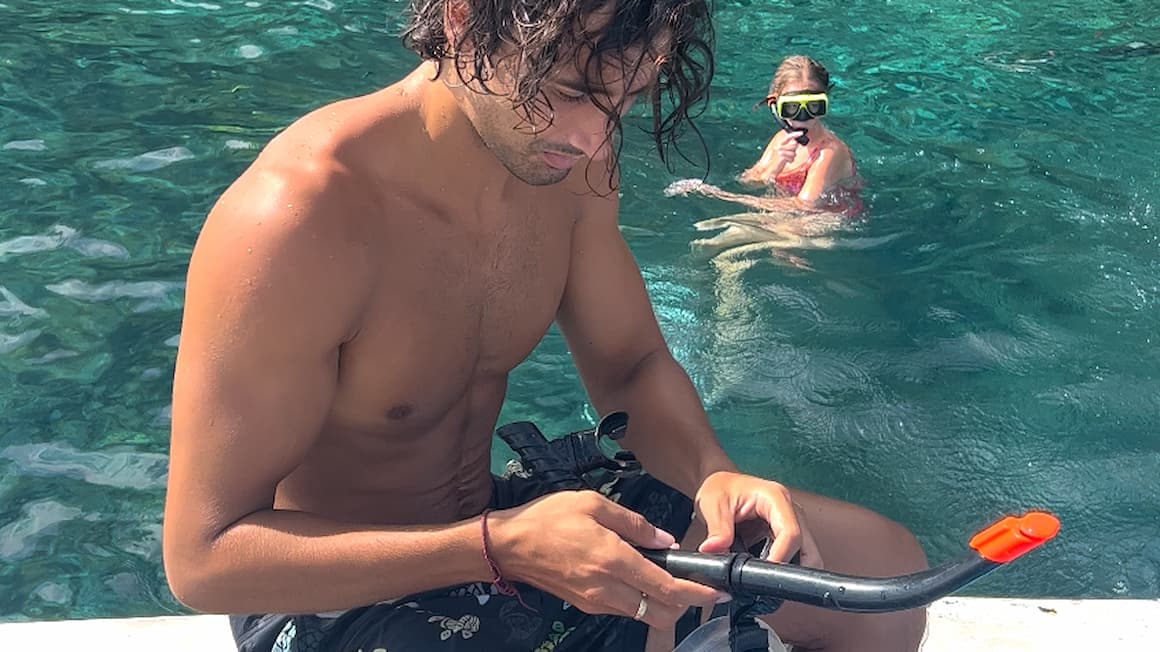
Photo: @amandaadraper
The one piece worth buying early regardless: a mask, because a leaking or fogging rental mask ruins a dive fast, and fit is personal. If you’re diving a lot, I’d consider a dive computer, because you’ll otherwise pay a rental fee for one on every single dive, which can get spenny quick. Personally, I only have a mask, but if I were to upgrade to anything, a computer would be my next purchase. Everything else (BCD, regulator, wetsuit) can wait.
The one place never to cheap out
No dive, no matter how cheap, is worth your safety. Don’t choose an operator purely because they’re the cheapest quote you’ve found. A dive shop shaves costs by running old, poorly maintained gear, packing too many divers per instructor, or skipping proper safety briefings.
I experienced this firsthand by booking with the cheapest guys I found in Komodo, and was left with an instructor who could not give a fuck whether the number of people he ascended with matched who he went down with. It felt sketch, and I definitely learned my lesson for future dives.
Before booking on price, check recent reviews specifically for group ratios, equipment condition, and how seriously the shop takes safety, not just how good the diving sounded.
Diving Responsibly (and Choosing Operators That Don’t Wreck the Reef)
A diver’s mantra is to leave only bubbles, but unfortunately this isn’t always the case. I’ve seen time and time again how schools hire instructors who have no issue with touching coral or don’t stress the importance of responsible dive behaviour to their customers. The reefs you’re paying to see are under more pressure than most people realise, and which operator you hand your money to actually changes what’s left for the next diver.
Nothing annoys me more than seeing a diver who can’t get their buoyancy right. If you haven’t dived in a while and feel a lil rusty, there’s no shame in doing a refresher dive! A diver who can’t hold their depth ends up kneeling on coral or smashing a fin through a fan coral that took decades to grow. Be a responsible human and risk-assess whether a site may be beyond your limits with tight swim-throughs, crowded sites or depths you aren’t used to.
Aside from that, the usual leave no trace rule applies. Don’t stand on rocks or coral or generally piss off the fish you’re here to see. You’re in their territory, so be a good guest!
Photo: Phil Whitehouse (Flickr)
In terms of picking the right operator, small group sizes are the first tell. One instructor to four divers or fewer is a sign the shop cares about actually watching what everyone’s doing underwater, not just getting bodies onto a boat. Ask directly.
Look for actual conservation involvement, reef restoration projects, coral nurseries, beach cleanups, citizen science data collection – what schools post online about their involvement in conservation says a lot about them generally. As much as schools in Koh Tao often get a bad rep, I’m constantly impressed by the island-wide attitude about protecting the reefs these divers call home.
The 2024 global bleaching event unsurprisingly hit a lot of dive sites in Southeast Asia hard. Some national park zones along the Gulf and Andaman coasts in Thailand recorded over 50% coral bleaching, and a few sites over 80%. None of this means the diving isn’t worth doing; reefs recover, and plenty of the sites in this article are still stunning. But over-tourism compounds heat stress rather than sitting separately from it; a reef under pressure from careless divers and overcrowded boats has less capacity to bounce back from a bleaching event than one left largely alone. That’s part of why park closures like the Similans’ exist in the first place.
Choose an operator with small groups that have a clear local presence in marine conservation. Keep your hands to yourself and leave absolutely no trace. Choose the less visited dive sites to prevent contributing to overtourism. And for love of god, get your buoyancy right!! These small steps will not only make dives more enjoyable to you, but keep the sites in good nick for years to come.
Safety, Insurance & Mistakes
Diving in Southeast Asia is about as safe as this sport gets globally: decent infrastructure, competent instructors, chambers within reach if things go wrong. But most incidents out here come down to the same handful of avoidable mistakes rather than actual bad luck.
Here are some mistakes to avoid:
- Diving hungover: look, I’m guilty of this one, but alcohol dehydrates you, and dehydration is a known risk factor for decompression sickness. Plus, being on a choppy boat when your stomach is doing somersaults is never fun, so avoid a big night followed by a morning dive.
- Over-weighting: loading up on lead out of fear of floating, then fighting to stay off the bottom for the whole dive, burning air and wrecking your buoyancy in the process.
- Panicking: usually triggered by a flooded mask or a bit of current, and manageable only if you’ve got your basic skills locked down.
- Crappy dive equipment: Walk away from a shop with worn or poorly maintained gear (cracked hoses, sticky regulators, BCDs that won’t hold air).
- Diving uninsured: Standard travel insurance often excludes diving outright or caps the depth covered, sometimes as shallow as 18-30 metres. Get specialist dive insurance (DAN is the standard) for decompression illness treatment, evacuation, and chamber costs, exactly what general travel cover tends to dodge.
- Not adhering to the no-fly window: minimum 12 hours after a single dive, 18 hours after multiple dives or days, longer after decompression stops; build in a buffer day before flying home.
- Not trusting your gut: If your gut says sit this one out, sit it out; no dive is worth more than getting back on the boat in one piece.
The Honest Verdict: Where I’d Send You
Right, I’ve given you everything you need to know to take the plunge and start racking up that dive count. Here’s where I’d send you depending on whether you’re a newbie all the way up to those pros looking for the best of the best sites.
If you’ve never dived in your life: Koh Tao. No contest. It’s the cheapest place on Earth to get certified, and it’s got a good social scene to match. The diving’s calm enough that you won’t spend your first few dives white-knuckling your way through current, and the sheer number of divers passing through means the instructors have seen every kind of nervous first-timer there is. Get qualified here, then go and see the rest of the region with a card in your pocket and money left over.
If you’re already certified and chasing proper value: the Perhentian Islands or Bali. Both hand you genuinely gorgeous reef diving without the premium price tag attached to the bucket-list names. Sites in Bali around Nusa Penida can come with a bit of current, which is great for divers wanted to build up their skills and challenge themselves before graduating onto the more technical dives.
If you’re saving up for one big, once-in-a-lifetime trip: Raja Ampat or Tubbataha. Raja Ampat has been on my bucket list ever since I could dive, with fish diversity that doesn’t exist anywhere else. The season for Tubbataha is so short and sweet that it’s an achievement to catch it at the right time if the budget allows. Save for one of these properly rather than chasing three mediocre trips instead.
So, that’s the lot. Get qualified cheap, dive often, save hard for the one trip that actually needs saving for, and don’t let anyone tell you a smaller budget means a smaller experience.
Go forth and play mermaids, friends!