Everyone knows what is in Southern Peru – Machu Picchu, Rainbow Mountain, Huacachina etc.
And that’s why you will never experience an Inca ruin in solitude or will perhaps feel a bit irate at the Disneyification of historic cities overwhelmed by visitors. If you ask someone what is in Northern Peru, you are mostly met with blank stares.
Use this disparity to your advantage and head North for scarcely unearthed ruins, the highest and most beautiful mountains in Peru and Caribbean-like beaches. Oh, and it is far cheaper than down South.
Another incredible feature of the region is that it is almost tailor made for a well-paced backpacking route. After bracing Peru’s highest and most beautiful mountains, surf spots and breathtaking culture await you at Trujillo. Following some R&R, head back up into some Andes for a cultural journey taking you to the edge of the Amazon and then unwind at the surf and party hotspot of Mancora.
Why Go Backpacking in Northern Peru?
Northern Peru has the most incredible array of environments; I really do not think that it would be an exaggeration to say that you can experience the whole world within this region. There are deserts, cloud forests, soaring snow-capped peaks, paradisical beaches, thriving cities and traditional Andean villages.
The mountains around Huaraz are the tallest you can find while backpacking Peru and contain some of the continent’s most sublime multiday hikes like the eight-day Cordillera Huayhuash, winding its way through glaciers and shining mountain lakes. For those just looking to dip their toe into the Andes and not wanting to camp in harsh conditions, there are some incredible day hikes available, like the wonderfully azure Laguna 69.
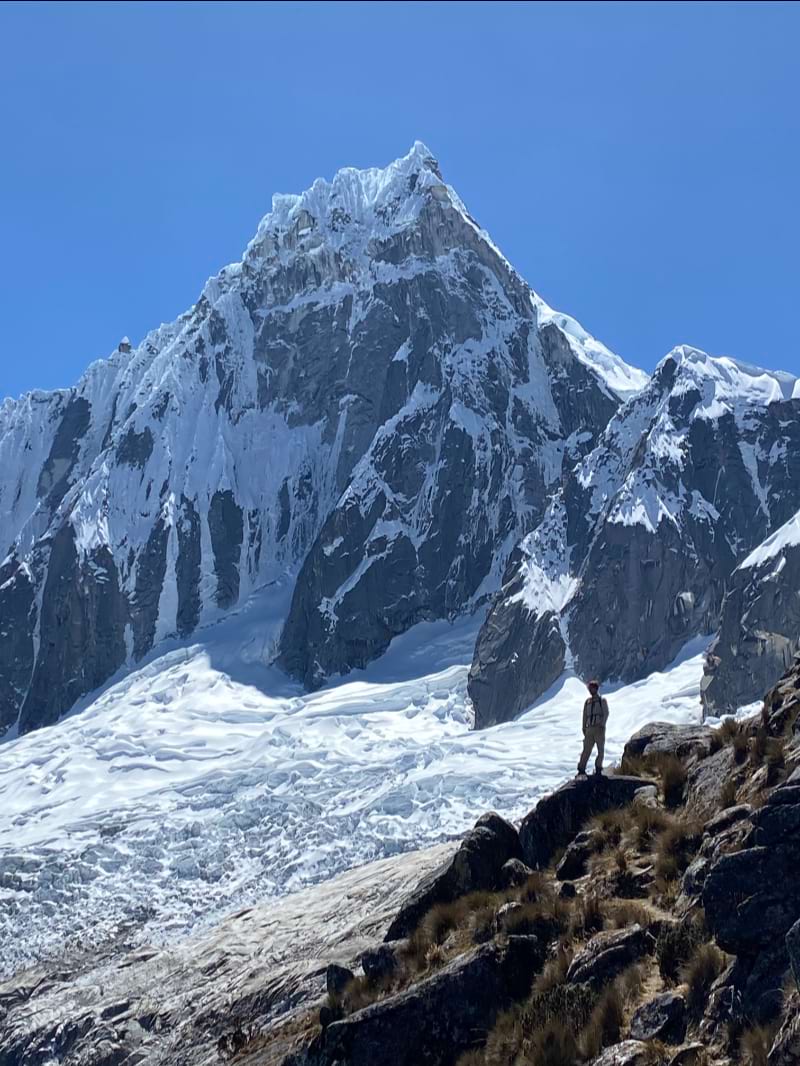
Photo: Tom Hennessy
The Broke Backpacker is supported by you. Clicking through our links may earn us a small affiliate commission, and that's what allows us to keep producing free content 🙂 Learn more.
When you go North, it is not as if you leave all the ruins around Cusco; Northern Peru was also home to the Inca Civilisation, as well as older and wackier cultures. Around Trujillo, the Moche Culture once lived, and today the desert is dotted with their pyramids adorned with frescoes depicting human sacrifices.
Chavin, the first Andean civilisation, rose and fell around Huaraz, leaving an intriguing labyrinth and intricately cut stones in its ruined capital. High in the clouds at Chachapoyas, an eponymous culture built mountaintop cities every bit equal to Machu Picchu.
The surf scene in Northern Peru is South America’s best, hosting many international surf competitions. It can even claim to have invented the sport if you believe the indigenous people of Huanchaco!
There are breaks for each ability – warm, gentle waves at Mancora for beginners to the world’s longest left-hand break at Chicama or truly monstrous waves at Lobitos for experienced surfers. For those just looking to kick back and relax, the sandy beaches at Mancora are free of the chilling Humboldt Current.
The beauty of Northern Peru is that all these incredible activities are cheaper than in the Southern backpacking hotspots and are free of their crowds. The backpacking scene is also different, as those with longer trips make up a greater proportion of travellers.
So, expect to meet some real characters. I sat down in hostel bars with people driving up from Patagonia to Colombia or someone on a three-year trip, learning regional dances and then teaching them elsewhere.
- Best Travel Itineraries for Backpacking Northern Peru
- Best Places to Visit in Northern Peru
- Top Things to Do in Northern Peru
- Backpacker Accommodation in Northern Peru
- Northern Peru Backpacking Costs
- Best Time to Travel to Northern Peru
- Staying Safe in Northern Peru
- How to Get to Northern Peru
- Culture in Northern Peru
- FAQs About Backpacking in Northern Peru
- Ready for Northern Peru?
Best Travel Itineraries for Backpacking Northern Peru
A few waves to carve out your North Peru Itinerary…
Full 2-week Itinerary for Northern Peru
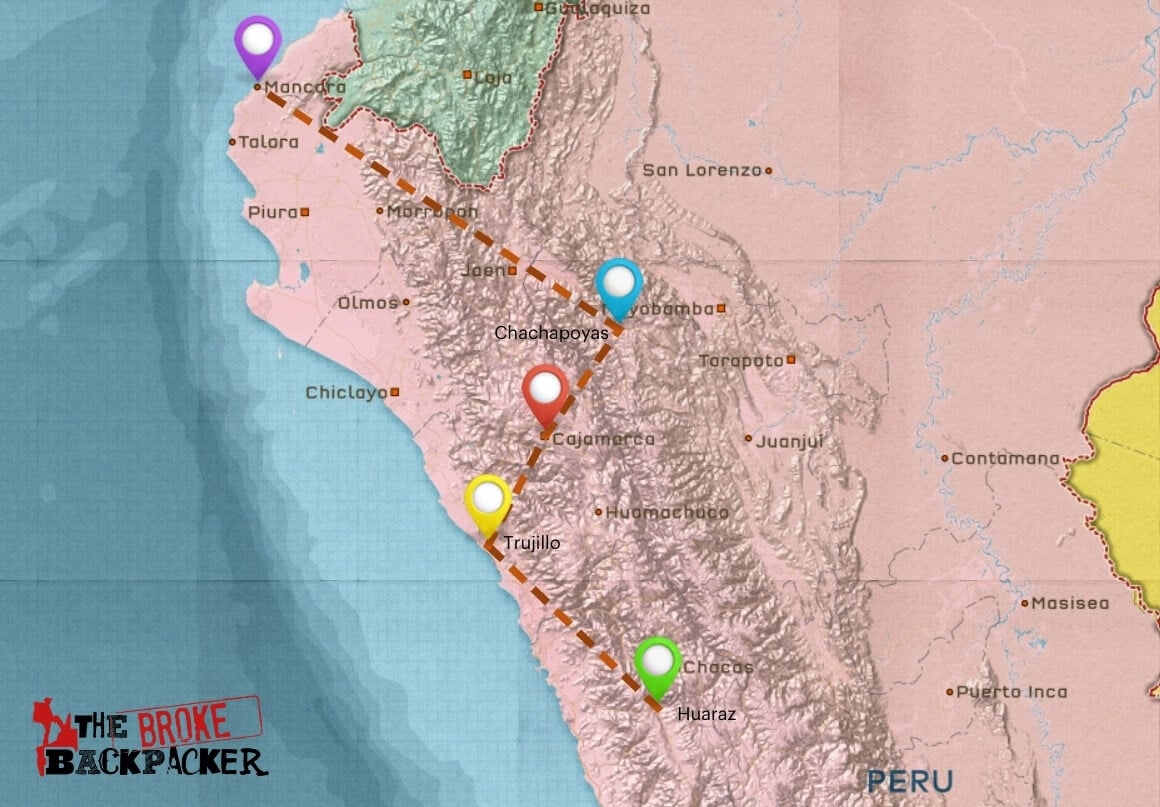
I have defined Northern Peru as that above Lima, so the itinerary kicks off when you arrive in the mountain town of Huaraz.
Get used to the altitude with some easy day hikes and visiting the ruins of Chavin, before tackling a high-altitude trek like the iconic Laguna 69. You could easily spend the whole 2 weeks here by doing a multiday hike like Cordillera Huayhaush or Santa Cruz, as I did! Allow at least five days here.
Recover from the chilly mountains with a trip to Trujillo. Head to the nearby beach of Huanchaco and watch the indigenous totora boats, and surf or swim in the sea.
Mooch around the city’s multitude of brilliant cafes, museums and ruins, especially Los Huacas del Sol y Luna, thousand-year-old temples and sites of human sacrifice. Ensure two days to see everything.
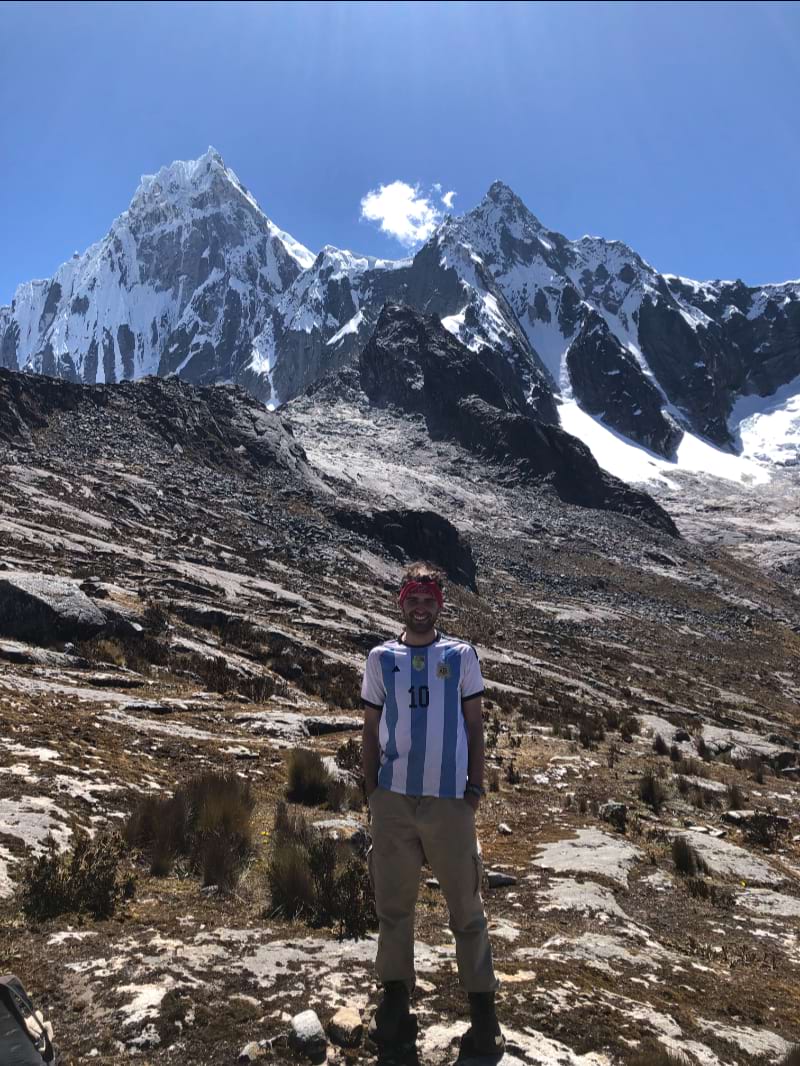
Photo: Tom Hennessy
After this relaxation, head back into the Andes to Cajamarca. This mountain town was the scene of maybe the most important event in South American history, when Pizarro and his sneaky Spaniards captured the Inca Emperor Atahualpa, and promised to free him if they filled a room with gold.
The Incas upheld their end of the bargain. The Spanish killed Atahualpa anyway. The room still exists, and the quaint colonial town has hot springs and a renowned cheese industry. Two days is enough to see the highlights.
The next step is taking one of the world’s most beautiful roads to Chachapoyas. If Chachapoyas was less remote, it would be among the biggest attractions in Peru. Allow at least three days to chase waterfalls and marvel at mountaintop ruins like Kuelap.
Recover from the long bus ride with at least 2 days on the Edenic beaches of Mancora. Learn to surf, party, and if you are there between July and October, gaze at humpback whales.
Accelerated 1-week Itinerary for Northern Peru
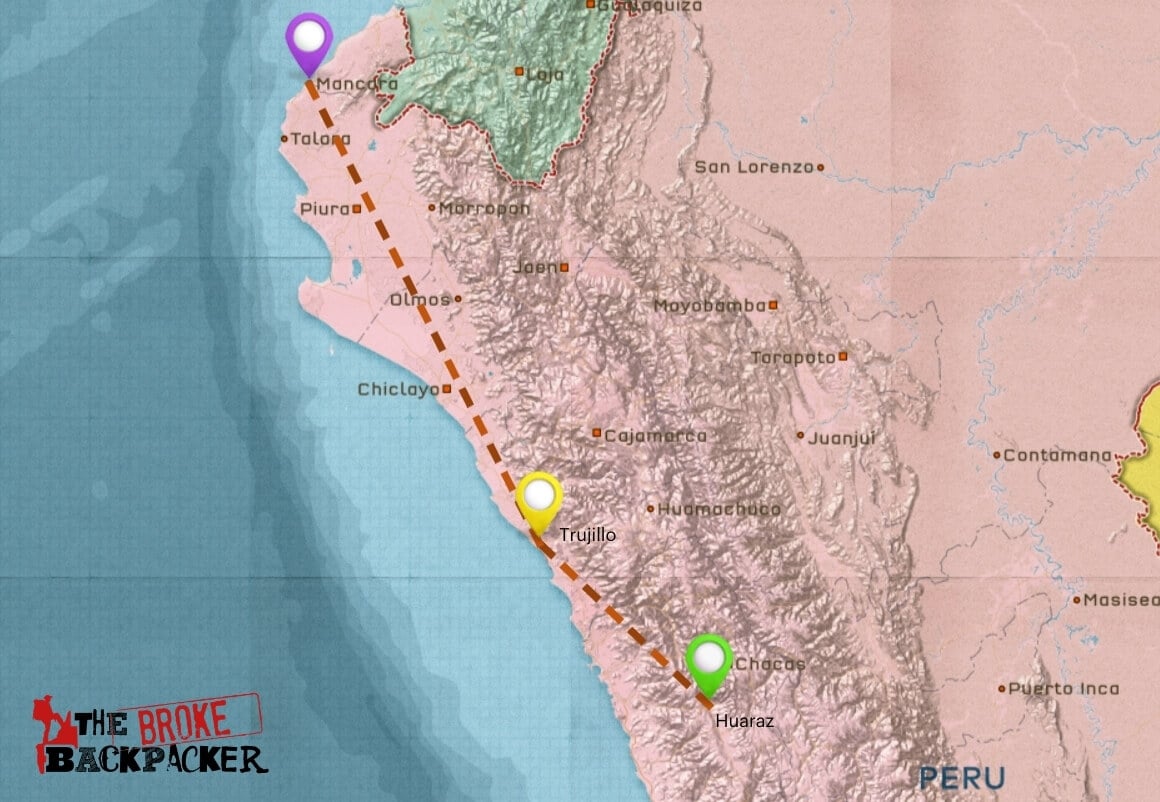
Likewise begin in Huaraz but see the very best views in three days – acclimatise for a day, hit Laguna Paron and then tackle Laguna 69. Bus down to Trujillo for some ruins and beach days, before finishing up in Mancora.
Best Places to Visit in Northern Peru
Laguna 69, Huaraz
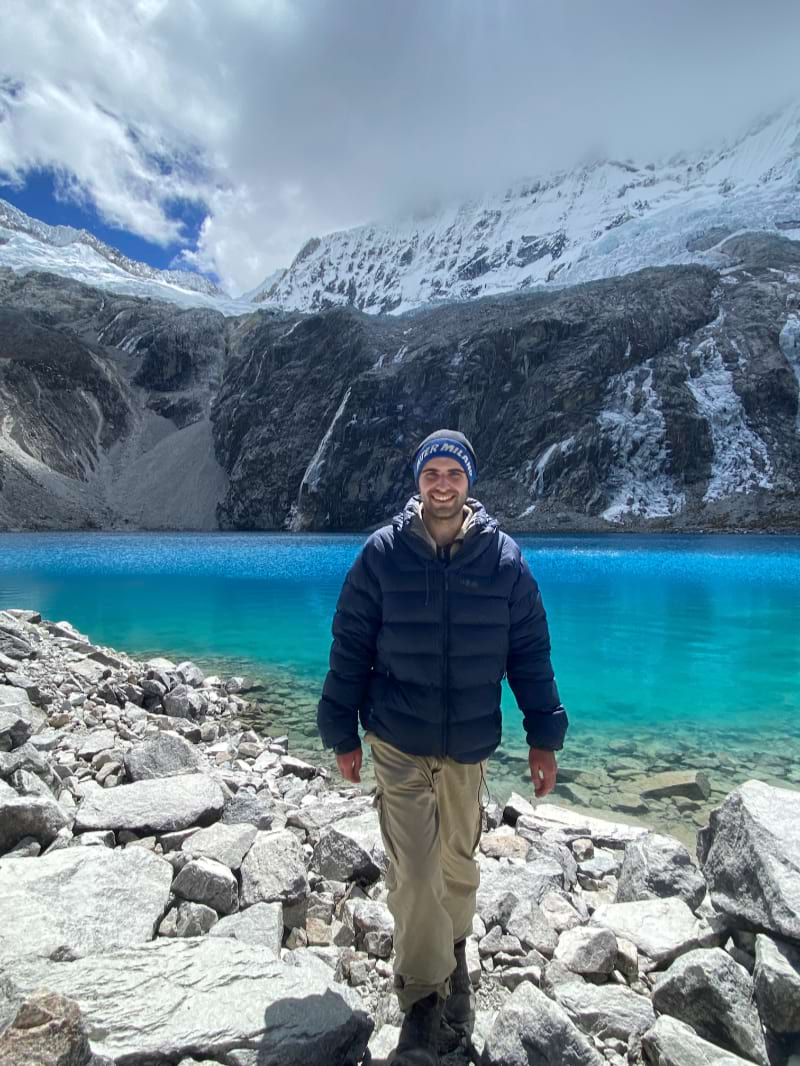
Photo: Tom Hennessy
This funnily named mountain lake is quite rightly the star day hike in Huaraz. It is a sheet of the deepest sapphire, nestled at the skirts of a glacier and fed by an icy waterfall. Simply out of this world.
The walk up is pretty special too – you pass further waterfalls and have wonderful views over the snowy Cordillera Blanca mountain range.
There are also sky-blue lupines everywhere, as if the setting were not enough. There are photo ops everywhere! Even the lake where the hike begins would be a tourist attraction if it were not in as beautiful a region as Huaraz.
A word of warning, the lake is at a mega 4600m above sea level, meaning that if you get straight off a bus from the coast, you will struggle. It is also not the easiest hike – you gain 800m of elevation all in all, with some steep sections.
To combat both the altitude and to build up some walking fitness, I would recommend doing some of Huaraz’s gentler day hikes like Laguna Wilcacocha, Laguna Churup and Laguna 513, or even venture to the 3000-year-old ruins of Chavin.
Cordillera Huayhuash Trek, Huaraz
This is definitely the best hike of my life and is regarded by many as the top trek on the continent and one of the best hikes in the world. It is an eight-day ramble through Peru’s highest mountains, over passes of up to 5100m, past lakes of glowing sapphire and through remote Quechua-speaking villages.
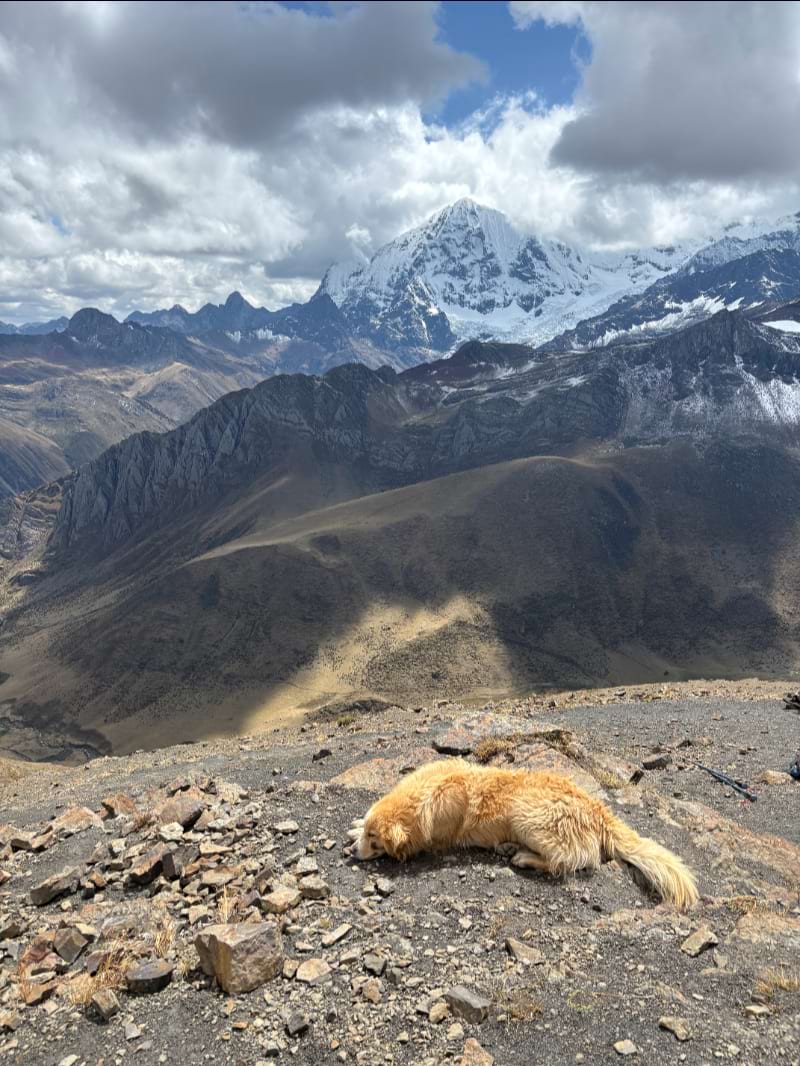
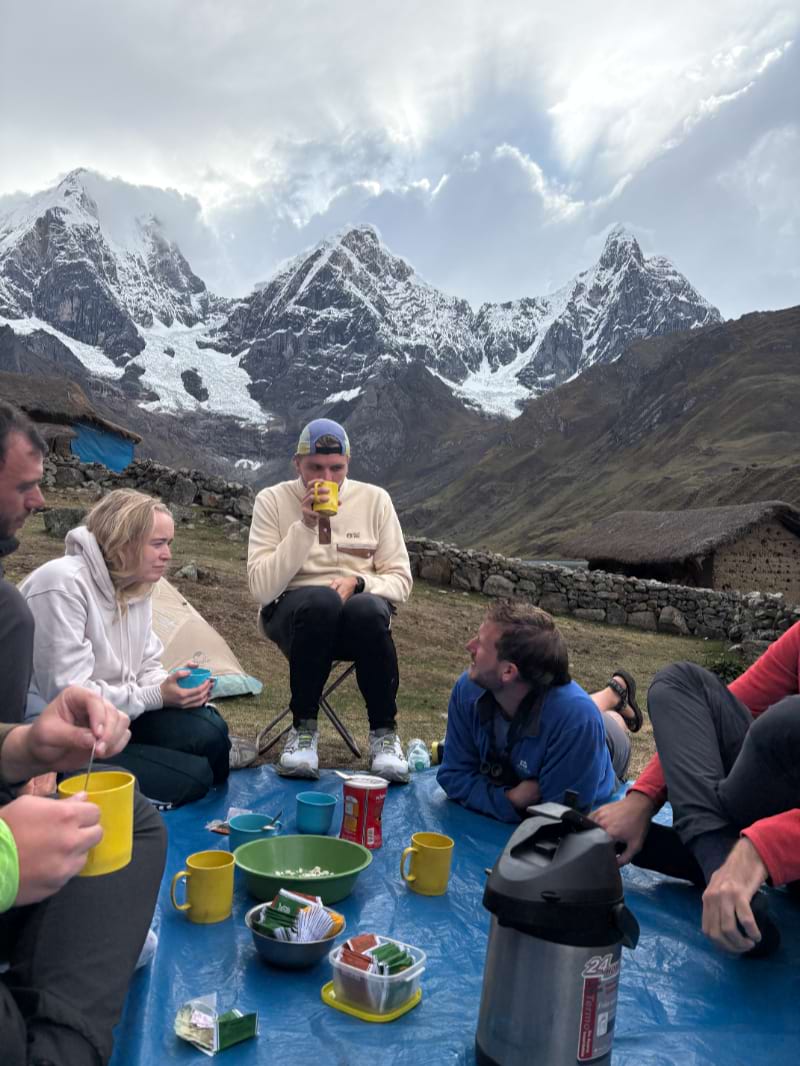
Those nights below the bestarred sky, far from WIFI with only the bare essentials, were better than any nightclub I’ve visited. The connections that you forge with your group are also intense in such a short space of time – you share every meal, hardships and some of the best views on the planet together.
The catch is that it is not for the faint-hearted. Completing the 8 days pushed me to my limits of physical endurance; everything hurt, it was freezing, and the lack of a shower made me pretty smelly.
If you are reasonably fit and happy to forego a bit of comfort, this is quite simply the best thing to do in Huaraz. If not, there are compromise options available – a five-day route ending at the village of Huayllapa, and the four-day Santa Cruz trek is also brilliant.
Huacas del Sol y Luna, Trujillo
The Moche were a people who lived along the North Coast of Peru and pre-dated the Incas by some 400 years. I actually think that they were far more flamboyant than the more famous Incas – they created some of the most intricate indigenous art – wonderful, delicate jewels of gold and turquoise, so precise and inlaid with meaning.
They cast vivid pottery, showing scenes from daily life, mythology or people’s faces. Just how often can you stare into the eyes of someone unimaginably different who died 1200 years ago?
On the other hand, they lived in an incredibly violent world. Their religion centred around sacrificing prisoners to a spidery god known by archaeologists as “the Decapitator”.
They were also very sex positive – many artefacts depict every imaginable pleasure! Who said that history had to be boring?
Exploring both sides of the Moche mind is possible at Trujillo, where an excellent museum, Museo Huacas de Moche, next to the site, houses many artefacts and walks you through the culture in English.
Afterwards, the guided tour around the 1200-year-old Huaca del Sol, holds so much meaning. The Huaca is 40m tall and intricately decorated with frescoes of religious scenes and of human sacrifices.
For real history heads, there are the later ruins of Chan Chan in Trujillo, the Moche site of Brujo about an hour away and the brilliant Archaeology Museum UNT. The nearby city of Chiclayo also contains the Museo de Tumbes Reales, which displays the treasure and body of a powerful Moche king. It is one of the great archaeological finds in Peru.
Cuarto de Rescate, Cajamarca
If you need to know about one event in South American history, it is the meeting of the Conquistador Francisco Pizzaro and the Inca Emperor Atahualpa in Cajamarca in 1523. The emperor entered the empty square of Cajamarca with thousands of unarmed guards for a meeting with Pizzaro.
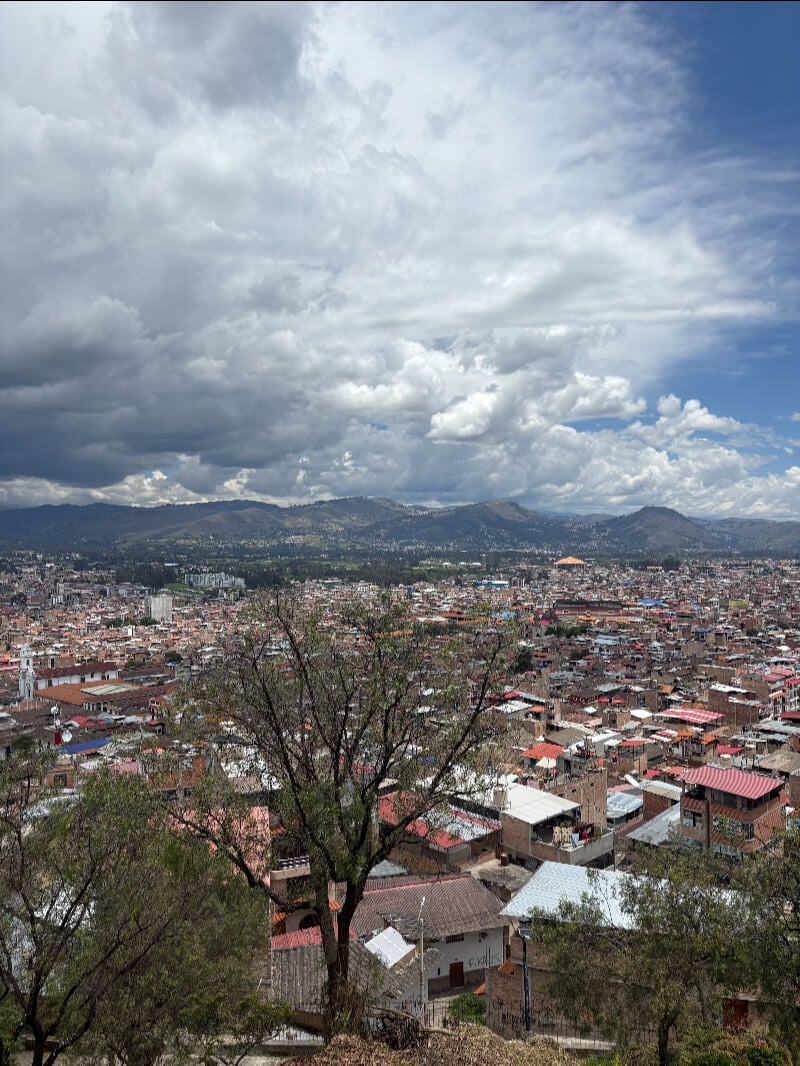
Photo: Tom Hennessy
At the sound of a cannon shot, the Spanish soldiers charged out from their hiding places and massacred the terrified Incas, who had never faced steel weapons, horses or firearms before and captured the emperor.
The emperor, noticing the greed of the invaders, negotiated his release in return for filling a room with gold. The Incas fulfilled their obligation, stripping their empire of treasure and feeding it into the Spanish furnace in return for their ruler’s life.
The Spanish? They took the gold, strangled Atahualpa to death and conquered the rest of the empire. Pretty poor form if you ask me.
The Cuarto del Rescate is the room where Atahualpa’s ransom was paid, the red line where the treasure went up to, even survives. It is a monument to the conquest that modern Peru was born out of and is a key part in a story that is crazier than any action movie. The bloody history of the city is also explored in the neighbouring Ethnography and Archaeology Museum.
Ciudad de Kuelap, Chachapoyas
This is often known as the “Machu Picchu of the North”, somewhat understandably, as they both follow the ‘lost city ruined on the mountaintop’ playbook, which has fascinated so many.
But the experience of Kuelap is utterly different to Machu Picchu. At Machu Picchu, the archaeologists worked very hard to reconstruct the city as closely as they could to Inca times.
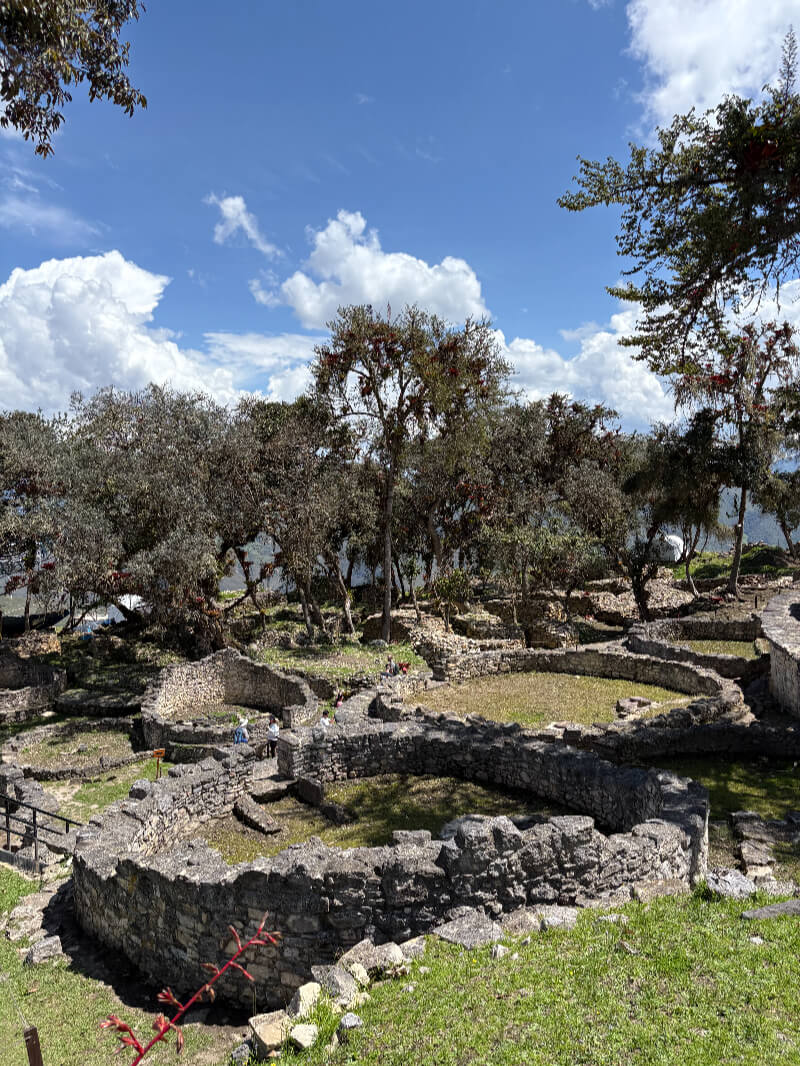
Here, they left most of the vegetation, meaning that there is an orchid-adorned forest growing through the walls of the city.
The styles of building are also disparate – the Chachapoyans built in a rotund style completely unique in Peru, and their gates and walls were extremely thick. I also experienced the ruin often without another person in sight!
The civilisation also left behind many other ruins, such as the Mausoleums of Revash, the Sarcophaguses of Karajia, Yalape and incredibly well-preserved mummies kept at Museo Leymebamba. The Chachapoyans thrived from the 6th century AD to the Spanish Conquest.
The route up is also just incredible – a cable car over a plunging canyon up to the base of the city. The ride up and the mountain views from the summit alone would be worth a day trip. Overall,
it is one of my favourite sights in Peru and definitely the most underrated.
Gocta Falls, Chachapoyas
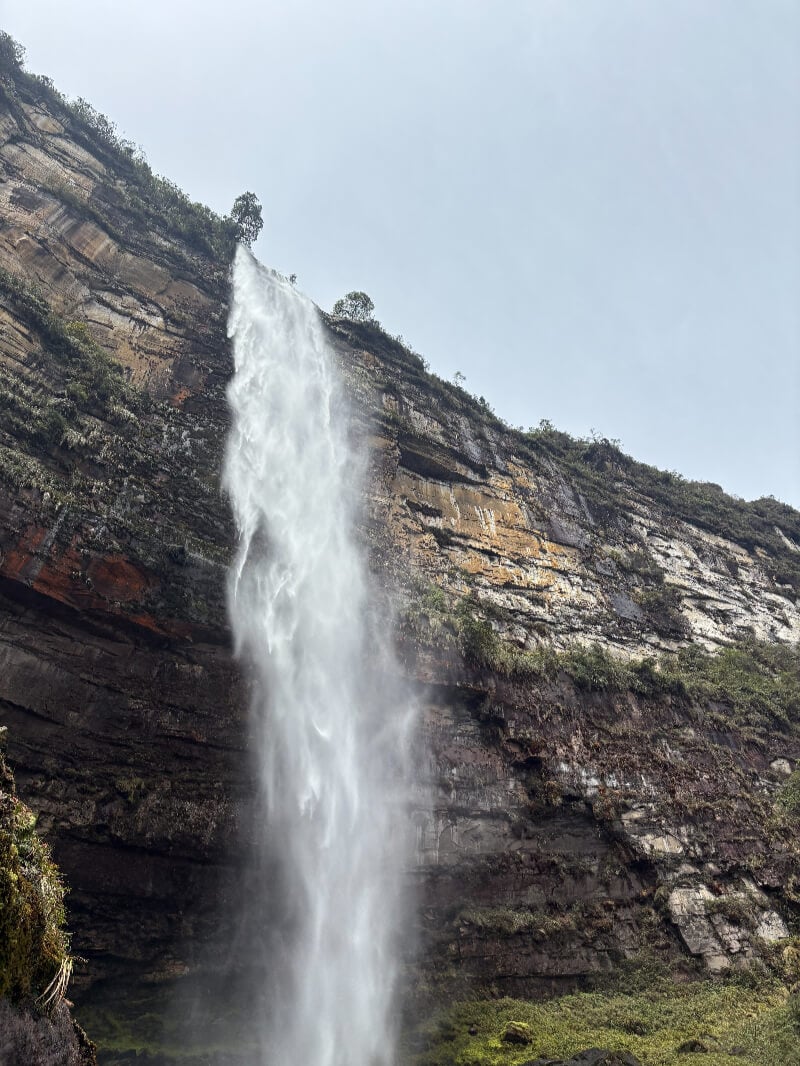
Photo: Tom Hennessy
This 771m tall torrent was only discovered in 2005, but has quickly climbed up the list of the world’s most beautiful waterfalls. Looking at it tumble from the vast jungled mountains is utterly breathtaking.
The hiking trail takes you right beneath each of the two tiers of falls, allowing you to admire the waterfall from every angle and from afar.
The walk itself is pretty special, too. It takes you through a highly biodiverse cloud forest, and many tour companies will bundle a bird watching tour with the hike to the waterfalls.
This is a brilliant option with species like the iconic cock of the rock fluttering about. There is also a chance of spotting the elusive Andean Spectacled Bear – the real-life Paddington!
Mancora Beach, Mancora
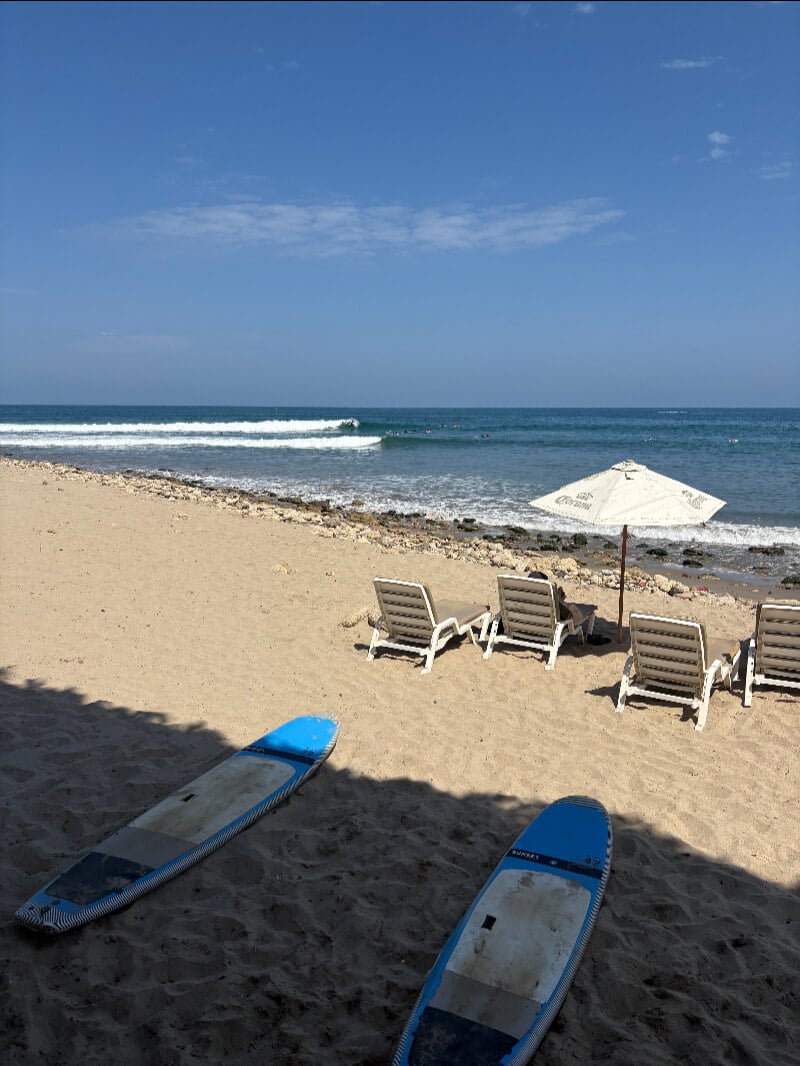
Peru is not normally known for its beaches. This is mostly due to the icy Humboldt Current that sits just offshore and chills the water.
The exception is Mancora, which extends just beyond this. You could easily mistake it for the Caribbean with swaying palm trees, warm azure waters and sandy beaches.
There are some excellent surf breaks, and many beach bars to chill out at. When night falls, it transforms into a pumping nightlife spot where locals, travellers and Peruvian tourists share in revelry. I once went to a rave in the lighthouse here!
It is more than just a paradise for beach bums; the Pacific is extremely rich in sea life. From July to October, Humpback Whales migrate past.
Whale watching tours are available for just $25 and even allow you to hear the whales’ song with listening equipment. I also saw a pod of 100 dolphins leaping out of the ocean. When you are surfing, it is fairly common for a sea turtle to surface next to your board. I only left Mancora because my Peru visa expired!
Top Things to Do in Northern Peru
1. Hike the Andes
Huaraz, a mountain town eight hours from Lima, is home to the highest reaches of Peru’s Andes. It truly goes head-to-head with Patagonia for mountain scenery. What it offers for travellers of beginner hiking ability or time constraints is its accessibility. You can base yourself in the town and venture into the peaks on day trips rather than committing to a week-long hiking expedition. Though for those interested, these are also available.
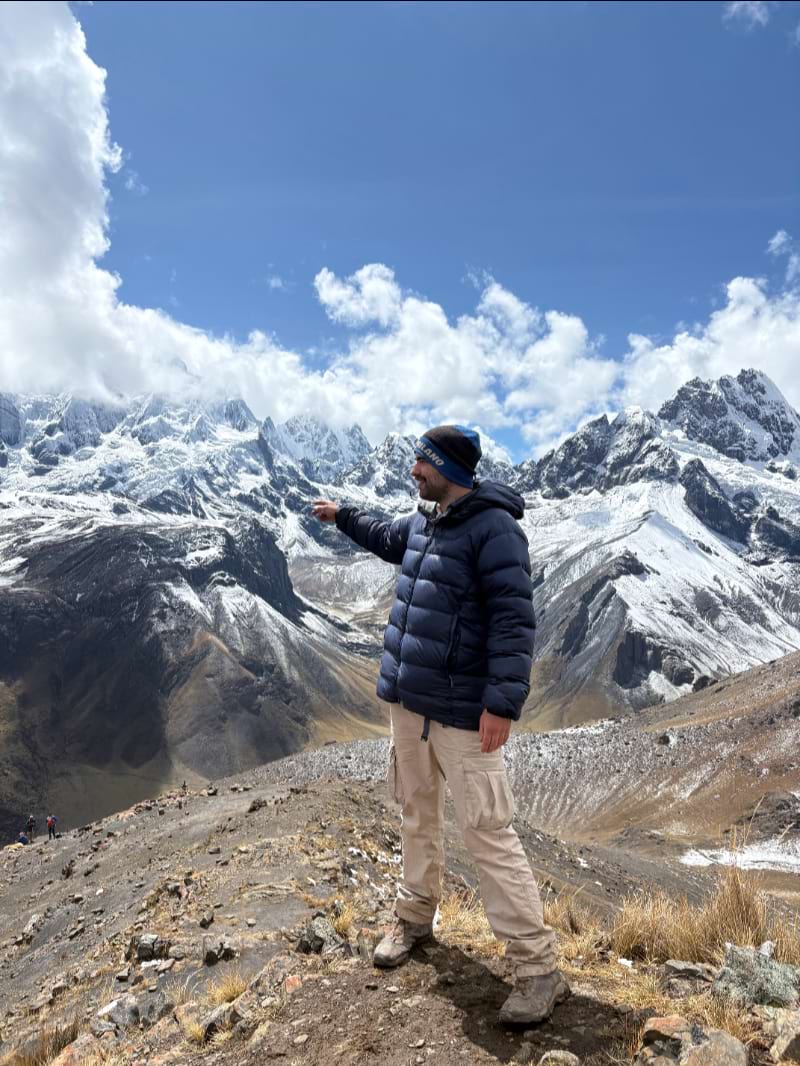
The first thing that you will notice on arrival at Huaraz is how high up it is. Altitude sickness is no joke, take the time to acclimatise before tackling a serious hike.
The town itself is nothing special but there are some nice museums and cafes to potter about as you get used to the thin air, or an easy acclimatisation hike called Laguna Wilcacocha, just 45 minutes from town. This hike is lovely because you walk through Andean villages that keep llamas and maintain traditions like brilliantly colourful skirts.
The next category of activity to do is high altitude sights without much walking needed. A popular option is Laguna Paron, perhaps one of the very best views in Peru.
A shimmering quilt of deep turquoise water tapers to the spire-like peak of Artesonraju. You will probably recognise this mountain as it is the logo of Paramount Pictures! Another similar option is Laguna Llanganuco, where the bus drops you next to the lake.
When you feel used to the thin air, you will be ready to dip into a more challenging grade of hike. The most famous is Laguna 69, covered above, but there are many others, too. A favourite of mine is Laguna 513. It is like Laguna 69 in being a topaz mountain lake lying just beneath a glacier, but the walk up is maybe even better.
It takes you through high altitude woodlands with wizened, twisted boughs, like a Lord of the Rings scene, over streams and even closer to the ice sheets. It draws far fewer crowds, too. Laguna Churup is also a brilliant option, though it is a very intense climb with some near-vertical sections.
If the day hikes have not sated your thirst for wonder, consider doing a multi-day hike, and plan your Peru packing list accordingly. The most famous is the Cordillera Huayhuash, also covered above, and the four-day Santa Cruz trek. Santa Cruz only really has one day of very intense walking, but it allows the same experience of camping beneath the stars and feeling very small beneath towering peaks. Simply brilliant stuff.
2. Try guinea pig
For us, guinea pigs are simply fluffy pets, but here they are known as cuy, and have been a key part of the diet for thousands of years. Eating cuy is like a rite of passage for travellers staying in Peru, and it feels quite poignant to eat in a traditional part of the country like the north.
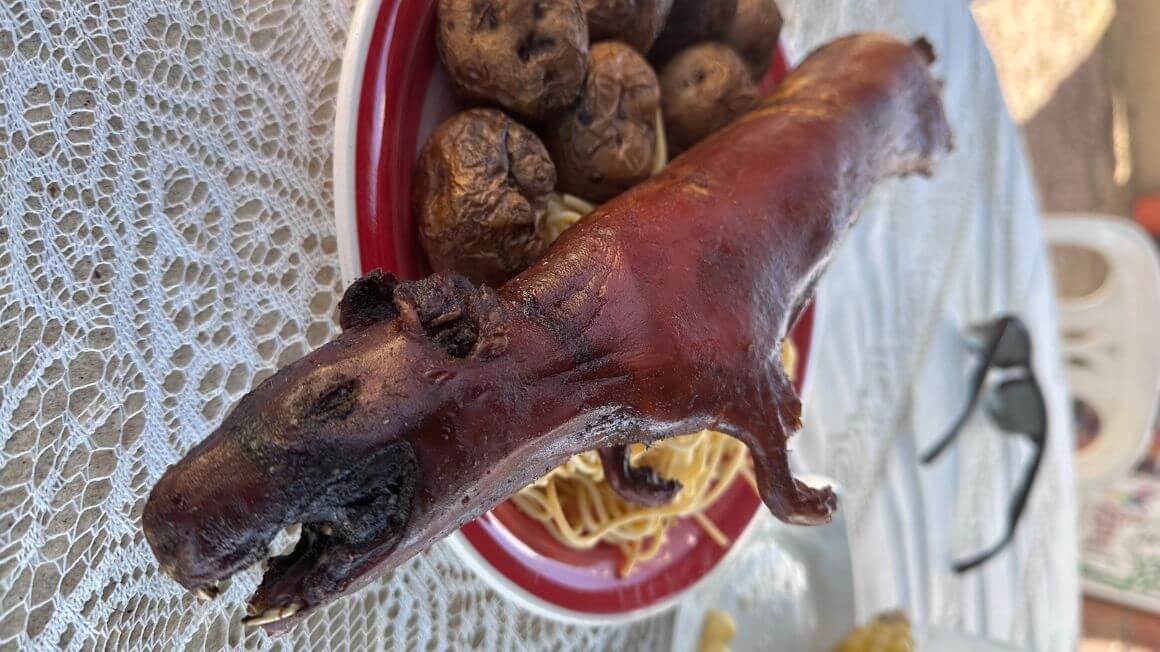
Served whole and often roasted or fried until the skin is crisp, it arrives at the table confronting the diner with the reality of the animal in a way Western meat rarely does. The flavour is closer to rabbit than chicken, lean, slightly gamey. You will particularly see it in Huaraz and Cajamarca, where it is a delicacy.
3. Bathe in hot springs
Just next to Cajamarca is a town called Los Banos del Inca, which is home to hot springs bubbling out of the earth. Long prized for their healing properties, they were a favourite holiday home for the Incas. In fact, the last emperor, Atahualpa, was bathing there before the ambush in Cajamarca. His personal bath still survives today.
So, these waters are laden with history as well as healing minerals. It is possible to hire a private bath where you can tailor the temperature exactly.
I felt like a new person emerging from the waters, cleansed of the dirt and stresses of travelling. There is also a museum on site housing Inca artefacts found nearby and those of the earlier Cajamarca civilisation.
4. Explore the Ancient Chachapoyan civilisation
The Chachapoyans existed from the sixth century until conquered by the Incas just before the Spanish arrived. Their culture developed an architectural style quite unlike elsewhere in ancient Peru and inhabited a zone straddling the jungle and the Andes.
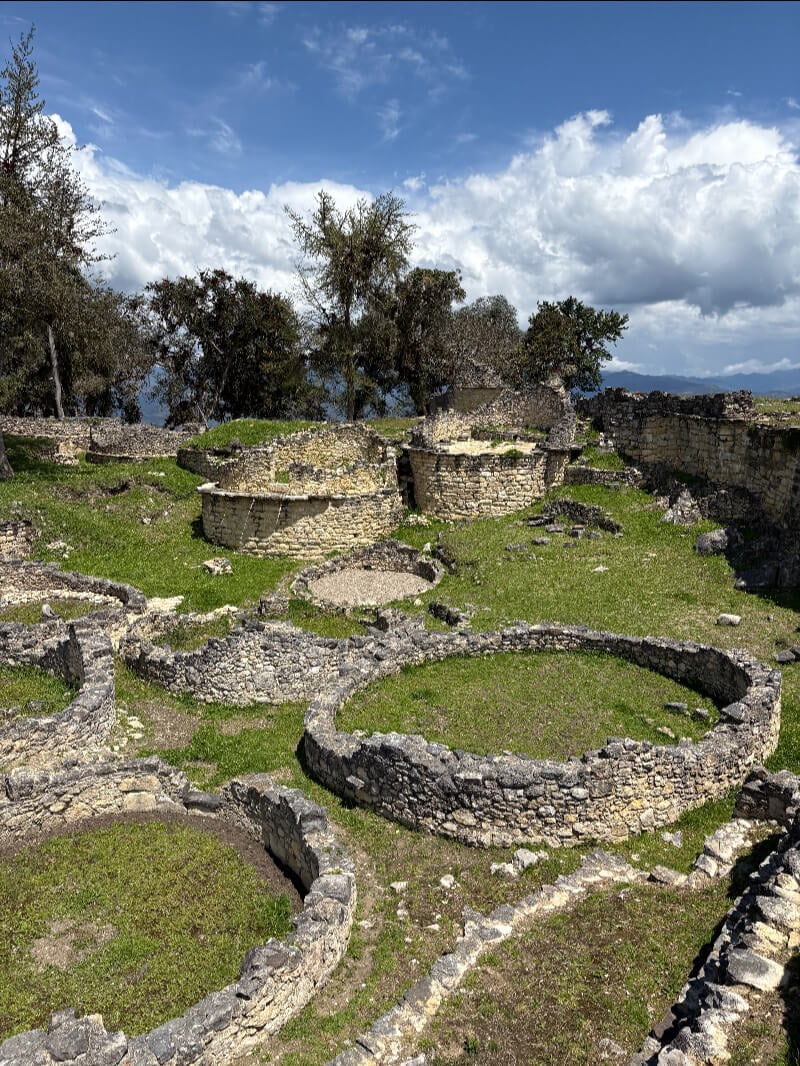
Photo: Tom Hennessy
The result is fascinating ruins for tourists to explore. I constantly had the sense that if this region were easier to get to, it would be swarming with tourists.
It was one of my favourite places in Peru and well worth the fourteen-hour bus ride from Cajamarca.
The highlight is Kuelap, covered above. The government recently built a cable car up to the city, allowing for an easy, yet adrenaline-inducing journey.
On a hill across from Kuelap is its sister city, called Yalape. This often stands empty, and it is overgrown with vines and orchids. This gives a brilliant, Indiana Jones-like experience of walking through a ruined town.
Also worth visiting are the Karajia Sarcophaguses and the Revash Masoleum. The Karajia Sarcophaguses are eight-foot-tall, colourful sculptures on a cliff face built to house the remains of deceased ancestors near the heavens.
They bear a resemblance to the Easter Island Moai, silently staring over a canyon. Seeing them huddled on the edge of a cliff is an otherworldly sight. The Revash Masoleum is also pretty striking. The view of a model village perched on a sheer cliff face is truly surreal. The Chachapoyans had some proper imagination.
Archaeologists also discovered 200 Chachapoyan mummies, some so well preserved that their eyes are intact. These are all kept at the excellent Museo de Leymebamba, which is often bundled with tours to the Karajia Sarcophaguses and the Revash Mausoleum.
5. Hike to Peru’s tallest waterfalls in Chachapoyas
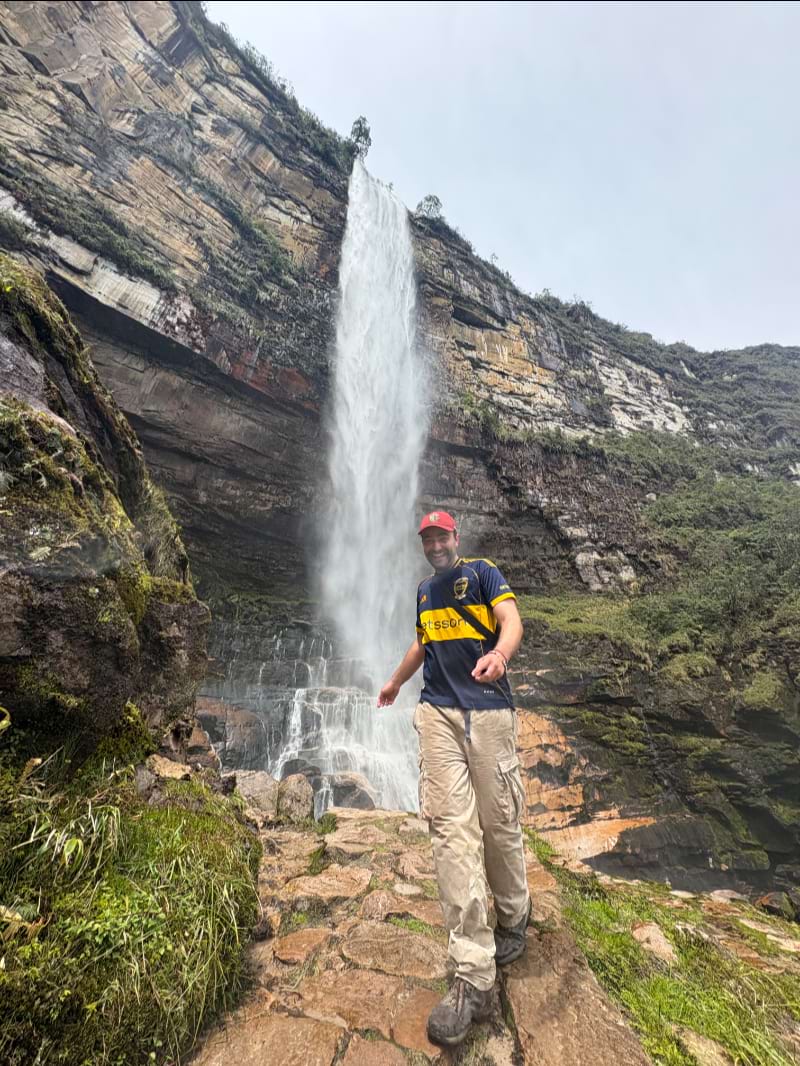
As well as a wondrous ancient civilisation, Chachapoyas is home to Peru’s largest waterfalls. The star of the show is Gocta, mentioned above. It is certainly the most breathtaking sight owing to the force of its torrent.
But it is not the tallest waterfall in Chachapoyas. That honour goes to Yumbilla Falls, which is also the 8th highest waterfall in the world at a staggering 895m tall.
It is accessible by a staggering half-day hike through the cloud forest. Bird species and jungle animals abound before you gaze up at the veil of falling water.
A word of warning is that the falls are seasonal, so they are best visited between December and April during the wet season.
6. Learn to surf in Mancora
Visiting Mancora gives you a chance to learn a life-enhancing skill like surfing for a fraction of the cost you pay back home.
A two-hour surf rental will cost about 20 soles ($5) for a two-hour surfboard rental from the plethora of vendors on Mancora Beach or 40 soles ($9) for a full day. A single private surf lesson will set you back about 80 soles ($20).
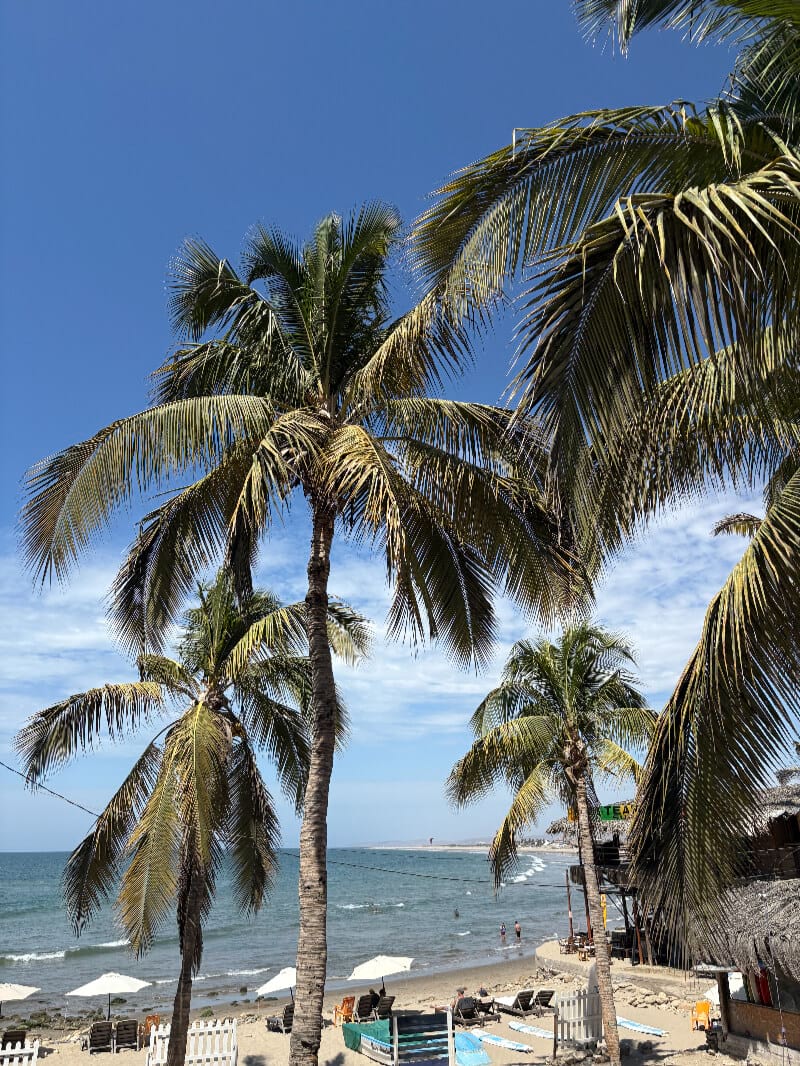
The waves are not especially large and are suitable for both beginners and intermediates. There are two breaks in Mancora: Mancora Point, directly in front of the town beach and Pocitas.
Both are left points, meaning that the wave breaks to the left as it goes into shore. This makes the break excellent for pulling turns and manoeuvres. The best time of day for shredding the waves is 1-3 pm as the low tide advances into shore and the waves are pumping.
Mancora Point has the larger waves and is the busier of the two, so be wary of people dropping in on your line! For smaller waves and more peace, head to Pocitas.
There are many options for surf camps in Mancora. Learning with the aid of professional instructors and being immersed in the surf culture is a brilliant way to come on in leaps and bounds.
Backpacker Accommodation in Northern Peru
The best places to stay for budget backpackers…
| Destination | Best hostel | Best private stay |
|---|---|---|
| Huaraz | Alpes | Casa Hostel VacaHouse Huaraz |
| Trujillo | Yaqta | Gran Bolivar Hotel |
| Cajamarca | Ruta Alterna Ecotours & Backpacker | Kinti Wasi Casa de Campo |
| Chachapoyas | Chachapoyas Backpackers Hotel | Guiltor Host |
| Mancora | Wiracocha Hostal | Kinti Guest House |
Northern Peru Backpacking Costs
Northern Peru is the cheaper side of the country, which is among the cheapest in South America. Rejoice Broke Backpackers! You can easily get by on $20 a day and have a brilliant time by self-catering, staying in hostels and slow travelling.
Peruvian food is delicious and is increasingly getting international recognition – the world’s best restaurant is located in Lima. Try it for yourself in markets, and expect to pay about $2 for a meal, or about $5 for a sit-down meal in a restaurant.
A local beer will cost about $2 in a bar. I always felt a bit weird buying a beer for the cost of a meal! Or $1 in a supermarket.
Transport within cities is very cheap. I normally used Uber and paid as little as $2 for a half-hour journey. If you use a regular taxi, agree on a price up front to avoid gringo tax. To travel between cities on an air-conditioned bus, expect to pay about $15.
A Daily Budget in Northern Peru
| Expense | Broke Backpacker | Frugal Traveller | Creature of Comfort |
|---|---|---|---|
| Accommodation | $5 | $10 | $10+ |
| Food | $2-3 | $5-7 | $10+ |
| Transport | $1.50-2 | $5 | $10+ |
| Nightlife | $10 | $12 | $20+ |
| Activities | $0-5 | $10 | $15+ |
| Total | $17.50-22 | $42 | $65+ |
Money in Northern Peru
The currency in Peru is called the Sol, and I think it is the prettiest currency in South America. Notes are decorated with images of Machu Picchu and jungle animals, as well as the normal range of moustachioed generals.
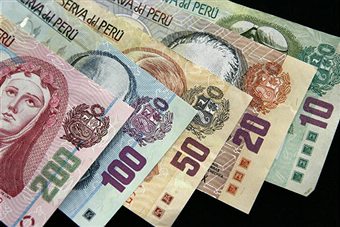
One US dollar will buy you about 4 Soles. In the North of Peru, cards are only sporadically accepted, and it is advisable to carry a wad of notes. When withdrawing cash, always use a Banco de la Nación ATM, as it does not charge fees. This also negates the need to buy soles in advance back home for a steep cost.
Best Time to Travel to Northern Peru
The best time to visit northern Peru is during the dry season from May to October, when days are reliably sunny and the humidity is lower. Hiking in Huaraz is especially good in this period, when mountain visibility is perfect.
Coastal areas remain warm year-round, but visiting outside the summer months avoids heavy rains inland and the occasional disruption caused by El Niño, which can bring intense downpours to the north.
No matter the season, always bring waterproofs as the mountain weather can be pretty unpredictable.
Staying Safe in Northern Peru
I spent two happy months in Northern Peru without any dangerous incidents. Petty crime, such as pickpocketing, is the biggest risk that a traveller in Peru will face.
Simply securing your valuables in a hostel locker and watching your surroundings when out and about will go a long way to safeguarding your belongings. Common sense advice, like not walking around drunk in unfamiliar neighbourhoods, will also mitigate danger.
Sex, Drugs, and Rock ‘n’ Roll in Northern Peru
The party scene varies a lot in Northern Peru. In Huaraz, it is near non-existent. People go to the mountains to hike, and Friday nights are dead. However, in hotspots like Trujillo and Mancora, I went to some of the craziest parties I experienced on the continent.
Classic party drugs like cocaine are cheap and freely available. Though they are strictly illegal, and Peruvian prisons are no pillow fight. Occasionally, buses will be searched with dogs, so do not travel between cities with any naughties.
Like the parties, the dating scene varies between regions. In the more conservative highlands, you may struggle to secure a date without buckets of courtship and a high Spanish ability. In beach towns and large cities like Trujillo, people are receptive to dates but don’t expect the whole country to swoon over you for being a foreigner! They have seen gringos before.
How to Get to Northern Peru
I have defined Northern Peru as that above Lima, which is the main transport hub to go North. You can get direct buses to each town on the itinerary from Lima, though I would advise going to Huaraz first, which, at eight hours from the capital, is far more manageable than a twenty-hour slog to Mancora.
Within the North, Trujillo and the nearby city of Chiclayo act as useful regional transport hubs. They are roughly equidistant between Huaraz and Mancora, so breaking up the long journeys. If you’re planning to stop overnight, check out where to stay in Peru to find a suitable base. They are also the best place to get buses to Cajamarca and Chachapoyas from.
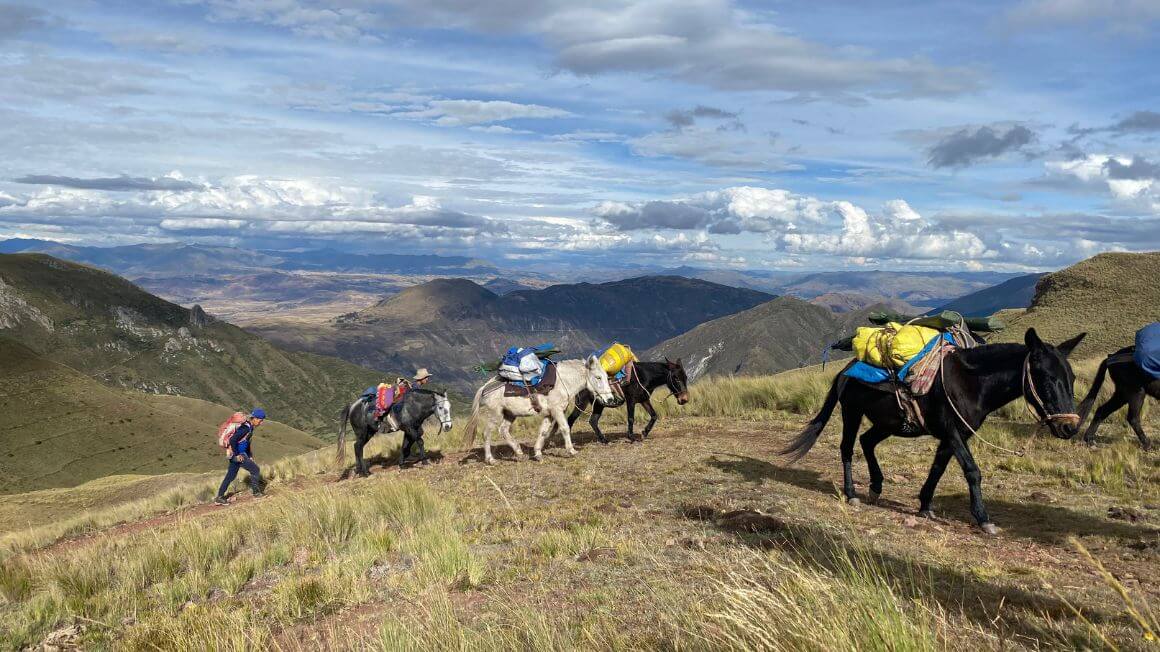
The other way into Northern Peru is from Ecuador in the North. Buses go from cities like Cuenca, Quito and Riobamba to Mancora. These are always night buses and involve a 1 am border crossing at Tumbes.
It is possible to fly between cities in Northern Peru, but the flights are an order of magnitude more expensive than the buses.
Entry Requirements for Peru
For most nationalities, it is very straightforward to enter Peru. Visas in advance are not necessary for citizens of the USA, UK, Germany, Netherlands, France or Canada. Simply rock up to the border, receive a stamp, and you will have 90 days to explore the country. You will need to ensure that your passport has at least 6 months of validity.
Culture in Northern Peru
Northern Peru has been impacted less by mass tourism than Southern regions like Cusco. The remoteness of the land also means that Spanish colonialism penetrated less deeply into the culture. The result is an assertive indigenous identity. You will hear Quechua spoken in the highlands, whole communities farming crops like quinoa and rearing animals like llamas in traditional clothing, much as their ancestors did.
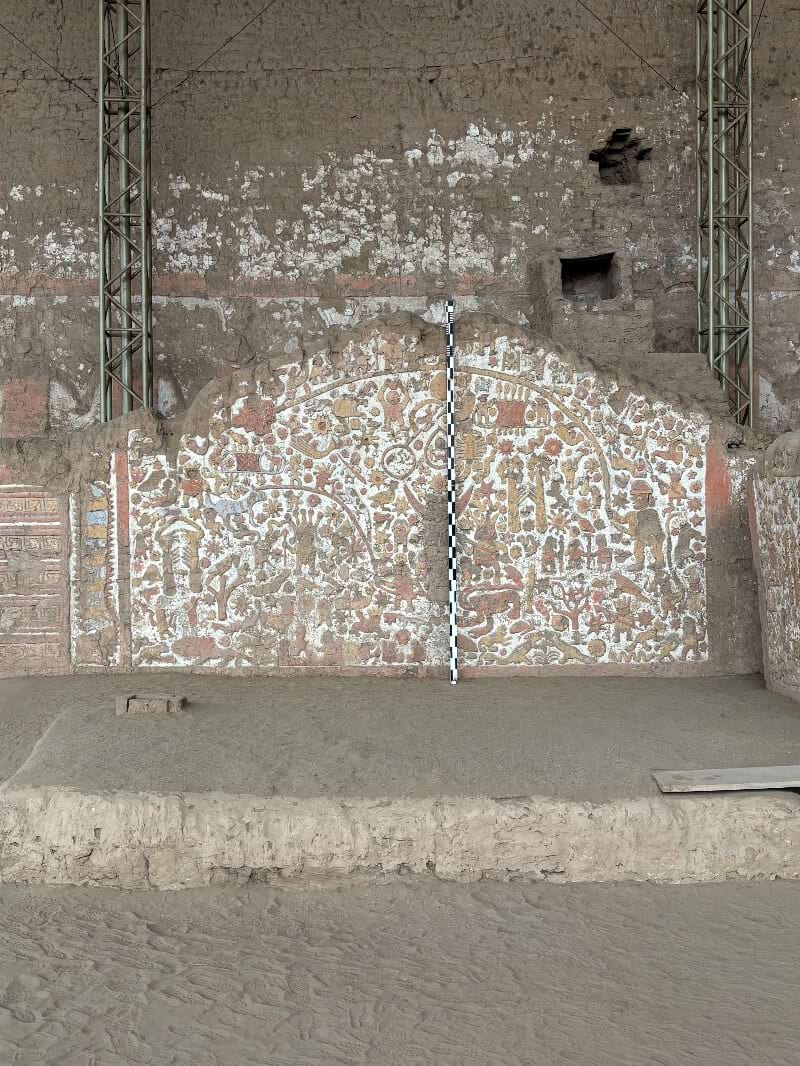
Photo: Tom Hennessy
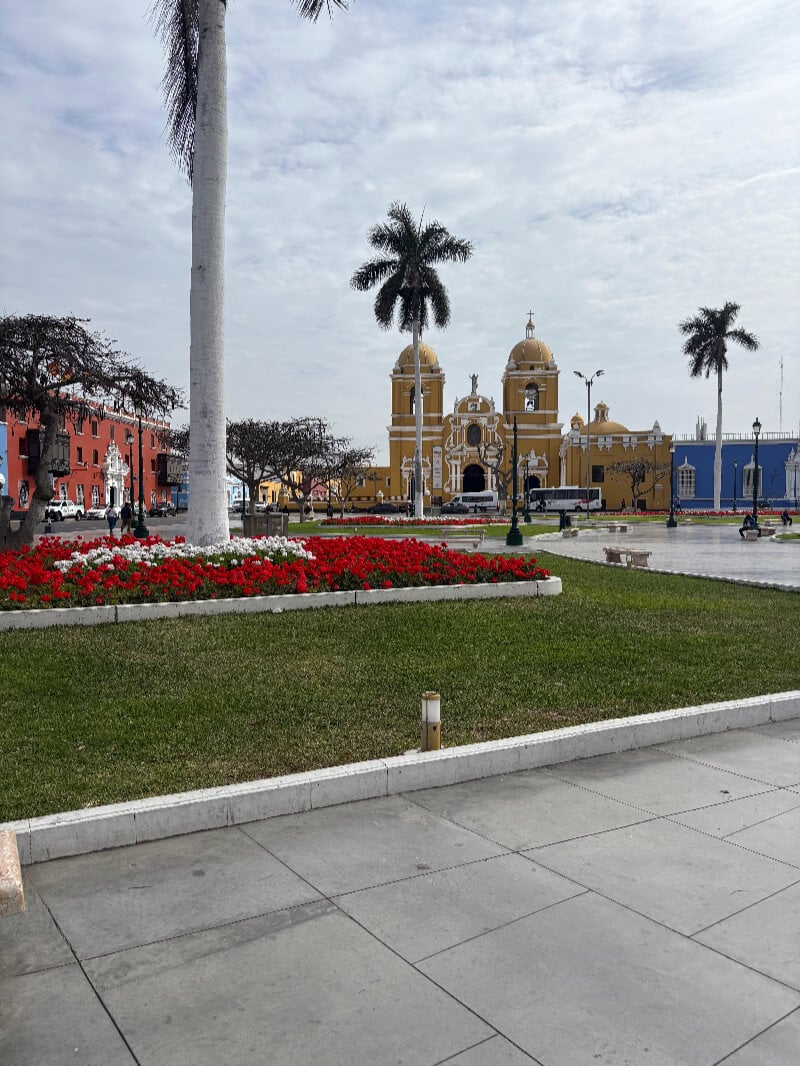
Cities like Trujillo are more modern and cosmopolitan, with international food outlets like McDonald’s and more English is spoken.
It is a common stereotype that people from the coast are more exuberant, while mountain people are colder and more reserved. This holds largely true as the craziest parties in the region are found in coastal towns like Trujillo and Mancora.
In February, the region erupts into festive joy for carnival. A particularly brilliant occasion is Cajamarca’s carnival from late February to March.
The city is taken over by masked dancers in indigenous costumes, and neighbourhoods even compete against each other for costumed splendour.
Below, I have listed some useful travel phrases for Peru. It always pays to learn a new language for travel to be able to communicate with the locals. Spanish certainly packs some of the most bang for your language learning buck, as it unlocks much of Latin America and Spain!
It also helps that the Peruvian people are very patient with stammering foreigners speaking terrible Spanish, as they appreciate the effort.
Hello – hola
How are you? – como estas
I would like… – me gustaría
How much? – cuanta cuesta
Thank you – gracias
What is your name? – como te llamas
I don’t understand – no lo entiendo
I am sorry – me lo siento
Excuse me – permiso / discúlpame
FAQs About Backpacking in Northern Peru
Ready for Northern Peru?
Respect the locals
The worst sort of tourists in South America are those who assume each country is just a gradation of Mexico. No, fajitas are not typical here, and there is no Cinco de Mayo parade. This is a country with its own distinct history and culture, not Mountain Mexico. Be open-minded and prepare to learn about what Peru has to offer instead of assuming it is the same as other Latin American countries.
Download maps
There is nothing worse than stepping off a bus with no phone signal and no idea where your hostel is. Fortunately, this can be easily avoided by downloading the entire map of Northern Peru with MapsMe.
Uber is cheap and widely available in bigger cities
In most cities in Peru, Uber is a cheap and readily available means of getting from A to B.