There are few pleasures on this earth quite like the simple joy of going out for a wee walk. Trekking and hiking are some of mankind’s oldest and most cherished pastimes and the physical and mental benefits they confer on us are well established. Wherever I go in the world, I make sure to include at least a good day hike in my itinerary to explore.
I have traversed mountains, forests and valleys in Pakistan, Lebanon, Colombia, Nepal and more. Yet, while trekking and hiking are good for us, there are still risks. Injuries — twisted ankles, dehydration, altitude sickness — can all strike without warning.
Weather can of course shift from sunshine to snow in hours out on the mountainsides and remote trails are often hundreds of miles from help. Permit cancellations, sudden illnesses, or logistical snafus can all derail plans in an instant.
That’s where hiking and trekking insurance STEPS in (forgive the pun)… Not only as a safety net but often as a requirement for entry into certain parks or remote destinations.
In this guide, we’ll explore what hiking and trekking insurance is and whether you should get it. We’ll examine what it should include and how to choose the right policy for your adventure. Then I’ll throw in some smart tips for staying safe out there on the trail.
The Broke Backpacker is supported by you. Clicking through our links may earn us a small affiliate commission, and that's what allows us to keep producing free content 🙂 Learn more.
Why You Need Hiking & Trekking Insurance
In the US alone, over 58 million people go hiking annually. And the fact is that the vast majority of these trekking and hiking trips end happily without incident. It is, without a doubt, among the safest activities out there, remedial for travel burnout, and a way to see the scenes from a different perspective.
Still, each year people are killed by their own toasters, so the lesson is that shit can (and does) sometimes go wrong any time, anyplace. Trekking into the wild does bring a unique set of risks that include;
- Injuries: Simple slips can lead to sprains, fractures, or worse – often far from immediate medical care.
- Lost or damaged gear: Backpacks, tents, electronics, hiking boots – they’re all pretty vulnerable during long treks.
- Sudden weather: Rain, snow, or flash floods can render trails impassable or dangerous.
- Getting stranded: A wrong turn, unexpected river rise, or failing to reach a rendezvous can leave you isolated.
Think back to the Nepal Earthquake of 2015, when 150 trekkers had to be airlifted from Everest’s base camp trail. Hiking is a wonderful reason to visit Nepal, and you shouldn’t let the fear of ‘what if’ get in the way, but do be prepared.
Plus, many national parks and trekking permit systems now require proof of insurance. Trekking in Nepal (e.g., Everest Base Camp) or climbing Kilimanjaro are two prominent examples. Without proof of suitable coverage, permits may be denied or authorities may refuse rescue.
If you’re trekking overseas (lucky you), then remember that medical interventions and rescue operations abroad are generally very costly. A helicopter evacuation in remote terrain can skyrocket into the tens of thousands of dollars – a princely sum far beyond most travellers’ budgets.
With this in mind, it’s fair to say that insurance isn’t just a nicety – it’s essential for protecting both your well-being and your wallet.
What Hiking & Trekking Insurance Should Cover
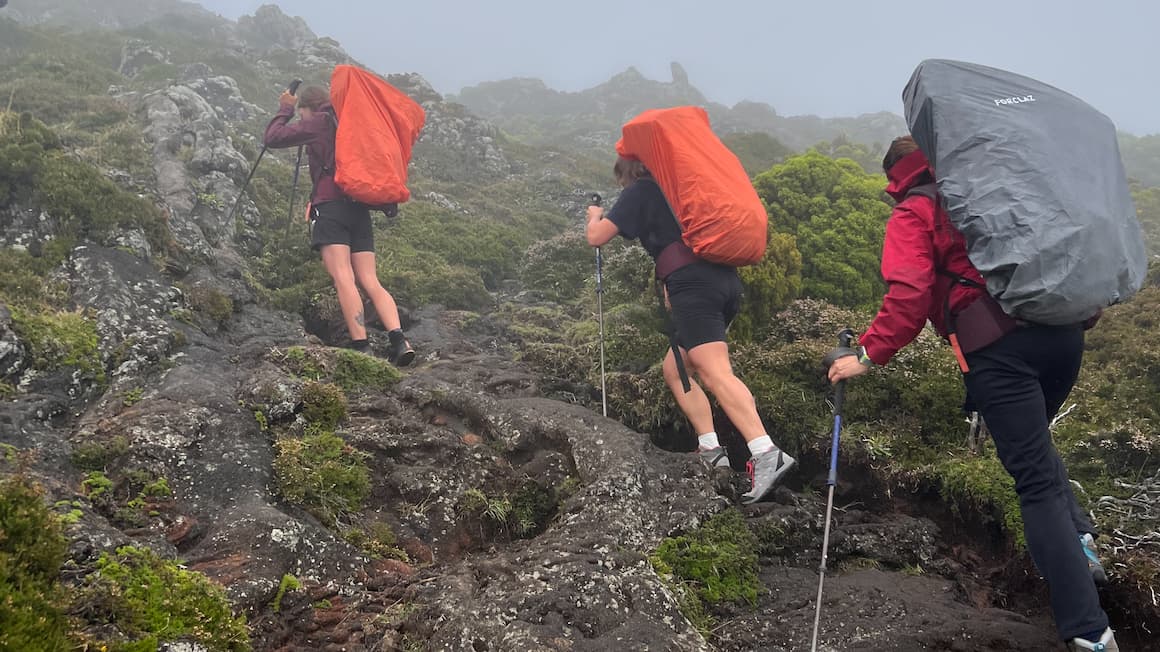
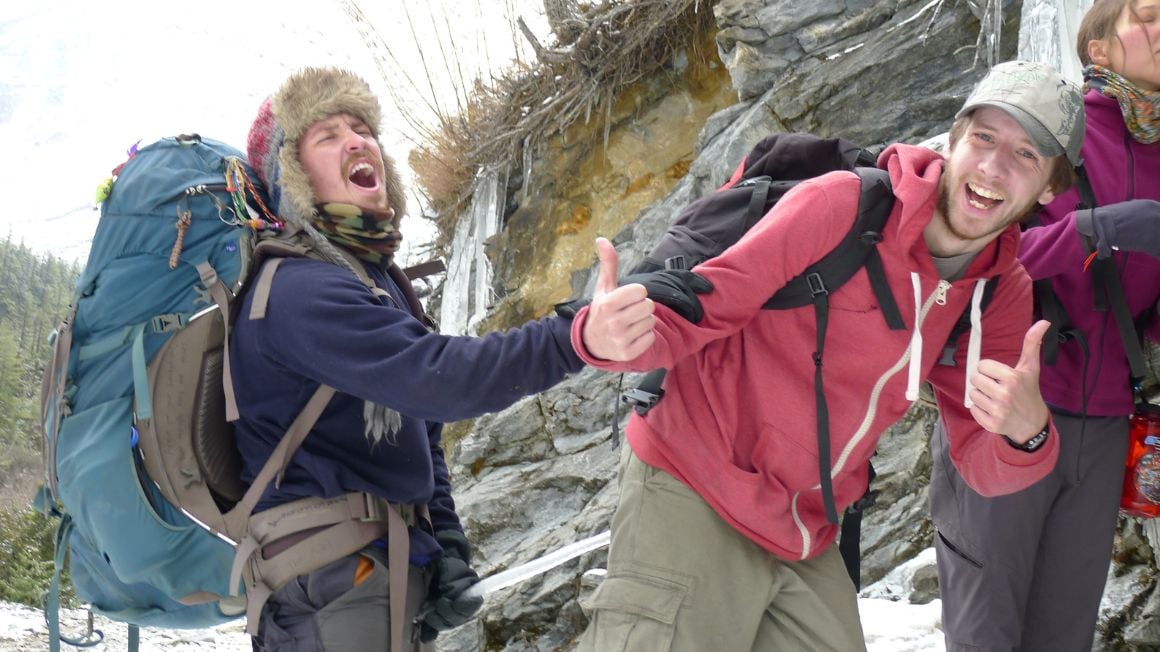
Photo: @amandaadraper
So far, I have outlined the joys of hiking and the perils of hiking. Now, let’s look at what trekking insurance and hiking insurance should cover.
Medical Coverage
Your policy should cover:
- Emergency treatment abroad, including hospital stays and doctor visits.
- Search and rescue operations – not just journeys to the hospital, but the effort to find and retrieve you.
- Emergency evacuation by air or ground in remote or high-risk areas.
These aren’t add-ons — they’re the very backbone of worthwhile adventure coverage.
High-Altitude Coverage
Did you know that many standard insurance policies exclude activities above 3,000–4,000 meters, unless high-altitude trekking is explicitly included. This is critical if you’re headed abroad to hike places like:
- Everest Base Camp (approx. 5,364 m)
- Machu Picchu’s surrounding peaks
- Kilimanjaro (5,895 m)
I mean, when you consider that Ecuador’s Capital, Quito, is situated at an elevation of 2800 metres… You only need to hike up a particularly steep hill to break the terms of your cover!
Be sure to check altitude limits closely – your insurer may require a separate add-on for 3000 metres plus. Thankfully, it’s usually not too expensive, but you do need to make sure you include it, especially if you tend to travel off the beaten path.
Trip Cancellation & Interruption
In life, life happens. Sometimes. Illness, injury, sudden weather events, or emergencies can all force you to cancel or cut short your trek. Ideally, a good policy should reimburse:
- Non-refundable bookings
- Unused travel days
- Costs due to cancellation or interruption for covered reasons
Gear & Equipment Protection
If you know what to take hiking and have carefully curated your pack, don’t let loss or damage leave you stranded or out of pocket. Coverage should include:
- Theft of equipment
- Damage during transit or on-trail
- Delays in gear arrival if it jeopardizes your trip
Of course, no hiking insurer is going to cover wear and tear, but if you’ve invested in quality hiking gear, you should be good.
Adventure Sports Add-Ons
Perhaps strangely, trekking is often tagged as an “adventure sport,” which many basic insurance policies exclude.
Always make sure your insurer defines trekking to include non-technical, non-guided hiking, or else pay for the needed add-ons to stay protected.
Common Exclusions to Watch For
Photo: @amandaadraper
Be sure to check the fine print. Here are some things to watch for;
- Treks without a licensed guide: Some countries require guided treks for insurance validity. This can be quite annoying.
- Technical mountaineering: Climbing with ropes, ice axes, or ropes – these may well be excluded unless you specifically have a climbing or all adventure sport add-on.
- Pre-existing medical conditions: Many policies deny claims if conditions aren’t declared or if treatment was recent.
- Extreme weather or “acts of God” clauses: Events like earthquakes, volcanic eruptions, or wildfires may be excluded altogether, or capped. Arguing that you don’t believe in God won’t cut much mustard with the insurance ombudsmen either.
Identifying these limitations upfront will ensure you get a policy that genuinely protects you.
How to Choose the Right Policy
To make the best choice, consider:
- Altitude coverage: Does the policy cover the elevations you intend to trek to?
- Evacuation scope: Are helicopter or remote rescues included? And how comprehensive is this coverage?
- Coverage limits and deductibles: Higher limits are better – but watch for prohibitive deductibles that eat into your budget.
- 24/7 multilingual support: Emergencies don’t call in advance; you need help that’s always available and in your language.
- Customer reviews: Hiker forums, TripAdvisor, or travel blogs often highlight real-world experiences – especially claims handling and responsiveness.
Taking a few minutes now to compare can save you major headaches later.
Popular Hiking & Trekking Insurance Providers
Right, when it comes to finding a hiking insurer and cover policy, there are basically two ways you can play this. If you are going to be hiking overseas, then simply go for travel insurance which includes hiking, trekking or adventure sports. The good news is that most do.
If you are hiking or trekking in your home country, then travel insurance won’t usually work. You will need to find an adventure sports insurer who will cover you.
Here are a few insurers widely recommended by trekkers:
SafetyWing
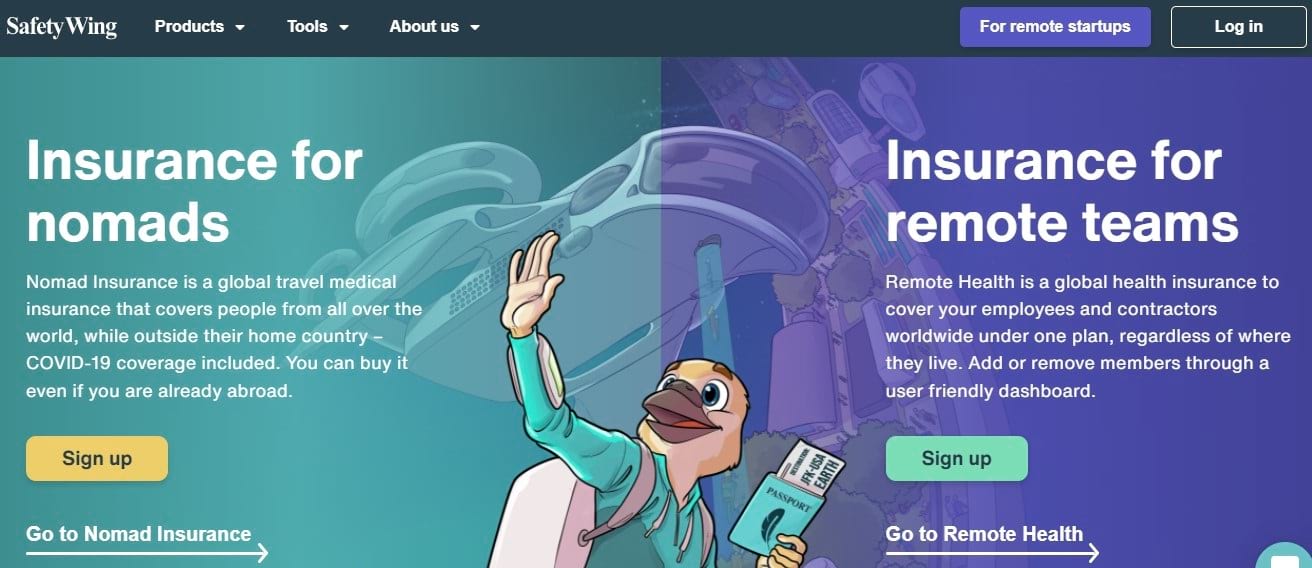
SafetyWing offers medical cover ideal for digital nomads. Over time, their product offering has grown and now covers trekking, hiking and other adventure sports. This is a great option for flexible, multi-destination trekking.
These days, SafetyWing is my and many of my colleagues’ go-to travel insurer. Either check out our full SafetyWing review or hit the button below to get a quote.
World Nomads
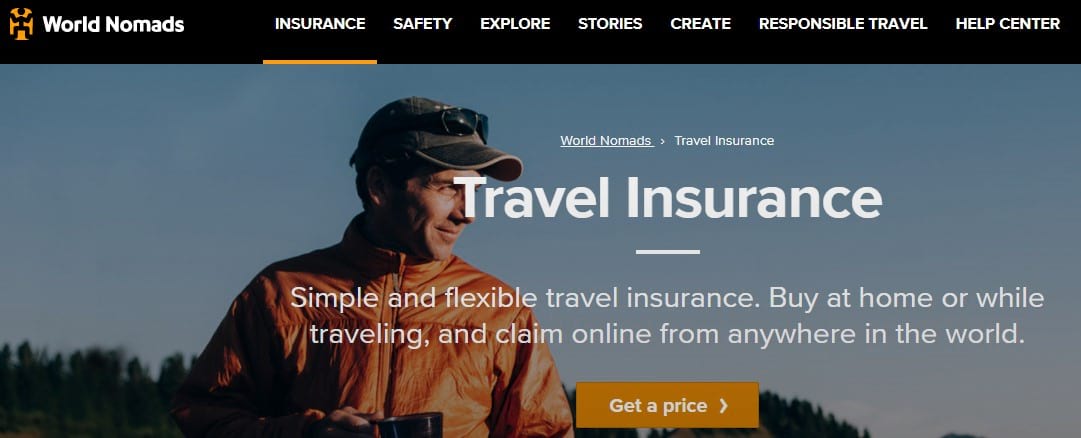
Known for offering flexible, traveller-focused policies covering high-altitude treks and select adventure sports. World Nomads are not the cheapest insurer in town, but they are well established as the adventure backpackers’ choice with good reason.
World Nomads is also one of the few travel insurers that will offer cover after a trip has started. The Broke Backpacker Team has used them multiple times over the years and can vouch. Either check out our full World Nomads review or hit the button below to get a quote.
Allianz Travel Insurance
Allianz is a mainstream, big insurance provider with optional adventure add-ons and strong global support. As well as offering travel insurance, Allianz can also create a quote for domestic trekking/hiking trips through one of its affiliated companies.
We reviewed the Allianz travel insurance policy in detail.
True Traveller
UK-based specialist in adventure travel coverage, with good altitude limits and gear protection. True Traveller offers a specific trekking sub-product that offers no altitude limits. Epic if you’re hiking Everest, or pretty much any other peak – paying for an airlift off Everest isn’t on my bucket list.
While we have not tried, tested or reviewed them yet, other travellers speak very highly of them.
Global Rescue
Global Rescue is a premium provider specialising in emergency medical and evacuation assistance, particularly tailored for travellers venturing into remote or high-risk areas. With the continued surge in popularity of exploring this little world, these guys are good to have in your back pocket.
They offer Premium service with dedicated evacuation logistics, high medical cover, and rapid response in remote locations.
Tips for Staying Safe on the Trail
Having the right trekking insurance cover in place means that if anything does go wrong, you should be looked after. But of course, prevention is always better than a remedy.
To stay safe and stay covered when out on the trails, always remember to:
- Always carry proof of insurance – a digital and printed copy.
- Share your itinerary with someone at home and check in as regularly as you can, especially if you’re travelling solo.
- Pack a basic first-aid kit and know how to use common supplies like bandages, pain relievers, and blister pads.
- Stay hydrated; altitude increases dehydration risk.
- Watch for altitude sickness (headache, nausea, dizziness)—and descend early if symptoms appear.
These simple steps make a big difference in staying healthy, safe, and self-reliant.
Final Thoughts
Hiking and trekking are set to remain the world’s favourite pastimes. After all, there is a lot of world to explore, and all it takes is two willing legs and some basic gear. Just be sure to stay safe and to prepare as much as possible for any little mishaps that may befall you.

Photo: Ana Pereira