Travel insurance is the one thing you buy hoping you’ll never use. And then one day you’re throwing up in a hostel in Battambang, Cambodia with the hostel owner telling you you’ll probably need to get transported to Bangkok 6 hours away if things get worse, and suddenly the little over $2 a day doesn’t seem like such a grudging expense after all (oddly specific… because this happened to me).
Seven members of our team have used SafetyWing, and between us we’ve filed three claims. Nic claimed twice inside a month in Bali, once for rabies booster jabs after a street dog licked a cut on their hand, once for a clinic visit after a bad case of Bali belly. Both fully reimbursed, no excess deducted. Will had suspected appendicitis in Mexico and SafetyWing paid the hospital bills, though it took a fair bit of back and forth first. Three claims, three payouts, none denied.
At $2.24 a day if you’re under 40, SafetyWing Essential is the cheapest reliable emergency cover on the market, and it’s our team default for a reason. But it isn’t right for everyone, and most reviews won’t tell you that.
If you need trip cancellation, if you’re over 50 and the price gap with other providers has narrowed, or if you’re a US, Canadian or Irish resident looking at the Complete plan, there may be better options and I’ll point you toward them.
This review lays out how the SafetyWing plans work and what you need to know to make the best decision for you. It’s built on our deep personal experiences plus a line-by-line read of SafetyWing’s actual policy documents for both plans, not their marketing pages.
If this intro was enough for you and you just want some quotes:
- Do You Need Travel Insurance?
- What Is SafetyWing?
- Is SafetyWing Right For You?
- Essential vs. Complete At a Glance
- SafetyWing Essential: Full Breakdown
- SafetyWing Complete: Full Breakdown
- The Gotchas Our Readers Ask About
- We’ve Filed 3 Claims With SafetyWing: Here’s What Happened
- What About Other Insurance Options?
- Is SafetyWing Worth It? Our Verdict
- Frequently Asked Questions about SafetyWing Travel Insurance
Do You Need Travel Insurance?
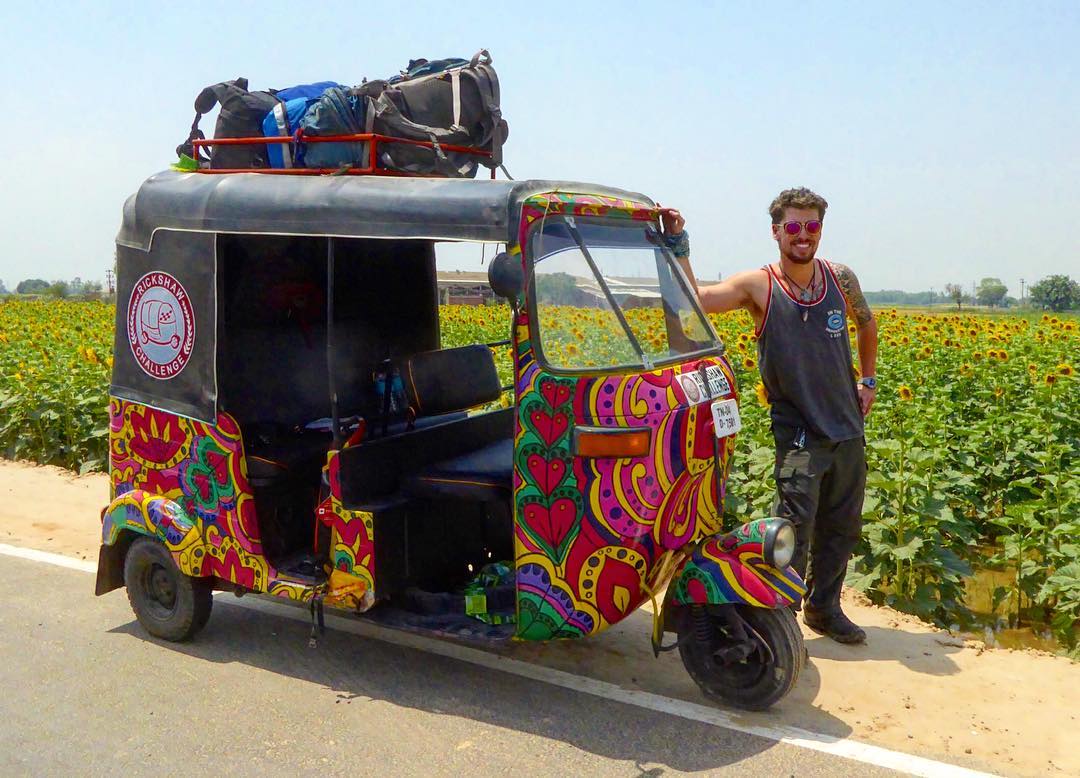
Image: Will Hatton
The Broke Backpacker is supported by you. Clicking through our links may earn us a small affiliate commission, and that's what allows us to keep producing free content 🙂 Learn more.
Hospitalization abroad is expensive in a way that catches people off guard: a single night in a hospital in Japan or the US can run several thousand dollars, and your home health insurance almost certainly won’t cover it.
Neither will it likely cover an emergency evacuation, which can cost far more. Furthermore, some countries do actually require you to obtain insurance before they’ll even let you enter.
If you want the full breakdown of what travel insurance does and doesn’t cover and who actually needs it, read our guide on why travelers should get insurance. If you’re already convinced, read on.
What Is SafetyWing?
SafetyWing was launched in 2018 by a group of Norwegian nomads who were frustrated by how badly existing insurance products served people who lived on the road.
The pitch: insurance built for the way long-term travelers and digital nomads actually travel, without the rigid trip-based structure that makes traditional policies awkward for anyone without a fixed return date.
Today, the company offers two products under the Nomad Insurance umbrella:
- Essential is a monthly subscription covering emergency medical treatment and is the plan most backpackers and budget travelers use.
- Complete is a full international health insurance plan for long-term nomads who want routine healthcare coverage, not just emergencies. They’re meaningfully different products and this review covers both.
They also now offer a third product: Nomad Citizen. It goes well beyond travel insurance: premium health insurance up to $1.5 million a year, income protection if you’re unable to work, life insurance, and full travel insurance worldwide, plus visa assistance through their Nomad Border Pass.
It’s membership-based rather than something you can just buy outright: you need to join through Plumia’s Nomad Citizen initiative or a sponsoring organization.
None of us are members, so we still can’t comment on it firsthand, but it’s worth knowing it exists if you want something more permanent than travel insurance. If you are a member, let us know what you think in the comments!
Is SafetyWing Right For You?
As I said, SafetyWing isn’t one product; it’s two (let’s ignore Citizen for now), and they’re aimed at pretty different travelers. Essential is a flexible, month-to-month emergency medical plan.
Complete is a full international health insurance plan you commit to annually. Which one you’re evaluating changes the answer to whether SafetyWing is right for you, so pick your lane.
Is Essential Right For You?
Essential is the plan most backpackers end up on, and for good reason. However, it has real limitations worth knowing before you buy.
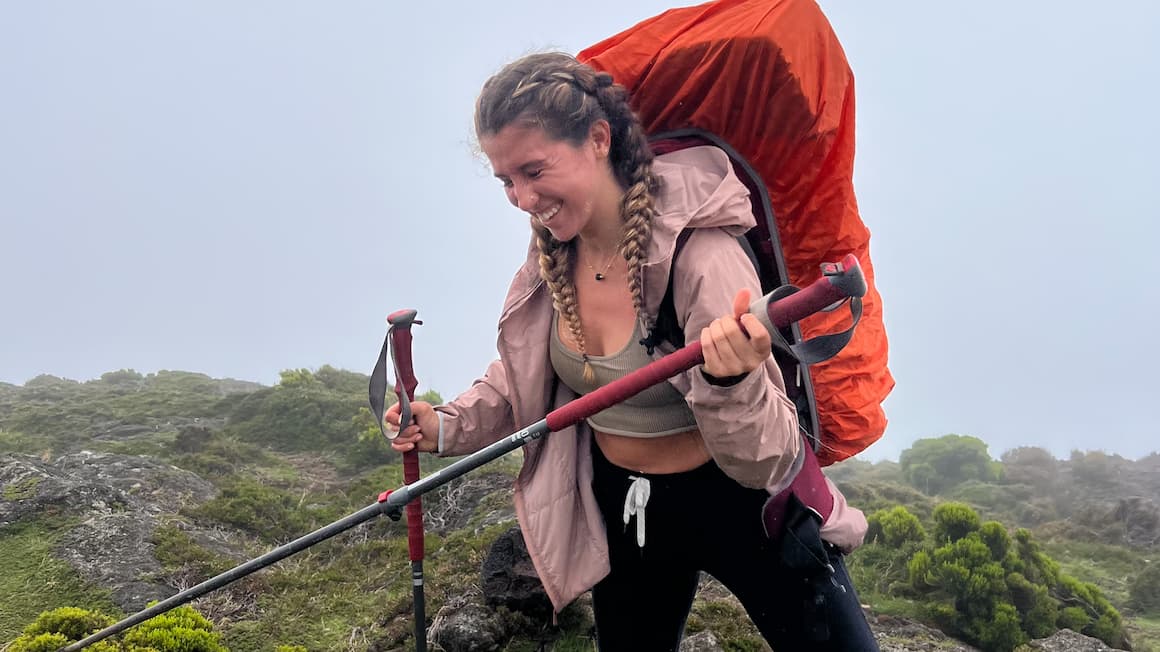
Photo: @amandaadraper
Essential is probably NOT right for you if:
- You need trip cancellation cover. Essential doesn’t offer it, full stop. If you’re booking non-refundable flights and accommodation in advance, look at World Nomads or some Faye plans instead.
- You travel with a laptop or serious camera gear. The electronics add-on caps at $1,000 per item, and that’s before depreciation. SafetyWing applies a 50-month straight-line depreciation rule, meaning a two-year-old laptop has already lost 48% of its claimable value.
- You have a condition that’s been treated or showed symptoms in the last six months. Essential won’t cover it, with a narrow exception you probably don’t want to test.
- You want cancer treatment covered. It’s explicitly excluded.
- You need mental health treatment. Also explicitly excluded.
- You’re over 69. That’s the hard cutoff.
- You’re a US citizen and you’re traveling in the US. You can’t use Essential in the US even if you live abroad.
Essential IS probably right for you if:
- You want solid emergency medical cover at the lowest price on the market: around $2.24 a day if you’re under 40.
- You’re traveling open-ended and want the flexibility to pay month-to-month, pause, or cancel with minimal friction.
- You’ve already left home and just realized you forgot to sort insurance. Essential can be bought after departure. Many travel insurance plans don’t allow this. One catch: anything that happens, develops, or gets diagnosed in your first 72 hours of cover isn’t covered, so it’s not a same-day fix for something already going wrong.
- Adventure Sports: extends coverage to a wider range of activities beyond the base sports list, up to $100,000 lifetime, though it doesn’t apply in your home country. More on what this actually covers in the gotcha section below.
Is Complete Right For You?
Complete is a legitimate international health plan, not just emergency cover with a fancier name. But before you get too deep into the details, check the eligibility list because a lot of readers will hit a wall here.
Photo: @amandaadraper
Complete is NOT right for you if:
- You’re a US, Canadian or Irish resident. You’re not eligible, end of story. Essential is your only SafetyWing option.
- You’re over 64. Complete’s age cutoff is five years lower than Essential’s.
- You want flexible monthly cover. Complete is an annual commitment.
- You need meaningful trip cancellation. Complete offers $300 per trip, capped at $600 a year, which is better than nothing (and Essential) but not by much.
- You have a condition that’s been treated, diagnosed, or showed symptoms in the last two years. Complete’s pre-existing definition is stricter than Essential’s.
Complete probably IS right for you if:
- You’re a full-time nomad with no home country health coverage who wants real healthcare access: routine doctor visits, specialist care, prescriptions, the works.
- You want cancer treatment covered. Complete covers it up to $1,500,000. Essential doesn’t cover it at all.
- You want mental health coverage. Complete includes ten outpatient visits per year within the $5,000 combined outpatient cap.
- You’re under 64, outside the excluded countries, and can commit to twelve months.
- You understand that Complete requires pre-authorization before hospital admissions and major procedures. Miss that step and you’re on the hook for 30% of covered costs yourself. Genuine emergencies are exempt as long as you notify within 72 hours.
Essential vs. Complete At a Glance
The two plans are built for different situations and won’t be interchangeable for most travelers.
Before getting into the full breakdown of each, here’s the short version to help you figure out which one is worth your time to read about.
| Essential | Complete | |
|---|---|---|
| Payment model | Monthly subscription | Annual policy |
| Overall medical max | $250,000 | $1,500,000 |
| Trip cancellation | No | $300/trip |
| Routine healthcare | No | Yes ($5,000/year) |
| Mental health | No | Yes (10 visits/year) |
| Cancer treatment | No | Yes |
| Pre-existing conditions | 180-day lookback | 2-year lookback |
| Age limit | 69 | 64 |
| US residents eligible | Yes (for travel outside of US) | No |
| Best for | Budget backpackers and short to medium term travelers who need solid emergency cover | Full-time nomads who want real healthcare coverage and can commit to twelve months. |
Note: Complete isn’t available to residents of the US, Canada, Ireland, Belarus, Saudi Arabia, the UAE, Palau, or the Democratic Republic of Congo.
SafetyWing Essential: Full Breakdown

Image: Nic Hilditch-Short
Essential is a travel medical insurance plan, not a health insurance plan, and this distinction is important. It’s designed to cover you when something goes unexpectedly wrong, not for routine healthcare or anything you knew about before you left.
If that’s what you need, Essential is very good at it and very competitively priced. If you need more than that, read the Complete section.
What Essential Covers
- Medical treatment and hospitalization: up to $250,000 per active insurance period
- Medical evacuation: up to $100,000 lifetime. Note this is a lifetime cap, not per incident
- Emergency dental: up to $1,000 per period, but you need to seek treatment within 72 hours of onset
- Trip interruption: up to $5,000 per period, covering family death or home destroyed only
- Travel delay: $60 for delays over 3 hours, $150/day for delays over 8 hours, up to $450 per trip
- Lost checked luggage: up to $500 per item, $3,000 per period
- Evacuation from local unrest: up to $5,000 lifetime
- Death arrangements: up to $20,000 for transport home or $10,000 for local burial
- Robbery: up to $500 per item, $300 for cash, $10,000 lifetime — electronics not covered at base
Essential Add-Ons
There are three optional add-ons worth knowing about:
- US Coverage: required if you’re spending time in the US. Roughly doubles the cost. US citizens and residents are not eligible regardless.
- Adventure Sports: extends coverage to a wider range of activities beyond the base sports list, up to $100,000 lifetime. More on what this actually covers in the gotcha section below.
- Electronics Theft: covers stolen electronics up to $1,000 per item and $3,000 per period. The 50-month straight-line depreciation rule applies, so a two-year-old laptop has already lost 48% of its claimable value. Not enough for serious gear.
Free Electronics Theft Coverage for 8 Weeks for TBB Readers (new SafetyWing accounts only)
TBB readers can get 8 free weeks of the electronics theft add-on if they’re opening a new account. While there are definitely limitations to this add-on (see the Gotcha section below), free is free; if you’re carrying a phone, a tablet, or a mid-range camera, that’s real coverage at no cost. If you’re carrying a MacBook Pro and a professional camera body, you’ll still want a specialist policy on top.
Three things to know before you click on Essential and use the BROKEBACKPACKER code:
- You have to apply the code before you create an account. There’s no adding it afterward. If you sign up first and then remember, you’ve missed it.
- The redemption flow is kind of annoying. You have to find and click a small pink camera on the SafetyWing Nomad Insurance landing page, which opens a popup where you enter the code. It’s not a normal checkout field and it’s easy to miss entirely. Look for it before you start signing up.
- The offer is for new SafetyWing customers only. Existing members can’t use it, and cancelling an old account to re-sign won’t work either. After 8 weeks the add-on renews at the normal paid rate, so cancel it then if you don’t want it.
Code: BROKEBACKPACKER
What Essential Doesn’t Cover
Most of the exclusions are standard across the industry. A few are worth calling out specifically:
- Anything that happens in the US unless you’ve bought the US add-on
- Cancer treatment. This is explicitly excluded, not a gray area.
- Mental health treatment is explicitly excluded
- Trip cancellation. Not offered at all (although trip delay and interruption are)
- Routine or preventive healthcare
- Maternity care
- Pre-existing conditions within the 180-day lookback window, with a narrow emergency exception
- Motorbikes above 50cc under the base sports provision, do see the gotcha section below
Essential Pricing
SafetyWing’s pricing scales with age. Under 40 it’s hard to beat at around $2.24 a day. It gets progressively more expensive from there, which is worth factoring in if you’re over 50.
For the mature travelers out there, you may find that other providers’ pricing tends to be better. Run your own quote using the tool below rather than relying on any numbers we publish here, since pricing updates regularly.
SafetyWing Complete: Full Breakdown

Image: Nic Hilditch-Short
Before anything else, a reminder on eligibility: Complete isn’t available to residents of the US, Canada, Ireland, Belarus, Saudi Arabia, the UAE, Palau, or the Democratic Republic of Congo. If you’re from one of those countries, Essential is your only SafetyWing option.
Complete is a very different product from Essential and not a premium tier of the same thing. It’s actually two separate insurance products bundled together: travel benefits and full health insurance, underwritten by different insurers.
This matters practically because travel claims and health claims go to different places, but more on that in the claims section.
One more thing to get straight before diving in: Complete is an annual policy. You’re committing to twelve months, not a rolling subscription you can pause or cancel like Essential.
What Complete Covers Beyond Essential
- Overall health maximum: $1,500,000 per year, six times Essential’s limit
- Outpatient care: routine doctor visits, specialist consultations, prescriptions, and diagnostic tests are all covered up to a combined $5,000 per year
- Mental health: ten outpatient visits per year, within the $5,000 outpatient cap
- Inpatient psychiatric care: up to 30 days at 100% of usual, customary and reasonable costs, on top of the ten outpatient visits above
- Wellness therapies: up to $60 per visit, fifteen visits per year. Covers chiropractic, acupuncture, massage, osteopathy
- Screenings and vaccines: up to $350 per year
- Cancer tests and treatment: up to $1,500,000. Chemotherapy, radiation, medication. Essential covers none of this.
- Maternity care: up to $2,500, subject to a ten-month waiting period. Fair warning, though: kids are much more expensive than this!
- Motor accident limit: $1,500,000 versus $250,000 on Essential
- Trip cancellation: $300 per trip, $600 per year. Better than Essential’s zero but not a substitute for dedicated trip cancellation cover.
- Dental add-on: up to $1,000 per year, with a six-month waiting period before costs above $250 are reimbursed
- Electronics theft add-on: up to $2,000 per item, $5,000 per period (double Essential’s per-item limit)
The Pre-Existing Conditions Gotcha
Here’s the counterintuitive part: Complete’s pre-existing conditions definition is actually stricter than Essential’s, not more lenient.
Essential excludes conditions treated or symptomatic in the last 180 days. Complete’s window is two years, and it’s broader. It can exclude conditions you didn’t even know you had.
If you have a manageable condition that’s been stable and untreated for over six months, Essential is actually the more lenient option of the two.
After a full year on Complete the definition narrows on renewal, but in year one it’s wide.
Complete’s Optional Add-ons
Two add-ons are worth knowing about:
- Dental: up to $1,000 per year, with a six-month waiting period before costs above $250 are reimbursed
- Electronics theft: up to $2,000 per item, $5,000 per period, double Essential’s per-item limit
The Gotchas Our Readers Ask About
Image: Nic Hilditch-Short
Every insurance policy has the stuff that bites you when you least expect it. These are the questions our readers ask most (unfortunately, sometimes after something has already gone wrong).
Motorbike Coverage: The 50cc Problem
Essential’s base sports coverage only includes motorbikes up to 50cc. That’s a problem in Southeast Asia, where virtually every rentable scooter exceeds that limit (a standard Honda Click is 125cc).

Image: Nic Hilditch-Short
We checked with SafetyWing directly, and the Adventure Sports add-on is what covers you above that. It extends to riding as a driver or passenger on any scooter or motorbike over 50cc, with no specific upper limit stated.
A few conditions apply:
- You need proper safety gear (a helmet, at minimum)
- You need to be properly licensed for the class of vehicle you’re riding (note: a standard car license may not cover a motorbike, so check local requirements before you rent)
- The add-on excludes racing, driving under the influence, personal liability for damage to the vehicle itself, and third-party medical costs
So: get the add-on if you’re riding anything above 50cc for your motorbike travel, confirm your license actually covers it, wear a helmet, and stay sober.
Is $100,000 Evacuation Enough for Nepal?
For most destinations, yes.
For high-altitude Himalayan trekking in places like Nepal or Northern Pakistan, it’s worth understanding that the $100,000 is a lifetime cap, not per incident, and it drops to $25,000 if the cause is linked to a pre-existing condition.

Photo: Samantha Shea
The adventure sports add-on is required above 4,500 meters (14,763 feet), so you’d need it for both Everest Base Camp and the Annapurna Circuit, which lie comfortably under the add-on’s own 6,000-meter ceiling.
Go higher than that (Mera Peak, Island Peak, that range) and you’re outside what SafetyWing covers even with the add-on. For serious trekking, I’d consider supplementing with a dedicated rescue membership like Global Rescue.
Electronics Coverage: The Laptop Gap
Essential caps at $1,000 per item, Complete at $2,000. Neither amount covers a MacBook Pro new. On Essential, it’s worse than the cap alone suggests: a 50-month straight-line depreciation rule applies, so a two-year-old laptop has already lost 48% of its claimable value before the per-item cap even kicks in.
Complete’s electronics add-on skips that depreciation rule – it’s assessed on market value at time of loss instead, so the $2,000 cap goes further in practice than Essential’s $1,000 looks on paper.
Either way, if you travel with serious gear, look at a specialist policy like InsureMyEquipment as a top-up.
We’ve Filed 3 Claims With SafetyWing: Here’s What Happened
As I wrote earlier, seven people on the Broke Backpacker team have used SafetyWing, and between us we’ve filed three claims. Here’s the honest picture.
Filing a Claim on Essential
You’ll submit through the SafetyWing dashboard, it takes a few minutes.
We asked SafetyWing directly on the real timeline for us, and this is straight from their mouth: once you submit, there’s a 5 business day processing window. If your claim is approved, reimbursement to your bank account follows within 7 to 10 business days of the confirmation email. If the claims team needs more documents, each additional request adds another 5 business days, so incomplete paperwork is what actually stretches these out. This applies to both Essential and Complete. Realistically, budget one to three weeks depending on how clean your documentation is, our own team’s claims (below) landed in that range.

The one thing people miss out on: you have 60 days from the end of your active insurance period to file. If you’re deep into a long trip, that deadline can sneak up on you.
Have your documentation ready before you submit: itemized receipts, doctor’s notes with a diagnosis and onset date, and a police report for anything stolen (filed within 24 hours of the incident). Missing any of these is the most common reason claims get delayed.
Filing a Claim on Complete
Complete is two separate insurance products bundled together, which means travel claims and health claims go through different processes. However, the processing timeline is the same as Essential’s: a 5 business day review window, then 7 to 10 business days for reimbursement once approved.
Pre-authorization is also required before hospital admissions and major procedures, and for anything non-emergency, SafetyWing wants that request at least 5 business days ahead of the scheduled date. Skip pre-authorization and you’re on the hook for 30% of covered costs on claims above $500.
In a genuine emergency, you have 72 hours to notify rather than needing to call before you go in. Health claims have a longer filing window: 180 days from treatment rather than Essential’s 60 days from policy end.
What Our Team Experienced
Nic filed two claims in the same month, both in Bali. The first was for rabies booster jabs after a street dog licked a cut on their hand (gross) and was around £130. They had it fully reimbursed within a week. The second was for a persistent Bali belly that led to a clinic visit for dehydration and testing.
The receipts were handwritten and payment was cash, which meant additional documentation was needed before SafetyWing could process it. Still, it was fully reimbursed within two weeks.
Will filed a claim for suspected appendicitis in Mexico. SafetyWing paid the hospital bills, but it required considerable back and forth before the claim was resolved. Not a denial, but just more documentation requests than the simpler claims.
The pattern: clean documentation gets claims resolved fast. If you have cash payments, handwritten receipts, serious medical situations, etc., expect more back and forth. That’s not unique to SafetyWing, but it’s worth going in with eyes open.
One thing worth flagging: Nic wasn’t charged a deductible on either claim. We confirmed with SafetyWing directly: neither Essential nor Complete has a deductible or coinsurance. If a claim is approved, you get the full amount back, up to the benefit limit, which is exactly why it’s worth filing even small claims, the kind other providers’ excess fees would make pointless.
What About Other Insurance Options?
Essential isn’t the only backpacker insurance worth knowing about. If you need trip cancellation, want a higher medical ceiling, or want adventure sports included without an add-on, it’s worth comparing SafetyWing against World Nomads, Genki, Faye (for US residents only), and a few others.
We’ve done that comparison in detail, including our team’s actual claims experience with each provider, in our full backpacker insurance guide.
Is SafetyWing Worth It? Our Verdict

Image: Nic Hilditch-Short
For most backpackers: yes.
Essential is the cheapest reliable emergency cover on the market for under-40s, it’s flexible enough to match how backpackers actually travel, and when our team has needed to claim, it’s paid out. Three claims, three payouts, one of them requiring some back and forth but none of them denied.
It’s not perfect. No trip cancellation is a real gap if you’re booking non-refundable flights and tours in advance. The electronics limits won’t cover serious gear. And the 50cc question on motorbikes is something every SE Asia-bound reader needs to understand before they rent a scooter.
Our SafetyWing recommendations by traveler type:
- Budget backpacker on a trip of any length: Essential. It’s our team default for a reason.
- Digital nomad with no home country health coverage: Complete, if you’re eligible and under 64. Otherwise Essential.
- US, Canadian, or Irish resident: Essential only. Look elsewhere for full health coverage.
- Over 50 and price-conscious: Run quotes on both Essential and World Nomads before deciding. The gap narrows.
- Doing a lot of adventure sports: Essential plus the add-on, but check out World Nomads to compare.
- Concerned about cancer coverage: Complete, if eligible. Essential excludes it outright.
Bottom line: SafetyWing Essential is what most of us use for good reason, and we’d recommend it to most readers of this site without hesitation. Just go in with clear eyes about what it doesn’t do.
Frequently Asked Questions about SafetyWing Travel Insurance
These are some of the most commonly asked questions about SafetyWing that we’ve received from our readers over the years.
A word on Travel Insurance. Please note that Insurance terms and conditions do vary and may change from time to time. The information provided here is for guidance purposes only. We recommend you check with your policy provider to ensure that you are fully covered before beginning your trip. Please read your policy terms and conditions very carefully.






Hi! We’re putting together a collection of reviews about Safetywing and would appreciate your input. We’re a high authority (Moz DA of 71, ahrefs DR of 62) website and can link back to you with a dofollow link below your review (can be just a few sentences long of unique content, but the more detail the better) if you submit one to us. We have a “submit review” page on our website otherwise you can email it to me. Let me know if you have any questions. Thank you!
Hi Katie
We may well be able to provide an honest review of SafetyWing for you! I have contacted you by email.
Aiden