I loved a lot of what I saw in Ecuador. Unfortunately, my main memory of my time here was having to fight off 3 guys who snatched my phone in broad daylight in Quito.
Ecuador will give you a huge dose of nature. You’ll find a fair chunk of the Amazon Rainforest, the amazing Andes and, of course, the Galapagos Islands. This is truly one of the most biodiverse countries on Earth!
Sadly, my first trip in July 2022 was marred by that mugging incident, and the situation has only deteriorated since, with the government declaring “war” on drug gangs in 2024, which has led to widespread violence across Ecuador, still occurring today.
In this Ecuador safety guide, I’ll be sharing with you what dangers you will encounter, which spots to avoid (mostly Guayaquil and border/coastal areas), and how to stay safe in what is one of South America’s dodgier countries if I’m completely honest with you.
It is possible to visit Ecuador safely, and I know people who have done very recently. But this country requires extra care. Read this guide, and prepare wisely, because when it goes right, this is a seriously awesome country.
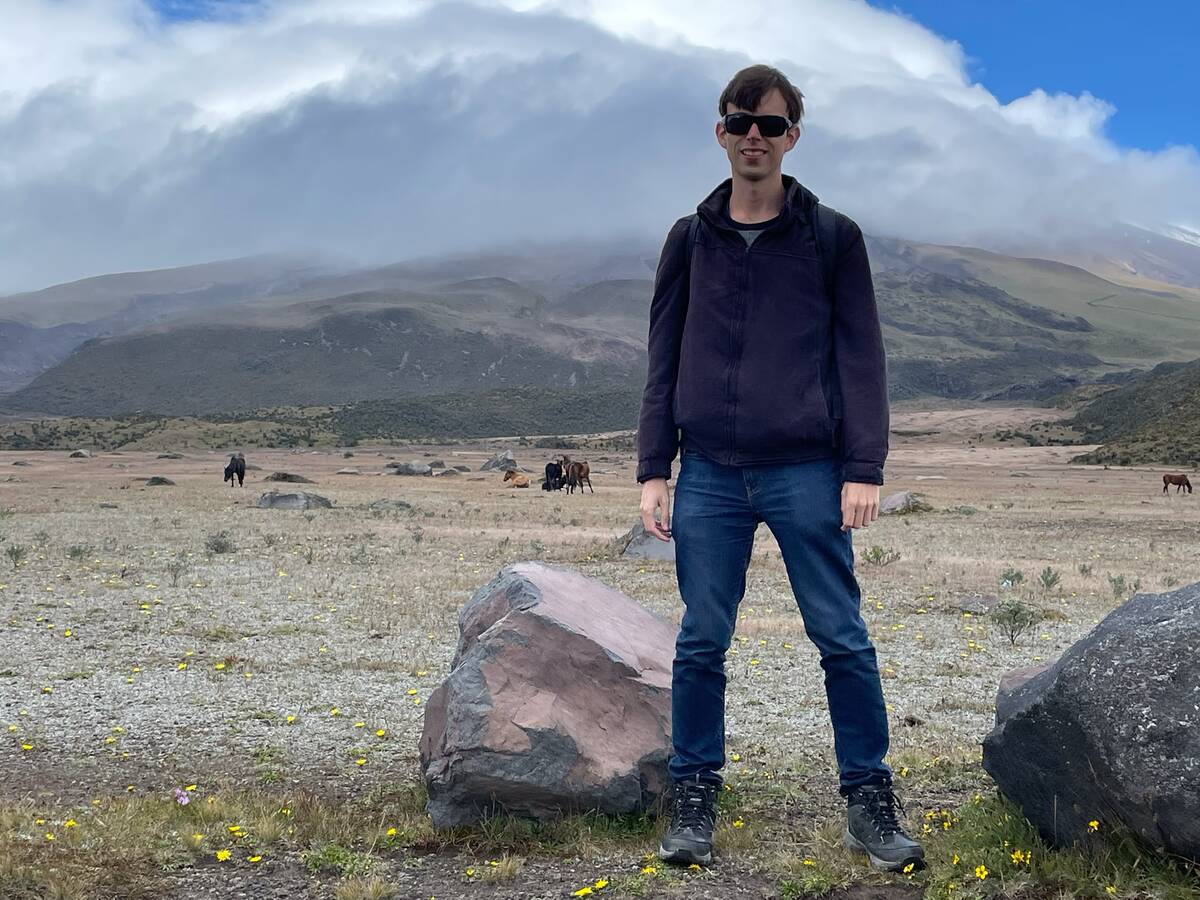
Photo: @alexjbrownn24
The Broke Backpacker is supported by you. Clicking through our links may earn us a small affiliate commission, and that's what allows us to keep producing free content 🙂 Learn more.
- Is Ecuador Safe for Backpackers Right Now?
- Getting Insured BEFORE Visiting Ecuador
- The Safest Places I’d Recommend Visiting in Ecuador
- My Top Safety Tips for Travelling to Ecuador Without Incident
- Is Ecuador Safe to Travel Alone?
- Don’t reaally wanna go solo?
- Is Ecuador Safe for Solo Female Travelers?
- Is Ecuador Safe for Families?
- Where to Start Your Travels in Ecuador
- Getting Around Ecuador Safely
- What to Pack For Your Ecuador Trip
- So, How Safe is Ecuador for Travellers Now?
Is Ecuador Safe for Backpackers Right Now?
Ecuador generally receives around 1-1.5 million tourists per year, down from 2-2.5 million just before Covid. Numbers dipped again in 2024 as president Daniel Noboa declared war on violent gangs, which spread across the streets in some parts of the country, most notably, popular transit hub Guayaquil, which I passed through during my overland travels from Ecuador to Peru.
Whether you planning to backpack the entire country or your coming on a short trip, I’d say Ecuador can be safe as long as you take extra cautions, including (a lesson I learned the hard way), ALWAYS using Uber to get from A to B within cities. The Galapagos Islands are by far the safest part of Ecuador, but they have seen massive price inflation, and mega expensive permits are needed for foreigners. Although, there are many Galapagos Tours that offer guided excursions to the unique islands.
There are definitely some dangerous places in Ecuador where you should not ever go, particularly along the Colombian border, and the coastal areas, especially Esmeraldas. All cities have some risk of pickpocketing, even in broad daylight.
Photo: @willhatton__
Aside from crime, natural disasters are a constant threat. Ecuador is jam-packed with volcanoes, tsunamis have been known to hit the coast, and earthquakes can happen. Being clued up on how to deal with a disaster when it hits should be on your pre-trip to-do list.
In rural areas particularly, there is a real risk of rabies and few hospitals to help out in case of emergency. The rabies vaccine is a good idea if you plan to get off the beaten path. NEVER touch street dogs as they often carry the virus. Touching random dogs is one of the dumbest things you can possibly do, yet I see it so often during my travels. Do. Not. Do. It.
You can definitely visit Ecuador safely, but as I will tell you again and again, extra care is needed here. Oh, and don’t even think about going out at night. If you wanna hit the nightclubs, Medellin (Colombia) is a better option.
Check out our detailed where to stay guide for Galapagos so you can start your trip right!
Getting Insured BEFORE Visiting Ecuador
I nearly lost my £800 phone during that mugging attempt… thankfully I had insurance, which would have softened the blow had I not grabbed it back. But theft is common, violence not unheard of, and accidents possible in Ecuador’s rugged mountains. Get insured so you don’t end up full of regret if things go wrong.
Sort out your insurance before you go. There are several good options, but our overall pick is SafetyWing. Most of the Broke Backpacker team has used it at one point or another, and we’ve filed claims for rabies jabs in Bali, a hospital stay in Mexico, and a clinic visit for a stomach bug that wouldn’t quit. All paid out.
It’s month-to-month, no lock-in, no itinerary required, and you can buy it after you’ve already left. A little over $2 a day if you’re under 40.
New SafetyWing customers: use code BROKEBACKPACKER for 8 free weeks of electronics theft coverage. You have to scroll down and click the pink camera on their landing page to enter it, and you have to do it before creating your account.
The Safest Places I’d Recommend Visiting in Ecuador
Photo: @willhatton__
Ecuador is one of the most diverse and beautiful travel destinations in South America. Unfortunately, its ‘dangerous’ reputation often scares visitors away. However, there are so many places you can visit while being relatively safe, and these are my suggestions:
- Cotopaxi: This stunning mountain (and national park) was one of my favorite places in Ecuador, even if I never actually saw Cotopaxi Volcano, since it was covered by fog… I was forced to visit on a tour for $40, which wasn’t very good. But the park itself was incredible, plus it was enjoyable to walk around. And most importantly, very safe.
- Galapagos Islands: While it’s definitely not a cheap place, staying on the Galapagos Islands is incredibly safe. There is hardly any petty crime and no countries have issued any warnings. The only thing you need to be cautious of is the sun, which can be brutal during midday.
- Baños: The adventure sports capital of Ecuador. I found it to be pretty calm and pleasant here. The only issue I had was following maps.me up a hiking trail, only to make it up to where a landslide had hit. I had to clamber over mud walls to reach my destination. Maybe give the hiking a miss, and stick to rafting or other adrenaline-heavy activities.
- Cuenca: Cuenca is one of the safest cities in Ecuador and part of its old centre is a UNESCO World Heritage site. The economic centre of the Southern Sierra, Cuenca is known for its beautiful festivals and sweet views.
Places to Avoid in Ecuador
While there are many beautiful and safe places in Ecuador, unfortunately, there are areas you should definitely stay away from such as:
- The Colombian Border: Many crimes occur in this drug trafficking hotspot, and you really don’t want to get pulled into a narco war on your holidays. It’s not safe here. I flew from Bogota for £120, and that’s the best way in even if it’s not the cheapest.
- Areas in Quito: Ecuador’s capital city, Quito, is known for pickpocketing, petty theft, and taxi robberies, as I know first-hand… While most of the city definitely offers a unique charm and countless attractions, you should still need to be careful where you’re staying. Definitely avoid the neighbourhoods of La Marin, La Tola, La Michelena, San Roque, Lucha de los Pobres, La Ferroviaria and Solanda. And NEVER try hiking up to the Virgen del Panecillo statue, where bandits wait…
- Guayaquil: Whilst I had no issues during my trip here in 2022, it was a dangerous city then, and it has since become the epicentre of Noboa’s drug gang war. I met an Ecuador fan from here during the World Cup, and he was horrified when I said I’d been. If you absolutely have to come here for transit purposes, use Uber door-to-door and don’t bother exploring.
- Sucumbios: This province, located in the northeastern part of the country, is best to skip altogether. Part of it borders Colombia, and the rest has high crime rates.
- Esmeraldas: Another northern province, Esmeraldas is seeing a sharp increase in violent crime. The US advisory says to stay clear because of murders, bombings and kidnappings among other problems. Yeah, you don’t have any reason to visit this drug trafficking hotspot. In fact, this is THE place to stay away from in Ecuador, even above others on this list.
You’ll also want to take particular caution ANYWHERE after dark.
Quick tip: Plan everything in advance!
Best Ecuador Tours: Check out the coolest tours in Ecuador Best Places to Stay in Ecuador: Check out top rated hotels and hostels in Ecuador Best Transport in Ecuador: Book the best transport in EcuadorKeeping Your Money Safe in Ecuador
Unfortunately, despite undeniable beauty, Ecuador is also a nation with many thugs and bandits who wouldn’t hesitate to steal from you.
I always recommend getting a money belt to hide the majority of your cash. Put a small amount in your wallet/purse with one card, and hide the bulk of your cash + a spare card in your belt. It’s also wise to stuff a few notes in other well-hidden spots to cover all eventualities.
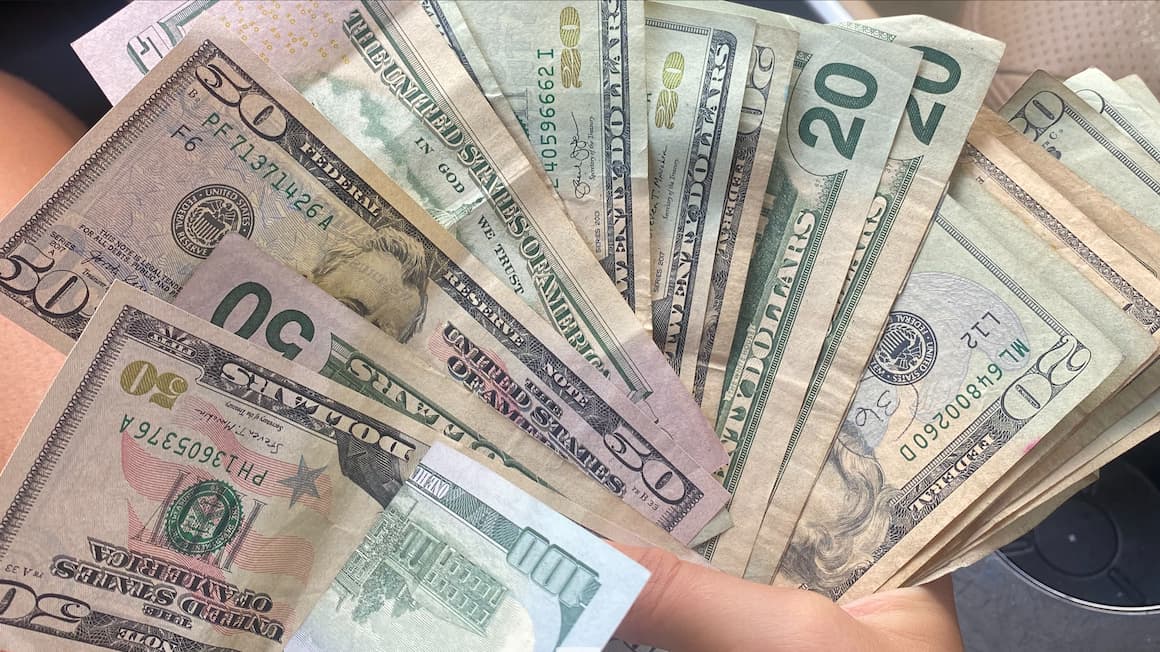
I never use street ATMs in countries like Ecuador. I used a combination of the airport ATM (ATMs inside banks are also safe), and a money exchange place in the city centre, although Ecuador uses US dollars, so you can get by simply by bringing a good supply with you. To be honest, I’d say this is your best bet.
Be careful getting cash out in public. I like to keep a few small notes in a separate pocket, so I can pay for a bus or something at a market without getting my wallet out in a dodgy area.
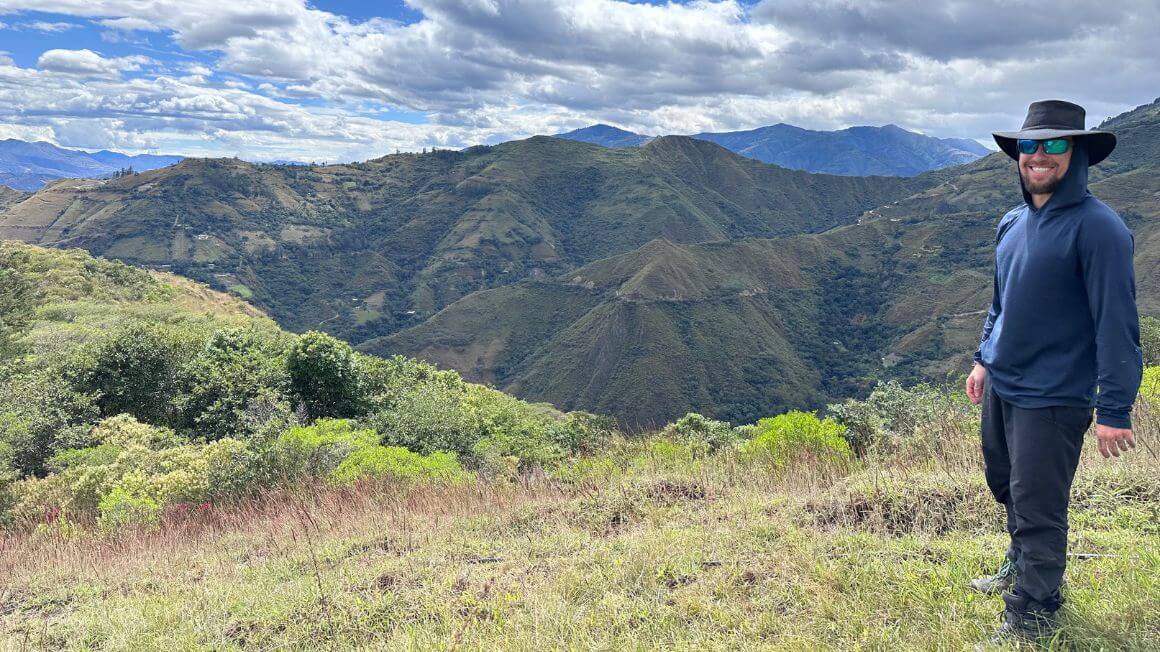
Photo: @willhatton__
Ecuador offers up a huge serving of adventure and can be an amazing country to visit, but you need to know how to travel safely. I do things very differently here compared to somewhere like Japan where I’ll happily walk down the streets at 3am with my phone out, one of the few places you can do that! Here are some precautions to take:
Street Safety
It was July 11th 2022 when I took a bus back from the awesome Mitad del Mundo monument (mistake – use Uber), and it shot past the station before dropping me at a dodgy market a few minutes away. I didn’t know where to go from here, so I walked to what seemed like a quiet spot along the main road with no one around. I glanced over my shoulder thinking the coast was clear…
I judged wrongly, checked maps, and WHOOSH! Three shadowy figures appeared from nowhere, one snatching my phone from my hands. I gave him a good kicking and grabbed my phone back, not noticing the older brother behind me who then shouted in Spanish.

Once I’d broken a hole in the circle that surrounded me, I reached speeds Usain Bolt would be proud of as I dashed to safety. And valuable lessons were learned that day…
NEVER use your phone on the street. Since this moment, I’d always dipped into a shop/cafe/restaurant etc to check anything. Also, dress down and leave the jewellery at home. Life is cheap on these streets, and these scumbags value a gold chain over your life. And don’t go out at night, ever. Ecuador is somewhere to hit the nature spots by day, rather than the clubs by night.
Avoiding Dangerous Areas
Situations change at short notice, so always be aware of the current situation. Check out government travel advisories, and speak to locals before your trip. If you’ve booked accommodation, speak to your hosts to find out how things are. If you need to cancel and can’t get a refund, so be it. You don’t want to be caught in the middle of a shootout.
I’ve already covered the spots to stay clear of, but the “big 3” would be coastal areas, anywhere near the borders (especially with Colombia), and Guayaquil. You can take a bus to Guayaquil ahead of onward travel towards Peru, but only go outside the station with Uber. I went to Santa Ana Hill which was nice, and there are armed guards there, but again, that was before the 2024 deterioration of the city.

Sadly, the homicide rate rose 31.2% between the beginning of Noboa’s drug gang crackdown in 2024, and the following year. This stat is alarming, but most murders are of gang members, or those in the government fighting them. Tourists being caught in the crossfire is very rare. We just need to be smart, avoid the danger zones, and we can visit safely.
Transport Safety
Use Uber in cities. This is a MUST. My mugging incident would never have happened had I done this. Buses are dodgy, not just because they may overshoot the station and drop you in sketchy areas, but because pickpockets love operating on them, and can easily slip on and off.
Oh, and I’ve heard a few stories where gunmen board buses and rob everyone… My girlfriend’s mother and sister experienced this first-hand in another part of South America (Paraguay whilst returning from Brazil), so this really happens, and it’s a thing in most countries down here, including Ecuador.
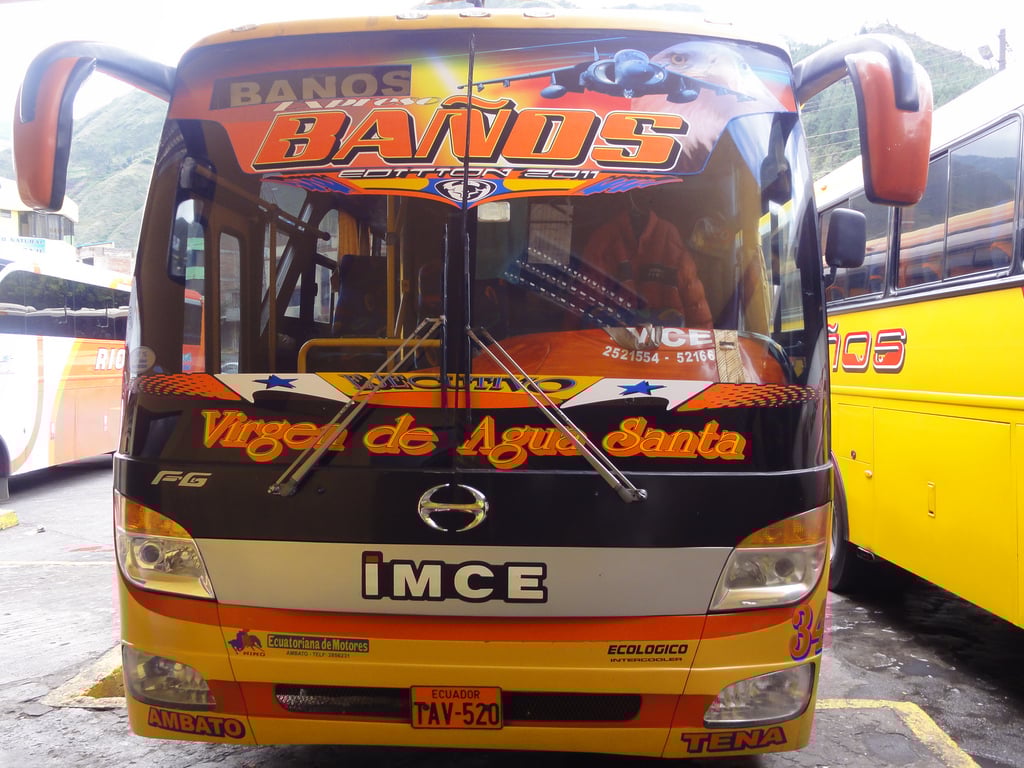
Does it happen every day? No. But it does happen.
Long-distance buses are a little less dodgy, but if you can fly/drive then that should be your preferred option. Boats around the Galapagos are very safe, with both low crime, and high government standards on safety.
Protecting Yourself From the Environment
Download an earthquake app. These are usually free and will tell you when one is kicking off near you. The most popular one these days has the helpfully descriptive name earthquake.app. It works on both Android and iOS, so most modern phones will be able to handle it.
Also take care at altitude. Ecuador is a mountainous country, dominated by the Andes. It can be hard to breathe, especially if you have asthma. Everyone, regardless of fitness levels and health status, should acclimatise for a few days before progressing to higher altitudes.
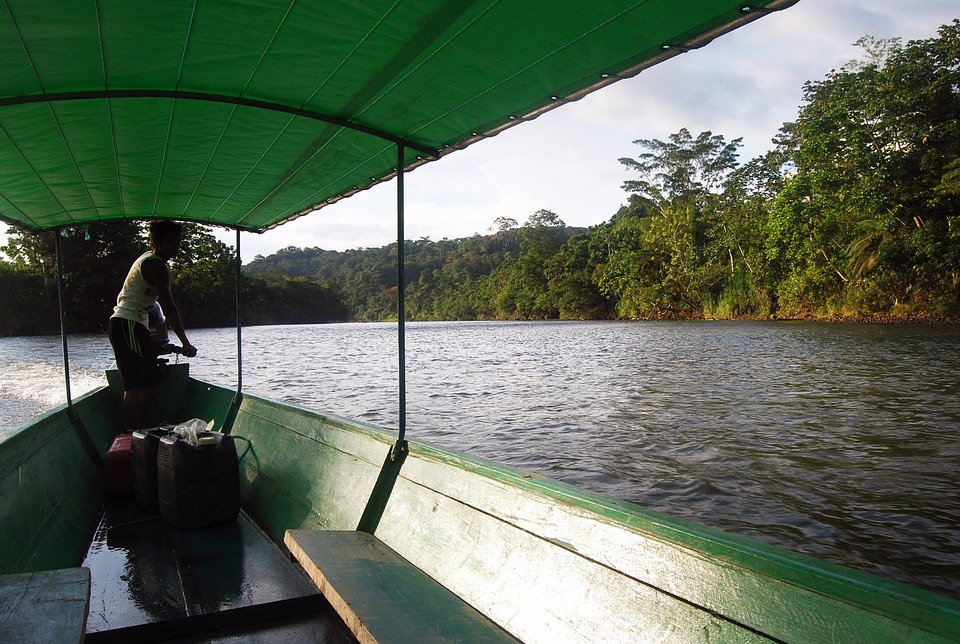
Prepare adequately for hikes here. The Quilotoa Loop is one of the most popular. It takes 3+ days and is pretty challenging. You’ll need lots of water and electrolytes, hot and cold weather clothing, and decent hiking boots.
And don’t go to the rainforest alone. I underestimated the Amazon when I first went there in 2025. It’s a brutal environment that’s easy to get lost in, is home to all sorts of deadly wildlife, and the humidity is punishing. Mosquitoes are an easily-overlooked danger due to the risks of dengue fever, malaria, yellow fever, and other nasty illnesses. Use a local guide for a trip here.
Be Wary of Civil Unrest
Unfortunately Ecuador is one of those countries where people with nothing better to do with their lives will occasionally go out of their way to make life harder for everyone else.
When I first came here in 2022, I almost didn’t. I was in Colombia, all set to make my way here, when civil unrest broke out with mass roadblocks bringing the country to a standstill. It lasted a week and severely limited people’s ability to travel around. In a weird way, I got lucky, because illness wiped me out for a week, and by the time I recovered, Ecuador was accessible again.

It isn’t quite as bad as fellow Andean country Bolivia, where roadblocks are so common there’s a website for tracking them, and they can last many weeks. But it is sadly something that happens every once in a while.
Keep an eye on the news coming out of Ecuador before you come here. You don’t want your holiday ruined by some idiots blocking the road and preventing locals and visitors alike from getting around. The one silver lining is that this problem doesn’t have any impact on the Galapagos Islands.
Medical Preparations
It’s travel… things go wrong… and that’s especially true in an adventure country like Ecuador.
I always carry a medical kit with me, regardless of whether I’m in the world’s safest city, or trekking around Cotopaxi Volcano in Ecuador. It contains plasters, antiseptic wound-cleansing wipes, treatment for bug bites, an emergency whistle just in case I ever get lost in the Amazon, burn treatments, a foil blanket, and other things, some of which I’ve never used (and hopefully never will).
Photo: Chris Lininger
On top of this, be sure to bring paracetamol and anti-diarrhea tablets. Trust me, you’ll need these at some point… Be careful with more obscure medications, especially anything codeine-based, as these are illegal in some countries and you can get in a lot of trouble. Additionally, be up to date with your vaccinations. Yellow fever is especially important here.
Healthcare is free but poor quality in Ecuador, so have good insurance just in case something awful happens and you require evacuation (very unlikely, but never say never). In the Galapagos especially, healthcare facilities are very limited.
At the end of the day, it’s all about being aware of your surroundings – and that includes how you fit in!

Combination Padlocks
It doesn’t get more essential than this! Not only do they allow you to lock up your backpack wherever and whenever, but they’ll also come in handy if you show up to a room without a lock. The combination style means you don’t have to worry about losing a small key either!

Apple Airtags
This really might be one of the best products Apple has ever made – the peace of mind it will give you when you inevitably have to check a bag is worth the price tag. I’ve found them to be super helpful and reliable, and you can put them in so many different things

Samsung Galaxy Smart Tags
The same epic concept, except for Androids
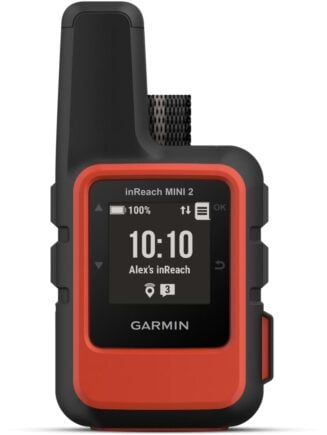
Garmin inReach Mini 2
This little satellite communication device is a must if you plan to get off the beaten path. It allows you to stay in touch with family and friends even if there’s no cell service, AND it has a SOS feature that can be activated anywhere. It even gives weather updates, a literal lifesaver when off grid.
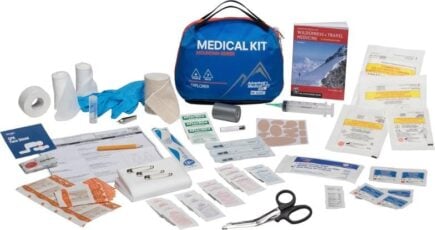
First Aid Kit
A good first aid kit should always be on your packing list, even if you’re just headed to a resort. It’s good to fill it with essential medicines as well as equipment, you never know when you’ll be caught out!
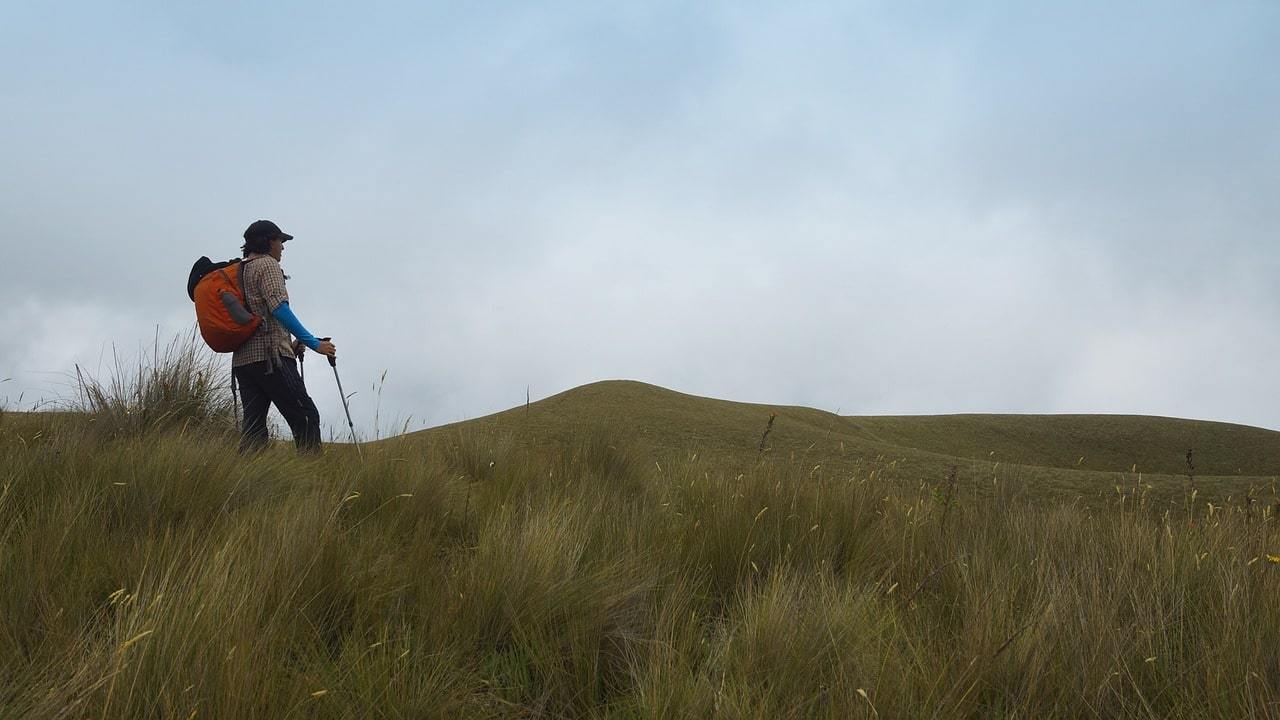
Solo travel is amazing – you get to do things your own way, at your own pace. I absolutely love it. I travelled alone to Ecuador, and got away unscathed… just about… You can do it and be fine, in fact most solo backpackers probably won’t have issues here, with some sensible precautions.
I’ve put together this list of handy tips, so you can have a smoother trip than I did. I’ve made the mistakes, so you don’t have to!
- Know your limits. Trekking up in the Andes one day, exploring Oriente the next; having a non-stop itinerary planned may feel like the best way to see the country, but you need to take breaks too, and acclimatise to high altitude.
- Do your research before hiking. Especially if you’re heading off the beaten track. Not only are armed robberies still possible, but nature can get the better of you. And as I found in Baños, it’s easy to get lost or come across dead ends.
- Travel with the best backpack. Having a load of stuff with you is going to make travelling pretty stressful. You’ll have a load to carry, which is annoying, but it also just means more stuff to keep an eye on when you’re on buses – or more stuff to worry about in your hotel room.
- Get chatting to other travellers at your hostel in Ecuador, locals in a cafe, or anyone who looks friendly. This is a good way to get tips on where to go next, what to see, where to eat, and most importantly, how to stay safe.
- Don’t party too hard. Drinks are cheap, and too much of anything is going to make you senseless. You need to stay alert here, and not lose control of your actions. Partying in a hostel is fine, but in bars/clubs it can be risky without close friends.
- Don’t walk around at night – it’s really a no-brainer, whether you’re alone or in a group!
- Use offline maps apps. My favourite is maps.me. You download maps when you have internet for up to 10 countries/regions, and can follow them offline after that. I find this much better than Google Maps offline mode.
- Memorising the route to where you’re going is a good shout as you won’t have to keep getting your phone out. This is kind of a no-no in public places. If I knew how to get back to my hostel in Quito, there would’ve been no mugging attempt…
The main thing to remember is that you need to be more careful than you would be in your own country. But take sensible precautions and you should be fine.
Don’t reaally wanna go solo?
- Number of days: 7 Days
- Group Size: 16 Max (10 on average)
- Fitness required: Light Hiking
- Accommodation type: Simple Hotels and Hostels
 FIND OUT MORE
Is Ecuador Safe for Solo Female Travelers?
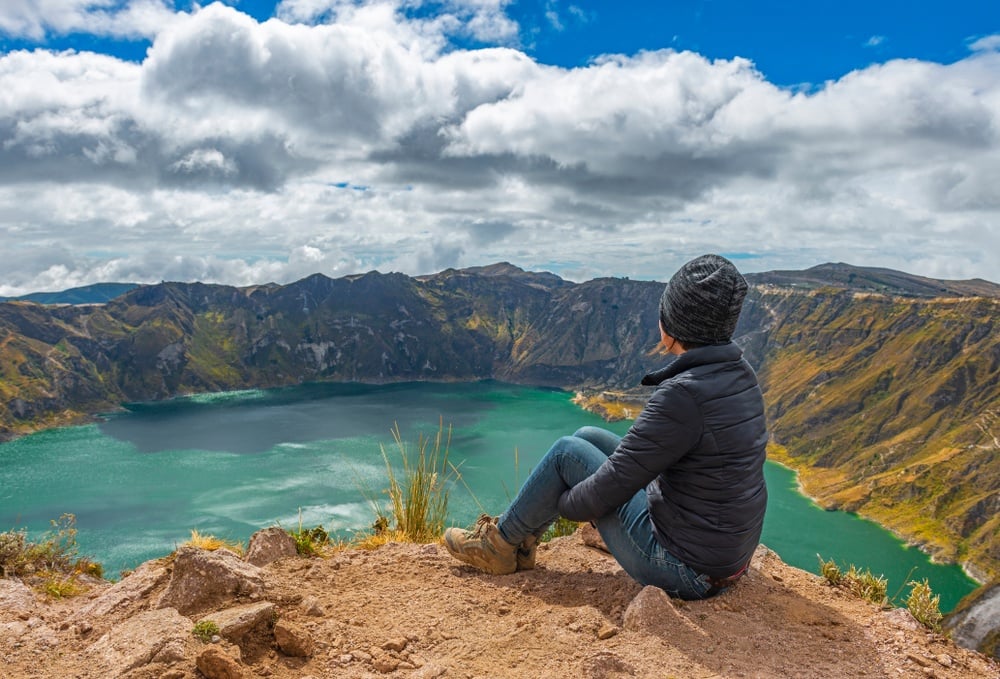
Travelling alone as a woman comes with a lot more risks. That goes for anywhere in the world, including Ecuador, and many cultures aren’t brought up to respect women in the same way that Westerners are, which can lead to major problems.
However, you shouldn’t let scary stories keep you away from this stunner of a country. Yes, there are a lot of safety concerns for solo female travelers in Ecuador, but you can avoid these if you keep your wits about you.
- Sometimes it’s good to take a tour. These help you learn about the local area, see some amazing sights, learn more about Ecuador, and meet some fellow travellers whilst you’re at it. I find them useful for familiarising myself with a place. But make sure you do your research and go on a well-reviewed tour. There have been reports of women being harassed on some.
- Don’t walk around at night. Uber is cheap, there’s no reason to do so. At my Quito hostel, I was told the shop 20 seconds away was too dangerous to walk to even as the sun was just starting to set. Never ever walk at night in Ecuador.
- Ignore comments and catcalls. It’s Latino culture… This also happens to local women. Just ignore them and move on. They may be unpleasant, but if you walk away, the situation shouldn’t escalate.
- It’s best to dress conservatively. Shorts can actually be offensive in some places, not to mention mark you as a blatant tourist. Remember: tourists are more of a target than locals.
- Beware of predatory men at bars. I’m from the UK where so-called “clean-up crews” of sinister men hang outside bars in London, Birmingham, Bradford etc. to take advantage of drunk women. The same happens in Ecuador. Don’t go anywhere with men you don’t know well, and don’t go out alone. Have a good group of friends around if you must hit the bars.
- Remove yourself from uncomfortable situations. Your safety is more important than being polite. If your gut tells you something’s wrong, leave. You don’t need to justify anything. Just get yourself to safety in any way possible.
- You don’t have to tell everyone everything about you. If a taxi driver’s asking if you’re married, or anybody seems overly interested in where you’re heading, and it feels sketchy, don’t tell them. Lie and be vague. It’s better to be safe than sorry.
- Don’t leave your drink unattended. Date rapes have been known to occur across Ecuador. So don’t accept drinks from strangers. It’s not worth the risk.
- Stay somewhere with good reviews and make sure that you have a look around before agreeing on anything. Are there other female backpackers staying there? Are there families staying there? Do the doors have locks? Do they work?
Is Ecuador Safe for Families?
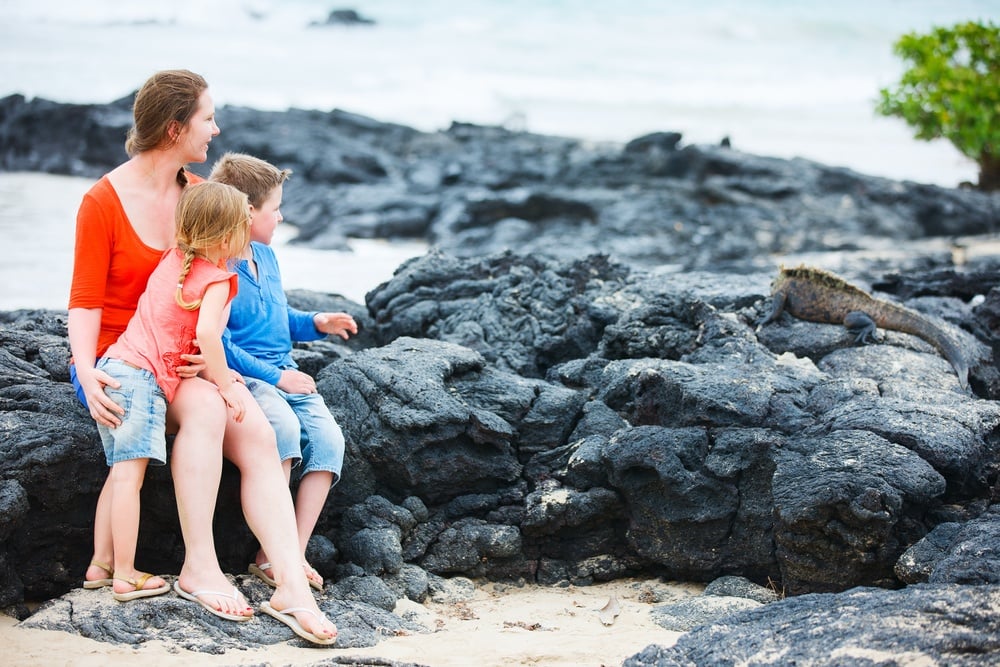
Ecuadorians love children! You’ll be welcomed with open arms. Your little ones are going to be great icebreakers and will probably lead you to have truly local experiences that you wouldn’t have had otherwise. There are a few things we have to note.
This is an adventure country. Transport is rugged, cities are dangerous, the terrain can be harsh, and this isn’t a very kids-first place in terms of things to do. You won’t find Peppa Pig World here, instead you’ll be trekking through towering mountains, and exploring punishing rainforests. Watch out for these issues:
- Altitudes. Keep an eye on your children. If they don’t seem right or complain of headaches, get to a lower altitude. The Quito Cable car, for example, goes 13,000 feet above sea level and children can’t ride unless they’re over 18 months old. Altitude can be deadly, so don’t take the kids on strenuous hikes, and acclimatise appropriately.
- Wild animals. It’s not just scorpions, snakes and poisonous frogs, but also stray dogs and cats. They can carry diseases. Dogs especially can have rabies, so never pet them, and keep your children away.
- Public transport. If your child can sit on your lap, then they ride free on public transport. If they take up a seat, that’s a fare. Whilst a child sitting on your lap may not seem safe, buses don’t have seatbelts at all. So you might want to just hold on to them anyway! But to be honest, I’d try and arrange private regardless, as you shouldn’t risk buses with the thefts that occur.
- Dangerous areas. Taking your kids to the coast is wayyy too risky here. The Galapagos Islands are fine, but to be honest, that’s the only part of Ecuador I’d really recommend for families. The safe places on the mainland have little of interest for youngsters, and getting there in the first place can be a challenge.
- Infrastructure. Ecuador is a rugged country, and facilities can be basic and uncomfortable away from the main cities. Whilst teenagers might enjoy the adventure, young children might struggle with a bug-filled Amazon lodge or frigid Quilotoa guesthouse.
Where to Start Your Travels in Ecuador
As I say, mainland Ecuador can be dangerous. So what better place to start than the one spot where crime is a distant concern?

The Galapagos Islands
The Galapagos Islands is a safe but expensive bucket-list destination with incredible natural attractions and amazing wildlife.
Getting Around Ecuador Safely
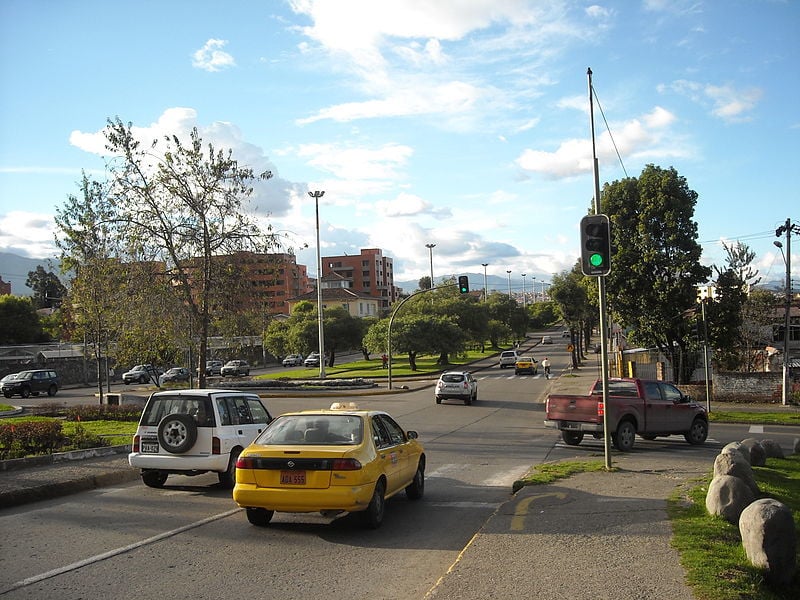
Photo: Genaro Tapia (WikiCommons)
Driving in Ecuador as a tourist is a bit crazy, to say the least, and is not particularly recommended. Public transportation isn’t the best, but you’ll have to make do with it to get around the country. The alternative is splashing out more money on flights, but as broke backpackers, we like to try and avoid that if possible.
Here are the main transport methods in Ecuador:
Buses
The main form of transport you’ll use to get around Ecuador. My advice: use buses for longer journeys, but avoid them at all costs in the cities.
Ecuador’s buses are a bit ropey. Seatbelts are a luxury, and drivers don’t care for speed limits. Don’t be surprised for random buskers to board, sing for a minute or two, then go around collecting money. You don’t have to give them anything, it’s just an interesting cultural quirk.
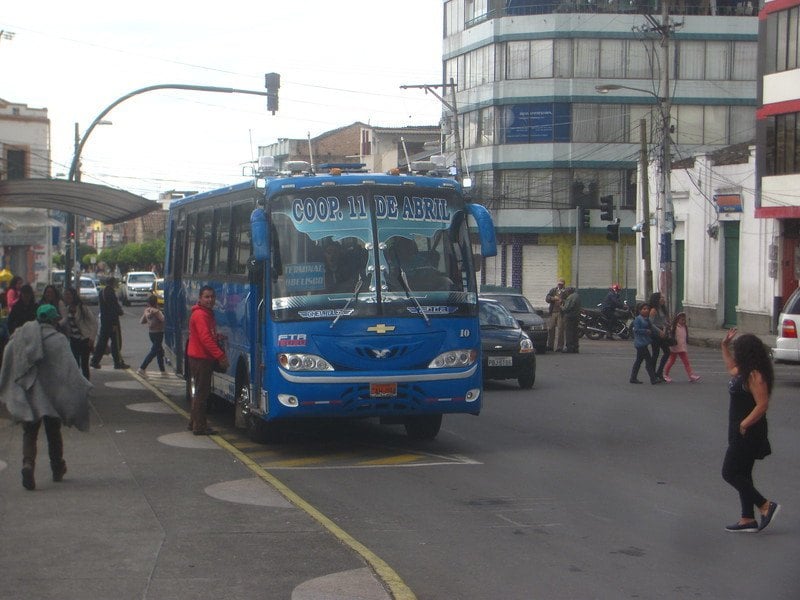
The longer journeys will stop less frequently, making them a less attractive prospect for pickpockets, who love the inner-city buses where it’s easy to slip on and off easily.
International buses to Peru are generally the safest from my experience. They’re larger and more comfortable.
Boats
To get between the Galapagos Islands, you will need to purchase speedboat tickets. They cost $35-40 for a one-way journey.
A much pricier option than other forms of transport here, but funnily enough you can’t take a bus across water. Plus, these boats are pretty stylish. So you’re paying partly for transport, and partly for experience.
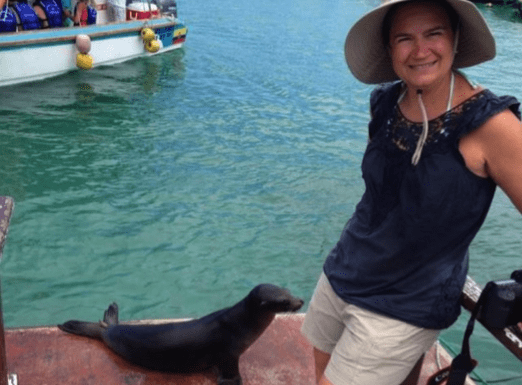
Boats only operate between the islands. You cannot travel by boat between the Galapagos and the mainland.
Flights
You can take domestic flights around Ecuador. They generally start from $70-80 and fly between the likes of Cuenca, Quito, Manta and Guayaquil. They aren’t the most “broke backpacker” friendly way to travel, but are certainly safer than buses.
In most cases though, you’re gonna take flights to do one thing: head from the mainland to the Galapagos Islands. Direct flights go from Quito and Guayaquil, costing upwards of $150 each way.
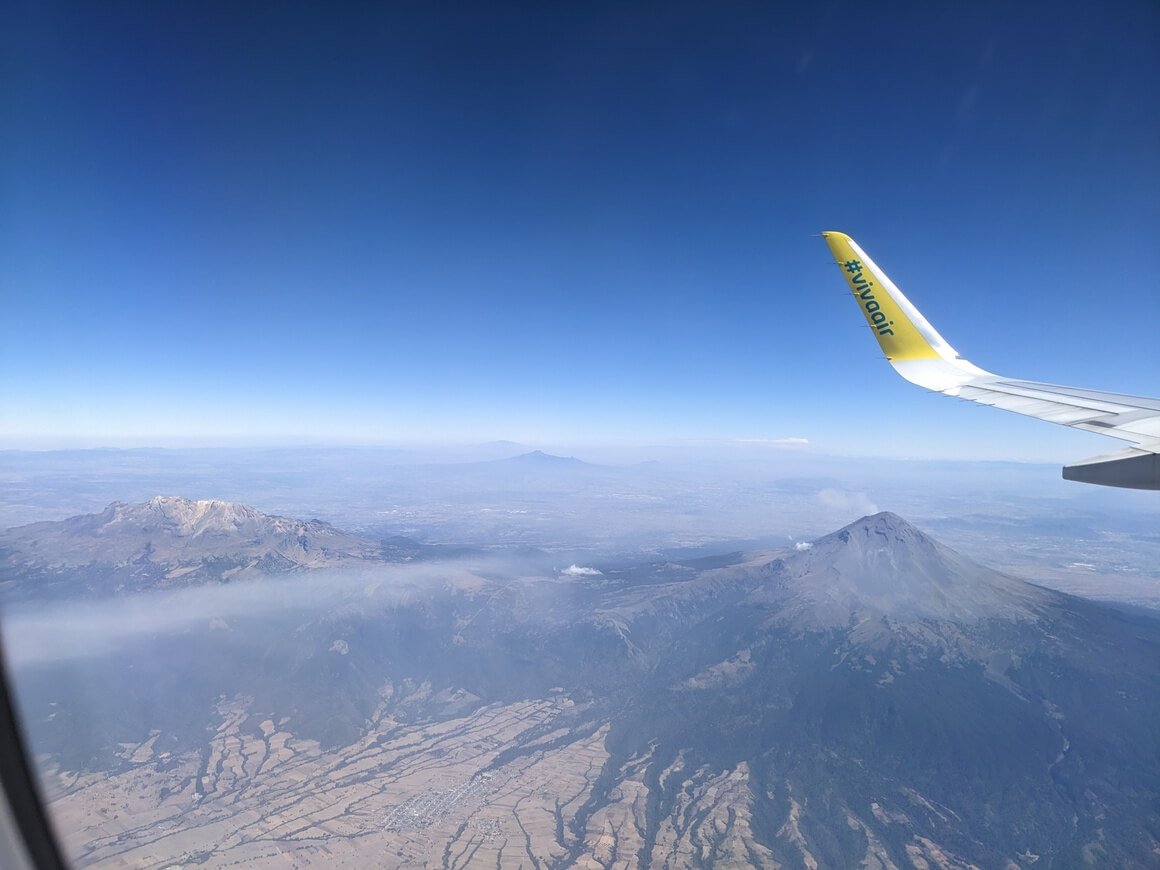
This is literally the only way to reach the islands. With no boats or international flights, you have to transit through one of Ecuador’s two major cities to get there.
Taxis (Uber)
Never ever use normal taxis. Ever. They’re dangerous, will probably rip you off, and drivers may even rob or kidnap you. Latin America is no joke at times, and extra caution is needed.
Step forward Uber. The rideshare app that has revolutionised travel by providing cheap, safe and hassle-free taxis runs in Ecuador. It is most useful in Quito and Guayaquil.
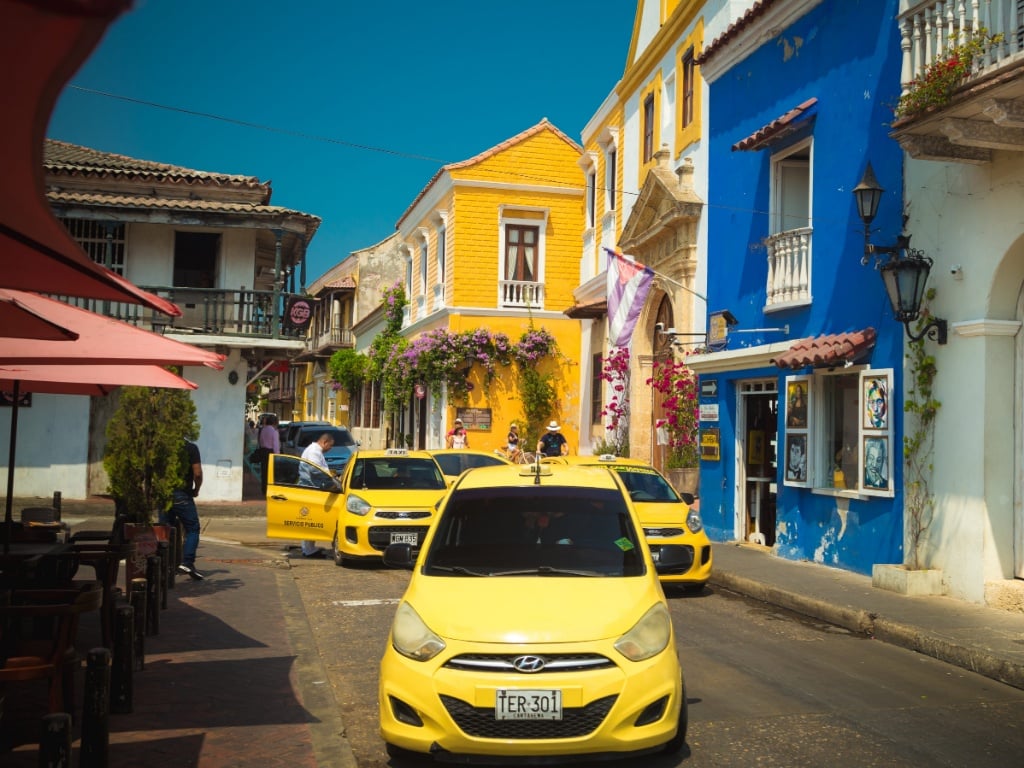
Uber’s legality is a grey area. Many drivers will ask you to sit in the front so you look like a friend rather than a passenger. Don’t be alarmed by this, it’s standard practice, and you may well be used to it if you’ve travelled in neighbouring Colombia.
Make sure you have a good eSIM so you can get connected the moment you arrive in Ecuador, and be able to use Uber straight away, rather than putting yourself in potentially dangerous situations by not having a safe path to your accommodation.
Cycling
Not a good idea for longer travels, but great enjoyment in areas where you can rent a bike and have some fun. Cycling in Ecuador is becoming more and more popular amongst backpackers, but I wouldn’t count on riding in cities. Adventure sports towns like Baños have mountain bikes for rent. It should cost $5-10 per day.
Don’t cycle in big cities like Quito or Guayaquil though. It’s dangerous, and some of the roads can be rough. Even in the nice areas, they’re often swarmed by cars, locals and tourists alike, so not great environments for cyclists.
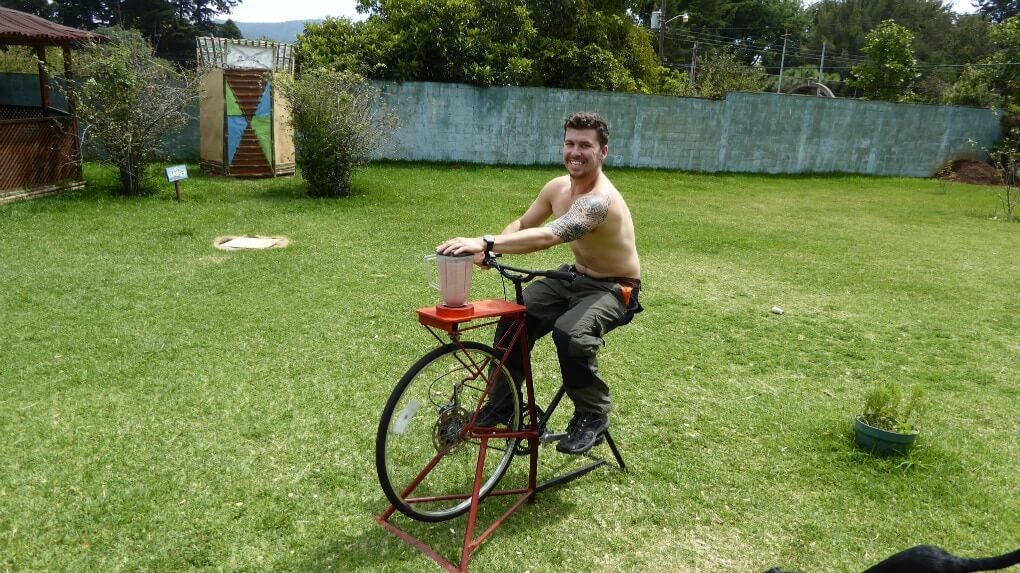
And this is why Baños is so good. I found it to be a pretty sleepy place, which is kinda ironic since it’s known for adventure sports. There isn’t tons of traffic here.
If you’re feeling adventurous, you can even cycle the Quilotoa Loop! It’s tough though, and the paths are challenging. I recommend this only for someone with a solid bike and a lot of determination.
What to Pack For Your Ecuador Trip
Everyone’s packing list is going to look a little different, but here are a few things I would never want to travel to Ecuador without…
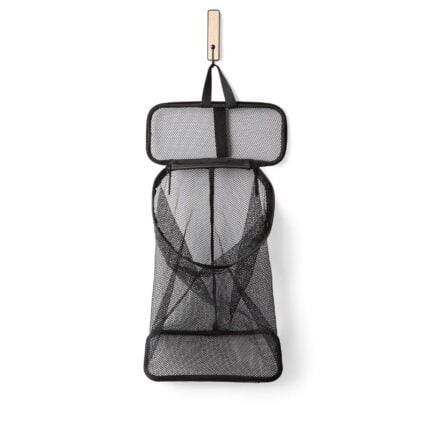
Hanging Laundry Bag
Trust us, this is an absolute game changer. Super compact, a hanging mesh laundry bag stops your dirty clothes from stinking, you don’t know how much you need one of these… so just get it, thank us later.

Head Torch
A decent head torch could save your life. If you want to explore caves, unlit temples, or simply find your way to the bathroom during a blackout, a headtorch is a must.

SIM card
Jetpac stands as a premier eSIM service provider, catering specifically to the mobile internet needs of travellers.

Monopoly Deal
Forget about Poker! Monopoly Deal is the single best travel card game that we have ever played. Works with 2-5 players and guarantees happy days.
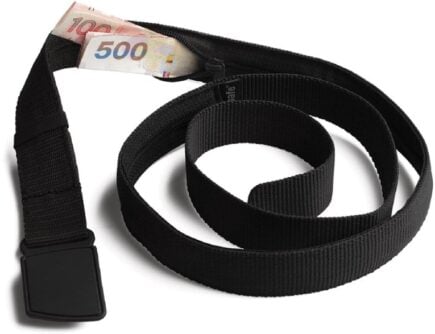
Money Belt
This is a regular looking belt with a concealed pocket on the inside – you can hide up to twenty notes inside and wear it through airport scanners without it setting them off.
So, How Safe is Ecuador for Travellers Now?
I’d be lying if I said Ecuador in its entirety was “safe”, but the good news is that there are some safe ways to visit. If you avoid the likes of the borders, coastal areas, and Guayaquil, whilst taking using common sense and not flashing the cash, you should be okay.
Take Uber in the cities, don’t go out at night, and for crying out loud, never ever ever use your phone in the street.
If I’m honest, I felt safer in Venezuela’s notoriously “dangerous” capital Caracas than I did in Ecuador’s main cities (Quito and Guayaquil). But perhaps the mugging attempt skewed my own perceptions here.
For an easy entry point to Ecuador, the Galapagos Islands are the way to go. If you fancy stepping onto the mainland, Uber around Quito, and prioritise cool places like Cotopaxi and the Quilotoa Loop, as well as safe cities and towns (Cuenca, Baños).
This country is incredibly rewarding towards those who step into a world of adventure that will certainly provide difficulties, but has potential to be one of your favourite countries in the world if you can appreciate its beauty, whilst overcoming its challenges.
Stay safe, and have a great time!
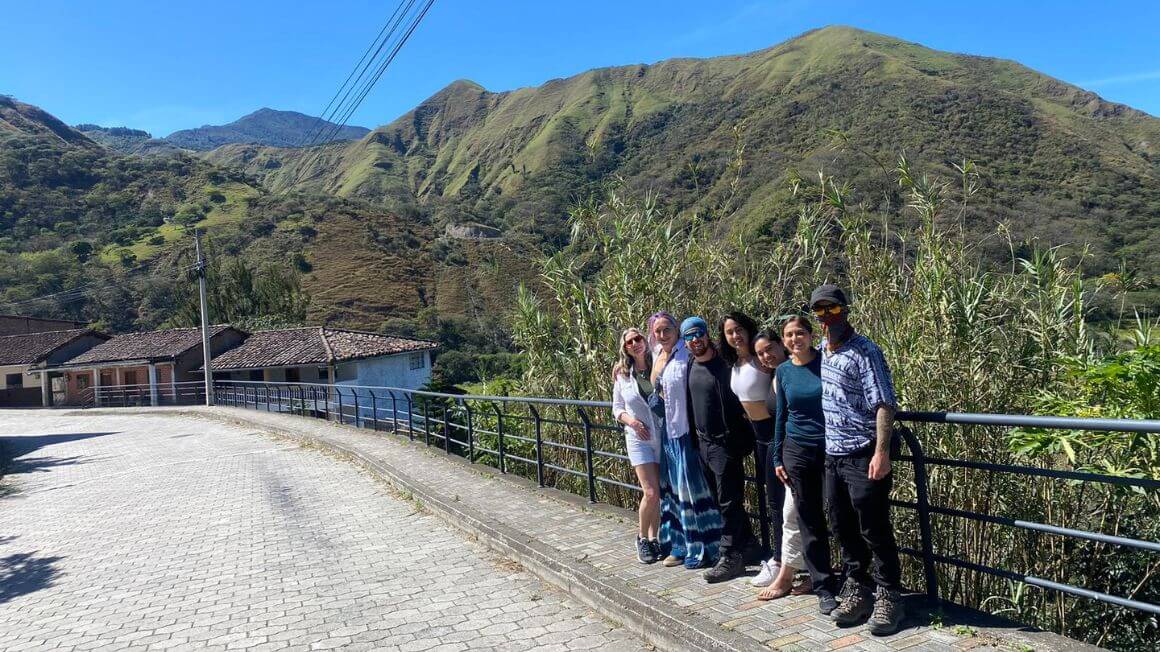
Photo: @willhatton__
Looking for more info on traveling to Ecuador?
- Let me help you choose where to stay in Galapagos
- Plan the rest of your trip with our fantastic backpacking Ecuador travel guide!
- Take a look at my expert travel safety tips learned from 15+ years on the road
- Get inspired by these EPIC bucket list adventures!
- Explore with the ultimate peace of mind with dependable travel insurance.
Disclaimer: Safety conditions change all over the world on a daily basis. We do our best to advise but this info may already be out of date. Do your own research. Enjoy your travels!





Cuenca is probably the #1 place for ex-pats. Is it getting dangerous or more so? I have never been but I was considering leaving Florida during the summer months to go there then head back but even bloggers in Ecuador are suggesting a Plan B to move to just in case. It doesn’t sound too positive.
Like many above, I am also an expat living in Ecuador. I visited alone a number of times. Once the manager of an airport, a woman, invited me to her home for the night! Because I missed my ride (he showed up, just late). So YES people here can be kind beyond belief.
I liked the article, author tried to present as balanced. I’d say no to cotacachi because lately guards of gated communities are being disabled (including violently) so thieves can gain access. Too many expats in an area and this is what occurs. From statistics, the biggest theft issue is with cars (I don’t have one), but home invasions are sadly common. I consider it a sort of “baptism” to have one home invasion here. Many times (I suspect too in my case) it is people who you think you can trust, they can cultivate a relationship over a year or more and then pass on info to the home invaders. But now I know more about how to see red flags and avoid. Primary advice is to think twice or three times before inviting someone into your home. I now live in an Ecuadorian neighborhood and feel much safer. Also know you are as likely to be robbed by a fellow expat as you are by an ecuadorian (there are many broke, illegal expats here who are very opportunistic). The problem I think stems from expats all living together, their homes make a great target for opportunistic invasions. And they make mistakes because most people here are SO trustworthy, it becomes easy to let your guard down.
I disagree with the dairy advice. I have raw fresh goats milk delivered weekly (sometimes even colustrum as a special treat), and it is AMAZING … but probably people who haven’t traveled a lot do need to introduce more slowly 🙂
Apart from certain coastal areas, drugs aren’t really an issue (people in Andes are very conservative). The advice re women traveling alone is good … do NOT go hiking alone, women. JUST DON’T. There are even places where I live, which is generally safe, where women KNOW not to go alone. And there are natural hazards which make it vital to have someone with you. Two years ago I met a few women from Argentina, and one – a young 26 year old – fell while hiking in the Cajas, hit her head and died instantly (I do not know whether she fell a distance or just 2 feet and hit a rock the wrong way), but you do need to exercise caution. In the Andes, we are generally safe from snakes (the higher up you go the better, but you also want a happy medium with respect to temps at altitude). I’ve had HUGE banana tarantulas in my house, and friends have had encounters with scorpions, but bugs aren’t bad in the mountains (trust me, I am frightened of them), but we love it here and wouldn’t change our decision (we have traveled alone to maybe 75 countries over the years for work, and Ecuador topped the list).
I went to Montanita 4 times , no problems, crazy partys .
I was unfortunately just robbed on a bus out of Quito to Latacunga. Had my bag under my feet but two guys sat behind me (despite the bus being empty) and must’ve taken my stuff out when the bag slipped back. Luckily only a kindle and battery pack as had my phone and wallet on me. Watch out basically! Will be keeping my belongings glued to me at all times from now on.
Just to add up something. Ecuador is an awesome country and people should still travel there. My only point is: be careful with ordering a taxi from a reliable company. And it’s always better to have your hotel order from a proper taxi company.
You will feel safer than you think once you’re there. For sure.
Uber is not always safe. Research now on 2021 and there have been reports on social media of women have been a few cases of women disappeared of rapped after taken an uber in Guayaquil or Quito.
This article has some good points but it is not accurate.
– Ecuador has no tsunamis. Google it.
– Earthquakes are very very uncommon, not an actual threat
– The weather is great. One of the best in the world. As it is located on the equator is very stable.
– I have lived in Ecuador 27 years and have never been robbed. Like in any other place you just have to use common sense with where you are and at what time.
– Ecuador it’s not plagued with drugs and trafficking. The problem is with Colombian cartels and the border, but the country has a low rate of drug use. It has very strict policies and are constantly fighting drug trafficking that tries to pass through the country. There are very low homelessness rates as well.
Thanks for commenting.
I am a 76 year old female, less than 5 feet. I do not believe I have felt unsafe anywhere. I have traveled the world alone, since I was in my 20s. I have never once been mugged or harmed in any way. I met many more people than one does by traveling in groups. I have now lived in Ecuador going on 9 years, near the Colombian border. I live on the intersection of the two main streets in a well known tourist town. My front door is rarely locked during the day. I can walk the streets day or night and feel safe. And, everyone wears a mask, just as they did during flu seasons. Even the little kids. I live in Ecuador, as it was picked by me as my choice of the nicest people in the world. They still believe in respect of their fellow person, something that the U.S. lost many years ago. My biggest concern is that expats will keep flocking here and ruin the country. People unfortunately tend to bring their home country alone with them and group together where ever they go. You have to live in a place to actually know it. I tell most people not to pay attention to any articles in newspapers or anywhere, unless the reporter lives in the country in which the article is about. Otherwise it is just an opinion.
This is the most ridiculous article I’ve ever read about Ecuador, everything said in this article could be said about a visit to Houston. If you want to be a “tourist” you will be robbed in Washington DC – where is more dangerous than New York? Very stupid and sensational article.
Hi Jose
Thanks for sharing your perspective. Our Safety articles do tend to upset quite a few people – I guess nobody likes to read negative things about their home. However, I feel we struck a reasonable balance between advising people to be careful, but not to worry too much. I fully agree that Ecuador is not the most dangerous place in the world and also agree that some parts of the US can be very dangerous too. Still, our writer has a duty to share their own perspective which is what they did here.
Regards
As an expat living in Ecuador, let me share the truth: anyone telling you Ecuador is safe is either naive or they have something to gain. I run an organization in Ecuador with about 150 employees, mostly expats, and despite working with the US Embassy and trying to build relationships with the police, my people are routinely mugged, attacked, and have had their houses broken into. In the last three years, I’ve had two attempted kidnappings of young female employees, one stabbing, around 15 held at gunpoint, a rape, a broad daylight attack with machetes on two experienced expats walking together, and almost everyone I know has had their phone, wallet, or purse stolen. You can turn a blind eye to the truth, that’s up to you. But I feel like I’d be wrong not to speak up about the reality of the crime-ridden society in Ecuador, exacerbated by the hopelessly corrupt, inept police and judicial system, and horrifically devastated economy that turns every gringo into a target.
Hello Peter – I hear you – I myself was robbed twice in Ecuador on an extended year-long backpacking trip (I lived in Ecuador 4 months of that trip). One of the times I was robbed was at gunpoint and it was not pleasant – so I agree with you that crime is a huge problem – but I don’t believe it is impossible to travel there and not have a safe/fun time if you use some common sense. Sometimes people (like me) just get unlucky even if they are doing everything right. Sure, crime happens every day and traveling in a more crime-prone country carries a certain risk – but to write it off as inherently unsafe and dangerous would not be correct or fair. I found that if you live in a city too you are more likely to become a target because the thieves have time to observe your routine and even plan organized attacks on folks. I am not dismissing your experiences by any means – but if experienced travelers want to go backpacking in Ecuador knowing the risks – I say do it – it is one of the best countries I have ever been to in 10 years of travel. Sorry, your people have been mugged so often, that’s horrible mate. Let’s hope Ecuador gets its shit together soon.
I am not sure what do you mean with bad weather in Ecuador. I have lived all my life in Quito, it is fresh, not humid tempered sunny weather almost all the year long. It is cold at night but not less than 6 C. On the coast the weather is even much better, with beautiful sunsets during summer and winter as well. The Amazon jungle is hot and humid because of the rains, but even though, it is a wonderful experience just to be there.
Living in places like in the Nothern areas of the US you can definitely say “you will have bad VERY bad weather, with freezing winters and suffocating summers. I have lived in Rochester, Washington, and can assure that.
If you want to visit Ecuador please go, it is a paradise you will enjoy and remember all your life.
Hi Sebastian. The writer was referring to the effect that wet season rains can have on some roads and tracks. I appreciate that Quito doesn’t feel the full brunt of the wet season.
wtf? I have live in Ecuador for 10 years and I have never had a bad experience, in fact, being foreigner has been great becuase people are always more kind and cosiderate to me. The food and lanscapes are amazing, there are many places to go and a lot of culture to learn about, many people speak english today to help tourists, there is more security on the streets, and like it was not enough people are great, just for record I have lived in 4 different cities and in all of them it has been excellent and I have learned a lot and I am a woman living alone and I also travel alone
Hi Flor
Good for you!
However, when we write these posts we have to take into account the experience of many travellers as well as pay attention to statistics and data in order to provide a fair and robust overview.
Aiden
Where was the city photo taken under the heading, “Is Ecuador A Safe Place To Live?” Looks like a nice city to visit.
I believe that this is Cuenca!
Thank you for the informative narrative! I enjoyed the helpful Spanish phrases…. Interesting info about some essential safety basics… good read!