I thought nothing could match the feeling of Machu Picchu emerging from the fog after 5 gruelling days hiking 83.1km through the snowy peaks and humid jungles of the Peruvian mountains. But by that point, I hadn’t spent 3 days driving across otherworldly salt flats, exploring Mars-like landscapes, and bathing in the hot springs of Uyuni and the Bolivian Altiplano.
After visiting over 100 countries, both Peru and Bolivia are in my top three (alongside Argentina). Both offer world-class landscapes that you can see nowhere else on earth. Both are ultra cheap, both are fairly safe by Latin American standards, and both can keep you entertained for weeks. I spent 1.5 months in Peru across 2 trips, and almost 1 month in Bolivia across 4 shorter trips, split by a Paraguay visit among other things.
I would say Peru is the best country in the world for hiking, offering many awesome hikes such as the Salkantay Trail, Rainbow Mountain (Vinicunca), Ausangate, Colca Canyon, and apparently Huarez too. Bolivia meanwhile, is best for all-round adventure. Uyuni remains one of my best ever travel experiences; La Paz is the craziest city I’ve ever been to, with witchcraft and, according to local rumours, human sacrifices still taking place, plus Rurrenabaque offers Amazon access.
When I first backpacked Bolivia in 2022, it was easy to withdraw US dollars from ATMs. But when I next visited in 2024, the dollars were gone, and a black market had popped up with favourable rates, giving you wayyyy more bolivianos for your USD, making this one of the cheapest countries I’d ever been to, and it was already cheap! Peru isn’t quite on the same level, but I’d still call it South America’s second-cheapest country, although activities quickly make costs soar.
With lower costs comes great sacrifice, though. Bolivia is one of the least comfortable countries I’ve ever travelled in, with high altitude, bumpy winding mountain roads, locals who love to block roads for hours/days/weeks, and absolutely ZERO consideration for safety in tours, which resulted in me dicing with death in the Altiplano, whilst my girlfriend and I also got stuck in quicksand in the Amazon.
Here I’ll dive into the raw numbers. Exactly how much I spent using real figures I tracked. Plus: what costs a lot out here, how to save money, and mistakes I made along the way. Buckle up, amigos, we’re off to the Andes!
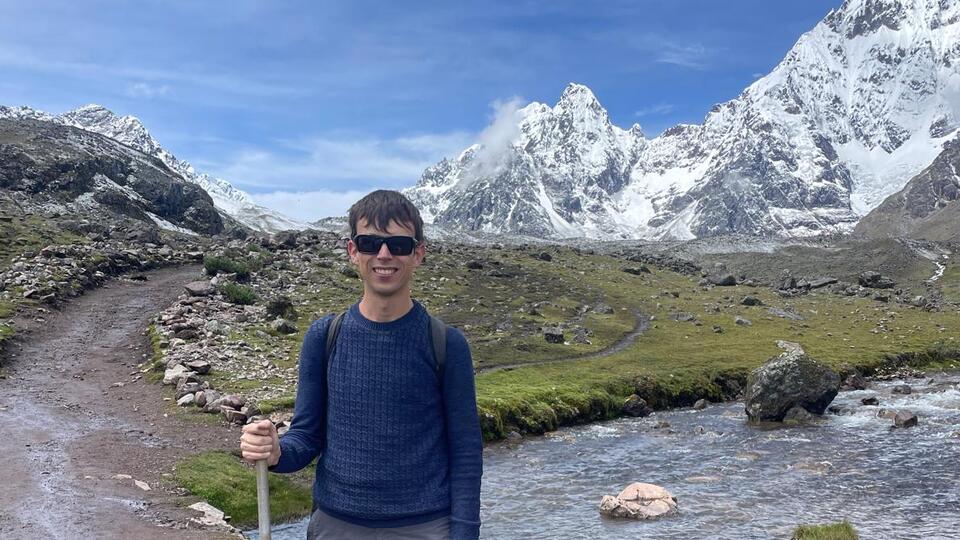
Photo: @alexjbrownn24
The Broke Backpacker is supported by you. Clicking through our links may earn us a small affiliate commission, and that's what allows us to keep producing free content 🙂 Learn more.
Bolivia vs. Peru: My Budget Verdict in 60 Seconds
If you’re in a rush, then here are my top picks for a series of categories that you are likely to want to consider during your trip planning.
| If you care most about… | My pick | Why? |
|---|---|---|
| Lowest daily spend | Bolivia | Peru is one of the cheapest countries in South America. Bolivia is one of the cheapest countries in the world |
| Cheapest dorms | Draw | Easy to find dorm beds for £3-£5 in pretty much any touristy spot. There’s little difference in either country, but Peru has more options |
| Cheap local food | Bolivia | Both very cheap, but Bolivia is cheaper. Get used to fried chicken though. Pollo a la broaster por favor |
| Cheap long-distance travel | Bolivia | I paid just £2.15 to get from Copacabana to La Paz (4 hours), £8.61 to get to Rurrenabaque (14 hours) and £12.91 to Santa Cruz from there (20+ hours). Clear Bolivia win |
| Big-ticket experiences | Peru | For budget, Bolivia is a clear winner, but for range of awesome activities, Peru is world-class. Uyuni/Bolivian Altiplano are amazing too though |
| Hiking/adventure value | Peru | Yes Bolivia has hiking opportunities such as Huayna Potosi, but Peru has so many more (Machu Picchu trails, Ausangate, Colca Canyon, Huarez etc.). And great ones too |
| Easier backpacking | Peru | More of a tourist trail, and slightly less reckless when it comes to safety |
| Good for the money | Bolivia | Only the cheapest South/Southeast Asian countries come close to Bolivia |
| First South America trip | Peru | Easier, safer, more of an established tourist route, and still very cheap |
| Best on a tight budget overall | Bolivia | Nothing compares to Bolivia on cost |
So there you have it. Go to Peru for easier, more tourist-friendly travel with more history and hiking to offer. Pick Bolivia for the cheaper destination, or if you prefer more rugged and adventurous travel. With a good travel bank account, you can avoid ATM fees and bring costs down further.
If it’s bucket list sights that draw you in, both countries are world-class and have too much to offer.
What I Actually Spent Backpacking Peru vs. Bolivia
This isn’t just a bunch of random numbers from some faceless stats site on the internet. This is what I, a budget backpacker, ACTUALLY spent in total whilst backpacking Peru and Bolivia.
I’ve tweaked a few numbers to avoid random anomalies that don’t represent how much each country actually costs. For example, my £470 flight from Santa Cruz (Bolivia) to London has absolutely nothing to do with your expenses in these countries, and massively skewed the average, so I took it out alongside all other transport in or out of either country.
| My trip | Peru | Bolivia |
|---|---|---|
| When I went | July/August and March | March/April, August and November |
| Days travelled | 43 | 25 |
| Main route | Lima > Paracas > Huacachina > Arequipa/Colca Canyon > Cusco + Rainbow Mountain/Sacred Valley/Ausangate > Salkantay Trail > Machu Picchu > Lake Titicaca | Copacabana > La Paz > Uyuni and La Paz > Rurrenabaque > Santa Cruz |
| Accommodation style | Hostels on my first trip, private rooms on my second | Hostels on my first two trips, private rooms on my third and fourth |
| Total spend | £1,404.38 | £714.94 |
| Average per day | £32.66 | £28.60 |
| Cheapest day | £14.54 – we were dropped off in Puno after our 2-day Lake Titicaca tour ended, I spent £6.08 on accom, £7.28 on food, and £0.64 in ATM fees | £8.21 – after returning from a Pampas tour, I spent £5.92 on my share for a private room in a hostel, £0.86 on a beer, and £1.43 on food |
| Most expensive day | £68.59 – I woke up in Paracas, did a boat tour of the Ballestas Islands, took a bus to Huacachina, and partied wayyyy too hard for my budget… | £84.33 – this is what I spent on the day I booked a 3-day tour of Uyuni and the Altiplano, ending in Atacama, Chile. That price covered almost all costs over those 3 days |
| Biggest splurge | Salkantay Trek – £184.80 for 5 days of accommodation, food, and a guide as we walked through the mountains to reach Machu Picchu | £79.23 – the exact cost of the 3-day Uyuni to Atacama tour mentioned above |
There’s another little caveat to be aware of. Whilst prices in Peru have remained pretty stable, Bolivia has established a black market between my first two visits in 2022 and my two most recent visits, which has led to superb exchange rates if you have USD.
My daily average spend in the black market era is £25.41, but taking out just two activities (the 2-day Pampas tour and 3-day Uyuni to Atacama tour) smashes that down to just £14.62. I would say Pampas is skippable, but you should absolutely do the 3-day Uyuni adventure, regardless of cost. It remains one of the best things I’ve ever done!
Here’s a complete breakdown of my daily average spending.
| Expense | Peru | Bolivia (overall) | Bolivia (black market era only) |
|---|---|---|---|
| Accommodation | £6.40 | £5.64 | £3.42 |
| Food and drink | £8.91 | £6.10 | £4.21 |
| Transport | £2.78 | £3.68 | £3.23 |
| Activities | £12.89 | £11.78 | £14.28 |
| Other | £1.67 | £1.39 | £0.27 |
| Total | £32.66 | £28.60 | £25.41 |
As you can see, activities are what really blew my costs up. In Peru, the main activities I spent over £30 on were the 5-day Salkantay trek to Machu Picchu, a Sacred Valley day tour from Cusco, a 2-day trip to Machu Picchu from Cusco and a 2-day Lake Titicaca tour ending in Puno. In Bolivia, my activities over £30 were a 1-day Uyuni tour (pre-black market), and in the black market era, the 3-day Uyuni tour and 2-day Pampas trip.
What £25 Bought Me in Peru vs. Bolivia
Here I’m going to look at a pretty average day in either country. No mind-blowing world-class attractions that you’ll be telling your mates about for years to come, and no mind-numbingly boring 16-hour transport days. Just a typical small-ticket day where you stay in a cheap dorm, eat standard food, and maybe do a cheap or free activity. As always, these are my real tried-and-tested costs!
My £25 Day in Peru
- Private room in Urubamba: £7.13
- Breakfast/lunch/dinner: £7.85
- Local transport: £2.20
- Attractions/activities/beers: £0
- Coffee/snacks: £5.59
- Other: £2.12
- Total: £24.89
Here’s an example of a day when I went to the Sacred Valley. I took the bus from Cusco to Urubamba, which was dirt cheap, but not the nicest journey. I was cramped into a furnace-like minivan for 2 hours with a local lady falling asleep on my shoulder, taking the last tiny bit of personal space I had left.

In Urubamba, I ate at a local bakery, only to get scammed by staff who took my money and pretended I’d given them a lower amount. Joke’s on them; they lost my business for the duration of my time here.
I took an afternoon trip to Pisac, where I pottered around the charming small town. There are Incan ruins too, but I didn’t go in on this occasion. I then went back to Urubamba for the night. No bucket list attractions, but still a cheap and fun day.
My £25 Day in Bolivia
- Dorm in La Paz: £8.36
- Breakfast/lunch/dinner: £2.05
- Local transport: £0.84
- Attractions/activities/beers: £8.93
- Coffee/snacks: £2.42
- Total: £22.60
I stayed at the notorious party hotspot Wild Rover in La Paz. Doing so basically writes off mornings, so I would generally start exploring in the afternoon and enjoy a few bottles of Huari in the evening.

Photo: Sasha Savinov
By afternoon, I took a cable car up to the world’s highest large city, El Alto. They had fascinating local markets here, and as I discovered on a future visit, they still practice witchcraft today. Apparently human sacrifices too – it’s a bit of a poorly kept secret that this goes on… allegedly… they claim bodies are buried under new buildings to bring luck during construction.
I went to watch the Cholita’s wrestling. An absolutely bonkers event where broad-shouldered indigenous women wrestle in their traditional clothing, something that’s become a popular attraction in recent years, and one that’s unique to here. Won’t lie, though, I got bored of the repetitive and clearly staged actions, and within half an hour I found myself playing FIFA Mobile. Fun briefly for the novelty, but only wrestling purists are likely to love the entire act.
Then I negotiated a seat on a tour bus back to La Paz, which helped me dodge the unwise act of walking around El Alto alone in the dark. Lastly, I saw the night away with a few more beers in Wild Rover before it was time to hit the hay.
How Did The Two Compare?
I spent a similar amount on accommodation, but to be honest, I went for something a little above the bare minimum. In Urubamba, I booked a private room, whereas in La Paz, I stayed in the most famous backpacker hostel – one that charges a bit more and is known as a popular hotspot on the Gringo Trail. You can pay half what I did in both places for basic dorms.
Whilst my food spending was significantly higher in Peru on this specific day, I would say that on average, Bolivia is cheaper, but Peru is still very affordable. You can easily get a £2 meal in Bolivia, and won’t pay much more in Peru outside of touristy spots, like central Cusco.
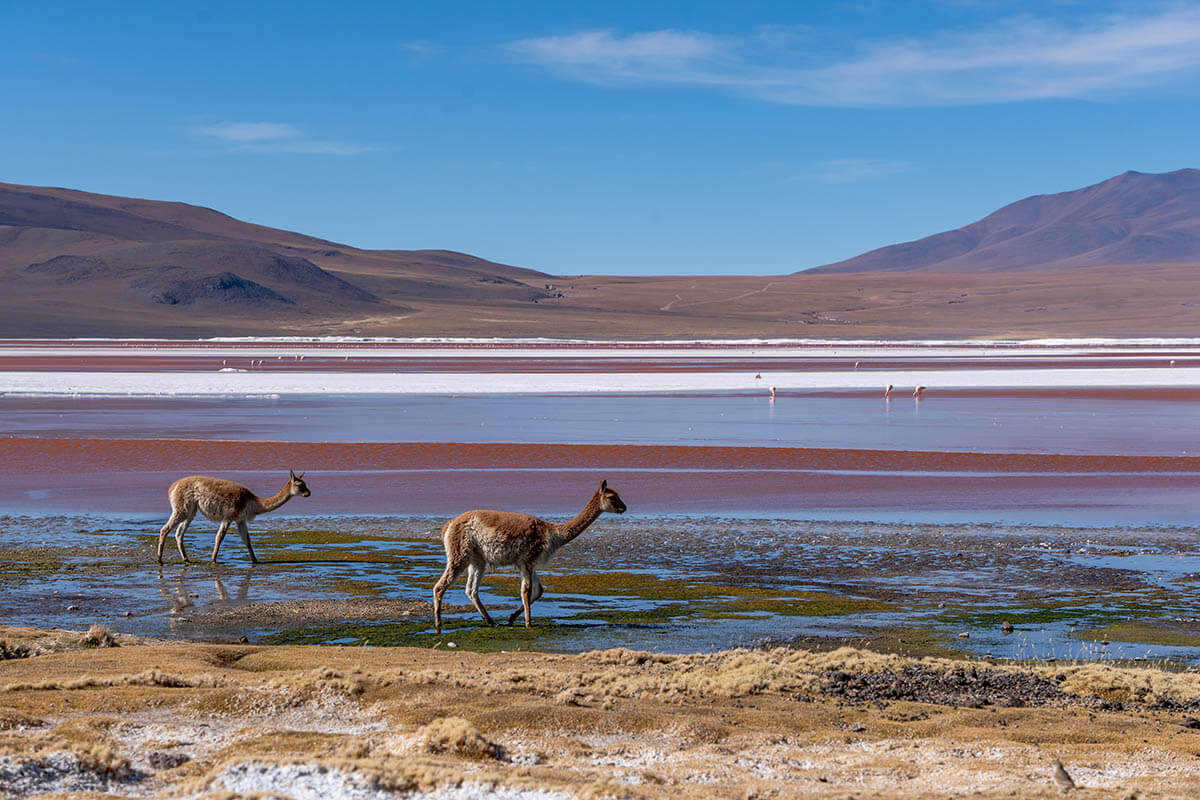
Image: Nic Hilditch-Short
Transport is one area that can really set the two countries apart. For a short journey around the city, the difference is minimal. For a longer trip of 6+ hours, Bolivia’s bargain basement prices really start to shine through. When I took the 20+ hour trip from Rurrenabaque to Santa Cruz, it cost little more than a UK minimum wage worker would earn in 1 hour (£12.91).
Activity spending varies wildly. You can consistently spend under £5 a day if you stick to exploring Incan ruins, doing other small ticket activities, and drinking beer. It’s the big ticket stuff that will slam your spending right upwards – the Peruvian hikes and the Bolivian Uyuni or Pampas/Amazon adventures.
Cusco is the only place in either country where your expenses will be visibly higher than elsewhere. Even then, accom is still dirt cheap, and food is budget-friendly if you look a few blocks away from the Plaza de Armas. It’s also the only city where you’ll consistently splash out on some of the more expensive things to add to your Peru itinerary. Rainbow Mountain, Ausangate, the Sacred Valley and Machu Picchu are my four favourites.
Where Bolivia Actually Saved Me Money
I’ve told you a few times now that Bolivia was cheaper than Peru. Here I’m gonna break it down for you in more detail, using real examples from my trip.
Hostels & Rooms
I’ve stayed in all kinds of places across both countries: cheap, expensive, dorms, private rooms, etc. But the one constant is that I’m pretty good at booking decent places now. My secret is to never search for below an 8/10 on Booking, and always read negative reviews to look for real red flags (rats, bed bugs, security issues) rather than petty stuff (“dated architecture”) and minor problems (bad Wi-Fi, small breakfast, etc.).
Here’s a little summary of some spots I stayed in across these two countries.
| Comparable stay | Peru | Bolivia |
|---|---|---|
| Cheapest dorm | Secret Garden (Cusco) – £4.40 per night. It’s actually cheaper now, but this family-run hostel is where I spent most of my first 2 weeks in Cusco. No-frills but cheap and does the job | Wild Rover (La Paz) – £8.36 per night. Private rooms are so cheap that I barely stayed in Bolivian hostels. Party classic Wild Rover is one of my South American favourites though! |
| Typical dorm | Arequipay Hostel (Arequipa) – £7.92 per night. It was comfy, near the centre, and staff spoke English, plus beds had privacy curtains. I found most dorms were around this price, but don’t expect curtains everywhere | Adventure 360 Hostel (Santa Cruz) – £8.44 per night. This place felt pretty plain, but at least had privacy curtains. I stayed here pre-black market, so cheaper options are available now, but that’s the max you’ll pay for a basic but okay dorm |
| Private room | Quechua Hostal Recoleta (Cusco) – £18.42 per night. We struggled to find cheap private rooms in Cusco, but this one did the job. Not too far from the centre, nice staff, clean, and breakfast was included | Wild Rover (La Paz) – £22.14 per night. My fave La Paz hostel also had private rooms which I tried out. Great for privacy in a place with 20-bed dorms, but freezing cold at night |
| Best-value stay | Secret Garden (Cusco) – £4.40 per night. As I say, it was no-frills, so don’t expect flashy. Staff were friendly though, did my laundry for cheap, they also offered tours to Cusco’s main day trip spots (Rainbow Mountain, Sacred Valley etc.) | Wild Rover (La Paz) – £8.36 per night. You’ve probably realised by now that I actually really loved Wild Rover. But for the people you meet and the memories you make, you cannot go wrong |
An average dorm in either country will be fairly basic. One Latam special that you need to look out for is the zapping shower. You’ll be able to see wires hanging out before you get in. Yeah, loose wires and water, great idea! When you turn it on, you may feel an electric current pulsing through your body, and in some places like Huacachina’s Hostal Huacachina Sunset, I struggled to even turn the tap off, as I was getting buzzed every time I touched it.
Heating at altitude can be a problem. Pretty much anywhere I stayed in Cusco (5+ places) was freezing, regardless of how good the reviews were. Even the private rooms at Wild Rover in La Paz had me shivering under the covers, despite having a beer jacket on for extra warmth!
I actually found Wi-Fi to be okay across the board. Always good to have a SIM card with lots of data as a backup, but I never needed to use it for this purpose. As for location, it’s never hard to find somewhere in/near the centre for under £10. You can often find dorms for half that, if you’re willing to tolerate some discomfort.
Food
Food is cheap in both countries. I’d say Bolivia is cheaper overall, and central Cusco is slightly more Western-priced in many restaurants, although ultra-cheap food still isn’t hard to come by in the right places. Just head a few blocks back from the Plaza de Armas and watch the prices tumble (or hit up the Colonel or the Golden Arches).
Lima is an interesting place. It’s a world-leading food city, hosting some of the world’s best restaurants, with 4 of the top 50, including Maido, rated the top restaurant in the world! Beyond the luxury food scene, however, it’s easy to find cheap ceviche and other local dishes. Even around the main square, I didn’t spend much more than £5 on dinner.

Photo: Sasha Savinov
In Bolivia especially, you need to be careful with hygiene. I found Bolivians do not give a shit about safety standards (this applies to tours as well as food hygiene, and is true all over the country). Whilst doing an Amazon tour with my girlfriend and her mother, who had always wanted to visit the Amazon, we were offered sugarcane juice made with a local contraption in an Amazon village…
It tasted odd and didn’t feel good for my stomach. Anyway, long story short, my girlfriend was ill, her mother couldn’t eat for a week, and I had food poisoning during a brutal 72-hour trip home to the UK; I thought I’d recovered within days, only for sharp stomach pains to develop, leading to me spending the following weekend in hospital. Turned out to be sapovirus, and that thing was HORRIBLE.
When in Bolivia, avoid salad, ice, tap water and sugarcane juice. Definitely the sugarcane juice… But if you’re willing to risk your stomach and sanity, then yeah, Bolivia is definitely cheaper across the board.
Buses & Everyday Transport
Firstly, you don’t want to take buses in the cities. Yes, they’re very cheap, but they also come with higher crime risks, and Uber is so affordable that local buses are redundant for tourists.
But when it comes to long-distance buses, Peru wins hands down. Their buses are relatively smooth and in an okay condition, at least by Latam standards. They aren’t TOO late either. Bolivia, on the other hand, offers an absolute disaster class in long-distance public transport (pro tip: fly domestically to avoid a lot of bother).
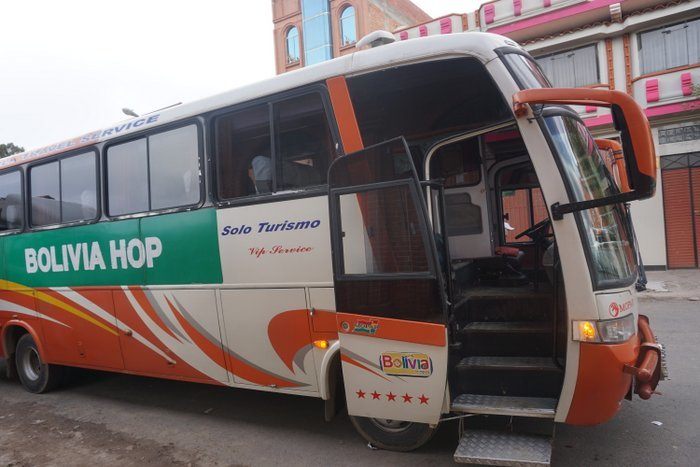
Photo: Sasha Savinov
Bolivia’s environment sets it up badly to begin with. Long, winding mountain roads at altitude, with hair-raising corners that leave your heart skipping a few beats. But then there’s the bus condition; they’re pretty much as bad as African buses, and if you know what they’re like, you’ll know how horrific this is…
Then you have roadblocks. In Bolivia, protesters often block roads to whinge about all sorts of decisions they disagree with. These can last hours, days, or even weeks. We were caught in a roadblock between La Paz and Rurrenabaque which lasted for hours, taking us into the night. I was at death’s door having caught something nasty in the de facto capital city, so a few extra hours of suffering felt like absolute torture.
So Bolivia’s buses are well and truly awful. But… they’re some of the best value for money in the world. As I mentioned earlier, I paid £2.15 for the 4-hour journey from Copacabana to La Paz, £8.61 for a 14-hour trip to Rurrenabaque (that excludes the extra hours lost waiting for roadblocks to clear up) and £12.91 to Santa Cruz (20+ hours).
Peru Was Easier. Bolivia Was Cheaper. Here’s What That Meant on the Road
Bolivia is undeniably the cheaper country, but Peru offers a more beginner-friendly route into the Andean region. For starters, the buses aren’t too bad. If you’re used to FlixBus from backpacking Europe, then yeah, the buses here are certainly a downgrade. But they’re alright by LATAM standards.
In both countries, you can book bus tickets online for most major routes, but it’s cheaper to buy in person at the station. You need to speak some basic Spanish to be able to do this, though; English is a rarity. I coped fine during my first South America trip, powered by the pesky green owl who chastised me until I was able to book tickets from Arequipa to Cusco with ease.
Despite Peru being mountainous, I never felt altitude sickness whilst travelling through higher parts of the country. Bolivia was a different story. We both felt horribly sick whilst heading from the La Quiaca/Villazon border that separates Argentina and Bolivia to Uyuni. Also, roadblocks aren’t as big an issue in Peru, but are so common in Bolivia that there are roadblock maps where you can keep up to date with which routes are open.
My tip: take buses around Peru, and fly around Bolivia unless you’re a truly broke backpacker ready to know suffering as you’ve never known before… There is a mid-priced alternative: Peru Hop or Bolivia Hop. These services advertise Western-style safety standards, door-to-door transfers to your ho(s)tels, tour discounts, border crossing assistance and more. Won’t lie, I’ve not used them, so can’t say how good they are. But other travellers love them.

Photo: Elly Scala
Peru is definitely easier to travel in if you don’t speak Spanish. It has more tourist infrastructure in place, and English-speaking tour agents are based all over Cusco. Even in other tourist-heavy spots like Huacachina and Paracas, you won’t have problems sorting things out. Lima is the one place where things are a little more Spanish-heavy.
In both countries, it’s easy to just wing it and book things on the spot. The exception is Machu Picchu treks. The Inca Trail has limited spaces with only 500 permits issued per day (300 for staff, 200 for tourists), and you should book 6+ months in advance.
Salkantay is a lot more accessible, but I still had to wait a week in Cusco after booking. I booked in July through Wild Peru Travel, who I used for several tours, and they were mostly good, although our guide went missing for a couple of hours, and it turned out he was having a beer. Not professional… You should book Salkantay months in advance for a restricted trip of 2 weeks or so. Book it in Cusco on a long-term backpacking trip where you aren’t restricted by time constraints.
Which of Peru or Bolivia is Safer to Visit?
Where I found a colossal difference between the two countries was safety. I’ve already mentioned Bolivian roads: winding and mountainous, at high altitude, in poorly maintained vehicles, and I’ve even encountered the odd driver swigging booze at the wheel. Yes, really…
But what I really noticed is that tour operators couldn’t care less about safety. This isn’t just a price thing either. Even premium operators had a “safety last” approach. It’s true across the country, regardless of whether you’re doing a 3-day Uyuni tour, a Pampas/Amazon adventure, or something else.
During a 3-day Uyuni to Atacama tour, we ascended to a much higher altitude far too quickly, and our guide couldn’t have cared less as I shivered violently under a blanket and felt at death’s door. Thankfully, our next stop was warm thermal springs, which felt like a miracle cure.

Photo: Sasha Savinov
Another incident came with my girlfriend as we took a tour through the Amazon rainforest near Rurrenabaque. As our boat reached the shore, we stepped off and immediately sank into knee-deep quicksand, having to be rescued by our guides, who failed to warn us of this. This was the same tour where we consumed the dreaded sugarcane juice that put me in hospital 10,000km away… We also took a Pampas boat tour with Israelis, and the guide let monkeys climb all over them.
Crimewise, both are pretty safe in terms of where tourists go. You won’t end up in the cocaine-producing VRAEM of Peru, or the notoriously lawless mining town La Rinconada by accident. The same applies to Bolivia’s narco trafficking hotspot Chapare. You need to be careful when backpacking in Lima or La Paz, where pickpocketing, taxi scams (only use online taxis), and other petty crime occur, but crime isn’t your biggest problem in either country.
Altitude and the mountains are the real dangers tourists face. Numerous people, myself included, got varying degrees of altitude sickness. This is common in and around Cusco, Uyuni/the Altiplano, and La Paz/El Alto, especially when hiking through the mountains. Be sure to start with a few rest days at high-altitude spots, and slowly ascend to higher heights. Landing in Bolivia and smashing Huayna Potosi (6,000m above sea level) within 48 hours is an incredibly stupid idea.
Getting Insured For Your Andean Adventure
People associate South America with gun violence, but that’s more of an issue in Ecuador, Colombia or Brazil. Altitude however? That’s a different story, and certainly hit me for six in both countries at various points. Fortunately, I didn’t need hospitalisation or medical evacuation, but I would’ve been astronomically screwed if I did, and had no insurance.
Sort out your insurance before you go. There are several good options, but our overall pick is SafetyWing. Most of the Broke Backpacker team has used it at one point or another, and we’ve filed claims for rabies jabs in Bali, a hospital stay in Mexico, and a clinic visit for a stomach bug that wouldn’t quit. All paid out.
It’s month-to-month, no lock-in, no itinerary required, and you can buy it after you’ve already left. A little over $2 a day if you’re under 40.
New SafetyWing customers: use code BROKEBACKPACKER for 8 free weeks of electronics theft coverage. You have to scroll down and click the pink camera on their landing page to enter it, and you have to do it before creating your account.
Click here to find the ideal policy for you.
Machu Picchu vs. Salar de Uyuni: The Splurge That Changes the Maths
The big hitters of both countries. Not only that, but two of the most amazing places I’ve been to in 7+ years and over 100 countries of travel. This is the Messi vs Ronaldo of global travel destinations. If you only have time to visit one place in each country, make it these two.
I’ve done both twice. Machu Picchu via the 5-day/4-night Salkantay Trek through the mountains, arriving in Aguas Calientes, and hiking up early to the Inca citadel early on the final morning, and as a 2-day/1-night tour taking a van to Hidroelectrica, walking through the jungle for 4 hours, and spending a night in Aguas Calientes.
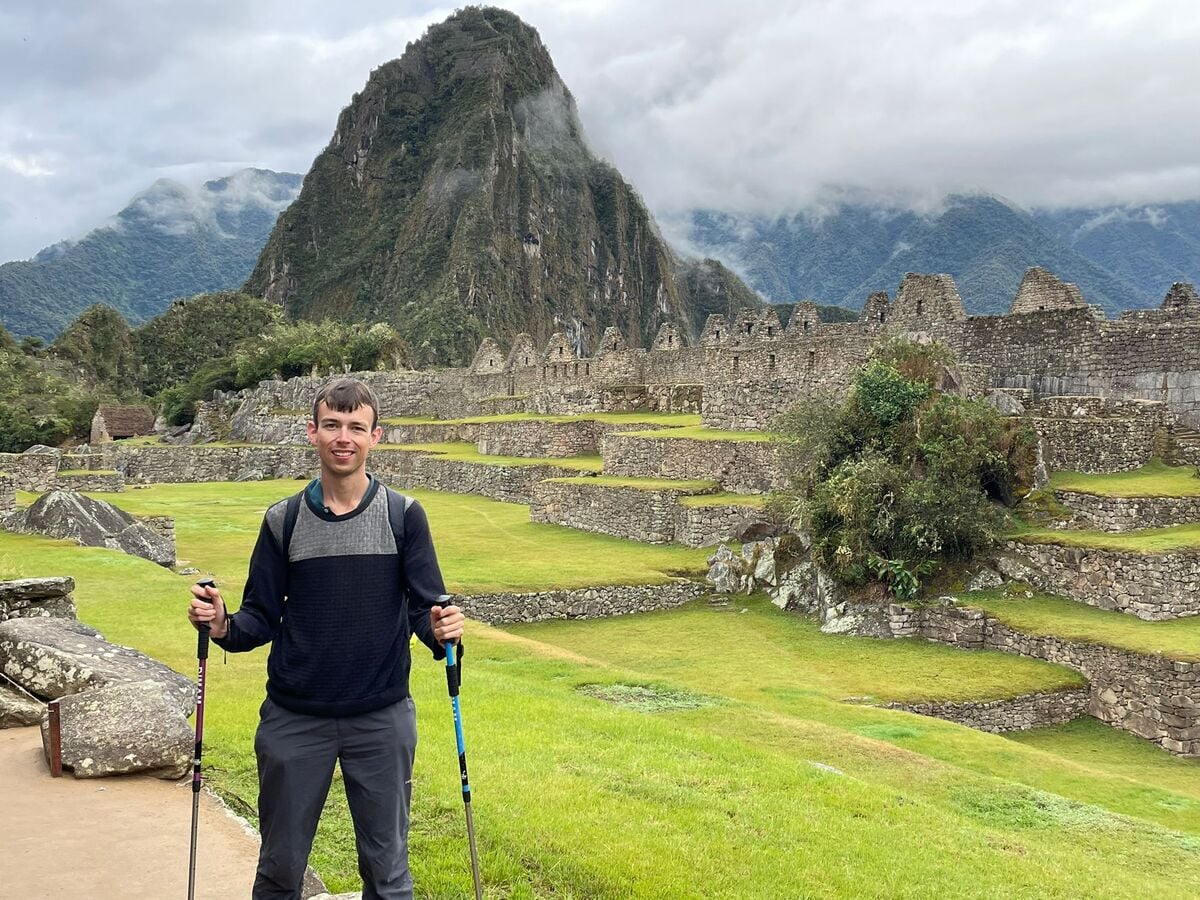
Photo: @alexjbrownn24
I first did Uyuni as a 1-day tour, which I arranged online whilst on a night bus from La Paz, and later as a 3-day tour that not only covered the mesmerising salt flats (Salar de Uyuni), but also the breathtaking Altiplano, before ending in Chile’s Atacama Desert.
Note: My 5-day Salkantay Trek and 1-day Uyuni tour were in 2022, so my figures there are slightly outdated now. The 2-day Machu Picchu trip and 3-day Uyuni tour are the ones with the most recent figures. You’ll notice that the Isla Incahuasi entry price has dropped by a third, despite remaining the same in the local currency (30 Bolivianos).
| Headline Experience | Machu Picchu (Long) | Machu Picchu (Short) | Uyuni (Long) | Uyuni (Short) |
|---|---|---|---|---|
| Experience/tour | £184.80 for 5 days/4 nights | £77.56 for 2 days/1 night | £74.51 for 3 days/2 nights | £28.02 for 1 day |
| Entry | Included | Included | Included | Included |
| Transport | Included (a bus from Aguas Calientes to Machu Picchu is an optional extra if you don’t fancy hiking) | Included to and from Hidroelectrica (a bus from Aguas Calientes to Machu Picchu is an optional extra if you don’t fancy hiking) | Included | Included |
| Accommodation needed | Included – 3 nights camping in the mountains, 1 night in a hostel in Aguas Calientes | Included – 1 night in Aguas Calientes | Included – 1 night in a salt hostel, 1 night in another hostel | N/A |
| Food | Included except breakfast on the first day and lunch on the last day | Not included | Included | Not included |
| Extras | Entry ticket (£4.40), day 1 breakfast (£4.40), bag transport on day 4 (£2.20), day 5 lunch (£3.29). Optional: Wi-Fi (£2.20 per day), beer (£2.20 each), the bus to Machu Picchu | Optional: the bus to Machu Picchu from Aguas Calientes | Isla Incahuasi entry (£2.35), salt labyrinth entry (£0.78), and thermal baths entry (£0.58). Optional: salt hostel Wi-Fi (£1.57) and beer (£1.57 each) | Isla Incahuasi entry (£3.62) |
| My total | £199.09 not including optional extras, although food spend may vary | £77.56 + food | £78.22 for all activities, not including optional extras | £31.64 + food (I spent £11.81 but you can eat for wayyyy less than that) |
What Machu Picchu Actually Cost Me
As summarised above, it cost me £199.09 for the 5-day/4-night Salkantay Trek, although those were 2022 figures. I would budget for £200-250 now if you do as I did, and book a cheap tour when you arrive in Cusco. Expect to pay more (sometimes much more) if you book online. Be VERY careful booking online; many sites advertise the Salkantay Trek for super cheap prices (maybe US$50/£65), but then add a ton of hidden extras which send costs soaring well over US$350/£300.
You can get a train from Cusco to Aguas Calientes (the town at the base of Machu Picchu) and back. I didn’t do this; it costs at least US$85 lol. You can also take a bus from Aguas Calientes to Machu Picchu. This costs US$12 one-way, or double for a return trip. Honestly, the hike is pretty tiring, so I don’t blame you if you do this.
For Salkantay, I would budget £20-30 on top of the costs of all activities. This will cover your first breakfast and last lunch (not included alongside other meals), plus Wi-Fi if you want to connect in the campsites on days 1-3 (may not always be possible), and beers.
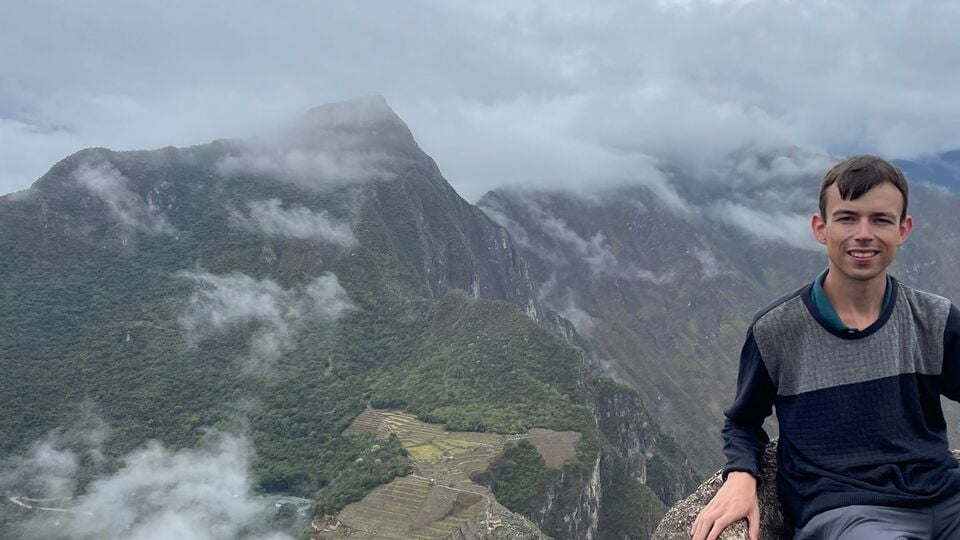
Photo: @alexjbrownn24
My 2-day trip was (obviously) cheaper. We almost got charged for the Machu Picchu entry ticket (from US$59) on top of the tour cost, thanks to a communication mix-up, but we managed to sort it in the end and paid £77.56 each, which covered transport to and from Hidroelectrica (from where we walked 4 hours to Aguas Calientes), one night’s accommodation in Aguas Calientes, and entry to Machu Picchu. No guide, additional transport, or food was included here.
There’s little difference in spend per day between the 5-day trek and 2-day trek, yet the 5 days cover everything: guide, hiking sticks, all food and drink (except beers), porters, and everything included in the 2-day trip (entry fee, accommodation, transport, etc.).
I’d recommend doing the 5-day trek. It’s a seriously memorable bucket list experience. I’ll be honest, I thought Machu Picchu itself was kinda meh. The journey is what made it truly special. Struggling to walk after several gruelling, yet massively rewarding, days trekking through snowy peaks in my woolly hat and gloves, and sweating it out in the humid jungles as tropical rain lashed against my poncho.
What Uyuni Actually Cost Me
Uyuni did little damage financially, but it did cost me in other ways over the following weeks (after my first trip) after I fell, used my hands to break my fall, and shredded both hands open on the razor-sharp salt flats. That’s the day I learned where the phrase “rubbing salt into the wound” comes from. Wear gloves when you come here, trust me, guys…
Anyway, the money. I spent just over £30 the first time around, and a little less (per day) on the second occasion, by which time black market Bolivia was in full swing.
The 3-day tour provided even more hidden value. Aside from including all meals (unlike the 1-day tour), it also covered free transport to the Atacama Desert in Chile. I went there after the 1-day tour in 2022, and had to splash out on a bus from Uyuni to Atacama. With the 3-day tour, that cost was covered, and we had the added bonus of our guide being there at the Bolivia/Chile border to ensure the crossing went smoothly, and we’d filled out all necessary forms.

Photo: @alexjbrownn24
Even if we ignore the price anomalies of my own experiences, comparing pre-black market Bolivia to post-black market Bolivia, the 3-day tour is wayyy better value with all these extra inclusions. Experience-wise, the 1-day tour covers the salt flats (amazing) and some filler stuff like a train graveyard (meh) and salt souvenir shops (meh). Whereas the 3-day tour has other incredible stops, such as lagoons filled with flamingos and geysers in Mars-like environments.
The 3-day tour wins hands down for me. Don’t get me wrong, I LOVED the 1-day tour, and consider it a 10/10 experience, but the 3-day tour was absolutely out of this world. A genuine all-time great travel experience.
Where I’d Spend My Activity Budget
If I could go back in time to the first day I stepped inside either country, and choose which activities I would do using the knowledge I have now, these are the ones I did, and whether or not I reckon they were worth going out of my way to see.
I skipped Huayna Potosi as it didn’t align with my plans. Cycling down Death Road is something I also passed on in Bolivia, after making friends with a guy who came back from it with a bandaged wrist, telling me stories of tourists who fell to their deaths there. It doesn’t get its name from being a cuddly theme park, guys… Hiking in Huarez, visiting Bolivian Titicaca, and exploring the Peruvian Amazon are other key activities that have eluded me so far.
| Experience | Country | What I paid | My rating /10 | Was it worth it? |
|---|---|---|---|---|
| Visiting Lima’s catacombs | Peru | £2.19 | 5 | No – slightly dull and tightly controlled |
| Ballestas Islands tour from Paracas | Peru | Around £12 (lost exact data) | 7 | Yes – “the budget Galapagos” speaks for itself |
| A Colca Canyon day trip from Arequipa | Peru | £27.41 | 7 | Yes – cool landscapes |
| A Rainbow Mountain day trip from Cusco | Peru | £13.76 | 9 | Yes – unique landscapes and a fun trek |
| An Ausangate day trip from Cusco | Peru | £16.95 | 8.5 | Yes – but watch out for brutal altitude |
| The Sacred Valley (DIY trip over 2 days) | Peru | £15.35 + accommodation, meals and transport | 6.5 | No – this is so much better on a tour |
| The Sacred Valley (1-day tour from Cusco) | Peru | £33.89 | 8.5 | Yes – you see much more than by doing a DIY trip |
| 5-day Salkantay Trek to Machu Picchu | Peru | £199.09 | 10 | Yes- THE BEST. THING. EVER. |
| 2-day trip to Machu Picchu | Peru | £77.56 | 7 | Yes – just about. The highlight of Machu Picchu is the journey though (my opinion) |
| 2-day tour of Lake Titicaca | Peru | £42.38 | 9 | Yes – really awesome local experience |
| Watching Cholita’s wrestling | Bolivia | £6.03 | 5 | Yes and no – fun gimmick for 15 mins, but it gets boring fast – defo unique though |
| Visiting the Witches’ Market | Bolivia | Free | 7.5 | Yes – a fascinating thing to learn about, unique to Bolivia |
| The Moon Valley | Bolivia | £0.72 | 7 | Yes – cool to see once, but it won’t be your highlight |
| Uyuni (1-day tour) | Bolivia | £31.64 | 10 | Yes – absolutely magical |
| Uyuni (3-day tour to Atacama) | Bolivia | £78.22 | 10 | Yes – WOW!!!!! |
| Pampas 2-day tour | Bolivia | £57.39 | 6 | No – although maybe I’m being harsh as this was just an inferior version of what we’d seen and loved in Venezuela |
| 1-day Amazon trip from Rurrenabaque | Bolivia | £21.52 | 5.5 | No – little wildlife, zero safety standards, and no real wow factor |
I’d say Peru has more to offer overall, but its attractions are overwhelmingly either hikes or Incan ruins, so if neither of these interests you, then you may not share my passion for Peru. Bolivia is better for rugged adventures, cooler landscapes, and weird and wacky stuff, plus doing everything on a lower budget.
The Budget Mistakes I Made in Both Countries
Since both countries are cheap, I didn’t blow a ton of unnecessary cash here, but there were times I hit the budget a little harder than necessary.
Drinking in the gringo spots was definitely one of them. You can get a beer for £1-£2 in both countries, but when a guy invited me to a party at Wild Rover in Huacachina, I couldn’t say no. The next thing and I’d blown over £20 on booze, which should really cost half that. Sure, it’s “only a tenner”, but I then spent similar amounts weeks later at Wild Rover in La Paz, two nights running. Suddenly, those tourist-focused party spots add up fast. Local nightlife will save you cash.
I also found food costs shooting up as I ate in the touristy parts of Cusco. You need to go local to save cash. If a restaurant doesn’t even have a name, great! That means it’s probably super duper budget-friendly. These spots generally require a little walking outside the centre to find, though.

A controversial take, but I think one mistake we made was doing a Pampas tour in Bolivia. It was pretty much just an inferior version of Hato El Cedral in Venezuela, where we’d been just 3 weeks previously. El Cedral was one of my all-time top travel experiences, and given the Venezuela situation at the time, we were virtually the only tourists. The Pampas had less-exciting wildlife, large tour groups, and offered nothing new in comparison. That’s £71.74 we could’ve saved.
One mistake I did NOT make was booking tours in person. Pretty much every tour in both countries is so much cheaper to book in person rather than online. I would only advise booking online for the Inca/Salkantay treks, the Inca Trail always, and Salkantay if you only have a limited time and can’t afford to hang around Cusco for a week as I did, waiting for availability.
In Peru, you may regret booking the cheapest tours, as they will often sacrifice safety + quality, and they are Spanish-only, which means you won’t learn much unless you know the local lingo. In Bolivia, it doesn’t matter so much as no one cares about safety, but at least check reviews before booking anything, so you do find an enjoyable experience.
If I Had £500 and Two Weeks, Which Country Would I Choose?
With limited money, and even less time, I’d say you’re in luck with either of these countries; both are entirely feasible on a £500 budget for 2 weeks (excluding flights, travel insurance, and visas if needed). You’ve got to be a little selective with your activities, though. Personally, I’d choose Peru, though, as Bolivia is a little more unpredictable. Damn roadblocks!
Two Weeks in Peru on £500
In this instance, I’d base myself in Cusco and forget about backpacking Northern Peru, or Western spots like Lima, Paracas, and Huacachina. Cusco is the most fun city anyway, and there are so many awesome places nearby. Easily enough to keep you occupied for a couple of weeks.
I’d blow half my budget instantly on the Salkantay trek – £250 to cover the cost of the 5-day/4-night adventure, plus additional associated costs. Oh yeah, bring hiking trousers with you. I bought mine in Cusco the night before and paid ultra tourist trap prices for them. Ouch. Don’t do this for at least 4 days, as you’ll need time to acclimatise to Cusco’s altitude, and allow at least one rest day afterwards. I recommend making this a second-week activity.
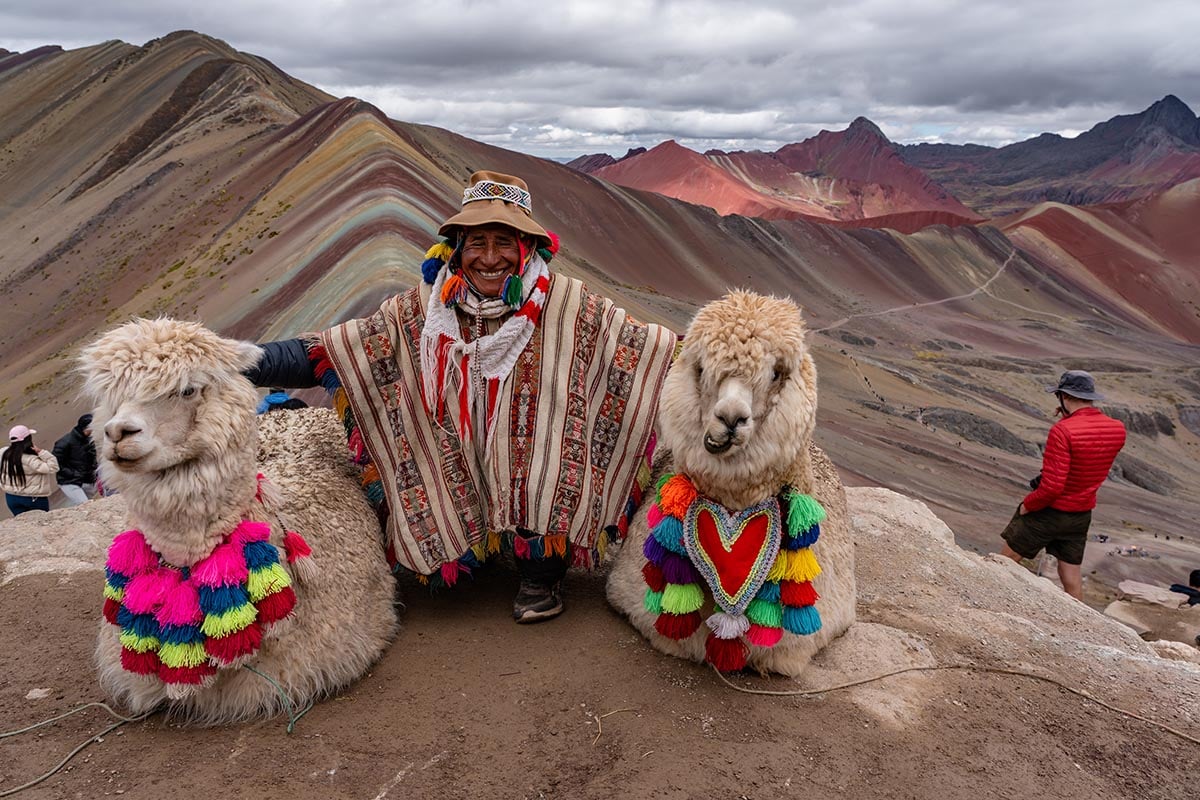
I’d put another £50 towards accommodation (hostels at £5 per night for the remaining 10 nights) and another £70 towards food. Eat outside Plaza de Armas, and you can definitely get by pretty cheaply. Even within Plaza de Armas, if the Colonel and the Golden Arches take your fancy. I’m not one of those snotty travel snobs who will chastise you for enjoying a few Western comfort foods. Eat ceviche, eat McNuggets, eat whatever makes you happy.
So we’re £370 down; we’ve covered all food and accommodation costs, plus the big Machu Picchu adventure. I’d put another £15 aside to cover taxis to and from the airport, plus a SIM card. That leaves £115.
I would use that remaining money on day trips to Rainbow Mountain (£15), Ausangate (£22), the Sacred Valley (£35), and a £43 buffer to cover hidden costs, surprise price rises, and perhaps a little extra quality on the food or hostel front. So yeah, here’s my breakdown summarised:
| Expense | Cost |
|---|---|
| Cusco Airport taxi (x2 ways) + SIM card | £15 |
| Hostels (x10 nights) | £50 |
| Food and drink (x10 days) | £70 |
| Salkantay Trek to Machu Picchu with 4x nights accommodation, 4x days food, and Machu Picchu entry | £250 |
| Rainbow Mountain day trip | £15 |
| Ausangate day trip | £22 |
| Sacred Valley day trip | £35 |
| Buffer to cover all other costs | £43 |
| Total | £500 |
Two Weeks in Bolivia on the Same £500
Bolivia’s super cheap, but your trip can be ruined in an instant when a bunch of geniuses block the road. So I’m gonna put a chunk of cash aside for flights to avoid your trip being ruined. I’m also gonna go hard on the Uyuni to Atacama tour, because this is simply INCREDIBLE.
So, your likely landing point is La Paz, the de facto capital (the real capital is Sucre, but hey, La Paz is the main city and home to all the government institutions). You’re going to want to budget £20 for airport transport (x3) and a SIM card as part of your Bolivia starter pack. From La Paz airport to the city centre, it costs about £0.75 each way.
In this bonkers city, you’ll want to take a free walking tour to learn about the witchcraft practices and human sacrifices that (allegedly) still take place there today. Yes, really! “Free” walking tours are actually tips-based, so you decide how much you pay. Be aware, this is often the guide’s main/only income. In Bolivia, a £10 tip is very generous. Also be sure to go to Cholita’s wrestling (£7 should be enough), and put aside £5 for the Moon Valley (entry + 2-way transport), although you can spend a little more on a Moon Valley tour.
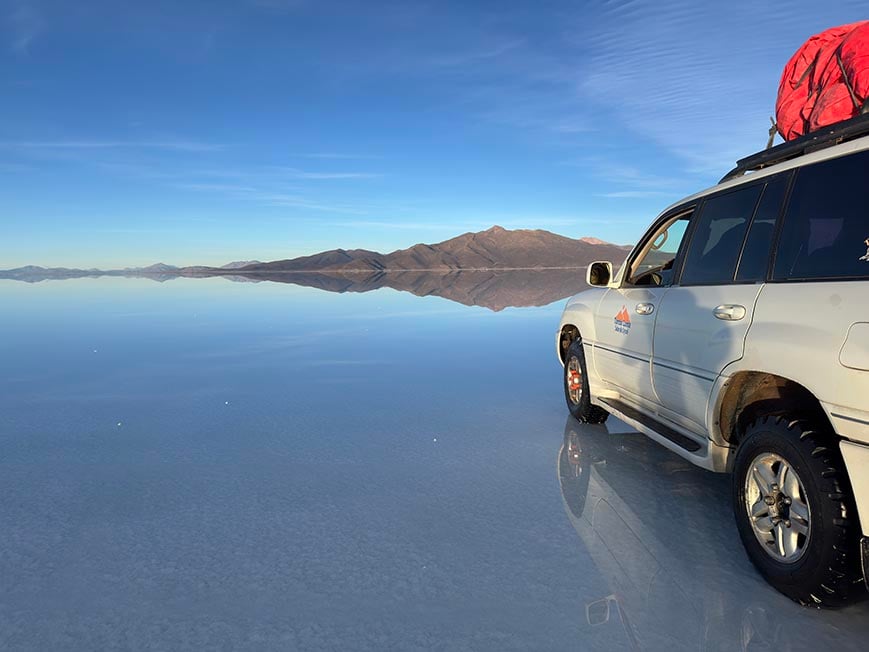
Image: Nic Hilditch-Short
Next up, put aside £10 to get to Rurrenabaque. I’d strongly recommend flying to avoid roadblocks, but with a £500 budget, you’ll have to make one little sacrifice and get the bus, then just hope it works out okay. It’s a night bus, so you’ll save on accommodation.
In Rurrenabaque, head into the Amazon Rainforest for £22. Explore the most famous ecosystem on earth, meet indigenous villagers, and DO. NOT. DRINK. THE. DAMN. SUGARCANE. JUICE. You can make it, which is cool to do, using a contraption that wouldn’t look out of place in the early 1000s, but keep that stuff well away from your mouth, unless you want to know what hell really feels like.
From here, fly to Uyuni (via La Paz) for around £130, and put £80 aside for the dreamy Uyuni to Atacama 3-day tour. That leaves you with a £90 hostel budget (£8.18 per day, excluding one night on the bus to Rurrenabaque, and two covered in the Uyuni tour), a £90 food/drink budget, and £36 left over to cover hidden costs, splash out a little more, or squeeze in some extra small activities.
| Expense | Cost |
|---|---|
| Airport bus/taxi (x3) + SIM card | £20 |
| Free walking tour tip | £10 |
| Cholita’s Wrestling | £7 |
| Moon Valley entry + return taxi | £5 |
| Night bus to Rurrenabaque | £10 |
| Amazon Rainforest tour | £22 |
| Flight from Rurrenabaque to Uyuni (via La Paz) | £130 |
| 3-day tour from Uyuni to Atacama | £80 |
| Hostels (x11 nights) | £90 |
| Food and drink (x13 days) | £90 |
| Buffer to cover all other costs | £36 |
| Total | £500 |
Could I Just Do Peru and Bolivia on the Same Trip?
Yes. But this depends on how much time you have. If you can afford to come all the way to South America, then budget won’t be a barrier to visiting both, only time. Both of my Peru trips have ended by crossing the border from Puno (Peru) to Copacabana (Bolivia). You’ll need to take a bus from Copacabana to reach La Paz (and subsequently, Uyuni), and there’s one wacky part of the journey where the bus will head onto a boat as you have to cross Lake Titicaca.
I would say you need a minimum of 4 weeks to visit both without either box-ticking just to say you’ve visited both countries, or simply rapidly chasing highlights (the Incan sites around Cusco, Uyuni, La Paz). I’d give a minimum of 3 weeks to Peru (2 weeks Cusco/surrounding sites, 1 week Lake Titicaca/Arequipa/Colca Canyon, although with a 4th week you can do Huacachina/Paracas/Lima too).
Photo: @willhatton__
Technically, it is possible to do Salkantay + a 3-day Uyuni tour in 2 highlight-packed weeks, but you’ll miss out on a lot of cool stuff; it will feel rushed, and most importantly, you won’t have adequate time to adapt to the altitude.
My recommendation: Bolivia for 1 week or less (La Paz and Uyuni are the main highlights, and doable in this time), Peru for 1-3 weeks (more to offer than Bolivia, and needs more time to explore), or both for over 3 weeks.
Where Would I Spend My Budget Again?
If I purely wanted the cheapest trip, where money was the only factor that mattered, Bolivia would win in a heartbeat. Admittedly, a rather fast heartbeat given the altitude here.
But for the best overall value? That’s where it gets tough. As I said earlier, this is the Messi vs Ronaldo of the travel world. You’re choosing between two absolute titans which both have a ton to offer at dirt-cheap prices. Neither has the safety issues of Colombia or Brazil, for example, although altitude can be problematic. If I absolutely had to pick one though, Peru would edge it on the basis that it’s easier to travel around, meaning fewer roadblocks etc.
In Peru, I’d do Salkantay again in a heartbeat, despite the £200 outlay. In fact, I tried when returning to Peru with my girlfriend, only for landslides to block the trail and ensure this wasn’t possible. We had to resort to plan B and take the van to Hidroelectrica, which was a pretty uninspiring way in, given the point of comparison I had. The cost is high; the memories it created are far higher.
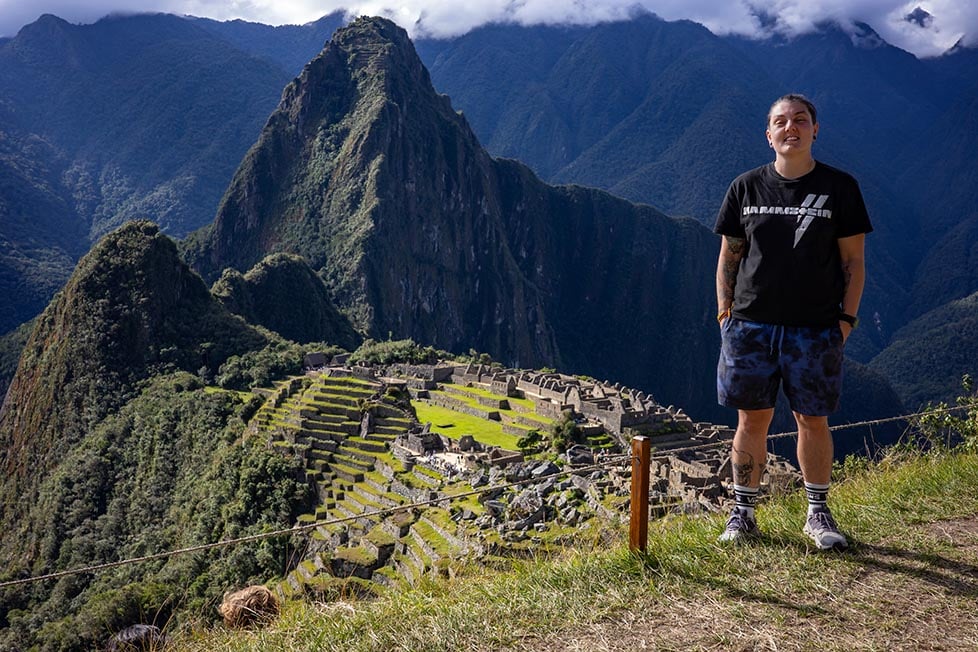
Photo: Nic Hilditch-Short
In Bolivia, I can’t get over how insane Uyuni is in terms of value for money. Under £30 a day for accommodation, all meals, a guide, transport, and some of the coolest landscapes I’ve ever seen. In southern Africa, that wasn’t even enough to cover a shitty hotel room for one night. In Western Europe, that’s a hostel lol. I paid £41.03 for a mere dorm bed in Barcelona…
I would say that the additional comfort and slightly safer activities in Peru do give it a slight edge over Bolivia’s undeniable financial advantage. Peru is also much more beginner-friendly. When looking at pure prices, Peru cost me £28.21 per day (most recent trip only), whereas Bolivia cost me £21.45 per day (again, most recent trip only).
If I went back in time with the knowledge I have now, time for one country only, and a broke backpacker’s budget, I would choose Peru over Bolivia. Just.