I’ve been to China a handful of times, but my most recent trip really showed me just how enormous it is. Like, fourth-largest-country-on-Earth enormous. And the sheer variety of landscapes packed into that space is staggering.
You can go from subtropical jungle to Himalayan plateau, from neon megacities to villages untouched by time, all within a single trip.
Because of this variety, narrowing this list down to 15 beautiful places in China is no easy feat. “Beautiful” means something completely different in a misty river valley, or on the ramparts of the Great Wall, or when staring up at sandstone pillars that inspired Avatar.
What you’ll find here is a curated mix of the iconic and the unexpected. Historic cities sit alongside remote valleys most travellers have never heard of. Some are bucket-list staples. Others are the kind you only find out about because a fellow backpacker scribbled the name on a napkin in a hostel common room.
This is not an attempt to cover every incredible corner of the country. One list could never do that. But if you are looking for a launchpad to start planning a trip through some of the most beautiful places in China, this is it!
How to See Beautiful Places in China
China is so massive that planning your trip can be overwhelming.
The easiest approach is to cluster your trip by region rather than trying to zigzag across the map. Southern highlights like Guilin, Yangshuo, and Guangzhou sit within a few hours of each other by train. Chengdu works as a base for both Jiuzhaigou Valley and Zhangjiajie. And if you are heading northwest, Dunhuang and Xinjiang reward travellers who commit to longer, slower overland routes.
The good news is that the high-speed train network connects most major cities and scenic regions on this list quickly and affordably. A second-class seat from Beijing to Xi’an runs around ¥500 to ¥700 and takes about four hours.
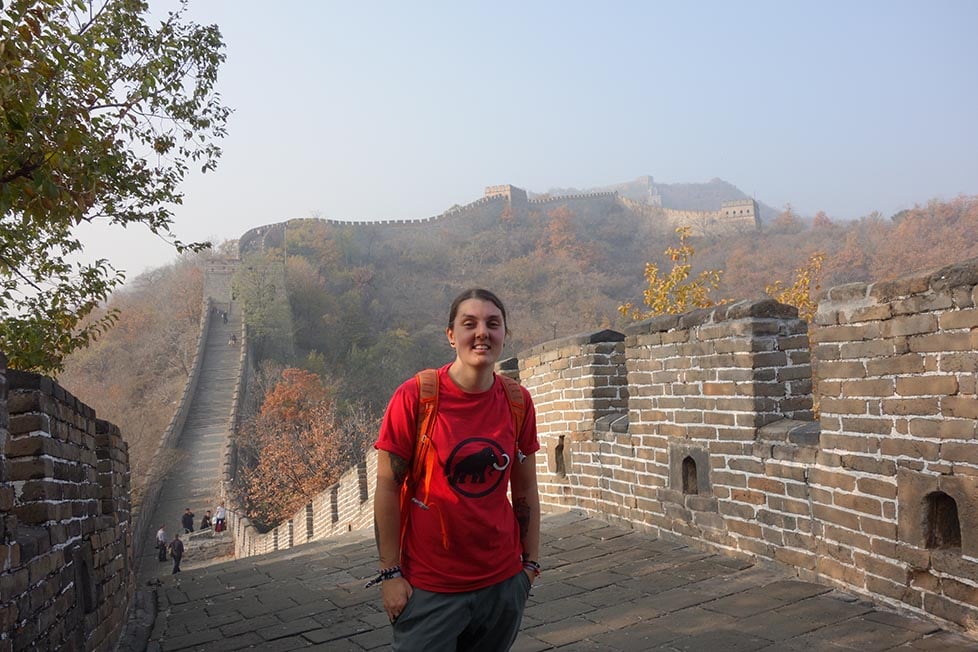
Image: Nic Hilditch-Short
The Broke Backpacker is supported by you. Clicking through our links may earn us a small affiliate commission, and that's what allows us to keep producing free content 🙂 Learn more.
Within cities, subways, local buses, and the DiDi ride-hailing app keeps costs low. Getting a local transit card or loading up your Alipay Pay wallet will make daily navigation much smoother.
The one thing I would stress is this: do not underestimate travel days. China’s most spectacular natural scenery tends to sit far from the nearest airport or train station.
Build buffer days into your itinerary, pre-book accommodation in smaller towns, and if you are visiting between the rainy season from June to August, check road and weather conditions in mountainous areas before you commit to a route.
A quick note on visas for 2026: China has extended its 30-day visa-free entry policy through the end of 2026 for passport holders from around 50 countries, including most of Europe, Australia, New Zealand, the UK, and Canada. This is one of the most accessible periods to visit China in recent memory. That said, visa policies shift frequently, so double-check your eligibility with your nearest Chinese embassy or consulate before you book.
Essential Apps Checklist for Travelling in China
Before you even step off the plane, there is one thing you absolutely need to sort out: your phone.
China runs on a completely different digital ecosystem to what you are used to back home. Google, WhatsApp, Instagram, and most Western apps are blocked behind the Great Firewall, and use of cash is becoming increasingly rare. QR code payments dominate everything from street food stalls to subway tickets.
Download and set up these apps before you arrive. Trying to do it on the ground without a VPN is a headache you do not need. Oh, an while you will need a Chinese sim with a phone number to access some apps, you should also get a travel eSIM for China sorted before you leave so that you can connect the internet the very second you land. Personally I recommend Holafly.
Pro tip: Notify your bank before you travel so they do not block your card when you try to link it to Alipay or WeChat Pay. Also, keep a small amount of cash (¥200 to ¥500) for emergencies, since not every single vendor in rural areas has caught up to mobile payments yet.
Groups Tours in China
One of the best ways to see these beautiful places in China is by joining a group tour. G Adventures has you covered with EPIC adventures offering the opportunity of a lifetime to get off the beaten path with like-minded people.
Check out the best tours in China.
1. Shanghai
At a Glance
- Best for: Urban explorers, architecture fans, and nightlife lovers
- Known for: The Bund, futuristic skyline, French Concession, street food
- Region: East Coast, Eastern China
- Ideal trip style: 2 to 4 days of city sightseeing with neighbourhood walks
- Why it stands out: Where 1920s colonial grandeur meets a 21st-century skyline unlike anything else in Asia

Experience the cultural diversity of China’s most cosmopolitan city, Shanghai. As a global economic hub, Shanghai consistently seduces travellers with its rich history, spectacular skyline, and lively ambience.
Naturally, you will be able to explore the grandiose Bund, a waterfront promenade showcasing the city’s historic architecture, and gaze at the futuristic skyline from the Shanghai Tower.
Do not even get me started on the spectacular City God Temple’s sweeping views. Or, the magical, maze-like alleyways of Tianzifang and its hidden boutiques and cafes. To top it all off, the Dongtai Road Antique Market, which operates on weekends, is a treasure trove for bargain hunters looking for unique trinkets.
Be sure to capitalize on the Shanghai Public Transport Card. It offers unlimited access to buses, trams, and even boats across the Huangpu River. This thing makes exploring Shanghai’s best places a breeze.
2. Yunnan
- Best for: Backpackers, cultural explorers, and anyone who loves diversity
- Known for: Dali, Shangri-La, ethnic diversity, tea plantations, Jade Dragon Snow Mountain
- Region: Southwest China, bordering Myanmar, Laos, and Vietnam
- Ideal trip style: 5 to 10+ days to explore multiple towns and landscapes
- Why it stands out: More ethnic diversity, landscape variety, and culinary range than almost anywhere else in China

The diverse landscapes of Yunnan Province is a budget-friendly haven for backpackers.
It offers affordable accommodations and delicious Chinese street food in spades, and you can look forward to exploring picturesque ancient cities like Dali and Shangri-La. It is also a great place to explore unique ethnic traditions and local markets.
Yunnan is increasingly drawing travellers who want a slower, deeper kind of trip. Think multi-day stays in tea villages near Pu’er, quiet hikes through the foothills of Jade Dragon Snow Mountain, or simply lingering in a Dali courtyard guesthouse watching the clouds roll over Erhai Lake.
If you have the time, this province will reward you for every extra day you give it.
3. Xi’an
- Best for: History lovers and culture seekers
- Known for: Terracotta Army, Ancient City Wall, Muslim Quarter
- Region: Shaanxi Province, Central China
- Ideal trip style: 2 to 3 days of city exploration with day trips
- Why it stands out: One of China’s ancient capitals with over 3,000 years of history layered into every street
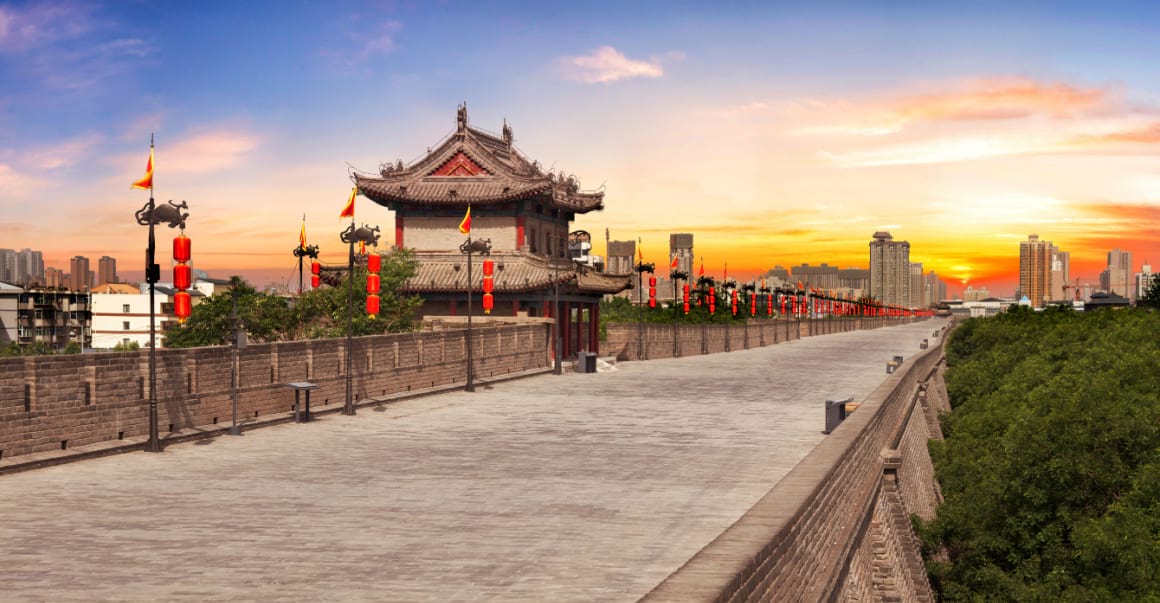
Uncover the secrets of Xi’an with a journey through its fascinating, ancient streets. This city is positively brimming with historical wonders and surrounded by magnificent mountain landscapes. This makes it an essential destination for every adventurous backpacker, and best of all, there is a plethora of pocket-friendly accommodations to choose from.
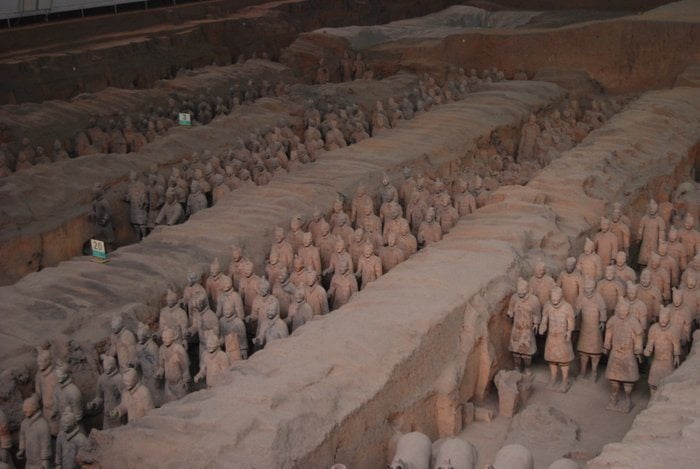
During my time there, I was absolutely blown away by the vibrance of the city’s Muslim Quarter and the archaeological wonder that is the Terracotta Army. An absolutely essential visit for anyone backpacking China.
If you are planning a visit, I absolutely implore you to have a cycle around its ancient walls. The City Wall full loop stretches roughly 14 kilometres and offers views of both the old rooftops and the modern skyline beyond them. It is an experience you will not forget anytime soon. Without a doubt, one of the top 10 places to visit in China.
You should also get better acquainted with the iconic Drum and Bell Towers and take a stroll along the cobblestone streets of Xi’an’s historic Old Town.
The fusion of traditional and modern cultures you can soak up there is nothing short of magical. Relish the chance to savour its authentic, affordable Chinese cuisine, especially the lamb skewers and hand-pulled noodles in the Muslim Quarter.
4. Beijing
- Best for: First-time visitors and history buffs
- Known for: The Great Wall, Forbidden City, Hutong alleyways
- Region: Northern China
- Ideal trip style: 3 to 5 days mixing iconic landmarks with neighbourhood exploration
- Why it stands out: The political and cultural heart of China for centuries, packed with UNESCO sites
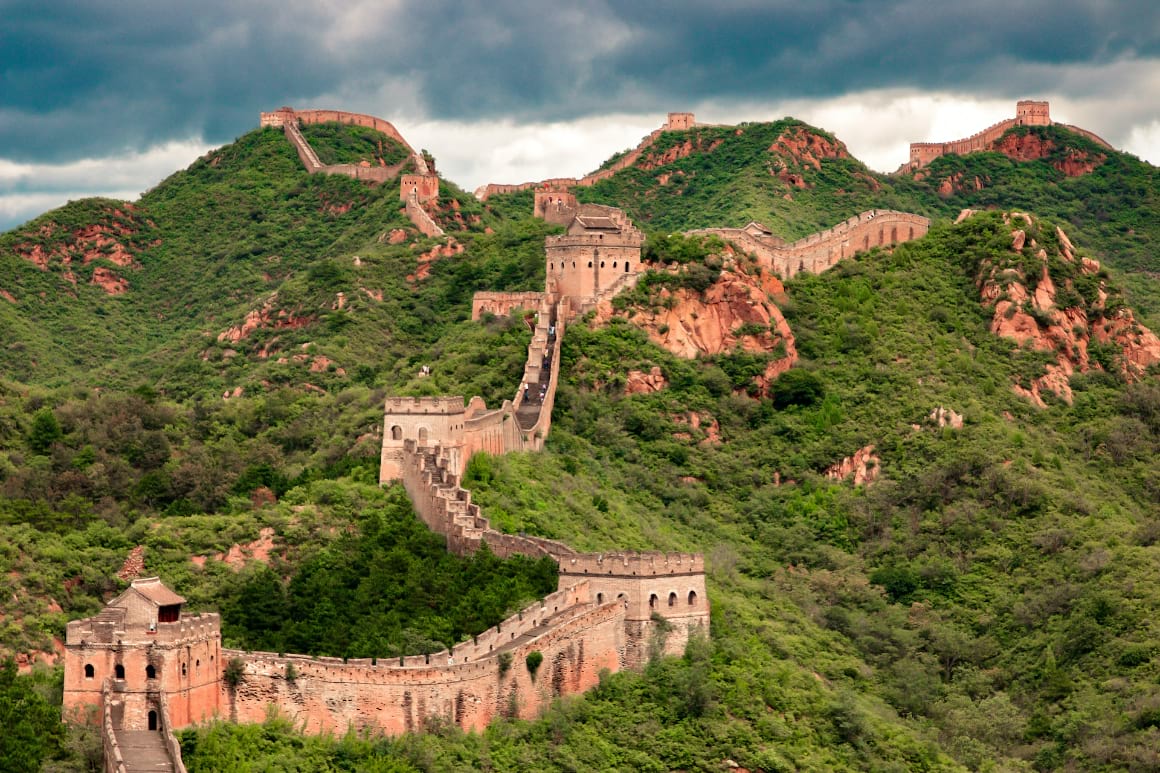
Many travellers start their Chinese adventure in the bustling capital city of Beijing, a UNESCO World Heritage Site. There is no shortage of great places to stay in Beijing, and it is a first stop for many in the land of the red dragon.
The city boasts a rich history dating back to ancient times and was officially established in the 13th century during the Yuan Dynasty. Since becoming the capital, Beijing has been the political and cultural centre of the nation. It captivates travellers from across the globe with its majestic palaces and historic landmarks.
You can look forward to exploring the extraordinary Great Wall of China, a sterling testament to human ingenuity, and witnessing the grandeur of the Forbidden City. It makes for a great full-day tour from Beijing. Not to mention, wandering through the ancient alleyways of the hutongs (narrow alleyways in Beijing), for a unique shopping expedition.
You should definitely take a moment to relax in one of the city’s many enchanting parks and gardens while in Beijing as well. My personal favourite is Jingshan Park. Here you can enjoy a peaceful escape with friends and loved ones while marvelling at the breathtaking, panoramic vistas of the city skyline.
5. Xinjiang
- Best for: Adventurous travellers, Silk Road enthusiasts, and photographers
- Known for: Kashgar Old City, Karakul Lake, Tianshan Mountains, Taklamakan Desert, Uyghur culture
- Region: Xinjiang Uyghur Autonomous Region, Northwest China
- Ideal trip style: 8 to 15 days for a proper loop through northern or southern Xinjiang (or both)
- Why it stands out: An entirely different side of China, where Silk Road history, Central Asian culture, and dramatic landscapes converge
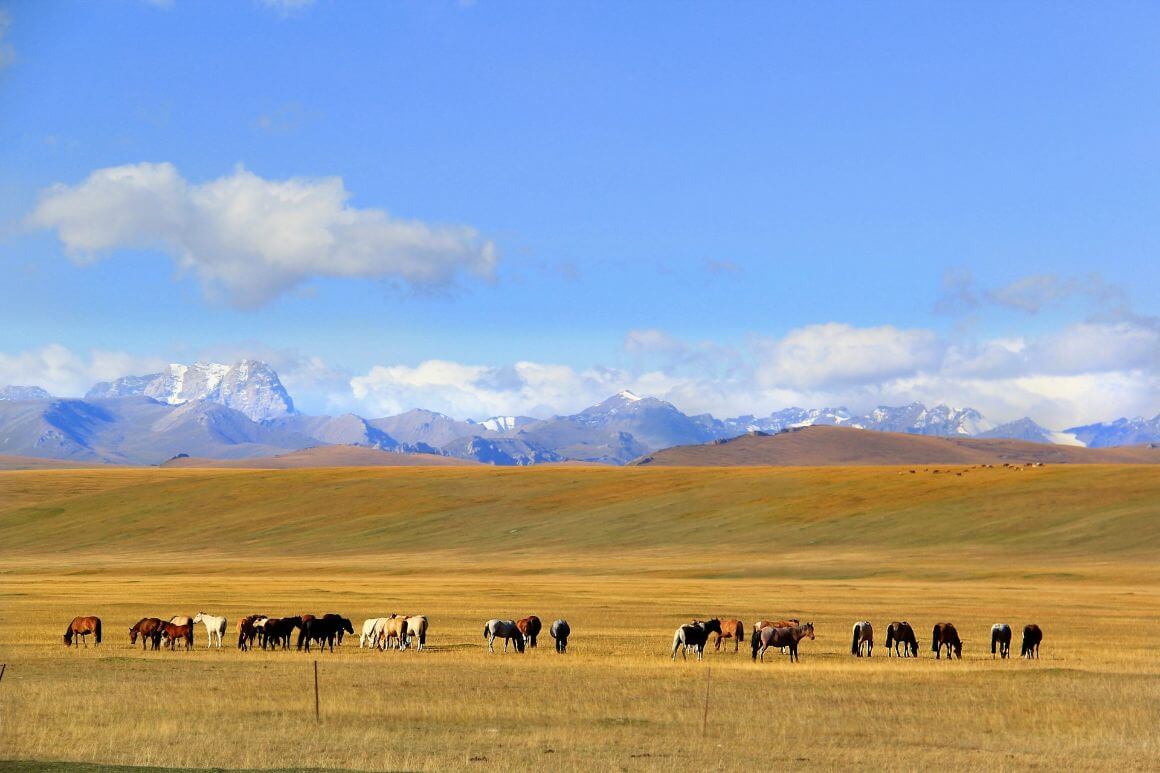
If you only know China through its eastern cities, Xinjiang will completely change your perspective. Covering one-sixth of the country and bordering eight nations, the region feels closer to Central Asia than East Asia.
Kashgar is the heart of it. The Old City is one of the best-preserved examples of traditional Uyghur urban life on the Silk Road, with centuries-old mosques, copper workshops, and teahouses where locals sip pots of black tea. Don’t miss the Sunday Livestock Market, where farmers trade sheep, goats, and camels in organised chaos.
Beyond Kashgar, the landscapes get truly wild. The Karakoram Highway passes the impossibly blue Karakul Lake with the snow-capped peak of Muztagh Ata towering behind it.
In northern Xinjiang, Kanas Lake and the nearby village of Hemu are ringed by forests that explode into colour each autumn. The lush Ili Valley offers wildflower meadows and a sense of space that is hard to find anywhere else in China.
A few practical notes: Xinjiang is HUGE, and distances between destinations are long, so plan for plenty of travel days or consider hiring a car and driver.
Accommodation in major stops like Urumqi and Kashgar is straightforward and budget-friendly, but options get more basic in remote areas. Carry cash, since card payments and mobile pay can be unreliable in smaller towns.
Xinjiang is not the easiest destination on this list, but it might just be the most rewarding. If you have the time and the appetite for a trip that feels truly off the beaten path, this is the one.
6. Yangshuo
- Best for: Outdoor adventurers and photographers
- Known for: Karst Mountains, Li River, rock climbing, cycling
- Region: Guangxi Province, Southern China
- Ideal trip style: 3 to 4 days of active exploration and river cruises
- Why it stands out: Surreal karst scenery that looks like it belongs in a painting
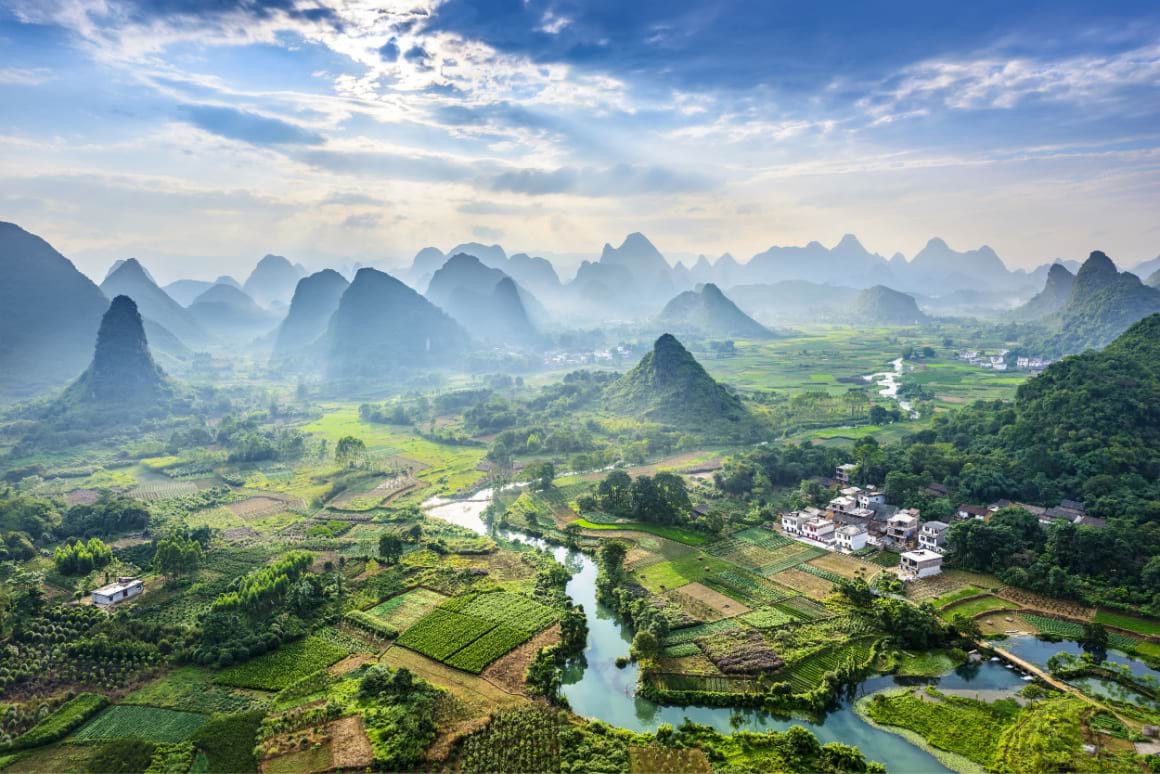
Treat yourself to a stunning countryside escape by visiting Yangshuo, a picturesque town nestled amidst limestone peaks and winding rivers in China’s Guilin region. This charming destination is beloved for its rustic allure, colourful houses, and beguiling landscapes amidst the beautiful karst mountains.
I, for one, was utterly enchanted by the awe-inspiring scenery I saw during my invigorating cycles on my rented bicycle. I can’t recommend the activity enough. The roads weave through rice paddies and past dramatic cliff faces, and you will want to stop every few minutes for another photo.
Be sure to take a cruise down the Li River too. And experience the lively atmosphere of West Street, Yangshuo’s cultural hub.
You cannot go wrong with a visit to the Yangshuo Cultural Museum or one of the lively folk festivals that showcase the region’s unique art forms and musical performances. It is an excellent way to get closer to the local culture.
Yangshuo is also a popular location for rock climbing and other outdoor activities such as fishing. The locals use a method called Cormorant fishing which, you guessed it, involves using Cormorants to catch the fish. This makes for an awesome watch.
7. Guangzhou
- Best for: Foodies, history lovers, and urban explorers
- Known for: Cantonese dim sum, Canton Tower, Shamian Island
- Region: Guangdong Province, Southern China
- Ideal trip style: 2 to 3 days of eating, exploring old quarters, and taking in the Pearl River skyline
- Why it stands out: China’s original gateway to the outside world, where ancient trading history meets one of the most spectacular modern skylines
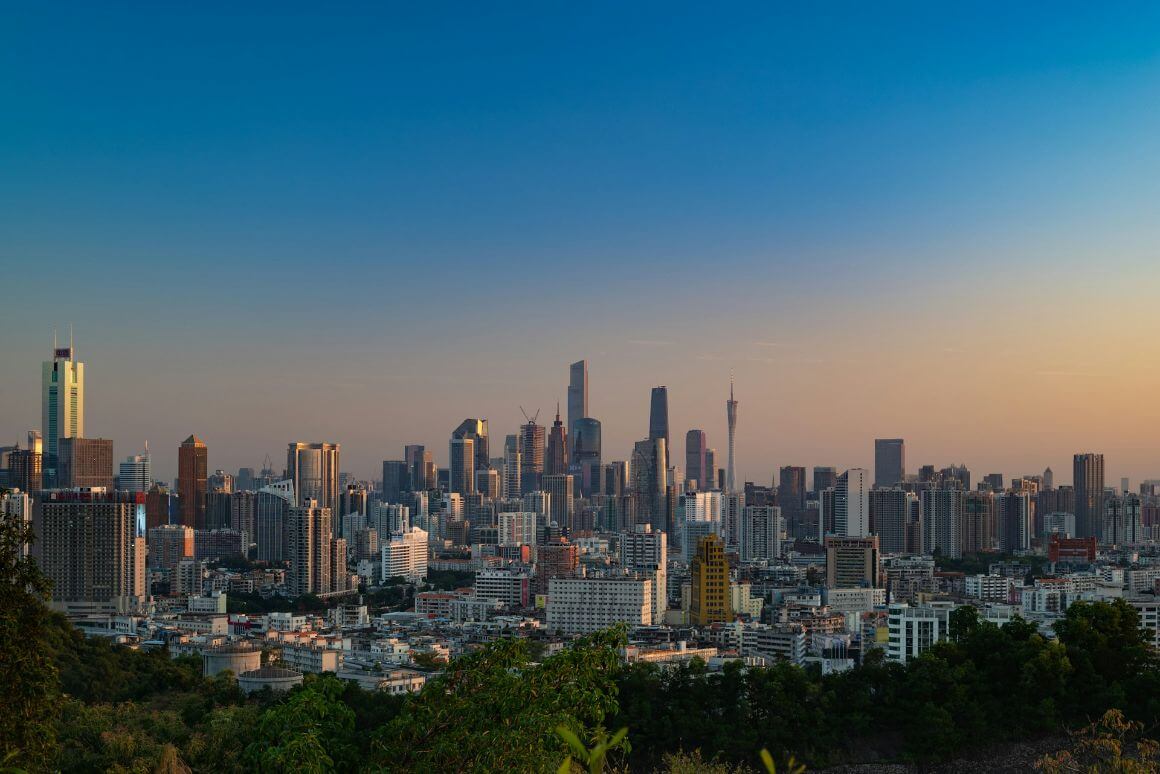
Guangzhou is one of those cities that travellers tend to overlook in favour of Beijing and Shanghai, and that is a serious mistake. This is a city with over 2,200 years of history as a major port and Silk Road terminus, and it wears those centuries well.
Let’s start with the food, because in Guangzhou, that is where every conversation begins. This is the birthplace of Cantonese cuisine and the undisputed dim sum capital of the world. Waking up early to join locals at a traditional teahouse for morning yum cha (tea and dim sum) is one of the best food experiences you can have anywhere in China. You can learn more about dim sum here.
Beyond the food, Guangzhou is a fascinating collision of old and new, from the colonial-era charm of Shamian Island’s tree-lined avenues to the futuristic skyline of Zhujiang New Town, where the Canton Tower lights up above Huacheng Square at dusk.
Guangzhou also works brilliantly as a transport hub. It connects easily to Yangshuo, Hong Kong, and the rest of southern China. If you have a spare day, you could even zip over to Shenzhen, only 30 minutes away by bullet train, to see what a city built from scratch in 40 years looks like. The contrast between Guangzhou’s ancient trading heritage and Shenzhen’s futuristic tech-city energy is wild.
8. Zhangjiajie
- Best for: Hikers, nature lovers, and film fans
- Known for: Towering sandstone pillars, glass bridge, Tianzi Mountain
- Region: Hunan Province, Central China
- Ideal trip style: 2 to 3 days of full-on trekking and cable car rides
- Why it stands out: The real-life inspiration for the floating mountains in Avatar
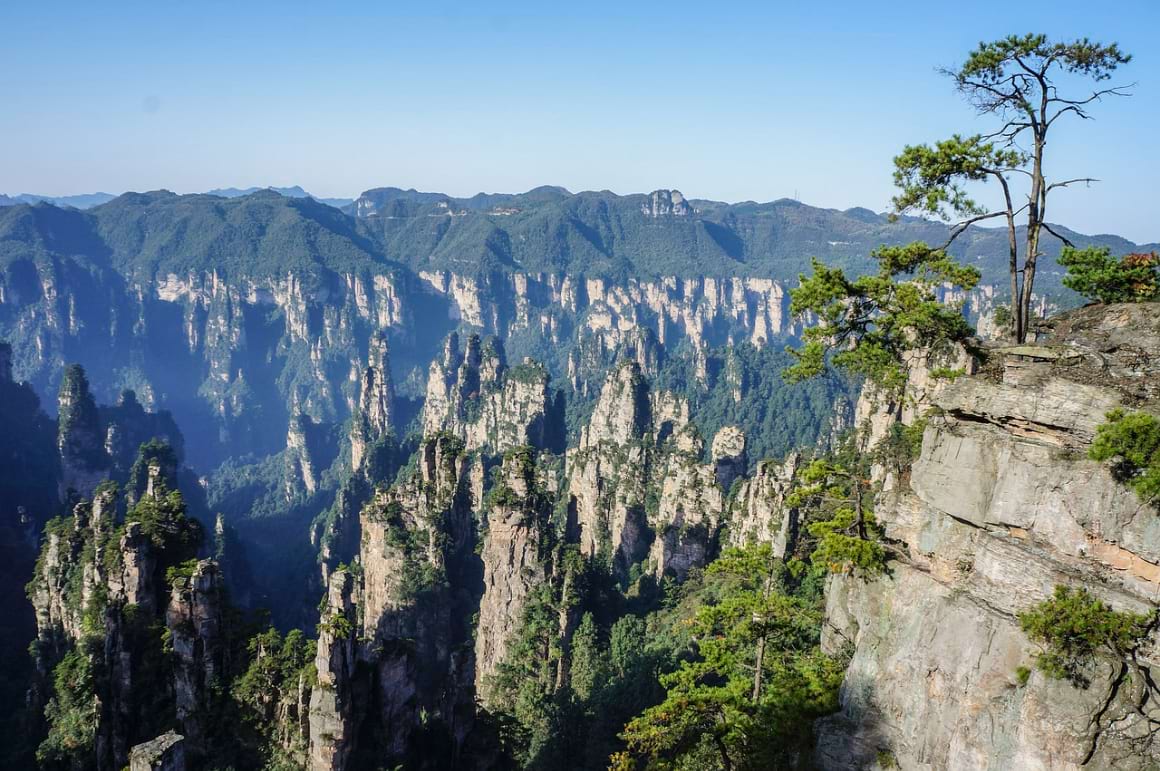
Embark on a journey into the otherworldly landscapes of one of China’s most amazing national parks: Zhangjiajie National Forest Park. This location was the inspiration for the floating mountains in the Avatar movies.
Widely considered to be the most beautiful place in China, it is often a unanimous favourite among travellers, not least thanks to its mesmerizing canyons.
Here, you will have the chance to discover charming nearby towns, hike through towering sandstone pillars and traverse the surreal glass-bottomed Zhangjiajie Grand Canyon Bridge. Not to mention, marvel at the breathtaking views from Tianzi Mountain.
As a bonus, the area is a total paradise for budget-conscious backpackers, with an array of budget-friendly hostels, campsites, and self-catering accommodations on offer. Be sure to take full advantage of discounted passes like the Zhangjiajie National Forest Park Pass and the Wulingyuan Scenic Area Pass as well. Both offer unlimited bus and cable car access.
All in all, I would say the sheer variety of scenic treks and affordability make it an ideal destination for backpackers seeking an extraordinary, economical adventure.
9. Chongqing
- Best for: Foodies, city explorers, and anyone who loves a good night view
- Known for: Chongqing hotpot, Hongya Cave, Dazu Rock Carvings, the “8D” cityscape
- Region: Southwest China, at the confluence of the Yangtze and Jialing Rivers
- Ideal trip style: 2 to 3 days of city exploration, with optional day trips to Wulong or Dazu
- Why it stands out: A vertical megacity built on steep hillsides where monorails run through buildings and escalators replace pavements
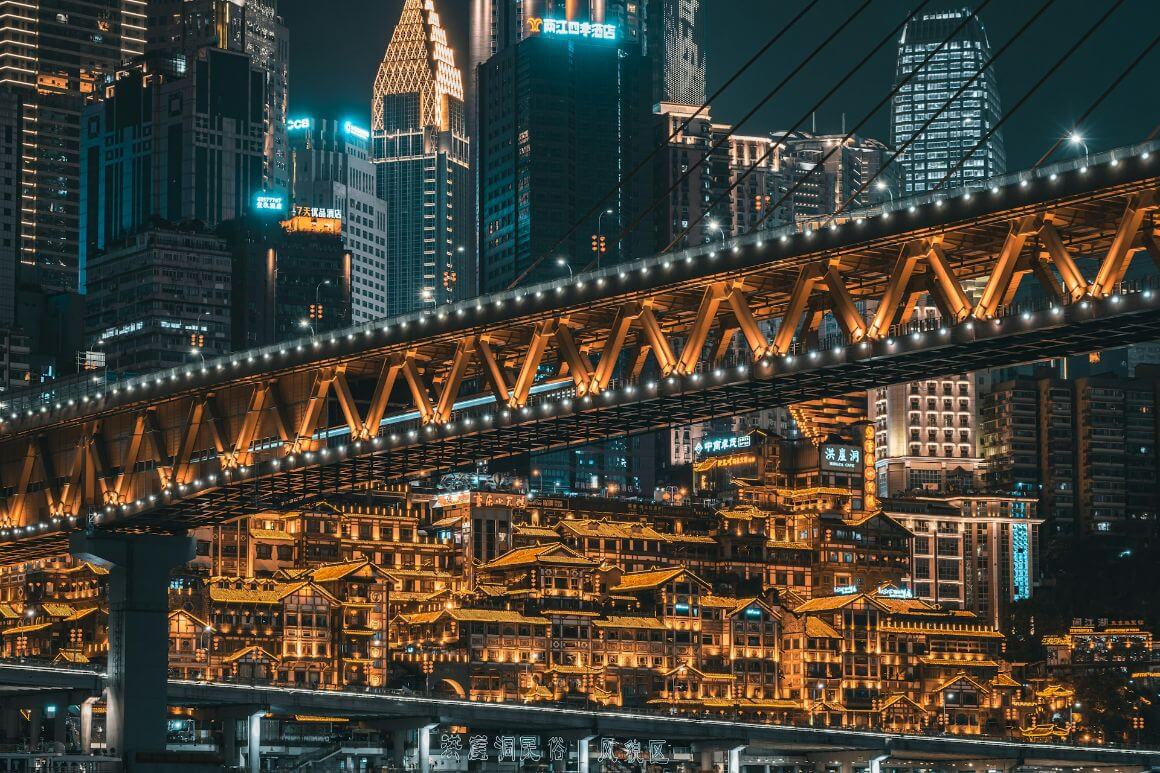
Chongqing is unlike any other city on this list. Built across a series of steep hills and peninsulas and rivers, the whole city feels like it exists in three dimensions at once.
Roads stack on top of each other, monorails weave through the middle of apartment blocks, and what you think is the ground floor turns out to be the eighth storey. It has earned the nickname “8D city” for a reason.
Chongqing is the birthplace of hotpot, and the local version is intense: a bubbling cauldron of bright red, chilli-laced broth with Sichuan peppercorns that numb your lips in the best possible way. If your spice tolerance is questionable, order a yuanyang split pot (half spicy, half mild) and work your way up.
Once you have recovered from the chillies, head to Hongya Cave after dark. This 11-storey stilt-house complex, built into the cliff face beside the Jialing River, lights up at night to create one of the most photographed cityscapes in China. For the best vantage point, cross to Qiansimen Bridge and watch it glow against the modern skyline behind it.
By day, wander the ancient lanes of Ciqikou Old Town for a taste of traditional Chongqing street life, ride the Yangtze River Cableway for sweeping river views, and hike the Shancheng Stepway, a centuries-old stone path that winds through hillside neighbourhoods.
10. Chengdu
- Best for: Foodies, culture seekers, and animal lovers
- Known for: Giant pandas, Sichuan cuisine, teahouse culture
- Region: Sichuan Province, Southwest China
- Ideal trip style: 2 to 3 days of laid-back urban exploration
- Why it stands out: A city that moves at its own pace, blending centuries of history with youthful creative energy
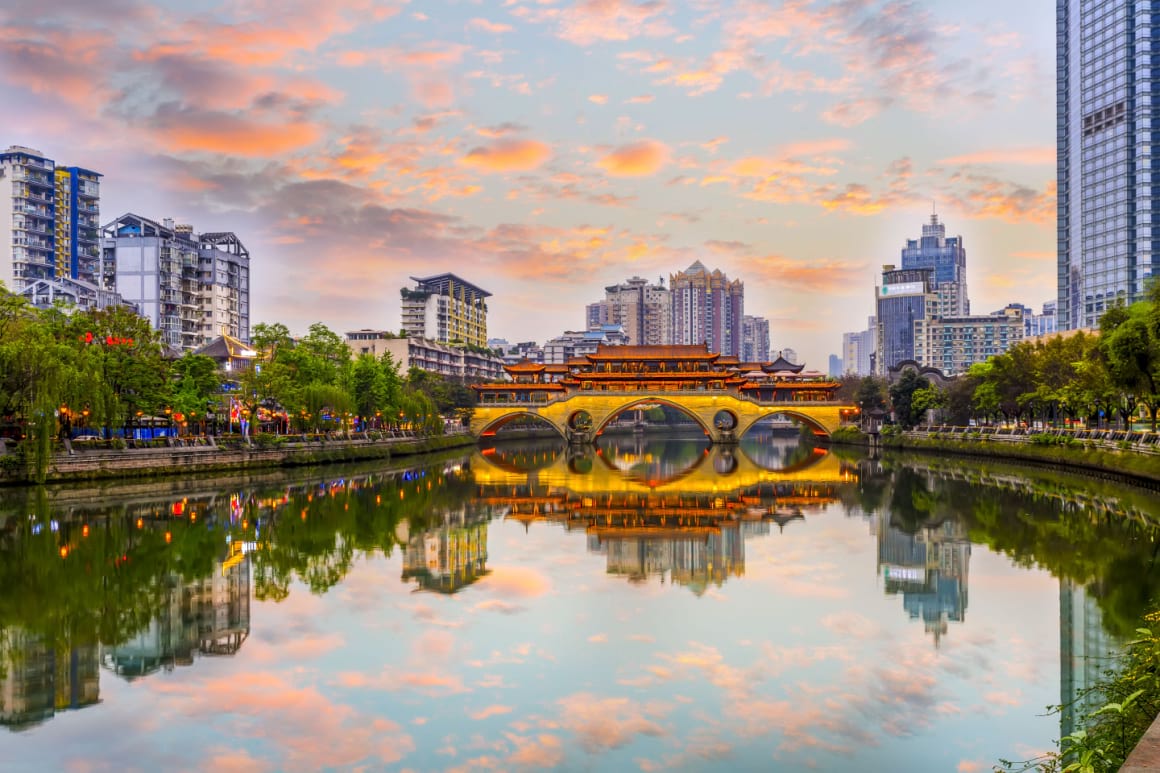
The beloved, culturally rich city of Chengdu is teeming with youthful energy and is a great option for budget-conscious travellers.
Nestled in Sichuan Province, its history spans centuries, with its well-preserved Jinli Ancient Street beautifully reflecting this rich heritage. I had the pleasure of visiting this gem not too long ago and I am not pulling any punches when I say that it was truly unforgettable.
My most cherished memory in Chengdu has to be ascending to the top of the Wuhou Shrine, one of the city’s most iconic landmarks. The city views and surrounding greenery from the shrine’s vantage point are simply spectacular. That said, getting up close and personal with the adorable pandas in Chengdu’s Giant Panda Research Base was also quite special.
As such, there is little doubt that it is one of the most unique places to visit in China. Well worth a visit.
11. Guilin
- Best for: Nature lovers, foodies, and slow travellers
- Known for: Li River, Longji Rice Terraces, karst landscape
- Region: Guangxi Province, Southern China
- Ideal trip style: 2 to 3 days with boat trips and day tours to nearby terraces
- Why it stands out: Ethereal river scenery and some of the most iconic landscapes in all of China
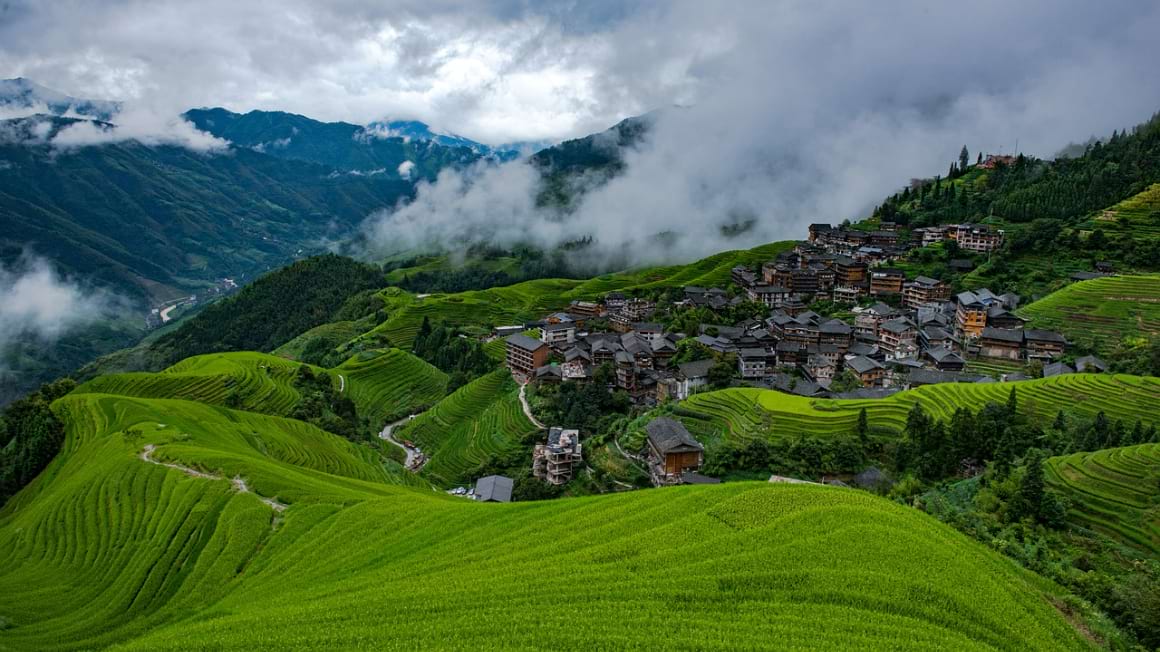
Discover an enchanting blend of Chinese and Western influences in Guilin, a historically rich, southern Chinese city surrounded by ethereal hills and serene rivers.
With its mild climate, it is an attractive travel destination year-round. Its wide variety of budget-friendly accommodations and eateries only add to its appeal.
Its gorgeous karst landscape is also renowned for its stunning rice terraces. Taking a day tour around these rice terraces was unforgettable, and the incredible local cuisine does not hurt either.
Speaking candidly, I would say that sampling Guilin rice noodles is an absolute must. Truth be told, I am still yearning for them, and it is one of the many reasons it ranks amongst my top 10 places to visit in China.
However, if you ask me, one of the most fun things to do in Guilin is embarking on a boat ride along the Li River. Here you can soak up scenic views and explore its fascinating riverside villages like the ancient Daxu. If you are thinking about visiting during the summer months, you could even take a refreshing dip in its waters.
12. Jiuzhaigou Valley
- Best for: Nature purists and photographers
- Known for: Turquoise lakes, multi-tiered waterfalls, Tibetan villages
- Region: Sichuan Province, Southwest China
- Ideal trip style: 1 to 2 full days in the park, with shuttle buses between valleys
- Why it stands out: Some of the most intensely coloured natural water you will see anywhere on Earth
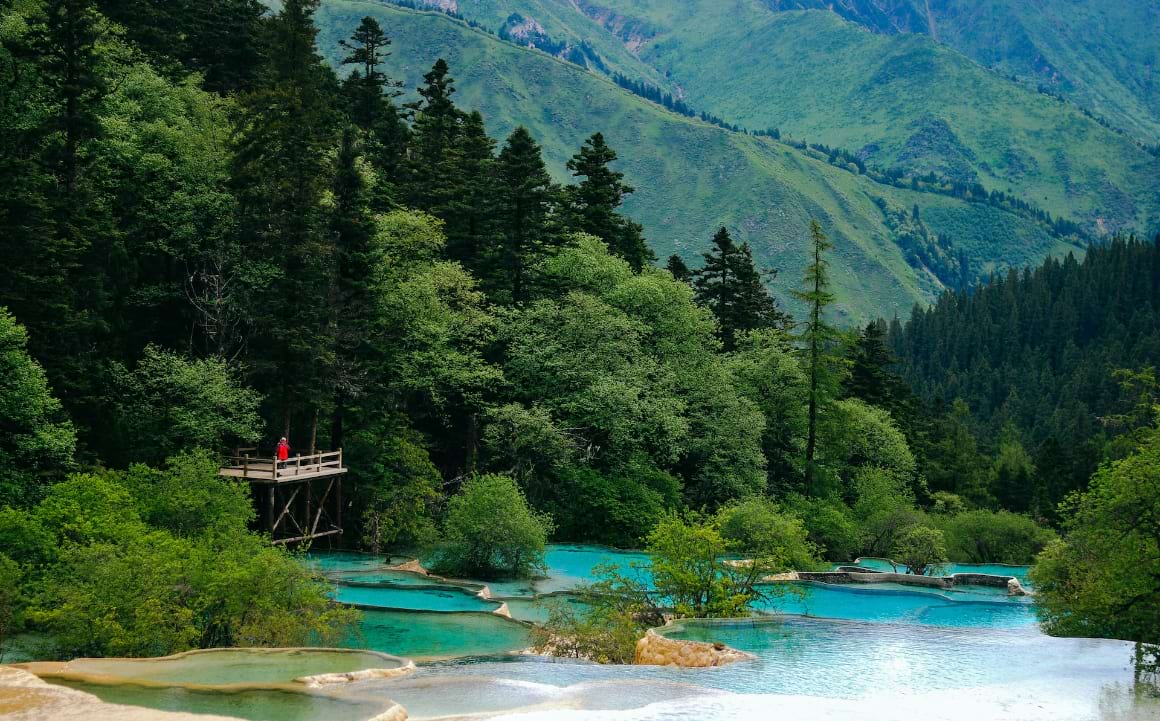
The spellbindingly beautiful UNESCO World Heritage site, Jiuzhaigou Valley, in the endearing Sichuan Province should be on every traveller’s radar.
It is historically rich and steeped in Tibetan and Qiang culture. Its name translates to “Nine Village Valley,” referring to the nine Tibetan villages scattered throughout.
Just try to visit during the shoulder seasons, like spring or autumn, to bypass the big crowds and higher prices. Still, exploring Jiuzhaigou on a budget is definitely possible, since the park entrance fee is reasonable. Adding to this, there are many budget-friendly accommodations and eateries nearby as well as free shuttle buses and camping sites available.
Once there, you will be able to marvel at the unforgettable turquoise lakes, bewitching waterfalls, and snow-capped peaks as you hike along the trails. My fondest memory in Jiuzhaigou Valley is definitely trekking to the highest points of the breathtaking Zharu Temple and revelling in the valley’s exquisite surroundings, though.
As a bonus, the valley hosts several museums, including the Jiuzhaigou Nature Museum, where you can delve into the region’s ecological wonders.
13. Dunhuang
- Best for: History enthusiasts and off-the-beaten-path explorers
- Known for: Mogao Caves, Singing Sand Dunes, Crescent Moon Spring
- Region: Gansu Province, Northwest China
- Ideal trip style: 1 to 2 days exploring caves and desert landscapes
- Why it stands out: An ancient Silk Road trade hub where Buddhist art meets sweeping desert scenery
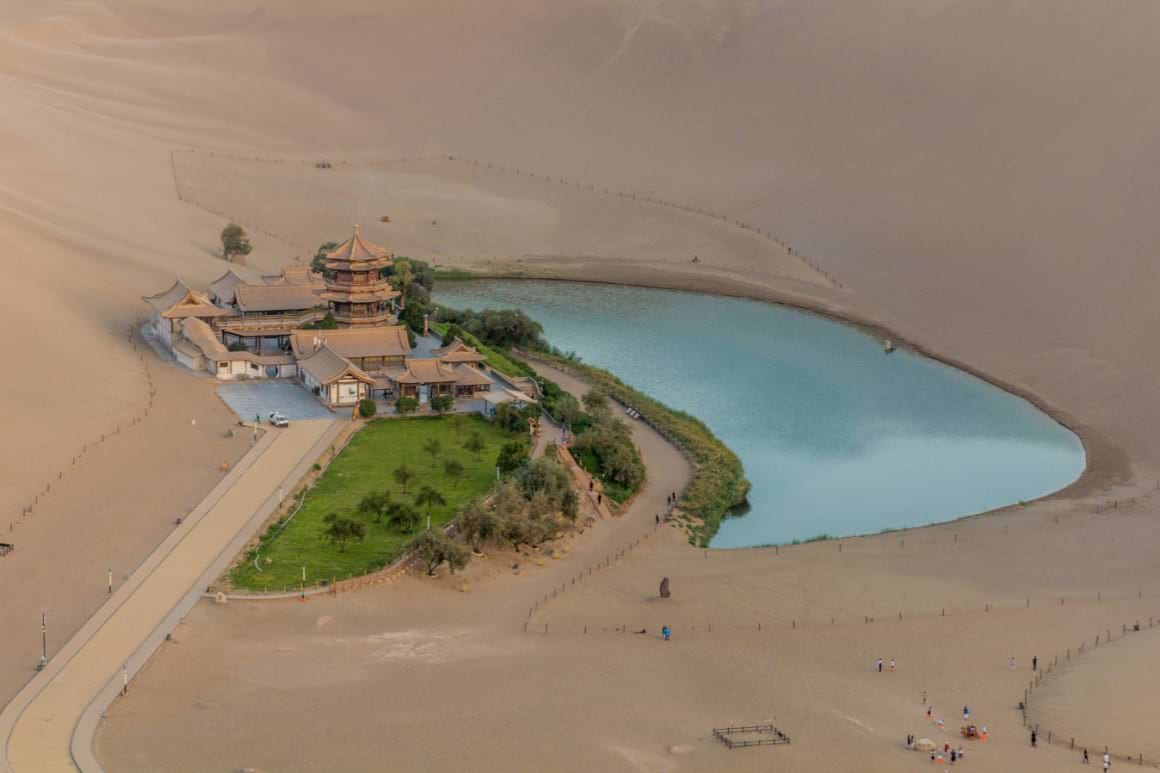
Travel off the beaten path to the oasis town of Dunhuang, located on the ancient Silk Road, which has a long history as a vital trade hub. There is something almost surreal about arriving in this small desert town and realizing the sheer weight of history that has passed through here.
Among many other things, you will have the opportunity to visit the extraordinary Mogao Caves, an intricate Buddhist cave complex housing centuries of religious art, and the Singing Sand Dunes.
You could also experience a camel ride along the picturesque Crescent Moon Spring, which is every bit as photogenic as the pictures suggest.
14. Tibet
- Best for: Spiritual seekers and high-altitude adventurers
- Known for: Potala Palace, Jokhang Temple, Mount Everest Base Camp
- Region: Tibet Autonomous Region, Western China
- Ideal trip style: 5 to 7+ days, usually on an organised permit-based group tour
- Why it stands out: A deeply spiritual, high-altitude landscape with some of the most sacred sites in the Buddhist world

Venture out on a rewarding, spiritual journey to the roof of the world, Tibet. Take it from me, experiencing Tibetan culture and witnessing traditional ceremonies firsthand are truly life-changing experiences.
If you want to save costs on Tibet Travel, try to opt for local guesthouses and group tours. My personal highlights include the ancient city of Lhasa, the iconic Potala Palace, and the incomparable sacred atmosphere of Jokhang Temple.
Keep in mind that independent travel to Tibet requires a special Tibet Travel Permit, which must be arranged through a registered tour agency. Altitude sickness is also a real consideration here, so plan for a couple of acclimatization days in Lhasa before pushing higher.
15. Lijiang
- Best for: Culture seekers, hikers, and photographers
- Known for: UNESCO Old Town, Tiger Leaping Gorge, Jade Dragon Snow Mountain
- Region: Yunnan Province, Southwest China
- Ideal trip style: 3 to 4 days mixing Old Town exploration with gorge trekking
- Why it stands out: Ancient Naxi culture set against some of the most dramatic mountain scenery in the country
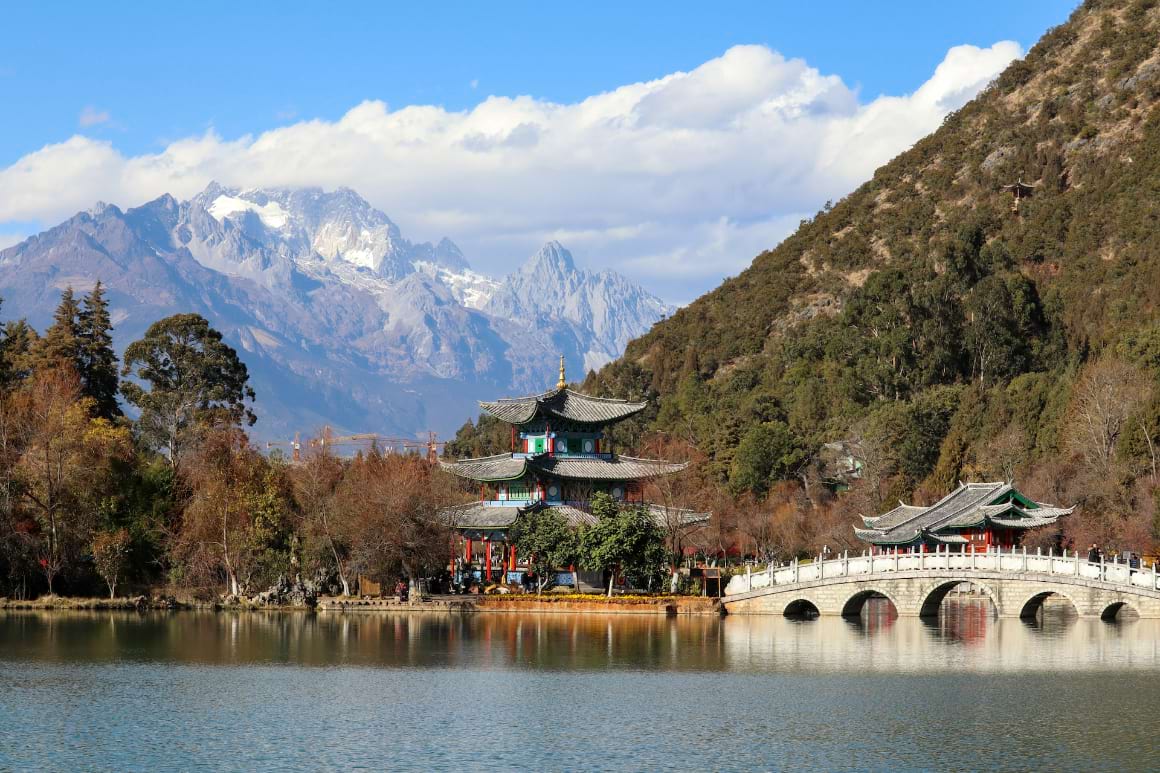
Get to know the ancient streets of Lijiang, a charming city nestled amidst breathtaking mountain vistas in southwestern China.
In my humble opinion, it is a destination that should be on every backpacker’s bucket list, since it offers a glorious blend of awe-inspiring landscapes, culture, and vibrance. As it happens, it is also fairly affordable and a UNESCO World Heritage site.
During my time there, I simply could not get enough of the traditional Naxi architecture and the bustling spryness I experienced as I wandered through the magical streets of its historic Old Town. The dazzling Black Dragon Pool, which is known for its lucid waters and jaw-dropping reflections of the Jade Dragon Snow Mountain, was another undeniable highlight.
If you are yearning for a particularly scenic adventure, you could always indulge in a trek in the world-famous nearby Tiger Leaping Gorge. You will be treated to astounding views of rugged cliffs and cascading waterfalls.
And if it is a cultural activity you are after, you will absolutely love Dongba Culture Museum, where you can learn about the unique customs of the Naxi people.
Travel Insurance is ESSENTIAL
Make sure you have some travel insurance sorted BEFORE you visit China. Most of the best travel insurance companies include China in their policies but always make sure to double-check.
Sort out your insurance before you go. There are several good options, but our overall pick is SafetyWing. Most of the Broke Backpacker team has used it at one point or another, and we’ve filed claims for rabies jabs in Bali, a hospital stay in Mexico, and a clinic visit for a stomach bug that wouldn’t quit. All paid out.
It’s month-to-month, no lock-in, no itinerary required, and you can buy it after you’ve already left. A little over $2 a day if you’re under 40.
New SafetyWing customers: use code BROKEBACKPACKER for 8 free weeks of electronics theft coverage. You have to scroll down and click the pink camera on their landing page to enter it, and you have to do it before creating your account.
Click here to find the ideal policy for you.
So, Where Should You Start in China?
Fifteen destinations across a country this size is a lot to take in. If the list feels overwhelming, that is completely normal. China is not a place you cover in a single trip.
Where you begin depends on what pulls you in. Beijing and Xi’an for imperial history. Yangshuo for jaw-dropping natural scenery. Shanghai and Chongqing for world-class food and electric city energy. Xinjiang if you want something completely off the usual tourist trail.
For first-timers, Shanghai or Beijing tend to be the smoothest entry points. Both have international airports with plenty of direct flights, English signage in the transport systems, and enough to fill several days before you branch out to other regions.
The reality is that whatever you choose, you will leave with a longer wish list than the one you started with. That is just how China works.
It has a way of revealing new layers the further you go. So do not stress about seeing everything. Pick a corner, commit to it, and save the rest for next time.
- Check out the best hostels in Beijing to kickstart your Chinese adventure.
- Know where to stay in Shanghai BEFORE you get there… trust me on this one.
- With the best sim card for China you can stay connected, always.
- Experience the very best China has to offer at one of China’s best festivals.
- Explore some of the best national parks in China to reconnect with nature.
- Let’s get you ready for your next adventure with our backpacking Vietnam guide.