For me, South Africa is this land bursting with colour, contrast, and raw, untamed beauty. It’s tucked away between the Atlantic and the Indian Oceans and crowned with rugged mountains, lush forests, and STUNNING savannas. It’s honestly a place where wild hearts and curious souls come alive at the southern tip of the African continent.
The Rainbow Nation, as it’s aptly named, is home to the mighty “Big 5” but also to ditsy penguins that waddle along the roads in Simonstown. You can go from sipping award-winning wines in the morning to diving with Great White sharks to watching the sun set behind Table Mountain.
This is a country where braais (barbecues) are practically a religion, the music never stops, and every road trip feels like an adventure film. From laid-back surf towns to bustling cities, to windswept coastlines and bushveld safaris. South Africa is truly a land of dizzying contrasts and jaw-dropping experiences.
Consider this your ultimate, sun-drenched guide to the best time to visit South Africa for this year. Whether you’re craving wildlife thrills, scenic chills, or the best damn bunny chow you’ve ever tasted, I’ve got you covered.
So, put your adventurous hat on and let’s get exploring!

Photo: @danielle_wyatt
The Broke Backpacker is supported by you. Clicking through our links may earn us a small affiliate commission, and that's what allows us to keep producing free content 🙂 Learn more.
Best Time to Visit South Africa –September to Novermber and May to early July
Best Time for the Beach – December to March
Cheapest time to visit – May to September
Best Time for Sightseeing – March to May and September to early November
Best Time to Visit Cape Town – December to March
Best Time to Visit Kruger National Park – May to September
- When is the Best Time to Visit South Africa?
- When is the Cheapest Time to Visit South Africa?
- When to Visit South Africa – Weather by Month
- Best Time to Visit South Africa by Place
- Best Time to Visit South Africa for Parties and Festivals
- FAQs About The Best Time To Visit South Africa
- Final Thoughts on The Best Time To Visit South Africa
When is the Best Time to Visit South Africa?
Now, there’s simply no one-size-fits-all answer to the burning question – when is the best time to go to South Africa? Honestly, that’s all part of the magic! As I briefly mentioned, this is a country of wild contrasts.
From sun-drenched coastlines and misty mountains to golden savannas and bustling cities. So, when you go depends entirely on you and what kind of adventure you want from backpacking in South Africa.
If it’s warm, sunny days that you’re after, then shout beach hopping, wine tasting, road tripping, and outdoor exploring, then summer is where it’s at. December to February is peak season, especially in the coastal cities of Cape Town, Durban, and Port Elizabeth.
The days are long and hot, and the energy in the air is electric. Beach parties, outdoor festivals, and laid-back afternoons in the winelands are the name of the game here. Of course, with the buzz comes bigger crowds and higher prices, but if you’re down for the atmosphere, it’s a pretty unbeatable time to visit.
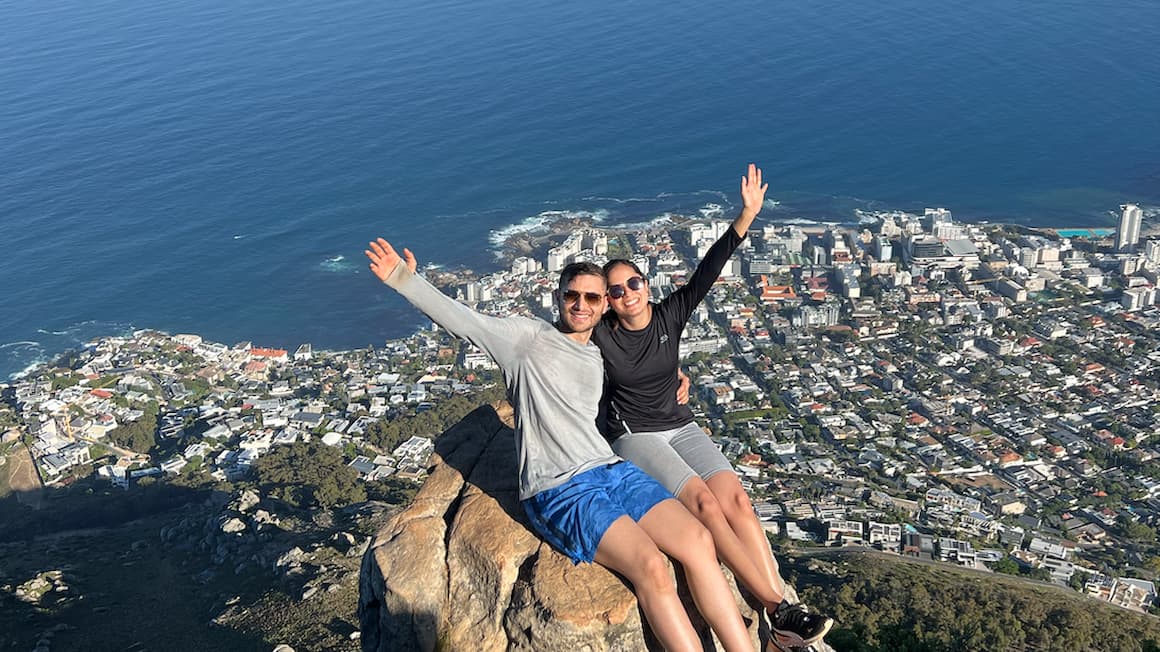
Photo: @rizwaandharsey
On the flip side, winter (June to August) is your go-to for a completely different kind of South African adventure. It’s safari season! The dry weather in the north brings cooler days and clear skies, but more importantly, it makes for easier wildlife spotting in the bushveld. You’ll also find better deals on accommodation, cheaper domestic flights, and a much more laid-back atmosphere.
Just be sure to bring a warm layer or two for those chilly mornings, when you’re packing for South Africa, and you’ll be good to go! For extra savings, you can look out for mid-week specials and off-peak discounts, particularly in safari lodges and guesthouses.
Rocking the Daisies in October is a must for all music fans out there, while the stylish Durban July horse race is iconic. These events offer an unforgettable taste of local culture, creativity, and that unique South African vibe that is hella infectious.
For the festival lovers out there, festivals around the world offer an event calendar packed all year round. From the vibrant Cape Town Minstrel Carnival in January to the massive National Arts Festival in July, and of course, the Hermanus Whale Festival in September. There’s always something happening!
So, when exactly is the best time to visit South Africa? Well, that’s entirely up to you. Whether you’re chasing wildlife in the bush, diving into city life, road tripping the Garden Route, or simply sipping wine in the sun… South Africa’s magic is always in season!
When is the Cheapest Time to Visit South Africa?
The low season in South Africa generally falls during the winter months between June and August. Cooler temperatures and fewer tourists mean a slower, more relaxed vibe to see the most beautiful places to visit in South Africa.
This also happens to be the cheapest time in South Africa, with noticeably lower prices on accommodation, tours, and domestic flights. This is especially prevalent outside the major game reserves and the major school holidays.
Just a heads up though – avoid the local school holidays and major public events. During the July school break and the Durban July horse race weeks, prices can spike, especially along the coast and in popular cities. Crowds increase, availability tightens, and that low-season budget you were aiming for might quickly disappear.
Another common misconception? South Africa is always a cheap destination. While it definitely can be a budget-friendly destination, there can be premium prices in tourist hotspots like Cape Town or safari lodges during peak travel periods. In fact, high-end accommodations and tours can rival European or North American price tags during the summer season or school holidays.
That being said, don’t panic! South Africa can be done on a budget. The secret? Timing is everything! Aim for the shoulder shoulders, between March and May (autumn) and September to early November (spring). You’ll score great weather without the high-season crowds, AND you’ll benefit from lower prices on both accommodation and activities.
You’ll also catch some solid perks during these shoulder periods. Spring is brilliant for wildflower season along the West Coast, while autumn delivers clear skies, perfect hiking weather, and incredible sunsets.
You can also often expect quieter game reserves and uncrowded safari destinations in South Africa – a win-win, I’d say! If you’re you’re lucky and your planning is good too, you might even line things up with late whale-watching season or off-peak safari specials.
The bottom line is that South Africa doesn’t need to be a destination that breaks the bank. You just need to choose your dates smartly, stay flexible, and lean into that low-season travel vibe. That way, you’ll be able to get all the benefits without the premium price tag.
When to Visit South Africa – Weather by Month
Now, figuring out the best time to visit South Africa can be a puzzle, especially since the country has such varied landscapes and regional climates. But don’t worry, I’ve got your back! Below, I’ve compiled a month-by-month breakdown, highlighting the best things to do and what to expect weather-wise.
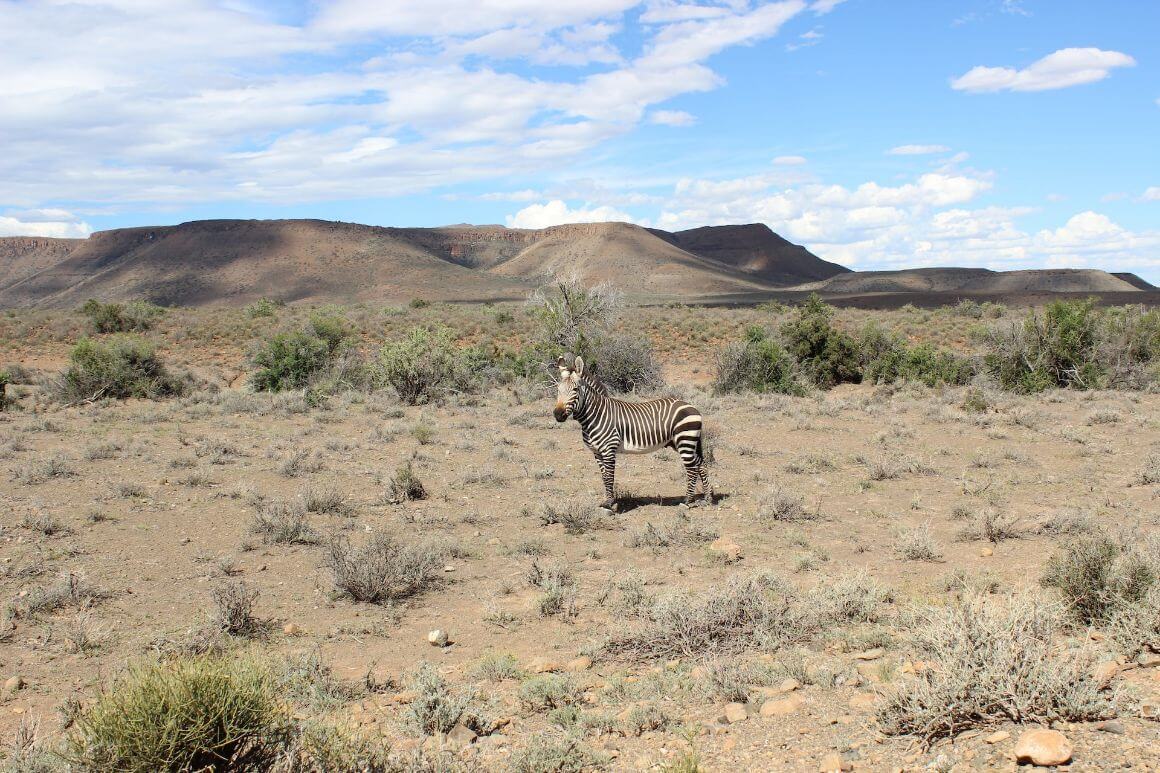
Keep in mind that South Africa is a large country and geographically diverse. You’ve got the tropical beaches of Natal and semi-arid deserts in the Karoo, lush mountains in the Drakensberg and the Mediterranean climate of the Western Cape. So, no matter what you’re into, there’s a place and a month that’s perfect for you.
Let’s dive in and find out what month is best for you and your needs:
January in South Africa
- Average Max. Temperature: 29°C, 84°F
- Rainfall: 9 days
The weather in South Africa in January is typically hot and sunny, especially in the inland and coastal regions. This makes for perfect beach weather and ideal conditions for outdoor activities. It’s the peak of summer, the landscapes are lush and green, particularly in the areas that receive summer rains like Johannesburg and the Kruger National Park.
You can expect some occasional afternoon thunderstorms upcountry, but they bring some much-desired relief from the heat. Overall, you’re in for long, bright days! January coincides with the summer school holidays, so tourism levels are high with both local and international visitors, especially in coastal areas and Cape Town.
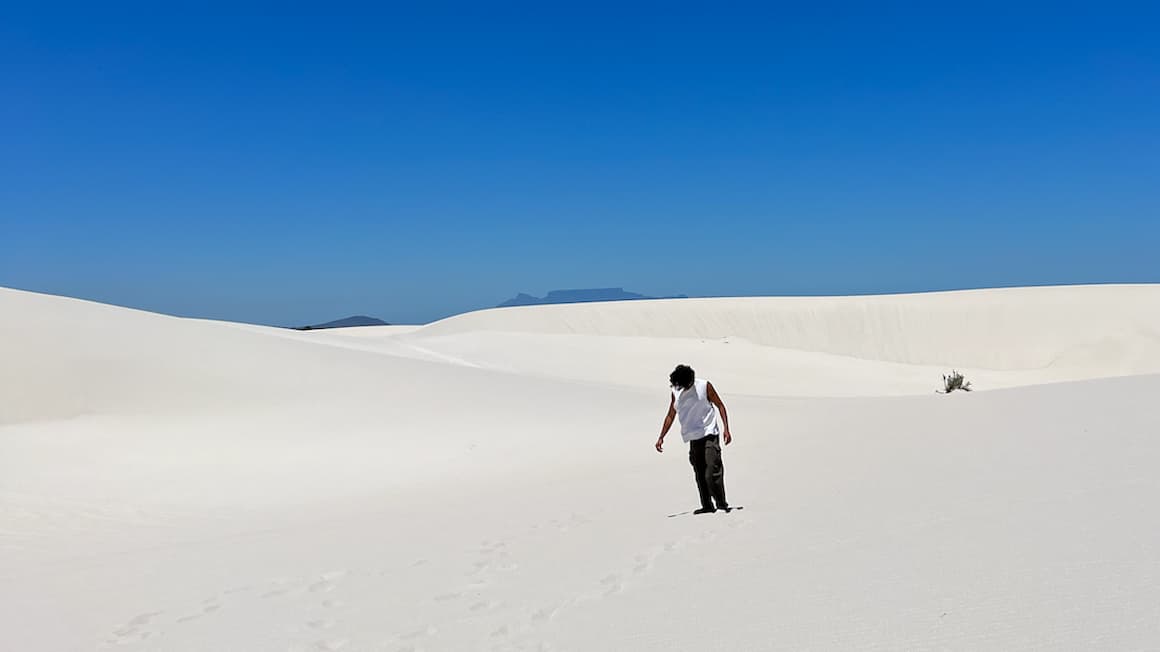
Photo: @rizwaandharsey
February in South Africa
- Average Max. Temperature: 28°C, 82°F
- Rainfall: 7 days
The weather during the month of February remains hot and sunny, with slightly cooler evenings when compared to January. Coastal regions still enjoy warm beach days, while the interior continues to see high temperatures with occasional late-afternoon thunderstorms. This is particularly true in the northeast and central regions of the country.
The vegetation is still lush and green from the summer rains upcountry, and the wildlife viewing is good in game reserves. As animals gather near water sources, the summer holiday crowds begin to thin out a bit, and a lot of tourists head home. This makes February a great month for hiking, wine tasting, and other outdoor activities!
March in South Africa
- Average Max. Temperature: 26°C, 79°F
- Rainfall: 6 days
The weather in South Africa in March is both warm and pleasant, marking the official transition from summer to autumn. Days are mostly sunny with mild evenings, and the rainfall begins to taper off somewhat, especially in the northern and interior regions. The Western Cape, including Cape Town, remains mostly dry, so outdoor activities are the order of the day here!
March is one of the best months for wildlife safaris, hiking the Drakensberg, exploring the Garden Route, and enjoying wine tastings in the Cape Winelands. There are fewer tourists about and the weather is very comfortable, so it’s an excellent time for both relaxing and adventuring across the country.
April in South Africa
- Average Max. Temperature: 24°C, 75°F
- Rainfall: 3 days
During the month of April, you can look forward to mild, dry weather conditions as the country moves deeper into autumn. Daytime temperatures are comfortably warm, while mornings and evenings start to cool down in the highland and interior areas. Rainfall is low in most regions, and the Western Cape still enjoys mostly clear skies before the winter months approach.
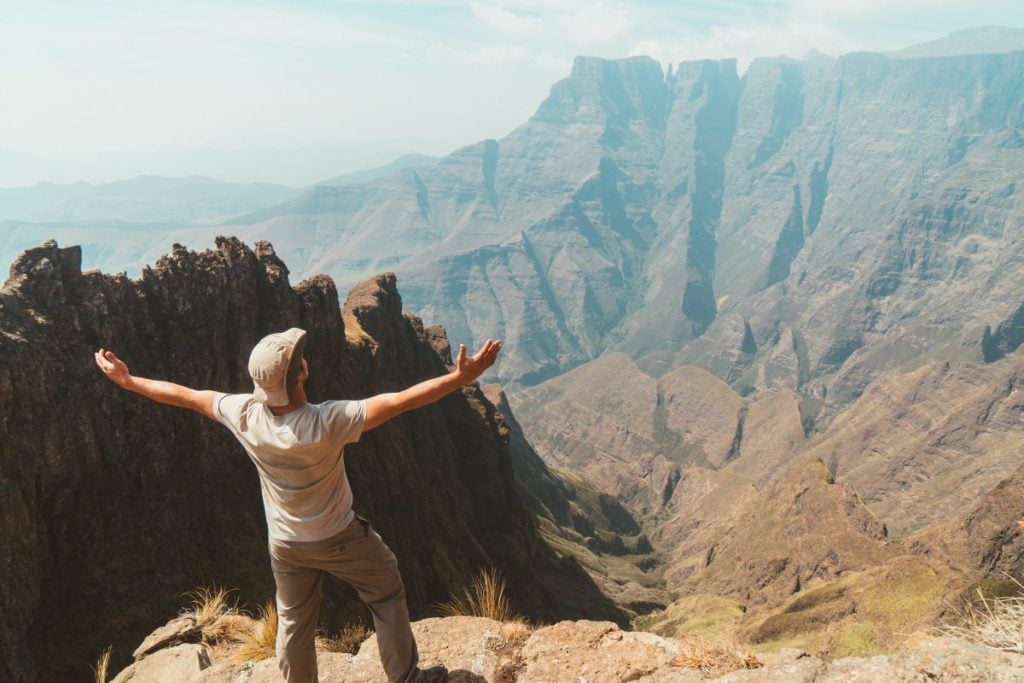
Overall, I’d say that April is a beautiful month for outdoor travel, with changing foliage in wine regions like Stellenbosch and Franschhoek. You can enjoy excellent hiking conditions in places like the Cederberg and the Drakensberg, as well as continued good wildlife sightings in game reserves. April is a quieter travel month in general, with moderate prices and fewer crowds.
May in South Africa
- Average Max. Temperature: 21°C, 70°F
- Rainfall: 3 days
May sees cool and dry weather conditions across most of the country, marking the official start of the winter season in many regions. Days are sunny and crisp, while nights become noticeably colder, especially in the inland regions. Rainfall remains minimal across most of the country, although the Western Cape may begin to see the first signs of its winter rainfall.
It’s also a pretty ideal month for safaris as vegetation begins to thin out and animals become easier to spot around water sources. May can be a rather peaceful time to visit South Africa as tourist levels are quite low and off-peak prices start to come into effect. So, if you’re after peace and quiet as well as good value for money, you might want to consider travelling during May.
June in South Africa
- Average Max. Temperature: 19°C, 66°F
- Rainfall: 3 days
The weather in South Africa in June is cool and dry, as winter begins to set in across the country. Inland areas experience sunny days with crisp, chilly mornings and evenings. The Western Cape, including Cape Town, enters its rainy season, with cooler and wetter conditions present.
Remember, South Africa is a pretty large and geographically vast country with different weather conditions throughout each month of the year. One region might be dry while the other is wet. I’d always recommend doing thorough research before setting off to find the season and region that is best suited to you!
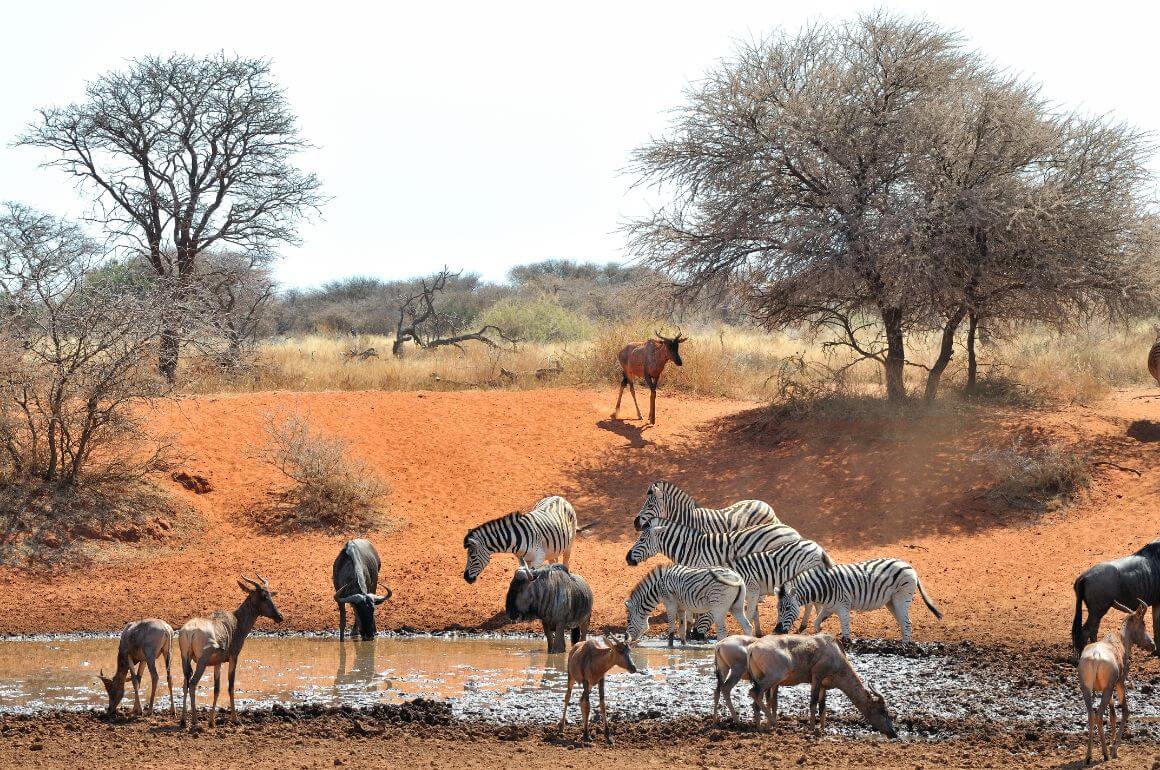
One of the best things to do in South Africa in June is to visit the Kruger National Park. It’s a great time for safaris, thanks to sparse vegetation improving game spotting, plus it’s a quiet travel month with few tourists and off-season prices. While beach days are limited, you might score a couple in the KwaZulu-Natal area thanks to its more tropical climate.
July in South Africa
- Average Max. Temperature: 17°C, 63°F
- Rainfall: 3 days
In July, you can expect cool and dry conditions throughout most of the country, with crisp mornings and sunny days, especially in the interior regions. While the Western Cape sees its highest rainfall of the year, much of the country enjoys clear skies and excellent visibility. This being said, it’s a prime month for safaris and outdoor adventures upcountry, while you might want to plan your Cape Town itinerary.
The Kruger National Park also boasts some of the best wildlife viewing during July, and whale-watching along the southern coast is at its prime too. Visit some of the most famous sites, or enjoy a cosy evening by the fire at a local mountain lodge or wine estate. Winter in South Africa is prime time for sipping on a glass of bold red wine like Cabernet Sauvignon or the uniquely South African Pinotage.
August in South Africa
- Average Max. Temperature: 18°C, 64°F
- Rainfall: 4 days
August still experiences cool weather, but the first signs of spring often begin to emerge, especially in the north and the interior. Inland remains dry, sunny and crisp, while the Western Cape continues to receive some winter rainfall, although it’s usually a bit less than in July.
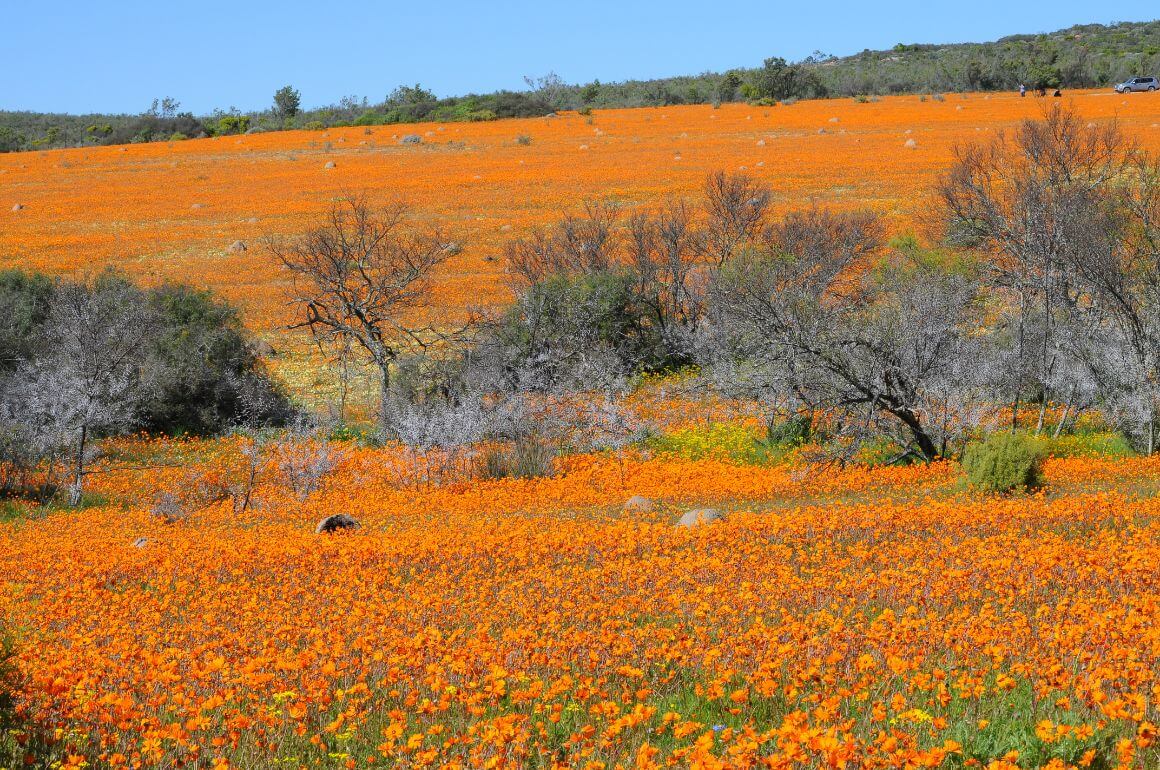
August is also one of the best times to visit South Africa for the spectacular wildflower season in the Northern and Western Cape. Places like the West Coast National Park and the Namaqualand are some of the most famous spots to witness this natural phenomenon.
Safaris and whale-watching also thrive during this time, with tourist numbers remaining low. Overall, it’s a peaceful and scenic time of year to visit South Africa, explore nature, and do some fun outdoor activities.
September in South Africa
- Average Max. Temperature: 21°C, 70°F
- Rainfall: 5 days
The weather in South Africa in September is fresh and mild, marking the official start of spring in the country. Temperatures begin to rise, days grow longer, and rainfall remains low in most regions. The Western Cape starts drying out, while inland areas warm up, so it’s a great time for outdoor travel.
It’s also one of the best for nature lovers, with wildflowers still very much in bloom in the Cape regions. Wildlife viewing is also still peaking in the national parks, and it’s prime whale-watching season along the southern coast. With moderate prices and manageable crowds, September is a fantastic time of year to visit South Africa. For more tips on planning your trip, check out our South Africa travel guide.
October in South Africa
- Average Max. Temperature: 24°C, 75°F
- Rainfall: 6 days
Spring transitions into early summer during the month of October in South Africa, with warm and pleasant weather conditions. Temperatures across the country begin to rise steadily, and while some regions begin to see occasional rainfall, most days remain sunny and clear. You can expect some rainfall in places like the northeast during this time of the year.
Some of the best things to do in South Africa in October include beach trips, safaris, and exploring Cape Town, Durban, and Johannesburg. This is a great time of year before all the holiday crowds arrive, so if you’re not a fan of hordes of people, I’d suggest travelling in October. Landscapes are lush, especially in the Western Cape, thanks to winter rainfall, birdlife is abundant, and road trips are the order of the day.
November in South Africa
- Average Max. Temperature: 26°C, 79°F
- Rainfall: 8 days
November is a generally warm month as the conditions become increasingly summery, with longer days and rising humidity in many regions. Rainfall begins to increase in the northeastern parts of the country, bringing with it refreshing afternoon thundershowers. The Western Cape, on the other hand, remains mostly dry and sunny.
It’s also a great time of year to travel to South Africa before the December holiday rush, which can be quite hectic! The national parks remain lush, making for great safari opportunities, and the coastal town begins to get lively but isn’t crowded just yet.
If you’re into water activities, outdoor activities, wine tasting, and hiking, it’s the perfect time of year for you! Bonus is that prices are still moderate, so it’s the perfect shoulder season for exploring the country.
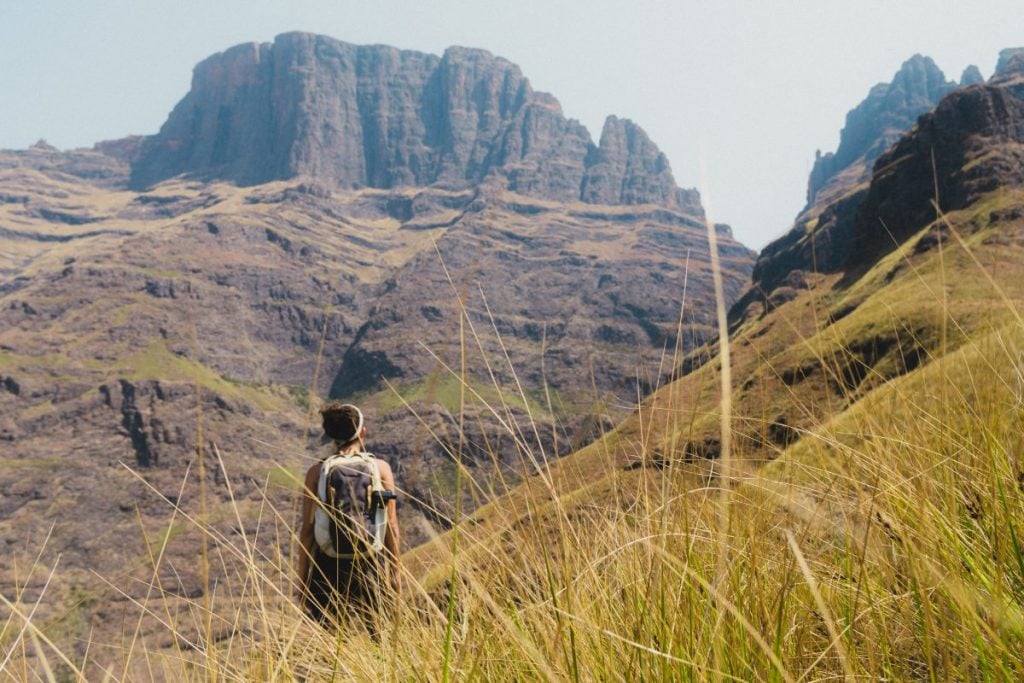
Photo: Rock Slatter
December in South Africa
- Average Max. Temperature: 28°C, 82°F
- Rainfall: 10 days
Finally, we reach the month of December in South Africa, where you can expect hot, summery conditions both in the interior and along the coast. The northeast continues to have afternoon thunderstorms, while the Western Cape remains dry and sunny. This makes for perfect beach days and other outdoor adventures as the vibe is on the rise along with the weather.
It’s also the peak holiday season in South Africa, and with schools out, both local and international visitors begin to fill popular destinations. Expect busy national parks, wine regions, and coastal towns, but they’re also hella lively and festive.
Unfortunately, prices are higher and attractions are busier, but the buzzing atmosphere kinda makes up for it. It’s the sunniest time of year in South Africa and perfect for enjoying beach holidays, festivals, and safaris.
Best Time to Visit South Africa by Place
Right, now let’s take a look at the best time to go to South Africa by place. I’ve picked a few epic spots that I think you’ll enjoy, each with its own attractions and unique selling points. Here they are:
Best Time To Go To Cape Town
Cape Town is one of the world’s most breathtaking cities, period. It’s a place where oceans meet mountains, vineyards spill across valleys, and culture pulses through every neighbourhood.
From hiking Table Mountain to exploring art markets, sipping world-class wines, or relaxing on golden beaches… The Mother City is a vibrant blend of natural beauty, creativity, and rich history.

Photo: Ralph Cope
The best time to visit depends on your travel style. Summer (December to February) offers hot, dry weather perfect for beach days and outdoor festivals, but it’s also the busiest and priciest time. Visiting South Africa in summer means crowded attractions and limited accommodation availability.
Winter (June to August) is the low season, with cooler temperatures and rainfall. While not great for sun-seekers, it’s perfect for quiet museum visits, cosy wine tastings, and whale watching. It’s also the most budget-friendly time to go, and the scenes along Chapman’s Peak Drive are always unreal.
Spring (September to November) sees wildflowers blooming, temperatures rising, and tourist numbers still manageable, making for a lovely time for exploring both city and coast. Autumn (March to May) brings mild temperatures, fewer crowds, and gorgeous vineyard views, ideal for food and wine lovers.
Best Time To Go To the Garden Route
The Garden Route is one of South Africa’s most iconic road trip destinations. It stands as a lush, scenic stretch of coastline that runs from Mossel Bay to Storms River. It’s packed with charming towns, indigenous forests, mountain passes, and pristine beaches.
Whether you’re zip-lining through the treetops, kayaking in a tranquil lagoon, spotting wildlife in a nature reserve, or tasting oysters in Knysna… The Garden Route offers a perfect blend of adventure and relaxation.
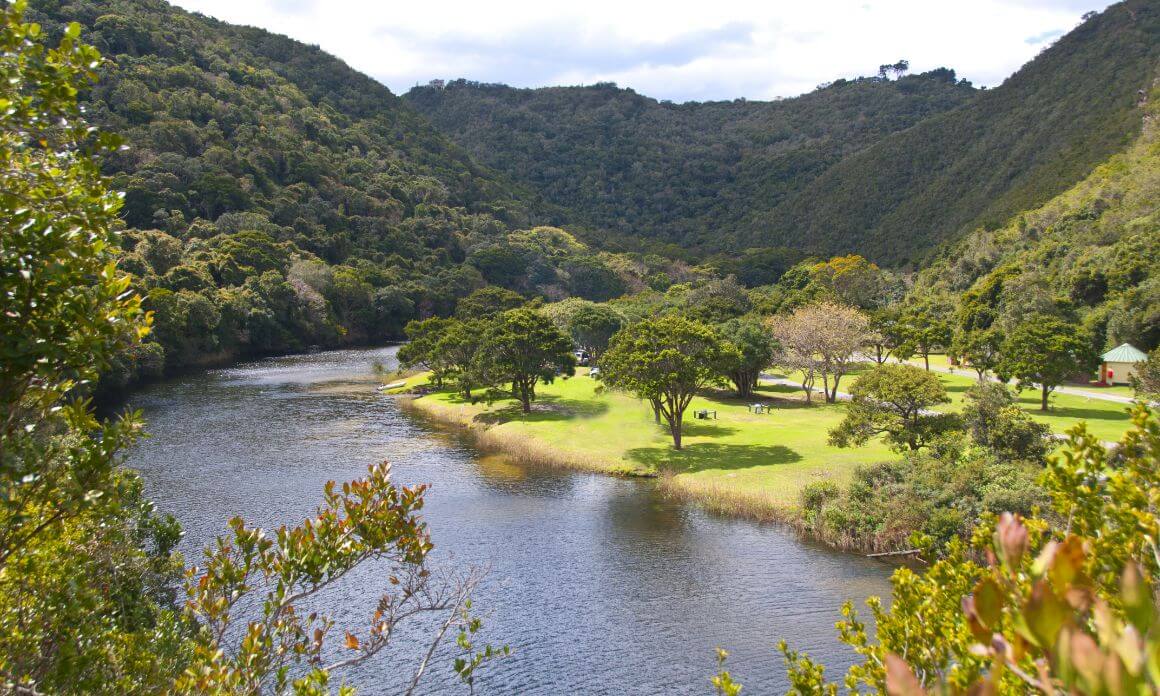
Now, timing your trip depends on what you’re looking for. Summer (December to February) is the peak season, with hot, sunny days and plenty of action. It’s perfect for beach time, family holidays, and festivals. Expect crowds and higher prices, especially in popular towns like Plettenberg Bay and Knysna.
Autumn (March to May) is cooler and quieter, with fewer tourists and stunning landscapes. It’s ideal for hiking, cycling, and wine tasting inland. Winter (June to August) is the low season. It is peaceful and great for whale watching, but you’ll need layers for chilly mornings and possible rain.
Spring (September to November) brings mild weather and a fresh buzz before the holiday rush. It’s a great time to enjoy outdoor adventures without the crowds.
Best Time To Go To the Kruger National Park
The Kruger National Park is one of Africa’s greatest safari destinations. It’s a vast, untamed wilderness home to the “Big 5” and hundreds of other species. It stretches across nearly 20,000 square km in northeastern South Africa and offers incredible game viewing, diverse landscapes, and a wide range of accommodation.
You’ve got luxury lodges all the way to rustic bush camps, and everything in between. Whether you’re on a sunrise game drive, watching elephants at a watering hole, or stargazing by a fire, Kruger delivers unforgettable wildlife encounters. Sun City Resort is a wonderful place to visit year-round to get your animal tourism free safari experience!
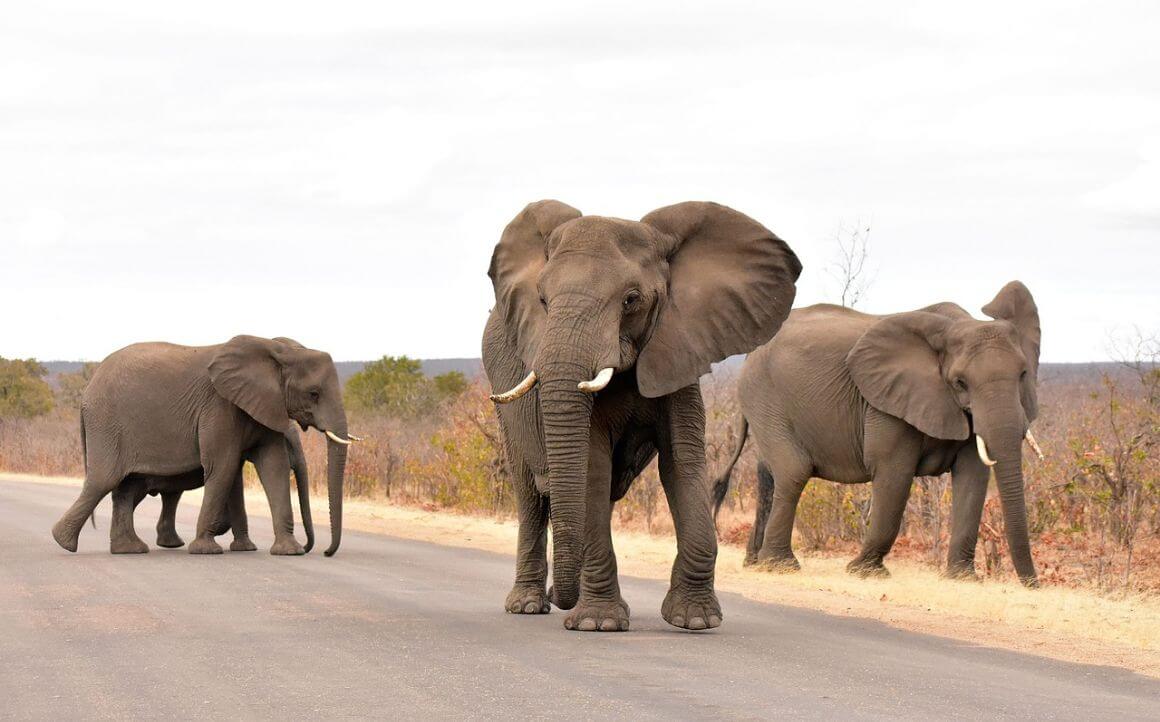
The best time to visit depends on what kind of safari experience you want. Winter (May to August) is the dry season and is widely considered the best for game viewing. Vegetation is sparse, animals gather around water sources, and temperatures are mild, although mornings and evenings can get quite cold.
Summer (November to March) brings lush, green landscapes and the arrival of newborn animals, but also hot, humid weather and afternoon rains. It’s also prime birdwatching season, with migratory species adding colour and sound to the bush. Autumn (April to May) and Spring (September to October) are shoulder seasons and great times for spotting wildlife without the crowds or extreme temperatures.
Best Time to Visit South Africa for Parties and Festivals
Festivals in South Africa are vibrant, diverse, and deeply rooted in community spirit. They also reflect the country’s rich cultural mosaic – a blend of indigenous heritage, global influences, and an unmistakable local flair. Whether you’re into music, food, film, or folklore, there’s a festival or party to suit every kind of traveller.
Let’s take a look at some of the top festivals and parties in South Africa:
Cape Town International Jazz Festival is often held in March or April in Cape Town. Dubbed “Africa’s Grandest Gathering,” this world-renowned event brings together top international and local jazz artists for two nights of unforgettable performances across multiple stages.

Durban International Film Festival is held annually in July. This prestigious festival screens films from around the world, with a strong focus on African cinema. It includes premieres, panel discussions, and industry networking events in the coastal city of Durban.
National Arts Festival in Makhanda (formerly Grahamstown) takes place every June/July in the Eastern Cape. One of the largest arts festivals on the continent, it features theatre, dance, visual art, music, and street performances. It’s truly a creative explosion that takes over the entire town.
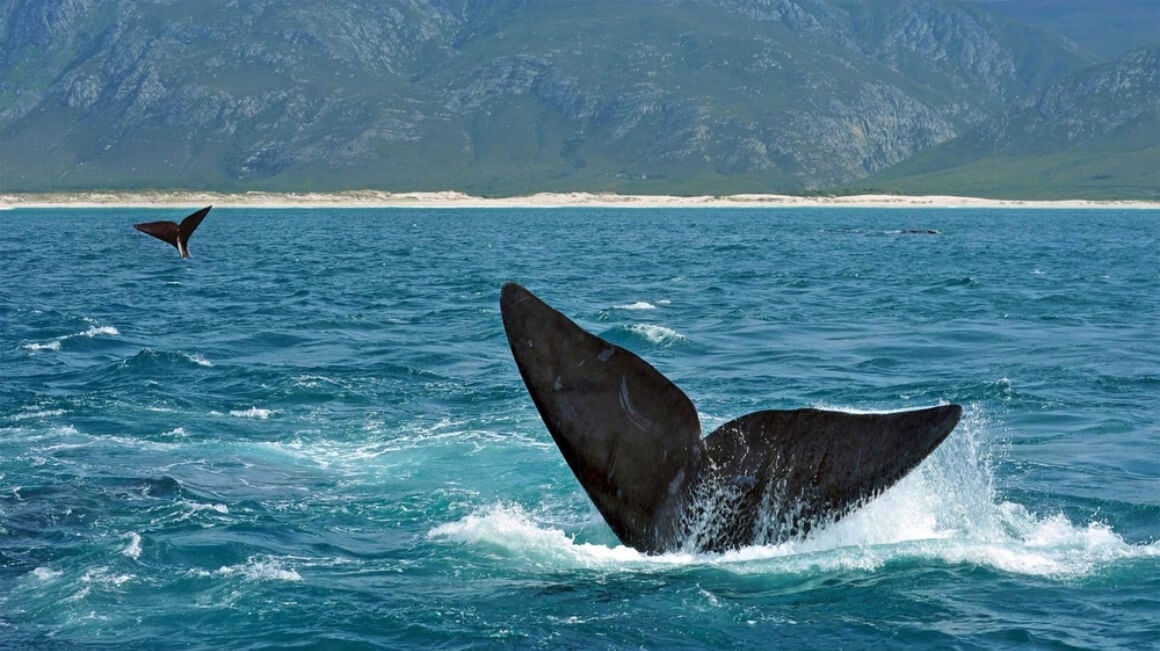
Hermanus Whale Festival takes place in late September in the coastal town of Hermanus. South Africa’s only eco-marine festival celebrates the annual arrival of southern right whales. There are street parades, live music, environmental talks, and whale-watching from the cliffs of Hermanus.
Knysna Oyster Festival is usually in early July and is a favourite for foodies and outdoor lovers alike. It’s a 10-day festival that features oyster tastings, sports events, family activities, and live entertainment along the picturesque Garden Route town of Knysna.
Rocking the Daisies is held every October near Cape Town. It’s one of the country’s biggest music festivals and combines international and local acts across genres like indie, electronic, and hip-hop.
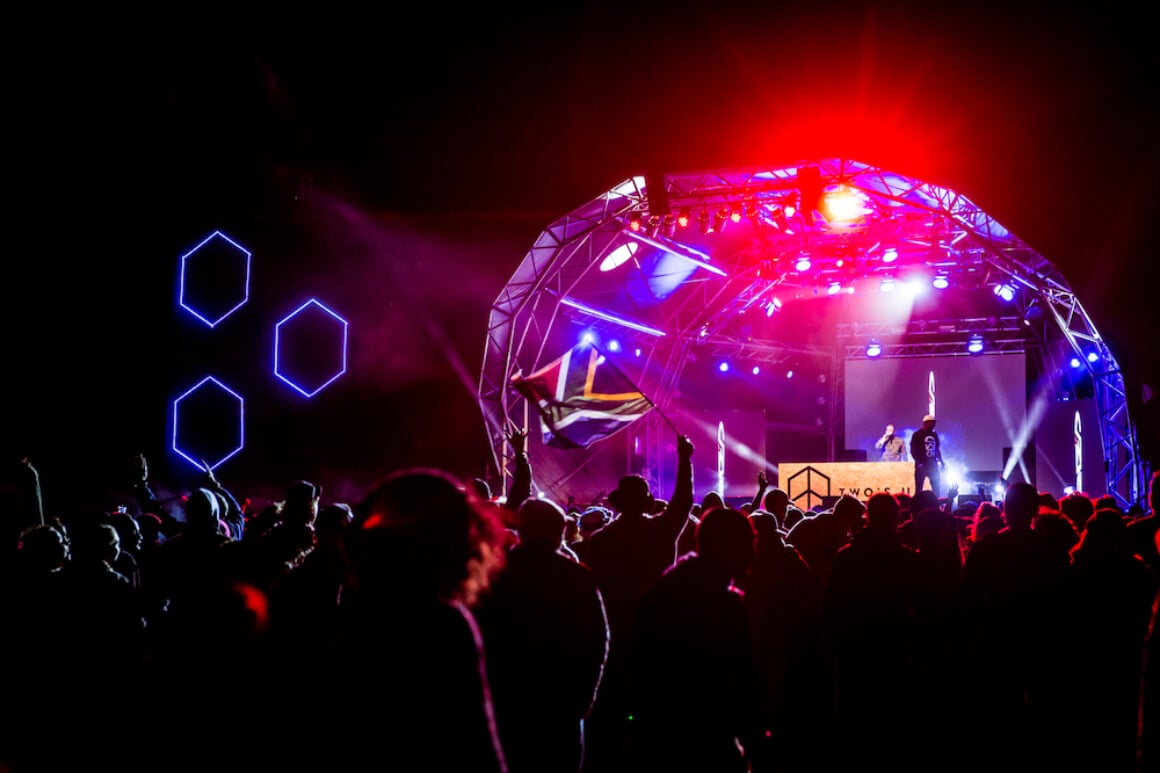
Oppikoppi is a legendary rock and alternative music festival held in Limpopo, usually in August. Known for its wild, dusty energy and passionate fanbase, Oppikoppi offers a raw, no-frills party atmosphere. You’ll find a strong local music lineup and camping under the stars.
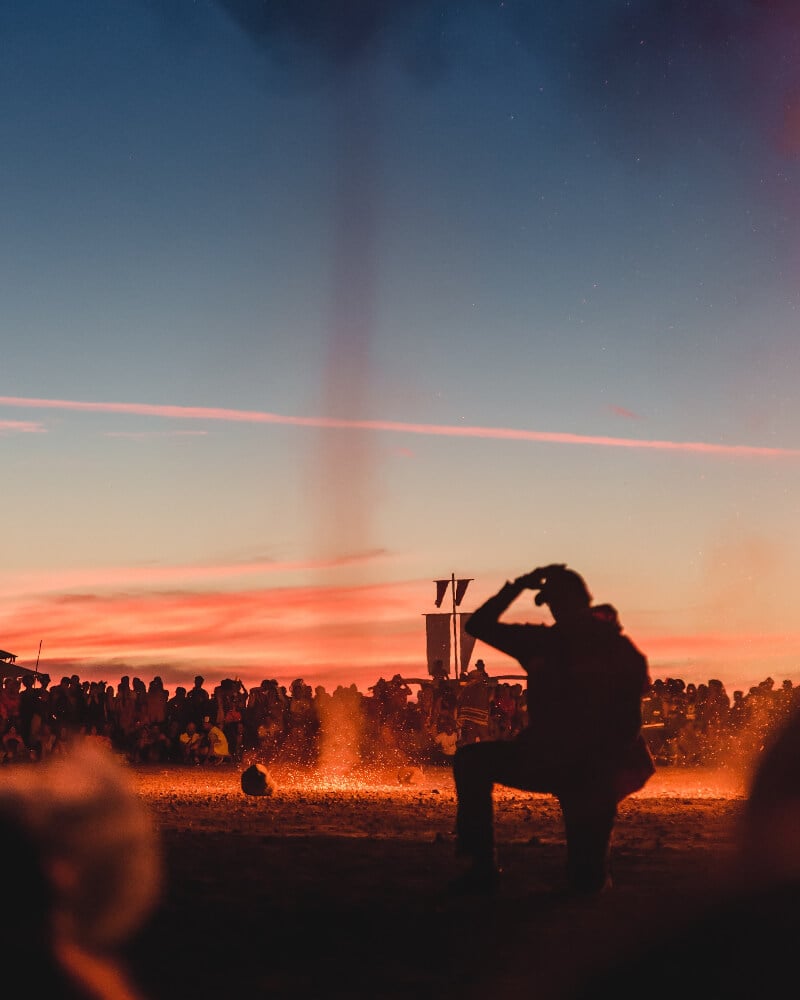
Afrikaburn takes place every year in the Tankwa Karoo, usually in late April. Now, it’s more than just a festival – it’s an immersive, week-long creative gathering inspired by the Burning Man festival in the US. Expect large-scale art installations, performances, music, radical self-expression, and a strong spirit of community in the middle of the desert.
FAQs About The Best Time To Visit South Africa
Here are some of the most commonly asked questions I get when it comes to the best time to visit South Africa:
Don’t Forget Your South Africa Travel Insurance
South Africa is always amazing, so much so that you might not notice dropping your backpack, or any of the other little mishaps that happen. Book the best travel insurance and you won’t need to worry. Get yourself covered BEFORE you go.
Sort out your insurance before you go. There are several good options, but our overall pick is SafetyWing. Most of the Broke Backpacker team has used it at one point or another, and we’ve filed claims for rabies jabs in Bali, a hospital stay in Mexico, and a clinic visit for a stomach bug that wouldn’t quit. All paid out.
It’s month-to-month, no lock-in, no itinerary required, and you can buy it after you’ve already left. A little over $2 a day if you’re under 40.
New SafetyWing customers: use code BROKEBACKPACKER for 8 free weeks of electronics theft coverage. You have to scroll down and click the pink camera on their landing page to enter it, and you have to do it before creating your account.
Final Thoughts on The Best Time To Visit South Africa
Why wait for that “perfect time” when South Africa is always ready to blow your mind? The best time to visit South Africa is right now!
This country doesn’t fit into a box; it bursts out in colour, culture, and adventure. One day, you’re standing still, watching elephants wander through golden grasslands. Next, you’re catching your breath at the edge of the Drakensberg or diving into Cape Town’s creative heartbeat.
Love food? You’ll find flavours that do a little dance on your tongue. Love wine? The vineyards here serve up some of the best vino in the world. Adrenalin junkie? You can hike, surf, zipline, bungee jump, shark cage dive, and sky dive your way through the country. And don’t even get me started on the insane beaches.
South Africa isn’t just a destination for me – it’s a way of life. A feeling that stays with you long after you depart its landscapes. So, whether it’s your first visit or your fifth, one thing is for sure, you’ll never see it all, and maybe that’s the point.
No more “someday” – South Africa is ready for you right now.
Safe travels and go make some epic memories!
Photo: @rizwaandharsey
- Check out our ultimate guide to backpacking around South Africa.
- Check out where to stay in South Africa for some dope accommodation
- This guide to the best safaris in South Africa will also help you plan your itinerary.
- Swing by our super epic backpacking packing list to prep for your trip.