I made the very classic mistake of planning my first Southeast Asia trip (in June 2018) without really understanding the reality of the weather.
The flights were cheap, my itinerary looked perfect, and I assumed “dry season” applied to the whole region. It didn’t. Instead, I spent a good chunk of the trip watching tropical downpours roll in, rearranging island plans, and wondering why every blog seemed to have a different answer about the best time to visit.
That’s when I realised there isn’t one best time to visit Southeast Asia. Thailand, Vietnam, Bali, the Philippines, Malaysia, and Borneo all follow different weather patterns, so the ideal month depends entirely on where you’re going.
In this guide, I’ll break down the best time to visit Southeast Asia month by month, explain where the weather is at its best, where you can save money during the shoulder season, and how to plan a trip that isn’t ruined by rain.
When is the Best Time to Visit Southeast Asia?
November to February is usually the best time to visit MOST of Southeast Asia, though let me be very clear that doesn’t include Indonesia and Malaysia.
From experience, this is the perfect weather window for Thailand, Laos, Cambodia, and much of Vietnam. You’ll typically get cooler temperatures, lower humidity, and significantly less rain. My first visit to Thailand was in June (rainy season). When I came back a few years later in December, it was like exploring the country for the first time. Weather really does matter!
But just keep in mind that Southeast Asia isn’t one destination. If you’re all about beaches, the best time to visit depends entirely on which island you’re visiting.
While Thailand’s Andaman Coast is at its best during the Northern Hemisphere winter, Bali and much of Indonesia are generally best visited from May to October.

Image: Nic Hilditch-Short
The Broke Backpacker is supported by you. Clicking through our links may earn us a small affiliate commission, and that's what allows us to keep producing free content 🙂 Learn more.
The Philippines and Malaysia also have varied regional weather patterns that might surprise you.
If you’re backpacking on a budget, don’t automatically aim for peak dry season, because while it is iconic, things can get really busy.
Shoulder months can be great, but PLEASE do not make the mistake I did and travel to the region in March. I spent that time in Myanmar and have never experienced such unbearable heat.
The key to remember is that the month with the best weather isn’t always the best month to travel. Perfect weather means higher prices if you stick to touristy spots, but is 100% worth planning for if you’re down to get off the beaten path.
| Month range | Best for | Countries or regions to consider | What to watch out for | My honest take |
|---|---|---|---|---|
| November–February | Cooler, drier weather and classic first-time Southeast Asia trips | Thailand, Laos, Cambodia, Vietnam, Myanmar, Philippines; Singapore and Malaysia can also work | Peak season in many places, higher prices and more tourists; Indonesia can be wet | My top pick for a first mainland Southeast Asia trip. If you want to string together several countries or spend a lot of time on the beach, this is the best weather window. |
| March–April | Extremely Hot-weather festivals, and fewer peak-season crowds | Vietnam, Thailand, Laos, Cambodia, Philippines; Indonesia starts getting drier | It gets seriously hot, especially across mainland Southeast Asia; burning season can affect parts of northern Thailand and Laos | Great if you can handle truly extreme heat and sea temps that feel like hot tubs. But worth it specifically for Songkran. |
| May–June | Indonesia, beaches, diving, and greener landscapes | Indonesia, Malaysia, Singapore, Philippines; Vietnam’s central coast can also work | Mainland monsoon is beginning, humidity climbs and rain becomes more frequent | A really underrated window if you’re willing to move away from the classic Thailand–Laos–Cambodia route with lots of rain and clouds. Indonesia is particularly appealing as its dry season gets underway. |
| July–August | Dry-season island adventures and diving | Indonesia, Malaysia, Singapore, Philippines; parts of Thailand such as the Gulf coast | Monsoon rain across much of mainland Southeast Asia; typhoon risk in parts of the Philippines and Vietnam | Don’t write off Southeast Asia in summer but I’d choose Indonesia over forcing a mainland itinerary in peak monsoon. |
| September–October | Shoulder-season travel, fewer crowds, lush scenery | Indonesia, Malaysia, Vietnam, Cambodia, Thailand depending on region | Some of the region’s wettest weather, storms, flooding and transport disruptions are possible | The wildcard months. You can have an amazing trip, but I’d build in flexibility rather than planning every ferry, trek and bus far in advance. |
| Late October–early November | Transition into the drier season, fewer crowds | Thailand, Laos, Cambodia, Vietnam, Myanmar; northern Philippines can also work | Weather can still be unpredictable, and some areas are transitioning out of the monsoon | One of my favorite compromise windows. You can catch the beginning of better mainland weather without crazy crowds. |
First, Understand that Southeast Asia Has More Than One Weather Pattern
Before locking in your travel dates, it’s key to understand that Southeast Asia doesn’t have one climate. The weather changes depending on the country, coast, island, altitude, time of year, and sometimes for no reason at all…
Mainland countries like Thailand, Laos, Cambodia, and Myanmar generally have a cooler dry season, a very, very hot season, and a monsoon season.
Bali and much of Indonesia are different, with the best weather usually happening between May and October. But as a caveat, I spent late December-February in Sulawesi recently, and we had unusually dry and often sunny weather.

Photo: Samantha Shea
Vietnam is so long that the north, centre, and southern bits of the country can all have completely different weather in the same month.
Meanwhile, Malaysia’s west coast, east coast, and Borneo also follow unique rainfall patterns, while the Philippines tends to vary by island and can be affected by typhoons even in the supposed dry season.
The rainy season (as I saw recently) doesn’t always mean tons of rain, but if you plan a trip during it, going in with the right mindset is ideal to avoid disappointment…
I fully expected to have clouds and rain nearly every day of my Sulawesi trip, and was totally shocked when those days actually became a minority over the five weeks we were there.
How to Use This Month-by-Month Guide
So as you can already tell, weather in Southeast Asia is NEVER completely predictable.
Use this as a starting point, but definitely dive deeper too.
Before you book anything, it’s always worth checking the latest weather forecast and ferry schedules at minimum, especially if you’re visiting islands during monsoon season.
Best Months by Travel Style
| Travel style | Best months | Best places to consider | What to avoid | My quick advice |
|---|---|---|---|---|
| First-time backpacking route | November to February | Thailand, Laos, Cambodia, southern Vietnam | March-April heat and peak holiday crowds | If it’s your first trip, you can’t go too wrong with the mainland during these months. |
| Best beach weather | December to April or May – September depending | Southern Thailand, the Philippines, Indonesia (April to October) | Booking beaches without checking local rainy seasons | Always plan around the specific island, not the region as a whole. |
| Cheapest backpacking trip | May, June, September, October | Myanmar, Laos, Vietnam | Major holidays and Christmas/New Year | A little bit of rain is often worth the savings on flights and hostels. |
| Best for temples | November to February | Cambodia, Thailand | March to May, when sightseeing can be exhausting from experience | Cooler mornings make long temple days much more enjoyable. |
| Best for hiking and mountains | November to February, May-September (Indonesia/Malaysia) | Northern Thailand, Northern Laos, Indonesia | Peak rainy season and smoky burning season in some areas | Check local trail conditions before you book, especially after heavy rain. |
| Best for diving and snorkelling | Varies by destination | Koh Tao, Raja Ampat, Komodo, the Philippines | Monsoon months with rough seas and poor visibility | Research the dive season for your exact destination before booking. |
| Best for food and cities | November to February | Bangkok, Kuala Lumpur, Hanoi | March to May, the heat is insane | You can enjoy great food year-round, but cooler weather makes exploring on foot FAR more comfortable. |
Best Time to Visit Southeast Asia by Country
A closer look at the countries you likely have on your list…
Thailand
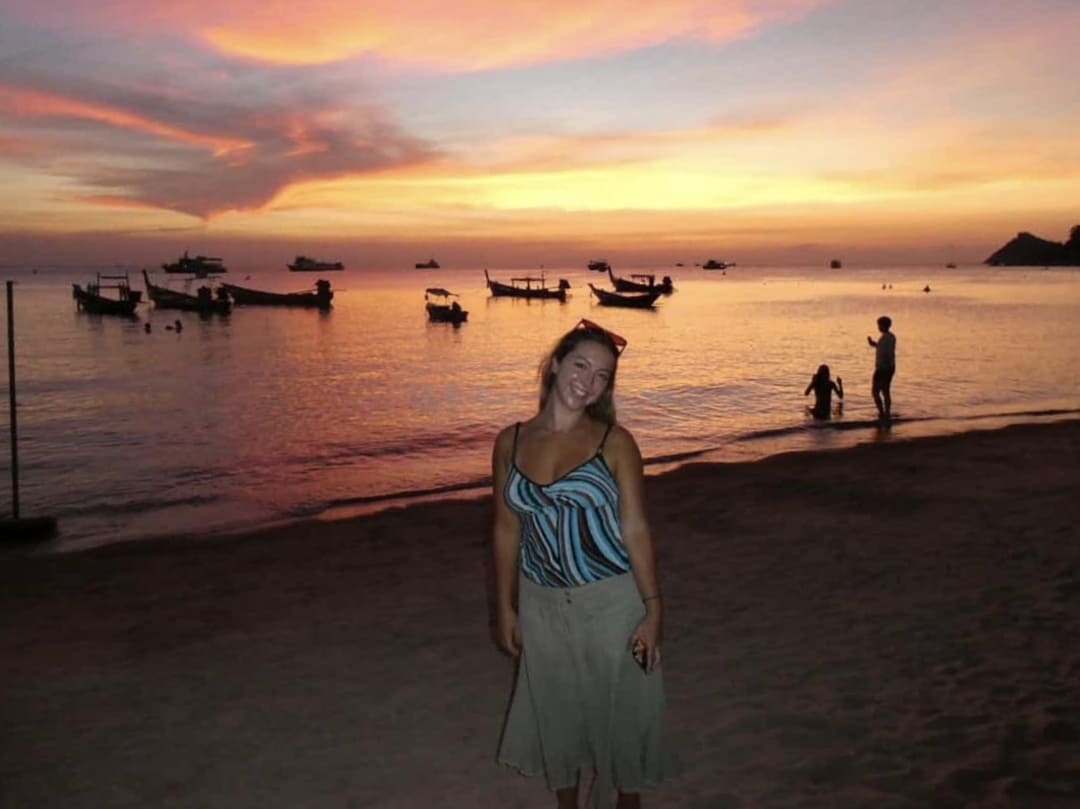
Photo: @taya.travels
- Best months: November to February, though keep in mind the burning season begins in February up north, which is NOT fun for your lungs or exploring!
- Good shoulder months: October and early March
- Months to be careful with: March-April are insanely hot, while May to October brings the rainy season. The Andaman Coast (Phuket, Krabi) and Gulf Coast (Koh Samui, Koh Phangan, Koh Tao) have different monsoon seasons, so always double-check your island.
- Best for: Beaches, temples, street food, backpacking, and island hopping.
- My planning note: If it’s your first Southeast Asia trip, Thailand’s beaches between December and February are legitimately unmatched. Backpacking in Thailand is a truly life-changing experience.
Vietnam
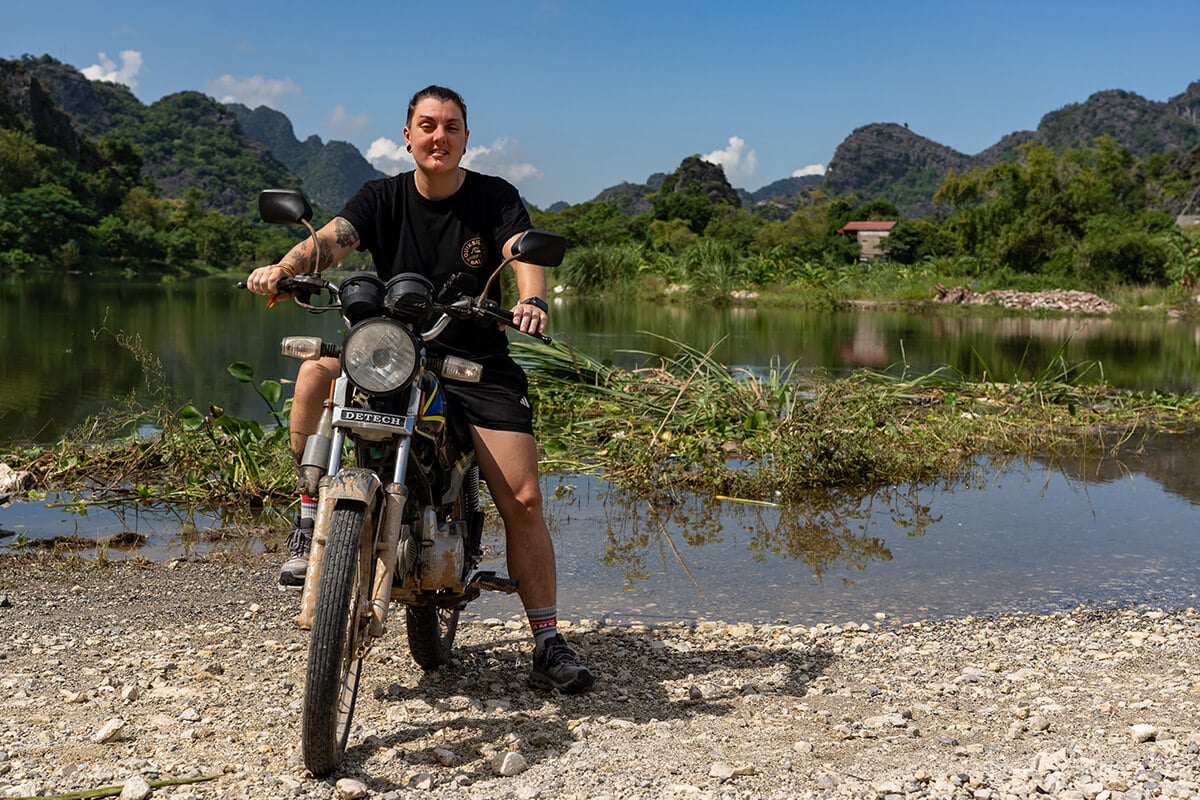
Image: Nic Hilditch-Short
- Best months: Varies heavily by region
- Good shoulder months: March, April, and October
- Months to be careful with: Vietnam’s climates are way too diverse to summarise with one weather chart. Hanoi, Sapa, and Ha Long Bay have different seasons than Hoi An, Da Nang, Hue, Ho Chi Minh City, the Mekong Delta, and Phu Quoc, so do not put off that in-depth research; check each city or region first.
- Best for: Food, culture, motorbike trips, mountains, beaches, and cities.
- My planning note: Plan around the specific regions you’re visiting, not a generic “best time to travel to Vietnam.”
Cambodia

Image: Nic Hilditch-Short
- Best months: November to February
- Good shoulder months: October
- Months to be careful with: Like Thailand, April is brutally hot, while the rainy season (May to October) can ruin island vibes and cause extreme humidity, although it’s when the countryside becomes beautifully green.
- Best for: Angkor Wat, history, temples, and beaches.
- My planning note: My backpacking trip to Cambodia was in July, and Angkor was still absolutely mobbed, and the humidity was almost unbearable. I found a subsequent January trip to be SO much better.
Laos

Image: Nic Hilditch-Short
- Best months: November to February
- Good shoulder months: October
- Months to be careful with: March and April can be smoky in the mountains because of agricultural burning, while the rainy season can slow down river travel and make places like Don Det (my personal fave) too dangerous to swim
- Best for: Slow travel, mountains, waterfalls, and nature.
- My planning note: Laos is at its best when the temperatures are cool enough to actually enjoy being outside, and it’s not constantly raining. My trip was at the end of June – July, and it was rainy or cloudy just about every single day, so not recommended!
Indonesia
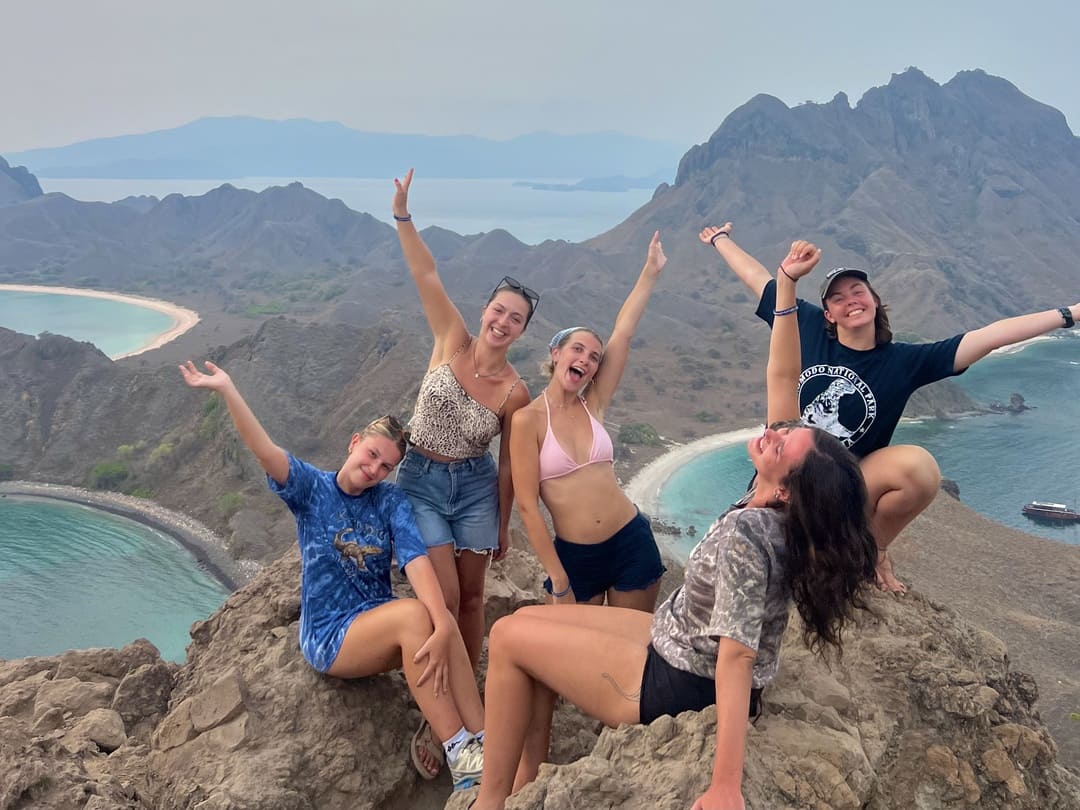
Photo: @taya.travels
- Best months: May to October
- Good shoulder months: November. I personally found March and April to be filled with rain
- Months to be careful with: December to February is the wettest period in many parts of Indonesia, though not in Sulawesi apparently. July and August have fantastic weather but are also the busiest months in Bali. Luckily, there are 17,000+ other islands to check out!
- Best for: Beaches, snorkelling, surfing, diving, volcano hikes, and island hopping.
- My planning note: Don’t assume Bali follows the same seasons as Thailand. It’s quite literally the exact opposite.
Malaysia

Image: Nic Hilditch-Short
- Best months: Vary by region
- Good shoulder months: March, April, and October
- Months to be careful with: The east coast islands are heavily affected by the northeast monsoon, while the west coast and Borneo follow different weather patterns.
- Best for: Food, cities, rainforests, diving, and beaches.
- My planning note: Pick your islands for your Malaysia trip first, then choose your travel dates.
Singapore

Image: Nic Hilditch-Short
- Best months: May-October
- Good shoulder months: November
- Months to be careful with: None, but expect heat, humidity, and the chance of rain at any time.
- Best for: Food, city breaks, and stopovers.
- My planning note: Don’t overthink the weather. Singapore can work better than others since it’s a city-based itinerary.
Philippines

Photo: @taya.travels
- Best months: December to April
- Good shoulder months: November and May
- Months to be careful with: June to October is the wet season, with a higher risk of typhoons depending on the island.
- Best for: Beaches, diving, island hopping, and snorkelling.
- My planning note: Leave a little bit of flexibility in your itinerary when planning your trip to the Philippines. Weather can delay ferries and domestic flights, both of which are expensive and constantly booked up.
Myanmar
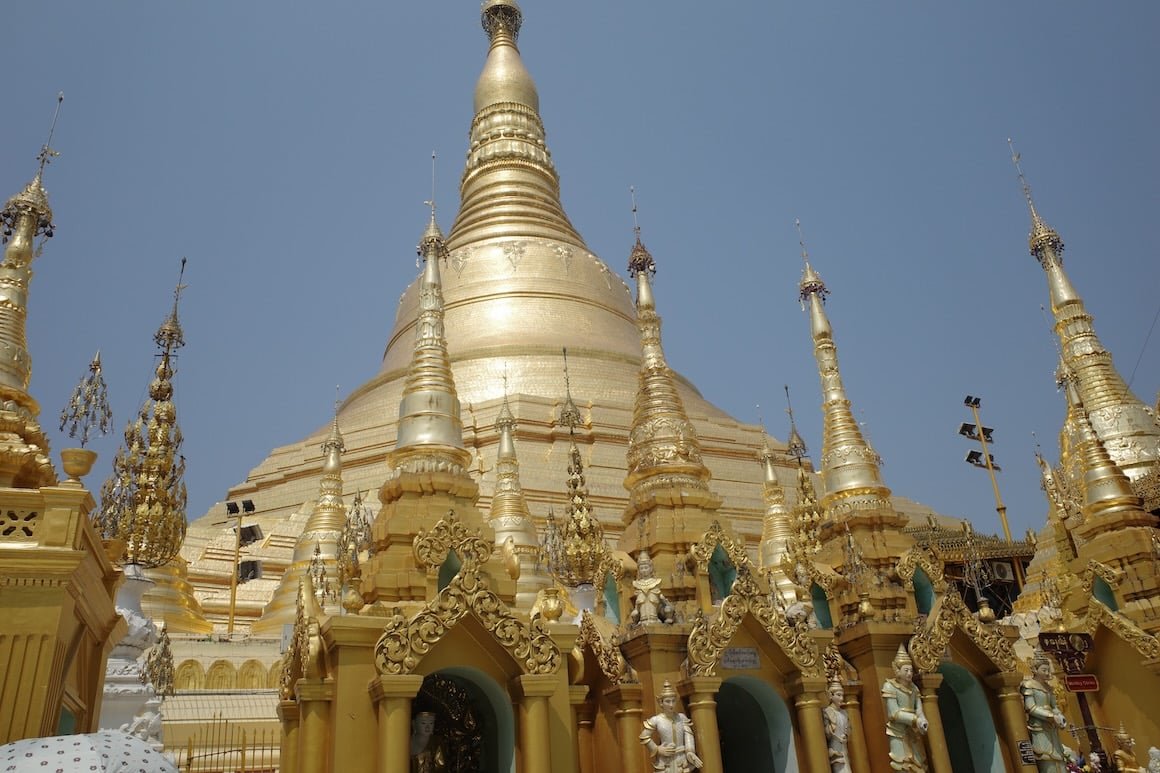
Photo: @audyscala
- Best months: November to February
- Good shoulder months: October
- Months to be careful with: March is extremely hot, like I’m talking 107 F+ and nearly impossible to explore. The rainy season can also make routes more challenging, so avoid May-September too.
- Best for: Temples, history, and immersive cultural travel.
- My planning note: I visited with my husband independently in March 2025 and had a great experience, but do check out the latest travel warnings and updates.
The Best Southeast Asia Routes by Month
A few sample route ideas to get the inspirational ball rolling …
If you’re travelling in January or February
January and February are some of the absolute BEST months to plan a classic Southeast Asia backpacking trip. The weather is generally sunny, not too humid, and dry across much of the mainland, so pretty much anywhere works!
A great first-timer route would be: Bangkok → Chiang Mai → Laos → Siem Reap → Vietnam → Thai islands.
With plenty of temples, incredible street food markets, cities, mountains, beaches, and many cheap hostels, it’s ideal for first-time backpackers.
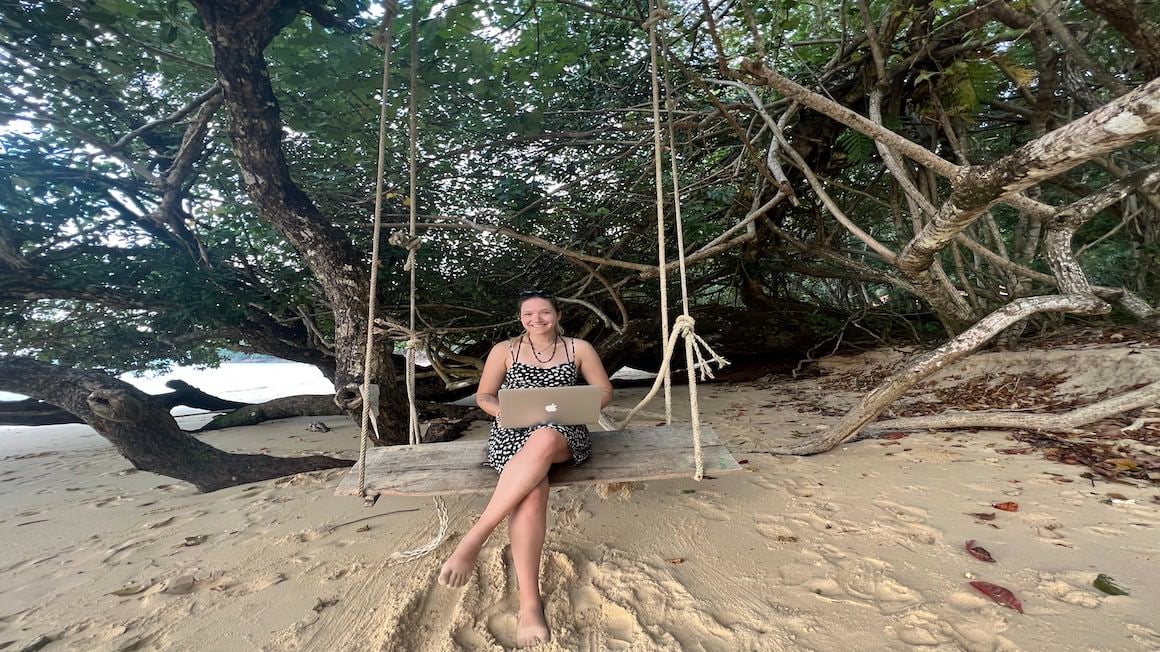
Photo: Samantha Shea
Just keep in mind that January and February ARE peak season, so popular hostels, tours, and transport can be booked up quickly, especially in places without that many options.
Chinese New Year is also a date to be aware of. I totally forgot about it and found every single place (literally) sold out on an island I wanted to spontaneously visit.
My advice: Slow travel and seeing fewer places is so much better than ramming through a bunch of countries. My first SEA trip was super rushed, and I loved the region so much more when I came back and slowed down.
If you’re travelling in March or April
March and April can be brutally hot across mainland Southeast Asia, so this isn’t the time I’d plan a packed walking itinerary. I would know: my partner and I nearly got heat stroke in Myanmar, where it was 107 degrees in the shade.
Aside from legitimately aiming to avoid these months (unless you specifically want to experience Songkran in Thailand), here’s how to make it bearable:
Spend more time on the beaches, start sightseeing early, and save the middle of the day for an air-conditioned cafe or your hotel room/pool.

Photo: @audyscala
You could do Thailand → Vietnam → beaches → Bali/elsewhere in Indonesia, rather than trying to squeeze in six countries in a few weeks.
Though I will warn you, I was in Bali/Lombok/Gili Islands in March/April a few years ago for two whole months and only saw a little bit of sun, yet it was still packed…
- My advice: Give yourself fewer stops, more beach/waterfall/pool days, and flexibility to change plans if need be. But if I’m being honest, this is one of the worst times to visit Southeast Asia, especially if it’s your first trip!
If you’re travelling in May or June
May and June can be great months to travel if you’re willing to trade a little weather certainty for fewer crowds and lower prices.
BUT, as someone who has personal experience in Thailand and Laos in June, you really can’t go in expecting blue skies and crystal-clear water vibes.

Photo: @danielle_wyatt
While it wasn’t CONSTANTLY raining, over the course of the month, I only saw the sun a few times.
I’d lean toward Indonesia, where you’ll be heading into the dry season, or Malaysia’s east coast, which can be a good choice if you’re really craving beaches and islands.
Just be prepared for more humidity and a MUCH higher chance of rain, especially in the evenings and afternoons.
- My advice: Pick a few places with decent weather, leave some space in your itinerary for spontaneity and delays, and enjoy having fewer backpackers around.
If you’re travelling in July or August
July and August are great months for Indonesia, when much of the country is experiencing peak dry season vibes. This is also the best time to explore Malaysia’s islands, or take a city break in Kuala Lumpur or Singapore without feeling like the humidity is a major issue.

Photo: Samantha Shea
The key is understanding that if you want beaches during this period, you’ll be severely disappointed if you head to Thailand, Cambodia, or most of the Philippines. If you have Southeast Asia in mind and this is the only time you can get to it, focus on Indo.
My advice: Forget about the mainland, unless you genuinely want to experience moody, monsoon vibes. I was in Cambodia and Laos for one July, and there was minimal sun but extremely intense humidity.
If you’re travelling in September or October
September and October are fantastic months for a flexible, budget-friendly trip. Yes, you’ll get rain in many places, but prices and crowds are typically pretty low, which means you can adjust your plans easily if a crazy storm rolls in.
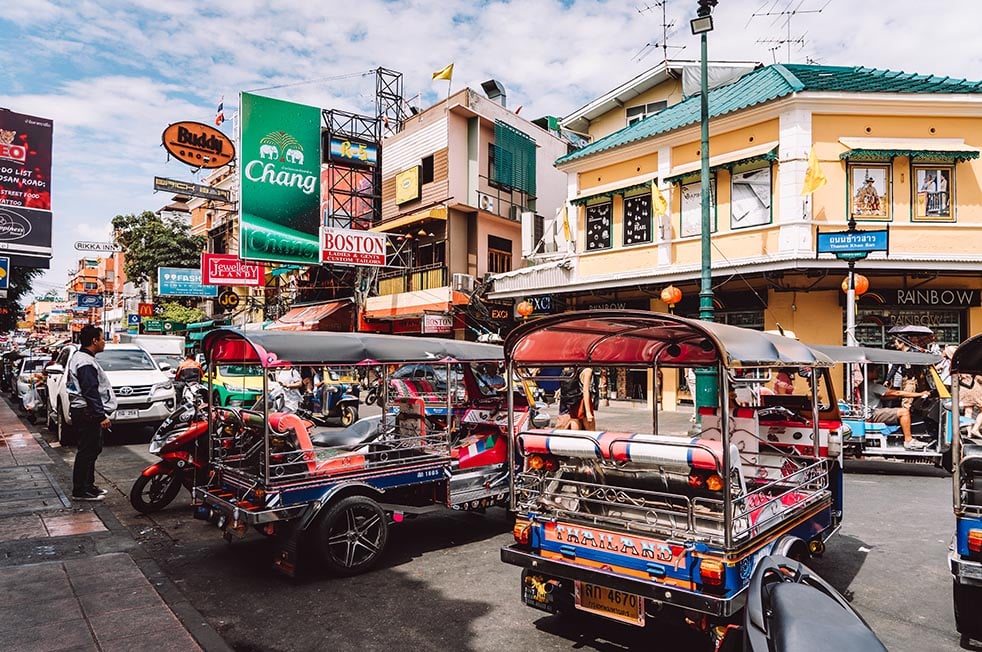
Image: Nic Hilditch-Short
I’d focus on cities, food, culture, and landscapes rather than planning the entire trip around beaches (unless you plan to be in Indonesia, that is). Bali can work well in early September as the dry season winds down, while mainland Southeast Asia generally starts becoming a better choice toward the end of October.
- My advice: If you want better mainland weather, aim for the latter part of October, and if you want to see Indonesia in peak sunshine, try to travel in early September.
If you’re travelling in November or December
This is one of the easiest times to plan a classic first Southeast Asia trip, though November can still see extreme rain or freak storms in the mainland.
But typically, the weather is good enough that Thailand, Cambodia, Laos, and Vietnam are easy to combine into one route. I have experienced rain in Thailand multiple times in the month of December and was low-key surprised, so don’t truly count it out ever.

Photo: @taya.travels
A route like Bangkok → northern Thailand → Laos → Cambodia → Vietnam → Thai islands would be perfect for a mix of cities, temples, food, mountains, and beaches.
The only problem is that EVERYONE else has the same idea. November and December are peak travel months, and Christmas and New Year can get especially busy and expensive. I’ve spent three Christmases/ New Years in Southeast Asia, and I still had a great time by choosing offbeat places to spend the time period and booking transport and accom about a month in advance.
You’ll absolutely want to plan further ahead if you’re travelling to known tourist hot spots.
My advice: If you’re travelling over the holidays, book your key stops early. Otherwise, November is one of my favourite months for a Southeast Asia backpacking trip.
Is the Rainy Season in Southeast Asia Actually That Bad?
Honestly, it really depends on where you go.
I had a pretty miserable experience travelling mainland Southeast Asia during the monsoon in June-July, with constant rain and minimal sun. But I’ve also travelled through remote parts of Sulawesi, Indonesia during its rainy season and had an amazing time with tons of sunshine.
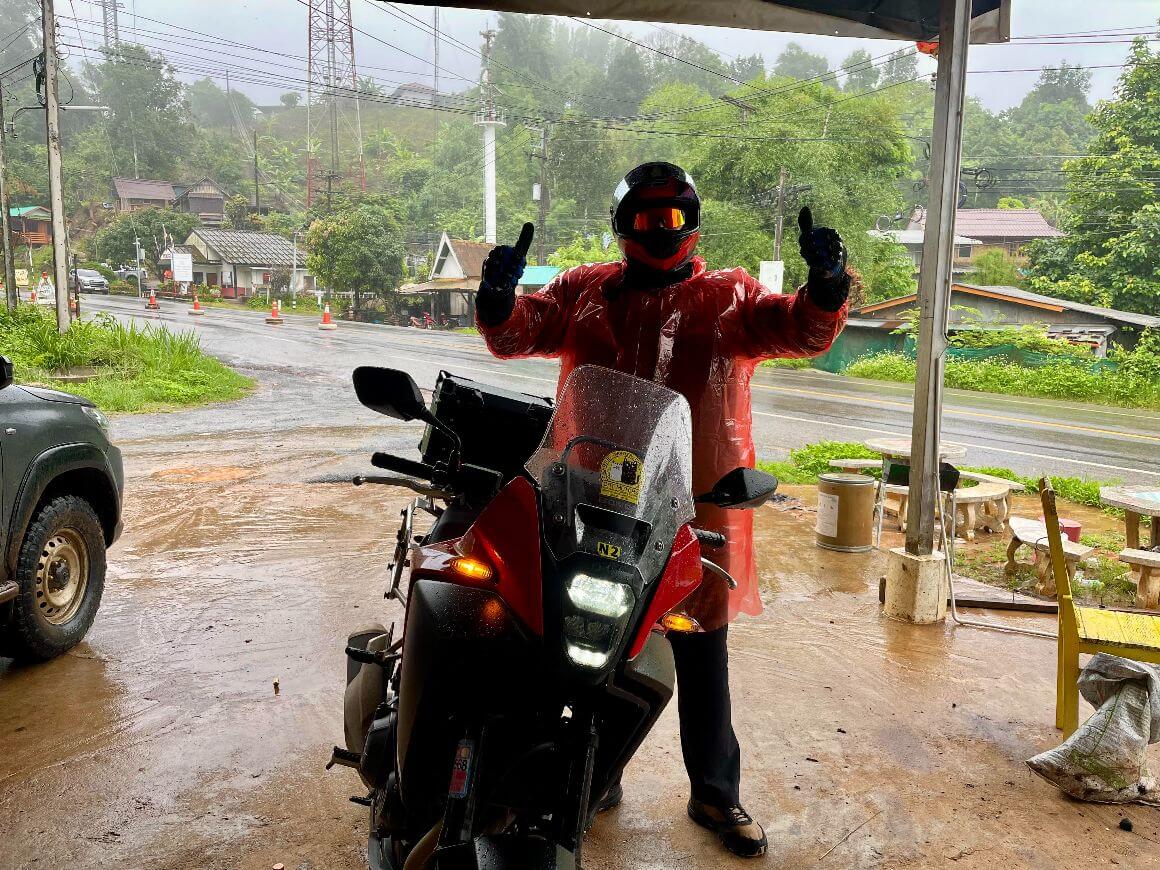
Photo: @harveypike_
Rain can mean short, heavy downpours, greener landscapes, lower prices, and quieter hotspots. But it can also mean cancelled ferries, muddy treks, flooded roads, poor diving visibility, and very grey beach days.
In Siau, Sulawesi, we had to skip a major highlight beach because even though it was sunny, the sea was way too rough to get there, which is a common occurrence throughout the region.
Rainy season is fine if:
- You have plenty of time and can change your plans.
- You care more about food, culture, cities, and landscapes.
- You’re not dying for sunny beach days
Rainy season is risky if:
- You only have two weeks and can’t afford delays.
- Your trip is mainly beaches and island hopping.
- You need ferries to run on schedule.
- You’re planning serious trekking.
- You hate heat and humidity.
My take: Don’t automatically rule out rainy season, but actually look at the specific destination, month, and type of trip you’re planning. My experiences in mainland Southeast Asia and Sulawesi, Indonesia couldn’t have been more different even though both were technically at the start of each respective rainy season. If you do go in the wet season, here’s what to pack for Southeast Asia, rain jacket included
Dry Season Isn’t Perfect Either
To be fair, I LOVE dry season.
When I came back to Thailand after several years in December (my first visit was in June), it was genuinely like visiting an entirely new country.
Picture-perfect beaches, sunny weather, and minimal humidity made it ideal for me. The only downside is that this coincides with Christmas and New Year’s, so many things were fully booked, even on offbeat islands.
Still, because I personally avoided mainstream tourist destinations, I wasn’t too bothered by crowds as the places I chose didn’t have them. But if you’re sticking to a standard itinerary, this could be a HUGE downside.
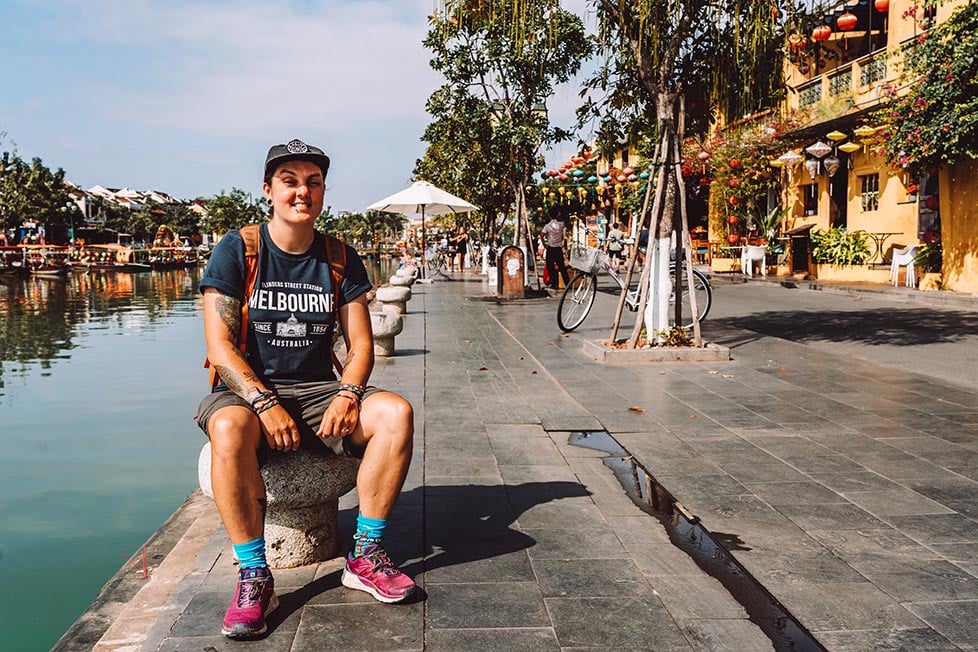
Image: Nic Hilditch-Short
Even with a unique itinerary, I was slightly annoyed that it felt like I couldn’t be my usual Type B traveller self and actually had to book accom in advance. Waterfalls are another thing to be aware of: dry season is amazing for beaches but not them… many are dried up and deff not in their glory.
If you’re travelling on a budget, shoulder season can actually be the better choice, though be exceptionally careful with the period before the monsoon, as it can genuinely be unbearably hot and the sea will feel like a hot tub.
My take: Certain places are legitimately worth travelling to in peak season, but if it’s a popular destination, get off the beaten path or come at a different time instead.
Festivals, Holidays, and Seasonal Events Worth Planning Around
Southeast Asia has some seriously good festivals, and I’d absolutely consider planning a trip around one.
Just know that you’re not going to experience the region as you normally would. Transport gets busy, accommodation prices can go crazy, and some businesses close down. The upside is that you get to see a side of the country you wouldn’t otherwise experience.

A few that are especially worth knowing about:
| Event or period | Usual timing | Where it matters | Why it is worth it | What to book or check early |
|---|---|---|---|---|
| Songkran | April 13–15 | Thailand | Massive water fights, street parties, and one of Thailand’s most ICONIC celebrations. | Hotels, trains, buses, and domestic flights |
| Lunar New Year / Tet | January or February | Vietnam, especially cities and family-run businesses. Many places in Thailand can also be heavily booked out. | One of the biggest cultural celebrations of the year, with decorations, food, and family traditions everywhere. It’s also a major time for Chinese citizens to travel to SEA, so beware. I ended up having to avoid an island I wanted to go to because it was FULLY booked. | Accommodation, flights, trains, buses |
| Khmer New Year | April 14–16 | Cambodia | Water fights, celebrations, temple visits, and a very different atmosphere across the country. | Accommodation and transport, especially around Siem Reap |
| Loy Krathong & Yi Peng | November | Thailand, especially Chiang Mai | Thousands of lanterns, candlelit floats, parades, and one of Thailand’s most memorable festivals. | Chiang Mai accommodation and any ticketed lantern events |
| Christmas & New Years | December 20–January 2 | Thailand, Bali, Philippines, popular islands | Great atmosphere and perfect beach weather in many destinations, but it’s peak season. | Almost everything. Book early. |
| Ramadan & Eid | Changes every year | Malaysia, Indonesia, Brunei | A fascinating time to experience local food and evening celebrations. | Transport (which can be fully booked), and restaurant closures |
| School holidays | Varies | Throughout Southeast Asia | Local destinations can suddenly become much busier, particularly beaches and family-friendly attractions. | Accommodation and domestic transport |
My advice: Festivals are deff worth planning around if you’re happy to sacrifice a bit of convenience for vibes. If you aren’t, check the dates before booking your route. Trust me, you don’t want to arrive somewhere expecting everything to run normally only to discover that half the country is travelling home for a holiday.
What I’d Choose Based on Trip Length
How long you have makes a HUGE difference to how much you should worry about the weather. The shorter your trip, the more important it is to keep your route low-key and choose destinations with a good forecast.

Image: Nic Hilditch-Short
If you have 10 days
Pick one country or one island. Don’t waste half your trip chasing better weather somewhere else. With only 10 days, I’d legitimately recommend the dry season regardless of where you’re going.
If you have 2 weeks
I’d choose one main country plus one nearby add-on, or stick to one tight regional route like Thailand and Cambodia or Cambodia and Laos. With less time to make up for rainy days or transport delays, weather matters a TON.
If you have 1 month
This is where you can start using seasonal logic to your advantage. Travel slow, spend longer in each place, and follow the weather when it makes sense to move. One rainy afternoon doesn’t really matter when you have another three weeks to explore.
If you have 3 months or more
Don’t obsess over finding perfect weather everywhere you go. Follow it loosely instead. Use shoulder months to keep costs down, then gradually move toward countries/regions that are entering their best weather windows.
My advice: The longer you travel, the less you need to plan around weather. Give yourself options and let the season influence your route rather than completely control it.
The Month I’d Tell a Friend to Start their Southeast Asia Trip
If I were planning my first Southeast Asia backpacking trip and could choose any time, I’d go for late December through January and into early February. It might not be the cheapest window, but for me, the combination of good weather and easy travel is more than worth it.
By then, much of mainland Southeast Asia is in its cooler, drier season, which makes long travel days, beach hangs, temple-hopping, hiking, and exploring cities SO much more enjoyable. You can build a classic route through Thailand, Laos, Cambodia, and Vietnam without constantly worrying about rain or extreme heat.

I’ve personally travelled in the Christmas and New Year’s period three years in a row now, and I would do it again. But get the heck away from Krabi, Phuket, and other tourist traps and get off the beaten path!
If I had to pick one month: January. It’s probably the easiest all-around month for a first Southeast Asia trip, especially if you want to combine cities, culture, mountains, and beaches. HOWEVER, if you’re focused on Indonesia or Malaysia, I’d say August. You can get the best out of the southern section of SEA and then move north as the monsoon dissipates.
My Final Advice Before You Book Flights
Don’t overthink the weather, but don’t ignore it either. My first mainland SEA escapade was smack dab in the middle of rainy season, and while I truly had a blast, the weather was legitimately terrible.
But then again, I went to Sulawesi in what was supposed to be a time filled with rain, and we only had a few rainy days in five weeks!
So don’t be afraid of rainy season, but I’d be more concerned about it for a first-time trip than a region repeat. Do understand what it can mean for ferries, trekking, and getting to remote islands and beaches, though.
And whatever you do, don’t underestimate the heat! I didn’t have a drop of rain in Myanmar in March, but we absolutely did have an inferno that made exploring difficult.
If this is your first trip to SEA and you want my honest, easiest answer: November to February is your best bet for a classic mainland route, but if you’re dreaming of Bali or Indonesia, plan for May – October.