Quebec City is one of those destinations that exceeds expectations when it comes to its blend of history, culture, and atmosphere. So much so that even those who spend a short few days in the city are able to get a good sense of its rich offerings.
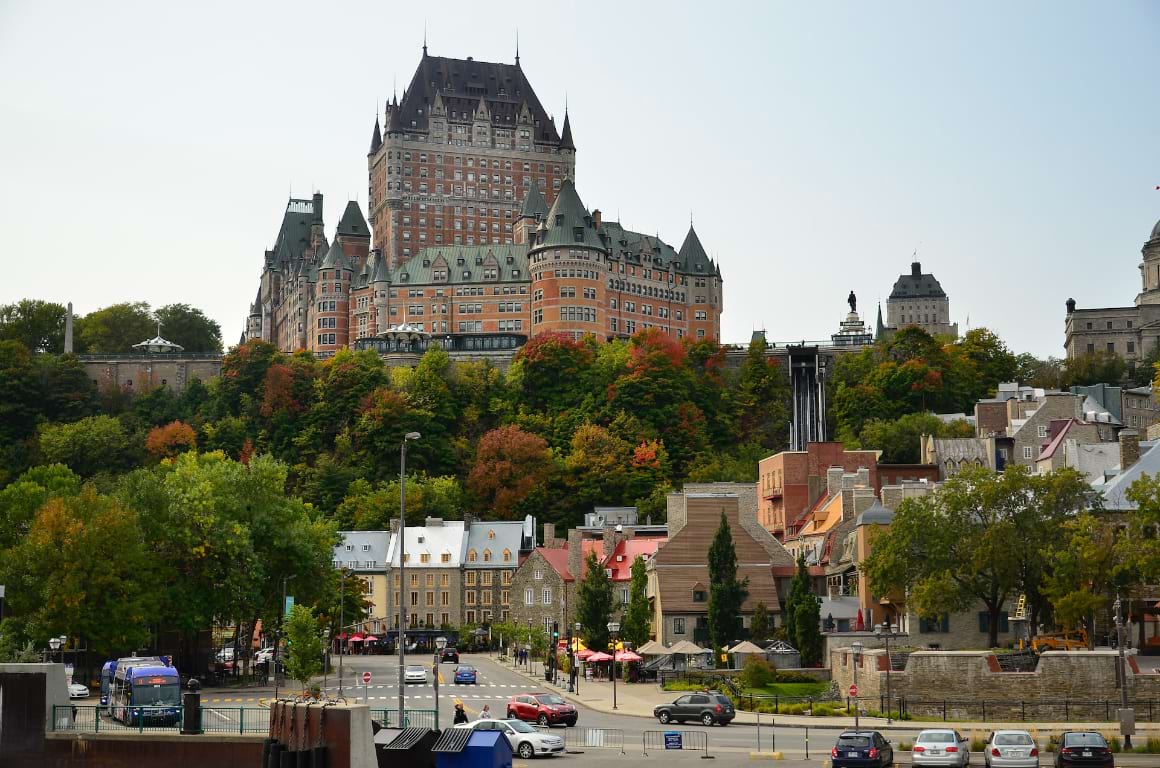
Starting at the fully UNESCO-listed Old Town, with its European-style architecture and real-life castle hotel, this city can feel like it has fallen off the pages of a fairytale.
But it’s also got a vibrant cultural scene shaped by the region’s French heritage, and a mouthwatering French-Canadian food scene to match. And don’t get me started on the landscapes and natural beauty around here.
Quebec City is surrounded by national parks like the Jacques Cartier National Park, Montmorency Falls, ski slopes, and the Laurentian Mountains. Picture a small city set against a backdrop of boreal forests, rushing rivers and waterfalls, and spruce-covered mountains.
But travelling to a city with so much to offer can feel overwhelming, which is where we come in.
In this Quebec City itinerary, you’ll find a clear and structured breakdown of how to spend three days in Quebec City, hitting all the top sights and the best neighbourhoods, accompanied by some practical information to help make the most of your trip.
Even if you just have two days in the city, use this as a guide to figure out which places and attractions you want to see most:
The Broke Backpacker is supported by you. Clicking through our links may earn us a small affiliate commission, and that's what allows us to keep producing free content 🙂 Learn more.
Best Time to Visit Quebec City
This city’s climate varies dramatically with the seasons, which is why it’s tough to recommend one time of year above another when it comes to visiting Quebec on your Canada trip. While winters are long, snowy, and truly freezing cold, often dipping well below freezing, this is also a time of winter charm, festive season lights, and even winter festivals like the Carnaval de Quebec. When your winter lasts this long, you might as well make the most of it, right? And Quebec City has done just that.
Spring starts in May and brings milder temperatures and less snow. Snow starts to melt, which means it can be a bit wet. I’d consider this one of the least touristic seasons, which also means lower prices and fewer crowds. Summer is warm and lively. From June to August, the city comes alive with major events and showcases like the Festival d’ete. It’s one of the most popular times to visit, and therefore, one of the most expensive.
As we cruise into fall, the city becomes a showstopper of fall colours and falling leaves. Leaf peepers travel from far and wide to experience the boreal mountains shedding their leaves, accompanied by comfortable (although fresh) weather. It remains busy (which is why having a good Quebec City itinerary is recommended), but prices start to drop in preparation for winter.
By November, the weather dips low and crowds thin as the snow returns (before it’s thick enough to enjoy). Overall, the climate here totally influences everything you are able to do, from the prices of hotels to the activities on your itinerary. Since we’re heading straight into mid-winter, I’ve added some winter-specific activities and adventures, alongside evergreen activities that can be enjoyed year-round.
| Month | Average Temp | Chance of Rain | Crowds |
|---|---|---|---|
| January | –8 °C / 18 °F (high)18 °C / 0 °F (low) | Low (high snowfall) | Calm (off-season) |
| February | –6 °C / 21 °F (high) –16 °C / 3 °F (low) | Low (high snowfall) | Busy for Carnaval de Quebec City |
| March | 0 °C / 32 °F (high) –9 °C / 16 °F (low) | Moderate (mix of snow and rain | Calm (off season) |
| April | 8 °C / 46 °F (high) –1 °C / 30 °F (low) | Moderate (rain increases, still some snow) | Calm |
| May | 17 °C / 63 °F (high)5 °C / 41 °F (low) | High | Medium |
| June | 22 °C / 72 °F (high)11 °C / 52 °F (low) | High (summer storms) | Medium / Busy |
| July | 25 °C / 77 °F (high)14 °C / 57 °F (low) | High (summer storms | Busy (peak tourist season, festivals) |
| August | 24 °C / 75 °F (high)13 °C / 55 °F (low) | High (humid rain) | Busy (peak tourist season, festivals) |
| September | 18 °C / 64 °F (high)8 °C / 46 °F (low) | High (stormy wet month) | Busy / Medium (cruise ship season) |
| October | 11 °C / 52 °F (high)2 °C / 36 °F (low) | Moderate | Medium |
| November | 3 °C / 37 °F (high)–4 °C / 25 °F (low) | Moderate | Calm / Medium |
| December | –4 °C / 25 °F (high)–13 °C / 9 °F (low) | Low (mostly snow) | Busy / Medium (festive season) |
Where to Stay in Quebec City
Choosing where to stay really depends on what vibe and atmosphere you’re after, how close you want to be to the buzz of the city, and your Quebec City itinerary. Luckily, the city is pretty small, so as long as you’re within its boundaries, you shouldn’t be too far from the action.
Most visitors choose to base themselves around Old Quebec (also known as Vieux-Quebec), which is the historic heart of the city and a UNESCO World Heritage Site. This area is divided into Upper Town, home to the iconic Chateau Frontenac, the Citadel, and the Dufferin Terrace, and Lower Town, where you’ll find the famous Petit Champlain district with its French-style cobblestone streets. Staying in the lower section is my preference, since it puts you within walking distance of most sights.
Saint-Jean-Baptiste offers a more local vibe with some chilled-out cafes, busy streets, and slightly lower accommodation prices, since it’s outside of the historic centre. If you prefer even more peace and quiet, fringe neighbourhoods like Montcalm (ironically named, I know) have a more residential vibe. Even though the city is small, Quebec City’s neighbourhoods are distinct, and each has its own character and reasons to stay there.
Here are three accommodation options to suit different budgets:
Auberge du Trésor | Best Budget Hotel in Quebec City
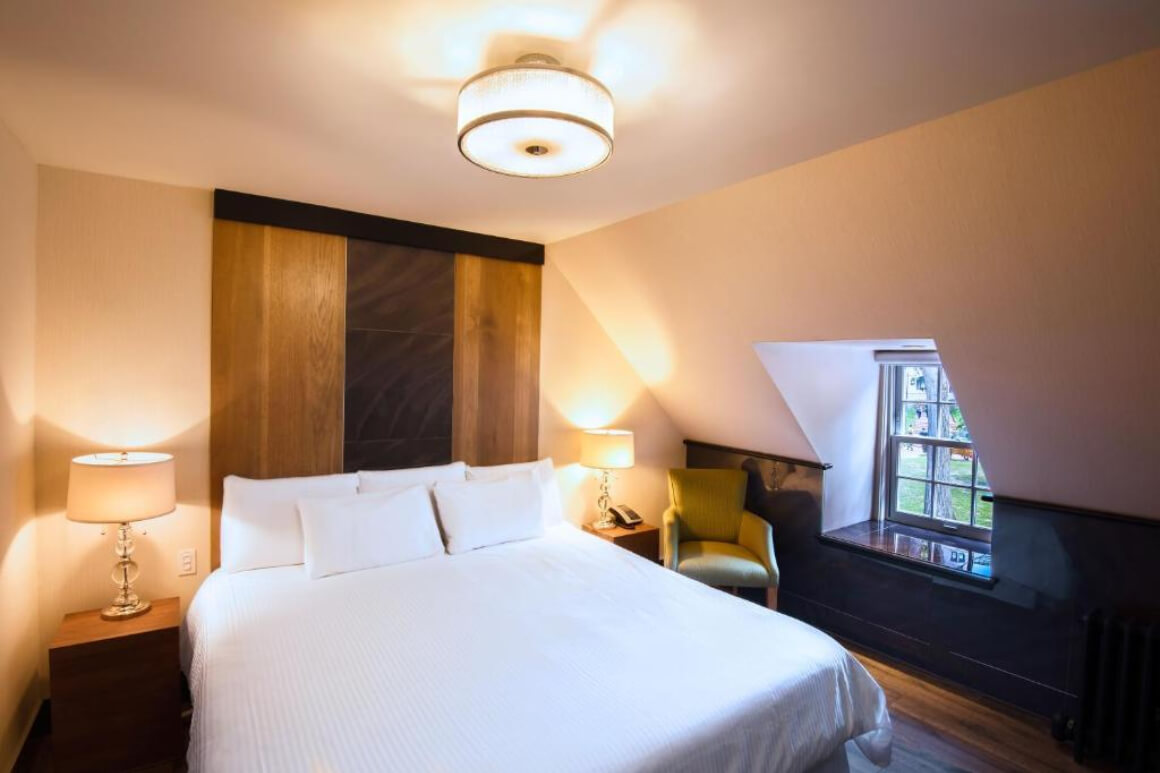
If you want to keep costs low during your three days in Quebec City but don’t want to share facilities with others, Auberge du Tresor is a fabulous boutique hotel with oversized suites and an on-site bar and restaurant. It’s also located right in the middle of the Old Town, which makes it easy to stroll around on foot and find nearby restaurants and eateries.
Fairmont Chateau Frontenac | Best Luxury Hotel in Quebec City
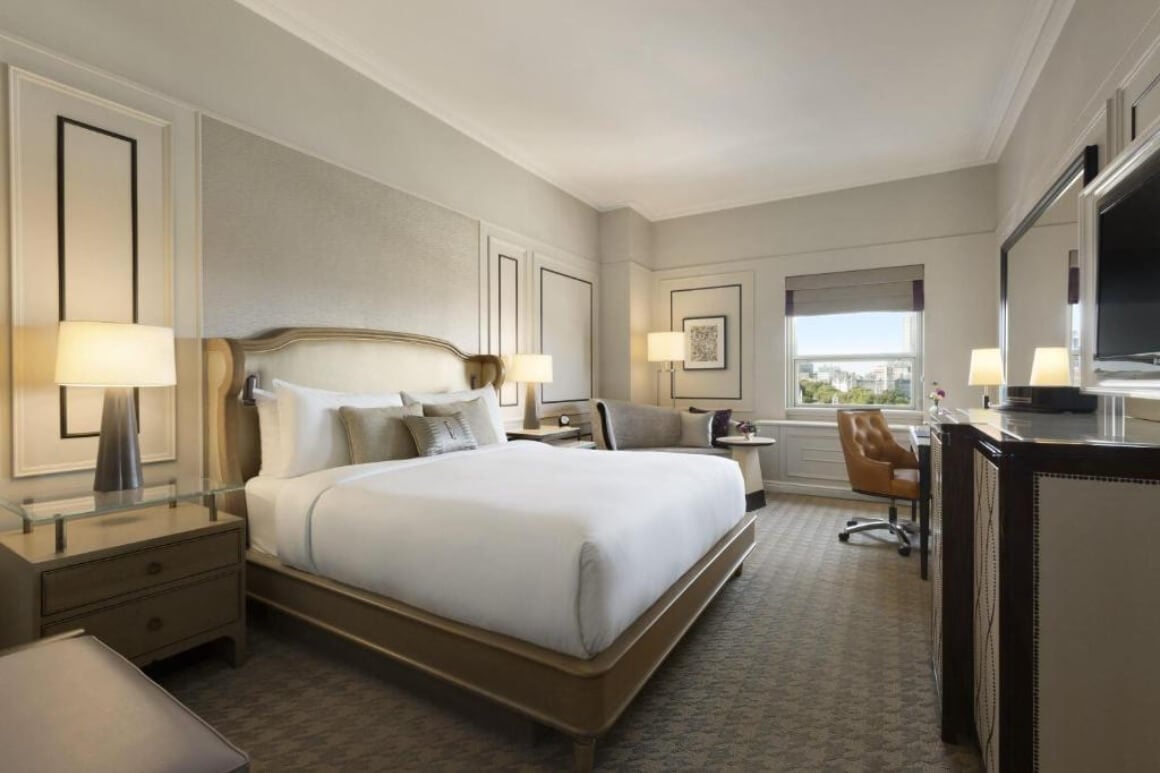
It goes without saying that the Fairmont Chateau Frontenac is the most famous luxury hotel in the city. Staying here puts you right in the heart of Quebec City’s history. The property itself is magnificent (not to mention the views across the city and river), but every room, facility, and corner of the hotel has been designed to impress. Beyond the impeccable suites, it’s got a spa and wellness centre, an indoor pool ideal for winter days, a fitness centre, business facilities, child facilities, and three incredibly high-standard restaurants.
HI-Quebec City- Auberge Internationale de Quebec City | Best Hostel in Quebec City
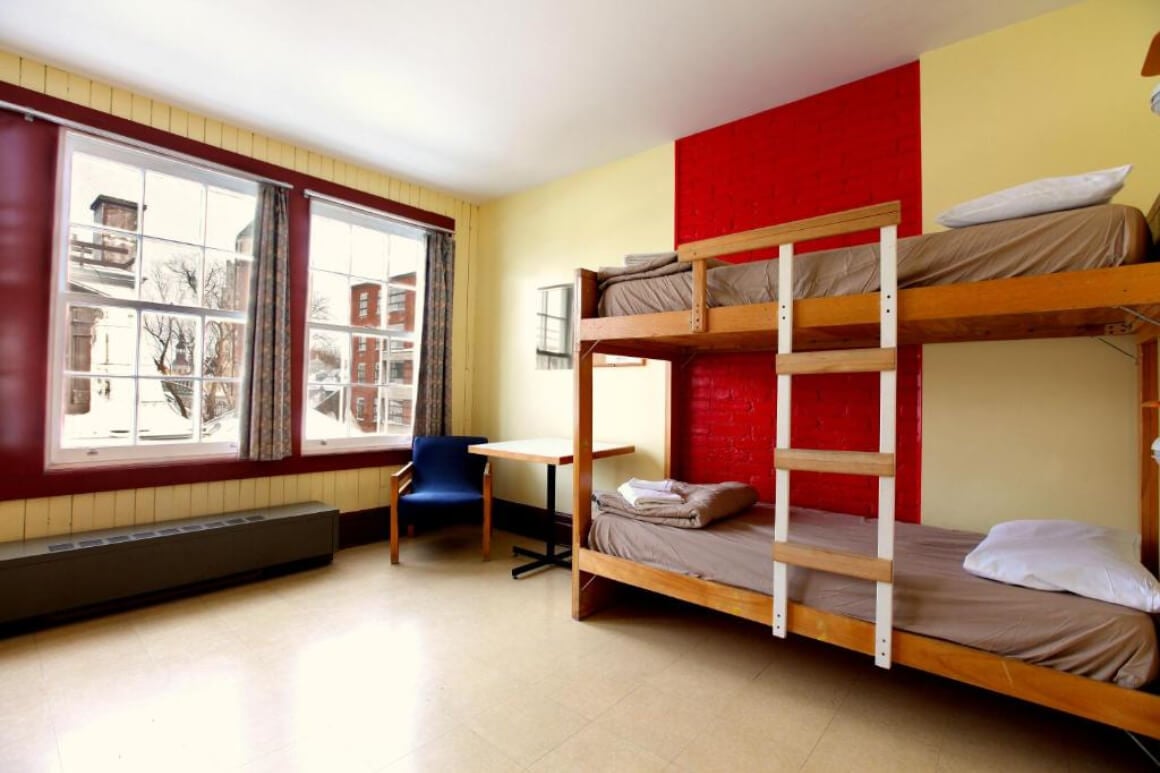
For those on a tight budget, HI Quebec City is an affordable hostel with private suites and dorm options that make it easy to socialise and meet new friends. With four stars, it’s clean, comfortable, and located right in the centre of Old Quebec, walking distance from Chateau Frontenac. It’s also the largest hostel in Canada, which means it operates more like a hotel, with efficient services and staff.
Quebec City Itinerary
The best way to explore Quebec City is on foot. Convenient, since my favourite thing to do in a new city is get lost while walking in and out of every interesting cafe and shop I see. Luckily, getting around Quebec City is surprisingly straightforward since it’s so small, especially once you’re in Old Quebec. Travelling between Upper Town and Lower Town is made easy with a funicular, which doubles as a fun and unique transport experience in the city. Most of the major attractions are clustered around Old Quebec. Take care when walking around, since petty theft is always a possibility in busy centres and around the tourist areas.
To explore the surrounding national parks or outlying neighbourhoods in your Quebec City itinerary that aren’t as easy to walk to from the Old Town, the city has an efficient public transport system operated by the Réseau de Transport de la Capitale (RTC). Buses are frequent, clean, and well-connected to key areas like Saint-Roch, Montcalm and Saint-Foy. Taxis and Ubers are also easy to hail, although I wouldn’t say they’re too necessary unless you’re travelling at night or don’t want to walk at all. To call a cab, download the local Coop app, an online taxi booking system that works surprisingly well.
Renting a car is only really recommended if you’re visiting the city as part of a road trip. But once in the city, there’s no need to have a car, and you’ll likely only use it when exploring the national parks in the area. Parking is limited and often expensive, so make sure you pick accommodation with free parking if this is the case. During summer months, you can rent an aVelo e-bike and explore the city on two wheels.
Side note: If you’re in a wheelchair or have difficulty walking, getting around Old Quebec can be a bit trickier. Ramps are scarce, and streets are uneven.
Day 1 Itinerary in Quebec City
Place Dufferin at Fairmont Le Chateau Frontenac | Old Quebec funicular | Place Royale and Rue du Petit-Champlain | Old Port | Le Cafe du Monde for Lunch | Musee de la Civilisation | Citadel of Quebec and Plains of Abraham | Grand Allee for Dinner
- Experience Upper and Lower Old Town Quebec and all of the UNESCO World Heritage Site attractions within it.
Day 1/ Stop 1 – Breakfast at the Place Dufferin at the Fairmont Le Chateau Frontenac
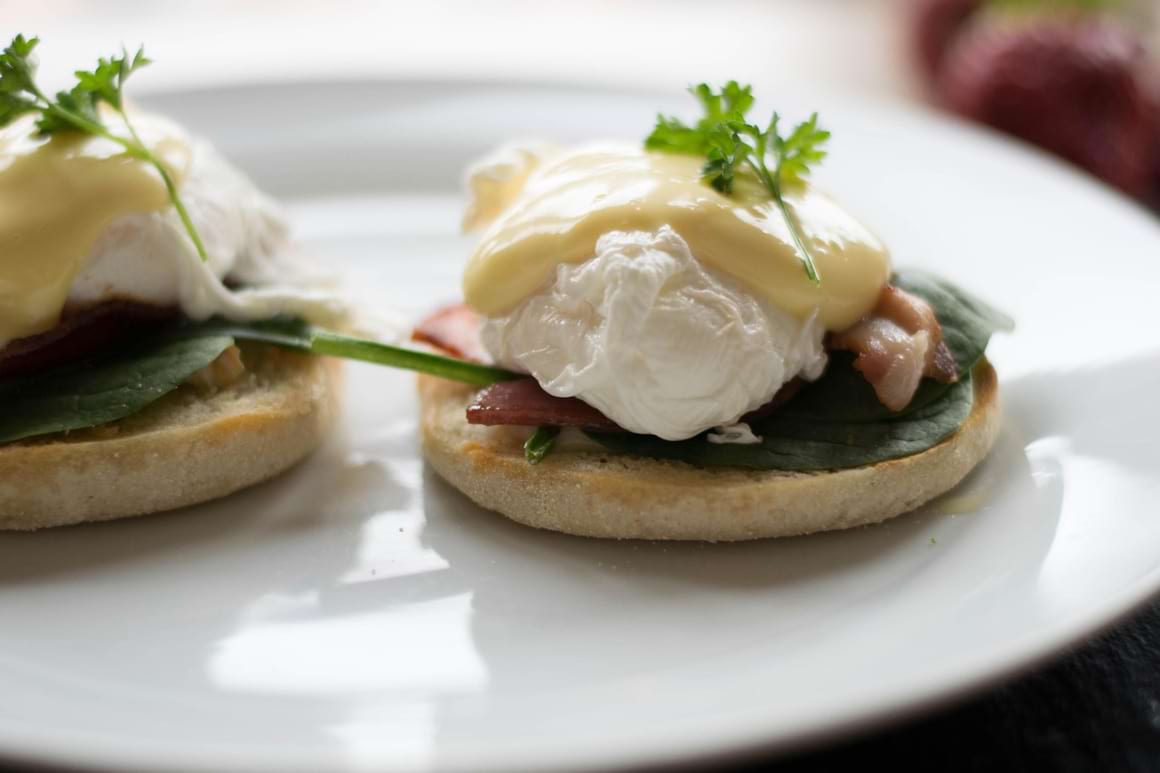
- Why it’s awesome – Place Dufferin is a stunning and historic place to start your day
- Cost – A main meal on the à la carte menu costs around $20. There are some smaller tasting snacks like yoghurt and pastries for around $6. For the full buffet experience, you’ll pay $34 for unlimited adult servings.
- Food recommendation – Place Dufferin offers traditional casual North American cuisine. The breakfast menu includes à la carte and extensive buffet options. The restaurant opens from 7 am and includes a range of standout French/Canadian options, too, like Florentine eggs Benedict and maple syrup crepes.
Place Dufferin is one of the official on-site restaurants at the Fairmont Le Chateau Frontenac. The building was built in 1892 by the Canadian Pacific Railway to bring more tourism and luxury train travel to Canada, and is a must-see even if you are just spending one weekend in Quebec City. It was one of the first of its kind of chateau-style hotels built across Canada during that era. Even if you aren’t able to stay at the historic hotel itself (it’s pricey, I know), it’s an iconic building worth exploring, and enjoying breakfast here is a good place to start. The restaurant overlooks the city skyline from an impressively high point of view. While primarily for guests, it is open to the public. Just make sure to reserve your spot in advance to avoid disappointment.
Insider Tip: If you can’t make it for breakfast, try visiting for the classic Afternoon Tea. This spread is extravagant and indulgent.
Day 1/ Stop 2 – Take the Old Quebec Funicular to Lower Town

- Why it’s awesome – It’s one of the must-do attractions in Quebec.
- Cost – The funicular only opens at 9 am, which gives the perfect amount of time in your Quebec City itinerary to enjoy an early-ish breakfast at the Chateau. It costs around $4.2 one-way per adult to ride.
- Food recommendation – La Petite Cabane à Sucre de Québec is a small confectionery store that sells delicious maple products close to the bottom of the funicular.
Next up on the agenda is a trip down from Upper Town to Lower Town. Not just any trip, but a ride on the historic funicular that links the Chateau with Petit-Champlain and Place Royale. It’s a quick, 30-second ride down (or up), saving you from climbing the steep stairs at Cap Diamant. The views during the ride are spectacular (though fleeting). A fun fact is that this funicular was built in 1879 and was once powered by water, before being modified to use electricity in 1906. It has two cars and can carry 60 people.
Insider tip: Bring cash. According to recent travellers, the funicular has a cash-only payment system. Although I won’t be surprised if that changes soon.
Day 1/ Stop 3 – Wander the Cobblestone Streets of Place Royale and Rue du Petit-Champlain
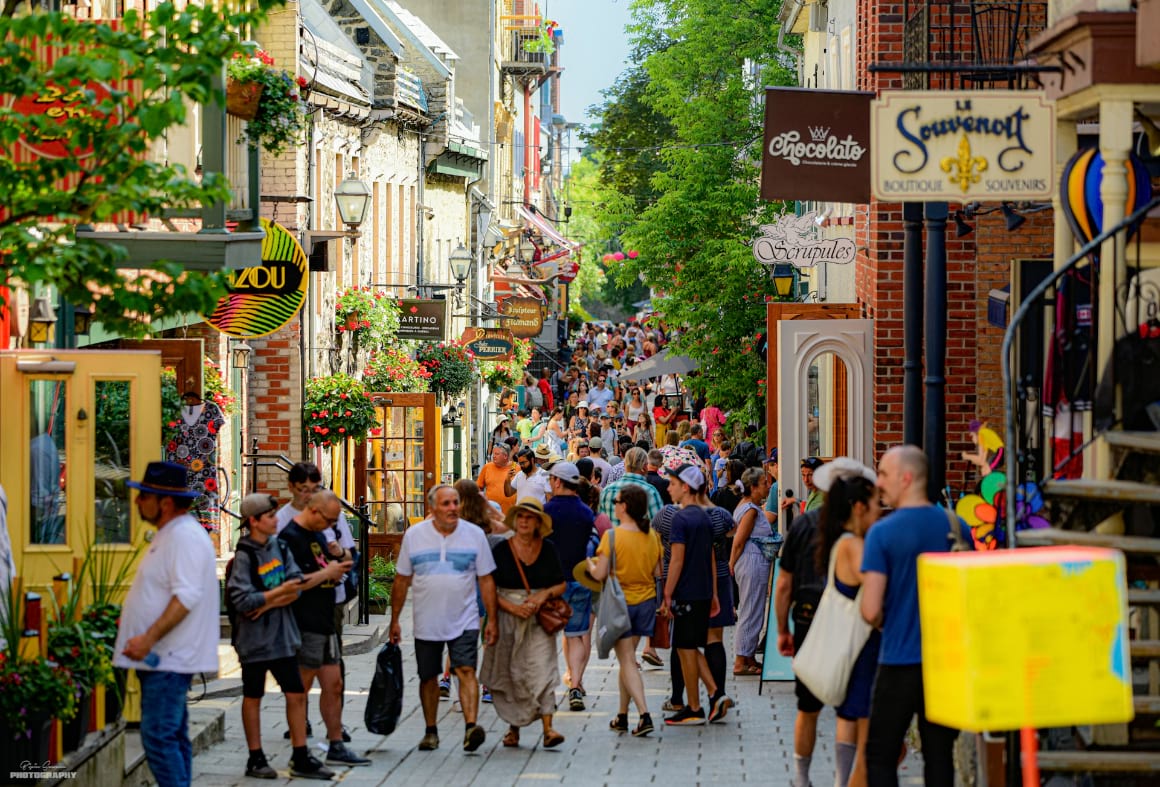
- Why it’s awesome – Place Royale and the Rue du Petit-Champlain are pretty much the heart of Old Quebec.
- Cost – It’s totally free to walk around and explore this part of the city.
- Food recommendation – Add a stop at Cafe La Maison Smith, Notre Dame or Sapristi Champlain for a bite of Italian food to your Quebec City itinerary. This area is pretty much lined with restaurants and cafes, and I recommend finding one with classic Parisian sidewalk-facing seating.
This area is known as the ‘Cradle of French North America’ because it was where the city was founded back in 1608. Strolling through here is like walking through a living history museum. The cobblestone streets and stone buildings date back to the 1600s, but many have been restored. If you’re a fan of retail therapy, Rue du Petit-Champlain at the foot of the stairs to Cap Diamant is one of the continent’s oldest commercial streets. It’s still got tons of shops, boutiques, and art galleries lining it today. You’ll also find attractions like the Montmorency Park National Historic Site, Quebec City Mural, and the Royal Battery in this area – all within walking distance.
Insider tip: Visiting in winter is magical. The roofs of the old buildings get a light dusting of snow and look like something out of a Christmas postcard.
Day 1/ Stop 4 – Head to the Old Port of Quebec to Admire the Historic Homes
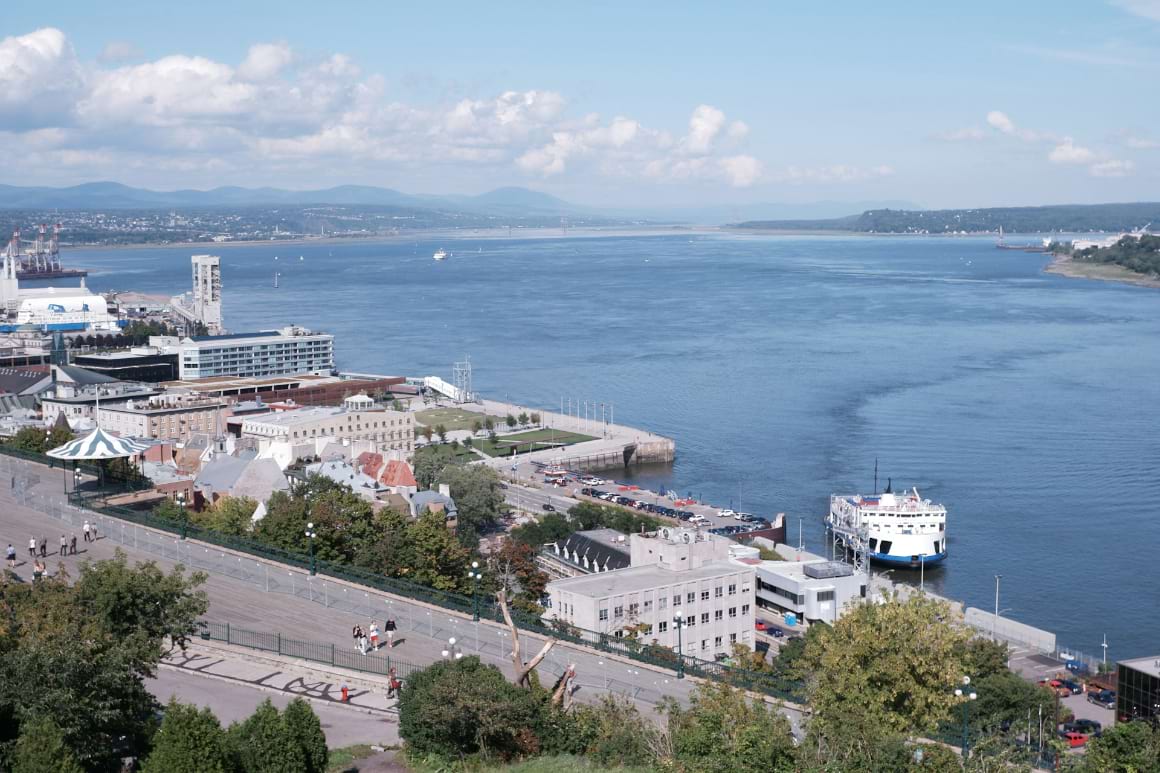
- Why it’s awesome – It’s a great way to see Quebec City from the water.
- Cost – It’s still a part of the Old Quebec UNESCO World Heritage Site, and is completely free to explore. There are some great boat tours you can take from the port. The cost of these excursions varies depending on the type of excursion and the time of year.
- Food recommendation – For a fine dining experience, Coteau brings fresh products from the surrounding islands into a refurbished 19th-century maritime warehouse setting. Laurie Raphael offers another fine-dining extravaganza, while L’Echaude is a classic French bistro for a more casual meal for your itinerary in Quebec City.
Walking north around half a mile from Place Royal, you’ll reach the Old Port of Quebec City (also known as the Vieux-Port). Not only is this section of the port still active, with historic boats floating in the St Lawrence River, but it’s got a ton of history worth learning about. You can visit the Naval Museum of Quebec (check its open, since it is often under construction). The Old Port is a riverside district full of old warehouses and walking paths. It’s a bit quieter than the Old City, but it has an interesting background as a strategic point for both French and British forces that eventually grew into a major hub for trade and immigration.
Insider tip: Take the time to explore Rue Saint-Paul, Rue Sous-le-Cap, Rue Sault-au-Matelot, and Rue Saint-Pierre. In summer, the Port of Quebec Oasis opens. It’s historically North America’s first harbour pool – an impressive Olympic-sized river bath.
Day 1/ Stop 5 – Have Lunch at the iconic Le Café du Monde
- Why it’s awesome – While you’re in the port, my top recommendation for a meal is at Cafe du Monde.
- Cost – A main meal costs around $20 to $28 at the restaurant.
- Food recommendation – Order the crispy camembert fondue, the gratin onion soup, and beef tartar for a classic French-inspired dining experience.
At 35 years old, it’s relatively young considering how old its housing port is, but the restaurant’s delicious Parisian cuisine served on a terrace or in a conservatory during winter, overlooking the St Lawrence River and port, offers a world-class dining experience. It’s one of the only restaurants in the city located right on the river.
Day 1/ Stop 6 – Spend the Afternoon at the Musée de la Civilisation
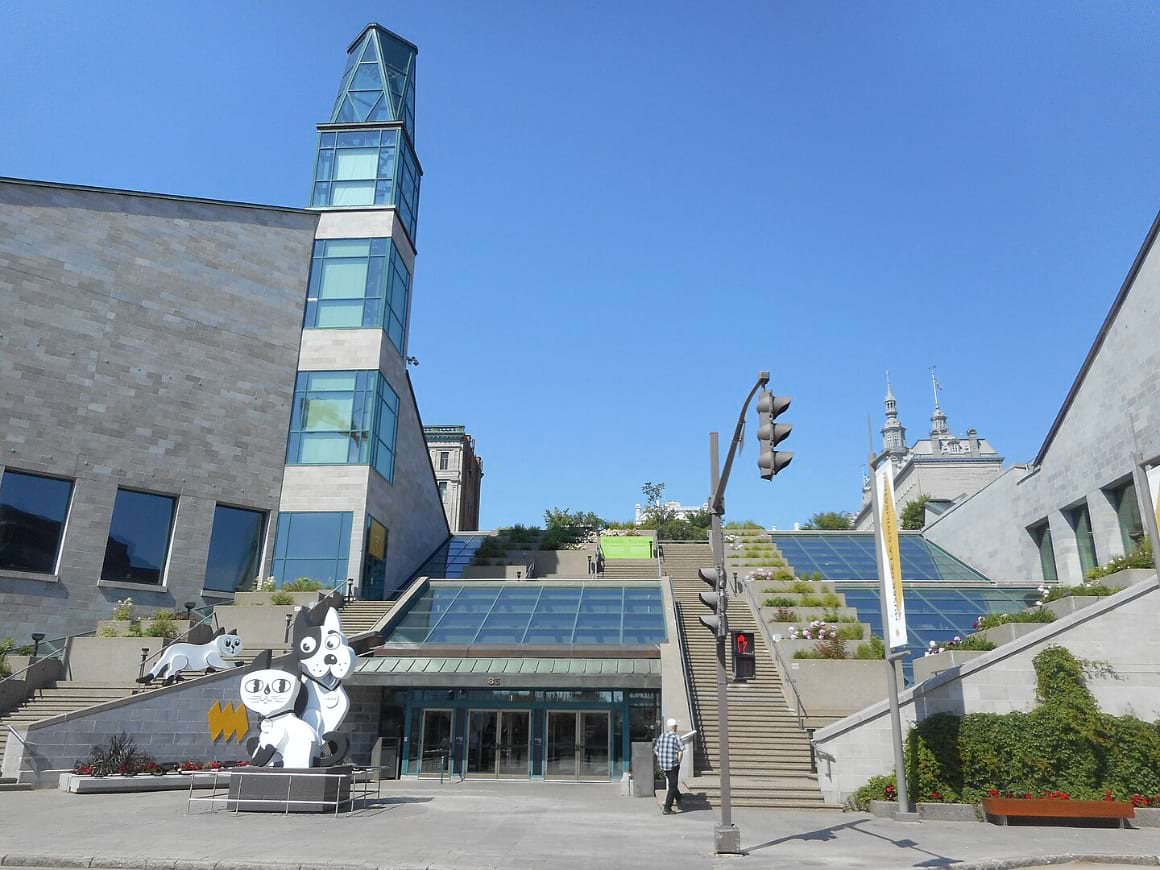
- Why it’s awesome – It tells you of some of the more unique history of the city.
- Cost – The museum is open between 10 am and 5 pm most days. A regular ticket costs around $18 per adult. Discounted tickets are available for kids and seniors. (The Titanic exhibit requires its own ticket.)
- Food recommendation – The museum cafe, called Espace Saveurs by Nollen Restaurant, offers simple and delicious meals while the museum is open. It’s got a relaxed vibe and is relatively affordable. This is a good place to grab a coffee, even if you don’t feel like a full meal.
The Museu de la Civilisation, or the Museum of Civilisation, is an interactive museum set in the heart of the Old Port with exhibits on ancient and current world societies. It puts a special focus on the First Nations, New France, and Modern Quebec. It’s also got special exhibits on the Titanic, Humans in Interaction, and Finding Refuge.
Insider tip: Visit on the first Sunday of the month if you are under 20 years old or are visiting as a family for free admission.
Day 1/ Stop 7 – Walk Around the Citadelle of Quebec and the Plains of Abraham
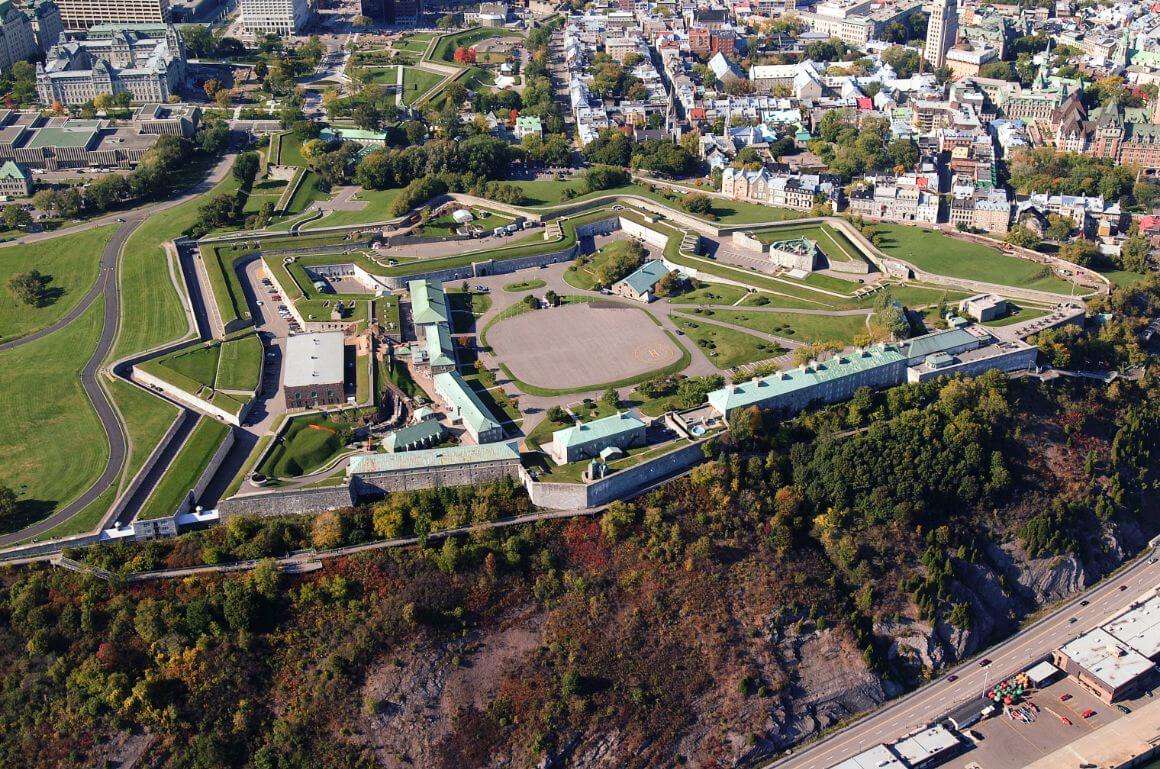
- Why it’s awesome – A nice, chilled area to take a stroll after a busy day.
- Cost – It costs around $10 for adults to enter the Plains of Abraham. Entrance is free for the first two weeks of January, before the museum closes for two weeks at the end of the month. Prices surge around July and September to $12 per adult.
- Food recommendation – There are a bunch of restaurants on the road above the Citadelle and Plains. Faite a I’os is an upmarket BBQ restaurant with a cool late-night vibe. For a more sophisticated steak meal, Restaurant Ophelia is a good option.
On your way to dinner, spend some time strolling around the Citadelle of Quebec and the Plains of Abraham. Especially if you only have two days in Quebec City, walking here is a good mix of history and nature, with some impressive viewpoints thrown into the mix. The Plains of Abraham are the site of an important battle that took place between the English and French in 1759. Today, it’s a park with picnic spots and green spaces. The Citadelle sits above the Plains and is an old English military fortress that is now a museum. In winter, the gardens host a huge ice rink.
Day 1/ Stop 8 – Enjoy Dinner along Grande Allee
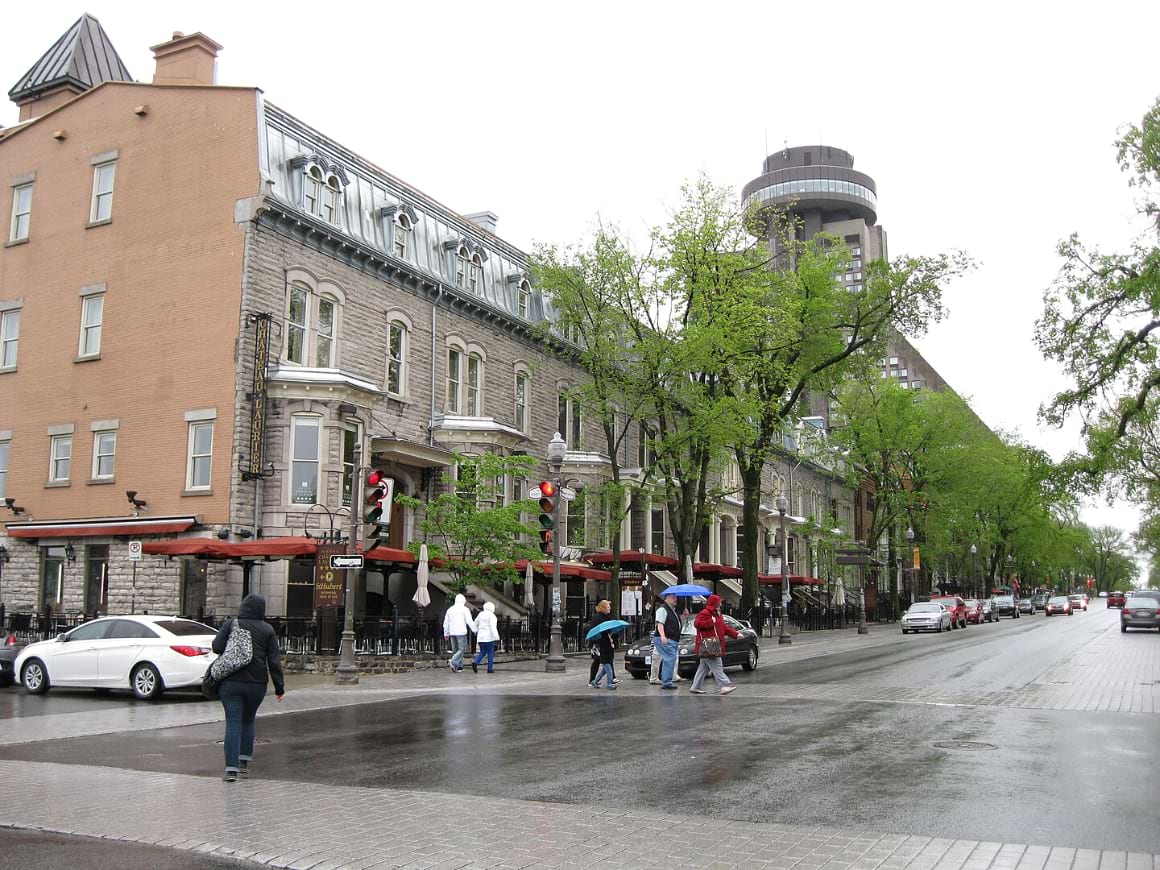
- Why it’s awesome – It’s the perfect place to finish your day.
- Cost – Depending on the restaurant you choose for this Quebec City Itinerary, plan to budget between $20 and $40 per person for an upmarket, sit-down dinner. Fair warning: if you’re ordering cocktails, your bill will be significantly higher.
- Food recommendation – Ciel! It is a revolving restaurant on the top floor of the Hotel le Concorde. It’s got beautiful city views and delicious food. L’Atelier is another option, with a restaurant and bar known for its speciality cocktails. After dinner, dancing can be found at Dagobert, a historic (and rather large) nightclub.
It’s about a 30-minute walk or a 6-minute drive from the Citadelle to Grande Allee, a buzzing promenade lined with restaurants, jazz clubs, and bars in the newer part of Quebec City. The promenade sits adjacent to the main ice rink in the Plains of Abraham park, which makes it a great kid-friendly area.
Insider tip: After dinner, stroll down the beautifully illuminated avenue to walk off your meal. There are also a bunch of bars or microbreweries around here for those who aren’t yet ready to call it a night.
Day 2 Itinerary in Quebec City
Mural of Quebecers on Rue Notre-Dame | J.A. Moisan | Rue du Tresor | Sightseeing Cruise on the St. Lawrence River | Dinner in Limoilou | Bar in Limoilou
- A day of local art and food, exploring galleries, patisseries and cafes, local murals and art in the city. Eat your way through the culturally unique French-Canadian cuisine of Quebec City.
Day 2/ Stop 1 – Enjoy a Morning Stroll and Admire the City Murals at Maison Soumande on Rue Notre-Dame
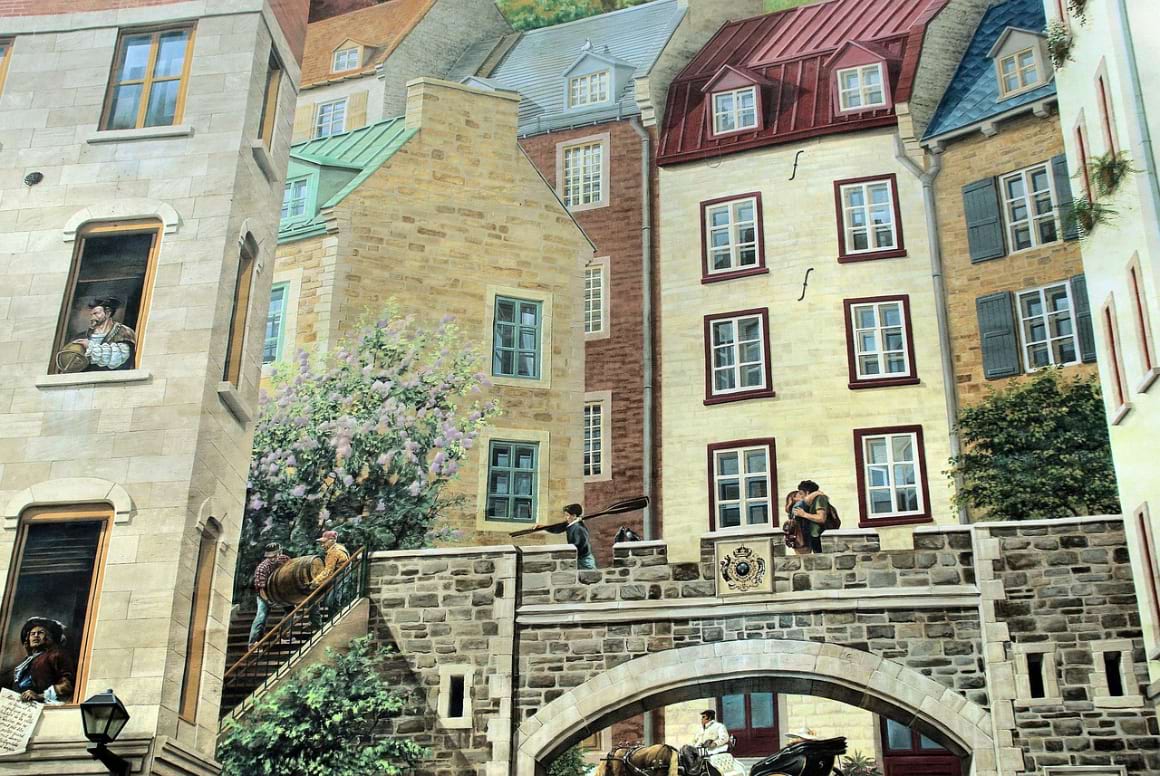
- Why it’s awesome – It was inaugurated in 1999 by 12 French and Quebecois artists who detailed the history of the city and its historical figures.
- Cost – There is no cost to visit this area and admire the exquisite murals. Just stroll through the Cité borough, and you’ll find it along Rue Notre-Dame
- Food recommendation – Grab a coffee at Cafe Boutique at EXMURO, a public culture and art centre on Rue Notre-Dame with modern art exhibits. Ideal for a weekend in Quebec City, this space is open to anyone who wants to experience the more contemporary side of Quebec’s art scene.
Maison Soumande is a beautifully restored 17th-century stone house located in the middle of Old Quebec. Its French-inspired architecture and cobblestone street setting make it one of the most photographed corners of the historic city. The surrounding streets, particularly around Rue Notre Dame, are lined with massive outdoor murals and street art that is considered an important part of Quebec City’s public art program. The Fresque des Quebecois (aka the Mural of Quebecers) is one of the most impressive. It’s just one of a series of murals throughout the city. The Fresque du Petit-Champlain, Racines (Roots), and Centennial Mural of the Naval Reserve of Canada are a few of the other 15 scattered around the city.
Day 2/ Stop 2 – Visit J.A. Moisan, the Oldest Grocery Store on the Continent
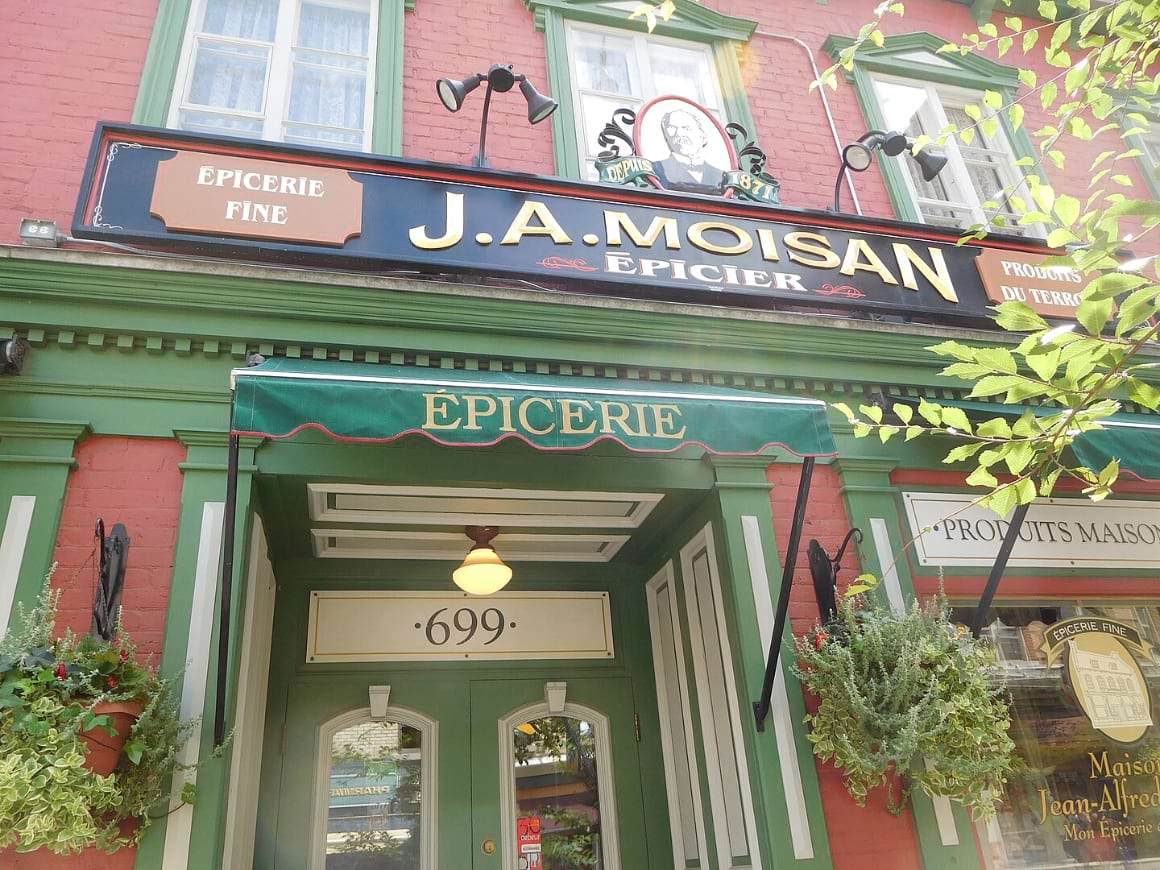
- Why it’s awesome – Auberge J.A. Moison is officially the first grocery store to open in North America.
- Cost – It’s free to admire the building from the outside. If you want to spend a night here, rates start at around $120 per night for a double room.
- Food recommendation – Le Hobbit nearby is a rustic eatery with gourmet French food like fillet mignon. For a more authentically local experience (with a surprisingly high price tag), visit Restaurant Sinsemilla. Le Troquet Sport is a sports pub perfect for an evening drink.
It was built in 1805, burned down in a massive city fire, and rebuilt in 1846. Unfortunately, the store (called J.A. Moisan Epicerie) closed its doors in January 2025. Today, the grocer has been transformed into an inn, with bespoke suites that will take you right back into the 1800s. It’s a place of antiques, souvenirs and relics from the past, and is unsurprisingly one of the most photographed properties in the city.
Day 2/ Stop 3 – Stroll along Rue du Tresor and Admire the Local Art
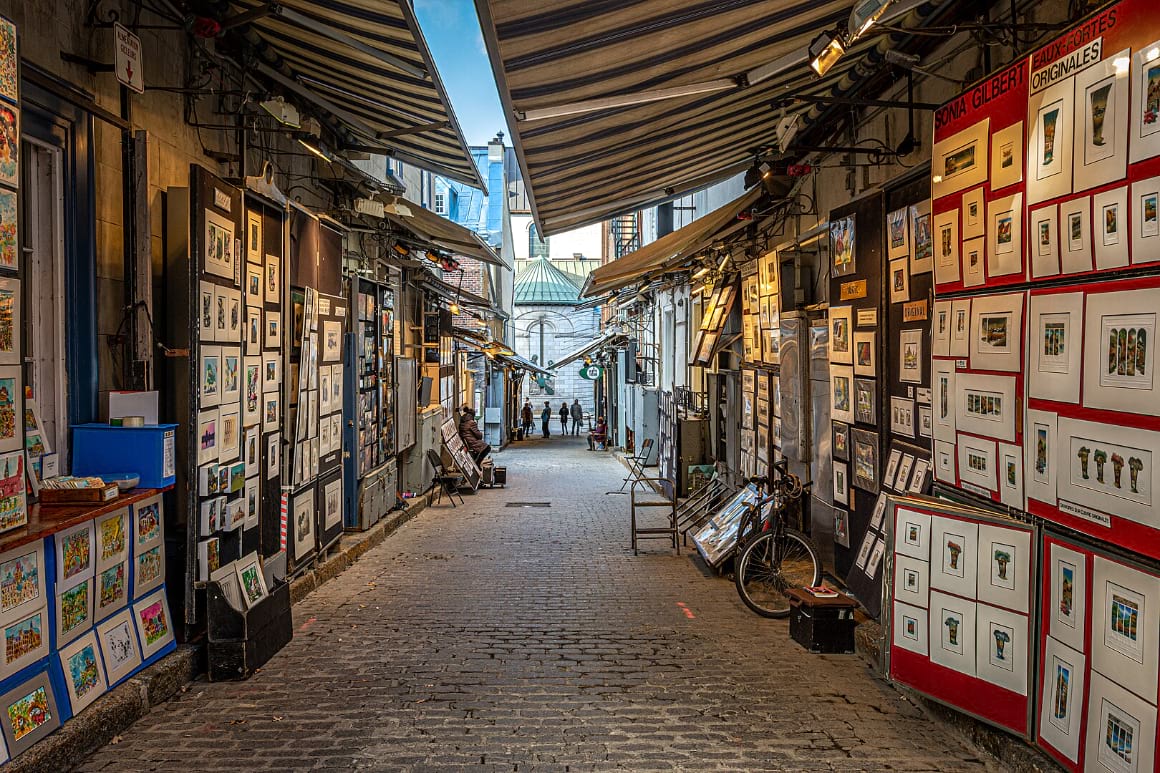
- Why it’s awesome – Rue du Tresor is an open-air art gallery tucked between the Cathedral of Quebec and Rue Saint-Anne.
- Cost – It’s free to browse the art. For prices, you’ll have to enquire with the artists.
- Food recommendation – Grab a cappuccino or pastry from Maison Smith Des Jardins, a local favourite franchise coffee shop, to add to your Quebec City Itinerary.
Since the 1960s, local artists have come here to put their watercolour cityscapes and charcoal sketches on show, in an informal exhibition setting. This narrow lane is a creative and dynamic space to chat with artists and admire their work.
Insider Tip: The alley is right next to the Place d’Armes, which is home to the Fountain Monument of Faith.
Day 2/ Stop 4 – Have Drinks with a View on a Sightseeing Cruise on the St. Lawrence River
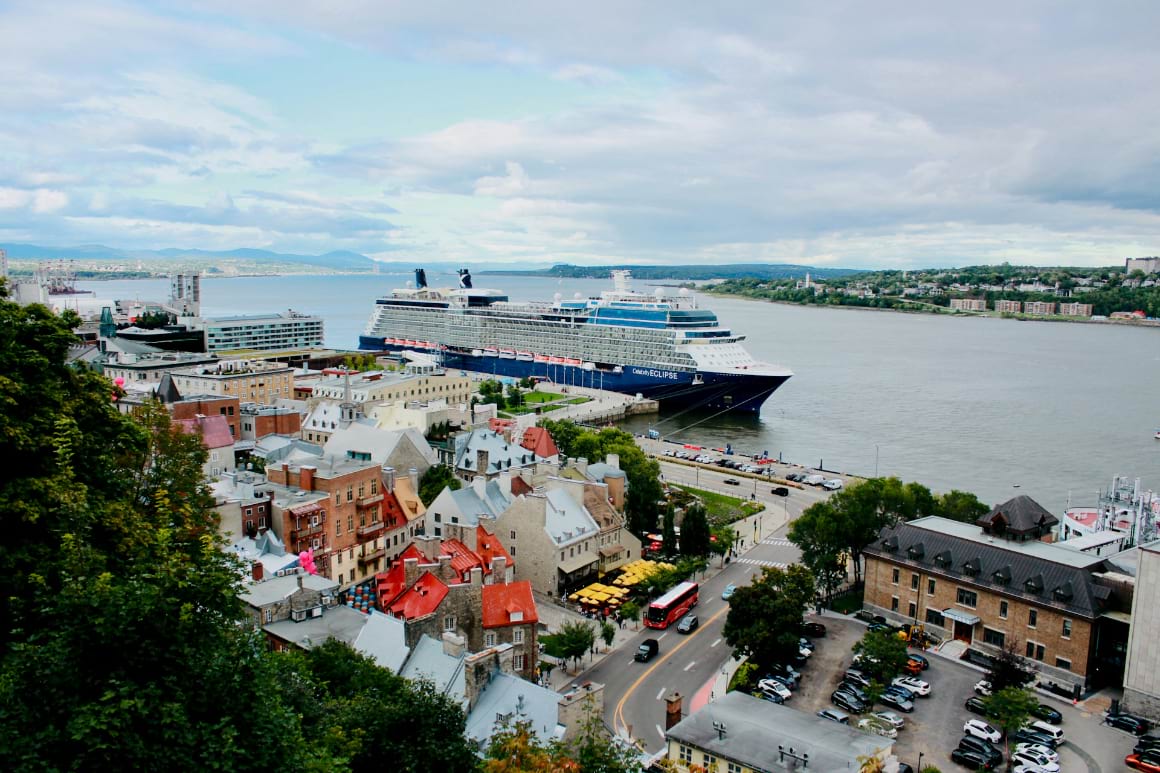
- Why it’s awesome – If you thought the city was beautiful from land, I can guarantee you it’s even more exquisite from the water.
- Cost – Prices for the Coisieres AML sightseeing river cruise start at $32 for a classic 90-minute tour. The ferry is free for pedestrians without a car, as long as you have a transit pass. Without a transit card, it’s around $3 per direction.
- Food recommendation – The boats depart from the Chouinard Pier. There is a dining room and a bistro/bar on board. Take in the stunning scenery with a drink in hand on the deck.
After spending some time on your feet exploring the city, it’s time to head to the waterfront. In the daytime, a cruise on the St Lawrence River offers gorgeous views of Old Quebec, Cap Diamant and the iconic Chateau Frontenac. Considering the important role the river has played in the city’s history, I can’t recommend a river cruise more. The Coisieres AML offers a 90-minute cruise that even goes past the Ile d’Orleans and Montmorency Falls (although I will add these to the itinerary as separate attractions). This cruise includes drinks and dinner (depending on the slot you choose). The more affordable option is to take the Quebec Ferry to Levis across the river. In winter, it’s the only river-transport option available, and is the only way to cross the St Lawrence River to get to Levis.
Insider tip: I recommend joining a cruise around sunset, when the magical city lights illuminate the streets and historic buildings, reflecting on the glassy river surface.
Day 2/ Stop 5 – Head to Limolou for Dinner
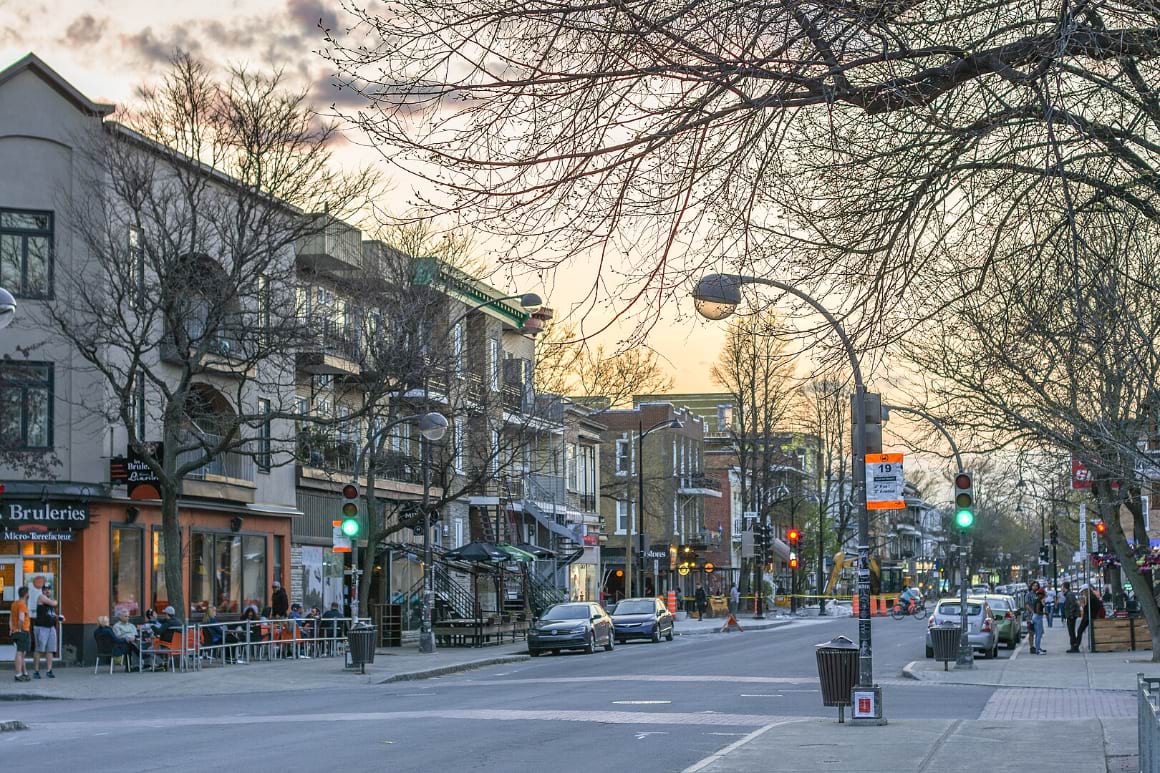
- Why it’s awesome – It’s home to a good selection of tea houses, art galleries, bakeries, boutiques, and deli grocery stores.
- Cost – Dinner costs will depend on what you order and where you choose to eat. Soupe & Cie will likely be the most affordable option, with main meals ranging from $9 to $15.
- Food recommendation – The food scene in Limoilou is thriving. It’s become a hub for up-and-coming chefs, many of whom have opened up new restaurants here. My top recommendations would be Soupe & Cie (famous for its hearty soup-strong menu), Arvi (with a fixed price menu that works on a ticket-based system) or La Planque (a neighbourhood bistro that has housed some of the area’s best chefs). Battuto is a fine dining establishment ideal for a spoil, but it books out weeks, if not months, in advance, so be sure to book early.
Just north of the St. Charles River (a tributary of the St Lawrence River, which runs through Quebec City), lies a little neighbourhood known as Limoilou. It’s a sprawling central borough with tree-lined streets, sidewalk cafes, and old brick buildings – a well-deserved stop if you only have three days in Quebec City. It’s got a more local vibe, with lots of young families and entrepreneurs roaming the streets. It’s organised more like a traditional North American neighbourhood rather than a French-Canadian one.
Insider tip: While in the neighbourhood, you could take a stroll through the Cartier-Brebeur Park, named after Jacques Cartier, who established his winter camp here 450 years ago.
Day 2/ Stop 6 – Grab a Night Cap Cocktail in Limolou
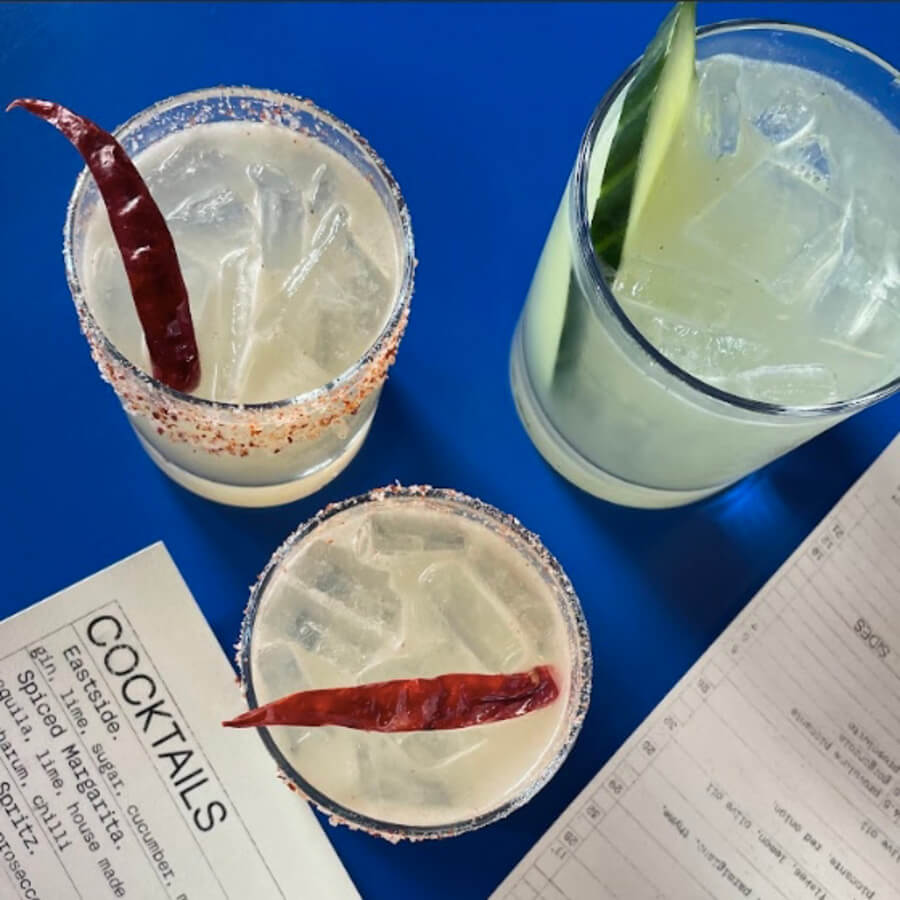
- Why it’s awesome – The neighbourhood pubs here keep the vibe going long into the night.
- Cost – This all depends on where you go and what you order. Cocktails cost around $10 to $15, while you can get a beer or a glass of wine for between $4 and $9.
- Food recommendation – Tiger Bar, Le Bal du Lezard, La Souche and Le Trefle Limoilou are some great options for social drinks in the neighbourhood.
After a delicious meal in the centre of Quebec City’s foodie scene, head for a nightcap at one of the trendy bars or microbreweries. During the summer, people overflow onto streetside terraces, but the atmosphere continues well into winter thanks to indoor heating and outdoor fireplaces.
Insider tip: I always recommend doing a classic self-made bar hop if you only have a weekend in Quebec City, experiencing as many of the local bars and pubs as possible by having just one beverage in each.
Day 3 Itinerary in Quebec City
Crêpes at Le Petit Château | Montmorency Falls | Ile d’Orleans Lunch | Ile d’Orleans Vineyards | Sainte-Anne-de-Beaupré Shrine | Dinner in Petit Champlain and Promenade des Gouverneurs stroll
- Spend some time exploring the surrounding neighbourhoods of Quebec City, from the rushing waterfalls to the vineyard-rich islands in the St Lawrence River. Consider hiring a private driver or guide to hit as many spots as you can in one day. This day’s schedule includes more driving than walking.
Day 3/ Stop 1 – Enjoy a Breakfast of Crepes in the Old City at Le Petit Chateau
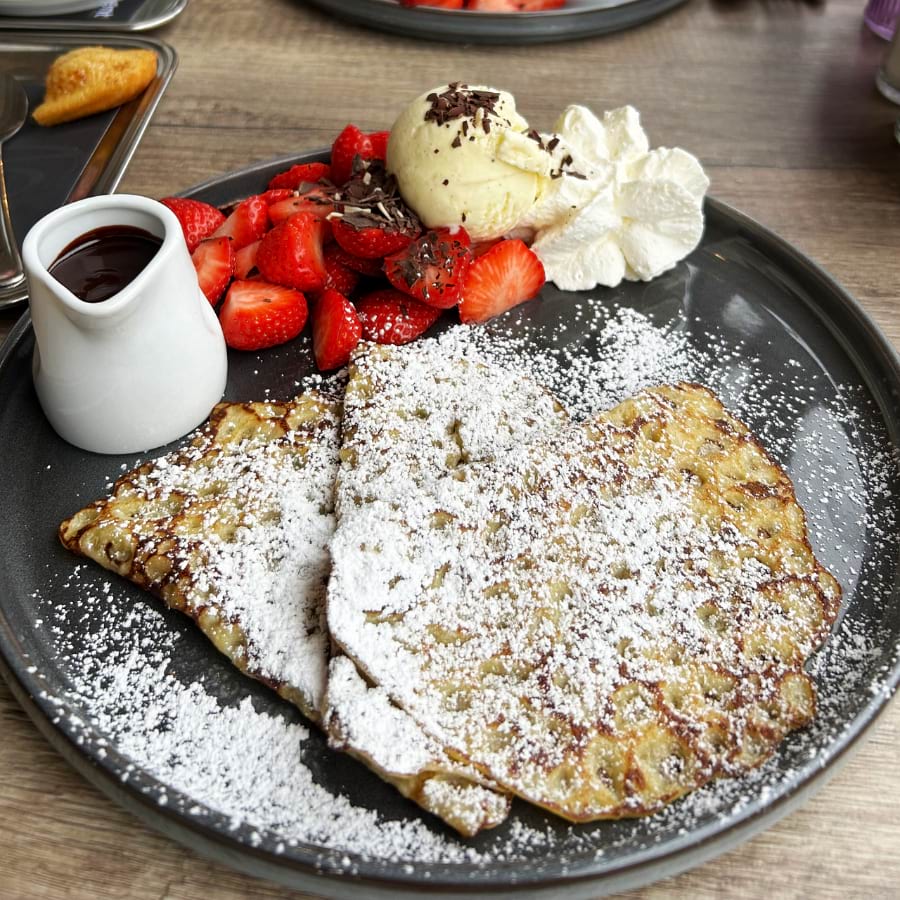
- Why it’s awesome – For your final day in this exquisite city, start your morning strong with a classic warm and buttery crepe.
- Cost – Breakfast here ranges from $13 for a dessert crepe to $20 for a savoury crepe that will easily fill you up until lunch. Fondue is available for one or two people, costing around $42 to $50 per person.
- Food recommendation – If you’re here for breakfast, order a savoury crepe, but if you’re visiting with a partner, my top tip would be to order one sweet and one savoury crepe and share between the two of you.
The best place for this is at Le Petit Chateau in Old Quebec. The restaurant is just steps from Chateau Frontenac, close to the Dufferin Terrace I recommended for breakfast on your first morning. Le Petit Chateau is as authentic as creperies come. In winter, it’s also a hotspot for a warming fondue, really leaning into the European cafe culture. The crepes themselves are the star of the show, with different filling options including classics like ham, eggs, and local cheeses.
Day 3/ Stop 2 – Visit Montmorency Falls and Tour the Parc de la Chute-Montmorency
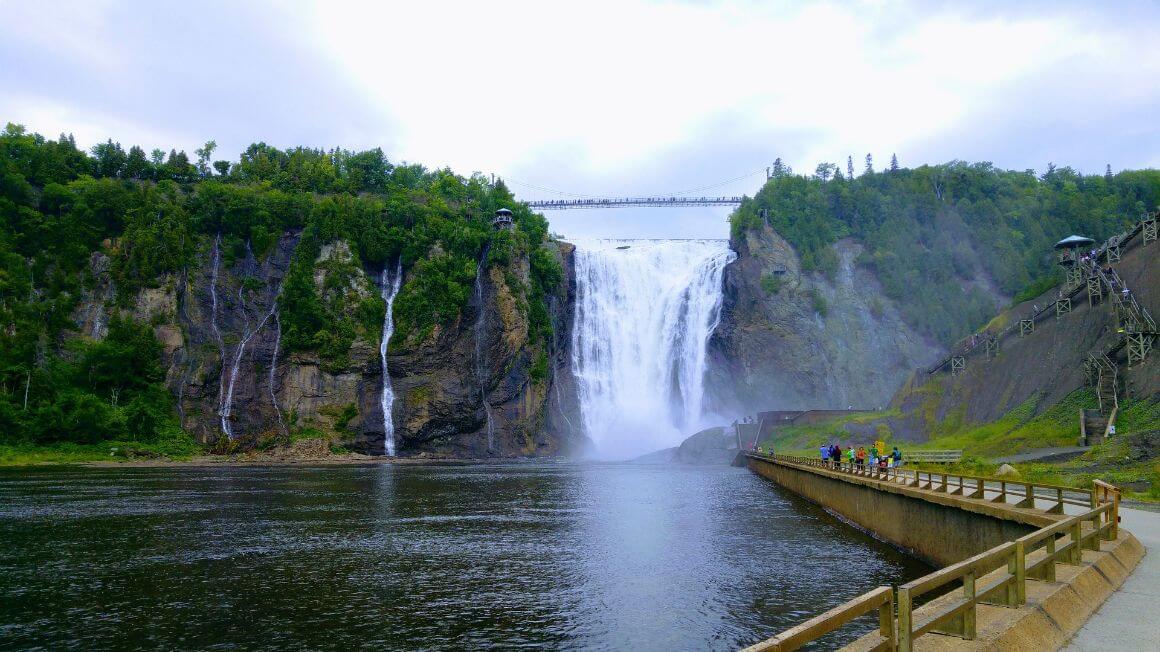
- Why it’s awesome – An amazing piece of nature close to the city.
- Cost – Adults over the age of 17 must pay a $7 entrance fee to see the waterfall. Plus, you’ll need to pay an additional $12 to travel on the cable car – and it is highly recommended that you do so.
- Food recommendation – If you’re peckish after exploring the falls, grab a snack or drink from the Manoir Montmorency Cafe, located inside the historic manor on the side of the cliff.
Now that you’ve fueled up with some carbs, it’s time to venture just east of the city to Montmorency Falls for the next stop on this Quebec City Itinerary. The easiest way to visit this attraction is to take a guided tour, but you can also hail a cab and explore the falls on your own. It’s around a 13-minute drive away from Old Quebec. Montmorency Falls plummets 272 feet into a pool of water and is one of the most beautiful places in Canada to visit so easily. Technically, it’s taller than Niagara Falls, and you can really feel the sheer energy and force of the water as you get close to it. Parc de la Chute-Montmorency, the lush park surrounding the falls, is beautifully maintained and has a bunch of viewing areas and platforms that each offer a different perspective of the cascading waterfall. The suspension bridge is a highlight. From the middle, you can feel the rumble of the waterfall beneath your feet.
Insider tip: This is a busy tourist attraction. Consider arriving as early as possible to beat the crowds and get photos without hundreds of other tourists in your way.
Day 3/ Stop 3 – Head to the Ile d’Orleans for Lunch
- Why it’s awesome – An idyllic spot to have lunch near the river.
- Cost – Visiting the island is free, and a meal at Casse-Croite Marche Pouliot costs between $10 and $20 per person.
- Food recommendation – For lunch, head straight to Casse-Croite Marche Pouliot on the northern coastline of the island. Without being overpriced or pretentious, the food here captures the island’s farm-to-table spirit.
Montmorency Falls sits just across the St Lawrence River from Ile d’Orleans, the largest island in the river archipelago. It’s accessible via the Cote du Pont bridge or via ferry, but since Montmorency Falls is right at the other end of the bridge, driving is the most convenient way to travel between the two. Ile d’Orleans is one of the most beautiful rural islands in Canada. It’s home to rolling vineyards, berry farms, and historic stone houses. Before lunch, add a Microbrasserie called Pub le Mitan into your Quebec City itinerary for an ice-cold beverage.
Insider tip: Since there are only a few restaurants and lots of tourists to serve, lunch time can be a busy few hours on the island. Try to arrive early (or late), avoiding peak hours between 12 pm and 2 pm if possible.
Day 3/ Stop 4 – Spend the Afternoon Tasting Small-Batch Local Wines
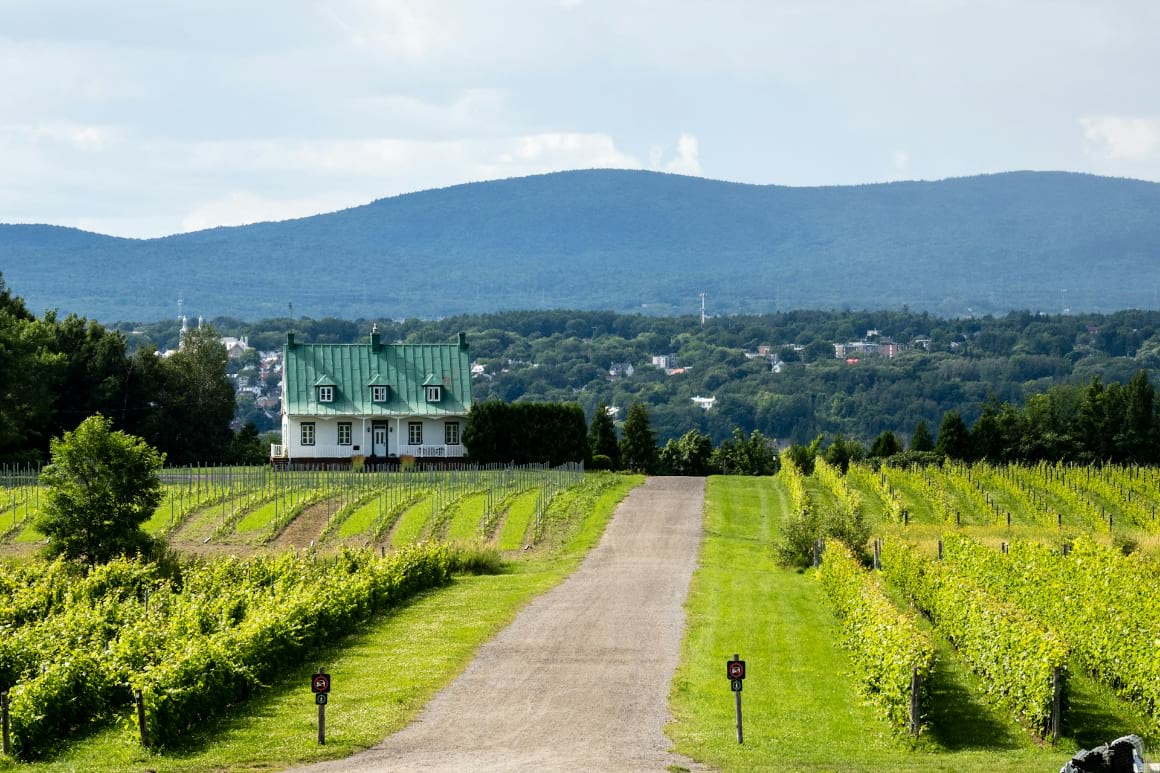
- Why it’s awesome – It’s Quebec’s most celebrated wine region, known for its cool-climate grapes and small-scale boutique vineyards.
- Cost – Booking a guided tour is a great way to tick lots of wineries off your list in a short time frame. If you prefer the idea of a self-guided tour, make sure you have a designated driver (or you can Uber or cycle around the island on your own schedule). Wine tasting costs vary depending on the establishment, but expect to pay around $12 for a basic tasting of four wines for this stop on the Quebec City itinerary. Guided tours are often upwards of $50 to $70 per person, but will usually include transport with stops at multiple destinations, and even food pairings.
- Food recommendation – Most vineyards offer small snacks and cheese boards stacked with local products. If available, order a charcuterie plate with Quebec cheeses and homemade breads.
Once you’ve lined your stomachs, it’s time to see what Ile d’Orleans is most famous for – wine. Spending the afternoon wine tasting here is a unique experience. You’re often sampling wines that were hand-made by local families who have farmed on the island for generations. Tasting rooms are personal, and the scenery is just as impressive as the small-batch wines are. Some of the most famous wineries include Saint Pierre Le Vignoble, Isle de Bacchus, and Domaine Sainte-Famille.
Insider tip: Visit at least two vineyards. They are all so unique, from the flavour profile of the grapes to the scenery on the farm.
Day 3/ Stop 5 – Visit the Sainte-Anne-de-Baupre Shrine
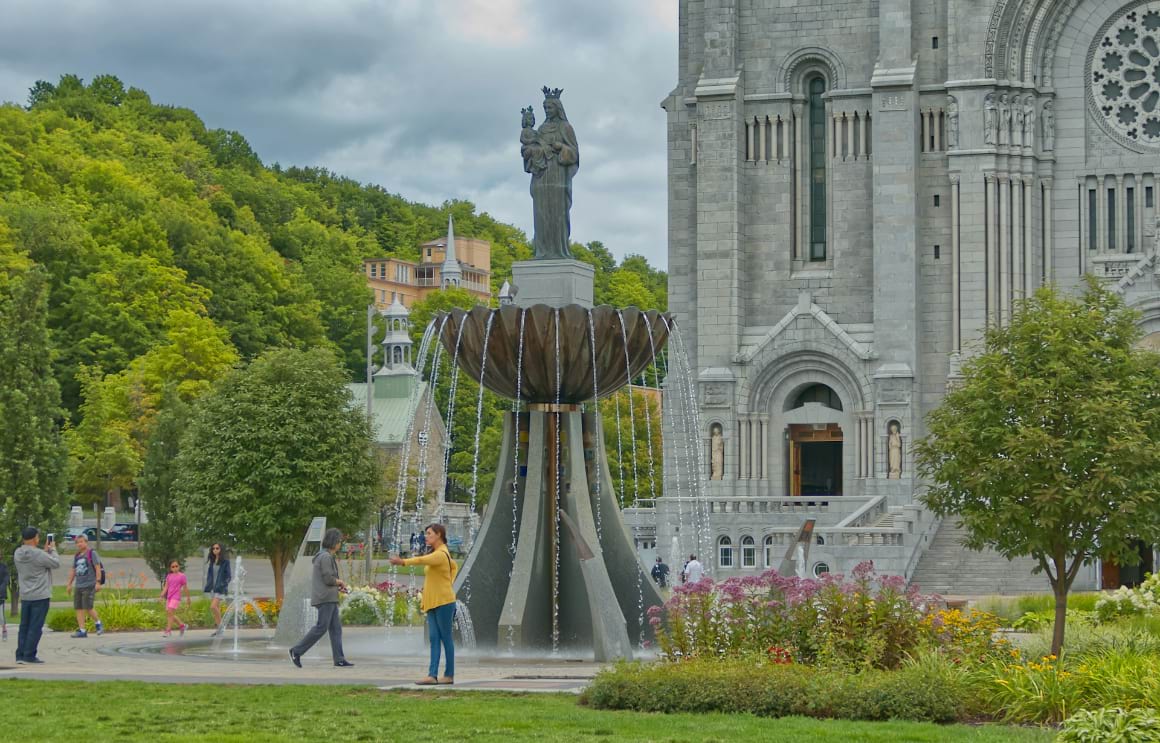
- Why it’s awesome – A spiritual place to visit for free
- Cost – Entry into the basilica is free, although donations are appreciated. If you’re driving, there might be a small parking fee, but if you’re visiting as part of a tour, this cost will be absorbed into your fee.
- Food recommendation – Quebec City is known for its microbrewery scene. On the way back into the city, stop at Des Beaux Pres Microbrasserie to try a regional small-batch beer. This particular tap room is lively and has a sunny outdoor patio open during the summer. Some microbrewers even flavour their beer with local Quebecois ingredients like maple syrup or famous cassis berries.
If you drive back across the bridge on the mainland and turn right towards Beaupre, you’ll be heading to the Saint-Anne-de-Baupre Shrine. It’s one of the most important Christian pilgrimage sites in North America, drawing tons of visitors each year. Even if you’re not religious, the Neo-Romanesque building with detailed stone sculptures and European wood carvings is well worth a visit.
Insider tip: Check out the schedule for the Basilica and visit between religious services so you can explore without disturbing the peace.
Day 3/Stop 6 – Grab Dinner in the Petit Champlain District
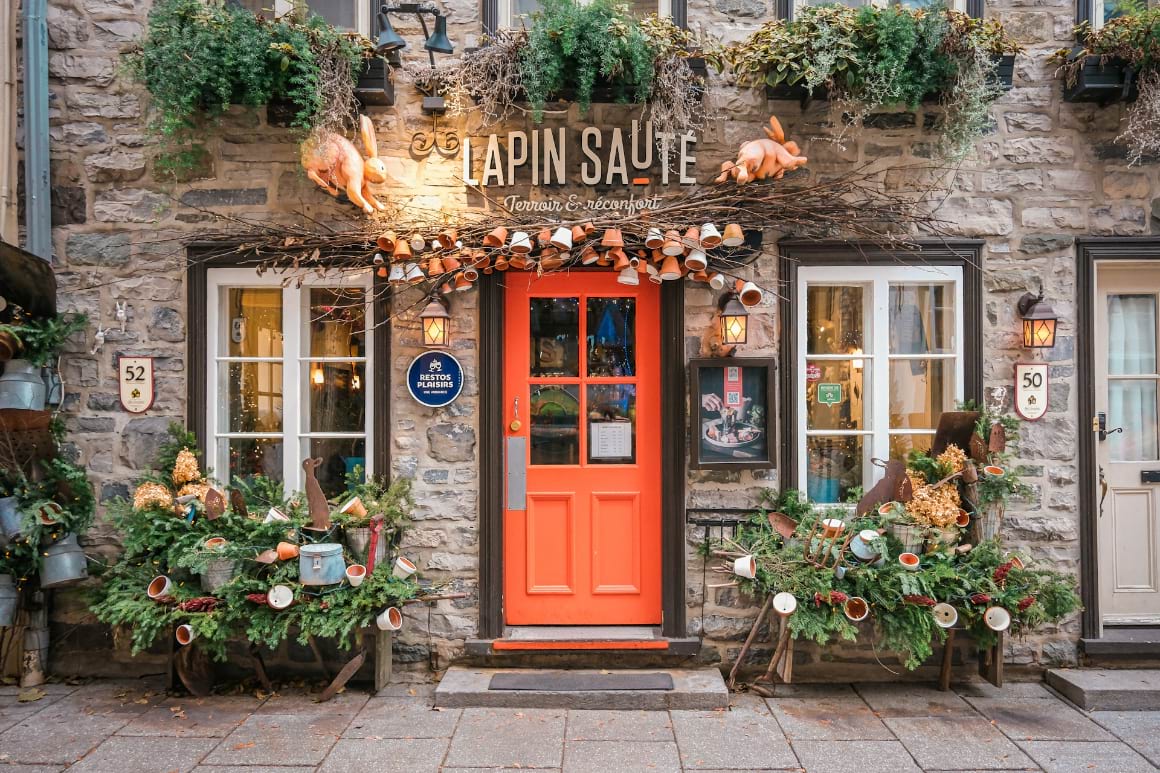
- Why it’s awesome – A lovely area to buy a few trinkets and end your time here.
- Cost – Appetisers start at $10 while main meals cost around $20. Overall, expect to drop around $40 per person on drinks and food.
- Food recommendation – One of the best restaurants in Petit Champlain is called Lapin Saute. It’s famous for its cosy interior and atmosphere (perfect for winter), and wholesome French-Canadian food. Menu highlights include French onion soup, creme brulee, and local artisanal cheese plates.
End off your three days in Quebec City, where it all began – back in the Petit Champlain District in Lower Town. This little shopping quarter is lined with boutiques and galleries, a theatre, and various restaurants.
Insider tip: Reserve a table at Lapin Saute ahead of time. If you like to walk off a meal, go for a post-evening stroll along the Promenade des Gouverneurs nearby.
Staying Safe in Quebec City
Let’s start with the good news: Quebec City is widely regarded as one of the safest destinations in North America. Crime rates are low, and there is a strong community-focused atmosphere. Violent crime is rare, and most travellers will come and go without experiencing any issues beyond the occasional instance of petty theft.
But on that note, phone robberies and petty theft do tend to be increasing in busy tourist areas, especially around Old Quebec, and at big festivals where travellers are known to let their guards down. With this, take standard precautions like keeping your valuables safe, using handbags with zippers, and not being too flashy with cash. Keep your passport in a hotel safe just to be careful.
If you happen to have a medical emergency, you’ll be glad to know that medical care here is reliable and high-quality. That said, it’s also expensive. So, travellers coming from abroad should always ensure they have comprehensive travel insurance with medical insurance included for emergency treatment.
Solo female travellers are safe here (but not without precaution). There is a strong police presence in busy areas, and it’s generally safe to walk around and explore alone for a two-day trip to Quebec City, even once the sun sets. That said, always keep an eye out and try to stay in well-lit and busier areas. Common sense goes a long way as a female traveller.
Travel Insurance for Quebec City
ALWAYS sort out your backpacker insurance before your trip. There’s plenty to choose from in that department, but a good place to start is Safety Wing.
They offer month-to-month payments, no lock-in contracts, and require absolutely no itineraries: that’s the exact kind of insurance long-term travellers and digital nomads need.

SafetyWing is cheap, easy, and admin-free: just sign up lickety-split so you can get back to it!
Click the button below to learn more about SafetyWing’s setup or read our insider review for the full tasty scoop.
Day Trips from Quebec City
If you’ve got a few more days to spend in Quebec City, consider taking a couple of day trips outside of the city to explore the exquisite natural surroundings. Some of these attractions have been included in the guide above, but are well worth spending more time at if you have the chance. Here are five of the best day tours to take:
Learn about Quebec City’s Irish Immigrants on a Cruise to the Grosse-Ile
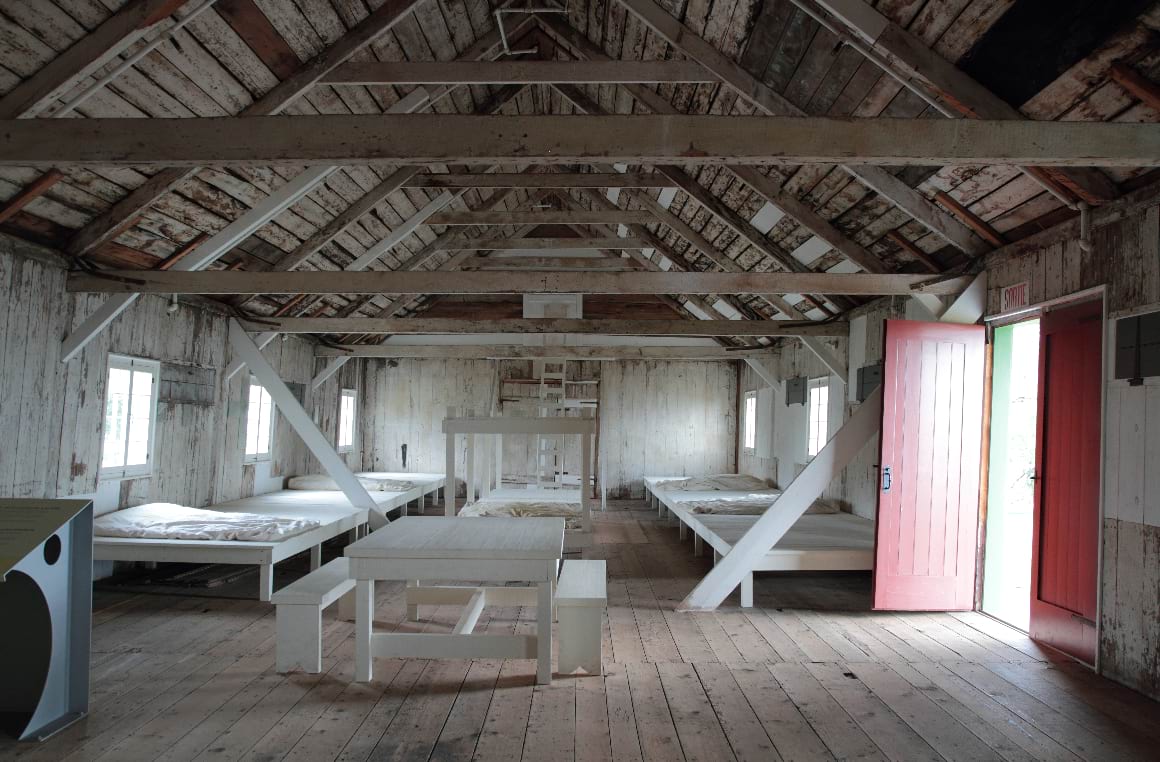
A day trip to Grosse–Ile and the Irish Memorial site offers a look at the lives of the Irish immigrants who arrived in Canada during the 19th century. Tracing the path of these immigrants almost two hundred years later, you’ll cruise along the St Lawrence River all the way to the island (one of 21 in the river archipelago), learning a bit about the local history of the former quarantine station along the way.
Once on the island, you’ll get to wander around the Irish Memorial National Historic Site, explore the restored buildings and walk through the Lazaretto, and learn about the island’s role during the 1847 typhus epidemic. These tours bring personal stories to life. Some guides even dress up in costume to really give a better image of what life was like for the Irish immigrants in the late 1800s.
Join a Full-Day Whale Watching Excursion
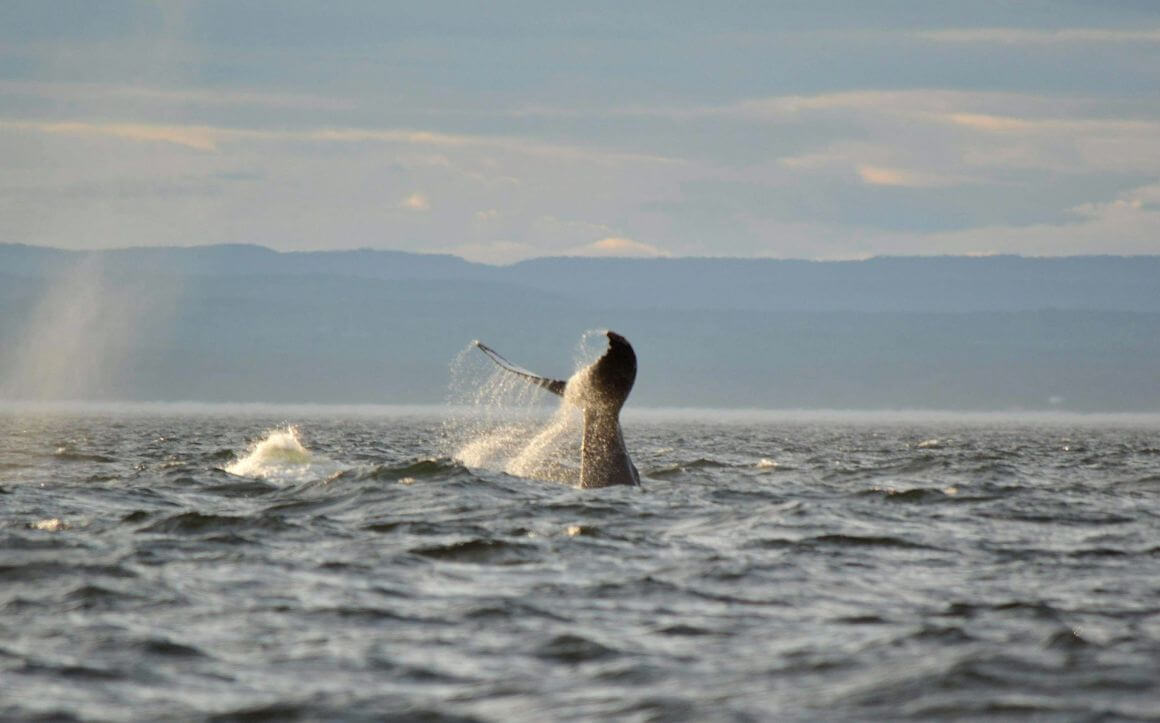
Is there anything better than watching a giant sea creature frolic in the water with its family? This full-day whale-watching tour takes travellers from Quebec City into the rugged natural landscape of the Charlevoix region, which hosts the whale-rich waters of the Saguenay- St. Lawrence Marine Park. This is one of the world’s best places to spot whales in their natural habitat.
This Quebec City itinerary day trip begins with a bus ride (which is scenic in itself, passing by a bunch of photo opportunity stops), before boarding a small zodiac vessel designed specifically for whale watching. In fact, you could see up to 13 different whale species in the area. Even on the off chance you don’t see a whale (since this is always a risk), the Saguenay Fjord, with its lush cliffs, is a spectacular sight to take in.
Go Snowshoeing through the Jacques-Cartier National Park

The Jacques Cartier National Park is one of the region’s most impressive natural areas. During summer, it’s a hotspot for hiking and trekking, but when winter falls, the valley transforms into a snow-covered wonderland. One of the best things to do is explore the park on foot (or in this case, snowshoe or on skis).
This guided snowshoe tour will take you deep into the park’s glacial valley, which is surrounded by frozen rivers and towering trees. Guides are clued up on the local wildlife and will give you an interesting description of how this magnificent landscape was formed. This is a fantastic way to enjoy the winter scenery of Quebec without really needing prior experience or fitness.
Visit Montmorency Falls with a Cable Car Ride
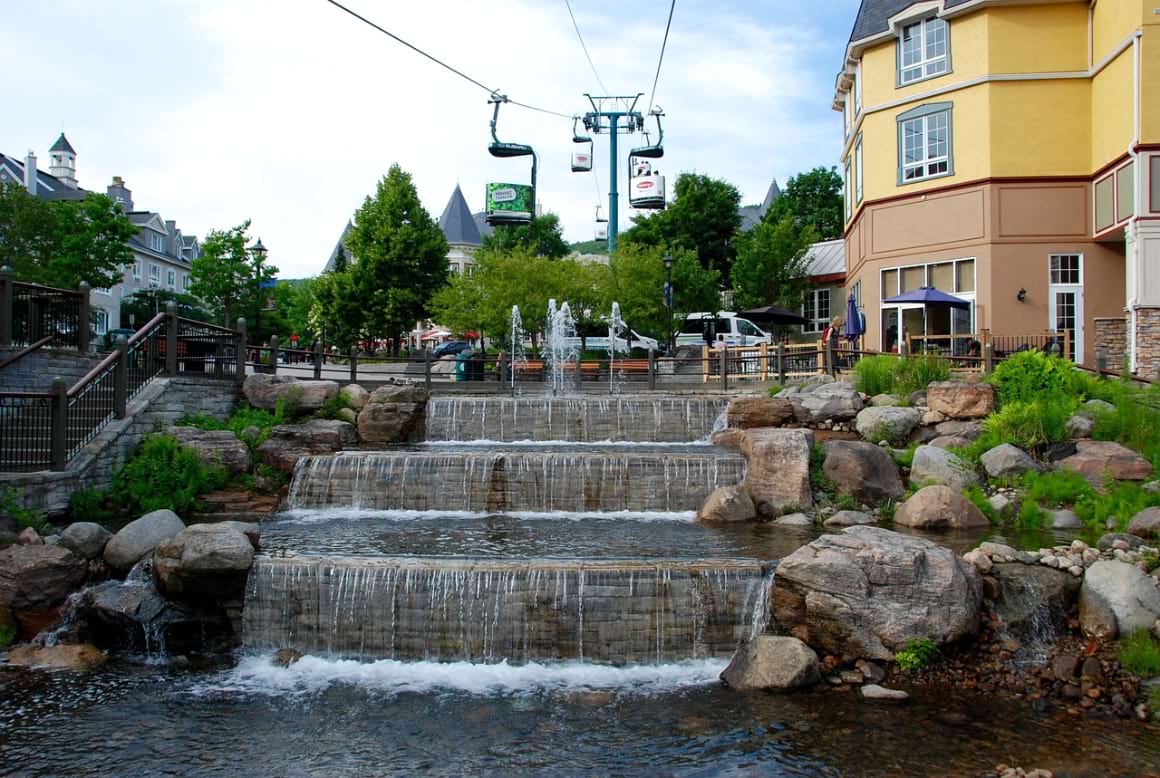
Montmorency Falls is just a short drive away from Quebec City. I know I’ve added it into this guide already, but if you have enough time, it’s worth spending a full day in the area. After all, it’s one of the region’s most dramatic natural sights. This tour includes access to the famous cable car, which climbs alongside this 272-foot-tall waterfall and offers some of the best panoramic views of the cove and cliffs.
At the top, you can walk across the suspension bridge and learn more about the area’s geology and history. The region around the falls is well-developed with walking paths and lookout spots, making it suitable even for those who aren’t up for an energy-intensive day in Quebec City. In fact, this particular tour is even wheelchair accessible.
Go Wine Tasting at the Ile d’Orleans
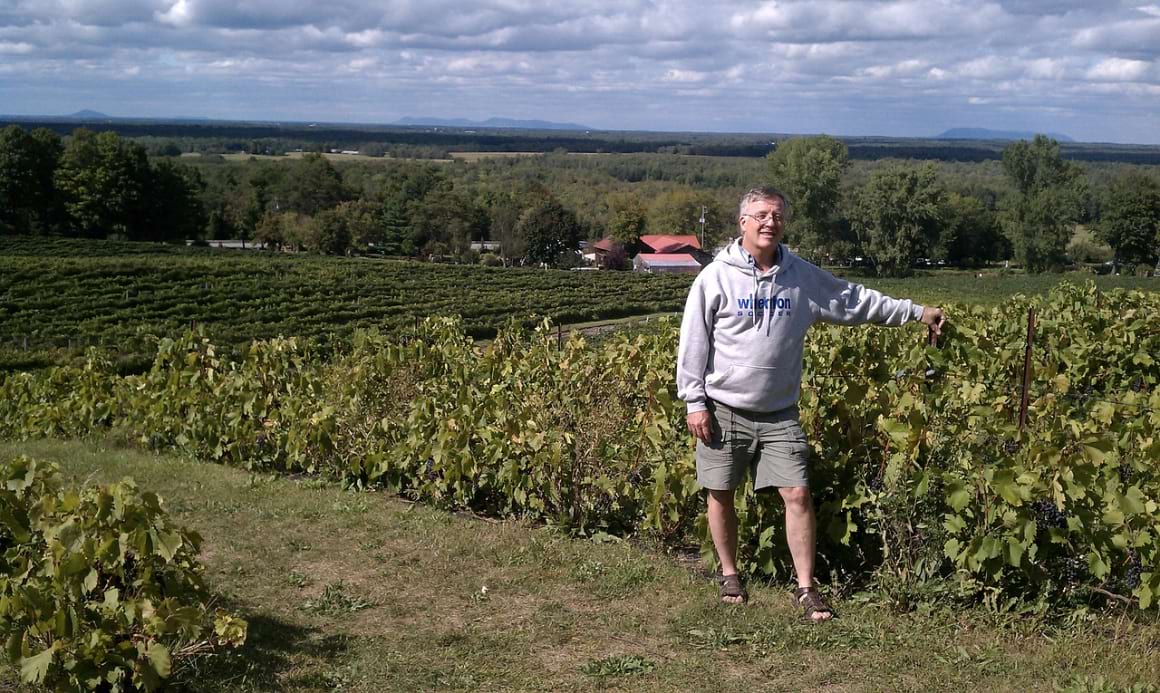
This is another activity that can be taken as a full-day trip, a short excursion from Quebec City or as a first stop on a longer road trip in Canada. Wine tasting in the Ile d’Orleans is an incredible way to learn about the island’s agricultural heritage and its reputation for producing some of the region’s best small-batch wines. You’ll get a taste of the wine, explore the farmlands, orchards and historic villages, and even get a glimpse behind the scenes of the production of the wine.
The scenery on the island is enough to draw you in, but the wine and restaurants will certainly keep you lingering. On this particular tour, you’ll move between three to five locations where you will be served a five-course meal.
Why Not Join A Group Trip to Quebec?
If you’d rather sit back, relax and enjoy exploring Quebec with a bunch of cool people, instead of having to suss your own itinerary and logistics – joining a group trip is fantastic way to explore the city.
We would highly recommend checking out the tour company, Uncharted. They run an EPIC tour in Quebec for those looking for adventures without undesired admin involved.
This trip is a fantastic way to explore not only about Quebec City but also other spots and activities in the area, like whale watching, cruising through glacial cliffs and tasting the areas finest wine! Whether you’re a solo traveller or a small group, take a look at their full 8-day itinerary.
Final Thoughts on a Quebec City Itinerary
Quebec City remains one of Canada’s most exciting destinations. It’s got the perfect mix of outdoor nature and scenery (thanks to the Jacques Cartier National Park and towering Montmorency Falls), European architecture and UNESCO heritage, riverside promenades, and a stylish food scene. The seasons determine what you can and can’t do here, with long summer evenings, snowy winters that bring a fair share of winter tourism, and gorgeous fall foliage.
Its compact layout and reliable public transport make getting around and exploring easy. Day trips are a good way to add more depth to your time in the city, especially if you’re spending more than three days in Quebec City.
However you choose to spend your time, just make sure to plan your Quebec City itinerary around the seasons. Winter is full of festivals and festive energy. Think impressive Christmas trees and decor that could put anyone in a festive mood. With this, I’m personally a huge fan of a winter escape to Quebec City.

- Check out our extensive guide to backpacking in Canada for a wealth of info!
- Check out the best places to stay in Quebec City before you arrive.
- Remember to grab yourself an international sim card for Canada to avoid any issues.
- Prepare for your trip with our backpacking packing list.