Long, winding railways and deep green valleys, an earthy aroma of incense floating through the air, and a kaleidoscope of boho cafes tumbling along the south coast; there’s just something wildly captivating about Sri Lanka.
I first visited in October, with 10 days to play with and one clear goal: to see the places everyone talks about without spending the whole trip stuck behind queues.
However, this isn’t a “hidden Sri Lanka” guide. I still wanted to see the big sights: the famous Kandy to Ella train, beautiful viewpoints, ancient temples, a wildlife safari, historical sights and a hit of that salty south coast air before flying out.
Instead, I planned a crowd-light 10-day Sri Lanka itinerary. Not crowd-free, because that would be unrealistic, but lighter, calmer and a little more thoughtful.
So, rather than giving you a rigid day-by-day route, this guide breaks down the planning system I used to build a Sri Lanka trip around the highlights and a handful of offbeat spots, without letting the crowds ruin my holiday.
The Broke Backpacker is supported by you. Clicking through our links may earn us a small affiliate commission, and that's what allows us to keep producing free content 🙂 Learn more.
The Core Decision: When You Go Decides Everything
Before I booked my hotels, worked out train times or even started pinning my route map, I made one big decision first: when to go.
For this kind of 10-day Sri Lanka itinerary, timing affects everything.
It shapes how busy the famous sights are going to feel, how flexible you can be with accommodation and transport, and whether hikes, beaches and safari days are gonna work with you or against you.
I chose to visit at the start of October, which was a tactical decision, albeit a little risky. October is more of an off-peak/inter-monsoon month and typically sees heavy rain.
October came with trade-offs.
For crowd management, it worked really well. It didn’t make the big sights empty, but it did make them feel much more manageable.
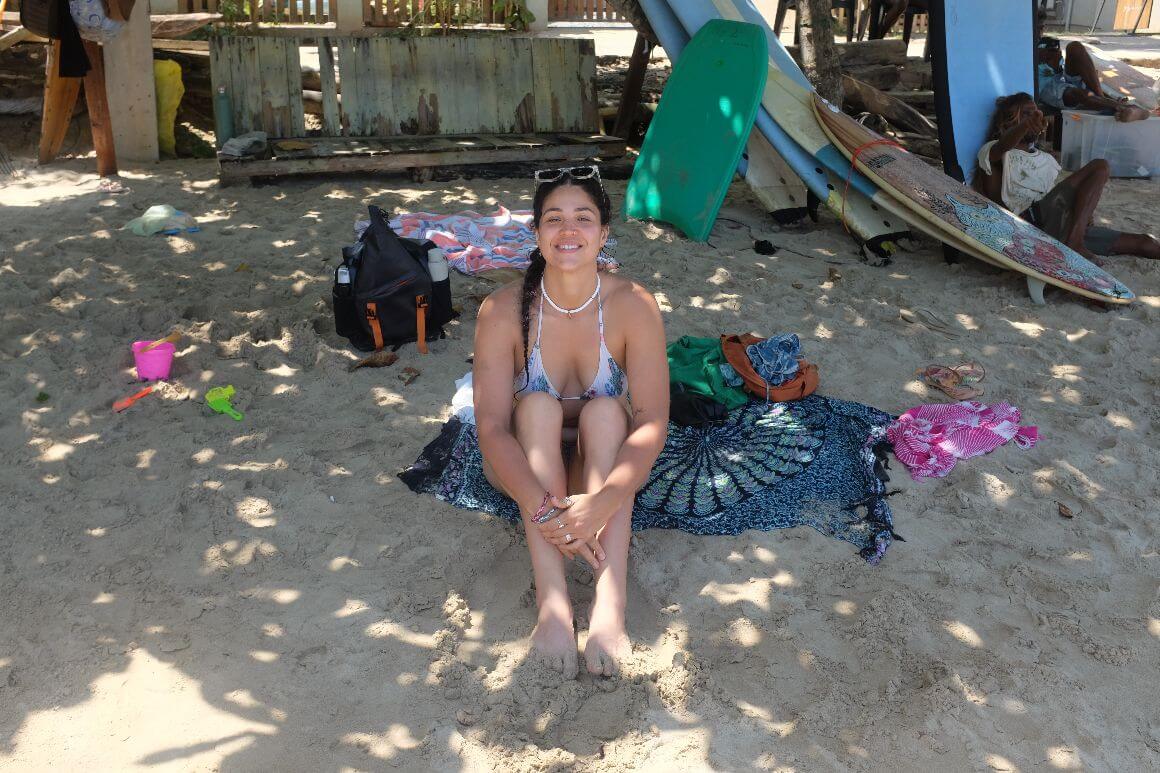
Photo: Abi Dalton
Then there are the shoulder months, which sit between the busier peak season and the quieter low season.
There is a risk of bad weather, so you can’t be sure you’ll be able to spend every day out exploring, since a tropical downpour can shuffle plans.
On the flip side, you’ll get quieter guesthouses, emptier walks, and moments when Sri Lanka feels beautifully and unexpectedly your own.
But when travelling in Sri Lanka, this is a little more complicated than saying it’s the “worst time”, because the island has very different weather patterns depending on where you are.
If you’re visiting in peak season, I’d follow the same route but definitely plan it more tightly.
For example, pre-booking things like train seats, staying closer to the sights you really care about, and prioritising early starts are really important.
Yet, for this style of a crowd-light trip, the low season and shoulder months work really well.
That said, I’d still recommend keeping your route flexible, as a downpour can cause a right mess of your plans.
The Top 3 Crowd Avoidance Levers I Used
I didn’t plan this itinerary to avoid every famous place, since there were still popular sites I really wanted to see. It would’ve also been pretty much impossible, since many of the transport hubs connect through these spots.
Instead, I planned the trip around three simple crowd-avoidance levers:
- Timing of year: travelling when fewer people were moving around the country.
- Timing of day: visiting busy sights before or after the main rush.
- Choice of place: pairing famous stops with quieter alternatives nearby, and choosing a calmer base.
Lever 1: Timing of Year
I chose to travel in October because I knew it would be quieter.
I’m not a huge fan of crowded viewpoints, and for this trip, I wanted to see Sri Lanka without feeling like I was constantly arriving behind a busload of people.
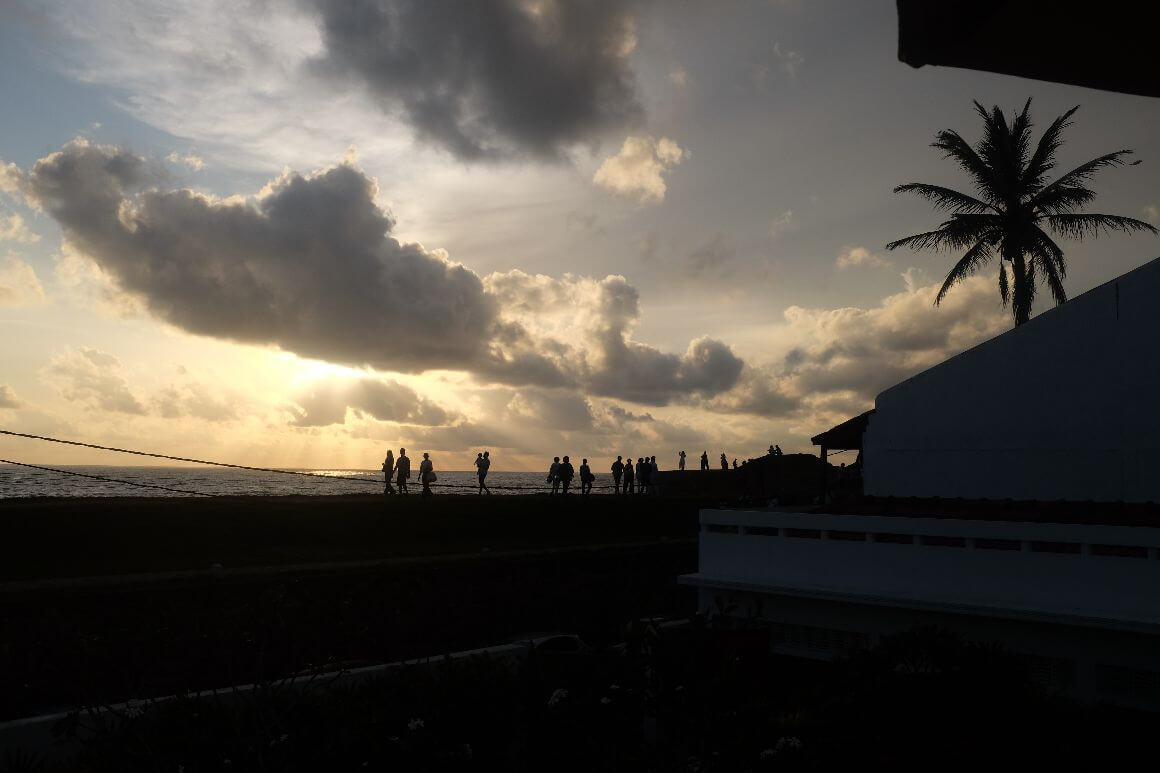
Photo: Abi Dalton
Travelling in October helped with that in a few ways:
- Accommodation felt easier to find: I didn’t feel like I had to lock everything in months ahead, and in some places, prices seemed a little softer than they would be in peak season.
- Transport felt more relaxed: I didn’t need to book every journey too far in advance.
- Attractions felt calmer: I honestly don’t remember visiting anywhere that felt unbearably packed.
- The whole trip felt more flexible: I could move through Sri Lanka without feeling like every decision had to be made weeks before, which is much \more my travel style than pre-planning every detail.
The one exception I made was the Kandy-to-Ella train. After researching it, I decided I wanted to travel in a second-class reserved seat, which tends to be the more popular choice.
I booked it around two weeks before arriving, because I really wanted that specific journey to be more comfortable.
In peak season, I’d be much more organised with this. If the train is a must for your trip, book earlier and don’t leave it to chance.
The big attractions were still busy in places. The famous Nine Arch Bridge, for example, filled up when the train was due.
But overall, Sri Lanka felt wonderfully crowd-light. A big part of that was down to travelling outside the main tourist rush.
There are downsides, though. October and other quieter shoulder or low-season months can be unpredictable, and you need to stay flexible if the weather turns.
There are a few things to keep in mind:
- Hiking trails can become muddy and uneven.
- Viewpoints can disappear into the clouds.
- Beach conditions can be rougher.
- Smaller attractions or seasonal businesses may close or run reduced hours.
- Festivals and public holidays can change how busy a place feels.
I was in Galle Fort during the Vap Full Moon Poya ceremony.
It didn’t ruin my day at all, but it did mean certain places worked a little differently; alcohol and meat are limited on this day, and some parts felt busier with local visitors, which was actually nice.
Even so, for this type of crowd-light Sri Lanka trip, I would definitely recommend travelling in either the shoulder months or low season.
I was lucky with the weather, but I also loved the country’s quieter tempo at that time of year.
I’d just stick to early October, keep the route flexible and remember that Sri Lanka’s microclimates mean the weather can change quickly from one region to the next.
Lever 2: Timing of Day
My second lever was timing of day.
It’s really important because it’s probably the easiest crowd-light strategy to control: I couldn’t change how famous a place was, but I could change when I arrived.
My rough rule was this: early mornings for temples, hikes and safaris; late afternoons for forts, viewpoints and wandering. Viewpoints also work well early morning.
Mid-morning is usually when things start to build.
Tour groups tend to arrive from 10 am onwards; day-trippers roll in, people who wanted a slow breakfast finally get moving, and suddenly a peaceful viewpoint feels much less peaceful.
I really utilised this lever, and it helped that I’m a morning person; if you’re not, you might find this one a little trickier. For me, the early starts worked best for:
- The Temple of the Tooth in Kandy: I wanted to visit for the 5 am morning pooja, which meant a very early alarm, but it made the experience feel more atmospheric and authentic.
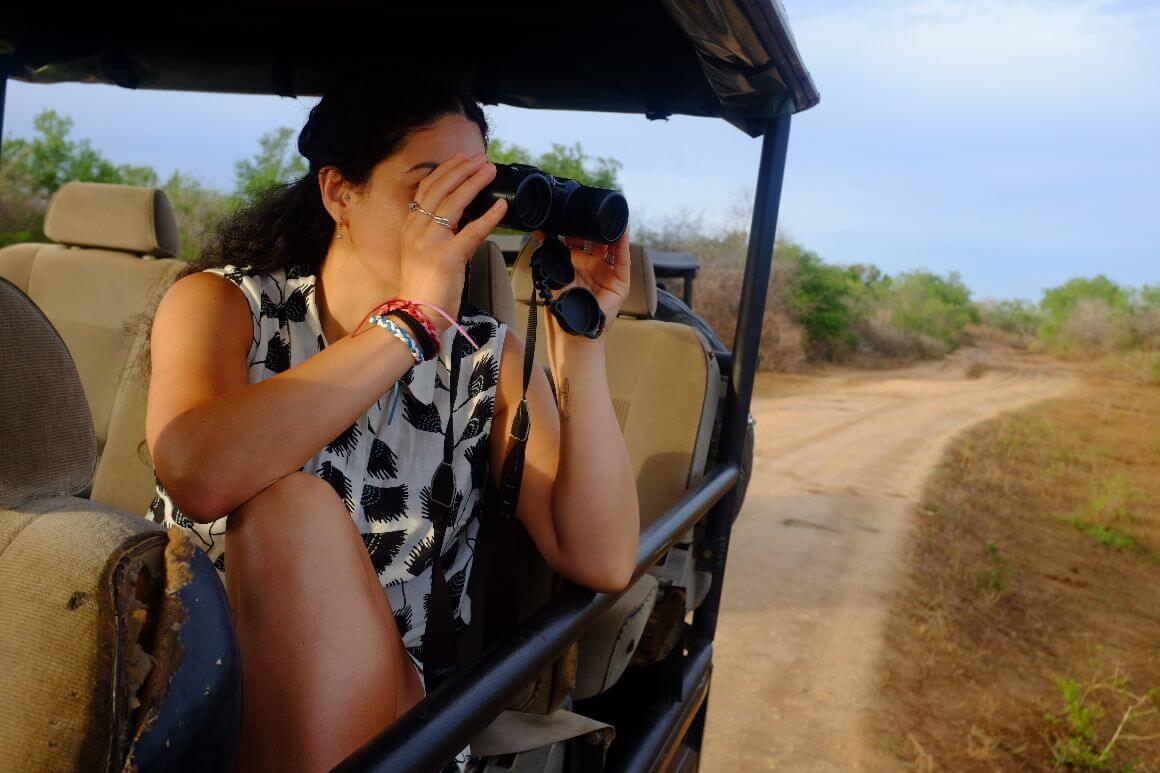
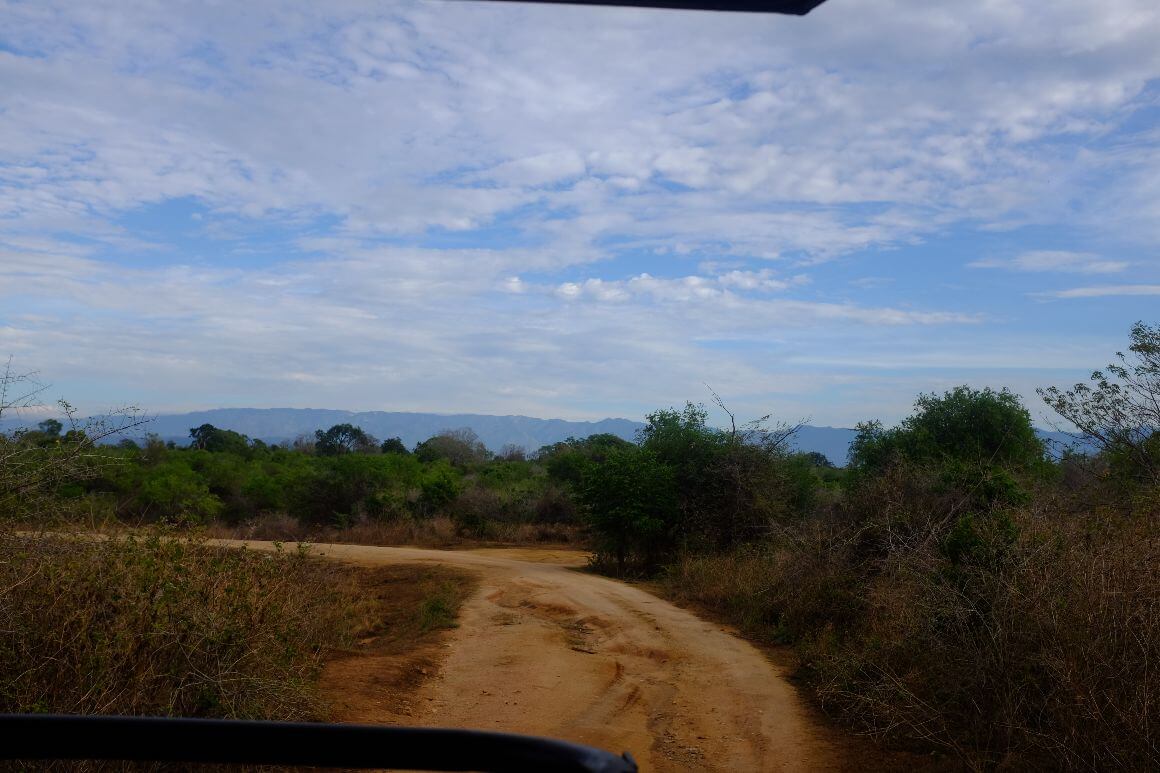
- Udawalawe National Park: The early safari start was absolutely worth it. Wildlife is more active, the light is softer, and you’ll avoid the worst of the heat.
- Ella’s hiking trails: If you’re hiking Ella Rock or Little Adam’s Peak, starting early will help with both crowds and the temperature.
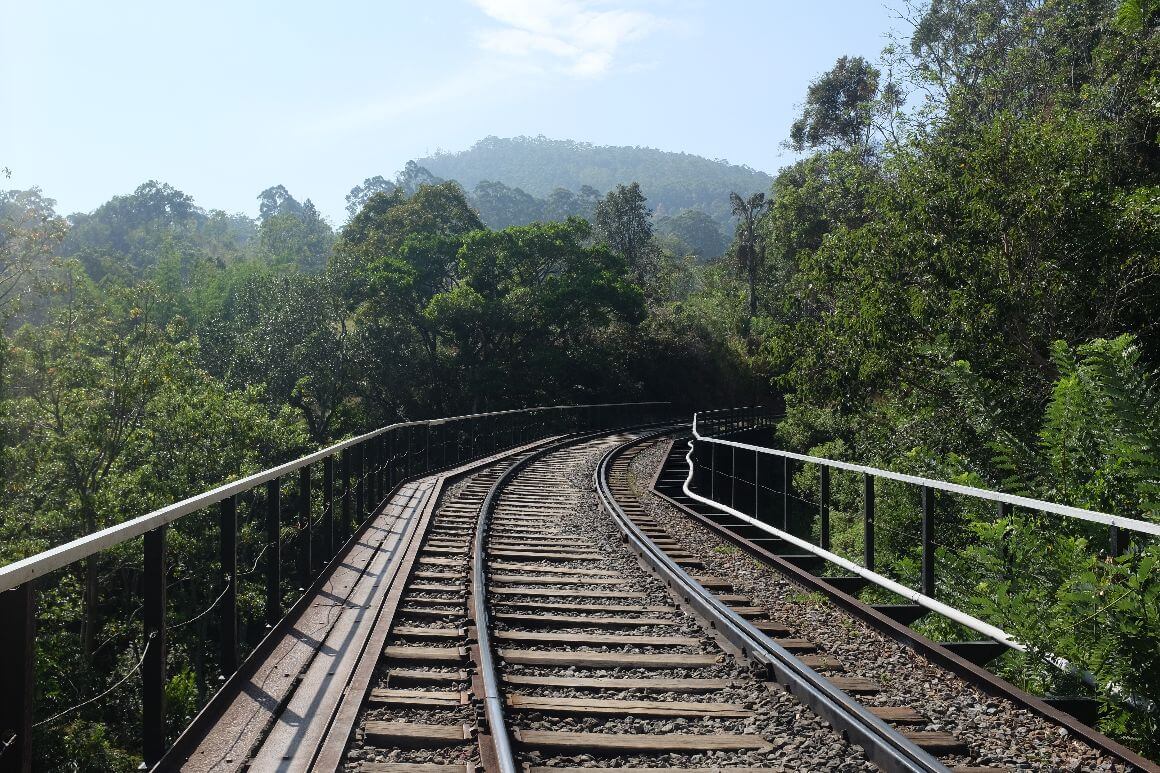
- Nine Arch Bridge: I arrived in the morning before the train was due, which gave me time to enjoy the bridge before it filled up. But even for this one, I think I could have left even earlier and aimed to reach the bridge for 8 am rather than 9 am.
That said, not every place is worth sacrificing sleep for.
I wouldn’t wake up painfully early just to sit in a café, wander a beach town or browse shops in Galle Fort before anything has properly opened.
For places like that, a later afternoon strategy can work better. For example, Galle Fort (which is touristy but well worth it) is lovely when the heat starts to ease, the streets empty out, and you can stay for sunset along the ramparts.
The same goes for coastal spots. In Ahangama, I didn’t need a dawn mission. Part of the joy of being there was slowing down and letting the day unfold slowly.
For a crowd-light Sri Lanka trip, the last-entry-before-close strategy can also work really well. You won’t always get an empty place, but you’ll often avoid the harshest heat and the thickest part of the daytime crowd.
Lever 3: Choice of Place
The third lever was choosing places to visit carefully.
This doesn’t mean skipping every popular site. Sri Lanka has famous places for a reason, and most of them are absolutely worth seeing.
The trick is to use all three levers together: choose the right season, arrive at the right time of day, and where possible, pair the famous sight with something quieter nearby.
For my trip, these are some factors I considered before deciding where to go:
Famous viewpoint vs quieter hike
In Ella, I had the choice between Little Adam’s Peak and Ella Rock. Little Adam’s Peak is easier and therefore more popular, while Ella Rock is a harder hike, which naturally filters out some of the crowds.
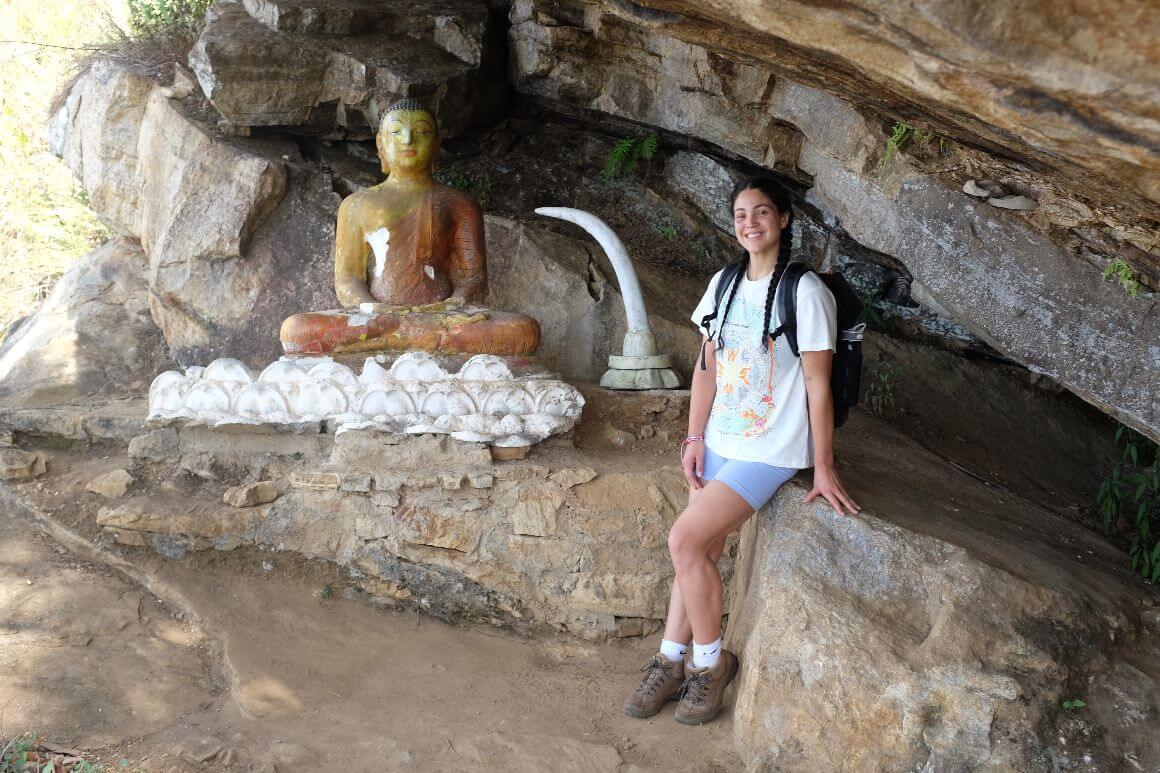
I chose Ella Rock, then made it even more crowd-light by continuing beyond the main viewpoint towards a hidden forest monastery that wasn’t coming up in any guides. I found it by searching attractions around Ella Rock on the map, and then went on to Upper Ravana Waterfall.
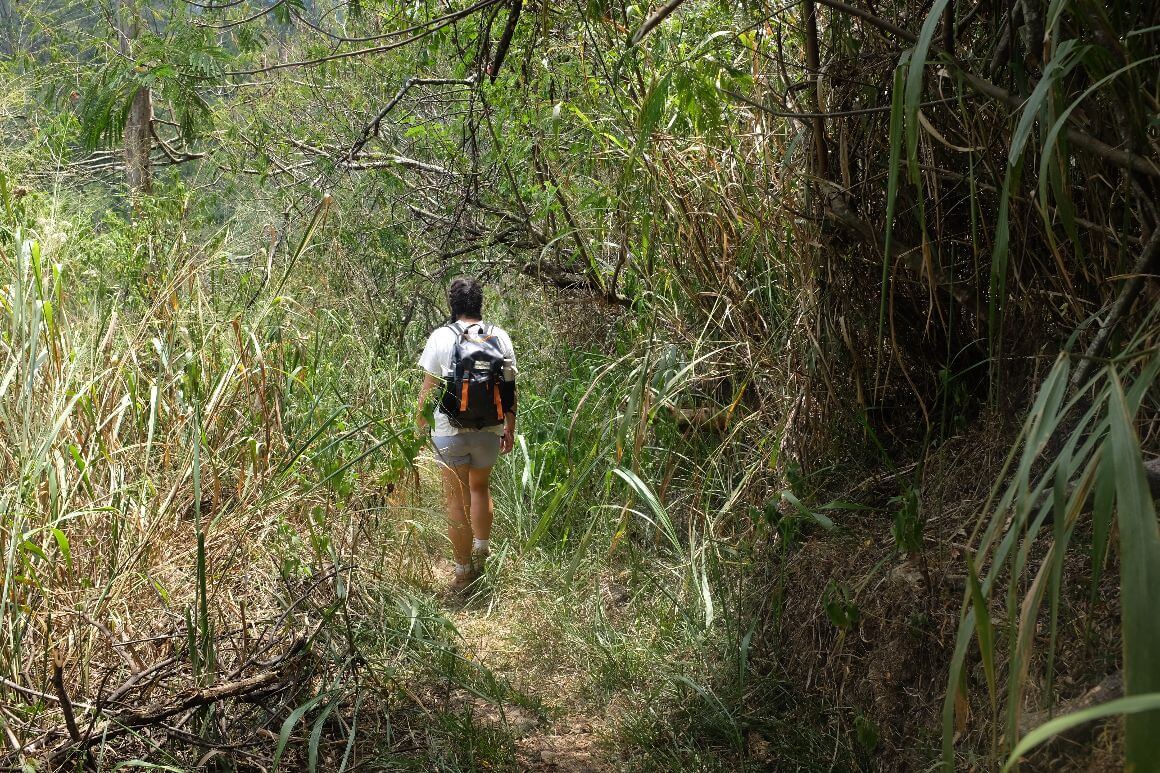
The waterfall turned out to be recently closed to tourists, which was a bit of a plot twist, but the quieter route still worked out. I didn’t see any other tourists after leaving the main Ella Rock area, and I ended up finding peaceful natural bathing pools instead.
I gave up the certainty of an easy viewpoint, but gained one of the quietest and most memorable days of my whole trip.
Main beach town vs calmer base
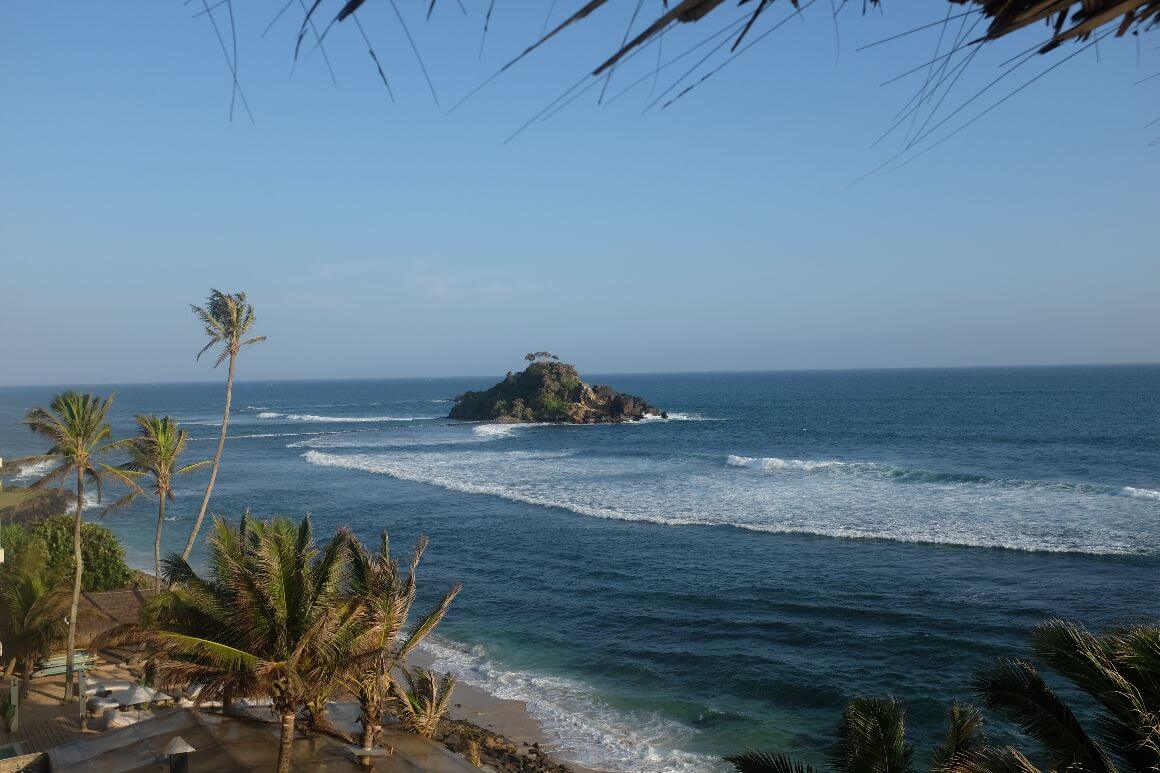
Along the south coast, choosing the right base mattered just as much as choosing the right beach. I stayed in Ahangama, a boho-casual surf town known for good waves, cafés, barefoot luxury and beautiful sunsets.
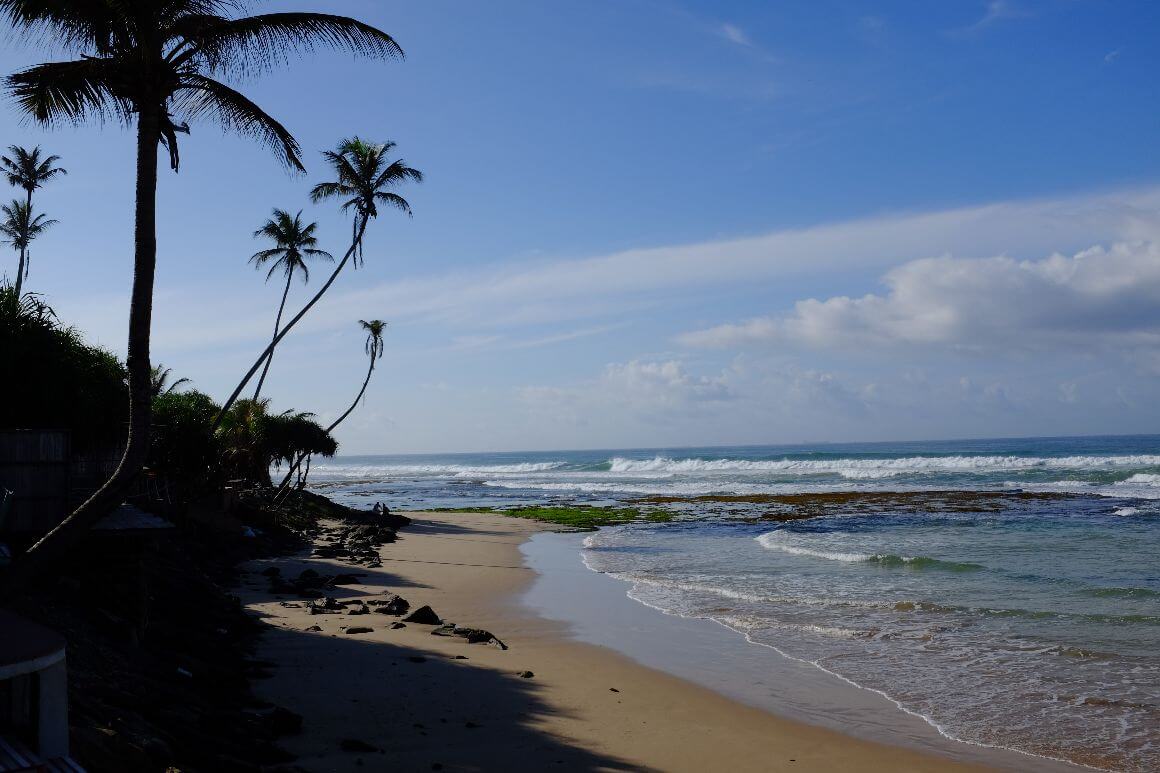
It’s definitely becoming more popular, but in October, it felt calmer than some of the more famous south coast spots like Weligama or Mirissa.
Big safari park vs quieter safari choice
For wildlife, I chose Udawalawe National Park instead of Yala. Yala is famous, especially for leopard sightings, but it also has a reputation for being busier.
On the other hand, Udawalawe meant giving up the better leopard odds, but I gained a more tranquil safari experience with elephants, birdlife and far fewer vehicles around the animals.
For me, that swap was worth it.
Iconic railway spot vs quieter railway walk
I still went to the renowned Nine Arch Bridge, which I loved, even though it did fill up when the first train was due around 9:30 am.
The crowds were much lighter than in the high season, but there were still plenty of people around.
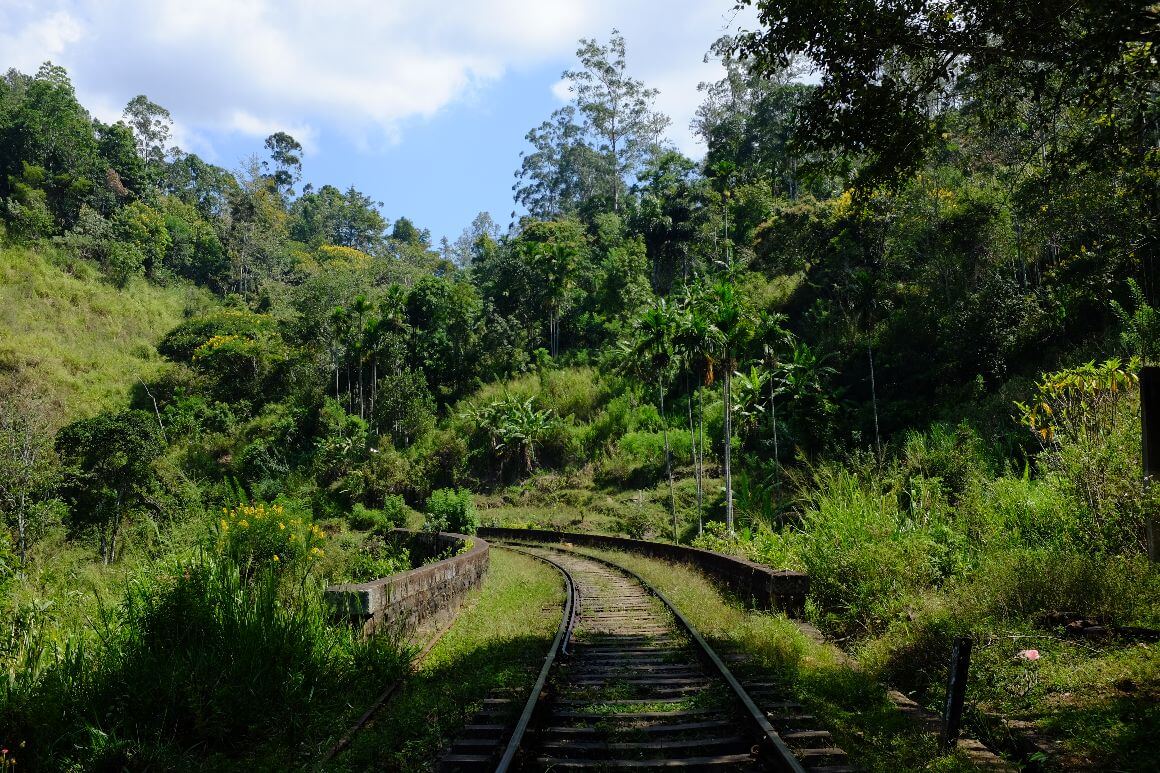
Photo: Abi Dalton
To make the day feel less crowded, I paired it with the walk to Demodara, which is about an hour’s walk farther along the train tracks; it was pretty much empty and a peaceful, crowd-free add-on.
Doing this gave me both sides of Ella: the iconic train moment and the quieter railway scenery beyond the main photo spot.
Major cultural site vs quieter timing
In Kandy, the Temple of the Tooth was a non-negotiable for me.
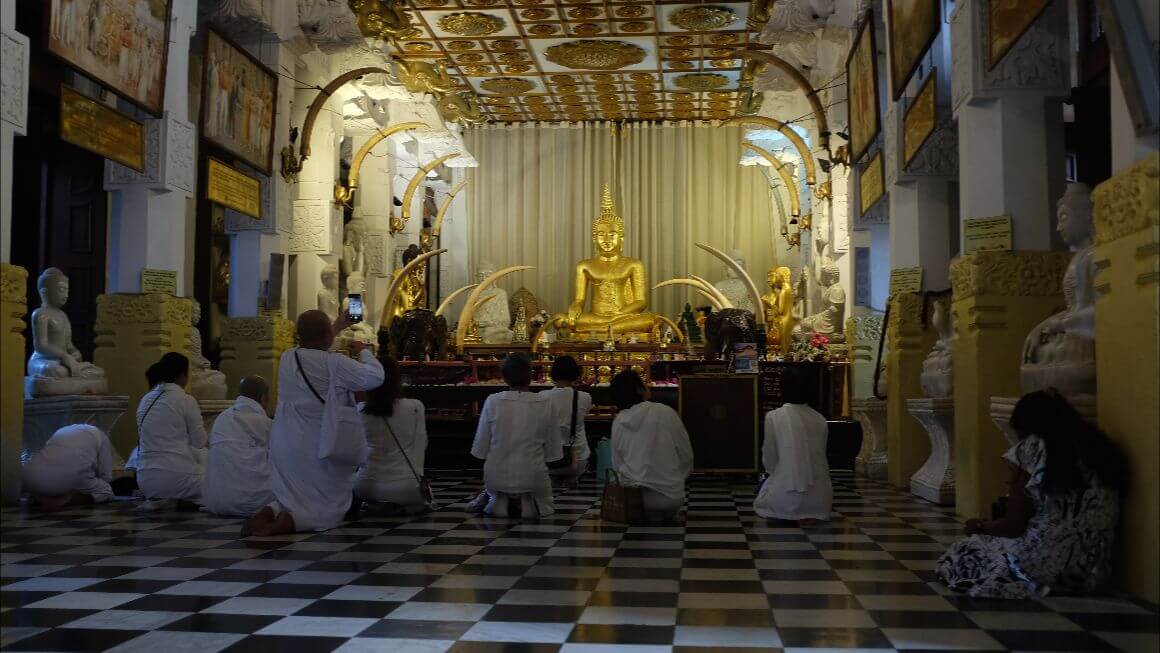
Instead of skipping it because it was popular, I visited for the morning pooja, which meant getting up ridiculously early, but the experience was worth it. I enjoyed the ceremony, surrounded by locals rather than tourists.
That said, it’s worth keeping in mind that not every alternative is automatically better.
A more offbeat place might mean a harder hike, fewer facilities, less reliable transport or a higher chance that things don’t go exactly to plan.
Building the Route Around the Levers
Once I had my three crowd-avoidance levers in mind, I built my itinerary around them.
I still wanted the big Sri Lanka moments, but I didn’t want to cram so much in that I ended up hitting every famous sight at the busiest time of day, and I still left room for changes.
So this is something you’re really going to want to keep in mind when planning your own trip: which destinations or attractions to skip!
In the end, my route looked like this:
Colombo – Kandy – Ella – Udawalawe Safari – Ahangama – Galle – Colombo
For me, this direction made sense because it moved from the busier, more sightseeing-heavy parts of the trip into the slower south coast section.
I really wanted to do the early starts, temples, train journeys and hill country hikes first, then end with beach days, cafés and a bit more breathing room before flying out.
You could do this route in reverse, but I liked saving the coast for the end. After a few days of early starts, arriving in Ahangama felt like a little reward.
| Stop | Time I Gave It | Where I Stayed | Why It Made the Route | Crowd-Light Logic |
|---|---|---|---|---|
| Colombo / arrival | Transit | N/A | Practical entry point before heading inland | I didn’t linger at the start, which kept the route moving |
| Kandy | 2 nights | Selyna Sky Terrace | Gave me access to the Temple of the Tooth and the Kandy to Ella train | Two nights meant I could do the morning pooja early and still have a full day to explore |
| Ella | 3 nights | Secret View Homestay and Ella Ceylonka. | Gave me the famous train journey, viewpoints and hikes | I used early starts and quieter add-ons like Demodara and lesser-known walking routes to balance the busy sights. |
| Udawalawe Safari | Transfer stop | N/A | Turned a travel day into a wildlife experience | I chose Udawalawe over Yala because it felt like the calmer safari option |
| Ahangama | 4 nights | Seven Black Diamonds and Mellow Hostel | Slowed the trip down with beaches, cafés and south coast exploring | Staying in one base avoided constant moving and let me day trip instead |
| Galle Fort | Day trip | N/A | Added history, architecture and a UNESCO-style old town feel | I accepted some crowds here because it was worth it, but kept it as an afternoon/sunset trip rather than another overnight stop. |
| Colombo | 1 night | Marino Beach Colombo | Made the final airport leg easier | I saved the city chaos for the end and took a tuk-tuk tour to see a lot without wasting time or dealing with too many people. |
Why I Didn’t Turn This Into a Fixed Day-by-Day Plan
The whole point of this route was flexibility. A crowd-light trip will always depend on the weather, transport, how tired you are, and whether you actually set that early alarm.
If you sleep in, miss a train, get caught in the rain or arrive somewhere later than planned – which can easily happen in Sri Lanka – you have two choices: accept the crowds or remove something from the day to protect the pace.
That was what I kept coming back to.
I had an idea of where I was going and what I wanted to see, but I stayed open to changing how I approached things once I was actually there.
My Udawalawe safari is the perfect example. I originally thought I’d use public transport to reach the south coast, but booking a safari transfer turned out to be one of my smartest decisions of the trip.
It was more expensive, but it turned a travel day into an experience, and stopped me from having to deal with the faff (plus crowds) of multiple transport connections.
Where I Slowed Down
Kandy needed an extra night because I wanted to visit the Temple of the Tooth for the morning pooja. That meant a quiet walk to the temple before the day properly kicked off, which for me was lovely.
Ahangama also needed more time, but for the opposite reason. I wanted somewhere to slow down, eat well, explore the coast and not feel like I was packing my bag every morning.
Where I Accepted the Crowds
Nine Arch Bridge in Ella was the big one. Ella was probably one of the busiest places I visited, even in October, and the bridge filled up when the train was due.
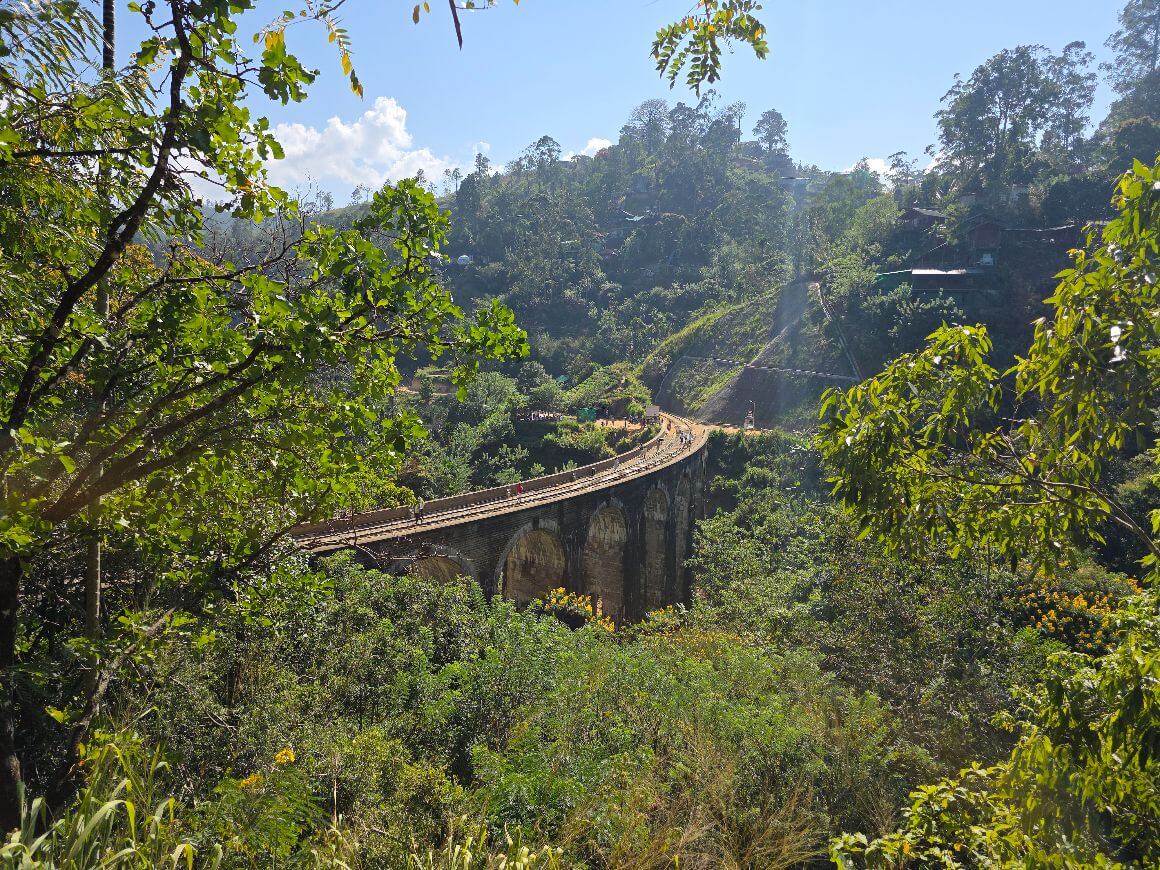
But this was one of those moments where I accepted the crowd because the experience was still fun. Everyone was waiting, people were waving from the train, and there was a real buzz around it.
In truth, it didn’t feel ruined by the crowds; it felt like the crowds were part of the moment.
What I’d Change in Another Season
If I were travelling in peak season, I’d book my key transport and accommodation much earlier, especially for travel around the Kandy to Ella train and popular beach towns.
I’d also be stricter with early starts. In October, I had more wiggle room. In peak season, I’d assume the main sights get busy faster and plan around that from the start.
The Icon-by-Icon Crowd Playbook
By this point, the method is pretty simple: I didn’t skip every famous place; I just changed how I approached them. This is how that looked at the most crowd-prone experiences on my trip.
Temple of the Tooth, Kandy
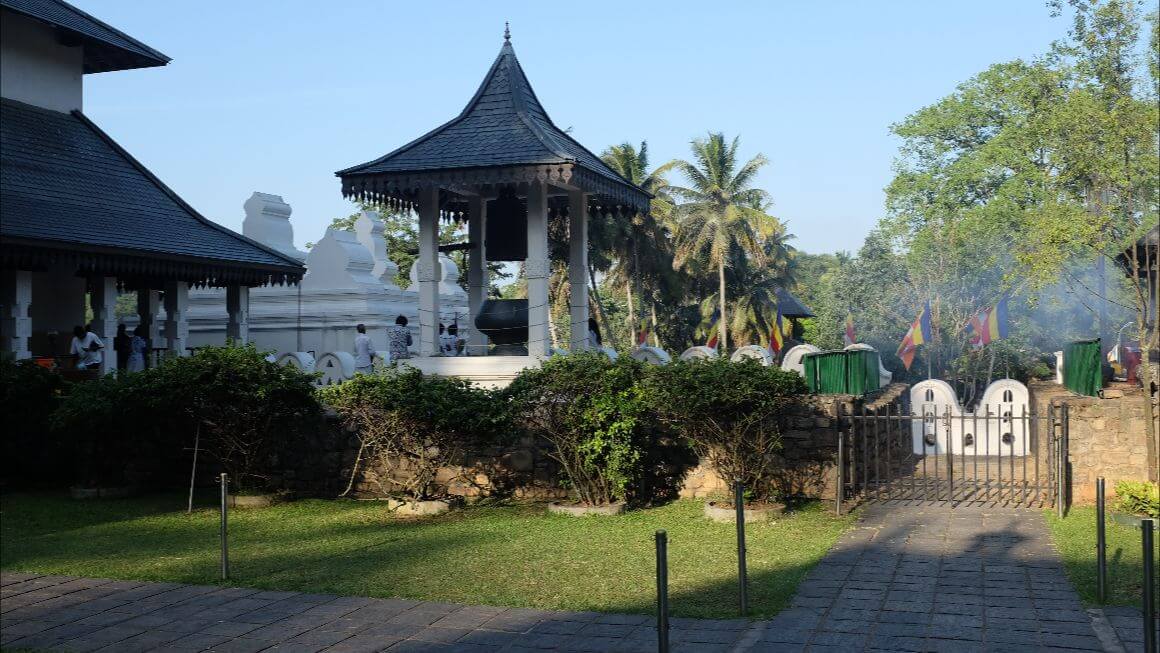
- Why it gets busy: It’s one of the most important Buddhist sites in Sri Lanka, so this isn’t just a tourist attraction. It’s an active place of worship that draws both visitors and local devotees.
- Was it still worth visiting? Absolutely. This was one of the most atmospheric cultural experiences of my trip.
- My crowd-light move: I went for the early morning pooja, which meant walking to the temple before the city had properly woken up. At that time, it felt much more local and spiritual than touristy.
- Best arrival window: Early morning, before or around the first pooja.
- Worst arrival window: Mid-morning onwards, when more visitors and tour groups start moving around Kandy.
- Booking or entry note: No need to book, but dress modestly and be prepared to remove your shoes.
- What I’d do differently: I’d arrive with a little more background knowledge about the ceremony so I could better understand what I was seeing.
Kandy to Ella Train
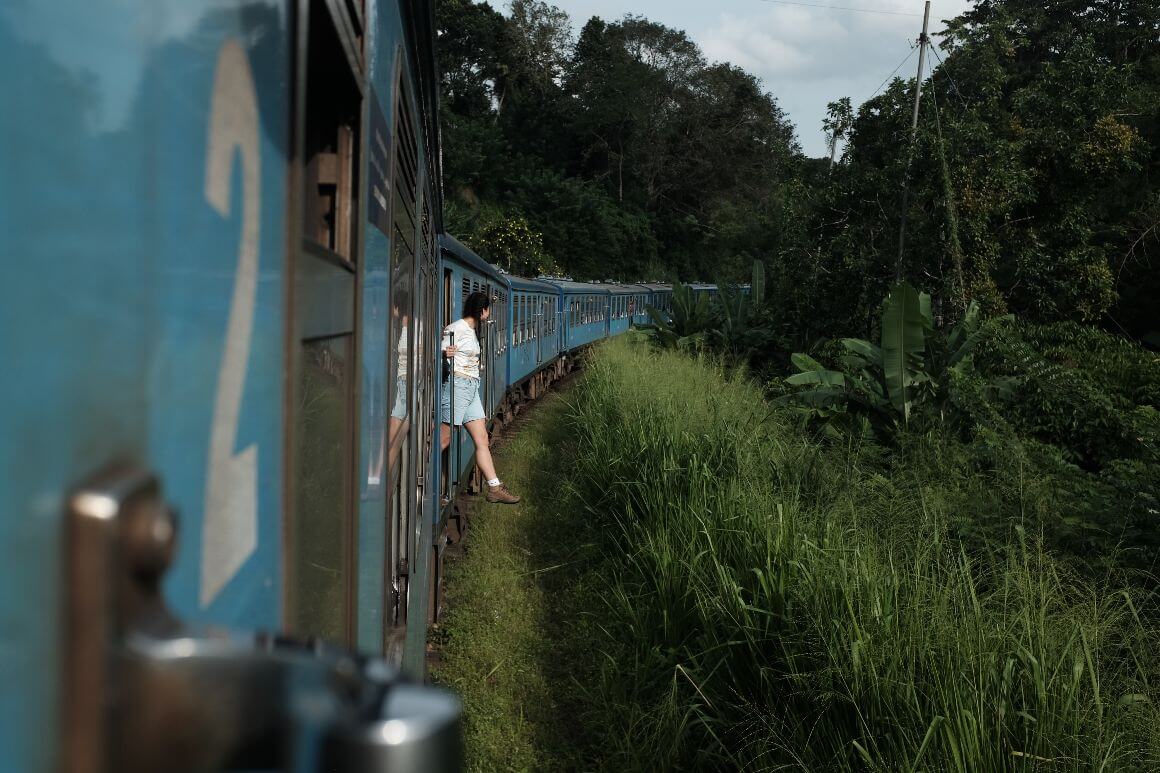
- Why it gets busy: It’s one of the most famous train journeys in Sri Lanka, and for many people, it’s one of the big bucket-list moments.
- Was it still worth visiting? Yes. Even though it’s popular, I still think it’s a brilliant way to experience the highlands.
- My crowd-light move: I booked second-class reserved seats around two weeks before travelling. In October, the seats were full, but it didn’t feel chaotic. Everyone in my carriage had a seat.
- Best booking window: In quieter months, a couple of weeks worked for me. In peak season, I’d book much earlier.
- Worst booking window: Turning up last minute and hoping for the best, especially in peak season.
- Booking or entry note: Third class unreserved can be an option if you really need to travel, as they are uncapped, but you may have to stand and deal with a much busier carriage.
- What I’d do differently: Nothing, really. I’d choose second-class reserved again because it gave me the right balance of atmosphere, comfort and views.
Ella Rock
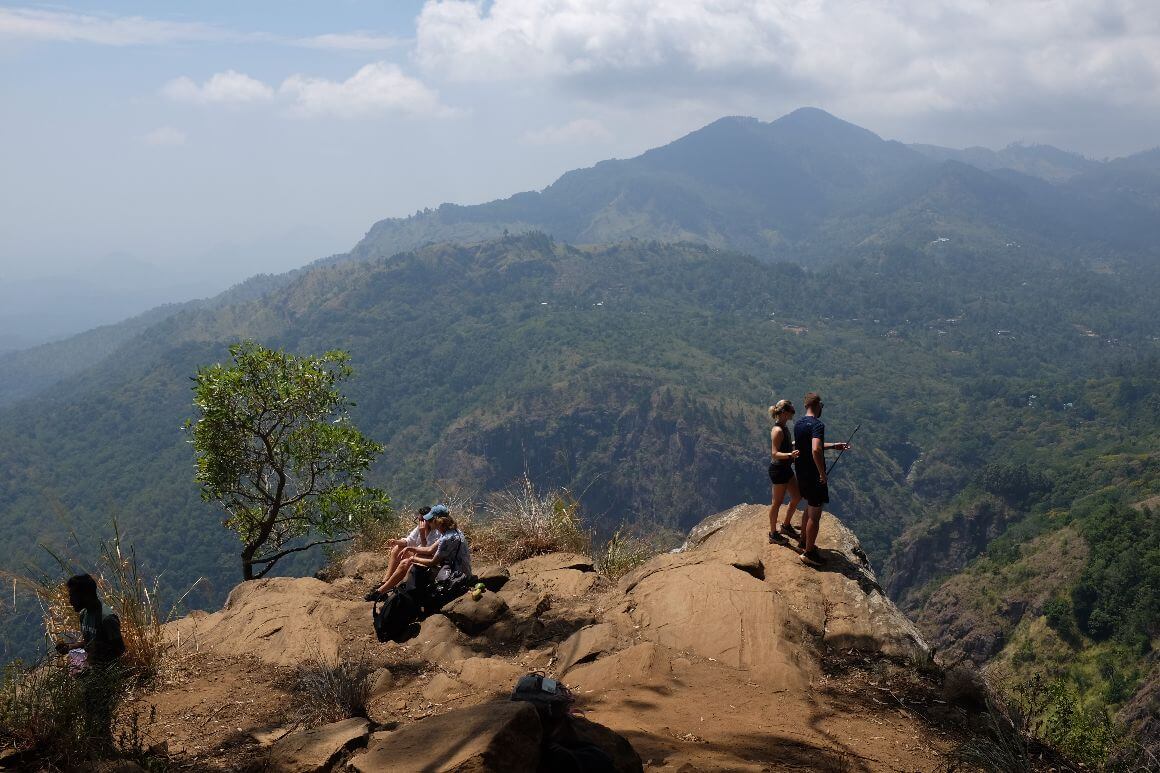
- Why it gets busy: Ella is one of the most popular stops on a Sri Lanka itinerary, and its viewpoints are a huge part of the charm.
- Was it still worth visiting? Yes, but I was glad I chose Ella Rock over Little Adam’s Peak for this trip.
- My crowd-light move: I chose the harder hike after I got some insider tips. Little Adam’s Peak is easier and more popular, while Ella Rock takes more effort, so it’s usually less crowded. I started in the morning and only passed a handful of people.
- Best arrival window: Early morning, especially if you want cooler temperatures and fewer people on the trail.
- Worst arrival window: Late morning, when it gets hotter, and more people start heading out.
- Booking or entry note: You don’t need to book. A guide is optional, but if you’re going alone, use offline maps and check your route carefully.
- What I’d do differently: I’d check whether the waterfall was open before setting off, but I wouldn’t change the decision to continue beyond the main viewpoint. That quieter trail gave me one of the most crowd-free experiences of the trip.
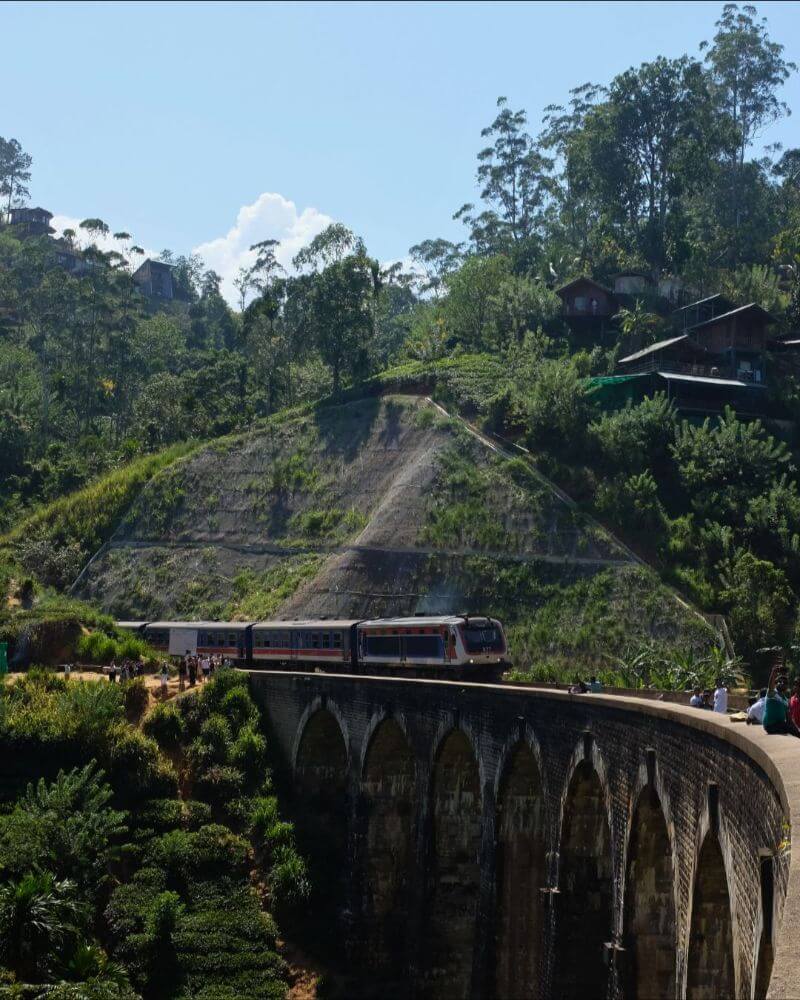
Nine Arch Bridge, Ella
- Why it gets busy: It’s one of the most photographed places in Sri Lanka, and everyone wants to be there when the train passes.
- Was it still worth visiting? Yes. It was busy, but it was also fun. This was one of those rare places where the crowd actually added a bit of energy to the moment.
- My crowd-light move: I went for the morning train rather than aiming for the middle of the day, then continued walking towards Demodara afterwards, which was the real crowd-light win.
- Best arrival window: Before the morning train is due, so you have time to enjoy the bridge before everyone gathers.
- Worst arrival window: Turning up right as the train is about to arrive, when everyone is already in position for photos.
- Booking or entry note: No booking needed, but remember this is still a working railway line.
- What I’d do differently: If I wanted empty photos, I’d go even earlier. But for the train moment itself, I actually liked the buzz.
Udawalawe National Park
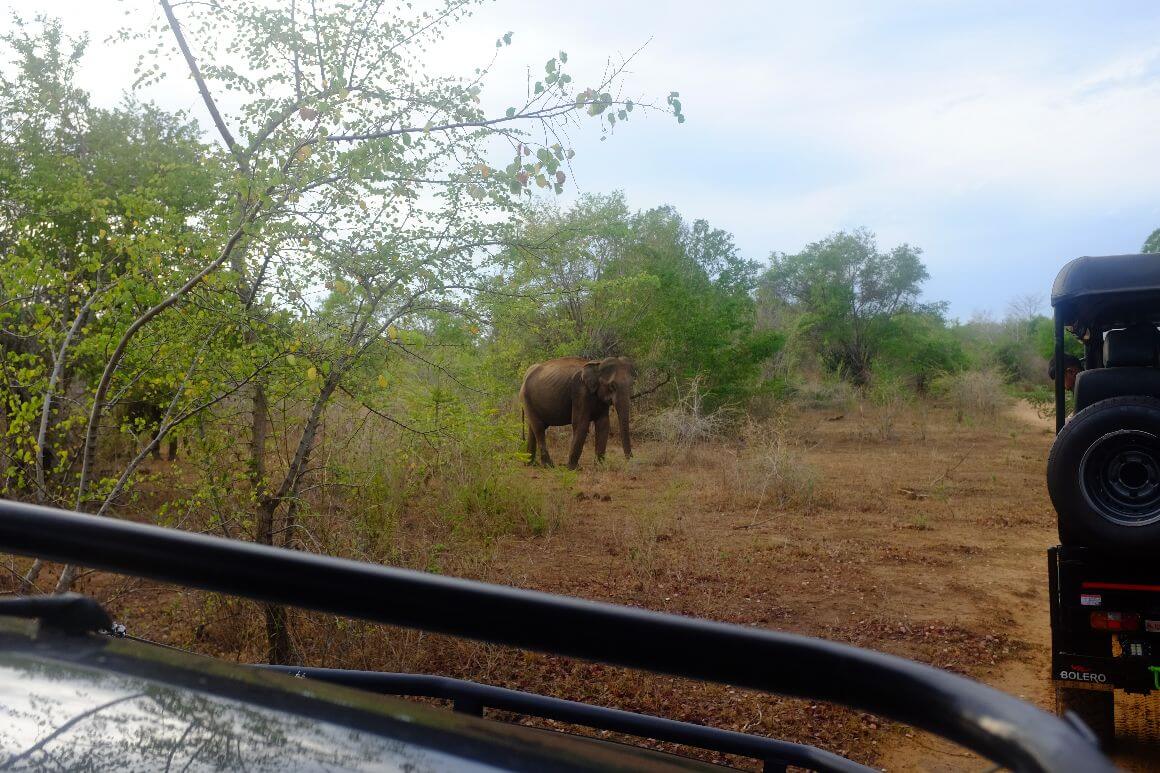
- Why it gets busy: Safaris are one of the big-ticket experiences in Sri Lanka, and many travellers head straight for Yala.
- Was it still worth visiting? Definitely. For me, Udawalawe was the right choice.
- My crowd-light move: I chose Udawalawe because I wanted a calmer experience with elephants, crocodiles, and birds, and far fewer vehicles crowding around the animals.
- Best arrival window: Early morning. My safari started around sunrise, which meant better light, cooler temperatures and more active wildlife.
- Worst arrival window: Later in the morning, when the heat builds and the wildlife becomes less active.
- Booking or entry note: I booked a safari transfer from Ella to Ahangama, which included the safari and onward transport. It wasn’t the cheapest option, but it was one of the smartest time-management decisions of my trip.
- What I’d do differently: Nothing. I’d choose Udawalawe again for this kind of crowd-light itinerary.
Ahangama and the South Coast
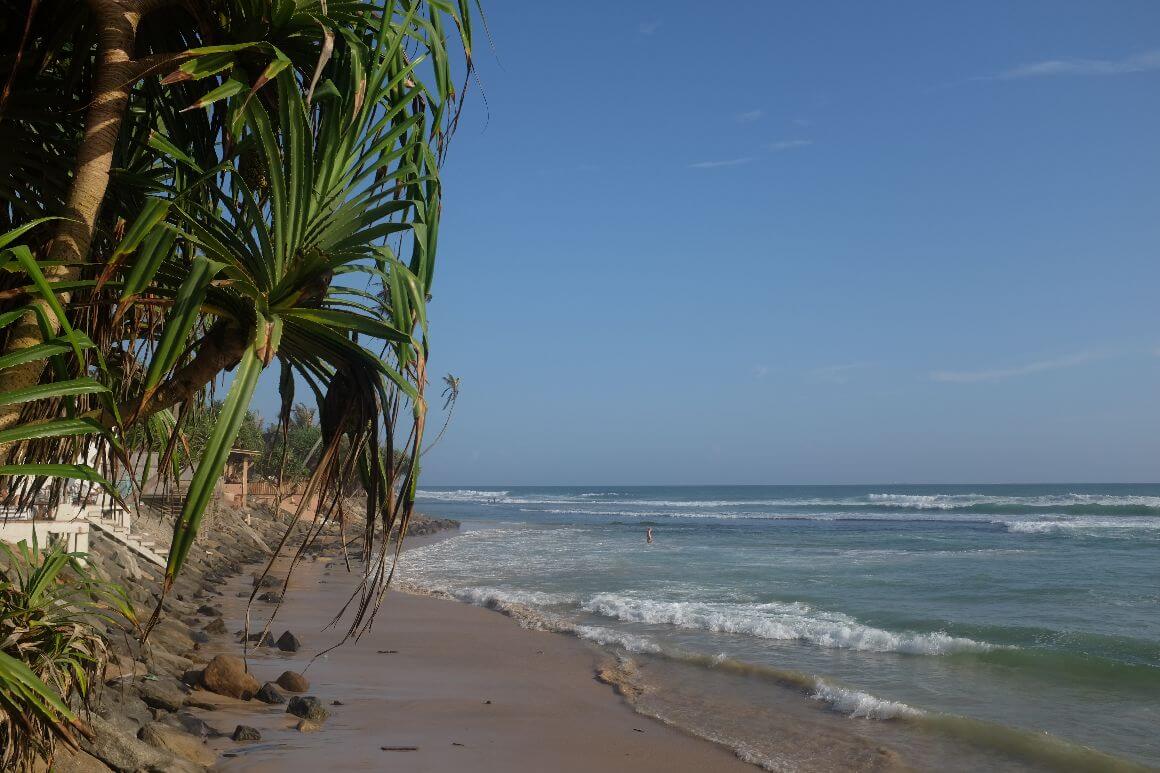
- Why it gets busy: Sri Lanka’s south coast is a major draw for surfers, beach lovers and digital nomads, especially in peak season.
- Was it still worth visiting? Yes. Ahangama wasn’t completely offbeat, but it worked well as a slower base.
- My crowd-light move: Instead of hopping between every famous south coast town, I chose one base and explored from there. Ahangama gave me cafés, sunsets, beaches and access to places like Galle Fort, Hiriketiya and Dickwella without needing to move accommodation every night.
- Best arrival window: For beaches and cafés, I don’t think everything needs to be done at sunrise. Late afternoon worked beautifully for sunsets, oceanfront drinks and slower wandering.
- Worst arrival window: Midday, when the heat is strongest, and the coast can feel dusty, bright and a bit draining.
- Booking or entry note: In October, I found it fairly easy to organise accommodation and local transport. In peak season, I’d book earlier, especially if you want a specific guesthouse, surf camp or beachfront spot.
- What I’d do differently: I’d still base myself in one place, but I’d leave even more room for slow mornings and flexible day trips.
Galle Fort
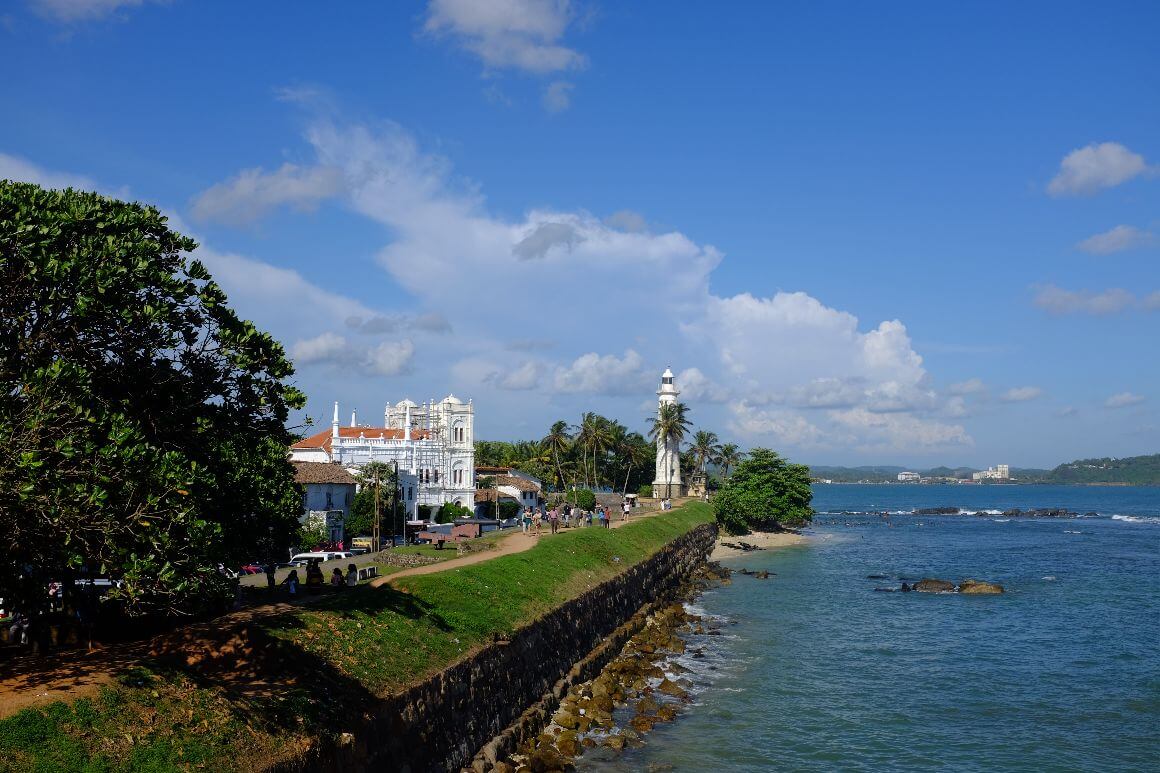
- Why it gets busy: It’s one of the most beautiful historic areas on the south coast, with colonial streets, boutiques, cafés, galleries and ramparts all packed into one walkable old town.
- Was it still worth visiting? Yes. Galle Fort was busy, but it never felt unbearable.
- My crowd-light move: I treated it as a slow day trip rather than another overnight stop. That meant I could wander, eat, shop and stay for sunset without adding another pack-and-move day to the itinerary.
- Best arrival window: Later afternoon into sunset worked well for me. The light was softer, the heat was easier, and the ramparts felt lovely in the evening.
- Worst arrival window: Middle of the day, when the heat is harsh, and the streets can feel more tiring.
- Booking or entry note: No booking needed for wandering the fort itself, but check opening times if there are specific shops, galleries or restaurants you care about.
- What I’d do differently: I’d research the entrance and layout a little better before arriving, because I managed to take the long way in like an absolute sheep.
Transport and Accommodation Choices That Supported the Plan
For my 10-day Sri Lanka itinerary, transport and where I stayed were key parts of my crowd-light strategy.
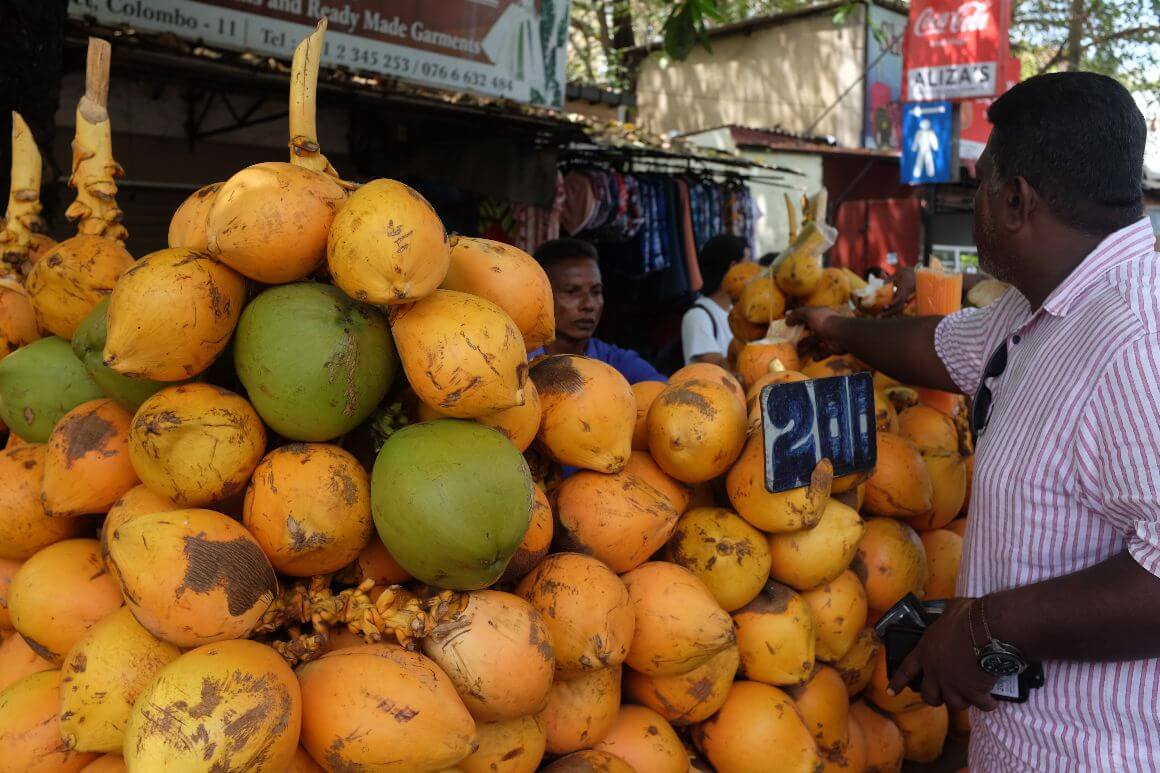
I wasn’t trying to travel in the cheapest possible way every single time. Sometimes I used public transport because it was cheap, scenic and part of the experience.
Other times, I paid more because it helped me avoid stress, save time or arrive somewhere at a better hour.
Transport
For my trip, I used a mix of trains, tuk-tuks, local buses, a safari transfer, a rented scooter and one private taxi.
That mix worked really well for me because each mode of transport served a different purpose.
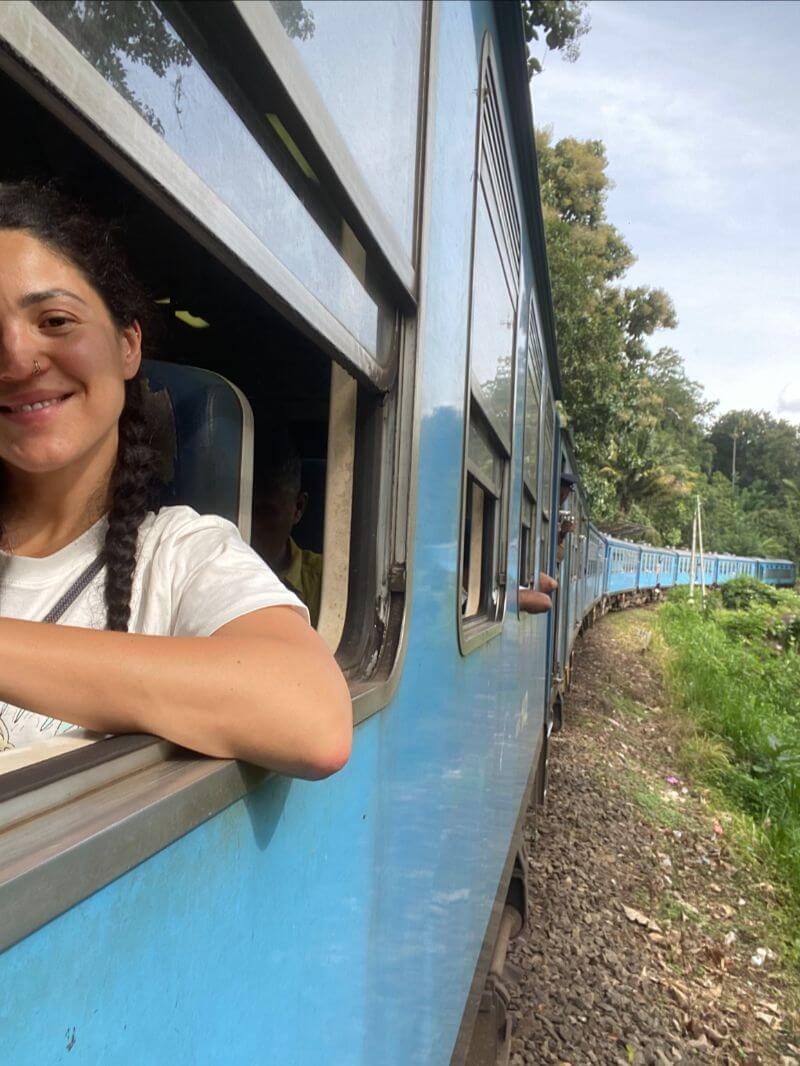
Trains were part of the experience
I used trains through the highlands, including the famous Kandy to Ella train, which is basically an attraction in itself.
Even the journey from Colombo to Kandy was beautiful in the afternoon light.
The downside is that trains are slow, delays happen, and once you’ve booked a seat, your day is fairly fixed.
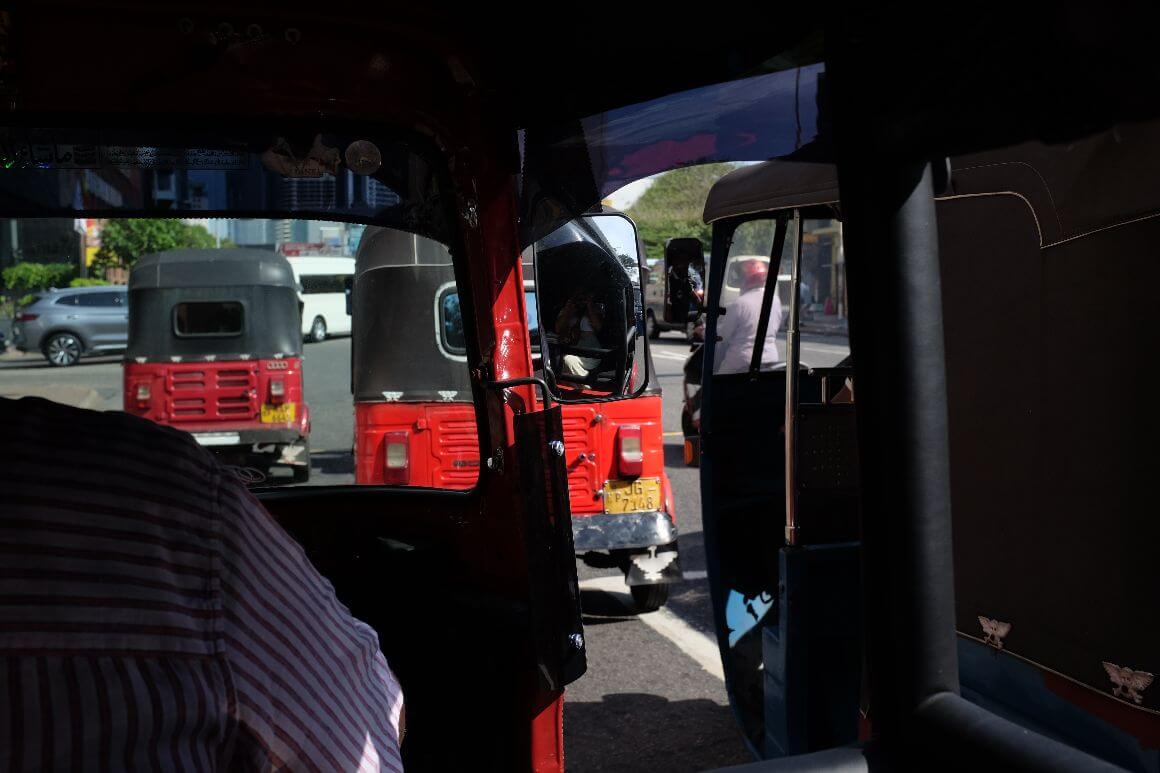
Tuk-tuks helped with early starts
In cities and towns, tuk-tuks were the easiest way to get around quickly, especially if I was running late or staying slightly outside the centre.
They were especially useful in Kandy, where my peaceful hillside stay came with a much longer walk to the Temple of the Tooth than I had planned.
Local buses kept costs down, but weren’t always crowd-light
I used buses on the south coast, including to and from Galle. They were cheap, colourful, and definitely an experience, but not the most comfortable or flexible option.
However, if you’re trying to avoid crowds, a packed bus at the end of the day is not exactly the dream.
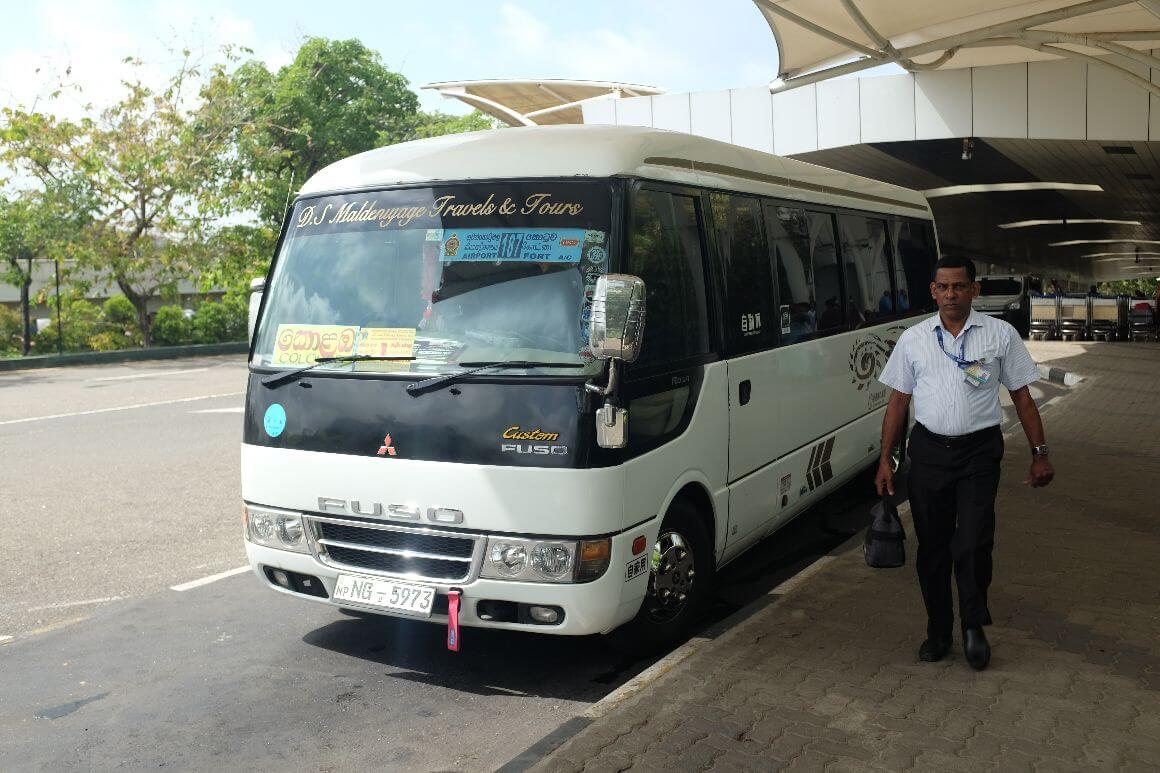
The safari transfer was the smartest time-saver.
Instead of using public transport from Ella to Ahangama, I booked an Udawalawe safari transfer.
It wasn’t the cheapest choice, but it turned a travel day into an experience, helped me avoid a busier safari park, and got me to the south coast without dealing with multiple connections.
A scooter gave me freedom on the South Coast.
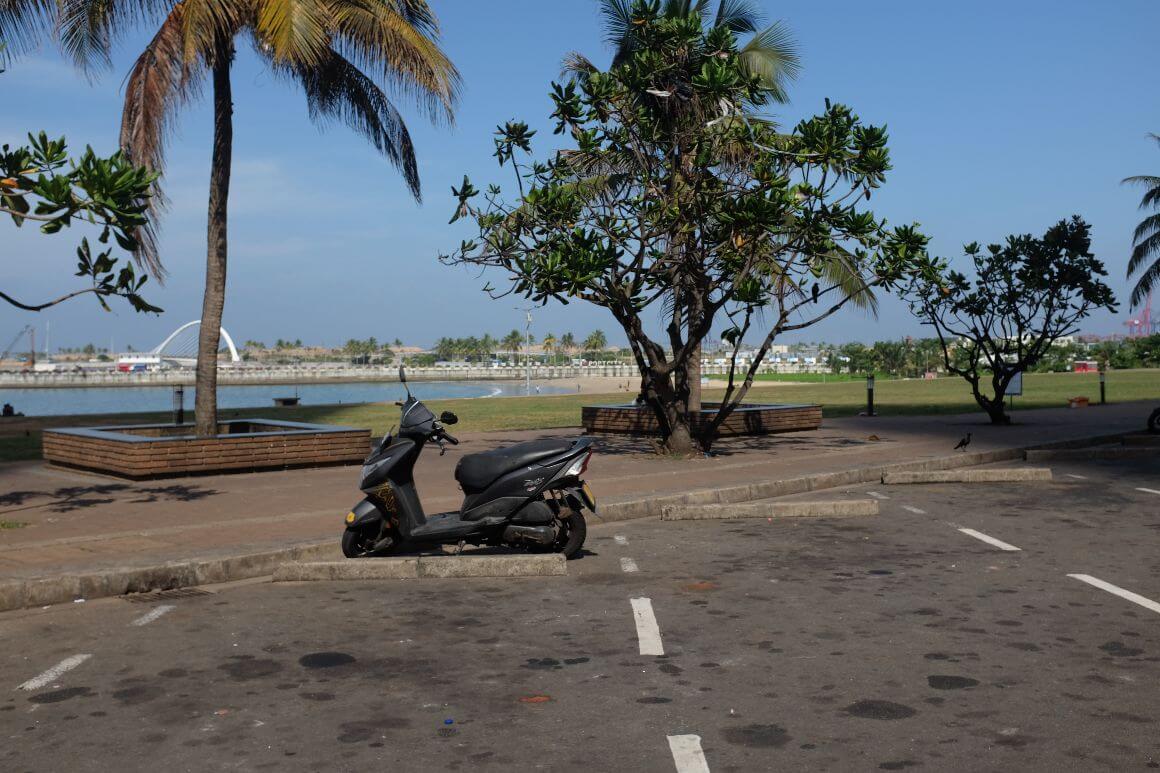
Once I was in Ahangama, renting a scooter made it much easier to explore beaches, cafés and nearby towns on my own timing.
This was ideal for crowd-light travel because I wasn’t waiting around for tuk-tuks or trying to fit into someone else’s schedule.
The private taxi to Colombo was worth it.
By the time I left Ahangama, I was tired. I could’ve taken public transport back to Colombo, but I wanted a stress-free arrival in the capital city. It cost more, but it removed a lot of stress at the end of the trip.
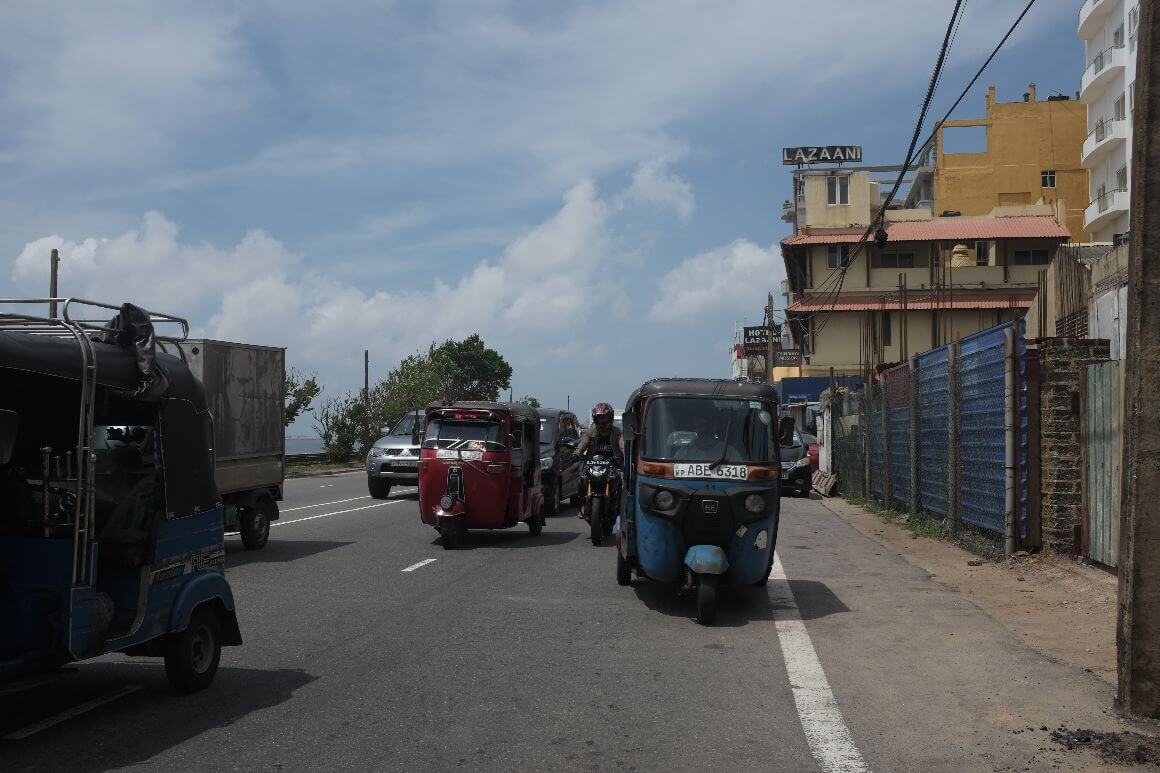
Photo: Abi Dalton
The main trade-off was money versus flexibility.
Public transport made the trip cheaper, but it also meant longer journeys, fixed timings and crowds. Private transfers cost more, but they helped me protect my energy and keep the route moving smoothly.
For a crowd-light trip, I think the trick is knowing where to save and where to spend.
Accommodation
Accommodation mattered just as much as transport, especially when it came to early starts.
I didn’t always get this perfectly right, but each stay taught me something about how location affects a crowd-light itinerary.
In Kandy, I chose quiet over convenience
I stayed in the hills up at Selyna Sky Terrace because I wanted tranquillity and to be away from the busy town centre. The setting was lovely, but it made exploring and my early morning visit to the Temple of the Tooth more awkward.
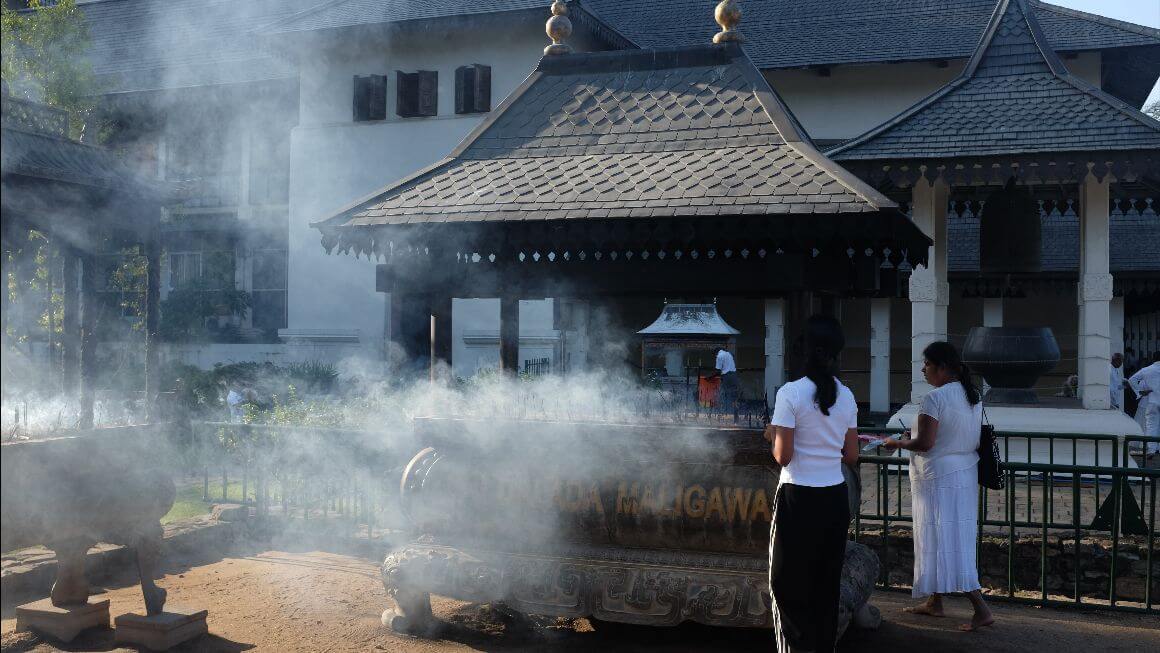
The walk was just under an hour, and although it was quiet, I ended up jumping in a tuk-tuk halfway so I didn’t miss the morning pooja.
In hindsight, I should have stayed closer to the temple and accepted a slightly busier area. For early-access sights, I learnt that location really matters.
In Ella, splitting my stay worked well
I chose two different accommodations in Ella, and this actually helped the route.
My first stay, at Secret View Homestay, was quieter, with lovely views and easier access for the Ella Rock hike. My second stay, at Ella Ceylonka, was closer to the main strip and the Nine Arch Bridge side of town.
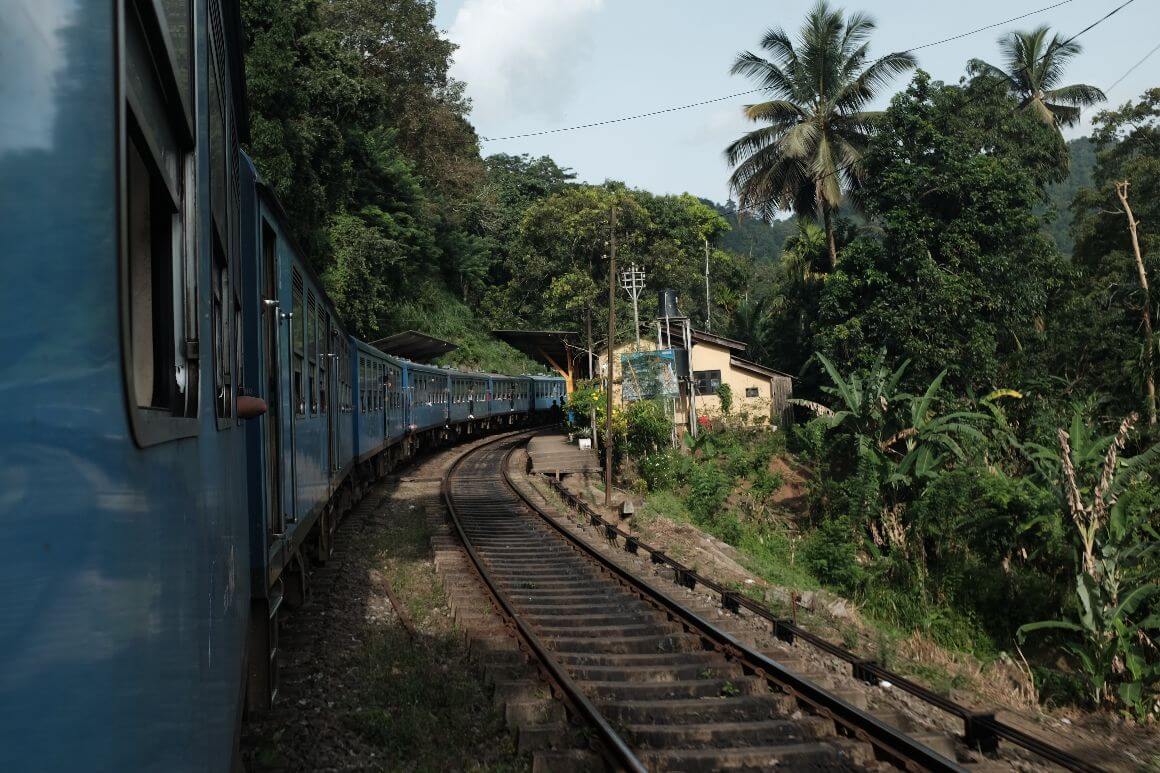
Photo: Abi Dalton
Since Ella is popular but still easy to move around, staying slightly outside the centre didn’t feel like a problem. In fact, it helped balance the trip: quiet mornings, easy hikes and enough access to town when I wanted food or transport.
In Ahangama, one stay backfired slightly
My first accommodation had a lovely boho surf vibe and looked beautiful, but in October it felt far too quiet for me. I wanted fewer crowds, but I didn’t want no atmosphere at all.
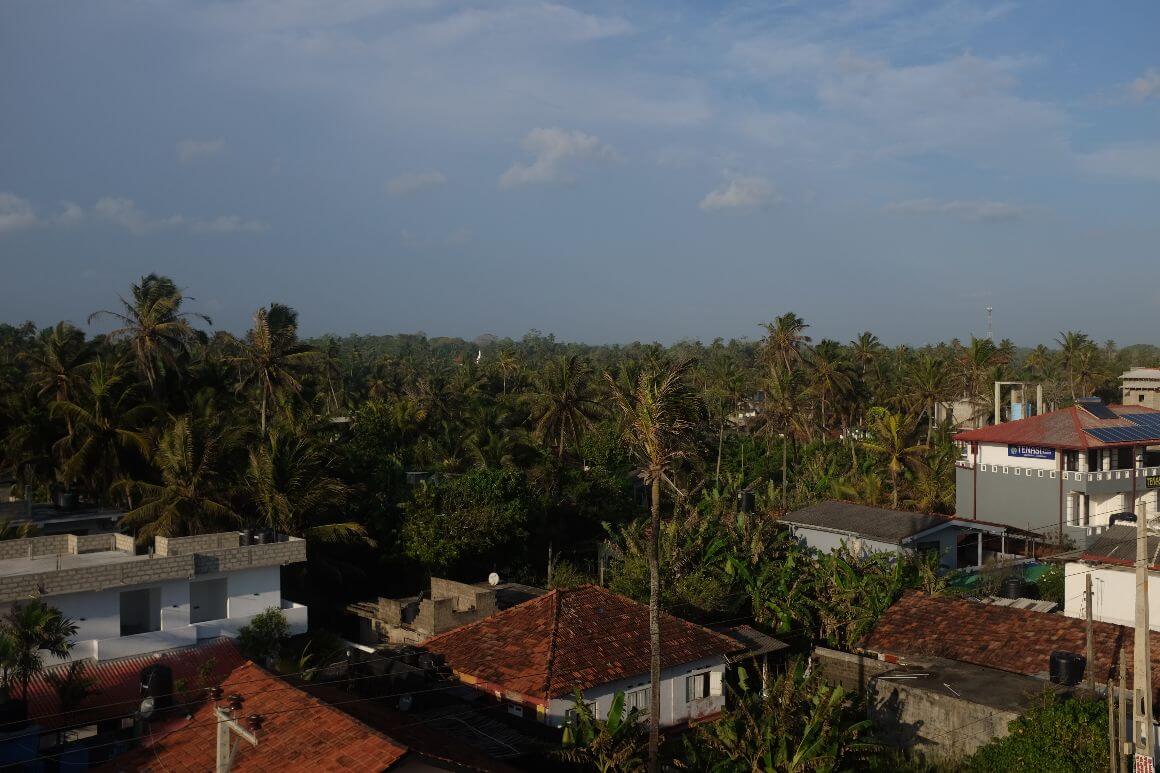
Moving to a hostel was a much better fit, especially because I booked a private room. I’m very much a middle traveller these days: my own room and bathroom are non-negotiable.
But Mellow Hostel (aptly named btw) also had a better location, right opposite Kabalana Beach, which made beach time much easier.
In Colombo, I chose comfort and convenience.
For my final night, I wanted somewhere comfortable, private and easy before flying out.
After guesthouses, homestays and hostels, a proper hotel felt like the right choice. It wasn’t about beating crowds as much as protecting my energy before leaving Sri Lanka. I settled on Marino Beach Colombo and didn’t regret my decision for a moment!
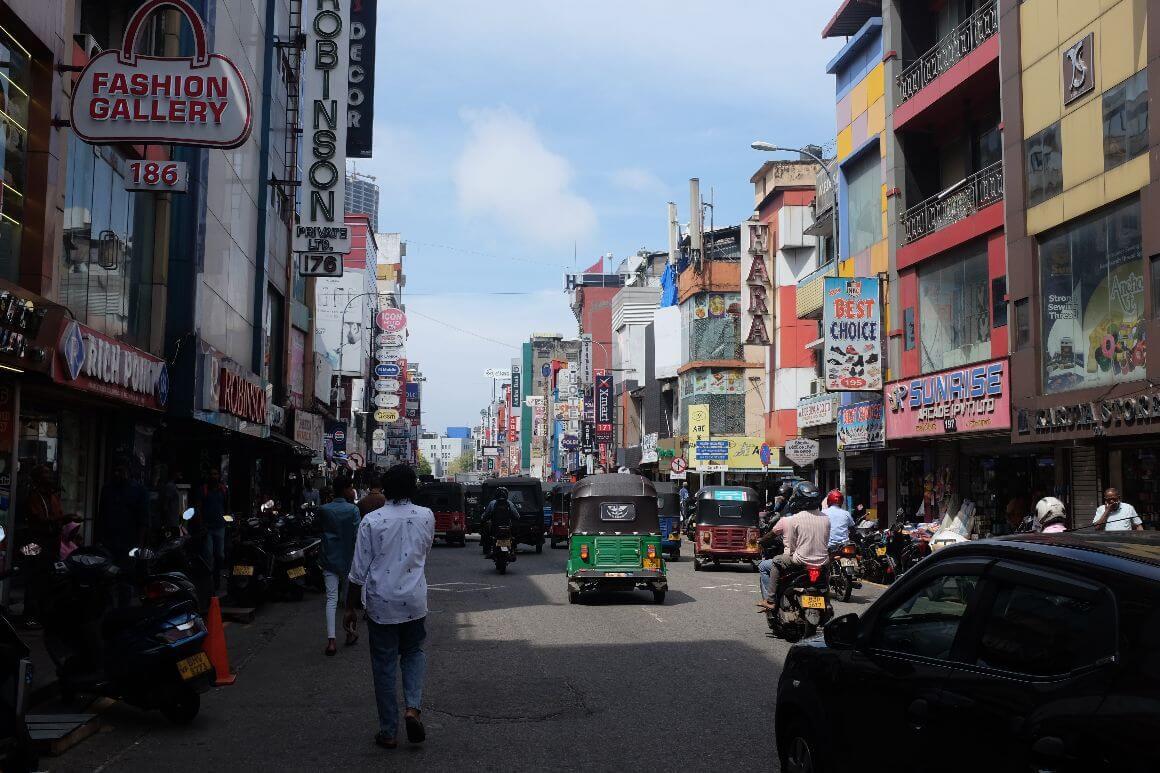
Photo: Abi Dalton
One of the most important considerations when booking accommodation is that a quiet stay can be wonderful, but only if it doesn’t make your priority sights harder to reach.
For a crowd-light route, I’d choose accommodation based on what each stop is meant to do.
Stay close when you need an early start, stay quieter when you want to rest, and don’t be afraid to pay a little more if it makes the whole route feel easier.
Budget Notes for Travelling Crowd-Light
During my 10-day trip to Sri Lanka, there were moments when avoiding crowds made the trip more expensive, especially when I paid for comfort and better timing.
But, and this is important, there were also moments when choosing quieter places made the day almost free.
So, the question really is: does travelling crowd-light in Sri Lanka end up costing more, or not? It depends where you spend, but honestly, I don’t think it necessarily does.
Overall, the cost of my crowd-light Sri Lanka itinerary balanced itself out.
Where Crowd-Light Travel Cost Me More
The two areas where my costs increased were accommodation and transport, which makes total sense if you think about it.
For accommodation, I mostly chose homestays, guesthouses and smaller boutique-style stays rather than dorm beds. And when I did stay in a hostel, I booked a private room.
That was partly for crowd control, but if I’m honest, it’s also just my travel style these days. I like the atmosphere of hostels, but having my own room and bathroom is important.
Smaller guesthouses also meant fewer people around, which helped the whole trip feel calmer.
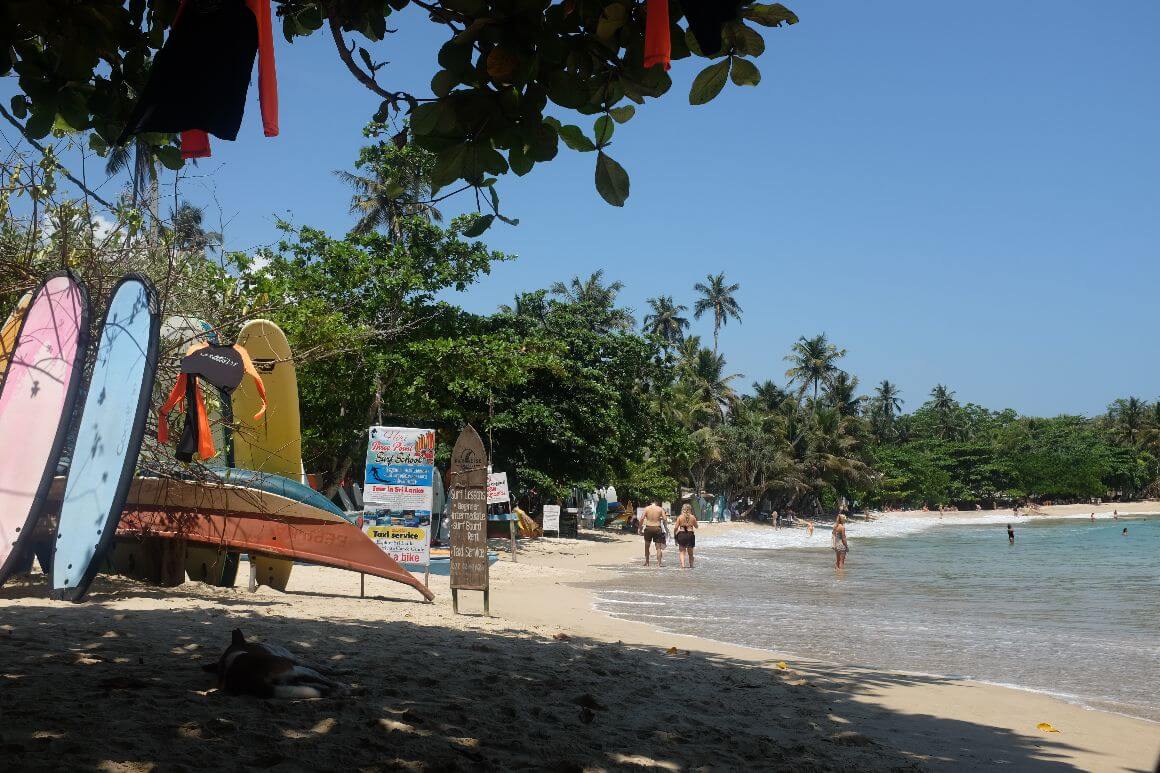
Transport was the other area where I did end up spending more at times.
The biggest crowd-light spend was my private transfer from Ahangama to Colombo. It was definitely the most expensive transport choice I made, but it was worth it.
I wanted air-con, comfort and a stress-free arrival in the capital without dealing with public transport, crowds or waiting times.
The Udawalawe safari transfer also cost more than doing the journey independently, or choosing the more popular Yala National Park.
But it turned a travel day into an experience, got me from Ella to the south coast efficiently, and meant I didn’t lose a full day just moving from one place to another.
For me, both were worth it.
Where Crowd-Light Travel Saved Me Money
This is where the balance came in.
Some of my favourite crowd-light experiences were free, or almost free:
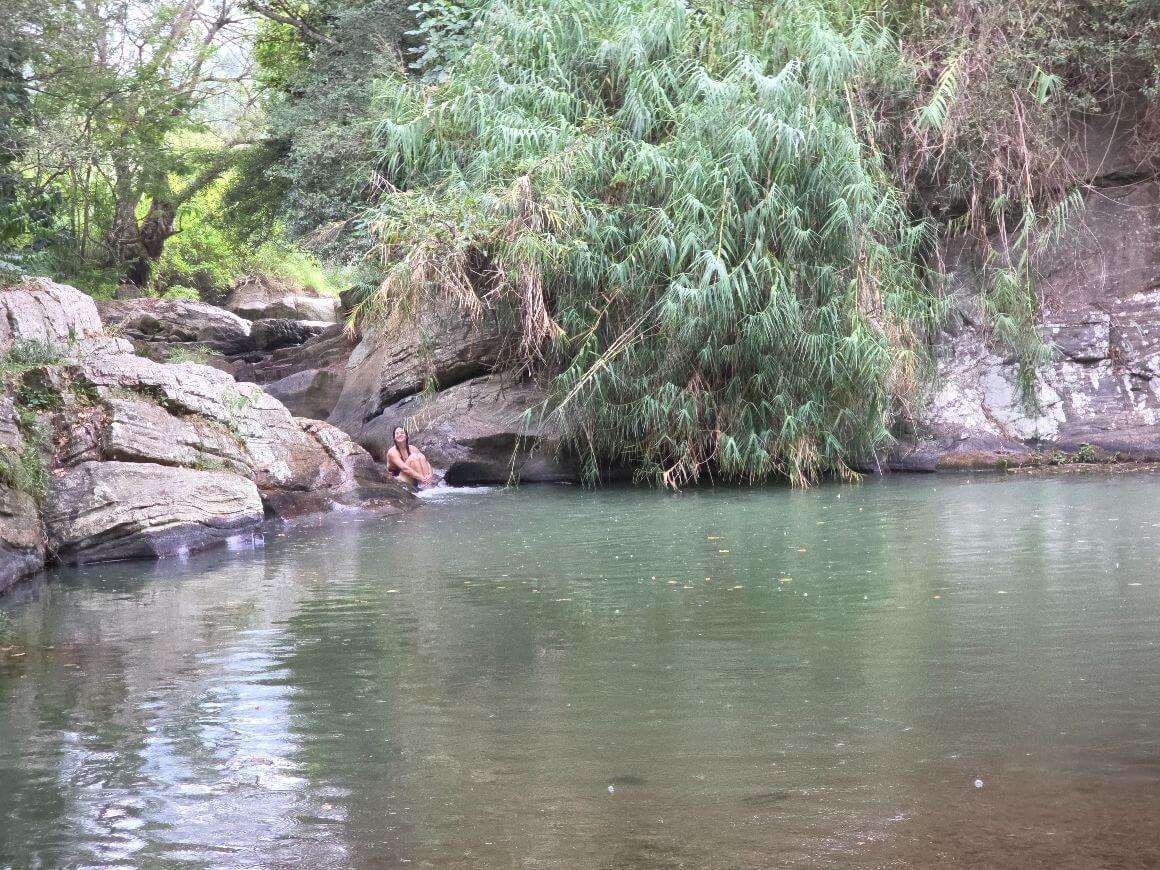
Photo: Abi Dalton
- Walking beyond Ella Rock towards the Forest Monastery
- Attempting the route towards Upper Ravana Waterfall
- Finding the natural bathing pools near AMBA Estate
- Walking from Nine Arch Bridge towards Demodara
- Choosing the free viewpoint at Ella Rock
- Wandering Galle Fort
- Exploring beaches and coastal roads around Ahangama
By choosing more nature-based and offbeat experiences, I spent less on paid attractions. I wasn’t constantly booking tours or jumping from one ticketed sight to another. So I’d say it quiet important to choose your attractions carefully.
That made a big difference to my budget, but also avoiding the larger crowds.
Did October Make Sri Lanka Cheaper?
Yes, I think it helped.
Travelling in October meant accommodation felt easier to find, and I felt that the prices seemed softer than they would have been in peak season.
I set myself a rough accommodation budget of around £25 per night, and for the most part, I managed to stay close to that, except for my final hotel in Colombo, which was a little splurge, but I did budget for this.
That said, prices can still jump depending on where you are.
The south coast, especially around the western-style brunch spots, cocktail bars and boutique stays, can quickly push your budget up. Ahangama was where I found it easiest to overspend without really meaning to.
I went from eating locally to trendy-boho cafes. A coffee here, a sunset cocktail there, pizza night, and suddenly my days were no longer quite as budget-friendly as I’d planned.
Did Quieter Bases Change Food Costs?
Not massively, but it depends on how you eat.
In the highlands, staying slightly outside the main tourist centre didn’t really affect my food costs because I was eating locally anyway.
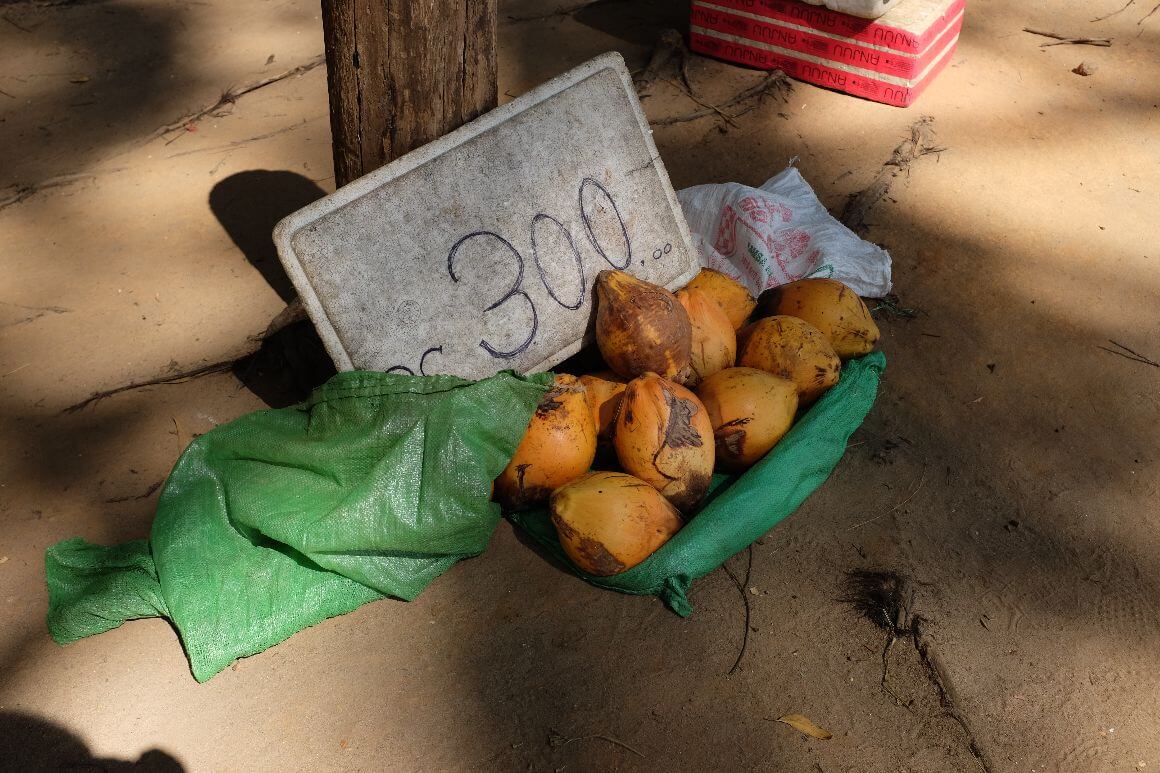
Photo: Abi Dalton
However, in general, rural or quieter areas can be cheaper since you’re more likely to be eating local food rather than relying on Western cafés.
But on the south coast, it’s a different story.
Places like Ahangama, Weligama and Mirissa have plenty of beautiful cafés and restaurants, but they’re rarely budget-friendly or crowd-free.
My Crowd-Light Budget Takeaway
| Category | Total Cost | Crowd-Light Impact | What It Looked Like For Me |
|---|---|---|---|
| Accommodation | $424 | Smaller guesthouses, homestays and private rooms made the trip feel calmer, but cost more than dorm beds | This included Selyna Sky Terrace, Secret View Homestay, Ella Ceylonka, 7BD Surf House, Mellow Hostel and my final Colombo stay at Marino Beach Colombo. October helped keep prices more manageable, but private rooms were still a comfort spend. |
| Transport | $57.62 | Public transport kept costs low, but convenience choices increased spending in places | Local buses, trains, tuk-tuks and scooter rental were very affordable. The more expensive transport choices were the ones that removed friction, like taxis and transfers. This excludes my international flights. |
| Food | $255.62 | Local food helped keep costs down, but south coast cafés and cocktail spots pushed spending up | Kandy and Ella were easier to keep affordable, while Ahangama was where my brunches, coffees, cocktails and beachfront meals started adding up. |
| Attractions | $58.79 | Free hikes, viewpoints and railway walks helped balance the paid sights | Paid attractions included the Temple of the Tooth, Ambuluwawa Tower, Udawalawe park entry and the Kandy dance show. Free stops like Demodara, Ella Rock’s free viewpoint and the forest monastery helped me keep this category lower. |
| Tours / Guides | $93.17 | Paying for the safari tour increased costs, but helped with timing and made a travel day more efficient | The safari tour was one of the clearest examples of me paying more for a smoother, crowd-light experience. It turned my travel day into an activity and helped me avoid a more crowded safari plan. |
| Miscellaneous | $340.22 | Not all of this was crowd-light related, but extras, tips, wellness and shopping added up | This included things like my visa, SIM card, tips, massage and spa treatments, souvenirs, tea, sunglasses and other personal extras. |
Practical Planning Toolkit
To finish, I wanted to pull together a simple planning toolkit you can use when putting together your own 10-day Sri Lanka itinerary. Even with a crowd-light approach, a little bit of planning goes a long way.
What to Book Early
Depending on when you visit Sri Lanka, it is worth giving some thought to what you pre-book, even if you’re planning a more flexible, crowd-light itinerary.
In general, travelling in low season or during the shoulder months gives you a lot more freedom when it comes to booking as you go.
However, some experiences are still worth planning ahead for, especially the Kandy to Ella train. This is even more important if you’re travelling on a tighter schedule or only have a few specific travel days to work with.
In all honesty, this was the only experience I pre-booked, but I was travelling out of season.
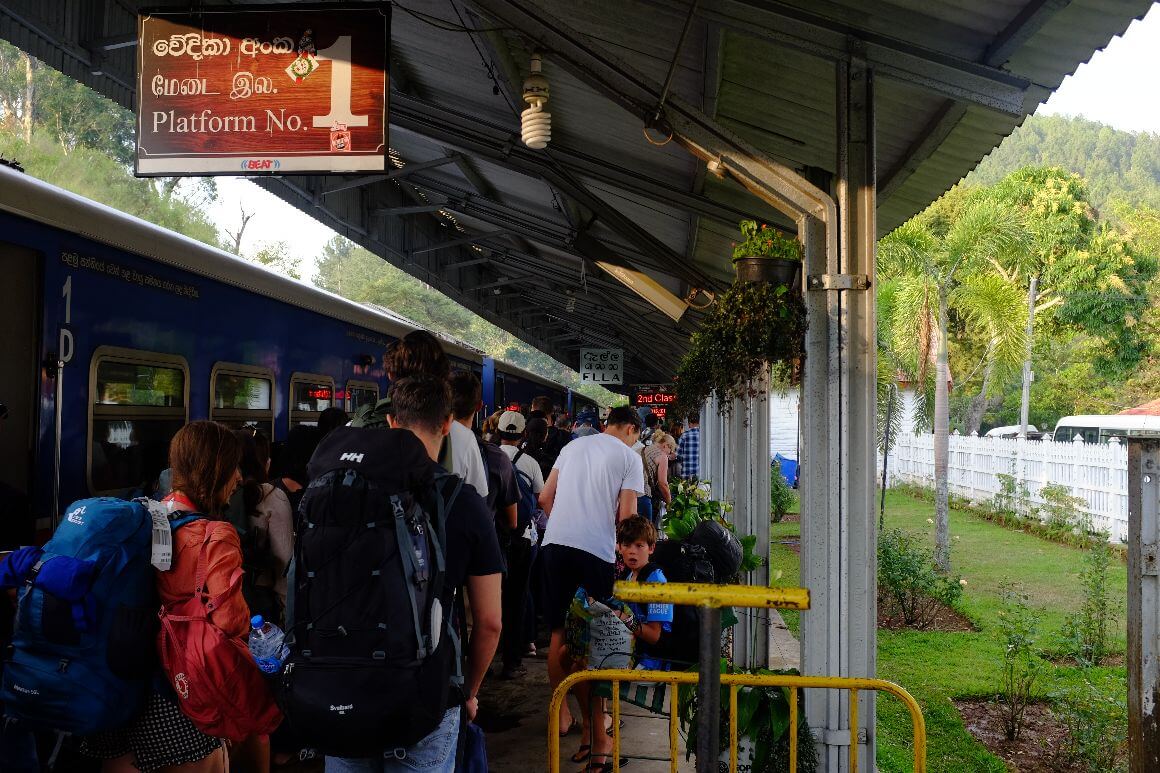
During peak season, safaris may also be worth booking in advance, especially if you choose one of the more popular national parks like Yala. The same goes for train tickets if you want reserved seats rather than taking your chances on the day.
Unreserved third-class tickets are uncapped, so if you’re happy travelling in third class without the promise of a seat, you can keep things more flexible.
Just keep in mind that the train can get very busy, and standing for hours with your luggage is not exactly the dreamy Sri Lanka train experience most of us have in mind.
Accommodation is another thing to keep an eye on, especially around popular places such as Kandy, Ella, Sigiriya, Ahangama and the national parks. This is most relevant during busier months, but highly rated hotels and guesthouses do fill up, particularly if they’re well located or good value.
Insider tip: As a rough rule of thumb, I’d aim to book Kandy to Ella train tickets at least 30 days before travel during peak season, and around two weeks before travel during quieter months.
What to Keep Flexible
Travelling with a flexible itinerary is always my recommendation; however, I do appreciate this isn’t always possible, especially if you’re visiting during peak travel months or have limited holiday time.
That said, flexibility is one of the most useful tools for keeping a 10-day Sri Lanka itinerary more crowd-light. Alongside the three levers of timing, location and route direction, it can make a big difference to how your trip actually feels once you’re there.
This might mean, for example, that visiting a secondary viewpoint instead of the most famous one becomes the plan, swapping a beach afternoon for a museum on a rainy day, or shifting your plans if a religious festival or Poya day brings in bigger crowds.
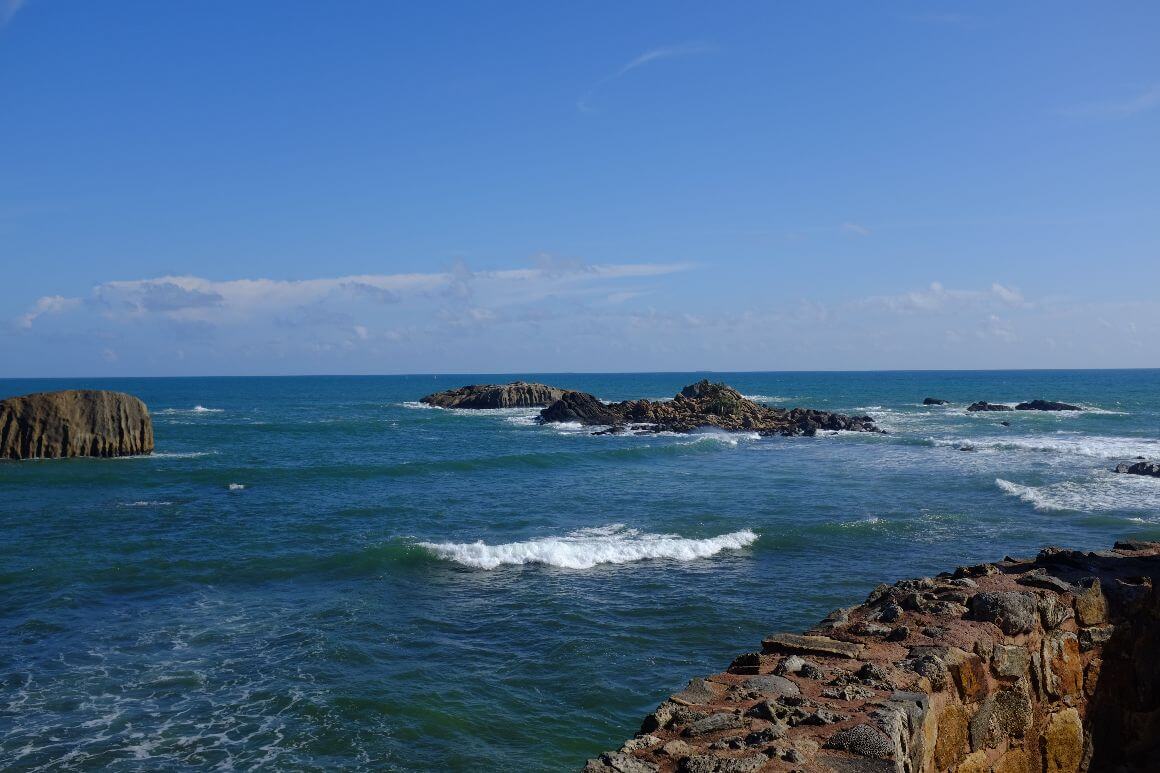
The things I would keep flexible where possible are:
- Weather-sensitive beach time.
- Secondary viewpoints.
- Food stops.
- Local walks.
- Optional attractions.
- Rest blocks.
- One or two “see how I feel” afternoons.
Packing for Crowd-Light Days
Everyday packing in Sri Lanka is fairly straightforward, but you may need to adapt slightly depending on your route.
If you’re hiking or heading into the hills, I’d bring a lightweight raincoat, comfortable walking shoes, light layers and, if you use them, trekking poles.
One of the most important things to carry is toilet paper or tissues. Many public washrooms, especially when you’re out in the sticks, don’t have paper, and you’ll likely come across squat toilets. It’s not a big deal once you’re prepared, but it’s much easier if you already have tissues in your day bag.
I also always carry hand sanitiser. It’s super easy to pick up a stomach bug when travelling in tropical countries, and in Sri Lanka, eating with your hands is common. Even if you’re not fully eating with your hands, touching food is often unavoidable.
Most established places have wash basins, but at smaller roadside stalls you may not always find proper facilities.
That said, please don’t let this put you off. Some of the best food I had in Sri Lanka came from simple local spots and street food stalls.
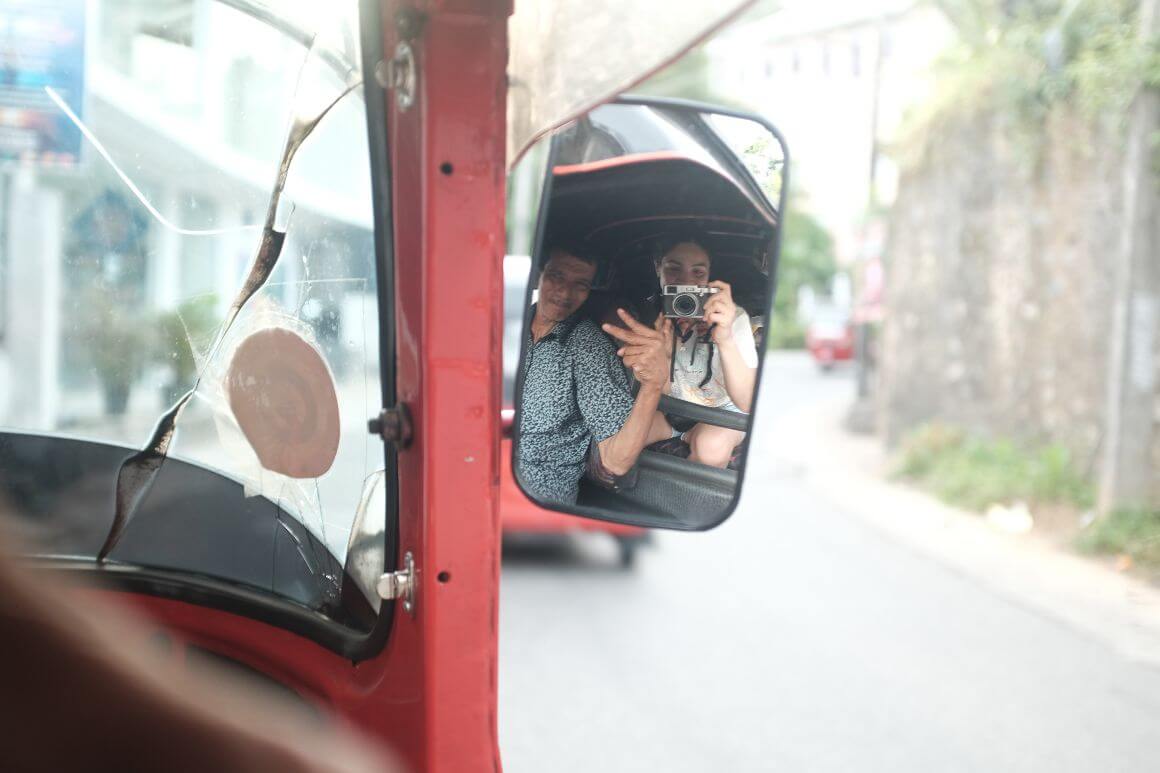
Photo: Abi Dalton
Sun cream is also essential. It gets seriously hot, and even when you’re travelling by train, bus or tuk-tuk, the glare through the window can still catch you.
A lip balm with SPF is useful too, as lips burn so easily. I’d also recommend refilling your water bottle before every day out, especially if you’re heading somewhere rural, hiking or visiting temples in the heat.
Another item I always pack is a sarong. I usually travel with a couple and keep one in my day bag. A sarong is honestly one of the most useful things you can carry in Sri Lanka. It works for beach days, drying off, wiping sweat from your face, covering up on buses, and sitting on hot scooter seats.
If you’re using scooters regularly, you may know the sweaty leather seat struggle. I get heat rash quite easily from sitting on hot seats, but placing a sarong down first solves the problem.
It is also important to cover your shoulders and knees when entering holy sites, so a sarong is really useful for temples too. Basically, pack one and take it everywhere.
A power bank is another essential item to pack, especially if you’re constantly taking photos like me. My battery disappears alarmingly fast on travel days (I probably need to upgrade), so I always carry one with me. Just don’t forget to pack the cable, too!
Planning Checklist
When you’re planning your Sri Lanka itinerary, keep these points in mind before locking everything into place. They’ll help you build a route that feels smoother, calmer and a little more crowd-light from the start.
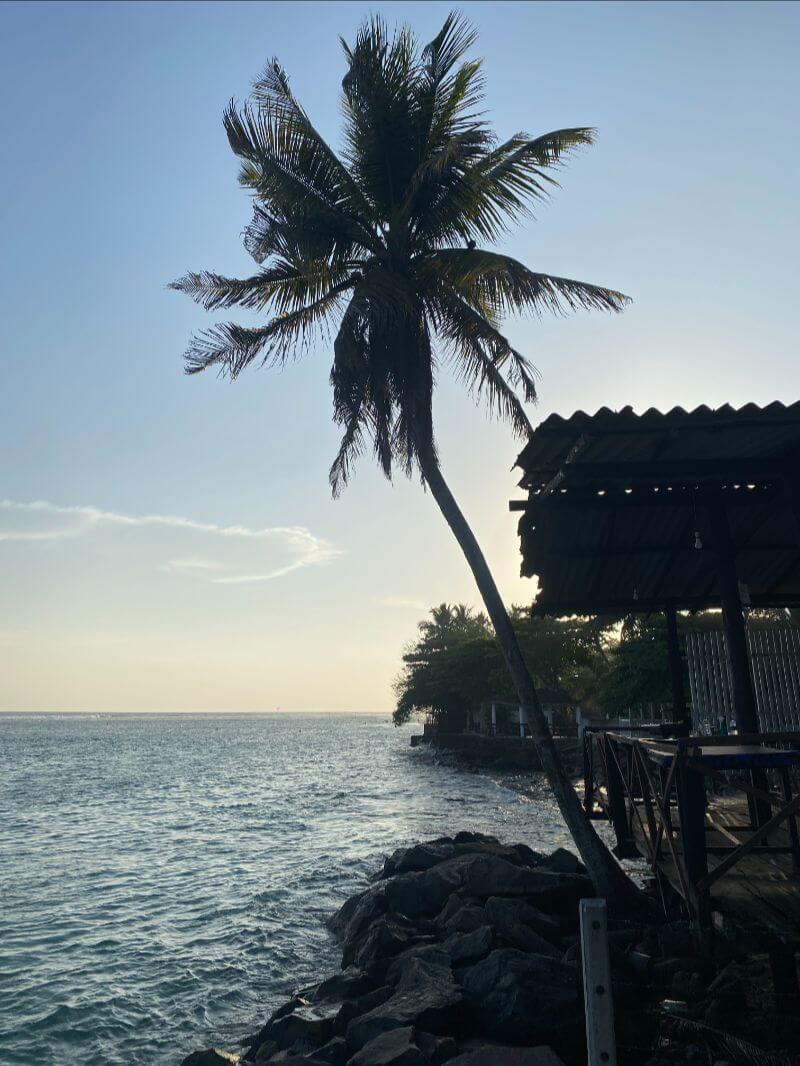
- Choose your travel month first.
- Match your route to the best region for that season.
- Identify four or five experiences where crowds could be an issue.
- Choose the best timing window for each experience.
- Stay near at least one priority sight if it helps you arrive early.
- Avoid visiting major sights immediately after long transfers.
- Book trains, drivers or safaris early where needed.
- Keep at least one flexible block for weather.
- Decide what you’re happy to skip before the trip starts.
- Accept that crowd-light does not mean crowd-free.
Which Sri Lanka Experience Would I Wake Up Early For?
By the end of my crowd-light 10-day Sri Lanka itinerary, I was completely in awe. Sri Lanka quickly became one of my all-time favourite countries, and after leaving, I knew I would return.
That is not something I say about every country I visit.
It was spiritual, colourful, welcoming, and the scenery was undeniably breathtaking. For me, it had all the things that make up an incredible trip, and it left me with memories I know I’ll hold onto for a long time.
If there is one experience I would wholeheartedly recommend waking up early for, it’s the pooja ceremony at the Temple of the Tooth in Kandy.
It was unlike anything else I experienced in Sri Lanka. There was soft drumming, quiet chatter, the scent of incense, and a slow-moving queue of barefoot visitors making their way through the temple.
I followed the line up the stone steps, slightly unsure of what to do but completely mesmerised by it all.
If I had known better at the time, I would have brought an offering. If you’re planning to visit, I suggest buying lotus flowers from one of the roadside stalls the day before, so you can take part more thoughtfully.
Second to that, a safari is absolutely worth the early wake-up call. Animals are usually more active at dawn, and heading out early gives you the best chance of seeing them before the heat of the day settles in.
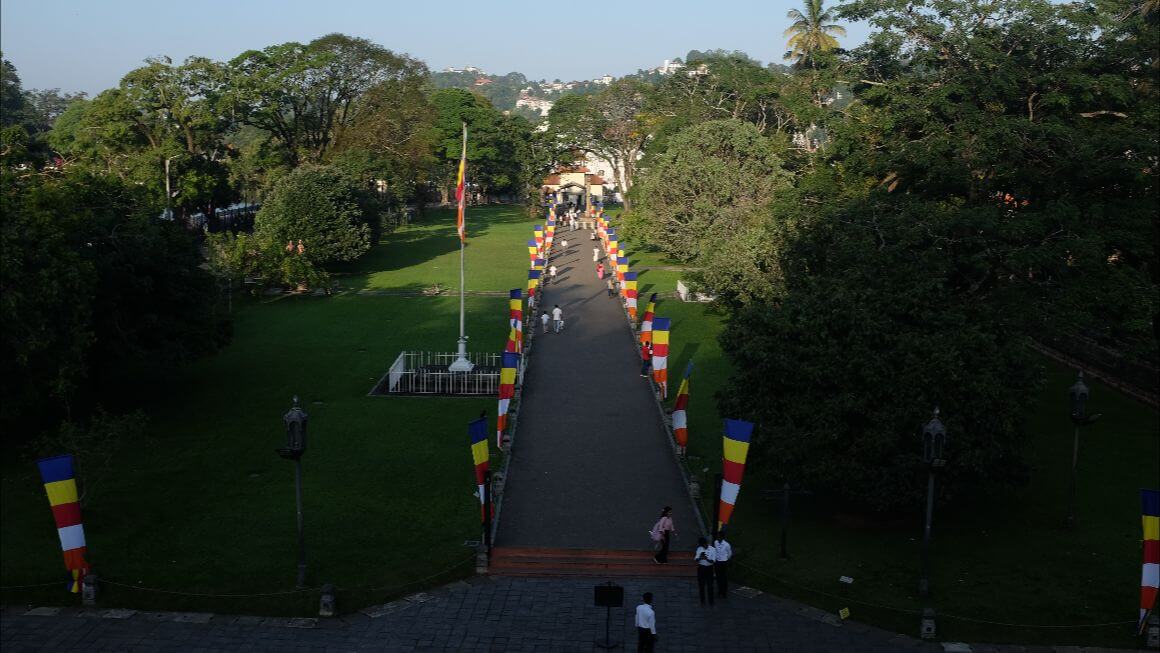
Photo: Abi Dalton