I never encountered Colombia’s notorious ladrones in Cartagena. My biggest gripe with this city was having to bat away dozens of annoying pests each day, as they followed me down the street trying to flog some shoddy handicrafts I didn’t want.
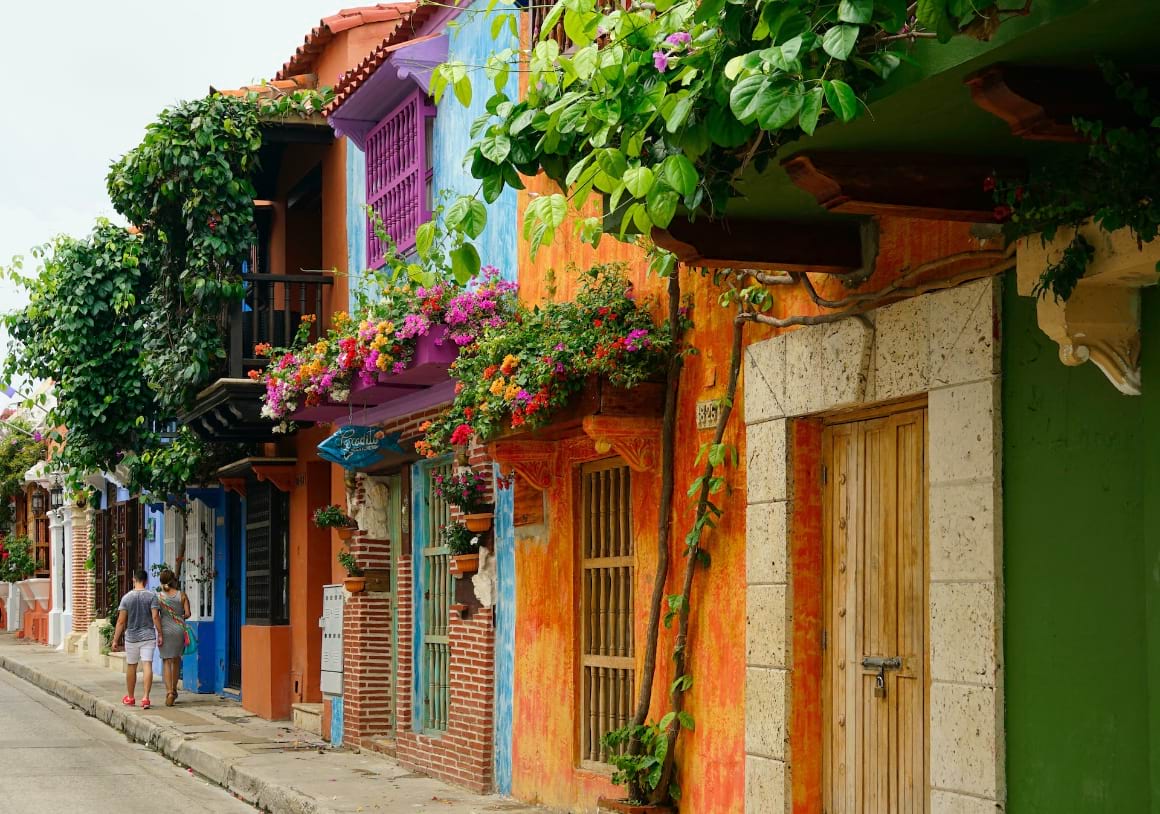
Cartagena is a dizzying, feverish pearl of a city perched on Colombia’s Caribbean coastline. The city is awash with colour and overflowing with dance, music, culture, and food, It’s your perfect mix of all things Latin with all things Caribbean.
Historically, this is a colonial-era city with some fascinating tales to tell.
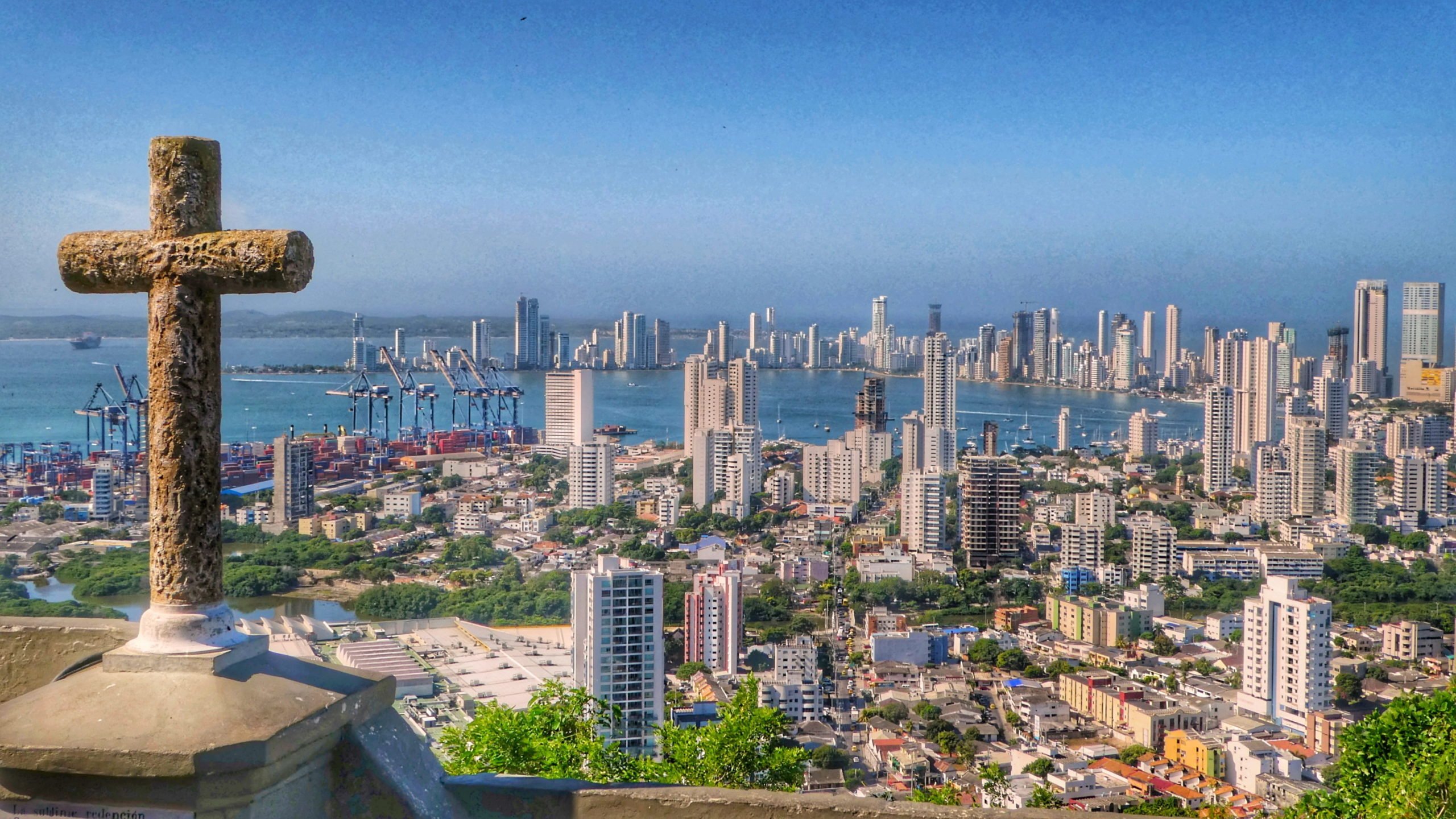
Not one to surrender to nostalgia though, there are now towering skyscrapers illuminating the cityscape over at the new development of Bocagrande. Here you will also find the city’s best beaches, upscale shopping opportunities, and a slew of fancy, contemporary hotels.
However, Cartagena has not always had the best reputation.
Colombia is still trying to shake off those associations with drug dealers and cartels. Whilst much of its chequered past is behind it, there are still issues to be aware of.
But, is Cartagena ok to visit? To be blunt, Absolutely YES – as long as you are following some safety protocols. You really do need to take care in Cartagena…
So I’ve created this handy and in-depth guide to staying safe in Cartagena based on the facts and my own experiences here. It’s filled with all the tips and information you’ll need in order to keep yourself secure in this awesome walled city.
As one of my fave cities in Colombia, it was a no-brainer to revisit when I returned to Colombia last year, three years after my first visit. It’s wayyyy busier now, and prices have shot up by local standards, but I wouldn’t say much has really changed on the safety front.
The Broke Backpacker is supported by you. Clicking through our links may earn us a small affiliate commission, and that's what allows us to keep producing free content 🙂 Learn more.
- At-a-Glance Safety Snapshot
- How Safe is Cartagena, Colombia, compared to Other Colombian Cities?
- Top Three Safest Neighbourhoods to Stay in
- Common Safety Issues Tourists Actually Face
- My Go-To Safety Tips for Cartagena
- Is Cartagena Safe for Solo Travellers?
- Is Cartagena Safe for Families?
- What to do if Things go Wrong
- How to Have a Cartagena Stress-Free Trip
At-a-Glance Safety Snapshot
| Overall safety | One of the safer Colombian cities for tourists. |
| Main risks | Petty theft, pickpocketing, scams and drink spiking. |
| Violent crime | Very rare for tourists. There are some dodgy neighbourhoods in the south, but these are far from the tourist spots. |
| Police presence | Very high around the tourist areas. You’ll spot police all over the Walled City. |
| Solo travel | I went here solo and found it much calmer than other parts of Colombia. There’s a strong hostel/backpacking scene here, so it’s easy to make friends. |
| Family travel | Families won’t have any issues staying in the Walled City and exploring the beaches here. |
How Safe is Cartagena, Colombia, compared to Other Colombian Cities?
In short, Cartagena is pretty safe to visit. In fact, it’s one of the safer places in Colombia. Much more so than Bogota, which has a dark edge to it, Medellin, with serious scopolamine problems, and salsa capital Cali, which is infamous for violent crime.
Cartagena has broken tourism records in recent years, with record numbers descending on the city because it offers a safer flavour of Colombia, mixed in with exotic Caribbean vibes.
There are plenty of police officers on the street, and the city’s crime rate and general security are improving. Most visits to Cartagena are trouble-free – a contrast from the country’s other major cities, where police presence is minimal.
However, this still isn’t a holiday camp: it is still a Colombian city afterall. Crime rates remain relatively high, and criminal groups and gangs are still active.
Petty crime is a tourist’s biggest risk. Pickpocketing, bag snatching, break-ins, and assaults happen in this city daily. Fortunately, we tourists won’t have to worry much about violence around the Walled City.
Street vendors can use aggressive tactics. They may be touting low-budget souvenirs, pushing drugs, or even prostitutes. Knowing how to deal with this will reduce your stress a lot. Unfortunately, this is just about the only area where Cartagena is worse than Bogotá, Medellín and Cali, which can be more violent but have fewer issues with dodgy vendors than Cartagena does.
Getting Insured BEFORE Visiting Cartagena
As I said, Cartagena is pretty safe for tourists, but that doesn’t mean nothing can happen – and I’m not just talking about crime. I ended up picking up a NASTY bug in Colombia, and had to splash out to see a doctor here.
Fortunately, I had travel insurance and only had to pay the excess in the end. Regardless of whether you get heatstroke in the Cartagena sun, a classic case of food poisoning, or something else, you’ll wanna be covered here.
ALWAYS sort out your backpacker insurance before your trip. There’s plenty to choose from in that department, but a good place to start is Safety Wing.
They offer month-to-month payments, no lock-in contracts, and require absolutely no itineraries: that’s the exact kind of insurance long-term travellers and digital nomads need.

SafetyWing is cheap, easy, and admin-free: just sign up lickety-split so you can get back to it!
Click the button below to learn more about SafetyWing’s setup or read our insider review for the full tasty scoop.
Top Three Safest Neighbourhoods to Stay in
When choosing where you’ll be staying in Cartagena, a bit of research and caution is essential. You don’t want to end up in a sketchy area and ruin your trip.
Always check your government website before you visit, too. Governments often change travel advisories on Colombia, as violent crime can be high and incidents do occur. Fortunately, Cartagena is generally a pretty safe spot to visit.
To help you out, I’ve listed the safest areas to visit in Cartagena below.
Bocagrande
At a Glance
- Vibe: This is the swankiest part of the city, where the rich people live. It’s posh, it’s pleasant, and it’s a decent spot to base yourself in for a few days near some nice beaches under towering skyscrapers.
- Safety level: THE safest place to be. Since the wealthy live here, security is high.
- Best for: Anyone looking for a safe spot to stay in, with some great views of the Caribbean Sea.
- Accommodation style: Mostly high-rise apartments and hotel rooms.
- Walkability: It’s very walkable, taking 40 minutes to walk between the two furthest points.
This strip of seaside skyscrapers is Cartagena’s modern heart, a beach resort with a cosmopolitan backdrop of international hotels and restaurants. One of the most expensive areas in the entire country, this area is home to gated communities and wealthy Colombians. This also makes it one of the safest places in Cartagena.
Bocagrande is located next to the popular Getsemani area. I love it here because it has a massive beach where you can chill back and enjoy the vibes, although you wanna dodge the vendors who will try and pester you here, as that definitely takes the shine off.
Beyond the beach and restaurants, you have a large shopping mall, Plaza Bocagrade Centro Comercial. And that’s it really. Bocagrade is a laidback relaxation hub outside of Cartagena’s main points of interest. You come here for a touch of added security and an upmarket buzz rather than a ton of activities.
San Diego
At a Glance
- Vibe: It’s pretty lively here, as one of the neighbourhoods within the Walled City. There’s a constant buzz in the air with tourists, vendors and locals mixing together. It’s pretty similar to the Historic Centre.
- Safety level: San Diego is safe. With a ton of tourist traffic, you also have a high police presence here.
- Best for: Solo travellers, friend groups, and anyone looking to get close to the action.
- Accommodation style: You have all sorts of hotels and hostels around here, including a ton of budget-friendly options.
- Walkability: Super duper walkable. No vehicles needed here, amigo.
Still inside the environs of the old walled city is the area of San Diego. With fewer tourists, this atmospheric district is where students come from the nearby art college.
Whilst busy, it’s still a little more chilled than Centro (the Historic Centre), which has the majority of the main landmarks.
You can get some souvenirs at Las Bovedas de Santa Clara (kinda “tourist trappy” though), walk along the defensive walls, and hang out in the vibrant Plaza de San Diego, where you’re surrounded by street performers jamming all evening, and vendors selling an array of locally-made handicrafts.
Historic Center
At a Glance
- Vibe: Loud and lively. This is where you wanna be to feel the buzz of Cartagena through day and night.
- Safety level: There’s a high police presence, but pickpocketing and scams do happen. Plus, you can expect to be pestered by vendors here. A lot. And admittedly, it gets quite irritating.
- Best for: Anyone looking to stay in a walkable neighbourhood, close to most points of interest.
- Accommodation style: Anything from a range of trendy hostels and boutique hotels, all the way up to mega expensive luxury spots.
- Walkability: Incredibly walkable. Everything is close by, police presence is high, and this is just about the only place in Colombia where I felt safe (ish) walking around at night.
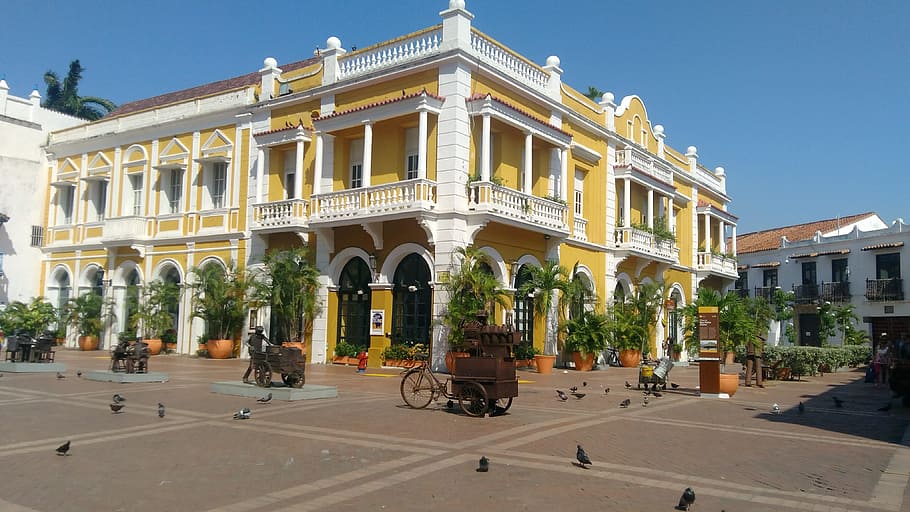
The undisputed centre point of Cartagena’s tourism industry. The streets of the old town are pristine, vibrant, and filled with relics of the past hundreds of years. While you have to keep an eye on your belongings, Centro is still considered fairly safe with lots of police presence.
It acts as the bridge between San Diego and Bocagrande. You can explore the historical walls, visit the Museo Historico de Cartagena de Indias to learn about the city’s past, and dive into Cartagena’s vibrant Afro-Caribbean culture, where you can meet the palenqueras, descendants of slaves who now carry fruit bowls on their heads, whilst wearing dresses in the colours of Colombia’s flag.
It’s louder and livelier than other neighbourhoods, and there’s certainly a petty crime risk, but the odds of encountering violence are very low. Expect vendors to pester you a lot, though. They get pretty annoying if I’m completely honest.
Check out our detailed where to stay guide for Cartagena so you can start your trip right!
Avoid These Places in Cartagena
Cartagena isn’t as dangerous as some of Colombia’s sketchiest cities, such as Bogota and Cali. I never felt safe even during the daytime in Bogota, whereas Cartagena is wayyyy more chill.
That being said, it still has its hotspots, which you should stay away from. Namely El Paraíso, Sector La Magdalena, La María, Olaya Herrera and El Pózon.
These impoverished neighbourhoods are outside of the tourist bubble of the Walled City. You can spot them by the lack of colonial buildings, slum-like feel, and lack of police, with most cops located in the tourist spots. Gang violence and a booming drug trade are rife in these dodgy corners of the city.
There’s little to see from a tourist perspective there, unless you wanna go and see the “real” Cartagena away from the Insta influencers and deep-pocketed degenerates hitting the clubs in Centro. But if you do go, make sure you go with a local guide who has connections in the area, and wear a money belt so the local ladrones don’t find easy pickings here.
I’ll be honest with you, though, they aren’t very interesting, with few things to do, they aren’t safe, and you’re much better off just sticking to the gringo hotspots in the Walled City and around the beaches.
You hear about violent crime in Colombia a lot, but it’s often related to rival drug gangs and has little impact on tourists.
I’m not gonna lie to you, Colombia isn’t safe in the Singapore sense, where you can walk around with your phone out at 3 am and nothing bad will happen. But this isn’t a warzone either.
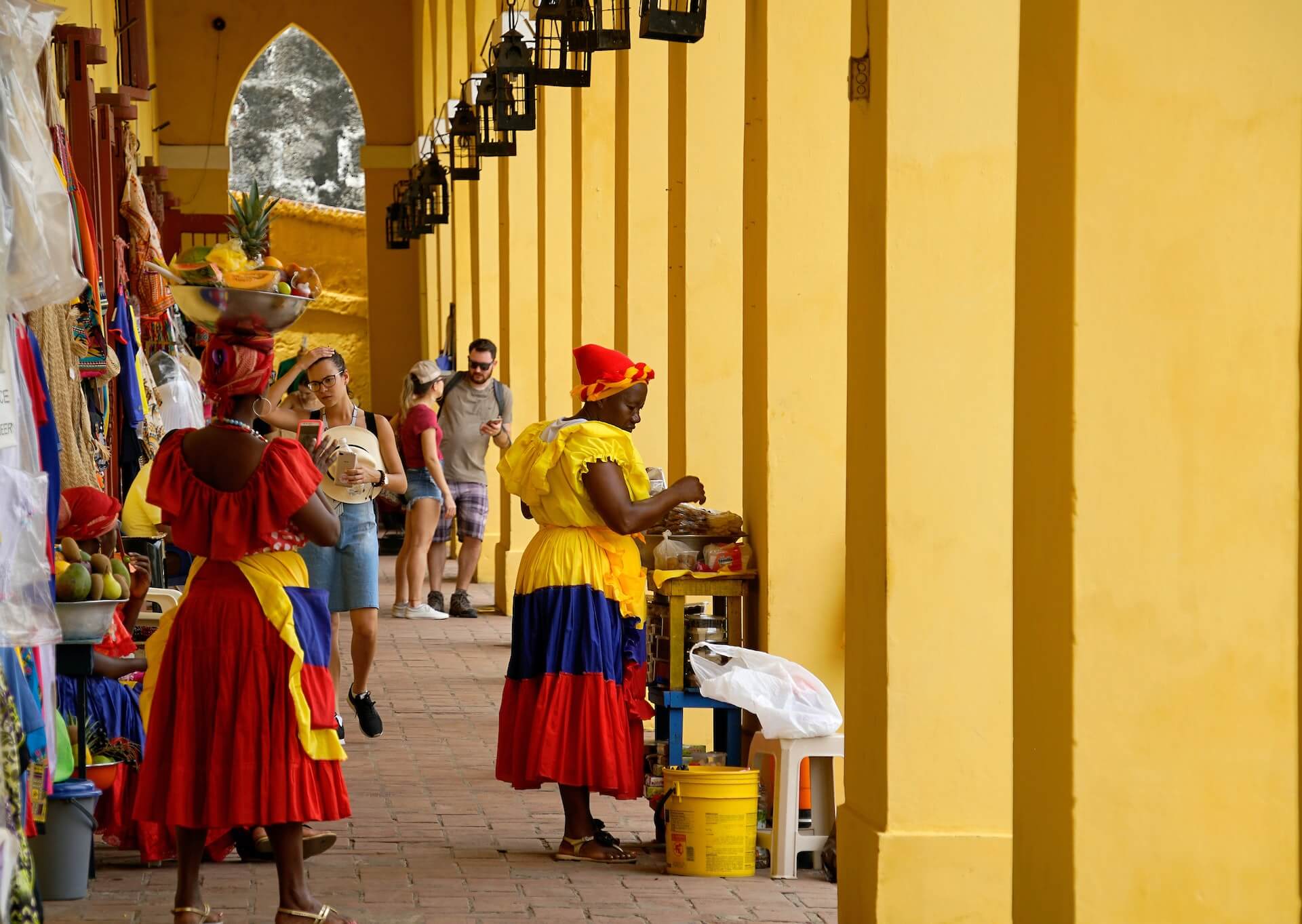
Here in Cartagena, I’m gonna cover the ACTUAL threats that you face as a tourist. It’ll take some serious bad luck to end up with a knife or gun in your face. But here are some of the Cartagena crimes you really could encounter.
The “Free Sample” Trap – Oysters and Massages
The number one rule of this city: NOTHING is free in Cartagena. So when that overly-friendly vendor on the beach offers a “free” oyster, or “quick sample” massage, get the hell out of there before they can force their goods upon you.
Not only will they demand a fee which is wayyyy above the going rate, but if you don’t pay up, a gang of thugs will come out of nowhere to intimidate you. And these guys don’t let go easily. They’ll chase you, harass you, and there is potential for things to escalate if you don’t give in.
No dar papaya, amigo. That’s “don’t make yourself an easy target” in Colombian.
Street Vendors & Aggressive Vendors
A similar vibe, really. Some guys will be really pushy and almost try forcing you into buying their goods. This can be bad enough with some crappy handicrafts, but it’s far worse if they’re trying to push drugs (common in Cartagena, unfortunately).
I’ve heard stories where tourists refuse drugs, vendors play the “friendly” card and exchange numbers just in case you later change your mind, then they’ll plant “cocaine” in your pocket against your will, leave the scene, and start harassing you into paying.
Sometimes they’ll get the heavies involved, and in other situations, corrupt police may be in on this. You can get in a shitload of trouble, so just avoid pushy vendors at all costs, even if they act like your mates to begin with, and NEVER give these guys your number.
Pricing Scams at the Beach & Rosario Islands
Oh, Cartagena, you’re so beautiful yet so full of scumbags at the same time! And the Rosario Islands are a prime location for ripping off Gringo Gregg with another shitty scam that will leave you reeling.
They love a good ol’ bait-and-switch tactic here, where agencies rope you into a “cheap” tour of the islands, promising secluded paradise spots, only to take you to some overcrowded dump. Then they offer lunch menus with no prices, which turn out to be so extortionate that even the Swiss would be shocked. I’m talking upwards of 100 USD here for a plate of crap you barely wanted.
ALWAYS book tours with agencies that have good reviews, and NEVER buy food from a menu without prices. That’s a rule to follow anywhere, but it’s especially true around here.
The Tinder/Dating App Risk
Ah, Tinder… a simple piece of phone software that’s been responsible for the deaths and robberies of so many tourists in Colombia. If you wanna chase some hot chicos or chicas in one of the country’s prime beach destinations, DO NOT do it on the apps.
Criminals lure unsuspecting tourists onto “dates”, only to slip a drug called scopolamine into their drinks. “Devil’s breath”, as it’s also known, sedates victims to a point where they lose control. I’ve heard of people even being coerced into handing over their Bitcoin wallets and bank details under the influence of this thing. And in higher doses, it kills. This is a BIG Colombia problem, with Medellin another hotspot.
So if that sexy señorita wanting to go for a beer with you sounds too good to be true, it probably is!
Corrupt Police
An unfortunate aspect of Latam is corruption, and in Cartagena, the cops cannot be trusted.
It’s not uncommon for police to want to search tourists for dubious reasons. They wanna intimidate you and shake you down for cash. In the worst case, they could plant drugs on you. And this really sucks, because if you’re extorted by the cops, then the people you’d naturally report such a crime to are… You guessed it, these same guys…
It’s best to blend into the crowd, avoid making eye contact with police, and stick to busy areas where only an idiot would try any shady business with a ton of locals looking on. If you are stopped, knowing you’ve done nothing wrong, stay calm, insist on staying in a public place, and say you’ll call your embassy.
Transportation Safety: Taxis vs Uber
Taxis can be dodgy anywhere, but even more so in Cartagena, which can feel like a giant tourist trap at times. Drivers are like predators who will scam you out of your pesos the moment they get half an opportunity. So stay vigilant, and watch out for this.
How to Negotiate Taxi Rates (No Meters!)
Make sure you know your prices here and agree on a fee before getting in the vehicle. To be honest with you, I wouldn’t get in a standard street taxi in Colombia. At best, there’s a high chance of being scammed; at worst, they could rob or (in rare circumstances) kidnap you.
If you insist on travelling this way, then be aware that 35,000 pesos (just under $10 roughly) is the absolute maximum you should pay. This is for a longer trip (40 minutes or so) between the bus station and the Walled City. An airport trip to or from the Walled City should cost no more than 20,000 pesos ($5), and 8,000 pesos ($2) is the minimum you’d expect to travel around the Walled City/Bocagrande area.
Is Uber Legal and Safe in Cartagena?
Uber is safe, but there is confusion over its legality. It is legal, but an old court ruling (later overturned) ruled otherwise, leading many to believe it isn’t, and this includes several Uber drivers themselves.
As a result, many drivers are paranoid. They will insist on you sitting in the front seat, so you look more like a buddy than a passenger. They also try to move quickly in areas where street taxis operate, and may insist on pick-ups and drop-offs a little round the corner from where you expect.
It may seem shady, but it’s to protect themselves from vicious and poorly-regulated street taxis, who often clash with Uber drivers. Fortunately, Uber has fairly good vetting systems, so your drivers here are unlikely to scam you or pull any shady tricks. I would always recommend using Uber to get around.
My Go-To Safety Tips for Cartagena
Cartagena is one of the safer cities to visit in Colombia, but it’s not Disneyland. I never had problems here because I came prepared and followed these safety travel tips to avoid any sticky situations.
- Don’t carry valuables unless you need to – I travel with a laptop, but will always stick it in my hostel’s locker to minimise risk.
- Don’t flash your phone – As they say in Colombia, “no dar papaya”, don’t make yourself an easy target. Phone snatching is common here.
- Stick to Uber – Official taxis are far too risky, and can be fake taxis. Not that kind, but the type where you risk being scammed, robbed, or (in rare cases) kidnapped. Uber avoids this.
- Don’t walk around at night – Around the clubs of Centro, you should be okay, but this is still Colombia. Uber is the safest option to get from A to B.
- Watch your drink – Don’t accept drinks from people you don’t know well, even if they seem nice. And never let your drink out of sight. Bottled beers are safer than drinking from open glasses.
- Avoid sketchy areas at night – If there are few people, there’s no police, and the buildings look more slum-like than colonial architecture or apartments, you’re in the wrong area. Get out ASAP.
- Don’t touch drugs or hire prostitutes – You’re just asking for trouble if you go down this path. At best, you can expect to be scammed or ripped off; you don’t wanna think about the worst scenarios.
- Try to look confident – Even if you’re not. Scammers and corrupt cops love an easy target. Once again, no dar papaya.
- Don’t dress like a tourist – Take cues from locals. Most will wear trousers, despite the hot and humid weather, and they like plain but smart shirts. Shorts out here just scream “gringo”.
- Carry a copy of your passport – You must have it by law, but a copy is fine.
- Limit the cash you carry – and hide it well. Pickpocketing does happen here, so split your cash and hide it in multiple places.
- Always keep an emergency stash of cash – Never keep all your cards/ currency in one place. And hide it all from thieves with a hidden money belt.
- Don’t wear expensive jewellery – Anything you wouldn’t want to lose shouldn’t be worn. Personally, I don’t wear any jewellery at all now. Thieves will swipe first, and check values later.
- Be aware while on public transport – Pickpockets love buses and stations. Watch your belongings VERY closely, and be wary of distraction techniques.
- Wear strong sun protection – Cartagena is super sunny, and it’s easy to get burned here.
- Watch out with ATMs – Only use official banks and be discreet. Street ATMs can be rigged with card cloning devices, and Cartagena is rife with petty crime like this.
- Check water safety warnings – See where you can and can’t swim safely. Some spots have strong currents or hazardous jellyfish, so take extra care here.
- Mind the police – Police officers target backpackers to “fine” them for drugs. They also rob. If they search you, watch CLOSELY, and count your money afterwards.
- Learn some Spanish – This helps a lot. Even with just the basics, knowing some Spanish opened muchas puertas when it came to making local friends and learning how to stay safe here.
- Don’t resist if someone mugs you – It’s not worth it. Muggers often carry weapons in this part of the world, unfortunately.
- Stay in the listed areas – I know Cartagena well. Bocagrande, San Diego and the Historic Centre are by far the safest spots to stay in. Don’t stay anywhere else outside of the Walled City.
I went to Cartagena alone and never felt in danger. I even hit the bars at night, which isn’t always the smartest move in Colombia. You have to take precautions, as covered above, but I would say this is one of the safer cities in Colombia.
It’s not Singapore or Tokyo levels of safe, though. In practice, you’re gonna get pestered. A lot. Scam attempts are pretty common, and pickpocketing does occur. But unless you dabble in drugs and hookers, then you’re very unlikely to get roped into any seriously nasty stuff.
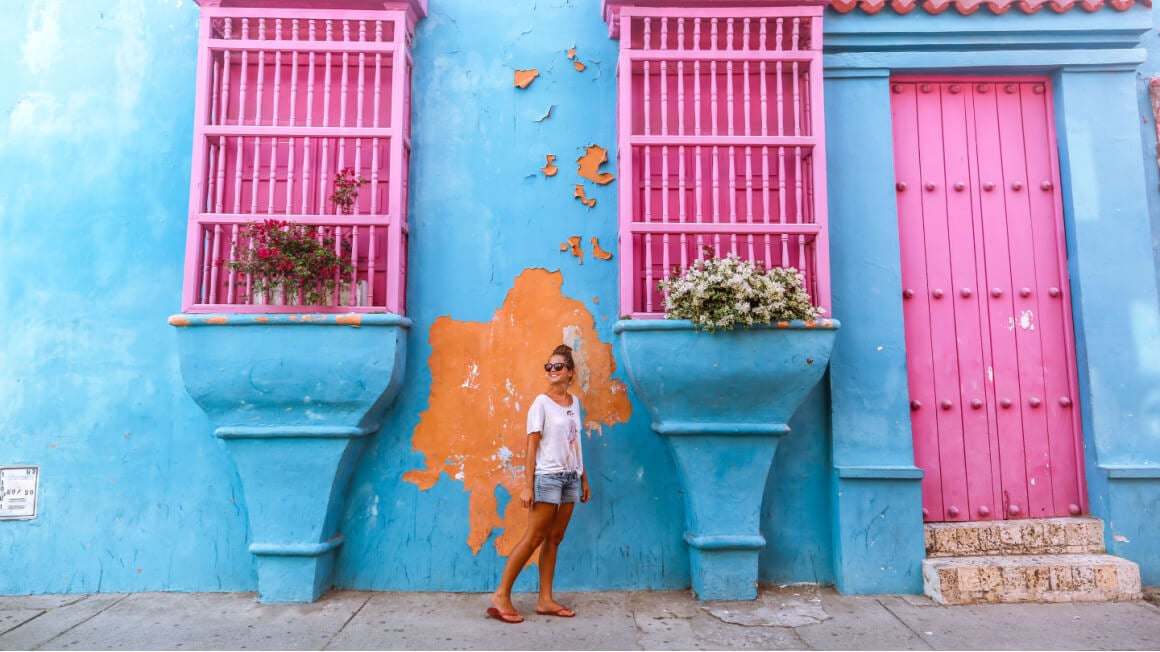
Here I have some tips for staying safe whilst solo in Cartagena.
- Make friends with other travellers – There is safety in numbers. It’s easy to meet people in hostels.
- Read accommodation reviews – Only stay in places that past travellers enjoyed and found safe.
- Don’t get completely wasted – Join a bar crawl with your hostel and find like-minded people to go out with.
- Ask about safe areas to walk around – The staff at your accommodation are good for this.
- Be careful of over-friendly strangers – People are friendly in Cartagena, but when you are alone, you will be approached by people who don’t have your best interests at heart. Politely decline any offers.
- Do your research – If someone is offering their services, double-check first. Book through your accommodation or a reputable guide or company instead.
- Only travel during the day – It’s risky and overwhelming to turn up by yourself somewhere after dark.
- Save emergency numbers – 123 for police and ambulance. Have trusty contacts written down, too.
- Get a sim card – Keep connected, and also keep your phone charged.
- Tell people about your travel plans – Make sure someone knows where you are going and what you are doing – every day.
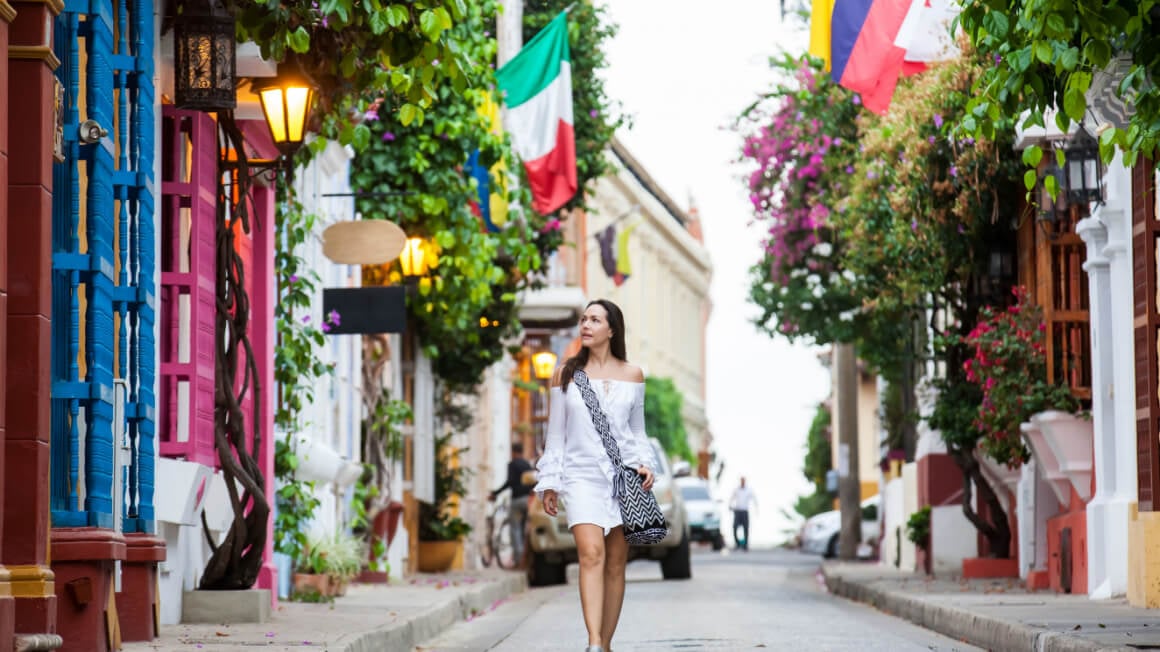
Some places come with extra concerns for solo female travellers. In Cartagena, I’m afraid women need to take a little extra care. On top of what I’ve already covered, keep these in mind during your trip:
- Know that there will be some level of catcalling and harassment. It does happen in Cartagena. Just ignore this kind of attention and move on.
- Make a fuss in public if something more serious does start to happen, and you get worried. This should be enough to scare a would-be harasser away. Find a nearby trustworthy-looking person, woman, or family and tell them; they will more than likely help you out.
- Blend in with your clothing. Although local women don’t exactly dress modestly, it is still often good to err on the side of caution.
- Don’t linger out of politeness. If you are in an uncomfortable situation, or someone is making you feel uncomfortable, don’t stick around; make excuses and leave. Trust your gut feeling.
- Saying NO is always okay. You don’t need to please anyone.
Don’t be dissuaded by these long, scary precaution lists, though. They’re all about making sensible decisions to avoid any trouble here. Cartagena’s an easy introduction to Colombia, with fewer dangers than elsewhere. Beyond being pestered and possibly scammed, other issues are much less likely.
Is Cartagena Safe for Families?
Yes, Cartagena is a safe place to travel with your family. I’ve covered the main safety concerns already, but there are a few more safety tips to know on how to have a safe trip to Cartagena.
Colombian society is very family-oriented, and this Caribbean city is no different. People are particularly warm and welcoming if you have your children with you. In fact, there are lots of kid-friendly tourist attractions in Cartagena.
A few tips for coming here with your partner and kids:
- Family-friendly hotels are mostly in Bocagrande. The other spots recommended here have a more 20-something, party-loving backpacker vibe.
- Prepare for it to be HOT. Hot and humid is Cartagena in a nutshell. Slather the suncream on, especially for the kids. Wear good sunhats too.
- Keep hydrated. You’ll need to consume a lot of water (bottled, don’t drink tap water without a filter in Colombia). You wanna have a nice, comfy holiday, not a week of suffering.
- Avoid being out during the hottest hours of the day. People associate Colombia with crime, but in Cartagena at least, your biggest danger is the sun. Especially with kids, try hitting the beaches early.
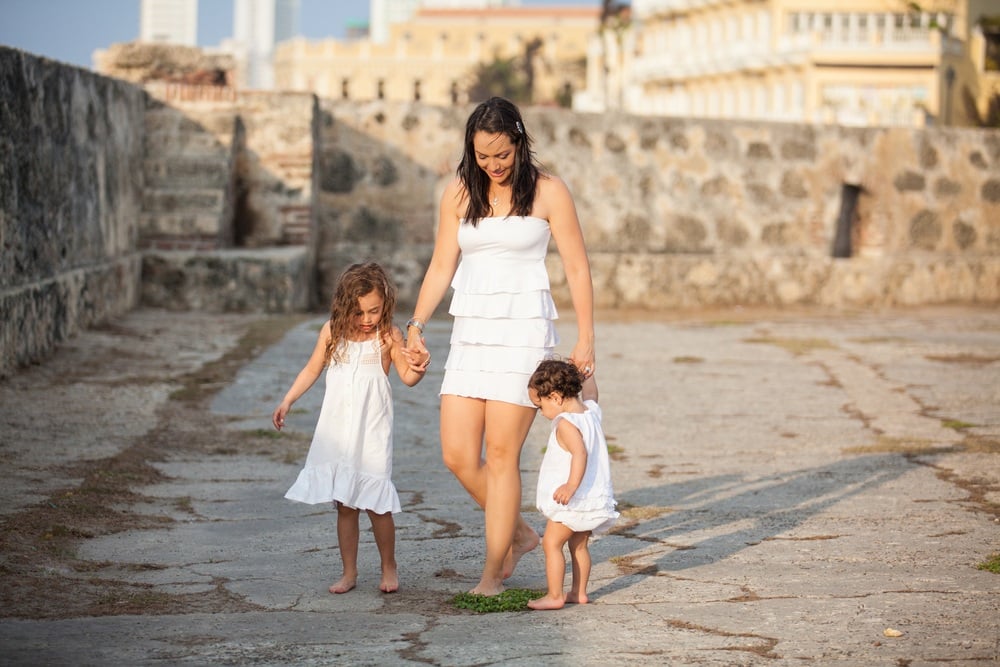
Culture in Colombia often means that things happen late, including restaurant opening times; lunchtimes begin at around 1 p.m., with dinner at around 9 p.m. It might be worth sleeping or hanging by the pool in the hottest hours – as many locals do – and coming out again when it’s cooled down in the evening.
All in all, Cartagena is a fine destination for you and your family. People may think you are crazy for going to Colombia with your children, but chances are you are going to have a ball in Cartagena.
What to do if Things go Wrong
Very rarely, something nasty will happen to a tourist here. The chances of being in that situation are minuscule, but in the very VERY unlikely event that you’re robbed of something significant or pick up a nasty injury, you’ll want to know how to get yourself out of trouble.
Firstly, do not fight back if you are attacked. I did this when I was almost mugged in Quito, but that was stupid. In Latin America, there’s a “shoot first, ask questions later” policy in the world of violent crime. Your phone is replaceable, your life is not. I was lucky to escape unharmed.
You’ll want to start by contacting emergency services. Ask a local friend or staff at your hostel if you don’t speak fluent Spanish. There are the emergency numbers you’ll need:
Emergency numbers in Colombia:
Police: 123 | Ambulance: 123 | Fire: 119If you’re able to, there’s a dedicated tourist police team located in Centro where you can report any incidents.
Also, be sure to contact your travel insurance provider and possibly your country’s embassy if necessary. Your insurance provider should cover any urgent medical bills. Make sure your travel buddies have their contact details before your trip. If alone, be sure to have those details in an easily accessible place.
Be sure to bookmark this page so you have this information just in case something bad does happen.
How to Have a Cartagena Stress-Free Trip
Well, there you have it: Cartagena can be very safe – unless you’re looking for trouble. When I revisited last year, I stayed away from drugs, ignored the irritating vendors, and didn’t give the police any reason to target me in any way.
All I did was follow the tips in this guide, which are mostly good Colombia safety practices anywhere. Cartagena is a little lighter on violent crime, and a little heavier on scams and sunburn.
I met some tourists in Cartagena who told me about getting robbed or scammed. One said he was walking around at night, using his phone to check directions. The other went to the cheapest agency to book a Rosario Islands tour, and ended up being hit with all sorts of hidden costs for a crappy tour.
They could have avoided these incidents if only they had my guide to inform them!
Cartagena and Colombia have had their fair share of issues in the recent past, but the country is coming out the other side and is again a destination we travellers fall in love with. Nowhere is this more evident than in this Caribbean city. With beaches, the historic old town, big-name hotels, boutique guesthouses, and a slew of restaurants and bars, I had a ton of fun exploring here and soaking up the sunshine.
Though safer than other cities in South America, self-awareness and common sense are essential. Travel insurance is your guardian angel, too, so make sure you get a good plan before heading off on a trip to Cartagena! I will ALWAYS get good insurance before a trip, and check the small print.
Besides that, make sure you have fun. Eat the street food and fill up on arepas, take a few cold ones, and dance your little heart out. I had a blast, and I’m sure you will too. Nos vemos!