Packing for a backpacking trip can feel surprisingly overwhelming. You only have room for one bag, yet there seems to be an endless list of things you could bring. Every item earns its place, and every unnecessary item becomes something you’ll end up carrying across airports, bus stations, mountain trails, and city streets.
The truth is that successful backpacking isn’t about packing everything you might need. It’s about packing the right things. A lighter, smarter backpack will make your trip cheaper, easier, and far more enjoyable than hauling around gear you never use.
After years of backpacking across more than 100 countries, I’ve made just about every packing mistake possible. I’ve carried too much gear through Southeast Asia, packed clothes I never wore, and hauled gadgets halfway around the world only to leave them buried at the bottom of my backpack. I’ve also learned which items genuinely make life on the road easier and which are simply dead weight.
This guide is designed to help you build a practical backpacking packing list based on real-world travel experience. We’ll cover the true backpacking essentials, optional gear depending on your travel style, clothing, tech, adventure equipment, toiletries, medical supplies, travel documents, and—just as importantly—the things you should leave at home.
Whether you’re heading off for a few weeks or setting out on a round-the-world adventure, this guide will help you pack lighter, travel smarter, and avoid the common mistakes that most first-time backpackers make.
The Broke Backpacker is supported by you. Clicking through our links may earn us a small affiliate commission, and that's what allows us to keep producing free content 🙂 Learn more.
- Backpacking Checklist
- Backpacking Packing Tips Before You Start
- How to Decide What Actually Belongs in Your Backpack
- What to Bring Backpacking – 12 Essential Backpacking Items
- Best Backpacking Clothes Checklist
- Backpacking Tech Essentials
- Adventure Gear List for Backpackers
- Packing List for Backpackers Doing Treks and Camping
- Toiletries to Pack for Backpacking
- Backpacking First Aid and Medical Essentials
- Backpacking Packing List – Documents checklist
- Pack Less, Travel Better
Backpacking Checklist
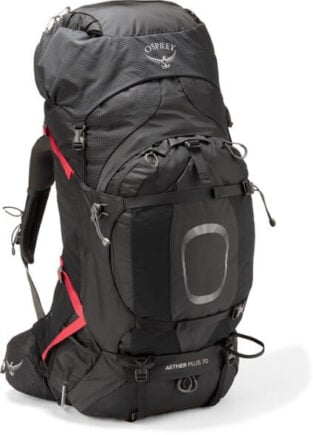
Travel Backpack
- Price > $450 / £333.21
- Capacity > 70L (4271.66 cu in)
- Weight > 2.8 kg (6.171 lbs)
- Dimension (HxWxD) > 14.17 x 14.96 x 33.07 (in) = 36 x 38 x 84 (cm)
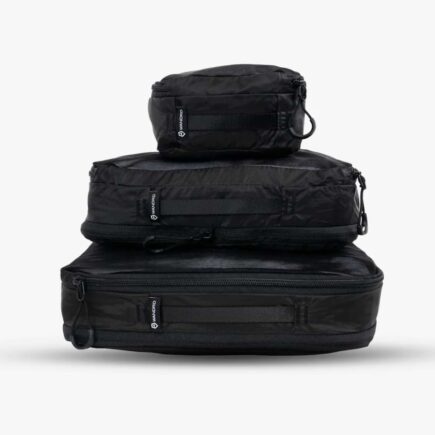
Packing Cubes
- Capacity > 0.8L – 14L
- Price > $14.95 (£14.99) – $29.95(£29.99)
- Weight > 20g (0.71oz) – 50g (1.76oz)
- Dimensions when full > 18x8x6 cm (7.09×3.15×2.36 in) – 30×22.5×13 cm (11.81×8.86×5.12 in)
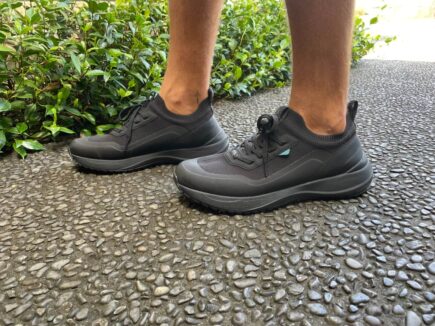
Comfortable Walking Shoes
- Price > $170 / £125.86
- Waterproof > Yes
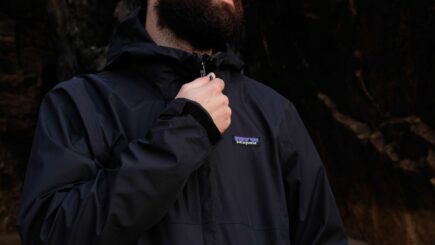
Lightweight Rain Jacket
- Price > $189 / £139.92
- Weight > 400 g (14.1 oz)
- Waterproof > Yes
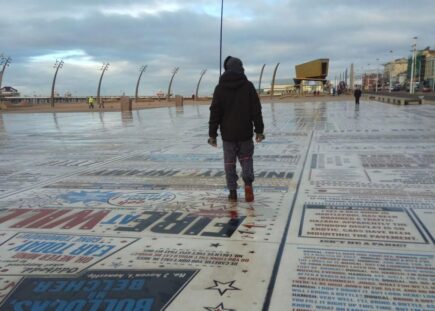
Quick-Dry Clothing System
- Price > $10-$50
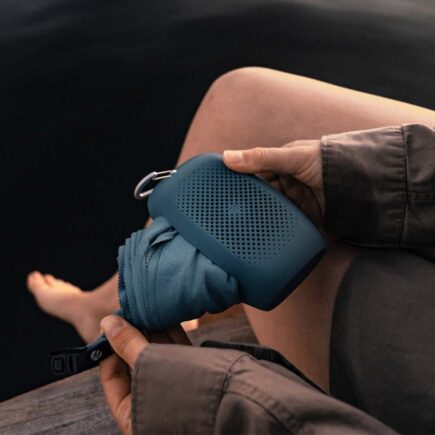
Quick-Dry Travel Towel
- Price > $39 / £28.88
- Weight > 5.6oz (160g)
- Case Dimensions > 3.2 x 2 x 2in (13.2 x 8.1 x 5.1cm)
- Towel Dimensions > 52 x 24in (132 x 60cm)

Smartphone with Travel eSim
- Price > Get Quote
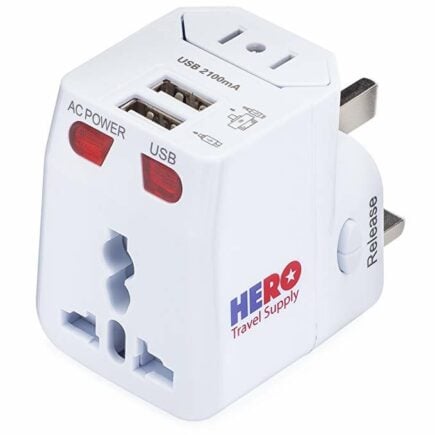
World Travel Adapter
- Price > $20
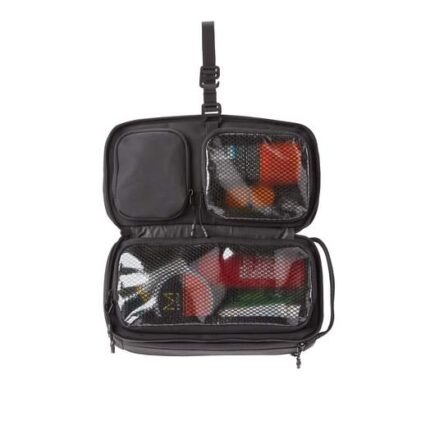
Toiletry Bag
- Price > $59.99/ £44.42 – $79.99 / £59.22
- Weight > Small: 1lb (0.45kg) Large: 1.5lbs (0.68kg)
- Dimension (LxWxH) > Small: 10.5x5x1.7 in (26.7×12.7×4.32 cm) Large: 10.5x5x3.1 in (26.7×12.7×7.87 cm)
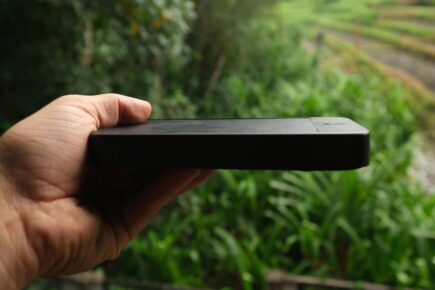
Power Bank
- Price > $99.99 / £74.04
- Connector Type > USB Type A, USB Type C
- Special Features > Fast Charging
Travel Cards & Emergency Cash
- Pros > Low foreign transaction fees
Passport & Backup Documents Holder
- Price > $5-$25
Backpacking Packing Tips Before You Start
Before we dive into the packing list itself, lets establish the ground backpacking packing rules;
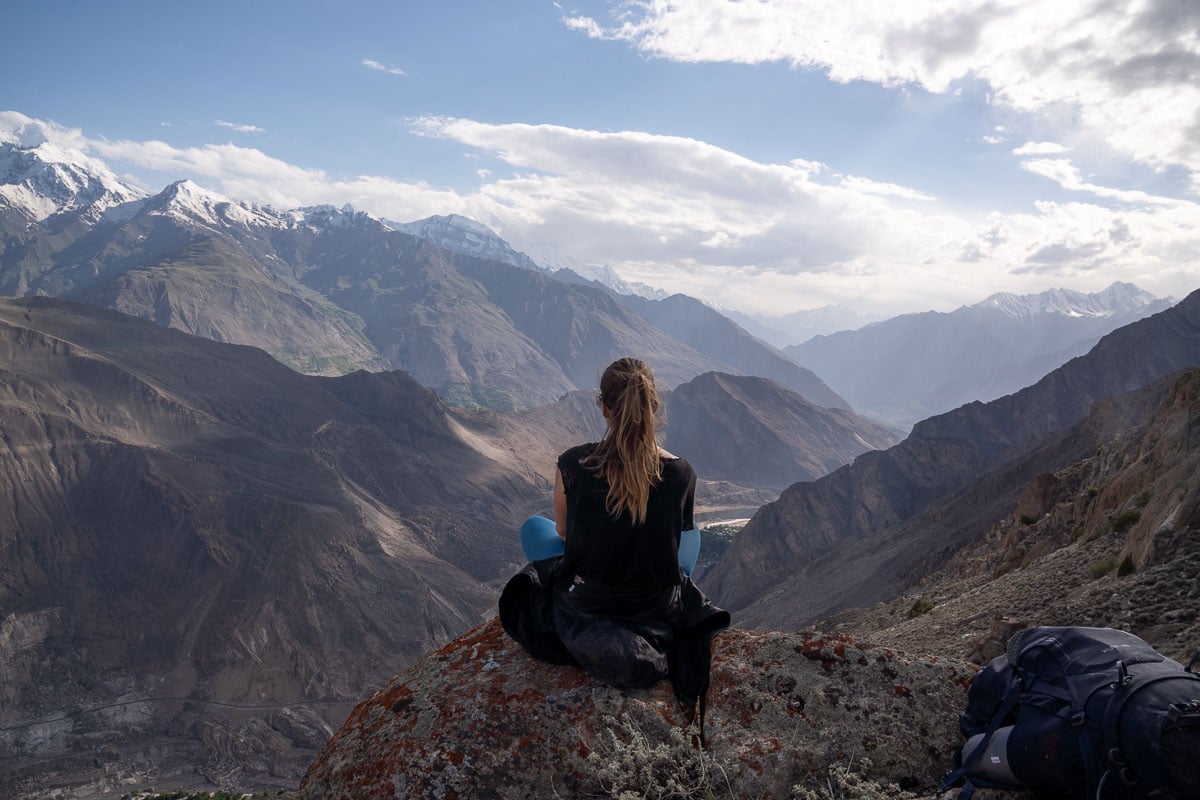
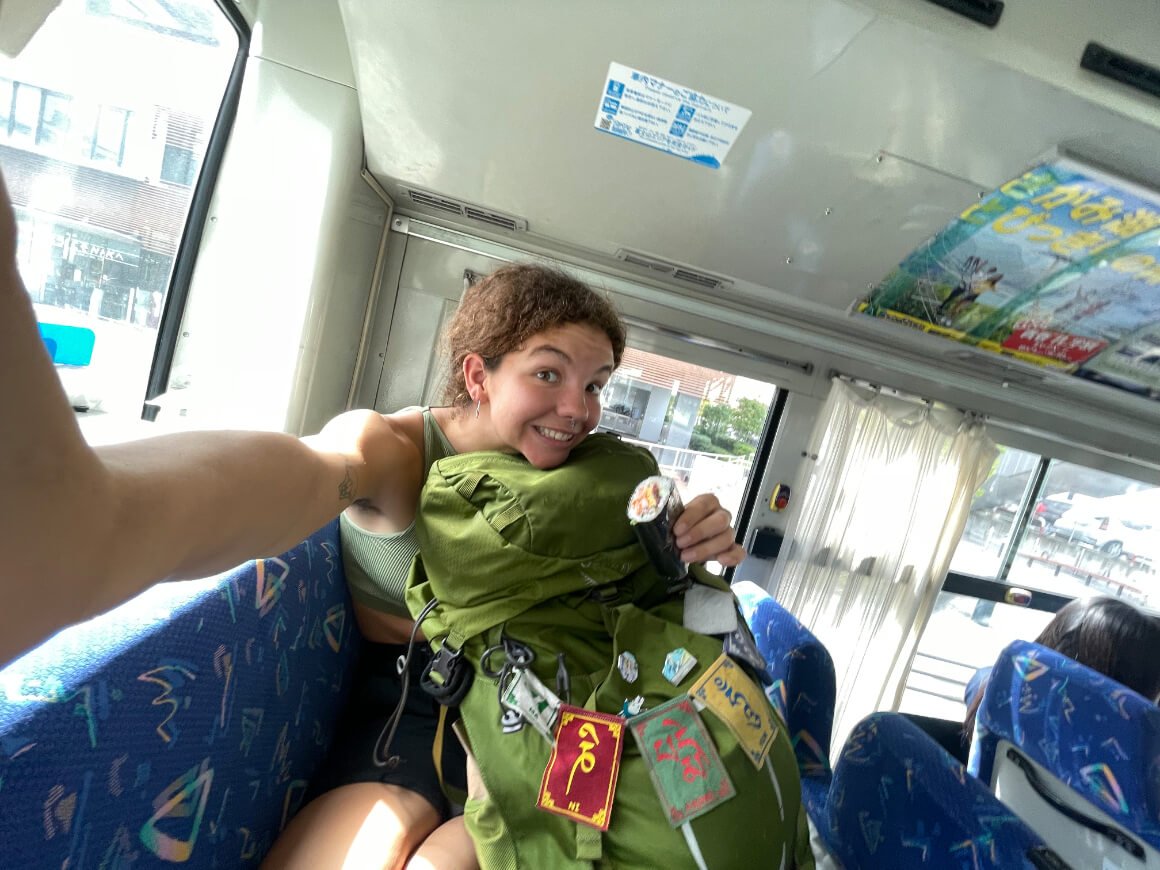
Photo: Samantha Shea
Pack lighter than you think you need to
Almost every first-time backpacker overpacks. It’s completely understandable. You’re heading into the unknown and want to be prepared for every possible situation. The problem is that you’ll be the one carrying all that extra gear through airports, bus stations, train platforms, hostel staircases, and city streets.
The best backpackers aren’t the ones carrying the most stuff. They’re the ones carrying exactly what they need and nothing more.
Pack For Your Actual Trip
One of the biggest packing mistakes is preparing for imaginary scenarios. Pack for the trip you’re taking, not the trip you might take.
If you’re spending three weeks island hopping in Thailand, you probably don’t need hiking boots. If you’re backpacking around Europe in summer, you don’t need a heavy winter jacket. Don’t fill your backpack with gear for activities you haven’t planned to do.
You can buy things on the road if your plans change.
Prioritise Versatility
Whenever possible, choose gear that serves multiple purposes.
A lightweight rain jacket can double as a windbreaker. A sarong can be a beach towel, blanket, privacy screen, picnic mat, or hostel curtain. A smartphone can replace a camera, guidebook, map, flashlight, notebook, and alarm clock.
Every multi-purpose item creates space for something more important—or better yet, creates empty space.
Leave Room For Flexibility
Your backpack should never be packed to 100% capacity on day one.
You’ll pick up things as you travel. You may need warmer clothes, replacement gear, souvenirs, snacks, or extra food for long journeys. Having a little spare space makes life on the road much easier.
A backpack that is bursting at the seams before you even leave home is a backpack that’s carrying too much.
Avoid “Just In Case” Syndrome
The phrase “just in case” is responsible for more unnecessary backpack weight than almost anything else.
Ask yourself a simple question:
How likely am I to actually use this item?
If the answer is “maybe once” or “probably not,” leave it behind.
Most destinations have shops. Most problems have solutions. Most backpackers discover that the vast majority of their “just in case” items never leave the bottom of their bag.
Why Packing Light Matters
Travelling with less isn’t just about saving weight. A lighter backpack gives you:
- More freedom to move around
- Less physical strain on your back and shoulders
- Easier journeys on public transport
- Faster packing and unpacking
- Less clutter and organisation headaches
- Fewer things to lose, break, or forget
- More flexibility when plans change
Remember: every item in your backpack is something you’ll carry thousands of times during your trip.
Choose carefully.
So keep this in mind as you peruse this list – only pack the gear that best fits your travel style and itinerary. Doing so will turn this epic checklist into your perfectly tailored minimalist backpacking list.
How to Decide What Actually Belongs in Your Backpack
As you work through this packing list, remember that not every item is intended for every traveller.
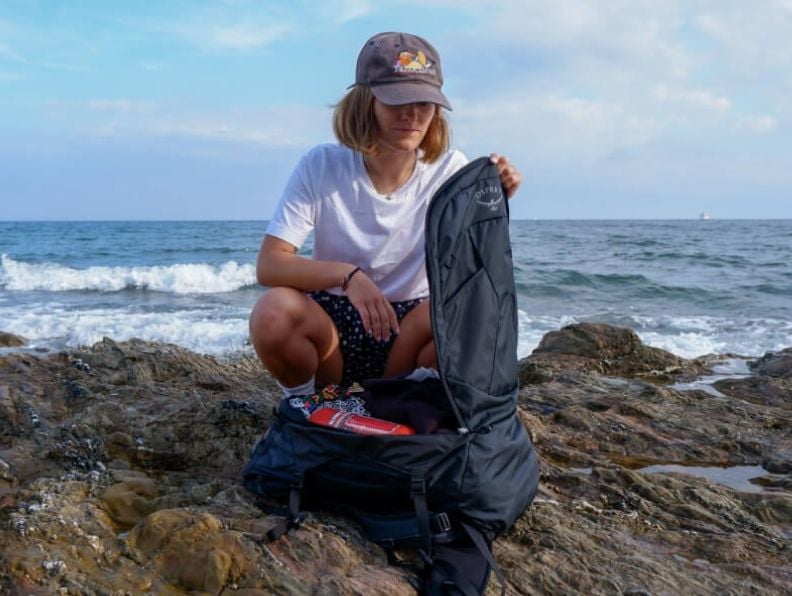
A common mistake is treating packing guides like a shopping list and assuming you need everything on them. You don’t. The goal isn’t to own more gear, it’s to carry the right gear for the trip you’re taking.
Before adding anything to your backpack, ask yourself a few simple questions.
What’s The Climate Like?
Climate should influence almost every packing decision you make.
If you’re heading to tropical destinations, you’ll need lightweight clothing, sun protection, and rain gear. If you’re travelling somewhere cold, layering becomes far more important than packing bulky jackets. In many cases, a few versatile layers will outperform a suitcase full of heavy clothes.
How Long Are You Travelling For?
Surprisingly, longer trips don’t necessarily require more stuff.
Most backpackers can wash clothes almost anywhere in the world, meaning a six-month trip often requires only slightly more clothing than a two-week trip. Focus on items you can rewear and wash easily rather than packing enough outfits for every day of your journey.
What Kind Of Traveller Are You?
Your travel style matters just as much as your destination.
A beach-and-city backpacker will need very different gear from somebody planning long-distance hikes, camping trips, or mountain adventures. If most of your time will be spent exploring cities, relaxing on beaches, and taking public transport, you can leave a lot of specialist outdoor gear at home.
What Activities Are You Planning?
Pack for the activities you’ve actually planned, and not the ones you kinda wonder if you might do.
If trekking, diving, climbing, surfing, or camping are major parts of your itinerary, then specialist gear may be worth the space. If those activities are ‘well maybe’s, then it’s often cheaper and easier to rent equipment locally when needed.
Will You Be Working On The Road?
For digital nomads, remote workers, photographers, and content creators, carrying extra tech often makes perfect sense.
For everyone else, a smartphone may be plenty enough. Laptops, cameras, drones, hard drives, and accessories all add serious pack weight and take up valuable pack real estate. Only bring them if they’ll genuinely be used throughout your trip.
When In Doubt, Leave It Out
A useful rule of thumb is this;
If you’re unsure whether you need something, don’t pack it.
Most destinations have shops. Yes mind blowing right? Most items can be bought, rented, borrowed, or replaced if necessary. What can’t be fixed so easily is carrying unnecessary gear across an entire country because you packed for a scenario that never happened.
The lighter your backpack, the more freedom you’ll have to enjoy the journey.
Out of all the things you could bring on your backpacking adventure, these are my highest recommendations. This is the backpacking gear that we have been using for over a decade as we travel around the world.
There’s a lot of gear out there that you don’t need but in my opinion, every traveller should have these ten backpacking essentials on their checklist…
#1 Travel Backpack! (Cos can’t go backpacking without a backpack right?)
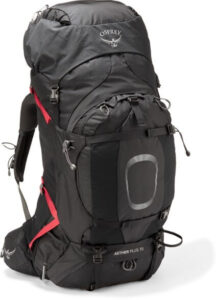
Osprey Aether Plus 70
- Price: $450 / £333.07
- Capacity: 70 (liters) = 4271.66 (cu in)
- Weight: = 2800 g = 2.8 kg = 98.77 oz
Why it matters
Your backpack is your home on the road. You’ll carry it through airports, train stations, hostels, city streets, and mountain trails. Maybe get a separate day pack too or at the least, a sling pack.
What to look for
- 40L (2440.95 cu in) – 70L (4271.66 cu in) capacity
- Comfortable harness system
- Durable materials
- Front-loading design
- Lockable zippers
Who really needs it
Every backpacker.
Recommended pick
Read our Osprey Aether Plus 70 Review
#2 Packing Cubes
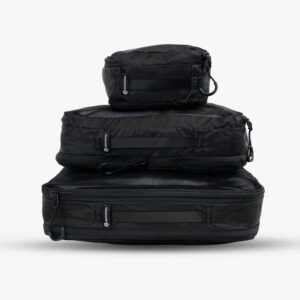
Peak Design Ultralight Packing Cube
- Price: Size XXS $14.95 / £14.99
- Capacity: Size XXS 0.8 (liter) = 48.82 (cu in)
- Weight: Size XXS = 20 g = 0.02 kg = 0.71 oz
Why it matters
Packing cubes keep your backpack organised and stop it turning into a chaotic pile of clothes and cables.
What to look for
- Lightweight construction
- Durable zippers
- Multiple sizes
Who really needs it
Anyone travelling from a backpack.
Recommended pick
The Peak Design Packing Cubes are an excellent combination of durable quality at a fair price. If you buy no-brand Amazon ones then don’t expect them to make it past your 3rd country.
#3 Comfortable Walking Shoes
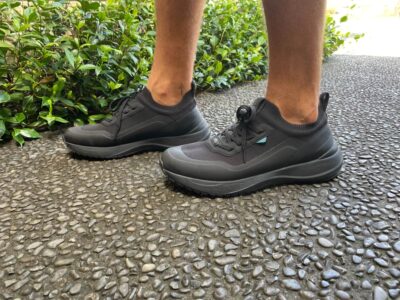
Vessi Stormburst Low Top
- Price: $170 / £125.82
- Waterproof?: Yes
- Waterproofing: Patented Dyma-tex® 4-layer knit technology that keeps water out while remaining breathable
- Materials: 100% vegan and PFAS-free
Why it matters
You’ll spend more time on your feet than almost anywhere else. Good shoes can make or break a trip. We’ll make this clear, they don’t to be proper, pro hiking shoes or boots, just comfortable shoes or sneakers that pack in support, breathability and some weather proofing.
What to look for
- Comfort
- Good grip
- Lightweight construction
- Quick drying materials
Who really needs it
Everyone.
Recommended pick
I used to backpack in Converse All Stars but in honesty, they offer no ankle support whatsoever. The North Face Hedgehogs are a good bet, as are waterproof boots for men and most Adidas sneakers.
#4 Lightweight Rain Jacket
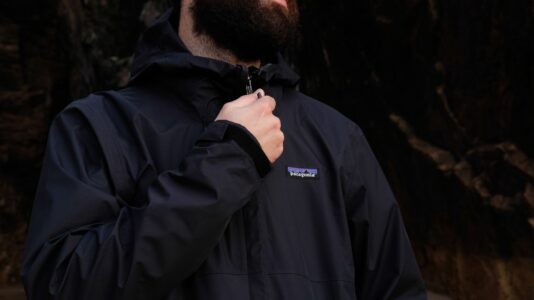
Patagonia Men’s Torrentshell 3L Rain Jacket
- Price: $189 / £139.91
- Sizes: Xs to 3XL
- Weight: = 400 g = 0.4 kg = 14.1 oz
- Material: 3.5 oz (99.22 g) 50-denier ECONYL recycled nylon ripstop face, a polycarbonate PU membrane (13% bio-based content), and a tricot backer.
Why it matters
Rain happens. Even in destinations that are supposed to be sunny. They can also be layered, or act as wind-breakers for those cool nights or misty mountain mornings.
What to look for
- Lightweight design
- Waterproof membrane
- Breathability
- Small packed size
Who really needs it
Almost every backpacker. Never leave home without a jacket man!
Recommended pick
I mean, you probably have one already. If you wan’t to buy fresh for budget visit REI or else treat yourself to the Patagonia Torrentshell.
#5 Quick-Dry Clothing System

Why it matters
A small collection of versatile, quick-drying clothes lets you travel lighter and wash less often. Note that quick drying means they dry quicker from the rain, from sweat or from late night hostel sink washes.
What to look for
- Lightweight fabrics
- Quick-dry performance
- Layering flexibility
- Durability
Who really needs it
Everyone travelling for more than a few days.
Recommended pick
A mix of Craghoppers, Columbia, and Helly Hansen basics.
#6 Quick-Dry Travel Towel (Gotta stay dry!)
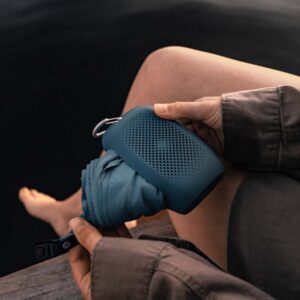
Matador NanoDry Packable Shower Towel
- Price: $39 / £28.94
- Weight: = 160 g = 0.16 kg = 5.6 oz
- Towel Dimensions: 52 x 24 (in) = 132 x 60 (cm) = 1320.8 x 609.6 (mm)
Why it matters
Hostels, beaches, guesthouses, gyms, boat trips, and trekking adventures don’t always provide towels.
What to look for
- Fast drying fabric
- Compact packed size
- Lightweight construction
Who really needs it
Almost every backpacker. They are just so useful.
Recommended pick
PackTowl Personal or Sea to Summit Airlite Towel.

A new country, a new contract, a new piece of plastic – booooring. Instead, buy an eSIM!
GigSky eSIMs work just like an app: you download it, pick your plan, and BOOM! You’re connected the minute you land. It’s that easy.
Read about how eSIMs work or click below to see one of the top eSIM providers on the market and ditch the plastic.
Grab an eSIM!#7 Smartphone with Travel eSim

Best for: Affordable data with strong regional coverage
SIM type: eSIM
Coverage: 200+ destinations worldwide
Calls / texts: No (data-only, optional add-ons in some cases)
Pricing style: Prepaid fixed-data + some unlimited / daily-cap plans
Biggest strength: Excellent value for money, especially on regional plans
Main drawback: Data-only and performance varies by country
Why it matters
Your maps, camera, translator, tickets, banking app, travel guide, and communication device all live in one place.
What to look for
- Strong battery life
- Decent camera
- Water resistance
- Reliable performance
Who really needs it
Every modern traveller. Just be mindful that in some places (South America, London) phone theft is rife and tourists the preferred prey. Just remember that your home SIM won’t work, so download an eSIM app like Jetpac or GigSky and buy a data pack for each country you visit just before you enter.
Recommended pick
Whatever reliable smartphone you already own. If it’s old and decrepit, then maybe replace it before you go.
#8 World Travel Adapter (a MUST have)
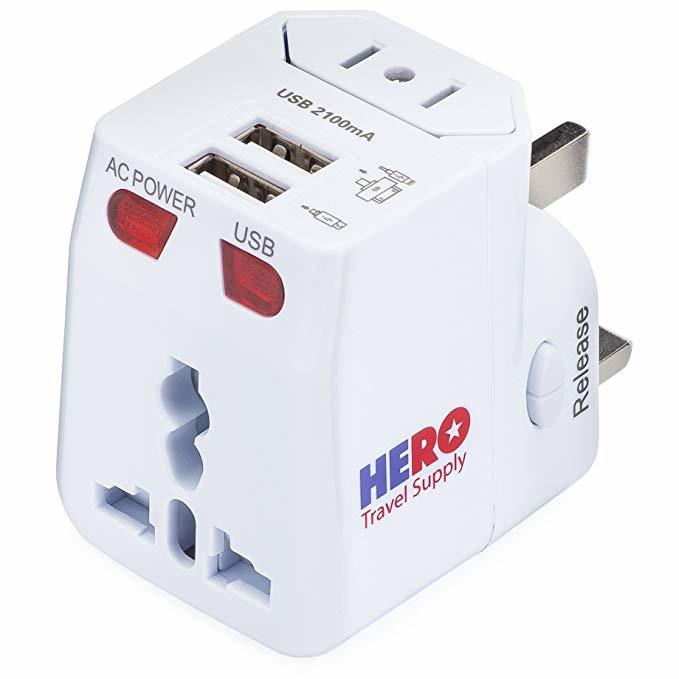
Why it matters
Different countries use different plug types. One adapter solves the problem everywhere.
What to look for
- Worldwide compatibility
- USB-C ports
- Compact design
- Built-in surge protection
Who really needs it
International travellers. Which is all of us.;
Recommended pick
The EPICKA Universal Travel Adapter is a better investment than the Amazon Basics ones.
#9 Toiletry Bag (Convenience in ways you never thought possible)
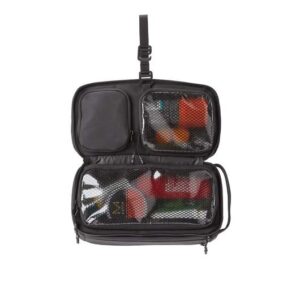
Nomatic Toiletry Bag 2.0
- Price: (Small) $59.99 / £44.51 (Large) $79.99 / £59.36
- Weight: (Small) = 453.59 g = 0.45 kg = 16 oz (Large) 1.5 lbs = 680.39 g = 0.68 kg = 24 oz
Why it matters
Good hygiene becomes surprisingly important when you’re living out of a backpack.
What to look for
- Compact toiletry bag
- Hanging hook if possible
- Leak-resistant compartments
Who really needs it
Everyone. Everyone who washes once in a while that is.
Recommended pick
A lightweight hanging toiletry bag stocked with travel-sized essentials. Nomatic or Sea To Summit make decent ones.
#10 Power Bank (because energy is everything)
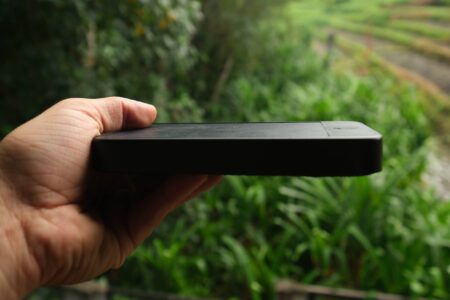
Anker Charging Base for Prime Power Banks
- Price: $99.99 / £74.15
- Pogo Pin Output: Up to 150W max for magnetic alignment with compatible Anker Prime power banks
- Connector Type: USB Type A, USB Type C
- Special Features: Fast Charging
- Wattage: 150 watts
- Weight: 0.99 lbs = 449.06 g = 0.45 kg = 15.84 oz
Why it matters
A dead phone can mean no navigation, tickets, accommodation details, or communication. It can sometimes be
What to look for
- 10,000–20,000mAh capacity
- USB-C charging
- Fast charging capability
Who really needs it
Anyone travelling long distances or relying heavily on their phone.
Recommended pick
The Anker PowerCore Series is ace.
#11 Travel Cards & Emergency Cash
Why it matters
You should never rely on a single card or payment method when travelling.
What to look for
- Low foreign transaction fees
- Worldwide acceptance
- Backup card
- Small emergency cash reserve
Who really needs it
Everyone.
Recommended pick
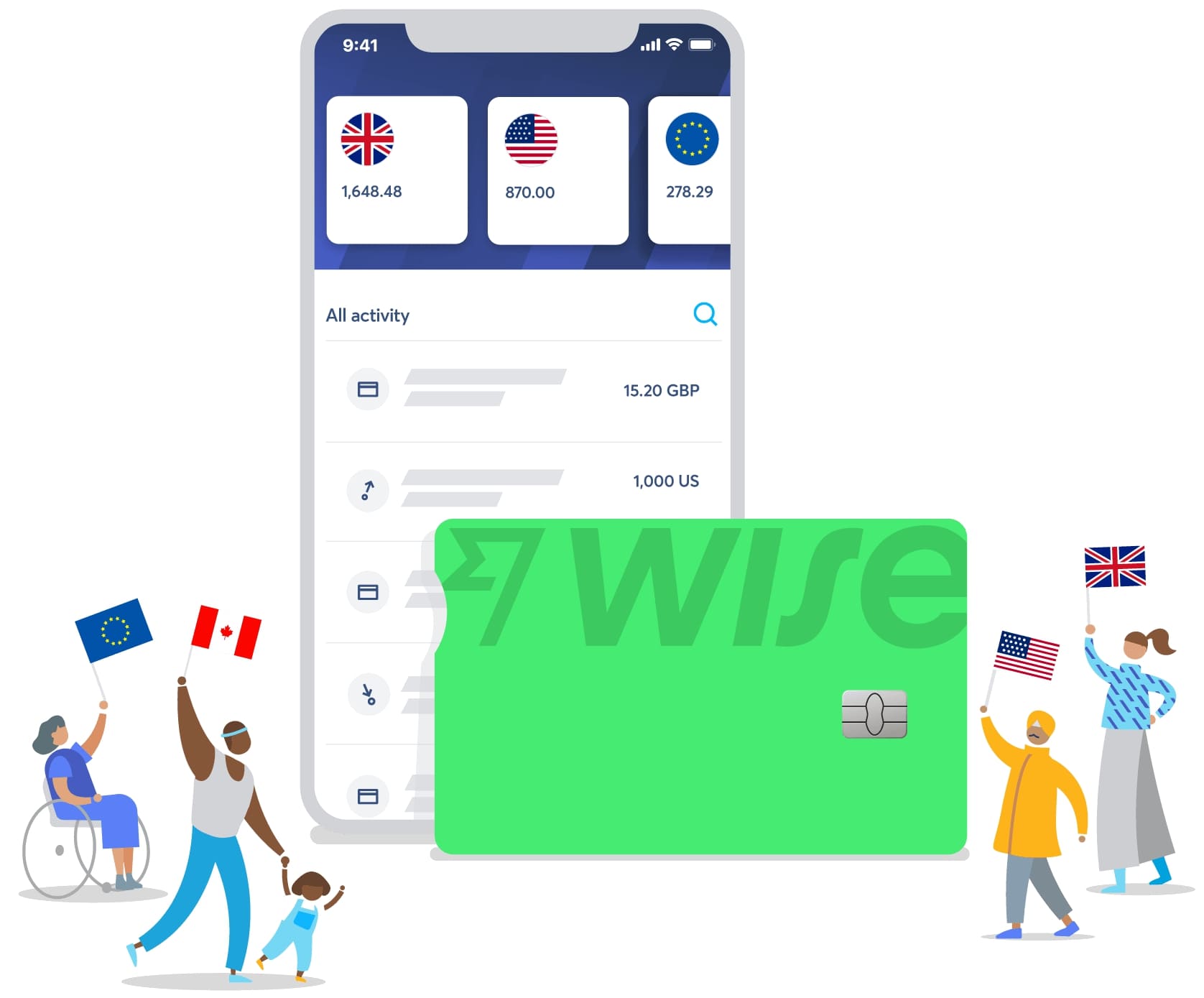
Well, I would bring some cash a Wise Card plus a backup bank card. And then get a payment app such Apple Pay or if you go to China, AliPay.
#12 Passport & Backup Documents
Why it matters
Without a passport, the trip doesn’t happen.
What to look for
- Valid passport
- Digital backups
- Secure storage
Who really needs it
Everyone crossing borders.
Recommended pick
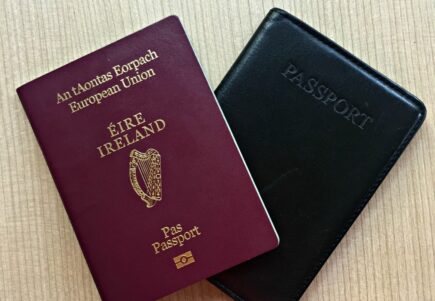
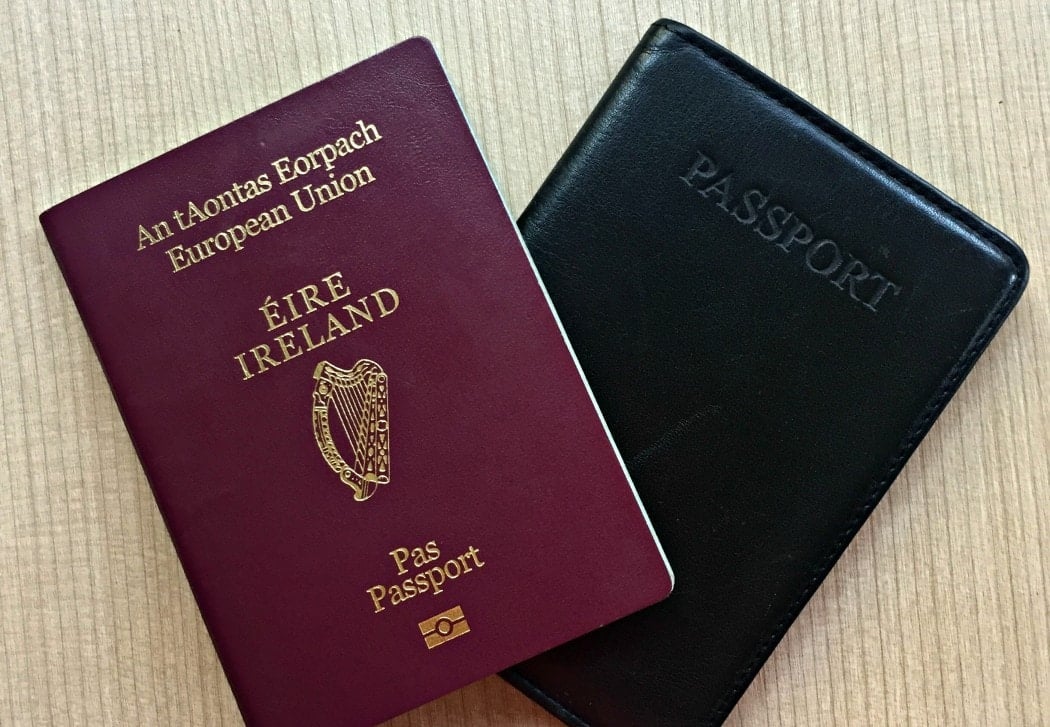
Well, the world’s most powerful passport is Singapore apparently but the one you have will have to do I’m afraid unless you can squeeze in a long road to secondary citizenship before your departure date. But do get passport holder and back up with some cloud-stored digital passport copies.
Best Backpacking Clothes Checklist
Whilst we were all born naked, and have some of our best times naked, clothes are nevertheless a part and parcel of life pretty much anywhere on earth. Whilst dressing for day-to-day life at home is presumably second nature to you by now, dressing for travel can be a bit more complicated.
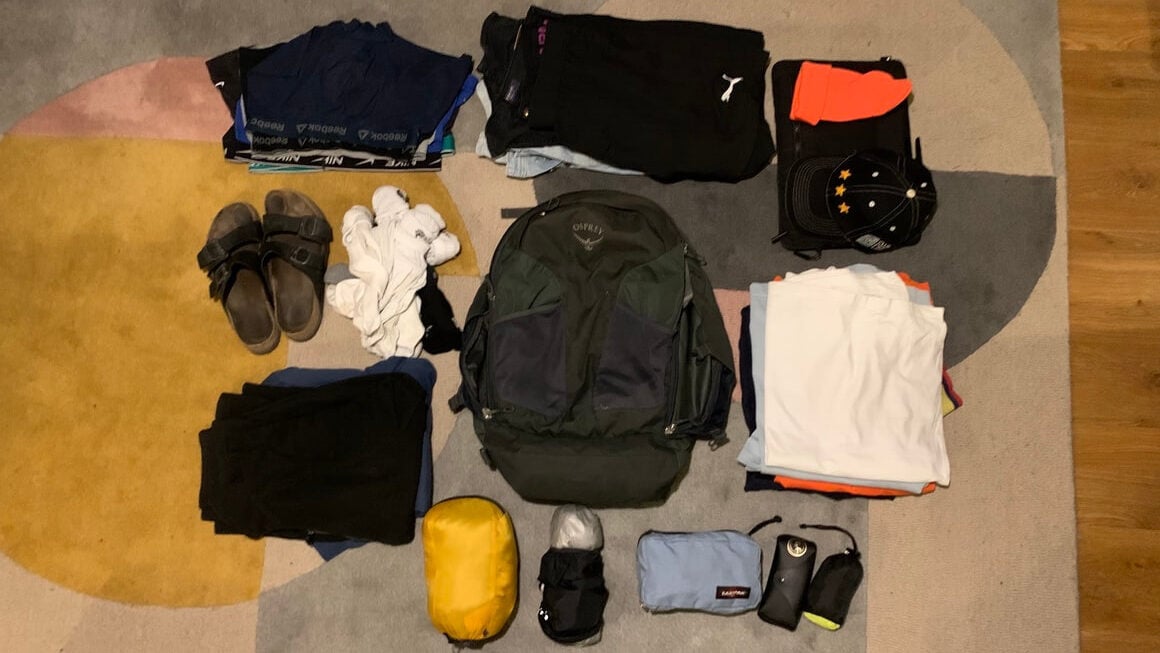
Photo: @joemiddlehurst
Choosing the right clothes is one of the most important parts of building a backpacking packing list. Clothing usually takes up the most space in your backpack and is also where most travellers tend to overpack.
The good news? You probably need fewer clothes than you think.
Clothing Principles
- Pack Lightweight Clothing
Whether you’re heading into tropical heat or alpine cold, lighter clothing almost always wins.
Look for clothes that pack down small, dry quickly, and don’t add unnecessary weight to your backpack. Heavy fabrics like denim are rarely worth the space. Instead, opt for lightweight travel trousers, technical fabrics, and layers that can adapt to different conditions.
- Prioritise Function Over Fashion
Even for colder destinations, layering several lighter garments is usually more practical than carrying one bulky coat.
Backpacking clothes don’t need to be boring or ‘geography teacher worthy’, but practicality matters. Quick-dry fabrics, sun protection, insect protection, and weather resistance will make your life far easier on the road. A lightweight rain jacket is worth its weight in gold and should be considered a backpacking essential.
- Bring Less Than You Think
Almost every first-time backpacker packs too many clothes. Laundry facilities are available almost everywhere, and affordable clothing can be purchased in many destinations if you genuinely need something extra. Places like Thailand, India, Vietnam, and Indonesia are particularly good for picking up cheap travel clothes on the road.
A week’s worth of clothing is often enough for trips lasting several months.
- Stick To Simple Colours
Neutral and darker colours tend to work best for long-term travel.
They’re easier to mix and match, hide dirt better, and can often be worn for longer before washing. You don’t have to dress entirely in black, but there’s a reason so many experienced backpackers gravitate towards darker colours.
- Cold Weather Extras
If your trip includes mountains, winter destinations, or high-altitude regions, consider adding:
- Down jacket
- Thermal base layers
- Warm hat
- Gloves
- Waterproof shell
- Warm hiking socks
A quality down jacket is one of the best investments a backpacker can make. A good jacket adds enormous warmth for very little weight and packs down surprisingly small when not in use.
Remember: cold-weather gear is essential when you need it and unnecessary weight when you don’t. Pack according to your destination, not hypothetical scenarios.
Camera: If you want to take a camera and you’re new to photography I suggest getting something by Lumix, they offer great bang for your buck and is ideal for taking quality travel photos. Check out this incredibly detailed post for a breakdown of the best travel cameras, or best travel tripods if you’re really interested in travel photography.
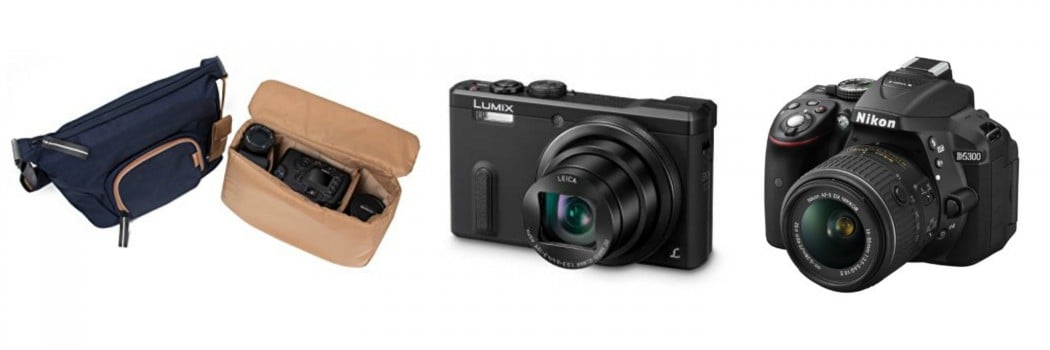
Laptop: Since I make a living online, I travel with some top-notch tech. Buying a MacBook Pro was the single best investment I ever made. Whilst a laptop might not be on every backpacking trip list, if you’re blogger or photographer then you’ll be needing one.
Check out this incredibly detailed post for a breakdown of the best travel laptops for digital nomads and backpackers.
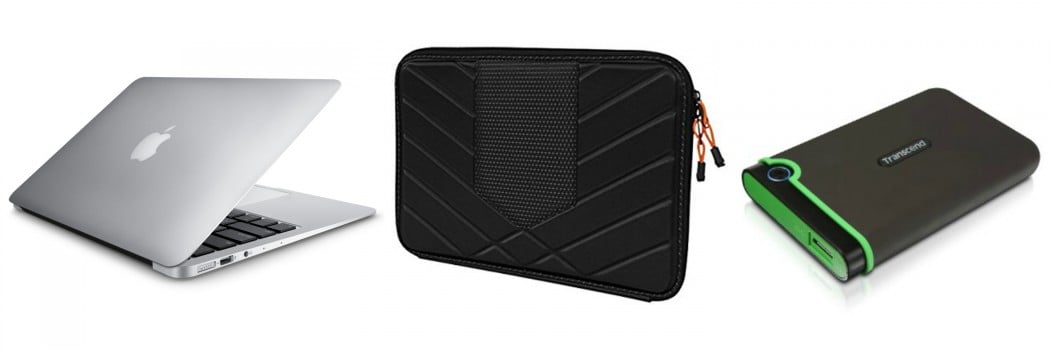
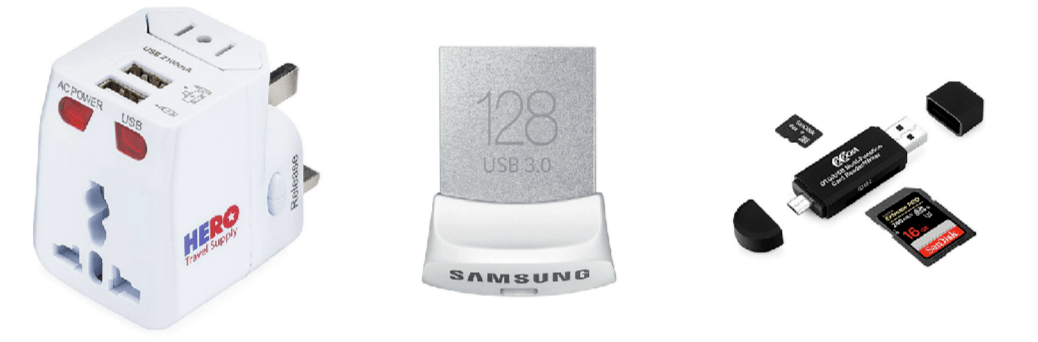
USB flash drive: Endlessly helpful.
USB card reader: Essential if you’re into your photography.
World Travel Adapter: This could easily top the list of backpacking essentials. It’s worth splashing out a bit here and getting one that can charge a laptop and two USB devices at once.
Smartphone: If you have a good smartphone, you might not need a camera – it totally depends on how much you care about your photos.
Portable battery: Extremely useful for keeping your phone and camera charged whilst adventuring. I travel with two as I’m often trekking and away from power.
Adventure Gear List for Backpackers
If you’re a keen hiker or adventurer, you know that you’ll need to carry more gear… It’s great to pack light but if you’re spending a lot of time camping out or hiking through the mountains, it’s important to be prepared. This camping gear checklist has got you covered on everything you’ll need for your epic hikes and camping delights.
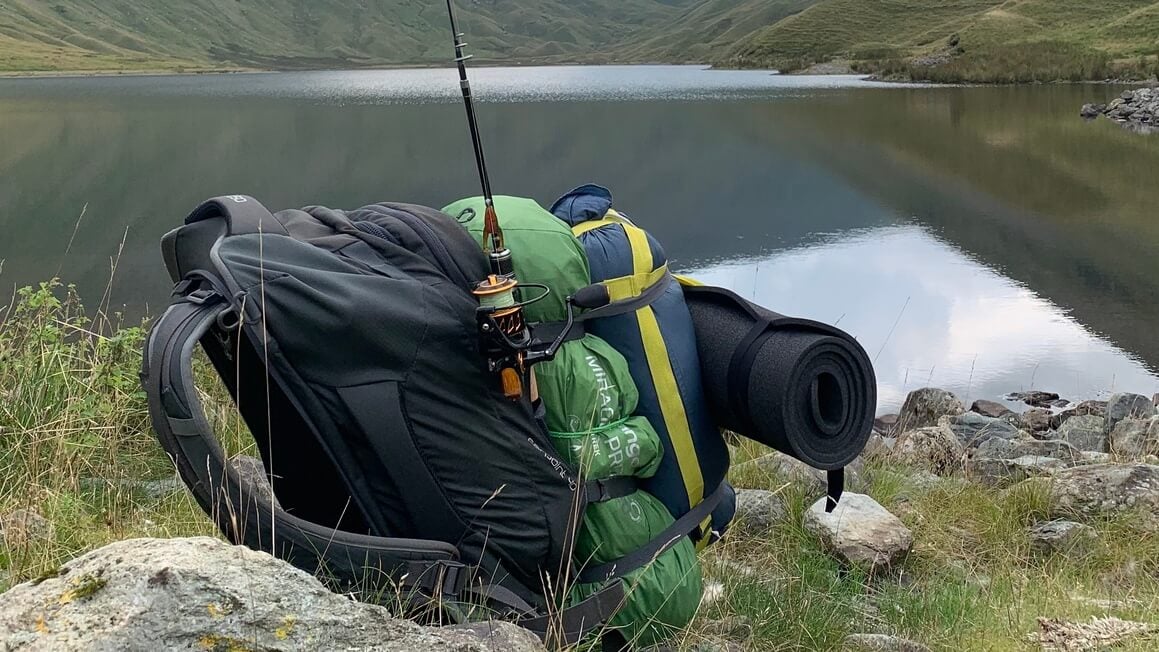
Photo: @joemiddlehurst
Head-torch: One of the most useful items on this backpacking checklist! Head torches are useful for caving, hiking and bathroom trips when the power’s gone out.
Check out my post on the best headlamps for travel.
Pocket Blanket: Lightweight, waterproof, super compact pocket blanket is a great addition to your backpacking checklist. Doubling up as an emergency poncho, a picnic blanket is worth its weight in gold when chilling, or camping, on the beach. This is a great item to have, even for someone looking for a minimalist backpacking list and if you want to roll around with your significant other, a picnic blanket is well worth packing.
Camping Hammock: Lighter and more portable than a tent. Plus, chicks dig hammocks… I always travel with a parachute hammock. Not an absolutely essential item, but one of my favourite items on this backpacking packing list.
Mosquito Net: Put a box-shaped net on your backpacking list if you’re headed to the Tropics.
Cable ties: Always worth packing a couple, especially if you’re off on a motorbiking adventure.
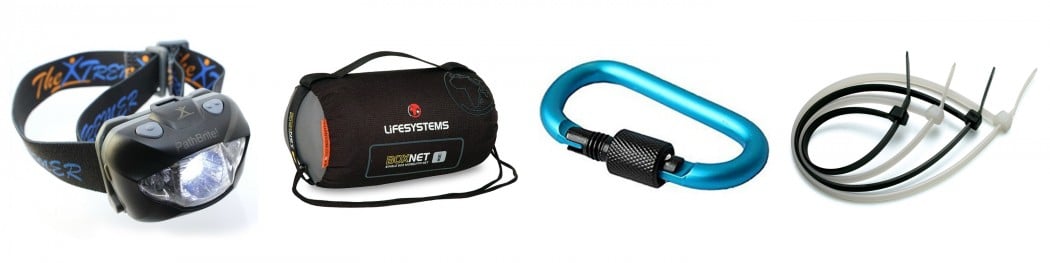
Carabiners: I always pack a couple of these. Simply clip them to your pack and use them when you need to attach stuff to the outside of your pack, fix things, hang up mosquito nets… They’re super useful on any backpacking trip checklist.
Sleeping bag liner: Useful when the sheets are not so clean or you want to sleep under a blanket but it’s damn hot. Check out all our favourite sleeping bag liners. If you’re serious about camping you might also want to look at some lightweight sleeping pads too.
Small sewing kit: Fix your own shit, you’ll save some money. In fact, whether you’re camping or not we reckon this should be on any backpacking packing list.
Pens and notebook: Don’t go travelling without them!
Travel fitness: You may want to throw in a jump rope, a light yoga mat, and a stretching strap to stay on top of your travel fitness game.
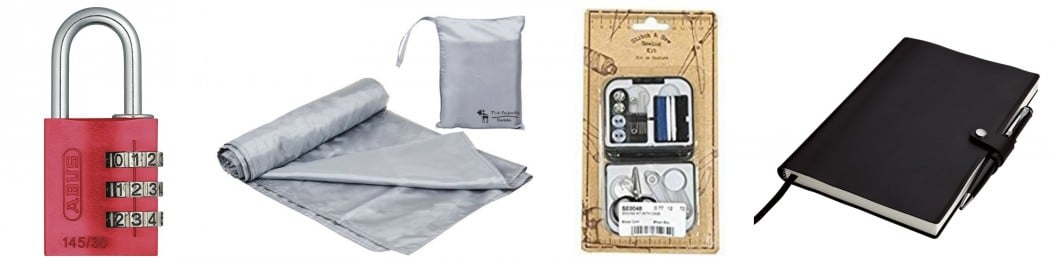
You may not need a lot of the gear below, but if you’re planning an epic expedition and will be away from civilization a lot it does make sense to invest in some of this must-have hiking gear. Some of us at TBB always travel with a tent as it has saved a ton of money on accommodation over the years. This is our hiking/camping gear checklist…
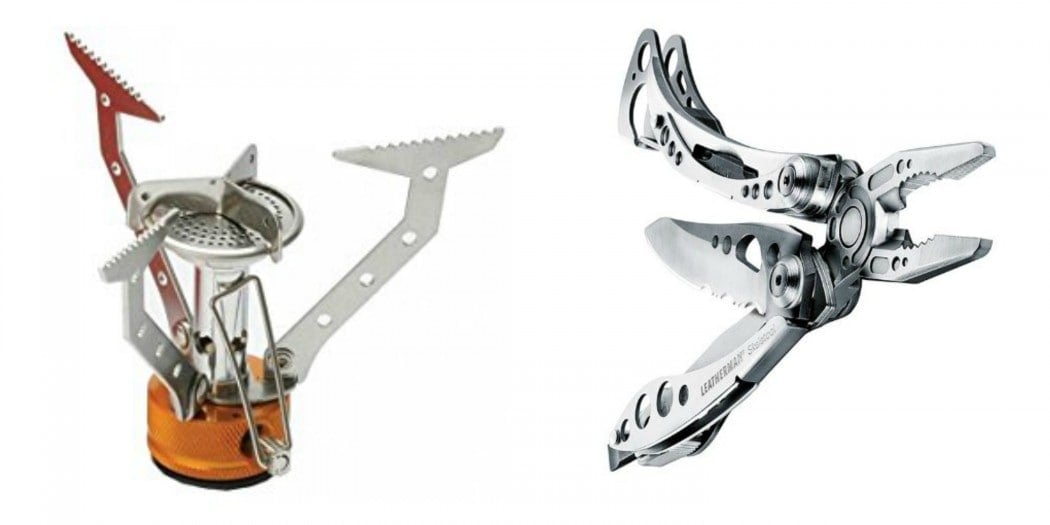
Multi-tool: We’ve been using our ultra-lightweight Leatherman Skeletool for years, it’s the perfect companion for any backpacking adventure. Check out our guide to the best multitools here for some more options.
Portable Stove: If you are hiking/camping, then this obviously needs to be on your backpacking equipment list. I have a pocket rocket which serves me well – check out my post on the top backpacking stoves to find out if you really need a stove for your travels.
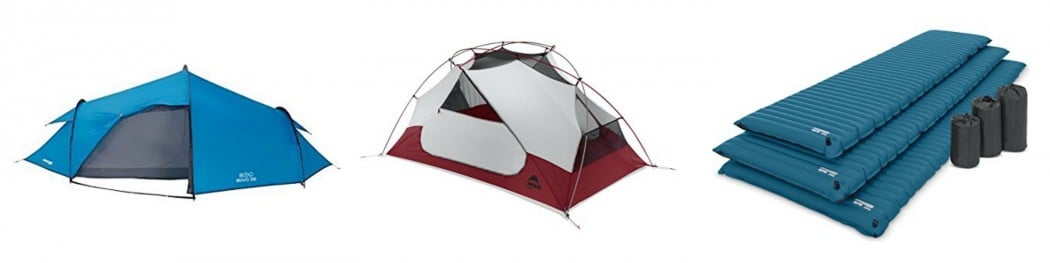
Tent: If you’re camping, you’ll need a tent… Check out my detailed post on the best tents to take backpacking.
Hammock: Even if you’re not sleeping on the beach, a camping hammock always comes in handy when backpacking and most hammocks take up next to no room in your pack. Check out my article on the best camping hammocks for travelling!
Sleeping pad and sleeping bag: Klymit makes the best value sleeping pads. Check out my post on the best sleeping pads to take backpacking. If you are hiking and camping a lot, this is obviously a must when it comes to your backpacking equipment list – without a sleeping pad, you will get seriously cold. You can also pick up a top-quality travel pillow too if you want to get extra comfy – we suggest one from the good people at TRTL.
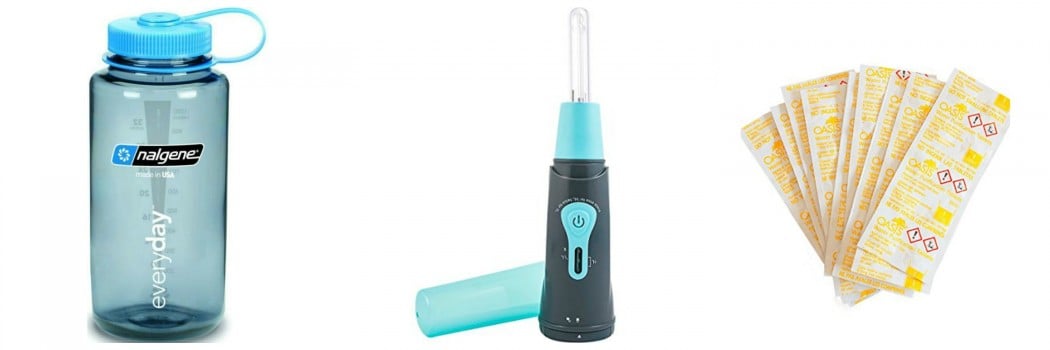
Water bottle: Every backpacker should hit the road with a water bottle – it’ll save you money and help reduce your plastic footprint on our amazing planet.
Grayl Geopress: The best option for purifying water. – Once upon a time I lost my original Grayl… and soon after contracted a parasite from some questionable water. Since replacing it with the Geopress, I’ve been able to stay parasite-free at multiple high-altitude campsites and other escapades. It’s revolutionized my travels, and by buying one, you’ll also be helping out the planet by not adding to the plastic problem.
Water purification tabs: A much cheaper option for purifying water.
Toiletries to Pack for Backpacking
Right lets bear in mind that you can find the every day basics like soap, shampoo, deodorant, razors easily all over the world and they are often cheaper to buy than they are at home – it all depends on where you are going.
Just keep in mind that the more niche/specialised a product is the harder it gets to procure. For example, hair gel is easy to find everywhere, pomade or clay, less so.
In our wash bags, my backpacking essentials are…
- Microfiber travel towel -super lightweight and fast-drying
- Toothbrush and small toothpaste
- Shower gel
- A few Cotton buds
- Tissues – high quality ones can be harder to source
- Decent sunscreen (often expensive to buy abroad)
- Small Deodorant
- Razor with replacement blades
- Shaving gel
- Earplugs
- Condoms
Backpacking First Aid and Medical Essentials
It’s always worth packing a small first-aid kit. On our travels, we’ve been hospitalized multiple times between us, been in a couple of motorbike accidents and had more hangovers than you can count. They’re essential on any backpacking packing guide and our first aid kits saved my ass on more than one occasion…
I recommend picking up a pre-assembled first-aid kit and then pimping it out with all of the below.
- Personal medicines such as inhalers
- Paracetamol, ibuprofen, and aspirin
- Disinfectant spray
- Disinfectant wipes
- Mosquito repellent (at least 40% DEET)
- Antihistamines
- Bandages and gauze
- Plasters in various sizes
- Steri-strips
- Throat lozenges
- Condoms
- Antibiotic for traveller’s diarrhea. Ask your doctor about azithromycin, which is now the preferred first-line option in many regions due to widespread fluoroquinolone resistance. Prescription only; do not self-prescribe.
- Malaria pills if applicable
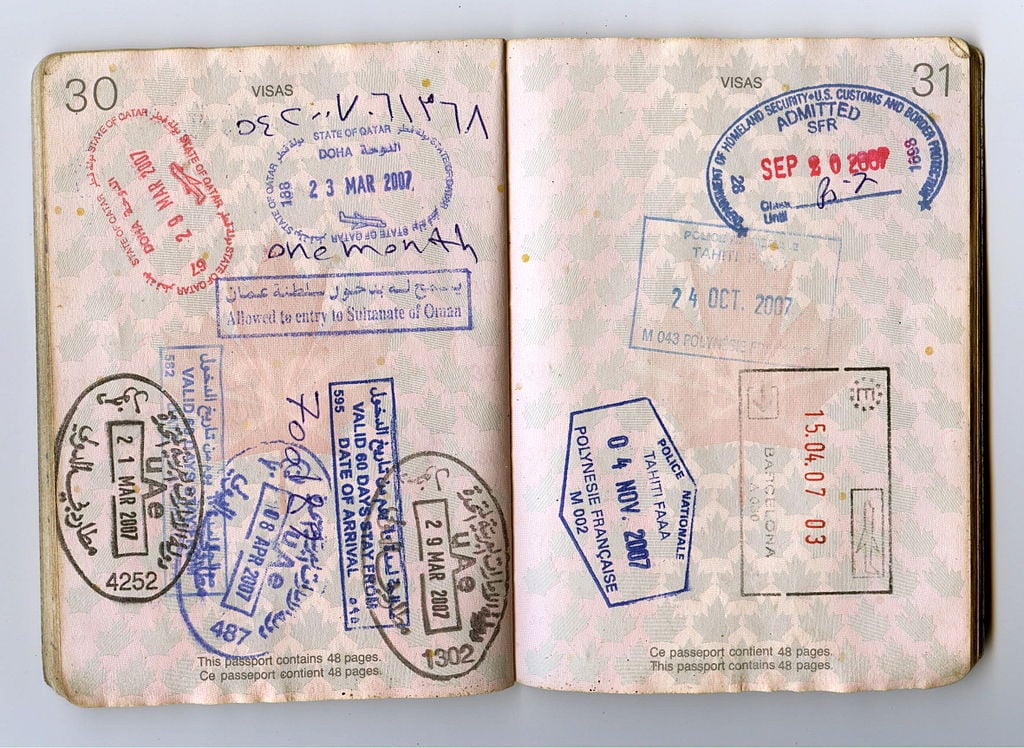
Backpacking Packing List – Documents checklist
It helps to be organized before you hit the road; we travel with all of the below in a plastic wallet, it may sound nerdy but when you’re at a politically charged border crossing you will get across a lot faster if you are organized.
- Flight, train, and bus tickets
- Travel Security Belt: The best way to keep your money hidden.
- Address of your first hostel (even if it’s fake).
- Valid Passport
- A laminated copy of your passport
- Debit Cards x 2
- Credit Card
- Dollars or Euros
- Some, one-dollar bills for tips
- Driver’s license
- Student ID
- half a dozen passport photos for visas on arrival (you normally need two per visa).
- Insurance information, home contact details, and health information as part of a laminated card.
Backpacking Essentials – Travel Insurance!
Do you need Travel Insurance for your trip? Even if you’re only going for a few days, that’s more than enough time to get smote by wrathful angels. Have fun, but take it from us, overseas medical care and cancelled flights can be seriously expensive – insurance can, therefore, be a life-saver.
Travel mishaps can and do happen and it is well worth thinking about insurance before you leave home. This is a backpacker’s essential item that many either forget about or ignore and we don’t want you to regret that!
We use World Nomads which specialises in covering digital nomads and backpackers. Why not get a quote from them yourself?
Do be sure to read the terms and conditions to make sure that the policy covers your needs.
Sort out your insurance before you go. There are several good options, but our overall pick is SafetyWing. Most of the Broke Backpacker team has used it at one point or another, and we’ve filed claims for rabies jabs in Bali, a hospital stay in Mexico, and a clinic visit for a stomach bug that wouldn’t quit. All paid out.
It’s month-to-month, no lock-in, no itinerary required, and you can buy it after you’ve already left. A little over $2 a day if you’re under 40.
New SafetyWing customers: use code BROKEBACKPACKER for 8 free weeks of electronics theft coverage. You have to scroll down and click the pink camera on their landing page to enter it, and you have to do it before creating your account.
Pack Less, Travel Better
After more than a decade on the road and countless backpacking adventures across every kind of destination imaginable, we’ve learned one simple truth: the best backpacking packing list is a personal one.
There is no perfect setup. The right gear for a digital nomad in Southeast Asia will look very different from the right gear for a trekker in Patagonia or an Interrailer crossing Europe. The goal isn’t to pack everything you might need, rather it’s to pack the things you’ll actually use.
Pack lighter. Pack smarter. Pack for your trip.
Remember that confidence comes from preparation, not from carrying half your possessions around the world. Most backpackers discover they need far less than they imagined, and the freedom that comes with a lighter pack is one of the great joys of travel.
Use this guide as a framework, adapt it to your own travel style, and don’t be afraid to leave a little extra space in your backpack. Chances are you’ll be glad you did.
Now stop tweaking your packing list, zip up your backpack, and go have the adventure. The buses, trails, beaches, mountains, hostels, street food stalls, and unforgettable characters are waiting for you out there.
Safe travels, and as ever if we’ve missed a backpacking essential that you swear by, let us know in the comments below.
For more travel gear inspiration, check out my buddy Gianni’s ultralight packing list and for the ladies, this excellent travel packing list for women by Two Scots Abroad.