Thailand has long been the classic backpacker destination. For years now, travellers of all sorts have made their way around this incredible country and it’s honestly not hard to see why. Stunning beaches, tropical islands, amazing food, chaotic cities and enough adventure to keep you busy for months.
The good news is that Thailand is still one of the safest countries in the world for backpackers and tourists. Millions of people visit every year and have an amazing, trouble free trip.
Of course, that doesn’t mean nothing ever goes wrong. Scams exist, road accidents happen and there are a few things you’ll want to know before diving headfirst into that backpacking dream.
In this guide, we’ll cover pretty much every safety question you can think of. From food and drinking water to scooters, solo travel and avoiding the most common tourist scams.
So if you’re wondering whether Thailand is safe to visit, don’t worry. We’ve got you covered.
The Broke Backpacker is supported by you. Clicking through our links may earn us a small affiliate commission, and that's what allows us to keep producing free content 🙂 Learn more.
- Current Safety Overview (2026)
- About This Thailand Safety Guide
- Scam Compound Issue
- Safest Places in Thailand
- Deep South Security Situation
- Cannabis Laws in Thailand
- 23 Top Safety Tips for Travelling to Thailand
- Is it Safe to Travel to Thailand Alone?
- Is Thailand Safe for Solo Female Travellers?
- Is it Safe to Travel to Thailand for Families?
- Is Thailand LGBTQ+ friendly?
- Common Scams in Thailand
- More on Safety in Thailand
- FAQ about Staying Safe in Thailand
- So, is Thailand Dangerous?
Current Safety Overview (2026)
As of 2026, the U.S. Department of State advises travellers to exercise normal precautions throughout most of Thailand (Level 1).
The main exception is the three southernmost provinces bordering Malaysia: Yala, Pattani and Narathiwat. These provinces are currently listed under a higher Level 2 advisory due to ongoing security concerns linked to a long-running insurgency in the region.
Most travellers never visit these provinces, and Thailand’s main tourist destinations are unaffected. However, if your plans take you into the far south of the country, it’s worth checking the latest travel advice before you go.
About This Thailand Safety Guide
Safety In Thailand – An Overview
Thailand is one of the most popular backpacking destinations on the planet, but that doesn’t mean absolutely nothing can go wrong.
The good news is that most travellers won’t have to worry about serious crime. In reality, you’re far more likely to run into a tourist scam, a dodgy tuk tuk driver, a stolen phone or a nasty scooter crash than anything more dramatic.
Then there’s the tropical side of Thailand. Heavy rain, intense heat, strong currents at some beaches and the occasional run-in with local wildlife all come with the territory.
You may also have seen recent headlines about scam compounds near the Myanmar border and ongoing security issues in Thailand’s far south. Both are real issues, and we’ll cover them later in this guide, but neither affects the vast majority of people travelling around Thailand’s main tourist hotspots.
Honestly, most trips to Thailand go off without a hitch. Use a bit of common sense, keep your wits about you and you’ll probably spend more time deciding which island to visit next than worrying about your safety.
Let’s get into the facts of Thailand’s safety…
Scam Compound Issue
One issue that’s made headlines in recent years is the rise of so-called scam compounds near parts of the Thailand-Myanmar border.
A scam compound is basically a site run by organised criminal groups where people are forced to carry out online scams. Victims (including tourists) are often tricked by fake job adverts, promises of easy money or offers of well-paid work abroad, only to find themselves trapped and made to work in cyber scam operations.
Now, before you start panicking, this isn’t something that affects most tourists visiting Thailand. You’re not going to stumble into a scam compound while exploring Bangkok or heading off to Koh Tao.
The people most at risk are those responding to suspicious job offers or travelling to border areas for work opportunities that haven’t been properly vetted. Some victims have been recruited online before they’ve even arrived in Southeast Asia.
The takeaway? If someone is offering an unbelievably good job, free accommodation and easy money, be sceptical. If you’re travelling near border towns such as Mae Sot, be cautious about accepting unsolicited lifts or travel arrangements from strangers.
For the average backpacker, this is a very low-risk issue. But it’s one that’s worth knowing about before you travel.
Safest Places in Thailand
When choosing where you’ll be staying in Thailand, a little research always goes a long way. The good news is that most of the country’s most popular destinations are very safe for travellers. To help you narrow things down, here are a few of the safest places to visit in Thailand.
Deep South Security Situation
Most travellers in Thailand will never need to think about this section, but it’s worth knowing about before getting into ‘where to stay’.
Thailand’s three southernmost provinces, Yala, Pattani and Narathiwat, continue to experience a long-running insurgency. Occasional bombings, shootings and other security incidents still occur, which is why many governments advise increased caution when travelling in the region.
The good news is that these provinces are well away from Thailand’s main tourist trail. Popular destinations such as Bangkok, Chiang Mai, Phuket, Krabi and the islands are unaffected.
Unless you’re specifically travelling through the far south near the Malaysian border, this situation is unlikely to have any impact on your trip. If you are planning to visit the area, check the latest travel advice before you go.
Now for the good stuff…
Chiang Mai
Chiang Mai is one of the most popular places to visit in northern Thailand, and it’s not hard to see why. You’ve got temples, markets, street food, mountain views and enough cafés to keep even the most committed coffee snob happy.
It’s also a favourite with digital nomads and long-term travellers, so there’s always a good mix of locals, expats and backpackers around.
Compared to Bangkok, Chiang Mai feels much more laid-back. It’s still a city, but it lacks some of the chaos that comes with the capital, which helps make it one of the easiest and safest places to explore in Thailand.
There’s plenty to do in the city itself, but half the fun is getting out into the surrounding countryside. Waterfalls, hiking trails, national parks and mountain villages are all within easy reach.
Pai
The biggest danger in Pai is ending up staying much longer than you planned.
Many travellers find themselves coming back here again and again because the place has a habit of getting under your skin. It’s one of those destinations that regularly sends carefully planned itineraries straight out the window.
Pai is a small mountain town in northern Thailand surrounded by beautiful countryside. While you won’t find white-sand beaches, you will find waterfalls, hot springs, caves, incredible viewpoints and a laid-back atmosphere that’s hard not to fall in love with. There’s also a strong yoga and wellness scene if you’re looking to slow things down for a few days.
Koh Samui
Koh Samui is packed with things to do. Whether that’s paddleboarding at sunset, swimming beneath waterfalls, hiking through the jungle or exploring the island by scooter, there’s no shortage of adventure.
It’s also one of Thailand’s more developed islands, with good infrastructure and plenty of accommodation options. Alongside the adventure, you’ll find calm beaches, warm water and plenty of opportunities to go snorkelling or scuba diving. It’s a great choice for first-time visitors looking for a tropical island experience without feeling completely off the grid.
Places to Avoid in Thailand
For the vast majority of travellers, there aren’t many places in Thailand that you need to actively avoid. Most tourist destinations are very safe and welcome millions of visitors every year.
The main exception is Thailand’s far south. The provinces of Yala, Pattani and Narathiwat continue to experience occasional security incidents linked to a long-running insurgency. Parts of Songkhla near the Malaysian border are sometimes included in travel advisories too.
These areas are well away from Thailand’s main tourist trail, so most travellers will never have a reason to visit them. If your plans do take you there, check the latest travel advice before you go.
Elsewhere in Thailand, the usual common sense rules apply. Avoid wandering down deserted streets late at night, keep an eye on your belongings in busy tourist areas and don’t ignore your instincts if a situation feels off.
Thailand is generally a very safe country to travel around, and a little awareness goes a long way.
Cannabis Laws in Thailand
If you’ve been reading travel blogs about Thailand for the last few years, you could be forgiven for being a little confused about the country’s cannabis laws.
Thailand made headlines when it decriminalised cannabis in 2022, and for a while, it felt like dispensaries were popping up on every street corner. Since then, however, the rules have tightened, and the legal situation has become a lot less straightforward.
As of 2026, tourists shouldn’t assume that recreational cannabis use is freely legal in Thailand. While cannabis shops still operate in many parts of the country and medical cannabis remains available through approved clinics, enforcement has tightened and the rules continue to evolve.
The safest approach? Don’t use cannabis while travelling in Thailand unless you’re completely sure of the current laws and requirements.
At the end of the day, a holiday isn’t worth risking fines, legal trouble or confusion over regulations that may have changed since the last guidebook or TikTok video you watched.
Thailand is generally very safe, but a little travel know-how goes a long way. To help you avoid the most common problems travellers run into, here are our top safety tips for Thailand:
- Wear a helmet when riding a motorbike. It’s a legal requirement and could quite literally save your life.
- Know your limits when drinking. Those famous buckets can be a lot stronger than they look.
- Be wary about taking drinks from strangers and never leave your drink unattended.
- Watch your back at Full Moon Parties and other big events. They’re great fun, but getting completely out of it can lead to bad situations.
- Be sceptical of job offers that sound too good to be true. Scam compounds operating near parts of the Myanmar border have targeted foreign nationals with promises of easy money and free accommodation.
- Stick to official border crossings and be cautious of unofficial transport or travel arrangements near border regions.
- Don’t give your passport as a deposit when renting scooters, motorbikes or equipment.
- Only rent scooters and motorbikes from reputable companies with good reviews.
- Watch your bags when travelling by tuk-tuk or motorbike. Bag snatching does happen.
- Carry only a small amount of cash when you’re out and about, and keep the rest somewhere secure.
- Have copies of important documents stored safely in case the originals are lost or stolen.
- Be aware of rip currents, especially during the monsoon season.
- Check local air quality if you have asthma or respiratory conditions, particularly around Chiang Mai during the burning season.
- Don’t get involved in political protests or demonstrations.
- Don’t insult the Thai king or royal family. Thailand’s lèse-majesté laws are taken very seriously.
- Stick to bottled or filtered water unless you’re sure the tap water is safe to drink.
- Be careful around monkeys. They may look cute, but they’re opportunistic and can be aggressive.
- Don’t buy Buddha images unless you’re familiar with the export rules.
- Don’t ride elephants. Aside from the ethical concerns, it can also be dangerous.
- Have your routine vaccinations checked before you travel.
- Pack appropriately for Thailand’s climate and activities.
- Have your destination saved on your phone before getting into a taxi.
- Be respectful online and remember that local laws and cultural sensitivities may be very different from those at home.
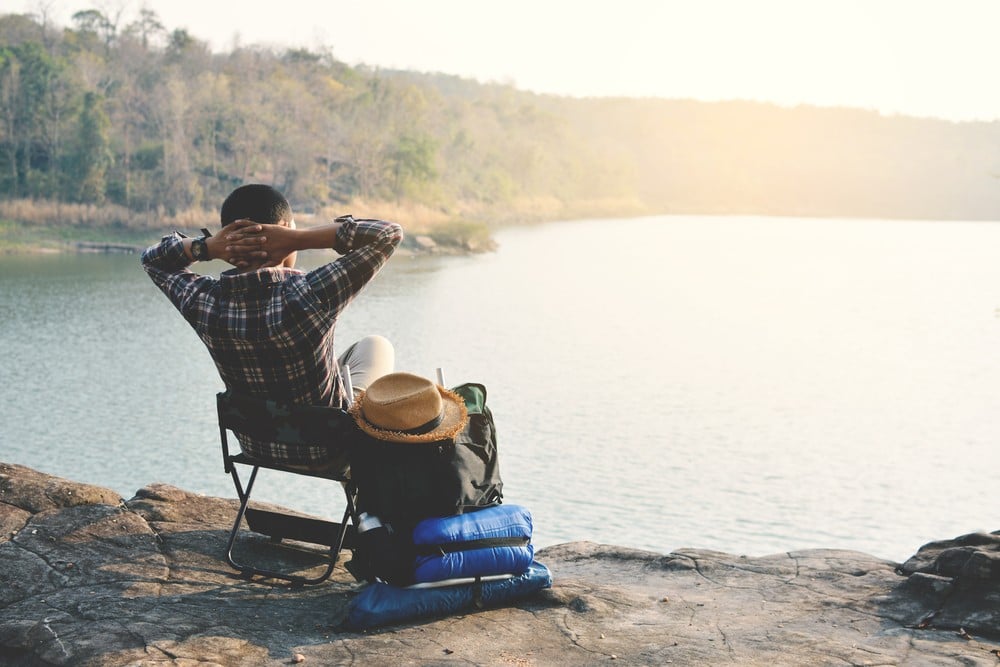
If you’re travelling to Thailand by yourself, don’t worry. Solo travel is incredibly common here, and it’s one of the easiest countries in the world to explore on your own.
Being alone doesn’t have to mean being lonely, either. Thailand’s hostel scene is legendary, and it’s one of the best places on the planet to meet other travellers. Whether it’s through hostels, group tours, cooking classes or day trips, you’ll find plenty of opportunities to make friends along the way.
A few tips to keep in mind:
- Meet other travellers. Not only is it a great way to beat the solo travel blues, but there’s definitely safety in numbers too.
- Join tours, activities and group experiences. They’re a great way to see more of the country and meet like minded people at the same time.
- Don’t go home with strangers. As friendly as people may seem, it’s always worth being a little cautious.
- Be mindful about sharing personal information with people you’ve only just met.
- Let somebody back home know roughly where you are and check in every now and then.
- Don’t be afraid to ask for help. Thai people are famously friendly and are often happy to point you in the right direction if you need a hand.
Thailand is about as solo traveller-friendly as it gets. Use a bit of common sense, trust your instincts, and you’ll likely have an amazing time.
Is Thailand Safe for Solo Female Travellers?
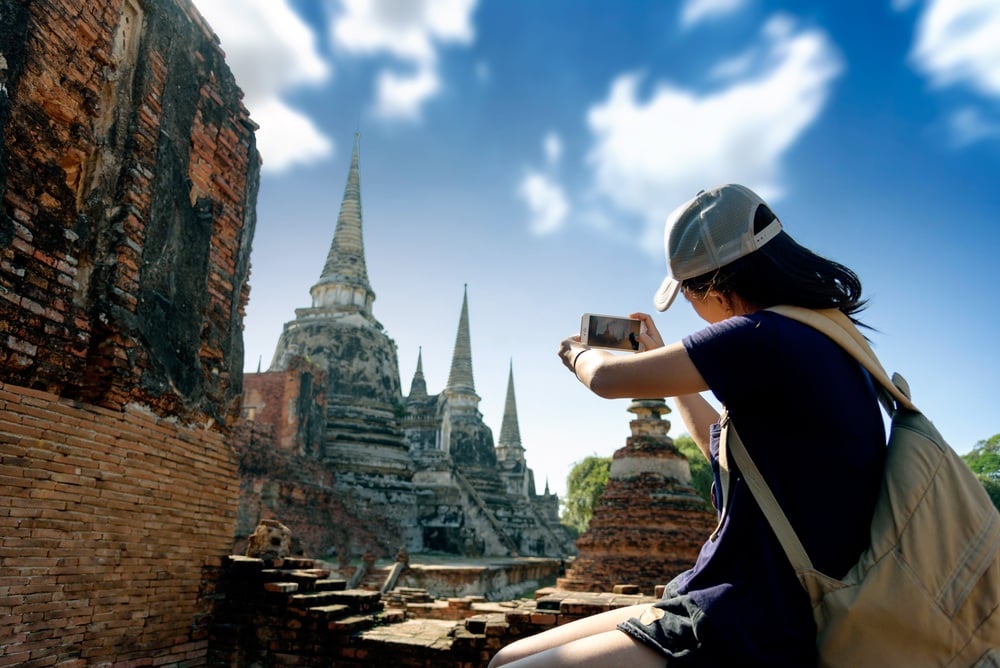
Thailand is one of the most popular destinations in the world for solo female travellers, and for good reason. It’s easy to get around, the backpacker scene is huge, and you’ll rarely be short of people to meet along the way.
That said, travelling solo as a woman comes with a few extra considerations wherever you are in the world.
Here are a few tips to help keep your trip running smoothly:
- Consider staying in female-only dorms if that makes you feel more comfortable. They’re also a great place to meet other women travelling solo.
- Dress for the weather, but be mindful of local customs too. Thailand is generally relaxed, but covering up a little at temples and religious sites is always appreciated.
- Pick up a local SIM card when you arrive. Having data makes it much easier to navigate, book transport, check reviews and stay in touch with people back home.
- Learn a few basic Thai phrases. It’s not essential, but it goes a long way.
- Make friends, but trust your instincts. If someone gives you a bad feeling, there’s no need to stick around.
- Keep an eye on your drink during nights out and don’t leave it unattended.
- Avoid getting excessively drunk or taking drugs. Aside from the legal risks, it can leave you much more vulnerable.
- Keep enough cash and phone battery to get yourself back to your accommodation safely.
- Be respectful of local customs. For example, monks generally avoid physical contact with women, so it’s worth being aware of cultural norms when visiting temples.
Overall, Thailand is one of the easiest countries in the world for solo female travel. The hostels are great, transport is straightforward, and there are plenty of other travellers around. Use the same common sense you would anywhere else and you’ll likely have an amazing trip.
Is it Safe to Travel to Thailand for Families?
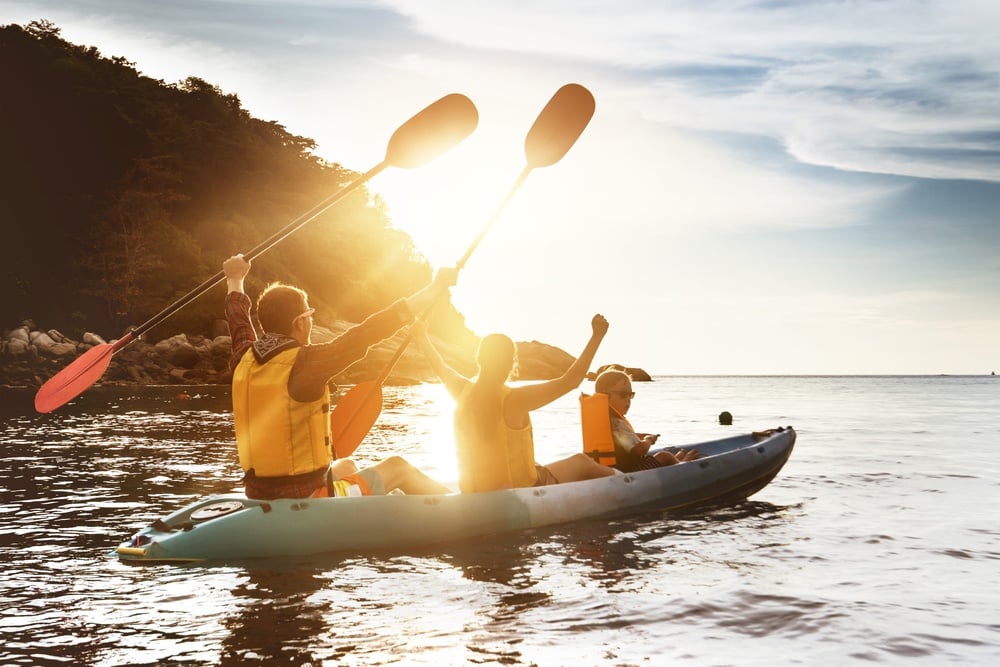
Thailand might be famous for backpackers, but those days are long gone. These days, you’ll find everyone here, from honeymooners and retirees to families travelling with young kids.
The good news? Thailand is a fantastic place to visit as a family. The tourism industry is well established, getting around is fairly easy, and Thai people generally adore children. Don’t be surprised if your kids get plenty of smiles and attention along the way.
There’s also loads to do. Beaches, islands, temples, wildlife, water parks, markets, boat trips… you’ll have no problem filling your days.
If you’re worried about ending up surrounded by backpackers doing tequila shots on Khaosan Road, don’t be. It’s easy enough to avoid the bigger nightlife areas, and they make up a tiny fraction of the country. Most destinations in Thailand are perfectly family-friendly.
As always, use a bit of common sense. Keep an eye on little ones around busy roads, boats and beaches, and you’ll likely have an amazing trip together.
Is Thailand LGBTQ+ friendly?
Yep. Thailand is widely considered one of the most LGBTQ+ friendly destinations in Asia and has long been a popular place for LGBTQ+ travellers.
Bangkok and Phuket both have lively LGBTQ+ scenes, but you’ll find Thailand is generally pretty relaxed wherever you go. Most people are far more interested in getting on with their day than worrying about who you’re travelling with.
Like anywhere, attitudes can vary a little depending on where you are. Bangkok, Phuket and the islands tend to be especially open and international, while smaller towns and rural areas can feel a bit more traditional.
Overall though, Thailand has a well-earned reputation for being welcoming, open-minded and easy to travel around as an LGBTQ+ visitor.
Common Scams in Thailand

One of the unfortunate truths about travel is that tourists everywhere are magnets for scammers. Thailand is no exception.
The good news? Most scams in Thailand are more likely to annoy you than ruin your trip. A bit of awareness and a healthy dose of scepticism will go a long way.
Here are a few of the most common scams to watch out for:
Fake Job Offers and Scam Compounds – We’ve already touched on this above, but it’s worth repeating because it’s one of the more serious issues travellers should be aware of. Criminal groups operating near parts of the Myanmar border have used fake job adverts promising easy money, free accommodation and exciting opportunities to lure people into scam compounds. For most tourists, the risk is very low, but if a job offer sounds too good to be true, it probably is.
The Jet Ski or Scooter Damage Scam – Before renting anything with wheels or an engine, take photos of every scratch, dent and scuff mark. It’ll save a lot of arguing later if somebody suddenly claims you’ve damaged it.
The Tuk Tuk Scam – A friendly driver offers you the bargain of the century. Next thing you know, you’re being dragged around tailors, jewellery shops and souvenir stores while the driver earns commission for every stop.
The Tour Booking Scam – You book a bargain tour, only to discover that transport, entry fees and half the activities apparently weren’t included after all.
The Romance Scam – Holiday romances do happen. So does people asking for money. If somebody you’ve just met suddenly has a financial emergency, keep your guard up.
The Gem Scam – Someone tells you they’ve stumbled across a once-in-a-lifetime investment opportunity involving precious stones. Unless you’re secretly a gemstone expert, it’s probably best to smile, nod and keep walking.
There are plenty more scams out there, but most follow the same basic rule: if something sounds suspiciously cheap, unbelievably generous or far too good to be true, trust your instincts.
The good news is that once you get away from the busiest tourist hotspots, you’re far less likely to run into this sort of thing.
More on Safety in Thailand
We’ve covered the main safety concerns already, but there are a few more things to know. Read on for more detailed information on how to have a safe trip to Thailand.
Is it Safe to Drive in Thailand?
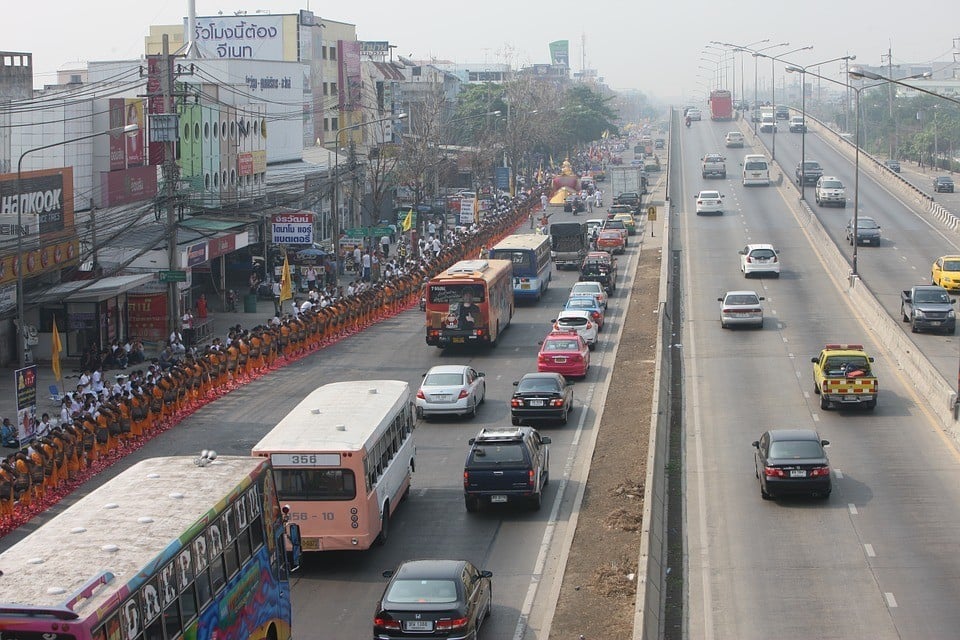
Renting a scooter is practically a backpacking rite of passage in Thailand. Whether that’s a good idea or not is another question.
The reality is that road accidents are one of the biggest risks travellers face in Thailand, particularly on scooters and motorbikes. Every year, plenty of visitors end up in hospital after coming off a bike they probably shouldn’t have rented in the first place.
If you’re thinking about getting behind the handlebars, here are a few things to keep in mind:
- Only rent from reputable companies with good reviews.
- Take photos and videos of the vehicle before you leave.
- Always wear a helmet. Make sure your passenger wears one too.
- Never drink or take drugs before driving.
- Make sure you’re properly licensed and insured before renting a scooter.
- Ride defensively and assume other road users haven’t seen you.
- Don’t be shy about using the horn. In Thailand, it’s often used as a simple heads-up rather than an aggressive gesture.
- If you’re not confident riding a scooter, don’t start learning on Thailand’s roads.
If you’d rather avoid scooters altogether, hiring a car is always an option. Just remember that traffic can be chaotic, road rules aren’t always followed to the letter, and you’ll need the correct licence to drive legally.
Thailand is an incredible place for a road trip, but it’s also one area where a bit of caution really does go a long way.
Are Taxis Safe in Thailand?
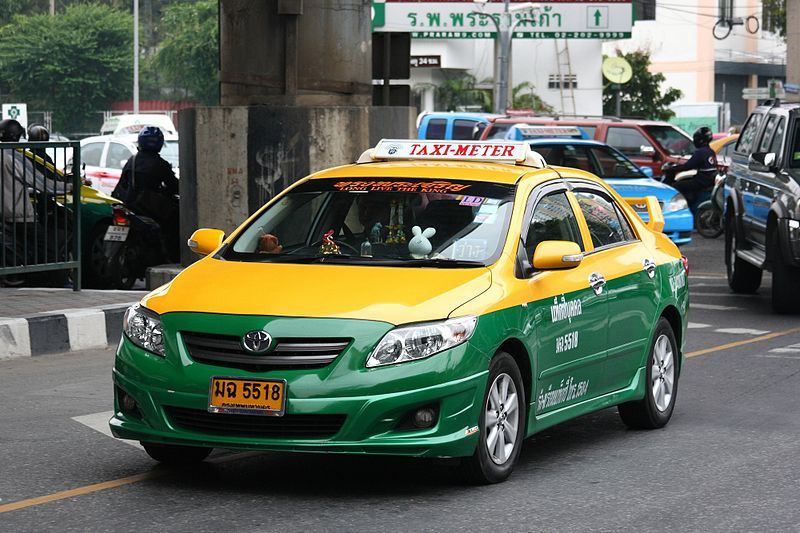
Yep. Taxis in Thailand are generally safe.
The biggest danger isn’t usually safety, it’s your driver deciding the meter is more of a suggestion than a rule. Overcharging tourists has been a thing for years, especially in busy tourist areas and around airports.
The good news is that apps like Grab have made life much easier. You can see the price before you travel, follow the route on your phone and avoid most of the awkward fare negotiations.
If you do jump into a regular taxi, make sure the driver is happy to use the meter before setting off. If not, just find another one. There are plenty around.
The language barrier can occasionally lead to some interesting adventures too. Having your destination saved on your phone, ideally in Thai, can save a lot of confusion.
You’ll also see plenty of motorbike taxis zipping around. They’re cheap, quick and brilliant for cutting through traffic, though they can feel a little terrifying if you’ve never used one before. If you hop on, make sure you’re given a helmet.
At the end of the day, taxis are a normal part of everyday life in Thailand, and millions of journeys happen without any issues. Just keep your wits about you, use Grab where possible, and you’ll be absolutely fine.
Is Uber Safe in Thailand?
Technically, no. Uber doesn’t operate in Thailand anymore after merging with Grab.
The good news is that Grab does exactly the same job and is used all over the country. It’s usually the easiest way to get around, especially if you don’t fancy negotiating fares or explaining your destination through a language barrier.
If you’re heading to Thailand, do yourself a favour and download Grab before you arrive. You’ll probably end up using it a lot.
Is Public transportation in Thailand safe?
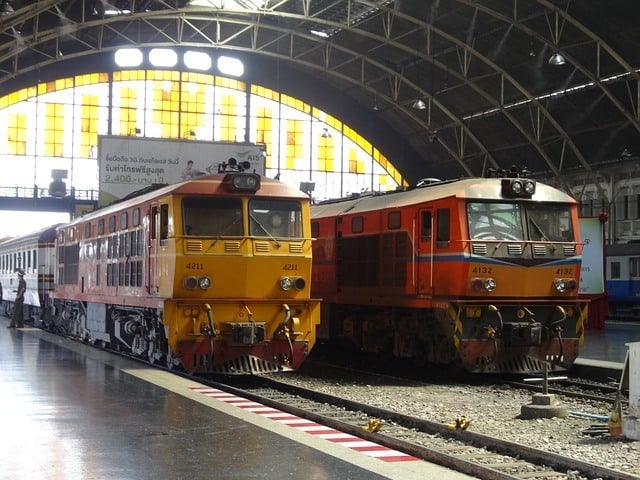
Sure is. Public transport in Thailand is generally safe, cheap and an easy way to get around.
In Bangkok alone, you’ve got the BTS Skytrain, MRT metro, buses and river boats. Millions of people use them every day and they’re often the quickest way to get from A to B without sitting in traffic wondering where your life went wrong.
Outside the capital, buses, trains, ferries and minivans connect pretty much every corner of the country. Whether you’re heading north to Chiang Mai or chasing beaches and islands in the south, getting around is usually pretty straightforward.
A few things to keep in mind:
- Keep an eye on your belongings in busy stations and on crowded routes.
- Give yourself a bit of extra time when travelling. Thailand runs on its own schedule sometimes.
- If you’re catching a ferry during monsoon season, check the weather before you set off.
Thailand’s overnight trains are especially popular with backpackers. They’re a great way to save on a night’s accommodation and there’s something pretty cool about falling asleep in Bangkok and waking up hundreds of miles away.
Honestly, the biggest danger on Thailand’s public transport is ending up asleep and missing your stop. It happens more often than you’d think.
Tuk-Tuks
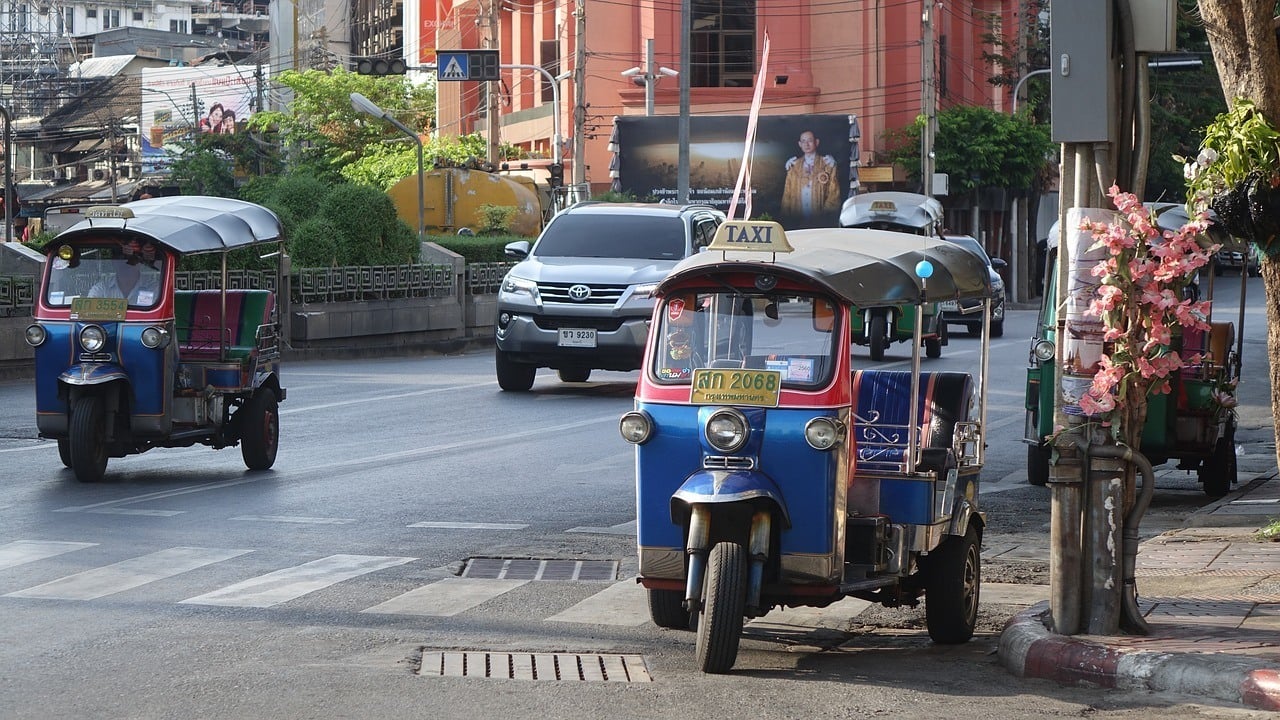
We couldn’t talk about transport in Thailand without mentioning tuk-tuks.
Are they the cheapest way to get around? Not always. Are they the most practical? Definitely not. Are they one of the most memorable parts of travelling in Thailand? Absolutely.
You’ll find tuk-tuks all over the country, especially travelling in Bangkok, where a ride through rush-hour traffic can feel somewhere between a taxi journey and a low-budget rollercoaster.
They’re generally safe, but always agree on a price before setting off and be a little wary of anyone offering a suspiciously cheap ride. As we’ve already mentioned in the scams section, some drivers make extra money by taking tourists to shops and tailors they never intended to visit.
Still, we’d recommend trying a tuk-tuk at least once. It might not be the smoothest ride of your life, but it’ll almost certainly be one of the most entertaining.
Is the Food in Thailand safe?
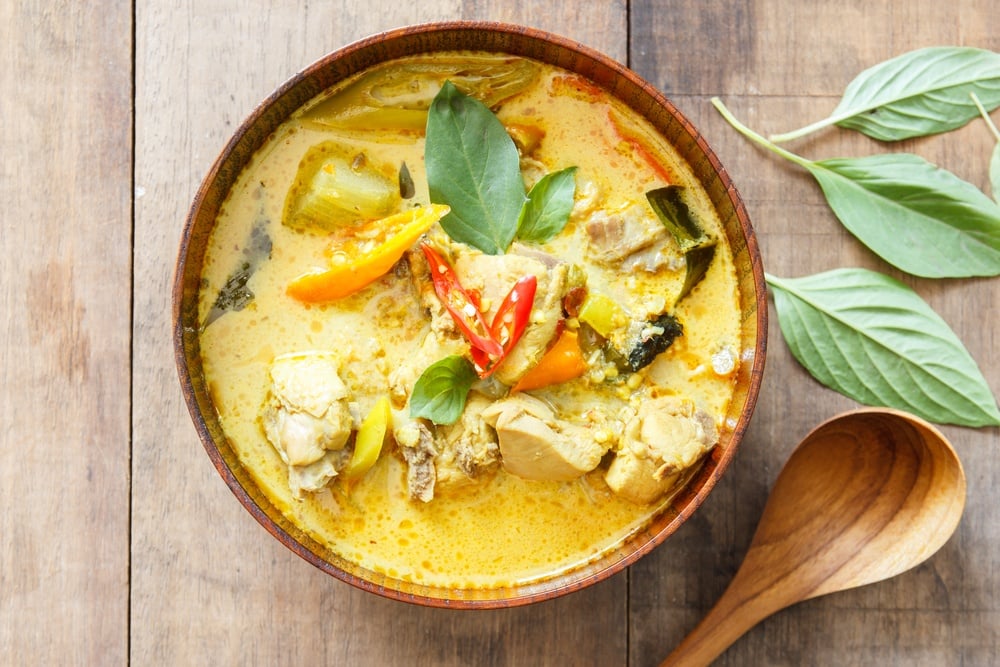
Let’s be honest, one of the main reasons people come to Thailand is to eat.
And the good news is that, yes, the food in Thailand is generally very safe. If it wasn’t, there probably wouldn’t be millions of travellers happily demolishing pad thai, curries and mango sticky rice every year.
That said, upset stomachs do happen. Usually because someone got a bit too adventurous, ignored basic hygiene or decided that the seafood sitting in the sun all afternoon looked worth the gamble.
A good rule of thumb is to follow the locals. If a place is packed with Thai customers, you’re probably onto a winner. If it’s empty apart from one confused tourist poking suspiciously at their dinner, maybe keep walking.
And yes, you absolutely should eat street food. In fact, we’d argue you’re doing Thailand wrong if you don’t. Look for stalls where food is being cooked fresh right in front of you. Germs hate being fried.
Fresh fruit is everywhere and generally delicious. Just wash it or peel it yourself when you can.
If you have allergies or dietary requirements, it’s worth learning a few key phrases before you arrive. “A little bit spicy” can mean very different things depending on who you’re talking to.
And don’t forget the simplest travel tip of all: wash your hands before you eat. Not exactly groundbreaking advice, but it works.
Honestly, most travellers spend more time regretting how much they ate than what they ate. Thailand is one of the great food destinations of the world, so come hungry.
Can You Drink the Water in Thailand?
Short answer? We’d stick to bottled or filtered water.
While plenty of locals drink tap water that’s been treated or filtered, most travellers are better off not taking the gamble. An upset stomach is a rubbish souvenir to bring home from Thailand.
The good news is that bottled water is cheap and available absolutely everywhere. Better yet, if your accommodation has a filtered water station, bring a refillable bottle and top up whenever you get the chance.
Trust us on this one: Thailand is hot. Between the heat, humidity and all the walking around you’ll be doing, staying hydrated is not optional. Nothing says “rookie backpacker mistake” quite like spending the day island hopping with no water and wondering why you suddenly feel terrible.
Keep a bottle handy and you’ll be golden.
Is it Safe to Rent an Airbnb in Thailand?
Not every traveller wants a hotel room and a breakfast buffet. That’s where Airbnb comes in.
Airbnbs are everywhere in Thailand, from city apartments in Bangkok to beachside places where you’ll spend half the trip wondering if you should just quit your job and stay forever.
As with booking anything online, have a good nose through the reviews before you book. If dozens of people are saying the place is great, that’s usually a pretty good sign. If everyone’s complaining about strange smells, missing hosts or mystery stains… maybe keep scrolling.
One of the best things about staying in an Airbnb is getting a slightly different experience from the usual tourist setup. Some hosts are full of local recommendations and can point you towards places you’d probably never find on your own.
Just make sure you know what you’re booking before you hit confirm. Read the reviews, check the location and don’t rely entirely on those suspiciously flattering wide-angle photos.
Do that and you’ll probably have a great stay.
Is it Safe to Live in Thailand?
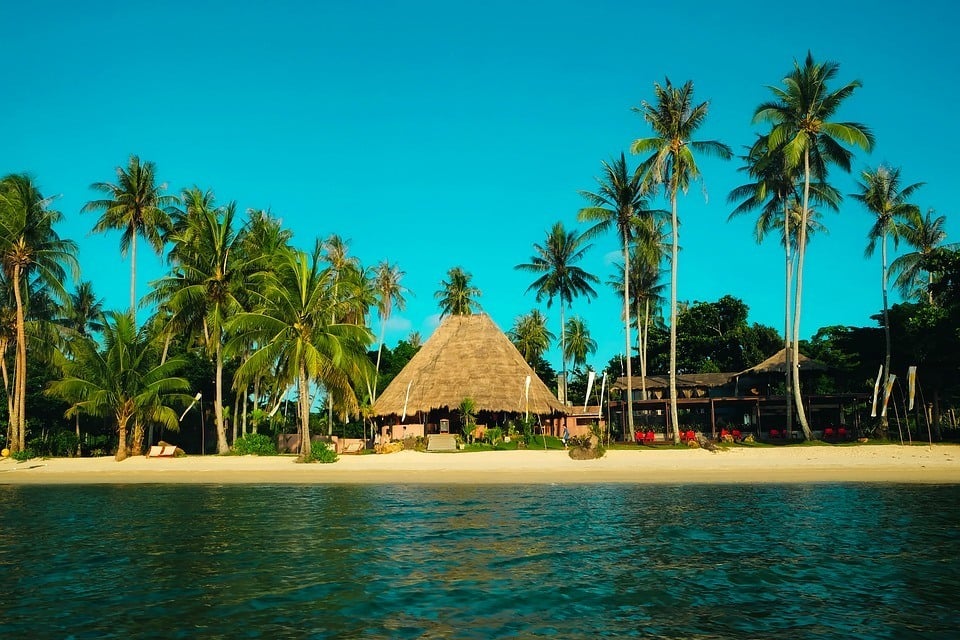
Let’s be honest. Plenty of people come to Thailand for a two week holiday and leave wondering if they could somehow make this whole thing permanent.
And it’s not hard to see why. The food is incredible, the weather is warm, the cost of living can be surprisingly affordable and there are plenty of places where life just seems to move at a much more relaxed pace.
The good news is that Thailand is generally a safe place to live. That’s a big reason why so many expats and digital nomads, choose to call the country home., retirees and English teachers end up sticking around far longer than they originally planned.
Day to day life here feels pretty normal. You’ll worry far more about things like visas, finding a decent apartment and whether you’ve accidentally ordered something nuclear-level spicy than you will about crime.
That doesn’t mean there aren’t any downsides. Petty theft exists, political protests occasionally happen and Thailand’s roads can be downright chaotic. Honestly, for most people, the traffic is a much bigger risk than anything else.
If you’re thinking about making the move, spend some time researching different areas, healthcare options and visa requirements before booking that one way ticket.
For most people though, the biggest danger of living in Thailand is getting completely spoiled by sunshine in January and struggling to explain why you’re still there three years later.

The #1 thing you can do to stay safe upon arrival to a foreign land is to get yourself an eSim before you leave home. That way you can get connected the minute you land. No more dodgy cabs. No more hanging round phone stores.
Get an eSIM with GigSkyFAQ about Staying Safe in Thailand
Here are some quick answers to common questions about safety in Thailand.
So, is Thailand Dangerous?
No, not really.
Thailand has been one of the world’s most popular backpacking destinations for decades and millions of people visit every year without any serious issues. Between the food, beaches, islands, mountains, culture and genuinely lovely people, it’s not hard to see why so many travellers end up falling head over flip-flops for the place.
That doesn’t mean nothing ever goes wrong. Scams exist, roads can be chaotic and there are a few situations where a bit of extra caution goes a long way. But for most travellers, Thailand feels remarkably easy to travel around.
If you use a bit of common sense, keep an eye on your belongings, wear a helmet when somebody hands you a scooter and don’t fall for any “easy money” job offers, you’ll already be ahead of the game.
Before you travel anywhere, it’s always worth taking a couple of minutes to check your government’s latest travel advice too. Things can change, and official guidance is the best place to look for any recent updates that could affect your trip.
And now that you’ve made it through this guide, you’re armed with enough Thailand safety knowledge to bore your travel buddies over a Chang beer.
Go eat some street food, jump on a longtail boat and enjoy one of the best countries on Earth.
One thing we never recommend travelling to Thailand without? Decent travel insurance.
Sort out your insurance before you go. There are several good options, but our overall pick is SafetyWing. Most of the Broke Backpacker team has used it at one point or another, and we’ve filed claims for rabies jabs in Bali, a hospital stay in Mexico, and a clinic visit for a stomach bug that wouldn’t quit. All paid out.
It’s month-to-month, no lock-in, no itinerary required, and you can buy it after you’ve already left. A little over $2 a day if you’re under 40.
New SafetyWing customers: use code BROKEBACKPACKER for 8 free weeks of electronics theft coverage. You have to scroll down and click the pink camera on their landing page to enter it, and you have to do it before creating your account.




I’m traveling to Thailand with my daughter for the first time in November for sight seeing and dental work. Has anyone had any experience with the large dental hospitals in Bankok?
How can you write this article when overwhelming evidence is of the contrary , you should be ashamed
Research deaths of : Nick Pearson, Hannah Witheridge and David Miller , Elise Dallemange , Luke Miller , Christina Annesley , Nick Pearson , Valentina Novozhyonov , Dimitri Povse , that’s just the tip of the iceberg
Not to mention it has the highest number of road accidents of any country in the World . Data recorded from January 1 – February 15, 2023, reveals that 2,099 people in total died in road accidents in Thailand in the first 6 weeks, Of those, 75 were foreigners.
Statistics show that 106,133 were injured in road accidents so far this year, 2,886 of which were foreigners.
If you don’t believe me , do some research on the amount of deaths on the road and the amount of suspicious ‘suicides’ where not just women are found dead but males have been found at the bottom of swimming pools , mysteriously fall from balconies etc , the list is endless.
Solo travelling females are dying at an alarming rate , with the official cause of death ruled ‘accidental’ or ‘suicide’ ? when MURDER was a more accurate cause . The country is run by the Military . The country has widespread corruption where bars and clubs are run by local organized crime gangs and protected by the even more dangerous Police force. Murders are covered up and swept under the carpet to save face and protect the tourist industry.
The Police mishandle investigations and cover up crime . Western women are thought of as prostitutes because of Western dress codes. The culture in Thailand is like that of Middle Eastern countries , where if a female dresses like she would at home , as in a bikini , they are thought of as easy , promiscuous and deserving of rape .
Get intoxicated and argue about say , tipping , you are very likely to bear the wrath of revenge and might not make it back your hotel down that dark street. Spiked drinks is rampant and if you get drugged , you are lucky if you just get robbed , let alone raped and hit in the head with a spade.
Research deaths of : Nick Pearson, Hannah Witheridge and David Miller , Elise Dallemange , Luke Miller , Christina Annesley , Nick Pearson , Valentina Novozhyonov , Dimitri Povse , that’s just the tip of the iceberg
Hi Sally,
While there has been some terrible events, mainly concentrated to a few places, we need to keep some perspective.
In the 5 years prior to Covid, Thailand received between 30-40 million tourists per year. It’s a lot of people coming through the doors. I agree tho, visitors need to try their best to recognise evolving situations they may find them selves in and respect local mores.
By the way, if you pay attention to the number of premeditated murders and the level of crime in general, you will find that among European countries, crime is higher only in Ukraine and Montenegro. Thus, despite the fact that Thailand seems to be safe, in fact, any country in Europe is much safer than Thailand.
I have never once felt unsafe in Thailand or any South East Asian country for that matter. If you’re wondering if one place is safer than another, you’re really not going to get a true answer out of statistics and numbers.
A more interesting question i believe is to what extent am i to be harassed, hounded, pestered, badgered and scammed as a tourist/traveller in a place?
In Thailand a great extent is the answer. I don’t know what it is but Thailand is the winner of this contest in South East Asia and by a long margin too.
From there it then becomes a trade off. Is this place worth going back to, compared to what else is out there? I’d say if you’ve never been to Thailand, do go. But for me i can’t see any reason to go back, as opposed to other places in South East Asia.
Its kind of a trade off, its actually quite easy to get off the tourist trail in Thailand, its a totally different experience to the one you describe but it won’t be as comfortable or as easy as the touristy places, even with the hounding.
While females shouldn’t touch monks, you certainly can speak with them. Many even have cell phones and I have more monk Facebook friends than I imagined I ever would!
Thailand is the leader in the number of motorcyclists who die on the roads. The death toll is about 24 for every 100,000 population. By comparison, England has only 0.6 deaths per 100,000 population. Perhaps there are not that many motorcyclists in England. Nevertheless, I compared these figures with Indonesia, which is the leader in the number of motorcycles in the world. And you know, even in Indonesia the number of motorcyclists killed on the roads is 5-6 times lower than in Thailand.
You will not find a motorbike rental for 500 bt a month, don’t know where you got that price. I have lived in Thailand for 17 years and my Thai wife rents motorbikes, normal fee is 100 to 150bt per day, 1,000bt per week and 3,000bt per month, you can try to bargain, but you will never find a motorbike for 500bt per month. But you will have a great time in The Land of Smiles, such friendly and helpful people.
Big Red — the odd accident in Bangkok?
Thailand has one of the worst death rates in the world, around 5000 motorcyclists die each year on the roads, many in Bangkok.
l`ve spent in total around 8 months in BK ans 6 weeks in Pattaya and love Thailand and its people but the facts are grim !
This is a short list;
Reduce Bangkok’s motorcycle death toll by 82% – add dedicated …
thethaiger.com/news/bangkok/reduce-bangkoks…
In Bangkok about three quarters of deaths involved motorcycles and motorcyclists and noted that there were 3 million motorbikes on the road around Bangkok. His think-tank at the Engineering Institute of Thailand is proposing motorcycle lanes on major roads as part of a coordinated approach to improve road design and reduce the risk to riders on the city’s roads – a key problem in Thailand.
Killer roads: Why Thailand has one of the worst death rates …
news.sky.com/story/killer-roads-why-thailand-has…
74% of all Thai road deaths are drivers of two- or three-wheeled vehicles according to WHO’s 2018 report on global road safety. Researchers found only 51% of motorcycle drivers wear helmets, just …
Death on Two Wheels: Thailand most lethal nation for …
coconuts.co/bangkok/news/death-two-wheels…
Almost three quarters of road deaths in Thailand involve motorcycles. Last month, a survey from the World Health Organization (WHO) said that 5,500 motorcycle riders die each year in the country. That equates to almost 15 deaths daily and the number is getting higher, not lower. The shocking statistic makes Thailand the most deadly country in which to get around on two motorized wheels.
Motorbike accident deaths: Thailand number one in the world …
http://www.samuitimes.com/motorbike-accident-deaths...
Experts at a conference promoting a motorcycle safety campaign have said that Thailand is number one in motorcycle deaths. On average 5,500 motorcyclists die annually in Thailand and the figures are just going up and up despite measures to try and stop the increase. And the problem is particularly bad among the nation’s youth, reported Manager. Some 2,500 […]
Big bike rider decapitated in horror crash in Bangkok | The …
thethaiger.com/hot-news/road-deaths/big-bike…
At least 6 deaths in Bangkok suspected to be caused by new illicit drug cocktail
Thailand’s roads second-deadliest in world, UN agency finds …
http://www.bangkokpost.com/learning/work/738124/...
According to official statistics, 14,059 people were killed on Thai roads and highways in 2012, translating to a road-death rate of 36.2 people per 100,000, a rate only surpassed by war-torn Libya …
Hello
Thanks for sharing this. Bangkok’s roads are indeed dangerous and we believe the writer of this post did capture that.
Drive safely!
Aiden
I’ve lived in Bangkok 4 years and rode a motorbike the whole time .. about 5000km I’m bkk traffic.
At first glance it seems like a free for all. But there is actually order on these seemingly chaotic roads. I find drivers to be more aware of cyclists and motorbikers than in Canada, and other than the odd incident it has been much more pleasant than in Vancouver.
Cars and traffic tend to actually driver slower than I’m used to.. and the cars are smaller too..
The lanes are wider to accomodate motorbikes, much larger than Vancouver …
I’m not saying for a tourist to just jump on a bike in Bangkok .. but on islands or tourist destination scooter rentals are safe.. just have a lisence and drive slow and carefully. Don’t be one of those asshole farang like in Pattaya. Remember.. don’t use front brakes anywhere near the beach.. only rear..
Road trips with a rental car can be fun.. but know that the farther from bkk the crazier the driving gets.. watch out for people overtaking in blind corners … Seriously.. they do that. Watch out..
Most of all.. watch out for minivans and those tuned up diesel Toyota trucks with giant cages overloaded with durian or something .. they drive like psychos .. seriously these two types are most dangerous
Watch your bags if you’re on a tuk-tuk or motorbike – people can and do swoop by and snatch ’em right away.
^^This happened to me in Bangkok. The strap of my bag didn’t break, so I went face first into the ground. Lost 2 of my teeth, damaged my lips and had some cuts and scrapes on my face. There was a car driving behind me right after it happened, and luckily they slammed on the brakes and didn’t hit me. I don’t know if I will ever go back to Thailand, and certainly will never go to Bangkok. On the plus side the staff at the hostel and hospital were all very kind to me.
Very well written, informative and comprehensive article !! Thailand is an amazing country with amazing people and very safe to travel in. l took a taxi on a 100 mile journey on my own when l was 70, l am now 72, and never once felt unsafe. The people there are also very honest, on a table in the restaurant area of the Luis hospital, a woman left her handbag on the table and me, being from the uk, was worried someone might just walk off with it, l watched out for 15 minutes, then she returned, the bag lying just as she had left it. l honestly doubt that would have happened here.
Thailand is very safe. If you’re visiting Bangkok or Pattaya at the moment it would be wise to add an N95 mask to your list though.