I spent a few weeks hanging around Panglao whilst travelling through the Philippines. The original plan was to use it as a base for a few dives and a couple of Bohol day trips. The actual plan turned out to be a lot more sitting on beaches, drinking iced coffee and repeatedly saying, “I’ll leave in a few days.”
That’s kind of the thing with Panglao. You arrive thinking it’s just a beach stop, then somehow a week disappears.
Part of that is the island itself. There are plenty of beaches to bounce between, some cracking diving and snorkelling spots and enough cafés, bars and restaurants to keep you happily distracted. But a big part of it is also Bohol. You’re only a short drive from places like the Chocolate Hills, the Loboc River and some of the island’s famous tarsier conservation centres, so it’s just too easy to mix beach days with inland adventures.
Before long, you find yourself thinking, “Well, I may as well stay another day.”
In this guide, I’ll cover the best things to do, where to stay, what things cost, how to get around and a few things I wish I’d known before arriving.
- Why Visit Panglao Island?
- What Are the Major Attractions in Panglao?
- A Sample 3-Day Itinerary for Panglao
- 8 Top Things to Do in Panglao
- Where to Stay in Panglao
- Backpacking Panglao Costs
- Best Time to Visit Panglao
- What to Pack for Panglao
- Panglao Travel Guide to Getting There and Around the Island
- Staying Safe in Panglao
- Working and Volunteering in Panglao
- Don’t Leave Panglao Too Quickly
Why Visit Panglao Island?
Panglao seems to be on just about everybody’s Philippines backpacker itinerary these days. After spending a few weeks there, I can’t really argue with that.
What makes it so popular is how convenient it is. You’ve got beaches, diving, island-hopping trips, decent food, plenty of places to stay and easy access to the rest of Bohol all in one place. It doesn’t take much effort to have a good time here.
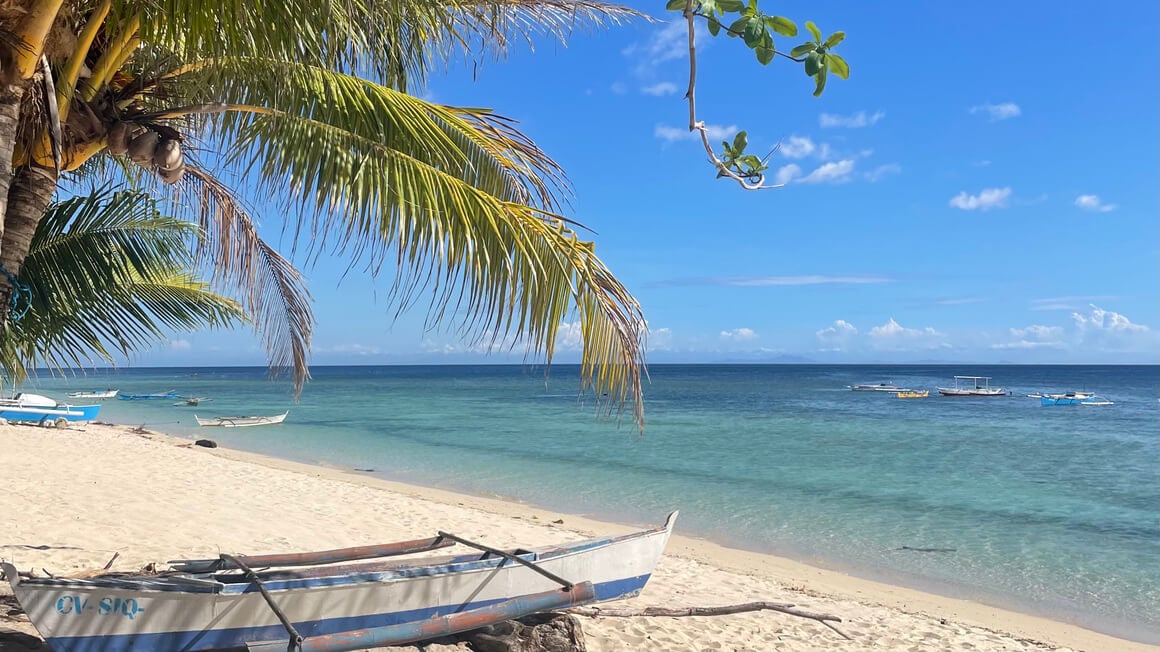
Photo: @danielle_wyatt
The Broke Backpacker is supported by you. Clicking through our links may earn us a small affiliate commission, and that's what allows us to keep producing free content 🙂 Learn more.
What Are the Major Attractions in Panglao?
Most people come to Panglao for the beaches, and honestly, I don’t blame them. But if all you do is park yourself on a sun lounger for a week, you’ll be missing half the fun.
If you’re wondering what else there is to do between swims, sunsets and iced coffees, here’s a quick look at some of Panglao’s biggest highlights.
Beach & Island Highlights
- Alona Beach – Panglao’s most popular beach and the centre of the action.
- Dumaluan Beach – Quieter, less developed and a good spot for escaping the crowds.
- Virgin Island – A popular island-hopping tour known for its sandbar and shallow turquoise waters.
- Balicasag Island – One of the best spots around Panglao for snorkelling and diving.
Nature & Adventure
- Hinagdanan Cave – A cave with a natural underground pool that’s worth a look.
- Molave Cliff Diving Resort – Come for the views, stay if you’re brave enough to jump.
- Diving & Snorkelling Sites – One of the biggest reasons people visit Panglao in the first place.
Culture & Local Life
- Panglao Watchtower – A reminder of the island’s Spanish colonial history.
- Dauis Church – One of the oldest and most interesting churches in the area.
- Panglao Church & Public Market – A good place to get a glimpse of everyday life on the island.
- Local Filipino Food – From fresh seafood to classic Filipino favourites, eating your way around Panglao is half the fun.
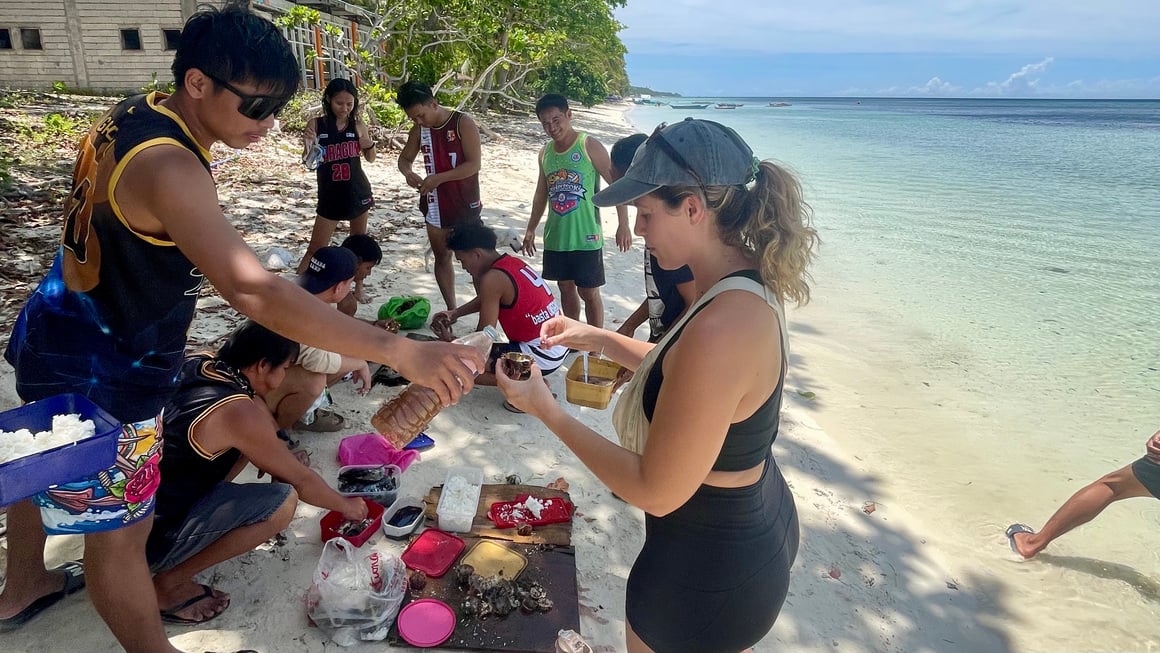
Photo: @danielle_wyatt
How Long To Spend in Panglao?
If you’re short on time, 2 days is enough to see the basics. You can check out Alona Beach, visit somewhere like Hinagdanan Cave and squeeze in an island-hopping or snorkelling trip.
3 days is probably the sweet spot for most travellers. It gives you enough time to enjoy the beaches, get out on the water and see the main highlights without feeling rushed.
If you’ve got 4 to 5 days, even better. You can slow the pace down a bit and add some of Bohol’s biggest attractions. I was able to combine the Chocolate Hills with a stop at one of Bohol’s tarsier conservation centres, which I would definitely recommend.
One of the best things about staying in Panglao is that you can use it as a base for exploring Bohol. Rather than packing up and moving accommodation every couple of days, it’s easy to take day trips inland and come back to the beach in the evening.
As for me? I ended up staying a few weeks. I quickly fell into a routine of beach mornings, lazy afternoons, and constantly telling myself I’d leave in a couple of days.
If you’re into diving, slow travel, remote work, or simply doing a lot of not very much by the sea, a week or more definitely wouldn’t be wasted here.
A Sample 3-Day Itinerary for Panglao
- Best for: First-time visitors
- Pace: Relaxed, but with plenty to do
- Ideal transport: Scooter, tricycle or private driver
- Budget level: Low to mid-range
- Best add-on: Chocolate Hills and Loboc River if you have extra time
- Main focus: Beaches, caves, island-hopping and cliff jumping
If you’ve only got a few days in Panglao, this itinerary covers most of the island’s highlights without feeling like you’re constantly rushing from one place to the next.
Day 1 in Panglao – Alona Beach & Hinagdanan Cave
Day one is all about settling in and getting your bearings.
Head down to Alona Beach, grab a coffee, fresh juice or something a little stronger and enjoy your first proper look at the island. Spend some time swimming, wandering along the beach or sorting out any diving and snorkelling trips you fancy doing later in your stay.
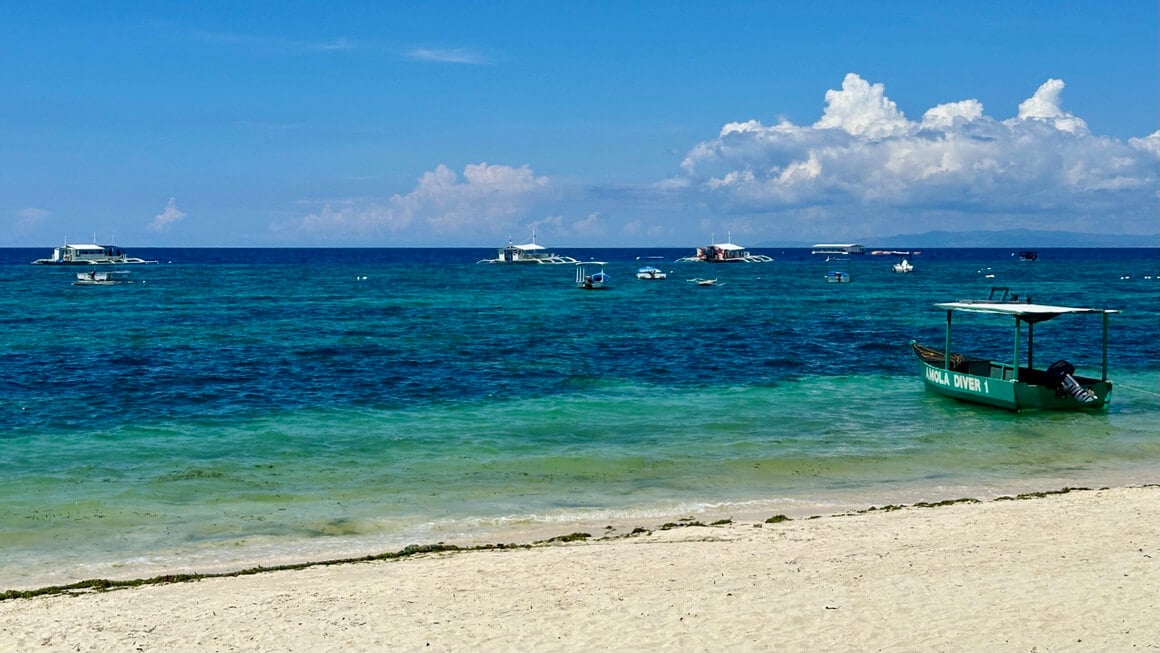
Photo: @Rhenzy
Once you’ve had your fill of beach time, make your way over to Hinagdanan Cave. Hidden underground, this natural cave is one of Panglao’s most popular attractions and a nice change of scenery after a morning by the sea. If you can, try to visit earlier or later in the day, as it can get pretty busy around peak hours.
Round things off back at Alona Beach with sunset drinks, a seafood dinner or whatever takes your fancy. You’re on island time now.
Day 2 in Panglao – Dumaluan Beach & Island Hopping (Virgin and Balicasag Island)
Day two is all about getting out on the water.
If diving or snorkelling at Balicasag Island is high on your list, I’d make that your morning plan. The conditions are usually best earlier in the day, and most tours head out in the morning anyway. Once you’re back, spend the afternoon recovering at Dumaluan Beach with a cold drink and a bit of quality beach lounging.

Photo: Alex Hatton
If diving isn’t your thing, I’d probably do it the other way around and spend the morning at Dumaluan Beach instead. It’s one of my favourite beaches on Panglao and generally feels a bit more laid-back than Alona.
Virgin Island likes to keep people on their toes. The whole experience depends on the tides, so it’s worth checking when low tide is before booking a trip. That’s when the sandbar really shows off. Time it with sunset and you’ll be feeling pretty smug about your life choices.
Of course, if you’re feeling energetic, you can always go all in and book a full island-hopping trip that combines Balicasag, Virgin Island and a bit of snorkelling along the way.
Day 3 in Panglao – Molave Cliff Diving Resort & Beach Hopping
It’s your final day, so let’s squeeze in one last adventure before you have to start thinking about leaving paradise behind.
If you’re heading to Molave Cliff Diving Resort, check the tide before you go. The cliff jumps are the main attraction here, but only jump if conditions are safe and you’re confident doing so. When in doubt, ask the staff for advice rather than trusting your mate who watched a YouTube video once.
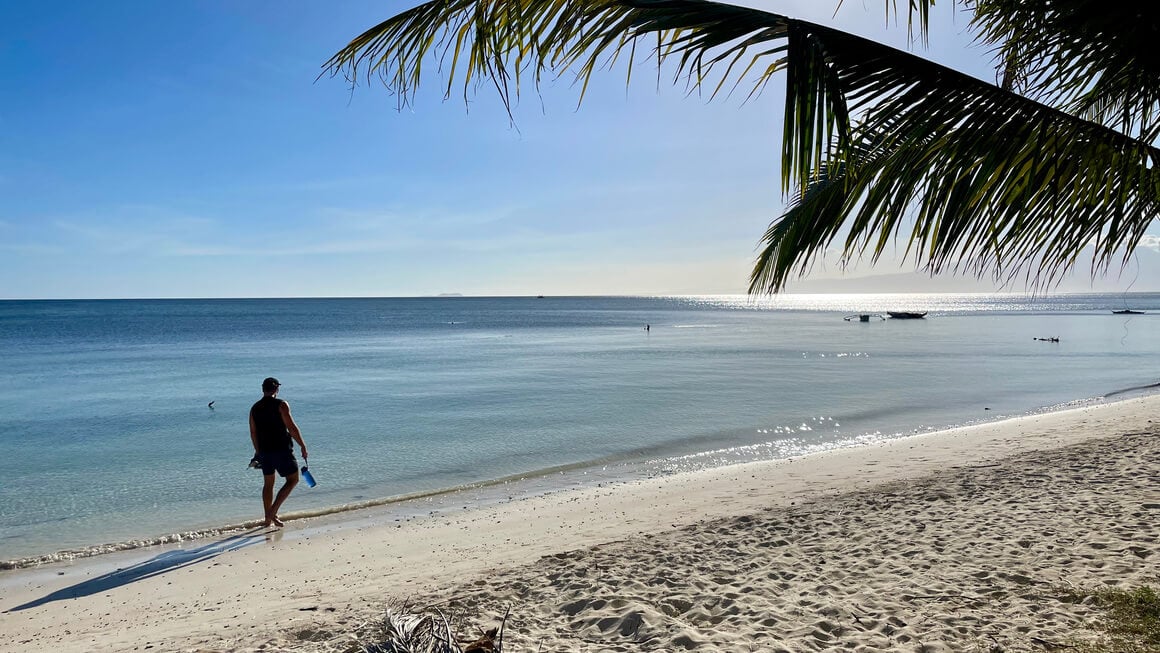
Photo: @danielle_wyatt
Not keen on launching yourself off a cliff? Fair enough. Rent a snorkel instead and spend some time exploring the waters around Molave Cove. It’s a lot gentler on the nerves and involves considerably less screaming.
After that, keep things nice and lazy with a bit of beach hopping. Momo Beach and Doljo Beach are both worth a look if you’re after somewhere a little quieter than Alona, but honestly, half the fun is just following random roads and seeing where you end up.
Grab one last sunset, order something cold to drink and start mentally preparing yourself to leave island life behind.
8 Top Things to Do in Panglao
Panglao may be small, but it’ll keep you pretty busy! Whether you’re here for diving, beach days, island-hopping or exploring more of Bohol, these are the activities I’d put near the top of your list.
1. Visit Alona Beach
If Panglao has a centre of gravity, it’s Alona Beach.
This is where you’ll find most of the restaurants, bars, dive shops and tour operators on the island. Is it the quietest beach in Panglao? Not even close. But it’s still worth visiting, especially if it’s your first time on the island.
Come for a swim, grab a drink by the water, book a few activities and stick around for sunset when the beach starts to really buzz.
2. Go Diving or Snorkelling at Balicasag Island
If you’re planning to get in the water whilst you’re in Panglao, make Balicasag Island a priority.
Panglao is one of the best diving bases in Bohol, and Balicasag is the main reason why. The waters around the island are packed with marine life, colourful coral reefs and some seriously impressive visibility on a good day.
The good news is you don’t need to be a diver to enjoy it. A mask, a snorkel and a vague ability to float are enough to have a pretty great time out here.
Whatever you choose, book with a reputable operator and remember that the best wildlife encounters happen when you leave the wildlife alone. No touching coral, no chasing turtles and definitely no attempting to hitch a ride on anything swimming past.
3. Take a trip to Hinagdanan Cave
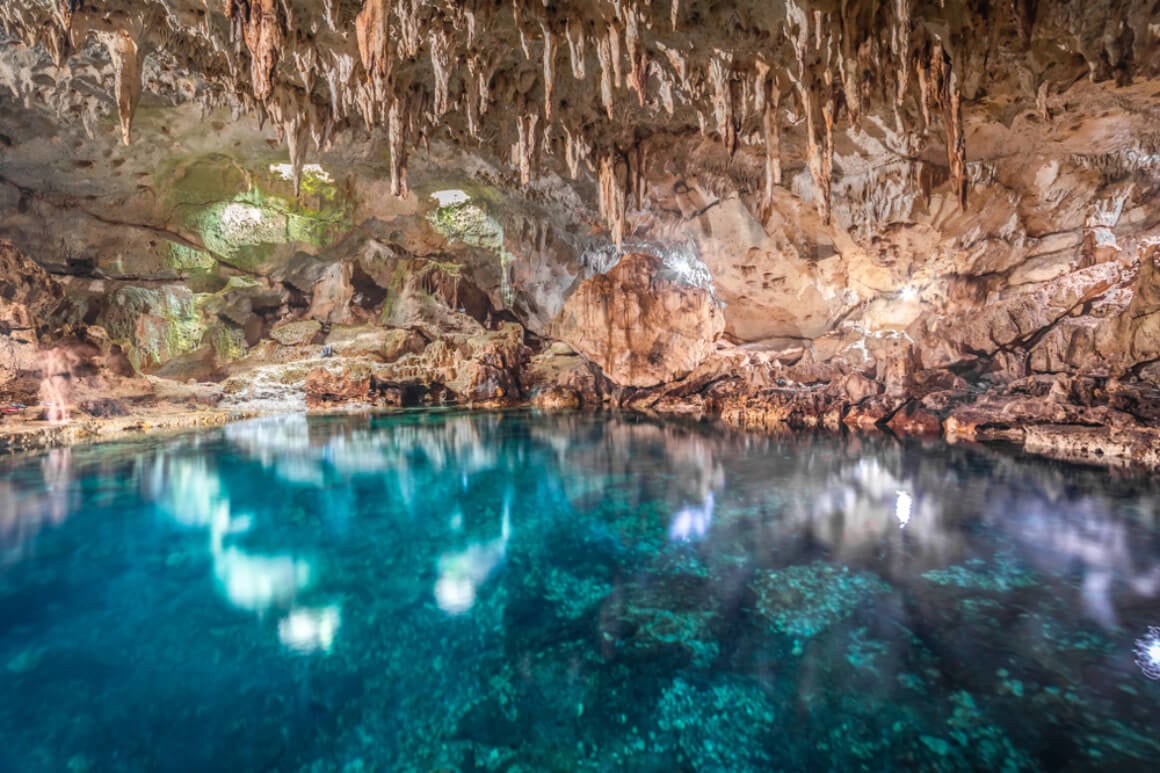
Legend has it that Hinagdanan Cave was discovered when a local farmer spotted a hole in the ground, heard a splash and decided to investigate. The cave’s name roughly translates to “laddered”, which makes sense once you see how people originally got down there.
Inside, you’ll find a turquoise underground lagoon tucked beneath a naturally lit cave. It feels completely different from the beaches above and is an easy stop to squeeze into your Panglao itinerary.
That said, the secret is definitely out these days. The cave can get pretty busy, especially during the middle of the day, so try to visit early or later in the afternoon if you can.
4. Check out Molave Cliff Diving Resort (if you dare)
If you’re into throwing yourself off a platform and into the gorgeous waters of Panglao, this is a pretty decent spot to chuck yourself off. It’s one of the more adrenaline-pumping activities, but it is bloody great fun. Check the tide and conditions before jumping, and if you’re unsure, ask one of the lifeguards or staff for advice.
There are plenty of places to pop your things and relax. There are also snorkel rentals around, as there is some epic snorkelling in the nearby Molave Cove. You won’t be short of things to do here.
5. Beach Hop Around Panglao
A lot of travellers arrive in Panglao, see Alona Beach and assume that’s the whole island.
It isn’t.
Alona is great if you want restaurants, bars, dive shops and plenty going on, but if you’re after a more laid-back beach day, I’d head elsewhere. Dumaluan Beach is probably my favourite. It’s got a bit more breathing room whilst still having enough going on that you’re not sat talking to a coconut.
Momo Beach is another good shout if you fancy escaping the crowds, while Doljo Beach is perfect for a lazy afternoon that somehow turns into staying for sunset.
The best approach? Rent a scooter, point it in a vaguely sensible direction and see what you find. Half the fun is coming across a beach you weren’t even looking for.
6. Go on a Day Trip to the Chocolate Hills
If you’re spending more than a couple of days in Panglao, I’d definitely make time for a trip to the Chocolate Hills.
Technically, they’re over on Bohol rather than Panglao itself, but that’s one of the reasons Panglao works so well as a base. You can enjoy the beaches and island life, then head inland for a completely different landscape.
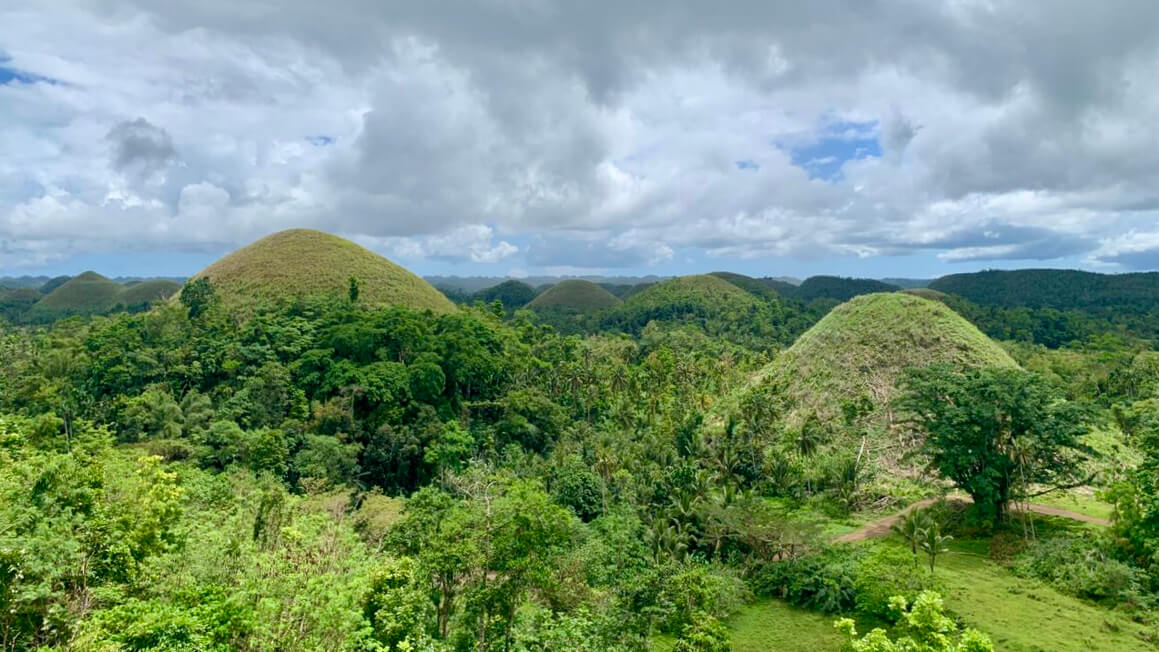
The Chocolate Hills are one of the most famous sights in the Philippines and easily one of the top things to do in Bohol. Hundreds of perfectly rounded hills stretch across the countryside, looking almost too neat to be natural.
It’s a fairly long day out, so it’s worth combining the Chocolate Hills with other inland Bohol attractions such as the Loboc River, tarsier sanctuaries or some of the island’s waterfalls and viewpoints.
The easiest option is to join a tour or hire a driver for the day, although confident scooter riders can tackle the trip independently if they’re comfortable spending a few hours on the road.
7. Take a cruise down the Loboc River
If you’ve spent the last few days diving, snorkelling and bouncing around beaches, a Loboc River cruise makes for a nice change of pace.
The experience takes place on a floating restaurant that cruises slowly along the river while you tuck into a buffet of Filipino food and enjoy the scenery rolling past.
It’s not exactly an adrenaline-fuelled day out, but that’s kind of the point. If you’re after something a little more relaxed, it’s a practical way to see another side of Bohol.
Better yet, it’s really simple to combine with a trip to the Chocolate Hills and other inland attractions as part of a full-day Bohol tour.
8. Go on a Boat Trip to Virgin Island
Virgin Island is one of the most popular stops on Panglao’s island-hopping tours, and if you time it right, you’re going to see why.
The main attraction is the long sandbar that appears at low tide, creating those classic postcard-worthy views of shallow turquoise water stretching off into the distance. If you visit at the wrong time of day, though, you might find yourself wondering what all the fuss is about, so it’s worth checking the tides before you book.
Fair warning: it can feel a little touristy. But then again, most beautiful places become popular eventually.
The good news is that Virgin Island is usually combined with Balicasag Island as part of a classic island-hopping tour, so you can tick off two of Panglao’s biggest highlights in one trip.
Where to Stay in Panglao
Panglao isn’t a huge island, but where you stay can make a surprisingly big difference to your trip. Some areas are all about beaches, bars and dive shops, while others are better suited to slower days and quieter nights.
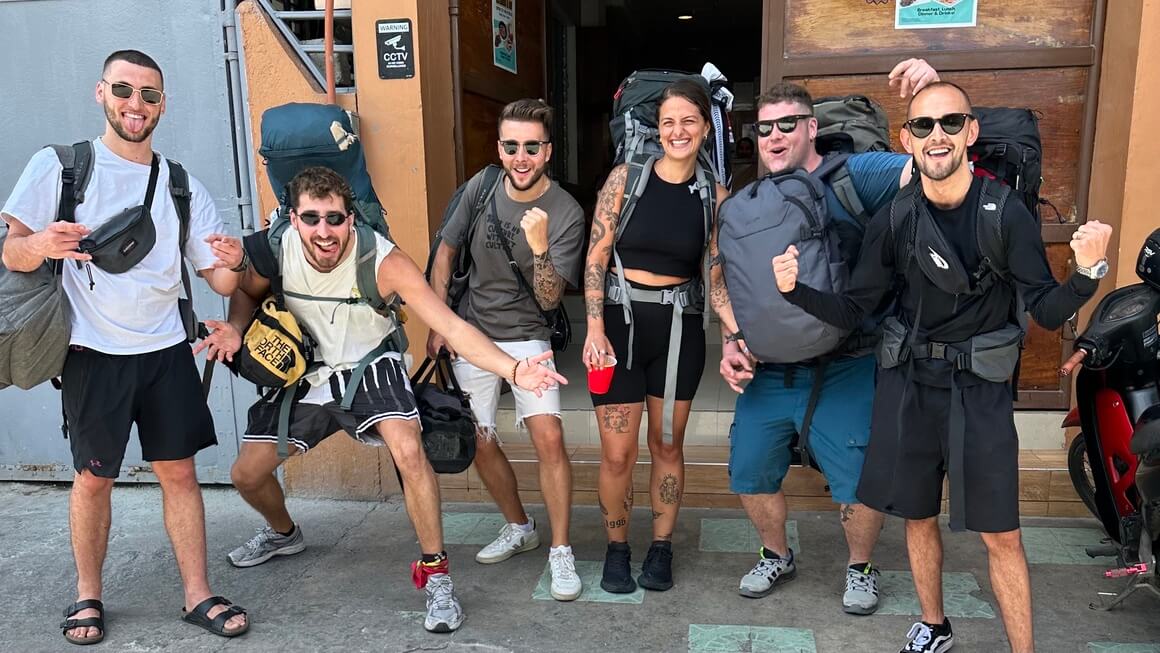
Alona Beach
Best for first-time visitors, nightlife, restaurants, dive shops and easy access to tours. If you want to roll out of bed and be five minutes from the action, this is where you’ll probably end up.
Dumaluan Area
A good option if you want a quieter beach stay without being completely cut off. You’ll get a more relaxed atmosphere than Alona, but still be close enough to restaurants and activities.
Dauis & the Bridge Side
Handy if you’re planning to spend a lot of time exploring Bohol. It’s less beach-focused than other parts of Panglao, but the location makes getting around very straightforward.
Outer Beach Areas
If your dream holiday involves fewer people and more sea views, look beyond the main tourist areas. You’ll find quieter beaches, resort-style stays and a slower pace of life.
Accommodation-wise, Panglao has everything from backpacker hostels and budget guesthouses to private villas and luxury resorts. Dorm beds can still be found for around $8–20 USD per night, while a comfortable private room will usually cost somewhere between $20–40 USD. Beyond that, prices can climb pretty quickly once beachfront views, infinity pools and fancy cocktails get involved.
If you’ve been travelling around the Philippines for a while and you’re starting to lose your enthusiasm for dorm rooms, Panglao is also a great place to treat yourself to a private room without completely destroying your budget.
My top picks for where to stay in Panglao are:
- Best Hotel in Panglao – Island World Panglao
- Best Hostel in Panglao – Bohol Coco Farm
- Best Airbnb in Panglao – Banyan Villa with Private Pool
Backpacking Panglao Costs
For a tropical island covered in beaches, dive shops and places trying to tempt you into “just one more drink”, Panglao is actually pretty reasonable.
It’s usually a little more expensive than some of the less touristy parts of Bohol, though. Stay near Alona Beach, eat at beachfront restaurants every night and sign up for every island-hopping trip you see, and your budget will disappear a lot faster than planned.
The biggest expenses tend to be accommodation, diving and boat trips. If you’re happy eating at local eateries, renting a scooter and spending a few days alternating between the beach and the sea, Panglao can be surprisingly affordable.
Beer helps too. San Miguel is everywhere and remains one of the cheapest ways to end a day on the island. If somebody offers you a Red Horse, proceed with caution. It goes down far easier than a beer that strong probably should. Expect to pay roughly ₱60-100+ for a local beer, depending on where you’re drinking of course.
One final thing: prices creep up during peak season, especially around Christmas, New Year and Easter, so booking ahead can save both money and hassle.
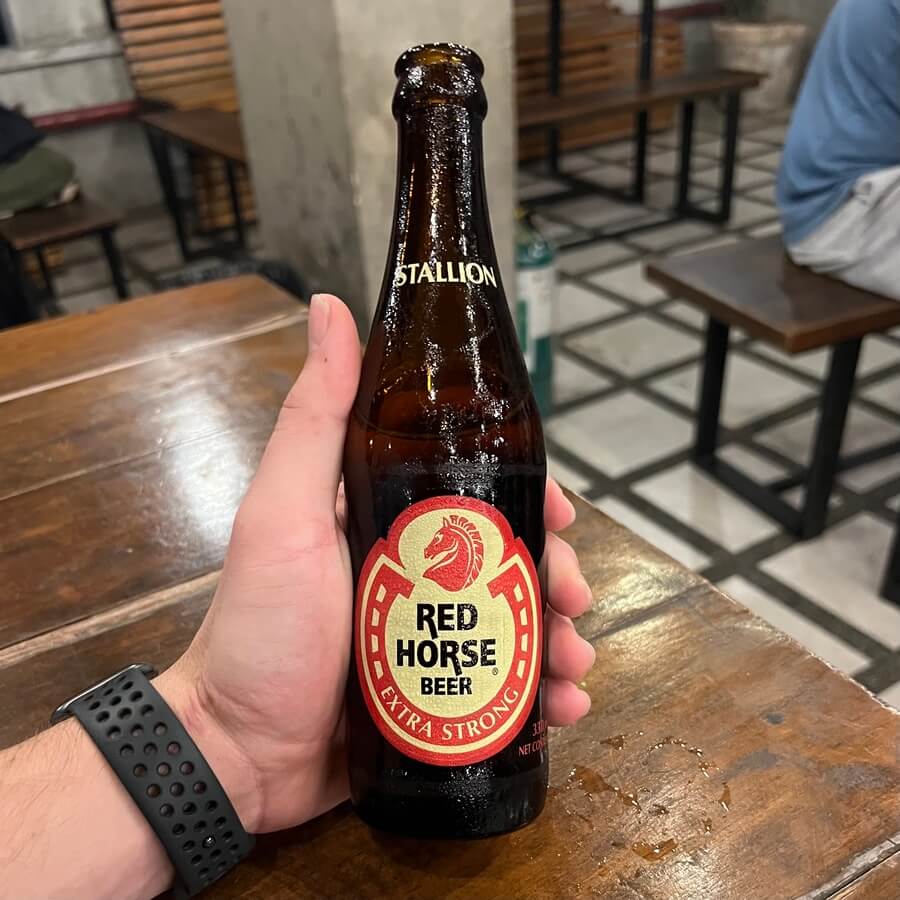
Photo: @joemiddlehurst
A Daily Budget in Panglao
Here is a rough breakdown of what you’ll likely spend per day in Panglao (in USD), though divers and island-hoppers should expect to spend a little more.
| Expense | Broke Backpacker | Frugal Traveller | Creature of Comfort |
|---|---|---|---|
| Accommodation | $10-20 | $20-35 | $40+ |
| Food | $5-10 | $11-20 | $20+ |
| Transport | $5-10 | $11-15 | $20+ |
| Nightlife Delights | $2-10 | $11-15 | $15+ |
| Activities | $0-15 | $10-30 | $40+ |
| Total per day | $22-65 | $63-115 | $135+ |
A Few Free Things to Do in Panglao
We Broke Backpackers love a bargain, so here’s some good news: not everything on Panglao requires you to open your wallet.
Just keep in mind that “free” in the Philippines sometimes comes with a small parking fee, environmental fee or entrance charge, so don’t be shocked if a few pesos sneak into the equation.
- Go beach hopping: Alona, Dumaluan, Momo and Doljo Beach all have their own vibe, and exploring them costs little more than the effort of getting there.
- Watch the sunset: Find a spot on the west coast, grab a cold drink and enjoy one of the cheapest evenings on the island.
- Visit Panglao Church and the Clock Tower: A quick stop, but worth a look if you’re interested in the island’s history and local life.
- Wander around the local markets: Great for people-watching, snacks and getting a glimpse of everyday life away from the beach.
- Go snorkelling if you have your own gear: Some of the best things in Panglao are underwater, and if you’ve already got a mask and snorkel, it won’t cost you a thing.
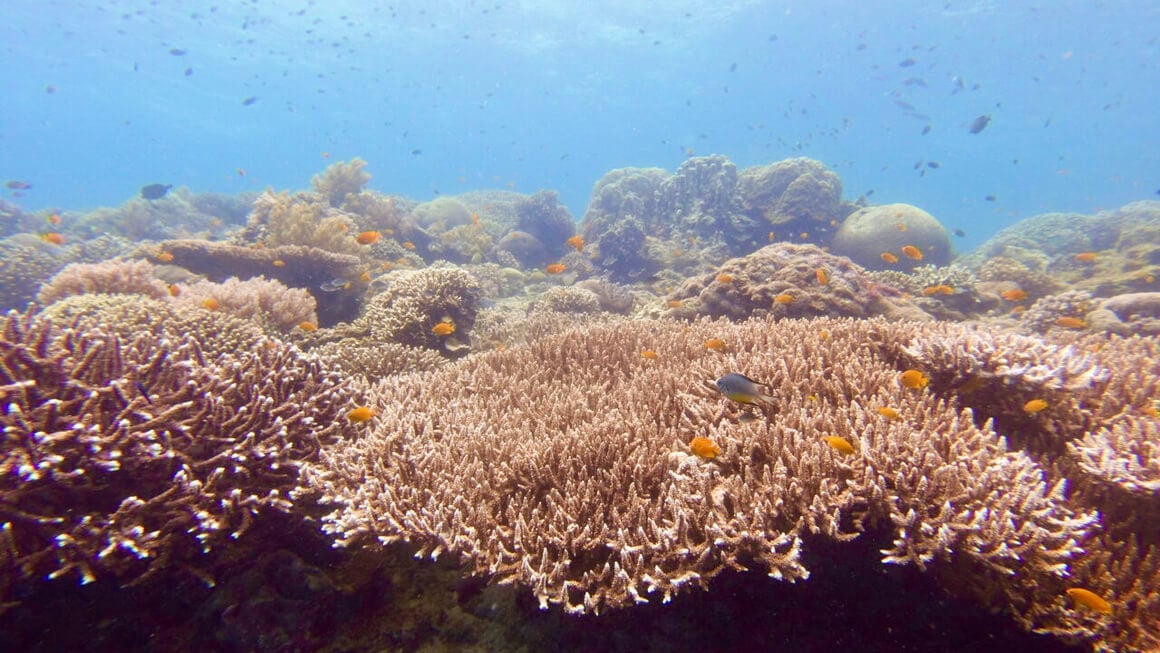
Photo: Alex Hatton
Top Tips for Travelling Panglao on a Budget
- Eat away from the beach strip: The restaurants around Alona Beach are convenient, but they’re rarely the cheapest. Walk a few streets back, and you’ll usually find better value local food.
- Share island-hopping tours where possible: Private boats are great, but they’re not exactly backpacker-friendly. Joining a group tour or splitting costs with other travellers can save you a decent chunk of cash.
- Only rent a scooter if you’re confident driving: Scooters are often the cheapest way to get around Panglao, but they’re not the place to learn how to ride one for the first time.
- Stay in hostels or simple guesthouses: Panglao has some great budget accommodation, and it’s one of the easiest ways to keep costs under control without sacrificing location.
- Travel during the shoulder season: You’ll usually find cheaper accommodation, fewer crowds and a much easier time booking tours and activities.
- Bring a reusable water bottle: Many hostels, cafés and accommodation providers offer water refill stations, which will save you money and cut down on plastic waste at the same time.
Why You Should Travel to Panglao with a Water Bottle
One thing you’ll notice whilst travelling around the Philippines is that plastic waste can be a real issue, especially on islands and along some coastlines.
Bringing a reusable water bottle is a small thing, but it can make a difference. One of the easiest ways to be a more responsible traveller is to cut down on single-use plastic where you can, especially when visiting islands and coastal destinations.
If you’re planning to explore more of Bohol or continue island hopping around the Philippines, a filtered water bottle can be an especially handy bit of kit. It’ll save you buying countless plastic bottles and can save you a few pesos along the way too.
Best Time to Visit Panglao
The good news? There’s no terrible time to visit Panglao. The better question is whether you prefer guaranteed sunshine or cheaper prices and fewer people.
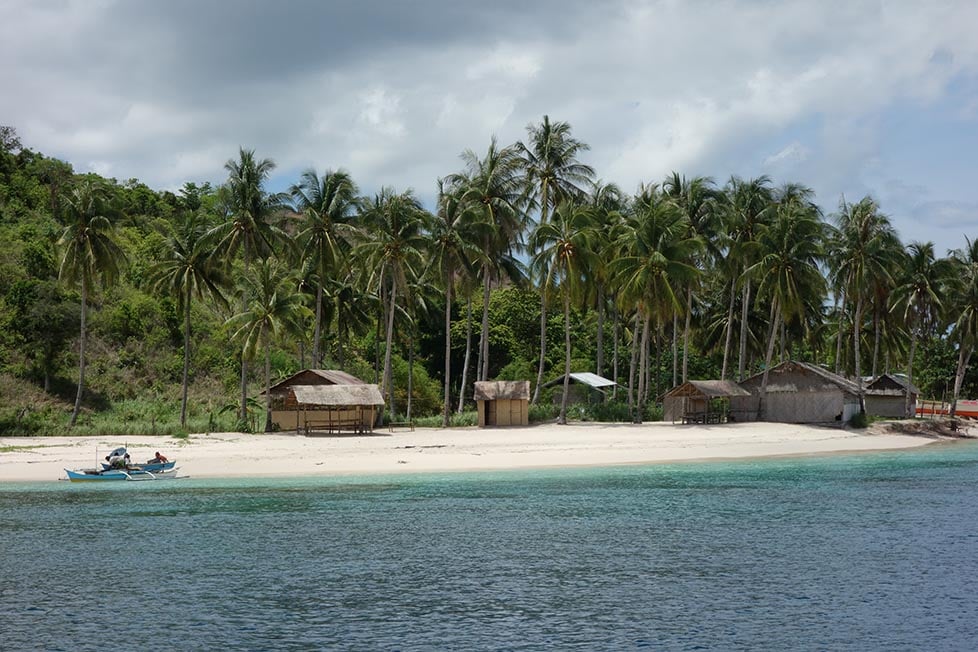
Photo: Nic Hilditch-Short
Let’s break this down by seasons…
Dry Season (November to April) – This is the most popular time to visit Panglao and generally offers the best weather for beach days, diving and island-hopping trips. Expect plenty of sunshine, warm temperatures and very little rain.
January and February are often considered the sweet spot, while March and April can get seriously hot. I visited during the hotter months and can confirm that air conditioning quickly went from a luxury to a non-negotiable.
Wet Season (May to October) – Don’t write Panglao off just because it’s rainy season. Showers are often short and sharp rather than all-day downpours, and you’ll usually find lower accommodation prices and fewer crowds.
That said, you’re taking more of a gamble with the weather, especially if you’re planning lots of boat trips or outdoor activities.
Typhoon Risk (June to November) – Typhoons don’t hit Panglao constantly, but this is the period when tropical storms are most likely. Heavy rain, rough seas and transport disruptions can happen, so it’s worth keeping an eye on forecasts if you’re travelling at this time.
My Take – If it’s your first visit, I’d aim for January to April for the best chance of good weather. If you’re travelling on a tighter budget and don’t mind the occasional downpour, the shoulder and rainy seasons can offer surprisingly good value.
What to Pack for Panglao
Packing for Panglao isn’t complicated. Think beaches, boat trips, hot weather and the occasional tropical downpour.
The biggest mistake? Bringing too much stuff. If you’re travelling around the Philippines, you’ll be carrying your bag on ferries, buses and tricycles often enough that you’ll appreciate packing light.
A few things I’d make room for:
- Swimwear and breathable clothing: You’ll spend a lot of your time in the heat, on the beach or in the water.
- Reef-safe sunscreen: You’ll be spending plenty of time outdoors, and the marine life will thank you too.
- Sunglasses and a hat: The Philippine sun does not mess around.
- Sandals and a decent pair of shoes: Flip-flops are great for the beach, but you’ll appreciate proper footwear for caves, scooter rides and day trips around Bohol.
- A sarong or light cover-up: Handy for sun protection and useful when visiting churches and religious sites.
- A lightweight rain jacket: Particularly if you’re visiting during the wet season.
- A dry bag: You’ll thank yourself the first time you’re on a boat trip, wondering where to put your phone, camera and passport.
- A reusable water bottle: Good for your budget and better for the planet!
- Earplugs: Not the most exciting item on the list, but they’ll earn their place if you’re staying in hostels.
Panglao Travel Guide to Getting There and Around the Island
Getting to Panglao is pretty straightforward these days, which is one of the reasons it’s become such a popular stop on the Philippines backpacking trail.
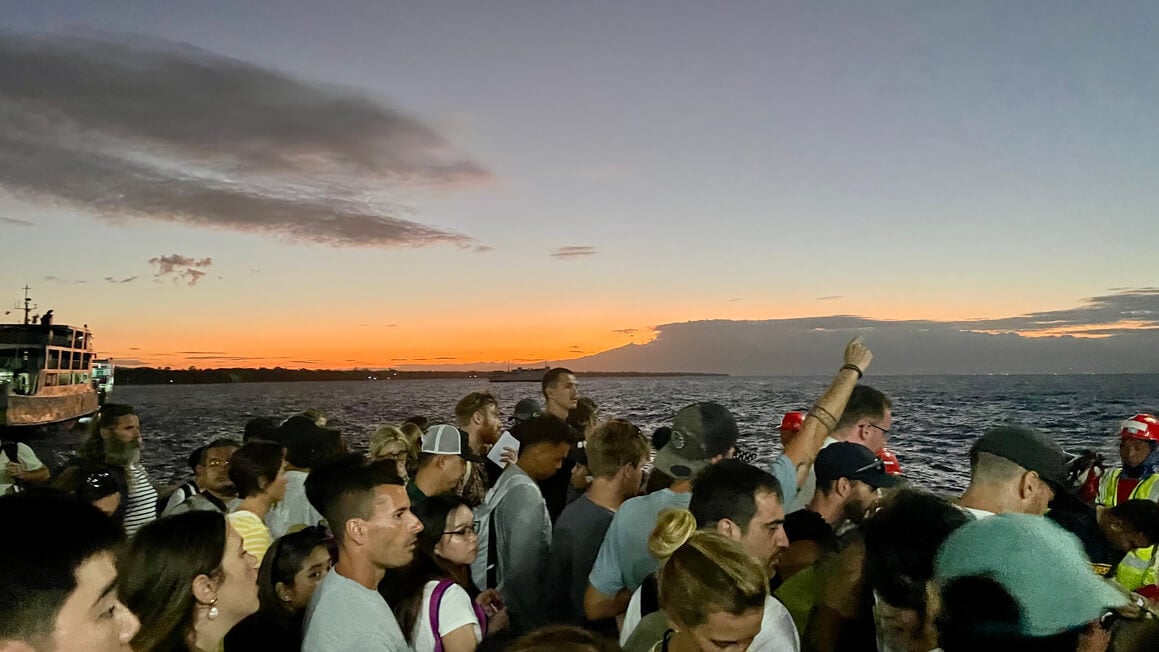
Photo: @danielle_wyatt
Getting to Panglao is pretty easy, which is probably one of the reasons so many travellers end up here.
The fastest option is to fly into Bohol-Panglao International Airport, with regular flights from Manila, Cebu and other destinations around the country.
If you’re watching the budget, the ferry from Cebu is often the better shout. That’s the route I took. It’s straightforward, usually cheaper than flying and a lot more scenic than staring out of a plane window. Once you’re in Tagbilaran, Panglao is just across the bridge.
There are also ferry routes connecting Bohol with other islands across the Visayas, making Panglao a pretty easy addition to a wider Philippines adventure.
Travelling Around Panglao
Panglao isn’t a huge island, so getting around is pretty straightforward.
Scooters are the most popular way to get around Panglao and make it convenient to bounce between beaches, restaurants and attractions without relying on tricycles.
Tricycles and tuk-tuks are everywhere and work well for shorter journeys. Just agree on a price before setting off to avoid any awkward negotiations at the end of the ride.
If you’re planning a day trip around Bohol, hiring a private driver or joining a tour is often the easiest option. You’ll get to see places like the Chocolate Hills and Loboc River without worrying about directions or transport logistics.
You can also rent a car if you’re planning to explore more of Bohol independently.
Whichever option you choose, wear a helmet, avoid driving after a few San Miguels and keep an eye out for uneven roads, wandering dogs and busy traffic around the main tourist areas.
Staying Safe in Panglao
Panglao is generally a very safe place to travel, and most visitors have a completely trouble-free trip.
The biggest risks tend to be scooter accidents, sunburn, dehydration and getting a little too confident around the water. If you’re renting a scooter, wear a helmet and don’t drink and ride.
When swimming, snorkelling, diving or joining boat trips, pay attention to conditions and stick with reputable operators. It’s also worth keeping an eye on your valuables, especially on busy beaches.
Use a bit of common sense, drink plenty of water and don’t underestimate the Philippine sun. That’s usually enough to keep your trip running smoothly.
For more general safety advice, check out our travel tips for backpacking safely.
Getting Insured BEFORE Visiting Panglao
And as many preventative actions we take, shit can still happen. Don’t be silly, get yourself some good travel insurance before you head on your adventure.
Sort out your insurance before you go. There are several good options, but our overall pick is SafetyWing. Most of the Broke Backpacker team has used it at one point or another, and we’ve filed claims for rabies jabs in Bali, a hospital stay in Mexico, and a clinic visit for a stomach bug that wouldn’t quit. All paid out.
It’s month-to-month, no lock-in, no itinerary required, and you can buy it after you’ve already left. A little over $2 a day if you’re under 40.
New SafetyWing customers: use code BROKEBACKPACKER for 8 free weeks of electronics theft coverage. You have to scroll down and click the pink camera on their landing page to enter it, and you have to do it before creating your account.
Working and Volunteering in Panglao
Panglao isn’t exactly the Philippines’ digital nomad capital, but you’ll still come across a fair number of remote workers, long-term travellers and expats who have decided to stick around for longer than intended.
The Digital Nomad Scene in Panglao
If you’re looking for somewhere to answer a few emails between beach sessions, Panglao can work pretty well. If you’re running a business, managing a remote team and spending eight hours a day on video calls, you may find it a little frustrating.
Wi-Fi has improved over the years, but it can still be inconsistent, and power cuts aren’t unheard of. Many of the nicer hotels and resorts have generators, which helps, but it’s still worth having a local SIM card or eSIM as a backup.
For shorter remote-working stays, Panglao can be a great option. Just don’t expect the same digital nomad infrastructure you’ll find in places like Chiang Mai, Bali or Da Nang.
Volunteer in Panglao
If you’re not quite ready to leave, there are volunteering opportunities dotted around Panglao and the wider Bohol region.
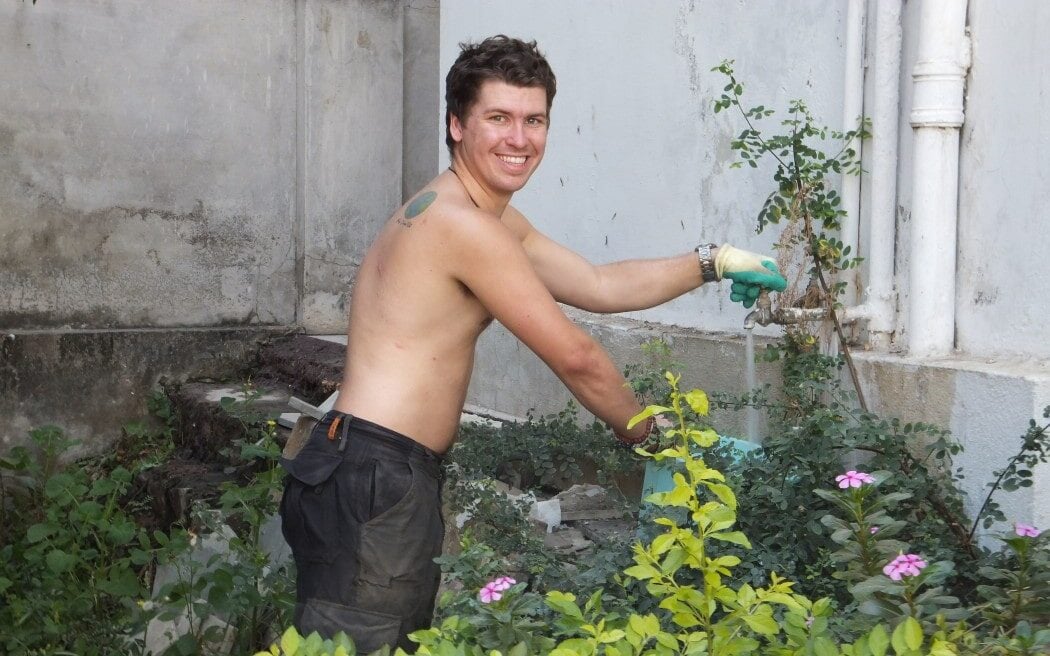
Photo: @willhatton___
Hospitality exchanges, eco-projects, teaching programmes and community-based initiatives are among the most common options, although the biggest and best volunteering opportunities are often found by looking beyond the first programme that pops up online. If you’re searching for placements, Worldpackers is a good place to start.
As always, do your research and choose reputable placements that genuinely benefit local communities. A little research goes a long way when it comes to deciding whether volunteering abroad is still worth it and finding projects that have a positive impact.
Be particularly cautious with animal-related volunteering programmes, as standards can vary significantly.
If you’re planning a longer stay, make sure you check the latest visa and permit requirements before committing to a placement.
Don’t Leave Panglao Too Quickly
Panglao wasn’t supposed to be a long stop for me.
A lot of travellers arrive for a couple of beach days and end up sticking around much longer than planned. Between the diving, snorkelling, island-hopping and all the things to do around Bohol, there always seems to be one more trip, one more beach or one more sunset worth hanging around for.
If I had one piece of advice, it’d be not to treat Panglao as just a stopover. Use it as a base, venture beyond Alona Beach and give yourself enough time to explore a few corners of Bohol too.
Whilst you’re at it, try to travel responsibly. Be kind to the reefs, go easy on the single-use plastic, support local businesses and maybe don’t attempt to ride a scooter home after six San Miguels.
However long you end up staying, I wouldn’t be surprised if Panglao ends up being one of those places you look back on more fondly than you expected.
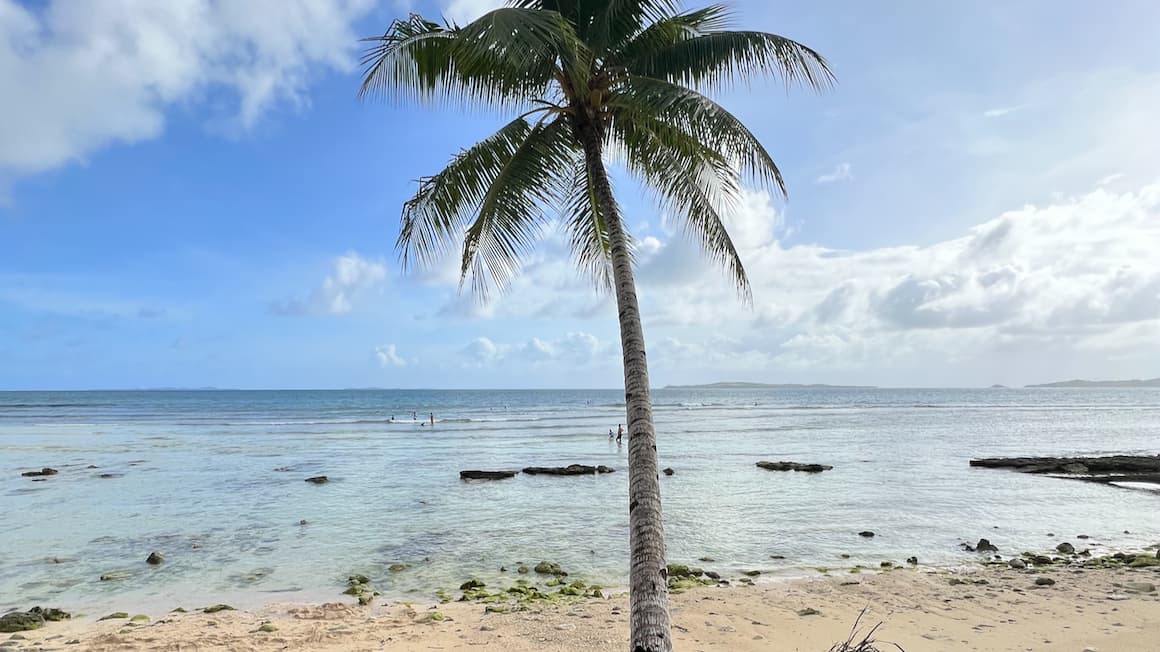
Photo: @amandaadraper