I’ll never forget the moment I watched an elderly man practice tai chi at sunrise in a Beijing park while skyscrapers towered behind him. That’s when I realised China’s cities aren’t just destinations, they’re living museums where 5,000 years of history collide with the world’s most ambitious future.
Travelling through China, sleeping in everything from hutong hostels to bullet train stations, I discovered that this country’s soul lives in its urban heartbeats. You simply cannot understand China without diving headfirst into its cities.
Each metropolis tells a completely different chapter of the Chinese story. In Beijing, I found myself mesmerised by morning dumpling vendors setting up shop in the shadow of the Forbidden City. Shanghai seduced me with jazz bars hidden in 1920s Art Deco buildings while neon-lit skyscrapers pierced the clouds above. And in Chengdu, I spent entire afternoons getting deliriously lost in the spice-laden maze of hotpot restaurants while pandas lazed in nearby sanctuaries.
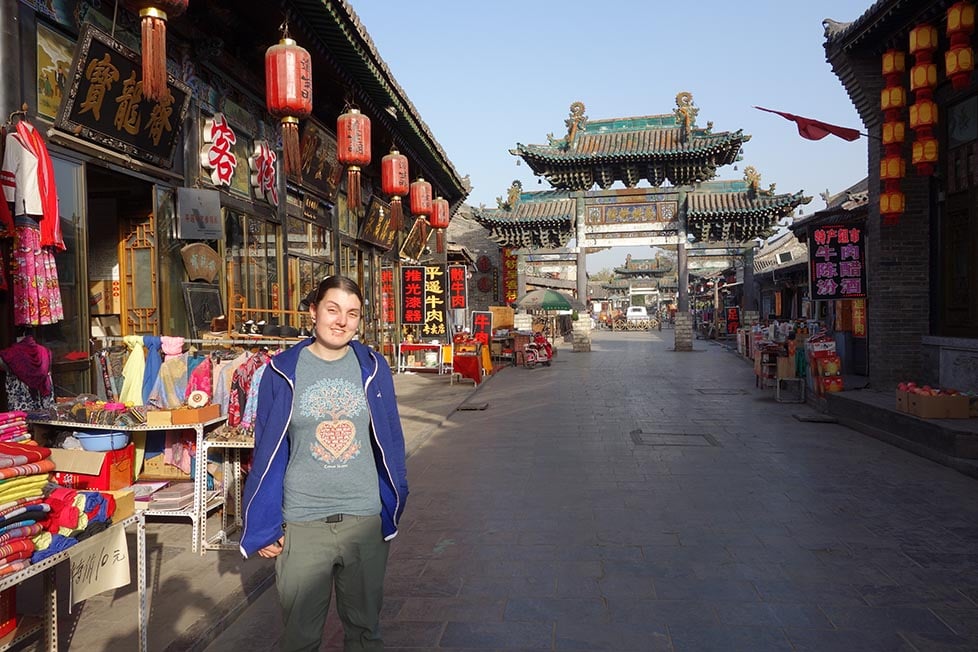
Photo: Nic Hilditch-Short
The Broke Backpacker is supported by you. Clicking through our links may earn us a small affiliate commission, and that's what allows us to keep producing free content 🙂 Learn more.
The 10 Best Cities to Visit in China
These s10 cities don’t just showcase China – they are China, in all its chaotic, beautiful, utterly transformative glory, and they’re places you’ll want to include in your trip here for sure. Let’s go!
1. Beijing
The first morning I woke up in a Beijing hutong, I was jolted awake by the rhythmic clatter of bicycle bells and the sizzling sounds of jianbing vendors firing up their griddles. Stepping outside into the maze of ancient alleyways, I found myself face-to-face with a city that defies every expectation. I was hit with a dizzying array of things to do that completely blew my mind.
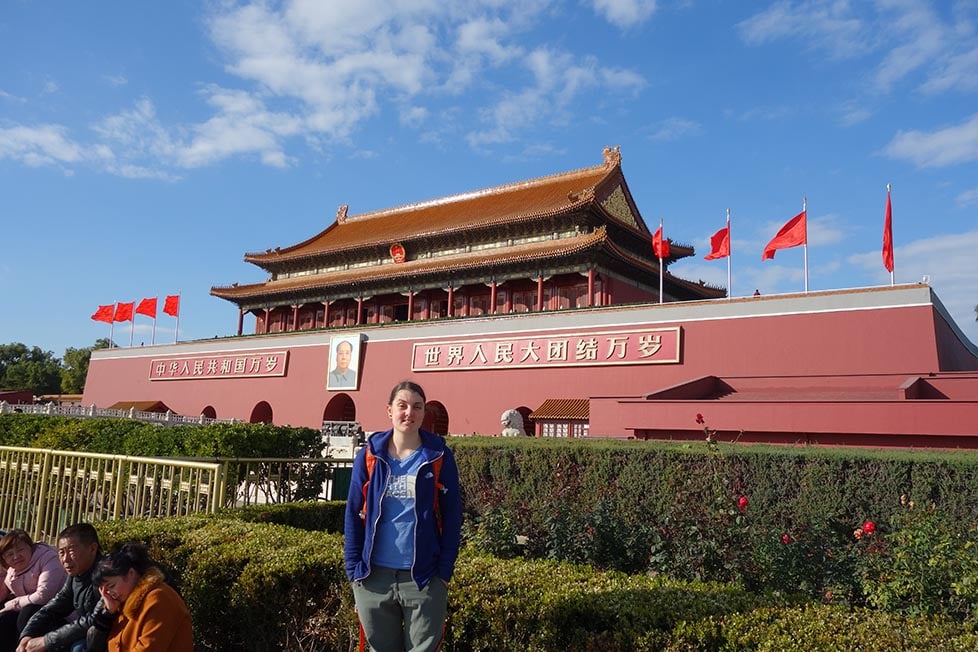
Here you can see 800-year-old temples and glass towers sharing the same street corners, and trace the footsteps of emperors before grabbing dinner from a street cart for less than two dollars. Beijing isn’t just China’s political heart; it’s a living contradiction that somehow makes perfect sense once you surrender to its intoxicating chaos.
Best Things to Do in Beijing
- Visit the Great Wall at Mutianyu – Skip Badaling for epic Instagram shots, fewer crowds and lesser tour group chaos. I booked a small-group day trip that included an up-and-down ride on the cable car (option if you’re not up for hiking). So much fun!
- Explore the Forbidden City – Spend a morning here with a tour guide and live commentary that transforms the overwhelming architecture into fascinating stories about emperors and palace intrigue.
- Wander Beijing’s hutongs – For free cultural immersion, explore these traditional alleyways on foot or rent bikes daily. Nanluoguxiang is touristy but charming, while Dashilar offers authentic old Beijing vibes.
- Do a Beijing foodie tour, have delicious, authentic food, and try a rare Beijing speciality – baiju alcohol, which only a few places serve.
- Tick off the major UNESCO World Heritage Sites, including like Temple of Heaven and Summer Palace, with a very helpful and excellent guide
- Free/local tip: Visit a local market like Sanyuanli for snacks, souvenirs, and people-watching far from the tourist crush.
Where to Stay in Beijing
- Hostel – The Great Wall Box House – Staying here was such a special experience – easily the best hostel I’ve ever stayed in. Nestled in a quiet village near the Great Wall, it felt peaceful and welcoming. The host’s warmth and hospitality made all the difference, and her homemade food was incredible. Bonus points for the sweet cats, too!
- Hotel – Happy Dragon – This hotel was a perfect base for exploring Beijing. Tucked away in a quiet hutong, it offered a peaceful retreat with easy access to food and the subway. The rooms were clean and cosy, but the real highlight was the incredibly kind and attentive staff who made me feel truly welcome.
Best Time to Visit Beijing
The best months are April–May and September–October when skies are clearer and temperatures are ideal for sightseeing. I visited in late September and had crisp blue skies for a full week, perfect for exploring parks and the Great Wall. Avoid January–February unless you’re used to sub-zero temps and don’t mind smog. Summer can be hot, humid, and packed with domestic tourists.
2. Shanghai
My jaw literally dropped the first time I emerged from the Bund subway station at sunset. Shanghai’s skyline hit me like a punch to the gut, all neon and steel stretching endlessly into the smoggy horizon. What a sight it was!
Forget the rivalry between Beijing and Shanghai, visit them both, I say!
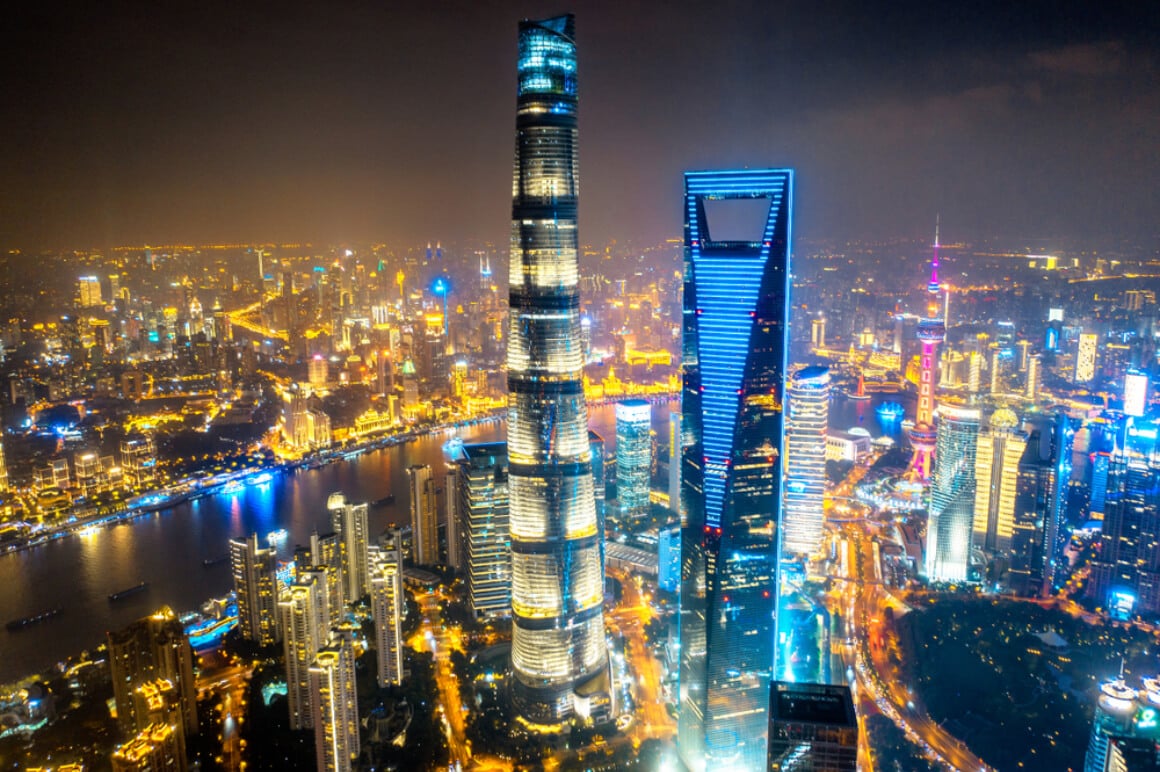
But what hooked me wasn’t just the obvious glamour of China’s most international city. It was discovering that behind those Instagram-worthy skyscrapers, Shanghai hides speakeasy bars in former French Concession mansions, morning tai chi sessions in tiny neighbourhood parks, and dumpling shops that have been perfecting their recipes since before the city became a global powerhouse. This is where East meets West and somehow creates something entirely new.
Best Things to Do in Shanghai
- Stroll the Bund at sunset – This waterfront promenade offers iconic skyline views and perfect photo ops. Take the historic Bund Sightseeing Tunnel for a quirky light show experience beneath the river.
- Visit Yu Garden – Touristy but beautiful, with carved woodwork, koi ponds, and classical Ming architecture tucked inside the skyscrapers. Go early to avoid the crowds.
- Take a Huangpu River cruise – I booked a night cruise and got panoramic views of both the historic Bund and Pudong’s glowing skyline. After the cruise, our tour guide took us to have a Xinjiang-style dinner, which is famous in China.
- Explore Zhujiajiao Water Town. This “Venice of Shanghai” offers canal gondola rides and ancient bridge photography, and you can also visit the charming Kezhi ancient garden.
- Free/local tip: Head to Fuxing Park in the morning. Locals dance, play cards, and practice tai chi – it’s Shanghai at its most authentic and one of my favourite things to do here.
- Get clothes made at the legendary Shanghai Fabric Market. I got 2 custom made suits for $200. An ourtrageous bargain.
Where to Stay in Shanghai
- Hostel – Dayin hostel – Da Yin Hostel offers an elevated stay right in the heart of the city. With smart rooms, a stylish café-bar-book lounge, and a rooftop camping terrace, it blends comfort and creativity seamlessly. Ideal for digital nomads, couples, and curious travellers – this isn’t just a hostel, it’s a lifestyle experience.
- Hotel – Sukothai – The Sukhothai is my go-to hotel in Shanghai for a reason. The rooms are spacious, modern, and spotless, with top-notch amenities. The staff is genuinely welcoming and quick to help with anything. Perfectly located near downtown and Nanjing Road, it’s a peaceful and luxurious base for exploring the city.
Best Time to Visit Shanghai
The best months are March-May and September-November, which are warm but not humid, with decent air quality and fewer rain showers. If you visit in early April, you will get the perfect t-shirt weather. Summers can be brutal, with 35°C+ heat and heavy smog. Winters are chilly and grey, but still manageable if you’re not planning to stay outdoors all day.

A new country, a new contract, a new piece of plastic – booooring. Instead, buy an eSIM!
GigSky eSIMs work just like an app: you download it, pick your plan, and BOOM! You’re connected the minute you land. It’s that easy.
Read about how eSIMs work or click below to see one of the top eSIM providers on the market and ditch the plastic.
Grab an eSIM!3. Xi’an
Xi’an might not look like much when you first arrive – concrete sprawl, heavy traffic, and a skyline that blends into the smog. But give it a day, and the city’s ancient heartbeat starts to show. This was once the starting point of the Silk Road and the capital of multiple dynasties, and it still holds onto that history better than most places in China.
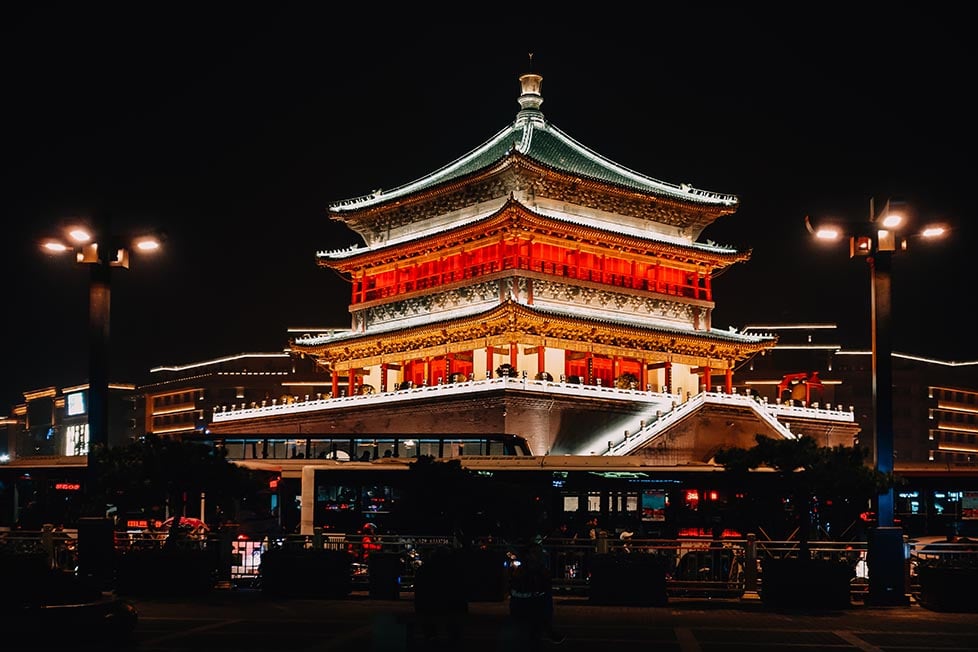
Standing in front of thousands of the Terracotta Warriors for the first time literally gave me goosebumps. This world-famous clay army wasn’t the only thing that made me fall in love with Xi’an. It was getting lost in the Muslim Quarter at midnight, and following the scent of cumin-spiced lamb skewers through narrow alleys, while Arabic calligraphy glowed under red lanterns.
Xi’an is where China’s imperial story begins, and every street corner whispers tales of dynasties, merchants, and the rise and fall of empires. Oh, and it’s also a great place to teach English in China if you fancy it.
Best Things to Do in Xi’an
- Meet at the Terracotta Army – It’s over an hour out of town, but so worth it. Three pits in the museum filled with thousands of life-sized warriors, each with unique facial expressions – it’s surreal. Go early, or you’ll be dodging tour groups all day
- Eat your way through the Muslim Quarter – Skewers, hand-pulled noodles, sticky rice cakes – the food here is wild, cheap, and unforgettable. Try the roujiamo (Chinese burger) and don’t skip the biangbiang noodles.
- Go on a Mount Huashan adventure tour – Serious adventure seekers will love hiking on one of China’s five sacred peaks. Be ready for the Gold Lock Pass – here you can buy and lock a gold lock to bring safety and health.
- Free/local tip: Check out the local parks early in the morning — tai chi, group dance classes, even sword practice. Xi’an mornings are a great window into everyday life.
Where to Stay in Xi’an
- Hostel – Hantang Inn – Han Tang blew me away. It’s elegant, spotless, and incredibly well-designed – like something out of a magazine. The staff were so kind and attentive, and the breakfast was abundant and delicious (oat milk included!). I loved the quiet rooms, the social happy hours, and the perfect location.
- Hotel – Eastern House – This hotel offers an ideal base for exploring the city, with major attractions just a short walk away and a wealth of local dining options nearby. You’ll get clean, comfortable rooms and a genuinely friendly, helpful staff. A great choice for convenience, comfort, and warm hospitality.
Best Time to Visit Xi’an
March to May and September to November are the sweet spots. Spring and autumn offer clear skies and mild temperatures – ideal for biking the city walls or visiting the Terracotta Army without overheating. Summers can get hot and crowded, while winters are cold and grey (though less touristy and good for deals).
4. Luoyang
Most travellers sprint between Beijing, Shanghai, and Xi’an without realising that Luoyang (a two-hour bullet train ride from Xi’an) was once the capital city of thirteen Chinese dynasties and is home to one of the country’s most jaw-dropping sights.
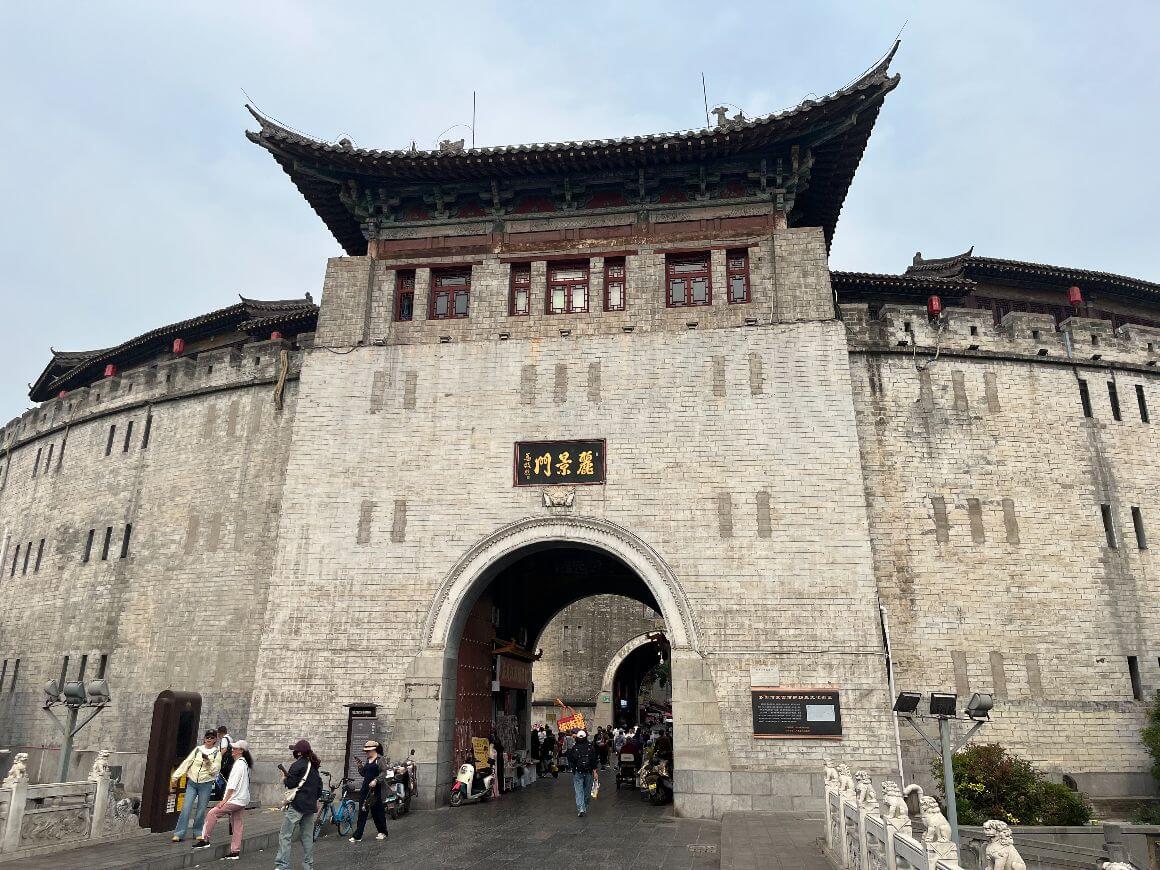
We visited on a day trip from Xi’an after deciding to skip the long-line for the Terracotta Warriors and do something more niche. Glad we did. We arrived expecting a quiet provincial city and left feeling like I’d uncovered something the tourist trail had somehow totally overlooked. The old town is compact but atmospheric, the food scene is genuinely excellent (Luoyang water banquet, a multi-course feast of broths and dishes, is one of China’s most distinctive culinary traditions), and the access to surrounding historical sites is unmatched. It was an unexpected highlight in a trip chock full of highlights.
The Longmen Grottoes alone are worth the detour. We are talking nearly 100,000 Buddhist carvings cut into cliffsides above the Yi River, more ancient and more affecting in person than any photograph can suggest. But the old town is an easy visit for some atmospheric dinner too.
Best Things to Do in Luoyang
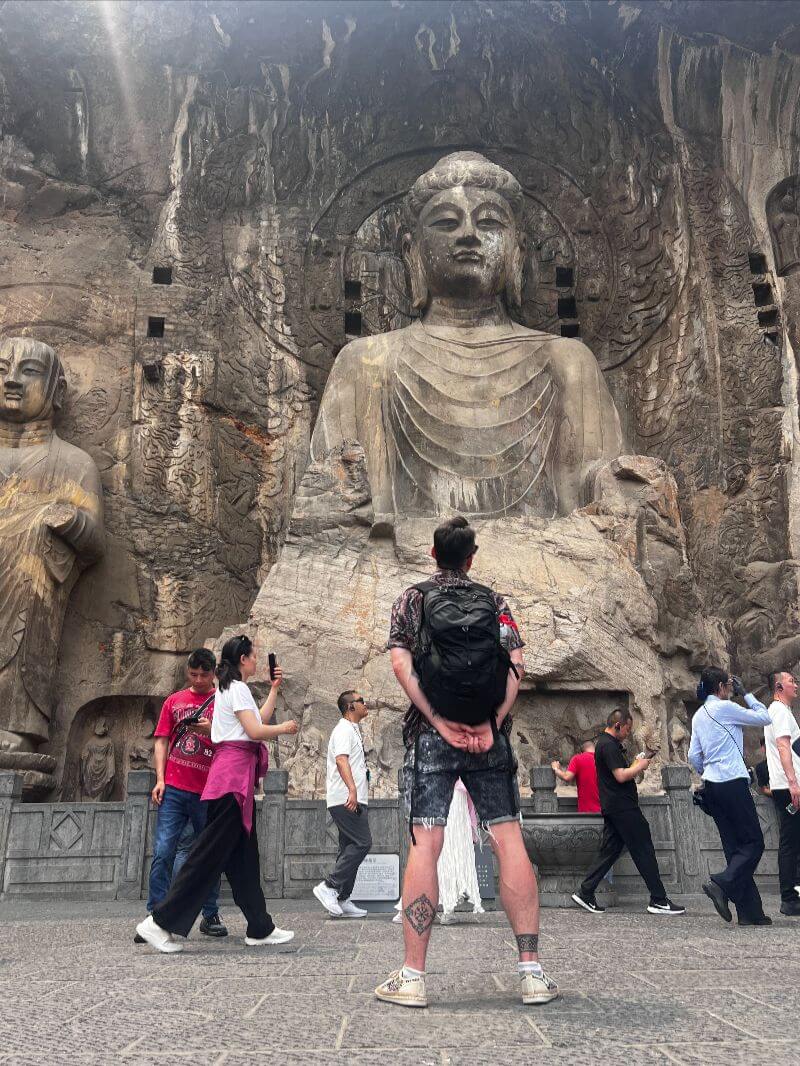
- Visit the Longmen Grottoes – A UNESCO World Heritage Site featuring tens of thousands of Buddhist stone carvings dating back to 493 AD. The giant Vairocana Buddha at Fengxian Temple is the centrepiece, 17 metres tall and carved with extraordinary detail. Go at golden hour when the cliffside glows.
- Explore the Shaolin Temple – About 80km from Luoyang, the birthplace of Chan Buddhism and Shaolin martial arts is a genuinely powerful place to visit. Live kung fu demonstrations happen daily. Combine with a hike on nearby Mount Song for a full day out.
- Walk the Old Town (Luo Yi Ancient Town) – Reconstructed but atmospheric, this area captures Tang Dynasty streetscapes and is far less crowded than comparable old towns elsewhere in China.
- Try the Luoyang Water Banquet – This famous multi-course feast of soups and braises has been served in Luoyang for over 1,300 years. It’s unusual, deeply local, and one of the better food experiences in central China.
- Free/local tip: Visit during late March or early April if you possibly can — Luoyang’s peony festival fills the city with blooms and the parks become extraordinary. The city has been famous for its peonies since the Tang Dynasty.
Where to Stay in Luoyang
- Hotel – Waterfront Hotel – Clean, comfortable, and centrally located mid-range option with helpful English-speaking staff and easy access to the old town and train station.
Best Time to Visit Luoyang
Spring (late March to May) is the standout — mild weather and the world-famous peony festival make this one of the best times to visit any city in central China. Autumn (September–October) is also excellent for clear skies and comfortable temperatures for walking the grottoes. Summer is hot and humid; winters are cold but quiet, with good deals on accommodation.
5. Chengdu
The moment I took my first bite of authentic Sichuan hotpot in Chengdu, tears streaming down my face from the mouth-numbing spice, I knew I’d found something special. This isn’t just about the food (though the food will change your life), but Chengdu operates on a completely different wavelength from China’s other megacities.
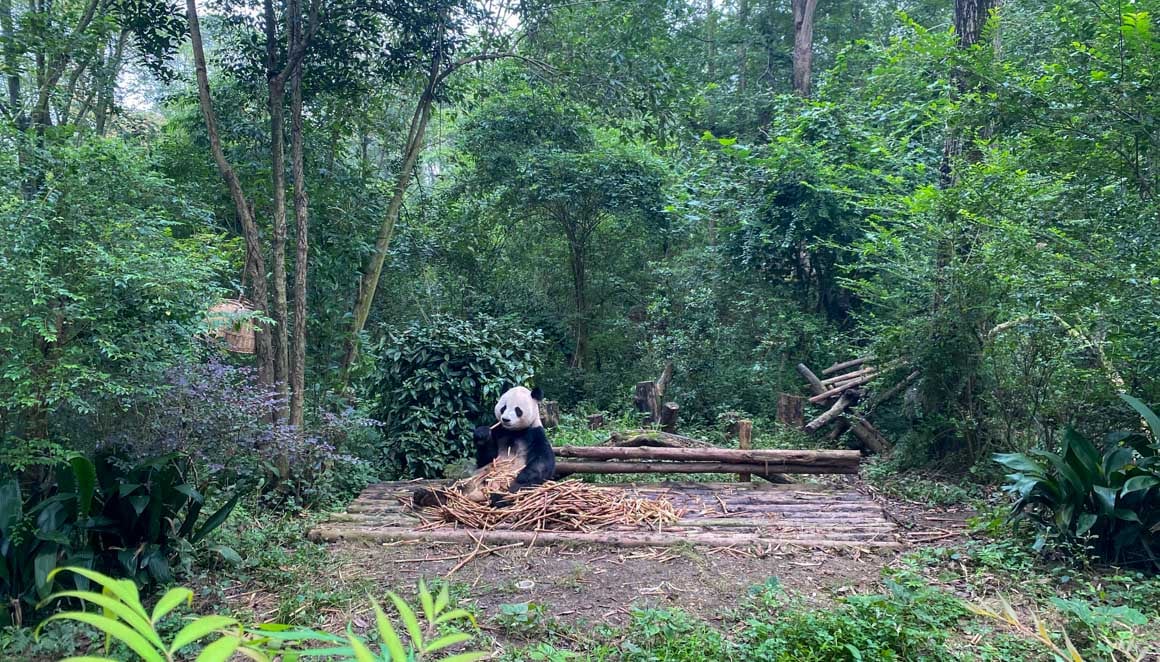
Locals will spend entire afternoons playing mahjong in bamboo chairs while sipping jasmine tea. The city’s laid-back energy feels very refreshing after the breakneck pace of Beijing or Shanghai. Plus, where else can you watch cute and cuddly baby pandas tumble around you? Also, did I mention the baby pandas??
Best Things to Do in Chengdu
- Visit the Giant Panda Breeding Research Base – You must not miss this! Book the early morning tour – pandas are most active. The base houses over 80 giant pandas in near-natural habitats. You won’t get to hold one, but watching them clumsily tumble around is worth the trip.
- Experience authentic Sichuan hotpot – Chengdu is the home of Sichuan cuisine, and the hotpot here is no joke. Spicy, numbing, and addictive. I went to a no-frills spot recommended by locals and had my face blown off in the best way possible
- Fancy an evening of Sichuan Opera? It’s got a bit of everything – comedy, acrobatics, dancing, singing and even shadow play.
- Day trip to Leshan Giant Buddha – the world’s largest Buddha statue, constructed for scientific and social intention – to calm the waters for boats and ships to sail through safely.
- Free/local tip: Head to Wenshu Monastery for a peaceful break. It’s active, atmospheric, and the vegetarian restaurant inside is cheap and surprisingly good.
Where to Stay in Chengdu
- Hostel – Poshpacker – This welcoming hostel combines comfort and convenience with a friendly, helpful team. You’ll love the cosy rooms with excellent air conditioning -perfect for hot days -and the great metro access. The rooftop deck, billiard table, and tour options add to the experience. Bonus: Incredible vegetarian food is just around the corner.
- Hotel – Wenjun courtyard – I absolutely loved the warm, family-style atmosphere of this hotel. The décor was beautiful, and the staff were incredibly kind and helpful throughout my stay. Belle and Frank really went the extra mile, helping us arrange tours and pick-ups. The location was perfect -close to Kuanzhai Alley, Renmin Park, and so many great restaurants.
Best Time to Visit Chengdu
March to June and September to November are the most comfortable. The weather’s mild, pandas are active, and it’s a great time for hotpot and tea houses without sweating through your shirt. July and August are hot and humid – avoid if you can. December to February can be damp and chilly, but still fine if you’re mostly sticking to food and culture indoors.
6. Chongqing
Nothing prepares you for Chongqing. I’d heard it described as China’s most underrated city, but standing on the Chaotianmen Peninsula watching the Yangtze and Jialing rivers merge as the city’s illuminated clifftop towers blazed above me, I thought “how is this not on every backpacker’s itinerary?” And to be fair, the city is trending hot on Instagram right now so I have no doubt that it will be.
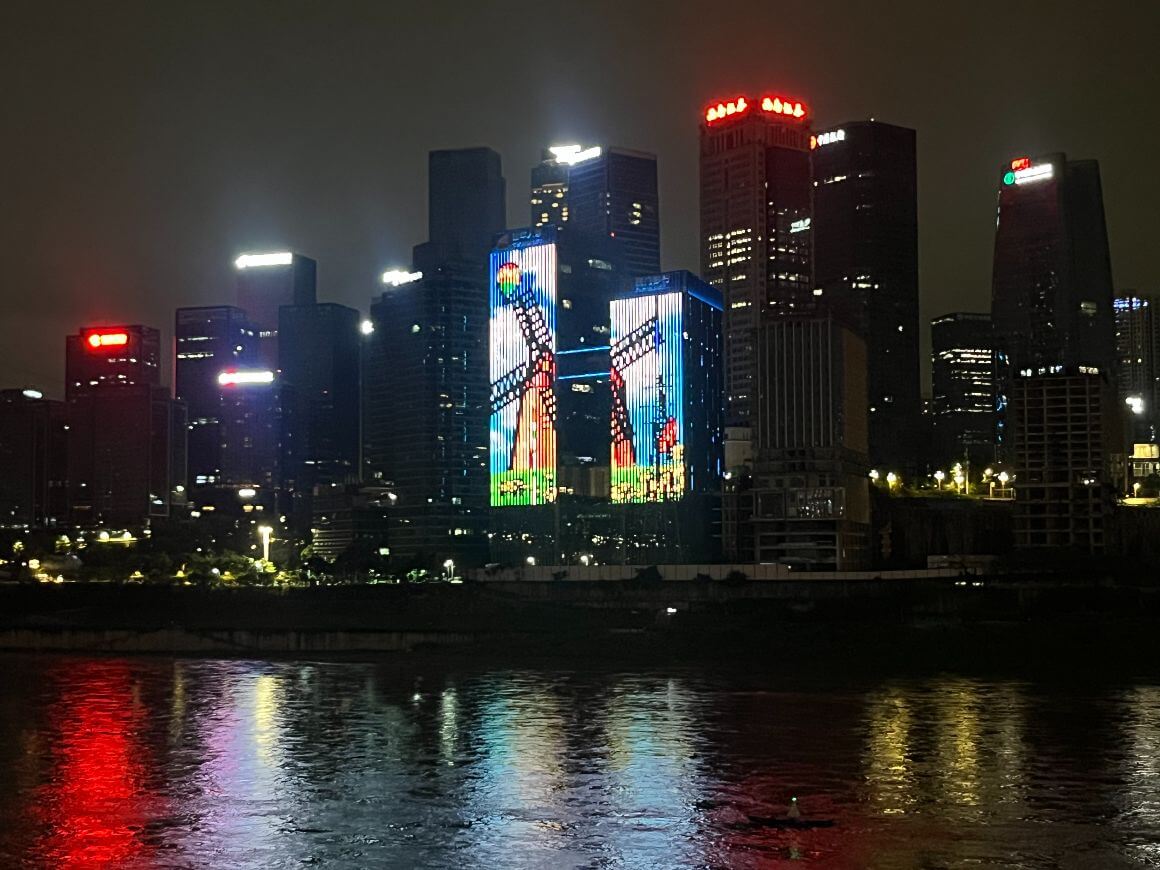
Built across mountains and gorges rather than flat plains, Chongqing defies the usual Chinese city template entirely. There are no bikes, the streets are too steep. Instead, monorail lines thread through skyscrapers at the 20th floor. Locals have carved restaurants into cliffsides, and entire neighbourhoods cascade down hillsides on wooden stilts. It’s chaotic, dramatic, and completely unlike anywhere else in China.
Oh, and the food? Chongqing is the true birthplace of the numbing, fiery hotpot that Chengdu gets all the credit for. Eating it here, surrounded by locals sweating through their shirts and grinning, is one of the great experiences of travelling in Asia.
Best Things to Do in Chongqing
- Ride the Liziba monorail through an apartment block – One of the world’s most surreal transit moments. Line 2 passes directly through the middle of a residential building. Jump on at rush hour for the full effect, and a great photo.
- Explore Hongya Cave – This 11-storey stilted structure clinging to the cliffside above the Jialing River looks like something from a Studio Ghibli film, especially at night when it’s completely lit up.
- Take a Yangtze River cruise to the Three Gorges – Chongqing is the traditional starting point for Three Gorges cruises. Even a short evening cruise on the city stretch is spectacular with the skyline reflected in the water.
- Eat hotpot the right way – Skip the tourist restaurants and head to Jiefangbei or the old town streets. Order the divided pot if you can’t handle full-strength Sichuan spice, though going all-in is strongly recommended.
- Free/local tip: Walk across the Qiansimen Bridge at dusk for some of the best skyline photography in China, completely free and far less crowded than the official viewpoints.
Where to Stay in Chongqing
- Hostel – Chongqing Rooftop Youth Hostel – A social, well-run base right in the heart of the city with helpful staff who know exactly where to send you for the best local hotpot. Great for solo travellers looking to meet people.
- Hotel – Somerset Yangtze River – For a splurge with a view, this sleek high-rise hotel puts you above the clouds with panoramic river views that justify every penny. The nearby rooftop bar is also one of the best in China.
Best Time to Visit Chongqing
Chongqing sits in a river basin and earns its nickname “Furnace City” in summer. July and August in particular are brutally hot and humid. Spring (March–May) and autumn (September–November) are far more comfortable for walking the hills and exploring the gorges. Winters are mild by Chinese standards, grey and misty, which actually adds a moody atmospheric quality to the clifftop skyline.
7. Lijiang
Want to picture a real-life fairytale scene? Imagine this – you’re getting up early in the morning and watching the sunrise from Lijiang’s ancient rooftops, with Yulong (Jade Dragon) Snow Mountain glowing pink in the distance and traditional wooden buildings reflecting in crystal-clear canals below. Sounds magical, right?

After days in weeks in China’s concrete jungles, Lijiang hit me like a breath of fresh mountain air – literally and figuratively. The city’s old town is a UNESCO World Heritage Site, and rightly so. It isn’t just about the postcard-perfect scenery; it’s about watching elderly Naxi women in traditional dress practice their morning exercises by the water wheels, hearing ancient music drift from hidden courtyards, and realising you’re experiencing a slice of China that somehow survived the modern world’s march forward.
Lijiang is also a great base for day trips to nearby mountains, lakes, and one of China’s most famous treks.
Best Things to Do in Lijiang
- Wander Lijiang Old Town at sunrise – Beat the crowds for magical morning light on ancient architecture and peaceful canal reflections. Entry is free, making it perfect for budget travellers.
- Take the Jade Dragon Snow Mountain cable car – This tour will take you 4,680 meters up to the gorgeous mountain scenery of glaciers and peaks, and then to Blue Moon Valley, the bluest of blue rivers streaming through the mountain.
- Explore Tiger Leaping Gorge – See the valley’s rock formations and rapids up close to one of the world’s deepest gorges.
- Experience Naxi culture in Baisha Village – This quieter ancient town showcases traditional Naxi murals and offers authentic cultural interactions without the Old Town’s tourist crowds.
- Free/local tip: Climb Lion Hill for panoramic views over the rooftops. It offers a cheaper entry and is much less crowded than the main scenic spots.
Where to Stay in Lijiang
- Hostel – October Inn – I booked the October Inn last minute and couldn’t be happier. Perched on a quiet hill but still close to town, it offered a calm, homey vibe. The place is small but clean, and the owners are super kind and helpful – they even helped me book the cable car and plan my visit.
- Hotel Intercontinental Lijian Resort – This hotel offers stunning views and private access to the Ancient Town, combining convenience with a peaceful atmosphere. The warm, English-speaking staff provide excellent service, and the on-site restaurant serves some of the best local cuisine in Yunnan. With engaging activities and a dedicated kids’ area, it’s an ideal choice for families.
Best Time to Visit Lijiang
April to June and September to November are ideal for clear skies and moderate temperatures — perfect for hiking around Jade Dragon Snow Mountain or strolling Lijiang Old Town. Summers are green but rainy, and winters are cold (especially at altitude), though the town still looks postcard-worthy. Avoid July-August if you can; there are crowds and higher accommodation prices.
8. Shenzhen
I remember laughing when someone told me Shenzhen was just a “boring business city.” That same evening, I wandered through the futuristic light show at Civic Centre while street vendors sold bubble tea beneath towering LED screens and realised I was witnessing China’s economic miracle in real time.
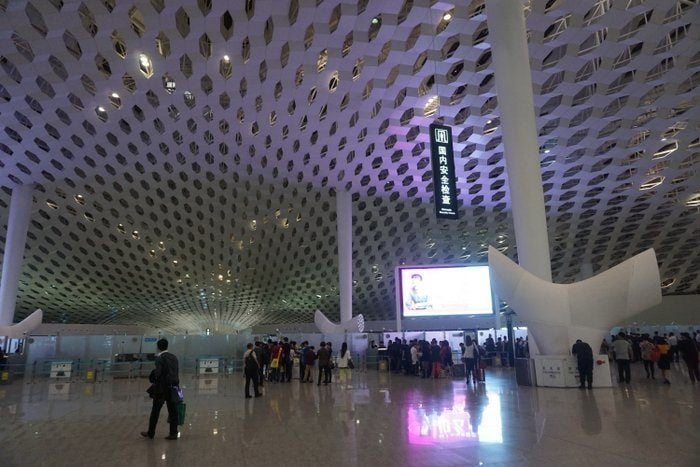
Shenzhen didn’t even exist 40 years ago, yet today it’s home to tech giants like Tencent and DJI. It has created a unique energy, where twenty-something entrepreneurs work out of sleek co-working spaces by day and party in rooftop bars overlooking the neighboring Hong Kong’s skyline by night. And, get this – it is home to over twenty billionaires.
Shenzhen proves that sometimes the most exciting destinations are the ones that completely rewrite the rules.
Best Things to Do in Shenzhen
- Explore the futuristic Civic Centre – This architectural marvel is one of the city’s most iconic buildings, a popular photo-op stop.
- Explore the Huaqiangbei electronics market. If you’re into tech or gadgets, this place is heaven. Massive markets full of components, devices, and people haggling like pros.
- Wander Dafen Oil Painting Village – Watch artists create everything from Van Gogh reproductions to original works in this unique artistic community, completely free to explore.
- Spend a day at Dameisha Beach – Easily reachable by metro and bus, it’s a great way to escape the concrete for a bit of sun and sea.
- Free/local tip: Grab a shared bike and ride through Futian’s green belt parks — flat, scenic, and a refreshing change from city traffic.
Where to Stay in Shenzhen
- Hostel – Baobao Hostel – This hostel offers easy access to shopping, dining, and the metro. Guests enjoy free Wi-Fi, air conditioning, a kitchen, and fresh bedding. The hosts provide a warm, multilingual welcome in this cosy, stylish two-story loft, perfect for travellers exploring Shenzhen and beyond.
- Hotel – Huaqiang Plaza Hotel – The hotel’s location was ideal, steps from the subway and surrounded by great restaurants. The staff were incredibly helpful when I had an issue with the currency machine. The hotel offered beautiful rooms and excellent service, with staff going the extra mile to assist us. Highly recommended.
Best Time to Visit Shenzhen
October to December is the most comfortable time – cooler temps, less humidity, and fewer typhoons. Spring (March–May) is also decent, though a bit more humid. June to September brings heat, heavy rain, and storm season – not ideal unless you’re hiding in air-conditioned malls or co-working spaces.
9. Hangzhou
The moment I first glimpsed West Lake at dawn, with traditional pagodas silhouetted against misty waters and locals practising tai chi along the shoreline, I understood its appeal. It’s no wonder Marco Polo once called Hangzhou “the most beautiful city in the world,” because it most certainly is one of the most stunning places in China.
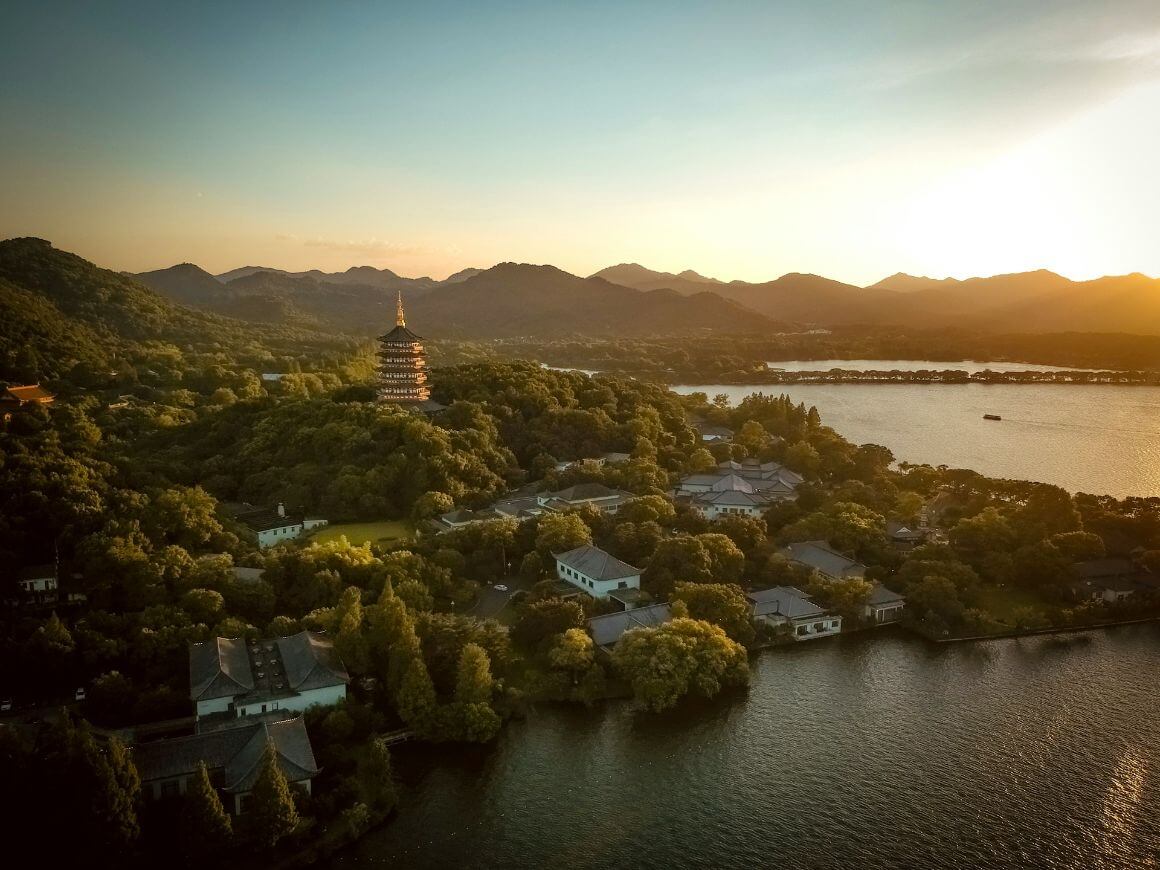
But Hangzhou isn’t just about pretty lake views – there’s a lot more going on beneath the surface. This UNESCO World Heritage Site is the birthplace of e-commerce giant Alibaba and a key player in China’s tech boom.
And yet, it still manages to hang onto its slower, more traditional roots. One minute you’re walking past high-rises, the next you’re sipping tea in ancient plantations or watching silk being spun by hand. It’s a city where old and new don’t clash; they just fit. Somehow, it feels both high-tech and timeless.
Best Things to Do in Hangzhou
- Cruise on West Lake for iconic pagoda views and traditional Chinese garden perspectives from the water. Incredible photography opportunities. Throw in an ancient temple and a tea village, and you have the perfect Hangzhou experience.
- Explore Longjing Tea fields – Just outside the city, these lush green hills are where China’s famous dragon well tea is grown. Peaceful and great for walking. Wander through terraced tea plantations where locals still hand-pick Dragon Well tea leaves, and get a free tasting too!
- Free/local tip: Stroll along the Philosopher’s Path. This free lakeside walkway connects major attractions while offering stunning water views and traditional Chinese architecture.
Where to Stay in Hangzhou
- Hostel – Hangzhou Desti Prk Hostel – The hostel was fantastic – clean, modern, and well-organised. Fresh towels and sheets were provided, plus a free purified water station. It’s conveniently located near food shops and Shentaqiao Station. The staff were super helpful, and the atmosphere was lively with plenty of activities.
- Hotel – Hangzhou Lanshe Hotel – The rooms are spacious, modern, and comfortable, with a large bathroom. The hotel offers coffee, tea, and water in the lobby. Friendly staff, great location near the old city, and a charming 1940s theme. The staff are helpful, attentive, and speak English, making your stay pleasant.
Best Time to Visit Hangzhou
March to May (spring) is the most beautiful time in Hangzhou, with West Lake blooming and mild weather. September to November is also great for walking and sightseeing. Summers get sticky and crowded, especially around the lake, and winters are grey and damp, though quiet and budget-friendly.
10. Guilin & Yangshuo
I’ve seen a lot of incredible landscapes in my travels, but the moment my train rounded a bend and those limestone karst peaks rose from the mist like green teeth above the Li River, I genuinely gasped. This is the landscape on the back of the 20 yuan note, and in real life it’s even more otherworldly.

Guilin is the gateway, but Yangshuo, a two-hour boat ride or bus south, is where most travellers end up staying longest. And with good reason. It’s smaller, cheaper, more relaxed, and positioned right among the most dramatic scenery. The tourist drag of West Street can feel a bit much, but step five minutes in any direction and you’re into rice paddies, karst valleys, and river bends that feel utterly remote.
Rent a bicycle, get hopelessly lost in the countryside, and eat every meal at a riverside restaurant. That’s the Yangshuo formula, and it’s basically flawless.
Best Things to Do in Guilin & Yangshuo
- Take the Li River cruise from Guilin to Yangshuo – This four-to-five hour boat journey through the karst corridor is one of the great scenic trips in all of Asia. Go on a clear morning if you can; the reflections on still water are extraordinary.
- Cycle the countryside around Yangshuo – Rent an e-bike for the day and follow the river road to villages like Xingping, where the classic 20 yuan note view can be photographed from a hillside. Flat, scenic, and very cheap.
- Explore the Longji Rice Terraces – A day trip from Guilin, these centuries-old terraced hillsides in the mountains above the city are particularly stunning in spring (planting season) and autumn (harvest, when they turn gold).
- Kayak or bamboo raft on the Yulong River – Quieter than the Li River and arguably more beautiful up close. Bamboo pole rafts drift past banana trees and karst reflections for a few hours of complete peace.
- Free/local tip: Climb Moon Hill just outside Yangshuo at dawn. It’s a steep 20-minute scramble but the view through the natural stone arch down into the valley is unforgettable, and you’ll likely have it to yourself early in the morning.
Where to Stay
- Hostel – Yangshuo Mountain Retreat – Technically more guesthouse than hostel, but it’s cheap, beautiful, and set right in the rice paddies with karst peaks out every window. One of the most atmospheric budget stays in China.
- Hotel – Banyan Tree Yangshuo – If you’re going to treat yourself anywhere in China, make it here. Carved into the hillside above the Li River with private pool villas and views that render every other hotel irrelevant.
Best Time to Visit
April to June and September to October offer the best combination of clear skies, manageable humidity, and green scenery. That said, we visited in May and the sky was constantly overcast with daily showers. Summer (July–August) is hot, rainy, and busy but the landscape is lush and dramatic. Winter (December–February) can be surprisingly cold and misty, but it’s also the quietest and cheapest time, and the mist actually enhances the karst atmosphere considerably.
What You Need to Know Before Visiting China
China rewards prepared travellers and humbles unprepared ones. A few things work very differently here than anywhere else you’ve likely been, sort these out before you land and you’ll have a dramatically smoother trip.
The Great Firewall
China blocks a significant chunk of the internet. Google, Gmail, WhatsApp, Instagram, Facebook, YouTube, and most Western news sites are completely inaccessible without a VPN. This catches a huge number of first-time visitors off guard.
Download and pay for a reputable VPN before you arrive. Once you’re in China, the App Store and Play Store won’t let you download one. ExpressVPN and NordVPN are among the most reliable options for China, though no VPN works 100% of the time and speeds vary. Have a backup option installed too. That said a lot of China eSIMS come with a VPN pre-installed.
Also download offline Google Maps before you fly, or switch to Apple Maps, which works in China without a VPN.
Some eSIMs have VPN’s built into them although some do work better than others. One option that’s become increasingly popular for China specifically is Holafly. Because Holafly uses foreign network infrastructure rather than routing through Chinese carriers, it typically works with your VPN more reliably than a local Chinese SIM, meaning your favourite apps are accessible as normal.
Their unlimited data plans cover China and can be activated before you leave home, saving you the airport SIM queue entirely. It’s not the cheapest option, but for China in particular, the combination of reliable connectivity and VPN compatibility makes it genuinely worth considering.
Apps You Actually Need
Forget the apps you use at home — China runs on its own ecosystem. These are the ones worth setting up before or shortly after arrival:
- WeChat – China’s all-in-one messaging, social media, and payments app. Everyone uses it. Download it before you arrive and set up an account; you’ll need a foreign friend or contact to verify your registration initially.
- Alipay – The other major payment platform. As of 2023, both Alipay and WeChat Pay have made it easier for foreigners to link international Visa or Mastercard cards, which is a game-changer. Set this up as early as possible.
- DiDi – China’s Uber equivalent. Essential for getting around cities, especially where English isn’t widely spoken. The international version works with a foreign phone number.
- Pleco – The best Chinese-English dictionary app, with a camera translation feature that’s invaluable for reading menus and signs.
- Trip.com – The go-to for booking high-speed rail tickets. Book with your passport number and collect at the station.
Payments; China is Cashless (Mostly)
China has moved further toward a cashless society than almost anywhere on earth. In major cities, many restaurants, street vendors, and shops operate almost entirely through WeChat Pay or Alipay QR codes, some will look genuinely baffled if you hand over cash.
The good news is that since 2023, both apps allow foreigners to link international bank cards directly, bypassing the need for a Chinese bank account. Set this up as a priority when you arrive. Carry some cash (yuan/RMB) as a backup, smaller towns, rural areas, and older establishments still prefer it, but don’t rely on it as your primary payment method in cities.
ATMs that accept foreign cards can be found at major banks (Bank of China and ICBC are most reliable) and in airports and large shopping centres.
Visas
China’s visa situation has improved significantly for many nationalities in recent years. Here’s the current picture:
- Visa-free access — China has expanded visa-free entry to citizens of dozens of countries for stays of up to 15 days (some nationalities get 30 days). Check the latest list carefully, as it’s been updated multiple times recently and your nationality may qualify.
- 144-hour transit visa — If you’re passing through China between international flights, you may qualify for a free 144-hour (six-day) visa-free transit stay. This covers most major cities and is a great option for fitting in a quick taste of China between other destinations. You must have a confirmed onward ticket out of China to qualify.
- Standard L-visa — For longer trips, apply at your nearest Chinese embassy or consulate well in advance. Processing times and requirements vary by country.
Always check the latest requirements with the Chinese embassy for your nationality before travelling, as visa rules can and do change quickly.
Getting a SIM Card
Pick up a local SIM at the airport on arrival, it’s straightforward and relatively cheap. China Unicom and China Mobile both offer tourist SIM cards with data included. You’ll need your passport. Note that a local SIM won’t magically unlock blocked apps, you’ll still need your VPN for that, but it gives you a local number which you WILL NEED for DiDi, WeChat verification, and everything else.
Alternatively, a good international eSIM loaded before departure means you’re connected the moment you land with no airport queue required. Just make sure it includes a reasonable data allowance for China.
A Note on Registration
If you’re staying in private accommodation (Airbnb, guesthouses, or with locals) rather than a hotel, you’re technically required to register with the local police within 24 hours of arrival. Hotels do this automatically. In practice this is rarely enforced for short-stay tourists, but it’s worth knowing, especially if you’re staying somewhere longer term.
Car Rental in China
Renting a car in China is the ideal way to get around this incredible country. It means you can easily fly into one city and travel around on a road trip at your own pace, stopping whenever and wherever you want!
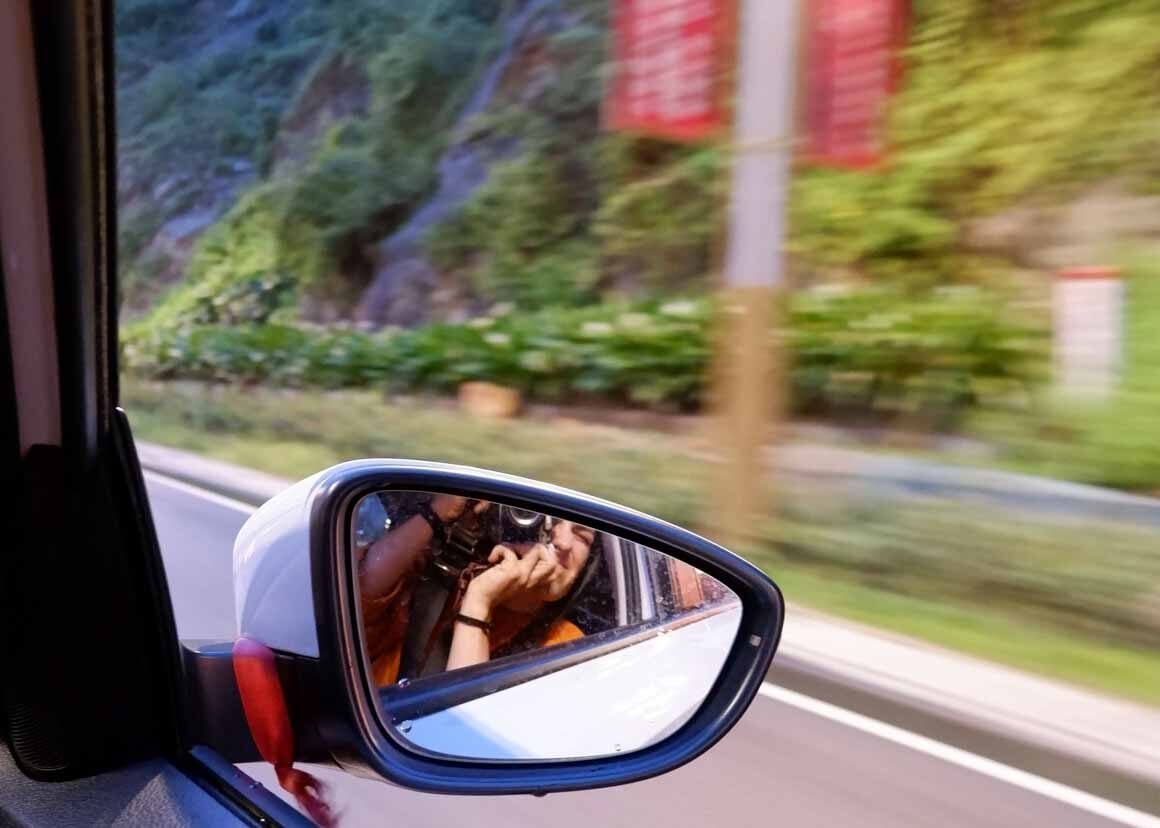
One of the best ways to travel off-the-beaten-path is to hire your own wheels. If you can convince a few mates to join you, it can actually be pretty affordable… and bloody good time!
Check Rental Car PricesFAQs About Visiting Cities in China
Get insured for your trip to China
China is somewhere that is a testament to, “if you can’t afford travel insurance, you can’t afford to go”. So get the best travel insurance and don’t even worry about it.
Sort out your insurance before you go. There are several good options, but our overall pick is SafetyWing. Most of the Broke Backpacker team has used it at one point or another, and we’ve filed claims for rabies jabs in Bali, a hospital stay in Mexico, and a clinic visit for a stomach bug that wouldn’t quit. All paid out.
It’s month-to-month, no lock-in, no itinerary required, and you can buy it after you’ve already left. A little over $2 a day if you’re under 40.
New SafetyWing customers: use code BROKEBACKPACKER for 8 free weeks of electronics theft coverage. You have to scroll down and click the pink camera on their landing page to enter it, and you have to do it before creating your account.
Final Thoughts on the Best Cities to Visit in China
China’s cities offer an incredible kaleidoscope of experiences that showcase this vast country’s remarkable diversity. From Beijing’s imperial grandeur to Shanghai’s cosmopolitan energy, Xi’an’s ancient mysteries to Chengdu’s laid-back charm, each destination provides a completely unique lens through which to understand modern China.
Whether you’re drawn to Lijiang’s fairy-tale beauty, Shenzhen’s futuristic ambition, or Hangzhou’s poetic harmony, these seven cities prove that China rewards curious travellers with experiences that challenge preconceptions and create lifelong memories.
Which Chinese city has captured your imagination? Drop a comment below and share your favourite urban adventure – we’d love to hear which destination made it onto your bucket list!
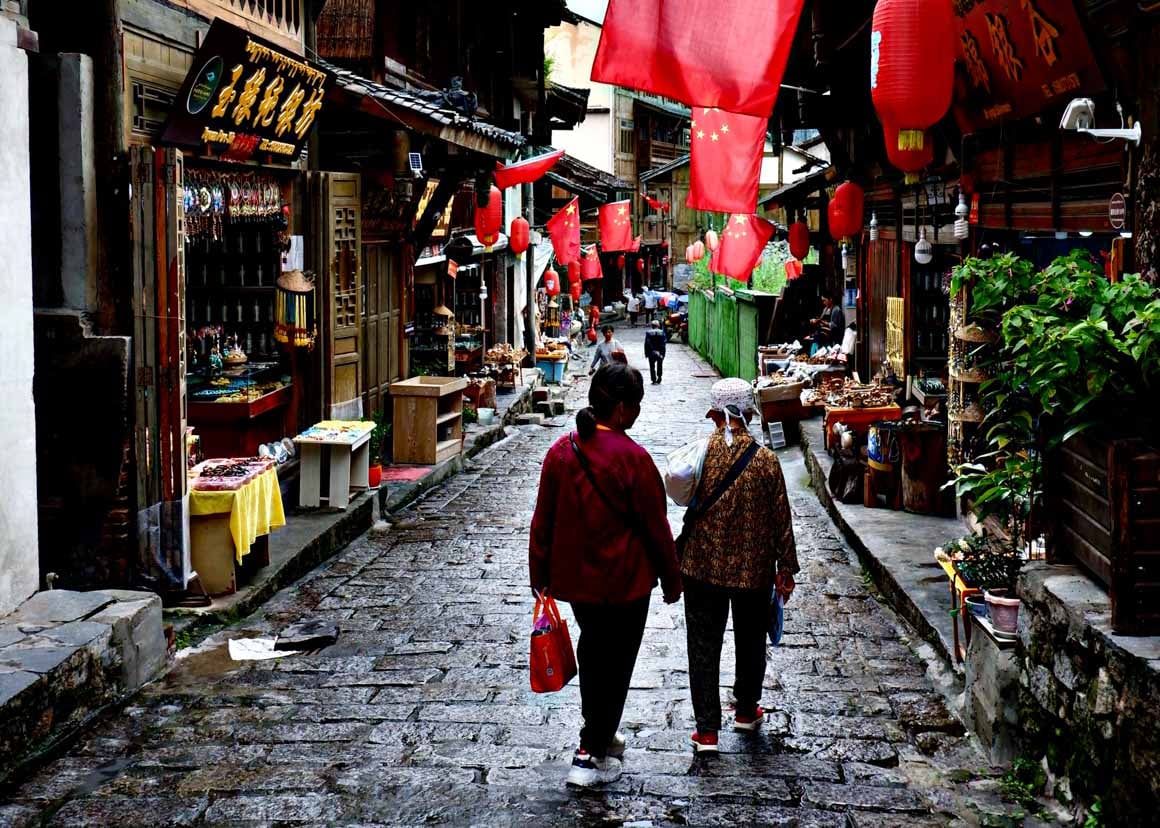
- Our ultimate Backpacking in China guide is an essential read before you travel.
- This guide to the National Parks of China will also help you plan your itinerary.
- Grab your International sim card for China without the hassle.
- Don’t forget the essentials with our in-depth backpacking packing list.