The “dangerous” Cape Town I’d read about was very different to the one I experienced. The danger came not from knife-wielding hoodlums looking to snatch my iPhone, but from the harsh sun scorching down upon my neck in exposed parts of Robben Island and the Cape Peninsula.
I recently visited Cape Town, a super popular South African city, to experience its stunning beaches, Robben Island, a diverse food scene, friendly locals, and sunsets from Table Mountain that blew me away.
And I can confirm, it has all of this and more. It’s an AMAZING city, and may well be one of my favourites in the world, having been to around 100 countries.
But… there’s a dark side. Cape Town regularly features on “world’s most dangerous cities” lists due to astronomically high crime rates.
I’ll be honest though, these stats prove why stats really don’t tell the full story. Cape Town is a very divided city. The V&A Waterfront is so safe, that locals told me you can walk around with your phone out at 3am and be fine (I never tested this theory). Drive for 15 minutes and you can find the notoriously dangerous Cape Flats with incredibly high violent crime rates (don’t worry, tourists won’t end up there by accident).
Muggings, petty theft and break-ins definitely happen in Cape Town, quite often too. But they’re avoidable.
I stayed in Green Point, which alongside Sea Point, is the second-safest part of Cape Town (behind the posh V&A Waterfront). You’re unlikely to fall victim to these issues by staying in these areas, avoiding night travel, and giving solo hikes a miss. I followed these steps, and had no issues during my 2-week solo stay.
You may hear horror stories, but for the sensible traveller, 99% of problems can be avoided. The most likely issues you’ll face are the occasional scam attempt (and even those are fairly irregular), and that pesky sunburn I mentioned earlier.
In this guide, I’ll cover where to stay, what to avoid, how to get around, and how to reduce risk while still enjoying the city.
I’ll give you insights into the real Cape Town. It’s neither the super scary borderline warzone that Redditors may have you believe, nor is it the Singaporesque safe haven that Carefree Chris and Reckless Ronald will tell you about.
Let’s dive right into the risks and rewards of Cape Town!
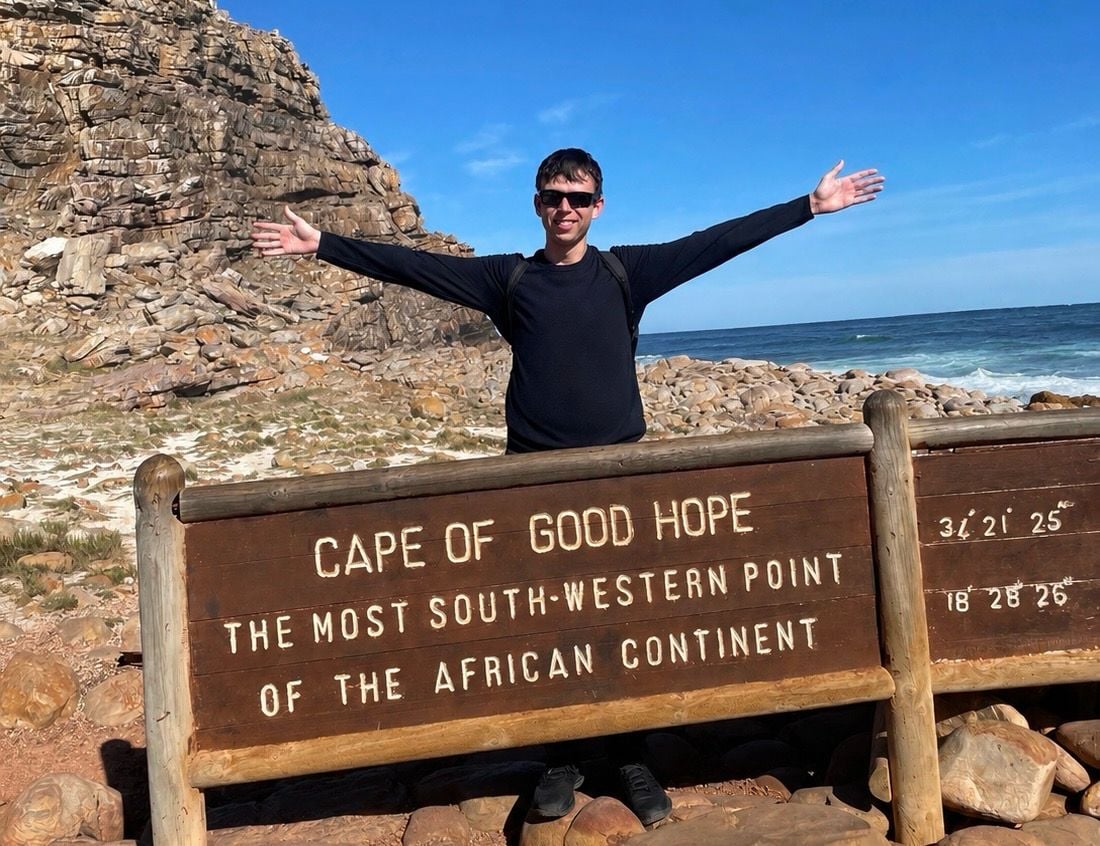
Photo: @alexjbrownn24
The Broke Backpacker is supported by you. Clicking through our links may earn us a small affiliate commission, and that's what allows us to keep producing free content 🙂 Learn more.
- Is it Safe to Visit Cape Town Right Now?
- Cape Town Travel Insurance
- Safest Places to Visit in Cape Town
- Places to Be More Careful in Cape Town
- Keeping Your Money Safe in Cape Town
- Top Safety Tips for Traveling to Cape Town
- Is Cape Town Safe for Solo Travellers?
- How Safe is Cape Town for Families?
- Where to Start Your Travels in Cape Town
- Getting Around Cape Town Safely
- Crime in Cape Town
- What to Pack For Your Cape Town Trip
- So, is Cape Town Safe for Travel?
Is it Safe to Visit Cape Town Right Now?
Yes, visiting Cape Town is safe for many travellers, but it requires more caution than some other major tourist cities.
Popular spots such as Green Point, Sea Point, Camps Bay and the V&A Waterfront can be visited safely in daylight. Even the City Bowl can be, but I certainly would say it’s a little dodgier there, and you should definitely hide your necklaces (muggers love ripping those off in Cape Town).
Crime is a real issue, but many of the problems are linked to going out after dark (use Uber door-to-door if you must do things at night), solo hikes, and going to dodgy areas such as townships, where tourists have no business visiting anyway.
How dangerous is Cape Town? Well, as a tourist, the level of risk that you expose yourself to is fairly low. Spots that are regularly visited by tourists (and there are a great number of cool places to go) are well-guarded, but that does not mean that they can’t be dangerous, especially at night.

Photo: @rizwaandharsey
Cape Town is considered dangerous due to theft, in the form of muggings, scams, and pickpocketing. Because of these occurrences, among others, you can’t really wander around the city too much – it is a little dangerous to do so, but generally okay in the touristy spots.
I did still see a guy injecting heroin (I assume) into his foot whilst moving between hostels a 4-minute walk away in Green Point, which was a little disconcerting. Those hostels by the way were A Sunflower Stop Backpackers and CURIOCITY Green Point. Both cheap(ish) options in a safe area. Not the best I’ve ever stayed in, but decent when you consider the important things (cost, safety and location).
Thankfully, the city is safe enough to tick off a great Cape Town itinerary!
Carjackings are a particular issue in South Africa in general, and it is wise to double-check that you locked your doors before driving. When visiting Cape Town, it is always a great idea to take that extra level of precaution! And only drive during daytime. I’ve heard way too many horror stories of tourists driving at night, especially from the airport to the city.
I’d be careful walking around the CBD. As a solo male traveller, I had no problems, but it certainly felt dicey at times, especially near the train station. At night, don’t even think about it.
For up-to-date safety info, keep an eye on government advisories, local travel advice, and tips from locals/recent travellers to Cape Town, including myself! A range of differing sources is always smart to follow.
At the end of the day, you should be cautious and take note of any travel safety tips you can get your mitts on. Talk to someone who lives here if you can!
I’ve had a few hairy incidents during years of full time travel, including a medical issue in Uruguay that set me back over £1,000. Thankfully, I always get insured, and as a result, I got refunded.
Whilst nothing happened to me in Cape Town, it certainly does come as a medium risk city due to violent crime (unlikely), hiking accidents (more likely) and potentially nasty sunburn (most likely). Get insured!
Sort out your insurance before you go. There are several good options, but our overall pick is SafetyWing. Most of the Broke Backpacker team has used it at one point or another, and we’ve filed claims for rabies jabs in Bali, a hospital stay in Mexico, and a clinic visit for a stomach bug that wouldn’t quit. All paid out.
It’s month-to-month, no lock-in, no itinerary required, and you can buy it after you’ve already left. A little over $2 a day if you’re under 40.
New SafetyWing customers: use code BROKEBACKPACKER for 8 free weeks of electronics theft coverage. You have to scroll down and click the pink camera on their landing page to enter it, and you have to do it before creating your account.
Safest Places to Visit in Cape Town
Where you stay in Cape Town makes a massive difference as walkability, safety, nightlife and transport differ by area.
You can choose the V&A Waterfront (great in all areas, but absolutely NOT suited to Broke Backpackers due to costs), Green Point/Sea Point (reasonably safe and walkable but a little dull), Camps Bay (safe but far from everything else) or the CBD (great nightlife and cheaper than other spots, not very safe though).
But accommodation aside, here are Cape Town’s safest spots to visit and enjoy what the city has to offer:

Photo: @rizwaandharsey
- V&A Waterfront: The waterfront is a contained area with limited road access and plenty of CCTV cameras and security patrols. It’s home to the Aquarium, the Robben Island Museum, and is the main stop on the City Sightseeing bus routes. If you have deeper pockets, this will be a great place to stay! I always encountered security surrounding the waterfront at all entry points.
- Robben Island: Nelson Mandela’s former stomping ground is super safe. Only around 100 people live there, mostly connected to tourism in some way. You have to visit on a tour (independent travel isn’t possible), and will take a boat here from the Robben Island Museum in the V&A Waterfront. I found the only real danger here is a potentially nasty sunburn. It’s pretty intense!
- False Bay: While the name belies trickery, False Bay is actually an expat hub. Lots of people come here for the fantastic watersports in the area, especially in Muizenberg and Fish Hoek. Known as Cape Town’s deep south, this is a super safe place to be.
- The Cape Peninsula: From the penguins of Boulders Beach, to hikes along the Cape of Good Hope, the peninsula is a tourist hotspot. I didn’t see many locals here who weren’t in the tourism industry. You mostly encounter other tour groups. It’s a completely different side of Cape Town to the dreaded crime-ridden townships which give the city a bad name.
- Table Mountain (summit only): If you take the cable car up Table Mountain, the summit has lots of security, and large tourist crowds, so you’re fine up here. BUT, I’m only talking about the summit. The trail can be dangerous with muggers known to target hikers, especially those alone/in small groups. A local told me that only groups of 4+ should hike up here. As a solo traveller, I took the cable car.
Places to Be More Careful in Cape Town
Some areas are not suitable for independent sightseeing, especially if you are unfamiliar with Cape Town. That does not mean every person from these areas is dangerous, but travellers should not wander in without local knowledge.
The general rule of thumb is: the poorer the neighbourhood, the more dangerous it is. We’ve listed the main no-go areas that you should avoid during your trip.
Cape Flats
The Cape Flats are known for high crime rates and should definitely be avoided. They’re situated to the southeast of the CBD area and are ruled by gangs. They’re considered a no-go area for tourists with extreme violence common.
There’s no reason at all for tourists to go alone here. If there’s any specific reason for you to come here, then only do so with a reputable guide. The Cape Flats are no joke, they’re genuinely dangerous.
Townships
Townships are poor communities in South Africa, that were generally segregated by race during apartheid. Apartheid formally ended in 1994, although it may not seem like it at times.
South Africa actually has more racist and discriminatory laws today than it ever did during apartheid, and over 30 years later, townships are still divided between races.
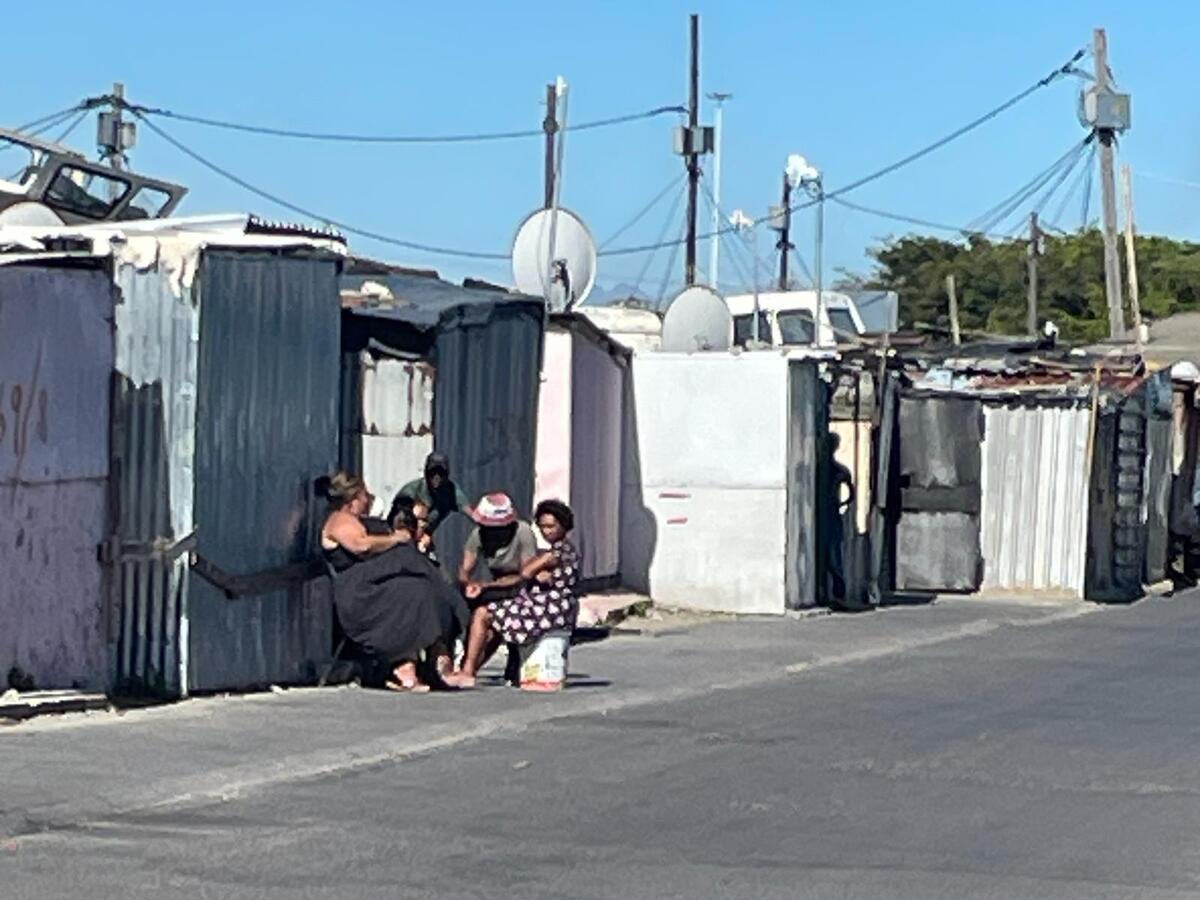
Photo: @alexjbrownn24
I even visited Langa Township myself, but only did so with a local guide on a tour that included accommodation pickup and drop-off. There are cheaper tours, but they involve Ubering to the township alone. BAD idea.
If you do try visiting a township, you may want to research where your money goes. My guide told me that gangs control them. In Langa, gangs are unlikely to harm tourists, as they bring money into the community, but the same people “looking after you” here are the ones who wouldn’t hesitate to pull a knife on you at 9pm in the CBD. So keep that in mind… Oh, and only take photos with permission.
Isolated Areas After Dark
This is important. Cape Town’s villains love to strike after dark, where they’re less likely to be caught. Quiet streets, empty beaches, hiking trails, poorly lit roads, train stations and parking areas should all be avoided.
I’d also say to be careful when visiting Table Mountain at sunset. It felt very safe at the top, and with hundreds of people there, I wasn’t worried about taking the cable car down, then catching the free shuttle to the car park where Uber will pick you up and drop you off.
However, almost everyone turned out to be there on a tour bus which left directly from the cable car base, leaving just myself and another couple in the now-dark car park. Whilst nothing happened, the three of us were on edge the whole time during a 10-minute wait for a taxi we shared back to Green Point. Without security, it doesn’t feel like a safe spot. Keep this in mind when arranging transport.
Certain Hiking Routes Without a Group
Be very careful when hiking up Table Mountain, Lion’s Head or Signal Hill. Armed muggers hide in the bushes here waiting to ambush unsuspecting hikers. Solo travellers and small groups are particularly vulnerable, but even in a group of 10, it would be unsettling to head up knowing these guys are around.
I did a walking tour in Bo Kaap with a local who’s lived in Cape Town her entire life. She said you should hike in groups of 4 as an absolute minimum.

She even told us the tale of a local South African who ignored advice to avoid solo hikes, and went up Table Mountain with just her dog for company. She was stabbed and her dog killed, so be aware that this isn’t a risk worth taking. If locals can be harmed like this, so can you.
There are paid groups where you can join together with others for hikes. Or you can just meet some buddies at your hostel. Or just be lazy, do what I did, and ascend Table Mountain by Cable Car – that’s the safest option unfortunately.
And What About the City Bowl?
Well, it’s an area I walked around a few times in the day without incident, but it certainly has an edge to it.
Despite being where Cape Town’s best nightlife is located, the CBD is dangerous after dark, with muggings common, especially around the intersection between Long Street and Kloof Street.
I also felt unsafe around Cape Town Train Station. People tried to get my attention here for reasons I never stopped to find out. Also, no white people come here, so you’ll easily stand out as an outsider if you aren’t black. It’s not like the V&A Waterfront or Sea Point/Green Point where anyone can look local.
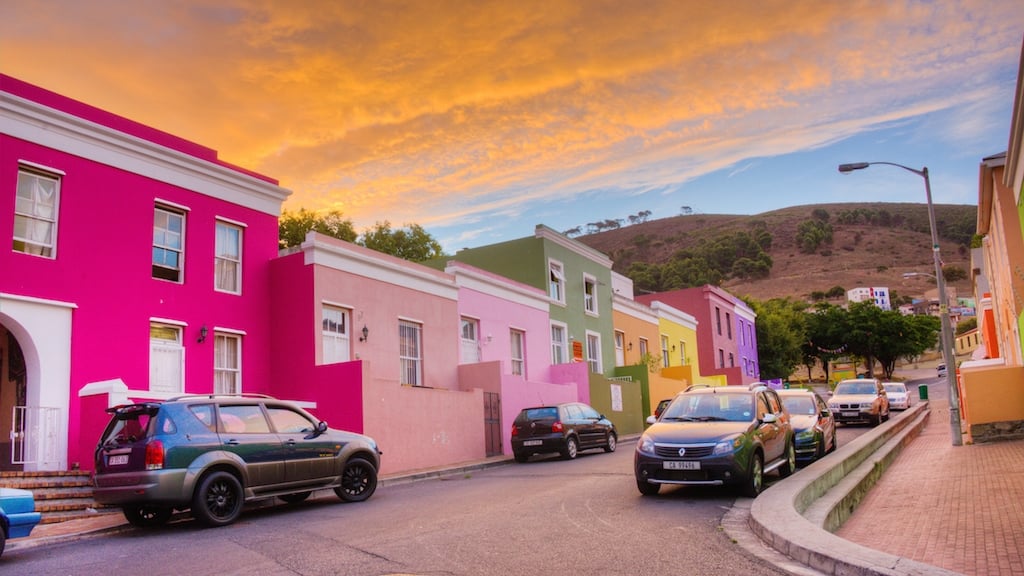
Bo-Kaap is worth visiting at daytime to see the colourful buildings and art installations. Otherwise I’d skip coming to the City Bowl. It does have decent restaurants if you must visit though.
Keeping Your Money Safe in Cape Town
One of the most unpleasant things to happen to you whilst travelling is losing your money. And let’s face it: the most annoying way for this to actually occur is when it’s stolen from you. And in Cape Town, there’s a real possibility of this happening unfortunately.
Almost everywhere in Cape Town takes card, therefore you don’t need to carry much cash on you. However, I was told that in the Greenmarket Square flea market (and similar markets), card machines have cloning devices attached, so DO NOT use your card here. In fact, I’d say you shouldn’t be supporting people at all who try to shamelessly steal in this way. But if you must, use cash.
You should get a money belt for your Cape Town trip and keep the bulk of your money and a spare card in there.

I’d leave most cash at your hostel if there’s a safe spot to do so. I always pick hostels with good lockers, just to be secure. I also only use ATMs inside malls and banks, NEVER on the street, especially in Cape Town. I found ATMs inside the Victoria Wharf Shopping Centre (V&A Waterfront) which were very secure.
You should always keep your wallet out of sight. One of my Africa safety hacks is that I’ll put a few notes in various pockets (with zips) so I can access small amounts of money at markets and in other areas where I’m more exposed and vulnerable to crooks.
If you keep money in a rucksack, then what I always do, is lock mine with a combination lock. If I’m in a restaurant, I’ll always slip a foot through my bag, so it’s easy to notice if someone’s trying to rob me.
Top Safety Tips for Traveling to Cape Town
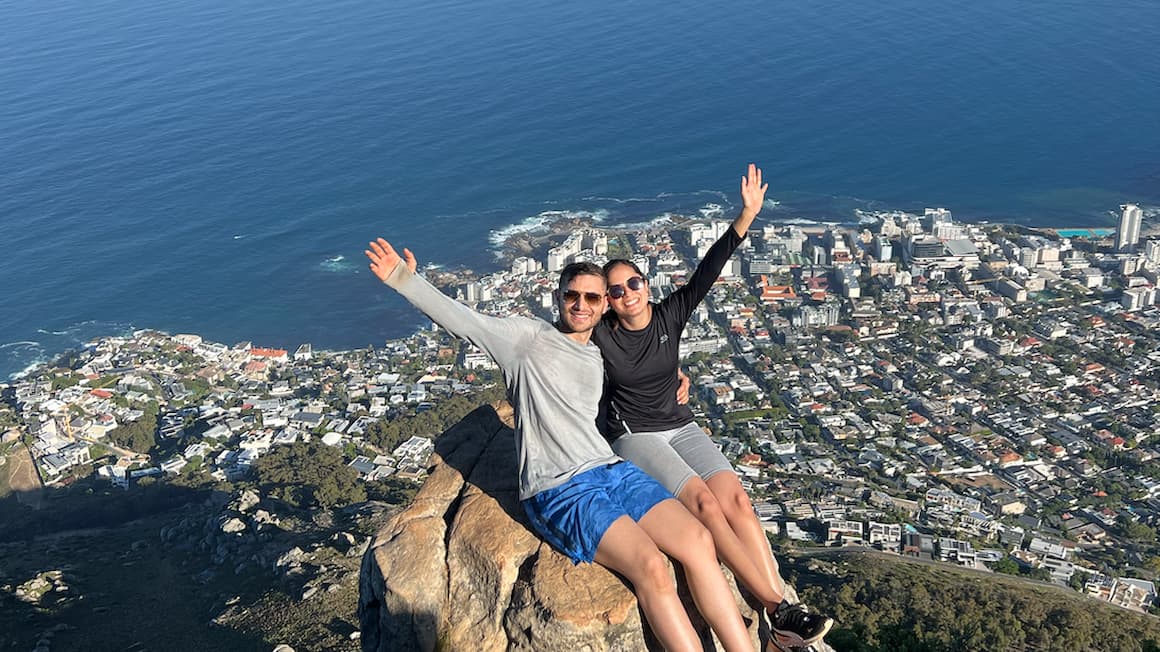
Photo: @rizwaandharsey
The best way to avoid crime is to be cautious, stay vigilant, be aware of your surroundings – and to keep in mind our insider tips for staying safe in Cape Town. I’m gonna dive right in here and let you know exactly how you can stay safe and secure whilst enjoying the many positives Cape Town has to offer.
Street Safety
NEVER walk at night in Cape Town, and always keep your valuables well hidden. Also, don’t wear headphones here, you need to stay alert at all times.
Necklaces/chains in particular are a thieves’ favourite here. Don’t wear one outside the V&A Waterfront, because I heard far too many stories where people had them literally ripped from their necks, often harming the victim in the process.

Also, don’t use your phone in the street. Since having mine snatched from my hands in Ecuador a few years back, I always duck into a shop/cafe/restaurant etc. if I need to check directions. It can be awkward going in with zero intention of buying anything, but it’s better than having my phone nicked.
You should ask your accommodation about the safest walking routes. Additionally, you should NEVER resist if robbed, many people in Cape Town carry weapons, and they aren’t afraid to use them.
Nightlife Safety
Kloof Street and Long Street in the CBD are the most popular areas for nightlife, especially rowdy clubs and bars, but they can be dangerous, especially after dark. If you want to go out here, take Ubers from door to door, even if you’re only a 3-minute walk from where you want to go.
For a safer nightlife option, I recommend the V&A Waterfront. It’s much calmer, safer and more toned down. Think cocktail bars rather than noisy nightclubs, but you won’t have to worry too much here.
Whatever you do, don’t go out alone, and don’t accept drinks from people you don’t know. Also, make sure that your drunk mates aren’t left behind, and potentially vulnerable to Cape Town’s darker side.
Hiking and Outdoor Safety
As I’ve already mentioned, you should hike in groups of 4+ people here to maximise your chances of avoiding a mugging on the trail. Start early, and make sure you’re down before dark.
For Table Mountain, you can at least take the cable car back to the bottom.
Also make sure you check the weather before you go. People think of armed muggers as being the only danger here, but the wind can be intense on some of these trails. I passed some pretty steep drops, and given how windy at can become, it’s incredibly dangerous to trek without calm weather.

Also be sure to let someone know of your plans before hiking, and bring a good portable charger, especially if like me you have an iPhone that drops to 20% battery in a couple of hours!
To end on an obvious point, leave your valuables in your ho(s)tel. A phone to take pictures/summon Uber when you come down, a concealed bank card and a tiny amount of cash are all you need, aside from lots of water, snacks, and some essential hiking tips for beginners.
Beach and Ocean Safety
With Cape Town’s incredible beaches, and Mediterranean-style climate, going for a dip seems like a great idea. But you gotta be careful here.
Swim between flags and in nets at beaches. There are dangerous currents, and also sharks. Swim close to the shore and keep an eye out for red flags (these mean don’t swim). Shark attacks are admittedly rare, but can be deadly, so don’t tempt fate, and definitely don’t swim if you have any cuts!
Lifeguards and shark spotters are around in some parts to keep you safe. I recommend sticking to waters where you have these guys looking out for you.
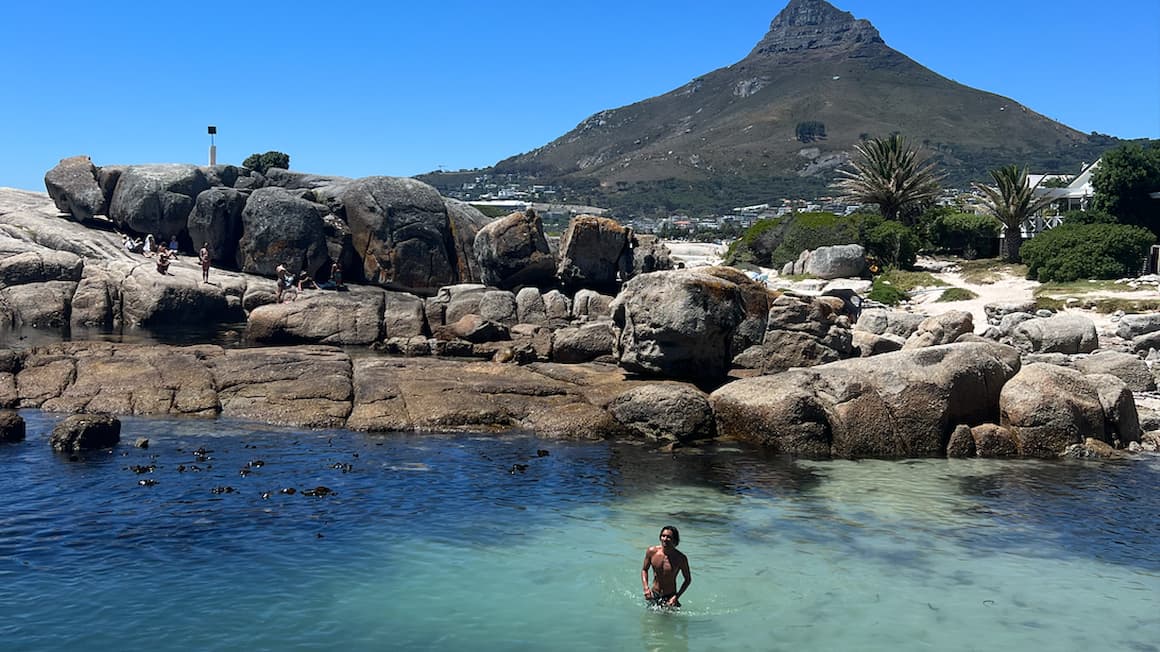
Oh, and also be wary of seals. Cape fur seals are known to carry rabies, which has a 99.9% fatality rate if symptoms appear. If you get bitten, go to hospital without delay and get a full course of rabies vaccines. The bite itself can be deeply unpleasant…
Never leave your bags unattended, and be cautious about swimming at quiet beaches. Cape Town has its fair share of hoodlums looking for opportunities to harm, so to stay safe here, you do need to err on the side of caution.
Scam and Theft Awareness
The first scam you may encounter is guys at the airport who will approach in a friendly manner and offer to assist with your luggage. Accept, and they demand money before potentially becoming aggressive if you don’t pay, plus they can demand large amounts.
If they approach you, then tell them to bugger off. Actually, it’s probably best to be a little more polite than this, as annoying as they are. I tend to just walk straight past and ignore these pests.
You should also be aware of fake “tourist police”. There is no special “tourist police” in South Africa, so if these guys approach you, ask for their SAPS (South African Police Service) card and call 10111 or go to the police station to report them. If they don’t have a SAPS card, they aren’t real.
Another scam I was told of, but didn’t encounter myself is the “walking permit” scam. In this one, smartly-dressed guys approach you and ask to see your walking permit, issuing fines if you don’t have one. If it sounds ridiculous, that’s because it is. They’re scammers, and there’s no such thing as a walking permit.

Then we have to talk about theft, a very common problem here unfortunately…
Be wary of distraction theft, a known Cape Town issue. One person tries getting your attention, and acts friendly, another sneaks up behind you and swipes your valuables. When a woman tried talking to me for no reason near Cape Town Train Station, I do wonder if this was her plan…
Card skimming is a big problem too. Don’t use your card in flea markets, or small shops in rougher areas such as townships. I used cash only around the train station, and kept my card for malls and restaurants in the V&A Waterfront where things are much safer.
When I did a township tour, there was a couple who also joined, and they bought art from a shop in the township. The owner later drove up to us and said the payment hadn’t gone through. Maybe it legitimately hadn’t, but this is the sort of situation where card scams happen.
Also watch out for people asking for your card details. Needless to say, don’t give them out! Make sure you do your homework, be aware of ‘no-go’ areas, and be conscious of your surroundings; practice these, and you’re bound to have a blast!

Cape Town can be safe for solo travellers, but it is not the kind of city where you should improvise every move. I was safe during a 2-week solo trip here recently, but that’s because I’m a cautious traveller who doesn’t take unnecessary risks.
Solo travellers are often easier targets for thieves and can be more susceptible to attack however. If you follow my Cape Town safety tips, you should be fine. Here they are:
- Stay in a good hostel in Cape Town with solid reviews, a good social atmosphere, and a good location to help stay safe as a solo traveller. This is why I picked A Sunflower Stop Backpackers and CURIOCITY Green Point. There were cheaper options, but these ticked all the boxes.
- Join group hikes instead of going alone. You should be able to find other backpackers interested in Table Mountain and the Lion’s Head, so it’s not too difficult to get a band together if you try.
- Use Uber after dark. This is absolutely essential. Be sure to have a local SIM card just in case you can’t get a WiFi connection.
- Don’t walk alone at night. To be honest, I’d only walk at all within the V&A Waterfront after sunset, and would reiterate that Uber is a far better option than walking, even with some buddies.
- Ask staff about safe routes to walk around. This is the first thing I did when I arrived at A Sunflower Stop. They confirmed that Green Point is indeed fairly safe to walk around alone, but not at night.
- Avoid isolated trails and beaches alone. Cape Town is definitely a “safety in numbers” destination. Us solo travellers are fine in busier areas and on tours, but it’s risky to seek solace in quiet spots.
- Keep plans flexible, and don’t be careless. Wanna hike up Table Mountain but the weather forecast suggests a windy day is coming? Don’t do it. Some activities are dangerous in certain circumstances.
- Stay connected with a SIM card. Since DENT (now TUNZ) bricked my phone’s ability to use eSIMs when I was in Afghanistan, I’ve returned to physical SIM cards. Vodacom worked well for me here.
- Share your live location when hiking or going out. If something goes wrong, you want someone to know where you are so they can call in help. Cape Town does have some hazards.
There is a strong backpacking scene in this city. You shouldn’t have problems making friends to hike and explore with if you put yourself out there. Hostels and group tours are my two most effective ways of meeting people and making new friends.
Is Cape Town Safe for Solo Female Travellers?
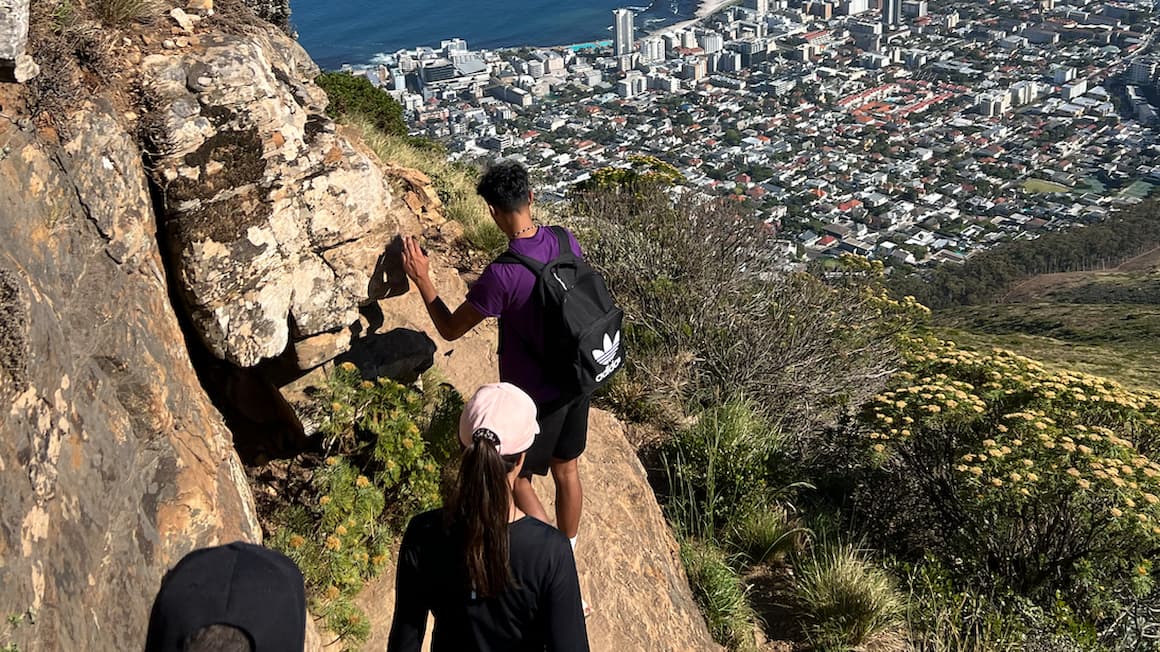
Photo: @rizwaandharsey
Many solo women travellers visit Cape Town and have a brilliant time, but extra caution is important, especially at night, in nightlife areas, and when moving around alone.
South Africa has unfortunately evolved into one of the worst countries for sexual violence. Women do need to be more cautious out here, although the majority of incidents are domestic and tend to target locals.
In defiance of these dangers, there are still plenty of female travellers who go backpacking in Cape Town. Staying safe just means extra work as a female solo traveller. Lame but necessary. Ladies, here are some safety tips from women who I met in the city on how to minimise the risk of incidents.
- Again, stay in safe areas and places with good reviews. Doing this will not just minimise the chances of being caught up by theft, but also crimes that generally tend to apply to women.
- Use female dorms. Many hostels give two choices for shared dorm rooms: mixed or women-only. Unfortunately, there are guys in Africa who don’t share Western ideas on respecting women…
- Take Uber after dark. This is an important safety tip for males, but it’s vital for females. Cape Town isn’t too bad by day if you stick to decent areas, but it’s a risky place to be when darkness falls.
- Avoid isolated trails and beaches alone. Another one we mentioned above that’s important for men to follow, but even more important for women.
- Don’t feel pressure to be polite when someone makes you uncomfortable. In parts of southern Africa, some guys are persistent. Let them know you won’t be intimidated and walk away swiftly.
- Watch drinks in nightlife areas. Drink from bottles if possible, always cover your drink if it’s in an open glass, and NEVER accept a drink from a stranger.
- Go out with people you trust. I’ve met a lot of people in Africa who pretend to be your friend, only to have an ulterior motive. Make friends on tours/at hostels and build relationships before trust.
- Ask local women or female hostel staff for advice. Who knows better about how to stay safe as a woman in Cape Town than women who are actually from there? These ladies are a great intel source.
- Share your location ahead of hikes, dates or nights out. Again, people need to know where to send help if you end up in an unpleasant situation.
You can visit Cape Town safely, but always remember to plan, be cautious and not take unnecessary risks. If there’s one sentence you remember from this guide, make it this one!
How Safe is Cape Town for Families?
Cape Town can be a fantastic family destination if you choose the right base, use private transport or Uber, and plan activities carefully. The V&A Waterfront, Sea Point, Camps Bay, and Simon’s Town are good family-friendly bases as they’re relatively safe, and either have a lot to do, or are near places with plenty going on.
If you’re taking the kids to Cape Town, I recommend following these safety tips:
- Choose accommodation with secure parking if renting a car. Locked car parks are the best option. But South Africa often has car guards who keep your vehicle safe for tips. Look for both.
- Avoid walking at night with kids. This applies pretty much anywhere. If you want to risk it, only do so in the V&A Waterfront, absolutely not in other parts of the city.
- Keep children close in busy public areas. Once you cross the bridge out of the V&A Waterfront and reach the intersection between Alfred Street and Dock Road, things become less safe. Take care.
- Take extra care at beaches due to currents and cold water. Children especially may have trouble with the heavy currents in some areas. Speak to lifeguards where they’re around before going in.
- Choose guided tours for townships, hikes, or unfamiliar areas. This is Cape Town. As an experienced solo adult traveller, I’ll happily do stuff alone, but with kids you shouldn’t risk it.
- Don’t leave valuables visible in the car. Do this and I almost guarantee you’ll come back to find a brick and several shards of broken glass. Even a car guard won’t deter Cape Town’s worst renegades.

Photo: @rizwaandharsey
If you want to visit a township, choose a responsible, community-led tour rather than going independently. Personally I’d advise against taking kids to a township. They’re places where things can go from nought to 100 real fast. But if you must, then go with a reputable guide to Langa (one of the safer townships).
Where to Start Your Travels in Cape Town
There’s only one place to start: The V&A Waterfront. Cape Town can be intimidating for first time visitors, so begin with the posh spots, and ease yourself into the grittier parts of the city.

V&A Waterfront
V&A Waterfront is Cape Towns safest and most popular neighbourhood.
Getting Around Cape Town Safely
Transport choices are one of the biggest safety factors in Cape Town. Many locals and visitors use rideshares even for short trips, especially at night.
There are a few public transport options in Cape Town. Although not as safe as Uber, they can still be a great way to get around the city. I’ll go into all your options in detail here.
Uber and Rideshares
Uber is one of the most practical options for tourists. It’s my go-to option for getting around Cape Town either at night, or when visiting less safe areas.
Before getting in an Uber, be sure to check the number plate and driver name to ensure it matches up and isn’t some potentially dangerous chancer who spots you waiting for a ride. Wait indoors where possible and avoid standing outside with your phone out.
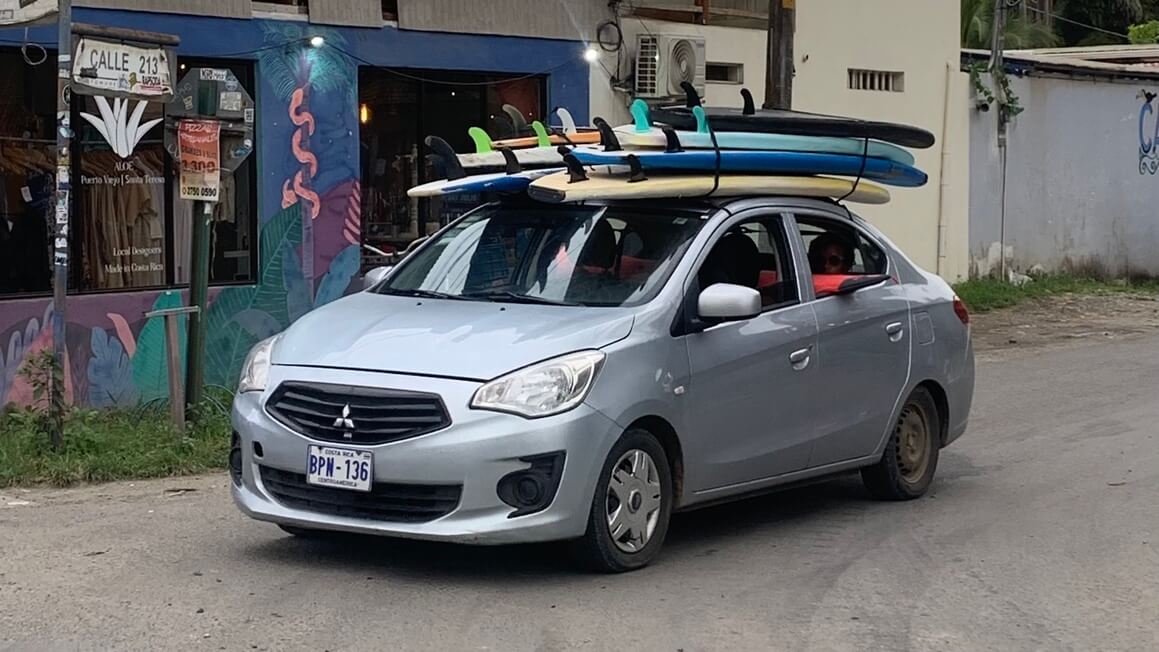
Share your trip status when travelling alone so someone else knows where you are. And I’ll reiterate this because it’s very important, ALWAYS use it at night instead of walking.
Bolt works here too, but their driver vetting is less rigorous than Uber’s, meaning they aren’t quite as safe. They’re still fairly safe, just not as much as Uber.
Taxis
Taxis can be dangerous. At best, drivers often try to scam tourists with inflated prices. At worst, they could be criminals out to cause you harm. I’d never use a non-Uber taxi here unless there was literally no other option. But I’m not your mother, so here are some tips if you do go down the taxi path:
Use reputable taxi companies only. Contact your accommodation, or ask a trusted local friend for recommendations.
NEVER get in an unmarked taxi. There’s a very high kidnapping risk if you do… and always confirm the fare before leaving, otherwise you’ll be sucker punched with something crazy like a 1,000 rand fare for a 100 rand journey. I’d always agree a fare rather than trusting meters which may be rigged.
MyCiTi Bus
This is one of the better public transport options for visitors. Which is kinda like saying Huddersfield 2019 were a better Premier League team than Derby County 2008, or Rebecca Black is a better vocalist than some gimmick singer from the first round of The X Factor.
It’s slow to arrive, payment issues can occur, and buses aren’t always maintained well, but at least it’s reasonably safe.
If you keep your valuables secure, then you should be alright. Just don’t take this option if you’re in a hurry…
Minibus Taxis
Be cautious. They are cheap and widely used by locals, but can be confusing, uncomfortable and potentially dangerous for first-time visitors. I avoided them like the plague in Cape Town, but did take them during my trips between Bloemfontein and Lesotho.
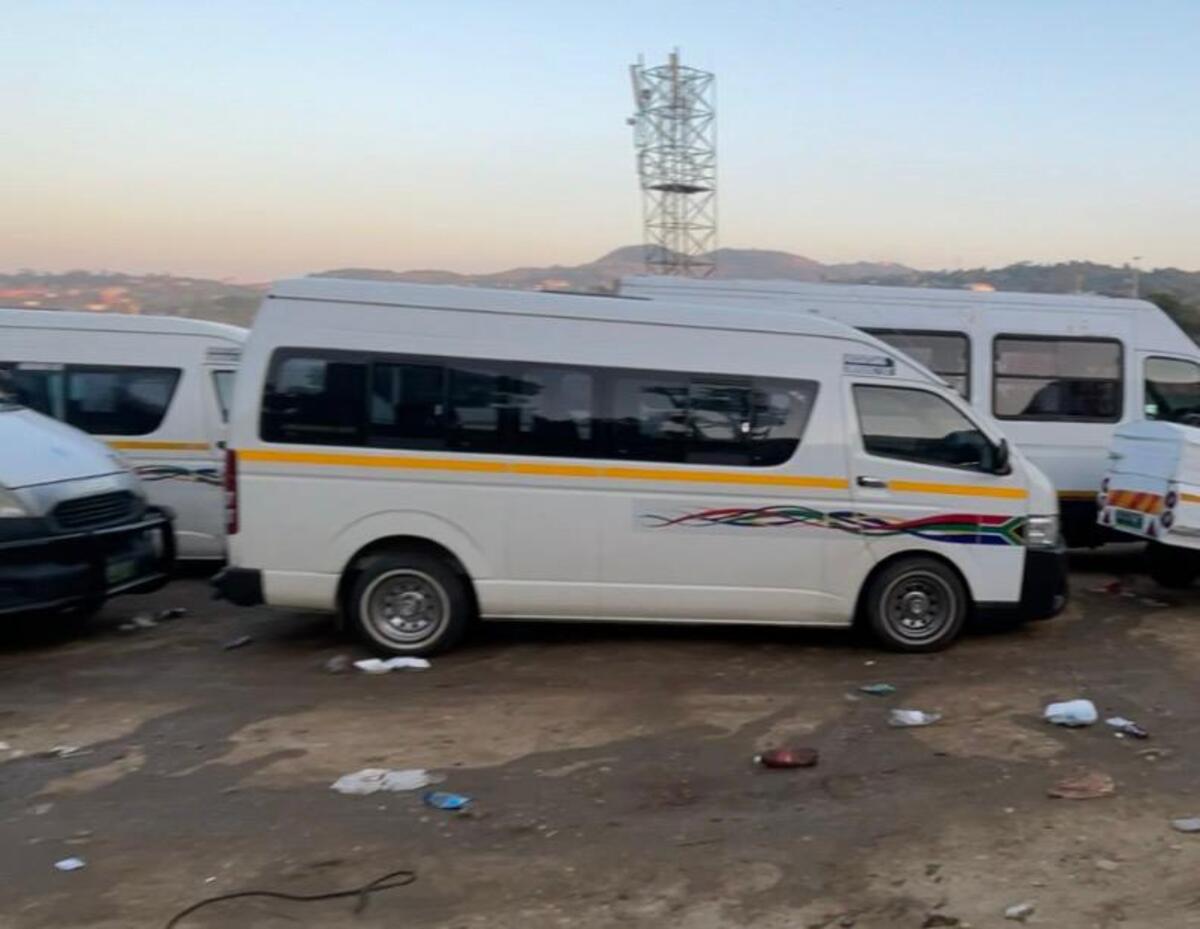
Photo: @alexjbrownn24
They’re battered old vans, and the cheapest form of transport by far. They also only leave when full. I’ve waited 4 hours before giving up on trying to use one in the worst case. Usually they fill within 1-2 hours from my experiences. They do attract criminals though, and often run between the CBD and townships.
As a tourist, I’d strongly advise not to use these. They generally go through dodgier areas, and Uber provides a safe alternative (I promise I’m not being paid to plug Uber here, it really is the go-to safest option).
Metrorail
This is not usually recommended for tourists, especially after dark. If you must use it, research the route, travel during the day, and avoid carrying valuables.
Sure, you’ll get a more authentic local experience here. But there’s a reason why tourists don’t use this. You’ll be in a vulnerable position and exposed to potentially bad-intentioned people… Cheap, but not worth the risk.
Renting a Car
If you plan to backpack South Africa beyond Cape Town, renting a car is by far the best way to do so.
Aside from the Baz Bus tourist shuttle along the Garden Route to Port Elizabeth (which I took and recommend if you don’t have a car), South Africa struggles with safe and reliable public transport options.
In Cape Town, you don’t really need your own car, and it can be more hassle than it’s worth. Rule number one is that the road from the airport is very dangerous at night with muggers often bricking vehicles and robbing people. Wait until daylight to drive to/from the city, as it’s generally safe by day.
Always keep your doors locked and your windows up, never leave valuables in the car, and stay alert at traffic lights. Locals often skip red lights at night because it can be dangerous to sit still. I advise you not to drive at night.
Photo: @rizwaandharsey
Always use secure parking where you can, and look for an attendant who can watch your car for a small fee. Also make sure the car you rent is of an okay standard. I rented a Suzuki Swift in Plettenberg Bay, and it was a clunky old thing with a few maintenance issues that seemed to have gone unreported previously.
While the roads in Cape Town are generally good to drive on, carjackings and smash-and-grabs make it a bit more dangerous than other places. These happen almost exclusively at red lights, which is why I say you should skip them. Lights don’t mean everything here!
Uber is safe in Cape Town. In fact, everybody uses Uber in Cape Town. Even if it’s a 2-minute journey on foot, even if it’s just 100 metres to the next venue, Cape Town residents do not walk – they Uber (or taxi).
Crime in Cape Town
There’s a ton of crime in Cape Town, I can’t deny that. But unless you’re snooping around townships on your own, walking around the CBD at night, and showing off your flashy gold neck chain, then the odds of avoiding it are very much in your favour.
Just remember that the distribution of crime is very uneven. Cape Town is one of the most divided cities I’ve ever been to in terms of race, wealth, crime, and more.
I walked just 20 minutes from the V&A Waterfront where around 75%+ of people I saw were white, to the busy train station where I was literally the only white person. I’ve never been to a city with such obvious contrasts a short distance apart.

Photo: @alexjbrownn24
In the waterfront, you’re safe. Can crime happen there? Yes, but it’s no worse than the average part of Portugal or Greece for example, and there’s a lot of security around. Yet in the Cape Flats, you’re in real danger, and this is where most violent crime occurs. Mere minutes separate secure spots from high-risk areas in Cape Town.
Theft, phone snatching, scams and muggings are the main threats to tourists visiting Cape Town. Aside from a potential distraction attempt (which may have been completely innocent), I didn’t encounter any of these issues. And that’s not luck. It’s because I did the things mentioned in this guide!
There are two things which are more Cape Town-specific to take into account. Don’t hike up trails alone or in the dark, and don’t park your car in an unsecure area with no guard.
What to Pack For Your Cape Town Trip
Everyone’s packing list is going to look a little different, but here are a few things I would never want to travel to South Africa’s capital (well, one of three) without just to stay safe:

Combination Padlocks
It doesn’t get more essential than this! Not only do they allow you to lock up your backpack wherever and whenever, but they’ll also come in handy if you show up to a room without a lock. The combination style means you don’t have to worry about losing a small key either!

Apple Airtags
This really might be one of the best products Apple has ever made – the peace of mind it will give you when you inevitably have to check a bag is worth the price tag. I’ve found them to be super helpful and reliable, and you can put them in so many different things

Samsung Galaxy Smart Tags
The same epic concept, except for Androids
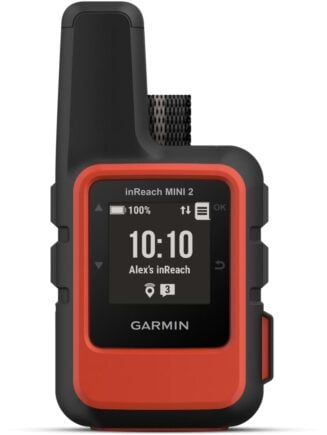
Garmin inReach Mini 2
This little satellite communication device is a must if you plan to get off the beaten path. It allows you to stay in touch with family and friends even if there’s no cell service, AND it has a SOS feature that can be activated anywhere. It even gives weather updates, a literal lifesaver when off grid.
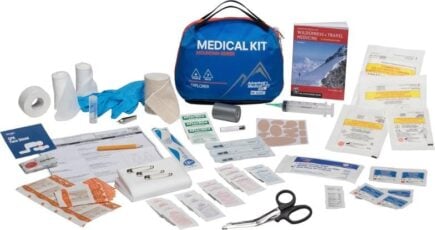
First Aid Kit
A good first aid kit should always be on your packing list, even if you’re just headed to a resort. It’s good to fill it with essential medicines as well as equipment, you never know when you’ll be caught out!
So, is Cape Town Safe for Travel?
Cape Town is amazing, it’s one of my favourite cities in the world. I can’t deny there’s risk here, but the risks are small with careful planning, and the rewards are incredible.
If you stay in safe areas, use Uber after dark, avoid dodgy spots (Cape Flats, townships etc) and plan hikes properly, you should be fine.
From personal experience I recommend Green Point as a safe place to stay. In the day it’s fine, and it’s reasonably affordable. The CBD is much cheaper, but also much riskier. I spent my last two nights in the city there, and definitely wouldn’t go out after dark. If you have a high budget though, the V&A Waterfront is without doubt, the safest part of Cape Town.
Safety concerns are real here, so don’t treat Cape Town like Tokyo where nothing bad will happen. But equally, don’t think you’re walking into a warzone either. A lot of the stuff you read online is exaggerated.
My favourite question to all accommodation receptionists and tour guides I met was “is it safe here”, and the answers were always the same – yes in the daytime if you don’t flash valuables and take senseible precautions.
Cape Town rewards prepared travellers with mountains, beaches, food, wildlife, culture, and some of the best views on the planet. Travel smart, stay aware, and you’ll give yourself the best chance of enjoying the city for what it is: complicated, beautiful, and unforgettable.
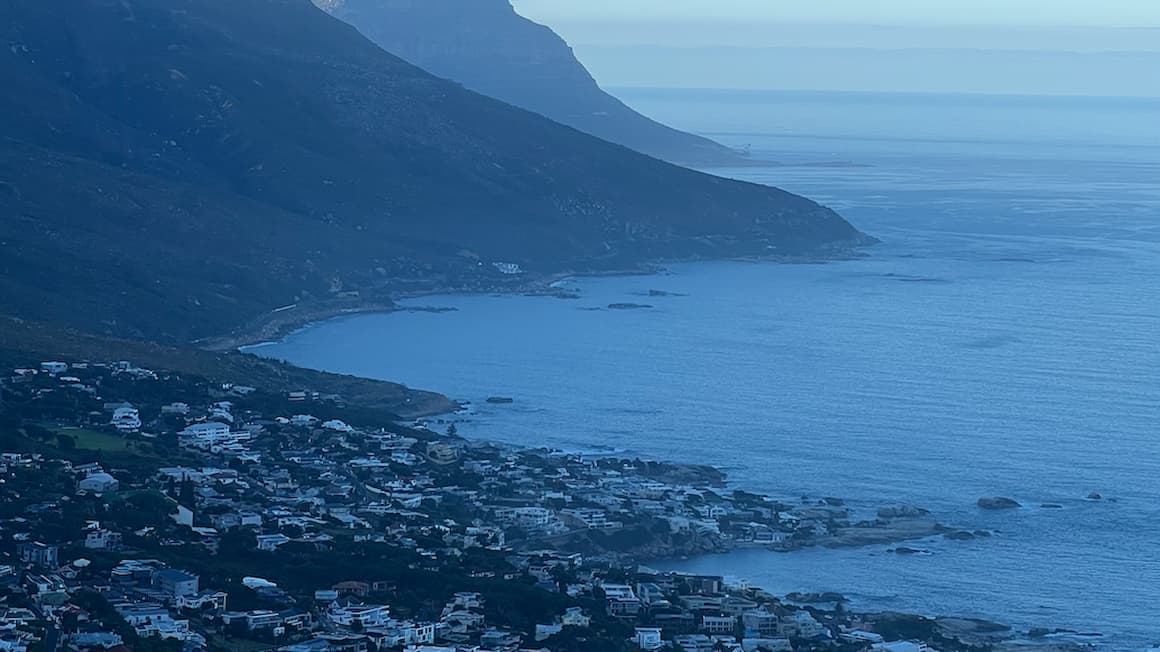
Photo: @rizwaandharsey
Looking for more info on traveling to Cape Town?
- Let me help you choose where to stay in Cape Town
- Swing by one of these fabulous festivals around the world
- Don’t forget to add an incredible safari destination to your itinerary.
- Get inspired by these EPIC bucket list adventures!
- Plan the rest of your trip with our fantastic backpacking Cape Town travel guide!
Disclaimer: Safety conditions change all over the world on a daily basis. We do our best to advise but information changes rapidly. Do your own research, check advisories, speak to locals, and enjoy your travels!