Welcome to our EPIC rundown of the best 3 Person Tents for Backpackers especially updated for 2026!
Tents are basically camping 101 and you really cannot do camping without one. A tent is your home in the wilderness and is sometimes the only think between you and some pretty miserable conditions and so choosing and buying the right tent is massively important.
So if this is your first time buying a 3 person tent, you may well find it all a bit overwhelming. I mean the sheer amount of options and considerations can staggering and took me a while to get to grips with it all. Firstly, note that it’s not a one-size fits all job – rather there is a tent for every occasion and no one single tent is perfect for everything so you made the right call coming here where me and the broke backpacker team will share our considerable expertise and help you find the perfect 3 person tent.
Whether you’re looking to sleep 3 people or just want to sleep 2 without that snuggly shoulder-to-shoulder feeling, this guide narrows down the Best 3 Person Tents for backpacking, camping, and ultralight trekking.
By the end of this review, you’ll be able to pick out exactly what you need, whether it’s a lightweight 3 man tent for a multi-week thru-hike or the most comfortable 3 person tent for car camping.
If you’re ready, let’s get pitching!
- The Best 3 Person Tents
- #1 – Overall Best 3 Person Tent
- #2 – Best 3 Person Tent for Backpacking (runner up)
- #3 – Best 3 Man Tent for Camping
- #4 – Best Insulated 3 Person Tent
- #5 – Best 3 Person Tent Under $260
- #6 – Best 4-Season 3 Man Tent (runner up)
- #7 – Best Ultralight 3 Person Tent
- #8 – Best Rooftop 3 Man Tent
- #9 – Best Budget 3 Man Tent
- #10 – Best Suspended 3 Person Tent
- How to Choose the Best 3 Person Tent
- FAQ about the Best 3 Person Tent
- Final Thoughts on the Best 3-Person Tents
The Best 3 Person Tents
The Broke Backpacker is supported by you. Clicking through our links may earn us a small affiliate commission, and that's what allows us to keep producing free content 🙂 Learn more.
Editors Pick
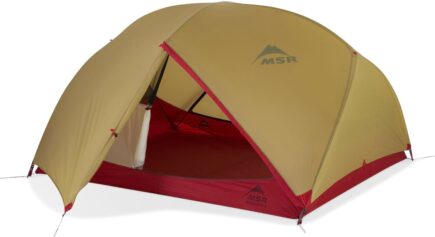
MSR Mutha Hubba NX 3
- Price > $549.95
- Weight > 2.18 kg (4 lbs 13 oz)
- Floor Area > 3.62
- Vestibule Area > 0.65 + 0.65 sqm (7 + 7 sqft)
And The Rest…
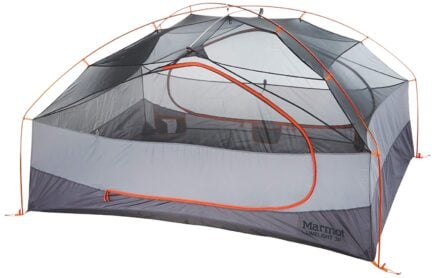
Marmot Limelight 3P
- Price > $299
- Weight > 3.03 kg (6 lbs 11 oz)
- Floor Area > 3.95 sqm (42.5 sqft)
- Vestibule Area > 1.05 + 0.7 sqm (11.3 + 7.5 sqft)
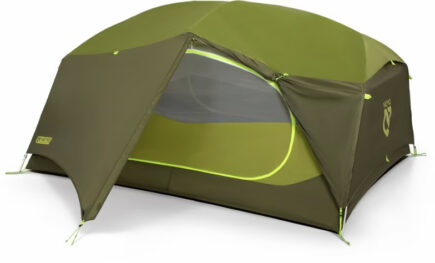
NEMO Aurora 3P Tent with Footprint
- Price > $359.95
- Weight > 2.95 kg (6 lbs. 8 oz)
- Floor Area > 4.09 sqm (44 sqft)
- Vestibule Area > 1.02 + 1.02 sqm (11 + 11 sqft)
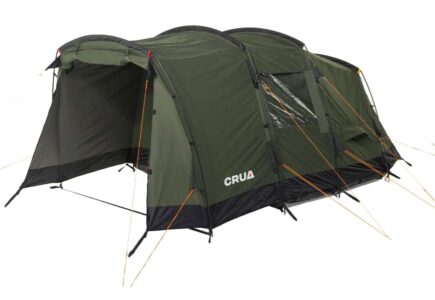
Crua Tri
- Price > $1,349.99
- Weight > 26 kg
- Length of Sleeping Area > 7.2ft / 220cm
- Length of Porch (Fully Extended) > 11.48ft / 350cm
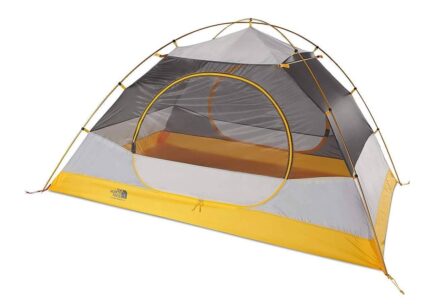
The North Face Stormbreak 3
- Price > $260
- Weight > 6 lbs. 10 oz. / 3 kg
- Floor Area > 3.69 sqm (39.72 sqft)
- Vestibule Area > Unavailable
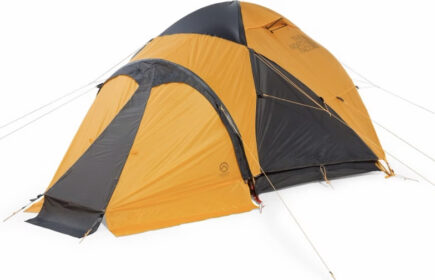
The North Face VE 25 Tent with Footprint
- Price > $830.00
- Weight > 10 lbs. 5 oz. / 4.68 kg
- Floor Area > 4.46 sqm (48 sqft)
- Vestibule Area > 1.02+ 0.46 sqm (11 + 5 sqft)
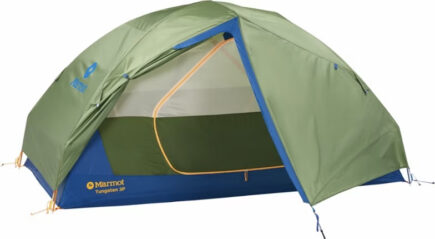
Marmot Tungsten 3P
- Price > $339.00
- Weight > 7 lbs. 1.2 oz / 3.21 kg
- Floor Area > 3.8 sqm (40.9 sqft)
- Vestibule Area > 1.7 sqm (18.3 sqft)
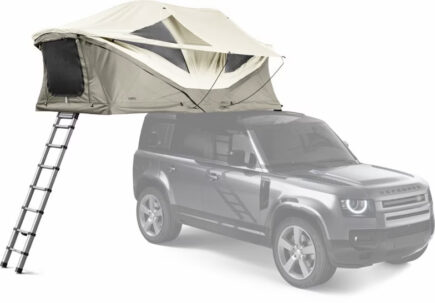
Thule Approach Tent
- Price > $2,799.95
- Weight > 147 lbs. 9.6 oz
- Floor Area > 3.12 sqm (33.6 sqft)
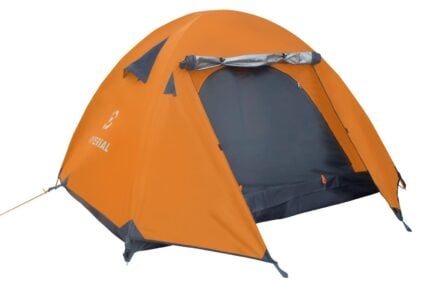
Winterial 3 Person Tent
- Price > $104.99
- Weight > 2.41 kg (5 lbs 5 oz)
- Floor Area > 3.35 sqm (36 sqft)
- Vestibule Area > Unsure
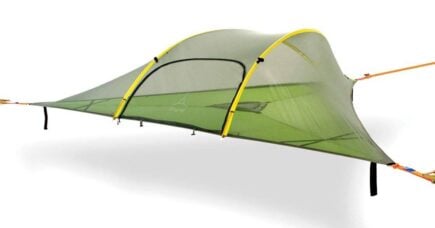
Tentsile Stingray
- Price > $729
- Weight > 24.4lbs / 11.05kg
- Floor Area > 78 sqft / 7.25 sqm
MSR Mutha Hubba NX 3
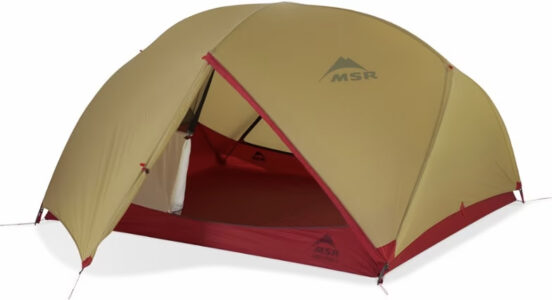
- Price: $549.95
- Weight: 2.18 kg
- Floor Space: 3.62
- Vestibule Space: 0.65 (front) + 0.65 (back)
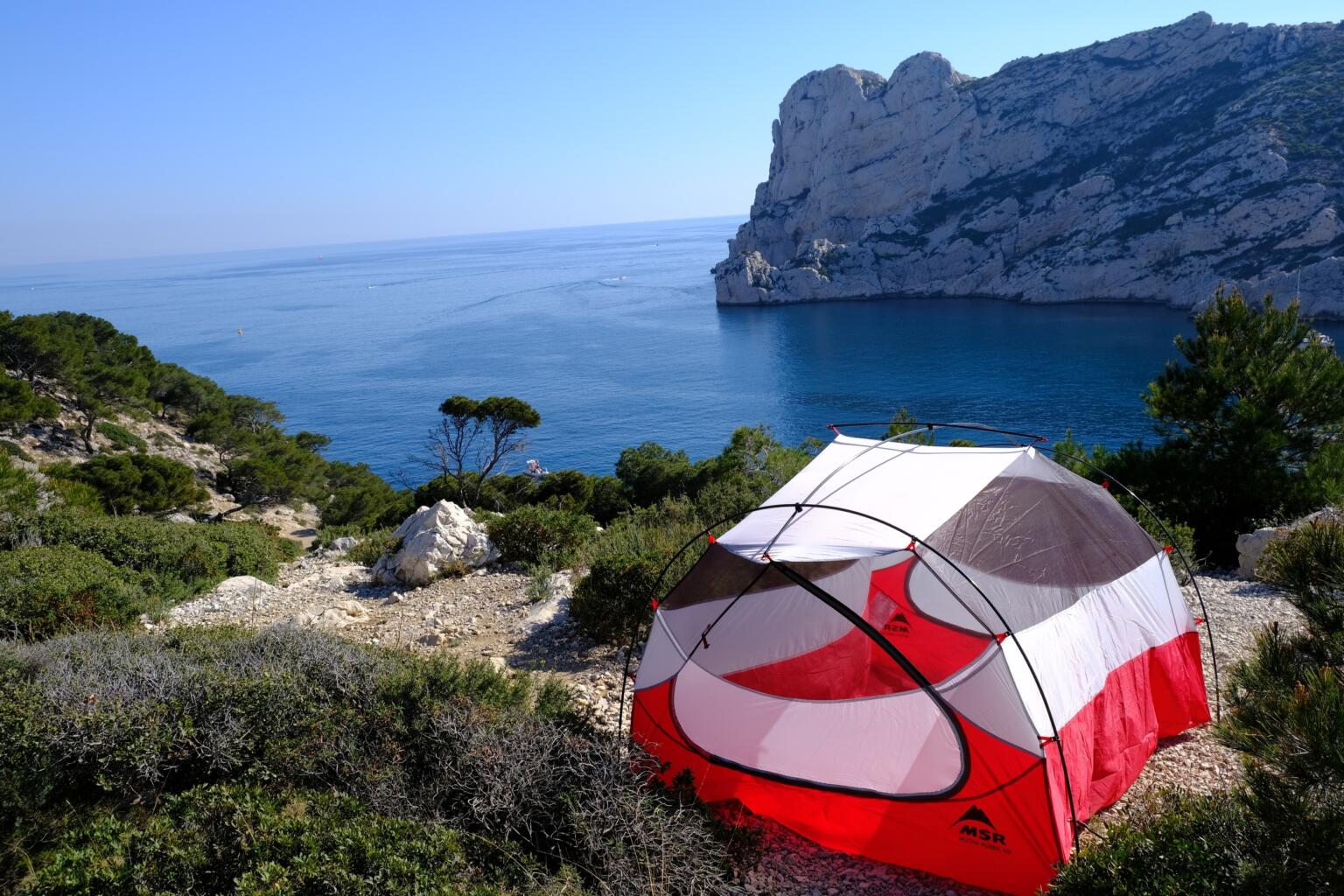
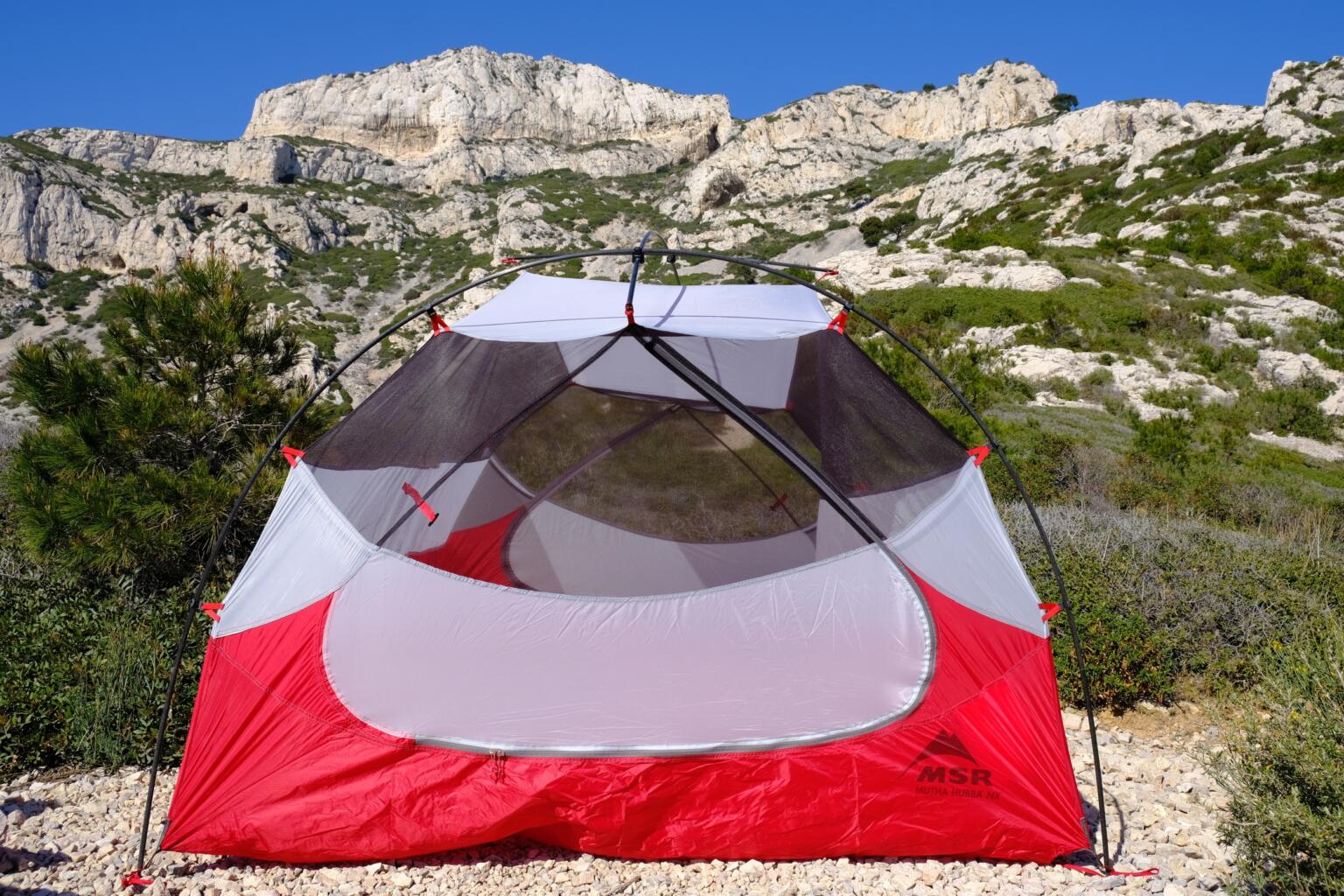
Our list opens with my top pick overall — and I don’t say that lightly, because I’ve slept in this thing properly, not just pitched it in a garden for photos. If you want the full story, my complete [MSR Mutha Hubba NX Review] covers it; here’s the short version for the impatient.
At 4 lbs 13 oz packed, it sits just above true ultralight territory — but that’s the trade you want for a freestanding, two-door, 39-square-foot tent that three adults can actually share without negotiating elbow treaties. Two side vestibules mean everyone gets their own door and their own boot storage, which matters more than any spec sheet suggests on day four of a wet trip. Setup is a genuine one-person job thanks to the hub-and-pole system and colour-coded clips — I’ve had it up in under five minutes in fading light.
One buying note: the kit includes body, fly, poles, stakes and guy lines, but not the footprint. Budget $40–60 for the matching one, or $10 for a cut-down tarp if you’re not precious about it. Either way, factor it into the real price before comparing against tents that include one (the Marmot Limelight below does).
Get it if: you’re backpacking with two or three people, you’ll carry it real distances, and you want one tent that handles everything three-season without babying.
Skip it if: you’re mostly car camping (the NEMO below gives you more space for less money) or you’re counting grams for a solo thru-hike — this is a shared-load tent.
Learn More: MSR Mutha Hubba NX review
- Built to be extremely durable
- Appealing design
- Lightweight backpacking tent
- Big price tag
- Doesn’t include the MSR Mutha Hubba NX footprint
#2 – Best 3 Person Tent for Backpacking (runner up)
Marmot Limelight 3P
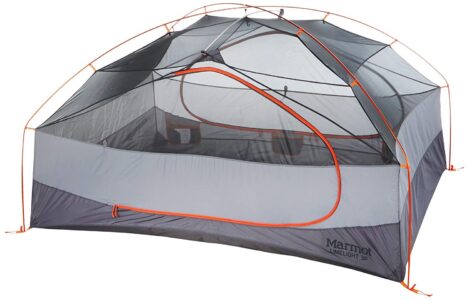
- Price: $299
- Weight: 3.03 kg
- Floor Space: 3.95 sqm
- Vestibule Space: 1.05 sqm (front) & 0.7 sqm (back)
The Marmot Limelight 3P takes the runner-up spot, and its big argument against the MSR above is pretty simple: value. You still get a proper freestanding three-person, three-season tent with two doors and two seriously useful vestibules, but without pushing into premium-tent money. Those vestibules are particularly good on wet trips — packs, muddy gear and three pairs of increasingly offensive hiking boots can stay outside the sleeping area without being left to the elements.
There is a weight penalty compared with the Mutha Hubba, so this isn’t the tent I’d choose if three people are obsessively dividing every last gram between their packs. But for ordinary backpacking, the extra heft buys you plenty of usable space and a comfortable, liveable setup. You also get the basics you’d expect — rainfly, internal organisation and, importantly, a fitted footprint included in the package. That’s worth remembering when comparing sticker prices, because plenty of more expensive backpacking tents make you buy one separately.
And that’s really the Limelight’s place in this list. It isn’t trying to be the lightest or cleverest tent here; it’s a solid three-season shelter that gives three people plenty of room without requiring a small GoFundMe campaign. If you’re only hiking moderate distances or splitting the load between three packs, I’d seriously question whether shaving some weight is worth paying substantially more for.
Get it if: you want a roomy, dependable three-person backpacking tent, value matters more than shaving every gram, and you appreciate getting the footprint in the box.
Skip it if: you’re regularly covering big mileage or chasing the lightest possible shared setup — the MSR above makes more sense once pack weight becomes the priority.
- Affordable and good quality backpacking tent
- Included footprint
- Lots of vestibule space
- A bit on the heavier side
NEMO Aurora 3P Tent with Footprint
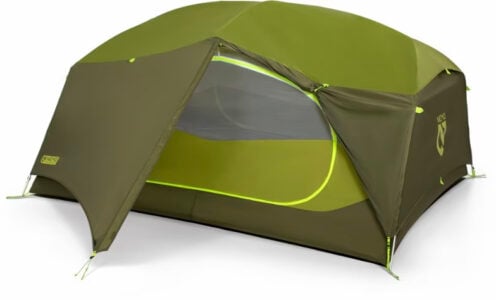
- Price: $359.95
- Weight: 6 lbs. 8 oz
- Floor Space: 44 square feet
- Vestibule Space: 1.02 sqm (front) + 1.02 sqm (back)
The NEMO Aurora 3P is my pick for camping rather than serious backpacking, and that distinction matters. If you’re carrying your tent 18 kilometres into the backcountry, its extra weight and bulk are difficult to justify. If you’re walking it from the car to a pitch (or only carrying it a short distance) suddenly those compromises matter a lot less and what you get in return is space, comfort and a considerably friendlier price.
And the Aurora really is spacious. The near-vertical walls make much more of the floor area usable than the numbers alone suggest, while two doors and generous vestibules give three campers somewhere to dump packs, boots and wet gear without turning the sleeping area into a jumble sale. The footprint is included too, which makes the actual package better value than tents that charge separately for one, and NEMO even throws in a repair kit. There’s also a roll-back section of the fly for stargazing on clear nights — not essential, admittedly, but exactly the sort of feature you appreciate when you’re actually living in a tent rather than simply hiking with one.
The trade-off is straightforward here; you’re buying liveability rather than low weight. The Aurora retains some of the clever design and relatively sleek profile of a backpacking tent, so it doesn’t feel like an enormous family campground shelter, but I wouldn’t choose it for long-distance trekking. For weekends at campgrounds, festivals, road trips and shorter walk-ins, though, that extra space is far more useful than saving a pound or two.
Get it if: you’re primarily car camping or doing short walk-ins and want a roomy three-person tent with two doors, good vestibules and the footprint included.
Skip it if: you’re carrying your shelter significant distances, the extra space isn’t worth hauling the extra weight when lighter backpacking options exist.
- Affordable and spacious
- Includes footprint and repair kit
- Lots of vestibule space
- Stargazing rainfly
- Too heavy for backpacking
Crua Tri
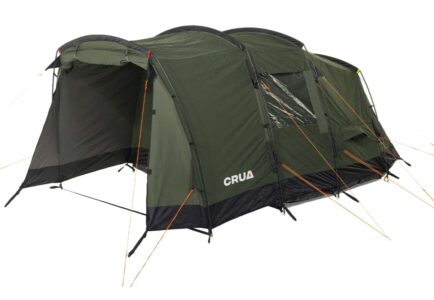
- Price: $1,349.99
- Weight: 26 kg
- Length of Sleeping Area: 7.2ft / 220cm
- Length of Porch (Fully Extended): 11.48ft / 350cm
The Crua Tri is the outlier on this list, because it tackles something most three-person tents barely attempt; insulation. Its insulated inner sleeping pod is designed to retain warmth when temperatures drop, while also helping regulate the interior when it’s hot outside. It additionally blocks a surprising amount of light and dampens outside noise, handy for midsummer mornings, noisy campsites and anybody who doesn’t consider sunrise an acceptable alarm clock.
There’s plenty of room for three people, with a large vestibule and extendable porch giving you somewhere to keep packs, boots and other gear away from the sleeping area. Setup is also relatively straightforward considering how much tent you’re dealing with. But don’t mistake this for a conventional backpacking tent: all that insulation and extra structure adds serious weight and bulk, and I’d think very carefully before committing to carrying it any meaningful distance.
That’s the buying decision here. If you’re mostly camping from a vehicle, setting up a longer-term basecamp or heading out in genuinely cold conditions, the extra insulation can be worth carrying because it provides a level of comfort conventional tents simply don’t. If you’re actually backpacking from place to place, however, you’re paying for that comfort with every step.
Get it if: cold-weather comfort, insulation and a dark, quiet sleeping space matter more to you than pack weight — particularly for car camping or establishing a basecamp.
Skip it if: you’re trekking significant distances with your tent on your back; this is simply too much tent to haul when lightweight three-person shelters exist.
- Insulated for use during the winter
- Design makes it also ideal for warmer months
- Massive vestibule and extendable porch
- Heavy
- Expensive
#5 – Best 3 Person Tent Under $260
The North Face Stormbreak 3
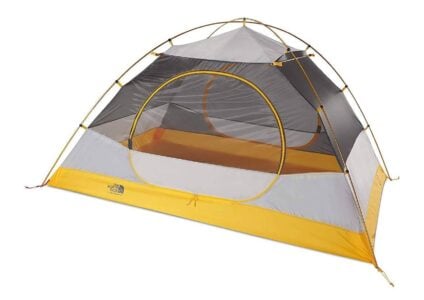
- Price: $260
- Weight: 6 lbs. 10 oz. / 3 kg
- Floor Space: 39.72 square feet / 3.69 sqm
- Vestibule Space: Unavailable
The North Face Stormbreak 3 is the budget(ish) play here; a straightforward three-person tent that gets the important stuff right without charging you for a load of clever features you probably don’t ever need. It’s particularly strong on vestibule space, with two doors and two decent storage areas for packs, boots and wet gear. With three people sharing, that separation makes a bigger difference than you’d think, especially once everyone’s socks have developed their own ecosystem.
Otherwise, this is deliberately quite a conventional tent. You’re getting a solid three-season setup rather than anything exceptionally light or technical, which makes it a good fit for occasional backpackers, festival campers and anyone who simply doesn’t want to spend $500+ on a shelter. One thing to factor into the price, though, is that the footprint isn’t included. If you’re regularly pitching on rocky or abrasive ground, I’d budget for one rather than treating it as an optional extra.
I’d also consider replacing or supplementing the supplied stakes. They’re one of the more commonly criticised parts of the package, and a decent set of stakes is a cheap upgrade that gives you much more confidence when the ground gets hard, loose or generally uncooperative. Even after adding those extras, though, the Stormbreak’s appeal remains the same; a lot of functional three-person tent for the money.
Get it if: you want a dependable, no-nonsense three-person tent on a tighter budget and care more about usable space than cutting every possible gram.
Skip it if: you’re a serious long-distance backpacker looking for minimum packed weight, or you want a package that includes the footprint and needs virtually no upgrading out of the box.
- Affordable
- Large vestibules
- On the heavier side
- Poor quality stakes
#6 – Best 4-Season 3 Man Tent (runner up)
The North Face VE 25 Tent with Footprint
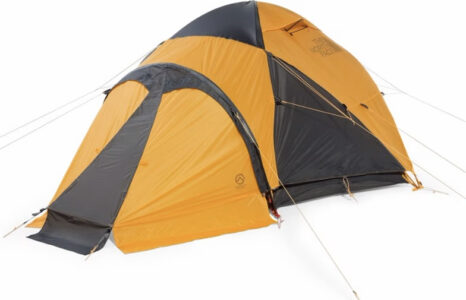
- Price: $830.00
- Weight: 10 lbs. 5 oz. / 4.68 kg
- Floor Space: 48 square feet / 4.46 sqm
- Vestibule Space: Front: 11 sq. ft.(1.02 sqm); rear: 5 sq. ft.(0.46 sqm)
The North Face VE 25 is the more attainable route into a serious four-season, three-person shelter — although “affordable” needs some context here. This is still specialist mountaineering kit rather than something I’d recommend to somebody heading out on their first weekend camping trip. It’s built for people who already know they’ll be camping through winter, heading above the snowline or establishing camps where weather resistance matters considerably more than saving a few bucks or ounces.
That extra construction pays off when conditions turn ugly. The VE 25 is designed to shrug off strong winds, snow and properly unpleasant mountain weather while giving three people a secure place to retreat into. It’s also more versatile than “winter tent” might suggest: parts of the setup can be stripped back in milder conditions, improving ventilation and allowing you to leave some unnecessary weight at home. That’s important if you want one expedition tent that isn’t completely redundant once winter ends.
The catch is weight. Tough poles, stronger fabrics and a bombproof structure don’t disappear when it’s time to shoulder your pack, and the VE 25 is considerably heavier than the three-season backpacking tents above. Lighter four-season tents exist, but this is where the price curve gets nasty; reducing weight without sacrificing serious weather protection costs money. The VE 25 makes most sense if durability and protection come first and you’re prepared to carry accordingly.
- Less expensive (for a 4-season tent)
- Built to last
- Vestibule space
- Still a lot of money
- On the heavier side
Marmot Tungsten 3P
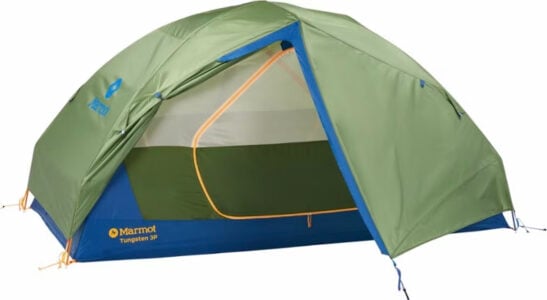
- Price: $339.00
- Weight: 7 lbs. 1.2 oz / 3.21 kg
- Floor Space: 40.9 square feet / 3.8 sqm
- Vestibule Space: 18.3 square feet / 1.7 sqm
Ultralight 3-person tents are for adventurers who want to move light and fast. Usually, we see 1- or 2-person tents in the ultralight category, but Marmot managed to squeeze another body into their Tungsten without adding a whole lot of weight. Generally, I wouldn’t recommend bringing an ultralight tent if there’s any chance at all of encountering bad weather, but the Marmot’s Tungsten 3P has proven its weather resistance while still weighing in at less than 3 kg, rainfly and all!
It’s super easy to set up but be aware that with their vertical wall technology you’ll have to bend the poles a lot to get them to snap into place — don’t be afraid, just be firm.
The weight is surprisingly small considering the interior is nearly 4 square meters. Because of the length of 2.29 meters (7 ft 6 in) plus the vertical walls, I expect 98% of readers will have no trouble laying straight. For a smaller option, you can check out the Big Agnes Tiger Wall Platinum 3.
On rainy afternoons, the Marmot Tungsten 3 Person Tent boasts space to sit upright to read or play cards with a max height of 1.17 meters (3 ft 10 in).
The sizable dual vestibules mean plenty of gear will stay dry on a backpacking trip without using your precious tent space.
Inside, there are organizers to keep your lamps and TP, which you know when the urge hits how important it is to be able to find those without groping in the dark! I don’t like that both doors are the D-shaped style, meaning you unzip one side and they’re never fully open.
This tent may not satisfy the weight requirement of the strictest ultralight backpackers but I wouldn’t want to recommend you anything of lesser durability than this. That said, you can check out the three-person tent below for another ultralight option.
- Weather-resistant
- Great for tall people
- Doesn’t include footprint
- D-shaped doors
#8 – Best Rooftop 3 Man Tent
Thule Approach Tent
- Price: $2,799.95
- Weight: 147 lbs. 9.6 oz
- Floor Space: 33.6 square feet
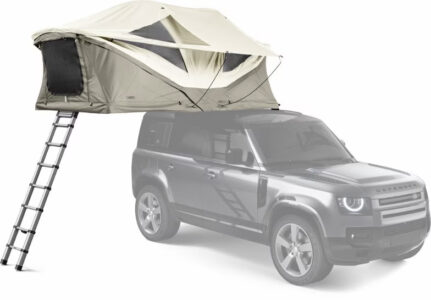
This would certainly be the most luxurious and flexible way of exploring some of the best national parks in the USA.
Thule is leading the game for rooftop tents. Imagine the ease of driving all day long and setting up camp without having to look for and prepare a site. Reports say one person can arm the tent in just 5 minutes.
The greatest thing you get when you invest in a rooftop tent like the Thule Approach Tent is a place to call home for a while. Most tents can only fit 3 people if they’re lying down or sitting uncomfortably. This means your options are extremely limited in bad weather. The Thule system effectively provides an indoor living space that you can feel comfortable hanging out in rather than just hunkering down in for sleep.
A system like the Thule Approach Tent is best for people going on an extended road trip. It not only provides accommodation but also a sort of comfort that helps make long-term travel viable.
Check out our in-depth roof top tents review post for even more awesome options.
- Space galore
- Easy setup
- You need a car
#9 – Best Budget 3 Man Tent
Winterial 3 Person Tent
- Price: $104.99
- Weight: 2.41 kg
- Floor Space: 3.35
- Vestibule Space: Unsure
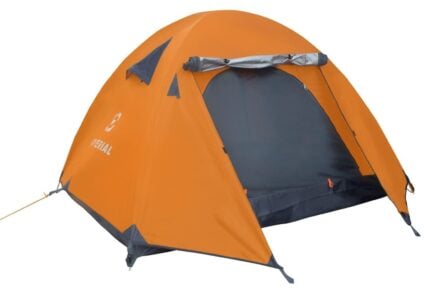
The Winterial 3-Person Tent is the proper shoestring-budget option on this list. It looks surprisingly similar to some of the more technical backpacking tents here and setup is reportedly straightforward, but let’s keep expectations realistic: you’re buying a very cheap tent, not a cut-price MSR. For festivals, occasional summer camping or somebody testing the waters before investing in better kit, that might be perfectly fine.
The bigger issue is that “three-person” appears optimistic. The sloping walls eat into usable sleeping space, taller campers around six feet may struggle to stretch out comfortably, and some owners report that fitting three adults inside is a squeeze. I’d therefore think of this more as a roomy budget tent for two than a genuinely comfortable shelter for three. Ventilation isn’t brilliant either; I’d personally like to see more mesh, particularly for warm-weather camping when those solid panels can leave things feeling stuffy.
There are also reported complaints around rainfly fit and general long-term durability, which is why I wouldn’t recommend the Winterial for extended trips or situations where your shelter absolutely cannot fail. But that’s not really what it’s competing for. Its argument is simply price. If you’ll camp twice a year in reasonable weather, spending several hundred dollars more may make absolutely no sense.
- Works for any budget
- Easy setup
- Not for tall people
- Doesn’t hold 3 people comfortably
- Issues with rainfly fitting and durability
#10 – Best Suspended 3 Person Tent
Tentsile Stingray
- Price: $729
- Weight: 24.4lbs / 11.05kg
- Floor Space: 78 sqft / 7.25 sqm
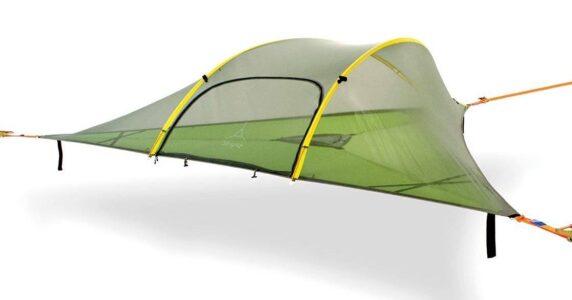
The Tentsile Stingray is the absolute wildcard of this roundup: essentially a three-person tent crossed with a giant hammock. Rather than dumping three bodies onto one tent floor, the suspended design creates three separate sleeping bays, so everyone gets their own space without rolling into one another during the night. The mesh roof also gives you excellent ventilation and, with the fly pulled back, a pretty spectacular view upwards.
Suspending your bedroom between trees completely changes how you choose a campsite. Rocks, roots, mud, slopes and waterlogged ground largely cease to matter because you’re sleeping above them. The trade-off is obvious; you need three suitable trees. There’s also a definite learning curve to the webbing and ratchet system, and even once you’ve mastered it, don’t expect the lightning-fast pitch of a conventional freestanding tent. The system does offer more flexibility than you might imagine, though; those three trees don’t have to form some perfectly proportioned woodland triangle.
There’s another hammock-camping lesson you absolutely shouldn’t ignore; insulation underneath you matters. Air circulating beneath the Stingray can strip away body heat surprisingly quickly, even on a night that doesn’t feel particularly cold. I’d take a sleeping mat or another insulating layer even during summer rather than discovering this at 3am. Add that extra kit to the already unconventional setup and the Stingray certainly isn’t for everybody; but that’s rather the point.
- Uneven ground — no problem!
- It’s kinda badass
- Some people can’t sleep comfortably in hammocks
- Need 3 trees for setup
- Long setup

Now, you could spend a fat chunk of $$$ on the WRONG present for someone. Wrong size hiking boots, wrong fit backpack, wrong shape sleeping bag… As any adventurer will tell you, gear is a personal choice.
So give the adventurer in your life the gift of convenience: buy them an REI Co-op gift card! REI is The Broke Backpacker’s retailer of choice for ALL things outdoors, and an REI gift card is the perfect present you can buy from them. And then you won’t have to keep the receipt. 😉
Buy on REI!Weatherproof
Of course, it’s weatherproof! There’s not a product description that would say otherwise!
Customer reviews, however, tell the truth. Read them.
Have the right tent for the weather that you’ll encounter. Fortunately, tents nowadays come in multiple parts that you can put on or leave behind depending on the forecast.
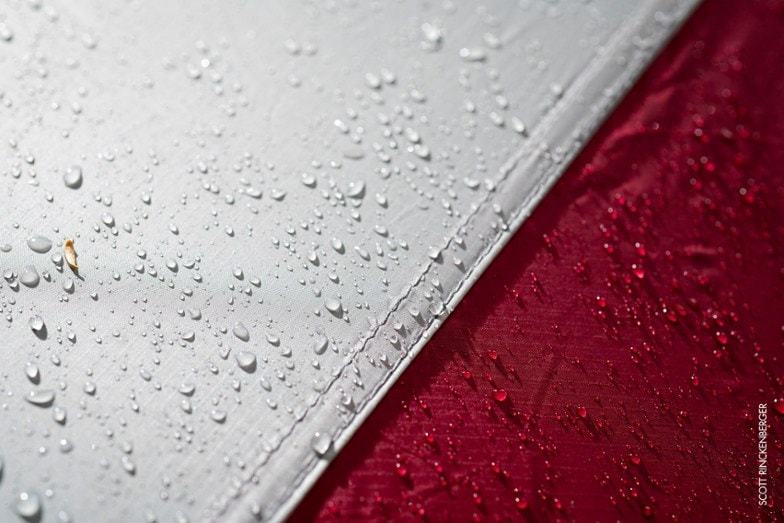
Every tent should come with the body and the rainfly. On this list, you’ve seen some that come with the fitted footprint included and some that you have to buy separately.
The footprint is an extra layer of protection between you and the ground and is meant to keep water on the ground from running through your tent during rain.
If your tent doesn’t come with a footprint, you’ll probably have to invest in one before you get into the backcountry (or buy a cheap tarp from Amazon or Walmart — it’ll save you some money though it’ll be a bit bulkier).
A note on ventilation: I am NOT of fan of the musty, stuffy smell tents often get. This is why I’ve mentioned mesh walls a few times. It’s super important that you can air out your tent when the weather’s nice.
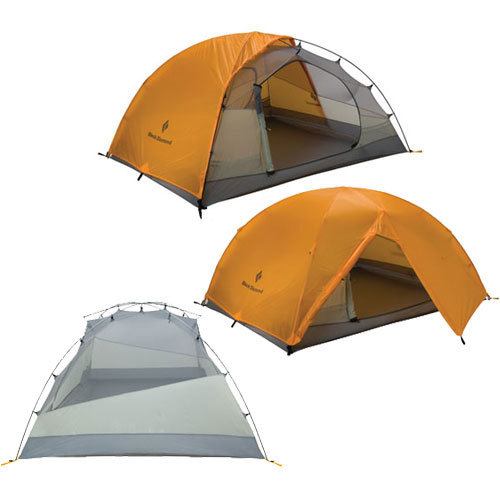
It’s equally important to have decent ventilation even during a massive downpour. Designs that leave ventilation flaps on both sides of the rain fly are by far preferable to completely sealed domes.
By the way, have you ever woken up to find the interior of the tent wet and dripping but the outside completely dry? I have, and that’s poor ventilation for you! That’s the water you breathed out overnight. Having good ventilation will save you from getting your buddy’s respired water all over you while you sleep.
Durability
It’s somewhat intuitive, but well-known brands tend to put out long-lasting products. In this guide, I’ve highlighted some of the brands that you can trust to put the good gear in your hands.
Your tent (along with your backpack) should be the longest-lived piece of gear you have. With the price of a good tent, I expect you’re saying “Hell yeah” about now.
Take product reviews seriously and be sure you know the manufacturer’s warranty and exchange policies. If anything goes wrong with your tent within the first year of using it, contact the manufacturer and see if they can fix the issue or replace the tent.
Livability
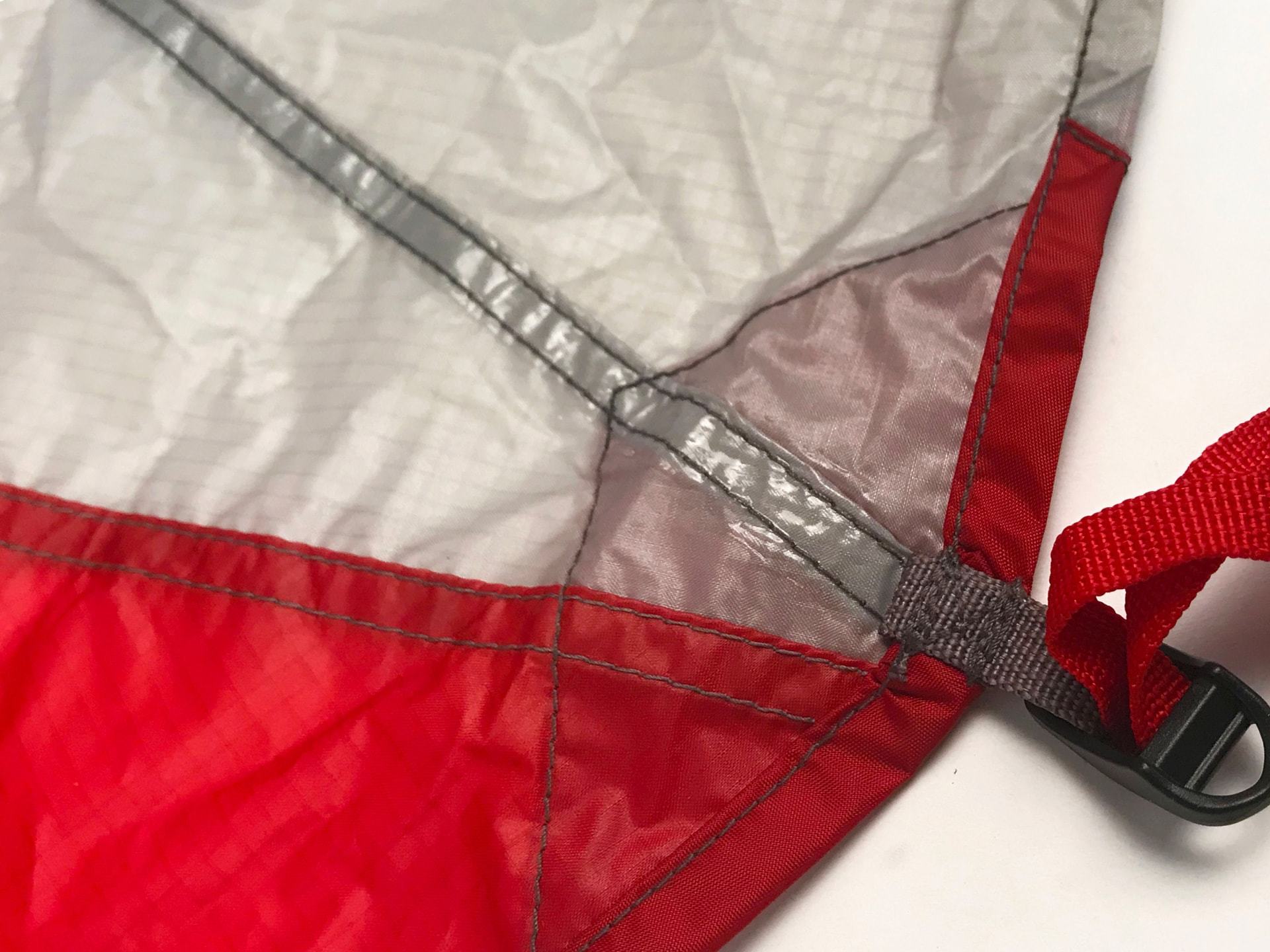
We always come to appreciate the livability aspect of tent selection after near the end of the first big trip. If you run into bad weather, you’re going to want a tent that you can sit upright in. Reading a book or playing cards from a lounging position can get pretty tedious after a few minutes.
The vestibule is an important space. Keeping gear outside but protected frees up space for you inside and also allows you to keep your dirty boots and gear away from where you sleep.
You also want to be sure to have comforts like interior organizers. They don’t add much to the overall weight of the tent but save you a lot of trouble when the urge hits in the middle of the night and you want to know where your TP and headlamp are!
If you are looking for a tent with a much larger capacity, you should check out our epic roundup of the best backpacking tents.
Weight
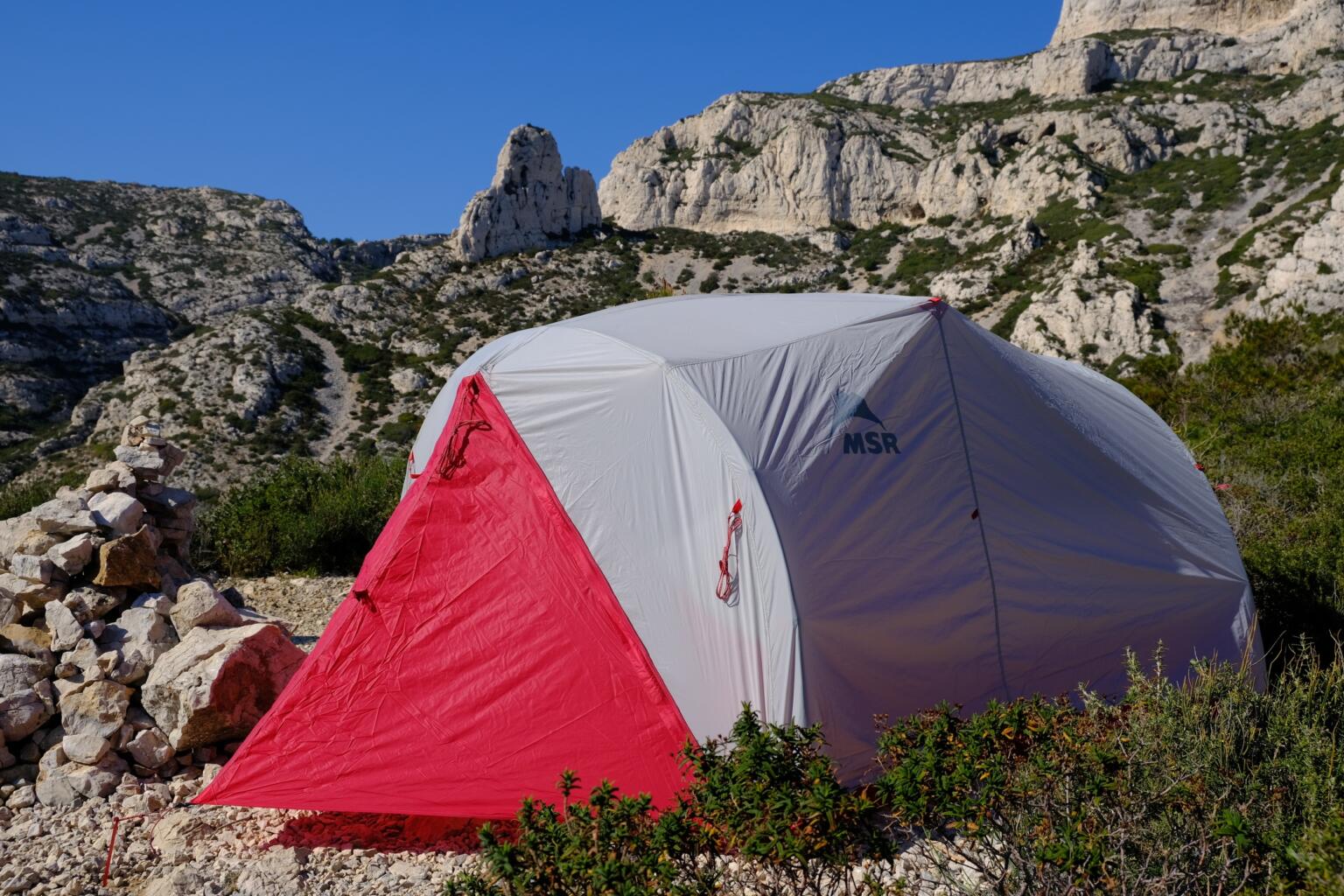
So far as weight’s concerned — you get it. Less weight means more comfort on the trail. However lighter also usually means less durable and those super-ultra-light material can come with a hefty price tag – annoying for something NOT assured to last.
Of course, if you’re not carrying the tent yourself or not very far, this isn’t such a big factor.
FAQ about the Best 3 Person Tent
Still have some questions? No problem! We’ve listed and answered the most commonly asked questions below. Here’s what people usually want to know:

Our GREATEST Travel Secrets…
Pop your email here & get the original Broke Backpacker Bible for FREE.
Final Thoughts on the Best 3-Person Tents
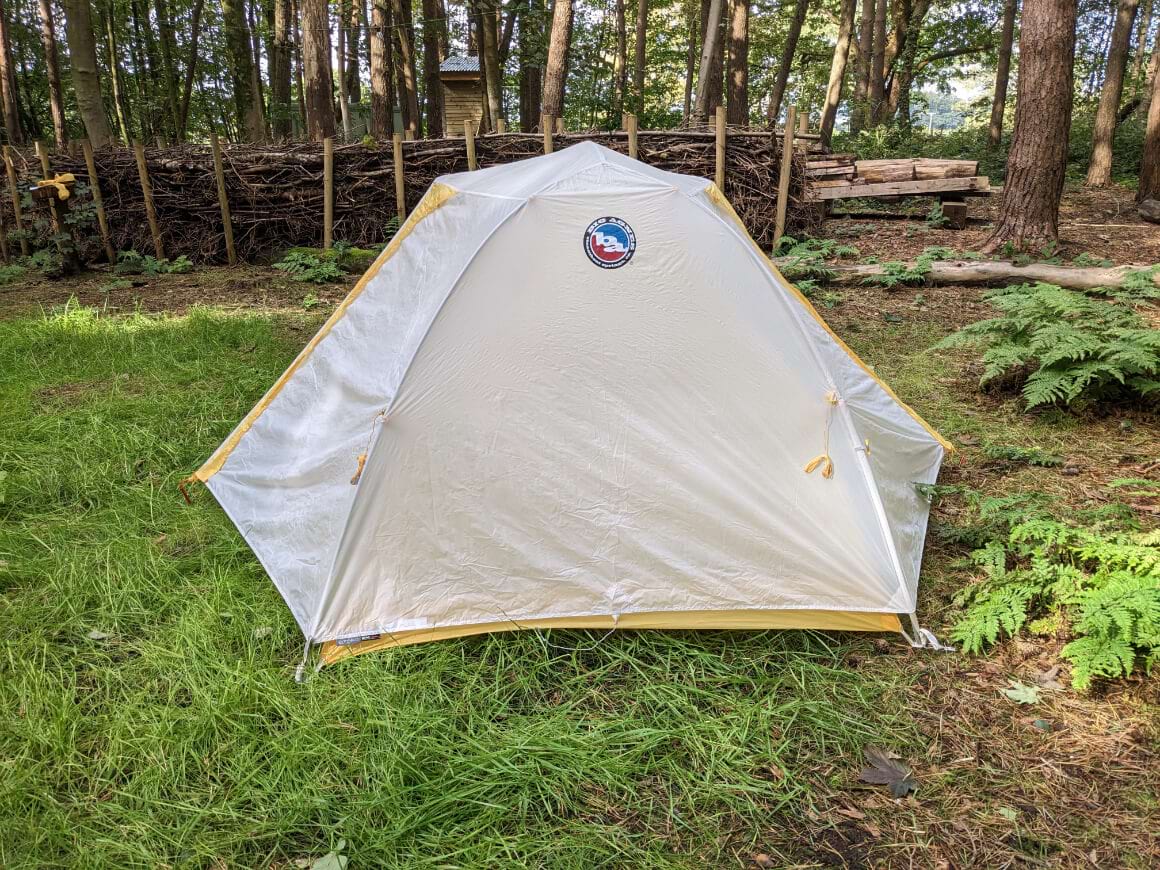
That wraps up my guide to the best 3-man tents review! I hope this catered list has helped you find a sturdy home base to take on your next adventures!
You have the knowledge to enter your next backpacking trip, camping trip or road trip prepared for any and all types of weather.
I want you to be comfortable and safe anywhere in this big world. No matter where your next adventure takes you (unless it’s underwater or something) there’s a 3-person tent on this list that can go with you wherever you want to go!
If you’re STILL not sure which of these is the best fit for you, let me recommend again the wicked awesome MSR Mutha Hubba NX 3.
Have awesome 3-person tents to add to the list? Put them down in the comment section below and let me and the other readers know why they stand out!