It is funny that so many people ask this question about Colombia in particular. Yet, when you are actually there, what is remarkable is just how similar it feels to Peru or Ecuador, countries that are not under the same level of scrutiny.
Well of course this question is asked because of its violent history. Is this important? Well it is just that, History. Colombia today is unrecognizable from what it once was with a BOOMING tourism sector glowing beaches, dense rainforests, momentous mountains, and rich culture.
So is Colombia safe?
The answer in very brief is yes, but there are precautions that you should take to reduce the chance of a bad experience, like basically every other destination in the world! Don’t worry.
The Broke Backpacker team LOVE this country, so with this guide to common scams, nightlife safety and safer places to base yourself, you’ll have an amazing time AND stay safe whilst doing it!
We’ll look at whether it’s safe to use public transportation (spoilers: YES), safety in remote areas, getting around Colombia safely, and everything else in between. We’ll even talk travel tips for female solo travellers and where not to go in Colombia.
Whether you’re thinking about backpacking through Colombia alone or long-term, or if you’re just worried about an upcoming two-week trip, it’s ok. I’ve got you! Here’s the full story: staying safe in Colombia goes like this.
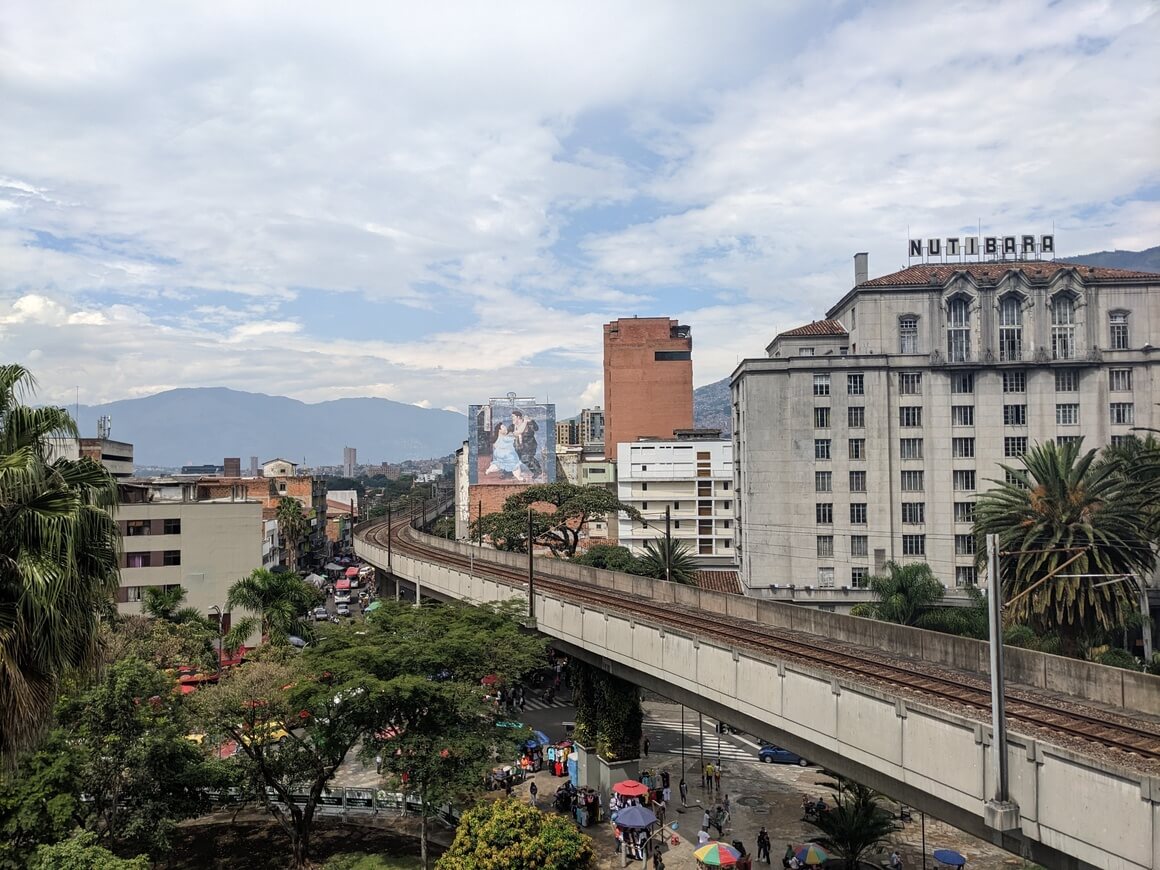
Photo: @Lauramcblonde
The Broke Backpacker is supported by you. Clicking through our links may earn us a small affiliate commission, and that's what allows us to keep producing free content 🙂 Learn more.
- Is Colombia Safe to Visit Right Now?
- Colombia Safety at a Glance
- Getting Insured BEFORE Visiting Colombia
- Top 4 Safest Places to Stay In
- Catatumbo Region (Norte de Santander) — June 2026 Update
- Smart Safety Tips for Travelling in Colombia
- Is Colombia Safe for Solo Travellers?
- Don’t reaally wanna go solo?
- Is Colombia Safe for Solo Female Travellers?
- Where to Start Your Travels in Colombia
- Is Colombia Safe for Families?
- How to Get Around Colombia More Safely
- Common Colombia Scams to Know Before You Go
- What to Pack for a Safer Trip to Colombia
- So, Should You Travel to Colombia?
Is Colombia Safe to Visit Right Now?
Yes! It is safe to travel to Colombia, today.
Around 3,137,210 international visitors were welcomed in Colombia from January to August 2025 as recorded by the Ministry of Commerce, Industry and Tourism. Most tourists had a secure visit.
This is because Colombia, especially within the well developed touristic areas such as Salento are objectively not very dangerous. It is also because there are clear precautions that you can take to make sure that you are counted within the millions of people who have a secure visit.
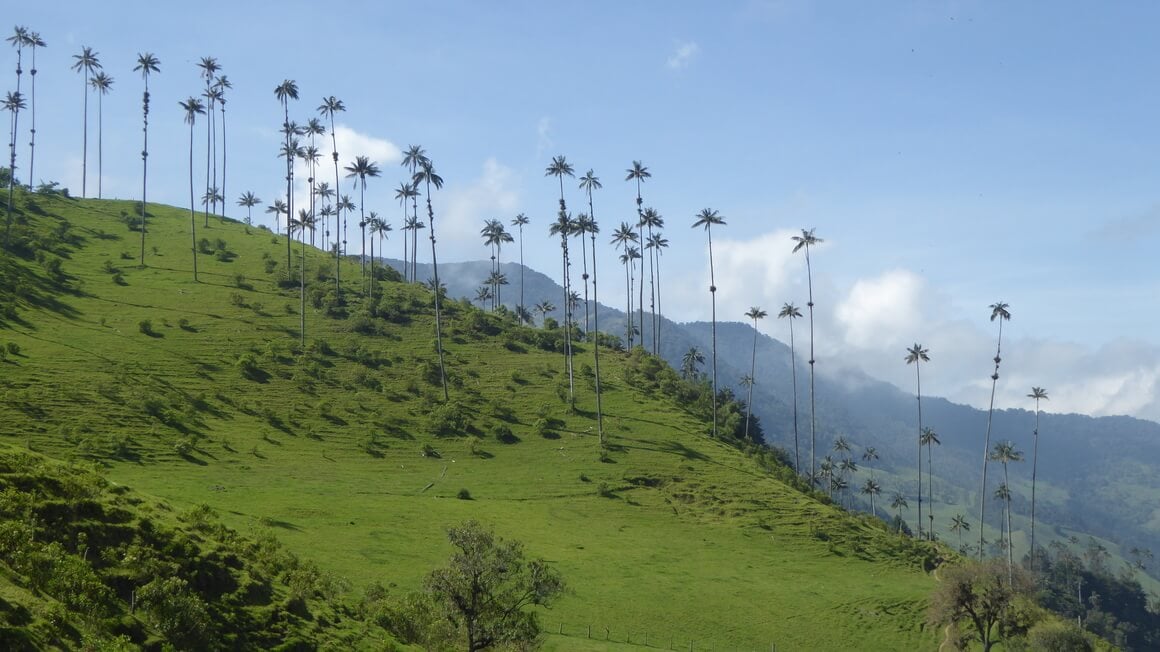
Photo: Will Hatton
So what risks do you face travelling in Colombia?
Crime rates remain relatively high but that’s mainly involving petty theft (mugging and pickpocketing) – so there are areas to avoid and it is sensible to keep possessions out of sight.
Kidnappings by armed groups are extremely rare now but are still a slight risk if you visit more troubled areas of the country. Colombia is also a place to be wary of dating apps.
Landmines are an ongoing issue in remote areas. Then there’s nature; earthquakes occur regularly, intense rains cause landslides, and there are dangerous critters lurking in the jungles.
Needless to say, security situations can change pretty quickly, so reading the news or government travel advice when you are out there is important.
Colombia Safety at a Glance
In very very brief, this is how you can have an unbelievable, but safe trip to Colombia.
- Overall safety: Safe so long as you are careful not to become a target.
- Biggest everyday risks: Phone snatching, pickpocketing, scams, unlicensed taxis, nightlife incidents and dating app linked robberies.
- Safest travel style: Staying in well-known traveller districts of cities, using taxi apps, avoiding empty areas at night, not getting blackout drunk and not venturing to unstable areas like the Venezuela border.
- Best for: Backpackers, beach-bums, couples and solo travellers with decent street smarts
- Needs extra caution for: First-time solo travellers, people who party hard, travellers who do not speak any Spanish or people with bling.
- Places where travellers are usually most comfortable: Cartagena, Medellin, Salento, Minca, Tayrona, and well-travelled parts of Bogota like La Candelaria
- Places needing more caution or planning: Some big-city centres like Cali, protests, border zones (Particularly Darien and the frontier with Venezuela), remote conflict areas like Guaviare.
Getting Insured BEFORE Visiting Colombia
As soon as you know you’re heading to Colombia, prepare yourself with trusty travel insurance.
Sort out your insurance before you go. There are several good options, but our overall pick is SafetyWing. Most of the Broke Backpacker team has used it at one point or another, and we’ve filed claims for rabies jabs in Bali, a hospital stay in Mexico, and a clinic visit for a stomach bug that wouldn’t quit. All paid out.
It’s month-to-month, no lock-in, no itinerary required, and you can buy it after you’ve already left. A little over $2 a day if you’re under 40.
New SafetyWing customers: use code BROKEBACKPACKER for 8 free weeks of electronics theft coverage. You have to scroll down and click the pink camera on their landing page to enter it, and you have to do it before creating your account.
Top 4 Safest Places to Stay In
In Colombia, when choosing a city to visit or good hostels to stay in, research and caution are essential. You don’t want to end up in a sketchy area.
To help you out, here are some of the safest areas to visit in Colombia below.
Quick side note: all of these areas we’re going to list below can be dangerous if you act carelessly. To stay safe, stick to our safety tips and use your travel common sense.
Don’t let the news and prejudices about this glorious country stop you. I’ve been backpacking in Bogota and other major cities and it quickly turned Colombia into one of my favourite countries. They can all be visited safely.
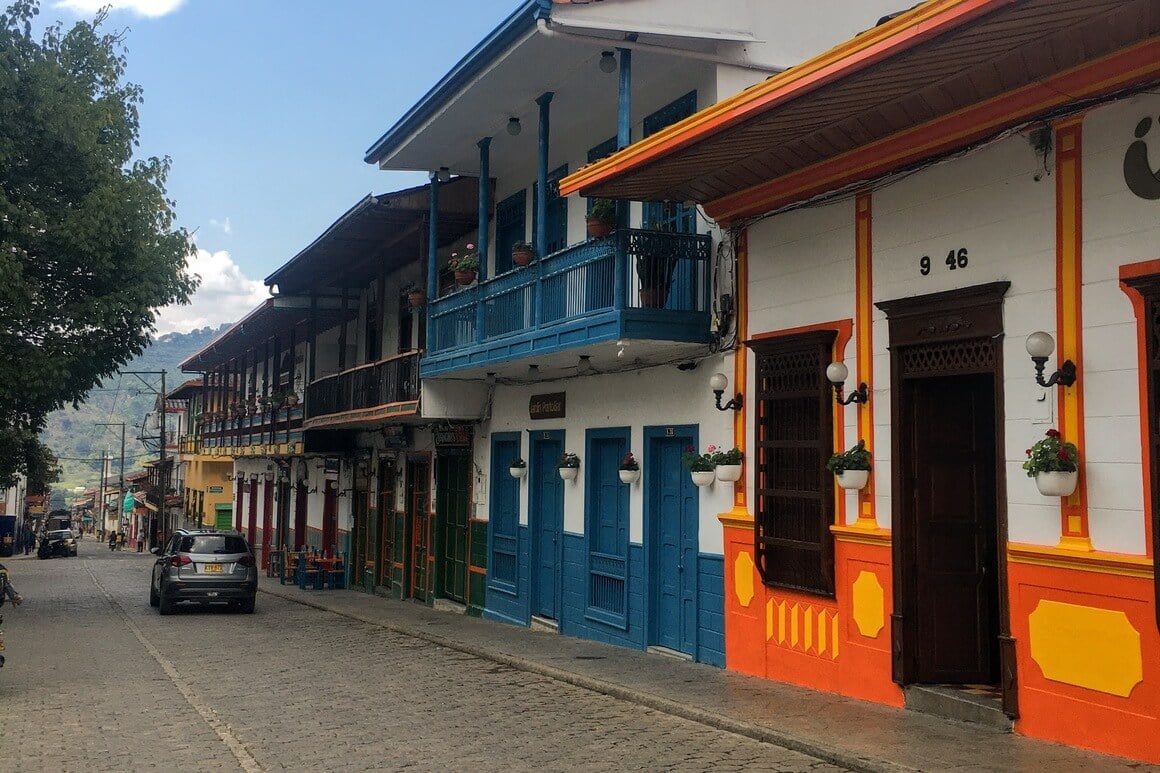
Photo: @Lauramcblonde
Cartagena
At a Glance
🏙️ Vibe: Modern, polished, beachside
🛡️ Safety level: High by Colombia city standards
👥 Best for: First-timers, short stays, travellers who want convenience
🏨 Accommodation style: Hotels, apartments, higher-end stays
🚶 Walkability: Good in the immediate area
An especially attractive part of visiting Cartagena for travellers is Bocagrande. While visible from the city centre, and just 2.5KM away it feels like a place apart from the old town. Bocagrande is a forest of towers beyond the walls on a landmass that juts out into the Caribbean.
It bubbles with modern conveniences and international restaurants. It is a great way to stay in a safe and comfortable area, and then dip into the hotter and more chaotic old town. Oh, and the beach is just there.
The only drawback is whether you would sacrifice immersion in Colombia’s Caribbean culture for comfort.
Minca
At a Glance
🏙️ Vibe: natural-beauty, forest, chilled
🛡️ Safety level: Very high
👥 Best for: Relaxation, nature lovers, first-timers
🏨 Accommodation style: Hostels, hotels
🚶 Walkability: Very good
Minca is so small that there are no special districts to recommend! It feels like something out of a Gabriel Garcia Marcquez novel – a lush tropical paradise humming with birds of paradise and the music of waterfalls.
I found it the safest and most relaxed place in Colombia.
The biggest choice to make is what sort of hostel you will stay in – some offer relaxation while others promise wild parties far out of proportion with the size of Minca. There are also eco-lodges and five star hotels offering a high-end experience.
Medellin
At a Glance
🏙️ Vibe: Parties, urban-garden, modern
🛡️ Safety level: Varies between neighbourhoods, but safe with proper precautions.
👥 Best for: Party people, culture-vultures and first-timers
🏨 Accommodation style: Hostels, high-end Air BnBs and Hotels
🚶 Walkability: Walkable within neighbourhoods and an efficient public transport system
Yes, Medellin was once the city of Pablo Escobar, but now it is one of the most-visited cities in South America and rightly so.
Even knowing just a fraction of Medellin’s history makes seeing what it looks like now feel so hopeful and inspiring. The city feels like a botanical garden – subtropical, with greenery everywhere and linked by cable-cars, it is a special place.
The most popular place to stay in Medellin is the El Poblado district, sometimes called ‘Gringolandia’ by locals. This is home to a huge concentration of hostels, hotels and expats, as well as every modern comfort you could want. Laureles is also a very secure district.
Eje Cafetero (Coffee Axis)
At a Glance
🏙️ Vibe: Outdoorsy, chilled, beautiful
🛡️ Safety level: Very high
👥 Best for: First-timers, hikers, coffee-fanatics
🏨 Accommodation style: Hostels, hostels, higher-end stays
🚶 Walkability: Very good, Eje Cafetero consists of villages that you can walk across easily.
The most famous site within Eje Cafetero is Salento, known for its proximity to the tallest palm trees in the world at Valle Cocora. Beyond Salento, Jardin is maybe the prettiest town in Colombia with some very underrated hikes.
Manizales is also a great stop on your coffee adventure. Set on a mountain ridge, it enjoys incredible views of the jungled Andes, hot springs and is the gateway up into the Sierra Nevada national park. This region is very safe.
Places Where You Need to Be More Careful
We don’t necessarily align our thoughts with the US government, but this time we do and with good reason: I strongly recommend you take the advice. It is also important to know where not to go in Colombia: At present, the USA Government travel advice for Colombia advises against travel to these high-risk areas:
- Arauca, Cauca (excluding Popayán)
- Valle del Cauca (excluding Cali)
- Norte de Santander
- Within 10km of the Colombia-Venezuela border
There is little reason for tourists to visit these places anyway. They are far from the sights that draw tourists to Colombia. They suffer from crime, mostly because the volatile situation in Venezuela bleeds instability into the border regions of Colombia. Armed groups like drug traffickers thrive in this chaos.
I’ll also add that travelling to Venezuela is a risky idea in the current climate. Even with Maduro gone, things can turn on a dime.
So yeah, not all places in Colombia are safe. Yet there are some places considered “unsafe” by some but can be visited safely – with extra precautions and vigilance. Here are some of those places:
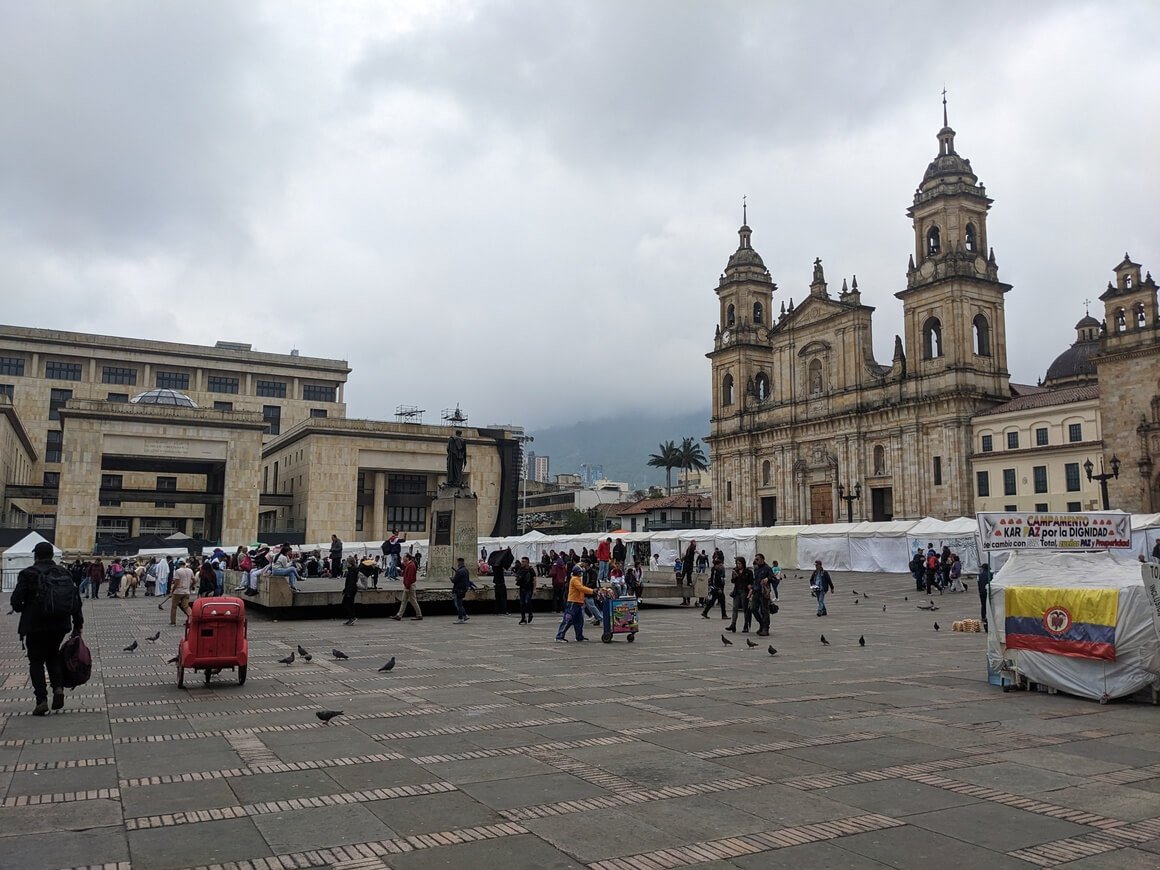
Photo: @Lauramcblonde
- Cali (Santiago de Cali) – Cali is known to be Colombia’s most dangerous and violent city. You COULD visit it, but your overall safety will shoot up if you decide to stay away. I heard reports that gangs would sometimes target tourists by lying in wait outside of hostels at night.
- Bogota – There are good reasons to visit the capital city and Bogota can be safe, but statistically it’s got the second highest crime rate in Colombia. It has some dangerous barrios, but the centre is well-policed.
- Central Medellin – In general, Medellin is a safe destination for travellers, but avoid the city centre. This is where the vast majority of the problems are reported.
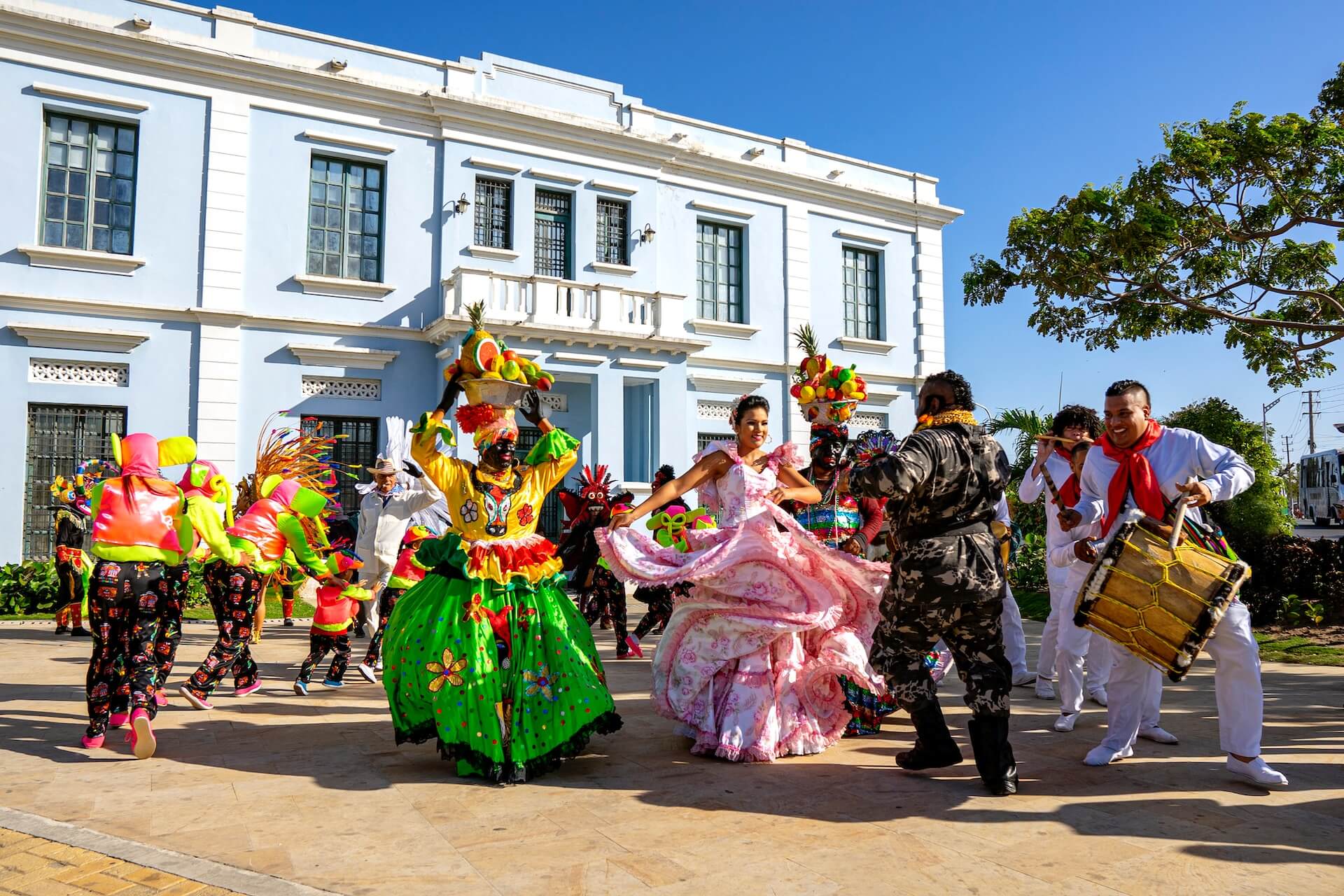
- Barranquilla – A super cool place to experience Carnival de Barranquilla, but a high crime rate for Colombia, in general. As a major port, there are plenty of shady elements linked to the drug trade. If you head to the festival, check out these hostels in Barranquilla where you can meet friends before getting out.
It’s important to know that you CAN be safe in Colombia, but you need research. Basically, your general rule is, the more tourists, the less chance you have of encountering serious issues: the second rule is the more tourists, the more chance you have of petty issues. So decide your balance between major cities and small towns.
Avoid ANYWHERE at night (unless locals tell you otherwise) and always ask locals which areas you should stay clear of. A bit of caution goes a long way!
Catatumbo Region (Norte de Santander) — June 2026 Update
Quick tip: Plan everything in advance!
Best Colombia Tours: Check out the coolest tours in Colombia Best Places to Stay in Colombia: Check out top rated hotels and hostels in Colombia Best Transport in Colombia: Book the best transport in ColombiaSmart Safety Tips for Travelling in Colombia
Most visits to Colombia are trouble-free. But knowing a few safety tips for Colombia really helps.
Photo: @Lauramcblonde
Street Smarts
- Monitor local media – stay up to date with security issues and weather.
- Keep your ear to the ground – ask locals or hostel staff for areas to avoid and common scams.
- Don’t use ATMs after dark – thieves operate best at night and ATMs are the perfect spot.
- Carry a copy of your passport and visa – local cops don’t get paid a lot and can hassle tourists who don’t carry these.
- Learn some Spanish – this will get you far.
- Be aware of scams – more info on this to come.
- Watch your belongings in crowds – an easy place for pickpockets.
- Go with well-reviewed guides on treks – they know where to walk and will spot the venomous snakes that you’d step on.
- Take a good medical kit with you – you never know when you might need it!
- Avoid political protests and demonstrations – it’s not the time.
Transport
- Say no to illegal cabs – no, no, no, no. Nope. Never a smart move.
- DON’T walk around at night – always get a cab.
Nightlife
- Be responsible with drugs – keep a sensible head on at all times.
- Know your limits – getting dead drunk, high, and exhausted isn’t a good idea.
- NEVER accept drinks or cigarettes from strangers – politely turn them down. Scopolamine spiking happens.
- Be careful with dating apps. Yes Colombians are beautiful people, but following someone you have hardly met into an unknown part of a city is a good way to get robbed. Maybe have the first date during the day in a public place to see if it is for real!
- Do not engage with prostitutes – this is icky as it is, but in Colombia, it is also dangerous. Linked to the drug trade and other nasties, you could be in for an unpleasant surprise in a Colombian brothel. It is also not good tourism to fund something so degrading to the local people.
Money and Valuables
- Don’t look rich – you will be an ideal target for potential thieves. There is a brilliant Colombian phrase – ‘no dar papaya’ – don’t give papaya, ie, don’t look like an appetitive fruit to bad people by wearing all your bling.
- Split your cash up – and hide it well. You DO NOT want to lose all your money at once.
- Carry a decoy wallet – Have a few pesos in a crappy throwaway.
- Always keep an emergency stash of cash – Never keep all your cards/ currency in one place. And hide it all from thieves with a hidden money belt.
- IF someone wants to rob you, don’t resist – your money, or your life, is not worth it.
Remote Travel
- Travel with reputable bus companies like Bolivariano for long distance journeys. They have security to reduce the likelihood of a nighttime holdup.
Photo: @joemiddlehurst
Yes, Colombia is safe to travel alone. I would know, my month roaming Colombia solo was one of my life-highlights. However, that doesn’t mean you can wander around the country without a care in the world.
Here are a few travel tips for Colombia to keep in mind when you travel by yourself to keep your Colombia trip safe and serene.
The best thing that you can do is to choose the right base. You will notice that in big cities, hostels tend to cluster together – El Poblado in Medellin, La Candeleria in Bogota, or Bahia de Santa Marta in Santa Marta.
These areas are the safest in the cities and are awash with travel tips from staff and other travellers.
- Meet other travellers – There’s safety in numbers. Plus, it’s the best way to beat the “solo travelling blues” and share travel tips.
- Read reviews – for staying in good hostels or going on organized tours.
- Blend in – Look at what other people are wearing. A singlet and short shorts isn’t always a good idea.
- The same goes for talking loudly – shouting around in English (or your native language) makes you stand out like a BEACON.
- Do not wander around at night – This is a recipe for trouble, and easily avoidable with ride apps offering cheap transport.
- Get some Spanish in your brain – If you’re lost, this will help you become un-lost. If you want to meet locals, this is how. Learning at least a little bit of Spanish goes very, very far.
- Trust your gut – If something doesn’t feel right, get out of there. Be smart, but also remember that Colombians are REALLY friendly in essence.
- Don’t listen to fear-mongering stories – Tourism is still in its infancy here meaning people are happy to see you and chat (which is why Spanish helps).
- Be aware of travel warnings – especially at border areas.
- Head out into nature, see the smaller towns, but stick to tourist areas where other backpackers are, and you’ll be fine.
- Keep people updated on your plans if you are going remote – Colombia has many offgrid opportunities like venturing up the Amazon or into the Andes, but telling people your plans is a good safety net should things go wrong.
- Be careful on dating apps – solo travellers are particularly vulnerable to this. Perhaps that mamacita from Tinder is not who she says she is. Exercise caution by meeting people in daylight and telling other people your whereabouts.
- Be smart with transport options – do not hail unlicensed taxis, ride apps are much safer. For long distance travel, reputable operators like Boliviarano offer more secure and comfortable buses.
I’m confident that Colombia is safe to travel alone. I know because I’ve done it and met many others who have too. Things are a lot easier and less stressful by following the established backpacker route through places such as Medellin, Salento, Cartagena, Minca and Tayrona.
It’s not the best place for a nervous first-time solo traveller, but if you’re smart and flexible, you’ll be better prepared for this amazing new experience and to be welcomed into a vibrant society!
Don’t reaally wanna go solo?
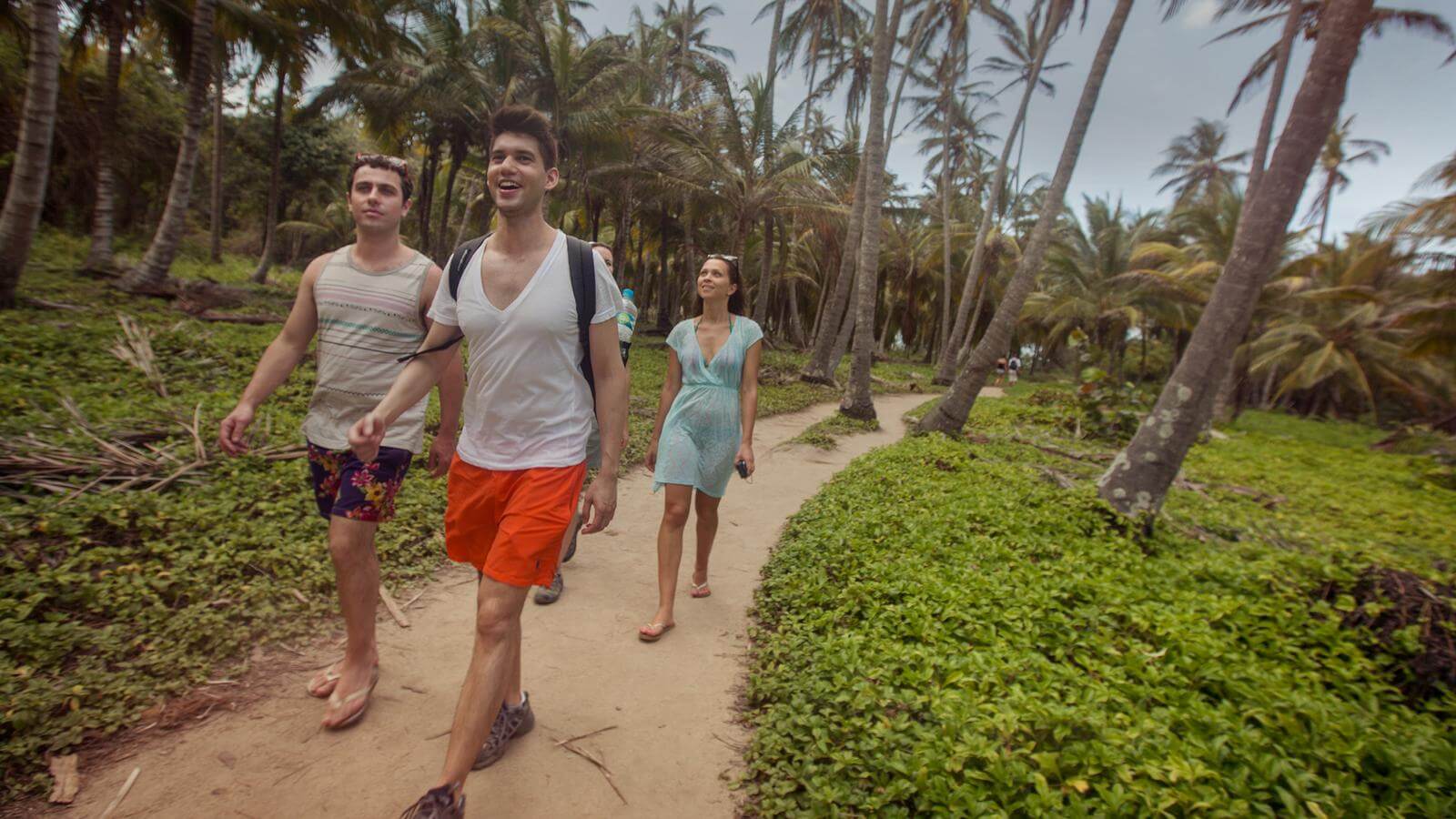
- Number of days: 9 Days
- Group Size: 16 Max (12 on Average)
- Fitness required: Suitable for most fitness levels, light walking and hiking, nothing too challenging
- Accommodation type: Comfortable tourist-class
 FIND OUT MORE
Is Colombia Safe for Solo Female Travellers?
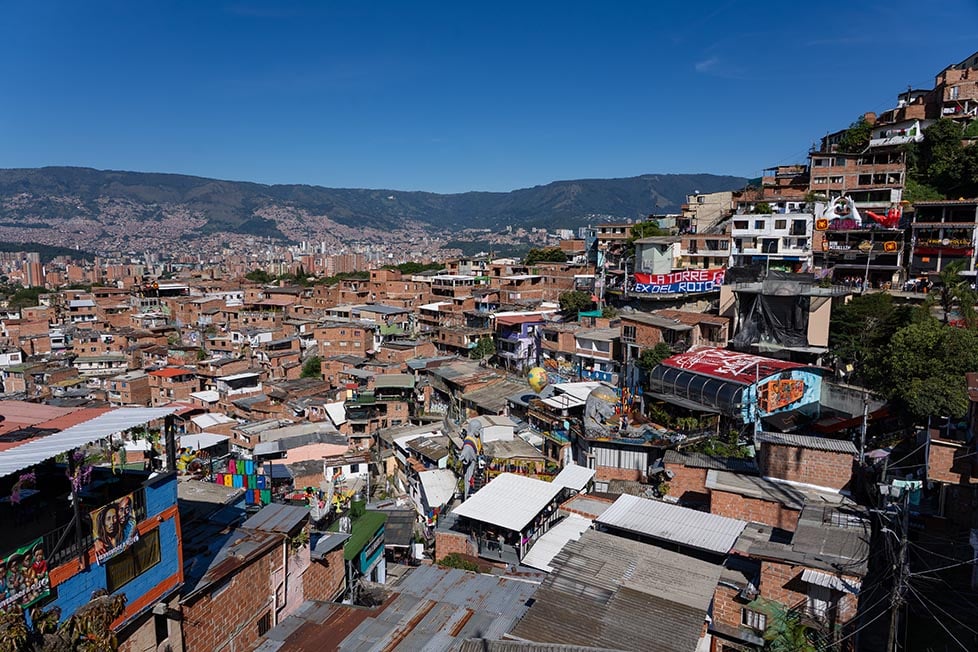
Well, we’ve established that Colombia is safe for solo travelers. But when it comes to being a female solo traveller, there are always other things to consider – sad but true.
This is not to say that women should not travel to Colombia, many do, and many that I have met regard it as their favourite country in South America. Just like back home, women have to take extra precautions, and the same is true in Colombia.
Firstly, Colombia is still a pretty macho society, and catcalls are still accepted behaviour. Ignore it, walk by, and be confident. This is part of the culture and society you’re visiting and reacting won’t make your day any better. Colombian men may also be a bit more pushy than you are used to.
- Dress according to the destination – some areas can be surprisingly conservative.
- Be careful with nightlife – This goes for all travellers, but sadly women are a big target for drink spiking. Do not accept drinks or cigarettes from strangers, and do not get isolated from your group.
- Do not walk around at night – Again, this is pretty generic advice, but women are especially at risk to bad-intentions. Always get a cab back to the hostel.
- Arrive at new locations during the day – It’s when you groggily step off a long-distance bus weighed down by all of your bags that you are most a target. Make sure that you arrive during the day to ensure that you can navigate your way to your accommodation at the safest time.
- Keep your ear to the ground – lean on the sisterhood by asking other women for advice on a place. They can recommend areas to avoid or good places to stay.
- Get a local SIM card – Keep in touch with people back home and ensure that you always have internet so that you won’t get lost.
- Do your research – Are there security concerns? Is this hostel good for solo females? Use hostel reviews to gauge whether this hostel is good for solo females. Many will have female-only dorms.
- Don’t drink too much – Keeping a clear head is important in cities like Medellin or Cali.
- Take taxis but DON’T hail one – Download a taxi app like Uber or Rappi in Medellin, or get your hostel to call you one.
- Don’t leave your bag on the floor – even literally right next to you. Do not make it easy for petty criminals.
- Trust your gut – If something feels sketchy it probably is. Avoid danger at all costs.
- Make a fuss – Shout and alert people nearby. This will likely spook any would-be thief. Ideally, get the attention of tourist police. Tourism is important for Colombia, and they want to make sure you don’t leave with any bad stories to take home with you.
Remember: most of the violent crime you hear about is gang-related i.e. gangs attacking other gangs.
Try not to look lost – It’s a good way to look like a target.
Lastly, and most importantly, YOU CAN ALWAYS SAY NO, it is the same in English and Spanish.
Where to Start Your Travels in Colombia

Cartagena (Bocagrande)
Cartagena can actually be a very safe place to visit, especially if you choose the right area. A very wealthy but also very secure area is Bocagrande. It’s a great family and expat heaven.
Is Colombia Safe for Families?
In parts of Colombia, I would fall into conversation with parents on a trip with their kids, and I must say that I am jealous that I never experienced a family holiday like theirs’. Colombia has much to offer children – the landscapes and the living culture is something that they will never forget and be a massive source of inspiration.
All sorts of tourists are heading to check out Colombia. Everybody’s welcome and that goes for families too.
Colombia is a country on the up. The arts and literary scenes are flourishing, tourism is booming, and you’ll be happy to know that Colombian culture is family-oriented. There’s you as an individual – and then there’s the family as a whole, which is usually the centre of a Colombian person’s life.
On top of that, family-friendly activities and adventurous outdoor exploration abound. You can spend nights in a jungle treehouse, play around on beach havens, and trek through cloud forests, amongst other things.
There are definitely extra considerations when travelling with children though. Firstly, the distances in the country are huge! There will be some long transport days, for instance Bogota to Santa Marta is 17 hours.
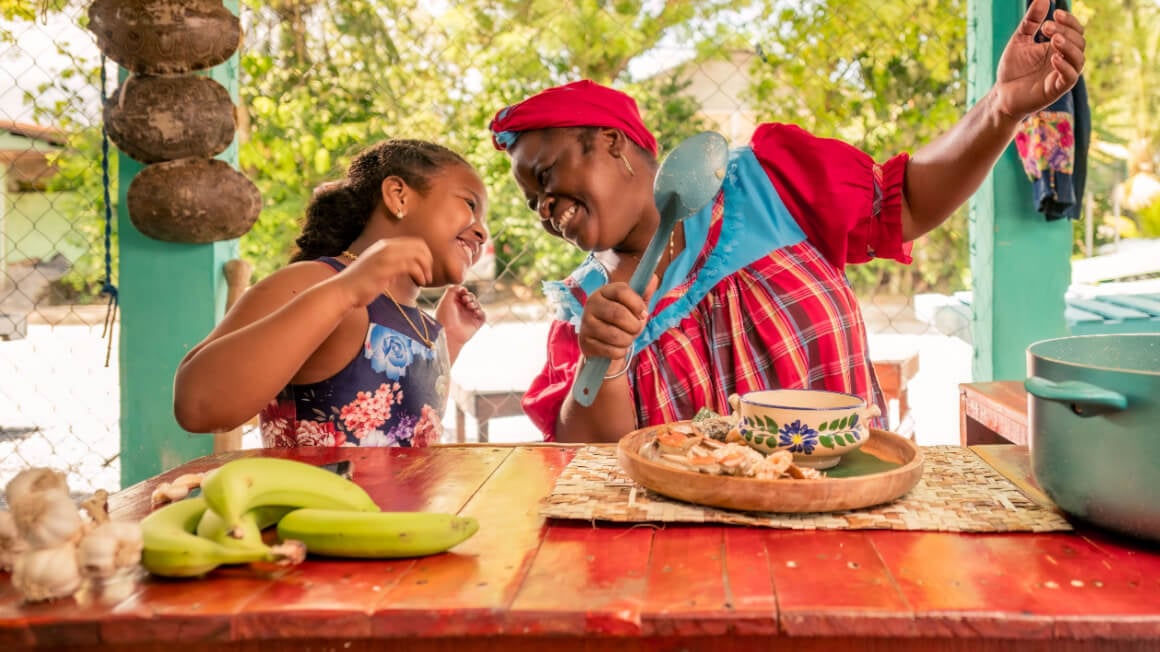
Some cities can feel chaotic and a touch overwhelming to children, the traffic and noise of Bogota will bring a degree of culture shock to children. This is heightened by uneven pavements or steep streets in places like Medellin.
The environment varies a lot in Colombia – a full trip will include challenges with altitude and with extremes of heat on the coast. Children may suffer from both unevenly to adults.
Even picky eaters should be okay with Colombian food. Its staples contain lots of rice and beans, as well as arepas, all hearty foods without strong flavours. International food is also available across the tourist trail if food is a sticking point. The availability of mind-blowingly good fruit is also a plus for families.
Without a doubt, Colombia is safe for families to travel. Take all the usual precautions that you would when travelling with children (medication, snacks, first aid kit, etc. etc.) and you’ll all have an unforgettable time.
Particularly suitable areas for children are Cartagena, Medellin, Minca and the Coffee Region centered on Salento that avoid the extremes of heat and culture shock for the little ones.
How to Get Around Colombia More Safely
For a country that straddles the Andes, jungle and the Carribean, Colombia is pretty well connected. However it is worth noting that it is absolutely HUGE, so prepare yourself for some lengthy bus rides or flights.
Most travellers get around using long-distance buses and the occasional domestic flight. Within cities, the transport options consist of local buses, colectivos (informal minibus services from place to place) and taxis.
Honestly, it’s not totally safe to drive in Colombia. Unless you’re a super-confident driver, it’s not worth the stress. There is a common saying that the driving in South America gets worse the further North you are.
As the Northernmost point of the continent, you can draw your own conclusions of Colombian driving. If you’re planning on driving in Colombia, take extra precautions when choosing your route.
One thing I’ve learned in Colombia is that travelling on public transport is safer. Bus travel is your buddy in Colombia. Companies vary in levels of quality, so do your research.
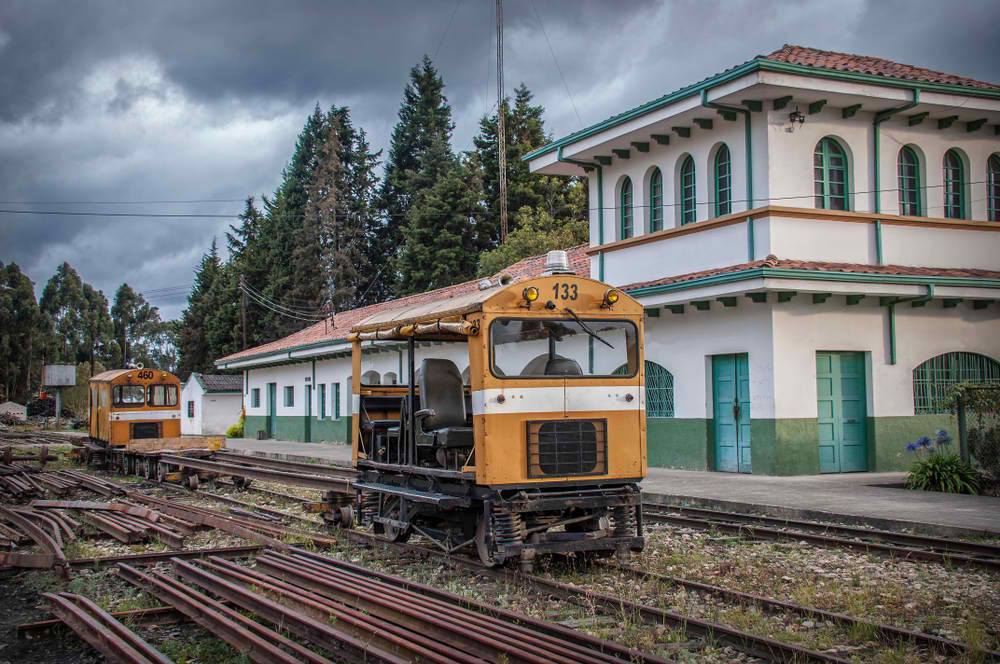
I opted for Bolivariano when I could, which was comfortable and safe.
Night buses are also safe in Colombia. Though, comfort is a luxury here, especially travelling long-distance. The only safety consideration is to keep valuables out of sight, especially when you are asleep.
Another rule of thumb for long-distance buses is to try to arrive in a new destination during the day. Many pickpockets prey on bus shelters so it is safer to find your bearings with your wits about you.
Colectivos (minibuses) or busetas (local buses) are used for short-distance travel. These are relatively safe AND cheap. Just always be aware of pickpockets.
Other than the Medellin Metro, there are no public trains in Colombia. Though there is the Turistren (yes, tourist train) between Bogota and Zipaquira. It’s safe to travel by train in Colombia this way.
When using taxis in Colombia, ONLY USE OFFICIAL TAXIS. Ask your accommodation where to find these or use an app like Uber. Illegal taxis are active and you don’t want to find out the consequences of using them.
Better yet, Uber is safe in Colombia. They’re much safer and cheaper than taxis. They also have local taxi apps like inDrive which work great.
Air travel is safe and convenient in Colombia if you don’t mind the carbon footprint. Latam and Avianca are the most popular operators. Overall, and surprisingly, public transport is safe in Colombia.
Common Colombia Scams to Know Before You Go
So, unfortunately, scams do happen in Colombia and scammers target tourists. I wholeheartedly believe that most of them are not bad people: many are just less fortunate and scamming tourists is a quick fix for their situation.
Whatever their reasons, you do not want your trip ruined by a trickster, so here are some typical examples.
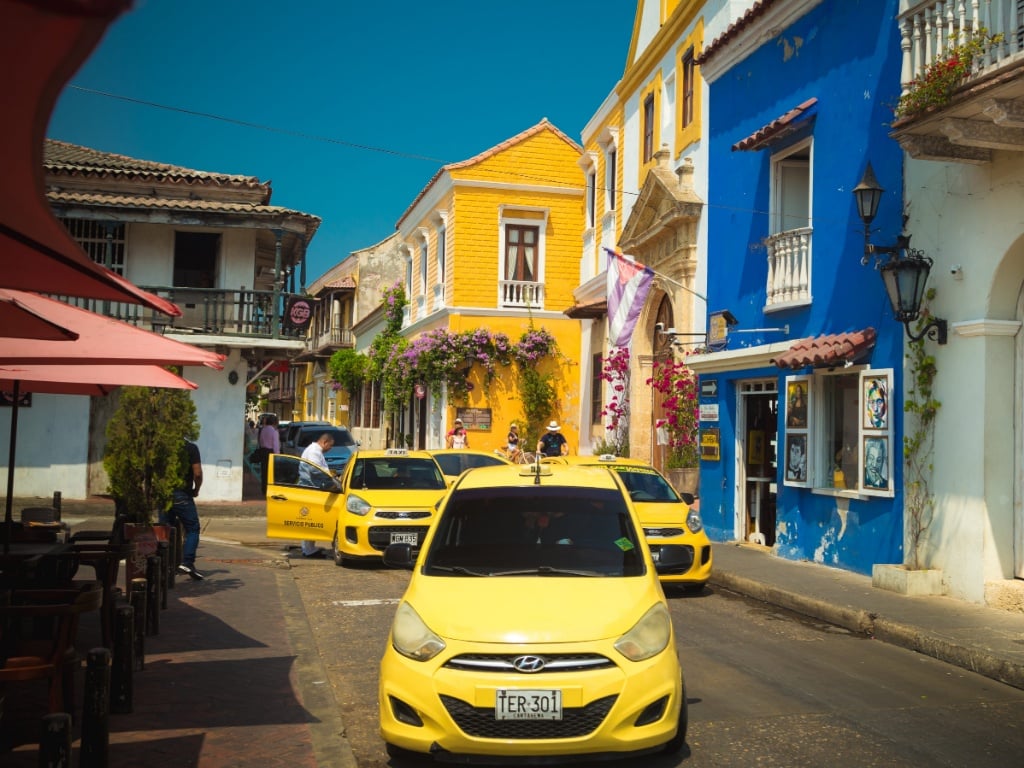
- The overpriced service – Ask for prices before you accept a service. Taxis are a prime example, but sometimes restaurants will add extra food to your meal and charge at the end.
- Fake taxis – No, not that kind – actual fake taxis. Use Uber or local taxi apps to avoid an unexpected surprise.
- The distraction techniques – “Look at this!”… then the unsuspecting victim’s pocket is picked . Classic plays sometimes involve someone spilling a drink on you and apologising profusely while their pal picks your pockets. Avoid this by refusing help and just sorting yourself out.
- The dropped brush – a shoeshiner will drop his brush, being a good person you will pick it up for him. He will then profusely thank you and then clean your shoes to say thank you. Afterwards, he will aggressively demand an enormous fee for the clean. I must admit that I fell for this during my first week. Just ignore dropped brushes! Once you are wise to it, you will see it everywhere.
- ‘Plain clothes police officers’ – These are people masquerading as police officers and after your money. They will accuse you of a bogus offence but offer to make it all go away for a fee. In this situation, refuse to pay and ask them to take you to the police station. The masquerade will soon melt away.
Serious and violent crime is rare – express kidnappings, sexual assault, drug cartels, and murder shouldn’t scare you here.
Generally, Colombians are super friendly. Sometimes it feels a bit eerie, especially in large cities. But really, most of the time they are just trying to be kind and inviting.
However, if someone is too close for comfort or it just feels weird, don’t feel bad for them to remove yourself from the situation. If someone is making you feel uncomfortable, don’t worry about making them uncomfortable. Your safety is always more important.
What to Pack for a Safer Trip to Colombia
Everyone’s packing list is going to look a little different, but here are a few things I would never want to travel to Colombia without…
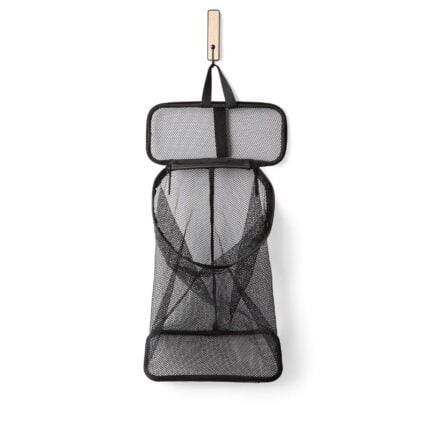
Hanging Laundry Bag
Trust us, this is an absolute game changer. Super compact, a hanging mesh laundry bag stops your dirty clothes from stinking, you don’t know how much you need one of these… so just get it, thank us later.

Offline Maps
These are brilliant to ensure that you never get lost. I personally used MapsME, which allows you to download the map of an entire country and get offline directions.
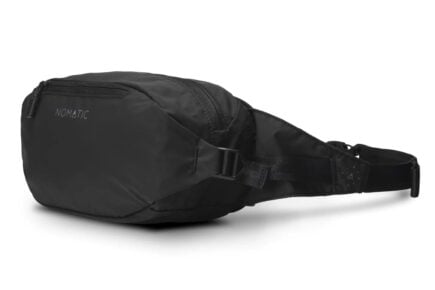
Crossbody Bag
This is very useful to keep sunglasses and wallets safe when walking around a city. I bought one from Nomatic.

Stuffable rain jacket
The weather changes quickly in Colombia, and knowing that you have a jacket that can easily fit in your bag keeps you from getting soaked. My Mountain Warehouse jacket cost just $20 and helped me to blend into Colombian cities. Link to rain jackets post

Backup card
A second bank card helps you to avoid the sticky situation of not being able to withdraw cash if you lose your primary one. Providers like Monzo, Revolut and Starling offer debit cards with favourable conversion rates.
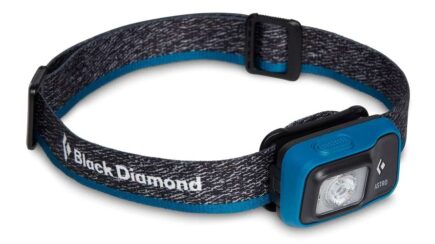
Head Torch
A decent head torch could save your life. If you want to explore caves, unlit temples, or simply find your way to the bathroom during a blackout, a headtorch is a must.

SIM card
Jetpac stands as a premier eSIM service provider, catering specifically to the mobile internet needs of travellers. They do both a Colombia and a South America package.
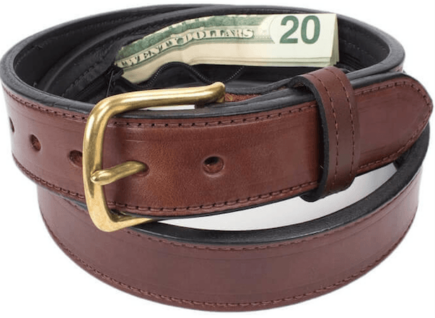
Money Belt
This is a regular looking belt with a concealed pocket on the inside – you can hide up to twenty notes inside and wear it through airport scanners without it setting them off.
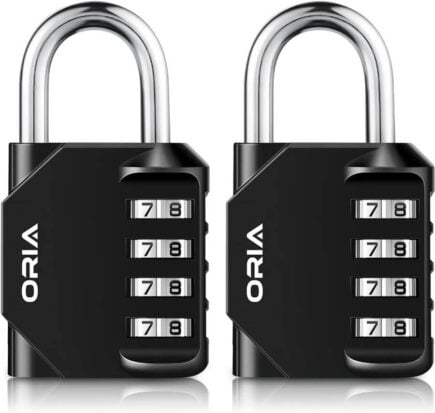
Combination Padlocks
It doesn’t get more essential than this! Not only do they allow you to lock up your backpack wherever and whenever, but they’ll also come in handy if you show up to a room without a lock. The combination style means you don’t have to worry about losing a small key either!

Apple Airtags
This really might be one of the best products Apple has ever made – the peace of mind it will give you when you inevitably have to check a bag is worth the price tag. I’ve found them to be super helpful and reliable, and you can put them in so many different things
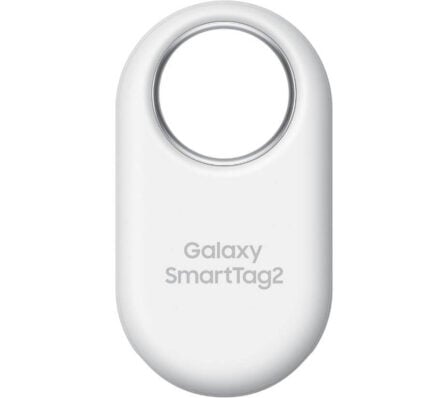
Samsung Galaxy Smart Tags
The same epic concept, except for Androids…

First Aid Kit
A good first aid kit should always be on your packing list, even if you’re just headed to a resort. It’s good to fill it with essential medicines as well as equipment, you never know when you’ll be caught out!
So, Should You Travel to Colombia?
Yes, Colombia is safe so long as you take care.
It would be such a shame to miss out on Colombia because of outdated horror stories from a country that has moved on. The incredible coffee, extremely friendly people, wild nature, epic major cities, mind-boggling landscapes and paradisical beaches… how could you miss that?
This is especially true since the biggest dangers faced by travellers are petty crime and bad judgement, both of which can be mitigated with good sense. Not making dumb decisions like walking around alone and drunk or flashing designer gear and fancy watches in a developing country will go a long way to ensuring your safety.
Be sensible, trust your gut, and monitor local media to help you avoid any danger. Avoid anything political or security-related. Any isolated or deserted areas, you need not investigate. Respect local laws.
Like most things, Colombia is what you make of it, and if you approach Colombia with due caution, staying in good bases, being alert to surroundings, listening to local advice and travelling using licensed taxis, you will likely avoid any unpleasantness.
Remember the emergency number: 123. Get the number of your embassy down too.
With this guide, you have an even safer destination. You now have a ton of travel tips with your safety in mind. Ultimately, most trips to Colombia are trouble-free, but stay clued up. For prepared, clued-up travellers, Colombia will be the experience of a lifetime.
Now get booking your tickets! You’ll probably find one of us here too…
Disclaimer: Safety conditions change all over the world on a daily basis. We do our best to advise but this info may already be out of date. Do your own research. Enjoy your travels!





I am a US citizen who has been living in Colombia for two years. I absolutely love this country and its people. Yes, you need to be smart and careful. But overall I feel safe here, and am glad I made the decision.
In Colombia, I know my neighbors (unlike the many years I lived in the states). Most Colombians enjoy meeting “Americanos,” and you can expect to be treated with generosity and kindness, as long as you behave likewise. Don’t be loud and obnoxious. Colombianos are generally conservative and traditional. It’s not your country, so be respectful and courteous in your interactions.
Yes, absolutely there are bad actors, and you need to use caution about where you go (especially at night). But that was true when I lived in a large cities in the US. Want to visit NYC? I suggest you DEFINITELY not visit parts of the Bronx at night, unless you enjoy getting mugged. It’s the same here, there are places you just shouldn’t go. But there is one big difference: If you should find yourself alone, in the middle of the night, lost, with no money, I hope you’re in Colombia and not in the Bronx. Because, in Colombia, people will go out of their way to help you and get you safely back on your way. That’s just not happening in the US. Sorry, it’s the truth. And, unless you’ve lived here, you really can’t understand what I’m talking about.
The recent political violence and the resurgence of paramilitary activity in a few border departments is concerning, and it remains to be seen if Colombia can continue on the path to total peace. Still, I’m thankful to be living here, in this beautiful country among some of the best people I’ve ever known. I have travelled all over the world (5 continents), and can say this without hesitation: If you decide not to visit Colombia because you are scared, then you will be missing one of the best places on the planet.
A number of my known people were mugged at knife/gunpoint in Colombia. One was shot in robbery as they opposed.
Definitely Colombia can’t be considered as safe because of violence. One thing is when pickpocket happens (that can happen anywhere), another thing is when someone puts a gun at you to rob your wallet which is also a mental trauma, and it DOESN’T happen everywhere, but rather in certain destinations.
Stay safe!
I find this guiding quite accurate. I have visited Colombia +20 times over the last 20 years and in most remote and rural areas. While most of the cities have progressed positively over the last 10-15 years due to foreign investment, tourism and increased job posdibilities some cities have went in the oposite direction, ex Caii, Palmira and Buenaventura. It was an interesting reading. I am travelling out of Cali tomorrow with my family after another great visit.
Reg
Inge
I live in Colombia and for me it is a beautiful country, People are still stuck in Pablo Escobar era, but that is in the past, I mean, saying like: “Germany is a dangerous country because of hitler”, Man that was long time ago. Same thing with Colombia, although Pablo Escobar was a little bit recent (1980, 1990) but it doesn’t mean that 1 person will change the way we look an entire country. Colombia can be dangerous, Nobody can’t say it is not. But I think people are still saying this country is dangerous because of 1 single person. Kinda unfair. And why seeing only the bad things? We can enjoy the amazing places, foods, traditions of this country. And we are not done yet. Colombia is still fighting to achieve our president’s goal of “total peace”. I am proud of this strong and persistent nation. And I will never stop being it.
Hi David
Thanks for your comment.
Well the “Pablo Escobar” era wasn’t just dangerous because of one man was it? It was dangerous because of multiple, huge, powerful drug cartels warring with each other, with the government and then the para-militaries were also adding to the melee.
But yeah we agree, Colombia has turned a corner since then and is indeed a brilliant and beautiful country to visit. However comparing it to Germany is completely disingenuous, the fact is that street crime remains endemic and that obvious Gringo’s are a target – that is our first hand experience talking.
Aiden
I think your opinion of Barranquilla is really wrong. There are obviously places you should avoid, but compare to other cities Colombia is relatively safe. As you said, you need to be always careful in some areas of the cities or avoid completely some neighborhoods, but to tell to avoid the city completely is just doing it an injustice. Yes, in Barranquilla there is not so much to see, is really not so much a tourist city outside of the Carnaval time, but still is a really nice place.
I can you tell you right now you’re opinion on Cali is wrong. It’s very clean, vibrant, friendly people, and the home of salsa. One of my favorite cities in Colombia!
Thank you very much for this article!
I agree, I am not from Colombia… I have been working in security matters over 20 years in other countries and recently I am working here (Colombia), theses tips we often use to show our expatriates persons to guarantee a productive and safe staying in this country. From my side you have 20 points.
Some cities are more dangerous than other ones, with more attention to the rural and borders area. We need to have in mind the proactive culture, do not give the opportunity to delinquents, you only need to follow the suggestings…
I’m Colombian. I live in Medellin. This article is pretty accurate. I love my country and we (colombians) hope that many foreing people can come and visit us.
Gracias por comentar! A lot of us on the Broke Backpacker team love Colombia too! <3
We were mugged at knifepoint in Medellin two days after our arrival. On the first day we were followed by shady individuals. No, Colombia is clearly not safe. We had read all the safety warning and were very worried about the security situation, but that did not help us (though we were not carrying anything of value except our phones).
I’ve travelled continuously for the past two years to some pretty bad places and would consider myself a very experienced traveler, but have never felt as unsafe as here. I would strongly advice against travel to Colombia.
Great article!
For a great country! 🙂