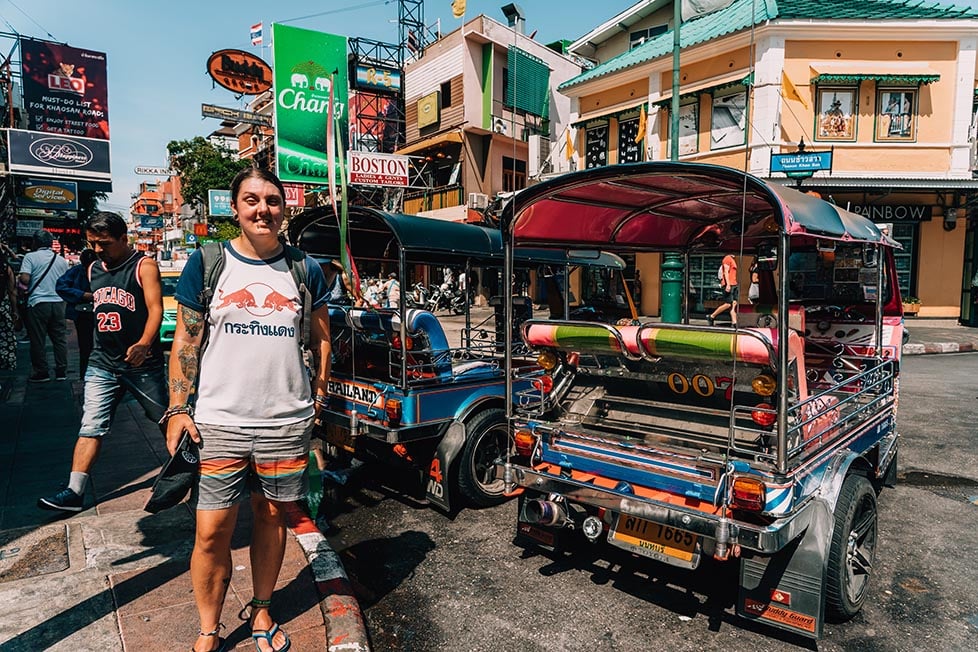
When I first went to Bangkok I was blown away by how interesting and safe it was, despite being super crowded. I must admit, I got carried away and spent way too much time necking Chang in good old Khao San Road, but there’s so much here beyond that.
Give the city time and you will definitely come to love it. I’ve spent over three months backpacking in Bangkok, across a dozen visits over ten years, and it’s a city I still love to visit… While the initial chaos and, at times, admitted seediness can initially throw newcomers off, there is a lot to fall in love with should you give Bangkok the chance.
So, today, I’m going to breakdown beautiful and bombastic Bangkok! In this updated guide, I’ll talk about:
- Where to stay amongst Bangkok’s eclectic neighbourhoods.
- Nightlife including what to do amongst its hidden bars and steaming hole-in-the-walls eateries.
- How to backpack Bangkok on a budget, safety, transport, entry requirements, work options and more!
After all, this is Thailand, and Thailand is a fun and affordable start point for any Southeast Asia backpacking trip. I’m bringing you the best travel tips to help your journey go smoothly.
The Broke Backpacker is supported by you. Clicking through our links may earn us a small affiliate commission, and that's what allows us to keep producing free content 🙂 Learn more.
- How Much Does Backpacking Bangkok Cost?
- Top Things to Do in Bangkok
- Where to Stay in Bangkok
- Bangkok Travel Guide – Extra Tips and Advice
- How to Get Around Bangkok
- Best Nightlife and Parties in Bangkok
- What’s New for a Bangkok Backpacking Trip?
- Safety in Bangkok
- Travel Insurance for Bangkok
- Books to Read on Bangkok
- Work Opportunities in Bangkok
- Is Bangkok Worth Visiting for Backpackers?
Bangkok can be done cheaply, but it’s easy to see your costs skyrocket if you stay in trendy areas, hit the alcohol too hard, eat Western food, and take taxis over the metro. There are many variables to consider:
- Staying in Khao San/Banglamphu (cheap) vs Sukhumvit/Thonglor (expensive)
- Staying in shared dorms vs private rooms
- Eating cheap street food vs splashing out in restaurants
- Taking public transport (buses/BTS Skytrain/metro) vs taxis (traditional taxis/Grab/Bolt/inDrive)
- Drinking cans from 7-Eleven vs wild nightlife and party spending
- Tour, temple, and day trip costs
Whether you decide to just spend a weekend in Bangkok or you’re here for a few weeks, you’ve still got to be careful despite this being a famously budget-friendly place to visit!
Dorm rooms start at around $3 but you can get a cheap double room for just $10 if you look around. The cheapest rooms are pretty basic though.
Dorm rooms in prime locations will set you back at least $10.
Private rooms near Khao San start at around $15 but if you walk ten minutes outside of Khao San the price will drop by a few dollars.
Khao San and Banglamphu are great places to find cheap accommodation. Sukhumvit, Siam, and Thonglor cost more but offer convenience.
In Bangkok, you can eat street food for under $2! The food is delicious, nutritious and great value. A meal in a restaurant will see you back a fair bit more, perhaps $10 per person, including a couple of drinks.
Food courts are clean and affordable – great for first-time visitors not quite ready to plunge straight into street food. Cost wise, they’re the mid-range choice between street food and restaurants.
Sit-down restaurants cost more but are still affordable compared with Western cities.
Nightlife, snacks (watch out for 7-Eleven), and tourist-area meals add up, so keep an eye on the pennies.
City buses tend to be very crowded and can be quite confusing but they cost as little as $0.25 a journey. The Skytrain and Metro (MRT) usually cost under $1 a trip and are a great way to get around.
Taxis throughout the city usually cost around $5 but make sure your driver puts the meter on. Or better still, download Grab (Uber for Southeast Asia) for better value and more safety.
If you are travelling by yourself and don’t want to use public transport try out the famous motorcycle taxis, these are good value, especially during rush hour. They’re fast though, and can be pretty scary, so definitely not suitable for everyone!
Daily Travel Budget in Bangkok Breakdown
Here’s a quick look at the sort of prices you can expect to be paying here.
Dorm bed in a hostel: $3-$6
Small basic room for two: $10-$15
Nice accommodation (Airbnb, hotel, etc.): $15+
Street eat: $2-$4
Sit-down meal: $7-$14
Bus ride: <$1
Metro/Skytrain ride: <$1
Taxi fare: $3-$6
Bangkok Budget Backpacking Tips
Travelling to Thailand is relatively cheap, but there are some travel tips you can use to keep your daily spending budget lower. To keep your spending to an absolute minimum whilst travelling in Bangkok I recommend sticking to these basic budget backpacking tips…
- Use Public Transport – Bangkok has an extensive system of buses and metro lines, plus the BTS Skytrain.
- Couchsurf: Couchsurfing is an excellent idea while backpacking Bangkok.
- Eat street food: The cheapest way to eat. Just look for traditional Thai food rather than the touristy stuff like crocodile and tarantulas on Khao San Road.
- Cook your own food: Alternatively, get together with your amigos at the hostel and cook up a meal. You can save some pennies doing this.
- Pre-drink lightly: Have some beers from 7-Eleven before you go out to save some cash. Drink responsibly of course, and when you do go out, try taking advantage of happy hours.
- Haggle: Know how to haggle, and do it as much as you can. You can always get a better price for things especially while in local markets in Bangkok.
- Avoid tuk tuk scams: In a tale as old as time, taxi drivers (including tuk tuks) will attempt to rip you off. If you need a taxi, use Grab to get around and you’ll avoid this issue. If you must use standard tuk tuks, insist on using the metre.
- Pack a travel water bottle: Save money every day! I use a filtered water bottle so I can drink tap water in Thailand and not get ill. Even in India I was able to do this successfully, so it really does work.

A new country, a new contract, a new piece of plastic – booooring. Instead, buy an eSIM!
GigSky eSIMs work just like an app: you download it, pick your plan, and BOOM! You’re connected the minute you land. It’s that easy.
Read about how eSIMs work or click below to see one of the top eSIM providers on the market and ditch the plastic.
Grab an eSIM!Bangkok is best experienced as a mix of temples, food, markets, nightlife, parks, river trips, and odd little subcultures.
There is loads to do here, it is absolutely stacked with awesome activities and attractions. Don’t miss out! In fact, with so much to do you might just want to plan out a proper Bangkok Itinerary
1. Get the Sacred Sak Yant Tattoo
- Best for: Travellers who want a permanent souvenir
- Budget: $10-$300+ (it can be cheap at Buddhist temples, but this is becoming rarer to find as a foreigner)
- How long you need: 0.5-5+ hours depending on size and detail
- Why it’s worth it: A cool reminder of your Thailand adventures that you’ll never lose
Many travellers visiting Thailand express an interest in learning about the fascinating practice of holy Sak Yant tattoos, find out more about these amazing works of art and get your own tattoo from a monk – I strongly recommend reading up on what the Sak Yant tattoo is to find out if it’s is right for you…
It’s much cheaper at a Buddhist temple than a tattoo shop, and can cost just a few dollars, but it’s becoming increasingly rare to find these bargains as a foreigner. I recommend finding a proper Ajarn (spiritual teacher) to do the tattoo rather than a random shop artist.
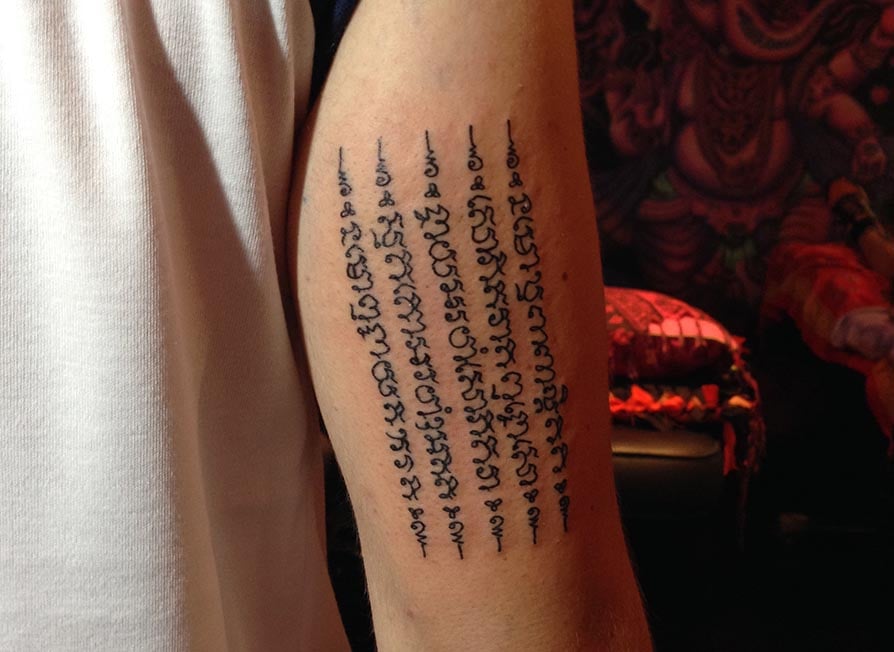
Image: Nic Hilditch-Short
2. Watch a Spot of Muay Thai
- Best for: Sports lovers and backpackers looking for a bit of culture
- Budget: $30-$150
- How long you need: 3-4 hours in the stadium
- Why it’s worth it: A typically Thai cultural experience that you won’t forget in a hurry
The best place to see Thailand’s iconic martial art is at Rajadamnern Stadium, the world’s first dedicated Muay Thai stadium! They host fights virtually every night.
Tickets generally start from 1,000 baht (around $30). There are usually 7-10 fights taking place per event, so you get great value for money. Well worth checking out. I had a lot of fun here, it’s an awesome night to enjoy.

3. Try Some Authentic Market Shopping
- Best for: Shopping addicts and those who want a local souvenir
- Budget: $1-100+
- How long you need: As long as you want
- Why it’s worth it: You can get traditional Thai goods to take home
You can buy almost anything in Bangkok’s huge markets, the best is probably the huge Chatuchak Weekend Market. It has 15,000 stalls so you’ll never get round the whole thing, but there’s a ton of cool stuff to discover there. They even have DHL stalls if you wanna ship stuff home.
Tour a night market with a local in Bangkok and really discover the hidden gems of the city.
You can find all sorts ranging from food, to trinkets, to even live animals, and so much more. The markets are a fun local experience.
4. Or Some Less Authentic Modern Shopping
- Best for: Shopping fans looking to get some quality goods from known brands
- Budget: As little or as much as you want
- How long you need: As long as you want
- Why it’s worth it: You can find your favourite brands here
There are tons of shopping malls in Bangkok and if you have the cash these are great places to find relatively cheap clothes, electronics and designer knockoffs.
Siam Paragon and ICONSIAM are my two favourites, with endless places to fuel a shopaholic’s addiction.
5. Visit the Grand Palace and Wat Pho
- Best for: Backpackers who are keen on learning about the culture
- Budget: $15 for the Grand Palace and $9 for Wat Pho
- How long you need: 3-4 hours for both combined
- Why it’s worth it: You get to experience where royalty once lived
The Royal Grand Palace is Bangkok’s star attraction. It’s the former home of Thailand’s royals, and even today they still host occasional events there.
Wat Pho is home to the fantastic reclining golden Buddha and is definitely worth visiting. When you get to the temple touts may tell you it is closed, ignore them and go straight inside. Better yet, pre-purchase your ticket for Wat Pho!
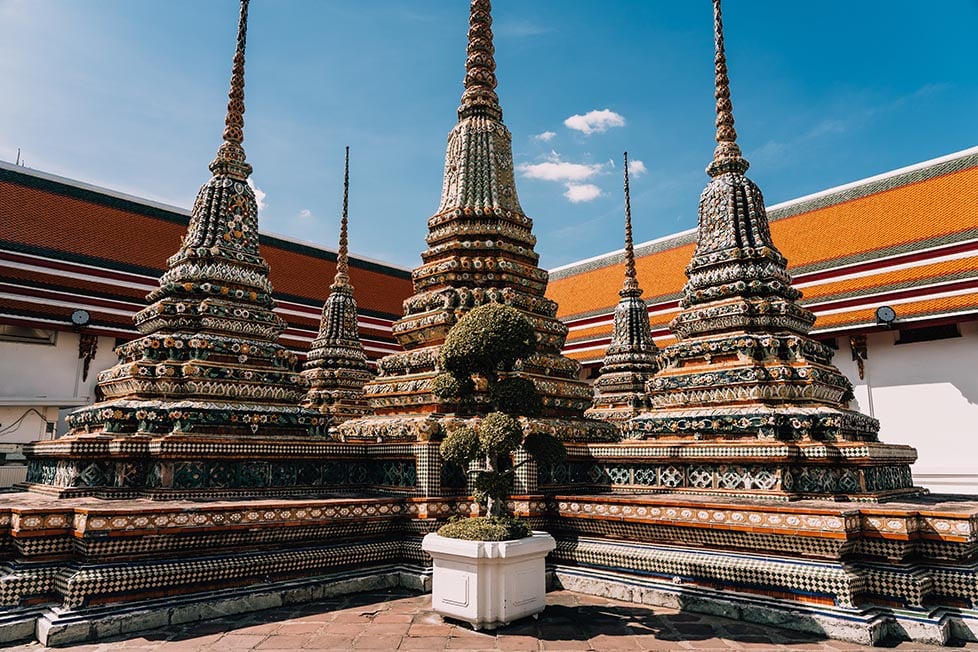
Image: Nic Hilditch-Short
6. Relax During the Day in Lumphini Park
- Best for: Everyone looking to slow down a little
- Budget: Free
- How long you need: 0-2 hours normally, but you can really stay as long as you want
- Why it’s worth it: It’s a chilled spot with great nature and a big fitness scene
If you end up staying a while, one of the best places to see in Bangkok is this fantastic park with jogging trails, free weights and rowboats.
You can even find water monitors (a type of giant lizard) roaming around. Best avoided in the early afternoon though as it gets super hot. I love it here best at sunrise and sunset.
7. The Underbelly of Bangkok
- Best for: Err, sex tourists… or just young backpackers looking for something amusing and err, different
- Budget: Often free entry, but with a minimum requirement of purchasing a $4-7 drink
- How long you need: From 1 hour to a full night
- Why it’s worth it: It’s, interesting…
A lot of travellers are keen to explore Bangkok’s famous sex scene; Soi Cowboy is supposed to be the more upmarket place to hang. Nana Plaza is another option. There are many sleazy bars in these spots where young women attempt to lure you into strip clubs.
Inside you’ll often find naked ladies performing, sometimes engaging in obscene acts for entertainment. Be careful, some bars have ladyboys instead and this isn’t always advertised. This isn’t an attraction for everyone, but it’s one you won’t forget in a hurry.
8. Explore the Infamous Khao San Road
- Best for: Budget backpackers and party animals
- Budget: From $3 up to as much as you want
- How long you need: I’d say 1-2 hours minimum, but you can easily spend the whole night here
- Why it’s worth it: Cheap beer and a party atmosphere with lots of cool stuff for sale
The epicenter of Bangkok’s backpacking scene, Khao San is definitely worth checking out. This is a fantastic place enjoy a few beers or get your first taste of a Thai bucket! Beware that a night out on Khao San will empty your wallet. But hey, where else to start your Thailand itinerary than at ground zero, right?!
You can buy all sorts of exotic snacks here too. I tucked into crocodile for $6, was kinda bland though. If you’re really brave, tarantulas, scorpions and all sorts of creepy crawlies are on the menu. You gotta pay to take pics if you aren’t buying though.
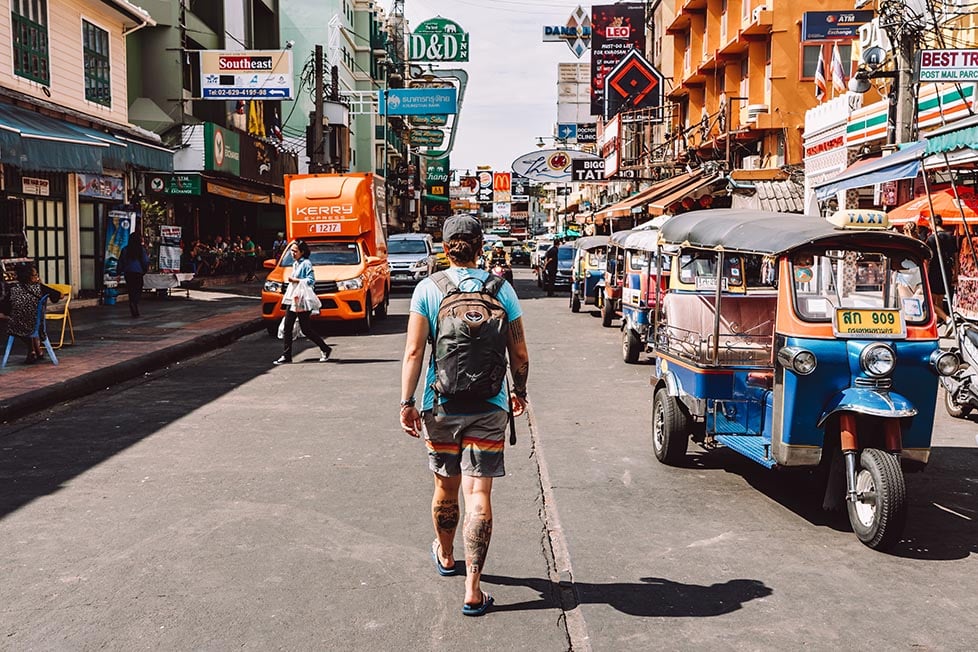
Image: Nic Hilditch-Short
9. Learn How to Cook a Proper Thai Feast
- Best for: Foodies
- Budget: Anything up to $75, but often far less
- How long you need: 1-3 hours usually
- Why it’s worth it: Because you’ll get to sample all sorts of delicious Thai food and learn how to make it yourself
Booking a cooking class in Bangkok is an excellent way to get to know the legendary Thai cuisine flavours. Plus, you get to take some pretty awesome skills home with you. You can impress your missus or mister by whipping up a mean pad Thai when you make it back to the motherland.
Thai food is some of the best, so you’ll love learning from the experts on how to make it.
10. Sample the Street Eats
- Best for: Foodies and budget travellers
- Budget: Often under $5
- How long you need: Under 30 minutes
- Why it’s worth it: It’s cheap and yummy
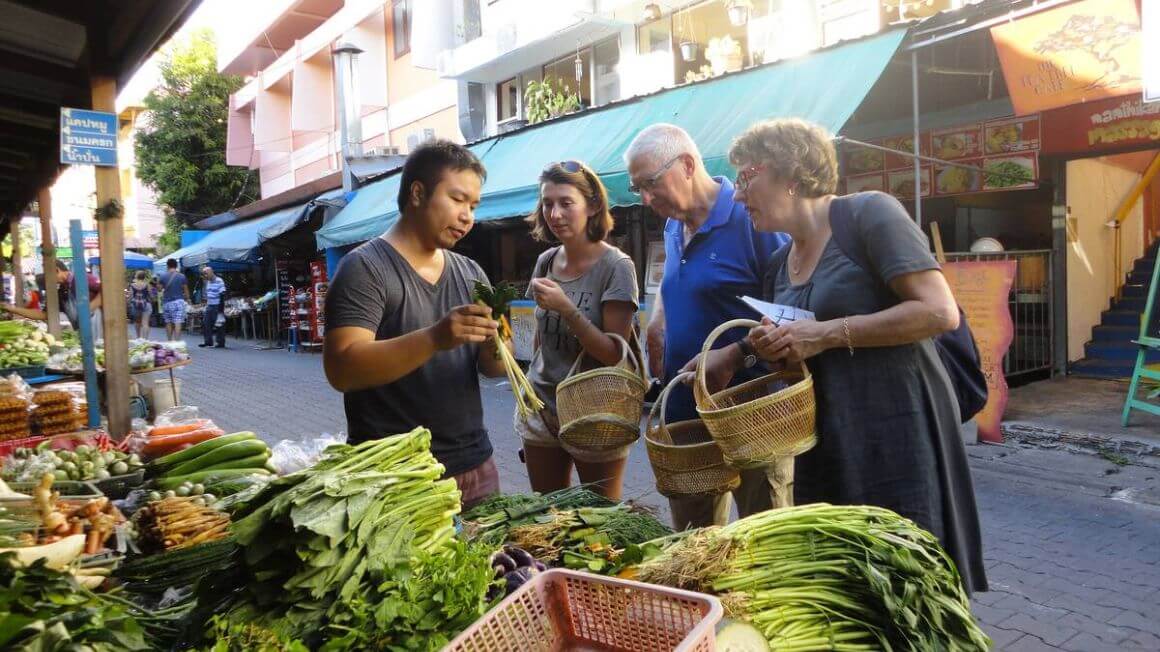
The street food in Bangkok is some of the best street food in the world. It is cheap, plentiful and super tasty. It is also very safe and unlikely to make you sick. If in doubt, buy food from a stall frequented by local Thai people, that way you can be sure the fare is of good quality.
You can either find cheap Thai dishes, budget-friendly skewers, or more exotic stuff like crocodiles and tarantulas. The exotic stuff is more costly though. Either way, this is a great way to save cash whilst experiencing something classically Thai.
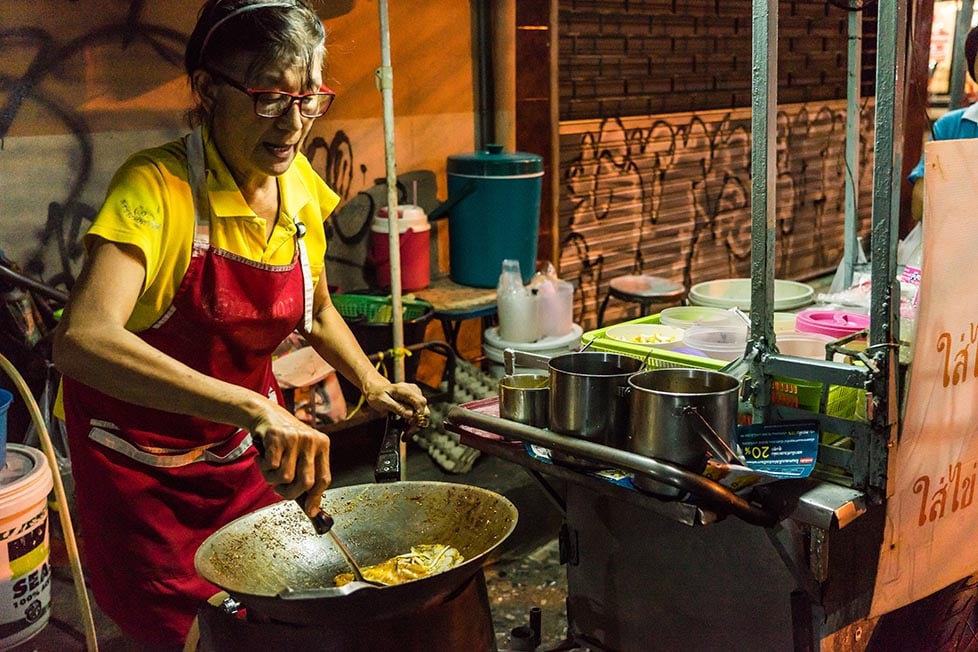
Image: Nic Hilditch-Short
For me, one of the most exciting things about being on the road is meeting new people and staying in new places. Bangkok is the starting point for many backpacking adventures, and there are some fantastic hostels to check out. These backpacker meccas are great for meeting fellow travellers, exchanging travel stories, tapping into the backpacking grapevine and just chilling the fuck out.
Hostels may be your best entry point for meeting fellow travellers, however, there are way more accommodation options! Swanky Airbnb apartments, family guesthouses, and authentic homestays are secreted away amongst the vibrant neighbourhoods of Bangkok. Whether you’re looking for the insanity of nights trawling the city, or just a new home to live your digital nomad dream, you’ll find a place to stay in Bangkok to suit your needs.
Best Places to Stay in Bangkok
Sukhumvit
Sukhumvit is a centrally located neighbourhood with easy access to other districts throughout Bangkok.This neighbourhood boasts a number of historic and cultural attractions as well as great bars, restaurants and shopping making it the best area to stay in bangkok for first-time visitors.
Banglamphu
Banglamphu is the heart and soul of Bangkok. Centrally located, this neighbourhood is where you’ll find an excellent mix of historic and beautiful temples and a vibrant and lively party scene.
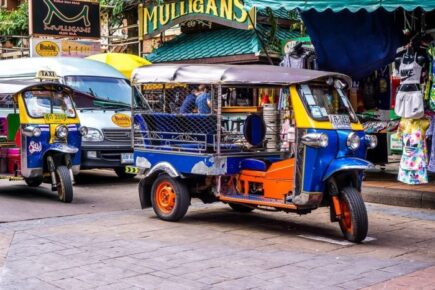
Khao San Road
Bangkok’s nightlife is nothing short of epic, and the city’s dedicated nightlife area is Khao San Road, a haven for backpackers looking to dance the night away and enjoy a non-stop party.
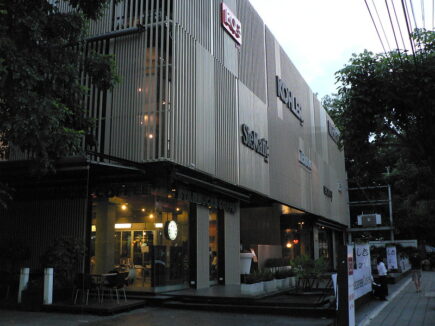
Thonglor
Thonglor is by far one of the coolest areas to stay in Bangkok. Located east of the centre, this trendy district is where Bangkok’s young, rich and famous come to sip ultra-hip cocktails and indulge in world-class cuisine.
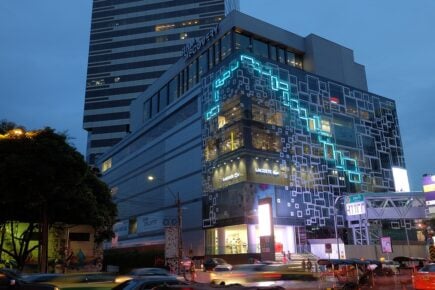
Siam
Siam is the commercial centre of Bangkok and one of the city’s safest neighbourhoods, making it one of the best areas to stay for families. High-end malls and world-class restaurants are just a few of the top attractions here.
The best time to visit, getting in and out, entry requirements… These are all important things to know before your trip, so I’m gonna dive into each of them here before we get stuck into safety, general transport and more.
Best Time of Year to Visit Bangkok
You can divide the year into three distinct “seasons” which each comes with their own factors that may persuade or dissuade you to come here at a certain time of year:
- Cooler/drier season: November- February – best weather, highest prices
- Hot season: March-May – intense heat
- Rainy season: June-October – cheaper, humid, short heavy showers
The really popular guesthouses fill up fast so this is a country where it can definitely be worth making reservations. This way you can find cheaper accommodation which is difficult to find during peak season.
Image: Nic Hilditch-Short
If you want to give the other tourists a miss, head over there in the non-touristy season. You can still do most things you’re planning for your trip to Bangkok even at the quiet times. It is just as much fun, maybe more!
Heat and rain can make walking around between temples less enjoyable, so take this into account when planning your trip. You should always take an umbrella with you, especially in rainy season. In the hot season, you should plan indoor breaks.
Thailand Entry Requirements
Thailand has a very generous visa-free policy, with many countries qualifying. Most Western countries get 60 days in the country without needing a visa.
You can get 30-day extensions in the country at the cost of 1900 Baht. This takes you to a maximum of 90 days, and you can’t extend beyond that limit.
Everyone must complete a Digital Arrival Card within 72 hours before entering Thailand. You must also have at least 6 months left on your passport, and 1 blank page.
Airlines may ask you for proof of onward travel before letting you board your flight, so book this in advance to avoid problems. I was never asked when crossing overland from Cambodia at the now-closed land border, but it’s better to be safe than sorry.
Getting In and Out of Bangkok
Bangkok is the beating heart of the backpacking scene in this part of the world, and most travellers end up starting their Southeast Asia backpacking trip by flying into Bangkok at one of its two airports – Suvarnabhumi or Don Mueang. Both are around a 30-minute drive from the central areas. Suvarnabhumi is the main one for long-distance flights. Don Mueang is more for budget flights.
Suvarnabhumi has an Airport Rail Link for easy access to the city. From Don Mueang, take the A1 bus to Mo Chit, then hop on the BTS Skytrain to get around from there.
Grab (Uber for SE Asia) is a convenient way to reach the centre, but it can be a bit slow, so don’t be surprised to wait 30+ minutes for a ride.
You can, of course, also arrive via road or rail from Laos or Malaysia. Cambodia isn’t an option as borders closed after 2025 clashes. With tensions remaining high, it doesn’t look like reopening any time soon.
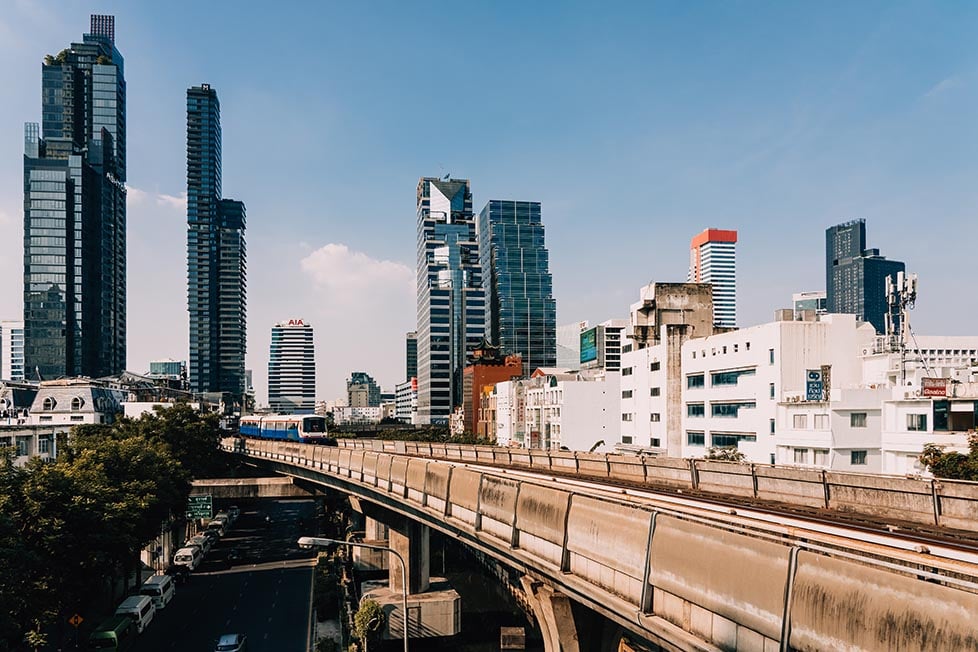
Image: Nic Hilditch-Short
How to Get Around Bangkok
Bangkok traffic is legendary, so good transport choices can save you hours. Here are your options for whizzing around Thailand’s capital:
BTS Skytrain and MRT
The MRT is effectively a metro system, whilst the BTS is a flying metro! Both serve the same purpose and are the cheapest and two of the most convenient ways to get around.
Image: Nic Hilditch-Short
They’re clean which is refreshing if you come from Europe and have to put up with the grotty London Underground or Barcelona Metro. They’re also very easy to use.
Both fantastic options to visit Sukhumvit, Siam, Silom, Chatuchak, and many central areas, although Khao San Road is a little further out.
Airport Rail Link
As you’d expect, the Airport Rail Link is a way of getting to/from the city when you fly. It costs 15-45 baht and covers the following stops: Suvarnabhumi Airport, Lad Krabang, Ban Thap Chang, Hua Mark, Ramkhamhaeng, Makkasan, Ratchaprarop and Phayathai.
It runs daily from 6am-midnight.
Buses
Buses are one of the cheapest options, but can be confusing for first-time visitors.
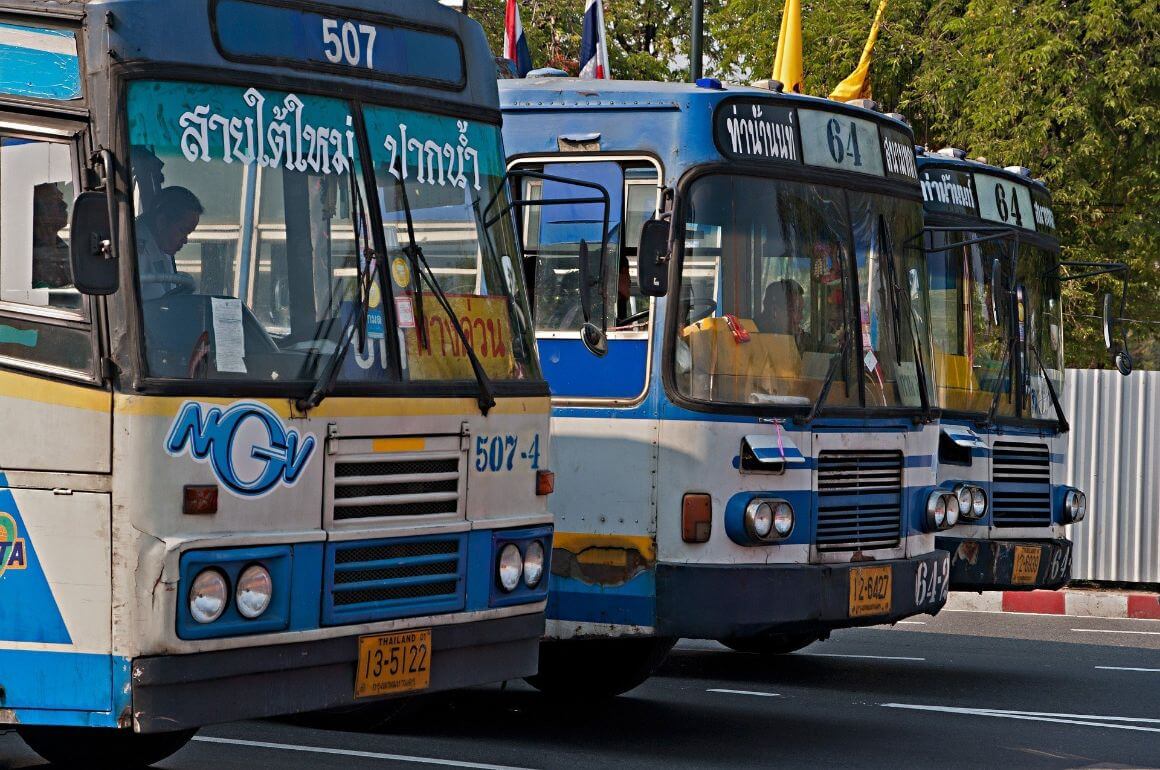
You need to wait at the bus stop (often 150-200m from where maps says it is, so look for people waiting). Then wave down the bus to get on. Once on, go and sit and wait for the conductor to take money from you. S/he’ll ask where you’re going. If you don’t speak Thai, just tell her/him the name of your destination and hand over money.
Buses are cash-only. You must have small change here to be able to pay the fare.
Canal Boats and River Boats
Budget-friendly, scenic and useful. They’re pretty cheap too and should cost under a dollar.
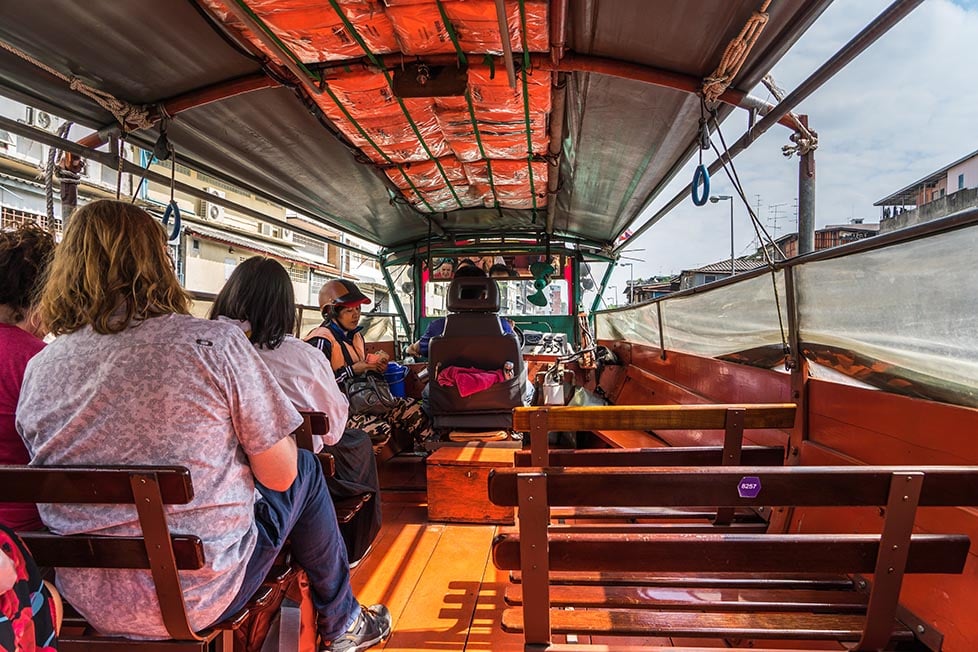
Image: Nic Hilditch-Short
There is a tourist boat that costs nearer $6. The tourist boat runs from Pratunam to the likes of Hua Chang, Bo Bae Market and Phanfa Leelard, heading near Khao San Road to end.
The local boats are a little more chaotic and less comfortable, but much more fun for getting around with an authentic feel to them.
Taxis and Grab
Taxis can be affordable if they use the meter, but some drivers will refuse to use the meter – this is a near-guaranteed scam. And no, it’s not “broken” despite what nonsense they tell you.
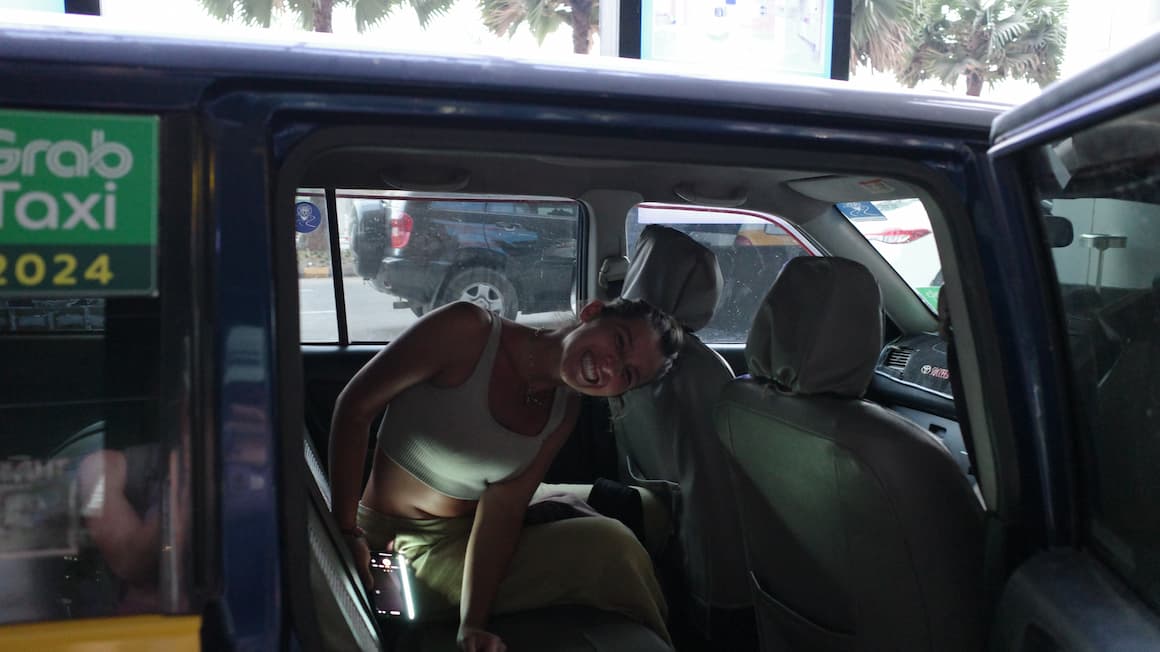
I don’t use traditional taxis though. I use Grab, Southeast Asia’s answer to Uber. It’s super cheap, easy, and I’ve never had any scam attempts with this. Just buy a good eSIM so you can easily summon a Grab when needed.
Just make sure you allow extra time for traffic, which can be a proper madness in Bangkok.
Tuk Tuks and Moto Taxis
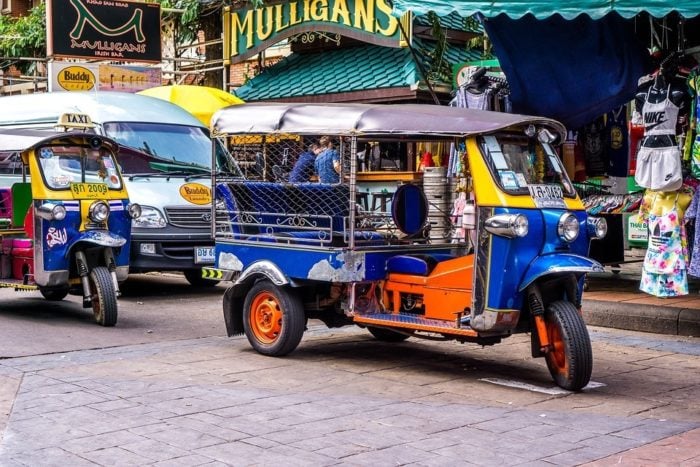
If you are super stoked by the prospect of riding in a tuk tuk, go for it but be sure to negotiate a price before you get in Keep an eye on your shit when in one.
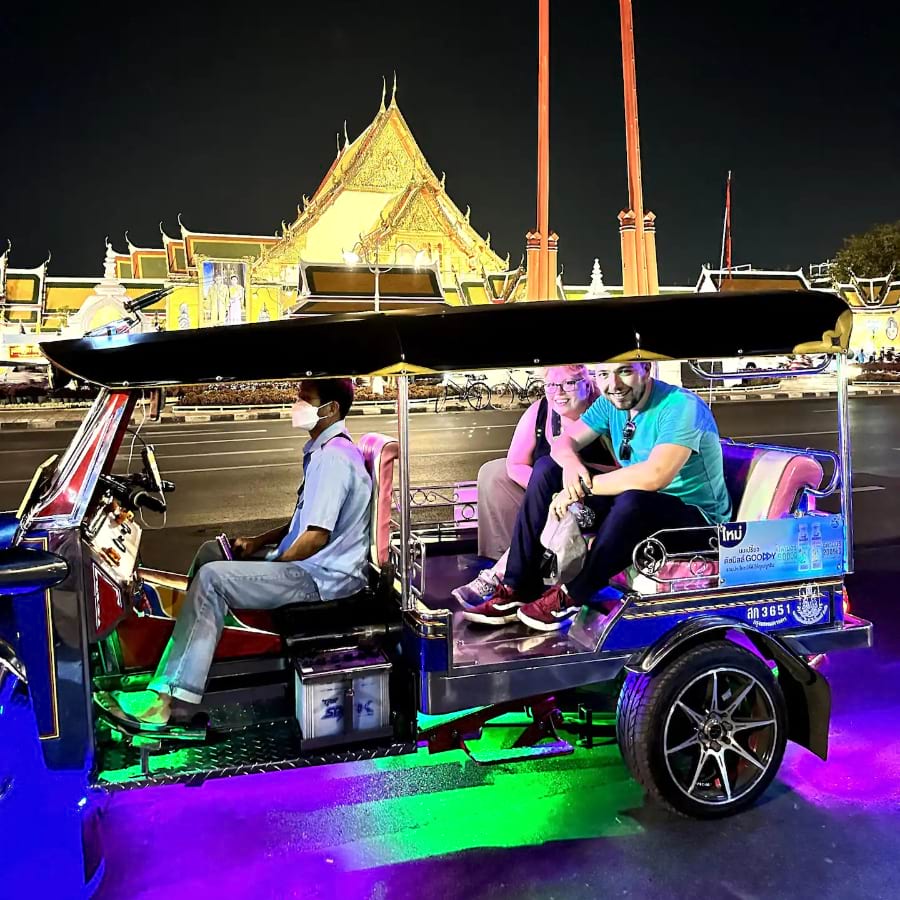
Image: Nic Hilditch-Short
Moto taxis can be fun, but are way more risky. They weave in and out of traffic like prime Ronaldinho dancing around a football pitch, and can be pretty fast. If you get one, only do so if they offer a helmet. They’re not a smart move if you have luggage beyond a small rucksack.
Best Nightlife and Parties in Bangkok
Bangkok nightlife ranges from backpacker chaos to rooftop bars, live music, clubs, red-light districts, and cocktail bars. I’m gonna break down the vibe in each of the main spots here.
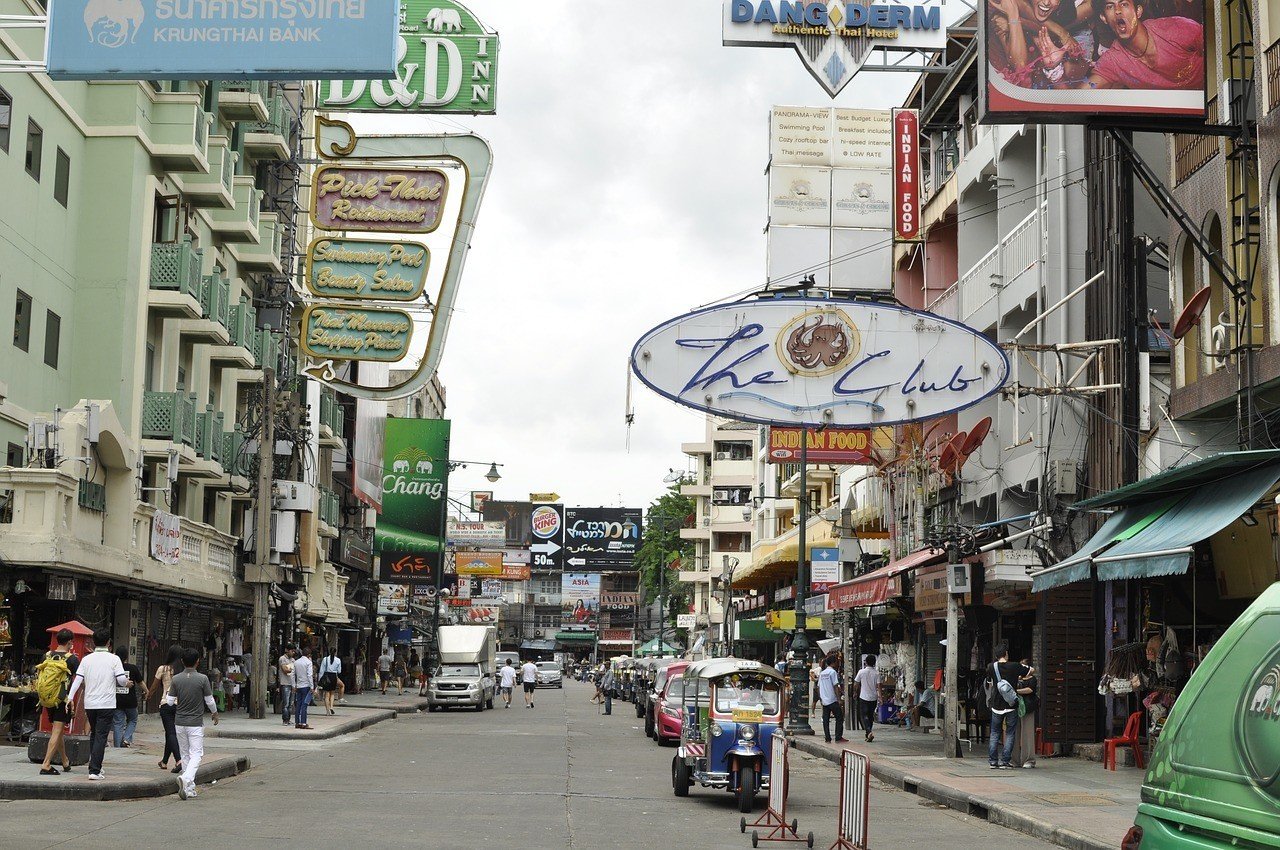
Khao San Road – Best for Backpackers
Khao San Road’s reputation as the ultimate backpacker party hub is known across Southeast Asia, and has been for decades. Internet cafes, bars, restaurants, massage parlours, tattoo shops and hawkers line the 1km stretch of absolute mayhem. You’ll see people eating, drinking and dancing on the streets. I love the energy here, and will often sink a bucket or two before munching on a crocodile between bars.
I would definitely not advise staying on Khao San road even though the cheap prices might be tempting as it’s damn noisy and you won’t catch any sleep. If you want to party stay nearby, just not on the actual road.
Sukhumvit Soi 11 – Best for Expats
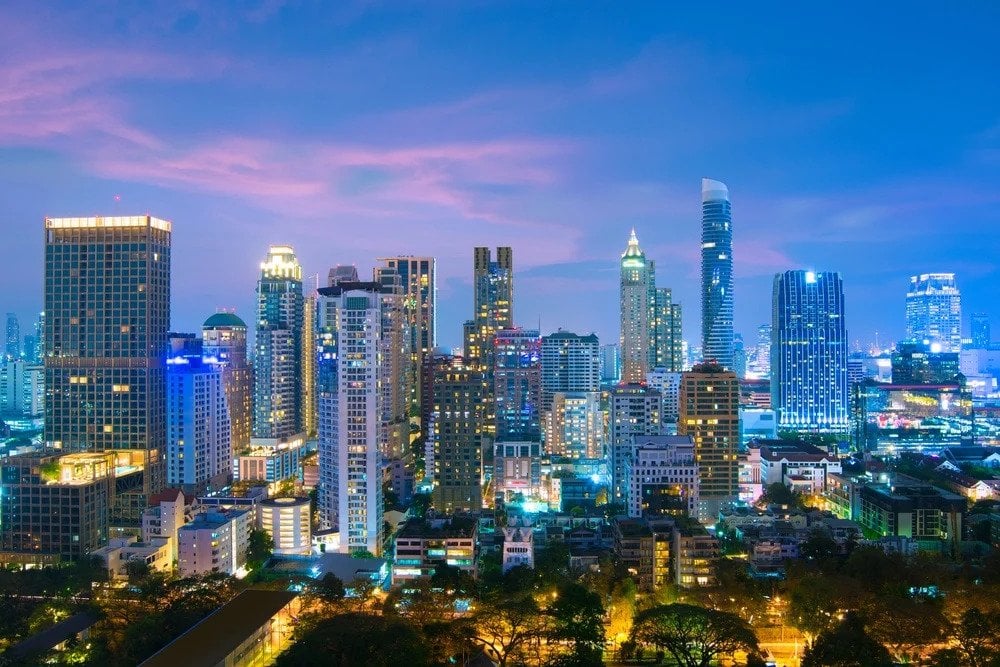
Sukhumvit Soi 11 isn’t as rowdy as Khao San Road. Here you’ll find more polished bars and clubs with a slightly more upmarket feel.
My favourite is Levels, one of Bangkok’s best nightclubs! They have hosted many well-known DJs over the years including Laidback Luke and Sander van Doorn. They have a smart-casual dress code so don’t turn up like a scruff, or you won’t get in.
Lots of expats who come over to work in Thailand will party here at night.
Thonglor and Ekkamai – Best for Trendy Cocktail Bars
Tired of necking buckets of Chang and wanna get stuck into something a little more classy? Then Thonglor and Ekkamai are right up your street!
Around here you can find Dry Wave Cocktail Studio, which has been ranked as the 4th best bar in Asia. Yes, not just Bangkok, not just Thailand, but the whole of Asia!
Dry Wave has a theme: contrasts. They fuse together totally different concepts to make a unique cocktail. The “Sea, Sand and Sun” consisting of rum and chilli liquor is my personal fave!
Royal City Avenue (RCA) – Best for Clubbing
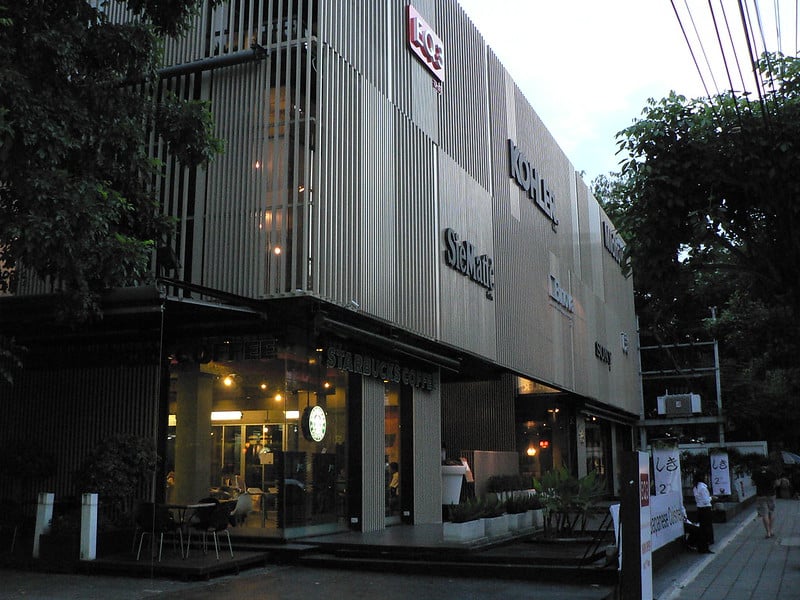
RCA is the place to be if you wanna party through the night, and be staggering down the street at 6am when the suits are heading to the office and hardy Thai grannies are opening their market stalls for the day.
You have a big youth scene here, don’t expect to find too many people over 30. Onyx is my pick of the clubs, it has a huge EDM scene!
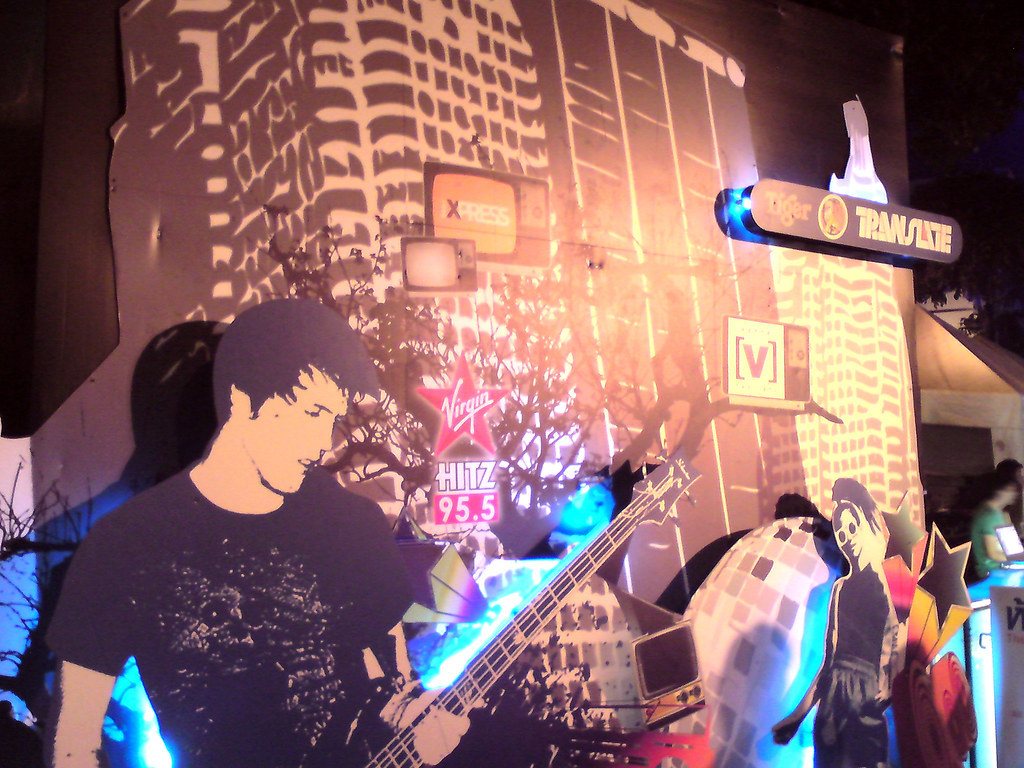
Photo: chinnian (Flickr)
Silom – Best for LGBT Nightlife
Not my scene, so I didn’t come here personally, but Silom is famous for having one of the best gay offerings in Bangkok.
If that’s your kinda thing, I hear it’s a lot of fun.
Nana Plaza/Soi Cowboy – Best for Sex Tourism
You’ll find two types of people round here: twenty-somethings who necked a ton of beer and decided to come here for a laugh, and dirty pervs over 50 who pay for… yeah…
Often entry to sleazy bars is “free” but you have to buy at least one drink. Prices start from around $4 so they’re expensive by Thai standards, but things get… interesting… when you’re on the inside. Naked performers dance on stage, and may even do “tricks” with ping pong balls and other props if you pay a little extra. Some bars have ladyboys performing, so ask at the entrance if you don’t want a surprise…
These are unsurprisingly some of Bangkok’s dodgier spots. Don’t carry too much cash, watch your drink, don’t get too intoxicated alone, and use Grab or a taxi home.

What’s New for a Bangkok Backpacking Trip?
For starters, Bangkok’s street food culture is being sidelined. Whilst it’s not dead yet, street stalls have been forced to stand aside as authorities try to improve the city’s hygiene standards. They’ve set up Singapore-style hawker centres instead which has meant a lot of vendors changing locations.
Thailand has made contactless payments more common. They’re pretty much standard in Europe now, and have come to this popular corner of East Asia. Local markets, buses/tuk tuks, and more traditional family-run stores are generally still cash-only, but most shops, bars and hostels take contactless.
Oh, and cannabis is regulated now. After a brief period of leniency, rules have tightened once more. You need a medical prescription to get your hands on it (well, legally). Just don’t smoke up when the cops are around! Or in a busy public place for that matter.
One piece of news which is undoubtedly positive, is that Bangkok’s transport networks have improved. The MRT has expanded, and contactless payments are becoming more widespread. Bangkok can compete with many Western European cities for quality transport these days.
But you know what? Khao San Road is losing its soul. This backpacking mecca which once attracted broke backpackers like ourselves looking for a budget entry to Thai culture, has morphed into a more commercial entity, where everything feels like a tourist trap. It’s a shame, because KSR was a blast back when I first went pre-Covid.
Bangkok is evolving with more digital nomad spaces popping up. More cafes and hostels suited to remote workers have started to spawn, and coworking spaces are a thing now. Check them out if you wanna work and meet people!
Safety in Bangkok
Bangkok is generally safe for backpackers, especially compared with many large cities, but scams, nightlife mistakes, traffic accidents, and petty theft are still real concerns.
Pickpocketing is common in tourist areas. Especially around The Grand Palace, Wat Pho, Khao San Road, Nana Plaza, Soi Cowboy, and Chatuchak Weekend Market. Use zip pockets if possible, and never put valuables in back pockets. Keep hands near pockets to deter potential thieves.
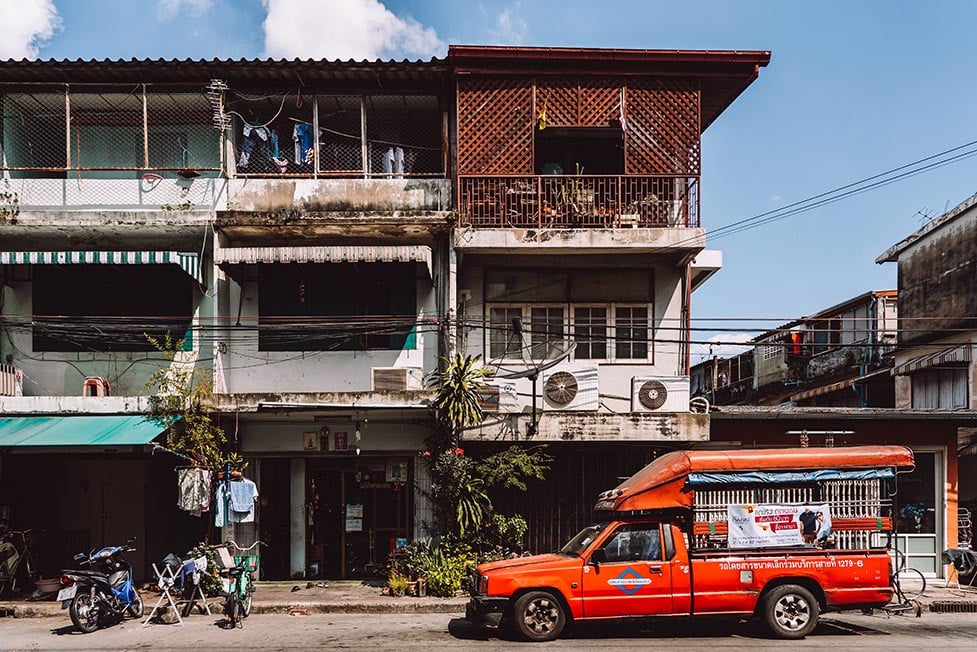
Image: Nic Hilditch-Short
Here are some Bangkok-specific hazards to look out for.
Common Scams in Bangkok
Unfortunately, the Thai capital comes with a ton of scams. Overly-friendly strangers will be behind most of them, so be suspicious if approached on the street. Here are some of the common ones:
Bangkok is notorious for the gem scam. Here, a tuk tuk driver or man outside a popular tourist spot (like the Grand Palace) will befriend unsuspecting backpackers, before luring them towards gem shops, claiming they are good investments. If you fall for the scam, you will buy these gems and have them shipped home. It’s only when you get home that you realise they are worthless. Many start by telling you “the temple is closed” before taking you on this wild goose chase, so if you hear that line, walk off.
Taxi drivers may refuse to use their meters here, often pretending they’re “broken”. They aren’t. Just use Grab to avoid this. Grab also avoids tuk tuk drivers overcharging you by giving a fixed (and fair) price.
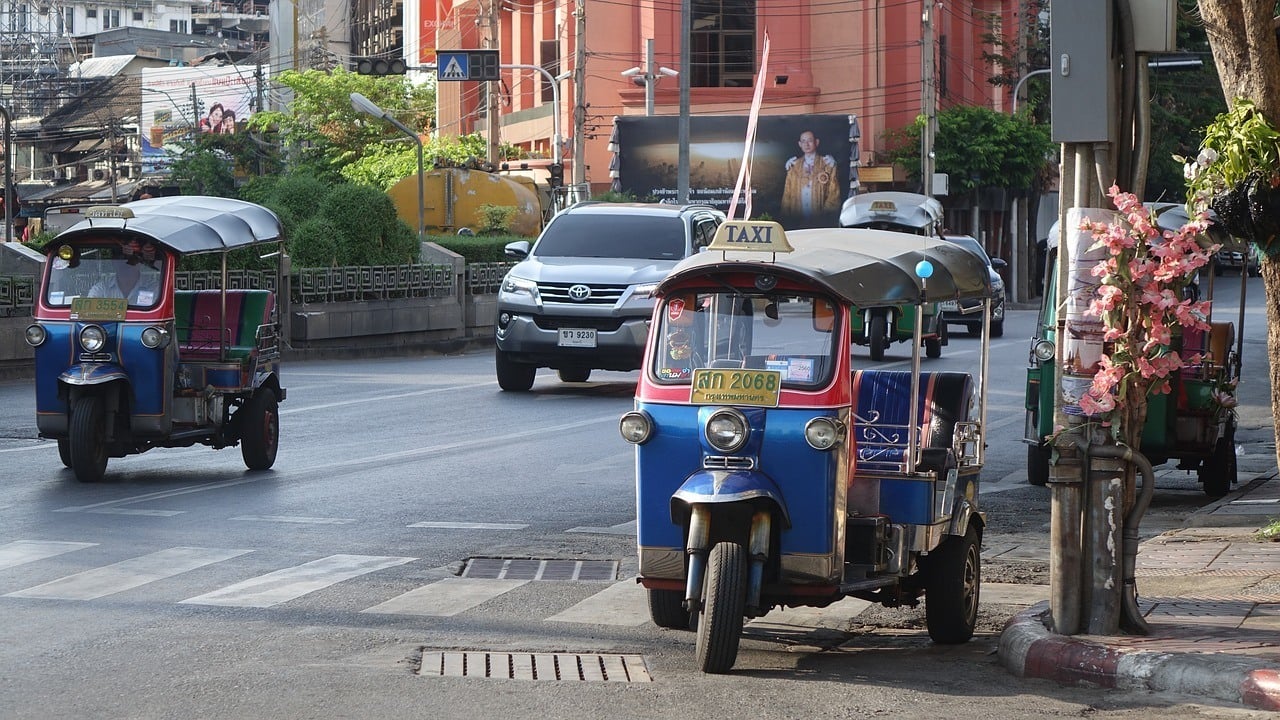
Fake tour operators may try and sign you up to tours which are either very low quality or don’t exist at all (and will overcharge for their “services”). Always research any tours you book online, and check the reviews to ensure they’re credible. Don’t go with anyone who approaches you on the street.
And lastly, we have the ping pong scam. Rogue operators will lure you into a ping pong bar with the promise of a 300 baht drink. When there, they’ll put more drinks on your table, and suddenly your bill will cost thousands. They’ll bring in the heavies, with beefy security blocking the exits until you pay, so you’re trapped with no escape. Brutal.
Nightlife and Drug Safety
Even though drugs are free flowing in the half moon and full moon parties, Thailand has very very strict laws against possession of drugs including imprisonment and the death penalty. My advice is to give drugs a miss, unless you really love the TV show “Locked up Abroad” and wanna feature in the next series…
A lot of the time, the weed is low-quality brick weed. Every now and again, unfortunate backpackers do get roofied so be careful with your drinks and don’t accept random shit from strangers.
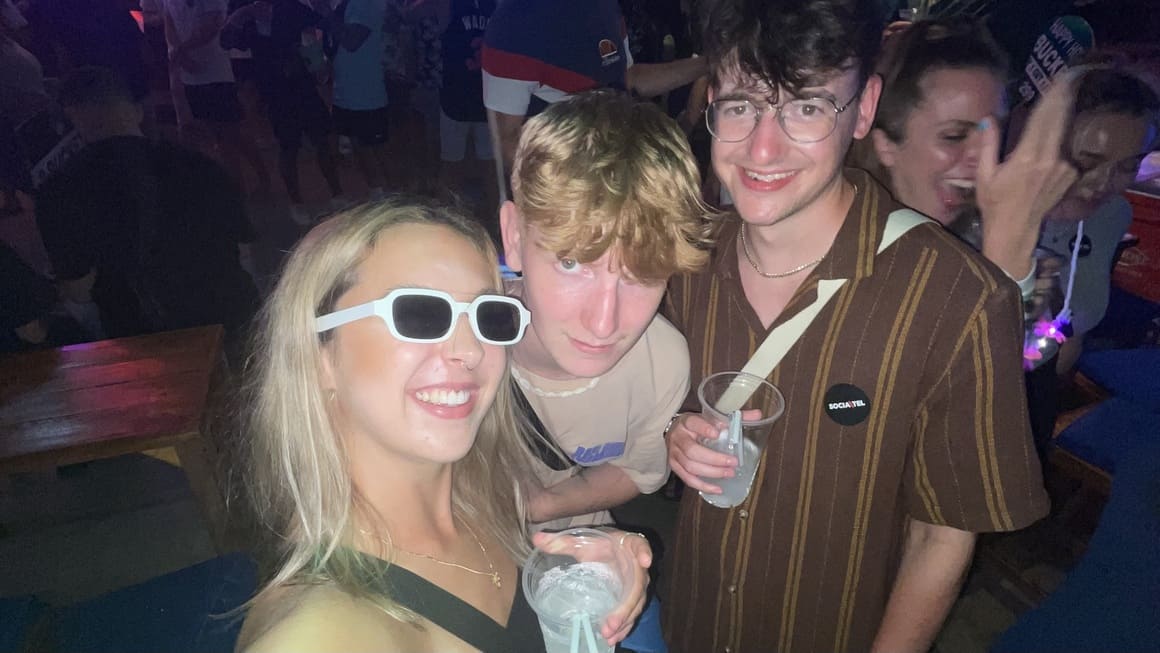
In fact, never accept any drinks (or drugs, especially drugs) from strangers. You’re just asking for trouble.
Use Grab to get home at night. Don’t drink so much you’re in too much of a state to function.
Dating and Hookups in Bangkok
Tinder is awfully common in Bangkok but more as a hookup app than a dating app. You can still give it a spin though, just make sure you take all the necessary precautions, as Thailand makes it easy to get too wrapped in love and sex on the road.
Always meet people in public places, and don’t get too drunk when you do. Make sure you’re clear and respectful with what you want.

I’d advise watching out for scams. Unfortunately, not everyone has good intentions. On Tinder, try and only engage with people who have clear “real” profiles. If they tag their Insta, even better.
And if you score at the end of the night, use protection. You could literally ruin your life if you don’t.
Travel Insurance for Bangkok
Travelling without insurance would be risky so do consider getting good backpacker insurance sorted before you head off on an adventure.
Sort out your insurance before you go. There are several good options, but our overall pick is SafetyWing. Most of the Broke Backpacker team has used it at one point or another, and we’ve filed claims for rabies jabs in Bali, a hospital stay in Mexico, and a clinic visit for a stomach bug that wouldn’t quit. All paid out.
It’s month-to-month, no lock-in, no itinerary required, and you can buy it after you’ve already left. A little over $2 a day if you’re under 40.
New SafetyWing customers: use code BROKEBACKPACKER for 8 free weeks of electronics theft coverage. You have to scroll down and click the pink camera on their landing page to enter it, and you have to do it before creating your account.
Click here to find the ideal policy for you.
Books to Read on Bangkok
Here are some of my favourite books on Bangkok! I’ve split them into categories for you: guide books, crime stories (there are many of those), memoirs, and drug stories. They mostly focus on Bangkok’s seedier side, but that’s not representative of the whole city – remember most of these are purely for entertainment.
- Lonely Planet Bangkok Travel Guide (guide book) – Plenty of useful info on bus routes and where to go.
- Bangkok Tattoo (crime) – While Bangkok is rich in history, crowded with temples it is also a city shrouded in shadows with pollution, corruption, and the touted sex capital of the world. This book is a narrative of this dichotomy.
- Bangkok Eight (crime) – Bangkok is a strange city where Buddhist monks in saffron robes walk the same streets as world-class gangsters. Mystery ensues when a US marine sergeant is killed.
- Miss Bangkok: Memoirs of a Thai Prostitute (memoirs) – Miss Bangkok is a vivid and extremely moving memoir of a life of prostitution in Bangkok. Her confessions will make you laugh and cry, cringe and applaud but she will definitely change your perception of prostitution forever.
- Bangkok Haunts (crime) – This book is about the underbelly of Bangkok- District 8 and the story of Detective Sonchai Jitpleecheep who has seen just about everything on his beat there.
- The Damage Done: Twelve Years Of Hell In A Bangkok Prison (drug stories) – In 1978, Warren Fellows was convicted in Thailand of heroin trafficking and was sentenced to life imprisonment and what he went through for those years is beyond your worst imagination. It is an essential read.
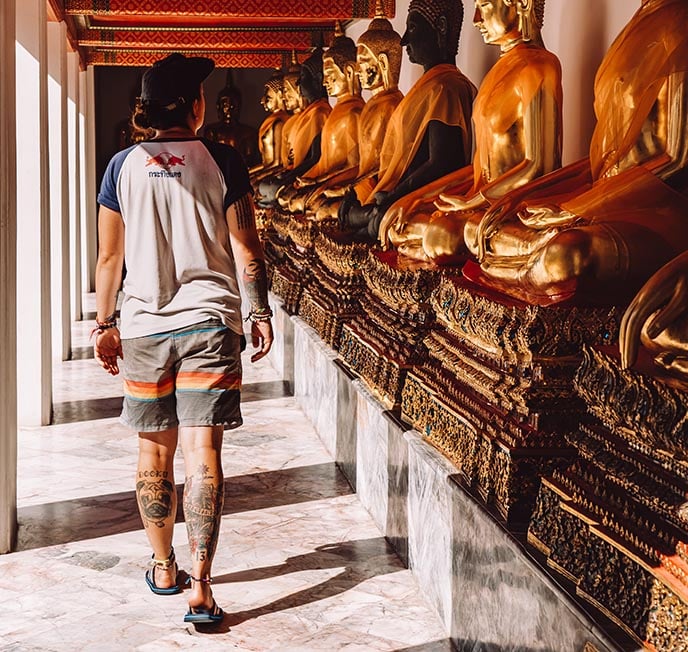
Image: Nic Hilditch-Short
Work Opportunities in Bangkok
Bangkok is a popular base for digital nomads, English teachers, freelancers, and long-term travellers, but legal work requires the right visa setup.
Make Money Online Whilst Backpacking Bangkok
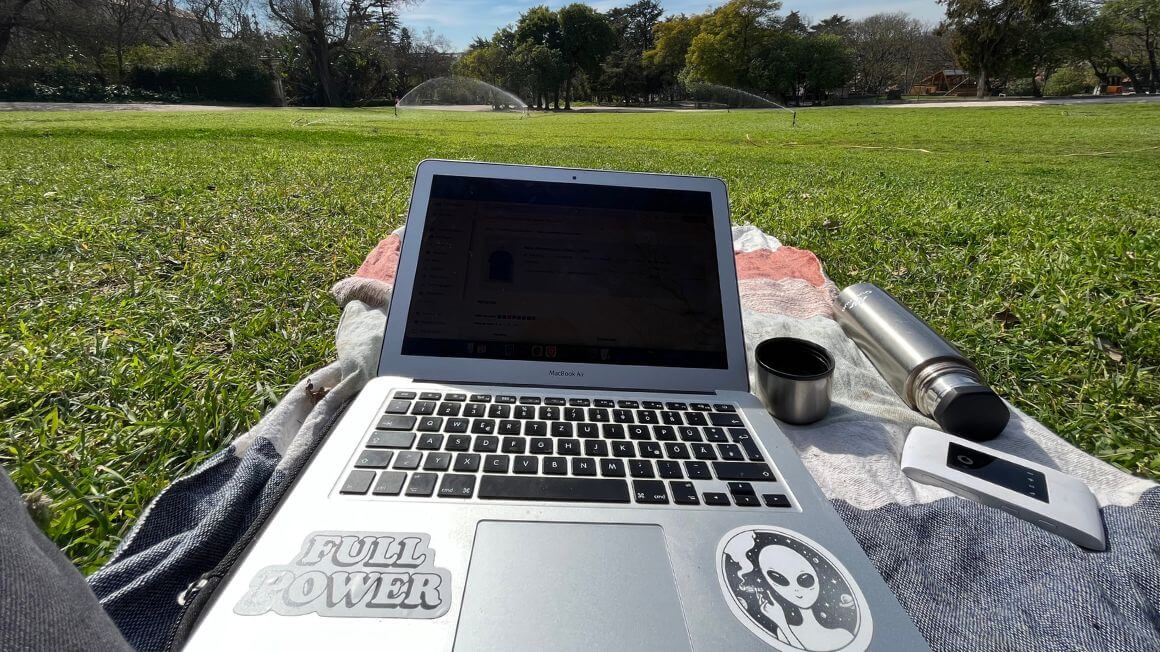
Travelling in Bangkok long-term? Keen to make some cash when you are not exploring the city? With strong internet, Bangkok is an attractive city for digital nomads. Many often consider Bangkok vs Chiang Mai before deciding which to settle in. Cafes and coworking spaces are common here.
Teaching English is the best way into remote work, so I’ve covered that in more detail below.
English teaching isn’t the only option. I’ve met coders, graphic designers (at least the ones that haven’t been wiped out by AI), and people like myself – travel bloggers! I would say English teaching is the easiest way in though.
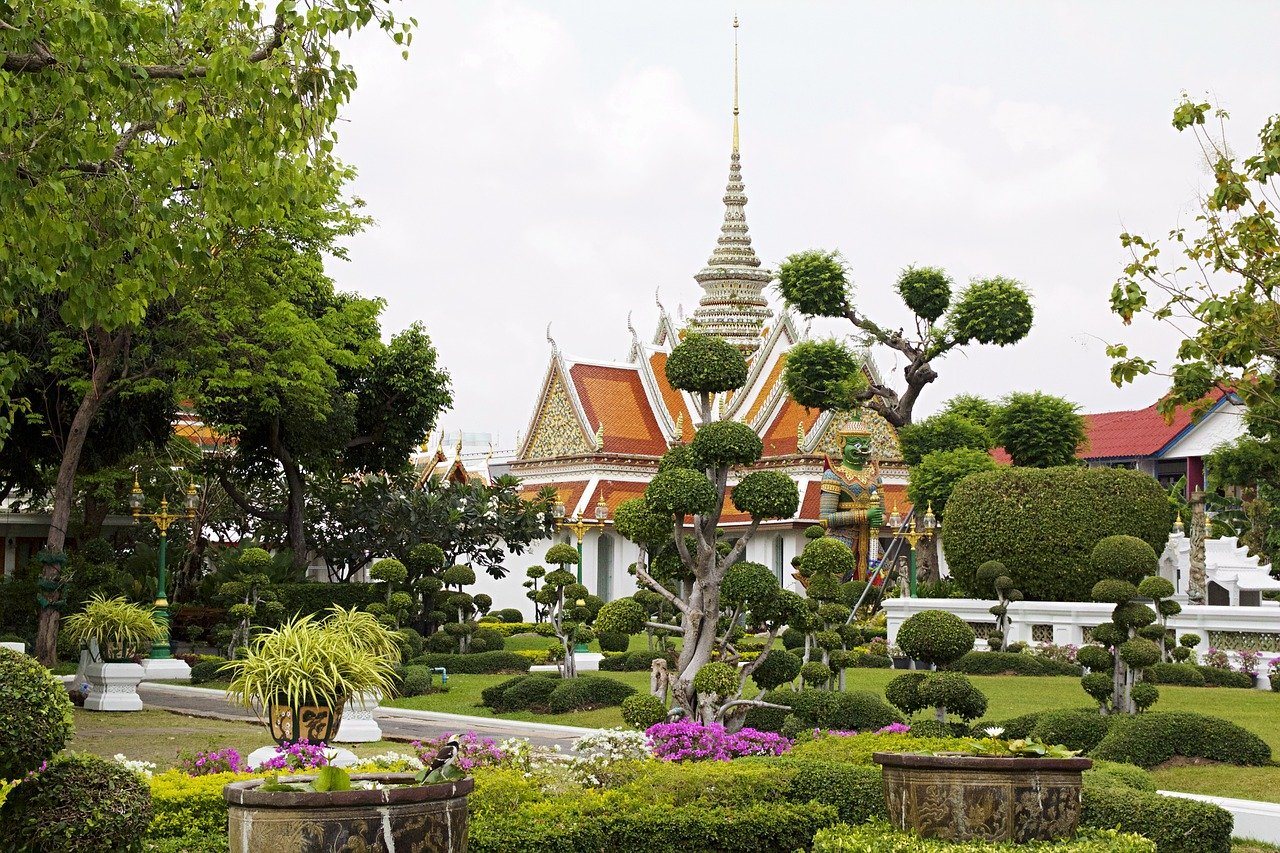
Teaching English Online
Teaching English is a great way to earn a consistent income from here. With just a Bachelor’s degree and a TEFL certificate, you can teach English remotely from your laptop. Check out this detailed article for everything you need to know to start teaching English online. Some employers may hire you without TEFL, but having this definitely helps.
Broke Backpacker readers get a 50% discount on TEFL courses with MyTEFL (simply enter the code PACK50), to find out more, please read my in-depth report on teaching English abroad.
You’ll need a Digital Nomad Visa to teach here though. Well, legally at least… Pay will vary depending on your qualifications.
Volunteering in Bangkok
Long term travel is awesome. Giving back is awesome too. For backpackers looking to travel long-term on a budget in Bangkok whilst making a real impact on local communities look no further than Worldpackers, who connect travellers with meaningful volunteer positions throughout the world in exchange for your room and board.
Worldpackers opens the doors for work opportunities in hostels, homestays, NGOs, and eco-projects around the world. We’ve tried and approved them ourselves – check out our Worldpackers in-depth review.
If you’re ready to create a life-changing travel experience and give back to the community, join the Worldpacker community now. As a Broke Backpacker reader, you’ll get a special discount of $10. Just use the discount code BROKEBACKPACKER and your membership is discounted from $59 a year to only $49.
Just be sure to choose reputable placements. We’d suggest avoiding orphanages and other child-facing projects which can be a bit murky. Research things individually so you can make an informed decision.
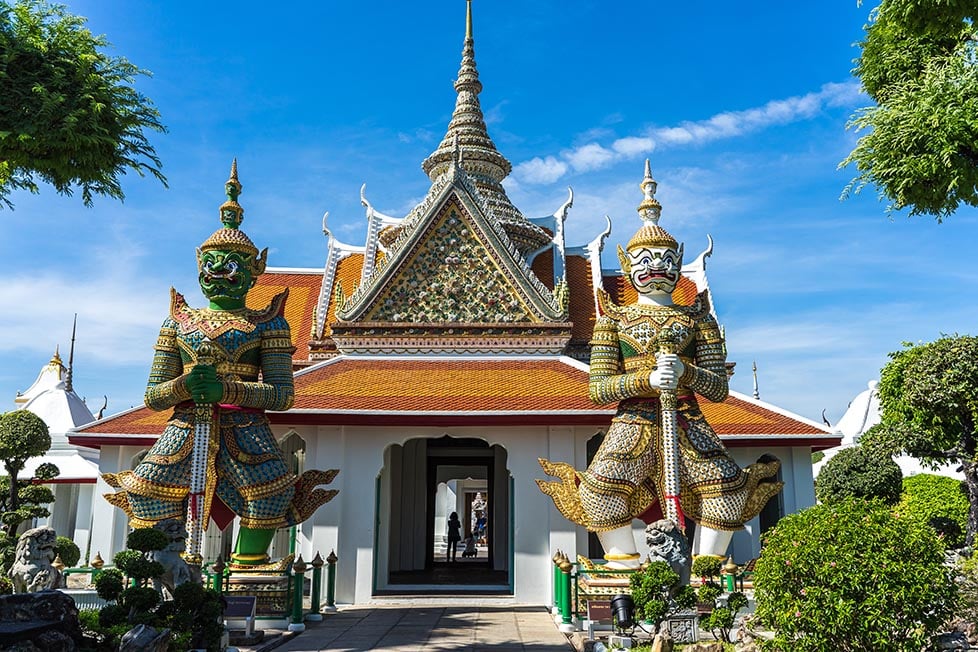
Image: Nic Hilditch-Short
Is Bangkok Worth Visiting for Backpackers?
Bangkok can feel intense at first, but it gets easier once you understand the rhythm. It is still one of the best backpacker gateways in Southeast Asia. I call it the perfect travel spot for beginners. It’s a great first step outside the Western world due to its relative safety, affordability, and a ton of awesome things to do.
Don’t just race through in transit and spend a night or two here. Give it a couple of weeks, or at least 5 days if short on time. Use public transport, eat local, stay alert, and don’t let Khao San define the whole city (I was very guilty of this on my first Chang-infused trip here).
Bangkok rewards curiosity: temples, markets, canals, food courts, cocktail bars, parks, and hidden neighbourhoods all offer different sides of the city. Our Southeast Asia travel advice will set you well on your way to maximising enjoyability here.
Bangkok is chaotic, sweaty, loud, and sometimes ridiculous, but for many backpackers, that’s exactly why it becomes unforgettable.





Note: Grab is more expensive than a metered taxi, grab make money from adding their booking fee to the meter price.
Grab is different to uber.
Calling a Thai Ai hee ah…which literally means anus of a monitor lizard is possibly the most stupid thing that a person could do in Thailand. As a farang it may not cost you your life, but it is an insult which has vdry grave consequences. Suggest you take it down.
Your content is awesome and so useful! For sure I am going to use your tips when I go to Bangkok for my birthday on July! Keep up the good work! 🙂