December in South America is the first real month of summer. While parts of the country go into humid monsoon periods, December on the continent in general feels alive and energetic. The Andes are ripe for hiking, beaches pulse with music and activity, and cities are at their busiest. As summer gets started below the equator, it’s as if the entire hemisphere erupts with colour, sound, and celebration.
Tourism is changing, with travellers skipping the old ‘pack in as much as possible’ for a slower, richer experience. But the magic of South America? That hasn’t changed at all. The sunsets over Lake Titicaca still burn like gold, the streets of Buenos Aires spill over with tango dancers, and Rio’s beaches buzz like nowhere else on earth.
From the Amazon jungle to Patagonia’s icy glaciers to the ancient city of Machu Picchu, December is when South America opens up its festival season, hiking season, and beach season. Whether you’re chasing culture, food, or outdoor adventure, this is the month to dive in headfirst. Here are some of the most incredible places to visit in South America in December:
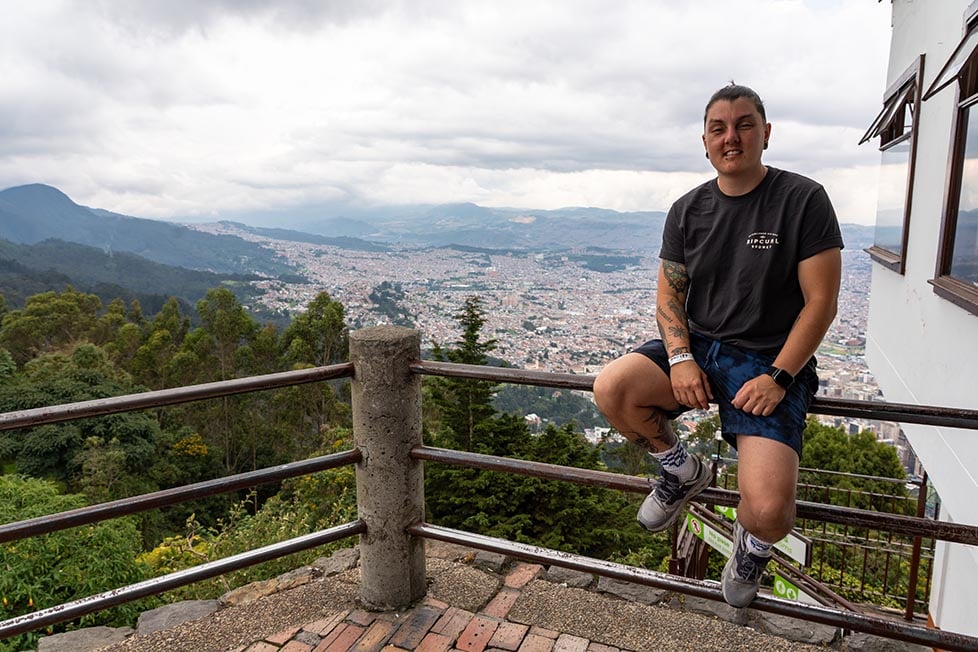
Photo: Nic Hilditch-Short
The Broke Backpacker is supported by you. Clicking through our links may earn us a small affiliate commission, and that's what allows us to keep producing free content 🙂 Learn more.
Best Places to Stay in South America in December
This list brings together just a few of South America’s best December destinations. And seriously, it’s just scratching the surface of what this massive continent has to offer during its opening summer month. I’ve included a mix of big, bucket-list icons and under-the-radar gems, whether you’re outdoorsy and want to hike in Patagonia on a budget or prefer strolling old-school colonial streets.
Your best bet would be to pick a few main city hubs and use them as a base from which to explore the wilds beyond. Think Buenos Aires, Rio de Janeiro, or Lima and expand your trip around South America from there.
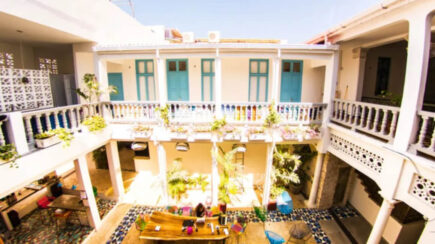
Republica Hostel Cartagena
Walking distance from the old city of Cartagena and set in a historic colonial-era building itself, Republica Hostel is the go-to place to stay for a budget-friendly trip. Guests can choose from private en-suites to shared dorm rooms, and enjoy a delicious breakfast – on the house – every morning.

Casa del Sol Machu Picchu
Staying in Casa del Sol feels like spending the night in a classy, boutique hotel where every feature is carefully chosen to make your stay as great as possible. From the interiors to the views to the food to the close proximity to the Machu Picchu museum area, there are few places as great for a historical trip as this one.

Casa Fibonacci, Valparaiso
If you’re looking for a budget hotel, Casa Fibonacci in Valparaiso is the one. It’s located on the hillside overlooking the sea with a gorgeous patio and bar area to take in the views. The rooms are simple yet comfortable, fitted with everything you might need for a stay in this colourful, hilly city.
Staying Safe in South America in December
South America is generally a welcoming continent, but naturally, every country (and even region and city) has a unique safety profile. Before you travel to some of the best places to visit in South America in December, check out the safety tips and precautions for each of the countries, cities, and neighbourhoods you plan to visit.
Do your research, and be well prepared and in the know when it comes to safety in Latin America. Some regions in Brazil and Colombia face higher crime rates than others, due to political factors. Parts of Peru and Venezuela can be dangerous due to civil unrest, and political demonstrations are particularly common in Chile. As of 2025, Venezuela is on the US Government Do Not Travel Advisory, while Guyana and Colombia are on ‘Reconsider Travel’ advisories.

Photo: Nic Hilditch-Short
That said, most countries are trying hard to boost their tourist safety with better policing and infrastructure. After all, it’s in their interest to make their country as safe and secure as possible for all. Only Suriname, French Guiana, Argentina, and Paraguay are currently on a Level 1 advisory, which pretty much means travellers should just exercise normal precautions.
As for the general continent, it’s always worth your while to stay alert. Petty theft is common in big cities and busy areas like bus or train stations and markets – so keep your valuables close by (and leave the super-valuables at home altogether). Avoid flashy jewellery and clothing, especially at night, and especially if you are a woman.
Travelling solo is possible, but you should always follow your instincts and be extra cautious when you’re alone. No matter who you are and how you plan to travel to some of these hotspots in South America in December, health coverage and travel insurance should be non-negotiable. The only thing worse than injuring yourself overseas is having to pay an arm and a leg to get treated at a hospital. If you know, you know.
#1 – Iguazu Falls, Argentina/Brazil
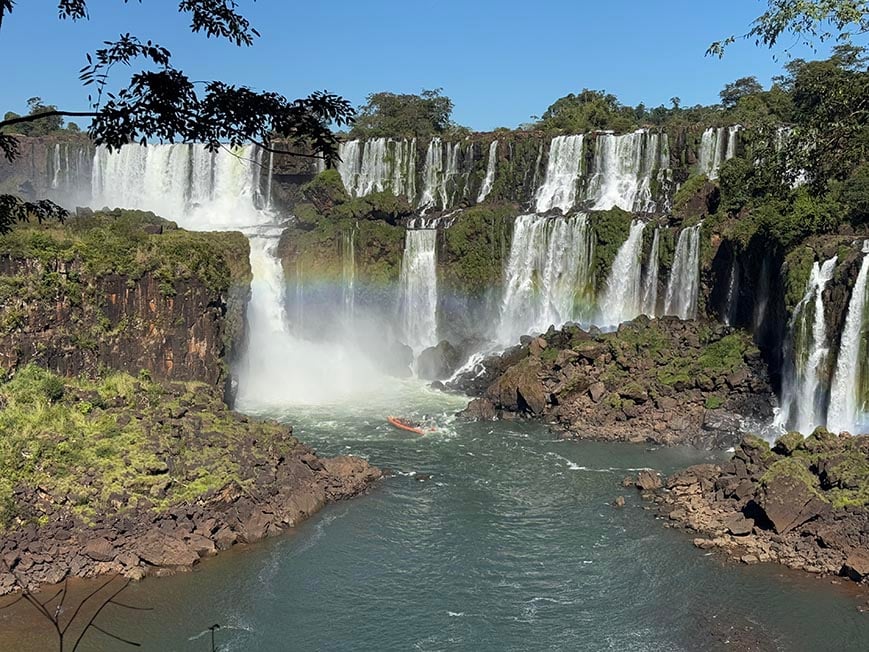
Image: Nic Hilditch-Short
- The world’s largest waterfall system on the Brazil-Argentina border
- UNESCO World Heritage Site
- Explore the lush rainforest surrounding the falls
- Visit the Devil’s Throat – the most powerful section of the falls
Why it’s awesome:
Iguazu is a World Heritage Site made up of more than 275 cascading waterfalls. On the Argentinian side, there are plenty of walking paths that make it easy to get close-up views of this natural wonder, while the national park on the Brazilian side offers a wider perspective of the entire site. Locals say it is where earth meets the heavens.
What to do there:
If you’re visiting from the Argentinian side, you can expect a close-up view through the mist. The Upper and Lower Circuits give a good variation of angles, while the Devil’s Throat walkway puts you right in the heart of the waterfall’s most intense part. From the Brazilian side, you’ll have a panoramic view of the entire waterfall area.
How to visit:
The best way to get here is to fly into either Puerto Iguazu in Argentina or Foz do Iguaçu in Brazil, and take a bus to the respective park entrances on either border. Entry costs between $20 and $30, depending on the country you visit from. I recommend setting aside a full day to explore just one side (or two days for both), especially if you check out the surrounding rainforests in the same trip.
#2 – Torres del Paine National Park, Chile – An Outdoorsy National Park
- A UNESCO Biosphere Reserve located on the Chilean side of Patagonia
- An outdoor paradise of lakes, mountains, rivers and glaciers
- December is peak season
- Long daylight hours and clear trails
Why it’s awesome:
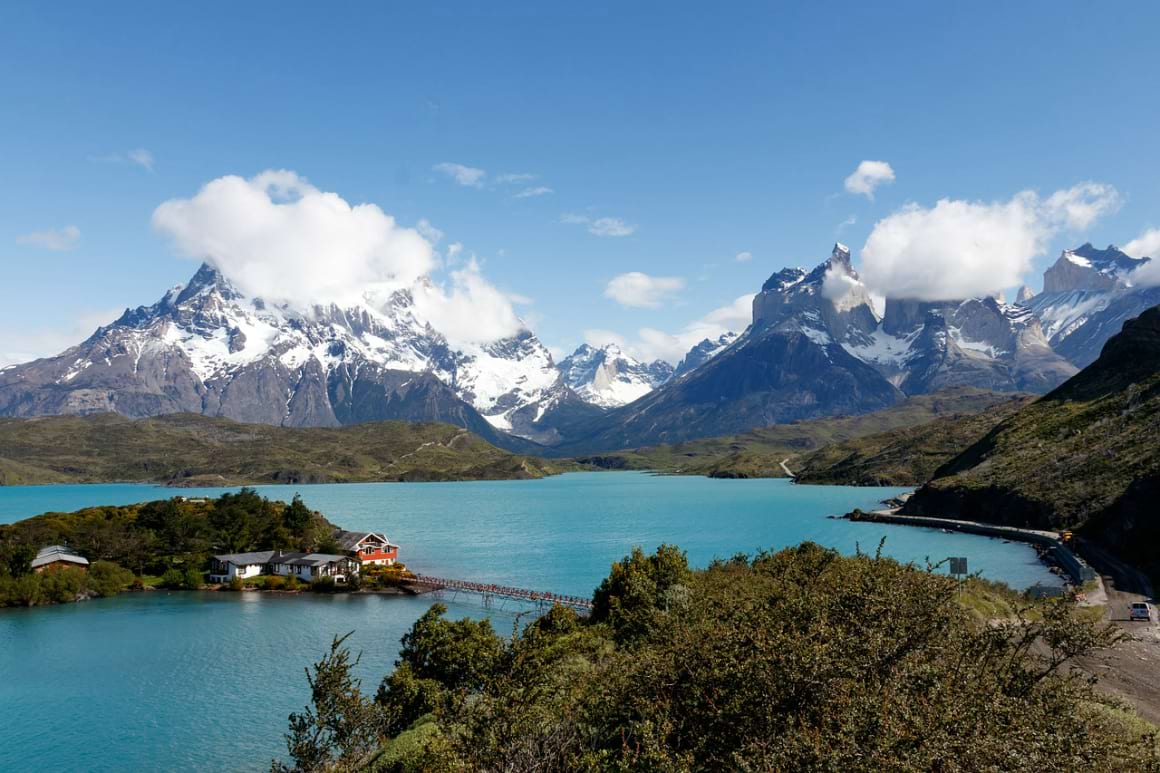
Torres del Paine is one of those places to visit in South America where nature still feels totally wild, powerful, and completely untamed. It’s Patagonia at its finest, with turquoise alpine lakes, jagged peaks and barely any sign of civilisation. Locals are proud to maintain and protect it, and hikers and rock climbers from across the world visit for the magnificent views and ‘end of the world’ feel of Chile’s best national park.
What to do there:
While particularly fantastic for active, adventurous, and fit travellers, you can either follow the famous ‘W’ trek or the longer ‘O’ circuit through the glacial valleys and alpine paths. Visit Lake Pehoe to get a glimpse of a real postcard-perfect reflection. Visitors can also kayak, ride horses, and take some cool photos of the wildlife in the park.
How to visit:
The closest airports can be found in Punta Arenas or Puerto Natales, both of which have bus routes directly into the park. Puerto Angeles is closer to the park, but Punta Arenas has a larger airport with more frequent flights. Entrance fees start at $75 for travellers between the ages of 13 and 59.
Where to stay
#3 – Salar de Uyuni, Bolivia – An Otherworldly Place
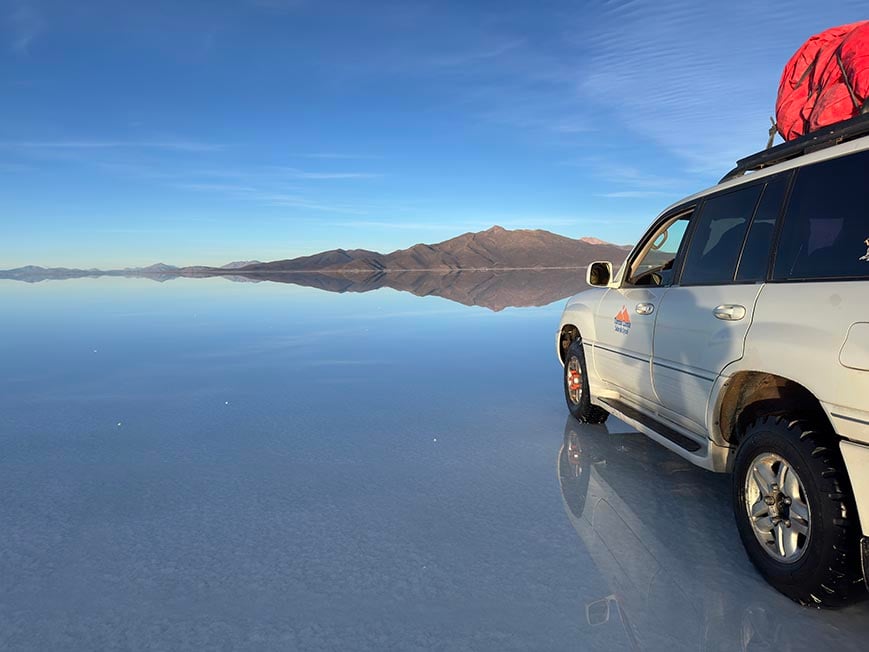
Image: Nic Hilditch-Short
- The world’s largest salt flat
- Rainfall turns the flats into a massive mirror that reflects the sky and disproportions everything on it
- Remnants of prehistoric lakes that evaporated centuries ago
- Visit Isla Incahuasi, an island covered with cacti
Why it’s awesome:
Covering more than ten thousand kilometres, Salar de Uyuni is one of those quiet places that feels like another planet. It’s eerie, it’s endless, and it’s often called the ‘mirror of the world’ when it rains, where visitors can watch the clouds soar at their feet. It feels both surreal and spiritual at the same time. Plus, Bolivia is one of the safest places to visit in South America.
What to do there:
There is a lot to see here, so understanding how to see this South American attraction is essential. Join a multi-day 4×4 tour from Uyuni to explore the flats in all their glory. Visit the Cacti-studded island of Incahuasi for a strange point of view. You can even spend the night in a luxurious hotel made from salt bricks.
How to visit:
To get here, you’ll need to fly or take a bus from La Paz to Uyuni. Since the flats are so expansive, there are plenty of other starting points, including Tupiza and even some in Chile. From Uyuni, there are plenty of tours that accommodate everything from budget to luxury experiences. Tours are usually between three and four days, and typically cost around $180 for a basic three-day excursion including accommodation, meals, and transport.
Where to stay
#4 – Cartagena, Colombia – Most Romantic City
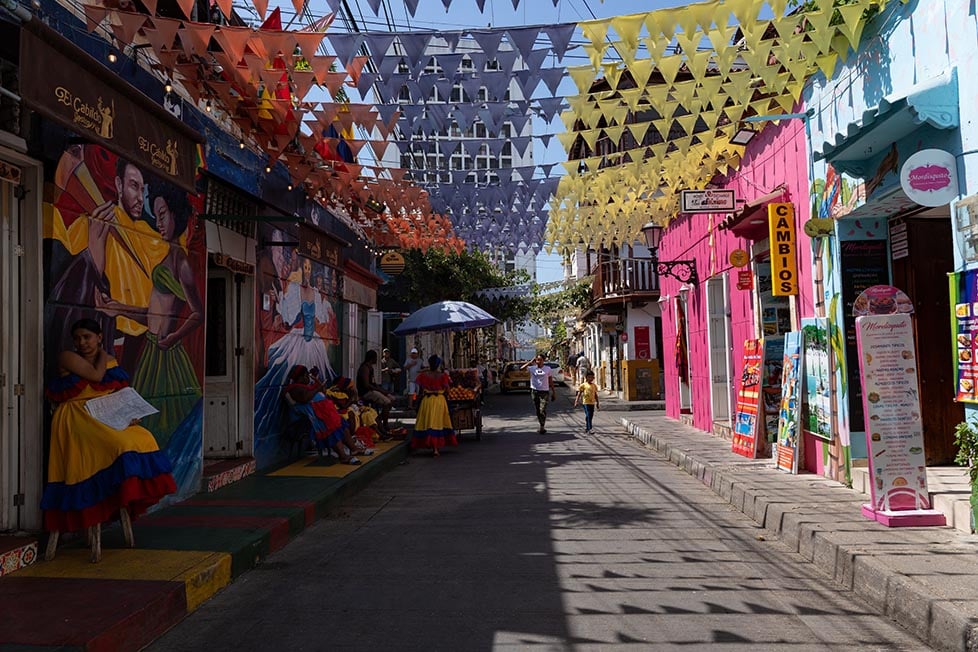
Photo: Nic Hilditch-Short
- UNESCO World Heritage-listed walled city with pastel-coloured colonial buildings
- One of the best-preserved historic cities in Latin America
- The Caribbean coastline adds a tropical vibe
- The best time to visit is the dry season, between December and April
Why it’s awesome:
Cartagena is one of Colombia’s most historic cities, and one that oozes with romance. The cobblestone streets are lined with pastel buildings dating back to the Spanish colonial times, bougainvillaeas climb the crumbling buildings, and people salsa dance on the sidewalks. It’s a city that makes you feel like a part of its past – perfect for history, architecture, and food lovers… and backpackers on a budget.
What to do there:
Stroll through the Old Town’s plazas and explore the Castillo de San Felipe fortress. Make a stop at Getsemani to admire the street art and have a drink at one of the nearby bars. And don’t forget to visit the beach. You can even take a day trip to the Caribbean Rosario Islands, just an hour out to sea. In fact, I’d consider these islands another must-do in South America in December.
How to visit:
Fly directly into Colombia’s Rafael Nunez International Airport and take a taxi into the city. The historic city centre itself is walkable, but there are cabs and rideshare apps available (which are especially useful at night). December (the start of the dry season) is a hot and vibrant time to visit, with lively events and regular festivals.
Where to stay
#5 – Valparaiso, Chile – Most Chaotic and Artistic City
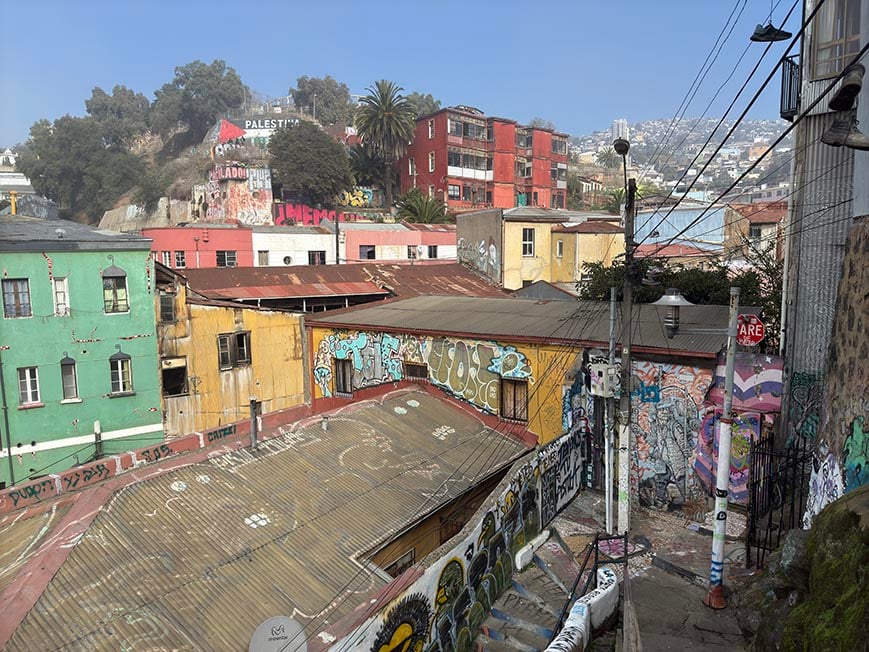
Image: Nic Hilditch-Short
- Chile’s unofficial capital of street art
- Experience the city from a bird’s-eye view on the system of old funiculars
- Check out the eccentric home of poet Pablo Neruda
- Legend has it the city had no organised layout (and it checks out)
Why it’s awesome:
The entire city feels like a painting that has come to life. It’s bright, chaotic, and forever changing. It was once South America’s busiest port, but it has reinvented itself as an artistic and creative centre. The city itself is rugged and imperfect, with unplayable staircases to access the neighbourhoods and incredible murals that appear overnight.
What to do there:
Start your wandering around the Cerro Alegre and Cerro Concepcion, two hills overflowing with street art and galleries. Take one of the old funiculars for a bit of thrill and history rolled into one, and pop up at the La Sebastiana for incredible sea views. Visit the harbour at sunset and watch the lively salsa dancers and buskers going about their daily activities.
How to visit:
Valparaiso is just two hours from Santiago by car or bus, making it an easy escape from the capital and one of the best places to visit in South America in December. The city is big and hilly, with plenty of staircases to tackle. So, bring comfortable shoes for the cobbled and steep hills. You can also hop on the ‘micros’, which are public trolley buses, or Uber to some attractions. Plus, there are plenty of hostels in Valparaiso for those on a tight budget.
Where to stay
#6 – Quito Old Town, Ecuador
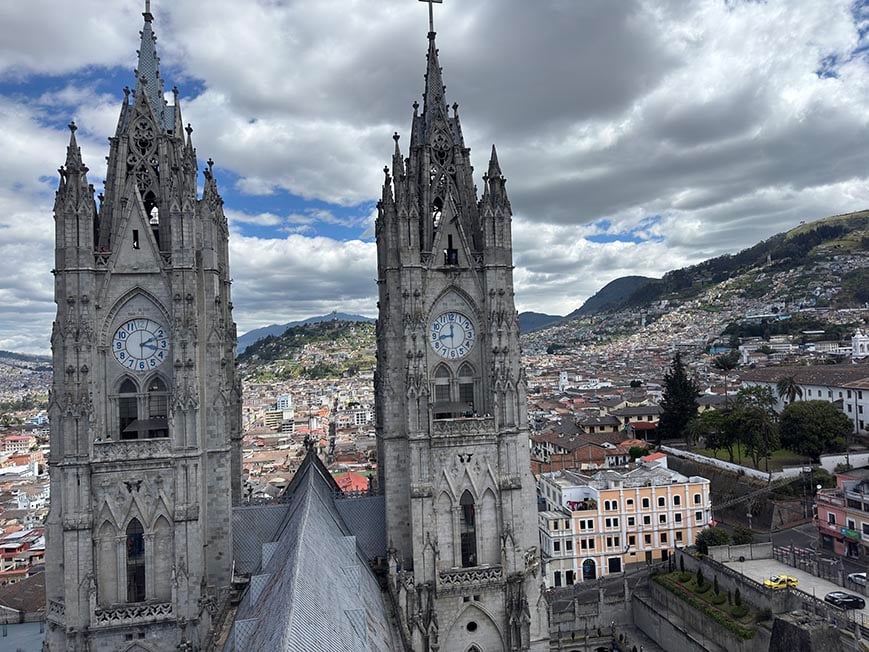
Image: Nic Hilditch-Short
- The largest and best-preserved historic centre in South America
- Built on the ruins of an Incan city
- Home to plenty of religious sites (including 24 churches)
- Explore the 32 museums and 13 plazas
Why it’s awesome:
Quito’s Old Town carries centuries of history pressed together in narrow streets lined with carved balconies and tilted rooftops. Each of the city’s 13 plazas feels like a stage on which local life performs – literally. You’ll find street musicians and buskers bringing energy to every corner. The grand architecture is rooted in religion, with more than 24 churches packed into this little city centre.
What to do there:
The best way to explore Quito is on foot. Start your morning with a locally brewed coffee and a pastel de guayaba (a local pastry) in the sunshine at Plaza Grande – the city’s main square, before wandering to the La Compania de Jesus, which looks to be a modest grey building. But once you step inside, you’ll be completely surrounded by gold. Local guides can explain the symbolism, which has to do with merging indigenous and Christian artistry in one building.
How to visit:
Quito’s Mariscal Sucre International Airport is just 45 minutes from the city centre. You can make this journey by taxi or airport shuttle, which costs around $25. Once in the city, you won’t need much transport. The centre is walkable and small and there are plenty of places to stay. There are some entrance fees for specific attractions in Quito Old Town, like La Compañía and the Basilica del Voto Nacional, but at less than $5, they’re not exactly going to break the bank.
Where to stay
#7 – Lima, Peru – The Best City for Foodies
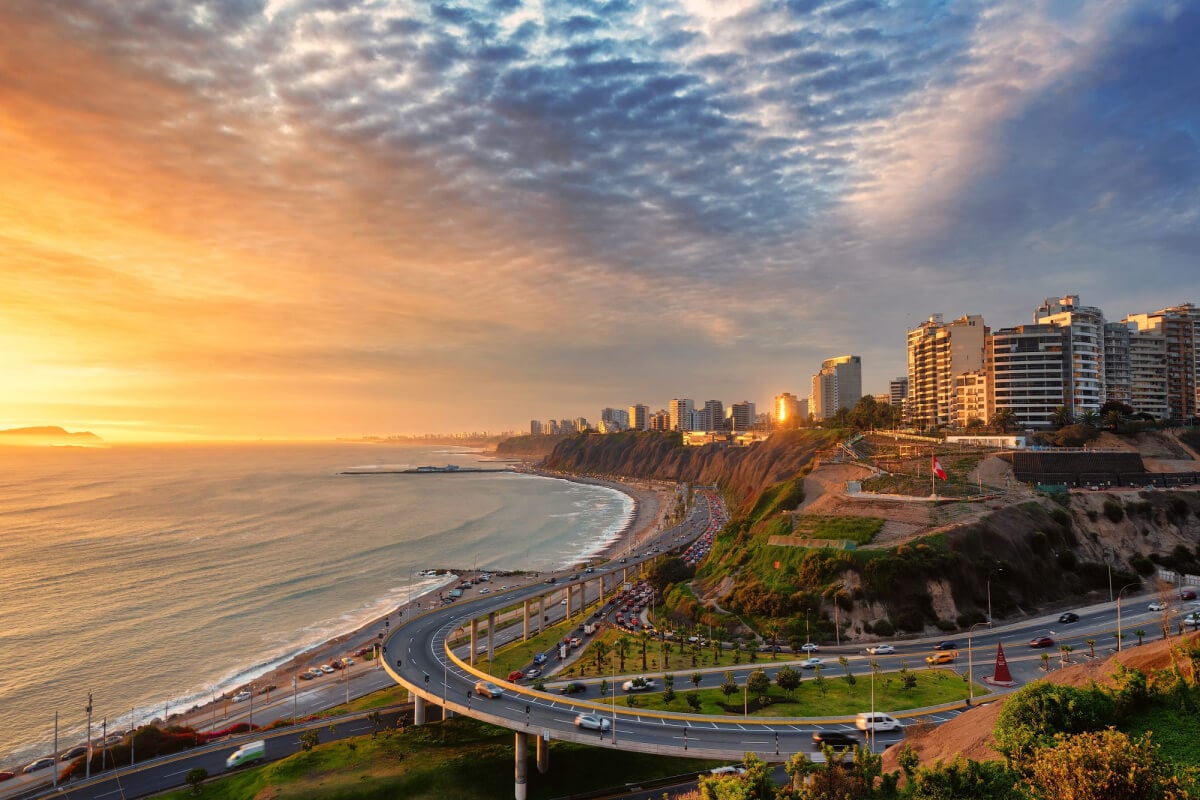
- South America’s culinary capital
- A mix of Andean, Spanish, Japanese, and Chinese cuisine influences
- On the Peruvian Pacific coastline
- The city’s Museo de la Nación is home to the largest collection of pre-Columbian Art
Why it’s awesome:
As the culinary capital of South America, Lima is a city you should taste your way through. It’s messy and modern, where informal vendors share streets with Michelin-starred chefs. Locals here treat food like an art, and eating in this city feels almost like a cultural experience. Each district and neighbourhood has its own unique flair and flavour.
What to do there:
Enjoy the best ceviche in the business at El Mercado and stroll along the Malecon de Miraflores, a cliff-top walkway that carves its way along the Pacific coastline. The city’s artsy quarter of Barranco is a great spot to see the colourful street murals and old colonial buildings. There is even an ancient pre-Incan adobe pyramid right in the city, if the rest of the things to do in Lima weren’t enough to keep you busy.
How to visit:
The city’s New Jorge Chavez International Airport is the major hub for the region, with plenty of connections across the continent. Taxis are essential in this city, since it is so big. Traffic can be bad, but walking isn’t an option – this is one of the biggest cities in South America, after all. Once in a specific neighbourhood like Miraflores, walking is possible and safe in this famous place to visit in South America.
Where to stay
#8 – Cusco, Peru – The Coolest Historical Site
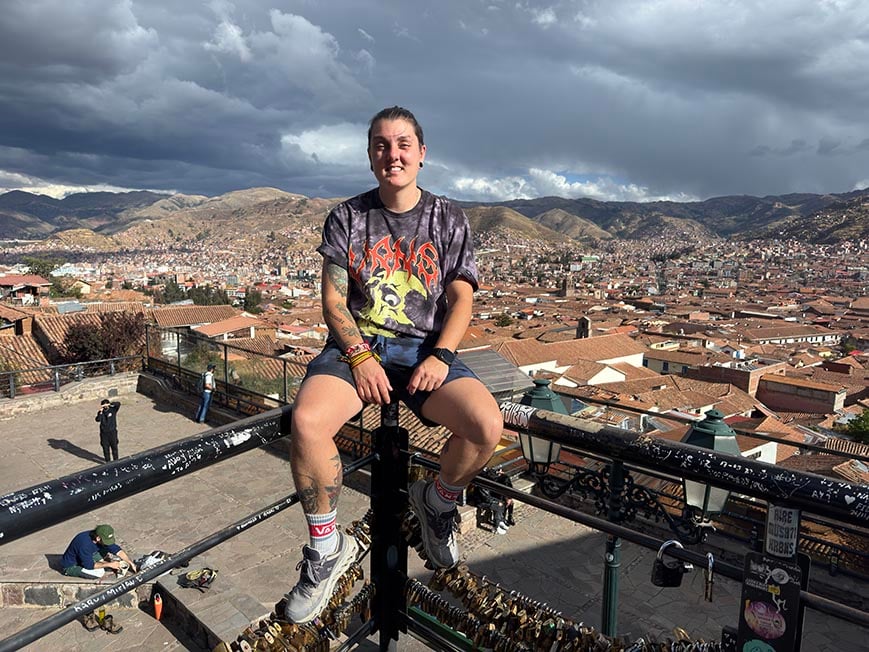
Photo: Nic Hilditch-Short
- The ancient Incan Empire’s capital
- Be prepared for the high-altitude ‘dizzy’s’
- The gateway to Machu Picchu
- UNESCO World Heritage Site
Why it’s awesome:
Once the capital of the Incan Empire, Cusco is considered the oldest continuously inhabited city in the Americas. Today, it is the gateway to Machu Picchu – however, you’ll want to come in winter for the best conditions here… but there’s plenty of other things to see. While slightly touristy, the city feels like a living museum, with ancient architecture and narrow alleys. Many of the locals still dress in traditional, colourful outfits and speak Quechua, the primary language used by the Incas.
What to do there:
With such a high altitude to deal with, ease into things slowly. Wander through the Plaza de Armas and stroll past the Cathedral of Santo Domingo. I’m all for food, so joining a local Peruvian cooking class is one of the first things I do when arriving in a foreign city with a unique cuisine. Many classes are led by chefs and start with a grocery shop at a local market, another great thing to do in Cusco.
How to visit:
To get here, you’ll need to fly into Cusco’s Alejandro Velasco Astete Airport. It’s only an hour or so from Lima, but it feels like another world. Taxis aren’t expensive, and most accommodations are within fifteen fifteen-minute drive of the airport. Once you’re in the heart of Cusco, most attractions are within walking distance of one another. Just bring comfy shoes that can handle the uneven cobblestone streets.
Where to stay

A new country, a new contract, a new piece of plastic – booooring. Instead, buy an eSIM!
GigSky eSIMs work just like an app: you download it, pick your plan, and BOOM! You’re connected the minute you land. It’s that easy.
Read about how eSIMs work or click below to see one of the top eSIM providers on the market and ditch the plastic.
Grab an eSIM!#9 – The Galapagos Islands, Ecuador – For the Most Remote and Wild Experience
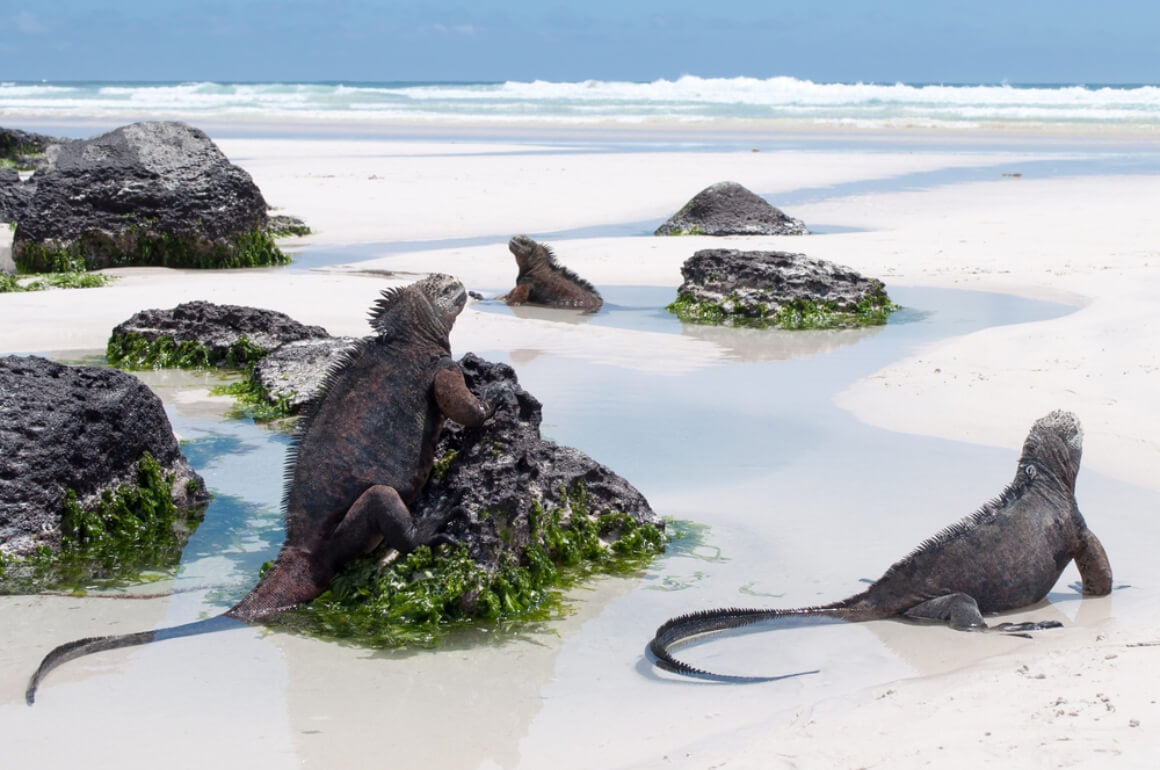
- Peaceful and safe
- The volcanic archipelago is considered part of Ecuador
- Incredible biodiversity and the inspiration for Darwin’s Theory of Evolution
- More than 97% of the island’s landmass is a protected national park
Why it’s awesome:
The Galapagos Islands feel like the closest thing to seeing the planet as it was before humans entered the picture. It’s untouched, wild, balanced, and incredibly alive with animals and plants. Without a doubt, it’s one of the best places to visit in South America. Here, sea lions strut the streets and giant tortoises live longer than any human. The vibe is educational and sacred, with most residents being either scientists or locals, thanks to the government’s strict conservation laws.
What to do there:
The bulk of activities in the Galapagos revolve around nature and wildlife. Start with a day out at sea, snorkelling or scuba diving to explore the underwater landscapes of this protected biosphere. Make sure you hike through the volcanic landscapes like the Sierra Negra Volcano or go on treks to see the giant tortoises – they really are worth the hype. There are also a lot of great Galapagos tours you can take in order to see some of the rare animals up close.
How to visit:
To get here, you’ll need to fly from one of Ecuador’s mainland airports (either Quito or Guayaquil) to one of the islands. Before you visit, preregister your visit and pay the national park fees. Entrance is strictly controlled to ensure the environment stays as wild as it is. The fee stands at $200 for international visitors over 12 years old (and $100 for kids under 12).
Where to stay
#10 – El Chalten, Argentina – Most Scenic Hiking Spot
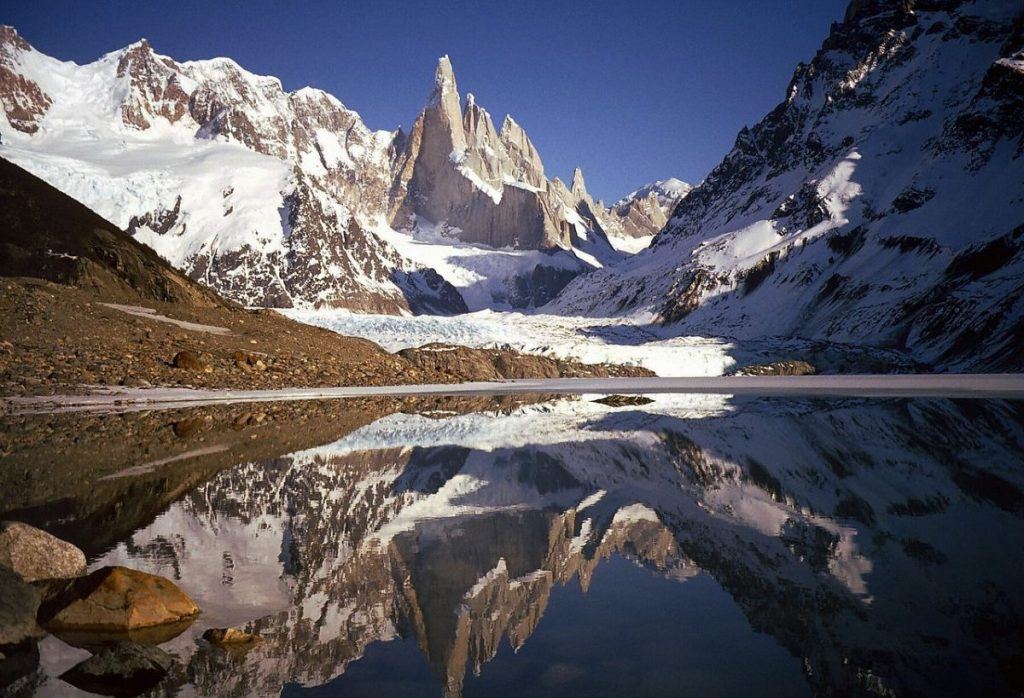
- Argentina’s national trekking capital
- Escape the hustle and bustle
- Home to the famous Fitz Roy and Cerro Torre mountains
- A great place to spot a condor on a hike
Why it’s awesome:
El Chalten is one of those mountains that sits close to the top of just about every hiker’s bucket list. Located in Patagonia, this Argentinian point of interest is known as the trekking capital of the country, with trails and peaks with unfathomable views. December means long summer days and some of the best conditions for summiting the peaks. It also means pretty clear views from the top. Win!
What to do there:
The most popular thing to do here is to hike the famous Cerro Fitz Roy and Cerro Torre mountains, exploring the beautiful glacial lakes and viewpoints along the way. Many hikes last multiple days, with overnight camping along the way. Once you’ve hit your fix on hiking, there are countless opportunities for mountaineering and ice climbing (although this is less common in December), fly fishing (and releasing), and even horseback riding
How to visit:
First, fly into El Calafete, where you’ll have to hop on a comfortable three (ish) hour bus ride to El Chalten. There is another airport in Rio Gallegos, around 280 miles from El Chalten (a longer, five-hour bus ride). While possible, I wouldn’t recommend renting a car since most of the hiking trails start close to the town, and you won’t need it much once in El Chalten.
Where to stay
#11 – Fernando de Noronha, Brazil – For Tropical Island Vibes
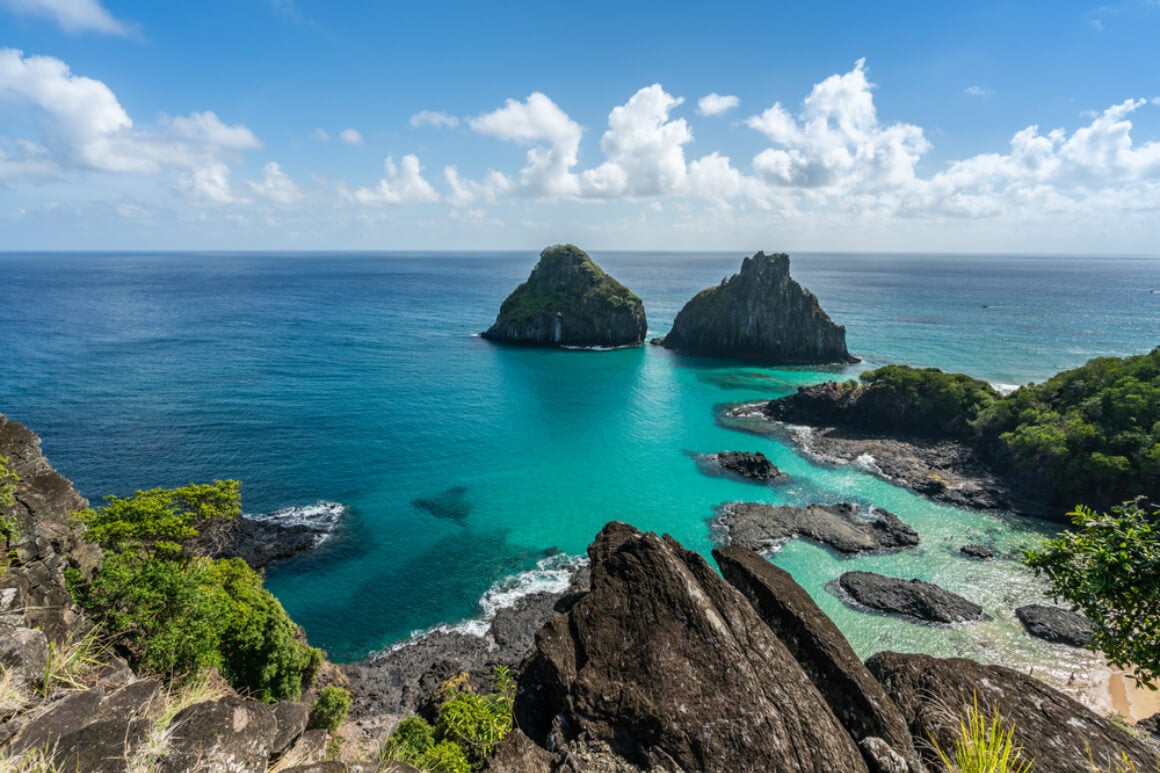
- Brazilian archipelago in the South Atlantic Ocean
- Escape the hustle and bustle
- A former U.S. missile tracking station and prison
- Famous for its large population of spinner dolphins
Why it’s awesome:
Fernando de Noronha is as close to paradise às you’ll get in Brazil. And that’s not any small feat. But this tropical volcanic archipelago of 21 islands off the northeast coast of the country is extra special. It’s a protected national marine park and ecological sanctuary, scattered with jagged cliffs, turquoise water, and diverse ecosystems both on land and beneath the water’s surface.
What to do there:
The goal here is to relax and reconnect with nature. That means spending days on beaches, swimming in the clear tropical water, and coming face to face with some incredible species. I recommend spending at least four days here. Explore South America’s beautiful islands and islets, and learn more about Brazil’s first-ever national park.
How to visit:
Typically speaking, September to November (spring) is the best time to visit. But December is just as epic (just a bit hotter and drier). To get here, you’ll need to fly from mainland Brazil, usually from Recife or Natal, and pay an environmental preservation tax and National Park entrance fee. The fees and taxes cost around $18 for the tax paid daily, and $68 for the national park entrance (which is valid for ten days).
Where to stay
#12 – Comuna 13 and Plaza Botero, Medellin, Colombia
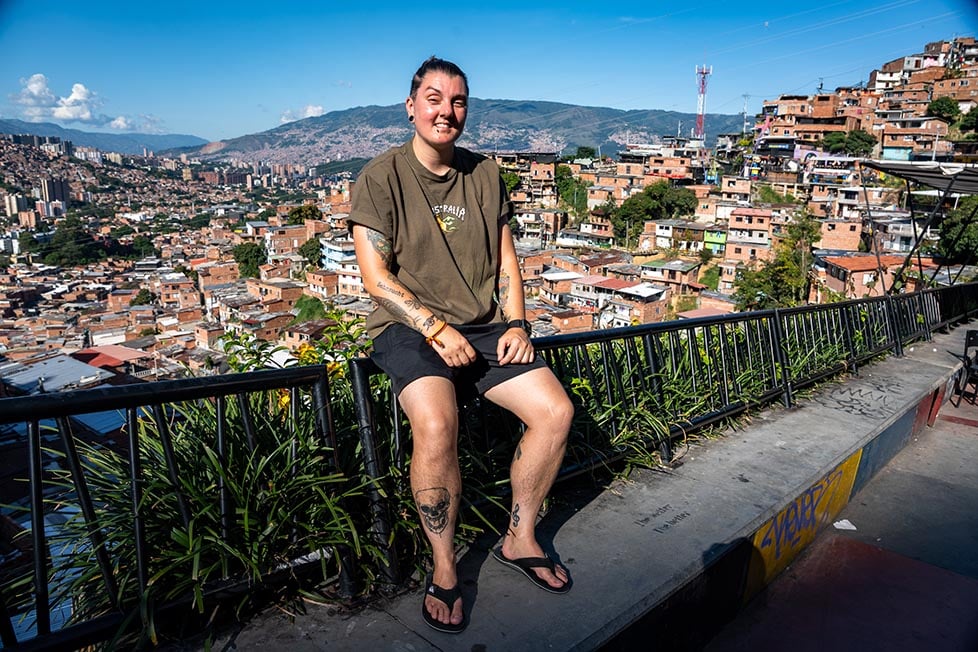
Photo: Nic Hilditch-Short
- A symbol of Medellin’s transformation from a dangerous neighbourhood to a cultural hub
- Lots of street art and public vendors
- Energetic and vibrant atmosphere
- Ride the public outdoor escalators to navigate the steep hills
Why it’s awesome:
It’s all well and good recommending you visit the city of Medellin, a hub that has transformed from a dangerous Colombian cartel city to a bustling tourist one. But once in the city, visiting the Comuna 13 and Plaza Botero should be first up on your agenda. Both are sites famous for showing how the city went from one extreme to the other (and the process it is still in). Comuna 13 is an area with street art and an energy that shows the resilience of the people, while the Plaza is an open space with bronze sculptures telling the story of the city’s past.
What to do there:
Visit both of these notoriously cartel-related sites in one day. Start at the Plaza Botero, admiring the exhibition of bronze sculptures, and then take a trip on the Metrocable – an aerial gondola that travels up to Comuna 13, to explore South America’s most notorious cartel-dominated neighbourhood.
How to visit:
Plaza Botero is located downtown within easy access to the city’s metro stations. Visit these sites on foot, using the Metrocable gondola system and outdoor escalators, which are a signature feature of the city. Entrance to both sites is free, since these are public outdoor spaces.
Where to stay
#13 – Casa de la Moneda of Potosi, Bolivia – A Cool Educational Place in South America in December
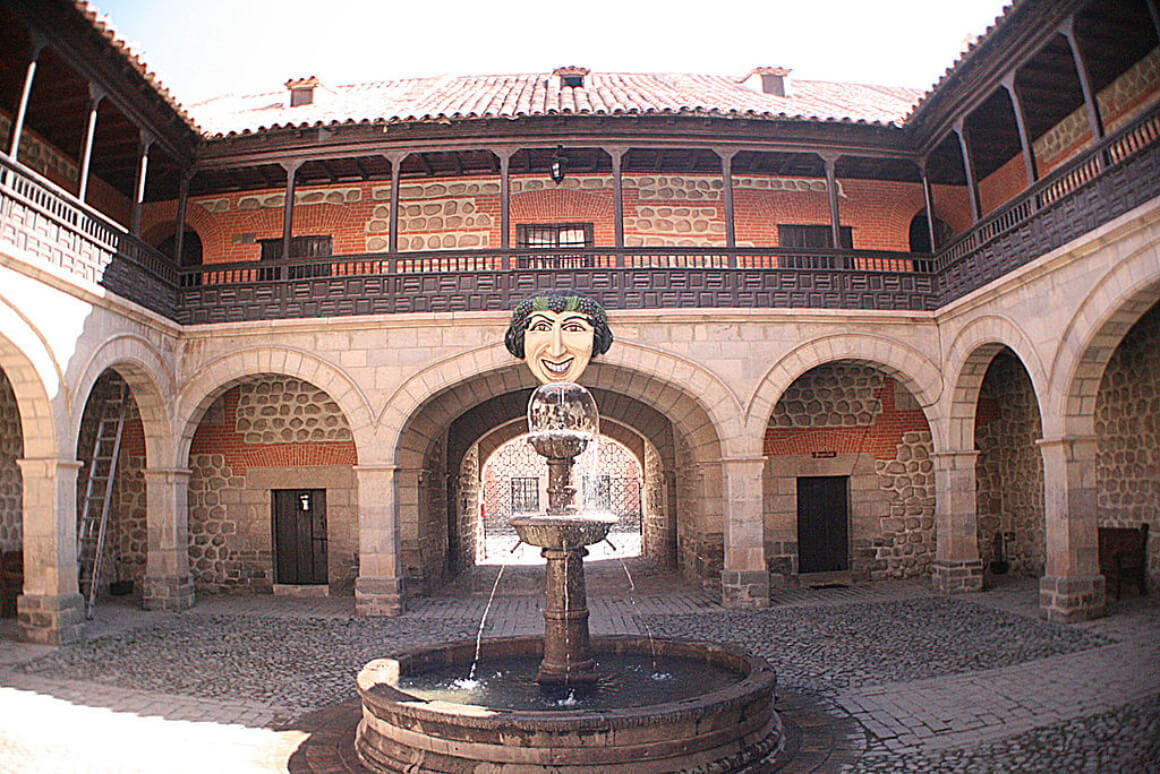
- Spanish colonial mint that used to produce medallions and coins
- Responsible for supplying the Spanish Empire with coins, which would become the world’s first currency
- Check out the museum’s galleries
- A symbol of both extreme wealth and harsh suffering
Why it’s awesome:
The Casa de la Moneda is the official name for the National Mint of Bolivia. It’s a unique icon of the town and a historic building, originally founded in 1572 by the Viceroy of Peru at the time. The building today is a rebuild, but it still has all the history and an incredible collection of national treasures hiding in it. It’s one of South America’s most famous museums, showcasing the minting of some of the first-ever Spanish colonial coins.
What to do there:
Not only has the building functioned as a mint, but also as a prison and a fortress for the Bolivian army. Join a guided tour of the property, where you will visit the iconic stone fountain and hanging Bacchus mask (not the friendliest looking chap – but one that has become an icon of the town). Once inside, you’ll be shown the coin-making process and historic artefacts used in the early 18th century.
How to visit:
If you’re wondering how to see this South American museum, it is open Tuesday to Sunday and closed on Mondays. Hours may differ depending on the season, but it’s typically open between 9 am and 4:40 pm most days, closing earlier at 12 pm on Sundays. Entrance to the museum costs just over $7. This is a great option for the odd rainy summer day in Bolivia.
Where to stay
#14 – Bariloche, Argentina – To Hike in Patagonia
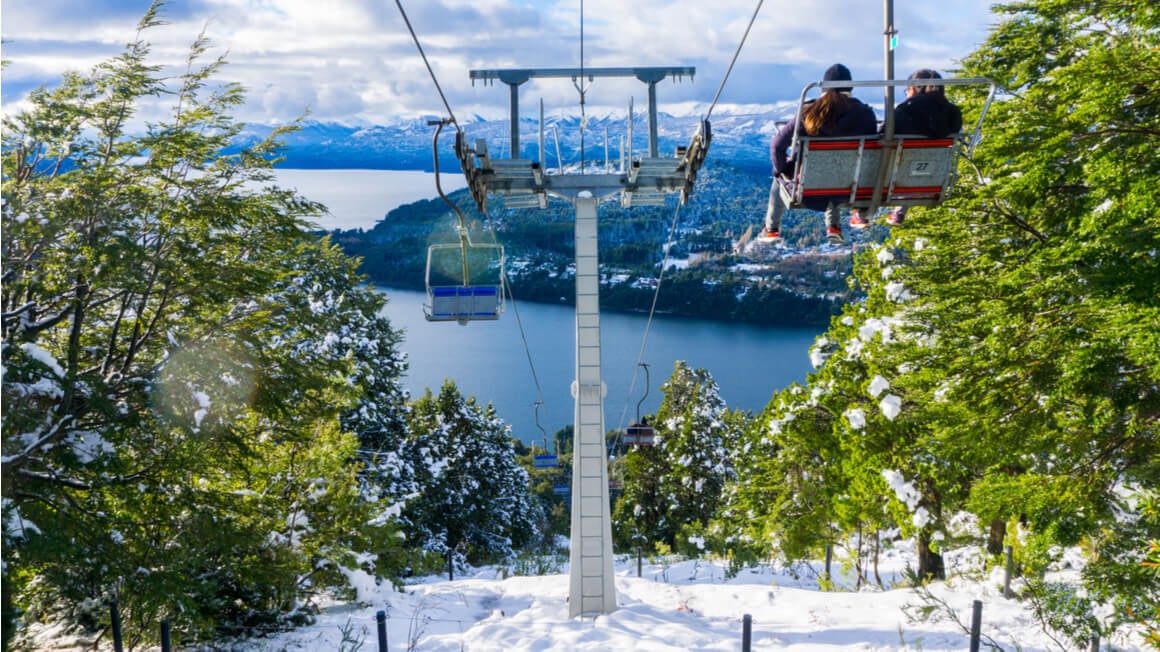
- Sometimes called the ‘Little Switzerland of Argentina’
- Beautiful alpine scenery and European architecture
- Famous for its chocolate production industry
- This city is the starting point for the Seven Lakes Drive
Why it’s awesome:
Bariloche is one of those places hard to put into words. It’s known as one of the most beautiful landscapes in Argentina, set on the banks of the Nahuel Huapi Lake with a wealth of both summer and winter activities. December is the time of year that the lake town comes alive with hiking, water sports, and biking. Temperatures sit between 48 and 84 degrees Fahrenheit, making this a great option for those who don’t love the harsh heat of December in the southern hemisphere.
What to do there:
Bariloche is all about the lake, the mountains, and delicious chocolate. Spend your days swimming, kayaking, and stand-up-paddling on the lake, afternoons exploring the mountains on foot or bike, and evenings indulging in local chocolate feasts. Another great thing to do is to drive or bike along the Circuito Chico, or even commit to the longer Seven Lakes Route.
How to visit:
Summer is peak tourist season, so make sure to plan and book your accommodation and tickets to attractions in Bariloche well in advance. That said, temperatures can vary, with some cool days possible even in the middle of December. Stay flexible and prepare for all weather. Bariloche has its own international airport just 30 minutes out of the city. For a few extended days in the region, I recommend renting a car to explore all the scenic passes in your own time (although tours are available too!).
Where to stay
#15 – Otavalo Market, Ecuador – Best Place to Shop Artisanal Products
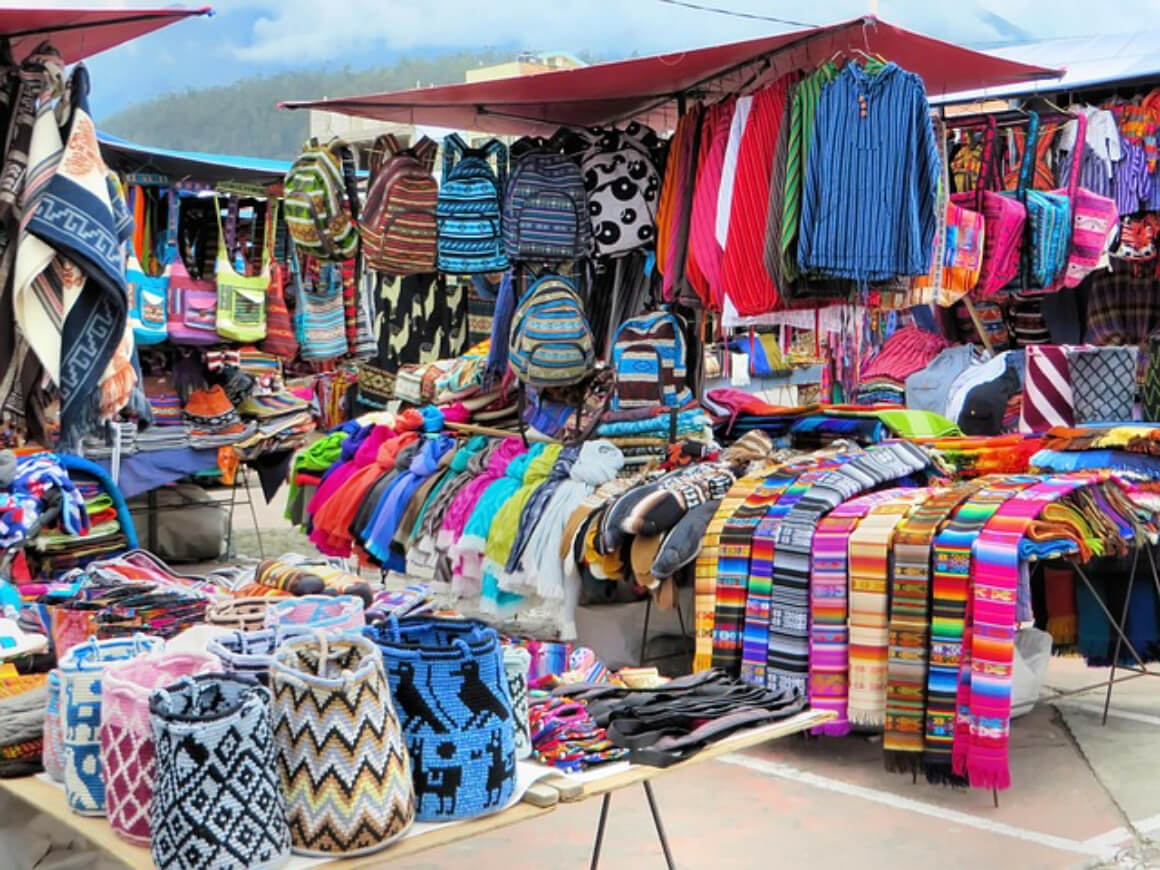
- Ecuador’s largest and busiest indigenous market
- A great place to buy local crafts and authentic souvenirs
- Most vibey on Saturdays and Wednesdays
- Particularly famous for handmade textiles
Why it’s awesome:
This is the largest indigenous market in South America, and it’s located in the surprisingly small town of Otavalo in the Andean highlands. Walking through the market is an overwhelming experience (in the best way possible), where colourful fabrics hang from every corner. The market is most famous for its textiles like ponchos and blankets, but it’s also got a fair share of local food, jewellery and just about anything else you could imagine.
What to do there:
Stroll. Browse. Eat. The whole point of visiting this market is to immerse yourself in the dynamic energy and colour of indigenous South America. You’ll find a huge selection of decorative goods for the home, jewellery, and clothing. Take the time to explore the food section and taste your way through the exotic fruits and vegetables common in the region. For me, it was a highlight of backpacking in Ecuador.
How to visit:
A small version of the market is open daily in the Plaza de los Ponchos, but the main market day is on Saturdays, when it expands across the streets around the plaza. For those who aren’t staying in Otavalo, many people travel to this South American market from Quito, which is a larger city around two hours away by bus. There is nothing better than strolling through a foreign market – am I right?
Where to stay
#16 – Ushuaia, Argentina – For a Patagonian Experience
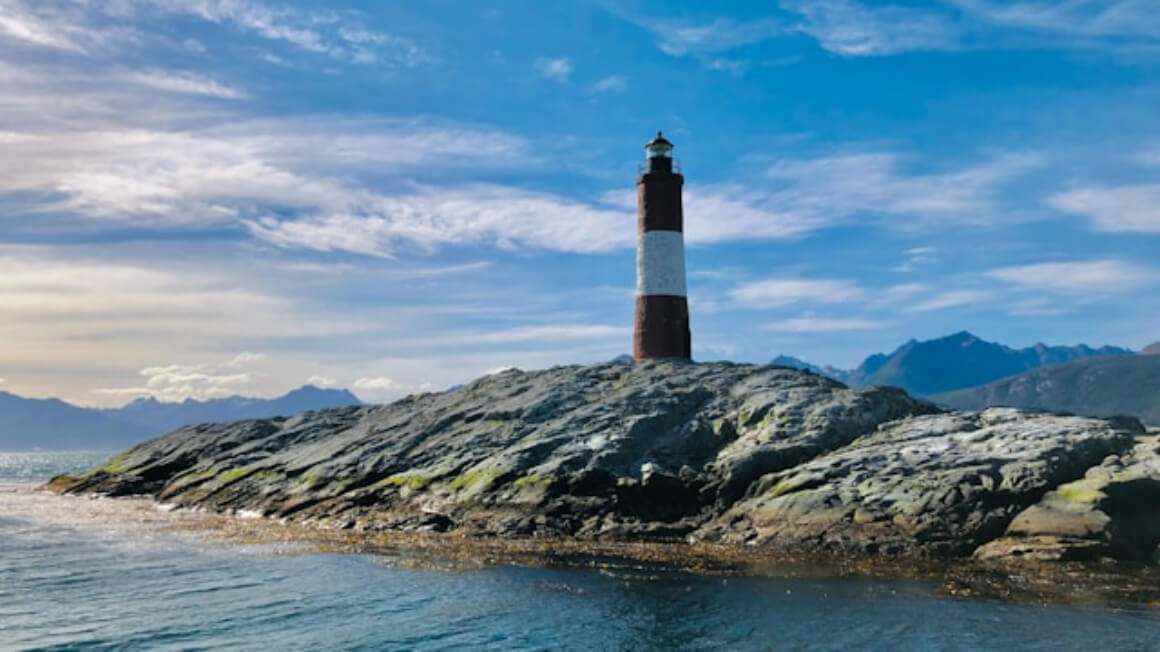
- Southernmost city on earth, often called ‘the End of the World’
- Once an old prison colony
- Check out some of the incredible lighthouses
- Take the End of the World Train – once used to transport prisoners – to the Tierra del Fuego National Park
Why it’s awesome:
Ushuaia is officially the most southern city in the world. It’s located in Argentina’s Patagonia, and is the capital of the Tierra del Fuego province. Venturing down here is a once-in-a-lifetime experience. The town itself is small, but the region is known as one of the most popular gateways to Antarctica, with plenty of icebreaker ships departing from its port. Naturally, it’s surrounded by natural scenery like the Andes mountains and the Beagle Channel.
What to do there:
Summer (Dec to Feb) is the warmest season to visit Ushuaia, but still relatively cold considering how far south the town is. This city is famous for its outdoor activities, like exploring national parks and coming face-to-face with local wildlife. Hiking is the main reason people visit – particularly to summit the Martial Glacier or hike around the Laguna Esmeralda. But the city itself also has a fair share of museums and historical sites. Think old prisons and exhibits on the earliest settlers in the region.
How to visit:
Known as the ‘end of the world’, visiting Ushuaia is not the easiest, nor the cheapest endeavour. The best way to get to this point of interest in South America is by flying to the remote city. There are flights from Buenos Aires and other major South American destinations. Or you could catch a bus from Punta Arenas (another relatively remote Patagonian city). These two cities are connected via bus. You’ll want to allow at least three to four days to explore the region and make the trip really worthwhile.
Where to stay
#17 – Huacachina Oasis, Peru
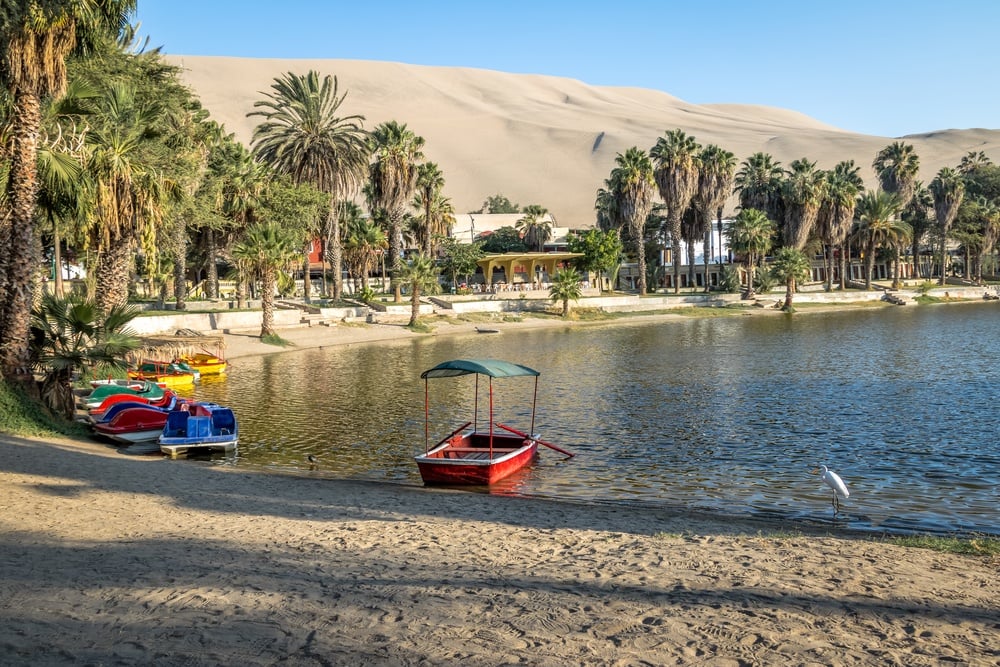
- Peaceful and safe atmosphere
- Classic oasis built around a lagoon and fed by underwater aquifers
- In the middle of an arid desert
- Explore the surrounding sand dunes on a dune buggy
Why it’s awesome:
If you close your eyes and imagine yourself spotting a green oasis in the middle of an arid desert, it would look something like Peru’s Huacachina Oasis. It’s the textbook image of an oasis – a green natural area with a lagoon and palm trees, surrounded by huge sand dunes.
What to do there:
Just exploring the lagoon and admiring the natural landscape of the oasis might be enough for you, but if you want to dive deeper into the area, there are plenty of outdoor adventures to be had in Huacachina. Dune buggy tours and sandboarding are two of the most popular (and distinctly unique to the landscape). If you get the chance to spend the evening in the oasis, the sunset over the dunes is exceptional.
How to visit:
Huacachina is just under 200 miles south of Lima in Southwest Peru, close to the city of Ica. It’s a popular stop for day trips, since accommodation in the small oasis is super limited. To get here from Ica, it’s just a short fifteen-minute taxi ride into the dunes. The sun is particularly hot in this famous place to visit in South America in December, so make sure to pack protective sun gear and stay hydrated during your visit.
Where to stay
#18 – Paraty, Brazil
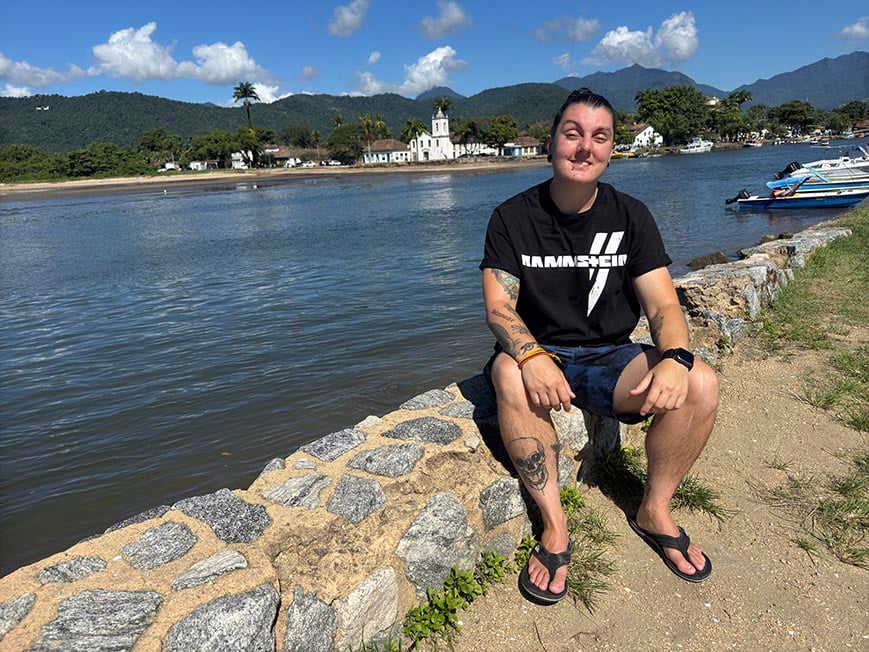
Image: Nic Hilditch-Short
- Well-preserved Portuguese colonial architecture
- Learn about the Brazilian gold rush
- Explore the bay, with more than 65 islands and 300 beaches
- Go stand up paddling, snorkelling, or hiking
Why it’s awesome:
Paratay is a small town on the Costa Verde located between two iconic cities of Rio de Janeiro and Sao Paulo. It’s a beautifully preserved Portuguese colonial centre, with original architecture and cobblestone streets dating back to the Brazilian Gold Rush. Other than its interesting history, this coastal city is often seen as the gateway to the Parque Nacional de Serra da Bocaina – home to waterfalls, rivers, and incredible beaches.
What to do there:
The first thing you’re going to want to do is explore the colonial town centre from your well-placed Paratay hostel. Spend some time at the cachaca distilleries and local beaches, admiring the old Portuguese architecture along the way (particularly the whitewashed church). The beaches are a hub for watersports, including kayaking and swimming in the famous Costa Verde waters. You could even take a trip into the nearby national park for a hike.
How to visit:
Paratay is easily accessible (although a pretty long journey) from both Rio de Janeiro and São Paolo. It’s around four hours from Rio by car or bus (or ten on the train if you feel like a real journey), and four and a half hours by car from São Paulo. Once in the town, it’s small, central, and easily walkable without renting a car. For South American vacation ideas, you might want to book a few boat tours or jeep trips to keep things interesting while you’re there.
Where to stay
#19 – Chapada Diamantina, Brazil – Most Beautiful Waterfalls and Canyons
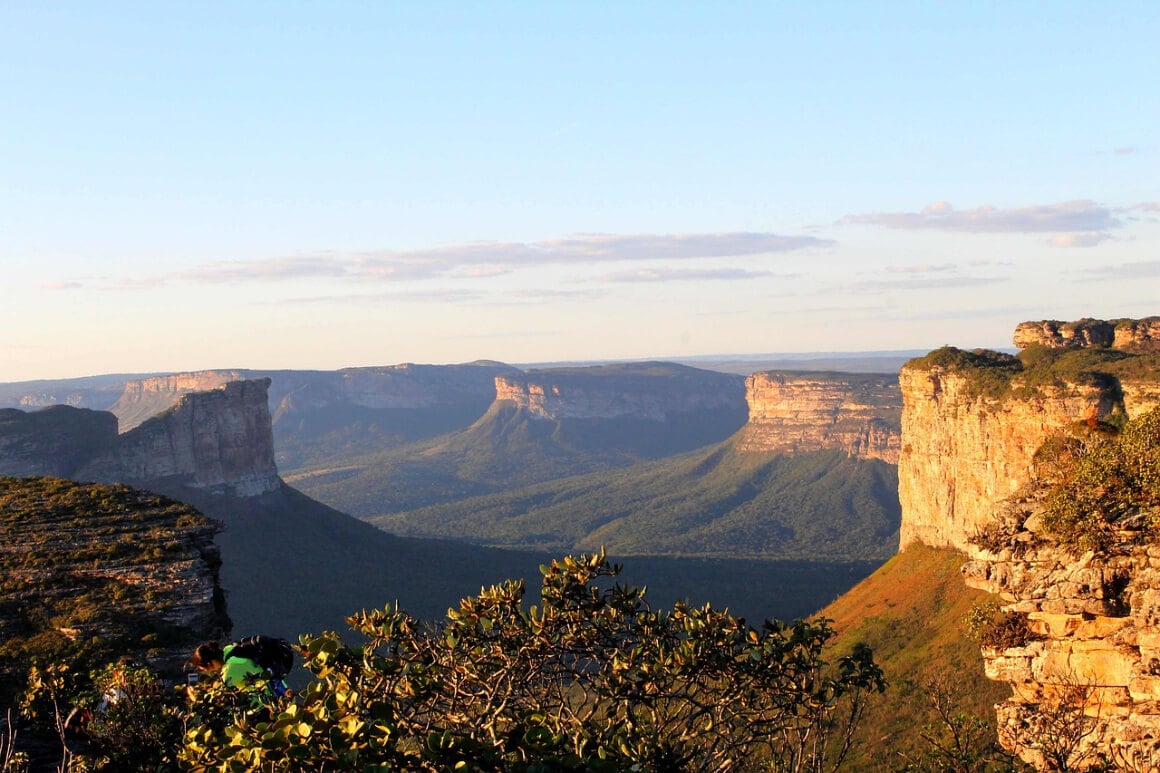
- Famous for its beautiful table-top mountains and waterfalls
- Once a big diamond mining hub
- Swim in the clear water at the Blue Well
- Sits at the convergence of three biomes
Why it’s awesome:
The Chapada Diamantina is a mountainous region in Brazil’s Bahia state where the Atlantic Forest, Cerrado, and Caatinga biomes converge. With this, it’s got some of the most unique landscapes and geographical features on the continent. Most are protected within the national park, which is particularly famous for its rock formations, caves, canyons, and waterfalls.
What to do there:
This area is a hotspot for eco-tourism. People visit to be surrounded by the incredible nature and landscapes, to learn about the environment, and to explore the park either by hiking or canyoning. One of the highlights is Pico do Barbado, the highest point in the region, with a scenic viewpoint at the top that is second to none. You’ll also want to reserve some time to explore Lençóis, Mucugê, and Igatu – three historical mining towns.
How to visit:
Fly into Salvador and then catch a bus or rent a car to reach Lençóis. This is considered the main gateway to the national park. Lençóis does have its own airport (Coronel Horácio de Matos Airport (LEC), but it serves limited flight schedules and is often more expensive to fly into. While there is no entrance fee, visiting the remote park with a guide is recommended. For this, you might expect to pay between $36 to $54 per day for a group of six to explore South America’s famous national park in Brazil.
Where to stay
#20 – Valle de la Luna, Chile

- A geological formation of clay spire mountains
- Looks like a lunar landscape
- Close to La Paz
- Bring comfortable clothes and shoes
Why it’s awesome:
If I had to describe the Valle de la Luna in one word, it would be Mars. This dramatic valley, literally named the Valley of the Moon, is located just west of San Pedro de Atacama, forming part of a national reserve in the area. The most spectacular part about the landscape is the colours – pinks, purples, and golds that illuminate when the sun is low.
What to do there:
The best thing to do here is to watch the sun set over the red canyons and cliffs. There are plenty of tours that leave in the afternoon from San Pedro, giving just enough time to explore a small section of the valley and watch the sun go down. That said, to avoid the crowds, visit any time other than sunset.
How to visit:
It’s easy to get here without a Four Wheel Drive. Mountain biking is common, with well-cared-for paths and trails making it an easy ride. Just make sure you can handle the logistics of the park and navigate your way correctly. Otherwise, I recommend going in with a tour. Entrance costs just over $10 per person, and the valley is open from 8 am, with the last entry at 4 pm.
Where to stay
#21 – Lake Titicaca, Bolivia/ Peru
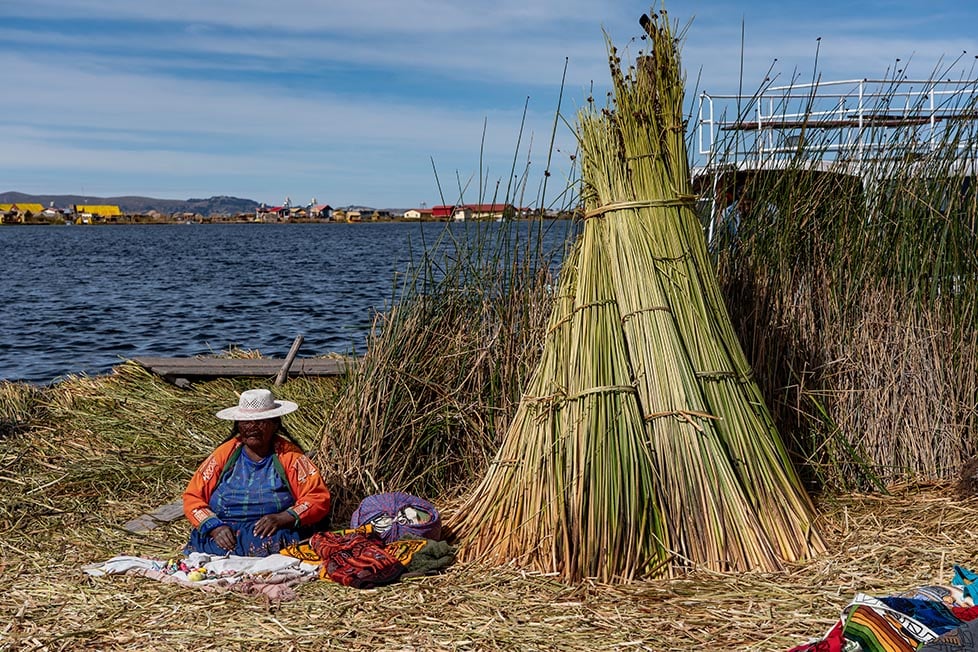
Image: Nic Hilditch-Short
- The highest lake in the world, and the largest in South America
- Known as the birthplace of the Incan civilisation
- Lots of ancient ruins to explore
- The lake sits at 12507 feet above sea level, so prepare for some altitude sickness
Why it’s awesome:
This gorgeous lake straddles the border between Peru and Bolivia in the heart of the Andes. It’s considered the biggest freshwater lake on the continent. No wonder it’s considered one of the best places to visit in South America. The lake itself is tied to the birthplace of the Incan empire. With this, it’s home to a fair share of ruins and historic attractions as well as natural beauty and local wildlife.
What to do there:
Lake Titicaca is one of less than 20 ancient lakes on the planet. It was believed to be at least three million years old. With such a long history, learning more about the lake’s archaeological and spiritual importance is an interesting way to spend your time here. Visit Amantani Island to learn about the traditional life of the Uros people, many of whom still live on the floating islands around Amantani. The incredible ancient ruins of the Pachamama and Pachatata temples are also located on this island.
How to visit:
Depending on where you visit from, the closest cities to the lake are Puno in Peru or Copacabana in Bolivia, both of which are connected by buses. You can hop on a boat tour directly from the Puno port to explore the Floating Islands. I recommend booking a multi-day tour to explore the distant islands, even adding in a couple of nights at the Amantani Lodge.
Where to stay
#22 – Bogota’s La Candeleria Neighbourhood, Colombia
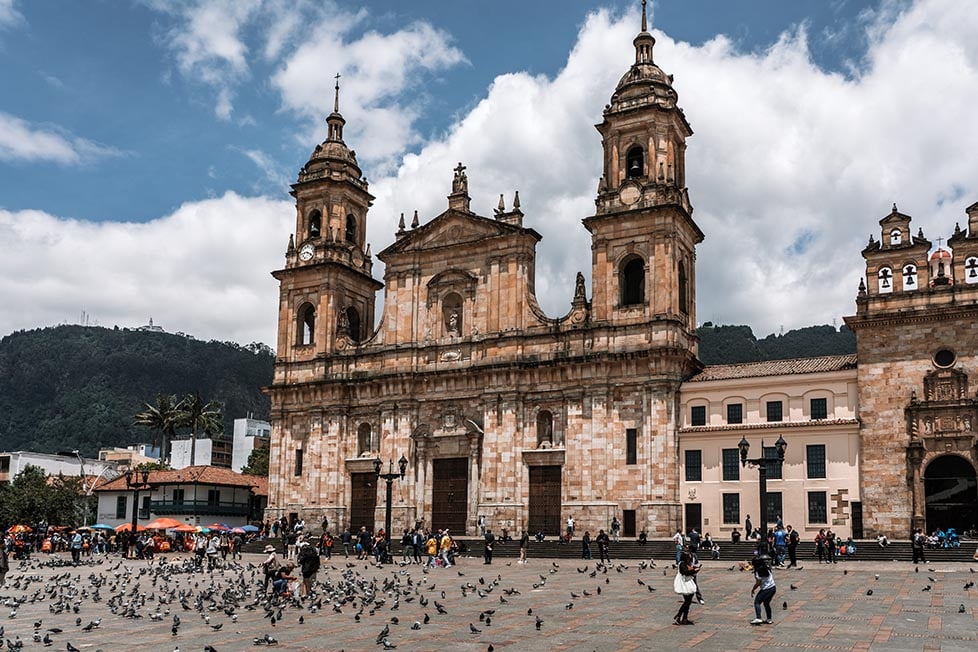
Image: Nic Hilditch-Short
- An educational hub with lots of universities
- Great shopping in the area
- Home to historic Spanish colonial republican-style houses
- Check out all the dynamic street art
Why it’s awesome:
Bogota is Colombia’s capital city, and there’s plenty to do here. It’s a good blend of historic streets and modern skyscrapers, featuring a bunch of colonial-era landmarks and architecture. The La Candeleria neighbourhood is the city’s heart and soul, and no doubt one of the best places to visit in South America. It’s where you’ll find the narrow cobblestone streets and historic buildings, as well as countless museums, including the Gold Museum.
What to do there:
Stroll the streets, eat the food, take photos, and dive deeper into Colombia’s history and prehistory at some of the best museums in the neighbourhood. The Gold Museum is home to a huge selection of pre-Colombian artefacts, while the Museo Botero is an art museum housed in a colonial estate.
How to visit:
Getting around Bogota is easy, with public transport, Uber, and even the unique Monserrate cable car in the mix. Once in La Candeleria, the best way to explore is on foot. Wear good shoes, since the cobblestone streets can be uneven – not to mention hilly. Exploring the area is free, but some museums might charge entrance fees.
Where to stay
Get insured for your trip to South America
When visiting South America, you’re gonna want to make sure you’ve got adequate travel insurance!
Sort out your insurance before you go. There are several good options, but our overall pick is SafetyWing. Most of the Broke Backpacker team has used it at one point or another, and we’ve filed claims for rabies jabs in Bali, a hospital stay in Mexico, and a clinic visit for a stomach bug that wouldn’t quit. All paid out.
It’s month-to-month, no lock-in, no itinerary required, and you can buy it after you’ve already left. A little over $2 a day if you’re under 40.
New SafetyWing customers: use code BROKEBACKPACKER for 8 free weeks of electronics theft coverage. You have to scroll down and click the pink camera on their landing page to enter it, and you have to do it before creating your account.
Final Thoughts on Places to Visit in South America in December
The best thing about visiting some of the best places in South America in December is that this period falls over the continent’s summer. So, you can leave the dreary cold of the northern hemisphere and head south to the sun.
And South America at this time of year isn’t just a casual trip; it’s a full-blown experience that differs completely depending on where you choose to go. There are so many different places to visit and things to do, you could easily plan a year-long trip and not even scratch the surface.
From the humidity of the Amazon to the dizzying altitude of the Andes, every stop on this list hits differently. You’ll taste, feel, and see more than you could ever imagine. Just make sure not to treat your December trip to South America as a bucket list tick-off. This is more about letting the continent surprise you, one wild and wonderful moment at a time.
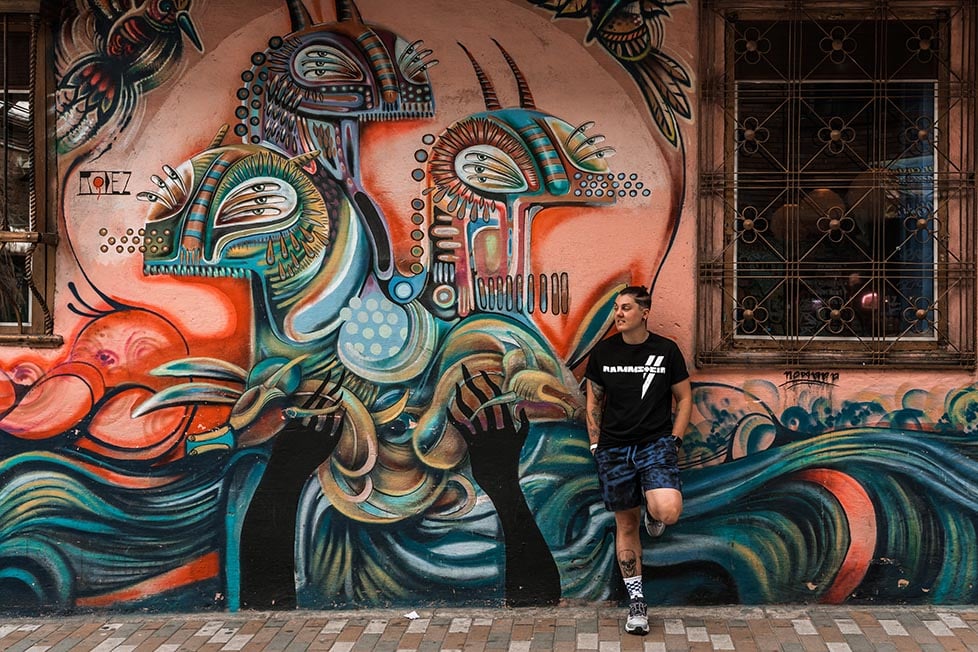
Photo: Nic Hilditch-Short
- Our ultimate Backpacking South America guide is an essential read before you travel.
- Grab your International sim card for South America without the hassle.
- Don’t forget the essentials with our in-depth backpacking packing list.