I love Bali. I really do. The hospitality, culture and warmth of the Balinese people is something that will bring me back time and time again.
At the same time, it’s a fair assumption to say that Bali has faced the brunt of over tourism in the last decade. What was once rolling rice terraces have been torn out to make room for cut throughs that you can spend hours in standstill traffic on. Western cafes litter the streets whilst warungs feel few and far between. The tourism that has developed seems solely for the lens of social media. Something to snap and move on, rather than an experience of substance to be felt.
So I can understand why people say that hate Bali. BUT I’m here to tell you that the Bali they hate, isn’t even the real Bali at all.
The real Bali exists beyond smoothie bowls and wellness retreats. Instead, its magic lies in the hidden waterfalls, the home stays in quieter valleys, and the strange little detours you make along the way. If you want to find what makes Bali what it is, you have to go and graft for it.
I’ve tallied up my favourite hidden gems in Bali so you can get a feel of the REAL wonder that this magical island holds.
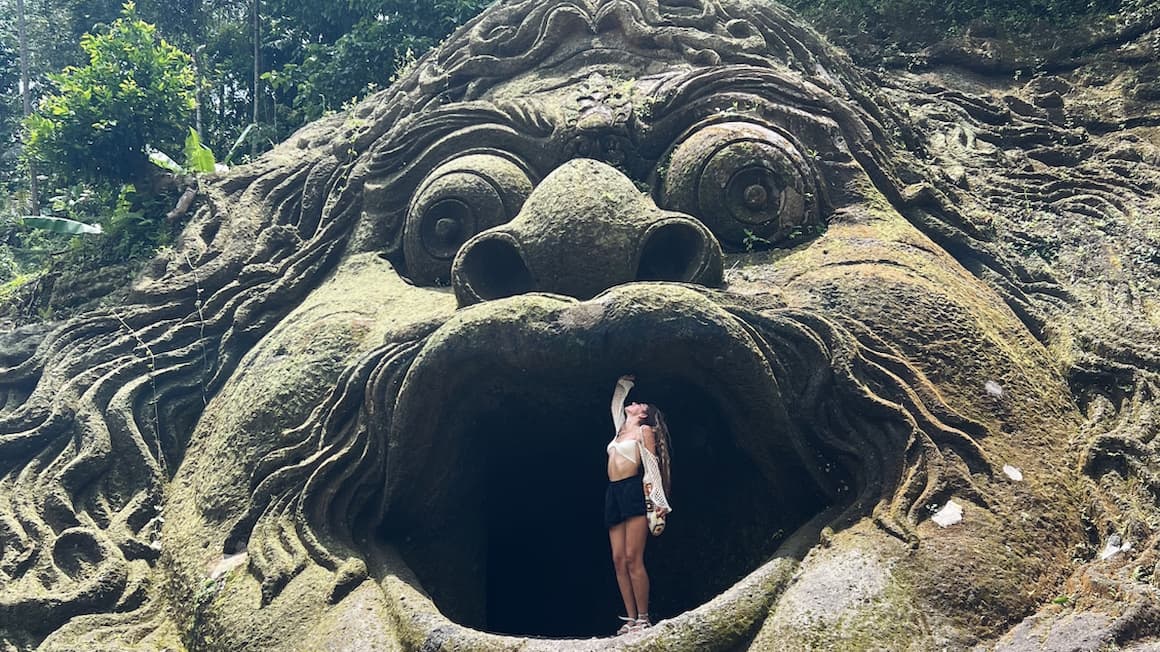
Photo: @amandaadraper
The Broke Backpacker is supported by you. Clicking through our links may earn us a small affiliate commission, and that's what allows us to keep producing free content 🙂 Learn more.
Bali Gets Better Once You Leave the Usual
This Indonesian island is a sensory dance – one that’s always moving and swaying wherever you go.
Bali is ancient temples and bumper-to-bumper traffic. Incense smoke and Instagram queues. A place where a thousand-year-old offering sits at the foot of a smoothie bowl menu, and somehow neither looks out of place.
The south is what most people mean when they say Bali, and it’s cool enough for some people. But the tourist belt between Seminyak and Canggu moves fast, costs more than it used to, and can start to feel less like discovery and more like a theme park with social media in mind.
Move north, move inland, move anywhere off the main drag, and you’ll unlock a different side to the island. The constant hum of motorbikes thins out. Warungs replace beach clubs. The roads narrow into something closer to walking paths, and the gaps between them hide villages, valleys, and stretches of coastline that most visitors never bother with.
That’s where the interesting stuff lives. Not at the famous viewpoints with the selfie queues, but in the quieter corners where Bali’s culture, arts, and way of life have had room to breathe. The island rewards the curious and punishes the itinerary-followers, and this guide is built around the former.
I’ll admit that each hidden gem is a complete secret, but instead a token for you to unlock a side of Bali that exists outside of the usual Canggu–Seminyak–Ubud loop. Bali will always reward those in pursuit of getting off the beaten track.
1. Go Waterfall Chasing
- Best for: Waterfall lovers and those sick of the usual crowds
- What makes it special: Wading through jungle and water with almost no one else around
- Area: Mostly concentrated around Ubud, wilder further north
- Cost: Free / $ (entry rarely tops 50k IDR)
- How long you need: a couple hours to a couple days to do some serious waterfall chasing…the choice is yours.
A visit to Bali isn’t complete without a waterfall adventure. Ubud is the perfect base to springboard into your wildest waterfall dreams, but head further north, and the crowds die out and the waterfalls feel all the more magical.
When the sunlight hits the waterfall at the right angle, the entire place is illuminated by rainbows. In other spots, you’ll hear nothing but the sheer force of water cascading down on the rocks below.
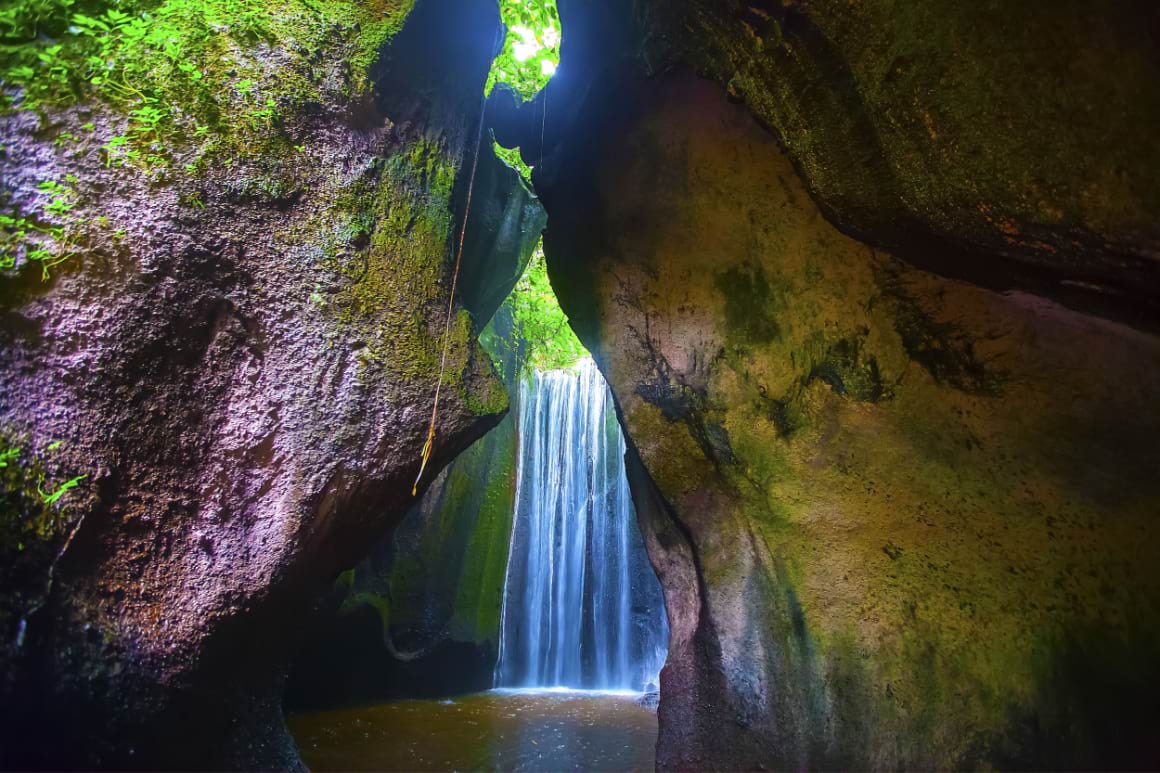
Some of my hidden gem faves include:
- Sumampan Waterfall
- Manuaba Waterfall
- Suwat Waterfall
- Tukad Cepung Waterfall
- Sekumpul Waterfall
- Goa Raja Waterfall
- What to do: Take a dip, a pic, or linger a while to soak up the healing properties of being surrounded by vines, rocks and water.
- Why it’s worth the detour: I always enjoy a good waterfall, but there’s a specific kind of magic that comes with sharing a waterfall only with a stray dog who adopted you on the trail or a few local kids cooling off after school.
- Good to know: Some waterfalls will make you graft for them so remember to bring your best hiking shoes! Waterproof hiking sandals are best for wading through water and slippy rocks. The result is always worth it though as you can to live out your wildest Tarzan dreams with none of the usual Bali crowds <3
2. Escape the Crowds on Nusa Lembongan and Nusa Ceningan
- Best for: Travellers who want the island life without the mainland chaos
- What makes it special: All the beauty of the Nusas, almost none of the people
- Area: Off the southeast coast of Bali, 30–45 minutes by fast boat
- Cost: $ / $$
- How long you need: Overnight minimum, two to three days to do it properly
We’ve all heard of Nusa Penida, but have you ever heard of the two lesser-known Nusas: Lembongan and Ceningan? Offering the perfect setting for travellers who want to escape the crowds, Nusa Lemongan and Cemimgan still feel relatively untouched. It’s not to say you should skip out on Nusa Penida – its beaches are genuinely up there with some of my favourite in the world – but its other two smaller siblings offer a slice of quiet island life that doesn’t exist on the mainland anymore.
Lembongan is what Bali’s more famous islands used to feel like before the tour groups arrived. Unhurried, unstatedly stunning, and still small enough that you can get around most of it without a plan and without stress. Seaweed farms still line the shallows, roads are narrow, and the beaches are still relatively untouched.
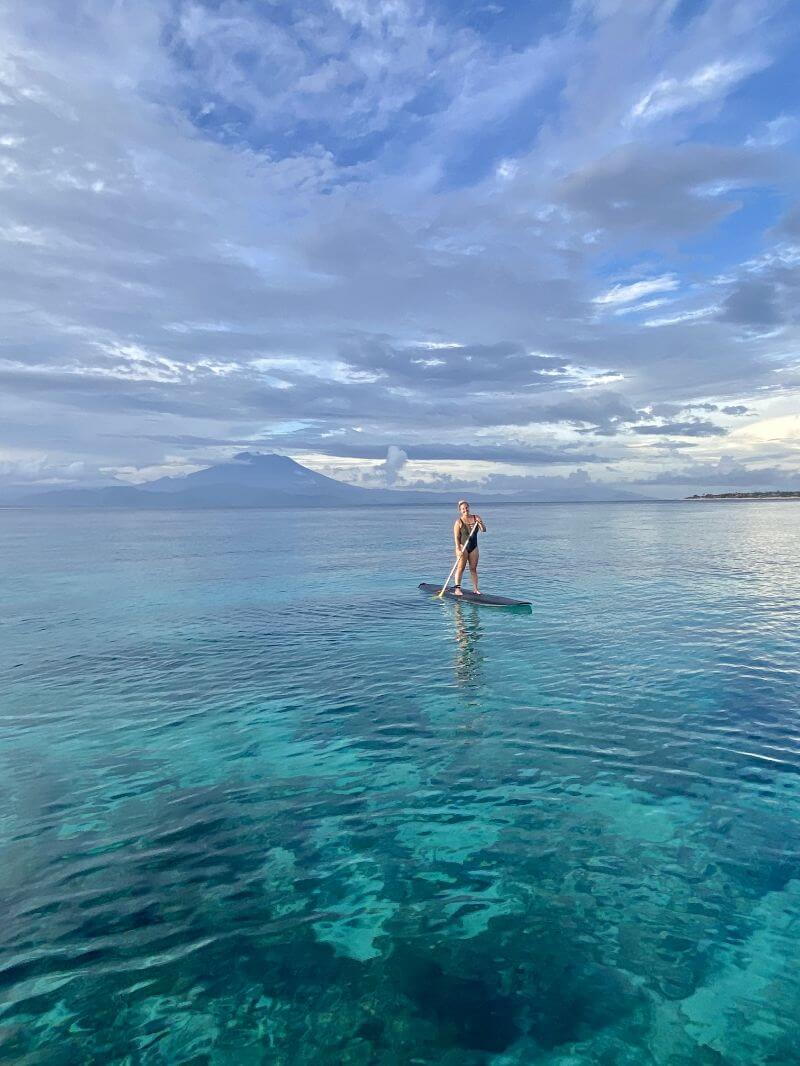
- What to do: Lemongan and Ceningan are connected by a bridge, so my favourite way to explore was renting my own two wheels and trying to get as lost as I can. It’s never a bad plan for the day.
- Why it’s worth the detour: It’s a short boat from Nusa Penida, so you’re getting minimum crowds for minimum effort.
- Good to know: There’s even surf here too, if you can be bothered to get out of serious beach bum mode (spoiler: I was not).
3. Spend Time in Sidemen
- Best for: Those wanting a slice of calm amongst some of the best rice terraces in Bali
- What makes it special: One valley, one road, with Mount Agung looming over
- Area: East Bali, around 1.5 hours from Ubud
- Cost: $
- How long you need: Overnight minimum, two days to actually decompress
Sidemen is the Bali that most tourists never find, and the ones who do tend to keep pretty quiet about it. This is Bali at its most unhurried: rice terraces climbing the hillside, green landscapes as far as the eye can see and Mount Agung dominating the horizon.
Bali’s notorious traffic and tourist infrastructure fall away completely out here. There’s one road through Sidemen Valley. One. The village hasn’t been swallowed by the wellness retreat industrial complex (yet).
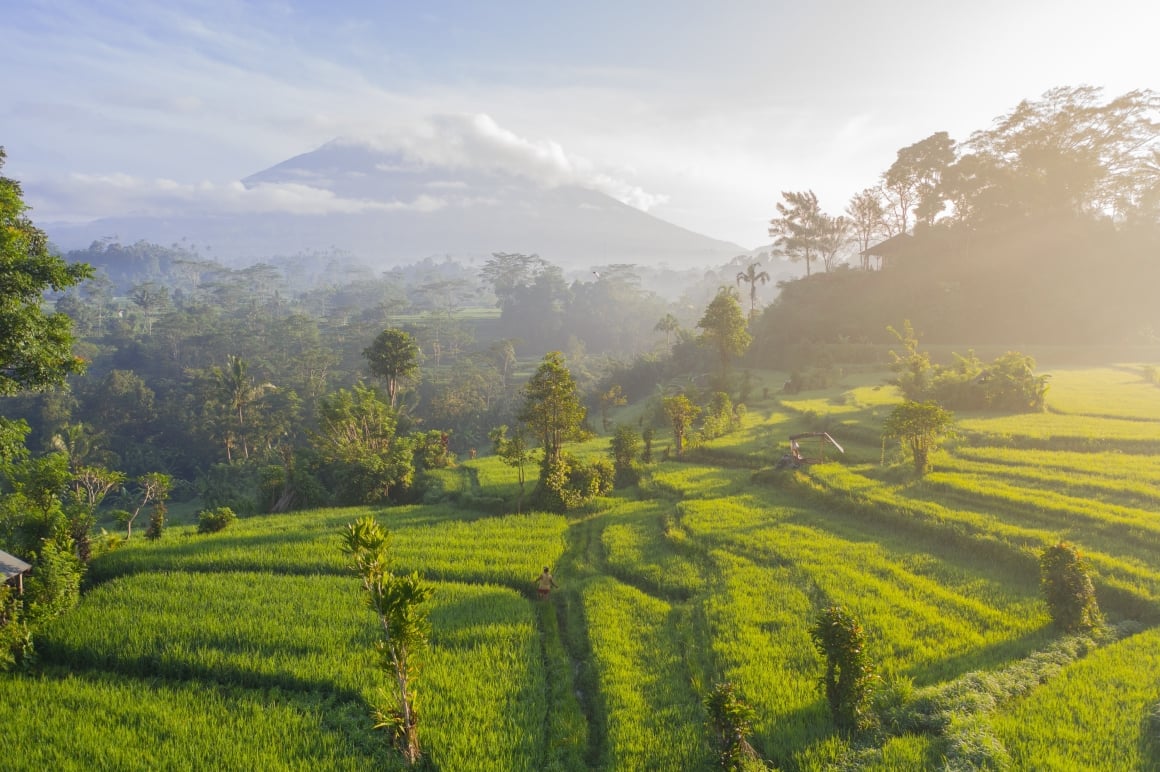
- What to do: Walk the rice paddies in the early hours, morning dew sticking to your ankles. You might be lucky enough to spot a local tending to the land or have a pack of village dogs accompany you on your stroll like I had. Or maybe it’s just the Disney princess in me – who knows?
- Why it’s worth the detour: It’s the greenery and rice paddies you’re looking for in Ubud, without the Ubud crowds.
- Good to know: I would recommend staying in Sidemen at least one night to properly soak up everything the village has to offer.
4. Learn the Secrets of the Local Cuisine
- Best for: Foodies
- What makes it special: You’ll be focusing on authentic Balinese dishes with a family
- Area: Canggu
- Cost: $
- How long you need: Half a day
It won’t take you long to realise that Balinese cuisine is nothing short of legendary! If you’d like to pick up plenty of handy tips that’ll help you replicate that classic Nasi Goreng at home, a cooking class sounds like a no-brainer.
Not only will you enjoy a hands-on immersion into Balinese local food, but you’ll also learn heaps of techniques that you won’t necessarily find in recipe books. It’s not an undiscovered activity by any means, but if you pick a local family over a cookie-cutter cooking school, you might even learn a thing or two from mum’s recipes.

Photo: @amandaadraper
- What to do: This cooking class in particular shows you the ropes on how to make a traditional Balinese offering and walks you through each herb and spice integral to the cuisine. After cooking, you’ll sit down to chow down on your own made feast, family style
- Why it’s worth the detour: Cooking with a local family will give you insight into family cooking culture in Bali, and teach you how to whip up your own dishes
5. Camp by the Shores of Lake Tamblingan
- Best for: Nature lovers, campers, and anyone who needs a night completely off the grid
- What makes it special: A sacred, mist-wrapped lake that most visitors to Bali never know exists
- Area: Northern highlands, near Bedugul
- Cost: $ – getting to the lake will be the main brunt of your budget
- How long you need: Overnight – ideally two days
Lake Tamblingan sits high in the mountains, tucked behind hiking trails in Bali that don’t make the usual highlight reels. It’s a lake ringed by dense jungle, centuries-old trees pressing in from every side, and a stillness that takes a minute to adjust to if you’ve come straight from the chaos of Canggu.
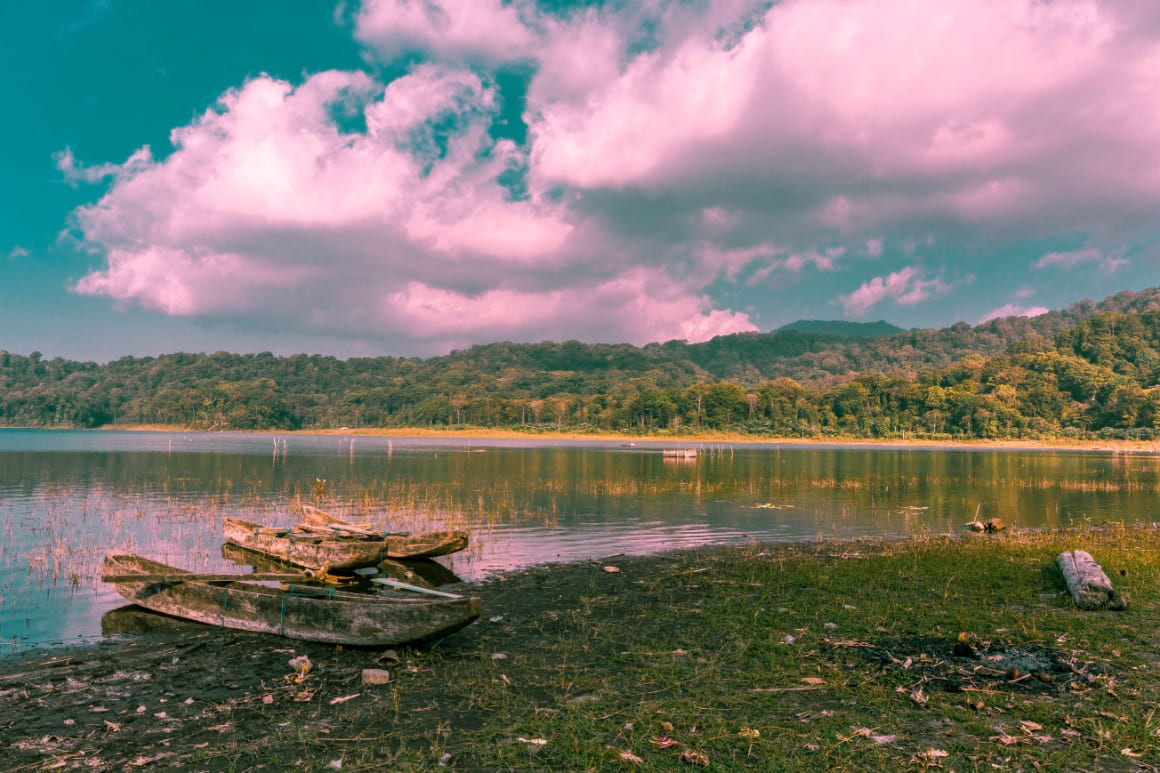
- What to do: Pitch a tent at the water’s edge and wake up to mist rolling off the lake, and spend your days exploring jungle trails.
- Why it’s worth the detour: The combination of lake, jungle, and mountain air lets you see a side of Bali that feels a world away from the tourist trail on the south coast.
- Good to know: If you’re looking to camp, bring all your own camping gear; there’s nothing set up out here.
Need the right gear? Check out our ultimate camping checklist before you go.
6. Go to a Sound Healing Session
- Best for: Travellers looking to tap into Bali’s spiritual side
- What makes it special: A genuinely transportive experience that’ll give you a well-needed reset
- Area: Canggu
- Cost: $$
- How long you need: 1–2 hours
Bali has no shortage of wellness experiences, most of which you can safely skip without feeling like you’ve missed out on anything. A sound healing session is not one of them. Sound healing has been woven into Balinese spiritual life for centuries, and doing it here feels significantly different in a way that your city studio back home just can’t replicate.
Singing bowls, gongs, and chimes layer into something that feels close to the spiritual side of Bali promised online that’s often hard to actually find. It also tends to fly under the radar compared to the yoga retreats and spa days that dominate Bali’s wellness chatter, which is why it holds a firm position on this hidden gems list.
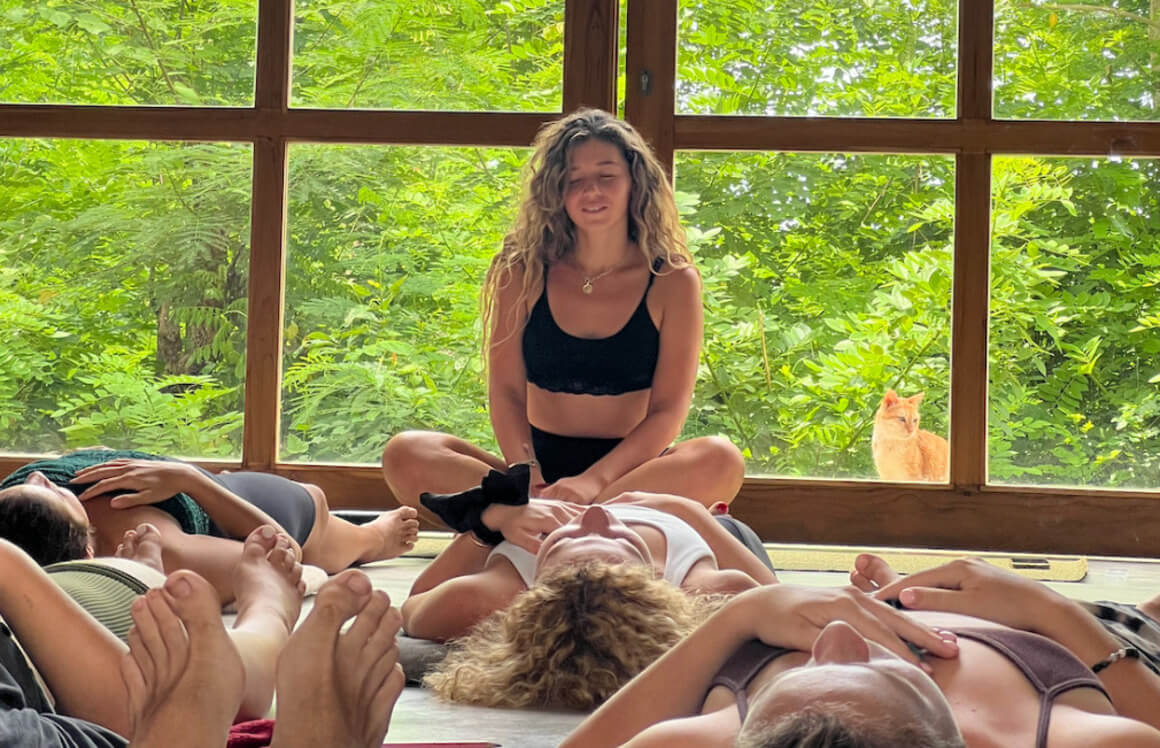
Photo: @amandaadraper
- What to do: Show up, lie down, and surrender. Sessions typically combine singing bowls, gongs, and chimes in a guided practice running around 60–90 minutes; some include breathwork or meditation elements.
- Why it’s worth the detour: Most wellness experiences here are built for the Instagram moment. A sound healing session is built for the hour after, when you walk out feeling like you’ve had a hard reset.
- Good to know: Book ahead through this session in Canggu as spots fill up fast, especially in high season.
7. Head to Bias Tugel Beach
- Best for: Beach lovers who want white sand without any crowds
- What makes it special: A tucked-away cove that most people walk straight past on their way to the ferry
- Area: Padangbai, East Bali
- Cost: $ (entry is 10,000 IDR)
- How long you need: Half day
Most people arrive in Padangbai, look at the ferry schedule, and leave. The ones who go looking find Bias Tugel. The name translates roughly to ‘cut-off beach,’ which tells you everything about why it stays quiet.
You reach it via a short jungle path that opens suddenly onto a small white sand cove framed by cliffs on both sides, clear turquoise water, and a handful of local warungs doing cold Bintangs and fresh coconut at prices that feel like a different island to the south. The snorkelling near the rocks is decent. The fried rice, reportedly, is exceptional.
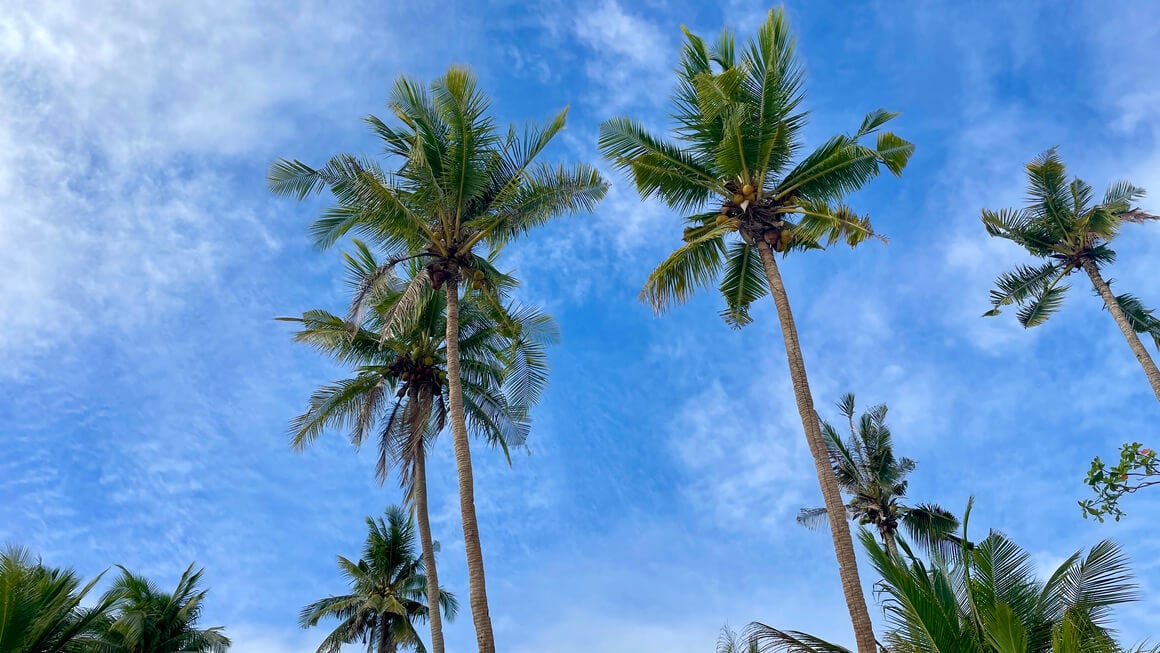
Photo: @danielle_wyatt
- What to do: Swim, snorkel near the rock formations, explore the natural tidal pool at the far end, and eat lunch at one of the warungs before the sun drops behind the cliffs.
- Why it’s worth the detour: It sits five minutes from a busy ferry port and still manages to feel like a find.
- Good to know: The sun moves behind the hills by mid to late afternoon, so go in the morning for the best light and the most space. Bring small notes for the entrance fee.
8. Learn How to Give a Balinese Massage
- Best for: Travellers who want to take a skill home rather than a souvenir
- What makes it special: Learning an ancient healing tradition from someone who actually knows it
- Area: Bali-wide
- Cost: $$
- How long you need: Half day
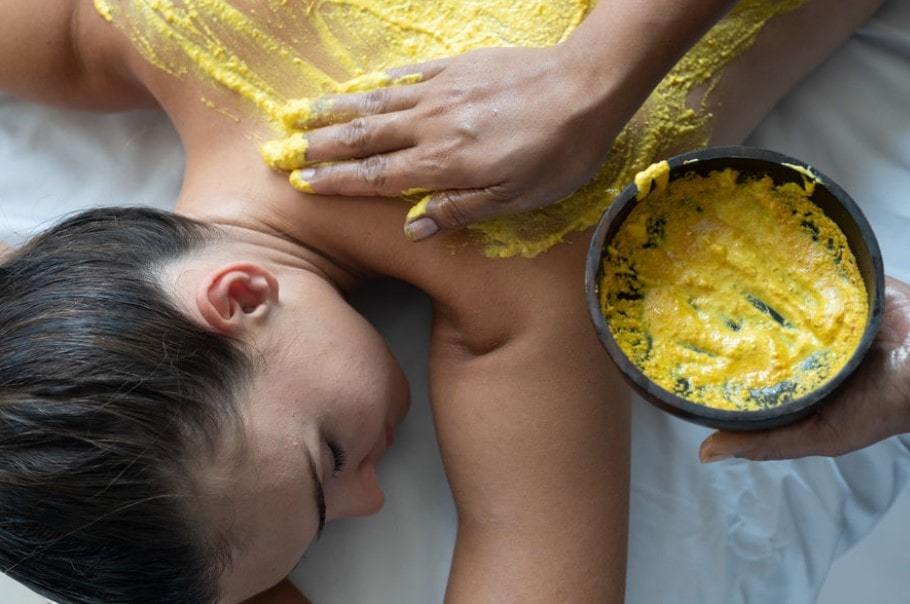
Getting a massage in Bali is easy. Learning how to give one is a different thing entirely, and considerably more useful when you get home.
Balinese massage is one of the island’s oldest healing traditions, combining acupressure, skin rolling, and long, rhythmic strokes rooted in the belief that physical and spiritual wellbeing are the same thing. It’s been passed down through families and healing communities for generations, which means learning it here from practitioners who grew up with it. You leave with actual techniques that I’m sure will make you VERY popular amongst friends and family.
- What to do: Join a hands-on class led by a local practitioner, learn the core Balinese massage techniques including pressure points and stroke sequences, and practice on a fellow participant under proper guidance.
- Why it’s worth the detour: Most Bali experiences are things you watch or consume. This one is something you learn. It’s interactive, educational, and learning a new skill is never a waste of time.
9. Visit the Village of Kintamani
- Best for: Hikers and highland seekers
- What makes it special: An active volcano, a crater lake, and a version of Bali that tourism has barely touched
- Area: Central highlands, northeast of Ubud
- Cost: $ (small Geopark entry fee applies)
- How long you need: Full day, overnight if you’re hiking
Kintamani is one of the most underrated regions on the island. Sitting in the central highlands with Mount Batur at its centre, the air here is cooler, the pace slower, and the landscape is all about lakes and mountains rather that surf breaks and palms.
Following major eruptions in the 1900s, Batur’s massive crater is now filled with villages, vegetation, fishermen, and farms, all of it fertilised by centuries of volcanic activity. Although hiking Mount Batur is a big thing to do in Bali, the village itself is as close to unhurried traditional Balinese life as you’ll find this accessible anywhere on the island.

- What to do: Hike Mount Batur for the sunrise, wander the crater rim, drink local coffee with a view of the caldera, and (if you have the stomach for it) take a boat across Lake Batur to Trunyan village where the burial traditions are unlike anything else in Bali.
- Why it’s worth the detour: It’s got the kind of dramatic landscapes that the south coast simply can’t give you.
- Good to know: The roads into Kintamani aren’t in good nick, so a private driver is a smarter move if you don’t feel confident on your own two wheels.
10. Shred Waves in Mendewi
- Best for: Surfers who want long rides without the lineup aggression
- What makes it special: Bali’s longest left-hand point break, two hours from the crowds
- Area: West Bali coast
- Cost: $ – It’s way cheaper for lessons and board rentals than the south coast
- How long you need: A few days at the minimum if the swell is good
If you’ve been fighting for waves at Uluwatu or navigating the circus at Kuta, Medewi will feel like a different island entirely. Black sand beach, rice paddies pressing in from behind, beachfront warungs serving up your cup of joe at sunrise. Medewi has a way of making people stay longer than they planned.
It’s a soft-breaking left-hand point break, and on its best days the wave holds its shape and rolls for over 800 metres, which by Bali standards is almost absurd. It’s long and mellow, peeling with smooth boulder-bottom sections ideal for off-the-tops, cutbacks, and longboard nose-walking. The season to shred waves here is May to September during the dry season.

Photo: Oliver Sjöström
- What to do: Surf the main left-hand point break or explore the neighbouring river mouths and beach breaks for breaks that you feel you have entirely to yourself.
- Why it’s worth the detour: There’s a chilled vibe in the water without any of the infamous Bali lineup aggro, which makes it a joy for beginners, intermediates, and pros alike.
- Good to know: The entry and exit over the boulders is tricky, especially at low tide, so follow other surfers out on your first session and watch your feet. Reef boots are worth having.
11. Learn About the Art of Batik
- Best for: Culture-curious and artsy travellers
- What makes it special: Intricate wax-resist dyeing with deep cultural meaning
- Area: Ubud and surrounding villages
- Cost: $$
- How long you need: 1–2 hours
The art of Batik is a traditional method of decorating fabric using wax and dye, and it’s been around for centuries. Famously associated with Java, the process involves patterns drawn onto cloth with hot wax, which blocks the dye from soaking into those areas. The fabric is then dyed, the wax is removed, and the process can be repeated multiple times to build up layered and often ridiculously intricate designs.
In places around Ubud, small workshops walk you through the whole process, from sketching patterns to showing you how famously hard it is to guide hot wax in a straight line. The designs are rooted in Indonesian symbolism, and you’ll soon keep spotting them around Bali in a way you wouldn’t have noticed before.

- What to do here: Join a short batik workshop, learn wax techniques, experiment with dyes, and create your own piece
- Why it’s worth the detour: It feels way more special than your bog standard fridge magnet as a souvenir, with a cultural experience being the main point
- What to know before you go: Book ahead, wear clothes you don’t mind staining, and expect the process to take patience
12. Hike Mount Agung
- Best for: Adventurous travellers chasing a serious challenge
- What makes it special: Bali’s highest and most sacred volcano with sunrise views above the clouds
- Area: East Bali
- Cost: $$
- How long you need: Full day – overnight if you want to reach summit by sunrise
If you want a serious challenge, Mount Agung should’ve been on your bucket list, like, yesterday. The highest and most sacred volcano in Bali, hiking Mount Agung starts in the dark, tests your legs, and rewards you with a seriously insane sunrise if the weather Gods are on your side.
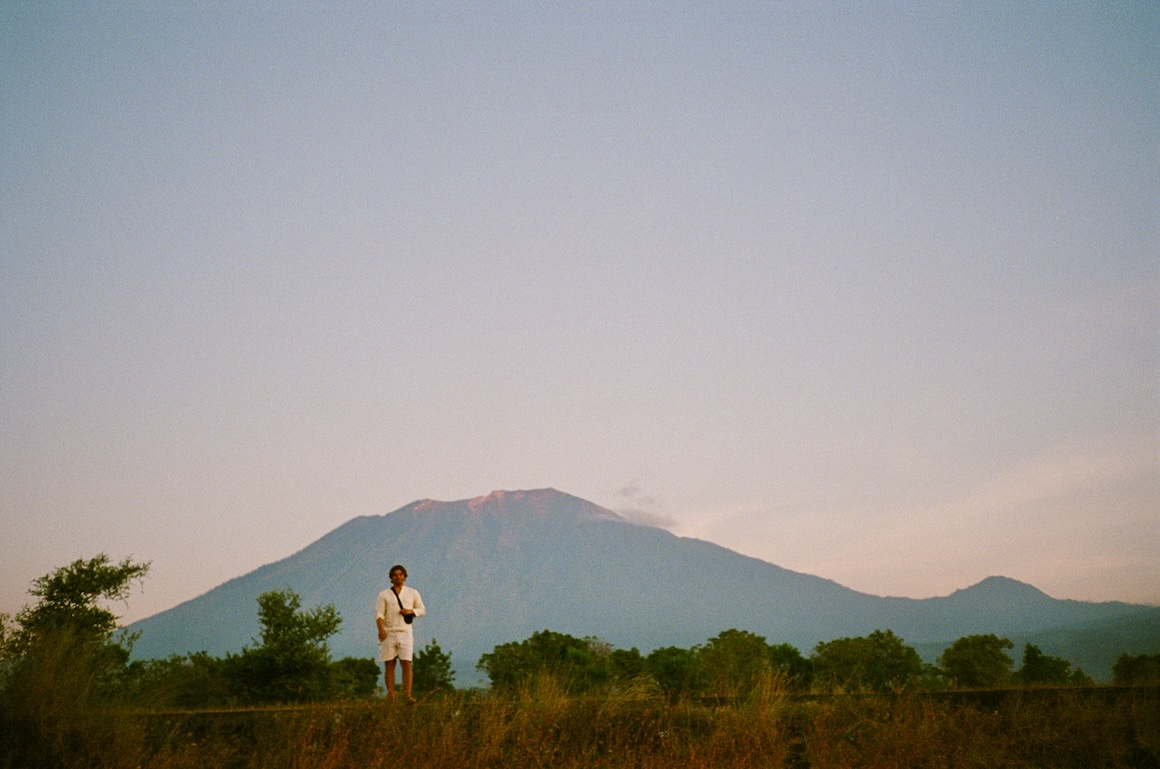
Photo: @audyscala
- What to do here: Join a guided overnight hike, summit for sunrise, and take in panoramic views across Bali and neighbouring islands
- Why it’s worth the detour: Delivers one of the most rewarding viewpoints on the island along with a real sense of achievement
- What to know before you go: Eruptions and seismic activity have closed the mountain in the past, so access can shift with little notice. Always check current conditions before planning anything around it.
13. Make Jamu
- Best for: Wellness-minded folk looking to take back something more valuable than a bog-standard souvenir
- What makes it special: Learning a thousand-year-old herbal tradition you can take home in your recipe book
- Area: Bali-wide
- Cost: $$
- How long you need: 1–2 hours
Jamu is a traditional herbal remedy originating from Central Java, with roots going back over a thousand years, and it’s become woven into the fabric of Indonesia’s foundations. Despite the rise of conventional medicine, it holds a firm place in everyday Balinese life. Tickly throat? Jamu. Upset stomach? Jamu. Feel a cold coming on? Jamu.
And what better way to get involved in this slice of local life than trying to make this liquid gold for yourself? A jamu-making workshop puts you in a traditional kitchen with fresh roots and a mortar and pestle, and by the end of it you have something you actually made, something you can actually drink, and a recipe you’ll use whenever you start feeling under the weather at home.

- What to do: Join a hands-on workshop to grind, blend, and brew your own jamu using fresh turmeric, ginger, galangal, tamarind, and local spices, then taste what you’ve made and take the recipe with you.
- Why it’s worth the detour: Most cooking experiences in Bali are built around food. This one is built around medicine, which makes it feel less like a tourist activity and more like learning something that actually matters to the people who live here.
14. Go Diving in Amed
- Best for: Divers, snorkellers and shipwreck lovers
- What makes it special: Coral gardens, turtles and world-class WWII shipwrecks to explore
- Area: Northeast coast, around 2.5 hours from Ubud
- Cost: $$ (shore dives are among the most affordable in Bali)
- How long you need: Two to three days minimum
If you’re a nerd about wreck diving, chances are Amed is already on your radar. Nestled up in North Eastern Bali, this sleepy town feels reminiscent of a Bali from decades gone by. The combination of healthy reefs and volcanic black sand makes this one of the most unique dive environments in Bali, and the range of sites along the coast covers pretty much every experience level and interest.
The most famous of them all is the USAT Liberty wreck at Tulamben, just up the coast from Amed. It’s a WWII cargo ship torpedoed by a Japanese submarine, sitting shallow enough water to be accessible directly from the beach. I came to Amed purely for the diving alone but was taken aback by how different it felt from the south coast. Safe to say, I fell in love.
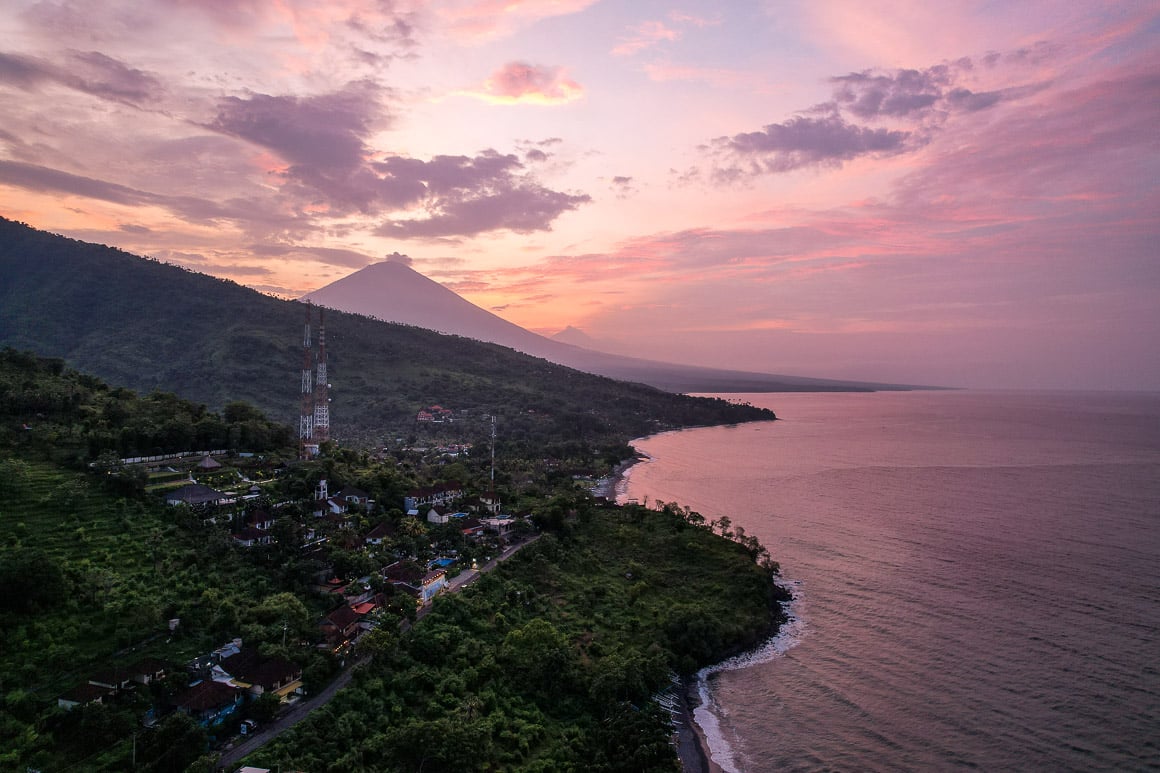
Photo: Samantha Shea
- What to do: Dive Jemeluk Bay for coral and turtles, the Pyramids for macro life and stingrays, and USAT Liberty wreck for truly mindblowing wreck exploration.
- Why it’s worth the detour: The dive sites are genuinely exceptional, shore diving keeps costs low and the village itself is the kind of quiet east Bali that most visitors never make it to.
- Good to know: Best conditions run from April to September, with visibility at its clearest.
15. Explore Menjangan Island
- Best for: Nature lovers, wildlife spotters, and anyone who wants to feel like they’ve genuinely left Bali behind
- What makes it special: Wild deer on white sand beaches, sacred temples hanging over turquoise water, and a national park that actually looks after itself
- Area: Northwest Bali, around 3 hours from Ubud
- Cost: $$ (national park permit plus boat)
- How long you need: Full day
It’s hard to convince yourself that this island lies just off the coast of Bali. Directly translated as ‘deer island,’ Mengangan sits inside West Bali National Park, which means the waters are protected, and the wildlife both above and below the water reflects that.
The island is home to just 16 Hindu monks and a cast of wildlife you wouldn’t dream of seeing on the mainland. The deer have an endearing habit of wandering down to the jetty looking for fresh water, which is not something you tend to encounter on most Bali day trips. This is the epitome of a hidden gem in Bali: a genuinely sacred, genuinely wild, and genuinely out there experience from the Bali everyone else is having.
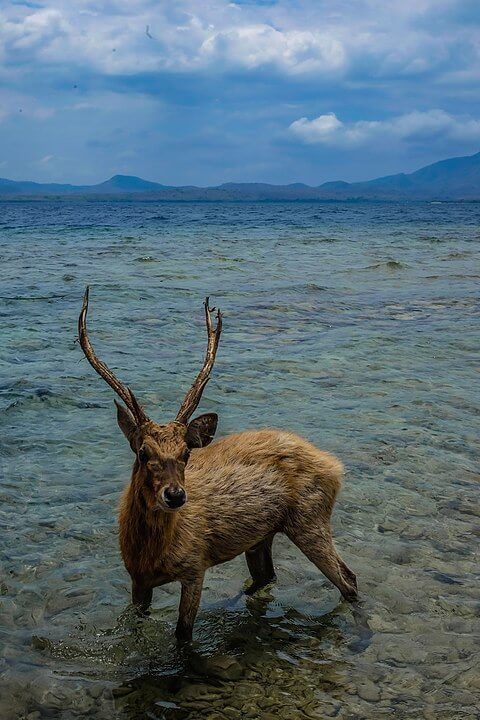
Photo: Syselpunk (WikiCommons)
- What to do: Walk the beach, watch the deer, visit the Ganesha temple from the water for the best view of the statue and snorkel the coral gardens on the north side of the island
- Why it’s worth the detour: It sits inside West Bali National Park, which means the fishing ban is total and the wildlife reflects that. The combination of sacred temples, roaming deer, a protected reef, and almost no commercial infrastructure. A complete 180 from mainland Bali.
- Good to know: Base yourself in Pemuteran the night before rather than attempting it as a day trip from the south. A permit and guide are required to visit and can be arranged through your accommodation or at the ranger station at Labuhan Lalang.
16. Learn the Art of Balinese Offerings
- Best for: Travelers interested in learning about Balinese culture
- What makes it special: A hands-on introduction to one of the most quietly beautiful daily rituals in the world
- Area: Bali-wide
- Cost: $$
- How long you need: 2–3 hours
You’ve stepped over them, photographed them, and nearly stood on them coming out of your hostel. Canang sari, the small palm-leaf offerings left on doorsteps, shrines, and pavements across Bali every single morning, are so woven into daily life here that it’s easy to overlook them.
This is a practice passed down through generations of Balinese women, a daily act of gratitude to the gods that happens before breakfast, every day, without exception. Sitting down to learn how to make one properly, with someone who has been doing it since childhood, is truly the coolest insight into local life and Balinese culture.
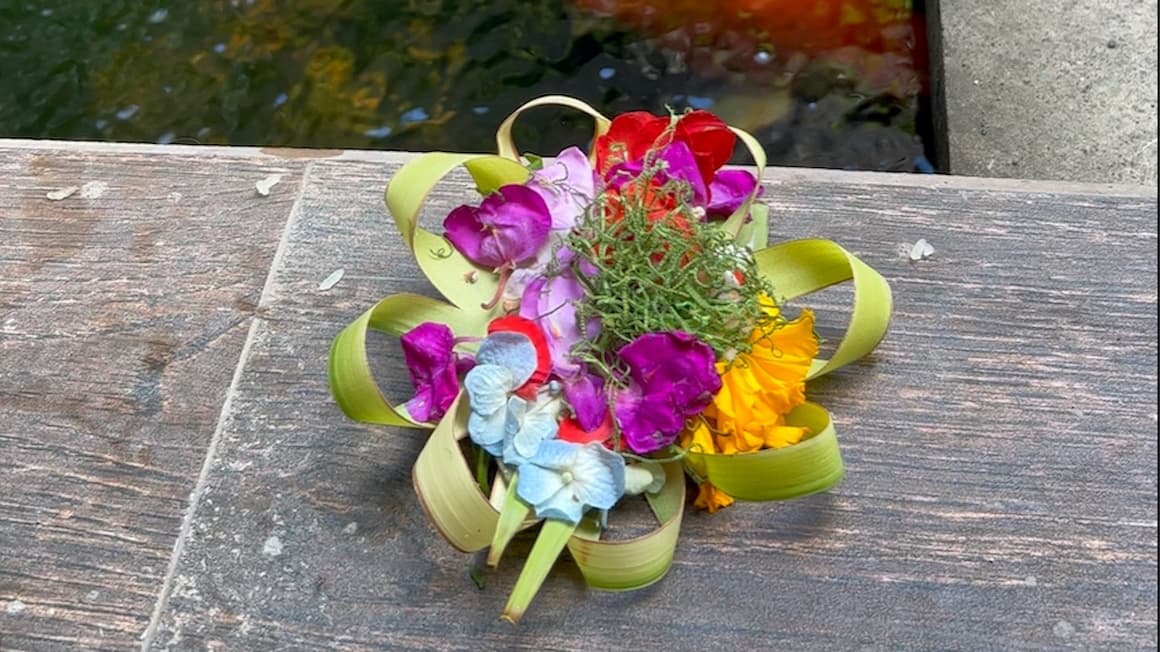
Photo: @amandaadraper
- What to do: Join a hands-on workshop to learn the folding, weaving, and arrangement techniques behind traditional Balinese offerings and understand the spiritual significance of each element.
- Why it’s worth the detour: It’s one of those rare experiences that changes how you see everything around you for the rest of your trip. Once you know what goes into one, you notice them everywhere, and you make a concerted effort to stop stepping over them.
17. Explore Munduk
- Best for: Nature lovers, waterfall chasers, and mountain addicts
- What makes it special: Cool air, clove and coffee plantations, waterfalls around every corner, and almost no one else on the trails
- Area: North-central Bali, around 1.5 hours from Ubud
- Cost: Free / $
- How long you need: Two to three days
Munduk is what Ubud probably looked like before it became what it is now. A small mountain village in northern Bali sitting high enough in the hills that you need a layer in the evenings, surrounded by jungle, clove plantations, coffee farms, and more waterfalls than you have days to chase them. The roads here are super quiet, making exploring on your own set of wheels so bloody fun.
The warungs are cheap and unhurried. There are no bracelet sellers on the main street, no massage touts, no one trying to sell you a tour. The coffee plantations here feel considerably more authentic than the commercialised tours you’ll find in Ubud, with farmers who’ll roast beans in front of you and hand you a cup that tastes like it was grown fifty metres away. Because it was.
If you want Bali in its rawest form, here it is.
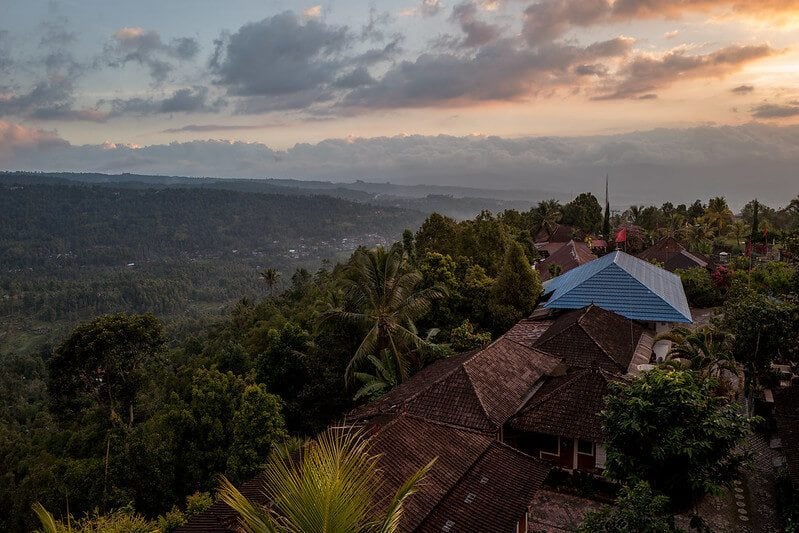
Photo: Matthias Ripp (Flickr)
- What to do: Trek the waterfall trail to Munduk, Melanting, and the four cascades at Banyu Wana Amertha, wander through the rice fields at sunset, and visit a coffee or clove plantation.
- Why it’s worth the detour: Most people drive through Munduk on the way somewhere else and never stop. The ones who stay two nights tend to stay three. It’s that kind of place.
- Good to know: A scooter gives you complete freedom to explore and the roads are manageable compared to South Bali.
Things I’m Glad I Figured Out Early in Bali
A small but mighty island
All things considered, Bali is not a big island. But it packs a punch. It’s about 150 kilometres across at its widest point, which on a map looks like a place you could cover in a long weekend. You cannot. File that away immediately and save yourself a significant amount of frustration. Bali is best enjoyed place by place and definitely cannot be conquered in one trip alone. The sooner you come to peace with that fact, the more you’ll enjoy this monster of an island.
Traffic is a killer
The roads were built around existing narrow lanes that were never designed for the volume of vehicles they now carry. Tourism grew WAY faster than the infrastructure could follow. A 30km journey in south Bali at the wrong time of day is a different thing entirely to a 30km journey anywhere else on the planet – a real killer for a packed-out itinerary. Bikes do better than cars by weaving through traffic GTA style, but it’s still not particularly enjoyable to have to navigate through.
Slow travel wins
The thing that actually solved this for me was staying put for longer. Pick two or three bases for your trip and sit in each one for a few days rather than bouncing around daily. You spend less of your life in transit and you actually get to know the area you’re in.
Hidden gems clarification
A ‘hidden gem’ in Bali usually means less overrun, not actually empty. The places on this list are genuinely quieter than the main circuit, but quiet is relative on an island that welcomes millions of visitors a year. The practical solution is simple and consistent: go early. Most of these spots hit their best version of themselves before 9am, before the car parks fill up. The waterfall that looks magical in every photo you’ve seen was taken before breakfast.
Managing expectations
As above, even the most hidden of gems in Bali will still come with a crowd, so managing your expectations before you get there will maximise your chances of actually enjoying it. Bali has a handful of places that look genuinely transcendent in photographs and genuinely crowded in person. That doesn’t make them not worth visiting, it just means arriving knowing what you’re walking into, rather than arriving expecting solitude and leaving disappointed.
Get Insured For Your Bali Trip
Bali is one of those places where things can go sideways in ways you didn’t budget for. Scooter spills on slippery roads, a bad batch of something at a warung, and a surprise hospital visit after a gnarly wipeout. The adventures that make this island worth visiting are exactly the ones that make travel insurance non-negotiable.
Sort out your insurance before you go. There are several good options, but our overall pick is SafetyWing. Most of the Broke Backpacker team has used it at one point or another, and we’ve filed claims for rabies jabs in Bali, a hospital stay in Mexico, and a clinic visit for a stomach bug that wouldn’t quit. All paid out.
It’s month-to-month, no lock-in, no itinerary required, and you can buy it after you’ve already left. A little over $2 a day if you’re under 40.
New SafetyWing customers: use code BROKEBACKPACKER for 8 free weeks of electronics theft coverage. You have to scroll down and click the pink camera on their landing page to enter it, and you have to do it before creating your account.
Hire the Best Balinese Driver – Pak Edy
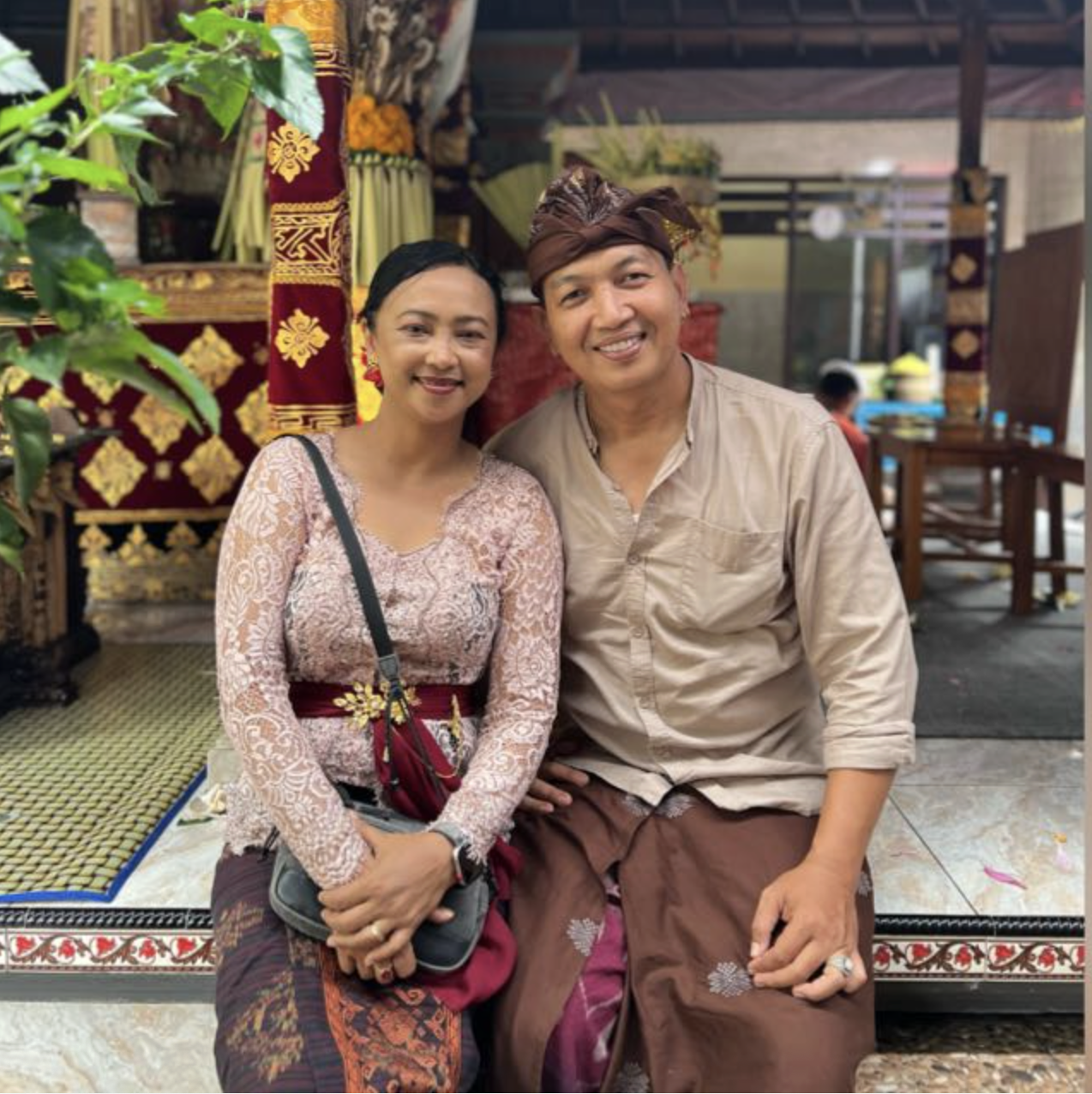
Hiring a driver literally takes all the guesswork and stress out of your trip. From knowing the best shortcuts that don’t result in parking in a rice paddy to planning out the most incredible Balinese adventure, Pak Edy has it covered.
With years of experience, Balinese local Edy knows the absolute best spots to visit on the island and how to tailor your adventure to your interests and needs. He also knows exactly where the most incredible and authentic food can be found in Bali.
Call or Text +62 812-3765-6124 on WhatsApp to book Pak Edy for your Balinese adventure.
Why Bali Got More Interesting Once I Looked Past the Obvious
The version of Bali that saturates your feed before you arrive – the clifftop infinity pools, the Tegalalang selfie queue, the Seminyak sunset ritual – is real, and it’s fine. But it’s not the whole island, and it’s not the part of Bali that is so near and dear to my heart.
The parts of Bali that have touched me are the people, the daily rituals and above all: the nature. I only really felt as though I’d seen Bali when I was balls deep in the jungle on my final bar of petrol, staying in a homestay with few words exchanged and getting to experience festivals that shine a light on how truly unique Balinese culture is to the rest of the country. That, to me, is what Bali is all about.
None of that required finding somewhere untouched. Bali is not untouched. It’s one of the most visited islands on the planet and pretending otherwise helps no one. What it does still have, if you travel it with a bit more curiosity and a bit less agenda, is genuine depth. The hidden gems on this list aren’t secrets, they just show a side of Bali that feels a lil more authentic than the beach clubs and smoothie bowls.
So, which one is calling your name first: a cultural deep dive, a detour into nature, or straight to the water? Whatever it is, go in with a bit of curiosity, and I’m sure Bali will take your heart as it did mine.
- Check out the best hostels in Kuta to kickstart your adventure.
- Know where to stay in Ubud BEFORE you get there… trust me.
- Find out how to stay safe in Indonesia using our Indonesia safety guide.
- Use our packing list for Indonesia to make sure you bring all the right stuff with ya.
- Explore some of the best beaches in Bali to experience something a lil’ more chill.
- Let’s get you ready for your next adventure with our backpacking Australia guide.