Surrounded by mountains, waterfalls, and jungle, Chiang Mai is an adventure lover’s paradise. I first visited in 2022 and have since spent over twelve months living here in-between my adventures. Chiang Mai is my ‘work base’ and I absolutely love it here…
Chiang Mai has been luring backpackers in Thailand away from the southern beaches and into the mountainous north for decades, and for good reason! Although it’s the country’s second biggest city – a world away from the chaos of Bangkok – it operates at a pace that is calm and is easy to navigate.
Spend your mornings hiking jungle trails, your afternoons exploring sparkling golden temples, and finish your day slurping on a Khao Soi from a plastic chair. And if you need to get some work done while you’re here, just perch up at one of the gazillion coworking spaces or laptop-friendly cafes.
The city attracts all kinds of travellers. First-timers come for temples and night markets. Backpackers come for affordability and adventure. And remote workers and slow travellers come for comfort, the cafes and the community.
Chiang Mai is one of the most liveable places in all of South East Asia, and one of the best destinations out there for broke backpackers. In this updated guide, you can discover:
- Realistic daily budgets and how to stretch them
- Where to stay (hostels, guesthouses, long‑stay areas)
- Getting around the city cheaply and safely
- What to do: temples, hikes, markets, and day trips
- Nightlife, food, and neighbourhood highlights
- And more…
Buckle up, explorer, we’re heading to Chiang Mai!
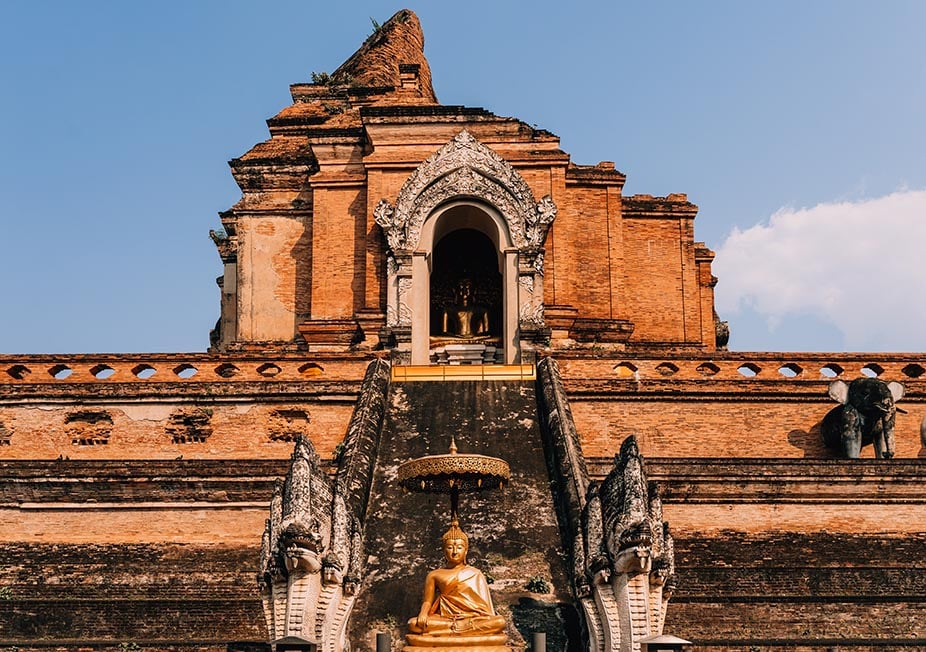
Image: Nic Hilditch-Short
The Broke Backpacker is supported by you. Clicking through our links may earn us a small affiliate commission, and that's what allows us to keep producing free content 🙂 Learn more.
- How Much Does Backpacking Chiang Mai Cost?
- Backpacker Accommodation in Chiang Mai
- Top Things to do in Chiang Mai
- Restaurants and cafes in Chiang Mai
- Living in Chiang Mai Long Term
- Backpacking Chiang Mai 3-day Itinerary
- Best Time of Year to Visit Chiang Mai
- Getting In and Out of Chiang Mai
- How to Get Around Chiang Mai
- What’s New for a Chiang Mai Backpacking Trip?
- Chiang Mai Accommodation Travel Hacks
- Books to Read While Travelling in Chiang Mai
- Volunteering in Chiang Mai
- Make Money Online Whilst Backpacking Chiang Mai
- Is Chiang Mai Worth It for Backpackers?
Few destinations in the world offer you as much bang for your buck as Chiang Mai. Even along the famously affordable Southeast Asia backpacking route, it stands out as a place to go to stretch your bucks.
If you’re on a shoestring, the good news is that you can get by with as little as $11-28 a day. This would mean staying in a dorm in a cheap hostel or Couchsurfing, using local transport, eating street food, and doing mostly free activities. But the city also has comforts and conveniences that are very tempting.
You didn’t come all the way to Thailand to just sit around one of Chiang Mai’s hostels, though. A daily budget of $33-55 will get you better digs, a rented scooter, sampling the local cafes and some extra cash for adventures…
If you want to live comfortably in Chiang Mai, you can splurge a bit ($60+ per day) to live a life of cafes, coworking spaces, gyms, and nicer rooms, which is still incredible value for what you get.
Chiang Mai Daily Budget Breakdown
Here’s a breakdown of a Chiang Mai daily budget:
| Expense | Broke Backpacker | Frugal Traveller | Creature of Comfort |
|---|---|---|---|
| Accommodation | $5-$10 | $11-$20 | $21+ |
| Transport | $0-$2 | $3-$5 | $6+ |
| Food | $6-$8 | $9-$11 | $12+ |
| Nightlife Delights | $0-$5 | $6-$10 | $11+ |
| Activities | $0-$3 | $4-$9 | $10+ |
| Total per day: | $11-$28 | $33-$55 | $60+ |
Chiang Mai Budget Backpacking Tips
For us broke backpackers out there, Chiang Mai is a dream come true. The city is already fantastic value, but with a few clever choices, you’ll be able to stretch your baht even further.
Here are some of my best Chiang Mai budget tips:
- Stay longer for discounts: Staying in the city for one week or even a month allows you to get great discounts on accommodation (especially on Airbnb) and a rented scooter. You’ll also get to know the city much better and find all the good, cheap places to eat and drink.
- Choose low‑cost adventures: Temples, waterfalls, hikes and viewpoints are either free or super cheap!
- Rent a scooter (if you’re confident): Even if you only stay a few days, life is much better with your own wheels in Chiang Mai, but it is a big city – so please don’t do this if you’ve ridden scooters before.
- Download Grab: If you don’t want to ride your own scooter, Grab (Thailand’s Uber) will be your best friend. It is super cheap and easy to get around. Or, jump on the red songtaew trucks that will take you around the city for less than a $1.
- Research where to stay: Research what you want to see and do in Chiang Mai and book a hostel in that area – it’ll save you on travel time and dollars.
- Drink beer: Local beer is cheap. Cocktails and wine will burn through your wallet, especially at tourist bars.
- Eat where locals eat: It really is amazing how much you can get for so little when it comes to eating here. By having breakfast at the hostel and a cheap local meal for lunch, you’ll have a lot more money to play with.
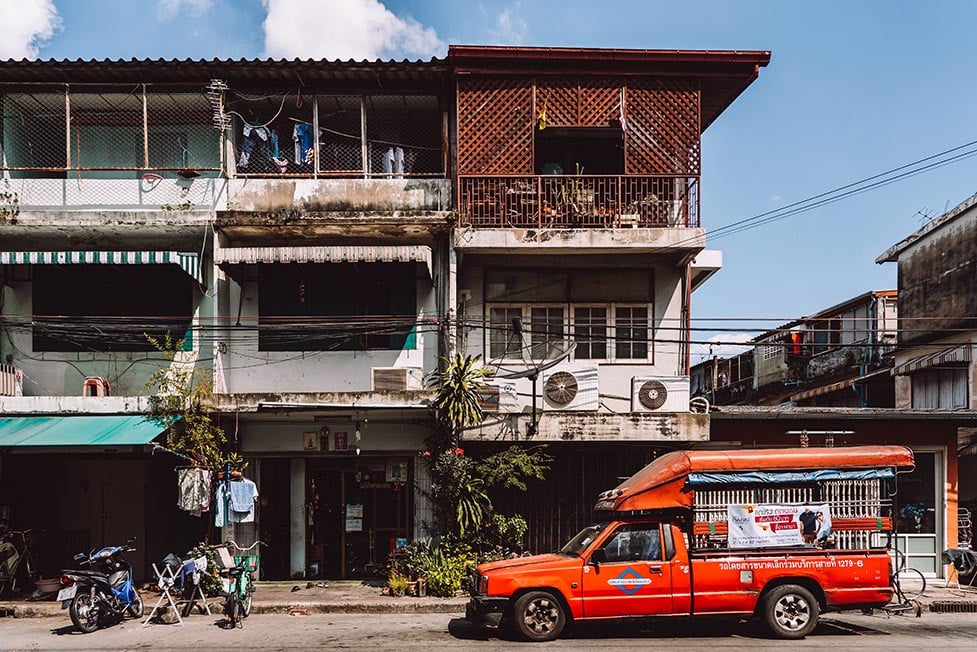
Image: Nic Hilditch-Short
On my first visit to Chiang Mai, I stayed within the backpacker-friendly confines of the Old City walls, and the city felt tiiiiny! It wasn’t until I was gazing down from the mountain top temple of Doi Suthep that I realised the sheer size of the place. I’ve since ventured outside the walls, and there are plenty of different areas to consider staying, but each one has a completely different feel and will really shape your trip. So, choose carefully, amigo. Here is a breakdown of where I’d recommend staying:
- The Old City is best for backpackers and first-timers. It is Chiang Mai’s historic core, packed with some of Thailand’s best hostels, temples, cafes and cheap food. The
- The Night Bazaar Area is best for nightlife! If you want to party, book a hostel in this area. You’ll be close to the night market and plenty of bars.
- Nimman is best for digital nomads and longer stayers. It’s a modern area that is home to a ton of coworking spaces, boutique hostels, lush Airbnbs and coffee shops.
- Santitham is best for local vibes on a budget. Just north of Nimman, it’s a cheaper and more peaceful option. Cheap food, gyms and chill bars. This is where I usually base myself in Chiang Mai for my longer stays.
- Outer Areas like Hang Dong, Mae Hia, or around the base of Doi Suthep will offer a quieter base with easy access to some of Thailand’s best hiking trails. They aren’t really set up for backpackers, but if you want a truly local experience, you could definitely consider them.
The Best Places to Stay in Chiang Mai
Are you wondering which is the best part of Chiang Mai to stay in? Well, let me give you a few suggestions.
Old City
The Old City is often the cheapest place to stay in Chiang Mai, with a plethora of backpackers’ hostels and budget guesthouses making it one of the best places to stay in Chiang Mai for broke backpackers.

Nimmanheamin
The best area to stay in Chiang Mai for nightlife and the digital nomad expat scene, you’ll also find plentiful restaurants and terrific places to shop.
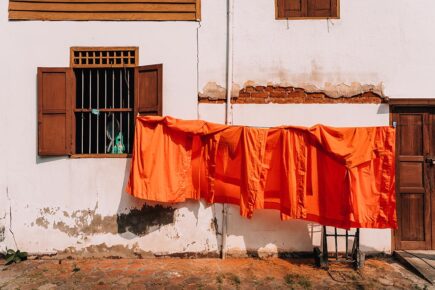
Santitham
Get a taste of Thai life and escape some of the tourist crowds while still being within easy reach of Nimman’s night scene and the Old City’s attractions.

Mountainside
Within easy reach of the city centre, Mountainside offers a more peaceful place to stay and closer access to Chiang Mai’s countryside and natural attractions. It’s one of the best places to stay in Chiang Mai for families.
Top Things to do in Chiang Mai
It’s pretty impossible to get bored in Chiang Mai. In the Old City alone, you’ve got tons of temples, museums, parks, and markets to keep you busy. This is also an adventure lover’s paradise, as you’ve got trekking, cycling, rafting, and more at your fingertips. You’ll have absolutely no problem filling your days!
With a few days in the city, it’s possible to do a little bit of everything. Here are my top 10 things to do in Chiang Mai to give you some ideas:
1. Visit Doi Suthep
While there are hundreds of temples in Chiang Mai, none compare to Doi Suthep. When backpacking in Chiang Mai, you’ll definitely want to make the trek out here to check out the gold-plated chedi and take in the views of the city. It’s one of my favourite things to do when in Chiang Mai.
You can literally trek up to the temple via the Monk’s Trail, which is epic, but in Thailand’s heat, it can be a very sweaty experience. Or, you can opt for a nice air-conditioned taxi/ grab to take you all the way to the top. Just be sure to ask the driver to wait for you and take you back down!
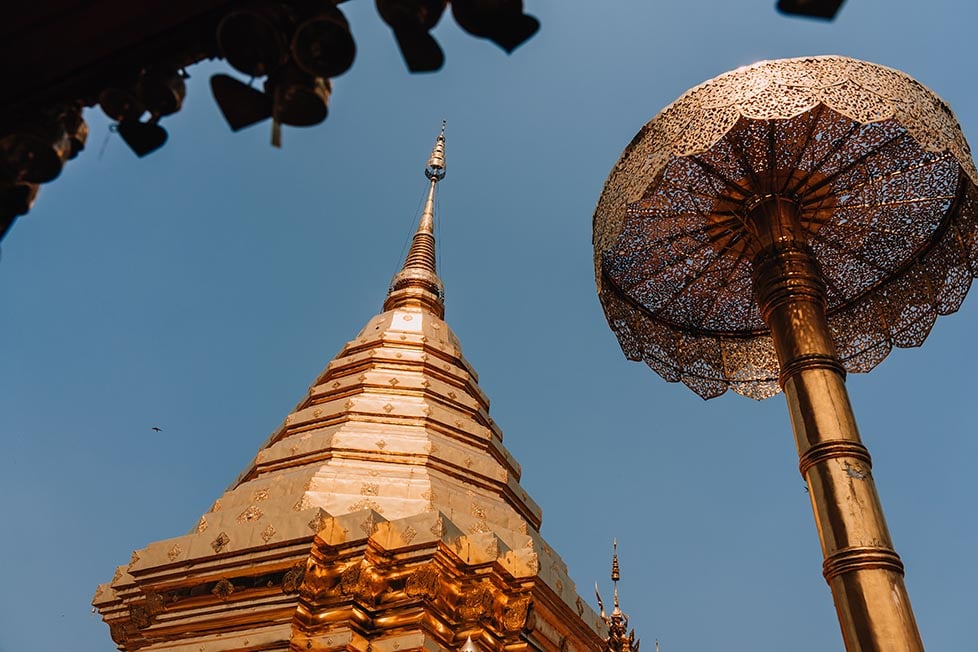
Image: Nic Hilditch-Short
2. Explore Chiang Mai’s temples
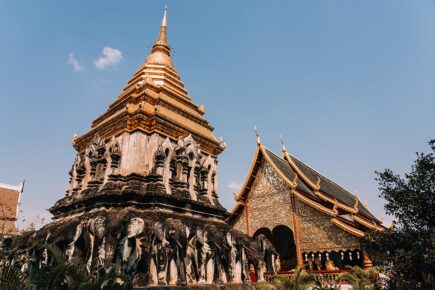
You may or may not have heard the saying that Chiang Mai has more temples than 7/11s. If you’ve been to Thailand before, you’ll know that is saying something! There seems to be another temple on every corner, especially within the old city walls. It is well worth putting aside at least an afternoon to make our way around them.
My favourite temples to visit within the old city are:
- Wat Lok Moli
- Wat Phra Singh
- Wat Chedi Luang
- Wat Phan Tao
Don’t forget to pack a cover-up for your shoulders and legs for temple hopping!
3. Celebrate Songkran in Chiang Mai
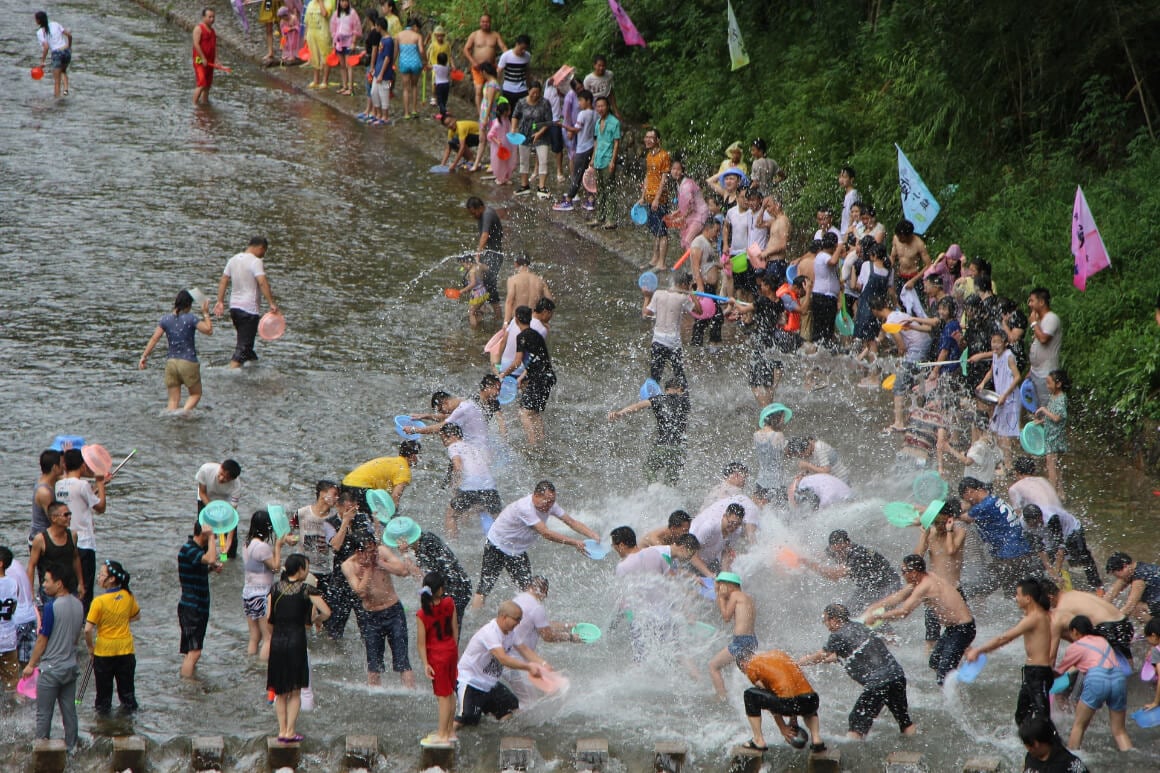
If Thailand wasn’t already one of the best countries to visit in the WORLD, let me tell you about Songkran (Thai New Year), which happens from April 13-15 every year. The entire country turns into one big mega water fight, and Chiang Mai is perhaps the most fun place to celebrate the holiday. It is well worth planning your entire trip around being in Chiang Mai for Songkran!
Pack a water gun and some clothes that you don’t mind getting wet, it’s a bloody fun time. Top tip: wear a face mask or keep your mouth closed, you do not want that water getting in your mouth… unless you wanna end up spending the next week on the loo.
4. Visit an ethical elephant sanctuary
Hanging out with elephants is an extremely special experience. They are gentle giants, and being able to spend time up close and personal with them is truly incredible and something that many travellers want to experience while in Thailand.
If you’re worried about choosing an ethical elephant sanctuary, I hear you. I can recommend the Elephant Nature Park (ENP); these guys focus on hands-off feeding and observation only. Avoid booking any “sanctuaries” that promote riding, tricks or bathing, as these more than likely fall into the not-so-pretty side of animal tourism
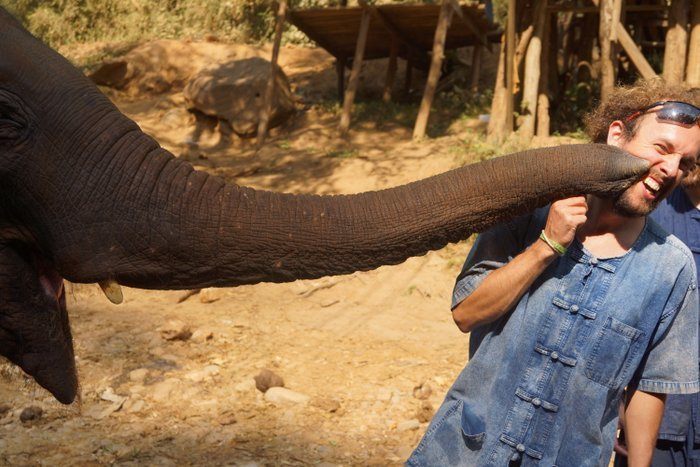
Photo: Sasha Savinov
4. Ride the Mae Hong Son Loop
Rent a motorbike in the city and head out to ride the 1,864 curves of the famed Mae Hong Son Loop. The loop usually takes around 5 days and takes you through some truly remote areas. Starting off in Chiang Mai and the famous backpacker town of Pai, you then move off to gaze over the hills to Myanmar and venture through H’mong villages.
I’ve spent over a year of my life in Thailand, and I can say with confidence that this trip is one of the best experiences I’ve had since arriving. This slice of the county truly is a world away from the busy tourism that overrides many places in Thailand. If you’ve got a bit of experience riding, do this. You won’t regret it.
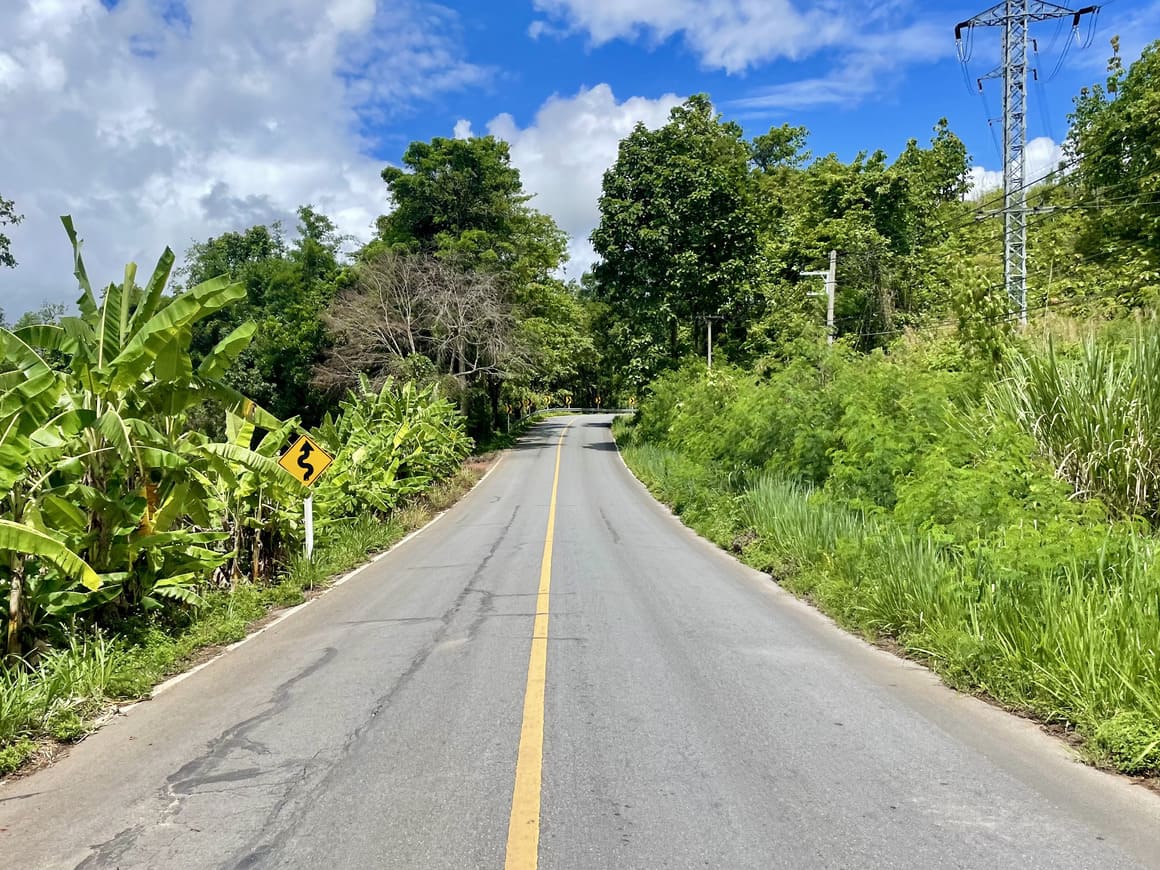
Photo: @harveypike_
6. Go Trekking in the Hills
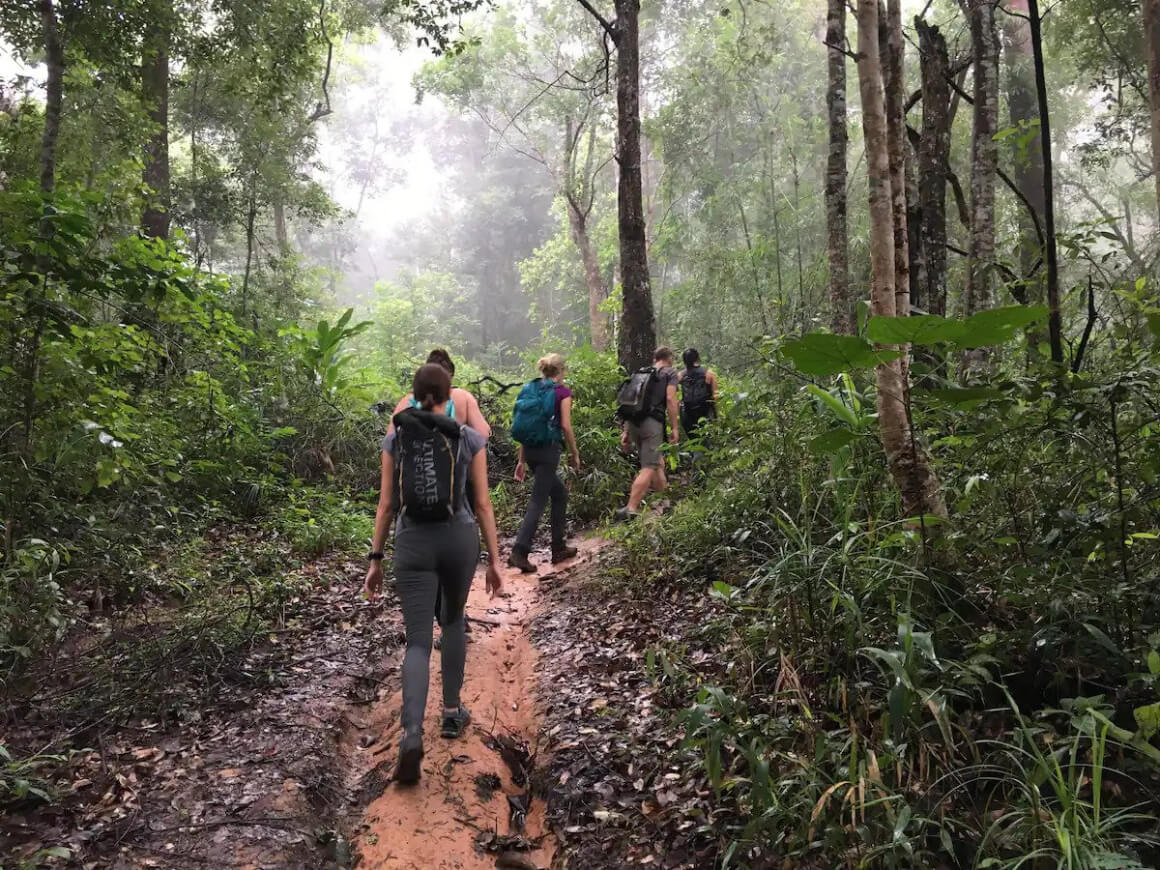
Chiang Mai is a city surrounded by jungle, waterfalls, and mountain villages, which not only makes for a beautiful backdrop but also makes it one of the best hiking bases in the country. Whether you’re down for a full-on multi-day adventure or just a half-day walk, there is a HUGE range of trails.
A few of my favourite hikes to do near Chiang Mai are:
- Monk’s Trail to Wat Pha Lat & Doi Suthep
- Kew Mae Pan Nature Trail (Doi Inthanon)
- Doi Inthanon National Park Trails
- Huay Tung Tao Circular Hike
- Chiang Dao Mountain Trek
7. Try Muay Thai
Muay Thai is not just the country’s national sport, but it’s also a cultural experience, and Chiang Mai is one of the best places in Thailand to give it a try. There are loads of Muay Thai gyms, classes, and even camps you can join to learn the basics or to perfect your skills. Dang Muay Thai offers some of the best classes for beginners, intermediate and more advanced, with group and private classes available.
If you’re not looking to do it yourself, you can still catch fights several times a week at local stadiums like Sorying Arena. Locals and foreigners alike compete, and the energy in the arenas is something else.
Personally, I love the classes – there is something about punching a bag over and over that releases some hella endorphins and doing it in the sweaty Thailand heat really is a good workout. I’m not such a big fan of watching the fights, it might be the empath in me, but I don’t really enjoy watching people beat the shit out of each other :))

8. Eat Khao Soi and Northern Thai Food
When it comes to the cuisine of northern Thailand, khao soi is probably the most famous dish. This coconut curry noodle soup is amazing, and nowhere does it better than in Chiang Mai. Just writing about it makes me start to salivate! A coconutty, noodle broth with crispy noodles on top… It’s a noodle lover’s dream!
But northern cuisine is more than just Khao Soi (although if you looked at my diet, you’d think it’s all they sold). A few other foods to try while in Chiang Mai are:
- The “Chiang Mai Sausage”, AKA Sai Oua. A spiced pork sausage that is usually prepared in spiral lengths and sold as street food and at local markets. You can smell the mouthwatering scent of grilled sausages from a mile away. Don’t miss these.
- Chilli dips are often served on tables. Nam Prik Noom was my favourite, made from a blend of toasted green chilli, onion and garlic. Or you can try Nam Prik Ong, which is a mix of chillies with pork and tomatoes.
- Pork Curry/ Kaeng Hung Lay. This is a Burmese-influenced, rich pork belly curry. If I’m not eating a Khao Soi, I’m eating this curry. Slow-cooked with tender meat, it’s damn delicious!!
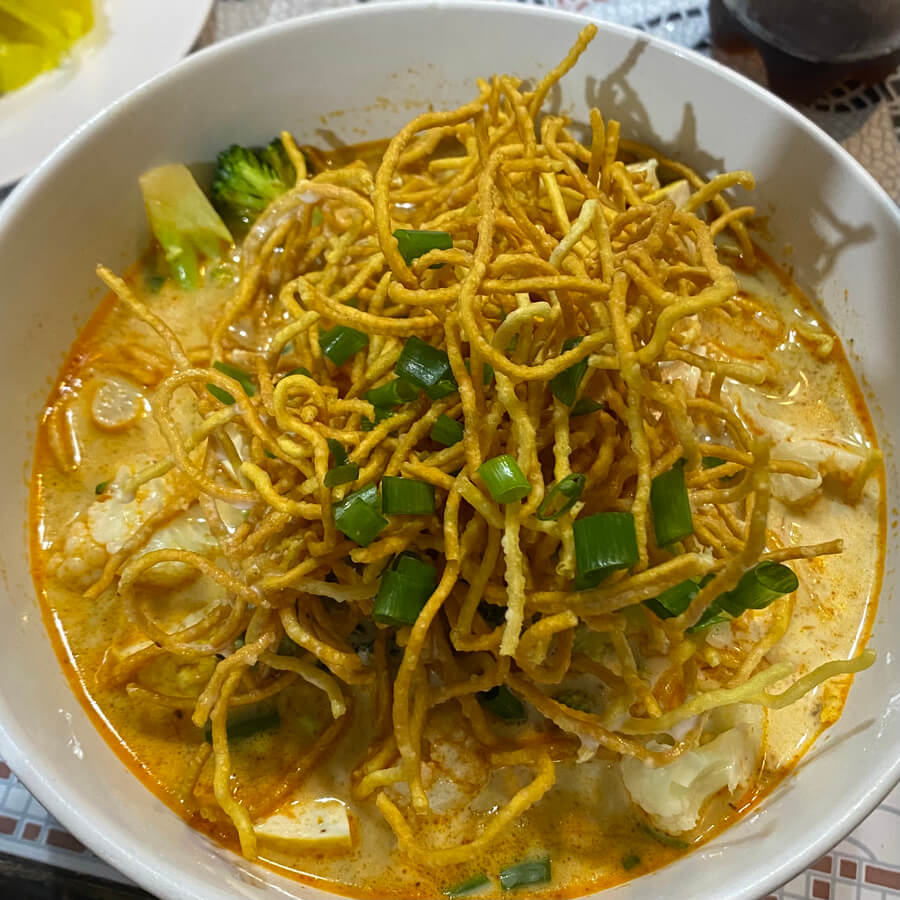
Photo: @danielle_wyatt
9. Chase Waterfalls Outside the City
Stand in the middle of the city and look up, you’ll see the city is surrounded by mountains. And with that, it means you have some mighty waterfalls within an easy day trip’s reach. Nothing quite hits like a city break out into nature and among the waterfalls. You can either rent a scooter and make the trip yourself, but the roads to get there can be long and busy until you’re properly out of the city. You can join an organised tour. Take a red songtaew. Or, split a taxi with some friends.
My favourite waterfalls to visit near Chiang Mai are:
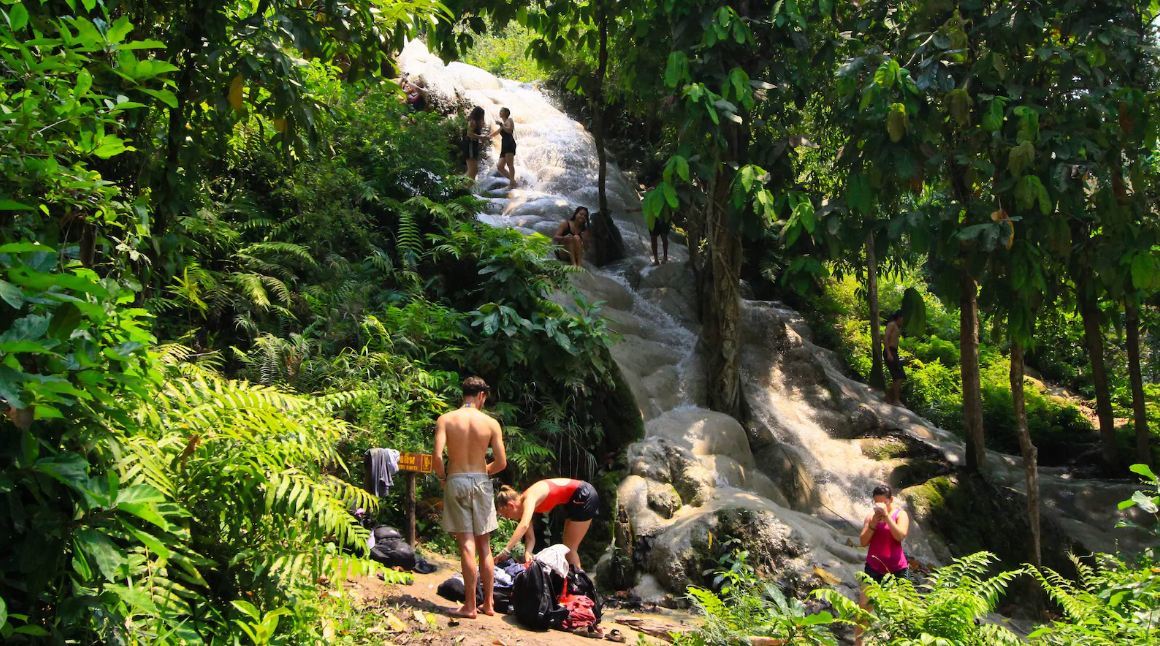
- Sticky Waterfalls, these are very popular with backpackers and are about an hour away from Chiang Mai. Bring water shoes so you can walk up the falls (hence the name, sticky!) You can swim in the pools too, so wear your swimsuit!
- Doi Inthanon National Park (the highest point in Thailand) is home to three of my favourite waterfalls in the whole country:
- Wachirathan Waterfall – probably the most famous in Thailand, so go early before the tour vans turn up.
- Mae Pan Waterfall – this one is a much quieter, two-tiered waterfall that takes about 30 minutes to walk to.
- The waterfall along the Pha Dok Sieo Nature Trail – you’ll need a local guide for this one, but it’s one of the best hikes in the area!
10. Visit the Night Markets
One thing that Thailand does insanely well is night markets, and Chiang Mai is no exception. Take no more than $5 USD with you, and you’ll be walking away with a full belly. The best markets to visit are:
- Sunday Walking Street (Rachadamnoen Road): The most famous market – selling handicrafts, street food, and live music.
- Saturday Night Market (Wua Lai Road): Less crowded than the Sunday Market, and mainly sells silverware and artisan goods.
- Night Bazaar (Chang Klan Road): A daily, tourist-focused market with souvenirs and food stalls.
- One Nimman Night Market (Nimmanhaemin Road): This one is more boutique, selling street food and crafts in a more modern setting. I also stumbled upon an amazing second-hand market here once, I think they do pop-up style markets on top of their usual daily one.
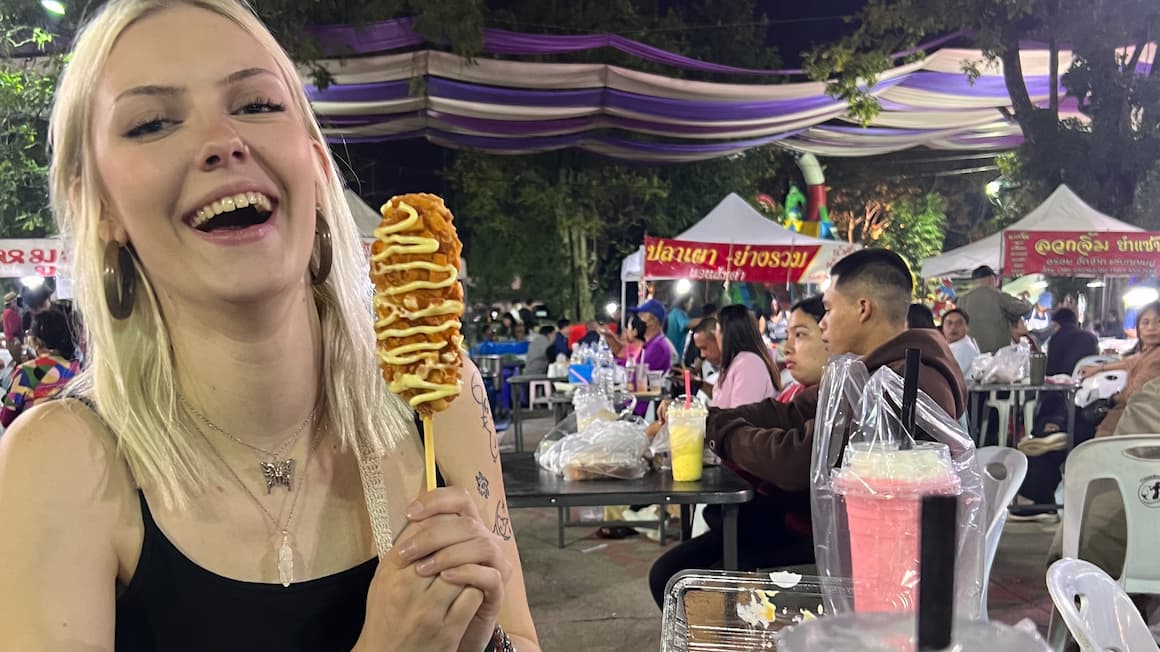
Photo: @amandaadraper
Restaurants and cafes in Chiang Mai
Chiang Mai is one of Thailand’s best food cities for backpackers. It combines cheap local eats, funky cafes with solid coffee, and decent international food options, so you can eat well on any budget.
Cafes/ Brunch Spots
- Always LOAF U: The best pastry shop! The owner was super kind, she served great coffee and even better croissants.
- Zohng Coffee: Go-to spot for coffee and brunch. Funky interior, delicious food and strong coffee.
- Le Brunch: Western‑style breakfast plates, open mornings only. If you’re craving a taste of home, it hits the spot.
Local Thai Food
- Thai Food Resto: Cheap, local food with a mix of curries, noodles, and rice. Colourful chairs, outdoor seating (the proper Thai experience).
- Teaw Yum Noodle Soup: Cheap, local noodle shop with air-conditioned seating. Only a few options on the menu, but 100% worth the trip to try their noodles.
- Aroy Dee: Big menu, great selection of cheap local food to try.
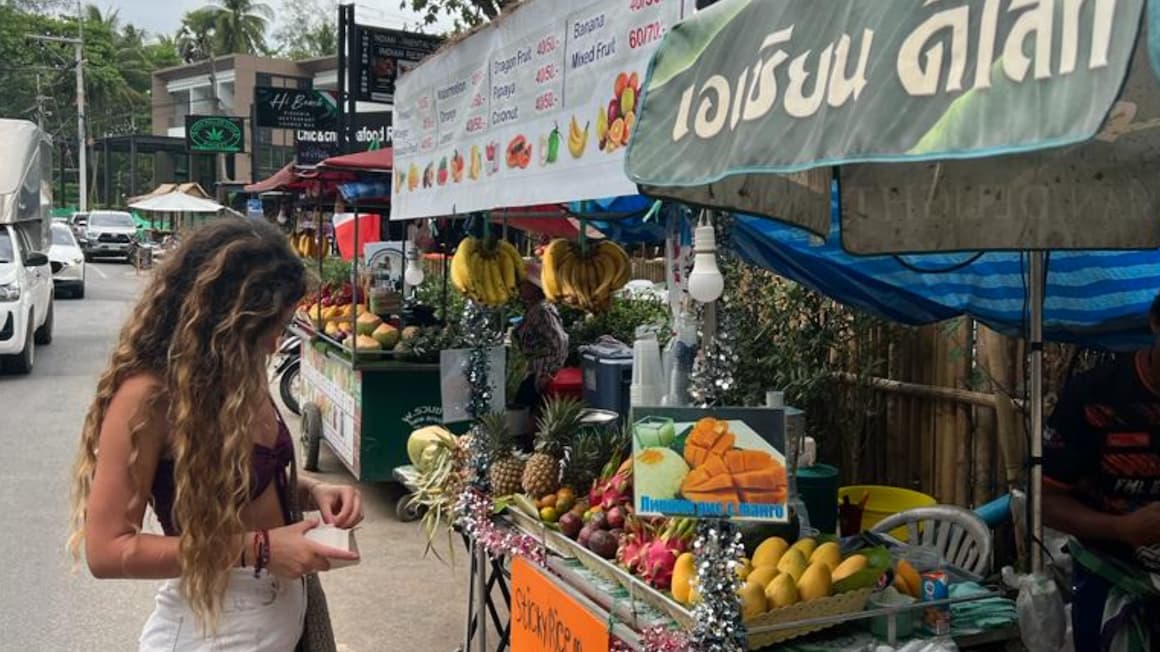
Photo: @amandaadraper
International / Comfort Food
- Beast Burger: Big, juicy burgers. I’ve eaten here more times than I care to admit – it’s my go-to missing home comfort food.
- Anne’s Pizza/ Chicago Deep Dish & NY Slices: if you want a good slice of pizza, go here.
- Healthy Junk: I was so obsessed with this restaurant that I had a subscription with them!! It’s good, healthy food that is perfect to mix in amongst the litres of Khao Soi that I was slurping down.
Budget Drinking Spots
- Old City beer spots: Casual backpacker spots for cheap drinks. Like Zoe in Yellow or North Gate Jazz Co‑Op.
- Nimman street bars: Trendy hangouts with happy hours. My go-to is NewTown Nimman – it’s a proper local student spot, and it’s an absolute vibe. It’s also the only place in Thailand that I’ve been asked for ID on the way in.
As far as drinking goes, you can find juice bars, cafes, and bars everywhere. You can get a delicious smoothie in the market for $1 or less and a strong espresso for $1-2.
When it’s time for something stronger, you can pick up a big beer from a 7:11 for $2. If you’re looking to party on a budget, grab a bottle of Sangsom rum or whiskey. It’s not great, but it’s cheap, and it gets the job done. Or, a fab backpacker budget option is to buy a bottle of Soju from the 7/11, plus a cup and ice – and bam, you’ve got a delicious cold beveragino!
Nightlife in Chiang Mai
The nightlife in Chiang Mai is more varied than many first-timers to the city expect. Many backpackers arrive from the south after experiencing the chaos (and fun) of the beach parties. The north can still let a little loose, but it’s a bit more low-key than the likes of Phuket and Phi Phi.
Instead, you’ll find a mix of backpacker bars, live music venues, casual drinking spots, Muay Thai nights, weed-friendly hangouts and a handful of clubs. There are a few key areas to know about before dabbling in the nightlife.
- Loi Kroh Road is the city’s main nightlife strip. Here you can expect sports bars, karaoke joints, and the Chiang Mai Entertainment Complex (CMEC). It’s touristy and a little more expensive, but it’s a great place to start. If you want to experience more local Muay Thai fights, head further out of the old town.
- Zoe in Yellow is proper backpacker nightlife in the Old City. It’s a small complex of bars and dance floors where you’ll find 90% foreigners. Making it a great way to meet fellow travellers, but less of a local experience.
- The Live Music along Charoenrat Road is the beating heart of the city’s live music scene. The bars here host rock, blues, jazz and Thai bands nearly every night. North Gate Jazz Co‑Op, near the Old City’s north wall, is another standout, with nightly jam sessions. Here you’ll find mostly expats and travellers, but a few locals enjoying the beats, too. It’s a f*cking cool side of Chiang Mai.
- Nimmanhaemin (Nimman) is a more modern part of the city, just outside of the old town, but it is home to a big student nightlife. It’s a bit more expensive, with craft beer bars and cocktail lounges. But you can still find fun bars and clubs like Newtown for a casual drink, or clubs like Warm Up Cafe and LAISH. If you want to experience local nightlife – this is it.

Photo: @taya.travels
Living in Chiang Mai Long Term
If you fall into the bracket of remote worker or slow traveller, Chiang Mai is the kinda place that you can get stuck in (in a good way). Although it’s an epic stop on the backpacker trail, it’s also a solid base to perch up in for a good while.
I’ve found it to be a home away from home while remote working and slow travelling around Southeast Asia, and I always seem to find my way back. It’s home to lush apartments, delicious food, gyms and a big nomad community – making Chiang Mai a great place to experience the digital nomad lifestyle.
Here are my tips for anyone looking to stay in Chiang Mai long term:
Where to live in Chiang Mai
Most long stayers tend to stay around the Nimman area as it’s more modern and home to a lot of nice, super livable apartments. If you’re on more of a budget, have a look at staying in Chang Phueak/ Santitham just off Nimman. It’s got a more local, quiet feel and is just outside of the bustle of Nimman, but you’re just a 15-minute walk in (or quick scooter).
It’s possible to find an apartment for as low as 7,000 bhat ($200 USD) a month, you can also spend up to 30,000 bhat ($920 USD+) a month. I usually get a place for about 20,000 bhat per month ($600 USD) for a SUPER comfortable, 1-bedroom place with a kitchen. It’s finding a balance between budget, comfort, and location, depending on what works best for you 🙂
This might seem incredibly cheap compared to what you’d pay per night, but if you search Airbnb for long stays, you’ll see that some offer up to 50% for monthly stays. I’ve stayed in this apartment in the heart of Nimman before, and it was perfect.
You can also find a TON of information by joining the Chiang Mai digital nomad group on Facebook, it’s also a great way to meet new friends 🙂
The best gyms in Chiang Mai
Chiang Mai is blessed with quite a lot of gyms, and if you wanna stay fit, you have plenty of options. I’ve tried out several gyms in Chiang Mai – here are the best gyms in Chiang Mai, according to me!
- Pump Fitness 2.0 (near Chiang Mai Gate): ideal for backpackers wanting a central, budget‑friendly option
- Price: around 1,000-1,200 THB/month
- Advantage: convenient Old City location, solid equipment for general training
- Downside: can get crowded at peak hour
- GoGym: suits those wanting a modern, mid‑range gym with classes
- Price: around 1,500-2,000 THB/month
- Advantage: clean facilities, group fitness options, muay thai ring, good mix of cardio and weights
- Downside: can get hot!
- ABSolute Gym: suits people looking for premium equipment and a fancier environment
- Price: around 2,500-3,000 THB/month
- Advantage: high‑quality machines, personal training available
- Downside: higher cost compared to budget gyms
- CrossFit Chiang Mai / CFCNX: ideal for those who enjoy CrossFit classes and want to build community
- Price: around 4,000 THB/month (day passes and class packs also available)
- Advantage: a wide range of classes (CrossFit, Bootcamp, HYROX, Olympic lifting, yoga), plus recovery facilities like sauna and ice bath
- Downside: higher cost than budget gyms, location north of the Old City makes it less convenient if you’re based in Nimman or Chiang Mai Gate
Yoga in Chiang Mai
Whether you’re up for a sweaty sesh of CrossFit, Muay Thai classes and a regular gym sesh or a more spiritual experience like yoga, a sauna or ice bathing, Chiang Mai has a wealth of health options. Here are some of my favourite yoga/ wellness spots:
- Freedom Yoga: Run by the charismatic Adam, this is my favourite yoga place in town and has a great cafe.
- Yoga Ananda: Just off Nimman, you will definitely sweat in these classes – intermediate is pretty hardcore, according to Esme.
- Wild Rose Yoga Studio: In the Old City, a very cool yoga studio.
- Mahasiddha: South of the old city. Focuses on meditation and spirituality as well as yoga.
- The Old City Spa: The perfect place to indulge in some hot/ cold therapy, with multiple saunas and an ice bath.
- Chiang Mai Sauna Ice Bath Eudemonia: Outside of the old city, an amazing space to sauna, ice bath and recover.
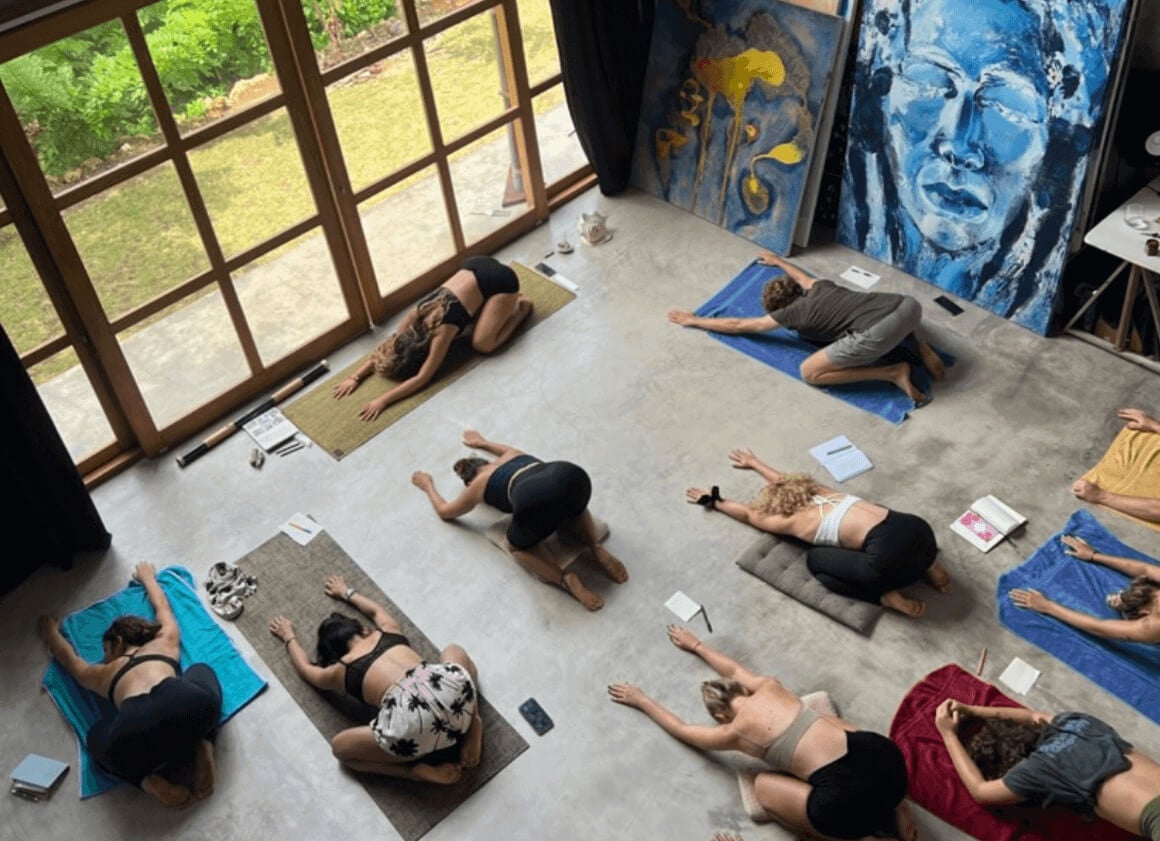
Photo: @amandaadraper
Long-term Scooter Rental
In the same way that you can get a solid deal on an apartment for a month, the same is true for scooter rentals. A few things to keep in mind before you sign on the dotted line with a rental company:
- Check the bike for damage before (take photos and videos)
- Avoid leaving your passport as a deposit – try to leave a cash deposit instead
- Get an international driving permit before you leave your home country, as police do check this and will fine you if you don’t have one (usually 500 THB)
- Confirm what your insurance covers and what insurance the rental shop offers, and make sure you’re comfortable with it
- Make sure they give you a helmet, and make sure you wear it!
Chiang Mai is still a big city, so it’s not an ideal place to learn to ride a bike. I personally prefer to order Grabs (Thailand’s version of Uber, on scooters!) to get around the city. It usually costs less than a few dollars per ride, and it means I don’t have to brave the city traffic myself. I save renting a bike for when I want to venture out of the city and into the mountains.
Now that you’ve learned a bit about the cost of travel, where to stay, and some of the best things to do, it’s time to make a kickass itinerary for 3 days in Chiang Mai.
- Best for: First-timers, backpackers, nature-lovers, temple-hoppers
- Pace: Medium (can be tailored to preferred speed)
- Ideal transport: Scooter, grab, red songtaew trucks
- Good for first-timers? Yes, perfect for first timers!
- Budget level: Medium (can be tailored)
- Mix of experiences: Temples, food, nature, waterfalls.
Day 1: Old City, Temples, and Markets
Once you’ve settled into your hostel, it’s time to explore all that the Old City has to offer. With a few hours up your sleeve, you can easily hit a few of the best temples in the area (Wat Lok Moli, Wat Phra Singh, Wat Chedi Luang & Wat Phan Tao). I’d suggest hitting these early in the day, before the heat sets in.
If you’ve got time and the interest, you can grab a combination ticket to three of the city’s museums. For just $6, you can visit the Arts & Cultural Centre, Lanna Folklife Museum, and the History Museum. No need to hit them all in one day, but they are great for getting a feel of the history (not to mention a reprieve from the heat).
In between all those temples and museums, you’ll want to tuck into local markets or hole-in-the-wall restaurants to try northern Thai specialities like khao soi and chilli dips like nam prik. Wherever you see a bunch of Thais sitting on plastic stools, that’s where you should eat.
In the evening, there are plenty of night markets you can check out. The nightlife in Chiang Mai is pretty epic, so you may be tempted to go out and party all night. But for those of you wanting an earlier night, you can take that money you save and get a cheap massage or an ice cream instead!
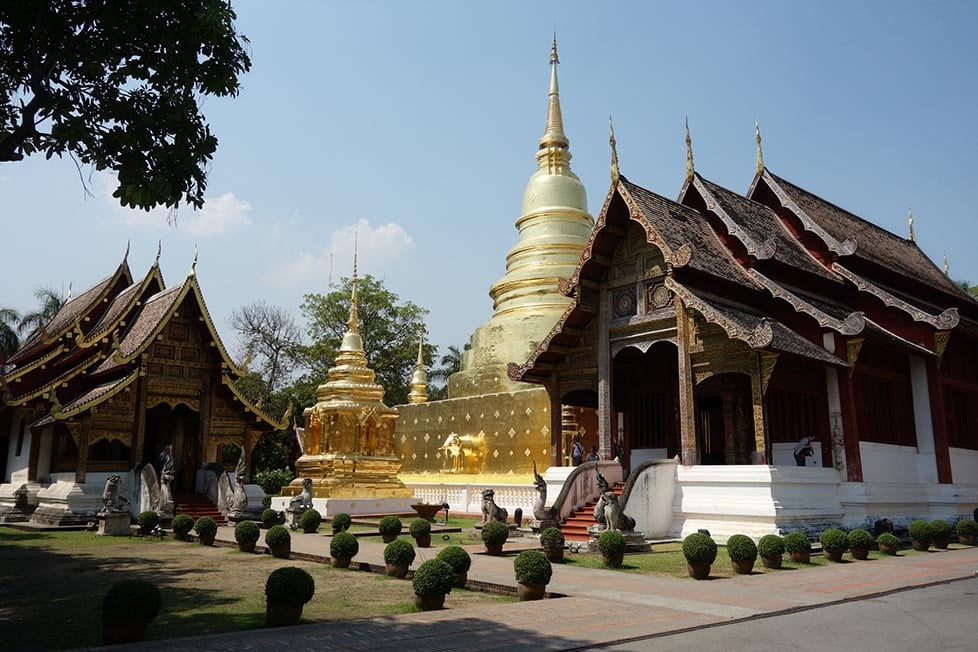
Image: Nic Hilditch-Short
Day 2: Doi Suthep and Nature Near the City
Although there is plenty to do within the city, it would be rude not to get outside and experience the beauty of the northern mountains! You’ll need to head out of the city and up the hill to visit Doi Sutthep. This is the granddaddy of them all as far as Chiang Mai temples go. It’ll be a half-day event by the time you get up there.
In the afternoon, you’ve got several options for where to head next. A great choice is Huay Tung Tao, a manmade lake that’s a great place to chill out. Kick back and order up a meal and a cold one, and just enjoy this tranquil setting. Other nearby options include the Queen Sirikit Botanical Gardens, the Mae Sa Waterfall, or the Phu Ping Palace.
If you’re motivated, good on the bike, and have a working phone with GPS, you can even try to visit most of these places in just one day. Of course, you could also just linger at one or two and take it easy!
Once you’re back in the city, take your pick of the countless restaurants and bars to enjoy a casual night out. Check the schedule and see if there are Muay Thai fights going on if you’re interested in that. There are also plenty of bars that have live music.
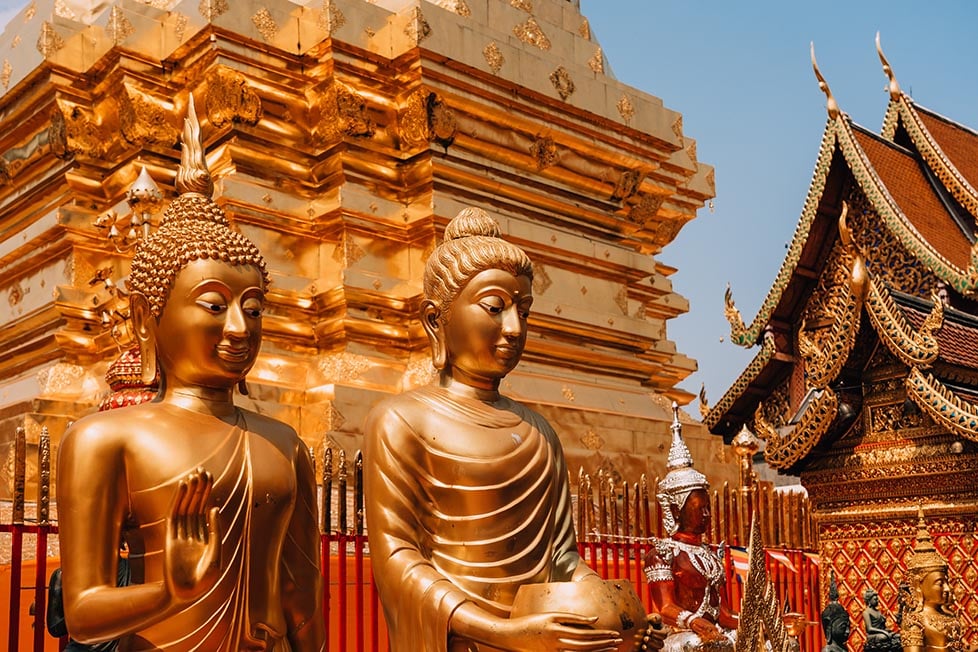
Image: Nic Hilditch-Short
Day 3: Ethical Elephants or Choose Your Own Adventure
Chiang Mai offers plenty of ways to spend your final day, whether you want a once‑in‑a‑lifetime wildlife encounter or a slower cultural wind‑down. Pick the option that best suits your style:
Option A: Ethical Elephant Sanctuary. Spend the day at a reputable sanctuary such as Elephant Nature Park. The activities usually include feeding, walking alongside elephants and learning about their conservation practices. (Note: Avoid any camp that offers riding, forced bathing or performances). The cost is usually 2500-3000 THB, including transport and lunch.
Option B: Thai Cooking Class. I love cooking classes! And a Thai cooking class often teaches you dishes that you actually would make at home. You can spend a half‑day or full‑day cooking class to learn classic dishes like pad thai, green curry, and mango sticky rice. Most classes include a market visit to pick fresh ingredients, which is a great peek into local life. The cost is usually 1000-1200 THB.
Option C: Adventure Day. Get yo’ action on! There’s plenty more adventure to be had around Chiang Mai. Go trekking in the hills, zip‑lining, or visit waterfalls like Sticky Waterfalls or Huay Kaew. You can either book a tour or rent a scooter and design your own route. Cost varies – scooters are approx 250 THB/day, adventure tours are approx 1500-2500 THB.
Option D: Slow Final Day. Take it easy in Chiang Mai’s cafe culture, more temple visits, a Thai massage, and browsing the local markets. If you want to treat yourself, I can recommend The Old City Spa – I spent an afternoon enjoying the sauna and ice bath with my sister and felt amazing after.
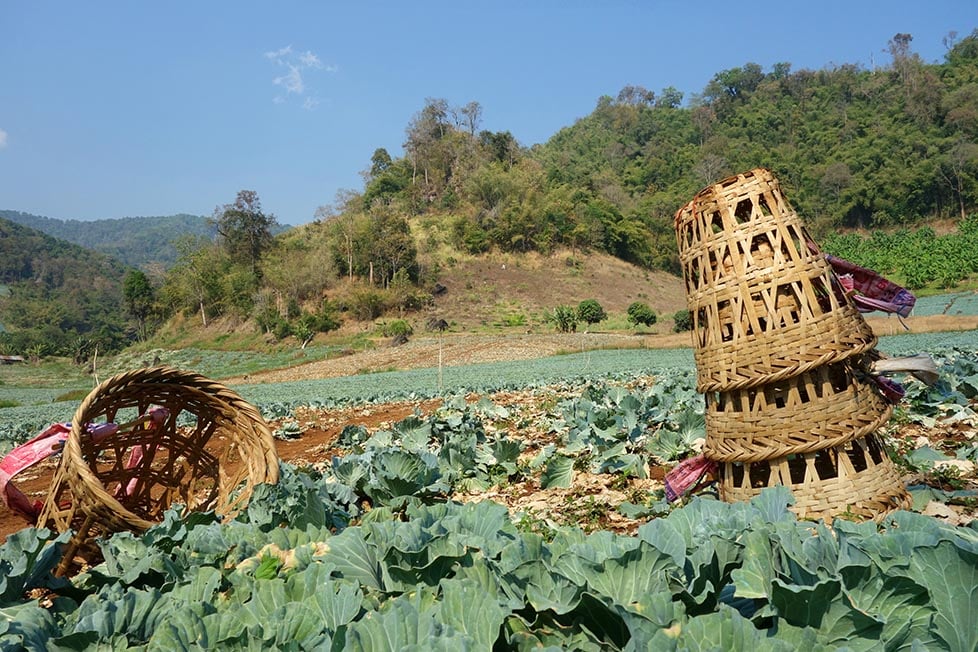
Image: Nic Hilditch-Short
Chiang Mai Off the Beaten Track
When staying in the Old City, it can start to feel like there are more farang than Thais. It’s true that the city is a very popular destination for backpackers, digital nomads, and expats alike. Here are a few of my key tips for experiencing Chiang Mai off the beaten path:
- Stay in local neighbourhoods and explore outside of the city walls! Santitham, Chang Phueak, or Hang Dong are great options for those wanting a more immersive experience.
- Explore beyond the popular temples and markets that you’ll find all over the internet. Instead, visit smaller, lesser‑known temples like Wat Umong or Wat Pha Lat instead of just Doi Suthep. Or, swap the Night Bazaar for a local market like Jing Jai (JJ) Market or Ton Payom.
- Use a scooter to venture off the normal route. Go beyond the obvious day trips. Ride out to Sticky Waterfalls, Mae Kampong village, or lesser‑visited trails around Doi Saket. Venture even further along the Mae Hong Son motorbike loop, and you’ll feel truly remote.
- Spend more time than just 2-3 days. Settling into local life can mean slowing down and staying a bit longer. It allows you to discover the way the city operates. Morning markets, and the quieter nooks that most people miss!
Best Time of Year to Visit Chiang Mai
Chiang Mai’s climate shifts dramatically throughout the year, and timing your trip makes a big difference to how you’ll experience the city. Here are the key months and seasons to be aware of:
- Cool Season (November-February): The most pleasant time overall, with cooler temperatures, clear skies, and ideal conditions for hiking and exploring. This is high season, so expect bigger crowds and higher prices. Book accommodation and transport early if visiting around Christmas or Chinese New Year!
- Hot Season (March-April): Temperatures soar, but April brings Songkran, Thailand’s famous water festival, when the whole city turns into a giant water fight. It’s sweaty but totally worth it.
- Burning Season (late February-April): Farmers burn crop residue across northern Thailand, creating heavy smoke and poor air quality. Visibility drops, hikes and viewpoints lose their appeal, and pollution can be uncomfortable. I’d recommend avoiding it unless you’re committing to Songkran.
- Rainy Season (May-October): Daily showers cool things down and keep the landscape lush and green. The crowds are smaller, prices drop, and waterfalls are at their best. The downsides are humidity, muddy trails, and occasional flooding, but it’s a good option for budget travellers who are willing to sacrifice for low costs.
Although I’m usually a sucker for a shoulder season, November to February is my favourite time to experience Chiang Mai. Unless I can make it to Songkran, I’ll always suck up the tail end of the burning season to join the biggest water fight in the world!
Image: Nic Hilditch-Short
Getting In and Out of Chiang Mai
Flying is the easiest way to arrive in Chiang Mai. There are both domestic and international flights from Singapore, Kuala Lumpur, and several Chinese cities. The airport is located just a few kilometres southwest of the city centre. A taxi or Grab should cost about 150 Baht ($5) for a ride to the city centre.
The overnight train from Bangkok is a classic for those who prefer a slower route. It’s actually pretty comfortable (you get a bed), affordable and drops you smack bang in the middle of the city centre. You can buy Chiang Mai train tickets online in advance for about $30-$80, depending on what class you choose. And if you’re sleeping on the train, you’re technically saving in accom.
Long-distance bus journeys are the cheapest, but they are the least comfortable. Spending 9-11 hours from Bangkok. Some sleeper bus options are more manageable! These will set you back between $10-$30, depending on whether you go VIP sleeper or regular.
Onward travel to Laos. If you really want a backpacking adventure, the slow boat journey to Luang Prabang has turned into a mega backpacker thing to do. 2 days drifting down the Mekong, a stay in a riverside town and probably a few too many beers.
Thailand Entry Requirements
Most travellers from Western countries can travel to Thailand visa‑free for 30-60 days, depending on nationality. You’ll also need to complete the Thailand Digital Arrival Card (TDAC) before arrival.
Nomads and long-stayers: Be cautious about relying on repeated border runs to extend your stay; immigration officers are cracking down on this practice, and frequent exits and re‑entries may lead to refusal.
Rules can change, so always check the official Thai immigration website or your local embassy before you travel to ensure you have the latest entry requirements.
How to Get Around Chiang Mai
As long as you’re comfortable on a bike and can handle the slightly intense Thai driving style, having a scooter will make your life much easier. There are rental shops on every corner in Chiang Mai, with most offering daily, weekly, and monthly rates. I also allows you to venture outside of the city and into the mountains yourself.
If you’re not comfortable on a bike, there is absolutely no need to worry. There’s a green army of Grab drivers at your beck and call, ready to deliver Pad Thai to your door, drive you up to Doi Suthep in a comfortable car or zip you around the city on their scooter. And honestly, for the convenience and service they offer, it’s bloody affordable.
For those on a super strict budget, you’ll be embracing public transport! There are a ton of bus routes and the ubiquitous songthaew. These colour-coded pickup trucks go just about everywhere in the city, but can be a bit confusing. You flag them down, tell the driver your destination, and if they agree, jump in the back; fares are usually 20-30 THB within the city. They can be confusing at first, since routes aren’t always clear, but once you get the hang of it, they’re the cheapest way to get around.
Within the old city walls, you can get to a lot of places on your own two feet. Pack a good pair of walking shoes and a gallon of water; it’s a great way to explore. You can always book a grab to take you home if you can’t be bothered walking back!
What’s New for a Chiang Mai Backpacking Trip?
Chiang Mai has evolved over the years from its old backpacker reputation. It’s still retained some of that cheap, backpacker charm (especially within the old city walls), but the city is now a MAJOR hub for digital nomads. Nimman is absolutely choker with cafes, coworking spaces, gyms and boutique shops. I’d now choose Chiang Mai over Bangkok as a place to perch up longer term.
However, the mix of affordability, culture and community still makes it one of the best Southeast Asian bases. Whether you’re just passing through on the Banana Pancake route or looking to set up base for a couple of months, it’s got it all.
Safety in Chiang Mai
Overall, Chiang Mai is one of the easiest and safest places to visit in Thailand. Violent crime is extremely rare, but like any big city, though, there are of course some risks to keep in mind.
- Drinking & party awareness: Nights out are generally safe, but whenever drinking and nightlife are involved (especially in an overseas country), you should always keep your wits about you. Have fun, but pace yourself. Don’t accept random drinks.
- Road safety is probably the biggest risk for travellers – scooter accidents are common. Traffic can be chaotic, roads outside the city are windy, and locals have a very different way of driving from us. Wear your helmet and drive carefully.
- Police checks: Grab an international license from your home country before you depart. Police checks are common, and they fine you 500 TBH for not having one.
- Water safety: Don’t drink the tap water! Use refill stations or bottled water.
- Petty theft: Pickpocketing can happen in crowded markets or nightlife areas. Although it’s not common, it’s important to keep your valuable secure and hide ya cash.
Travel Insurance for Chiang Mai
Travelling without insurance would be risky, so do consider getting good backpacker insurance sorted before you head off on an adventure.
Sort out your insurance before you go. There are several good options, but our overall pick is SafetyWing. Most of the Broke Backpacker team has used it at one point or another, and we’ve filed claims for rabies jabs in Bali, a hospital stay in Mexico, and a clinic visit for a stomach bug that wouldn’t quit. All paid out.
It’s month-to-month, no lock-in, no itinerary required, and you can buy it after you’ve already left. A little over $2 a day if you’re under 40.
New SafetyWing customers: use code BROKEBACKPACKER for 8 free weeks of electronics theft coverage. You have to scroll down and click the pink camera on their landing page to enter it, and you have to do it before creating your account.
Chiang Mai Accommodation Travel Hacks
Chiang Mai is one of the cheapest big cities in Thailand for backpackers. Dorms start from less than 5 bucks, and privates from 15. Long-stay travellers can usually get some solid deals on weekly or monthly stays.
Couchsurfing is still an option, but use it carefully and more for meet‑ups than a guaranteed free bed.
Most importantly, pick the neighbourhood in Chiang Mai that suits you. If you’re a backpacker and want to be close to the temples, the Old City is for you. If you’re a nomad or just there for good coffee and shopping, Nimman is the place. If you want a more local experience, you’ll want to perch up in Santitham or another quieter outskirt neighbourhood.
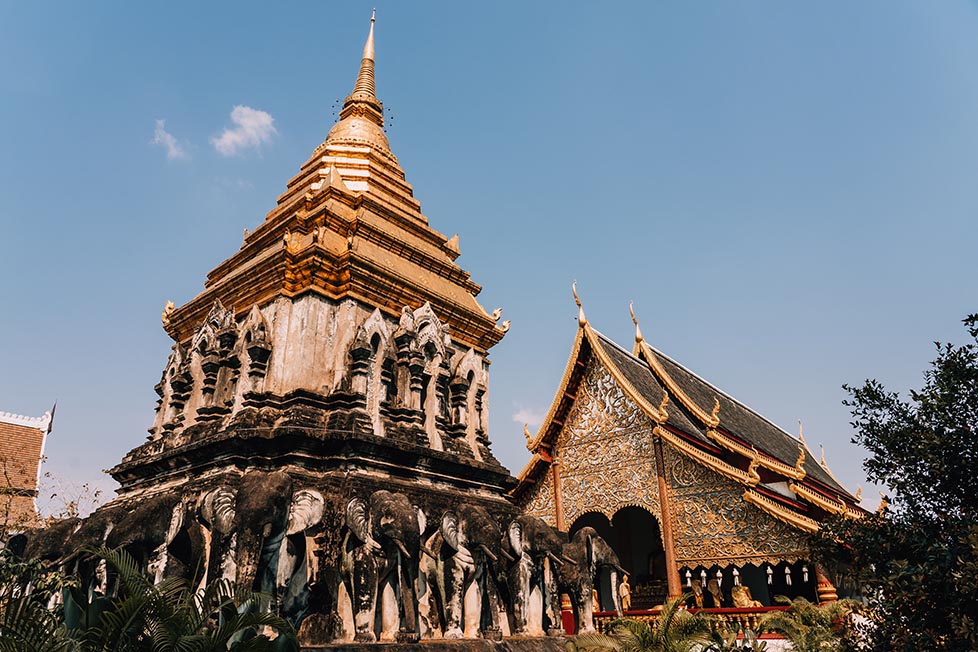
Image: Nic Hilditch-Short
Books to Read While Travelling in Chiang Mai
- Lonely Planet Thailand Travel Guide – The OG of guidebooks, Lonely Planet has an excellent guide on Thailand. As one of the most popular destinations in the country, there’s a ton of content on Chiang Mai.
- Chiang Mai – An Insider’s Guide to the Best of Thailand – If you don’t feel like lugging a heavy Thailand guidebook around, this Chiang Mai-specific guide is a great call. Written by an expat who has been visiting the city for 30 years, it’s full of useful info.
- Thailand’s Best Street Food – If you’re planning on eating a lot of street food in Thailand, this is the perfect book to grab. Read up on the street food scene in Bangkok, Chiang Mai, and Phuket so you know what you’re eating!
Volunteering in Chiang Mai
If you’ve decided to stay longer-term in Chiang Mai, it’s probably because of the city’s low living costs, solid infrastructure and welcoming community. Giving back to the city that has welcomed you is a brilliant chance to connect with the place on a deeper level and to show your gratitude.
Volunteering opportunities range from education and language support to local environmental projects.
Worldpackers/ Workaway /Global Work and Travel
If this sounds like something you’d like to do, you can check out volunteering platforms like Worldpackers, Workaway, and Global Work and Travel, which connect travellers with opportunities ranging from hostel help and homestays to community projects and eco‑initiatives.
In exchange for a few hours of work each day, you’ll usually get accommodation and sometimes meals, a fair trade if you’re looking to stay longer on a budget.
When choosing opportunities, focus on reputable hosts with clear expectations and good reviews. Be careful with roles involving children or animals; ethical standards vary a lot. If you’re keen to do an elephant rescue project, for example, you should carefully vet it to ensure it’s genuinely conservation‑focused and not exploitative.
The real value, though, isn’t just the free accommodation. It’s the chance to connect with the local community and learn new skills. Keeping your costs low is just a brilliant benefit 🙂
Make Money Online Whilst Backpacking Chiang Mai
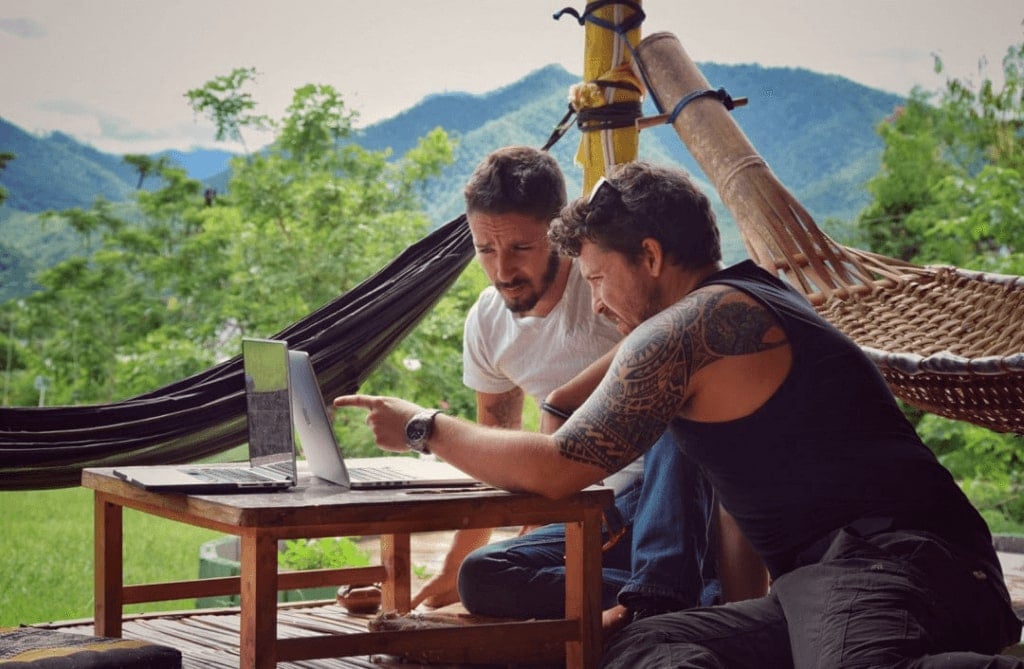
Chiang Mai has grown to one of the world’s top hubs for remote working. Solid internet, heaps of coworking spaces and low living costs. For travellers who want to earn money while they travel, there are plenty of opportunities out there.
Teaching English online is probably one of the most accessible options. With a TEFL qualification (use PACK50 for 50% off the course… you’re welcome!), you can teach remotely, from your laptop. Or, even find in-person teaching work in Thailand. Other digital nomad staples are freelance writing, design, coding or content creation.
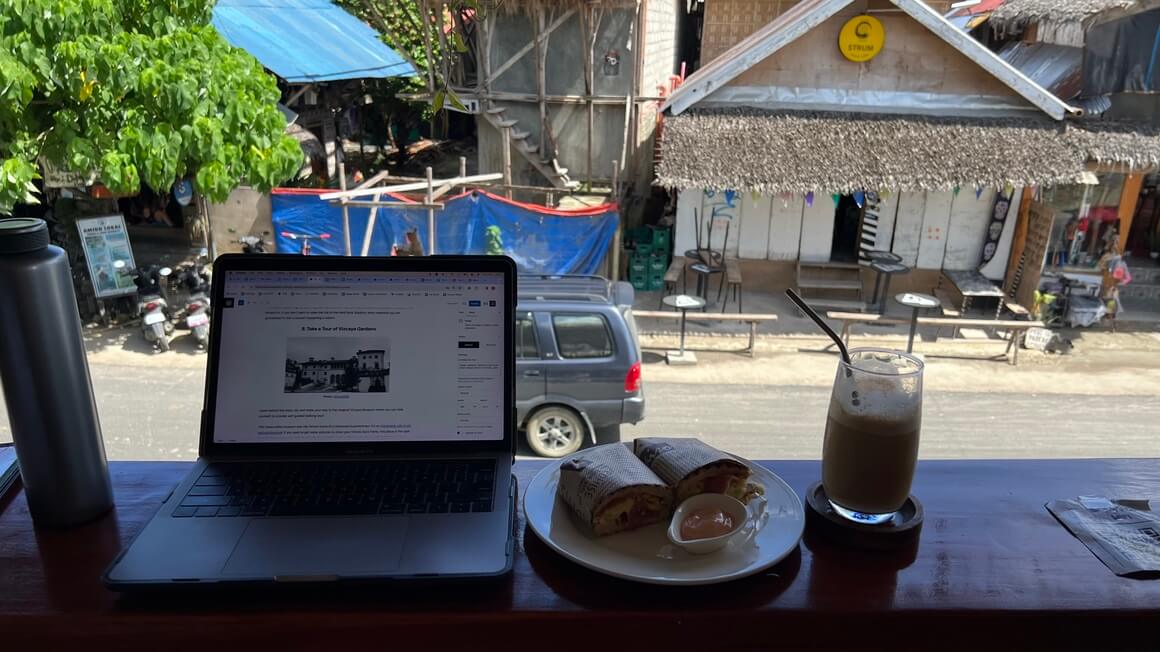
Photo: @joemiddlehurst
Is Chiang Mai Worth It for Backpackers?
One million per cent. It’s one of the most welcoming, rewarding and easy-to-travel places in Thailand. It’s retained an authentic charm that a lot of tourist-focused areas of Thailand have lost. Sure, Nimman might be full of expats and nomads, but there is still as strong a backpacker culture as there has ever been, especially in the heart of the Old City walls.
It’s also a city that deserves to be respected. Responsible travel in Chiang Mai means reducing your plastic waste, respecting temples and local customs by dressing appropriately, and being mindful of your drinking so you’re not disrupting the community. In rural areas, show respect to locals, spend fairly and support local businesses. Choose the local shop over the 7/11, even if you’re dying for that hit of air conditioning!
Chiang Mai is one of the best cities in the world for backpackers and nomads alike, but treat it with the respect it deserves so that it can retain its magic.