Backpacking India… It’s a hell of an experience. I have visited India five times now, spending nearly two years backpacking across this crazy sub-continent.
When I was nineteen, following a life-changing injury, I threw all of my shit into a battered pack and caught a one way flight to Delhi, I had just $2700 to my name and was able to make this last over a year whilst backpacking in India.
The wonderful thing about backpacking India is that pretty much anybody can afford it, especially if you don’t mind being a little uncomfortable.
I jumped off the deep end and hitchhiked, couchsurfed and slept rough a lot to make my travel dreams a reality but, to be honest, backpacking in India is so cheap that you don’t really need to do this… A budget of just $500 a month will go a long way when backpacking India and it’s possible to do it for far less.
Now the Broke Backpacker aims to be THE number one source for current and relevant travel advice. Therefore, I’ve updated this guide with the latest prices, and information.
Here I will cover:
- The spiciest destinations this incredible country has to offer.
- All entry requirements you should know before being subjected to that goddamned awful evisa website. If you’ve ever applied for an Indian evisa, you’ll know what I mean…
- Safety info, including extra challenges the ladies out there must take into account.
- And other useful as fuck information I can share with you after spending years galivanting around India.
So what are we waiting for? Let’s get stuck into the meat of India travel.
Why Backpacking India Feels Like Its Own World
Since I was nineteen, I’ve been coming back to India again and again. Often I promise myself that this will be the last time and like many India backpacking veterans, I have a love/hate relationship with India!
India isn’t just another stop on a Southeast Asia route—it’s an entirely different travel universe. (Mainly because geographically, India isn’t even Southeast Asia, it’s South Asia—something many first time India backpackers tend to forget!)
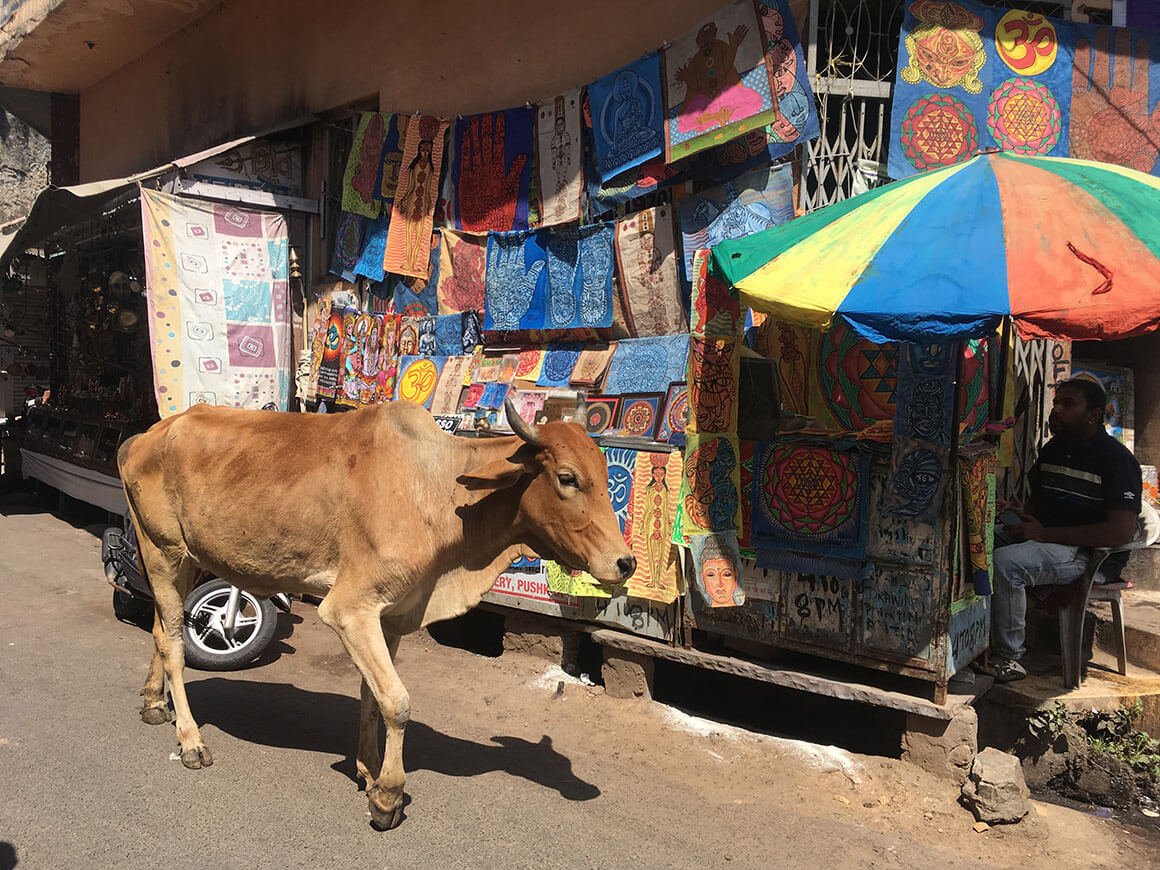
Your first time in India may well come as something of a shock even for experienced travellers. There’s traffic that seems to follow no rules, stary animals wandering through city streets, and a level of sensory overload—smells, noises, crowds—that hits you the moment you step outside.
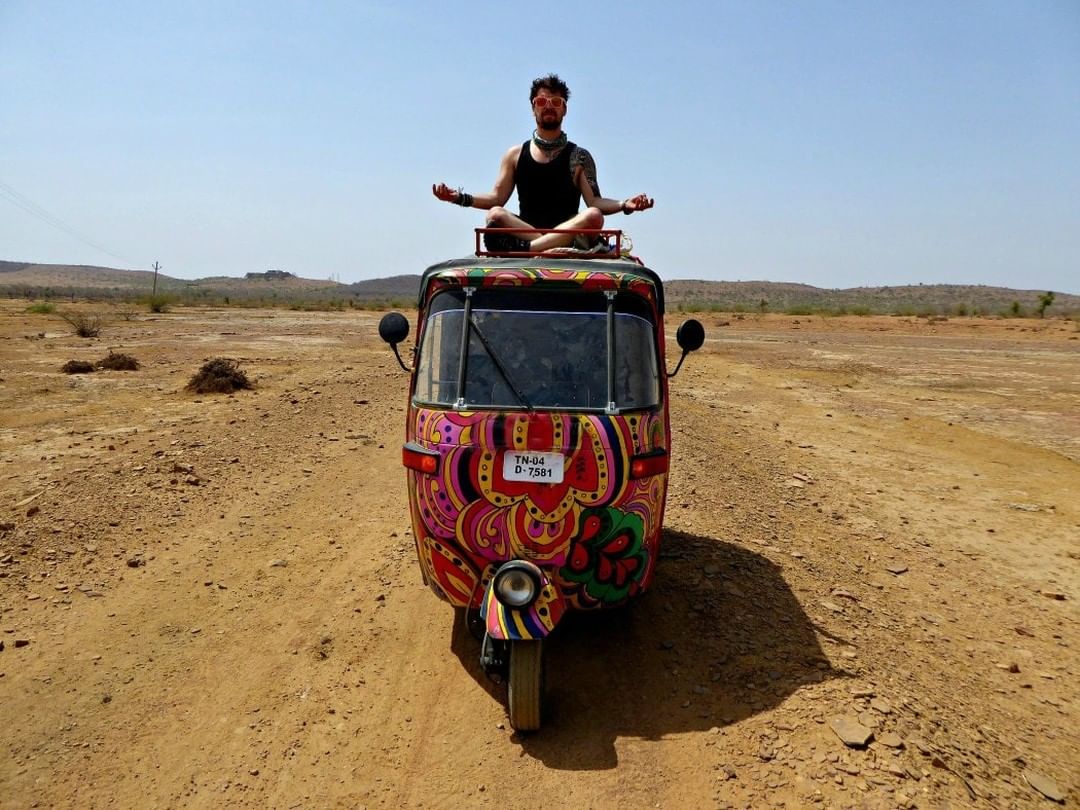
Image: Will Hatton
The Broke Backpacker is supported by you. Clicking through our links may earn us a small affiliate commission, and that's what allows us to keep producing free content 🙂 Learn more.
You’ll get stared at, you’ll likely get hassled, and at some point, you’ll probably get scammed. It happens, and it’s a rite of passage while backpacking India.
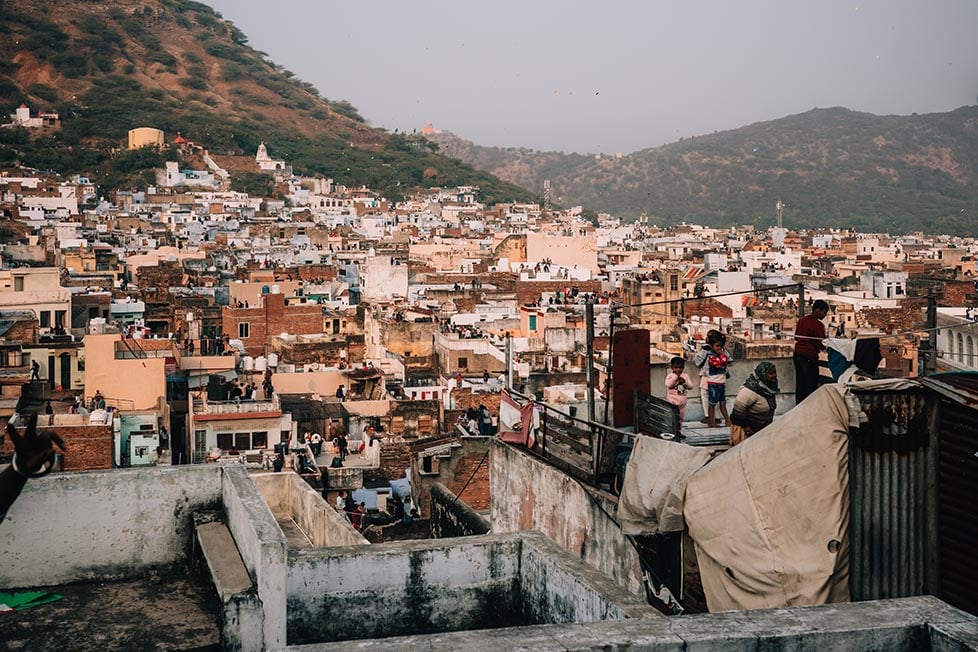
But if you can push past it, India opens up in a way few places do. One minute you might be navigating a packed market, and the next you could be watching a sunrise over the Ganges or sitting in silence in a centuries-old monastery.
So yes, the real India can be a real challenge but, for adventurous backpackers, India offers some of the most incredible exploring in all of Asia. The trick to stay sane through it all, is not trying to see all of India at once.
Visiting the beautiful places in India is a task worth taking on.
- Best Travel Itineraries For Backpacking India
- Where to Go in India, Region by Region
- Top Things To Do in India
- Backpacker Accommodation in India
- India Backpacking Costs
- And to Stay Connected… Get an eSIM For India
- Best Time To Travel To India
- Staying Safe in India
- How To Get into India
- How To Get Around India
- What’s New for an India Backpacking Trip?
- Working in India
- Indian Culture
- What To Eat In India
- Final Advice Before Visiting India
Best Travel Itineraries For Backpacking India
After YEARS of backpacking in India, I reckon I’ve only seen about half of this truly incredible, massive, country. The country is so big that is really does make sense to plan your backpacking route before you rock up, and to focus on seeing one part of India at a time, instead of “doing” it all in one trip
There are plenty of amazing spots to explore but timing matters just as much as location. You don’t want to be travelling in the Great Thar Desert during summer, for example. Seasons in India can make or break your trip.
To make things a bit easier, I’ve put together a few tried-and-tested backpacking routes for India. These can easily be combined or added together to create the absolute perfect India itinerary for you, depending on how much time you have.
Backpacking India 1-Month Itinerary # 1 – Spiritual Extravaganza
🧭At a Glance
- Duration: ~28–32 days
- Transit Intensity: Medium (a few long train journeys)
- Difficulty: Moderate (good for first-timers)
- Best Season: November–March
- Max Altitude: Low (no extreme elevation)
📍Route Overview
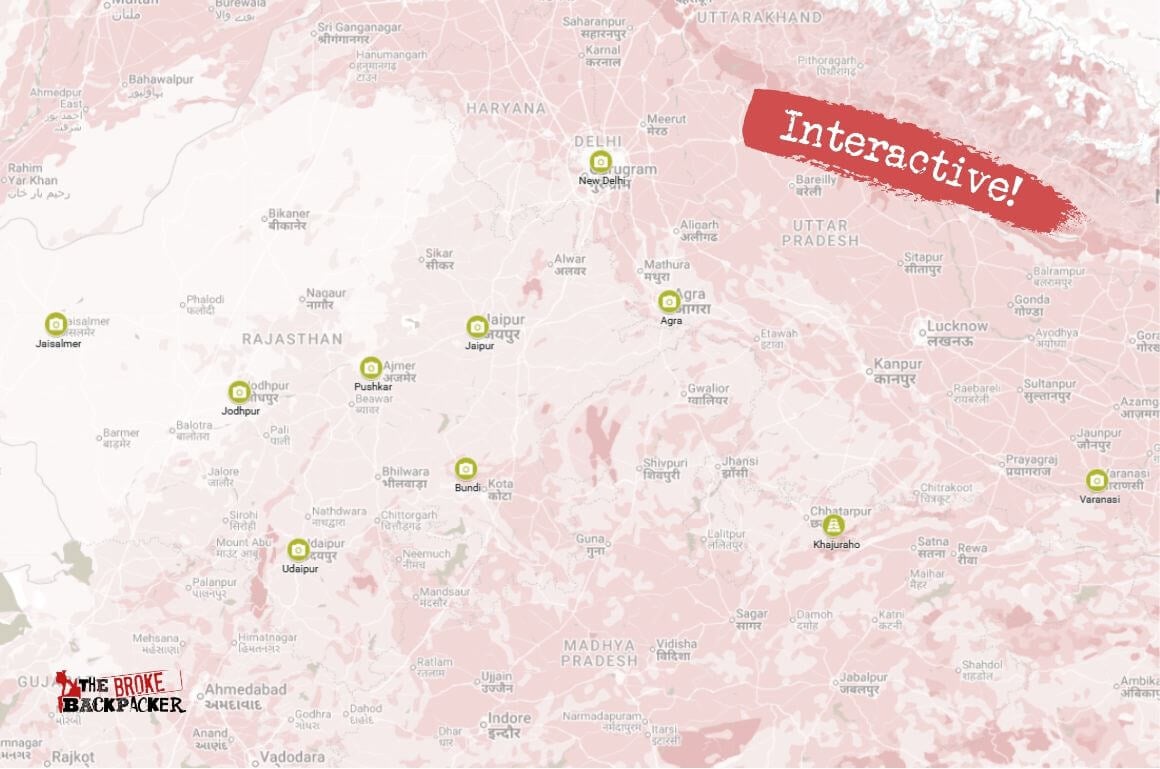
Why This Route Works
Rajasthan (paired with Varanasi) is a great introduction to backpacking India! This is an area that checks most boxes. There are plenty of chilled out sites well on the backpacker radar but if you dig a little deeper you can find isolated villages and hidden temples rarely visited by travellers.
- Varanasi gives you India at its most intense and spiritual
- Agra ticks off the Taj Mahal (yes, it’s worth it)
- Rajasthan delivers forts, deserts, colours, and some breathing room after the madness
You’ll go from sacred river rituals to Mughal architecture to camel safaris—all in one trip.
🛤️ The Route (Broken Down)
- New Delhi: Land, get your bearings, and hopefully avoid getting scammed by airport taxis, tuktuks at tourist sites, etc.
- Varanasi: For the spiritual experience of a lifetime. Sunrise on the Ganges here is something you won’t forget.
- Khajuraho: A more offbeat stop, famous for its intricate (and very explicit) temple carvings.
- Agra: Home to the Taj Mahal—AKA the most famous landmark in India.
- Jaipur: Jaipur is a nice Indian city and will serve as a sweet introduction to Rajasthan
- Pushkar: Pushkar is a chilled-out desert town version of Goa: cafés, lakes, and a nice backpacker scene.
- Bundi: Bundi is a true gem, and a place you shouldn’t rush through. Package tourists don’t make it here.
- Jodhpur: Known as the Blue City, Jodhpur has great food, epic forts, and a proper Rajasthani feel.
- Jaisalmer: Deep in the desert. Think camel safaris and golden sandstone everything.
- Udaipur: End on a slower note—lakes, sunsets, and a much-needed breather.
⚠️ What to Watch Out For
One important thing to note is that Rajasthan can be damn brutally hot. This means that you really, really want to try and explore this part of India during its more favourable months, or else it can be fairly unbearable.
- Best time to go: October to March
- Avoid: April to June (extreme heat, especially during daytime)
- Shoulder season: July to September (monsoons can be surprisingly beautiful and refreshing, everything is cheaper, there’s far lesser tourists, but rainy days can be unpredictable and sometimes humid)
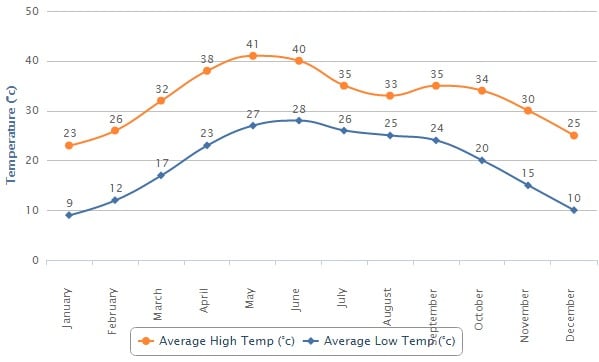
One important thing to note is that Rajasthan can be damn hot… This means that you really, really want to try and explore this part of India during November to March; outside of these months, it can be fairly unbearable.
Backpacking India 1-Month Itinerary # 2 – Off the Beaten Track Adventures in South India
🧭At a Glance
- Duration: ~3–4 weeks
- Transit Intensity: Low–Medium (short buses + one overnight train)
- Difficulty: Easy–Moderate
- Best Season: November–March
- Max Altitude: Low
📍Route Overview
Why This Route Works
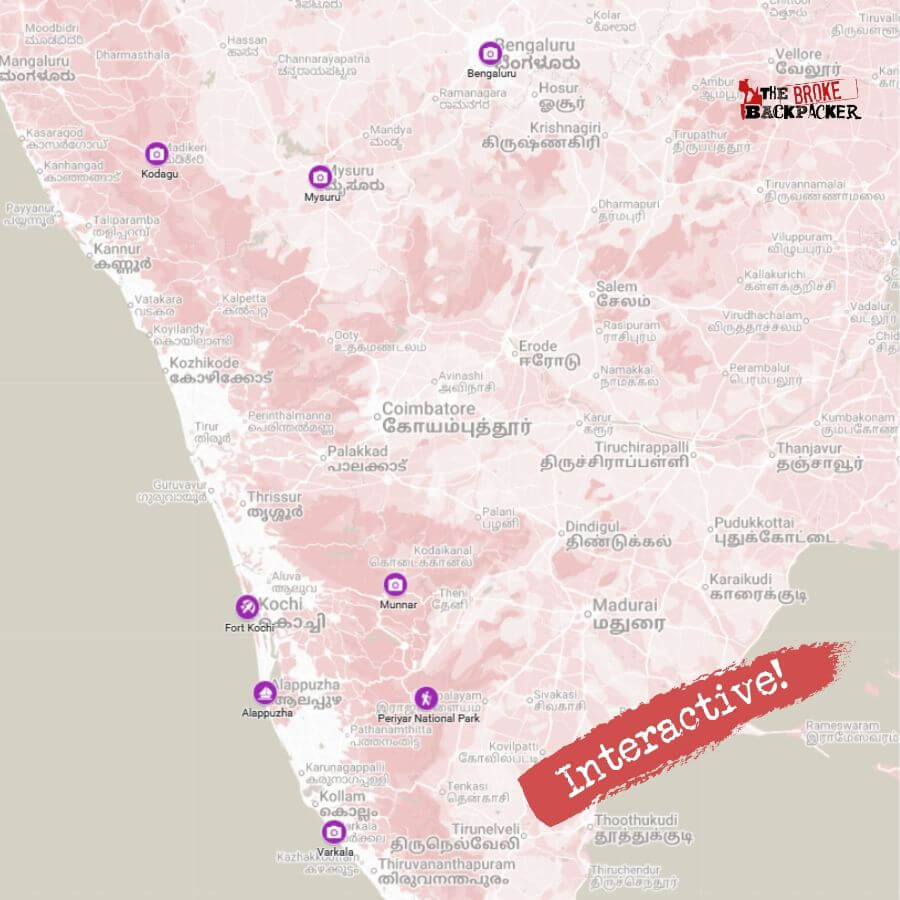
If North India feels like sensory overload, this route is your reset. This is perhaps the best South India travel itinerary for explorers keen to see a bit of the real India before diving into the heady parties of Goa and Gokarna.
- Kodagu gives you hills, coffee plantations, and a proper offbeat feel
- Mysore is one of the easiest cities in India to actually enjoy
- Kerala’s coast brings backwaters, beaches, and a slower pace of life
It’s a mix of underrated inland stops and laid-back coastal finishes, with just enough infrastructure to keep things smooth without feeling over-touristy.
🛤️ The Route (Broken Down)
- Bangalore: Bangalore is a tech hub of sorts and one of India’s cleaner cities, but don’t spend more than a few days here.
- Kodagu (Coorg): Very offbeat. Think rolling hills, coffee estates, and a cool climate. Don’t be surprised if you’re the only foreigner in town.
- Mysore: A relatively short local bus will bring you to Mysore, which is easily my favorite city in India. It’s clean, has some delicious street food and is pretty easy to manage overall.
- Fort Kochi: A night train is the best way to move onwards to Fort Kochi, a cheeky little beach town with colonial history, cafés, and a backpacker-friendly vibe.
- Alappuzha (Alleppey): Gateway to the famous backwaters best seen from the local boats.
- Varkala: The popular Varkala (which can be reached by train or bus) has plenty of hidden spots to get off the beaten track in: Clifftop views, beaches, and a chilled backpacker scene.
- Periyar National Park (Thekkady): Head inland for jungle landscapes, wildlife safari and nature walks. Great for short hikes.
- Munnar: A great reset after the coast with cooler air and endless tea plantations.
⚠️ What to Watch Out For
South India is generally easier to travel, but it deff comes with its own quirks. Monsoon season here (May–September) is intense, can disrupt plans and bring high humidity especially along the coast.
Backpacking India 1-Month Itinerary # 3 – Mountains and Yoga in Northern India
🧭At a Glance
- Duration: ~4 weeks
- Transit Intensity: High (long, rough mountain journeys)
- Difficulty: Moderate–Challenging
- Best Season: April–June, September–October
- Max Altitude: High (up to 4,000m+ in Ladakh)
📍Route Overview
Why This Route Works
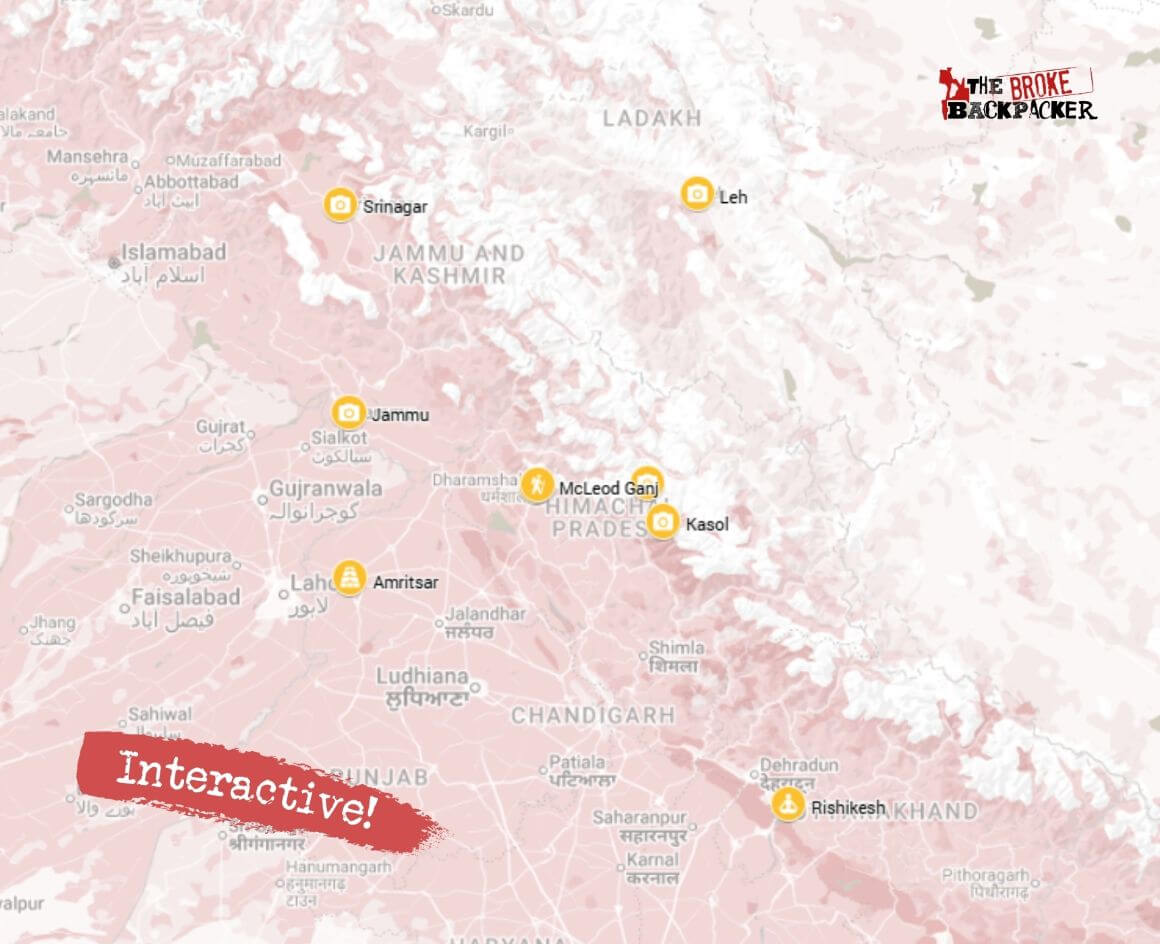
Traveling to the Subcontinent to find yourself? Then this Backpacking India itinerary may be for you.
The Himalayas are unlike any other part of India. The mountains have always held a special place in my heart and the Indian mountains are some of the best in the world… although not quite as incredible as neighbouring Pakistan, the ultimate adventure destination!
- Rishikesh gives you yoga, spirituality, and a soft entry into the north
- Himachal Pradesh brings mountain towns, cafés, and backpacker enclaves
- Ladakh & Kashmir deliver raw landscapes, high-altitude adventure and a completely different side of India
It’s ideal for travellers chasing mountains, community, and a bit of unpredictability.
🛤️ The Route (Broken Down)
- Rishikesh: Yoga capital of the world. Great for slowing down but with a bit of adventure (white water rafting in the Ganges). Though, do be warned that it will be an absolute zoo in May and June.
- Amritsar: If you’re coming overland from Pakistan, you’ll be starting right in Amritsar, which is home to the famous Golden Temple and legendary Sikh food and hospitality.
- McLeod Ganj: A spiritual mecca, home to the famous Dalai Llama. Be warned–it’s easy to get stuck here!
- Bhagsu: A smaller, quieter extension of McLeod Ganj—perfect for a few slow days, short hikes and café hopping.
- Kasol: The main hub of the iconic Parvati Valley, and known for its strong hippie scene, hashish, trance and natural beauty for days.
- Manali / Vashisht: These days Manali is a commercialized mess, so I highly encourage you to get to the more authentic Vashisht as SOON as possible.
- Leh: Get yourself on a Himachal Road Transport Corporation (HRTC) bus to Leh, capital of Ladakh. It’s a high-altitude desert with monasteries and some of the wildest landscapes in India.
- Srinagar: Finish in Srinagar, the capital of Kashmir. I highly recommend giving this region the time it deserves, even though it might be more expensive than you’d like.
⚠️What to Watch Out For
- Altitude sickness is real, especially in Ladakh.
- Roads can be rough—or disappear entirely (landslide are common during bad weather)
- Planning ahead matters more here than anywhere else in India
Where to Go in India, Region by Region
One of the biggest mistakes I see first-time travellers make is treating India like a single destination, scrolling through endless India travel guides and trying to stitch them all together into one trip.
That approach doesn’t work here. India is vast, diverse, and wildly varied from one region to the next. The culture, food, language, landscapes—even the pace of life—can shift completely within a few hundred kilometres.
I’ve found that India makes a lot more sense when you think of it region by region. Pick one area, explore it properly, and let the experience unfold at a slower pace. You’ll spend less time in transit, avoid burnout, and actually get a deeper feel for the place, whether that’s the deserts of Rajasthan, the mountains of the Himalayas, or the coast of the south.
The sections below break India down into its main backpacking regions, so you can figure out where to start, what to expect, and how to build a route that actually works.
North India and Rajasthan
If it’s your first time in India, this is where most people start—and for good reason. North India packs in some of the country’s most iconic experiences: chaotic megacities, spiritual centres, Mughal landmarks, and the desert landscapes of Rajasthan.
It’s intense, no doubt—but it also delivers that classic, overwhelming, unforgettable India in full force.
Delhi
Many backpackers arriving in India for the first time will start their adventure by staying in Delhi… which, honestly, is a bit unfortunate.
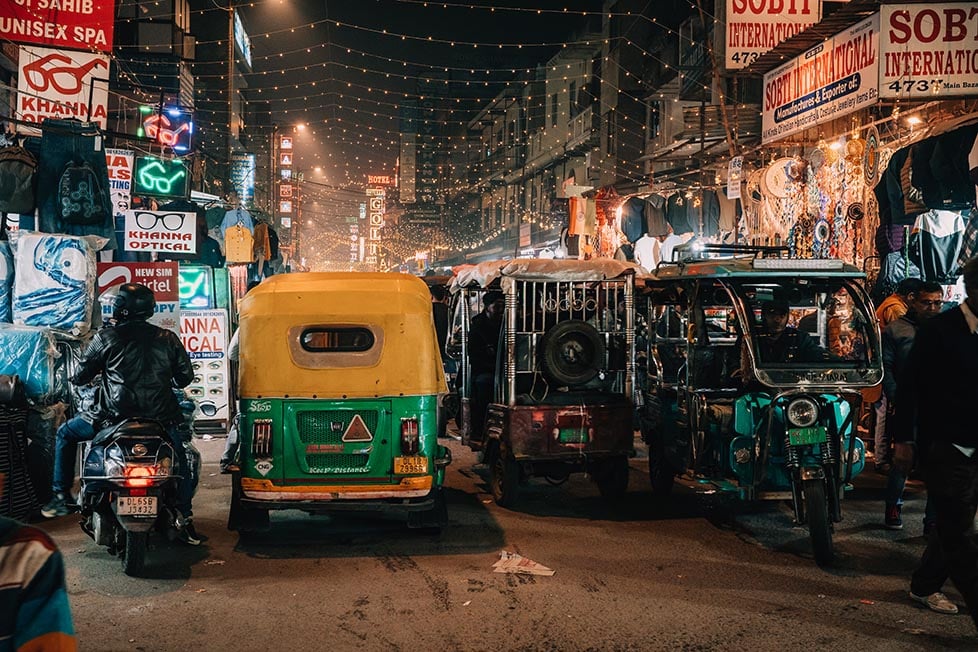
Image: Nic Hilditch-Short
Delhi is chaotic, noisy, and can feel pretty unfriendly at first. I’ve been here multiple times and still find it overwhelming, the traffic alone is enough to test your patience. That said, it’s a useful landing point and has some charming places if you know where to look.
- Stay in Paharganj for backpacker hostels
- Or head to South Delhi for some pretty epic Delhi Airbnbs to choose from
- Use the metro for going around—it’s far easier and cheaper than taxis
- If you plan to linger longer, head to Janpath and Dilli Haat for shopping; Chandni Chowk and Jama Masjid for heritage and food; Lodhi Art District for graffiti and murals; and Sundar Nursery and Lodhi Park if the weather (and pollution) permits to laze in the sun.
Verdict: Get your bearings, then move on quickly. India gets better fast once you leave Delhi.
Amritsar
Amritsar is one of the most memorable stops in North India. Home to the Golden Temple, the most sacred temple in the Sikh faith, is simply breath taking. Sikhism welcomes all and you can stay for free in the golden temple dorms.
- Free meals (langar) are served daily at the Golden Temple.
- Visit the Wagah border ceremony in the evening and have a giggle at the ridiculous flag ceremony performed by soldiers from the Indian and Pakistani armed forces.
- Don’t miss the Jallianwala Bagh for a sobering lesson on India’s colonial history.
- How long? 1–2 days is enough
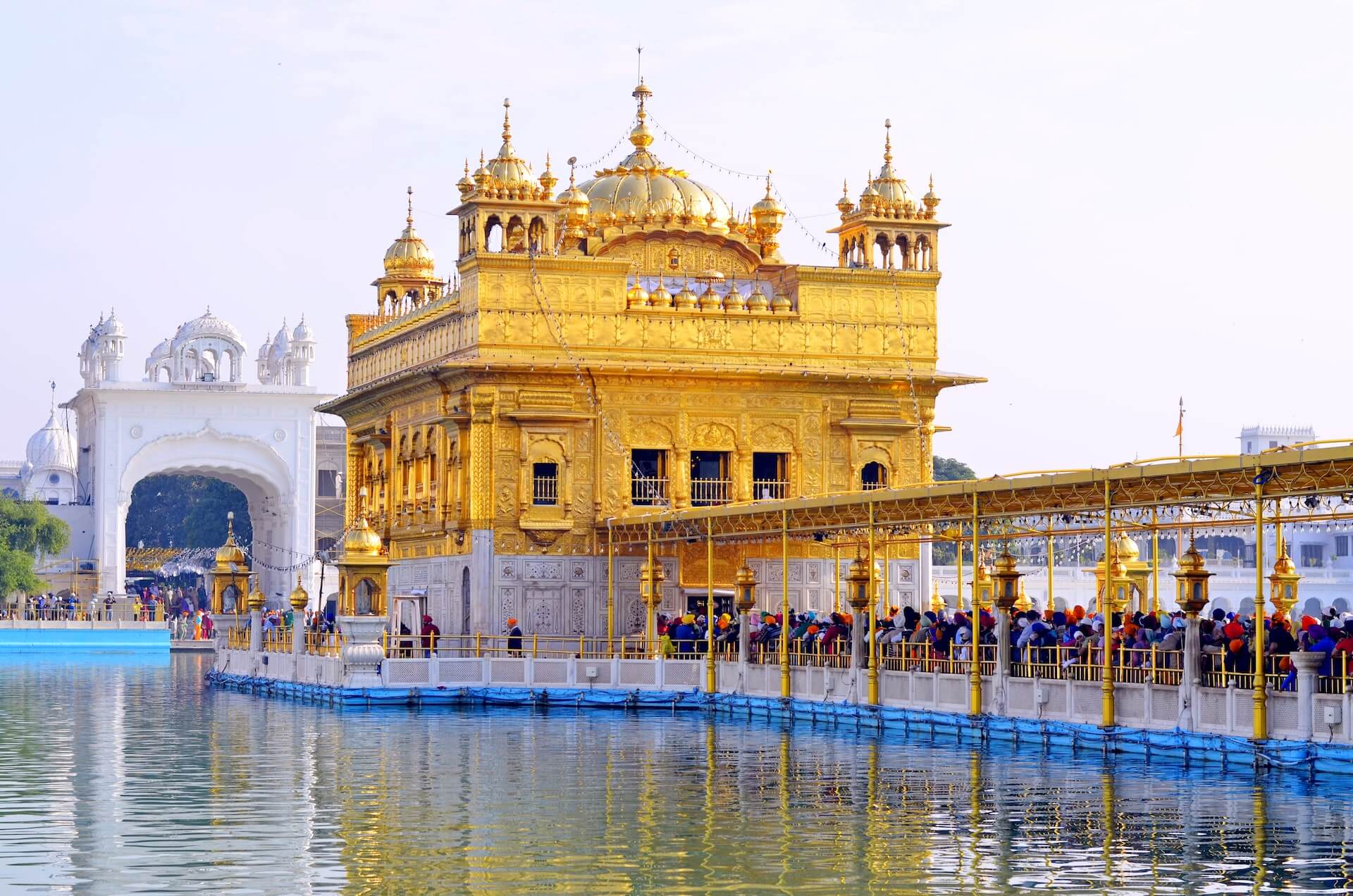
One full day in Amritsar is enough as it’s very hot. After a night in the temple dorm you can catch an early morning bus to McLeod Ganj, or a sleeper train south. For more info, check out my amigos’ guide to Amritsar.
Varanasi
You can’t explore India without having a proper Varanasi experience. I say experience because Varanasi is totally nuts and will leave you reeling as you navigate through twisting alleys, passing holy men and funeral processions, stray cows and colourful stores selling silken saris.
- Make your way to the river and catch a sunset boat ride on the Ganges, the holiest river in Hinduism.
- Make sure to pick up one of the best lassis in all of India at Blue Lassi in the market.
- Go on a food tour to get the best of Varanasi’s culinary offerings.
- How long? 3–4 days
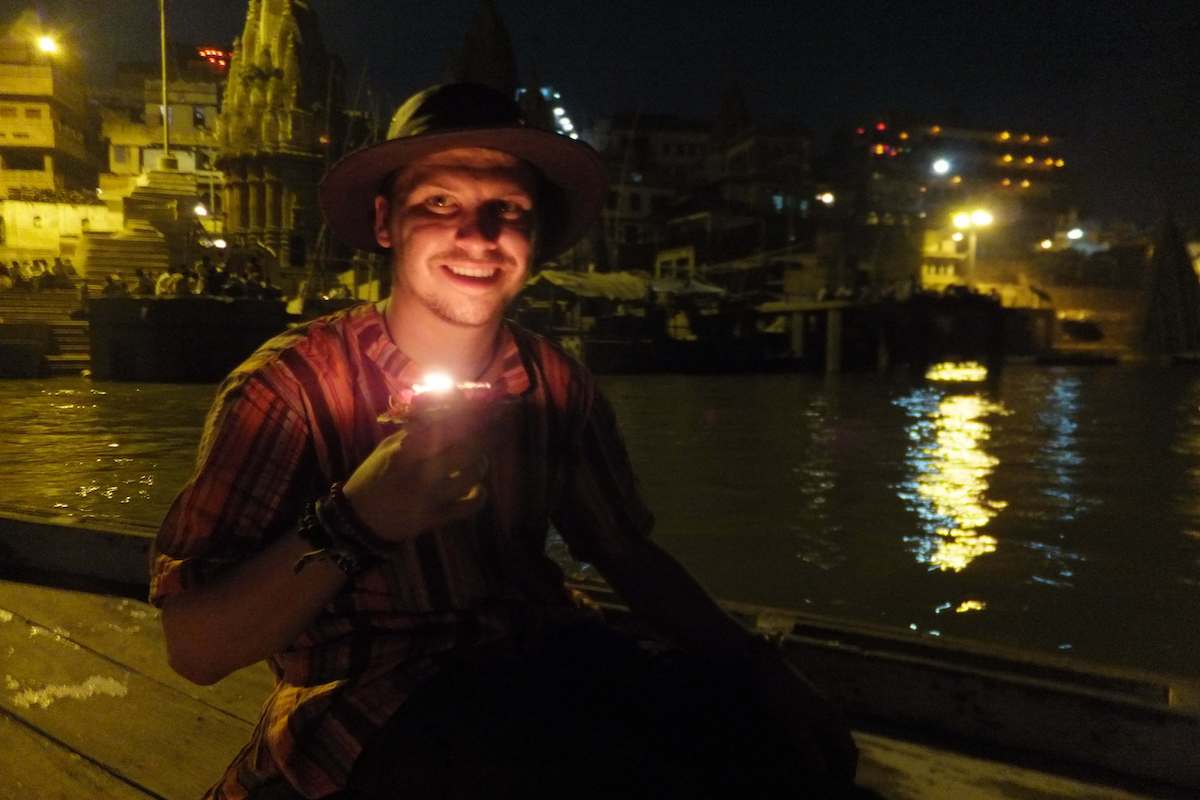
There are plenty of cheap hostels in Varanasi, and just as many budget guesthouses. Varanasi has to be seen to be understood… I recommend spending three or four days here. There are good train links between Delhi and Varanasi and I recommend catching a sleeper train – go for 3AC class.
Backpacking Khajuraho
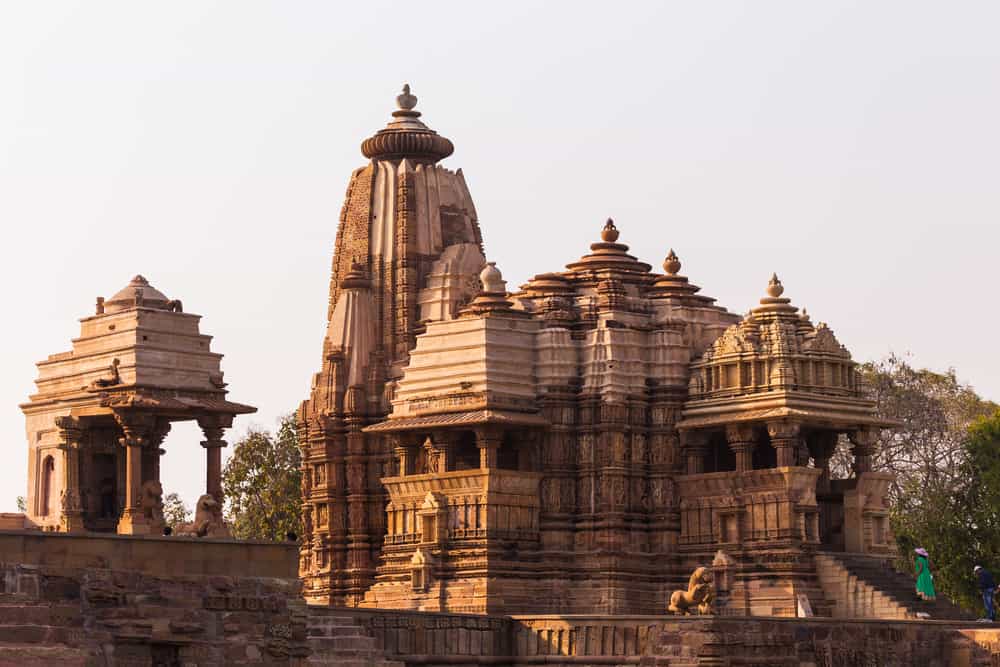
From Varanasi you should be able to catch a train directly to Khajuraho. As always you should book your ticket in advance and try to get a night train to save on accommodation. A quieter stop after Varanasi, Khajuraho is famous for its intricate (and famously erotic) temples.
- Hire bicycles as some of the main sights are spread out and it is a great way to explore.
- Try to catch the temples at sunrise, they are amazing.
- It is possible to arrange a rickshaw to take you to a lovely river where you can swim, ask around.
- Touts are persistent here and like to target fresh backpackers.
- How long? 2–3 days so you can get a well-deserved break before heading onwards to Agra…
Agra
Agra isn’t a city you linger in, but it’s home to the Taj Mahal, which absolutely lives up to the hype!
- Go at sunrise for the best experience
- Entry is ~$12 for foreigners
- Fatehpur Sikri is worth a visit if you have time
- Eat at ‘Joney’s Place’ – it offers the best, and cheapest food in all of India.
- Verdict: See the Taj, eat well, then move on.
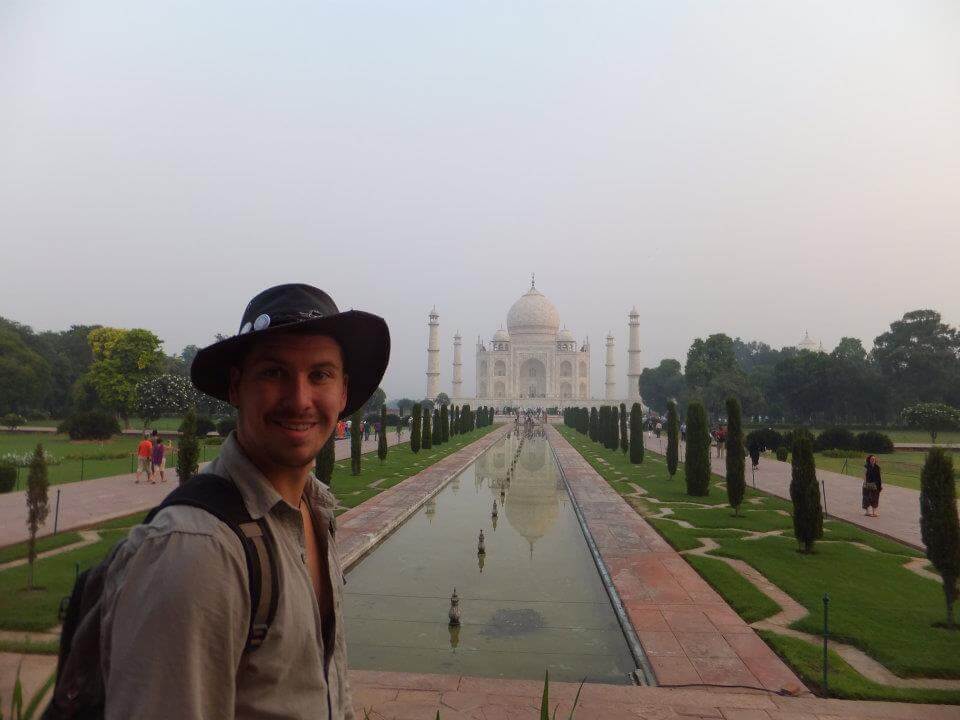
Photo: Will Hatton
The Taj Mahal is chief amongst the top sites to see in India. However, staying in hostels in Agra for more than two days is not recommended… Sadly it’s a true shit-hole of a city and not to be dwelled in…
Jaipur
Jaipur isn’t my favourite city, but it’s an essential stop in Rajasthan, and to acquaint yourself with the architecture and history of Rajasthan. You can however mitigate its horror by choosing carefully where to stay in Jaipur.
- Visit Amber Fort and the City Palace for iconic, beautifully painted inner gates.
- Find a café facing the Hawa Mahal for a quick snack and plenty photo ops.
- The Monkey Temple (Galtaji) is not to be missed. Set beautifully into the side of a hill, make sure you go all the way up and over to the other side of the hill to find it.
- Jaipur is a great place to shop for textiles, custom-made clothes and jewelry.
- How long? 1–2 days
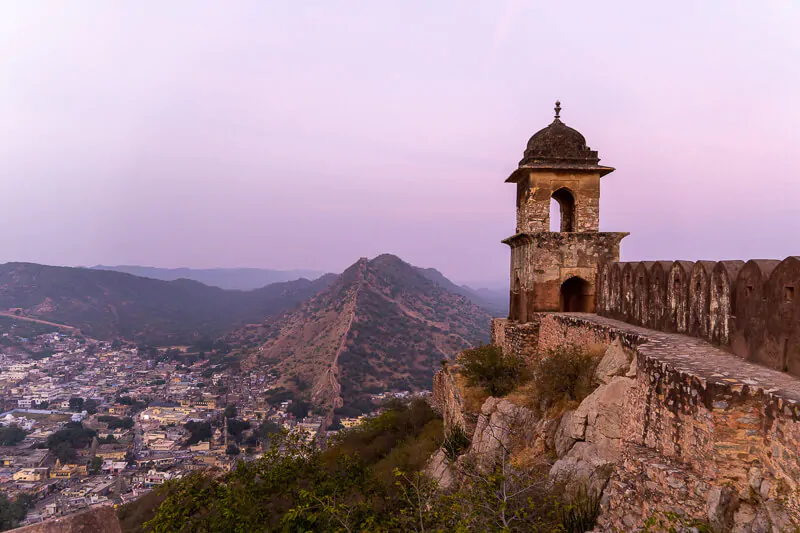
Photo: Samantha Shea
Jaipur is a great place to be during the festival of Diwali, easily one of the most important festivals in India.
Stay at one of Jaipurs’ best hostels–there are plenty to choose between. From Jaipur, you can catch an overnight train to Jaisalmer and work your way back towards Delhi across Rajasthan or jump to Pushkar.
Pushkar
Finally, somewhere to relax now that you’ve done the obligatory sights of India! You could happily spend a week in Pushkar, exploring the many temples and the gorgeous lake within the centre of the town.
This town is renowned due to religious importance and you can’t drink alcohol or eat meat here… meaning that, of course you can, but your beer will be disguised in a teapot and will cost more.
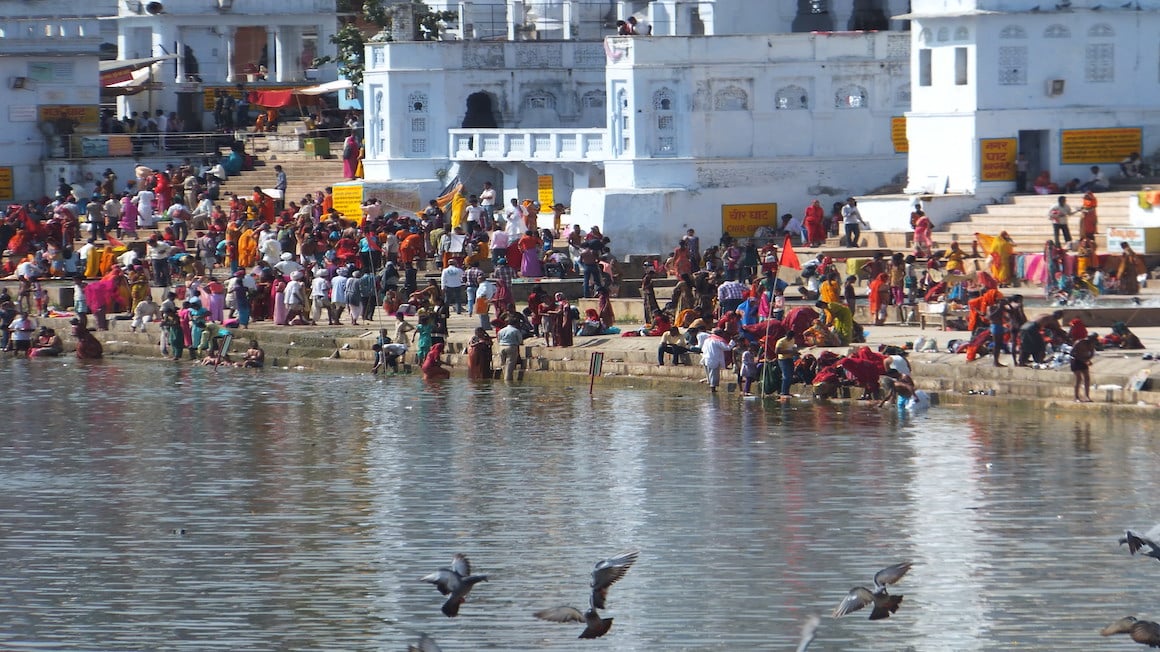
Photo: Will Hatton
- Pushkar is a shoppers paradise and is filled with thousands of stores selling pretty much everything. The market is a great place to buy bulk if you’re planning to sell your travel souvenirs back home 😉
- There’s a strong backpacker community here, the town suffers from many a hippie-wannabe, and there’s lots of yoga and meditation classes available.
- Whilst exploring the lake, avoid the priests – they are extremely skilled scammers.
- For a truly stunning sunset, climb one of the nearby hills surrounding the town.
- Pushkar has great but, very strong, Bhang (marijuana) lassis; these will knock you out if you are not careful.
- How long? Four to five days is about right for a visit to Pushkar although its possible to linger for weeks.
Every year, the famed Pushkar Camel Festival comes to town – this is a totally insane event but well worth seeing if you happen to be in India at the time; book your accommodation in advance as everything tends to sell out. Four to five days is about right for a visit to Pushkar although its possible to linger for weeks.
To get to Pushkar you must first catch a train to Ajmer and then catch a forty five minute bus onwards to Pushkar itself. From Ajmer you can catch a bus to Bundi, a logical next stop.
Bundi
I loved Bundi. It’s well off the tourist radar and definitely worth visiting.
I stayed in a lovely little guesthouse called Haveli Gulabram Ji for just $5 a night, and the hosts knocked up some bangin’ Indian cuisine for dinner. Bhayvam Homestay does rooms for $3 but they are basic and you have to share a bathroom.
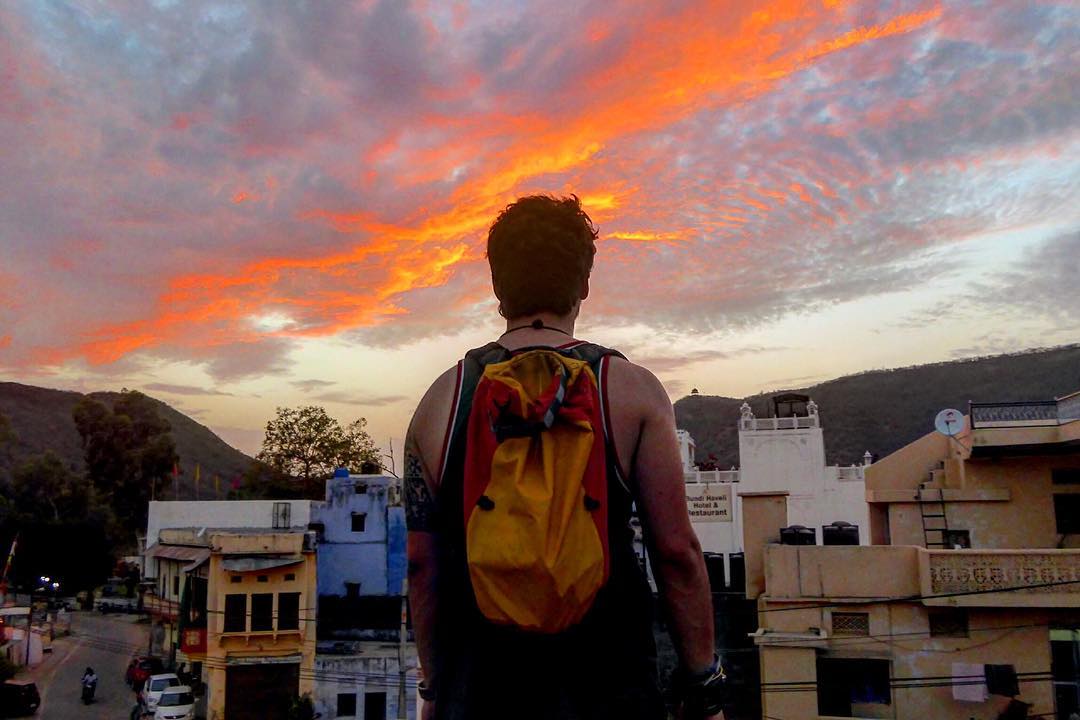
Photo: Will Hatton
- Definitely visit the palace and the fortress atop the hill as well as Kipling’s house. Just take a stick to deter the monkeys
- Hire bicycles to go exploring outside the city, you will be utterly alone and this is a great chance to do some real exploring.
- Be sure to check out Krishna’s Tea Stall.
- How long? At least 3 days
Definitely visit the palace and the fortress atop the hill (take a stick to deter the monkeys) as well as Kipling’s house. Hire bicycles to go exploring outside the city, you will be utterly alone and this is a great chance to do some real exploring.
Stay for at least three days in Bundi and be sure to check out Krishna’s Tea Stall.
Jodhpur
Although there may not be a great deal of tourist sites to visit, Jodhpur is an excellent example of a Rajasthani market town, a good wander through streets to soak up the busy vibe and colours is a must during your stay.
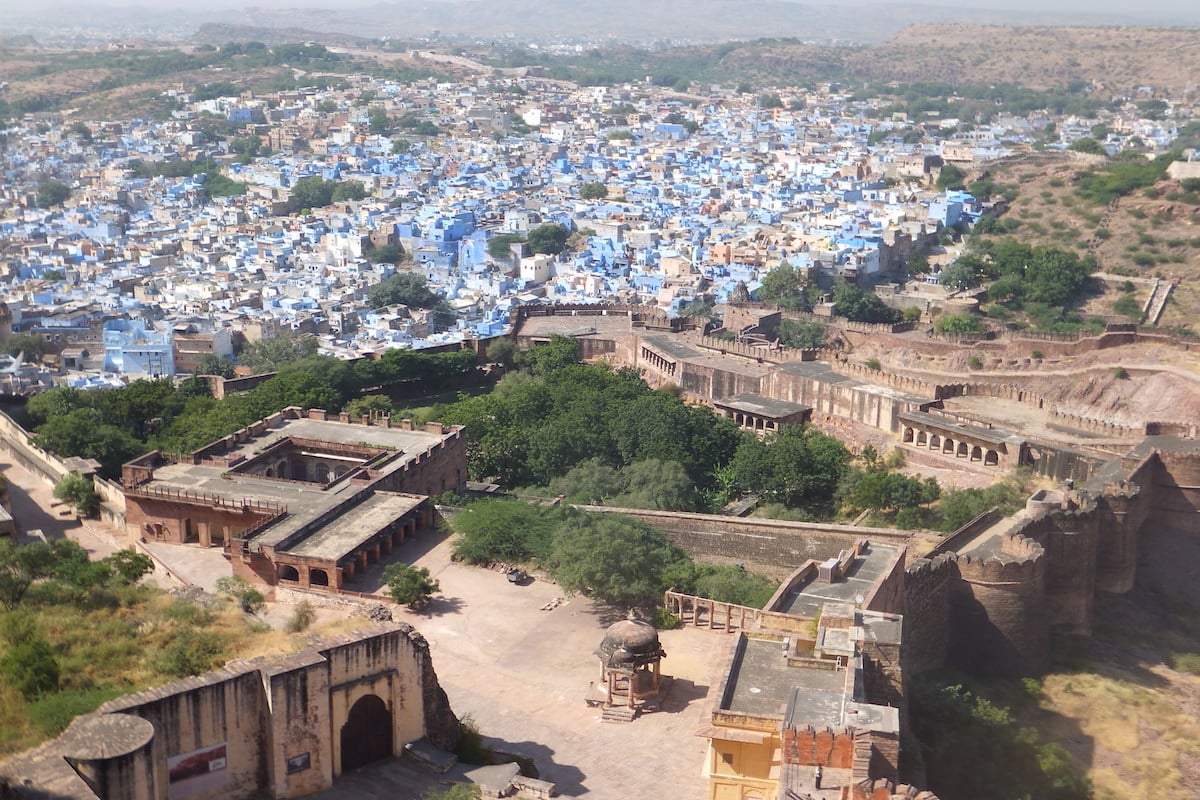
Photo: Will Hatton
- In the state where every town has a fort, Jodhpur is no exception and it’s definitely worth visiting.
- Take the audio tour to find out plenty of awesome history about this amazing place.
- How long? 1-2 days
It’s one of the most amazing fortresses in the world. Take the audio tour to find out plenty of awesome history about this amazing place. You then easily catch a bus from Jodhpur to Jaisalmer.
Jaisalmer
A giant sandcastle rising out of the desert, Jaisalmer fort is one of my favourite places in all of India.
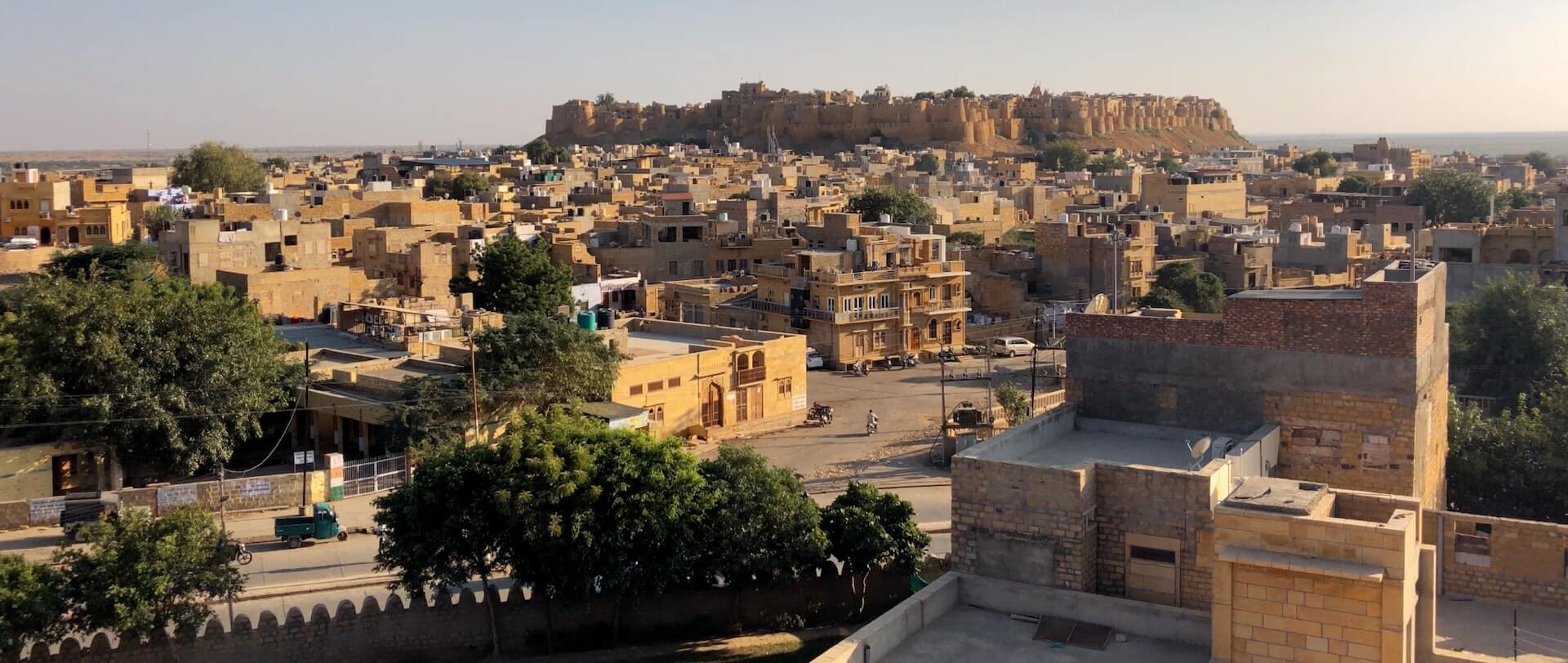
- The legal Bhang shop sells shakes and cookies – they can get you very high and are a fun way to while away an evening.
- Go to nearby village of Sam in the middle of the Thar Desert surrounded by sand dunes.
- Visit the abandoned village of Kuldhara. It’s especially epic during sunset!
- How long? 2-3 days including a desert stay.
Even better, if you’re keen to go camel trekking and to spend a night camping out in the desert with fellow backpackers, this is the place to do it! Haggle hard… The prices vary wildly!
Udaipur
Udaipur is a truly wonderful place. I lingered here for almost a month when I was on my first backpacking trip to India. There are wonderful hostels in Udaipur, great restaurants, interesting cycle rides, captivating lakes and atmospheric temples.
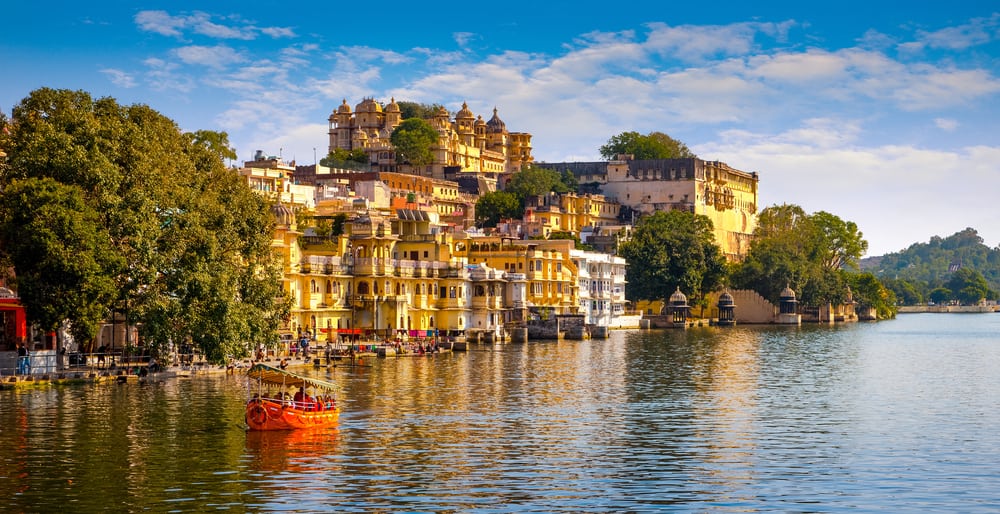
- Try to stay somewhere near the central Jagdish temple.
- Shop around for accommodation as it’s possible to find good private rooms for $7 and decent dorms for $3.
- I got some beautiful, custom made cotton shirts in Udaipur which cost about $4 each – well worth it.
- How long? 3-5 days minimum.
Five days is a good length of time to spend in Udaipur before catching a train back up to Delhi or travelling onwards to Goa or Mumbai. Just keep in mind a train to Goa, via Gujurat, takes around 46 hours and I strongly recommend that nobody ever attempts this again… It was one of the most god-awful journeys of my life!
The Himalayas and Mountain North
If North India is chaos, the Himalayas are where you’ll begin to breathe again. This region stretches across Himachal Pradesh, Uttarakhand, Kashmir and Ladakh, and feels like a completely different world.
Get ready for cooler air, slower days, and landscapes that actually make you want to stop moving for a minute.
You’ve got everything from yoga hubs and backpacker towns to remote monasteries and high-altitude deserts.
Travel here can be rough here with long bus rides, unpredictable roads, and altitude to deal with, but the payoff is huge. If you’re looking for mountains, community, and a bit of perspective, this is where India really gets under your skin.
Rishikesh
Famous since the Beatles first rocked up here and got stuck into an Ashram, Rishikesh is a popular stop with yogis backpacking India and is well worth checking out, even if you are not into yoga.
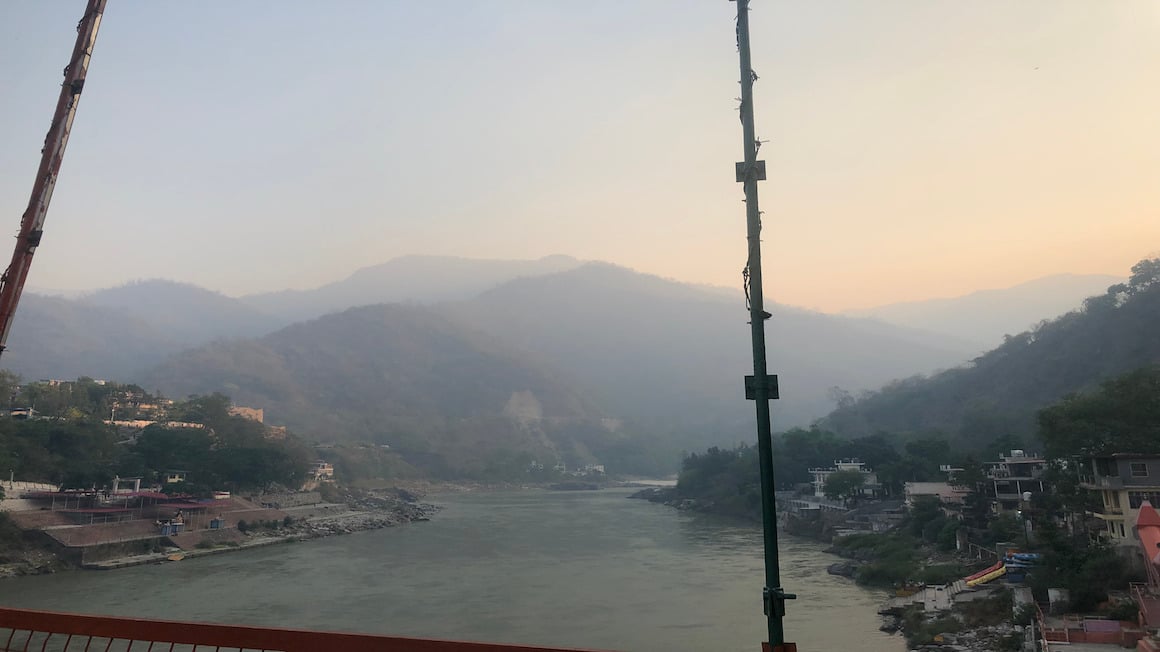
Photo: Samantha Shea
- If you are into yoga, Rishikesh is the perfect place to take a course or earn your yoga certification. There are loads of yoga and meditation courses available ranging from a matter of days to entire months.
- Cross the Lakshman Jhula for a host of epic places to stay in Rishikesh. I recommend staying at the Parmarth Niketan Ashram which is near Ram Jhula.
- Definitely eat at the awesome Beatles Cafe and Ira’s Kitchen and Tearoom.
- Whilst in Rishikesh, hire mopeds for ~$5 a day and go exploring.
- You can also arrange to go white water rafting in Rishikesh.
- “The Beatles Ashram” is now an urban art museum which is well worth checking out.
- From Rishikesh you can reach the incredible Valley of Flowers. I recommend taking around 3 days to make stops along the way. Trust me, it’s so worth it.
- How long? 3-4 days to soak it all.
McLeod Ganj
Home to the Dalai Lama and thousands of Tibetans in exile, McLeod Ganj (or little Tibet) is a chilled place to spend a couple of days among the Tibetan people and is a great place to pick up souvenirs.
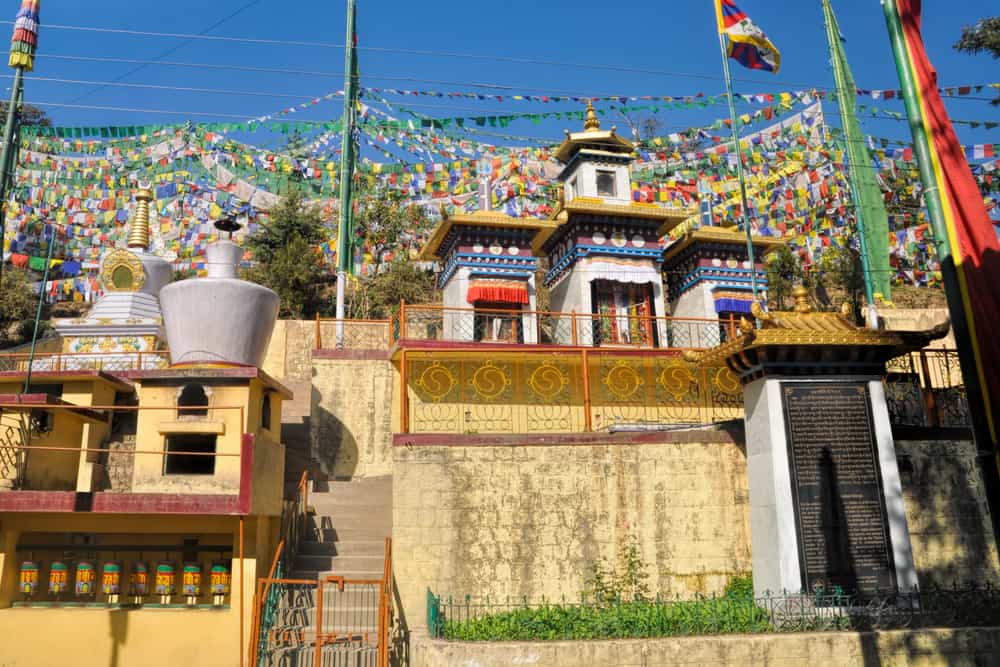
- There are many interesting day hikes around the area.
- I would recommend staying at Eevolve Dharamkot but you can also find tons of really cheap Tibetan family run places if you shop around a bit.
- Check out Tibetan World where you can sign up for hour long language exchanges with the Tibetan monks, who are always keen to improve their English.
- Black Tent Cafe does a fantastic and cheap Tibetan breakfast.
- How long? McLeod is pretty small and a few days here should be more than enough unless you are doing yoga or choose to get involved with a charity.
Bhagsu
Just a short twenty minute walk from McLeod Ganj is the backpacker hub of Bhagsu.
Lower Bhagsu is pretty modernised and my advice is to keep going up the hill. Bhagsu is an Indian backpackers paradise with handmade crafts, tie-dye clothing and Didgeridoo lessons at every turn. When travelling through India the first time, I fell in love with it.
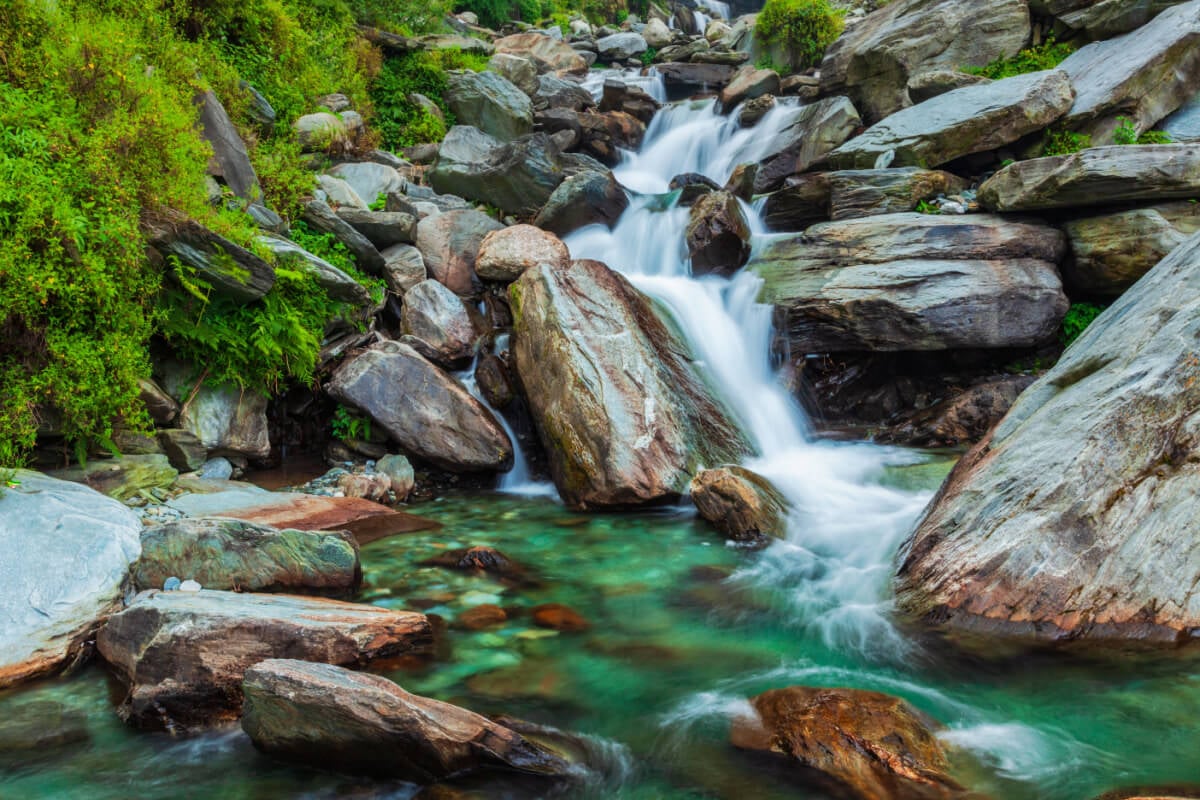
- In the evenings, head along the stone paths into the hills and follow the music and the scent of ganja, there are many little cafes and lodges along the trail where musicians jam into the early hours of the morning.
- There are some great treks that can be done from Bhagsu without a guide; the most popular is Triund which only takes about three or four hours and is manageable even for newbie trekkers. You can rent a tent to sleep in at the summit, it gets cold so bring layers if you have them.
- How long? Including the night at Triund, 2-3 days here should be enough.
Old Manali
Arriving into Manali, you will be dropped in the main bus station in the modern part of the town, whatever you do; don’t stay here!
The real Manali is still a couple of kilometers away and you can choose between basing yourself in Old Manali or Vashisht. Old Manali is far busier than Vashisht and definitely the place to base yourself if you want to party.
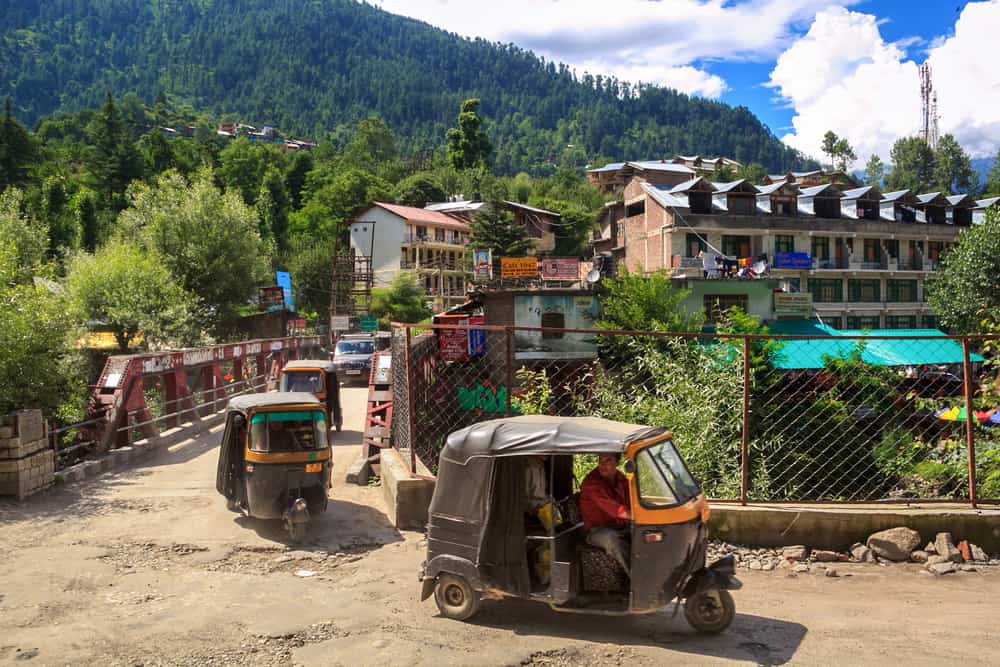
- In Old Manali, Dylan’s Toasted and Roasted does great desserts and has a movie room.
- The Sunshine Cafe has incredible food from all over the world and is a solid bet for nightly live music.
- The marijuana in Manali is amazing and freely grows everywhere.
- Manali is also an adventurer’s paradise and you can arrange white water rafting, paragliding, zorbing and canyoning.
- How long? 3-4 days if you have to pick between Old Manali and Vashisht, more if you can do both.
Vashisht
If, like me, you prefer to simply chill with a cheeky smoke and watch the mountains, Vashist is the place to go. Old Manali is great, but recently, it’s become overrun with large hordes of party-oriented backpackers.
Vashist is just a fifteen-minute tuk-tuk ride from Old Manali and is roughly set across the valley opposite Old Manali and is kind of like its quieter little brother.
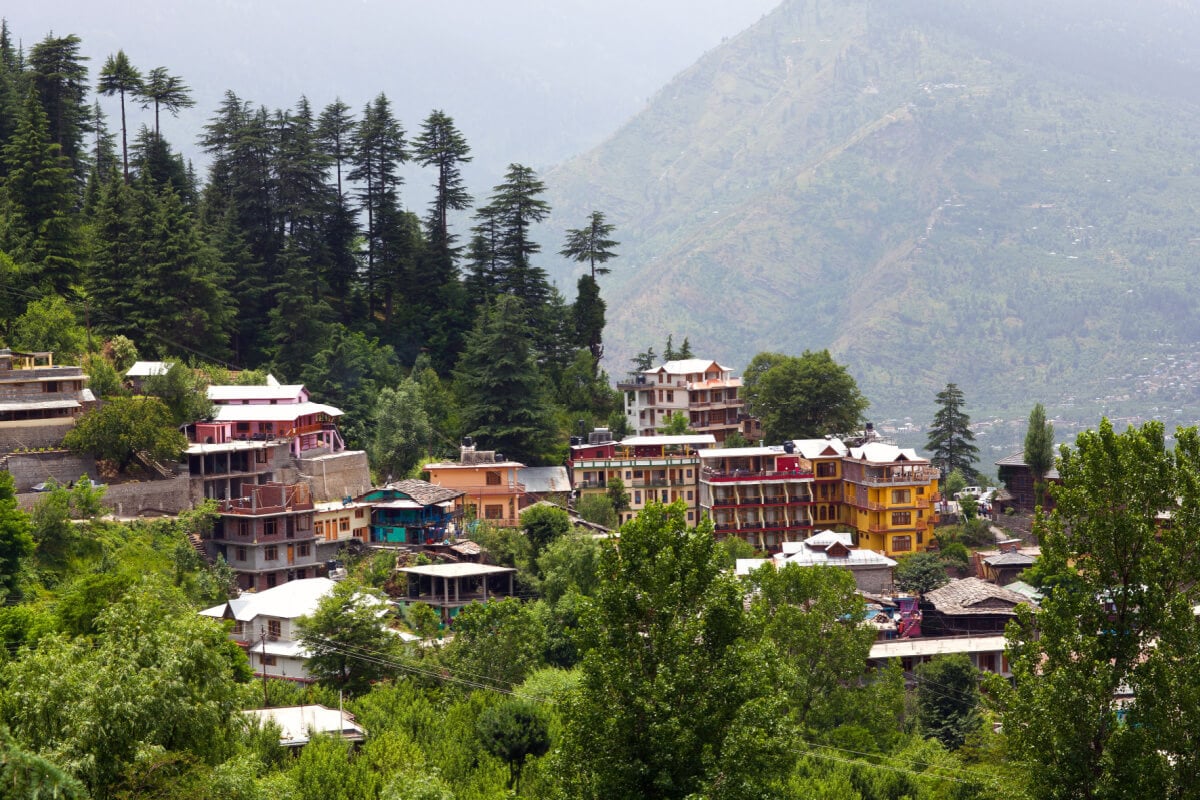
- There is a hot spring at the top of town and daily religious processions where you can watch devout locals fall into a state of trance.
- Rasta Cafe is a great place to hang out and is famed for its Special Lassis (be warned, they can be very strong).
- Private rooms can be found from between $6-10 if you are willing to go door to door and haggle and you can sometimes even bag a room with a stunning mountain view.
- How long? 2-3 days in Vashisht alone are enough. If you decide to go to Spiti Valley, make sure you have at least a week more to factor in long journeys and altitude acclimtisation.
From Vashisht, you could consider getting hold of a Royal Enfield and exploring the Spiti Valley or, if you are short on time and funds, you can hop on to the daily 6am bus to Kaza (Spiti’s main town). Remember to take Diamox with you to combat altitude sickness.
Alternatively, you can head south to Kasol for some easy treks within the lower Himalayas.
Kasol
If you are taking a trip to Parvati Valley, chances are you will pass through Kasol, which is a popular backpacking destination for good reason. The town of Kasol can be reached by a five to six hour bus ride from Manali for $2.5.
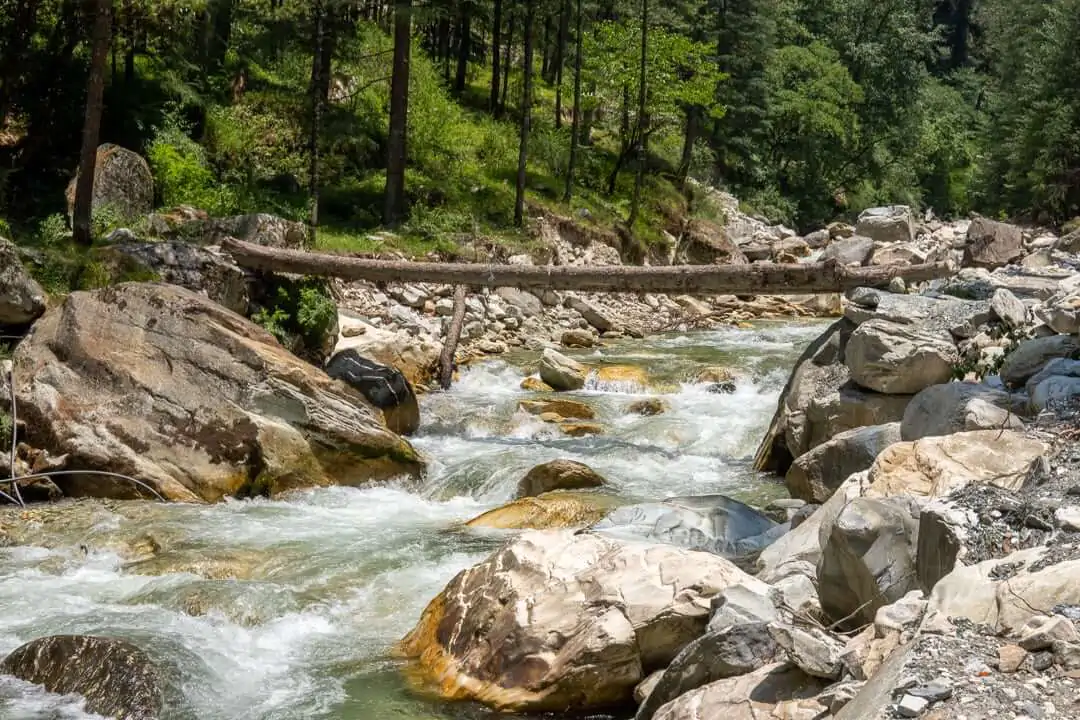
Photo: Samantha Shea
Kasol has soared in popularity in the last few years and is now rivalling Manali as the backpacker hub for Himachal Pradesh. Depending on how long you spent in Manali, it is definitely worth heading here for a few nights if you have the time.
- Kasol itself is largely popular with hippie wannabes, from all nationalities, clad head to toe in hilariously impractical gear they have bought from the many stores selling hippy dippy shit upon every corner.
- If you’re into shopping, you will probably love Kasol. It’s a good place to pick up quality clay chillums.
- There are many day-hikes and longer multi-day treks that can be attempted from around Kasol.
Kalga and Kheerganga
From Kasol, you can catch a minivan up into the mountains and trek for forty five minutes to reach the truly serene village of Kalga.
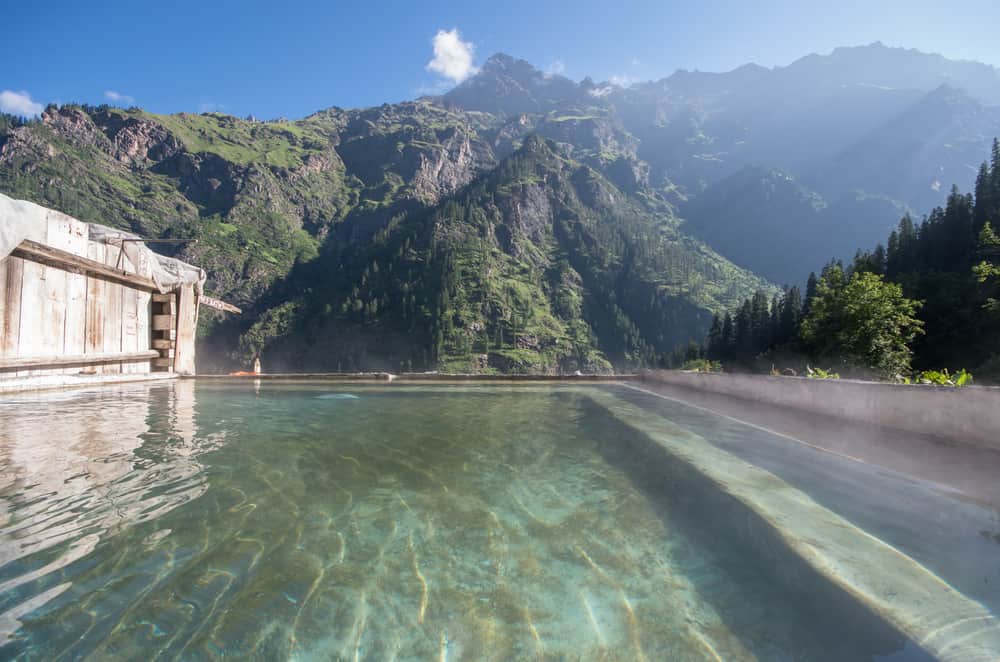
- It’s well worth spending a couple of days here, hanging out in the very chilled Sunset Cafe
- From Kalga, head off on the six hour hike to Kheerganga where you can bathe in a natural hot spring said to be one of Lord Shiva’s favourite places to relax.
- It’s well worth spending one night in Kheerganga to see the stunning night sky at elevation; the lack of light pollution makes for some soul-stirring stargazing.
- How long? The remoteness of Kalga might make you stay forever—or leave ASAP. Usually 2-3 nights would be enough, plus another one if you do Kheerganga.
Kheerganga itself has, sadly, been hit with rapid unchecked development and is not a particularly nice place to stay – accommodation is crowded, dirty and overpriced. If you have a tent, bring it. Kheerganga might have some of the most disgusting toilets in all of India, which is no easy accomplishment.
Leh and Ladakh
Leh is the capital of the territory of Ladakh. It’s a beautiful region along the Tibetan Plateau, which means barren mountains and a cold desert-like feel.
There is SO much to do in Ladakh and you could easily spend weeks just exploring this area. But if you’re short on time, you’ll want to base yourself in Leh and do some day trips.
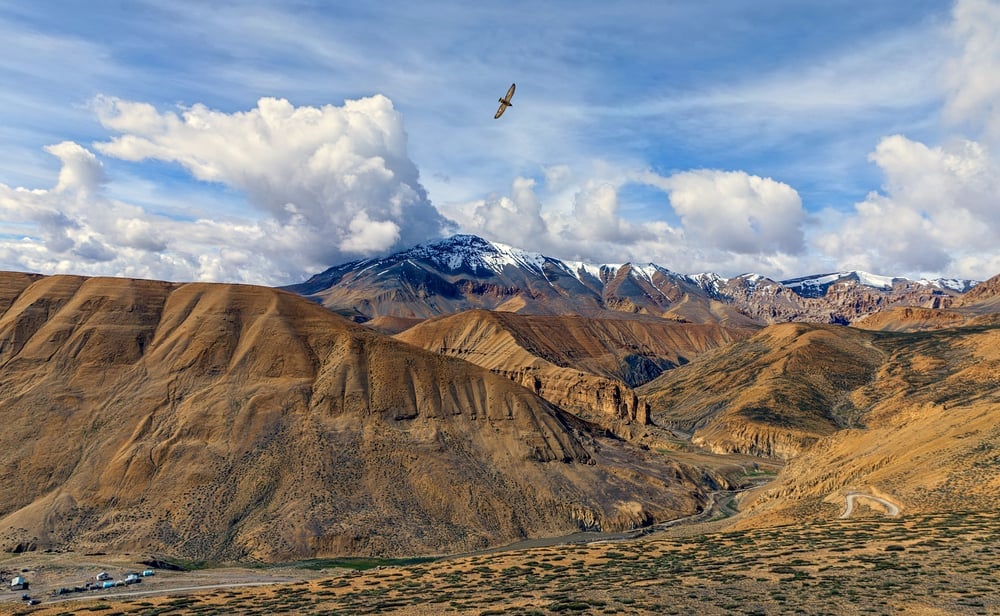
- Start by the visiting the amazing palace and the massive Shanti Stupa in Leh. The donkey sanctuary is also worth a visit.
- If you fancy some trekking and have some time on your hands, there is the 6-day Markha Valley Trek in Hemis National Park (the largest national park in India), the 5-day Nubra Valley Trek and the challenging Rumtse to Tso Moriri-dayer.
- From Leh, you can make a day trip to Khardung La—one of the world’s highest motorable roads at 5,602 meters above sea level.
- Ladakh is also famous for its high altitude lakes like Tso Moriri, Tso Kar and Pangong Tso.
- Ladakh is also a great place to travel on your own wheels and ideal for motorbike trips.
- How long? As you can probably already tell, you can spend a whole month just going around Ladakh. But for the sake of this backpacking India guide, 3-4 days in Leh and another 7 days for elsewhere in Ladakh is good enough.
Srinagar
From Leh, you can take a jeep (very expensive) or an old bus to Srinagar (or you can fly). I would recommend flying… or avoiding Srinagar altogether!
I visited Srinagar as one of the very last stops on my first fourteen-month adventure in India and by the time I got there I was totally broke…
Unfortunately, without cash, it’s pretty difficult to see Kashmir as you really do need your own transport or to book yourself onto jeep tours which tend to start at least $27 a day.
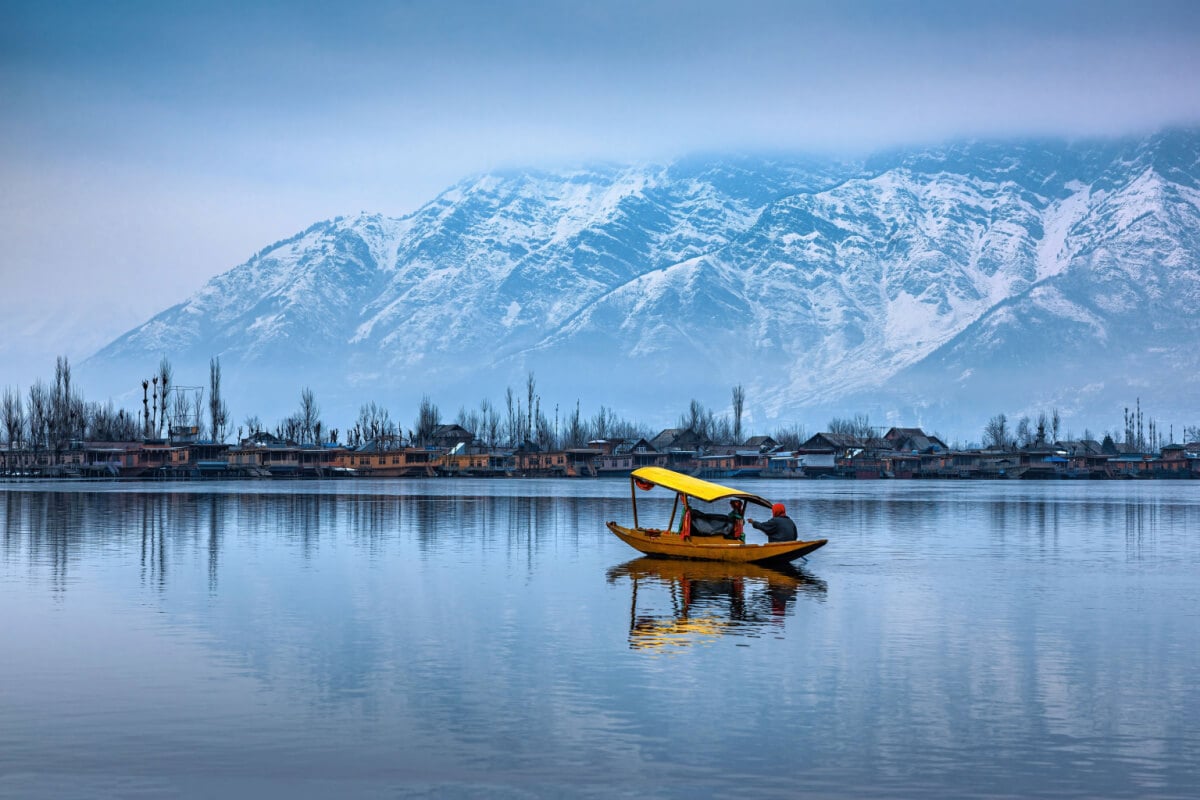
- In Srinagar, the one must-try experience, is to explore the Dal Lake by shikara—a traditional Kashmiri boat.
- The food here is also very different from the rest of India. Don’t forget to pop into a kandur waan (Kashmiri bakery) and try a wazwan thali.
- How long? 2-3 days.
West and Central India
West and Central India feel like a shift in rhythm—less chaotic than the north, but still packed with contrast.
This region spans the buzzing coastlines of Goa, the big urban energy of Mumbai, along with quieter pockets of the rest of Maharashtra. You’ll find everything from forts and palaces to beaches, national parks, and ancient cave temples here.
It’s a region that works well if you want variety without constantly battling the intensity of North India, though keep in mind that distances can be long, and the heat (especially inland) can be relentless.
Mumbai
Mumbai is, in a single word, intense! If you survive Mumbai you have done well. The city is not only crowded and full of touts, it is also the most expensive city in India and can quickly drain your bank account on account of the wild nights out.
I loved Bombay and spent over 2 weeks hanging out but I was Couchsurfing and had some great friends to show me Mumbai’s best neighbourhoods and help keep my costs low. In case you can’t find a host, worry not as there are now loads of decent Mumbai hostels.
- You should definitely brave the local trains at some point, they are packed to bursting but are a quintessential Indian backpacking experience.
- In case you can’t find a host, worry not as there are now loads of decent Mumbai hostels.
- Don’t forget to try a vada pav, Mumbai’s beloved street side snack.
- Stroll along the Marine Drive for a view of the Indian Ocean.
- How long? 1-2 days are enough in the city, then catch a train to Aurangabad.
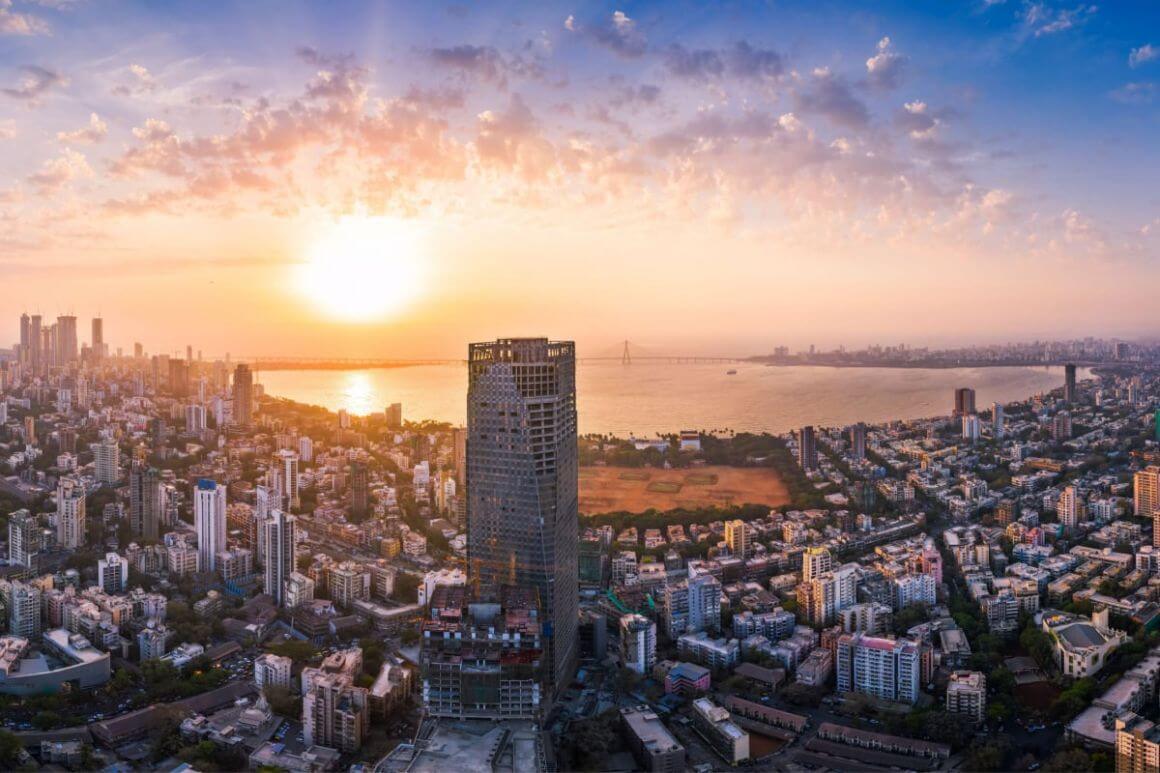
 Find the best Places to Visit in Mumbai.
 Check out our Mumbai Neighbourhood Guide.
 Looking for a bed? We have listed the best Mumbai hostels.
 Our Mumbai Travel Guide will come in useful.
Ajanta & Ellora
The famed cave temples and dwellings of Ajanta and Ellora rival those of Petra… Huge temples and structures have been carved into the rock and occupied by holy sects for centuries, the history here is absolutely fascinating.
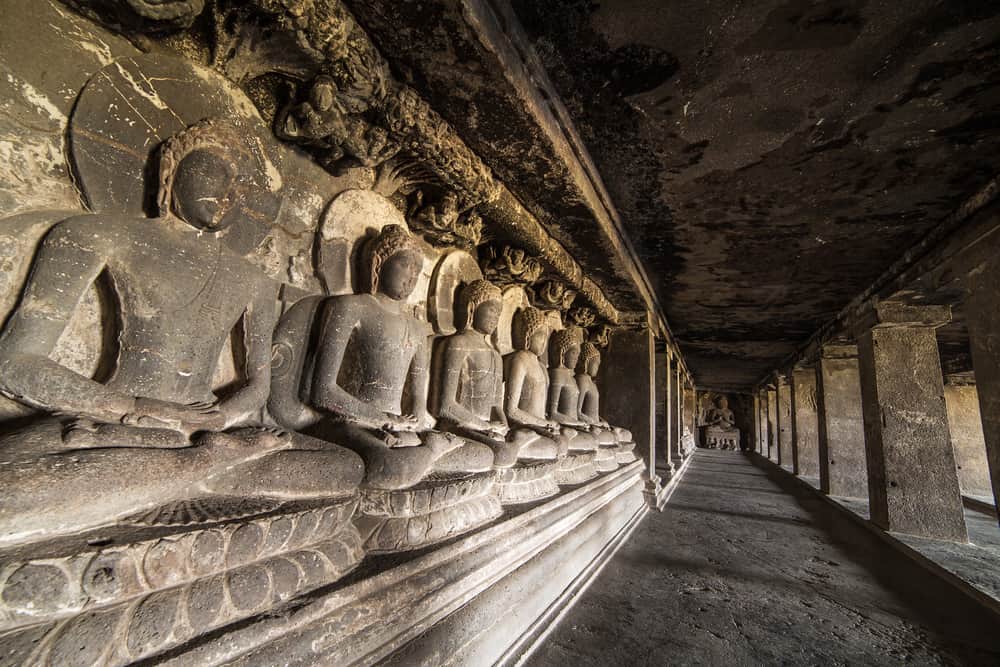
To visit both, you will need to make a base in Aurangabad.
- You’ll need a full day to visit the incredible cave temples of Ellora.
- Be sure to make a stop at the truly awesome ruined fortress of Daulatabad, a place with a bloody and fascinating history.
- On day 2, visit the Ajanta Caves; a collection of thirty Buddhist monasteries carved into a shoehorn of rock sitting above a lush green forest.
- How long? Just the 2 days are enough, there’s really not much to do in Aurangabad.
Nashik
The ghats, stone steps leading down to the river for washing and praying, in Nashik are truly mesmerising and, unlike in Varanasi, there are no pushy touts looking to make a quick rupee from backpackers.
If you are into your photography, Nashik is one of the best places to visit some truly untouched Ghats and to capture scenes of Indian rural life.
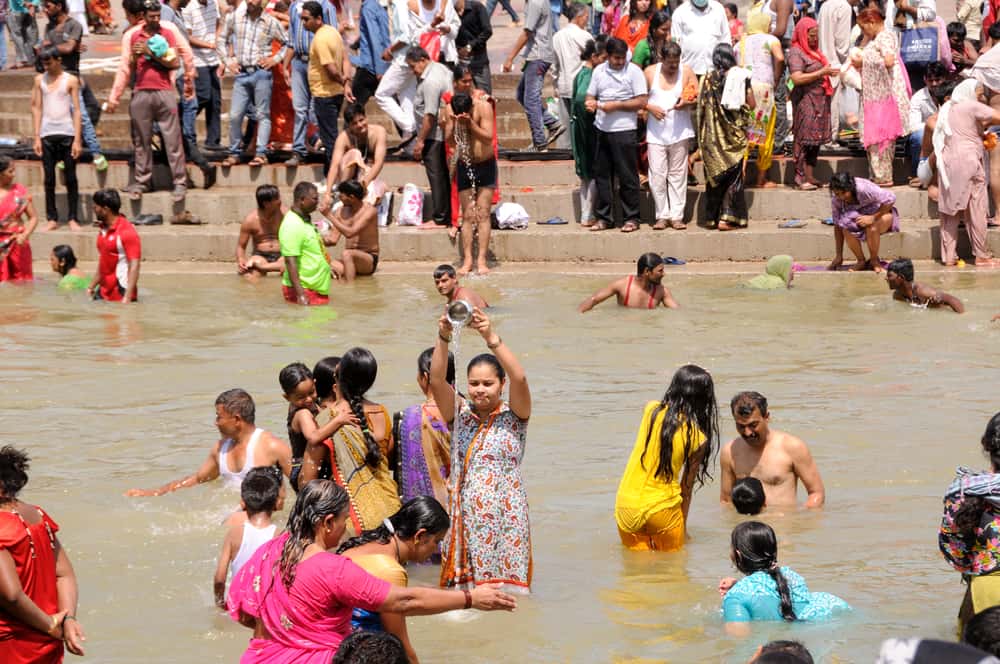
How long? One day in Nashik is enough; besides the ghats there isn’t much to see. I couchsurfed here and found myself in a Brazilian Jiu Jitsu class in the evening… such is travelling in India! If you fancy spending a second day in Nashik, there is a pleasant day hike to Trimbak which is worth checking out.
From Nashik you can arrange a sleeper bus towards Goa, or if you are feeling adventurous catch a train to Gulbarga and then onwards to Bidar and Bijapur, you may have to go via Bombay. I couchsurfed in Nashik.
Goa
Probably the most famous place in all of India and a magnet for hippie wannabes and all kinds of backpacker assholes, traveling in Goa is a complicated, chilled, paradoxical place that is well worth a visit no matter what you hear.
The trick with Goa is choosing where in Goa to stay.
- Baga is for package tourists.
- Anjuna and Arambol for party people.
- Panaji and Margao have more local Goan life and traces of the Portuguese colonial era.
- South Goa for those seeking some peace.
Both Palolem and Patnem in South Goa are pretty relaxed. You can arrange fishing, dolphin watching and kayaking from the beach.
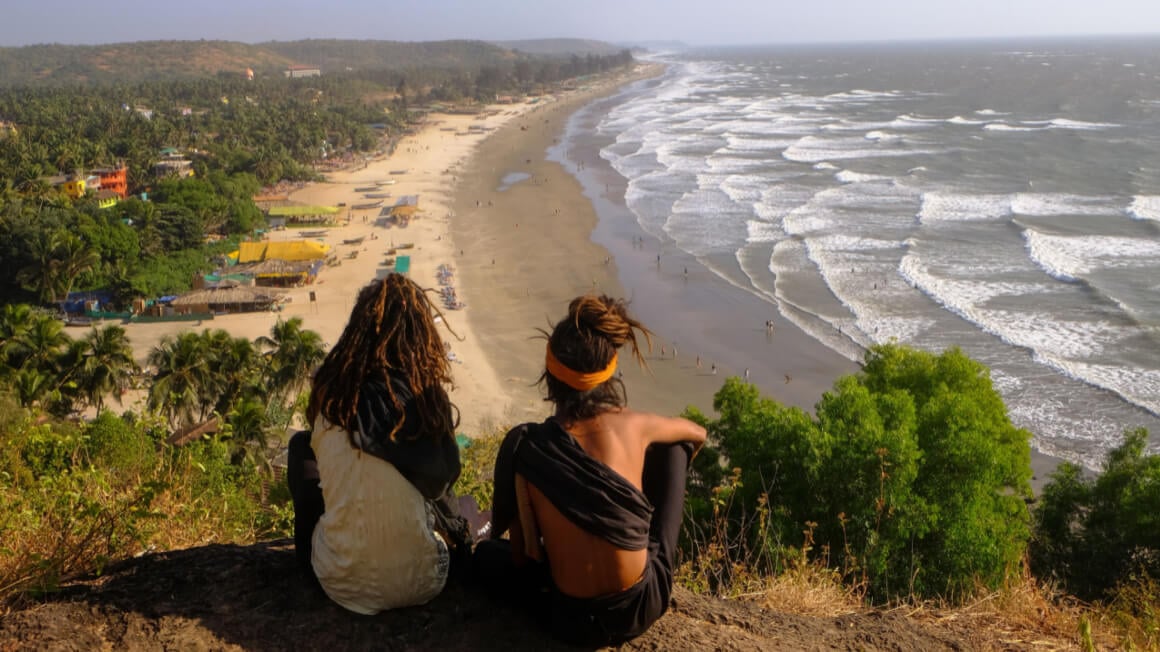
Another beach well worth considering is Arambol beach in the North. It’s a lively, hippy mecca, and you’ll be sure to find some cute Goa Airbnbs and hostels to base in. There are loads of yoga classes and meditations, there are jam sessions every night and shops selling some genuine boutique items as well as the standard backpacker stuff.
There are no big parties in Arambol itself although you can find techno parties at One80 Degrees by the Cliff. Morjim however is a short ride from Arambol and has a number of club nights featuring all kinds of music.
That said, Arambol itself has numerous happenings every single night until around 10:30pm (midnight if its away from then main drag). I recommend attending Ecstatic Dance at The Source and seeing what weird and wonderful stuff is going on at The Love Temple.
The big, wild, legendary Goa parties take place in and around Anjuna & Vagator. There are parties catering to different tastes each night during high season (Dec-March) so if you like commercial, techno, R&B or house you can find it.
However, my absolute premium advice is to attend at least one Goan Trance Party as they are utterly mind-blowing. Try Shiva Valley on Tuesday nights or Shiva Place on Friday, Saturday & Sunday. Hill Top & Origens claim to be “temples of trance” and do attract big name DJ’s, but they are overpriced and soulless.
Another beach well worth considering is Arambol beach in the North. It’s a lively, hippy mecca, and you’ll be sure to find some cute hostels to base in. There are loads of yoga classes and meditations, there are jam sessions every night and shops selling some genuine boutique items as well as the standard backpacker stuff.
If you shop around you can still get a beachfront shack for around 200RS, though prices spike between Christmas and February. There are also a number of trendy eco-resorts in Goa that are worth checking out!
Most restaurants along and around the beach are very similar and do perfectly decent Indian standards as well tantalisingly fresh fish tandooris. Cheeky Monkey has a great fusion menu and the shack next to the coconut seller does amazing thali’s for 100-150RS.
There are no big parties in Arambol itself although you can find techno parties at One80 Degrees by the Cliff. Morjim however is a short ride from Arambol (don’t drink/drug & ride) and has a number of club nights featuring all kinds of music.
That said, Arambol itself has numerous happenings every single night until around 10:30pm (midnight if its away from then main drag). I recommend attending Ecstatic Dance at The Source and seeing what weird and wonderful stuff is going on at The Love Temple.
The big, wild, legendary Goa parties take place in and around Anjuna & Vagator. There are parties catering to different tastes each night during high season (Dec-March) so if you like commercial, techno, R&B or house you can find it.
However, my absolute premium advice is to attend at least one Goan Trance Party as they are utterly mind-blowing. Try Shiva Valley on Tuesday nights or Shiva Place on Friday, Saturday & Sunday. Hill Top & Origens claim to be “temples of trance” and do attract big name DJ’s, but they are overpriced, soulless & shit.
Check out our guide to Goa’s beaches and towns.
What are the best places to visit in Goa?
Find a bed in our Goa hostel guide.
Follow our epic Goa itinerary.
South India
South India moves at a different pace than the rest of the country. It’s greener, calmer, and generally easier to travel than the north. Stretching across Kerala, Tamil Nadu, and Karnataka, this region is all about backwaters, beaches, hill stations, and temple towns.
The food shifts too and you can expect dosas, coconut-heavy curries, and some of the best vegetarian meals in the country.
It’s a great place to slow down whether you’re drifting through Kerala’s waterways, exploring colonial towns, or just recovering from the intensity of the north, though the humidity can be relentless and distances still take time to cover.
Bangalore
Bangalore is something of a boom town in India and has firmly established itself as the centre of the sub-continents mega tech industry. The city is something of a typical modern Indian city; unplanned, chaotic and ugly.
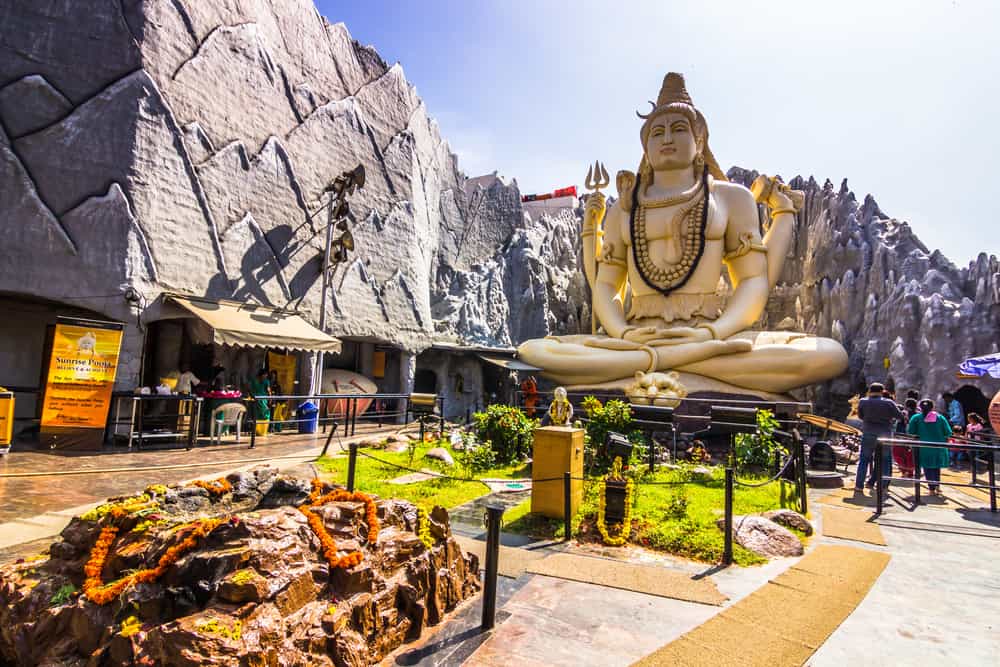
That said it is much more tolerable than Mumbai and Delhi; you will get far less hassle and encounter fewer scams.
Because of its booming tech and business scene, the city also has a young, educated, enterprising crowd who are in many ways the cream of India’s youthful crop. There are lots of micro pubs, some great places to eat, and a few clubs putting on gigs and electronic music nights.
- For a kick ass Mutton Biryani, check out the ever busy and beautifully basic Shivaji Military Hotel in Banashankari.
- For or a classic South Indian breakfast of idli (rice cakes) head to Sree Krishna Kafe in Koramangala.
- If you’re exploring South India then you should consider flying into Bangalore instead of Mumbai. The hostels in Bangalore are way better and international flights are regular and affordable.
- How long? 2-3 days are enough to get your bearings, recover from jetlag and go around a bit.
Bidar
Bidar is one of those places that rarely makes it onto backpacker itineraries, but absolutely should. Tucked away in northern Karnataka, it’s known for its striking Bahmani-era architecture, quiet streets, and a complete lack of tourist crowds.
The fort alone is well worth coming to Bidar for but the city itself does have some other interesting sites and is one of the most important places of pilgrimage for the Sikhs.
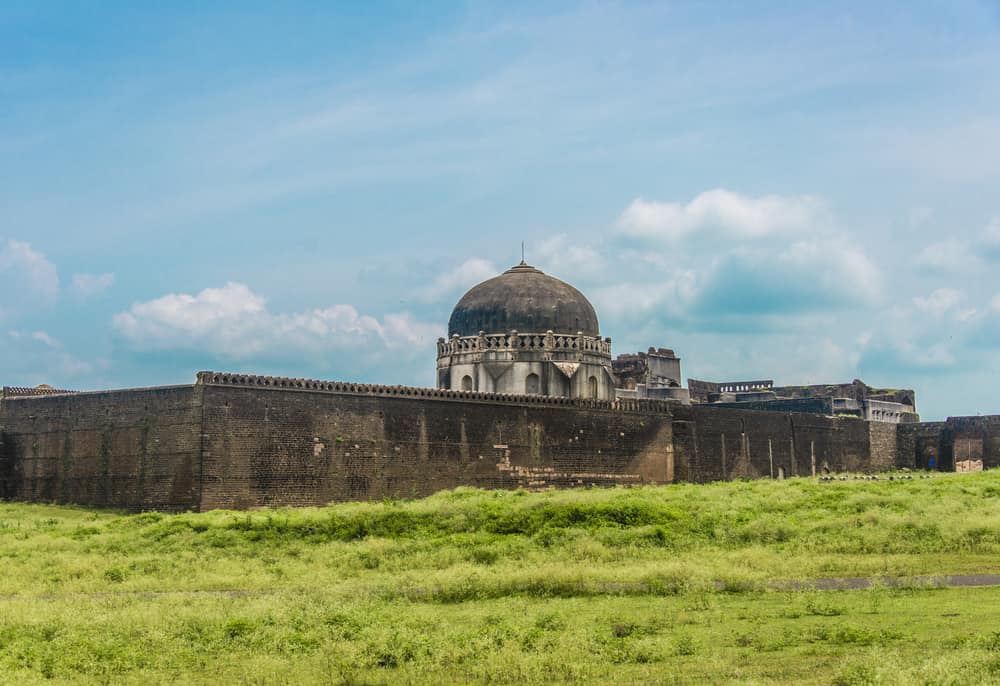
- Explore the Bidar Fort—massive, atmospheric, and largely empty
- Visit the intricately designed Rangin Mahal
- Check out local Bidriware handicrafts, a unique metal inlay art form
- It’s not a place you come for nightlife or cafés—it’s slow, local, and refreshingly untouristy.
- How long? 1–2 days
From Bidar, it’s a seven hour, ass-bruising, bus ride to Bijapur.
Bijapur
Bijapur (officially Vijayapura) is one of those underrated historical cities that barely sees foreign travellers—but is packed with seriously impressive architecture from the Deccan Sultanate era.
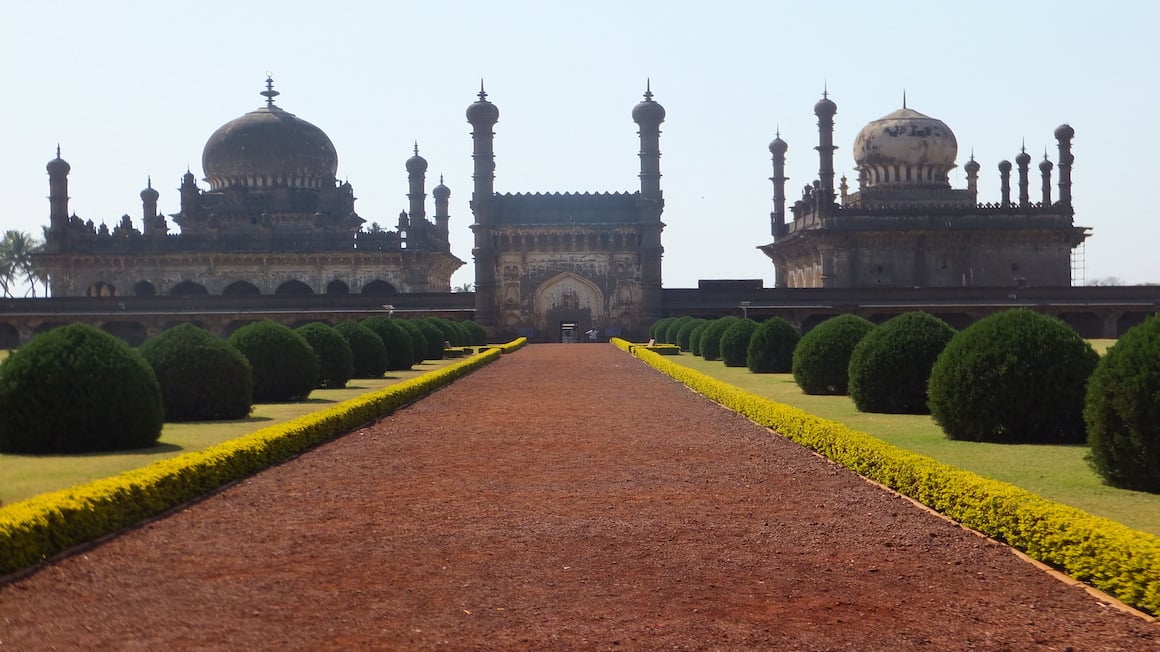
Photo: Will Hatton
Palaces, tombs, gateways, temples and minarets, all carved from solid basalt and covered in twisting vines and flowers.
The architecture in Bijapur is simply stunning and it is widely renowned as one of the most important historical cities in India, despite this it attracts very few backpackers and you are likely to have it all to yourself.
- Visit the massive Gol Gumbaz, famous for its whispering gallery
- Explore mosques, tombs, and ruins scattered across the city
- It’s not polished or tourist-friendly, but that’s part of the appeal.
- How long? A couple of days is adequate time to see all of the sites, it could be done in one single day if you are tired of the heat and are keen to hurry on to somewhere a tad more relaxing.
I recommend staying in Hotel Pleasant Stay. The cheapest accommodation is next to the bus stand – it’s fairly horrible. From Bijapur, catch a bus to Hospet (3 – 4 hours) and from Hospet catch a thirty minute rickshaw to Hampi…
Hampi
Backpacking Hampi is hands-down my favourite thing to do in India. I’ve been a total of five times and, every time, it’s changed drastically. It is famed for its climbing boulders as well as the assortment of ancient temples and Hampi’s primary backpacker area across the river.
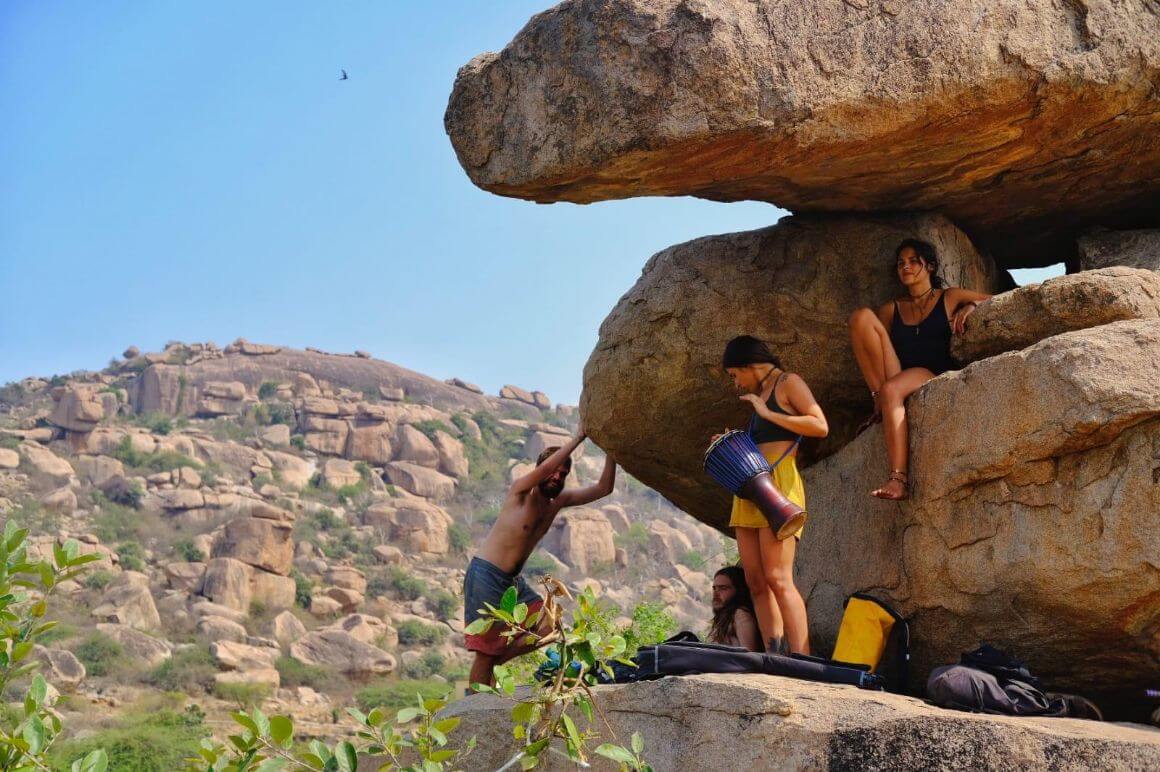
Photo: @elibaaba
Local buses from Hosapete to Hampi begin running at around 7am but expect usual Indian delays. The ride takes 30 to 40 minutes and costs about $0.15.
Tuk Tuk drivers will also lie and tell that you that the buses to Hampi start at 8:00, 9:00 or even that there aren’t any at all to try and get your custom.
- Explore the vast Vijayanagara ruins by a bicycle tour
- Catch sunrise or sunset from Matanga Hill
- Stay across the river for a more chilled, backpacker vibe
- Visit the Sanapur Lake for cliff jumping and swimming
- Take a coracle (traditional circular boat) ride in the Tungabhadra River.
- How long? 3–4 days (minimum)
Scooters can be rented cheaply in Hampi, but aren’t actually necessary. Bicycles can be obtained for cheaper.
Note that in February 2020, the local government totally demolished the entirety of “Hippie Island”. This meant all of the hostels and the entire Hampi backpacker hub disappeared.
The temples are still there, as are the rocks but to be frank, Hampi lost half of its appeal and charm in one fell swoop. Small remnants remain where you can still discover Hampi’s counterculture, but it isn’t what it once was in its prime.
Gokarna
For a taste of ‘Goa before the tourists’, many people backpacking India head to Gokarna. The main beach is quickly catching on and becoming more touristy, much like Goa.
That said, there are plenty of smaller beaches which are only accessible by boat and are home to small communes of hippies.
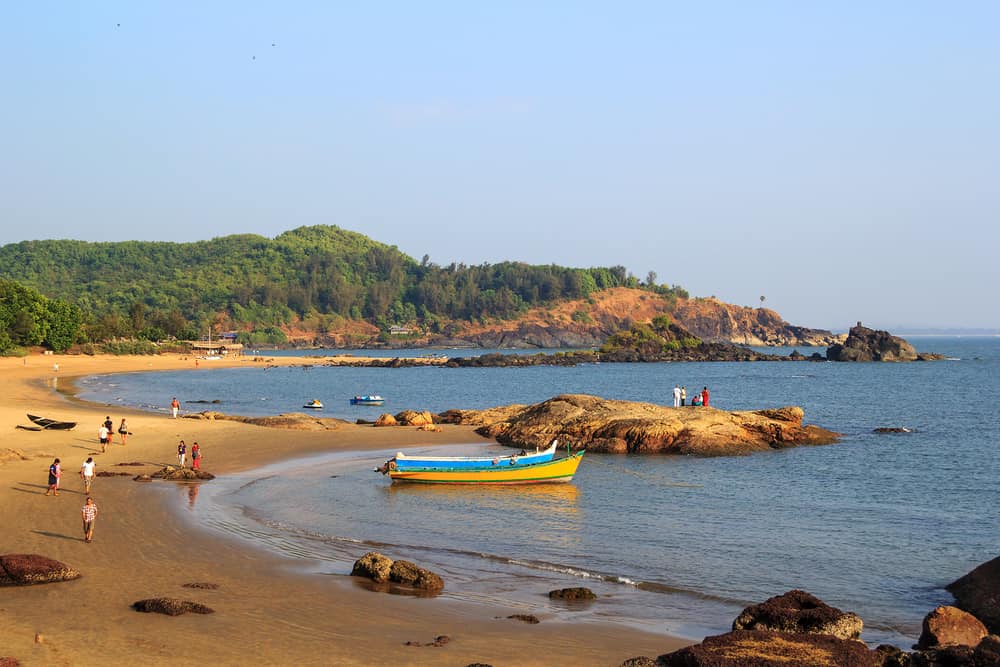
Gokarna is a short(ish) way from Goa and its relatively quiet. Beaches generally act as either a warm up for or come down from the madness of India’s tourism capital.
It’s a classic Indian small town with a few temples, some dirt roads and lots of cows. There are plenty of guest houses, shops, travel agencies and ATM’s to be had here and its worth a look.
- Do the beach trek between Kudle, Om, Half Moon, and Paradise Beach
- By day, play volleyball, explore the temples in the old town or fish upon the high seas.
- By night, discover the real reason that many hippies have moved to Gokarna: a better supply of mushrooms and weed.
The necklace sellers on the beach are mostly young and pleasant but do get annoying. If you don’t intend to buy anything then make it very clear and be firm without been rude. If you say “I may buy later/tomorrow” then they will try to hold you to that.
Snakes are also very common here. I found one, 2 foot long, in my room and saw several small snakes in the jungles immediately surrounding the beach. The local staff told me they’re not poisonous but Google tells me there are some cobras around.
The beach dogs are very friendly and the beach cows are generally harmless, but may try to eat your belongings. Remember, these animals are sacred in Hindu culture so respond accordingly if this happens.
Kodagu
A six hour bus journey from Bangalore lies the largely unexplored Kodagu region. This is real exploring territory.
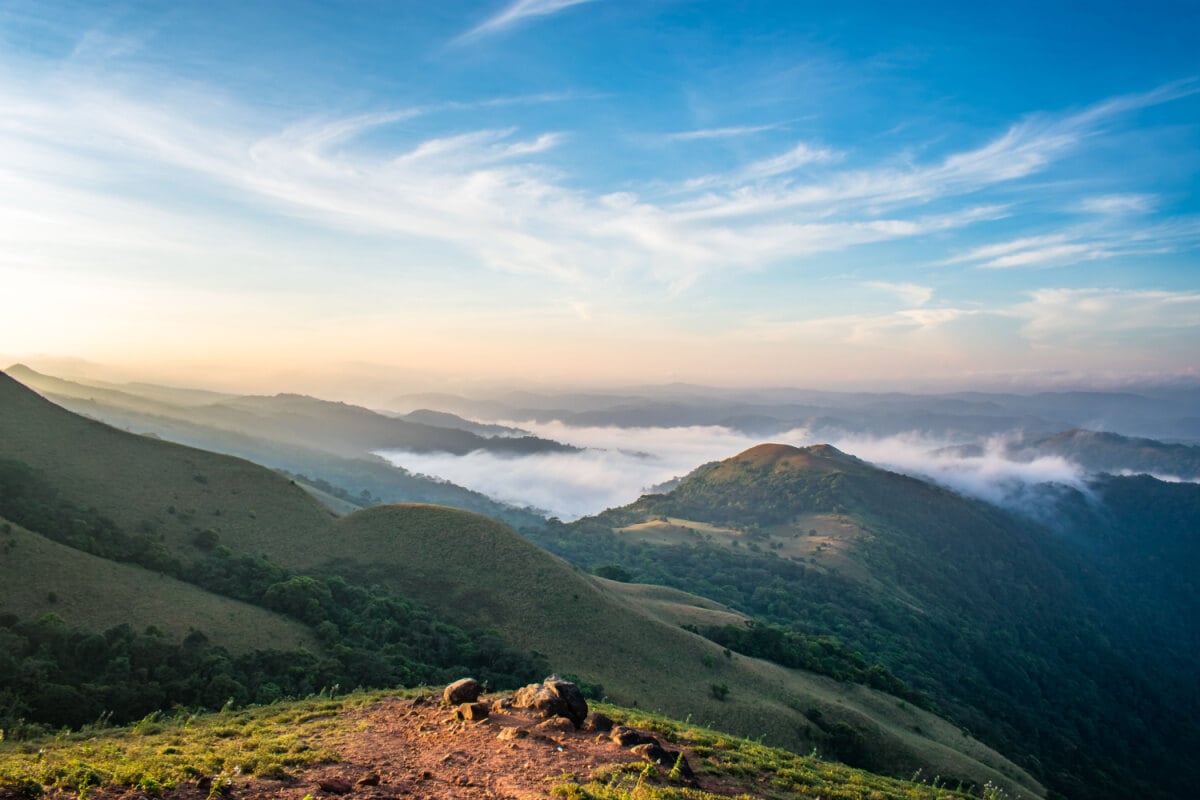
Kodagu feels like a different side of India altogether—lush, quiet, and centred around rolling coffee plantations instead of chaos. It’s one of the few places where you can genuinely slow down early in your trip.
- Stay in a coffee estate homestay for a more local experience
- Go for short hikes and waterfall visits around the region
- Try fresh filter coffee straight from the source
- From Madikeri it is worth taking the hour long bus to Bylakuppe to visit a Tibetan colony.
- How long? 2-3 days
A bus to Mysore from Kodagu takes about four hours. Kodagu is perhaps one of the top romantic destinations in India.
Mysore
Mysore is a truly ancient city and it still has a real feel of the British Raj about it. Mysore is, hands down, my favourite city in all of India…
Saying that, it’s still a city in India and so you might want to do a runner after a few days to the more chilled out coast.
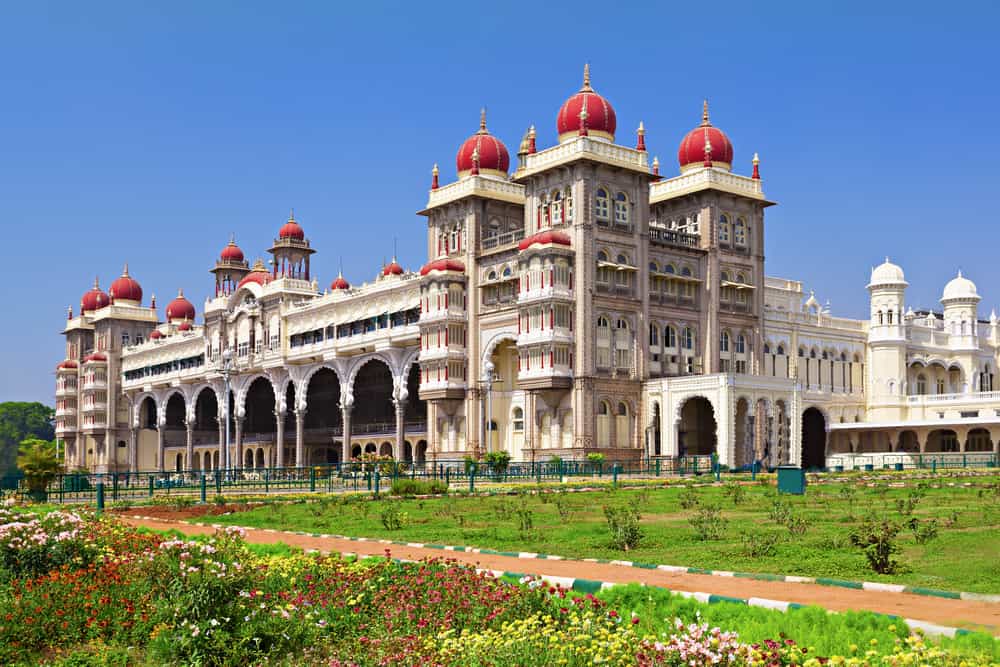
- You should definitely visit Chamundi Hill, climb the thousands of steps if you fancy a workout.
- The imposing Mysore Palace is well worth an afternoon.
- If you can find them, there is world of underground parties in Mysore by night.
- Srirangapatna makes a great day trip from Mysore.
- How long? 2-3 days (probably longer if you’re able to find the underground parties!)
Fort Kochi
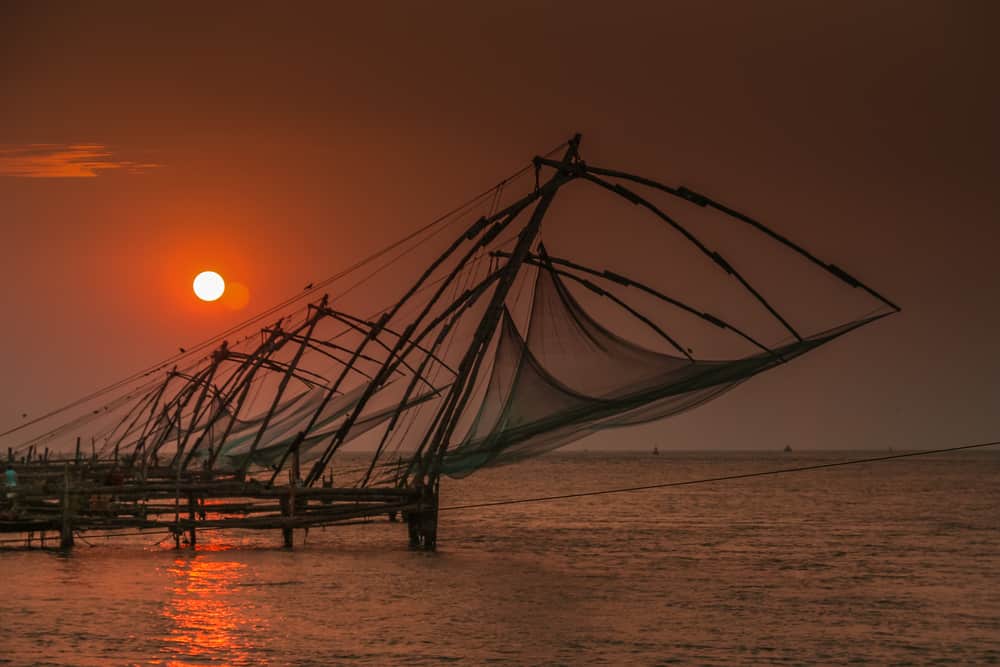
Famed for the ancient Chinese fishing nets lining the shore, Fort Kochi is a great place to chill out for a couple of days.
Think laidback beach vibes, plenty of delicious seafood, and lots of opportunities for colourful travel photography.
- The Kochi-Muziris Biennale happens every two years between December to April and is well worth a visit.
- Buy some delicious local catch at the fish market
- Get a traditional Kerala ayurveda massage.
- How long? 2-3 days, but more if the Biennale is on.
To get away from Fort Kochi, you must first travel to Ernakulam so that you can catch onwards transport (two hours by bus) to Alleppey.
Alleppey
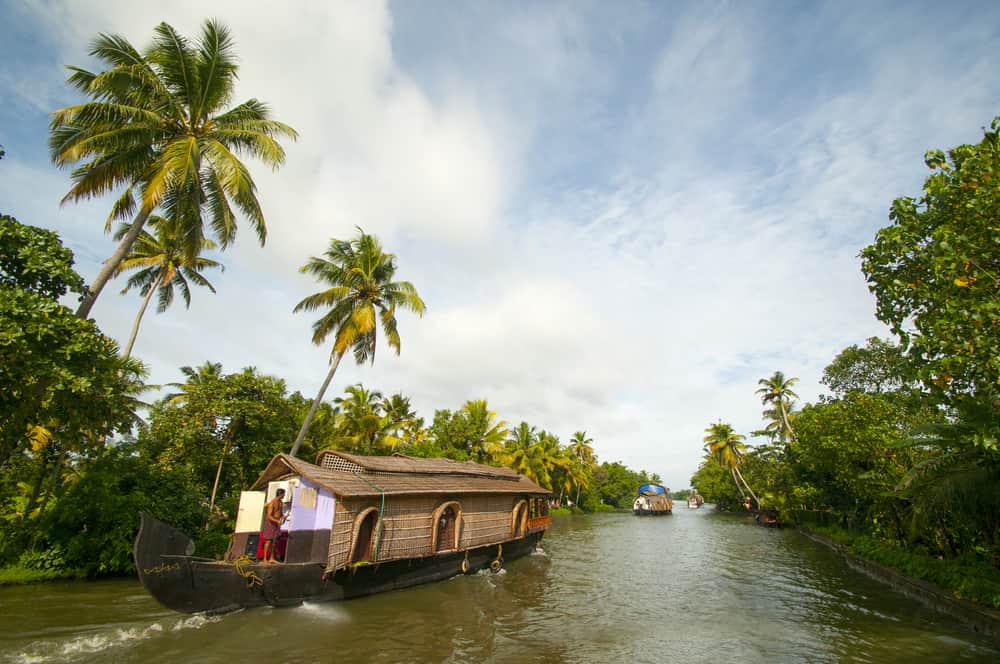
There’s only one real reason to come to Alleppey when backpacking India… to arrange a trip on a houseboat and explore the backwaters.
A three day, two night jaunt is the standard and when haggling for the rental make sure food is included in the price. There are hundreds of houseboats so take your time choosing and make sure to haggle.
- If you do end up having to stay in the town there is a YMCA.
- Just outside of Alleppey is a little known but very beautiful stretch of beach and some interesting villages easily explored by bicycle.
- How long? 2-3 days.
To reach Alleppey, you must first travel to Ernakulam from Fort Kochi to catch onwards transportation.
Munnar and Periyar
By now, it’s probably time to take a break from the coast, and head inland to Kerala’s hills. Munnar and Periyar are all about greenery, fresh air, and rolling tea plantations in one direction, dense jungle in the other.
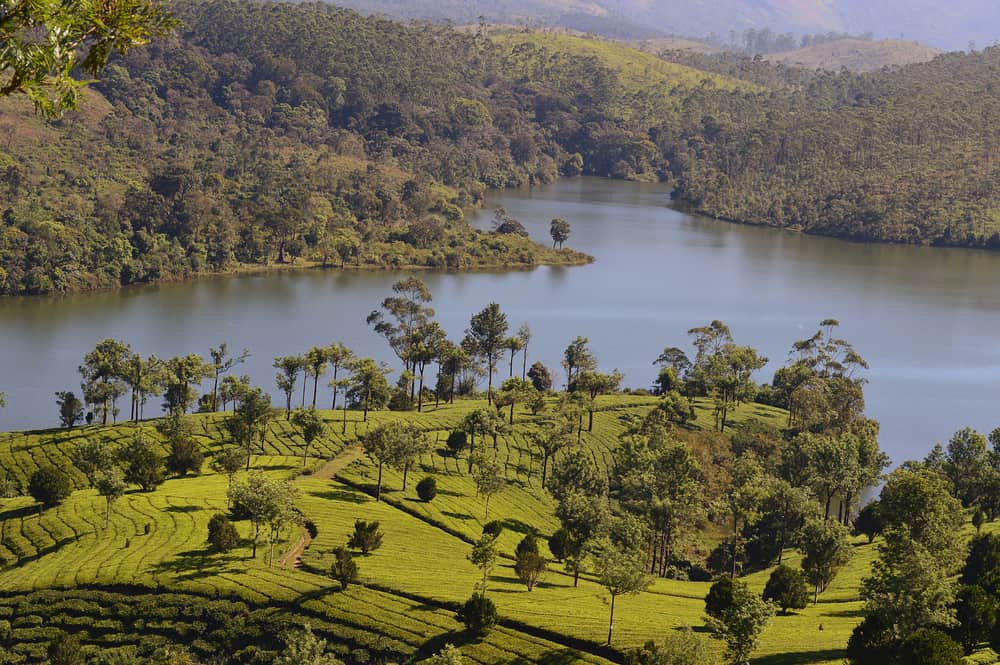
- In Munnar, explore endless tea estates, viewpoints, and cool mountain weather
- In Periyar (Thekkady), go for wildlife walks or boat safaris in the reserve
- Great for hiking, nature, and switching off for a few days
- How long? Bank to spend a week between Periyar and nearby Munnar as you cycle, hike and drink way too much coffee.
Bank to spend a week between Periyar and nearby Munnar as you cycle, hike and drink way too much coffee. There are buses to Periyar from both Ernakulam and Alleppey.
Backpacking Varkala
Varkala is one of the few places in India where cliffs meet the sea—and it’s easily one of the best spots to slow down by the beach without the full chaos of Goa.
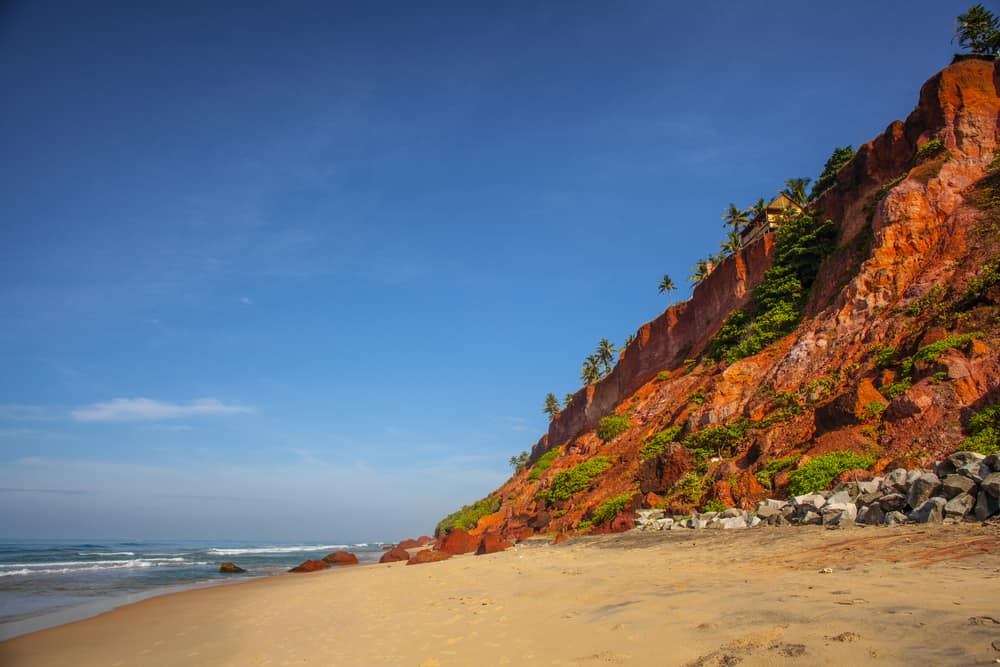
The coastal town is reachable by train from Alleppey (three hours) and the train line does in fact run all the way to Bangalore. Varkala is a lovely stretch of sand and restaurant shacks but sadly suffers from a crowd of rather pushy shop owners.
- Chill along the cliffside cafés with views over the Arabian Sea
- Swim and surf at Varkala Beach and catch some of the best sunsets in South India
- Plenty of yoga spots, cafés, and guesthouses for longer stays
If you have your own transport, you can explore some of the surrounding, quieter, beaches where it’s possible to camp without being bothered…
Getting Off the Beaten Path in India
Whilst India has been popular for decades, it is an insanely massive county and therefore getting off the beaten path is a lot easier than you would imagine. There is so much more to India than the Golden Triangle route that most first-timers take.
For example even tried and trodden Rajasthan has hidden gems like Bundi just a 4 hour bus ride away from Jaipur.
In Goa, it is simply a case of getting a bike and driving inland to explore the forest and villages that other tourists never get to.
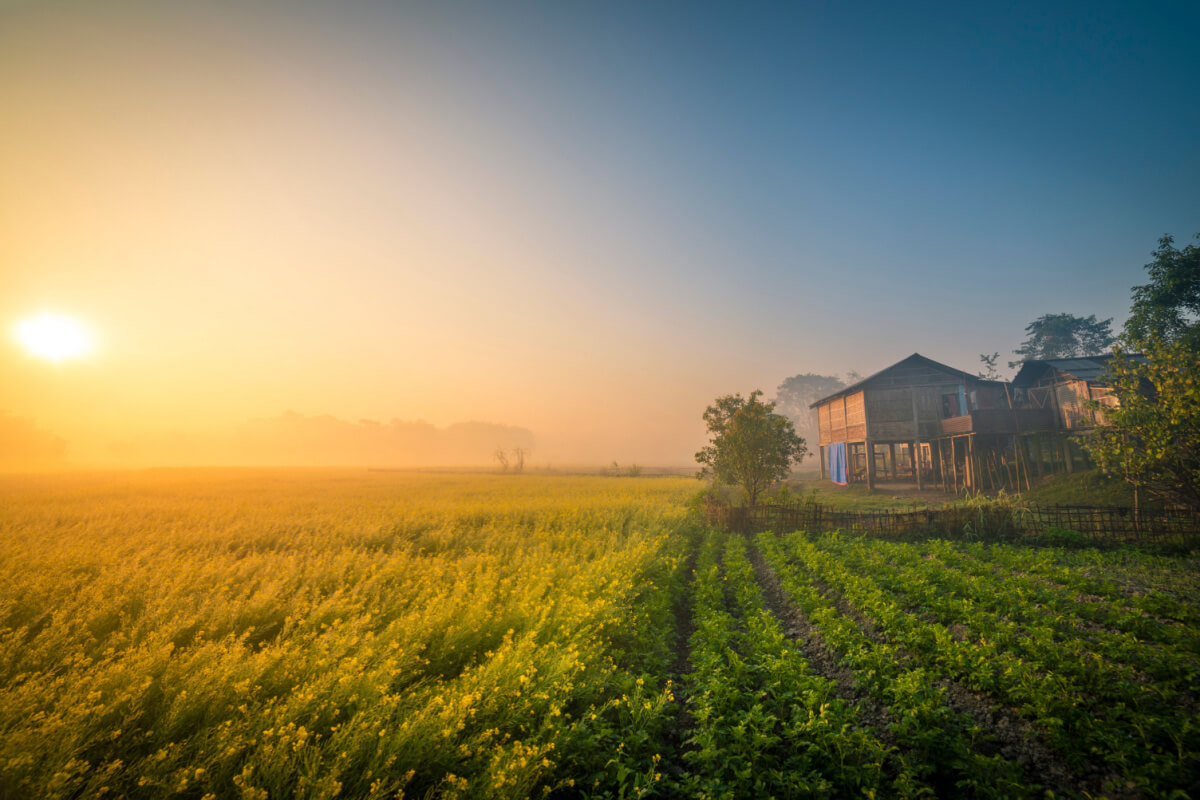
Or you can go to places most tourists simply never make it to.
Northeast India is like a country within a country, giving all the vibes of Southeast Asia while still in India. Majuli Island, one of the world’s largest river islands, is a standout, though erosion means it’s literally disappearing year by year. Nearby, Kaziranga National Park is one of the best places in the world to spot wild one-horned rhinos.
If you’re craving Indian islands, the Andamans feel a world away. Think clear water, white-sand beaches, spectacular diving and snorkelling, and far fewer crowds than you’d expect. They take effort (and lowkey pricey flights) to reach, but that’s exactly why they’ve ben spared from the worse of mass tourism.
Along the east coast, Odisha delivers one of India’s most incredible wildlife spectacles: the mass nesting of Olive Ridley turtles, where thousands come ashore at once during the season. If you time it right, festivals like the Mayurbhanj Chhau showcase powerful masked dance traditions that you’re unlikely to see anywhere else in the country.
While Mumbai itself is too chaotic for me, the state of Maharashtra does have some fantastic, lowkey beaches that will show you what seaside life in India used to be before mass tourism.
Guhagar is perhaps my favorite beach in the country that you’ll have all to yourself during the day. While you’re in the state, you can stay in Mahabaleshwar and enjoy epic sunset views from the killer vantage point at Wilson Point.
Meanwhile Tilmati Beach (near Karwar in Karnataka, another offbeat town worth checking out) is a rare black sand beach only known to locals and fishermen.
Up in the mountains, if Ladakh feels too “discovered,” push further into Zanskar Valley, a remote, rugged region where the landscapes feel even more untouched.
India is a truly weird and wonderful country, travelling here is totally unlike travelling anywhere else – this is a subcontinent comprised of 28 states and 8 union territories, each of which could be its own country.
When backpacking around, you will be assailed on all sides by mind-boggling sights, sounds, smells, and tastes…
Here are a few must-try experiences whilst travelling in India…
1. Try the street food
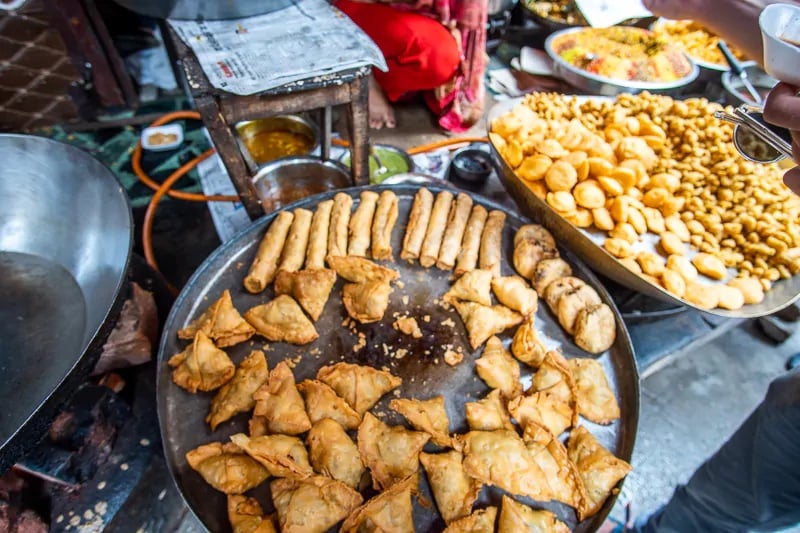
Image: Samantha Shea
Eating plenty of Indian street food is one of the best ways to stretch your budget and you can pick up meals for as little as 10RS in some places…
Indian street food can be truly fantastic; I highly recommend Masala Dosa but Pokhara’s, Paaj Bhuri & Fried Chillies are also delicious. Try to pick a vendor with lots of Indian customers, they usually have the best food.
2. Visit a Hindu temple
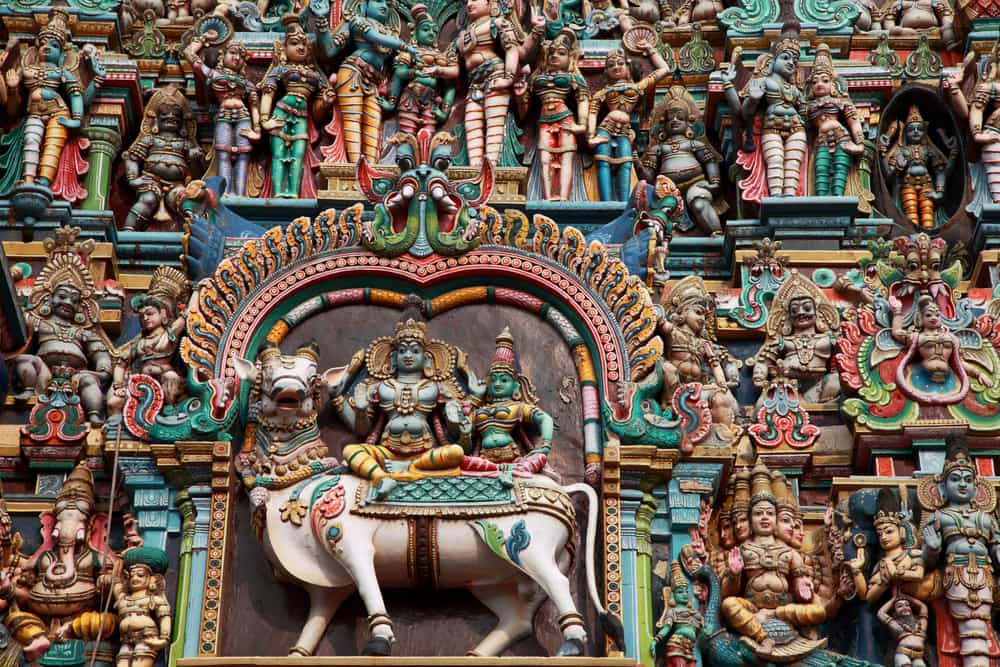
Yes the Taj Mahal is a must see, but India is absolutely full of other stunning mausoleums, shrines, and temple ruins, many of which never make the news.
My favourites are in Khajuraho and Hampi, but it’s not just the ancient temples that should appeal.
For a taste of something a little bit different, check out a Hindu temple that is still running; some of the best ones are in Udaipur.
3. Couchsurf with the Sikhs
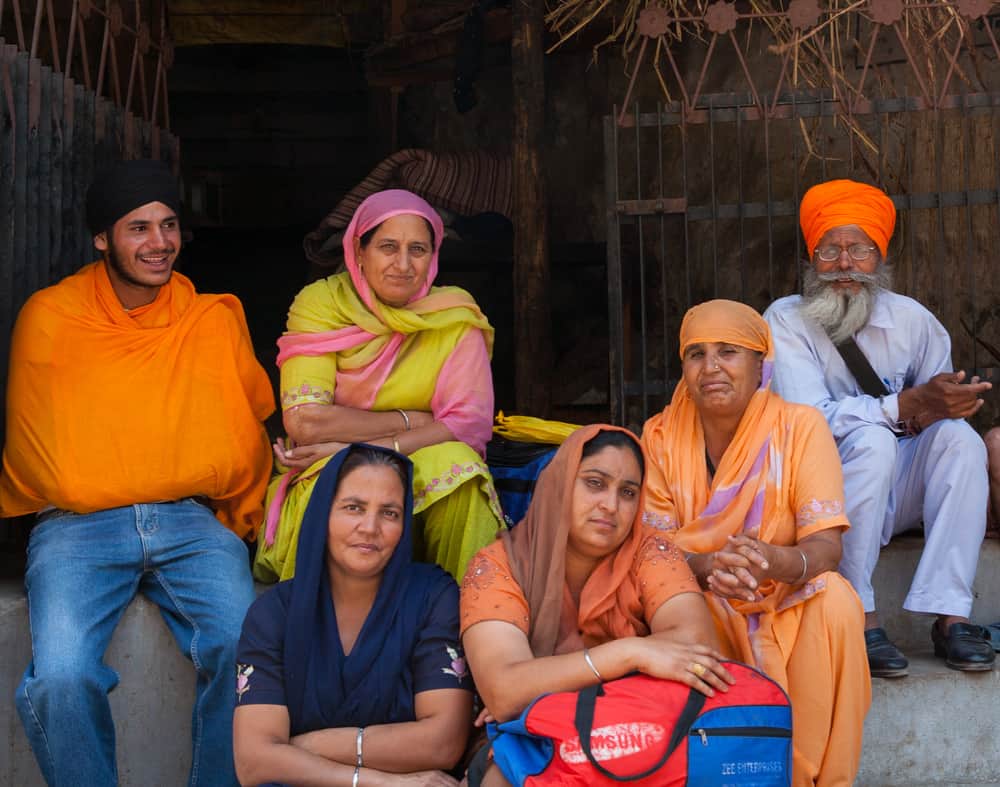
Couchsurfing in India is a great way to keep the cost of traveling in India low, and to get to know the local people. The Sikhs are some of the most hospitable people in India and whilst travelling in India I was frequently invited to stay by turbanned fellows sporting mighty fine mustaches.
These guys were almost always unbelievably hospitable and kind. Turn to Couchsurfing to help keep your costs down whilst backpacking in India.
4. Explore the East
While most travellers plan to stick to North India or South India, the country has a massive East Coast (plus the 7 states that make uo Northeast India) that few foreigners make it to.
The hub of the east is undoubtedly Kolkata, a fantastic city where you’ll likely be one of only a handful of other backpackers.
The states of Tamil Nadu and Odisha are both quite unique in their own way, and are definitely worth the trip if you’re truly committed to travel India as authentically as possible.
5. Attend a festival
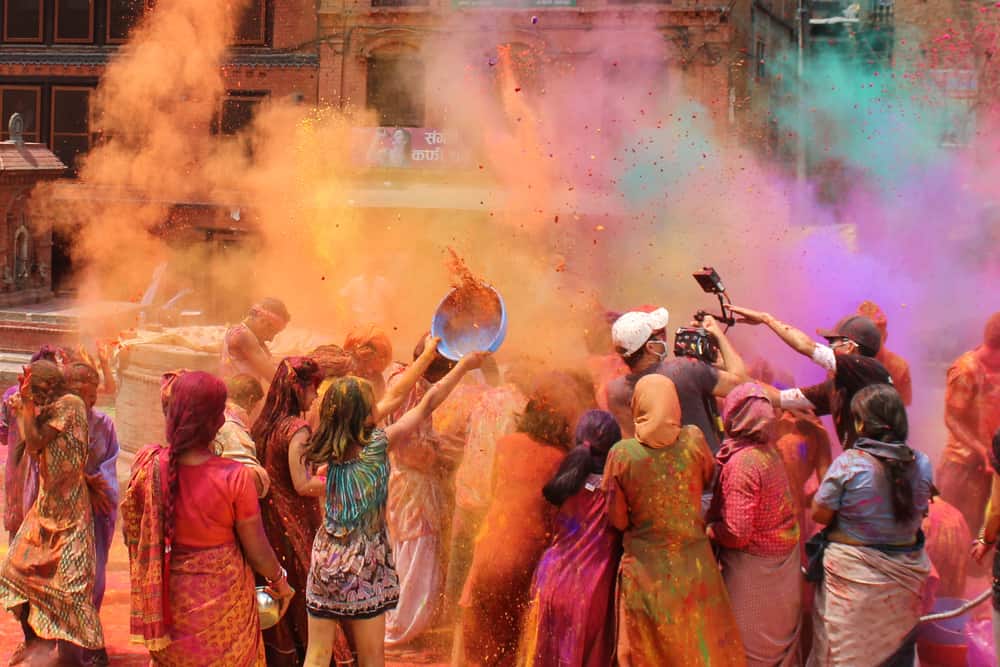
India is world-famous for its truly amazing festivals, my favourites of which are Diwali, the festival of light and Holi, the paint-throwing festival, one of the most famous festivals in the world.
Even so, a festival of some kind should be on your India itinerary.
6. Travel India with your own transport
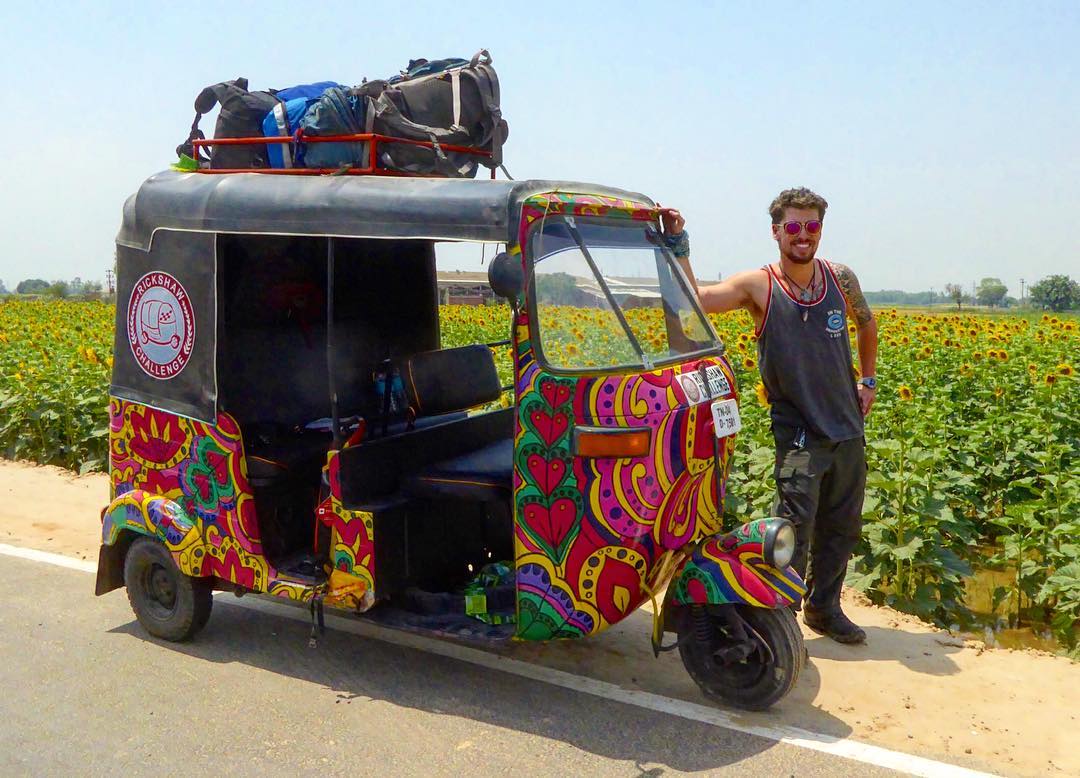
The best way to see the real India is to travel with your own transport. I’ve motorbiked extensively across India and, more recently, drove a rickshaw 2500km across the country.
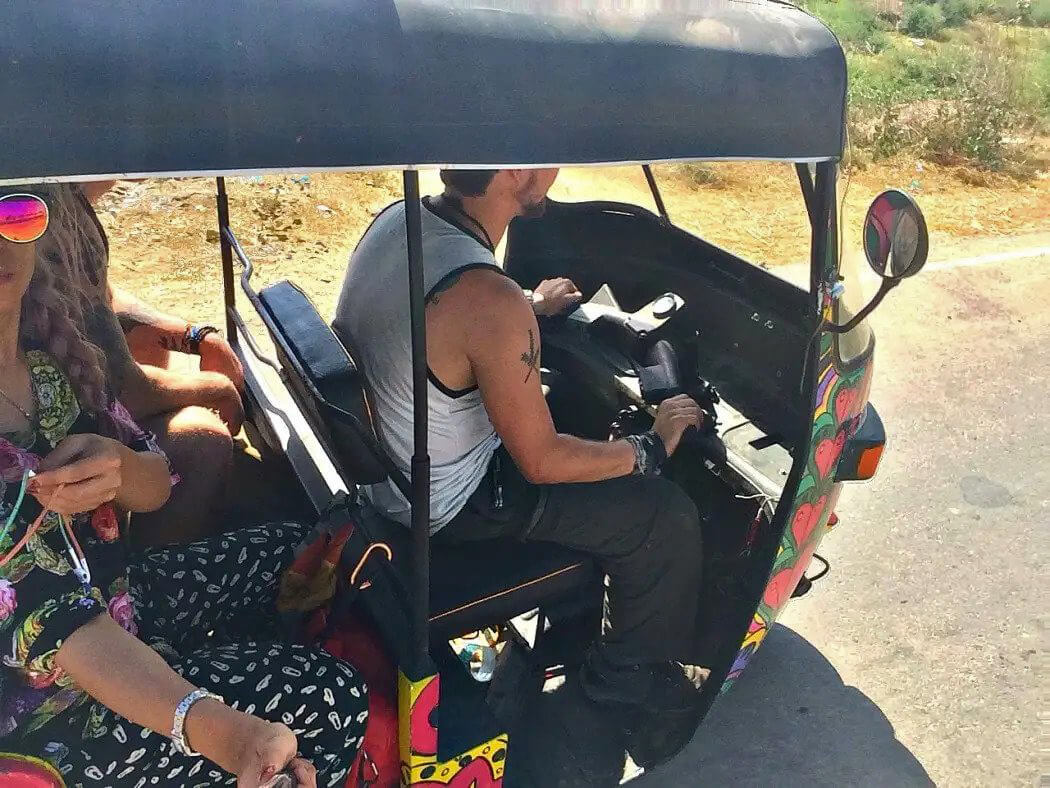
Even if you just hire a scooter for a day, travelling with your own transport in India is the best way to peel back the layers and get to grips with this amazing country.
7. Get off the beaten path
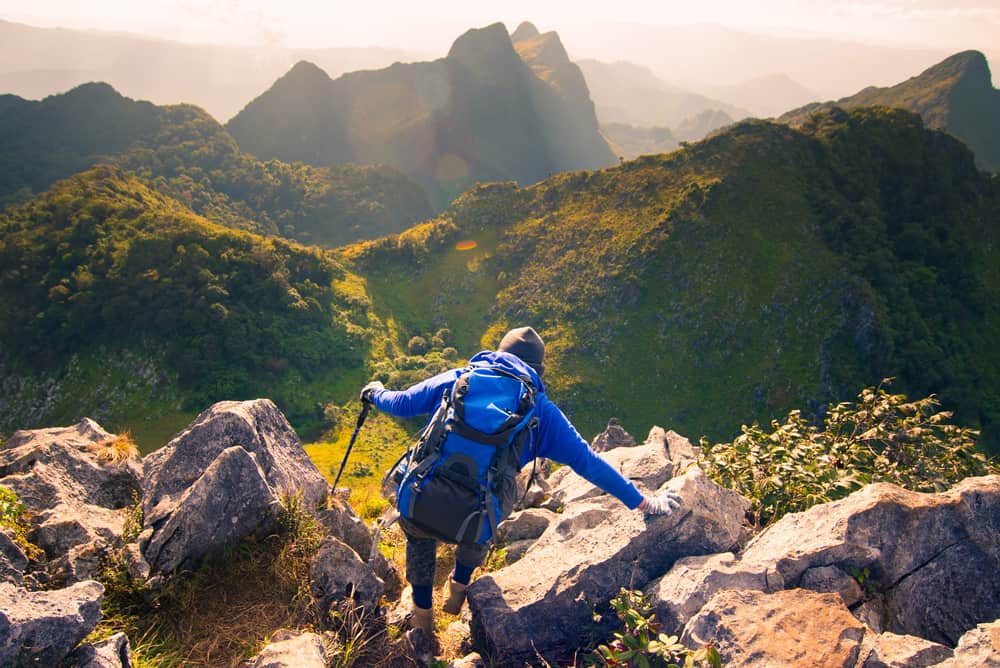
The backpacker enclaves of sleepy little Hampi, Goa and Manali are always full of backpackers chatting shit about how much they love India… the only thing is; this isn’t the real India.
The real India can be tough, it can be challenging but it is also one of the most rewarding budget travel destinations in the world. Furthermore, if you take the time to get off the beaten track, to hit the road and to go on a proper adventure you won’t regret it.
Best of all, when the real India has tired you out, then you can make a run for one of the backpacker enclaves… lucky you’ll never run out of epic places to visit in India.
8. Party in Goa
Experiencing Goa’s insane nightlife is must for your India itinerary. Yes, it’s popular, yes, it can be a bit touristy.
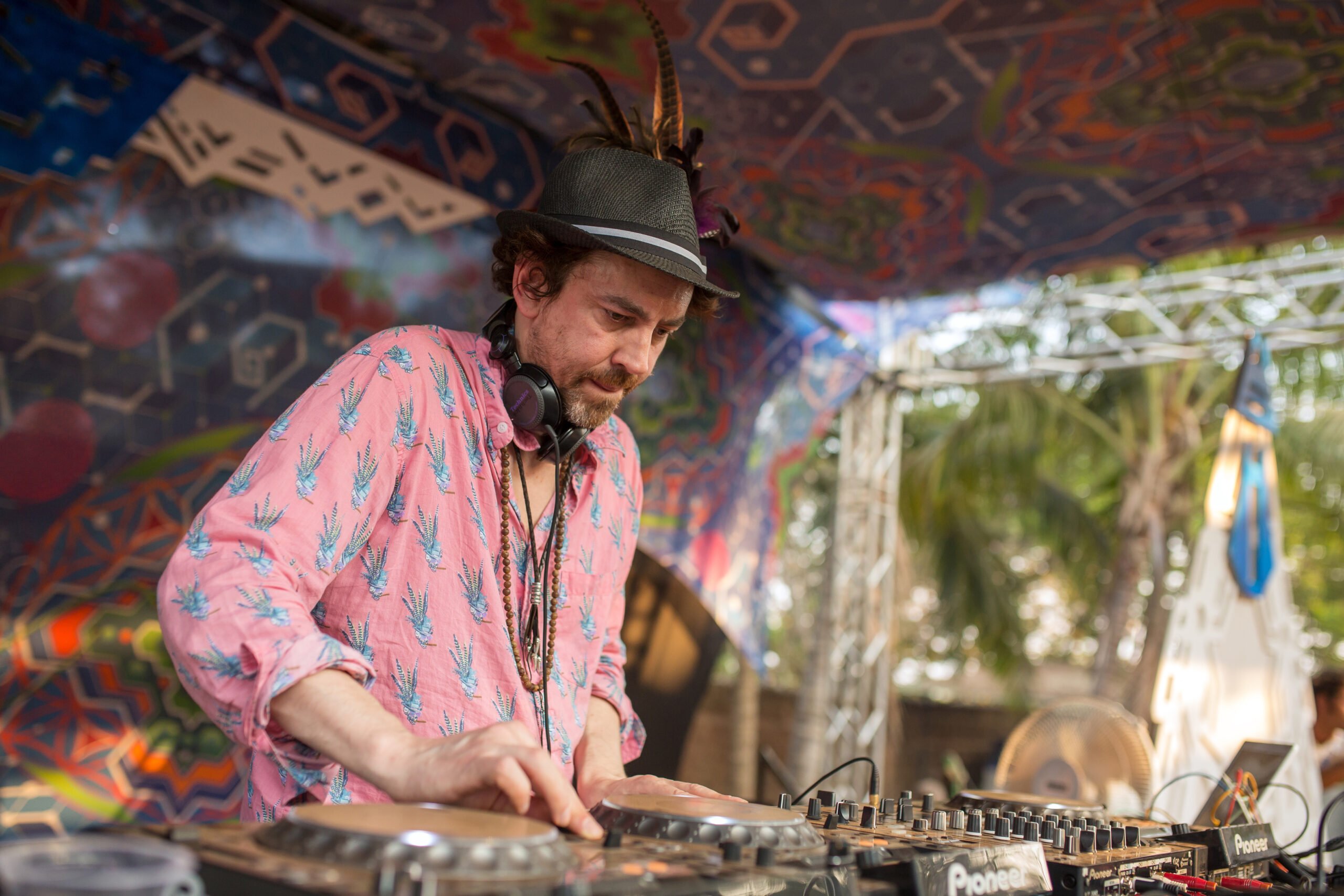
But trust me when I say you haven’t been to a party until you’ve danced the night away at a psy trance party.
9. Take a hike
India is home to the majestic Himalayas, and the trekking opportunities are endless. While not quite as awe-inspiring as neighbouring Pakistan, you can find some pretty epic views all over the North of the country.
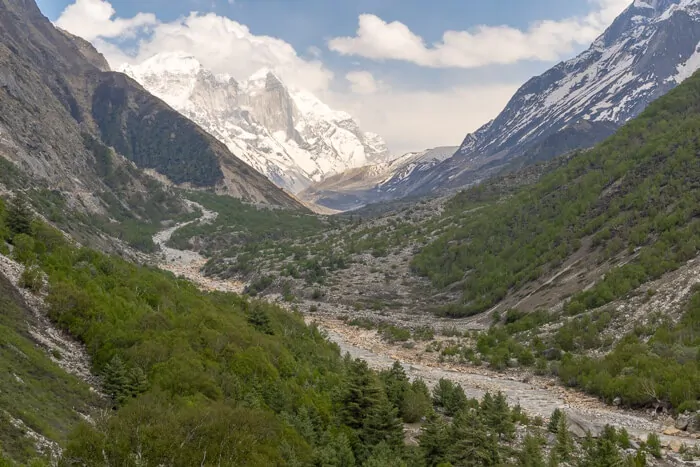
Credit: @intentionaldetours
India has some absolutely world class trekking op’s up in Himachal Pradesh, Uttarakhand (the Gaumukh Trek takes you to the start of the Ganges) and Ladakh.
Alternately though you can also find ample–though more restricted–opportunities in if you visit Kashmir and/or Sikkim.
10. Explore Little Tibet AKA Spiti Valley
Spiti Valley is one of the most unique places you can visit on an India backpacking trip. It’s quite a small region, yet it will truly make you feel like you’ve left India altogether and crossed the border into Tibet.
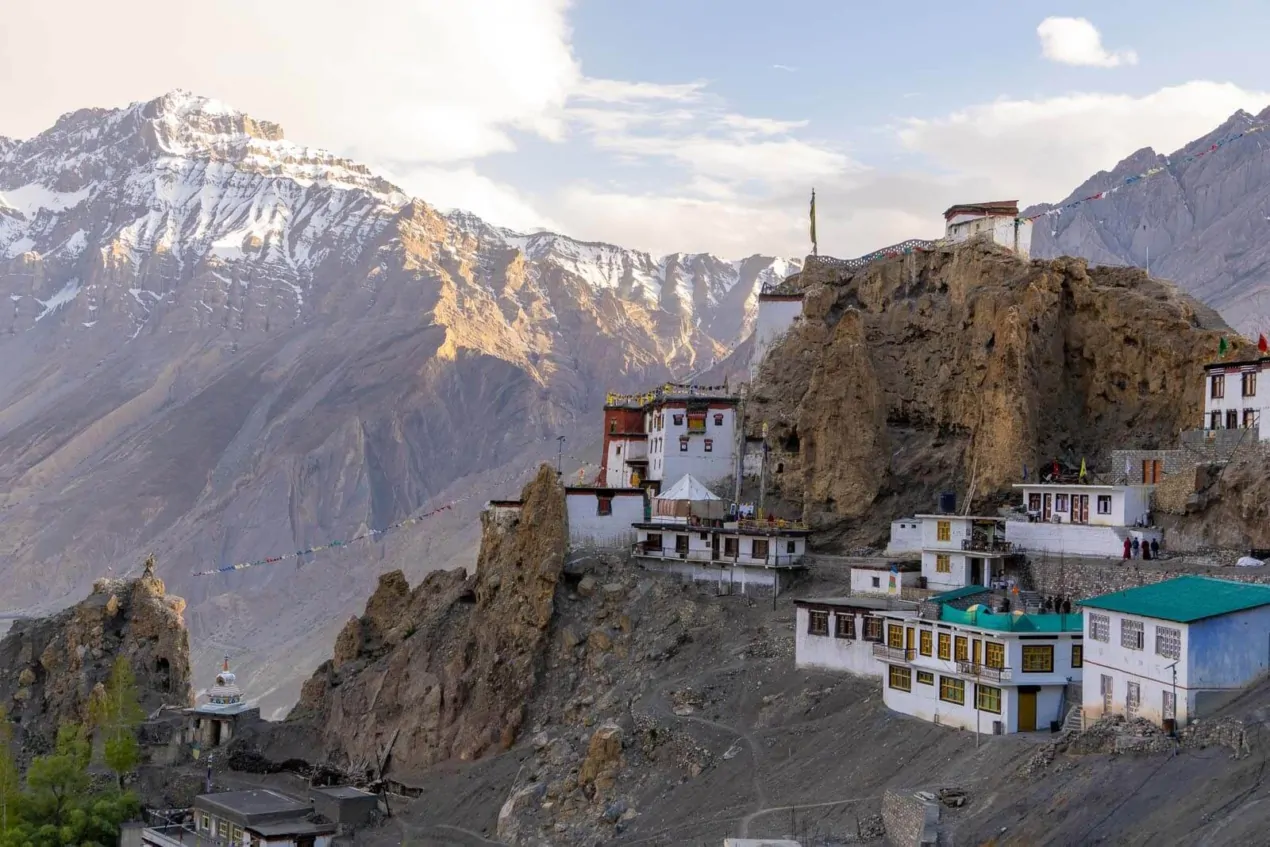
Photo: @intentionaldetours
Locals are Tibetan, practice Buddhism, and their language is almost identical. It’s in Spiti where you can find the oldest monastery in all of India.
This high-altitude region is similar to Ladakh, but is very much its own. Even if you plan to head towards Leh, a week in Spiti is one you won’t soon forget.
Backpacker Accommodation in India
When I first went backpacking in India, hostels did not yet exist. Instead, there were mostly cheap hotels and guesthouses available.
This is still largely true but there are now many high-quality backpacker hostels throughout India.
Guesthouses and commune-style accommodation can be a great experience as well; I’ve stayed in some amazing places and ended up enjoying it so much that I stayed for weeks at a time. With an increasing number of eco-resorts popping up as well, you’ll be spoilt for choice.
There is a lot of commune-style accommodation around; it tends to attract plenty of wannabe hippies but don’t give up if your first experience isn’t great, try a few of them to see if you can find a place with a vibe to suit you. Zostel Hostels is a decent backpacker hostel chain worth checking out.
The Best Places To Stay in India
| Destination | Why Visit! | Best Hostel / Guesthouse | Best Private Stay |
|---|---|---|---|
| Delhi | Rich history, diverse culture, vibrant markets, iconic architecture, culinary delights. | Joey’s Hostel | Hotel Shanti Plaza |
| Varanasi | A Spiritual hub on the Ganges, rituals, ancient temples, mystical atmosphere. | Madsquad Varanasi | Gully Ghar |
| Khajuraho | UNESCO World Heritage exquisite temples adorned with intricate erotic sculptures | Moustache Khajuraho | Aarambh Residency |
| Agra | It’s where the bloody Taj Mahal is! | Joey’s Hostel Agra | The Coral Court Homestay |
| Jaipur | The Pink City boasts majestic forts, vibrant culture, historic palaces, and a shopping paradise. | Moustache Hostel | Hotel Arya Niwas |
| Pushkar | The charms of Pushkar lie in its sacred lake, spiritual aura, and vibrant camel fair. | Banana Hostel Pushkar | Kanhaia Haveli |
| Bundi | Step into Bundi’s timelessness with its ancient forts, step wells, and Rajput architecture. | Zostel Bundi | Bundi Inn |
| Jodhpur | The blue city of Jodhpur boasts majestic forts, cultural richness, desert landscapes, and royal heritage. | The Hosteller Jodhpur | Dev Kothi – Boutique Heritage Stay |
| Jaisalmer | The Golden City boasts a majestic fort, sand dunes and vibrant culture. | Moustache Jaisalmer | The Secret House |
| Udaipur | Udaipur enchants with its lakes, palaces, heritage, romance, and scenic beauty. | Dreamyard Udaipur | Madri Haveli |
| Mumbai | Mumbai is a bustling metropolis with diverse culture, Bollywood, historic landmarks, and awesome nightlife. | Namastey Mumbai Backpackers | Penthouse |
| Aurangabad | Aurangabad boasts the Ajanta and Ellora Caves, rich history, and architectural marvels. | Zostel Chhatrapati Sambhajinagar | Nature’s Paradise- KDR Farms |
| Nashik | In Nashik, find ancient temples, vineyards, spiritual significance, scenic landscapes, and religious festivals. | Raahgir | Root Farms Cottage |
| Hampi | In Hampi, you’ll find ancient ruins, stunning landscapes, historical significance, and vibrant bazaars. | Zostel Hampi | Nyoka Hampi |
| Goa | The party capital of India. It’s got insane beaches and a fun vibe. | The Hosteller Goa | Jungle cabin with shared pool |
| Rishikesh | Experience a spiritual retreat, the yoga capital, Ganges banks, and serene Himalayan foothills. | Joey’s By The Ganges | Joey’s Homestay |
| Amritsar | Explore the Golden Temple, Sikh heritage, vibrant culture, and culinary delights. | goSTOPS Amritsar, Chatiwind Gate | Hotel Exotic |
| Dharamshala | You’ve got Tibetan culture, scenic beauty, spiritual retreats, and the imposing Himalayas. | The Hosteller Dharamshala | Buddha House Himalayan Brothers |
| Manali | An adventure hub with scenic landscapes, snow-capped mountains, and fascinating culture. | Joeys Hostel Manali | Drifters Inn – The Hidden Tribe |
| Kasol | Picturesque landscapes, a hippie culture, trekking trails, a peaceful ambiance, and nature’s bliss define Kasol. | The Hosteller Kasol Riverside | Himalyan hideout |
| Leh and Ladakh | In Leh and Ladakh, discover pristine beauty, rugged terrain, Himalayan adventures, and unique culture | Rainbow Hostelier | Morning Sky Guest House |
| Srinagar | Check out Dal Lake, Mughal gardens, houseboats, stunning landscapes, and cultural diversity. | Whostels Srinagar | Houseboat Old Palace |
| Bangalore | In Bangalore, explore this tech hub with beautiful gardens, culinary delights and a pleasant climate. | The Little Blue Window Hostel | Private Room in Condo |
| Kodagu/Coorg | In Kodagu, discover coffee plantations, lush hillsides, waterfalls, wildlife and pure tranquility. | goSTOPS Coorg | Aurika, Coorg Luxury |
| Mysore | Check out Mysore’s royal heritage, majestic palace, vibrant markets, cultural festivities, and unbeatable history. | Roambay | Safari Quest |
| Cochin | A historic port which is a pure cultural blend with its spice markets, and coastal regions. | The Hosteller Fort Kochi | Fort Bridge View |
| Alleppey | Backwater cruises on houseboats along the serene canals lined with lush landscapes | Dutch Square Hostel | Grand Villa Houseboat |
| Munnar | Tea plantations, misty hills, wildlife, trekking trails, and scenic beauty characterize Munnar. | The Hosteller Munnar | Tea Dale |
| Varkala | We love the cliffside beaches, spiritual vibe and stunning sunsets | Hope Hostels | Kerala cottage |
India Backpacking Costs
The good news is that India is one of the cheapest countries in the world to go travelling if you’re smart with your money. If you haggle like a pro, it is even possible to get around on a budget of just $10 a day.
But these numbers are only for the ultra hardcore broke backpackers. While still incredible value India is not quite the $10-a-day paradise it used to be.
These days, a more realistic budget is:
- $10-20 USD/day if you’re travelling frugally
- $25-40 USD/day for a comfortable backpacking experience
- $50+ USD/day if you want clean AC rooms, flights, and fewer hassles.
Yes, it’s still possible to scrape by on less than $10/day, but that usually means basic, dirty rooms, slow travel, and keeping a close eye on every rupee.
The trick to super cheap backpacking in India is to travel slow. The faster you travel, the more it will cost.
Pro Tip: Budget extra for “India fatigue.” Every now and then, you’ll want to upgrade: AC rooms, taxis, or just a decent coffee, and it’s 100% worth it.
A Daily Budget in India
India can still be incredibly cheap, but your daily spend can swing wildly depending on where you are and how you travel.
Stick to slow travel, local food, and ground transport, and you’ll keep costs low. Start adding flights, tourist hotspots, or mountain regions like Ladakh or Rishikesh, and rates climb quickly. Popular hubs (Goa, Varkala, Manali) also tend to be pricier than you’d expect.
The golden rule: The faster you move, the more you spend.
A couple of things to keep in mind:
- Accommodation is where you’ll feel price differences most (especially in touristy areas)
- Food can be incredibly cheap or surprisingly expensive if you lean into cafés and Western spots
- Transport costs jump if you rely on flights or last-minute bookings
- Activities (like safaris, treks, or major monuments) can skew your daily average
Pro Tip: Don’t budget every day the same. Mix cheap travel days with the occasional “upgrade day” to stay sane.
| Expense | Broke Backpacker | Frugal Traveler | Creature of Comfort |
|---|---|---|---|
| Accommodation | $1-4 | $6-10 | $11-16+ |
| Food | $4-6 | $8-10 | $12-15+ |
| Transport | $1-5 | $6-8 | $10-12+ |
| Nightlife | $3-6 | $7-10 | $11-15+ |
| Activities | $0-5 | $6-10 | $11-15+ |
| Totals per day | $9-26 | $33-48 | $55-73+ |
The Costs That Catch Backpackers Off Guard
If you haven’t already heard, India is cheap. But it’s also full of sneaky costs that can quietly wreck your budget if you’re not paying attention. These are the ones that tend to catch backpackers off guard:
Moving Around Too Fast
Transport is cheap per journey—but it adds up fast if you’re constantly on the move.
- Last-minute trains and buses cost more
- Flights (even budget ones) quickly blow your daily average
- Booking Tatkal or premium quotas = higher fares
Fix: Slow down. Fewer, longer stops = more money saved. And always try to book overnight bus/ train journeys to save on time and accommodation.
Foreigner Entry Fees
This one usually surprises almost everyone. Major sites like the Taj Mahal cost ~$13 USD (₹1100 INR) for foreigners while locals pay a fraction of that. Temples and smaller sites are often free or cheaper, but big-ticket monuments can add up.
Fix: Prioritise what you actually want to see.
“Cheap” Places in Peak Season
Destinations that are usually budget-friendly can spike hard depending on timing. Accommodation is usually the one that takes the biggest hit and prices often skyrocket especially during Indian bank holidays, long weekends, summer break (May-July) and during winter break (late December-early January)
Fix: There’s really not much you can do about this one except for book ahead in high season, or travel shoulder months.
Festival Price Surges
Indian festivals are incredible and a treat to watch or participate in, but they often come with a price tag.
Accommodation and trains sell out months in advance, flight and private bus prices increase and even the basic rooms can triple overnight
Much of this is largely true for Diwali, Holi, Pushkar Camel Fair and New Year in Goa.
- Dorm prices in Goa and Varkala during New Year often go up to $50!
Fix: Plan early or avoid major hubs during big festivals.
ATM & Withdrawal Fees
Cash is still king in India and ATM fees can sneak up on you.
- Indian ATMs often charge ₹200–300 (~$2.5–4 USD) per withdrawal
- Your home bank may add extra fees
- Withdrawal limits mean multiple transactions
- Some places even charge a 3% extra on card transactions.
Fix: Withdraw larger amounts less frequently and always ask about hidden charges before paying with card.
Private Room Inflation
India used to be dirt cheap for private rooms but that’s changing rapidly, especially in popular areas.
- Beach towns, mountains, and digital nomad hubs are the ones seeing highest price jumps.
- What used to be $5–8 USD is now often $15–20 USD+
Fix: Walk around and negotiate, or stay longer for better rates.
Alcohol & Party Destinations
India is cheap… until you start drinking.
- Alcohol is heavily taxed in many states
- In Goa it’s still far cheaper but nights out can still add up
- Cocktails, beach parties, and “just one more” = budget killer
Fix: Pre-game smart, balance party days with low-spend days, or try home-made liquors native to different parts of India at dirt cheap prices ($1 for a litre of coconut toddy in Kerala!)
Money in India
There are lots of international ATMS but they can be tough to find once you are outside of the cities and are in more remote areas. Also note that some ATM’s will not accept certain cards and a lot of them are often empty or broken.
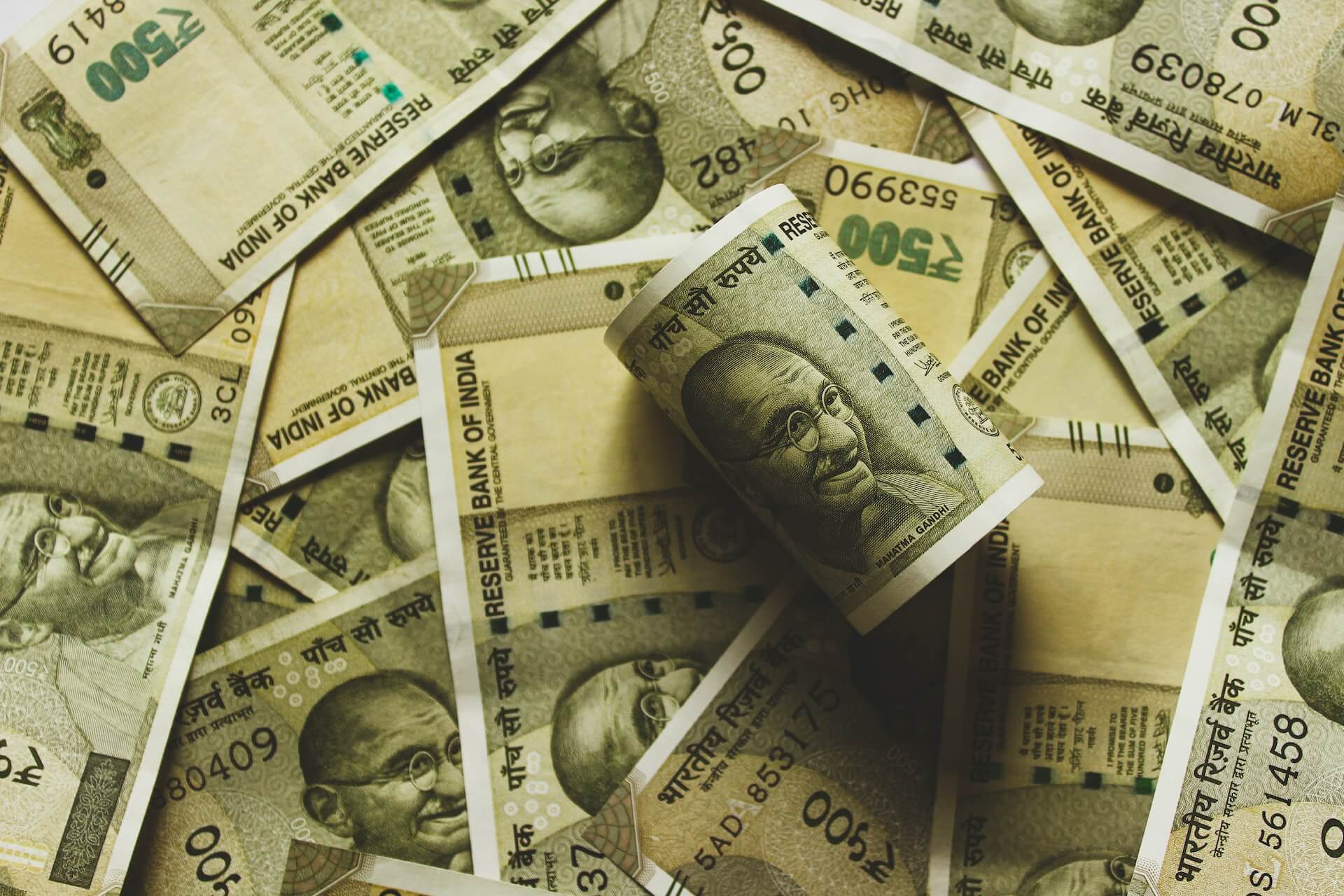
Find out how much your money is worth today by using the up-to-date converter below.
Typically, you can expect to try 2 – 3 ATM’s before finding one that works. Many will charge 200-335RS per transaction and this is in addition to any charges your bank levies. It’s advisable to avoid small ATM transactions and get out a bunch of cash at once – just make sure you hide it well.
How I’d Keep India Cheap Without Making It Miserable
Normally, my top three tips for budget travel are to hitchhike, camp and cook your own food but in India, food, transport and accommodation are already so cheap that this is not really necessary unless you are backpacking India on a budget of just a couple of dollars a day.
India is one of those places where going too cheap can actually make your trip worse. I’ve done the ultra-budget thing here, and honestly, it’s not always worth it. The sweet spot is spending smart, not just spending less.
Here’s how I’d keep costs down without sacrificing my sanity:
- Travel slow: This is the biggest cost-saver in India. Fewer transport bookings mean less money spent overall, and staying longer in one place often gets you better room rates. It also reduces burnout—which, trust me, is what usually leads to unnecessary splurges.
- Use trains smartly: India’s rail network is cheap and efficient if you plan ahead. Book sleeper or 3AC class trains early, and use overnight journeys to save on accommodation. Last-minute bookings can get expensive, so a little planning goes a long way.
- Pick one region at a time: India is massive, and trying to cover too much will drain both your budget and energy. Sticking to one region cuts down on long-distance transport costs and lets you actually enjoy places instead of constantly moving.
- Don’t overuse rickshaws or private cars: Autos and taxis seem cheap at first, but they add up quickly if you rely on them for everything. Walk when possible, use public transport, and always agree on a price beforehand.
- Choose accommodation wisely: The cheapest option isn’t always the best. A slightly more expensive hostel or guesthouse can mean cleaner rooms, better sleep, and less stress. If you’re staying a few days, ask for a discount. Finding cheap accommodation can be harder when you are out exploring the wild side of India but, as always, Couchsurfing comes to the rescue
- Eat local (most of the time): Local food is not only cheaper but often better. You can eat well for a couple of dollars at street stalls or small eateries, while Western cafés will quickly inflate your daily budget.
- Haggle where it makes sense: Bargaining is part of travelling in India, especially for transport, markets, and some accommodation. But don’t waste energy arguing over tiny amounts—pick your battles.
- Know where to splurge: Spending a bit more strategically can actually save your trip. Upgrade for long journeys, occasional comfortable stays, or unique experiences and travel souvenirs, but keep everyday costs low.
And to Stay Connected… Get an eSIM For India
You know those tiny pieces of plastic you used to use to connect yourself to the internet abroad? Sim Cards I think they were called? Well yeah, we’re ditching those.
These days, wherever you go in the world an eSIM is by far the best way to stay connected from the minute you land. You can download an eSim before you leave home and then activate it when you are still sitting on the plane waiting to disembark.
You skip all the hassle of trying to figure out different providers and navigating airport prices to make sure you’re not getting scammed.

Of all the many eSim providers out there, we suggest Jetpac. Jetpac works just like an app: you download it, pick your plan, and BOOM! You’re connected before the pilot says you can stand up.
Jetpac eSIM Plans for India (Updated)
- Unlimited Data: $15 to $65 (3-30 days)
- 1GB – 4 Days → $4
- 10GB – 30 Days → $22.25
- 30 GB – 30 Days → $38
Why Use an eSIM in India?
- Instant connectivity the moment you land (airport WIFI is shoddy at best)
- No dealing with local SIM registration or ID checks
- Easy top-ups directly from your phone
- No possibility of getting scammed over a SIM card price (yes, it happens!)
- No worrying about patchy public WIFI
That said, if you’re heading into remote regions (like parts of the Himalayas), connectivity can still be patchy regardless of provider.
Pro Tip: Install and set up your eSIM before your flight—then just switch it on when you land and you’re good to go.
Best Time To Travel To India
There’s no single “best time” to visit India, and that’s where a lot of travellers get it wrong.
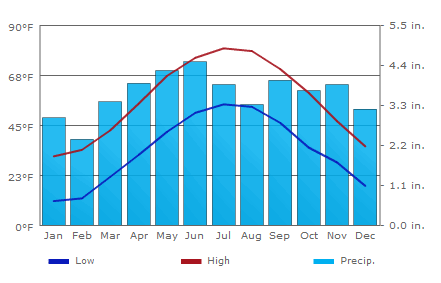
India’s massive size and different microclimates means you need to closely investigate the weather patterns for your specific destination at the time of year you plan to visit. While it might be perfect weather in Rajasthan, the Himalayas could be snowed in, and the south might be dealing with heavy rains.
Planning your trip around cheap flights or fixed dates—without considering seasons—is one of the easiest ways to end up in the wrong place at the wrong time. The key is to plan your route around the season, not the other way around.
October to March: The Easiest Window for Most First Trips
The “best” time to visit India is generally October to March when the weather is warm, dry and sunny. The Himalayas are cold but clear, Rajasthan is nice and dry and the South is in its beach weather era.
Many Indian festivals also line up during this time like Diwali, Dussehra, Holi, and of course, Christmas and New Year.
The down side is that this is also peak tourist season and the time when most backpackers visit India. That means that popular destinations tend to get crowded, accommodation prices rise quickly and trains and buses book out faster
Important note: Through October to January, Delhi and many nearby cities of the Indian plains like Jaipur and Agra are hit by the worst pollution. So come prepared with a K/N95 face mask!
April to May: Right Time to Explore Mountains
This is when India starts to seriously heat up.
Across much of the plains, especially in places like New Delhi, Rajasthan, and Varanasi, temperatures climb hard, often pushing well above 40°C (104°F). Add in dust, long travel days, and busy cities, and it can get draining very quickly.
So this part of the year is when it makes the most sense to head up into the mountains, which is exactly what I did during my 2019 Subcontinent trip that began in May. This is especially key if you’re a first timer or can’t handle extreme temps!
Head north to places like Himachal Pradesh, Uttarakhand, Kashmir or Ladakh where the weather is cooler, the air is fresh, and travel feels far more manageable.
Hill stations and mountain towns come into their own during this time, especially with spring bringing in all kinds of blossoms, including cherries, almonds, peaches, and apricots !
Pro tip: That said, some places like parts of Ladakh and Spiti Valley in Himachal Pradesh might still be too cold to enjoy with layering up due to their extreme altitude. Pack smartly.
June to September: Monsoon and Mountain Trade-Offs
The Indian Plains are scorching during this time and many locals retreat to hill stations to escape the inferno. Eventually, the cooling monsoons sweep across the country and change everything.
From June through September, large parts of India are hit with heavy rains, especially along the west coast, northeast and in the south.
Places like Kerala and Goa turn incredibly lush and green, with fewer crowds. While the beaches are inaccessible during these months, it’s still incredibly lovely to visit the waterfalls, filled up quarries and experience the unique monsoon biodiversity.
But it comes with some negatives:
- Transport delays are common especially (trains, buses, even flights)
- Roads can flood or wash out, especially in hilly areas
- Travel becomes slower, less predictable, and sometimes uncomfortable
The only places that are dry during this time are the regions along the Tibetan Plateau: Zanskar, Ladakh and Spiti Valley.
That said, this isn’t a “bad” time to travel, you’re just going to need a different mindset.
If you’re flexible, the monsoon can actually be a great time to explore quieter routes, enjoy dramatic landscapes, and avoid peak-season prices. Just don’t plan a tight itinerary, this is the season where things WILL go off schedule.
Road closures due to weather changes can happen instantly, and last for weeks. My overland journey between Manali and Leh took a horrific 35 hours when an avalanche washed away part of the road.
What to Pack for India
What you pack for India depends entirely on when and where you’re travelling. I’ve been sweaty, sunburnt, soaked through in monsoon rains, and shivering in the mountains, all on different trips. Packing right makes a huge difference here.
Think in terms of regions and seasons, not just a generic packing list.
October to March (Most First-Time Routes)
If you’re travelling through places like New Delhi, Rajasthan, or Varanasi, the weather is mostly warm during the day but can get surprisingly (and often shiveringly) cold in the mornings and evenings.
What to pack:
- Light, breathable clothes (cotton/linen)
- A warm jacket or fleece (Northern plains winters can surprise you)
- Multiple layers and warm inners if you’re heading to the mountains.
- Comfortable walking shoes or sandals
April to May (Heat Season)
This is where things get intense. The heat in North India is no joke, I’ve had days where stepping outside felt like walking into an oven.
What to pack:
- Loose, breathable clothing (nothing tight or synthetic)
- A hat or cap (essential, not optional)
- Electrolyte sachets (you will need them)
June to September (Monsoon Season)
You will get wet. And probably muddy. And maybe stuck somewhere longer than planned.
What to pack:
- Lightweight rain jacket or poncho
- Quick-dry clothes (avoid heavy fabrics like denim)
- Sandals or flip-flops (your shoes will get soaked)
- A dry bag or waterproof cover for your backpack
Himalayas & High Altitude (Any Season)
If you’re heading to places like Ladakh or Himachal Pradesh, forget everything you packed for the rest of India—it’s a different game.
What to pack:
- Warm layers (thermal base layers, fleece, down jacket)
- Good socks + sturdy shoes
- Lip balm + heavy moisturiser (the air is dry)
- Sunglasses (sun at altitude is brutal)
- Basic meds for altitude (and go slow when you arrive)
Things I’d Always Pack for India
Pro Tip: Pack light. You’ll probably end up buying clothes in India anyway, and laundry is cheap and available everywhere.
These are the items I’ve learned (sometimes the hard way) are always worth carrying:

Ear Plugs
Snoring dorm-mates can ruin your nights rest and seriously damage the hostel experience. This is why I always travel with a pack of decent ear plugs.

Hanging Laundry Bag
Trust us, this is an absolute game changer. Super compact, a hanging mesh laundry bag stops your dirty clothes from stinking, you don’t know how much you need one of these… so just get it, thank us later.
Sea To Summit Micro Towel
Hostel towels are scummy and take forever to dry. Microfibre towels dry quickly, are compact, lightweight, and can be used as a blanket or yoga mat if need be.

Grayl Geopress Water Bottle
Always travel with a water bottle! They save you money and reduce your plastic footprint on our planet. The Grayl Geopress acts as a purifier AND temperature regulator. Boom!
Staying Safe in India
India can be a real assault on the senses, the body and the mind. This is a country with many lessons to teach.
India isn’t “unsafe” in one simple, clear-cut way,but it does come with a constant layer of low-level challenges. It’s less about big, dramatic danger and more about managing fatigue, avoiding scams, staying healthy, and navigating situations that can feel overwhelming—especially if it’s your first time.
None of this means you shouldn’t travel in India—far from it. It just means you need to stay aware, trust your instincts, and pace yourself.
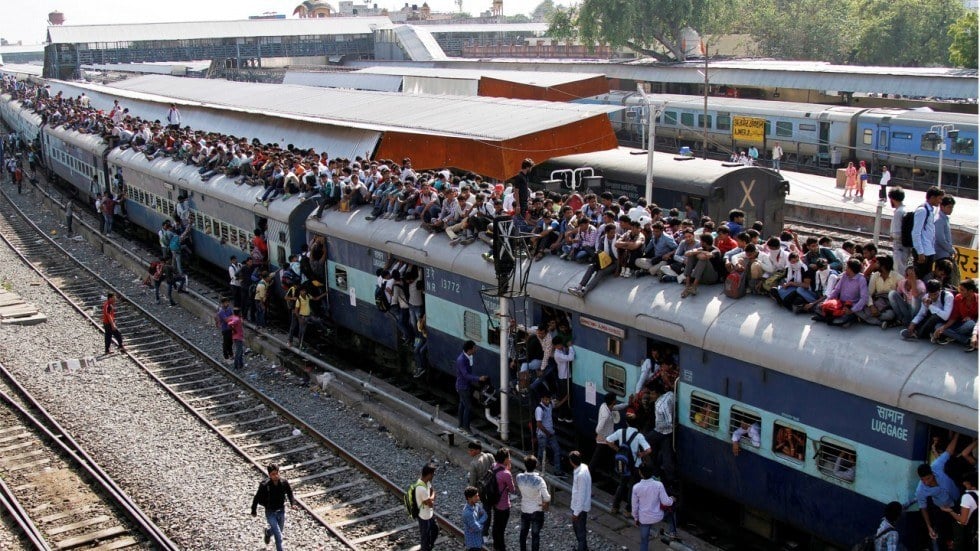
Traffic and Road Risk
Perhaps the single biggest day-to-day risk in India is traffic. Roads are chaotic, rules are loosely followed, and crossings can feel like a game of chance, especially in cities like New Delhi or Mumbai.
- When crossing roads: follow locals and move steadily (hesitation is worse)
- If renting a scooter: wear a helmet, drive slow, don’t take risks
- Avoid night driving unless you’re very experienced
Tourists do get seriously injured every year on Indian roads, usually on rented bikes. Take it seriously.
Food, Water, and Getting Sick
Getting sick in India is almost a rite of passage, but you can reduce the chances. While food hygiene standards have improved but “Delhi Belly” can still strike.
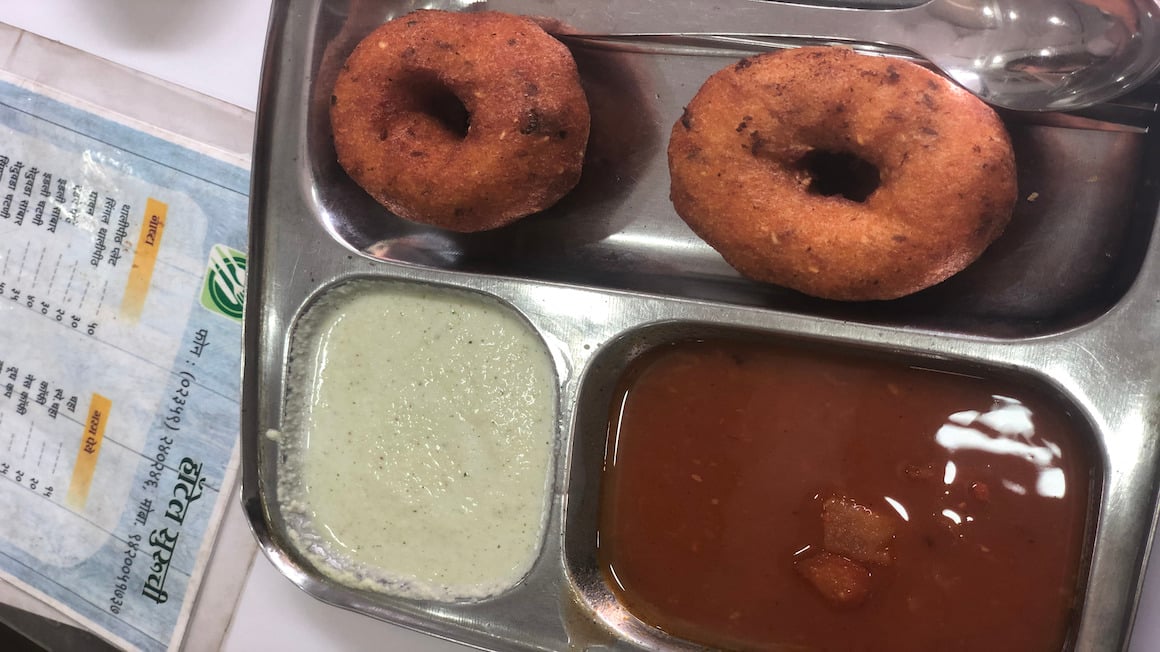
Photo: Samantha Shea
- Never, ever drink tap water
- Take care when showering in low budget guesthouses as the water can sometimes cause infections
- Stick to busy eateries with high turnover
- Eat food that’s freshly cooked and served hot
- Carry hand sanitiser
It’s also worth carrying basic meds (diarrhoea tablets, rehydration salts, paracetamol). Pharmacies are everywhere.
Scams, Hustling, and Everyday Tourist Targeting
Scams in India are extremely common. But once you recognise the patterns, they’re easy to avoid. Common ones include:
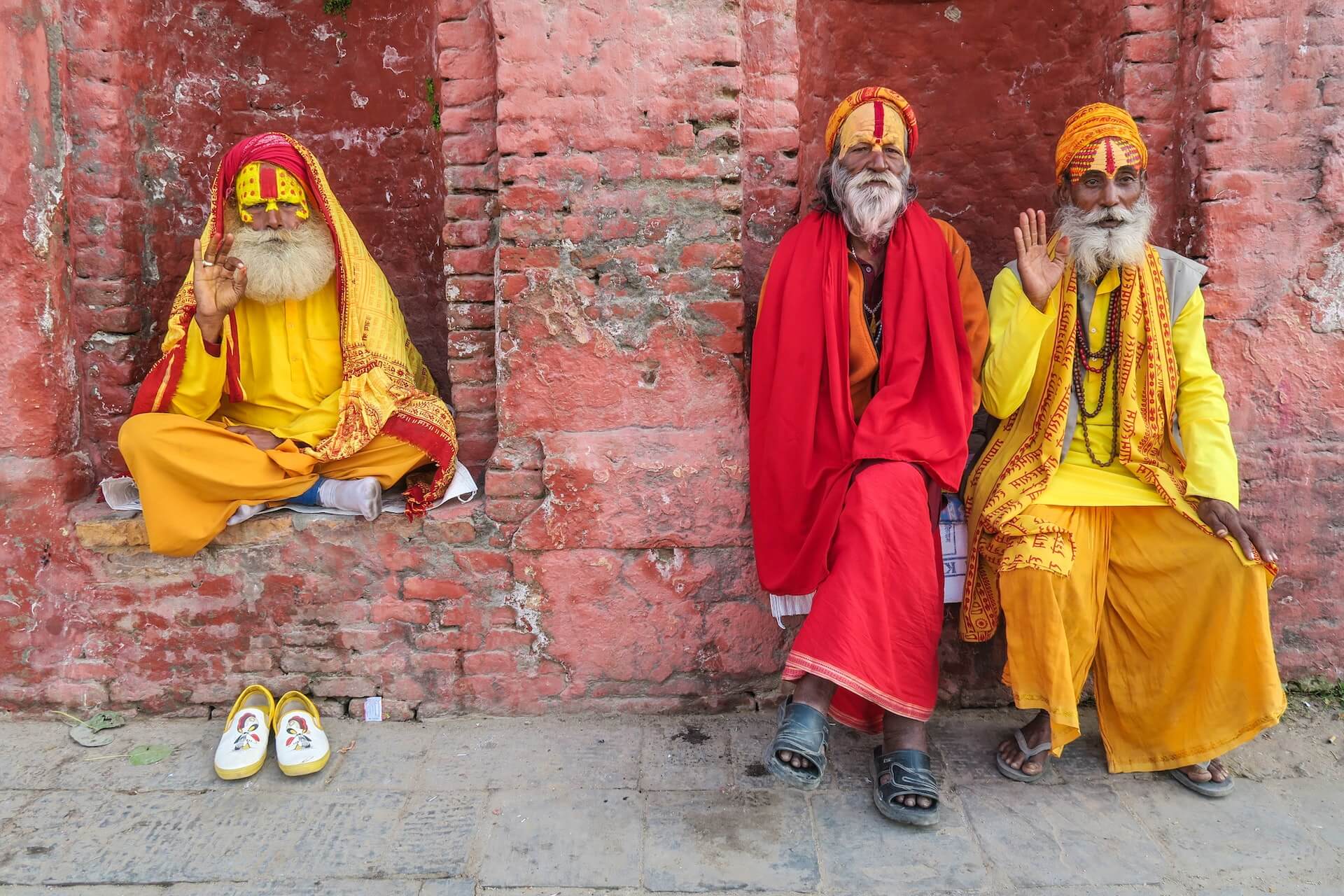
- “The hotel/ restaurant/ shop you want to go to is closed” → they take you somewhere else for commission
- Fake ticket offices or “helpers”
- Fake government tourist offices
- Holy men asking for donations
- Overpriced taxis or “special deals”
The general rule: be polite, but sceptical of unsolicited help. Also keep in mind to:
- Keep valuables secure (petty theft does happen)
- Use a padlock for bags/lockers
- Don’t flash cash or expensive gear
- Carry a crossbody bag in front of your person to avoid pickpockets
India Women’s Safety in India
There is no doubt that India can be challenging for female travellers. One of the biggest problems with India is the attitude of many Indian men towards women, especially foreigners.
Frankly, the way women are treated can be disgusting and the country is sadly in denial about the problem.
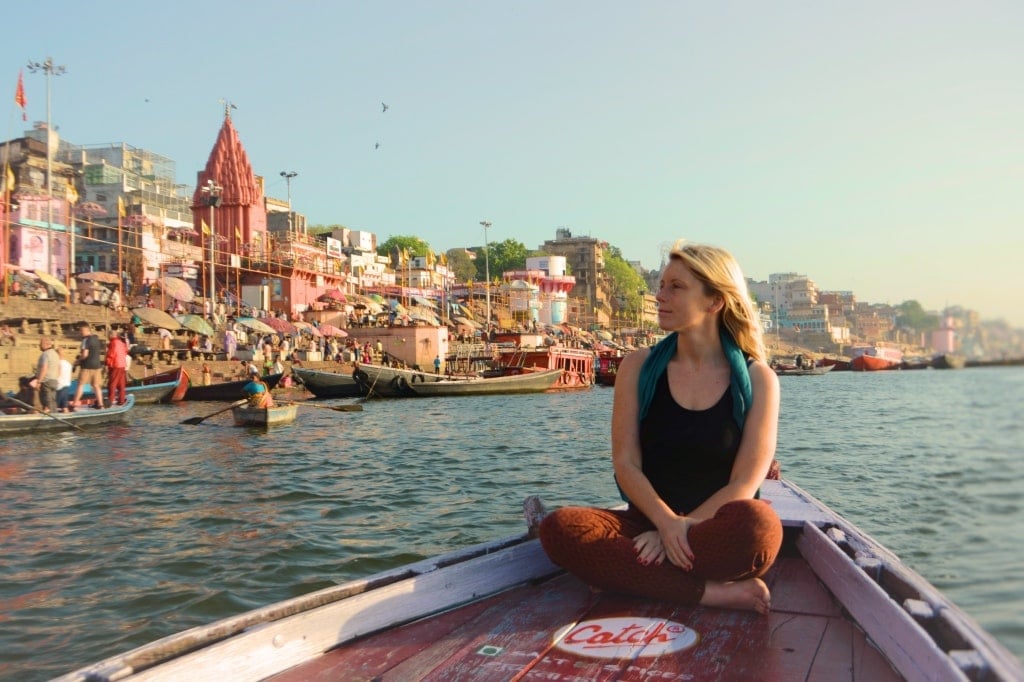
Most female backpackers encounter some sort of problem at one time or another whilst travelling in India. This can range from being stared at, “wanked at”, groped, followed or worse. Which is why choosing solo-female traveller friendly destinations is key.
Female travellers need to be extra careful and super vigilant at all times in India especially on public transport and after dark.
If you are travelling with your partner, I advise saying you are married. Keep public displays of affection to a minimum especially in holy cities and especially when there are a lot of local men around.
You can minimise hassle by following some practical tips:
- Dress relatively modestly (especially outside major cities)
- Avoid isolated areas at night
- Use women-only train compartments where available
- Don’t be afraid to be direct and say “no”—politeness can sometimes be misread
- Trust your instincts and remove yourself from uncomfortable situations
- Say you’re married whenever necessary
- Having some self defense skills is always worthwhile
I’ve met many kick ass ladies who have travelled India by themselves and I’ve asked a whole bunch of them for their advice on the matter…
For even more tips on how to travel the world fearlessly as a kick ass solo female, check out my mate Teacake’s Top Tips for How to Travel Safely as a Women – she is a legend and I have a huge adventure crush on her.
Wildlife, Monkeys, Dogs, and Other Strange Hazards
There are plenty of unexpected animal hazards in India.
- Monkeys will steal food, sunglasses, even phones
- Street dogs are usually harmless but can be unpredictable. Many have rabies.
- Cows can be surprisingly aggressive if provoked
- Mosquitoes are a real nuisance (and health risk in some areas)
- If you’re heading into national parks or remote areas, you’re also dealing with animals like elephants, bears, snakes and big cats.
- And yes: falling coconuts are an actual thing. Don’t sit under trees blindly.
Despite the daily challenges, Backpacking India is an experience that easily outweighs the dangers.
Police, Drugs, and Avoidable Trouble
Police interactions in India are usually avoidable and it’s best to keep it that way.
You can bribe your way out of most situations fairly quickly but the trick is to do it fast; the more police become involved the more expensive it will become. Get your ass out of the situation before you arrive at the police station.
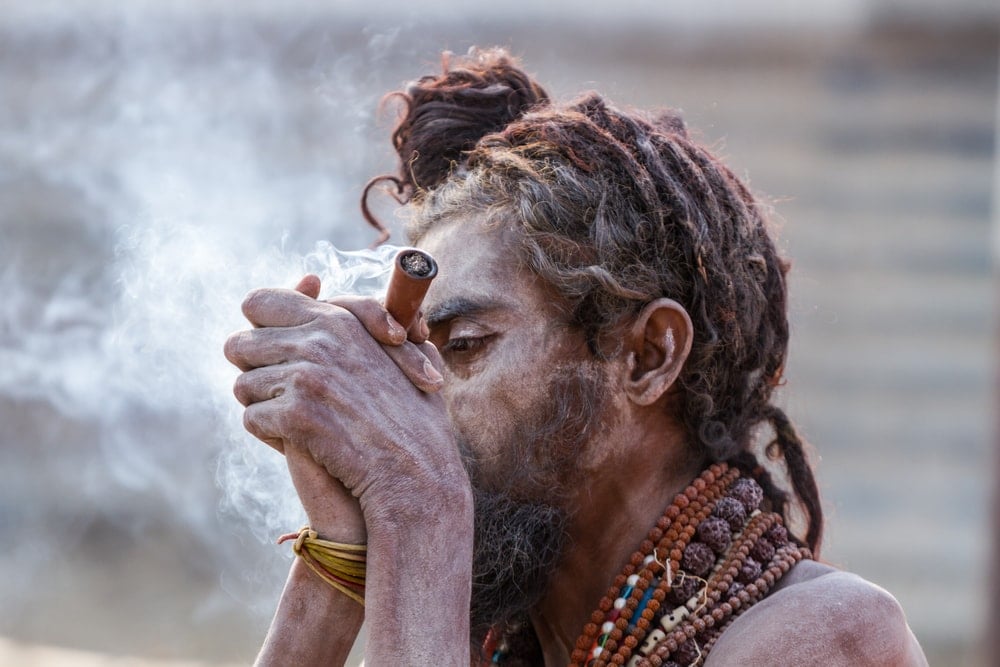
Marijuana is widely available across most of India (it’s where it came from) and it’s also possible to pick up psychedelics and party drugs pretty easily in places like Goa and Kasol. Take the usual precautions when buying and taking drugs as arrests and deaths do occur.
Usually it’s smoking weed that will get you arrested, so be subtle to avoid problems in the first place. Avoid buying weed from random drivers as the quality can be unreliable and sometimes they even work as tip-offs to the police.
If you do choose to partake, be discreet and understand the risks.
Dating in India
Dating in India has changed a lot in recent years, but it’s still shaped by strong cultural norms.
In rural areas, India remains very conservative when it comes to dating and gender relations. Furthermore, dating foreigners is a serious no-no for many Indian’s who are still encouraged to marry within their “caste”.
That said, female travellers to India can expect to receive a lot of attention from Indian men and will have no trouble hooking up if they so wish. For guys looking to hit a home run though, the situation is substantially more challenging as Indian women really do have to take social pressures very seriously.
In cities like Mumbai, Bangalore, and Delhi, however, apps like Bumble, and Hinge are widely used, while Tinder is slowly taking a backseat. You’ll find a more open, global dating culture in these urban pockets.
But even within that bubble, things are still relatively conservative:
- Public displays of affection are limited
- Casual dating exists, but is often discreet
- Social and family pressures still influence relationships
LGBTQ+ travel is becoming more visible (same-sex relationships were decriminalised in 2018), but public openness varies widely, discretion is still important in most areas.
Why You Should Get Insured BEFORE Travelling to India
Gonna be honest, something will probably go wrong here. Delhi belly is a problem just about everywhere, and it’s NASTY, potentially even putting you in hospital. Elsewhere, you have rough environments, and a fair possibility of being robbed at some point, so be insured to mitigate against potential issues.
Sort out your insurance before you go. There are several good options, but our overall pick is SafetyWing. Most of the Broke Backpacker team has used it at one point or another, and we’ve filed claims for rabies jabs in Bali, a hospital stay in Mexico, and a clinic visit for a stomach bug that wouldn’t quit. All paid out.
It’s month-to-month, no lock-in, no itinerary required, and you can buy it after you’ve already left. A little over $2 a day if you’re under 40.
New SafetyWing customers: use code BROKEBACKPACKER for 8 free weeks of electronics theft coverage. You have to scroll down and click the pink camera on their landing page to enter it, and you have to do it before creating your account.
How To Get into India
Everything you need to know pre-departure:
How Most Backpackers Arrive in India
There are multiple international flights to dozens of cities in India but most backpackers arrive via Delhi, Mumbai, Bangalore, Goa or Kolkata. You can also cross at land borders with Bangladesh, Nepal and Bhutan.
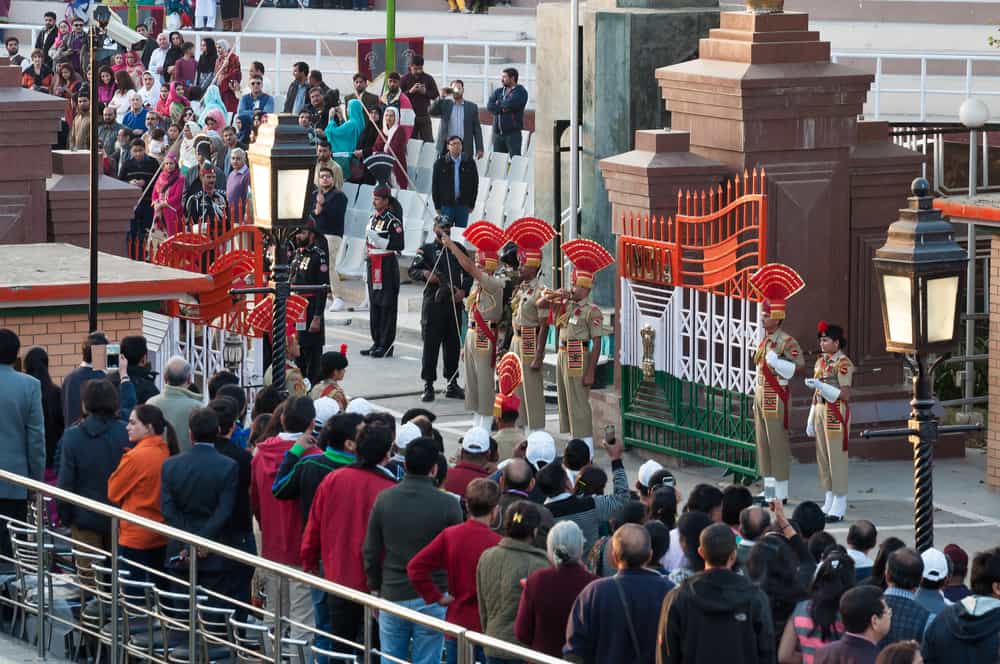
Borders with Pakistan are closed due to ongoing tensions, whilst borders with China and Myanmar are also closed.
Entry Requirements For India
You will need a visa to enter India unless you are from Nepal or Bhutan, where citizens have free movement to India. India now runs primarily on an e-Visa system, which covers a large number of nationalities (over 160+ countries).
Pakistan passport holders are ineligible for the e-Visa and must apply for entry through an embassy (which will realistically be denied).
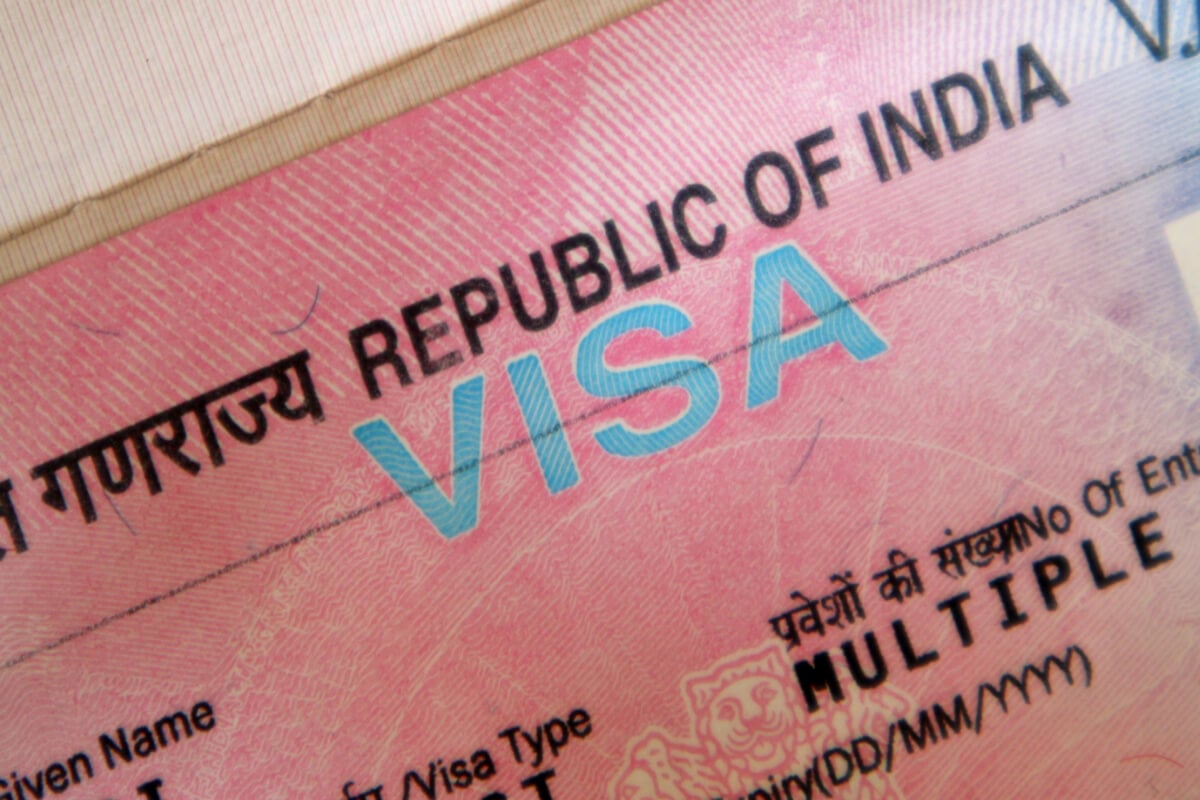
The e-Visa is a 1-month double-entry visa online, before arrival and this is the most common visa type. However, 30 days travelling in India is simply not enough. If you have the time, there are also 1-year and 5-year visas with multiple entry, which will allow you to keep coming back for more.
Americans can also get a 10-year multiple entry visa from their local embassies, but you’ll have to set aside about a month for this process.
The India eVisa Reality Check
Having said that, while the eVisa system exists—and it’s made getting into India a lot easier than it used to be—it’s rarely a smooth process.
The application process is long and frustrating and needs a lot of information from you, some of which doesn’t always seem relevant or important.
The website also isn’t the most user-friendly and is known to crash very often, with you needing to start the long and tedious process all over again. And small mistakes (like mismatched details) can cause delays or even rejection. Ultimately, it will work, but it’s best to not leave it to the last minute.
I recommend iVisa for sorting your visa ahead of time – these guys are quick, efficient and not too expensive – a good shout if you are low on time and want to get your visa sorted in advance. They’re great to take the stress out of this process.
How To Get Around India
One of the biggest challenges facing backpackers is travelling around India. India is a truly vast country and sometimes the travel distances are absolutely massive.
The most comfortable way to get around India is usually by internal flights but for backpackers on a budget, the trains are usually a better bet. There are also VIP tourist buses, local buses—which are super cheap but very uncomfortable—and, of course, hitchhiking is always an option.
Train Travel in India
No India guide is complete without talking about trains. If you’re backpacking here, you will end up on one, and honestly, it’s one of the best parts of the India experience.
Most backpackers opt for 3AC (air-conditioned sleeper class), though I’ve also had decent experiences with sleeper class on less-crowded routes.
- 3AC = 6-bed compartments, bedding included, and relative comfort
- It’s affordable, social, and works well for overnight journeys
- Fair warning: the AC can be freezing—bring a layer
You can travel in non-AC classes as locals do—but they’re often overcrowded, noisy, and intense. For short daytime journeys, it’s manageable. But for overnight trips stick to 3AC unless you really know what you’re doing.
Booking and train travel tips:
- To book your train tickets, you should register online with IRCTC but note that the website can be very confusing.
- You can also book in person at the station but the queues can be long and timings for the ticketing window unclear.
- When you book your train make a note of the train number and the PNR number. You will need this to get your ticket off of the PNR machine at the station or from a mobile phone.
- If you book a train and get put on a waiting list, it’s not game over just yet. Provided you have booked a couple of weeks in advance and are in, say, the top fifteen you will almost always get a seat.
- If travelling alone I recommend booking a ‘side upper’ berth as you won’t be bothered as much, but do note you also won’t have a window.
- When travelling on trains in India, take a padlock and chain to lock your backpack. Keep valuables in a day pack and use it as a pillow.
Bus Travel in India
In general, buses tend to have fixed prices and you buy your tickets on board. There is a ton of VIP sleeper buses set up for tourists and these are the most comfortable way to travel when there are no rail links.
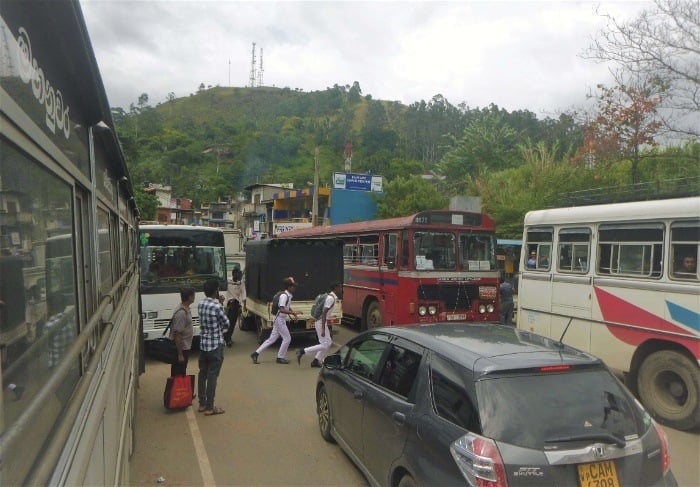
Photo: @themanwiththetinyguitar
Beware though, due to the hairpin bends, crazy driving and shitty roads, a good night’s sleep is rare unless you have a Valium to hand.
If you’re heading off on a proper backpacking adventure and leaving the tourist zones, local bus is often the only way to travel in India. Travelling by local bus is one hell of an experience; it can be frustrating, rewarding, enlightening and sometimes simply damn hilarious.
Most bus journeys (both local and VIP) can be booked online through apps like RedBus or GoIbibo.
Rickshaws, Ubers, and Short City Hops
In general, it makes sense to get a rickshaw rather than taxis for short distances as they are usually cheaper.
In Mumbai, all rickshaws and local taxis (the black and yellow ones) as a rule go by the meter. If someone tries to tell you it’s not working or quote a price beforehand, chances are they’re trying to rip you off.
But this is only true for Mumbai. Nowhere else in the country will you find a rickshaw or taxi by the meter. And so, you must always haggle when getting a rickshaw or a taxi in India.
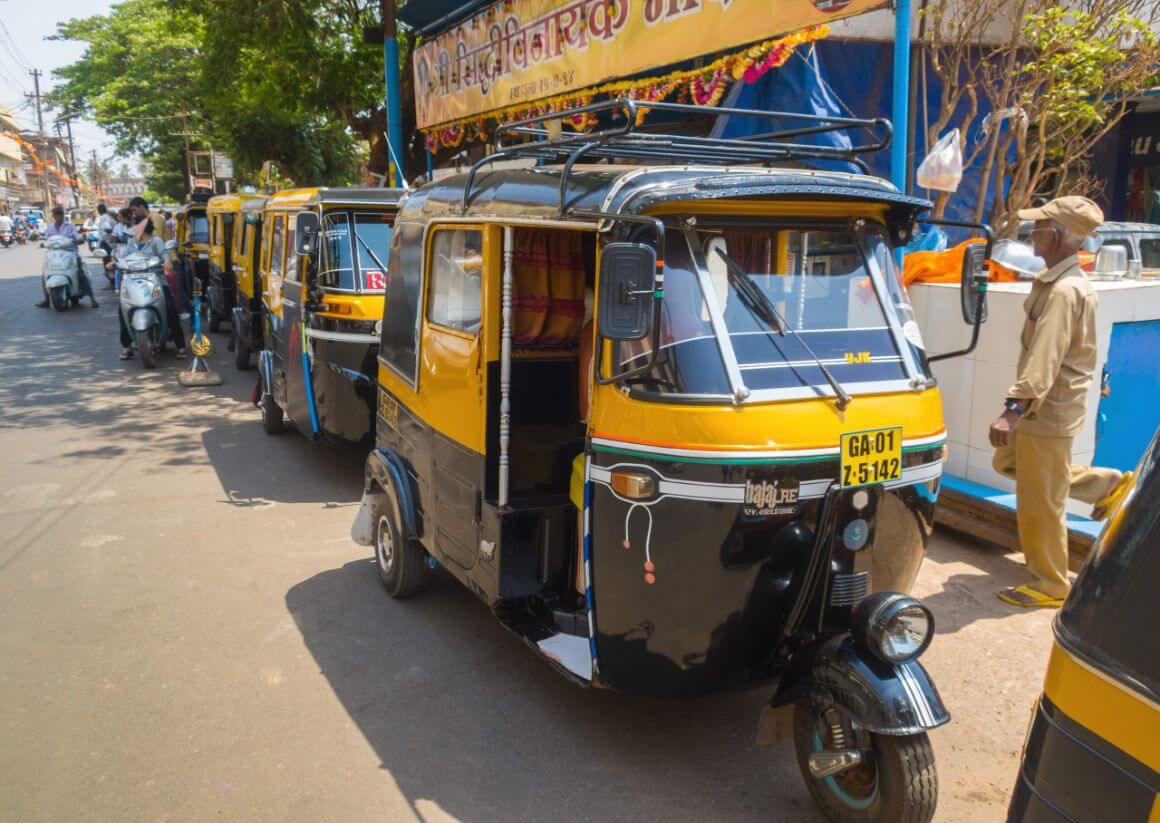
Nowadays, Uber and Ola (an Indian version of Uber) have widespread connectivity across most major cities in India. Many cities also have a rickshaw or a bike option which makes things even cheaper.
However, there is no Uber in small towns, many backpacker enclaves and Uber is completely absent from Goa due to a “taxi mafia.” But they do have another app called GoaMiles which is not always reliable and often more expensive than what an Uber would cost.
Motorbikes and Scooters
One of the best ways to see India is from the back of a motorbike and if you have a tent with you your options vastly expand… Suddenly it’s possible to get pretty much anywhere, to live off the beaten path and to camp out in some truly stunning places.
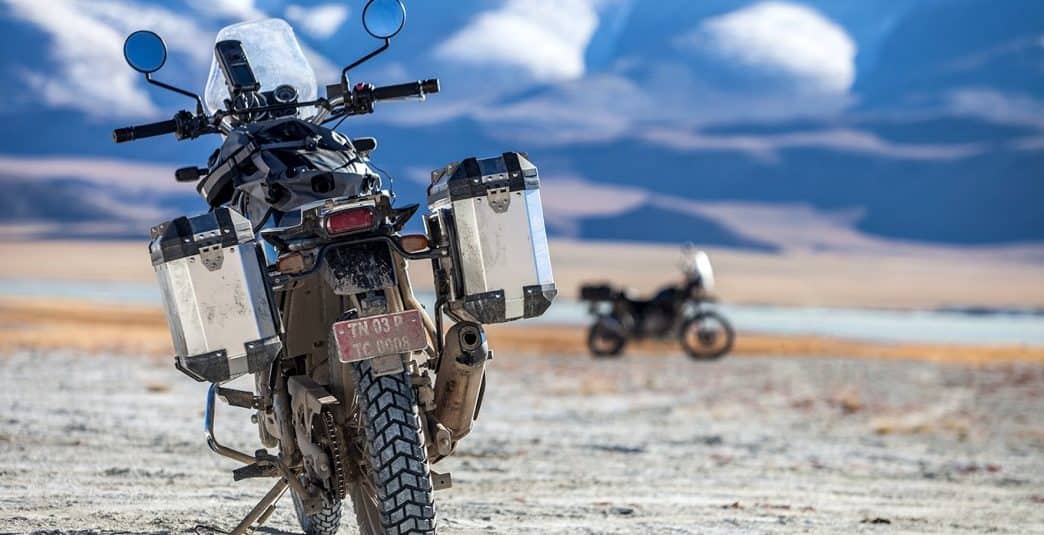
The iconic Royal Enfield is the bike of choice for most backpackers in India and you can normally buy one for around $1,500-2000. If you are travelling India by motorbike it’s well worth taking a good backpacking tent.
However, you can also rent a motorbike or scooter in most tourist areas around the country. A motorbike would usually start at $8 and go up to $13/ day depending on what model and make it is. A scooter is usually $5-7 a day across the country.
Hitchhiking in India
I’m a huge fan of hitchhiking and have hitched rides in over seventy countries, India can be a great place to hitch a ride but it’s not recommended if you’re a solo female traveler – please, don’t even try it.
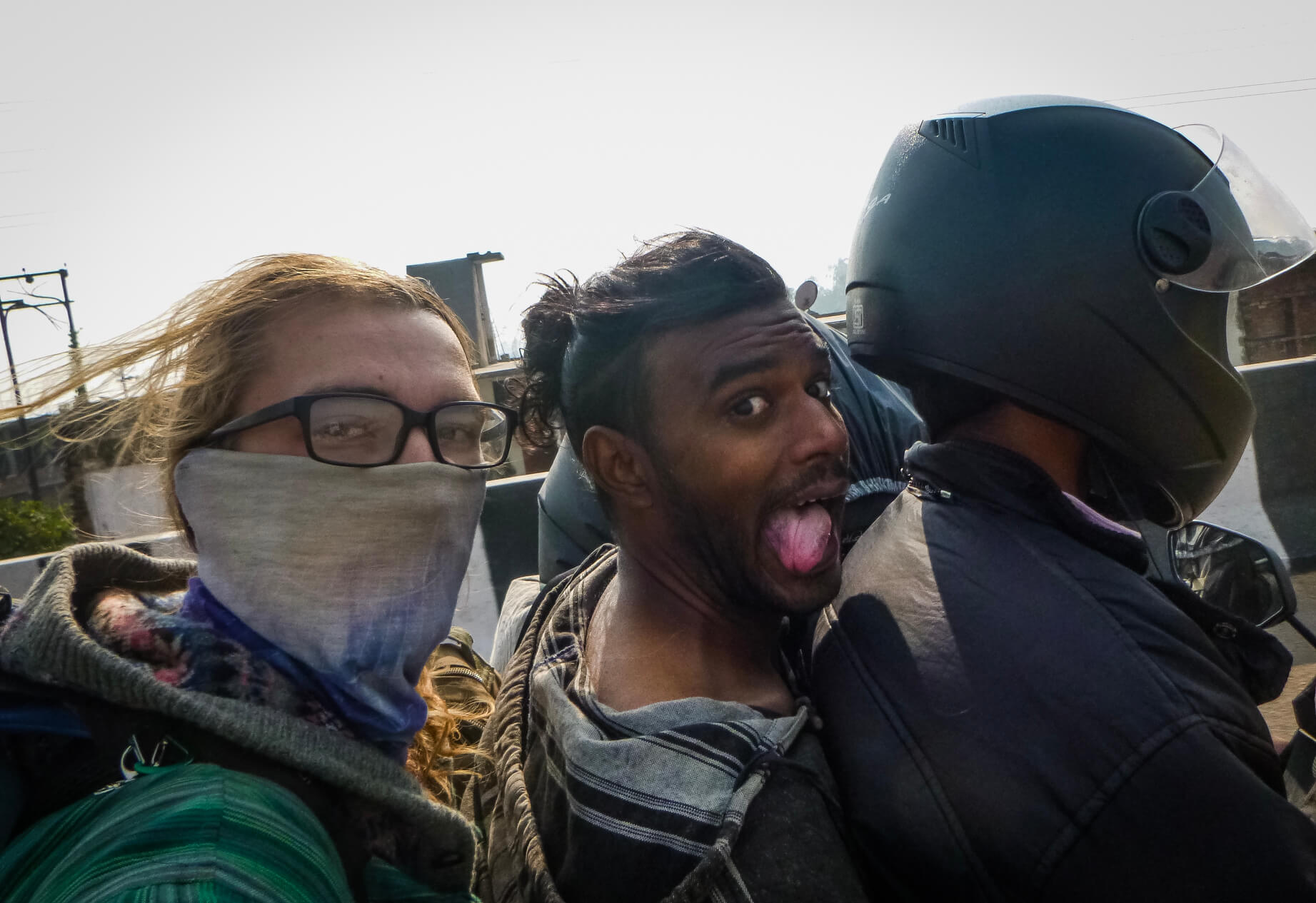
Photo: @themanwiththetinyguitar
It helps to have a sign and a map so you can make it 100% crystal clear where you want to be dropped. Before you get in the vehicle, make sure you clarify that you are not going to pay for the ride – some Indians will expect payment as you are a ‘rich backpacker’.
Booking Advice That Saves You Hassle
India is not the place to wing your transport plans, especially if you’re on a schedule.
- Popular train routes (especially overnight ones) can be fully booked days or even weeks in advance. If you know your route, book early.
- Last-minute tickets often mean waitlists, worse classes, or pricier alternatives like flights.
- Be careful with agents. Not all are bad—but overcharging, fake tickets, or selling lower-class seats than promised does happen. If you use one, stick to reputable offices.
- India punishes last-minute assumptions. “I’ll just figure it out when I get there” can work in some countries—not here. You might end up stuck, overpaying, or taking a much longer route than planned.
What’s New for an India Backpacking Trip?
The good news is that entry requirements have been streamlined, now allowing either 30 days double entry, or 1-year or 5-year multiple entry for most nationalities. The bad news is that you still have to go through the painfully obnoxious evisa system which is a steaming piece of shit that will leave you with a few extra grey hairs by the time you’ve finished.
Elsewhere, borders with Pakistan are closed. It’s no surprise given how much these two countries hate each other, but even as a tourist you can’t hop along the Wagah Border for now. The ceremony still takes place though, so that’s cool to see – and I defo recommend hopping up to Amritsar if only for that.
China borders remain closed for tourism, but there are quiet rumours that things may be changing there soon. Nothing concrete yet though, so don’t get your hopes up just yet. There’s no guarantee the border will open at all. Only time will tell.
The (other) good news is that India remains one of the world’s cheapest travel destinations. It remains one of the only countries on earth you can feasibly visit for $10 a day, with okay accommodation, decent food, and transport factored in. Prices haven’t changed drastically in recent years.
Unfortunately, a fair few of our favourite Indian accommodation options have shut down, and we’ve updated this guide to reflect that, with several new recommendations based on what our team have visited this year.
Working in India
The Indian rupee is not one the worlds more powerful currencies and relatively few Westerners emigrate to India in search of work. Those who do are generally working in multi-national firms and in political roles.
However, there is no shortage of westerners hustling a living in and around backpacker hubs such as Goa and Himachal Pradesh. Many Westerners work as DJ’s, run boutiques, or offer Yoga classes.
Most are actually working illegally, do not have the necessary papers and do not declare their income. The Indian authorities are rather lax in addressing this and the underground economy is quietly tolerated.
If you do want to work in India legitimately, then business visas are available which can help set up an Indian bank account.
Teaching English in India
Teaching English isn’t the most straightforward way to fund travel in India.
Unlike parts of Southeast Asia, paid teaching jobs for foreign backpackers are limited, often low-paying, and usually require prior qualifications or longer-term commitments.
You’ll find more opportunities in private schools, international institutions, or through volunteering, but not many casual, short-term gigs.
That said, if you’re planning to stay longer and way to slow down and experience daily life beyond the backpacker circuit, getting a Teaching English as a Foreign Language course online and teaching English in India can be a great way to do that.
Volunteering in India
Volunteering abroad is an amazing way to experience a culture whilst giving something back. There are loads of different volunteer projects in India ranging from teaching, to animal care, to agriculture to pretty much everything!
Photo: Will Hatton
If you do volunteer in India, be careful to do your research and trust your gut to avoid been taken advantage of by unscrupulous hosts. Volunteer programs run through reputable work exchange programs like Worldpackers and Workaway are a good way to get your foot in the door of the volunteer community.
If you Signup for Worldpackers – as a Broke Backpacker reader, you’ll also get a special discount of $10. So for just $49 a year, it is definitely worth giving it a shot.
Indian Culture
India is a full on culture shock. It is a colourful, loud, lively and smelly carnival of carnage. The exact quirks of Indian culture do vary from region to region but as rule, expect a lack of personal space and a lot of staring!
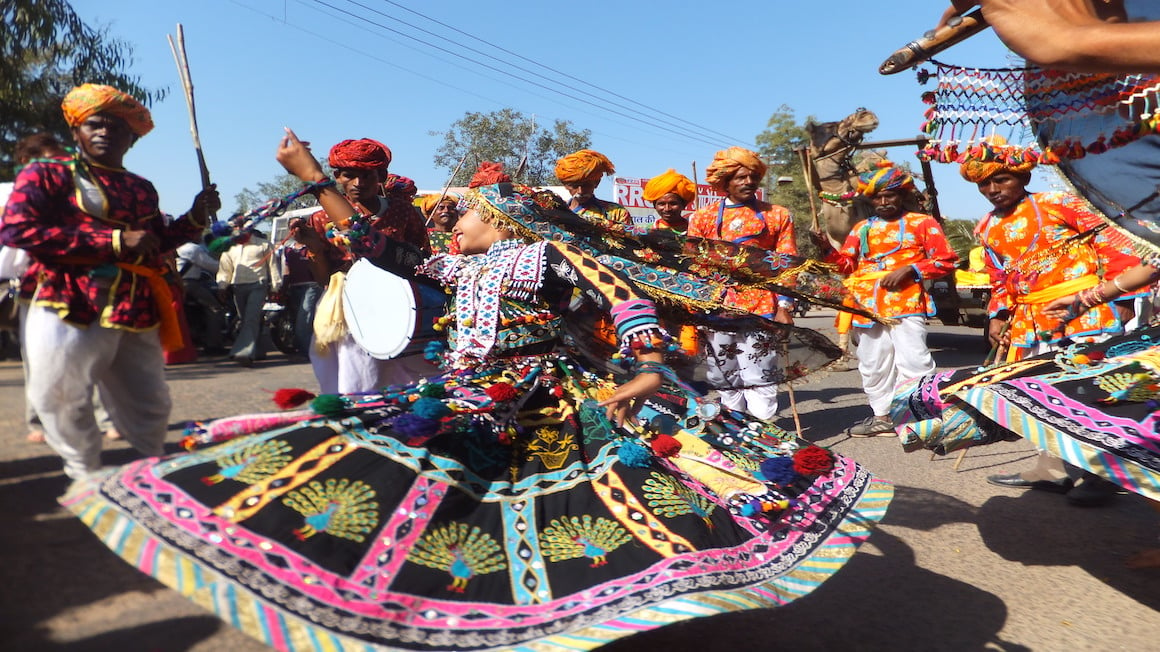
Photo: Will Hatton
Indian society is still quite conservative so dress modestly and behave respectfully. That said, Indians are very interested in foreigners and you can expect to be approached rather a lot.
It’s very common to be invited to stay the night or offered a free meal, especially in offbeat areas that seldom see tourists.
Useful Travel Phrases For India
There are countless languages and dialects spoken across India. The 2 official languages however are Hindi and English. If you speak English, you will get by fine. English standards vary dramatically.
Here are some useful Hindi (North Indian style) phrases;
Hello – Namaste (Stick to hi/hello for a casual greeting)
My name is _______ – Mera naam ______ hai.
How are you? – Aap kaise hain?
I’m fine. – Main theek hun.
I don’t speak Hindi – Mujhe hindi nahi aati.
No plastic bag – koee plaastik kee thailee nahin
No straw please – nahin puaal krpaya
No plastic cutlery please – Koee plaastik katalaree krpaya
Where is the bathroom? – Bathroom kidhar hai?/ Bathroom kahan hai?
How much does this cost? – Yeh kitne ka hai?
I want water- Mujhe paani Chahiye
This is too expensive – Ye bahut mehenga hai
Make your price less – Bhaav (or daam) kam karo
Cold –Thanda / Hot – Garam
Help! – Bachao!
I do not know – Mujhe nahi pata
Idiot/ Dumbfuck – Chutiya
Stop – Ruko
Okay/good/whatever – Theek hai
What To Eat In India
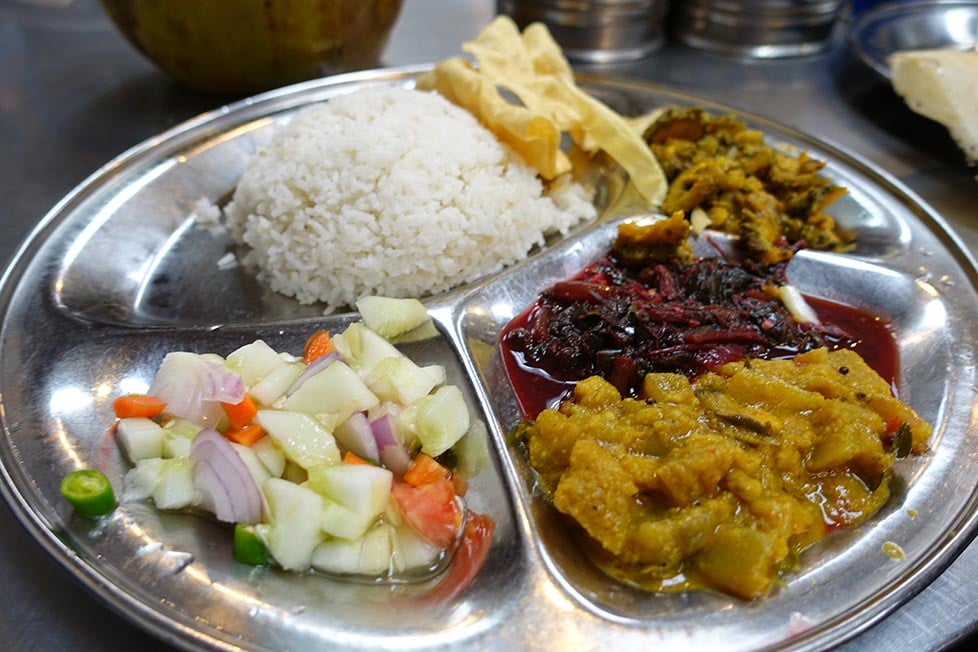
Indian food is one of the worlds greatest cuisines and my personal favourite. Food does vary quite a lot from region to region but is generally on the spicy side. India is also home to the largest vegetarian population on earth and in some regions, the sale of meat is forbidden!
Let’s take a look at some Indian classic dishes:
Chicken Tikka Masala – This tomato sauce based dish is actually an example of British-Indian cuisine but you will find it on offer at most tourist spots. Best served with rice.
Biryani – Spicy rice based dish. Regional variations include veg, chicken, mutton and many more. Delicious.
Daal – Translating as “lentils” Daal comes in endless varieties. It is a cheap, filling & ubiquitous Indian staple.
Thali – Coming in veg, fish or meat options, a Thali is a round silver dish filled with daal, rice and mixed veg. A great value, filling lunch standard.
Pakoras – Deep fried batter cakes filled with onions, spices and assorted veg. A fantastic snack.
Masala Dosa – A paper thin flour pancake filled with spiced potatoes. Served with samba sauces and enjoyed as a South Indian breakfast.
Lassi – Delicious milk drink. Comes in sweet and sour versions.
Chai – Sweet, milky Indian tea served everywhere as often as possible.
Paneer Tandoori – Soft cheese marinated in spices and baked in a charcoal oven.
A Brief History of India
From ancient cities of the Indus Valley Civilization to powerful kingdoms and empires, India’s history stretches back thousands of years and the subcontinent has long been a crossroads of cultures, trade, and ideas.
Over centuries, different dynasties and empires rose and fell across regions. In the north, powerful states like the Maurya Empire and Gupta Empire helped shape early political and cultural life.
In the south, dynasties such as the Chola Dynasty and Vijayanagara Empire built extensive trade networks and monumental temples. Later, the Mughal Empire unified large parts of the subcontinent, leaving behind iconic architecture, administrative systems, and cultural influences still visible today.
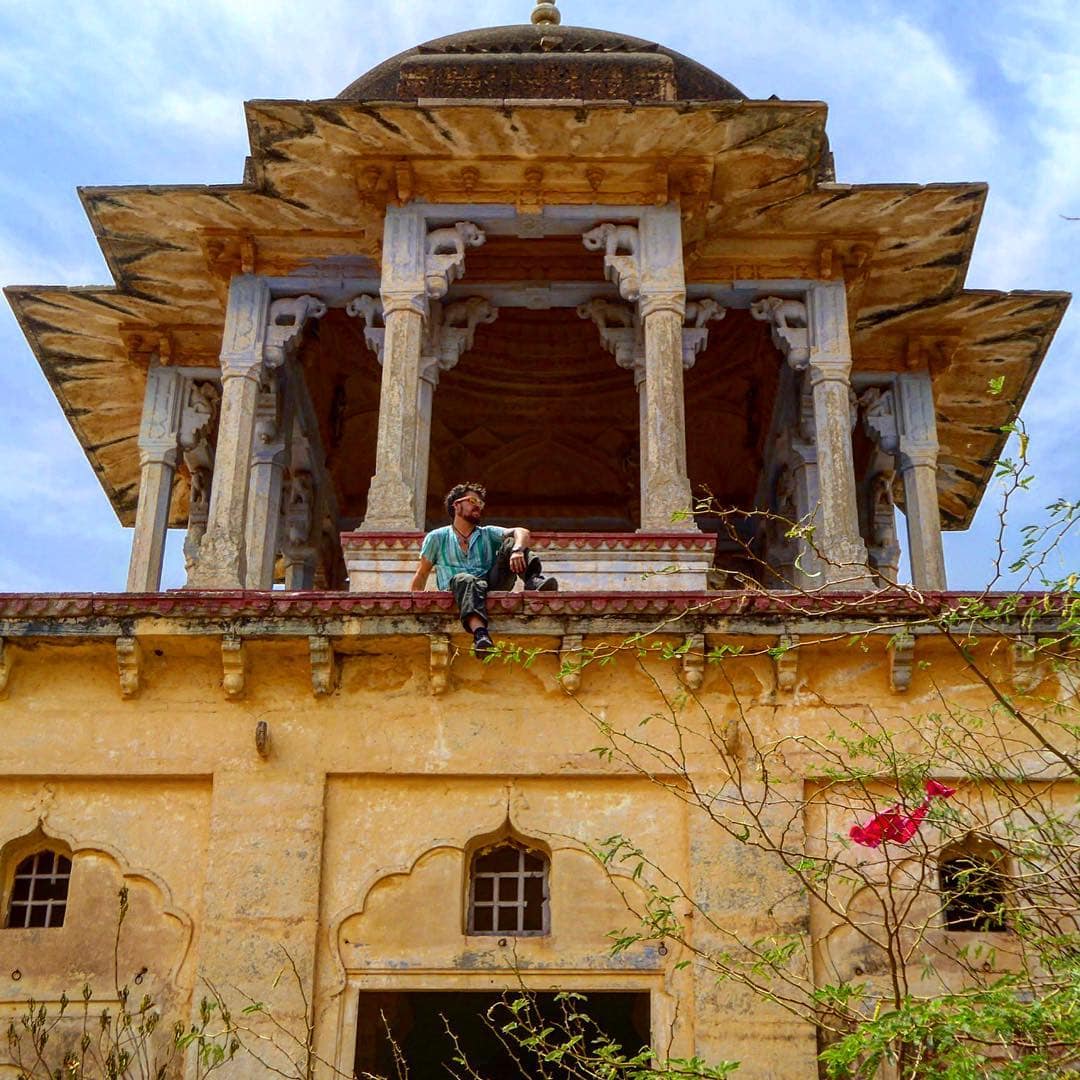
Photo: Will Hatton
Alongside these political powers, India has also been shaped by major religions and philosophies, including Hinduism, Buddhism, Jainism, Sikhism, and Islam, with each influencing different regions in distinct ways.
This long history of overlapping cultures is why language, food, architecture, and customs can change dramatically as you move across the country.
The Portuguese were the first Western colony to enter India from Goa in the 1400s. From the 18th century onwards, much of India came under the control of the British East India Company and later the British Crown.
India gained independence in 1947, alongside the Partition—the creation of India and Pakistan—which led to one of the largest migrations in human history and continues to shape the region today.
Modern India is a vast, diverse democracy, and its regional differences are rooted in this long, layered history of kingdoms, empires, and cultures evolving side by side. However today, India is undergoing something of a personal identity crisis. The current Prime Minister Modi is a Hindu nationalist fascist who is stirring anti-Islamic sentiment.
Books To Read About India
You will get so much more out of your backpacking trip to India if you read up a bit whilst out there… Luckily, India has to be one of the most written about destinations in the world, and there are some fantastic books out there. Here are a few of my favourites:
- Shantaram: The first book I ever read on India, Shantaram inspired me to book a one way flight to Delhi and travel around India for 14 months. The book follows the possibly true, possibly exaggerated, story of an escaped Australian convict and his (absolutely balls-to-the-wall) crazy adventures in India.
- The White Tiger: One of the first books I read whilst backpacking India, this is a really useful, often amusing, sometimes horrifying, tale that will help you better understand the caste system.
- Nine Lives: Nine people, nine lives; each one taking a different religious path, each one an unforgettable story. William Dalrymple is one of the best writers when it comes to offering insight into Indian culture and I highly recommend reading everything he has written.
- Full Tilt, Ireland to India with a Bicycle: Shortly after her tenth birthday, Dervla Murphy decided to cycle to India. Almost 20 years later, she set out to achieve her ambition. Her epic journey began during the coldest winter in memory, taking her through Europe, Persia, Afghanistan, over the Himalayas to Pakistan, and into India.
- City of Djinns: A fascinating, layered portrait of Delhi that blends history with personal narrative.
- Train to Pakistan: A powerful novel set during Partition, giving insight into one of the most significant and tragic moments in the region’s history.
Final Advice Before Visiting India
How did you enjoy the best India travel guide on the internet?
Backpacking through India can be one hell of a crazy party at times. Take it from me, it can be easy to get carried away. It is important to keep in mind that you are an ambassador for your country, which is awesome.
You can make a positive impact on people when we travel and get rid of any ugly stereotypes that may be associated with your homeland.
- If you visit indigenous villages or small communities in the rural areas always ask before taking photos. The people who live in these villages are not exhibits in a museum. They are normal folks just living their lives. Always show them the complete respect that they deserve.
- When buying a local craft, do not haggle so low that the price is unfair to the person who spent countless hours crafting it. Pay people what they are worth and contribute to the local economies as much as possible.
- Backpacking India or any region for that matter often illuminates some of the great socio-economic inequalities of the world. Never take it for granted that you are healthy and financially able to go traveling.
Show the world around you some gratitude and help to make a positive impact on it. Most of all have the time of your life and spread the love!