Mexico is one of the most diverse countries in the Americas. Stretching across deserts, jungles, mountains, beaches, and sprawling cities, it’s a place where ancient civilizations, colonial history, world-famous cuisine, and modern culture all collide. Most people know Mexico for tacos, tequila, and beach resorts, but that barely scratches the surface of what the country has to offer.
For many travellers, Mexico can feel intimidating before they arrive. The headlines often focus on crime and cartel violence, while the tourism industry works hard to present a polished resort version of the country. The reality, as usual, sits somewhere in the middle. Mexico is neither the dangerous wasteland some outsiders imagine nor the endless paradise portrayed in holiday brochures. It’s a vast, complex, fascinating country that rewards travellers willing to venture beyond the hotel zone.
I spent three weeks travelling through Mexico, exploring a mix of cities, backpacker hubs, cultural destinations, and beach towns. While I found plenty to love, I never quite joined the ranks of travellers who become completely obsessed with the country. What I did come away with was a genuine appreciation for its diversity, a bellyful of its food, its landscapes, and the sheer variety of experiences available to backpackers.
And that’s exactly what this guide is designed to help you navigate. Whether you’re chasing cenotes and Caribbean beaches, colourful colonial towns, epic food, Spanish lessons, surfing, hiking, or simply travelling on a budget, I’ll walk you through where to go, what to skip, how much to budget, how to get around, and how to build an itinerary that actually matches your travel style.
Mexico is far too interesting to spend your entire trip behind the walls of a resort. So let’s dive in and start planning your backpacking adventure.
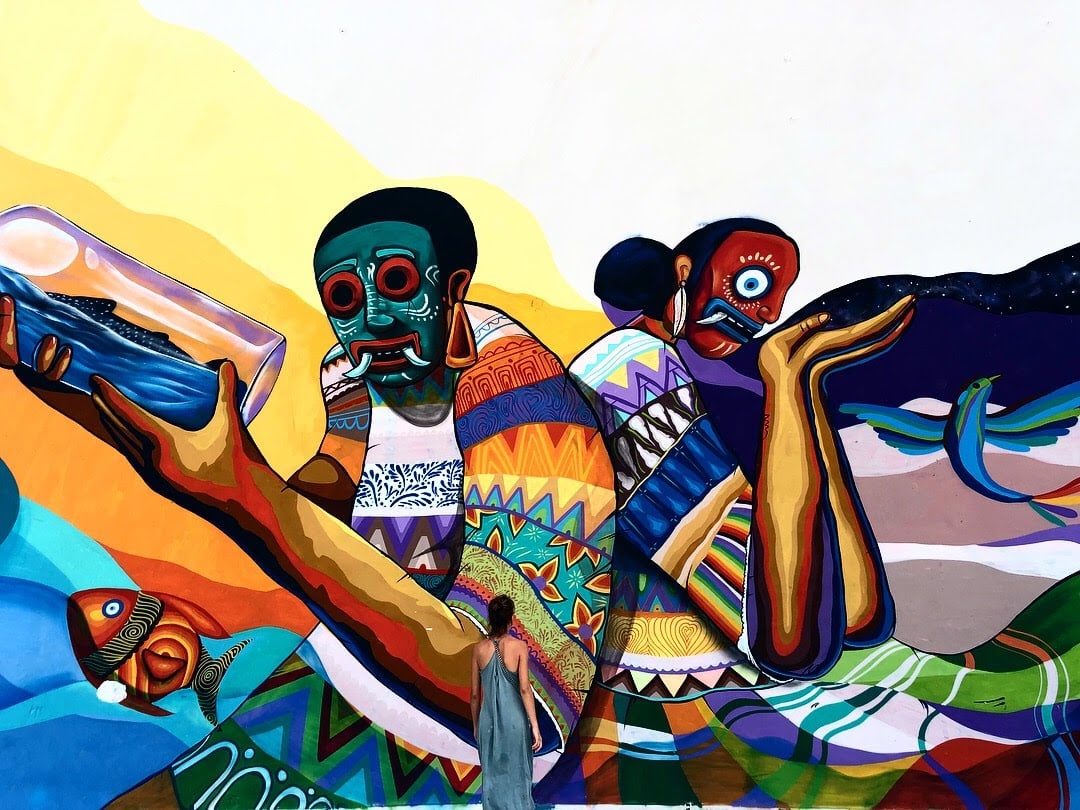
Photo: @indigogoinggone
The Broke Backpacker is supported by you. Clicking through our links may earn us a small affiliate commission, and that's what allows us to keep producing free content 🙂 Learn more.
Why Go Backpacking in Mexico?
Backpacking Mexico satisfies the traveller’s trifecta of needs: it’s affordable (but not cheap), the food is decent (albeit repetitive), and the culture feels just different enough from home (as long as you live in “the West” not including Texas) that every day brings something new.
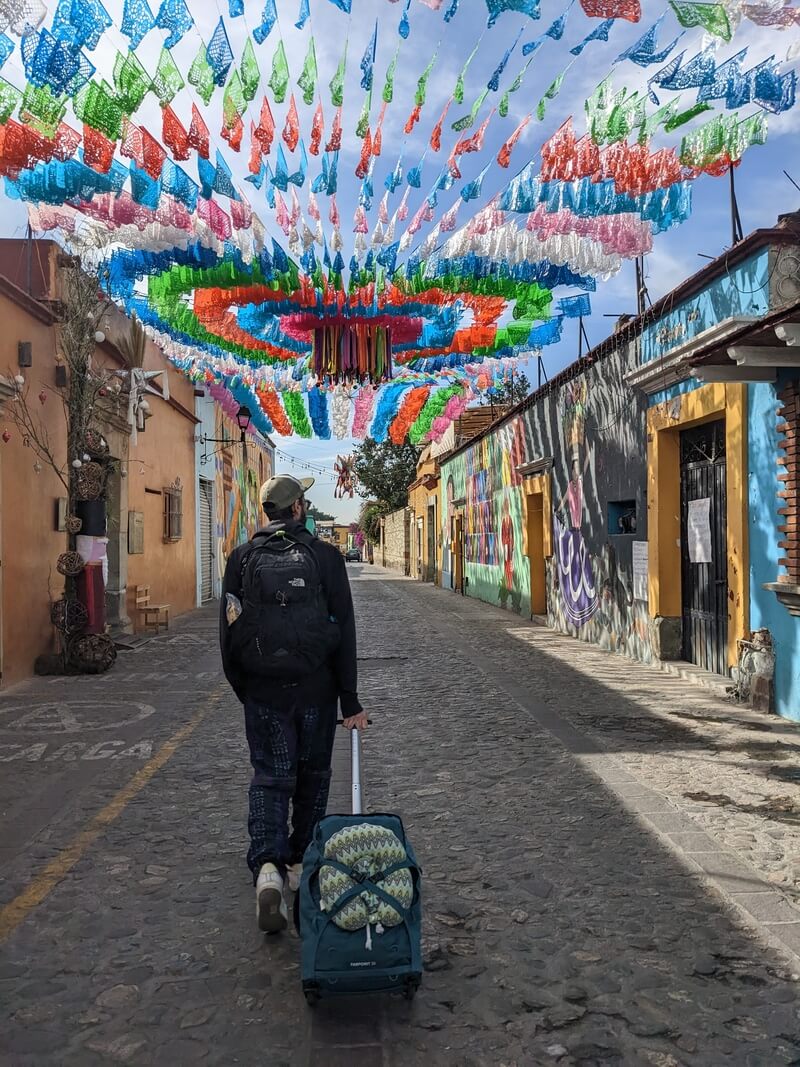
Photo: @Lauramcblonde
Sure, millions of people visit Mexico every year for an easy beach holiday. There’s absolutely nothing wrong with that. But backpacking Mexico lets you see a very different side of the country. Step away from the resorts and you’ll find colourful colonial cities, mountain towns, ancient ruins, surf beaches, desert landscapes, jungle waterfalls, and communities where life moves at a completely different pace.
Mexico is also a country that rewards curiosity. You can follow the established backpacker trail and have an incredible trip, or you can take the occasional detour and discover places that barely feature in the guidebooks. Some of my favourite moments came from wandering local markets, lingering over long lunches, and spending time in places that weren’t on my original itinerary.
You can eat pretty well too as long as you are into beans, rice, corn, tomatoes and meat that is. From humble street-side taco stands to regional specialities you’ll struggle to pronounce, let alone recreate back home, the food alone is reason enough to visit. Oaxaca, in particular, is a treat for foodies.
What surprised me most was the variety. Mexico has world-famous beaches, sure, but it also has volcanoes, deserts, jungles, mountains, vibrant cities, spiritual retreats, hiking trails, museums, and enough cultural depth to keep you occupied for months. Add in a generous six-month tourist visa for many nationalities, and it’s easy to see why so many travellers end up staying far longer than planned.
Mexico wasn’t my favourite backpacking destination in the world, but it may well be one of the most varied. The more curious you are, the more rewarding it becomes. If you are sketching out a Latin America Itinerary, visiting the US and fancy an alt-take, or based in the US then it is well worth a few weeks exploration.
Buuuuut! Newsflash, I am heading back for the World Cup in 2026, and honestly, I can’t wait.
- Best Travel Itineraries for Backpacking Mexico
- Best Places to Visit in Mexico
- Top 12 Things to Do in Mexico
- Backpacker Accommodation in Mexico
- Mexico Backpacking Costs
- And Speaking of Plastic… Get an eSIM For Mexico
- Best Time to Travel to Mexico
- What to Pack for Mexico
- What’s New for a Mexico Backpacking Trip?
- Staying Safe in Mexico
- Sex, Drugs, and Rock ‘N Roll in Mexico
- How To Get Into Mexico
- How To Get Around Mexico
- Working In Mexico
- Culture in Mexico
- Some Unique Experiences in Mexico
- Final Advice Before Visiting Mexico
Look, you won’t be able to see all of Mexico in one trip. Mexico is deceptively big! It’s about three times the size of France and each state is vastly different.
With that in mind, time and geography are your biggest concerns when planning where to backpack in Mexico. If you’re limited in time, it’s best to stick to one region and do it thoroughly.
Decide what your priorities are when choosing where to go and where to stay in Mexico. Are you interested in Mayan ruins, jungle adventures, catching some waves, or eating your way through venerable piles of tamales?
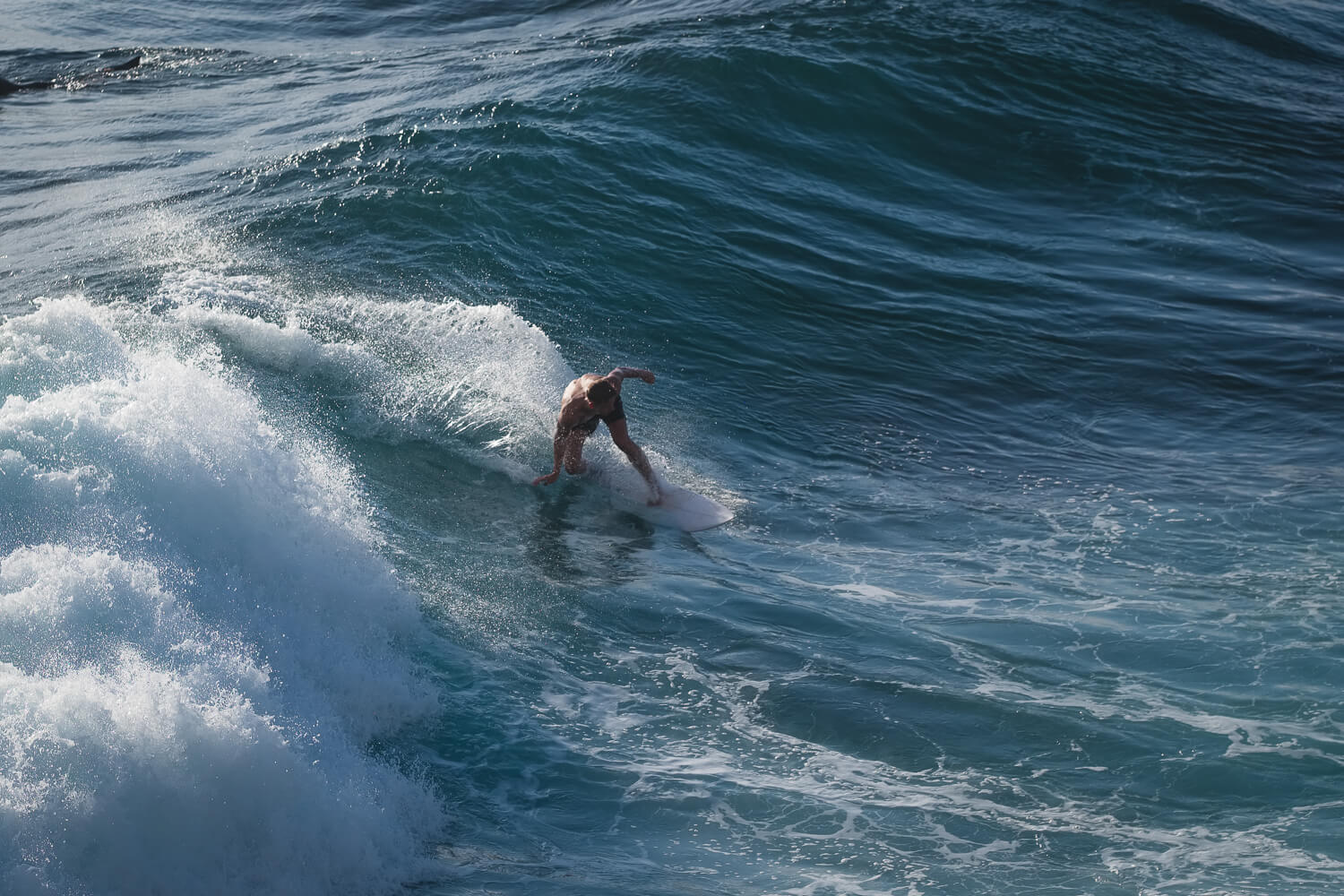
Photo: Roaming Ralph
Some states are more tourist-friendly with more hostels, buses, and a police presence. Other states require you to travel off the beaten path and really keep your wits about you. I’m no believer in overhyping the dangers of travel, but I did see the occasional body slung over a bridge in rural Mexico.
However, I very much strayed from the relative safety of the turquoise waters and “gringo trail”. So your adventure in Mexico is likely to be very safe!
Hiring a car in Mexico is a very cool way to explore this magical country. Having your own wheels to get around on gives you the ultimate freedom to explore where you want and when. If you can convince a few mates to join you, it’s actually a pretty affordable way to get around.
Anyway, that wee caveat aside, here are a few ideas for your Mexico backpacking itinerary.
When planning where to backpack in Mexico, I think a loose plan is better than a regimented itinerary. So feel free to adapt these to your interests!
2-Week Itinerary for Backpacking Mexico: Explore the Riviera Maya
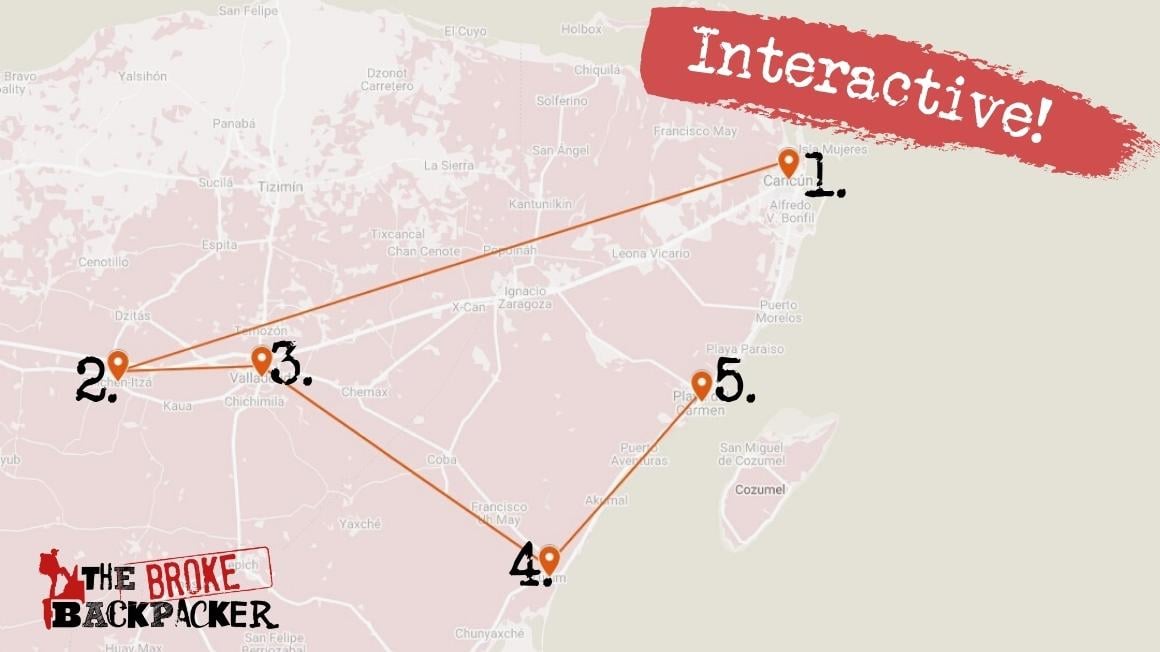
With just 2 weeks in Mexico, it’s to fly into Cancun. Spend a night there if necessary, but stay somewhere downtown so you don’t feel like you’re in a Disneyland version of Mexico. Eat a bunch of tacos and grab a cerveza or two at a local joint where you’ll be introduced to mariachi music.
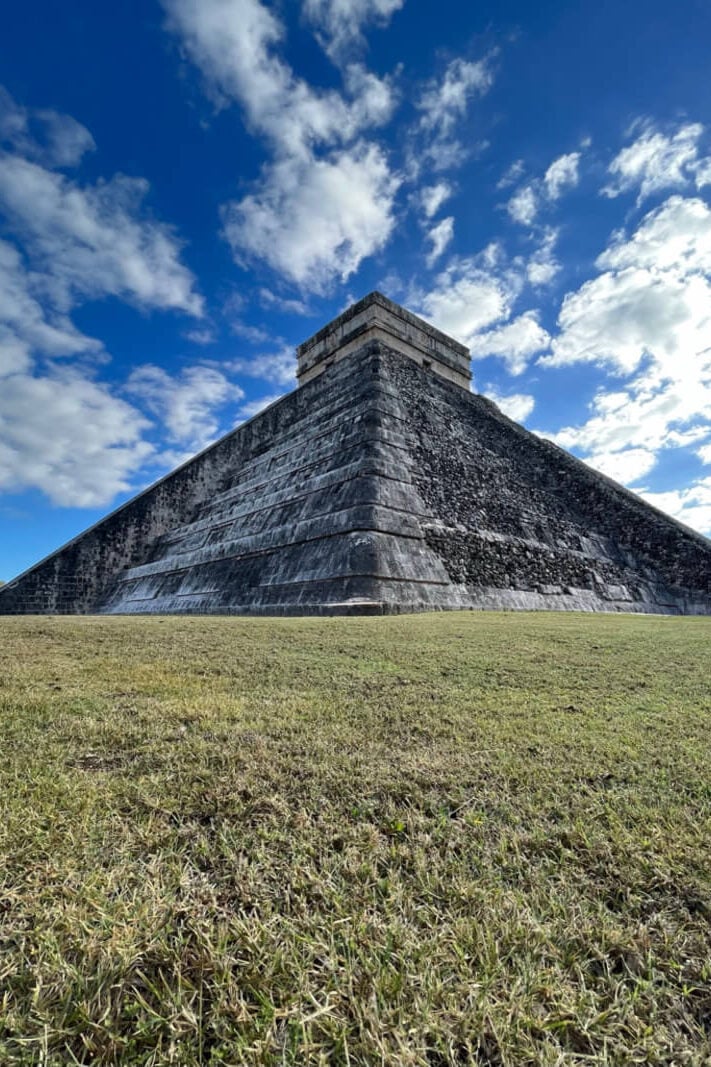
Photo: @joemiddlehurst
From Cancun, it’s just a few hours by bus to Chichen Itza. You can stay at a hotel just up the road from this ancient Mayan city to get there early and beat the crowds. It’s worth it to splurge on a guide to learn all about this awe-inspiring place that’s one of the New Seven Wonders of the World.
Next up, spend some time walking the cobblestone streets of Valladolid. This colourful colonial town is gorgeous and super laid back with access to cenotes to dive into and cool off in.
If you need some more excitement, you can reach the ruins at Ek Balam. Unlike Chichen Itza, you can still climb to the top of the main pyramid here.
Backpackers in Mexico could find really cool hostels in Valladolid where they can mingle, socialize, and immerse themselves in the delightful Latino ambiance.
After a few days in Valladolid, head back to the coast to the trendy town filled with things to do. Hopefully, you’re not sick of ruins because the ones here are probably the most beautiful! You can spend the rest of your time bumming on the beach and bouncing around the restaurants and bars. You could even consider renting a car in Tulum to truly be able to explore everything the area has to offer with ease!
Continuing back up the coast, you’ve got a few choices for where to stay. Playa del Carmen or Cozumel are both good options. You could do Cozumel on a day trip if you’re pressed for time and Playa Del Carmen is well connected to Cancun Airport.
If you want something quieter, check out Puerto Morelos. Enjoy a few relaxing days before you have to get back to Cancun to catch your flight. If you want to head over to the other coast for a few days, there are some epic hostels in Campeche to call home whilst you explore this historic colonial city.
Or, another favourite is to check out some of the amazing places to stay in Merida, which is a super chill spot ideal for digital nomads.
1-Month Itinerary for Backpacking Mexico: From the Centre to the Coast
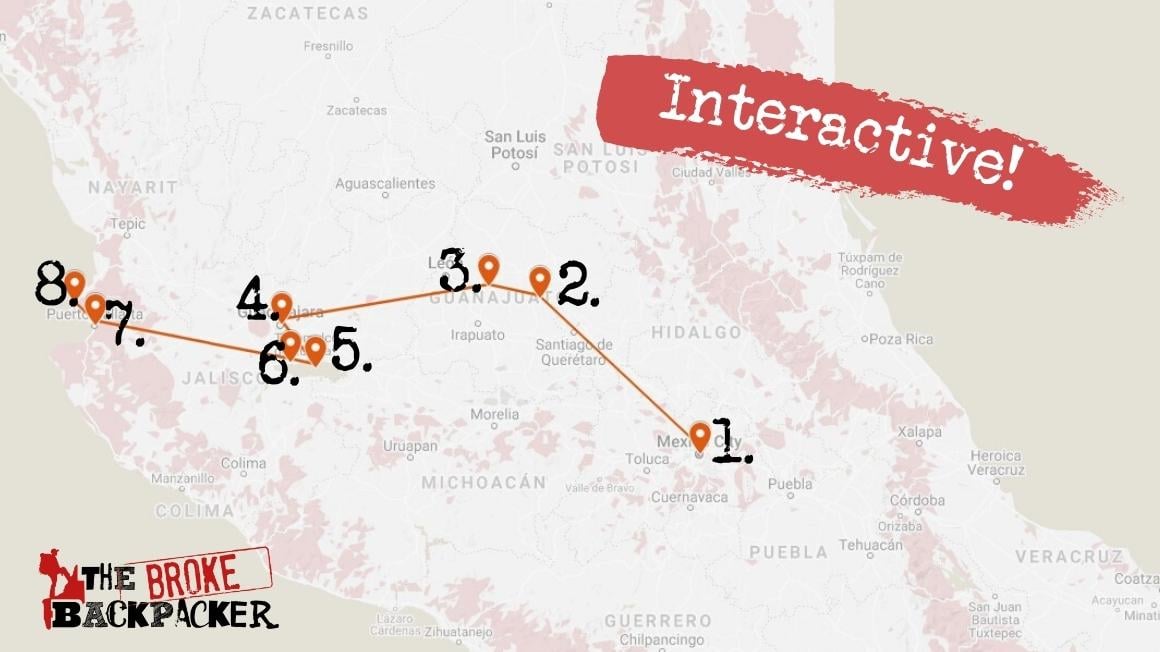
Rather than starting out in Cancun (because, all due respect, FUCK Cancun) this trip starts in the capital. Fly into Mexico City AKA Cuidad de Mexico and dedicate at least a few days to this mega-city. Did you know that Mexico City has more museums than any other city?
Honestly, I could probably up and move to Mexico City. But this is a travel guide – not a list of places you might find the author when she has another quarter-life crisis.
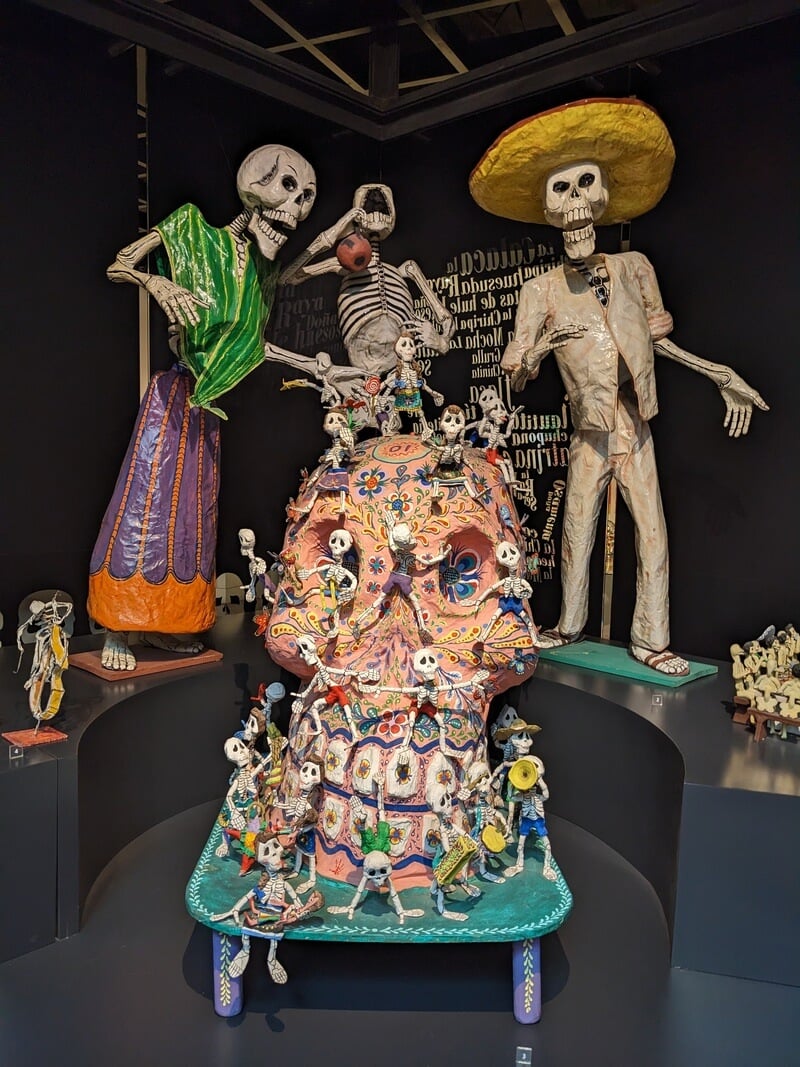
Photo: @Lauramcblonde
The ancient city of Teotihuacan is a must. Also known as the Birthplace of the Gods, it was once one of the biggest cities in the world, extending its influence across the region and beyond. I’d highly recommend learning Spanish if only to talk to the locals here about the majesty of Indigenous Mexican culture.
After taking in all that CDMX has to offer, it’s time to chill out a bit. A short bus ride will take you to one of the most beautiful towns in Mexico, San Miguel de Allende.
From here, you should check out Guanajuato as well. This city is known for its silver mining history and colonial architecture. It’s also famous for its mummies on display from a cholera outbreak during the mid-1800s if you’re into that dark tourism stuff.
Ok, indulging in oddities aside, now it’s time to head back to the big city – Guadalajara. While Guadalajara has found itself sandwiched between Mexico City and Puerto Vallarta leading to it being overlooked a little, there are definitely a lot of cool hostels in Guadalajara and some damn fine food too.
Just an hour or so down the road from the city is Lake Chapala. There are plenty of villages around the lake where you can stay, including Ajijic. Spend a couple of days here chilling out and enjoying the natural beauty in one of Mexico’s top ex-pat destinations.
After that action-packed trip, it’s time to head to the beach. Puerto Vallarta and the surrounding area is the perfect spot to end your month-long adventure backpacking Mexico. If Puerto Vallarta gets a bit much, you can always head up the coast to Sayulita or down the coast to Bucerias.
3-Month Itinerary for Backpacking Mexico: The Combo
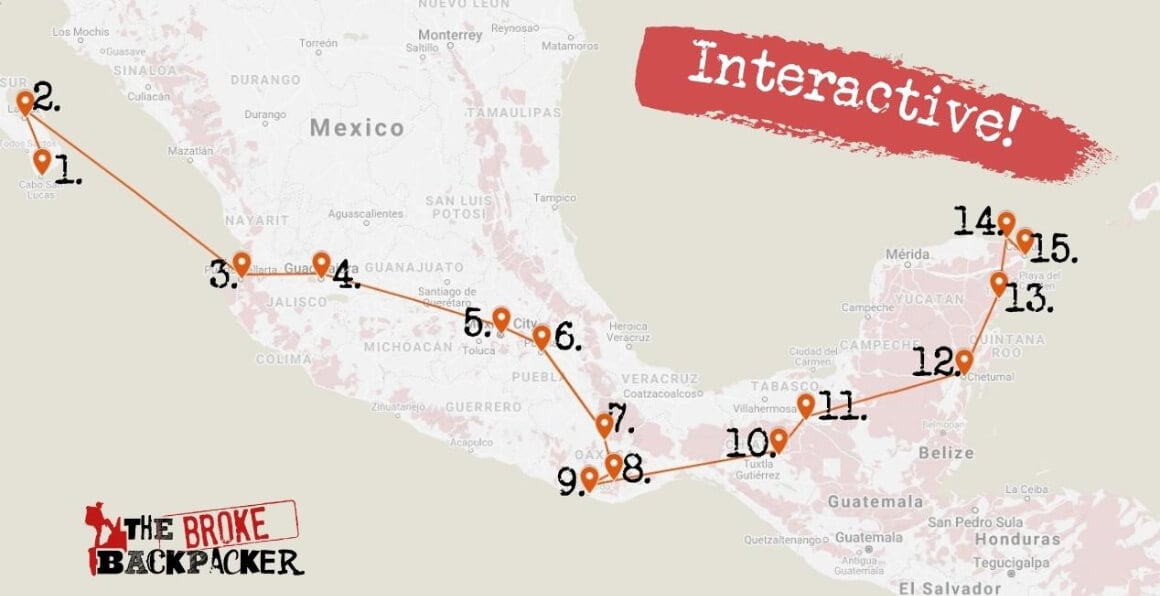
With 3 months of backpacking Mexico, you can traverse the country if you move like a firecracker’s been set off in close proximity to your bum. Of course, you always have the option of lingering a while in places you like.
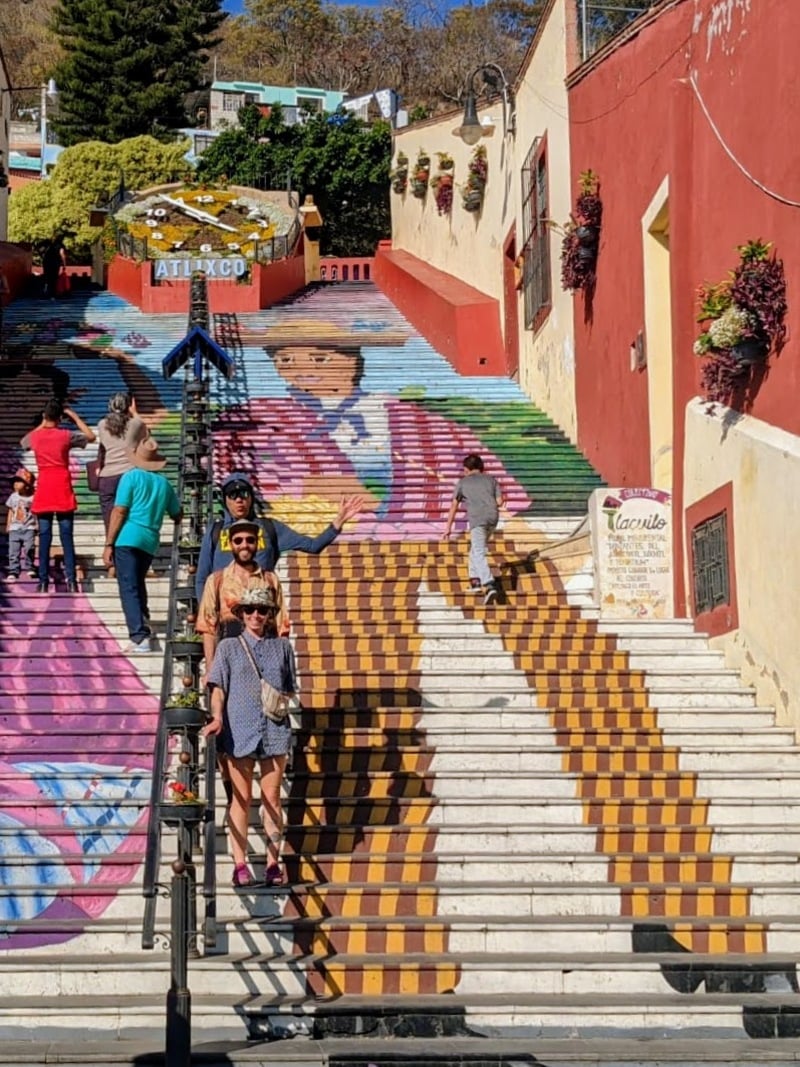
Photo: @Lauramcblonde
A good strategy would be to start in one corner of the country and book your flight out of another. For example, you could start off staying in Cabo and end by flying out of Cancun. I could think of worse places to bookend an extended backpacking trip!
With 3 whole months, you can visit all the places mentioned in the itineraries above and add a few others. Definitely go ahead and add some time in the states of beautiful Baja California and Oaxaca. They have tons of beaches, gorgeous colonial towns, and abundant nature. If you’re into surfing, you’ll love both of them too.
Also, you HAVE to try Oaxacan cheese… and chocolate. Mmm, I’m freaking salivating just thinking about it! Oaxacan food is insane.
Having more time in the country means you can check out some places a bit more off the beaten path. Staying in Monterrey (way up north) and Puebla (near Mexico City) get way fewer foreign visitors, so these are cool places to visit if you’re interested in seeing the less-touristy real side of Mexico.
There are so many quaint little towns, remote beaches, and natural wonders across Mexico that you can fill in 3 months. Slow down, take it all in, and enjoy. And don’t forget to sample a taco from each and every state you visit!
Best Places to Visit in Mexico
So the best-of lists will inevitably ruffle some feathers, as we all have our secret wee spots that hold a special place in our hearts! Besides, Mexico is simply packed to the brim full of fascinating and beautiful places to visit. I’d hope that each and every one of you budding backpackers of Mexico throw all your fucks to the wind and hitchhike to large amber markets and clandestine hippy congregations in the jungle.
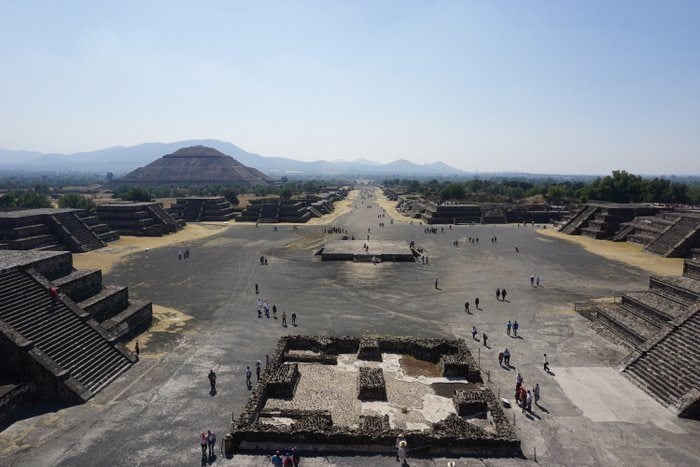
Photo: Sasha Savinov
But, you know what, from time to time, popular places to visit remind us why they became popular in the first place: Mexico has some truly awesome cities full of marching bands, salsa verde, clear watered cenotes, and dreamy surf breaks. You can learn to dive one week, and hike a volcano the next. There are museums and art galleries contrasted with backcountry roads.
Inevitably you’ll discover your own hidden gems but these places to visit in Mexico are a good start!
Mexico City
At a Glance
Best for: Foodies, culture lovers, history buffs, museum nerds, nightlife seekers, digital nomads
Known for: World-class food, fascinating museums, vibrant neighbourhoods, Aztec history, nightlife
How long to stay: 3–5 days
Don’t miss: Chapultepec Park, the Historic Centre, Teotihuacán, a taco crawl through the city’s neighbourhoods
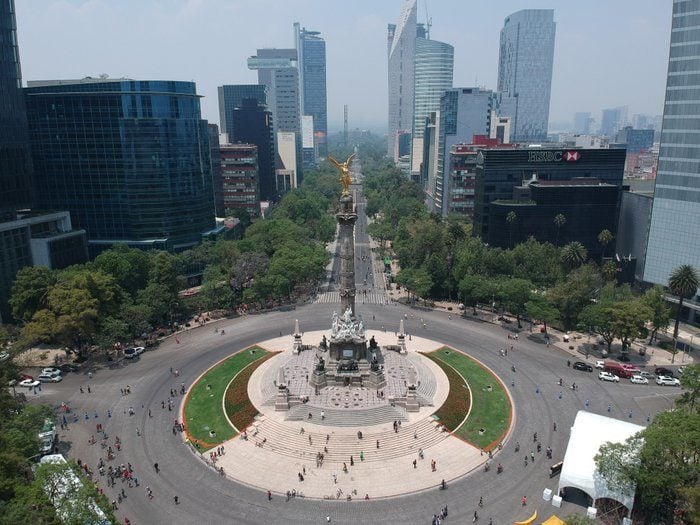
Photo: Sasha Savinov
Mexico City is one of the most rewarding destinations in the country and, in my opinion, an essential stop for anyone wanting to understand modern Mexico. Many travellers rush straight to the beaches, but doing so means missing one of the most dynamic cities in the Americas. Vast, chaotic, creative, and endlessly fascinating, Mexico City offers a side of Mexico that feels completely different from the resort towns and backpacker beaches.
What struck me most was the sheer variety (and the bloody size). One moment you’re exploring centuries-old churches and Aztec ruins, the next you’re sipping craft cocktails in a trendy neighbourhood or eating some of the best street food of your life from a cart on the pavement. Few cities manage to balance history, culture, food, and nightlife quite so effortlessly.
Why backpackers love it:
- Chapultepec Park is one of the world’s great urban green spaces, home to museums, lakes, walking trails, and the only royal castle in the Americas.
- The food scene is reason enough to visit. From tacos al pastor and tamales to high-end restaurants, Mexico City delivers at every budget level.
- Neighbourhoods such as Roma, Condesa, Coyoacán, and Centro Histórico each have their own distinct personality and are worth exploring on foot.
- Plaza Garibaldi remains one of the best places to experience live mariachi music, preferably with a tequila or mezcal in hand.
- The nightlife ranges from laid-back cantinas and rooftop bars to underground clubs and all-night electronic music venues.
- The ancient pyramids of Teotihuacán make an easy and worthwhile day trip from the city. Its even better if you spend a night on the charming little town though – it totally changes once day crowds thin out.
If you’re only going to visit one city in Mexico, make it this one. It’s busy, noisy, and occasionally overwhelming, but it’s also one of the best places in the country to get beneath the surface and experience contemporary Mexican culture. Mexico City also has a world famous nightlife but, because of safety concerns, it was easy to get amongst it without an insider. It also has a world famous black market where you can apparently absolutely buy anything – this amazes me as I struggled to even find a decent pair of denim shorts in Mexico City.
 Find the best areas in our where to stay in Mexico City guide.
 Don’t miss these places to visit in Mexico City.
 Check out the best hostels in Mexico City.
 Why not follow our Mexico City itinerary.
Backpacking Tulum
At a Glance
Best for: Beach lovers, cenote explorers, wellness travellers, digital nomads, short-term backpackers
Known for: Caribbean beaches, cenotes, Mayan ruins, yoga retreats, beach clubs
How long to stay: 3–4 days
Don’t miss: Swimming in cenotes, the Tulum ruins, cycling between town and the beach, a day trip to Sian Ka’an Biosphere Reserve
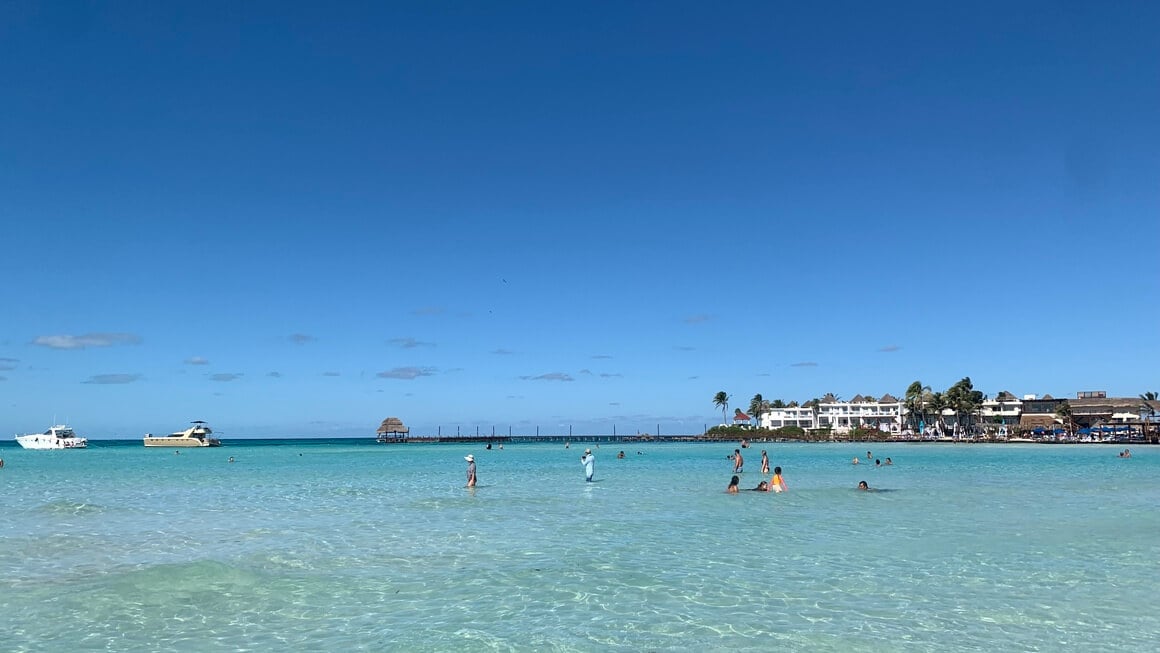
Photo: @joemiddlehurst
The Riviera Maya may be famous for its flashy resorts (Cancun which we have left out of this guide is 4 hours bus ride away), but that doesn’t mean it’s not for backpackers (or flash-packers anyway). You can pick one of the Riviera’s more alternative towns – Tulum – as your place to start backpacking this coastline. You just have to know where to stay in Tulum!
Tulum has undergone a dramatic transformation over the last decade. What was once a laid-back backpacker hideaway has become one of Mexico’s most fashionable boojie-destinations, attracting everyone from digital nomads and wellness seekers to influencers and luxury holidaymakers. While that evolution isn’t to everyone’s taste, there’s no denying that Tulum remains one of the most beautiful stretches of coastline in the country. Or ay least that was true until a few years ago when the Cartel started building more and more beach clubs and condos.
The real appeal lies in the combination of powder-soft Caribbean beaches, lush jungle, crystal-clear cenotes, and easy access to some fascinating Mayan history. Even if you roll your eyes at some of the beach club prices, the natural setting is genuinely spectacular.
Why backpackers still come:
- The cenotes around Tulum are some of the most impressive in Mexico and offer excellent swimming, snorkelling, and freediving opportunities.
- The clifftop Tulum ruins provide one of the country’s most scenic archaeological settings.
- Renting a bicycle remains one of the best ways to get around and explore at your own pace.
- Accommodation in town is significantly cheaper than staying directly on the beach.
- Tulum works well as a base for exploring the wider Riviera Maya, including Coba, Chichén Itzá, and Sian Ka’an.
- The town has a strong international backpacker and digital nomad scene, making it easy to meet people.
My relationship with Tulum is mixed. I can absolutely see why people fall in love with it, but I also found some of the hype a little overblown. In fact, within 24 hours I wen’t from loving it to hating it. The beaches and cenotes are fantastic, but if you’re looking for a more relaxed atmosphere or better value, you may find yourself preferring places such as Bacalar or some of the smaller towns further along the coast.
Tulum is surrounded by lush sub-tropical jungle and has a glittering, turquoise water beachfront. There’s also a lot of epic street art here.
Cozumel & Mexico’s Caribbean Islands
At a Glance
Best for: Divers, snorkellers, beach lovers, island hoppers
Known for: World-class diving, coral reefs, turquoise water, laid-back island life
How long to stay: 2–5 days
Don’t miss: Diving the reefs of Cozumel, snorkelling with marine life, exploring the island by scooter, a trip to nearby Isla Mujeres
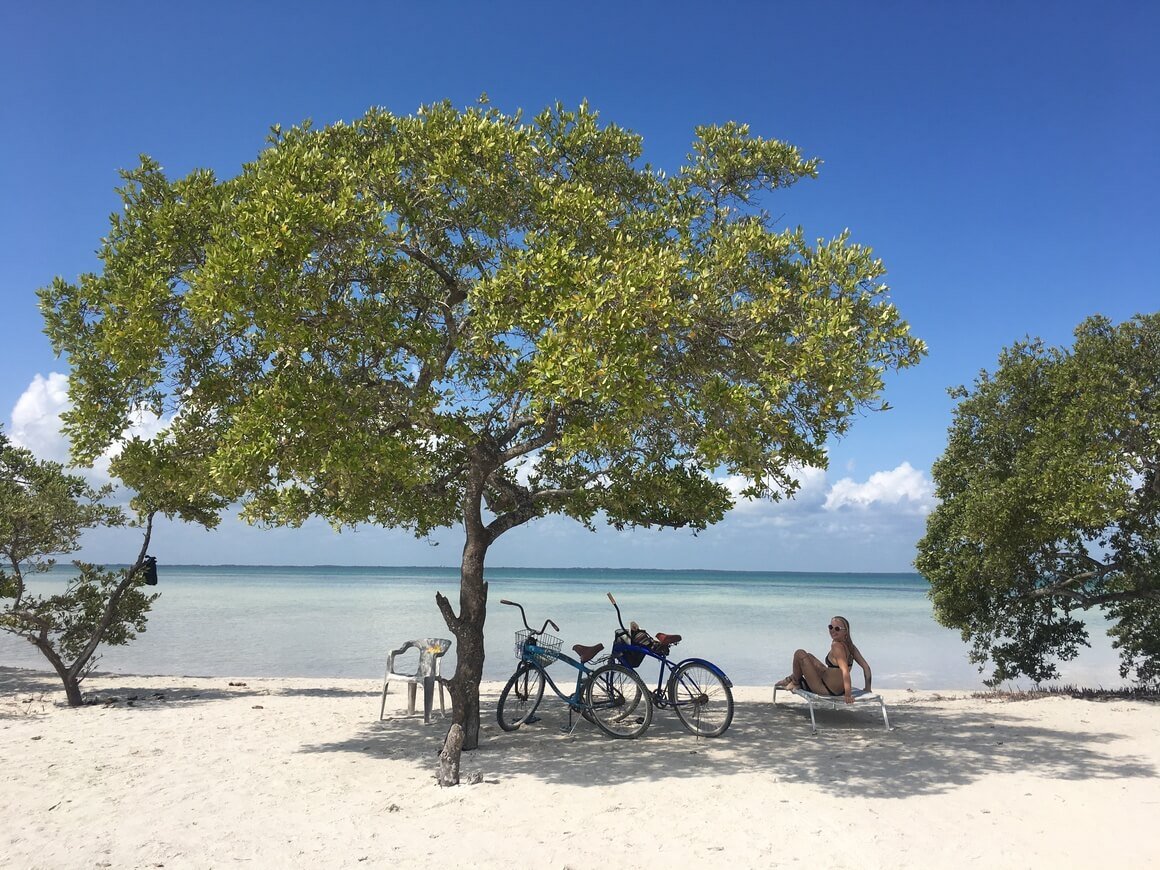
Photo: @Lauramcblonde
If the Riviera Maya’s mainland destinations feel a little hectic, Mexico’s Caribbean islands offer a slower pace of life. Cozumel, Isla Mujeres, and a handful of smaller islands sit just offshore, combining postcard-perfect beaches with some of the best underwater experiences in the Americas.
Cozumel is the heavyweight of the bunch. Located just off the coast from Playa del Carmen, the island has built an international reputation for its exceptional diving. Thanks to warm water, excellent visibility, and the nearby Mesoamerican Reef System, divers can expect colourful coral gardens, dramatic drop-offs, and abundant marine life throughout the year.
Why backpackers love it:
- Cozumel offers some of the best scuba diving in Mexico, suitable for both beginners and experienced divers.
- Water visibility is often outstanding, making both diving and snorkelling particularly rewarding.
- Renting a scooter is an affordable and fun way to explore the island’s quieter beaches and coastline.
- The island feels noticeably more relaxed than many destinations on the mainland.
- Dive operators offer trips for every level, from introductory dives to advanced drift dives.
It’s worth noting that while many travellers associate the region with beaches alone, this stretch of coastline is also famous for its cenotes. While most cenote diving actually takes place on the mainland rather than on Cozumel itself, certified cave and cavern divers travel from around the world to explore these unique flooded cave systems. They’re unlike anything else I’ve encountered while travelling.
If Cozumel feels a little too large or dive-focused, Isla Mujeres offers a smaller and more laid-back alternative. Just a short ferry ride from Cancun, it combines beautiful beaches, excellent snorkelling, colourful streets, and a good selection of budget hostels. It’s touristy, sure, but in a far more relaxed and manageable way than many parts of the mainland Riviera Maya.
For backpackers who love the ocean, it’s hard to go wrong with either.
Playa Del Carmen
At a Glance
Best for: First-time visitors, social backpackers, digital nomads, exploring the Riviera Maya
Known for: Beaches, nightlife, dive shops, coworking spaces, excellent transport connections
How long to stay: 3–5 days
Don’t miss: A ferry trip to Cozumel, local cenotes, beachfront sunsets, using Playa as a base for day trips around Quintana Roo
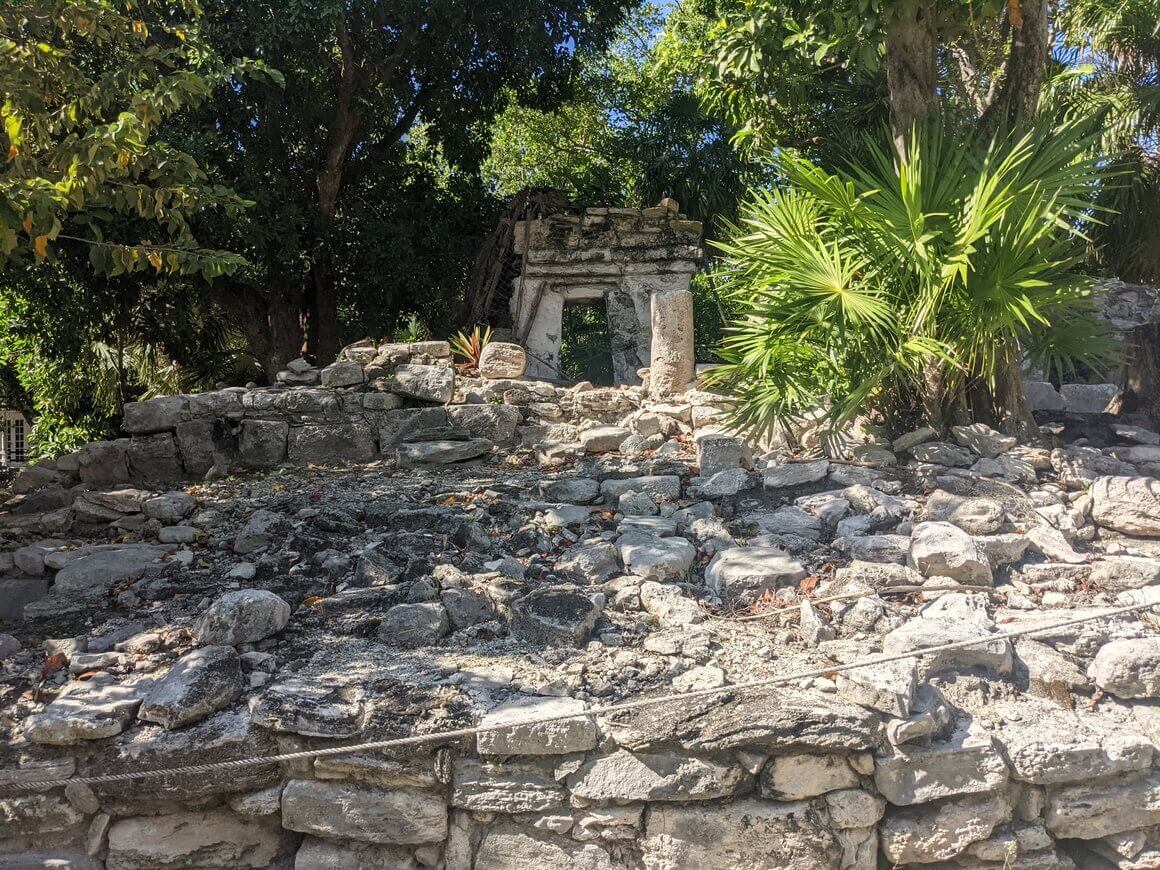
Photo: @Lauramcblonde
Playa del Carmen isn’t the most authentic destination in Mexico, nor is it the cheapest. In many ways, it’s a purpose-built tourism hub. Yet despite all of that, I had a genuinely great time here.
The town sits right in the heart of the Riviera Maya, making it one of the most practical bases in the country. Whether you’re heading to Tulum, Cozumel, Valladolid, Isla Holbox, cenotes, archaeological sites, or further down the Caribbean coast, chances are you’ll pass through Playa at some point. That convenience alone makes it worth considering.
And while there are certainly plenty of package tourists and international chain restaurants around, there is also a thriving backpacker scene, a good selection of hostels, plenty of nightlife, and enough local flavour to keep things interesting if you’re willing to wander beyond the busiest streets.
Why backpackers stay here:
- It’s one of the easiest places in Mexico to arrive and get your bearings after landing at Cancun Airport.
- The ferry to Cozumel leaves directly from town, making island trips simple and affordable.
- Cenotes, beaches, ruins, and nature reserves are all within easy reach.
- The hostel scene is lively and social without being completely dominated by party tourism.
- Dive shops, tour operators, transport links, and travel services are everywhere, making onward travel straightforward.
- It works brilliantly as a hub for exploring the wider Riviera Maya.
Playa del Carmen probably won’t be the highlight of your Mexico trip. It wasn’t mine. But as a comfortable base, a social stop, and a launchpad for some of the region’s best experiences, it does its job exceptionally well. Sometimes that’s exactly what you need from a destination. And as far as a backpacking checklist goes it’s got a ton of decent hostels going for it too.
Backpacking Oaxaca
At a Glance
Best for: Food lovers, culture seekers, hikers, slow travellers, Spanish learners
Known for: Indigenous culture, exceptional cuisine, mezcal, mountain villages, festivals
How long to stay: 4–7 days (or much longer)
Don’t miss: Monte Albán, the local markets, a mezcal tasting, the Pueblos Mancomunados, and at least one memorable Oaxacan meal
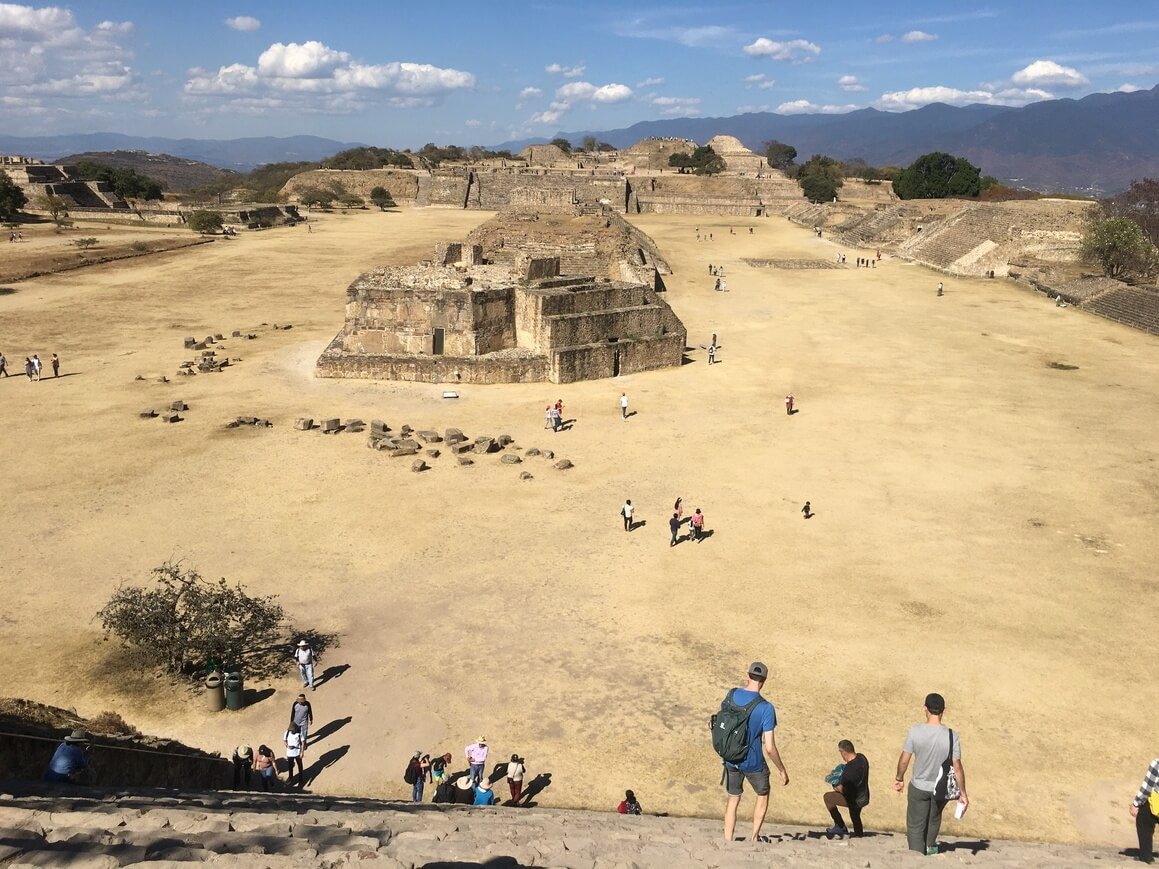
Photo: @Lauramcblonde
If there was one destination in Mexico that consistently exceeded my expectations, it was Oaxaca. Rich in culture, blessed with incredible food, surrounded by beautiful mountain scenery, and still retaining a distinctly local feel, it offers a side of Mexico that feels very different from the Caribbean coast.
Most travellers begin in Oaxaca City, and it’s easy to see why. The historic centre is colourful, walkable, and packed with markets, cafés, museums, and excellent hostels. It’s also one of the best places in Mexico to slow down for a while, improve your Spanish, and immerse yourself in everyday Mexican life rather than simply rushing between attractions.
Why backpackers love it:
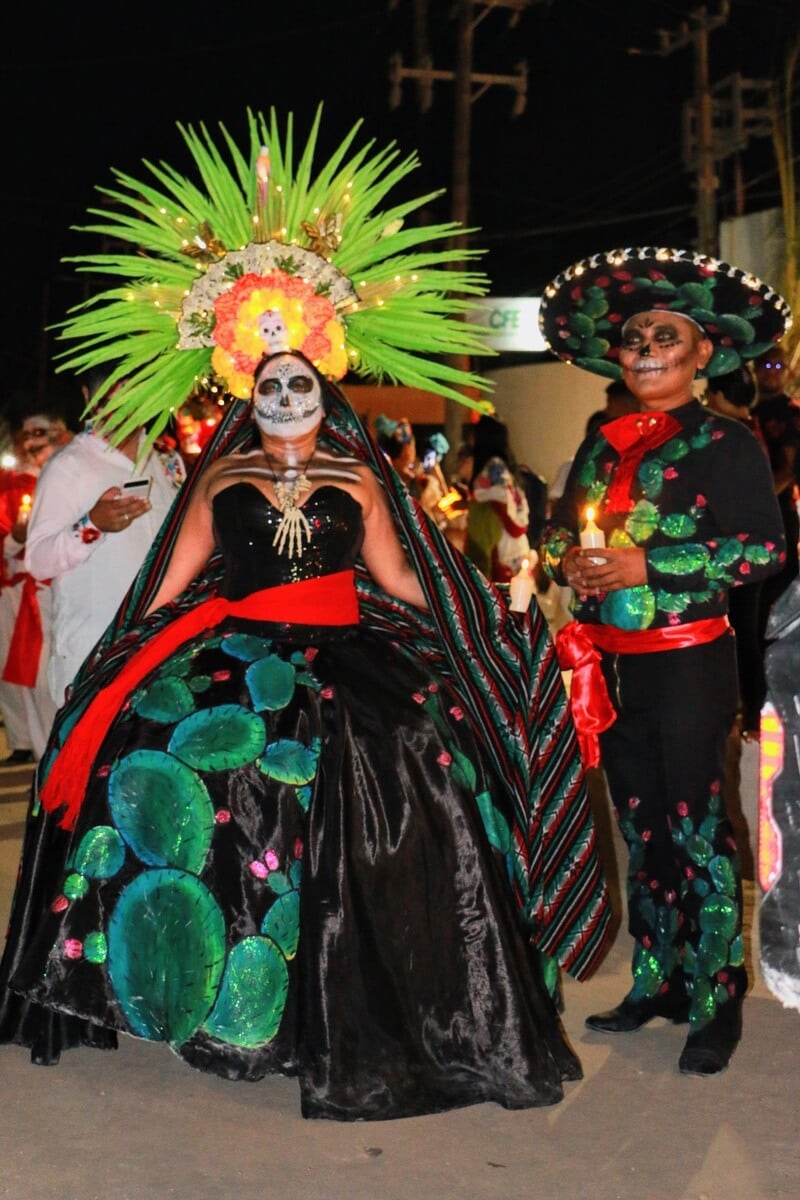
Photo: @Lauramcblonde
- The food is exceptional. Mole, tlayudas, memelas, tamales, and seemingly endless variations of Oaxacan cheese make this one of the country’s great culinary destinations.
- Monte Albán is one of Mexico’s most impressive archaeological sites and can easily be visited as a day trip from the city.
- Oaxaca City strikes a rare balance between being tourist-friendly and still feeling genuinely connected to local culture.
- The surrounding mountains offer excellent hiking opportunities and cooler temperatures than much of southern Mexico.
- The Pueblos Mancomunados community tourism project allows travellers to explore Indigenous villages while directly supporting local communities.
- The region is one of the best places in Mexico to learn about Indigenous history, traditions, and contemporary culture.
One thing that really stands out in Oaxaca is the strength of its cultural identity. Indigenous languages are still widely spoken throughout the state, traditional customs remain deeply woven into daily life, and major celebrations such as Guelaguetza and Día de los Muertos are observed with a level of pride and authenticity that’s difficult to describe until you’ve experienced it yourself. In fact, many of Mexico’s most celebrated festivals around the world take place here.
If you venture further into the mountains, places like San José del Pacífico offer a completely different atmosphere. Misty forests, temazcal ceremonies, hiking trails, and a laid-back countercultural scene have made the town popular with travellers seeking something slower and more reflective than the beaches.
For me, Oaxaca was one of the highlights of Mexico. If your interests lean more towards food, culture, nature, and meaningful travel experiences than all-night beach parties, there’s a good chance you’ll feel the same.
Check our where stay in Oaxaca run-down.
Mazunte
At a Glance
Best for: Slow travellers, beach lovers, yogis, backpackers, digital detoxes
Known for: Pacific beaches, laid-back atmosphere, yoga retreats, sunsets, sea turtles
How long to stay: 2–5 days (though many stay longer)
Don’t miss: Sunset at Punta Cometa, a turtle release, neighbouring San Agustinillo, and a lazy beach day with absolutely no plans
Mazunte is one of those places that backpackers seem reluctant to leave. Tucked away on Oaxaca’s Pacific Coast, this small beach town has built a reputation as a haven for surfers, yogis, artists, and travellers looking to slow down for a while.
Unlike some of Mexico’s more developed beach destinations, Mazunte remains refreshingly low-rise and laid-back. There are no giant resorts dominating the coastline, no cruise ships arriving every morning, and very little pressure to do anything beyond enjoy the rhythm of the place.
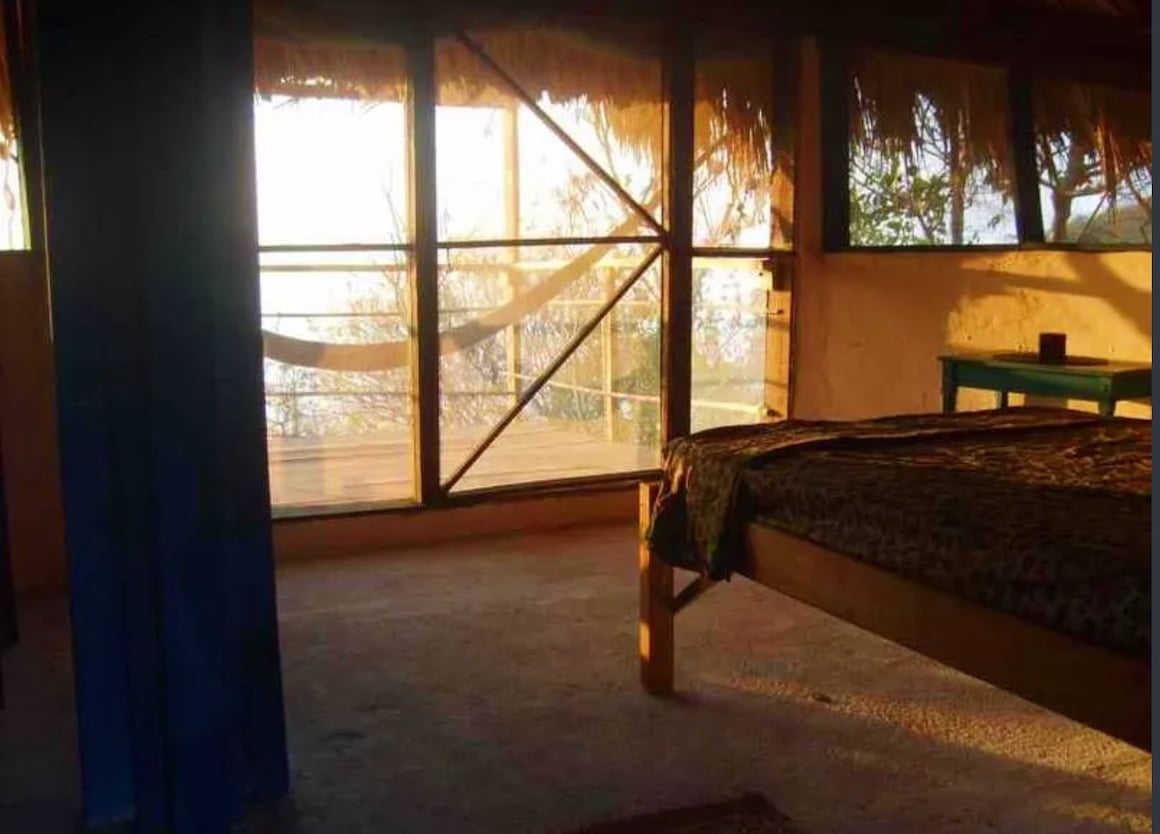
Why backpackers love it:
- Punta Cometa offers one of the most beautiful sunset viewpoints on Mexico’s Pacific Coast.
- The beaches are ideal for swimming, relaxing, and escaping the pace of city life.
- Yoga classes, wellness retreats, and holistic therapies are widely available.
- Sea turtle conservation projects play an important role in the local community.
- The neighbouring beach towns of San Agustinillo and Zipolite are easy to visit on foot.
- The hostel and guesthouse scene remains friendly, independent, and backpacker-focused.
What I liked most about Mazunte is that it doesn’t really feel like a destination built around a checklist of attractions. People come here to read books in hammocks, watch sunsets, swim in the ocean, chat with fellow travellers, and generally take life a little less seriously for a few days.
That won’t appeal to everyone. If you’re looking for nightlife, endless activities, or luxury beach clubs, you’ll probably be happier elsewhere. But if you’ve spent weeks bouncing between buses, cities, ruins, and hostels, Mazunte can feel like exactly the reset button you didn’t realise you needed.
Of all Mexico’s beach towns, this is one of the easiest places to lose track of time.
Puerto Escondido
At a Glance
Best for: Surfers, beach lovers, backpackers, slow travellers
Known for: Surfing, laid-back vibes, bioluminescent lagoons, Pacific sunsets
How long to stay: 3–7 days
Don’t miss: Surfing at Playa Zicatela, swimming in a bioluminescent lagoon, sunset drinks on the beach, a day trip to nearby beaches and coves
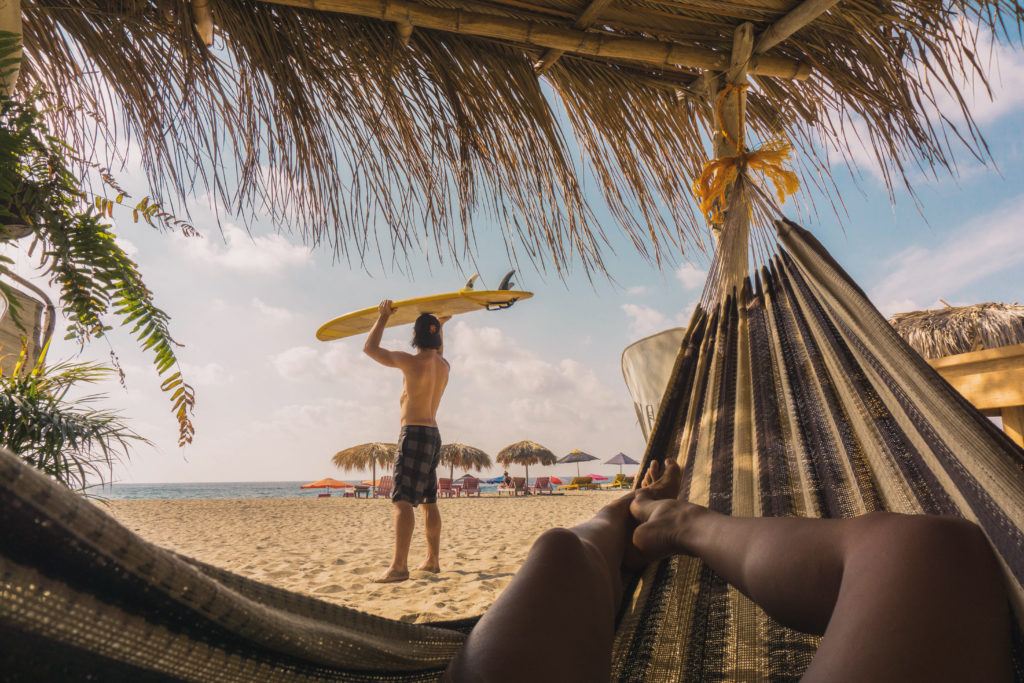
Photo: Ana Pereira
If Oaxaca City is the cultural heart of the state, Puerto Escondido is where many travellers come to switch off for a while. This once-sleepy surf town has grown significantly in recent years, but it still retains much of the relaxed atmosphere that made it famous in the first place.
Life here revolves around the ocean. Whether you’re learning to surf, chasing world-class waves, spotting wildlife offshore, or simply watching the sun disappear into the Pacific with a cold beer in hand, Puerto Escondido has a way of encouraging you to slow down and stay longer than planned.
Why backpackers love it:
- Playa Zicatela is one of the world’s most famous surf beaches, attracting experienced surfers from across the globe.
- Beginners aren’t left out, with gentler beaches and plenty of surf schools nearby.
- The hostel scene is social without feeling overwhelmingly party-focused.
- Boat trips offer opportunities to spot turtles, dolphins, manta rays, and seasonal whale migrations.
- Nearby bioluminescent lagoons provide one of the most memorable night-time experiences in the region.
- The town still feels noticeably more relaxed and less polished than many destinations along the Caribbean coast.
What I particularly liked about Puerto Escondido was its balance. It’s popular, sure, but it hasn’t completely lost its backpacker soul. You’ll find trendy cafés and boutique hotels alongside surf hostels, taco stands, and travellers who’ve somehow turned a planned three-day visit into a three-month stay.
Even if surfing isn’t your thing, Puerto Escondido remains one of the easiest places in Mexico to settle into a slower rhythm. Between the beaches, wildlife, food, nightlife, and endless Pacific sunsets, it’s the kind of destination that reminds you why you started backpacking in the first place.
Puerto Escondido also offers more than just the beach. There’s a bioluminescent lagoon that is particularly epic to swim in at night.
While in recent years Puerto Escondido has become more popular, it’s certainly not super flashy or fancy. You’ll see plenty of tourists but more of the broke backpacker/surfer type, as well as quite a few Mexican tourists. This laid back vibe means that you never feel like you’re rushed or stressed like you often do in resort towns.
Plus, not everything has been made 200000x more expensive just because it’s a tourist town. Yeah, Cancun, I’m looking at you…
Honestly, there are so many things to do in Oaxaca that it should be on every backpacker’s to-do list in Mexico, but I can’t stress how epic Puerto Escondido truly is. Come, relax, and let the beach work its magic.
Banderas Bay
At a Glance
Best for: Beach lovers, surfers, slow travellers, digital nomads, long-term backpackers
Known for: Puerto Vallarta, Sayulita, hidden beaches, whale watching, Pacific Coast sunsets
How long to stay: 5–10 days (or much longer)
Don’t miss: Exploring beyond Puerto Vallarta, surfing in Sayulita, taking a boat to Yelapa, sunset strolls along the bay
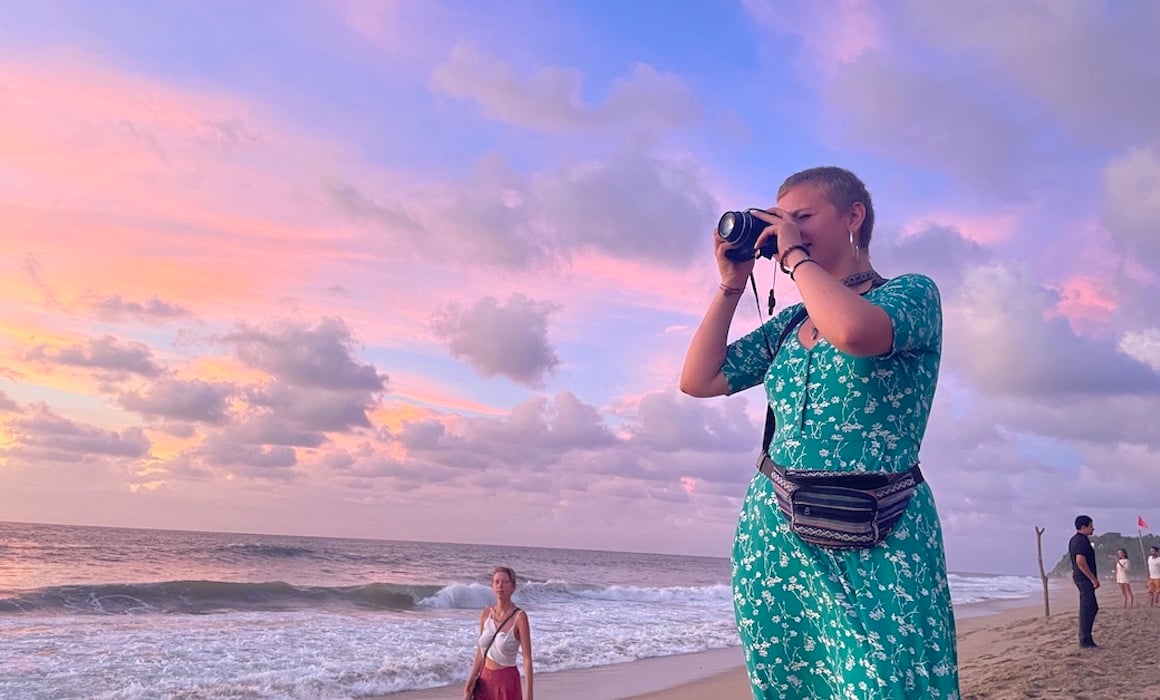
Photo: @audyscala
Banderas Bay is one of those places where many travellers arrive intending to stay for a few days and end up lingering for weeks. Stretching along Mexico’s Pacific Coast, the region combines lively resort towns, surf communities, fishing villages, jungle-covered hills, and beautiful beaches into one easy-to-explore package.
Unlike many destinations on this list, Banderas Bay isn’t really about a single town. The real appeal is bouncing between several very different places, each with its own personality. You could easily spend an entire Mexico trip exploring the bay and still leave with places on your list for next time.
Why backpackers love it:
- Public buses make it easy and affordable to travel between the bay’s towns and beaches.
- Puerto Vallarta offers nightlife, culture, excellent food, and a surprisingly authentic side once you move beyond the tourist zones.
- Bucerías provides a slower, more local atmosphere without straying too far from the action.
- Sayulita remains one of Mexico’s most popular surf towns, attracting backpackers, digital nomads, yogis, and beach lovers.
- Whale watching season brings humpback whales into the bay between December and March.
- Yelapa feels wonderfully isolated, accessible mainly by boat and surrounded by jungle-covered mountains.
Puerto Vallarta acts as the region’s transport hub and will be the starting point for most travellers. While it’s often dismissed as a package-holiday destination, I think that’s unfair. Beneath the resorts and cruise-ship crowds is a genuinely enjoyable city with beautiful coastal scenery, vibrant local life, and some fantastic neighbourhoods. Spend a Sunday evening in the main square watching families gather, musicians play, and locals dance, and you’ll quickly understand why so many people fall for the place.
What really makes Banderas Bay special, though, is the variety. One day you can be surfing in Sayulita, the next wandering the streets of Bucerías, and the day after taking a boat to the laid-back hideaway of Yelapa.
Of all the coastal regions in Mexico, this is one of the easiest places to imagine yourself staying a little longer than planned.
This is easily one of the best beach towns in Mexico. Just go to the main square on a Sunday night and dance with the locals, and you’ll forget that you’re in a super popular tourist destination.
Baja California
At a Glance
Best for: Road trippers, surfers, wildlife lovers, hikers, adventure travellers
Known for: Desert landscapes, whale watching, surfing, marine life, remote beaches
How long to stay: 1–3 weeks
Don’t miss: Whale watching, the Sierra de San Francisco cave paintings, a Baja road trip, seeing where the desert meets the sea
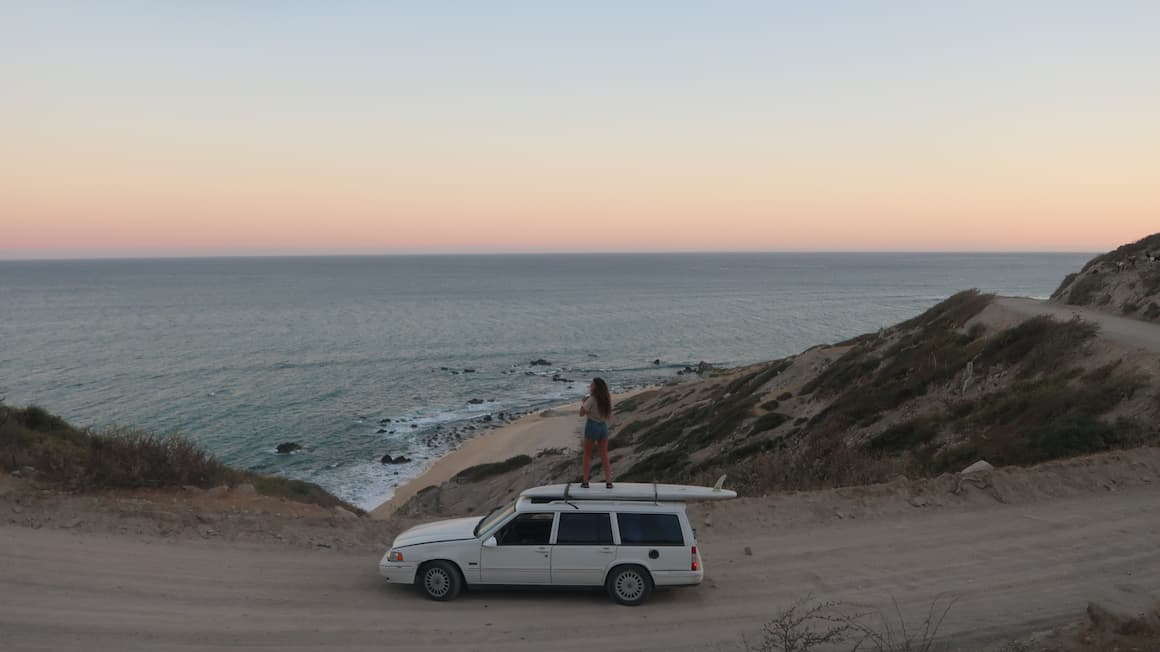
Photo: @amandaadraper
Baja California feels very different from the rest of Mexico. Stretching for more than 1,200 kilometres between the Pacific Ocean and the Sea of Cortez, the peninsula combines dramatic desert scenery, rugged mountains, remote beaches, surf towns, and some of the most spectacular marine wildlife encounters in North America.
While many visitors head straight for the resorts of Los Cabos, the real magic of Baja often lies further afield. This is a region that rewards slow travel, road trips, and a willingness to explore beyond the obvious tourist hotspots.
Why backpackers and adventurers love it:
- The Pacific Coast offers excellent surfing, particularly around Rosarito, Ensenada, and a string of lesser-known breaks further south.
- The Sea of Cortez side is calmer and ideal for kayaking, snorkelling, diving, and wildlife watching.
- Whale watching season runs from roughly December to April, with opportunities to spot grey, humpback, and blue whales.
- Mobula ray migrations create one of the region’s most extraordinary natural spectacles between late spring and summer.
- The Sierra de San Francisco contains remarkable prehistoric cave paintings recognised as a UNESCO World Heritage Site.
- Vast deserts, volcanic landscapes, and mountain trails make Baja one of Mexico’s most underrated hiking destinations.
What struck me about Baja is the contrast. One moment you’re standing in a cactus-covered desert that feels more like another planet than Mexico, and the next you’re watching the sun set over the Pacific or spotting marine life in some of the richest waters on Earth. Few places blend wilderness and coastline quite so effectively.
The peninsula attracts everyone from surfers and sailors to retirees and luxury travellers, but don’t let the reputation of Cabo dominate your impression of the region. Some of Baja’s most memorable experiences happen away from the big resorts, in small fishing communities, quiet beaches, desert campsites, and roadside taco stands.
Baja California is a place where the desert quite literally meets the sea. If you’re willing to venture beyond the obvious stops, it can be one of the most rewarding regions in all of Mexico.
Chiapas
At a Glance
Best for: Culture seekers, nature lovers, history buffs, slow travellers
Known for: Indigenous cultures, San Cristóbal de las Casas, Palenque, waterfalls, mountain landscapes
How long to stay: 5–10 days
Don’t miss: San Cristóbal de las Casas, Palenque, Agua Azul, the mountain villages, local markets
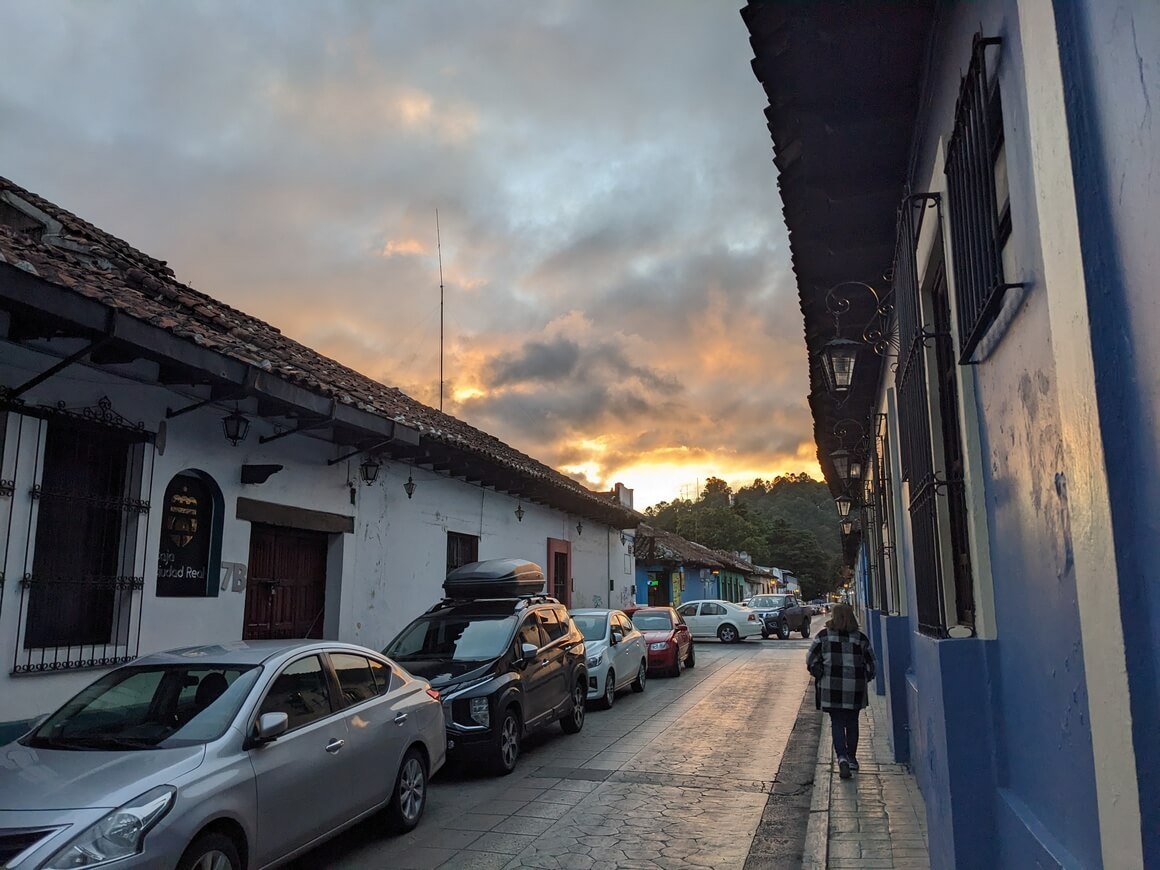
Photo: @Lauramcblonde
If I had to pick a favourite state in Mexico, Chiapas would be a strong contender. It combines incredible natural beauty, fascinating history, vibrant Indigenous cultures, and some of the most memorable towns in the country. It’s also a region that rewards travellers who arrive with curiosity and respect.
Bordering Guatemala in Mexico’s far south, Chiapas feels distinct from many other parts of the country. Indigenous communities remain central to everyday life here, and the state’s culture, traditions, languages, and history give it a unique identity that sets it apart from the rest of Mexico.
Why backpackers love it:
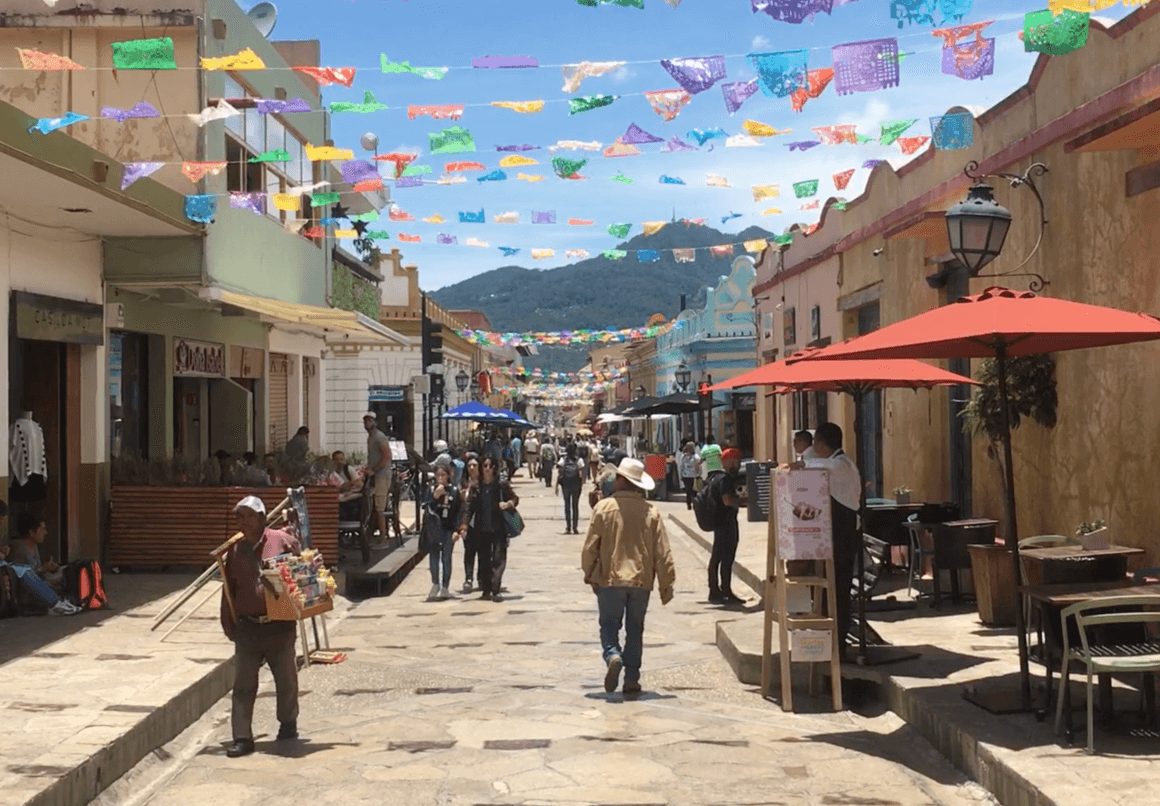
Photo: @sebagvivas
- San Cristóbal de las Casas is one of Mexico’s most charming backpacker hubs, combining colourful colonial architecture with a thriving café, hostel, and artisan scene.
- Palenque is among the country’s most atmospheric Mayan archaeological sites, surrounded by dense jungle.
- The region is packed with waterfalls, including the spectacular Agua Azul and Misol-Ha.
- Mountain roads connect traditional villages, markets, and communities that offer a glimpse into a very different side of Mexico.
- Accommodation, food, and transport remain relatively affordable compared to many of the country’s more touristy destinations.
- The cooler mountain climate can be a welcome break from Mexico’s tropical heat.
What stood out most to me was the depth of the place. Chiapas isn’t somewhere you simply pass through while ticking off attractions. Its history, culture, and politics are woven into daily life, and spending time here often raises as many questions as it answers. Taking the time to learn a little about the region’s Indigenous communities and recent history adds an entirely different dimension to your visit.
San Cristóbal de las Casas is where many travellers end up lingering. It’s easy to see why. Between the beautiful streets, mountain views, artisan markets, excellent cafés, and welcoming backpacker scene, a planned two-day stop can quickly become a week.
For me, Chiapas represents some of the very best of Mexico. It’s beautiful, culturally rich, occasionally challenging, and endlessly interesting. If you’re looking for a destination that offers more than beaches and cocktails, don’t skip it. Oh and this region was also the birth-spring of the Zapatistas movement.
Off the Beaten Path Travel in Mexico
The good news is that getting off the beaten path in Mexico doesn’t require heroic effort. In a country this large and diverse, you can often leave the tourist bubble simply by taking a bus to the next town or spending an extra day somewhere most visitors rush through.
That’s because “off the beaten path” in Mexico rarely means remote wilderness or inaccessible villages. More often, it simply means places where domestic tourism outweighs international tourism. You’ll still find hotels, restaurants, buses, and plenty to do—you just won’t find quite as many backpackers discussing cryptocurrency over oat milk flat whites.
One thing I quickly noticed was how fast the atmosphere changes. Even in heavily visited destinations such as Puerto Vallarta or Oaxaca City, a short walk away from the most tourist-focused streets can reveal a completely different side of daily life. The further you move away from the main resort corridors and international tourism hotspots, the more local the experience tends to become.
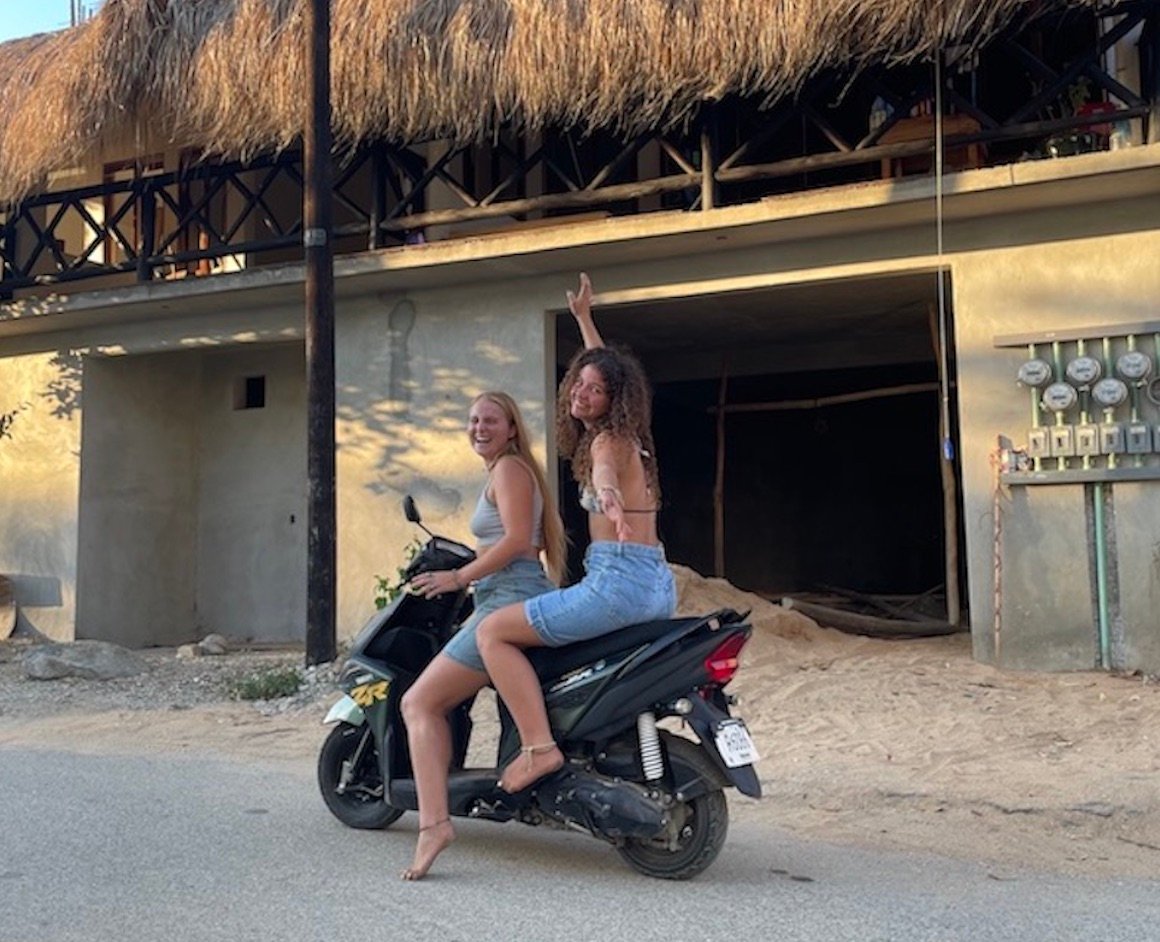
Photo: @audyscala
Some destinations worth considering include:
Monterrey
Mexico’s third-largest city receives surprisingly few international visitors. Surrounded by dramatic mountains and packed with excellent food, museums, and outdoor activities, Monterrey offers a fascinating glimpse into a side of Mexico that many travellers never see.
Mazatlán
Often overshadowed by Puerto Vallarta and the Riviera Maya, Mazatlán combines beaches, colonial architecture, excellent seafood, and a lively local atmosphere. Time your visit during Carnival and you’ll experience one of the largest celebrations in Latin America.
Huasteca Potosina
Located in the state of San Luis Potosí, this region is one of Mexico’s most underrated natural wonders. Think turquoise rivers, waterfalls, caves, jungle scenery, and outdoor adventures with relatively few international tourists.
The Smaller Towns of Oaxaca and Chiapas
Some of my favourite moments in Mexico happened outside the major destinations altogether. Smaller mountain towns, local markets, community tourism projects, and villages scattered throughout Oaxaca and Chiapas often provide a richer cultural experience than the country’s better-known hotspots.
What changes when you travel beyond the main backpacker route? Usually you’ll encounter less English, fewer hostels, and slightly less tourist infrastructure. You may need to brush up on your Spanish, rely more heavily on local buses, or spend a little longer researching accommodation.
In return, you’ll often find lower prices, fewer crowds, and a stronger connection to the places you’re visiting.
The trick isn’t avoiding popular destinations altogether. Mexico’s famous places are famous for a reason. Instead, try combining a few headline destinations with one or two places that weren’t originally on your itinerary. That’s often where the most memorable travel experiences happen.
Top 12 Things to Do in Mexico
The perfect Instagram shot and the delightfully phone-less adventures are all on offer in Mexico. Backpackers are spoilt for choice when it comes to landscapes, cultures, and even beers on offer! Narrowing down the top things to do in Mexico is always difficult – but use these to inspire you to find your own must-dos!
1. Visit Chichen Itza
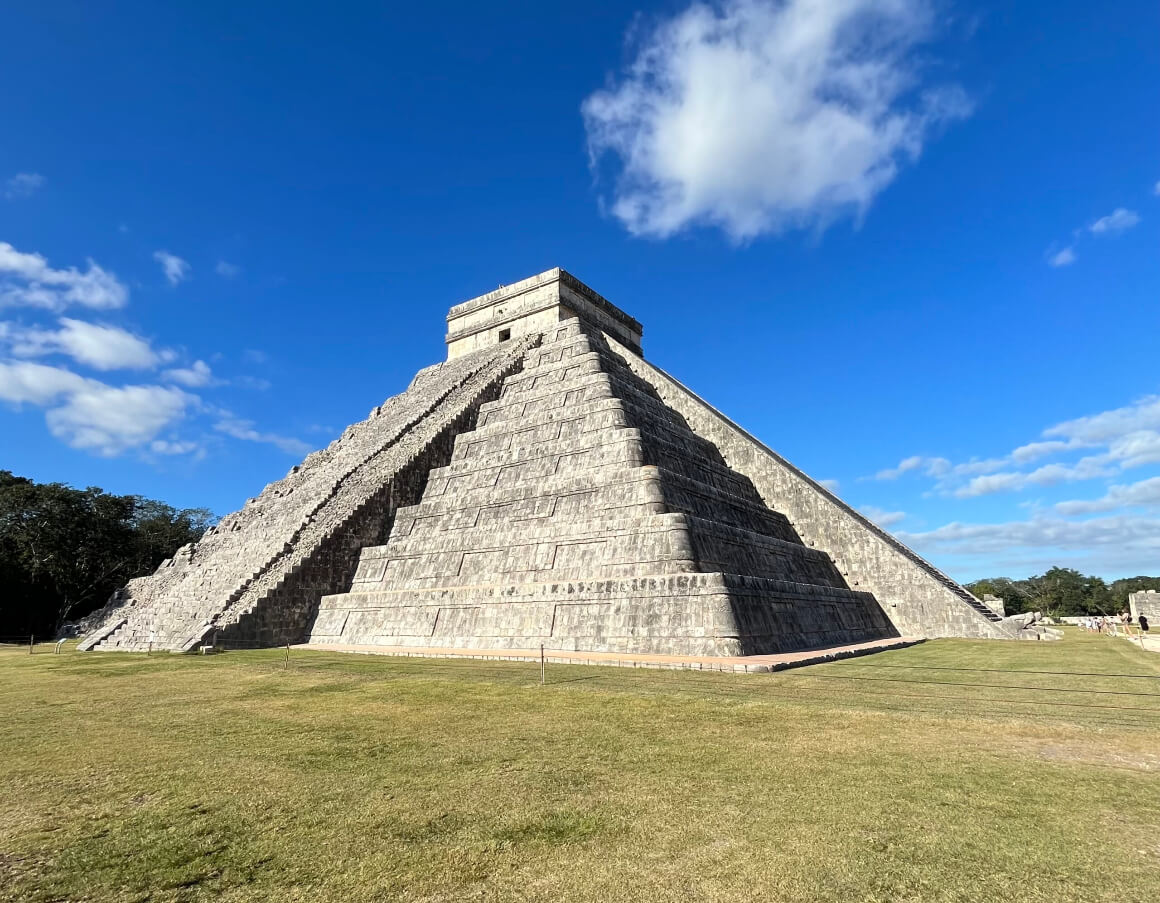
Photo: @joemiddlehurst
Yes, it’s busy. Yes, it’s famous. But some places earn their reputation. Standing before one of the New Seven Wonders of the World, it’s hard not to be impressed by the scale and sophistication of the ancient Maya civilisation.
Why it’s worth it: It’s one of those rare attractions that genuinely lives up to the hype.
Entry is free for Mexicans, and pretty reasonable for everyone else. If you’ve got the gift of the gab you might find yourself a way to shave the cost down a bit.
2. Museum Hop in Mexico City
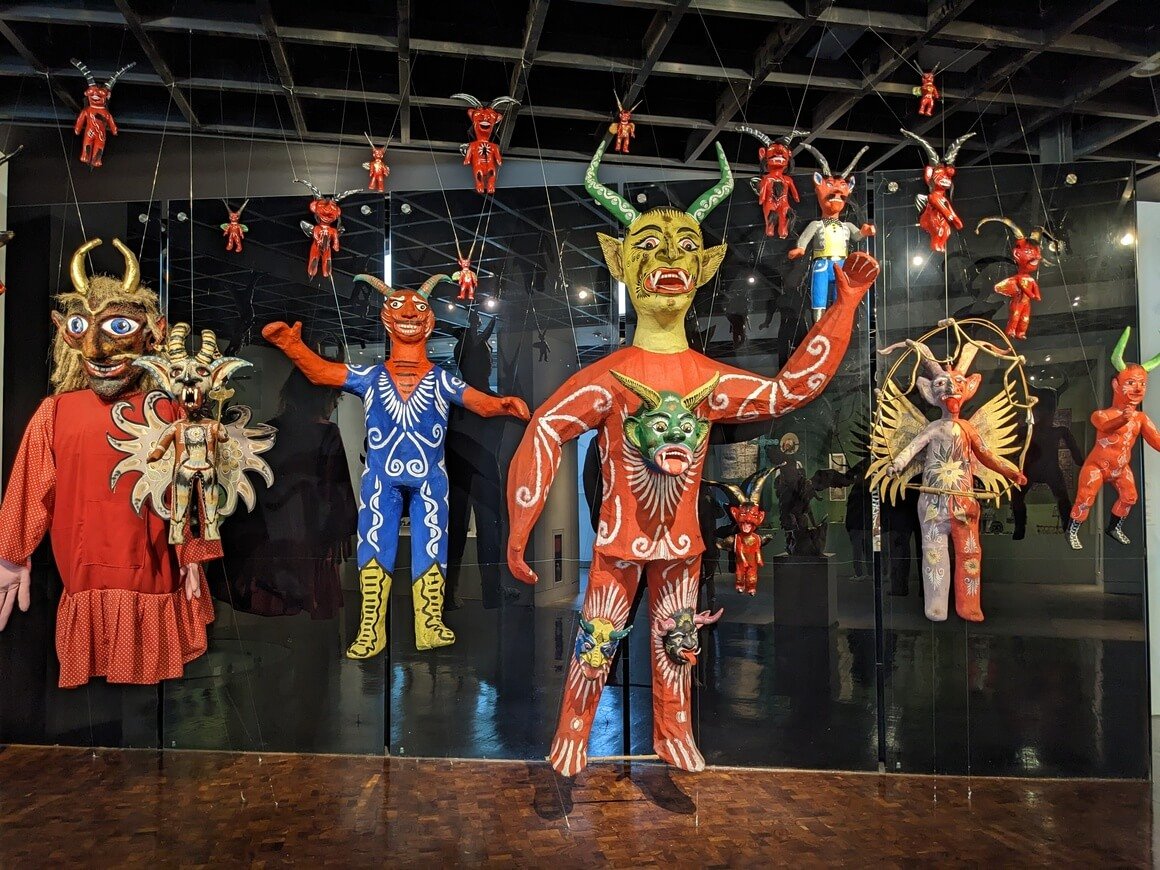
Photo: @Lauramcblonde
Mexico City is packed with world-class museums covering everything from anthropology and history to contemporary art. You could spend days exploring them and still leave with a list for next time.
Why it’s worth it: Few cities in the Americas combine culture, history, and creativity quite so effectively.
3. Swim in a Cenote
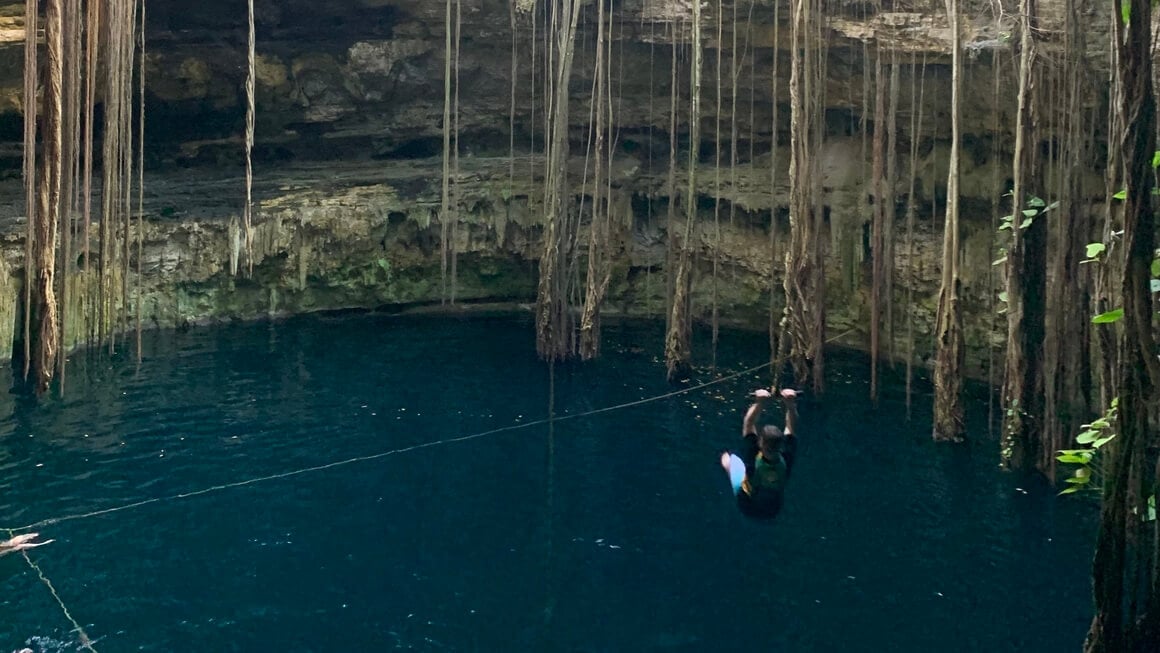
Photo: @joemiddlehurst
There’s something magical about descending into a sinkhole filled with crystal-clear freshwater and swimming beneath jungle vines or inside vast cave systems. Cenotes are uniquely Mexican and unlike anything you’ll encounter elsewhere. These are also great places to learn how to snorkel or scuba dive.
Why it’s worth it: It feels like discovering a secret world hidden beneath the jungle.
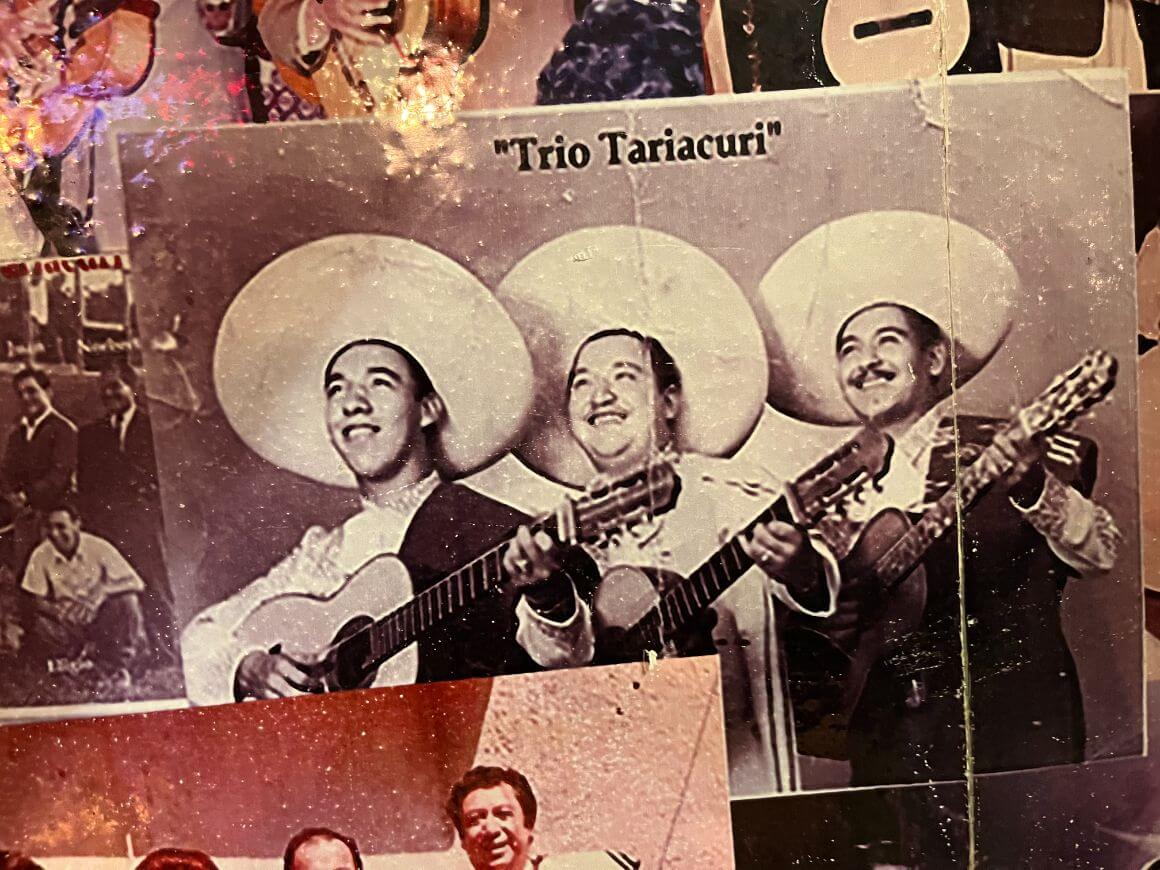
4. Listen to Mariachi
Mariachi is a traditional type of Mexican musical group. It’s popular all over the country.
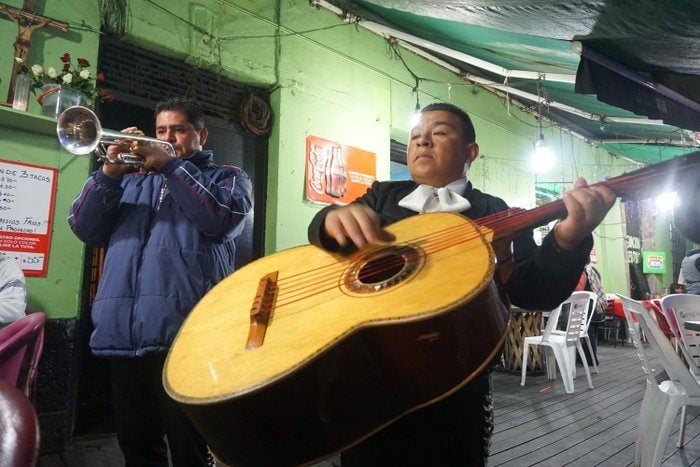
Photo: Sasha Savinov
In addition to their great music, the mariachi bands are famous for their traditional outfits. Mariachi bands are not that hard to find, as they play in restaurants, bars, and live music venues all over Mexico. Plaza Garibaldi in Mexico City is one of the best places to hear some mariachi.
5. See the Lucha Libre Fights
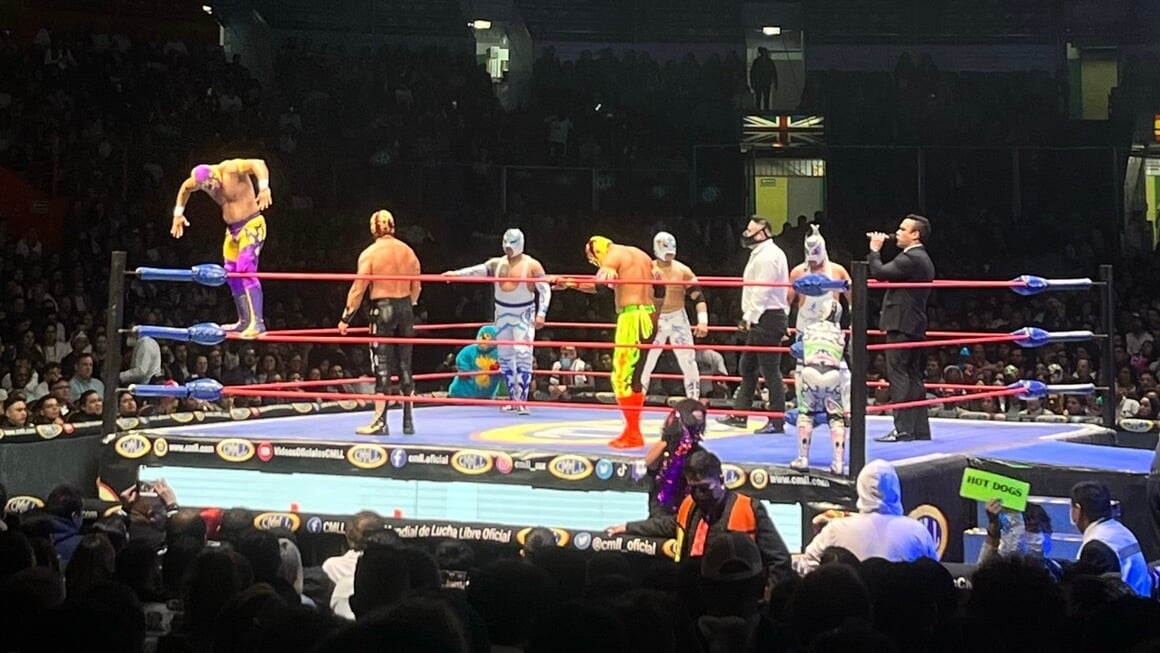
Photo: @joemiddlehurst
Part sport, part theatre, part national institution, lucha libre is wonderfully chaotic. Expect colourful masks, dramatic storylines, passionate crowds, and an atmosphere that’s impossible not to get swept up in.
Why it’s worth it: Even if you don’t like wrestling, you’ll probably leave smiling.
6. Hit the Beach
Most travellers to Mexico have some beach time planned – and for good reason! Mexico is home to every kind of beach you could imagine.
There are white sand beaches with turquoise water. Others have great waves for surfing. Hell, there are even nudist beaches if that’s your scene!
Go ahead and order up a margarita, kick back, and relax. But, if I can rain on your beachy parade for a moment, alcohol and the beach actually don’t always mix hella well. It’s way too easy to drown in the waters of a foreign country.
7. Drink Tequila (and Mezcal)
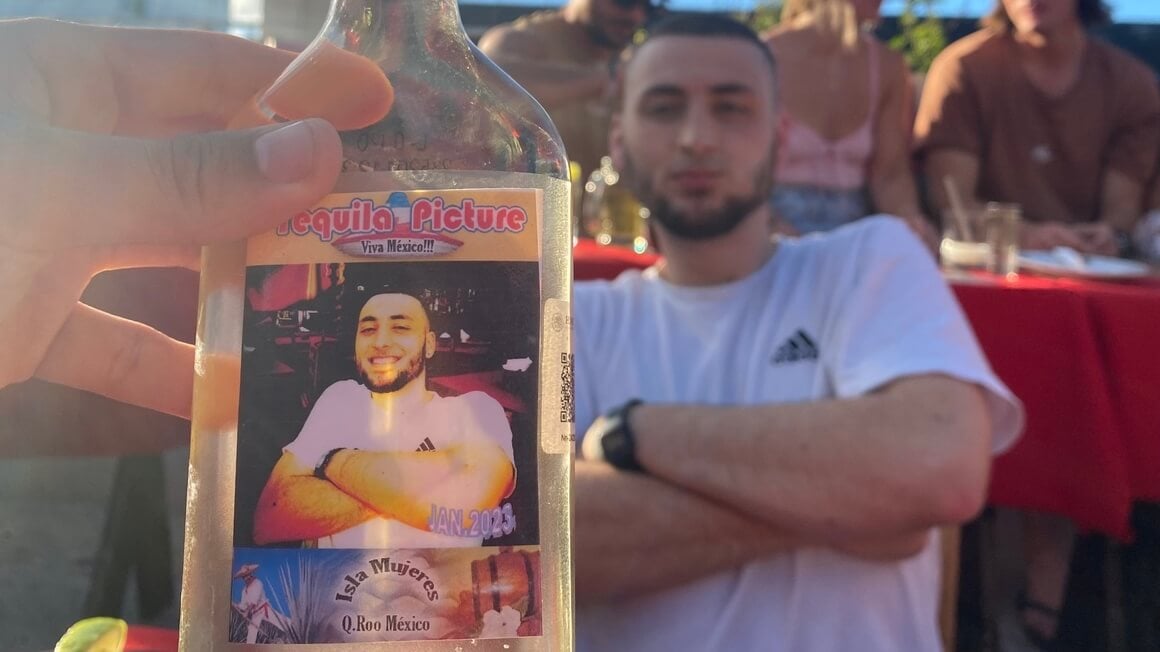
Photo: @joemiddlehurst
Forget the sticky shots from student bars back home. Visiting a distillery or mezcal producer reveals just how much craftsmanship goes into Mexico’s most famous spirits.
Why it’s worth it: You’ll gain a new appreciation for what you’re drinking, and probably discover a few favourites along the way.
8. Explore a Local Market
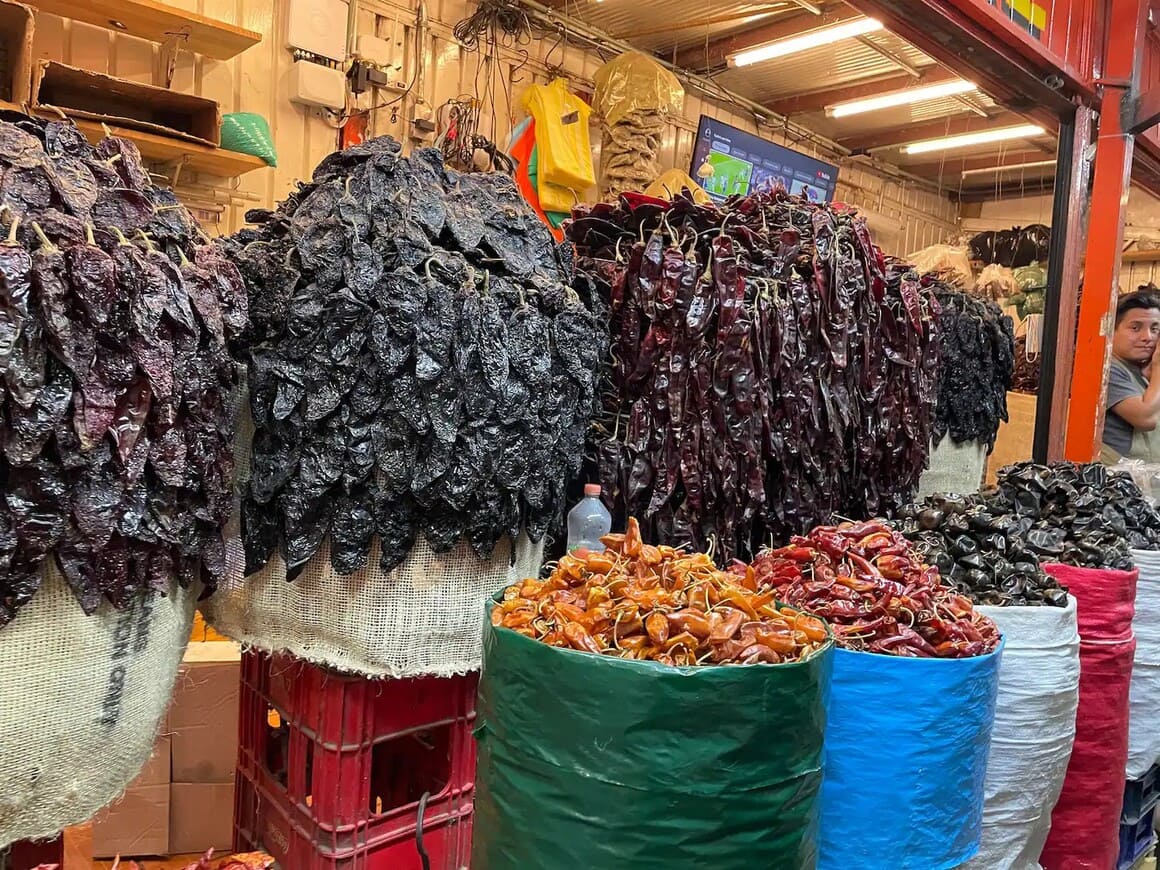
Some of my favourite travel memories involve wandering markets with no particular agenda. Between the food stalls, local crafts, fresh produce, and constant buzz of activity, they offer a glimpse into everyday life that museums can’t replicate.
Why it’s worth it: Markets are where Mexico feels most alive.
You’ll be sure to find dozens of macrame artists plying most marketplaces too. Give it long enough travelling Central America, and you might find yourself amongst the throng of macrame-making hippy vendors!
9. Hike a volcano
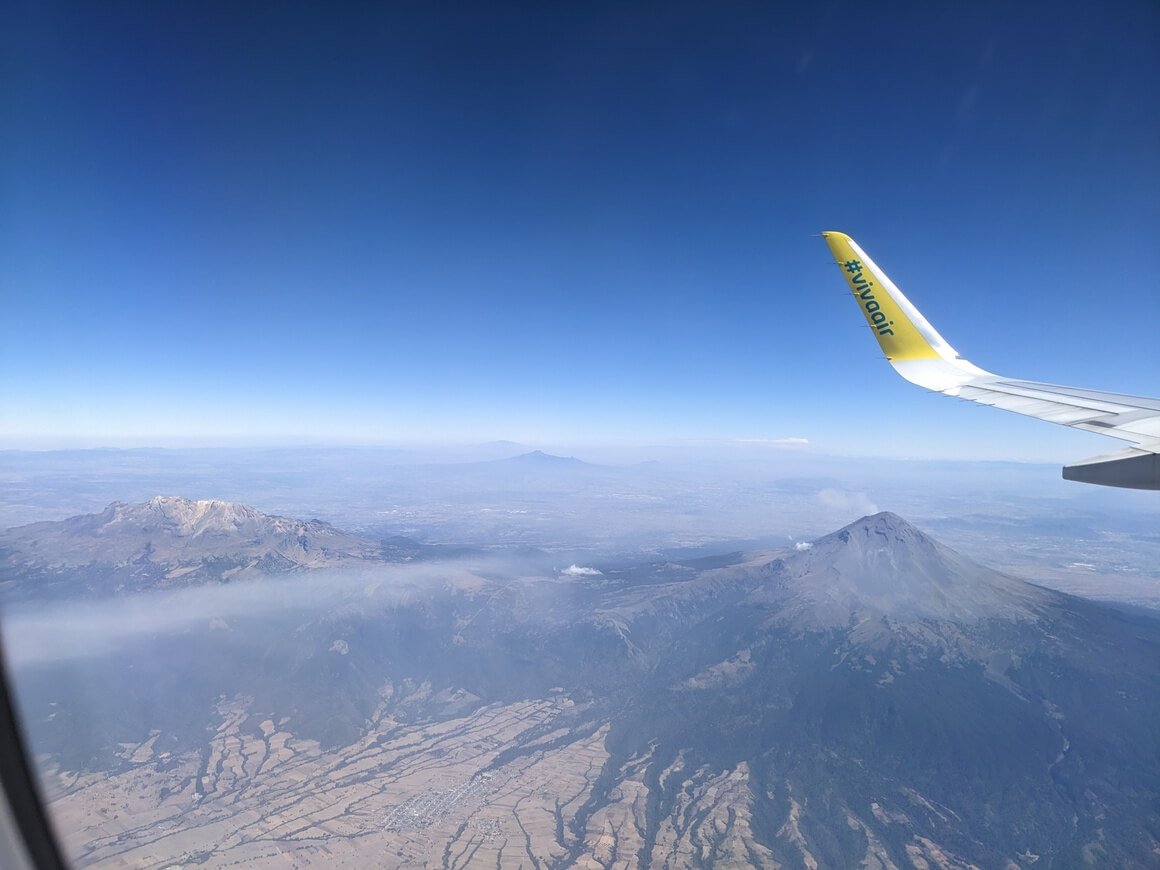
Photo: @Lauramcblonde
Mexico’s landscapes are far more dramatic than many visitors expect. Whether you’re tackling a serious mountain trek or simply admiring volcanic scenery from afar, the country’s volcanic backbone creates some spectacular adventures.
Why it’s worth it: The views are incredible, and it reminds you that Mexico is much more than beaches and resorts.
If you’re not into hiking, you can see these stunning structures in some of Mexico’s Pueblos Mágicos and enjoy leisurely strolls in the cute towns around them. There are hostels in Puebla that make it great for solo travellers too.
10. Experience the marine life in Baja California
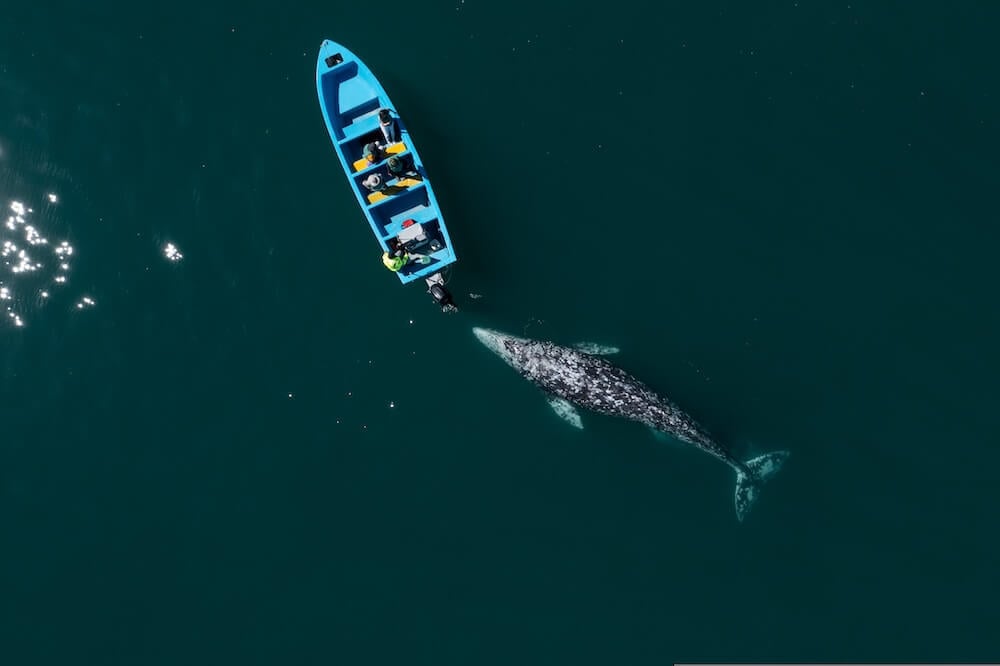
Watching a whale surface beside your boat is one of those travel experiences that makes everyone momentarily forget their phones. Baja offers some of the best whale-watching opportunities anywhere in the world.
Why it’s worth it: Seeing these giants up close is genuinely humbling.
If you want to experience it for yourself, there are a few tours that can take you here; our favourite is The Broke Backpacker founder, Will Hatton’s Baja Gray Whale Expedition. It is a seriously incredible option for those wanting to invest in the experience.
Finding somewhere to sleep in Mexico is rarely difficult. Whether you’re travelling on a shoestring budget, working remotely, chasing surf, or looking for a bit more comfort, you’ll find accommodation options almost everywhere you go.
Along the established backpacker trail, places like Mexico City, Oaxaca, Puerto Escondido, Tulum, Playa del Carmen, San Cristóbal de las Casas, and Puerto Vallarta, you’ll find plenty of hostels ranging from lively party spots to relaxed coworking-friendly spaces. In fact, some of the best hostels in Latin America can be found in Mexico, with many offering rooftop bars, organised tours, communal kitchens, and genuinely social atmospheres.
Once you move away from the main tourist hubs, accommodation starts to look a little different. Hostels become less common, but affordable guesthouses, family-run hotels, and simple posadas are everywhere. In many smaller towns, staying in a locally owned guesthouse can be a far more rewarding experience than staying in a hostel anyway.
Airbnbs and short-term apartment rentals are widely available in larger cities, digital nomad hubs, and beach destinations. They’re particularly useful if you’re planning a longer stay in places such as Mexico City, Puerto Vallarta, Oaxaca, Playa del Carmen, or Mazunte.
One thing I quickly noticed while travelling through Mexico is that where you stay often shapes your experience more than you might expect. A social hostel in Puerto Escondido can lead to spontaneous surf trips and sunset drinks, while a family-run guesthouse in Chiapas might result in conversations and local recommendations you’d never find online. It’s worth mixing things up rather than automatically booking the cheapest dorm bed available.
But in order to save your coins, your best bet is to live the hostel life. Luckily, the hostel scene in Mexico is full of dreamers and artists. So many of the hostels have such incredible artwork – and if painting is a skill of yours there might be a way to score yourself free accommodation in exchange for contributing to the art of the hostel.
What Accommodation Costs in Mexico
Budget hostel dorm: $10–25 USD per night
Private hostel room: $25–60 USD per night
Budget hotel or guesthouse: $25–70 USD per night
Mid-range hotel: $70–150 USD per night
Airbnb apartment: $40–120 USD per night
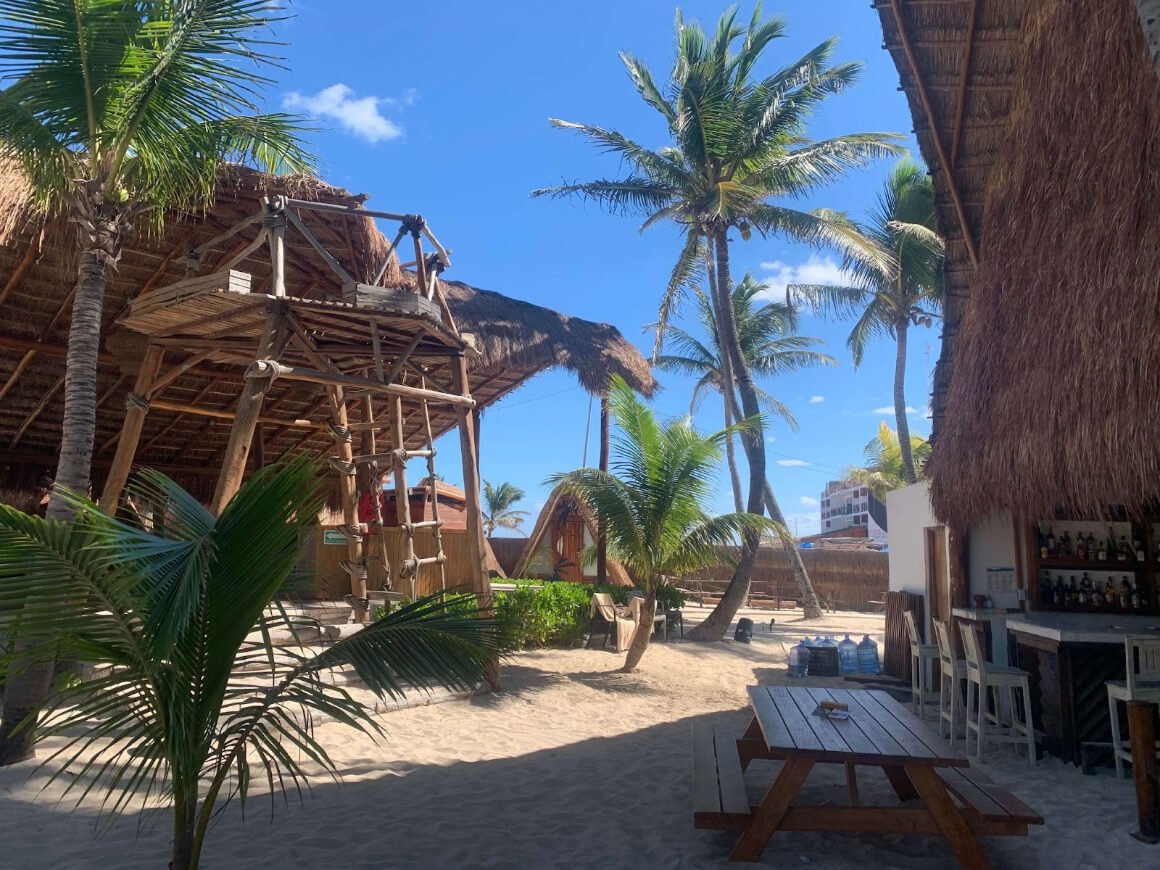
Photo: @joemiddlehurst
The average price for a hostel ranges between $10 – $20 per night. There’s not much better than chilling in a hostel by the beach and being able to surf all day before enjoying a cerveza and lime at sunset.
When that one guy at the hostel has told you the story about how he almost became an international drug smuggler but then he remembered about his ethics so he just dodged taxes instead, booking an Airbnb can seem more appealing for a night. Mexico has a huge range of good quality – and relatively cheap – Airbnbs available too. Sometimes you need a vacation from your vacation, right?
In between swanky Airbnbs and party hostels are a bunch of great guesthouses and homestays. Many of these aren’t listed online but are well known via word of mouth.
Wherever you choose to stay in Mexico, it’s not going to be expensive – but it will be a great time!
And here’s a quick insider tip: If you want to see all – and I mean ALL – hostel options in Mexico, be sure to check out BOOKING.COM. You can even filter your personal travel needs to find the perfect place for you.
The Best Places To Stay in Mexico
| Destination | Why Visit! | Best Hostel | Best Private Stay |
|---|---|---|---|
| Mexico City | Mexico City is the heart of this country full of art, salsa, mariachi, incredible nights out, and the pulse of Mexico! | Massiosare El Hostal | Hostel Principal |
| Cancun | You may find yourself having to go through Cancun for one reason or another. Do check out the beaches, because although they’re crowded, they’re still pretty. | Nomads Hotel, Hostel & Rooftop Pool Cancun | Bed and Breakfast Pecarí |
| Cozumel | Come to dive, stay for the culture! Cozumel is relaxed, welcoming, and oh-so-gorgeous, you can’t help but fall in love! | Hostel Auikyani | Villas El Encanto |
| Tulum | Tulum is funky, alternative, and surrounded by incredible cenotes and jungle. You can enjoy both cappuccinos and jungle treks! | Oryx Hostel Tulum | Huaya Camp |
| Playa Del Carmen | This is where you come to have fun in the sun! Beach bars galore and a great nightlife scene. Plus, you can kick back all day in the hammocks. | Red Panda Hostel | Hotel Casa de las Flores |
| Isla Mujeres | This island is a combo deal of the Caribbean and Mexico all rolled into one epic diving and snorkelling extraordinaire. | Selina Poc Na Hostel | Casa Azul Maya |
| Oaxaca | Be sure to indulge in all the amazing foods, markets, and hiking this state has to offer. | Casa Angel Hostel | Casa Granada Oaxaca |
| Puerto Vallarta | Puerto Vallarta is another one for the beach loving party goers! There’s definitely beautiful beaches and also an amazing music scene here. | Oasis Hostel | Casa Colibrí Malecón |
| Cabo San Lucas | Cabo is popular for good reason. It’s got good weather, great food, and epic coastlines. | Cabo Inn | Casa Palo Verde |
| San Cristobal De Las Casas | Mexico’s answer to heaven on Earth. This hippie hideout keeps those seeking peace and creativity very safe. | Posada Del Abuelito | Hotel Grand Maria |
First up, the simple fact is that Mexico is no longer the low budget destination it was 10 years ago. In fact, I find it annoyingly expensive and not always delivering great value.
That said, if you do everything the local way, your money can still go quite far here! It’s definitely possible to get by on $40-50 a day.
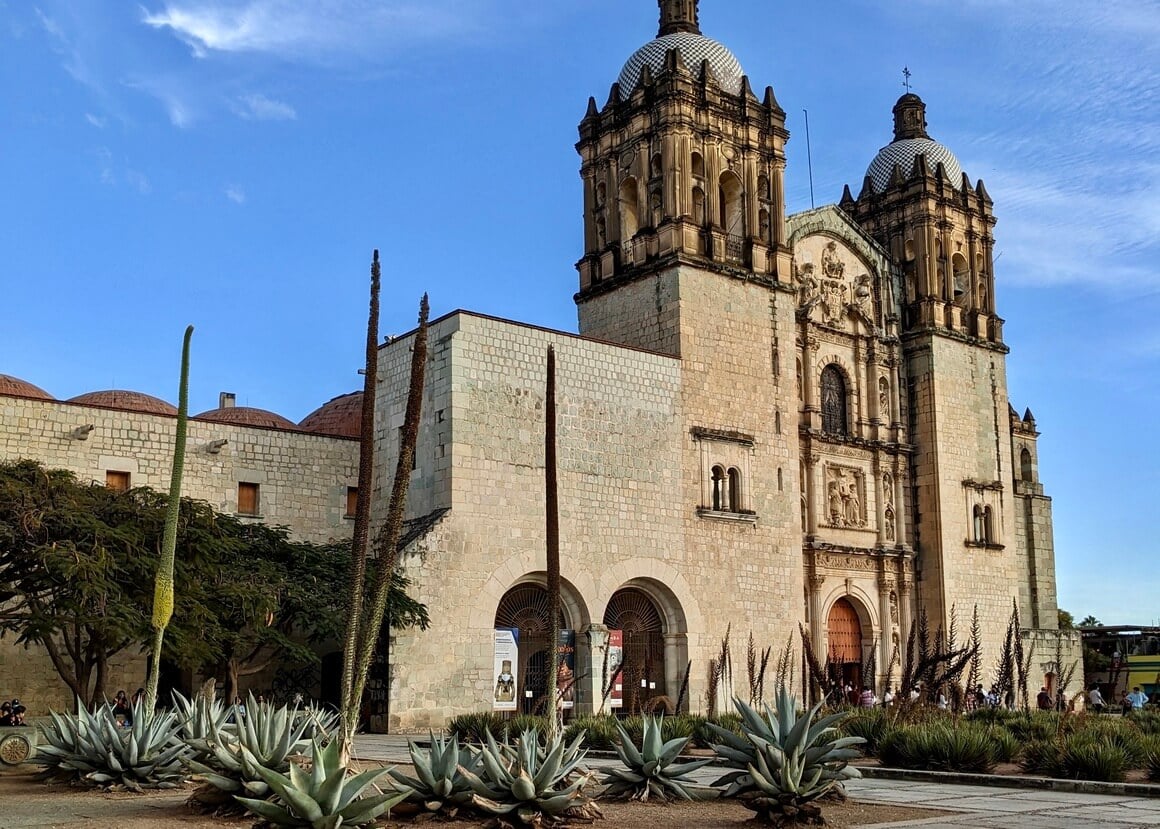
Photo: @Lauramcblonde
If you’re into street food and hole-in-the-wall local joints, your food bill in Mexico will be very small. Many local restaurants often have a set menu at lunch for just $5 – $7 that will keep you full.
A great thing about travelling in Mexico is the wide array of cheap or free activities. It costs nothing to sit on the beach, after all. There are also plenty of parks, town squares, and beautiful churches you can visit for free. Museums are less than $10. Chichen Itza is the only place to see ruins which are quite expensive at around $30.
A Daily Budget in Mexico
Your daily budget will of course vary depending on your personal style and what you wish to do. The table below however is intended as a guide.
| Expense | Broke Backpacker | Frugal Traveller | Creature of Comfort |
|---|---|---|---|
| Accommodation | $10-$20 | $20-$50 | $50+ |
| Food | $5-$10 | $10-$20 | $20+ |
| Transport | $2-$8 | $8-$15 | $15+ |
| Nightlife | $0-$10 | $10-$25 | $25+ |
| Activities | $0-$10 | $10-$30 | $30+ |
| Daily Total | $20-$58 | $58-$140 | $140+ |
Money in Mexico
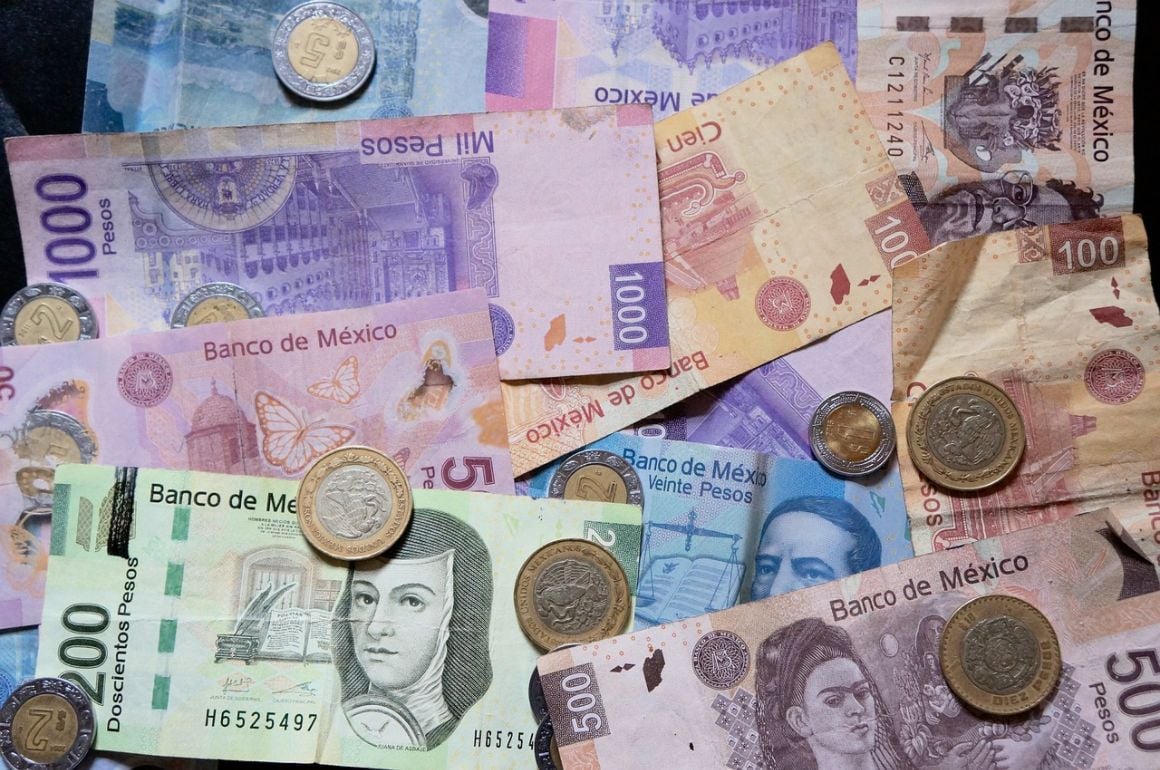
Mexico’s currency is the peso (MXN). Find out how much your money is worth today by using the up-to-date converter below.
You’ll need cash for things like local bus rides, street food, and tips. You’ll be able to use a credit card easily, especially in big cities and beach towns. Make sure you have a card that minimises foreign transaction fees (check out our travel bank guide for recommendations) and don’t forget to tell your bank where you’re headed.
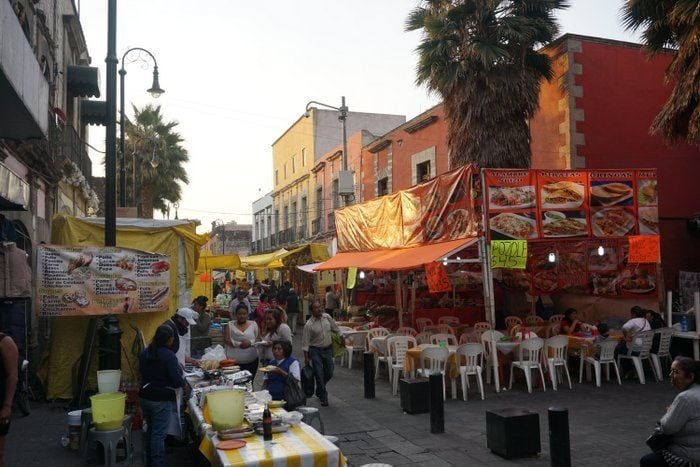
Photo: Sasha Savinov
You should always hide some emergency cash on you. You never know when a bribe legitimate “fine” may be required to get you through a checkpoint.
All the major cities and town will have a variety of banks but be aware that smaller towns and villages may not. It’s also possible they will run out of cash fairly quickly, so make sure you keep a decent (but not too decent) amount of cash on you. You may be charged a fee at the ATM by both the local bank and your bank.
For all matters of finance and accounting on the road, The Broke Backpacker strongly recommends Wise. Our favourite online platform for holding funds, transferring money, and even paying for goods,
Wise is a 100% FREE platform with considerably lower fees than Paypal or traditional banks. Really, it even beats out Western Union.
And Speaking of Plastic… Get an eSIM For Mexico
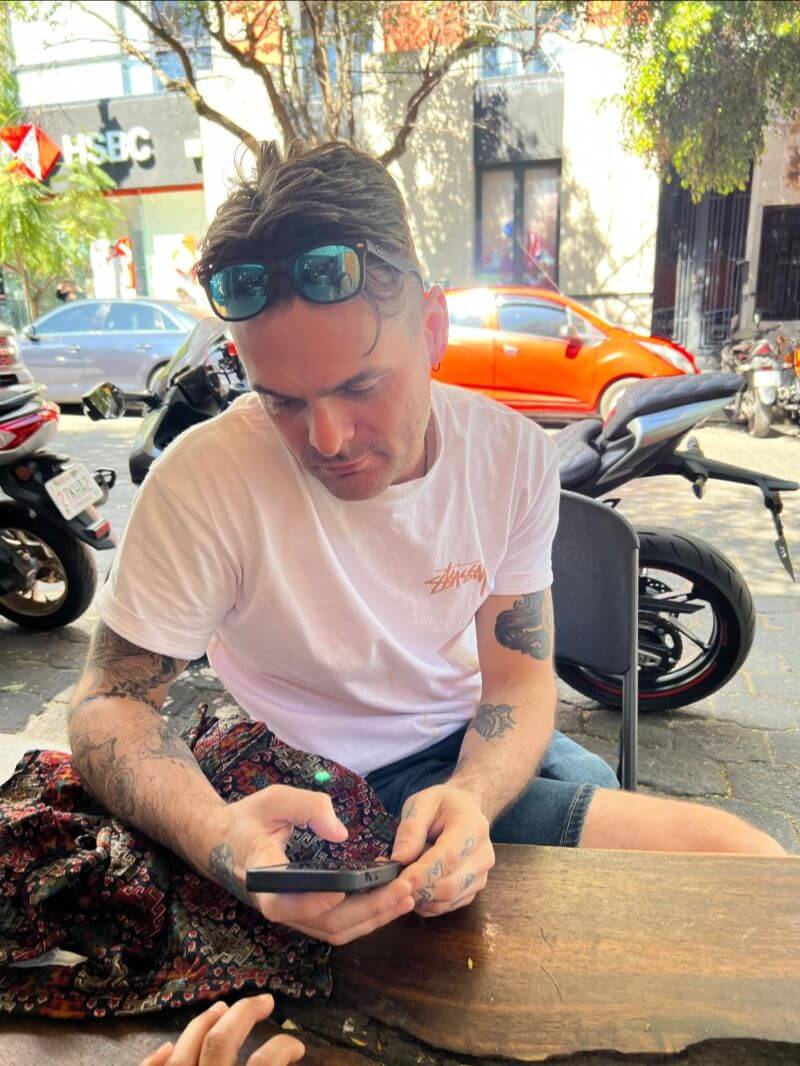
Gone are the days when backpackers arrived in a new country and immediately started hunting for a phone shop. For most travellers, an eSIM is now the easiest way to get online in Mexico.
If your phone supports eSIM technology, you can buy a data package before you even leave home, install it in a few minutes, and have internet access as soon as you land. It’s particularly useful in Mexico, where you’ll likely be relying on maps, translation apps, ride-hailing services, hostel bookings, and the occasional last-minute bus reservation.
Coverage is generally excellent throughout major tourist destinations including Mexico City, Oaxaca, Puerto Vallarta, Playa del Carmen, Tulum, Puerto Escondido, and much of Baja California. As always, expect weaker signals in remote mountain regions and some rural parts of Chiapas and Oaxaca.
Why Use an eSIM in Mexico?
- Get connected immediately after landing.
- Avoid expensive roaming charges from your home provider.
- No need to swap out your physical SIM card.
- Keep access to your normal phone number while using local data.
- Easy to top up or extend if your trip changes.
Should You Get a Local SIM Instead?
If you’re travelling for several months, a local SIM from Telcel or AT&T Mexico can sometimes offer better value. However, for most backpackers spending a few weeks in the country, the convenience of an eSIM outweighs the small savings.
Personally, I find eSIMs particularly useful for Mexico because they remove the hassle factor entirely. When you’re arriving after a long flight, the last thing you want to do is navigate an unfamiliar airport looking for a SIM card kiosk.
How Much Data Do You Need?
As a rough guide:
- 5–10GB: Light users relying mainly on maps, messaging, and occasional browsing.
- 10–20GB: Most backpackers and general travellers.
- Unlimited plans: Digital nomads, remote workers, heavy social media users, or anyone regularly hotspotting devices.
Mexico’s WiFi situation is generally decent in cities, hostels, cafés, and hotels, but don’t expect to rely on it everywhere. Having your own mobile data makes travelling around the country significantly easier.
For most travellers, a 10–20GB eSIM package will comfortably cover a two to three-week backpacking trip.
Which eSIM is best for Mexico?
Or rather, which is the least worst an eSIM. During my 3 week trip, I tried 2 different eSIM’s and my partner 1. Some worked in some areas but not in others which was frustrating. When I got the coastal region of Oaxaca, the only thing that worked was a local plastic sim. I suggest getting a 1 week JetPac package in your staring on Mexico City and ten assess how it goes as you travel.

Jetpac works just like an app: you download it, pick your plan, and BOOM! You’re connected before the pilot says you can stand up.
JetPac eSim Packages For Mexico
1GB – 4 Days – $1
5GB – 30 Days $18
10GB – 30 Days – $25
Best Time to Travel to Mexico
With a country as big as Mexico, there are multiple “best times of the year” to visit. But in general, accepting a little bit of rain along the coast and slightly colder temperatures at altitude, and visiting outside of December – April will have you a cheaper and less crowded backpacking trip.
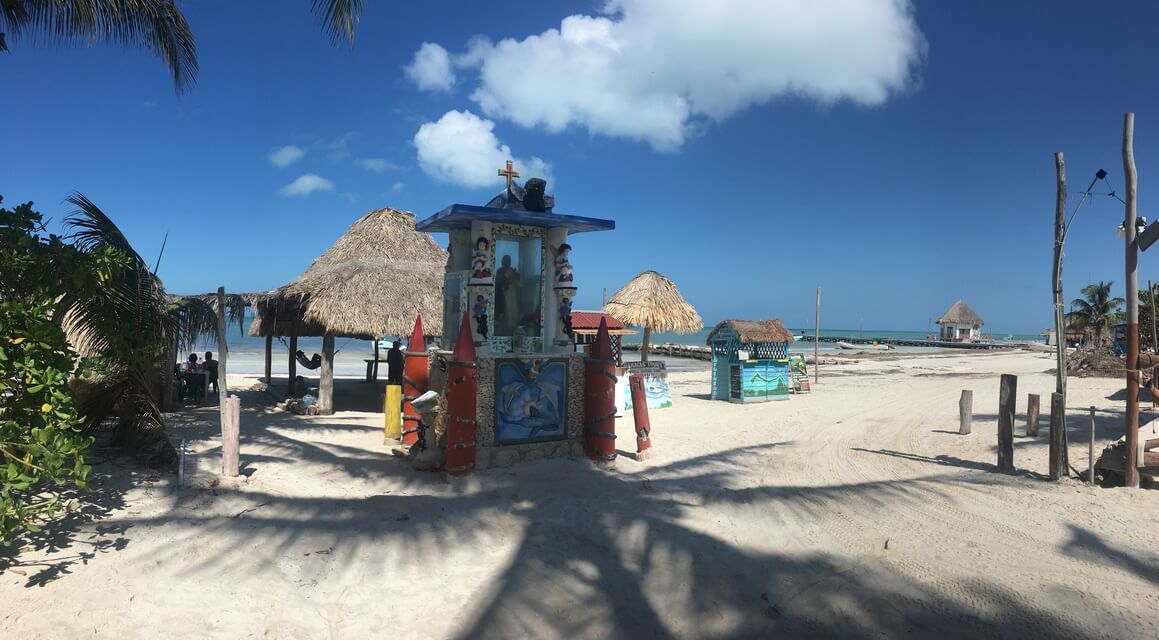
Photo: @sebagvivas
The most popular time to visit Mexico is generally between December and April. These are the driest and coolest months in coastal destinations like Puerto Vallarta and Cancun. Of course, this is also high season. We visited across January and February and could not fault the weather in any part of the country.
Keep in mind that Mexico is a huge country with diverse landscapes. While it’s almost always hot on the coast, it can get downright chilly in Mexico City and other places at a higher elevation. You may actually need some warm clothes for the winter months. Having said that, it’s still considered a great destination for some winter sun.
What to Pack for Mexico
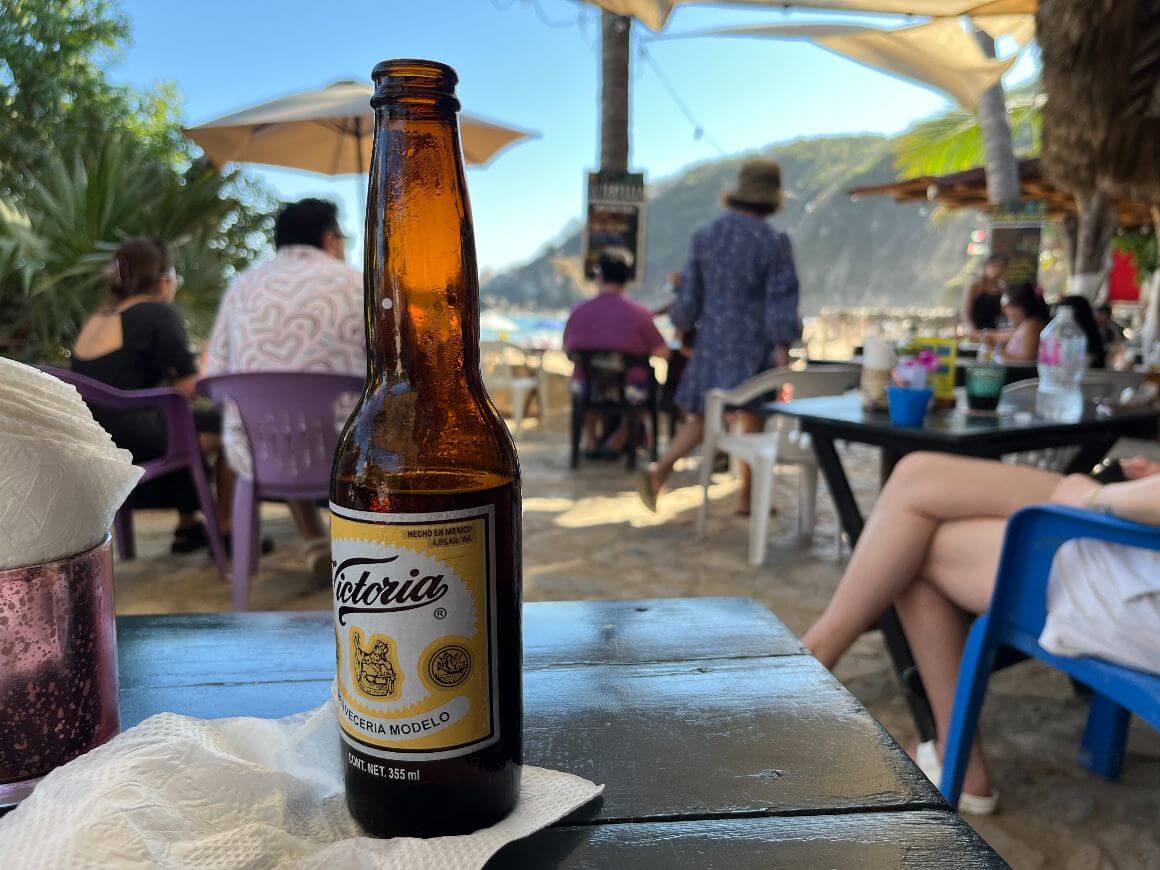
On every backpacking adventure, there are a few things I never leave off my travel packing list.
Packing for Mexico is a bit trickier than many first-time visitors expect. The stereotype is all beaches, sunshine, and margaritas, but depending on your route you could find yourself sweating on the Caribbean coast one week and reaching for a jumper in the mountains the next.
The good news? You can pack surprisingly light. Most travellers only need a few Mexico-specific additions alongside their normal backpacking kit.
For the Coast
If your itinerary includes places like Tulum, Playa del Carmen, Puerto Escondido, Mazunte, Puerto Vallarta, or Baja California, lightweight clothing is the name of the game.
Bring;
- Swimwear (obviously right?)
- Lightweight shorts and t-shirts
- Sunglasses
- A hat
- Sandals or flip-flops
- Reef-safe sunscreen
The Mexican sun is no joke, particularly along the Caribbean coast and in Baja. I met plenty of travellers who arrived with grand plans and spent the first few days recovering from a catastrophic sunburn.
For Cities and Highlands
Places like Mexico City, Oaxaca, San Cristóbal de las Casas, and the mountains of Chiapas can be surprisingly cool, especially in the evenings.
Bring:
- A lightweight fleece or jumper
- A light waterproof jacket
- Long trousers
- Comfortable walking shoes
I was glad I packed a proper layer for Oaxaca and Chiapas. The days can be warm, but mountain evenings often catch people off guard.
For Adventure Travel
If you’re planning volcano hikes, canyon trips, cave exploration, or spending time in places like Baja or Chiapas, you’ll want a few extras.
Bring:
- Trail shoes or hiking shoes
- Quick-dry clothing
- Headtorch
- Dry bag
- Small first-aid kit
Nothing fancy. Just enough to make spontaneous adventures easier.
Things I’d Definitely Pack Again
- A power bank
You’ll spend a lot of time navigating with your phone, translating menus, booking buses, and checking maps. A dead phone becomes surprisingly inconvenient in Mexico. - A daypack
Perfect for city exploring, beach days, cenote visits, and carrying snacks for long bus journeys. - A travel towel
Useful for beaches, cenotes, hostels, and the occasional accommodation that doesn’t provide one. - A universal travel adapter
Mexico uses the same plug types as the United States, so travellers from Europe, the UK, and Australia will need an adapter. - A basic Spanish phrasebook or translation app
English is common in tourist areas, but once you move beyond the main backpacker trail, even basic Spanish goes a long way.
What You Probably Don’t Need
Don’t overpack “just in case” items. You don’t need;
- Heavy hiking boots unless you’re doing serious trekking
- Multiple jackets – one wind/rain proof is enough
- Camping gear for a normal backpacking trip
- Half your medicine cabinet
Mexico has supermarkets, pharmacies, laundrettes, outdoor stores, and convenience shops almost everywhere you’ll travel. Pack lighter than you think you need and leave room in your backpack for the things you’ll inevitably buy along the way.
What’s New for a Mexico Backpacking Trip?
Mexico remains one of the easiest countries in the Americas to backpack, but a few things have changed in recent years that are worth knowing before you arrive. None of them are deal-breakers, but they can catch travellers off guard if they’re relying on outdated information.
Tourist Taxes Are Coming!
If you’re heading to Quintana Roo (that’s home to Cancún, Playa del Carmen, Tulum, Cozumel, and Holbox) you should be aware of the state’s VISITAX system. Foreign visitors are expected to pay this tourism tax separately from their flights and accommodation. While enforcement has varied over the years, the tax remains in place and is still officially required by the state government.
Meanwhile, travellers heading to Baja California Sur (including Cabo San Lucas, San José del Cabo, La Paz, Todos Santos, and the surrounding region) should know that the state now has its own mandatory tourism tax programme known as “Embrace It.” The state government describes payment as a legal obligation for eligible foreign visitors staying longer than 24 hours, regardless of whether anyone asks to see proof during their trip.
Official information can be found here – Embrace It Tourist Tax Portal
The practical takeaway? Budget a little extra and don’t assume your airline ticket covers everything.
The Tren Maya Has Changed Travel Around the Yucatán
The biggest transport development in Mexico is undoubtedly the Tren Maya. The railway now connects much of southeastern Mexico, linking destinations across the Yucatán Peninsula including Cancún, Mérida, Valladolid, Campeche, Palenque, Bacalar, and several other major tourism hubs.
For backpackers, this means buses are no longer the only option for moving around the region. The train won’t replace every bus journey, and schedules still require some planning, but it’s now very much part of the route-planning conversation if you’re travelling through the southeast.
Border Hoppers Should Double-Check Entry Requirements
If you’re flying into Mexico, immigration is usually straightforward. However, travellers entering overland from places such as Guatemala, Belize, or the United States should pay closer attention to the paperwork.
Mexico still uses the terminology FMM (Forma Migratoria Múltiple) and FMM Digital (FMMD) for visitor permits. Depending on your route and point of entry, you may need to complete the process online or directly with Mexico’s immigration authority (INM) rather than assuming the process will mirror an airport arrival.
Official information is available from – Mexico Immigration (INM) FMM Portal
The key point here is simple: if you’re crossing a land border, don’t assume the paperwork takes care of itself. Check the latest requirements before you travel.
Mexico Is Getting More Expensive…
Mexico remains affordable compared to the United States, Canada, and much of Western Europe, but prices in some backpacker hotspots have risen significantly. Tulum, parts of Baja California Sur, Sayulita, and certain Riviera Maya destinations are noticeably more expensive than they were a decade ago and are rivalling expensive destinations in Europe.
The good news is that many of the country’s most rewarding destinations, places like Oaxaca, Chiapas, inland colonial cities, and smaller Pacific Coast towns, still offer excellent value for independent travellers.
The Old Advice Still Applies
Despite new taxes, new trains, and changing prices, the fundamentals of backpacking Mexico remain largely unchanged. Learn a little Spanish, stay flexible, travel beyond the obvious destinations, stay alert and leave room in your itinerary for unexpected detours.
Mexico is still one of the most varied and rewarding countries in the Americas. It just pays to know about a few extra admin tasks before you land.
Staying Safe in Mexico

Photo: @sebagvivas
Let’s not sugarcoat it, Mexico is not one of the safest countries in the world.
While millions of tourists visit every year without incident, the country does face genuine security challenges. Organised crime, cartel-related violence, theft, scams, and opportunistic street crime are all realities that travellers should be aware of. In that sense, Mexico generally requires much more situational awareness than destinations such as Japan, Portugal, Thailand, or Vietnam.
However, it’s equally important not to confuse headline-grabbing violence with the day-to-day experience of most travellers. The vast majority of backpackers spend their time in places such as Mexico City, Oaxaca, Puerto Vallarta, Mérida, Puerto Escondido, San Cristóbal de las Casas, and the Riviera Maya without encountering too many serious problems.
The reality sits somewhere between the two extremes often presented online. Mexico is neither a lawless warzone nor a destination where you can completely switch your brain off.
The Risks Backpackers Are Most Likely to Encounter
For most travellers, petty theft and opportunistic crime are far more relevant than cartel violence.
Common issues include:
- Phone theft and pickpocketing in busy areas.
- Bag snatching and opportunistic theft.
- Taxi scams and overcharging.
- Drink spiking and nightlife-related incidents.
- ATM scams and card cloning.
- Occasional robberies, particularly late at night or in isolated areas.
These aren’t reasons to avoid Mexico. They’re reasons to travel smart.
Practical Safety Tips
- Use Uber, DiDi, or official taxis whenever possible.
- Look around you before getting your phone out.
- Avoid flashing expensive jewellery, cameras, or large amounts of cash.
- Be particularly cautious around ATMs at night.
- Keep an eye on your drinks in bars and clubs.
- Research neighbourhoods before booking accommodation.
- Avoid wandering unfamiliar areas alone late at night.
- Learn some basic Spanish, it helps enormously when things don’t go according to plan.
Stay Informed
One thing I would recommend in Mexico more than I would in many other destinations is keeping an eye on local developments.
Security conditions can vary significantly between regions and occasionally change. A destination that feels completely normal one month can experience a temporary spike in problems the next. Local news, recent traveller reports, and advice from hostel staff are often the best sources of up-to-date information.
The Bottom Line
Mexico rewards travellers who stay aware of their surroundings. I never felt overtly paranoid during my time there, but I was certainly more alert than I might be elsewhere. That extra awareness becomes second nature after a few days.
Approach Mexico with respect rather than fear. Understand the risks, take sensible precautions, and don’t mistake caution for paranoia. Do that, and you’ll likely discover why so many backpackers consider Mexico one of the most fascinating and rewarding countries in the Americas.
For the most part, travelling in Mexico is quite safe. Even in Mexico City, you’re fine walking around by yourself as long as you exercise some common sense.
Sex, Drugs, and Rock ‘N Roll in Mexico
One thing’s for sure about Mexicans – they like to party, and they like it loud! In places like Mexico City, Cancun, Play Del Carmen, and Puerto Vallarta, it’s not hard to find a party that’s going on all night long.
Mexicans love their music, so there’s usually a band or a DJ playing. It might be a local mariachi band, it might be a heavy metal band from the US, or it might be a German techno DJ. If you’re looking to rock out and dance the night away, you’ve come to the right country.
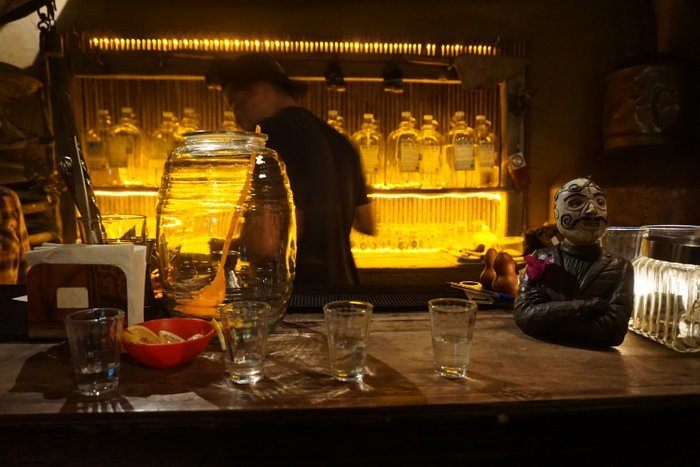
Photo: Sasha Savinov
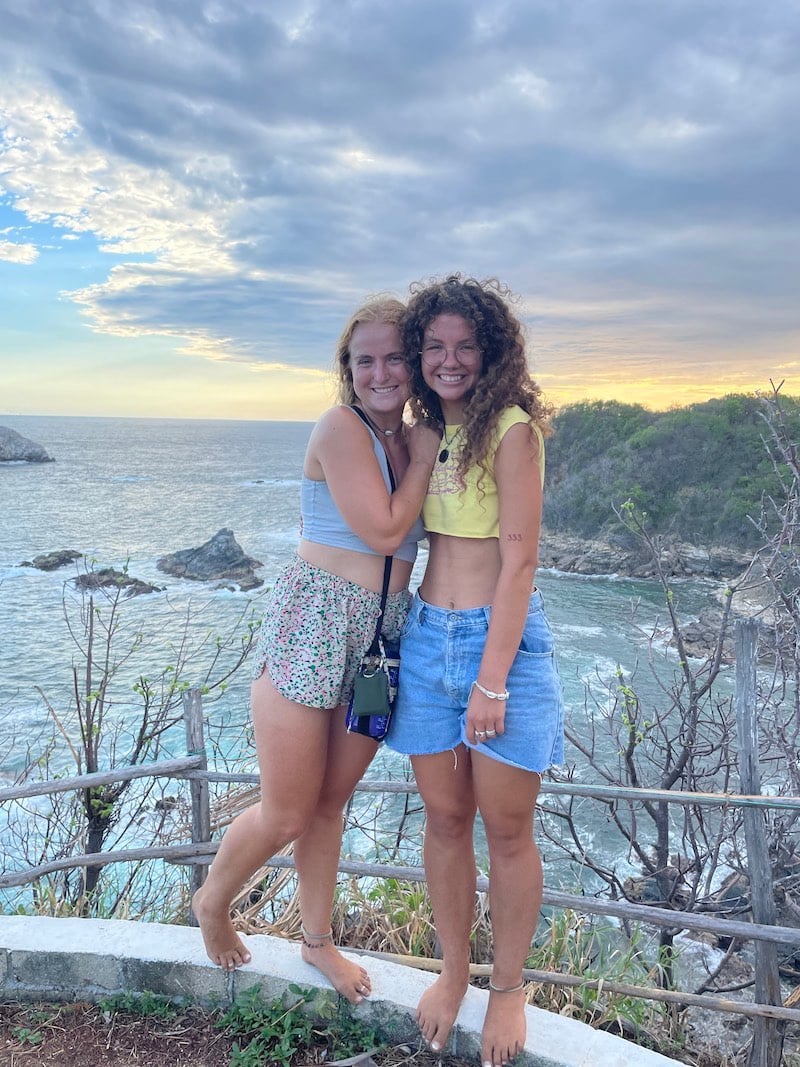
Photo: @audyscala
When it comes to drinking – again, Mexico loves to drink! If you want to go local, try a michelada. It’s basically a Bloody Mary but with beer instead of vodka. Or try a calimocho – wine and coca-cola!
Those looking for something stronger you can opt for tequila or mezcal. After all, the best stuff in the world comes from right here in Mexico.
Also, Mexico is probably the illegal drug capital of the world right now so they can be found in abundance. As a gringo tourist, don’t be surprised if people approach you to offer you drugs. I don’t recommend buying drugs from a random guy on the street anywhere, but I know some of you will probably do it anyways. Drugs on the road are inevitable so you might as well learn about them and do it properly!
I got caught smoking a joint in San Cristobal De Las Casas – and it’s not my favourite memory. Luckily, I had my charming Argentinian companion to smooth talk our way out of it with a small bribe.
They are cracking down at the moment on weed in Mexico. I’ve also been stopped and searched randomly in transport stations so, in my experience, it’s not worth travelling with or smoking in public now.
Getting Insured BEFORE Visiting Mexico
Sort out your insurance before you go. There are several good options, but our overall pick is SafetyWing. Most of the Broke Backpacker team has used it at one point or another, and we’ve filed claims for rabies jabs in Bali, a hospital stay in Mexico, and a clinic visit for a stomach bug that wouldn’t quit. All paid out.
It’s month-to-month, no lock-in, no itinerary required, and you can buy it after you’ve already left. A little over $2 a day if you’re under 40.
New SafetyWing customers: use code BROKEBACKPACKER for 8 free weeks of electronics theft coverage. You have to scroll down and click the pink camera on their landing page to enter it, and you have to do it before creating your account.
How To Get Into Mexico
Mexico is a super accessible country within the Americas. There are direct flights from multiple cities within the USA and Canada, as well as direct flights from Europe. You can always cross the land borders from the US, or from parts of Central America.
What this means is that Mexico fits in well with almost any backpacking itinerary! You can fly in directly from Europe or North America and explore Mexico for as long as your visa allows you. Or, your Mexico backpacking route can be part of a longer overland travel adventure through Latin America if you cross the southern border.
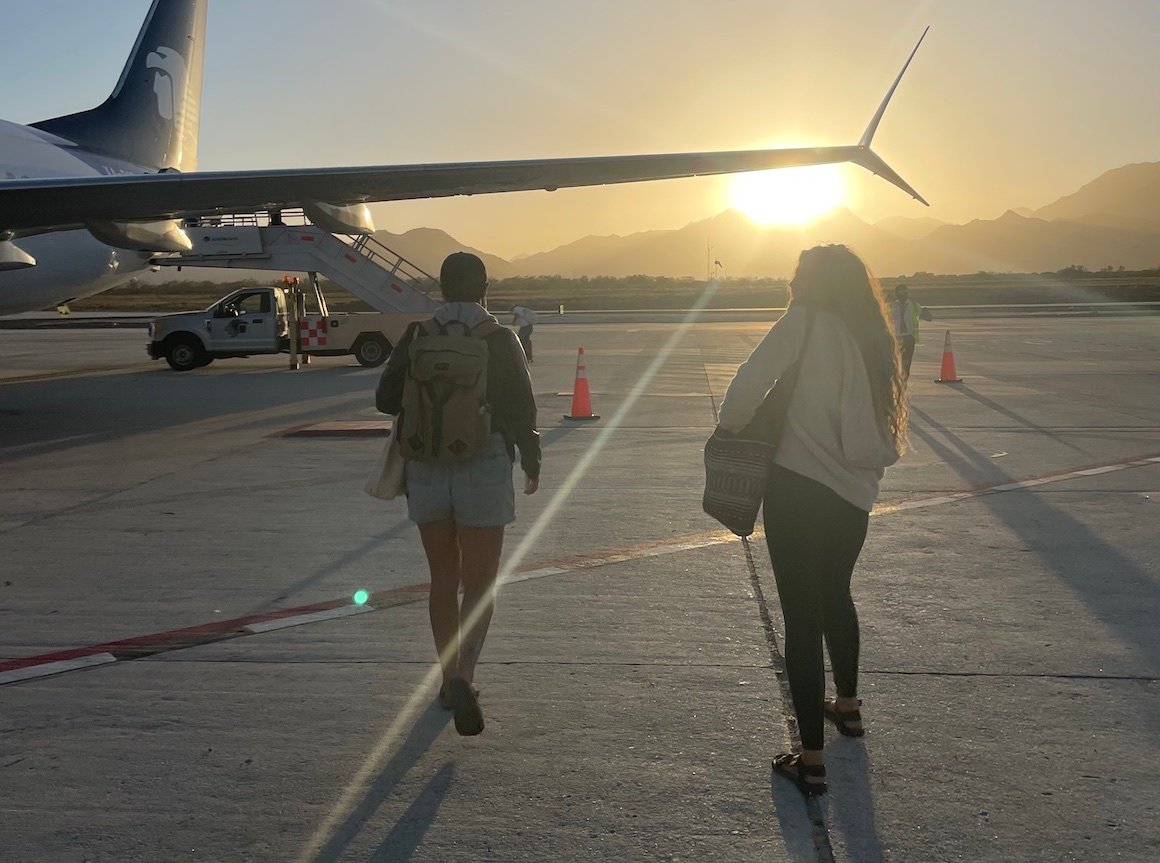
Photo: @audyscala
Personally, I flew into Mexico once and crossed the Southern border another time. I know other people may have a different experience, but I found flying in easier in terms of paperwork and bureaucracy. There was a convoluted hold-up at the land border that ended up requiring a long discussion and a stroke of luck to get me across!
Entry Requirements for Mexico
The entry requirements for Mexico vary depending on your nationality. Citizens of 65 different countries are allowed to visit Mexico visa-free. Typically, tourists and business visitors can stay up to 180 days. Make sure you read up on the visa policy of Mexico if you’re not clear.
If they give you a tourist card as you enter, hold onto this: you will need to present it as you are leaving and you’ll be held up and fined if you don’t. Though, you may not receive one depending on how you enter.
How To Get Around Mexico
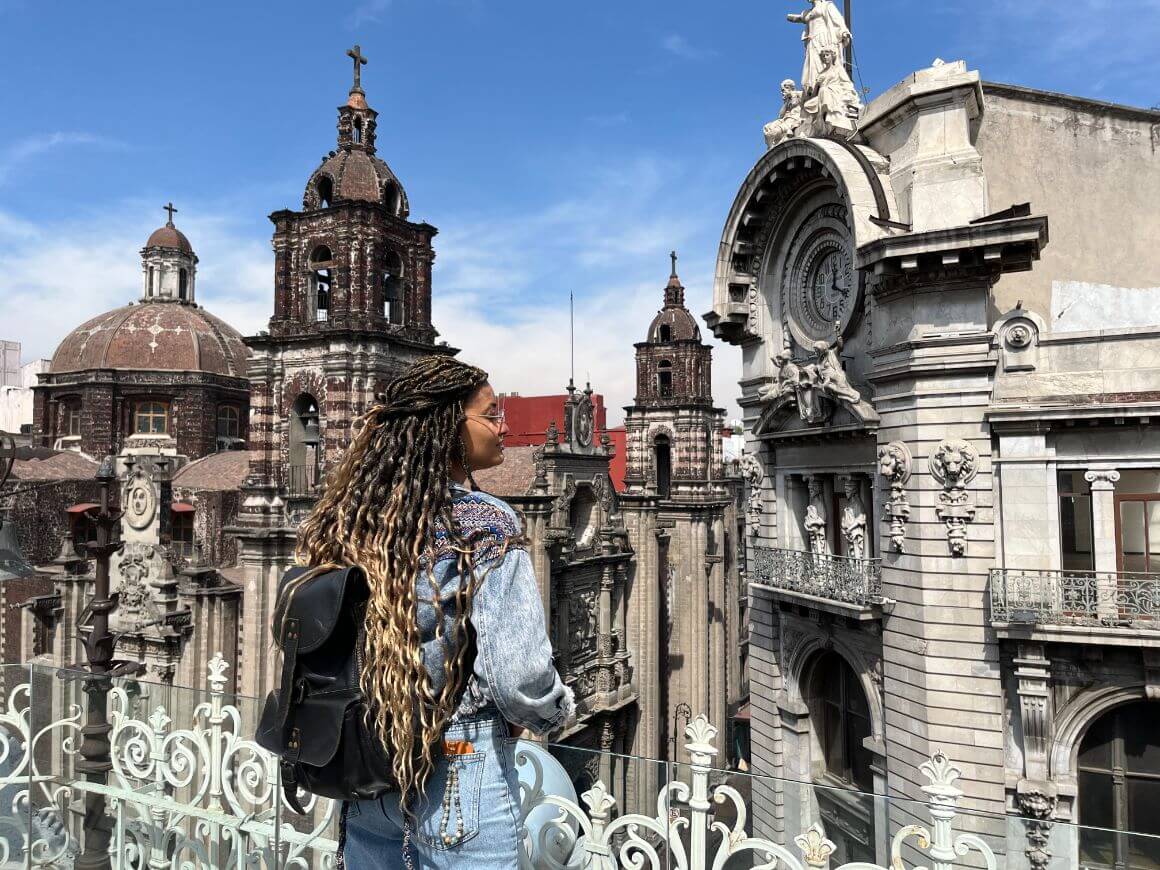
Despite its size, Mexico is actually much easier to travel around than many first-time visitors expect. The country has an extensive bus network, plenty of domestic flights, decent urban transport in larger cities, and enough flexibility that you can tailor your transport style to both your budget and itinerary.
Buses
For most backpackers, buses are the default way to travel around Mexico.
The long-distance bus network is extensive, reliable, comfortable, and reaches places that airports don’t. Premium operators such as ADO, ETN, and Primera Plus often offer reclining seats, air conditioning, onboard toilets, and surprisingly comfortable overnight journeys. Note that you are not allowed to bring alcohol onto the bus even though they sell it at bus stations.
Best for: Backpackers, budget travellers, slow travellers
Pros:
- Affordable
- Extensive network
- Comfortable premium services
- Usually city-centre to city-centre
Cons:
- Long travel times on certain routes
- Overnight buses aren’t for everyone
Good to know: Mexico’s premium buses are among the best I’ve used anywhere in the Americas. For journeys under 8–10 hours, I’d usually choose the bus over flying.
Flights
Mexico is a huge country. While buses are great, there comes a point where flying simply makes more sense.
If you’re travelling between regions—say Baja California to Oaxaca, or Mexico City to Cancún—a domestic flight can save an entire day of travel. Budget airlines often offer surprisingly competitive fares if booked in advance.
Best for: Short trips, long-distance routes, travellers short on time
Pros:
- Huge time savings
- Often inexpensive when booked ahead
Cons:
- Airport transfers add time and cost
- Baggage fees can quickly add up
Good to know: Flying becomes particularly attractive once journeys start creeping beyond 12–15 hours by road.
Metro & City Transport
Mexico City has one of the largest metro systems in the world and it’s incredibly cheap. Other cities rely more heavily on buses, colectivos, and ride-hailing apps such as Uber and DiDi.
Best for: Urban exploration
Pros:
- Extremely affordable
- Efficient in larger cities
- Uber and DiDi are widely available
Cons:
- Can get very crowded at peak times
- Routes can be confusing without Google Maps
Good to know: I found Uber and DiDi to be some of the best value transport options in Mexico. They’re often cheap enough that it’s not worth the hassle of negotiating with taxis.
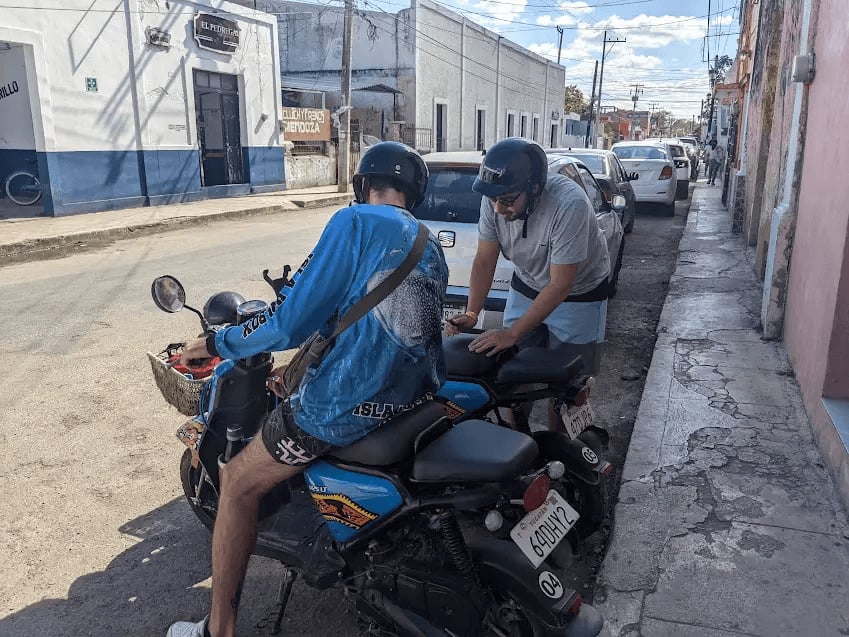
Photo: @Lauramcblonde
Rental Cars
Hiring a car gives you access to parts of Mexico that are difficult to reach by public transport, particularly in Baja California, parts of Oaxaca, and smaller coastal regions. That said, most backpackers don’t actually need one. Between buses, colectivos, and occasional flights, it’s possible to see a huge chunk of the country without ever touching a steering wheel.
Best for: Road trips, Baja California, remote areas
Pros:
- Maximum flexibility
- Access to off-the-beaten-path destinations
- Great for groups splitting costs
Cons:
- Insurance can be expensive
- Parking in cities can be a headache
- Driving standards vary
Good to know: Baja California is one of the few regions where I’d strongly consider renting a car.
Hitchhiking
Yes, people do hitchhike in Mexico. No, I generally wouldn’t recommend it to most readers.
While some travellers report positive experiences, Mexico’s security situation varies significantly by region and it’s simply not a destination where hitchhiking offers enough upside to justify the additional risk for most backpackers.
Best for: Experienced hitchhikers with strong Spanish skills
Pros:
- Cheap
- Opportunity to meet locals
Cons:
- Safety concerns
- Unpredictable
- Not practical on many routes
Good to know: Mexico’s bus network is so good that hitchhiking rarely feels necessary.
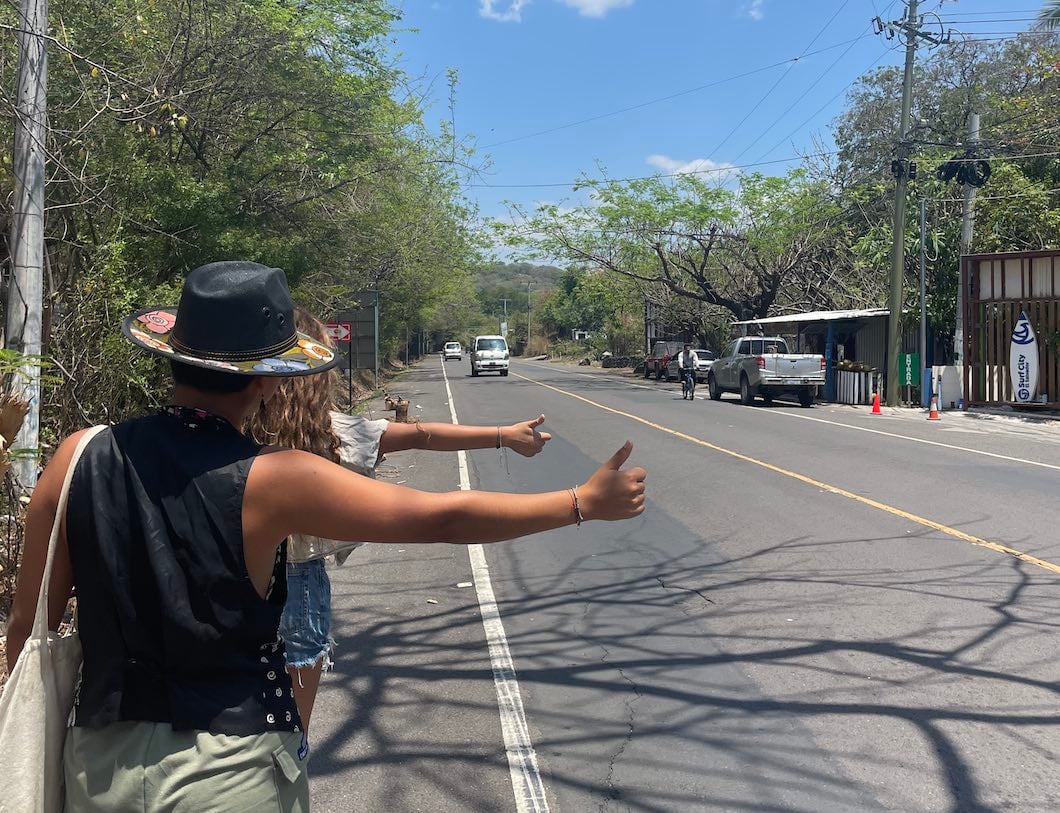
Photo: @audyscala
My Recommendation
For most backpackers, the sweet spot is quite simple;
- Use buses for most journeys.
- Use Uber or DiDi within cities.
- Fly when crossing large regions in one go.
- Rent a car only for specific road-trip destinations such as Baja California.
Many of the regional centres are connected via planes that aren’t so expensive! Within major centres, you’ll find Ubers, taxis, and even the metro. Generally speaking, no transport in Mexico is overly expensive but taxis can sometimes overcharge you.
Onwards Travel from Mexico
Mexico is the perfect jump-off point for your adventures in Latin America. Those looking to travel by land have the option of heading into Guatemala or Belize. It’s not hard to arrange bus trips to these neighbouring countries.
You’ve only just started exploring my favourite region on Earth! Backpacking Central America is up there with my favourite adventures of all time!
Alternatively, cheap flights are available to most countries in Central America or the northern part of South America. If you’re looking to visit the Caribbean or backpack Cuba, you can find good deals on flights out of Mexico City and Cancun.
Working In Mexico
Most backpackers aren’t coming to Mexico to find traditional local employment. If you’re planning to work for a Mexican company, you’ll generally need the appropriate visa and employer sponsorship, so it’s not something that most short-term travellers pursue.
That said, Mexico has become a popular destination for people who decide to stay a little longer than planned. Between the relatively low cost of living, decent infrastructure, vibrant cities, and strong café culture, it’s easy to see why some travellers turn a three-week trip into a three-month stay.
Teaching English
Teaching English remains one of the more accessible ways for foreigners to earn money in Mexico, particularly in larger cities. Opportunities exist in language schools, private tutoring, and international schools, although salaries vary considerably and rarely make anyone rich.
You can also teach English online to make yourself completely remote. Though, be aware that the internet connection isn’t always trust worthy in those budget hostels.
You don’t need to have to have a degree but a TEFL certificate is unbelievably useful. You improve your English and teaching skills to really change up your abilities and opportunities. As a Broke Backpacker reader, you can get a 50% discount on TEFL courses with MyTEFL. Simply follow the link or enter the code PACK50.
Digital Nomad & Remote Work
This is probably the most common way foreigners work while spending time in Mexico.
There are lots of Digital Nomads and hubs such as Mexico City and Oaxaca have developed thriving remote-work scenes, while beach destinations like Puerto Vallarta, Sayulita, Playa del Carmen, and parts of Baja California continue to attract freelancers, entrepreneurs, and location-independent workers.
Reliable WiFi is easy to find in most major cities and tourist destinations, and there are plenty of cafés, coworking spaces, and apartments geared towards longer stays.
The appeal isn’t hard to understand. You can spend your mornings working, your afternoons exploring a new neighbourhood or beach, and your evenings eating some of the best food in the Americas.
Volunteering
Travellers looking for a more immersive experience can find volunteering opportunities throughout Mexico.
These range from hostel work exchanges and language exchanges to community projects, environmental initiatives, and conservation programmes. As always, it’s worth researching organisations carefully and making sure your time and skills are genuinely contributing something useful.
Volunteering is unlikely to fund your travels, but it can be an excellent way to slow down, reduce accommodation costs, and connect more deeply with local communities.
Is Mexico a Good Place for a Longer Stay?
For many people, yes.
Mexico probably isn’t the cheapest destination in Latin America anymore, and it certainly isn’t perfect. However, it offers an appealing combination of culture, food, climate, infrastructure, and quality of life that keeps drawing travellers back.
You don’t need to become a digital nomad or English teacher to appreciate that. Spend a few weeks in places like Oaxaca, Mexico City, San Cristóbal de las Casas, or Puerto Vallarta and you’ll quickly understand why so many visitors end up extending their stay.

A new country, a new contract, a new piece of plastic – booooring. Instead, buy an eSIM!
GigSky eSIMs work just like an app: you download it, pick your plan, and BOOM! You’re connected the minute you land. It’s that easy.
Read about how eSIMs work or click below to see one of the top eSIM providers on the market and ditch the plastic.
Grab an eSIM!Culture in Mexico
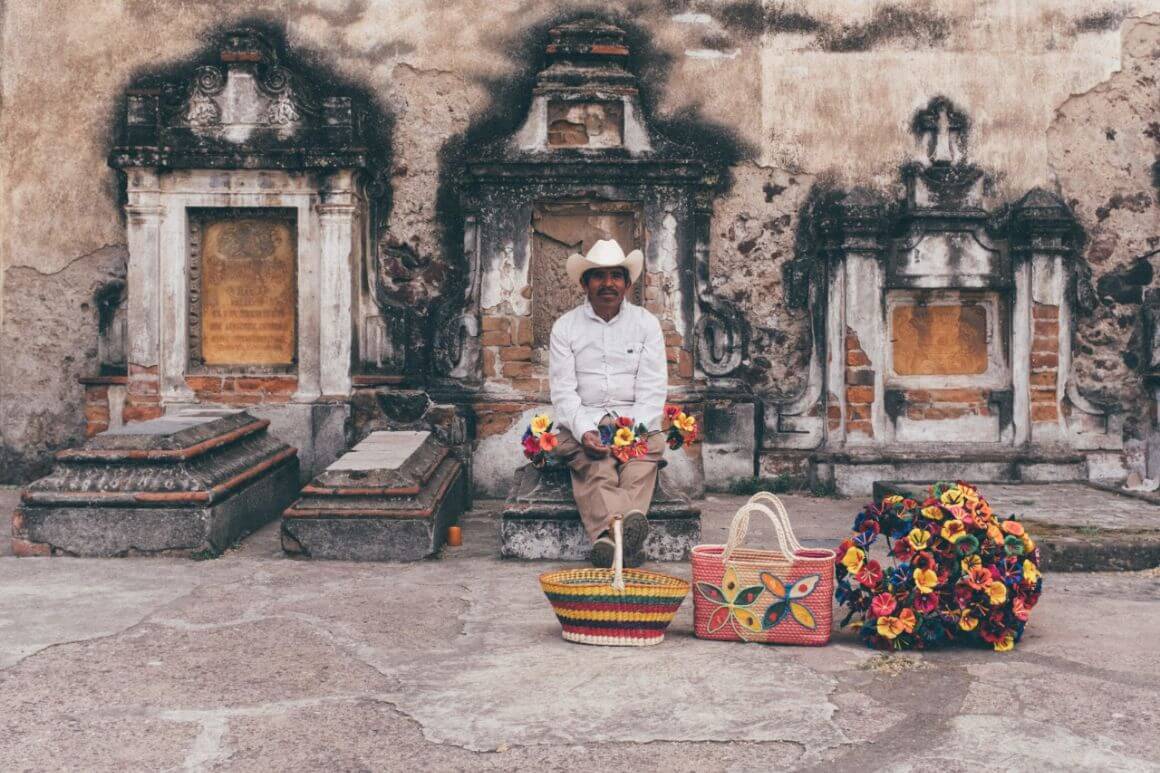
One of the biggest mistakes travellers make is thinking of Mexico as a single, unified culture. In reality, Mexico is one of the most culturally diverse countries in the Americas.
Modern Mexican identity is shaped by a blend of Indigenous, mestizo, European, and Afro-Mexican influences, but exactly how those influences appear varies dramatically from region to region. The culture of Oaxaca feels very different from that of Baja California, while Chiapas, Yucatán, Mexico City, and the Pacific Coast all have their own distinct identities, traditions, cuisines, and histories.
For travellers, this diversity shows up everywhere. It’s in the food, the music, the architecture, local festivals, religious celebrations, and even the languages spoken. While Spanish is the national language, dozens of Indigenous languages are still spoken across the country, particularly in states such as Oaxaca and Chiapas.
One thing you’ll quickly notice is the strength of regional pride. Ask somebody from Oaxaca about Oaxacan food, or somebody from Yucatán about Yucatecan culture, and you’ll soon discover that “Mexican culture” is really a collection of many different regional cultures.
The best way to experience Mexico’s culture isn’t through museums alone, rather it’s by getting out and exploring local markets, attending festivals, trying regional dishes, learning a little Spanish, and spending time in places beyond the major tourist resorts. The more ground you cover, the more you’ll realise there isn’t just one Mexico.
Useful Travel Phrases For Mexico
Mexico is the largest Spanish-speaking country in the world, but it’s also home to nearly 70 native languages. While all 132 million of its inhabitants are considered Mexican, this is an incredibly diverse country. The culture and customs of Mexico change as you move across the country, ensuring there’s something new to discover everywhere you go.
Below are some useful Spanish phrases for backpacking Mexico. While many people speak English in tourist areas and cities, once you get outside these areas, Spanish will carry you a long way!
Hola = Hello
Cómo estás? = How are you?
Estoy bien = I’m fine
(Muchas) gracias = Thank you (very much)
De nada = You’re welcome
Una cerveza por favor = A beer please
La chela = The beer (slang)
Salud! = Cheers! (directly translates to ‘health’.)
Tienes fuego? = Do you have a lighter?
Sin bolsa de plastico = No plastic bag
Lo siento = I’m sorry
Dónde está el baño? = Where is the bathroom?
Qué es esto? = What’s this?
Cuánto? = How much?
Adiós = Goodbye
Quiero tacos al pastor = I want (spit-grilled) pork tacos
What To Eat in Mexico
Mexican food is one of the great joys of travelling through the country, but one thing many first-time visitors don’t realise is just how much it changes from region to region. The food in Oaxaca is different from the food in Yucatán. Baja California has its own seafood traditions. Northern Mexico is famous for grilled meats, while central Mexico offers everything from street food to complex regional dishes that have been refined over centuries.
And yes, you’re going to eat a lot of tacos. You absolutely should, just don’t stop there.
One of the best travel decisions you can make in Mexico is to eat whatever the locals are queuing for, whether that’s a market stall, a family-run comedor, or a roadside food cart with plastic chairs and no English menu.
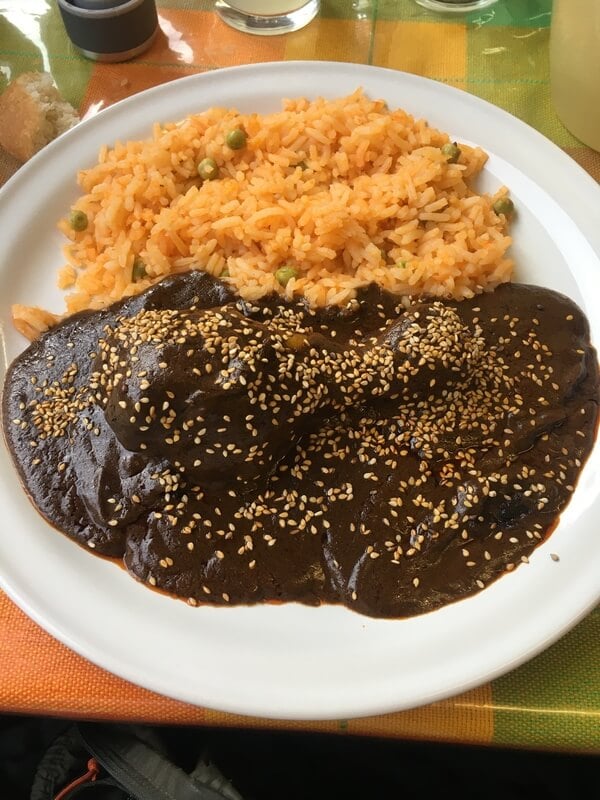
Photo: @sebagvivas
Some dishes worth seeking out include;
- Tacos al Pastor – Mexico’s most famous taco, featuring spit-roasted pork influenced by Lebanese immigration.
- Mole – Oaxaca’s signature sauce, often containing dozens of ingredients and countless family variations.
- Tlayudas – Sometimes called Oaxacan pizza, these giant crispy tortillas are a backpacker favourite.
- Tamales – Corn dough filled with meats, vegetables, or sweets and steamed in corn husks.
- Pozole – A hearty soup made with hominy corn and meat, particularly popular during celebrations.
- Cochinita Pibil – Slow-roasted pork from the Yucatán Peninsula, marinated in citrus and achiote.
- Chiles en Nogada – One of Mexico’s most iconic dishes, combining stuffed peppers with a walnut-based sauce.
- Quesadillas – Simple, delicious, and found almost everywhere.
- Ceviche – Particularly popular along the Pacific and Baja coasts.
- Oaxacan Cheese – Stringy, rich, and dangerously addictive. I actively looked for excuses to eat more of it.
And don’t forget the drinks. Tequila may get most of the international attention, but many travellers leave Mexico as converts to mezcal, particularly after spending time in Oaxaca.
A Brief History of Mexico
Long before the arrival of the Spanish, Mexico was home to some of the world’s most advanced civilisations. The Olmec, Maya, Zapotec, Mixtec, and Aztec peoples built cities, trade networks, and cultural traditions that continue to influence Mexico today. Many of the archaeological sites travellers visit—from Chichén Itzá to Palenque and Monte Albán—are reminders of this rich pre-Columbian history.
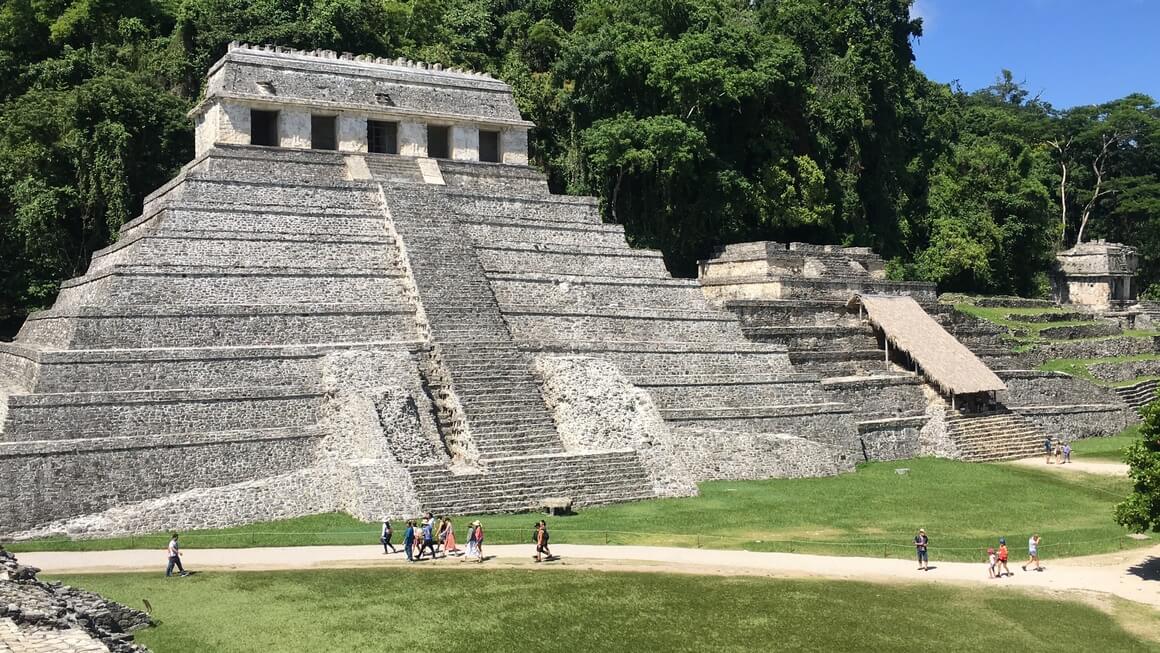
Photo: @sebagvivas
In the early 16th century, Spanish conquistadors arrived and established colonial rule, reshaping the country through centuries of European influence, Catholicism, and cultural mixing. Mexico eventually gained independence from Spain in 1821, beginning a complex journey that included political upheaval, revolution, and the formation of the modern Mexican state.
Today’s Mexico is a diverse nation of more than 130 million people, shaped by Indigenous, mestizo, European, Afro-Mexican, and many other cultural influences. Understanding every chapter of its history would take a 100 years, but even a basic appreciation of Mexico’s past helps explain the country’s remarkable cultural diversity, strong regional identities, and deep sense of heritage.
Some Unique Experiences in Mexico
There’s no shortage of must-try experiences in Mexico. In fact, there are so many of them that you’ll just have to keep coming back. Even if you can spend a few months in Mexico, you won’t be able to do it all!
Mexico has so many beautiful beaches and all the fun activities that come along with them. You should definitely be sure to do some snorkelling, diving, fishing, SUPing, surfing, and whatever else is available!
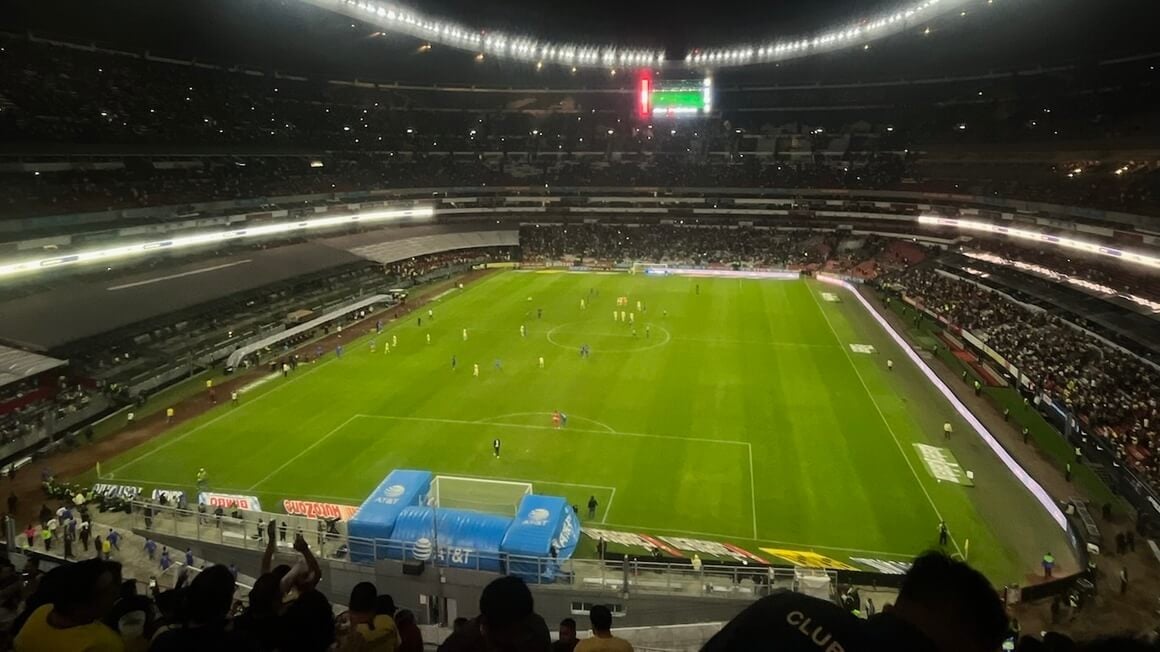
Photo: @joemiddlehurst
Sports are huge in Mexico, especially football and lucha libre. Check the schedule for the local football clubs and see if they do lucha fights where you’re travelling to.
Hit a local cantina before the game or the match and soak up the lively atmosphere. Joining the locals to cheer on their favourite team and luchadores is tons of fun and a great insight into local culture.
Scuba Diving in Mexico
If you’re a diver, you’re going to love Mexico. There are several world-class dive sites around the country for you to explore. The best spot if you want to base your trip around diving is the Riviera Maya. There are several great dive sites around Cancun, and you can also easily find good hostels in Cozumel and nearby Isla Mujeres.
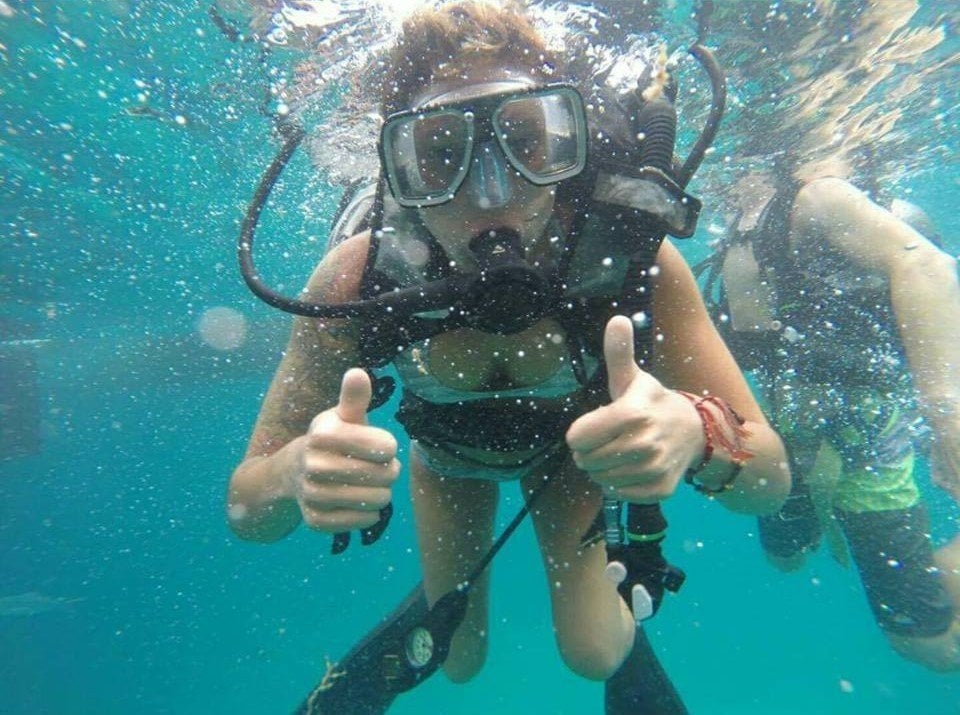
Photo: Alexandria Zboyovski
For a unique scuba experience, why not go diving in a cenote? These underground sinkholes are fascinating to explore below the surface. It’s easy to arrange a cenote diving trip from major tourist hubs like Cancun or Playa del Carmen.
On the other side of Mexico, there’s diving available in Cabo, Puerto Vallarta, and Acapulco as well. Just be aware that the water over here can be quite cold and may require a warming dry suit. It’s worth it as you may see giant rays or even whales while diving on the Pacific Coast.
Surfing in Mexico
Mexico is an incredible destination for surfers. You’ve got a wide variety of breaks and lots of swell here.
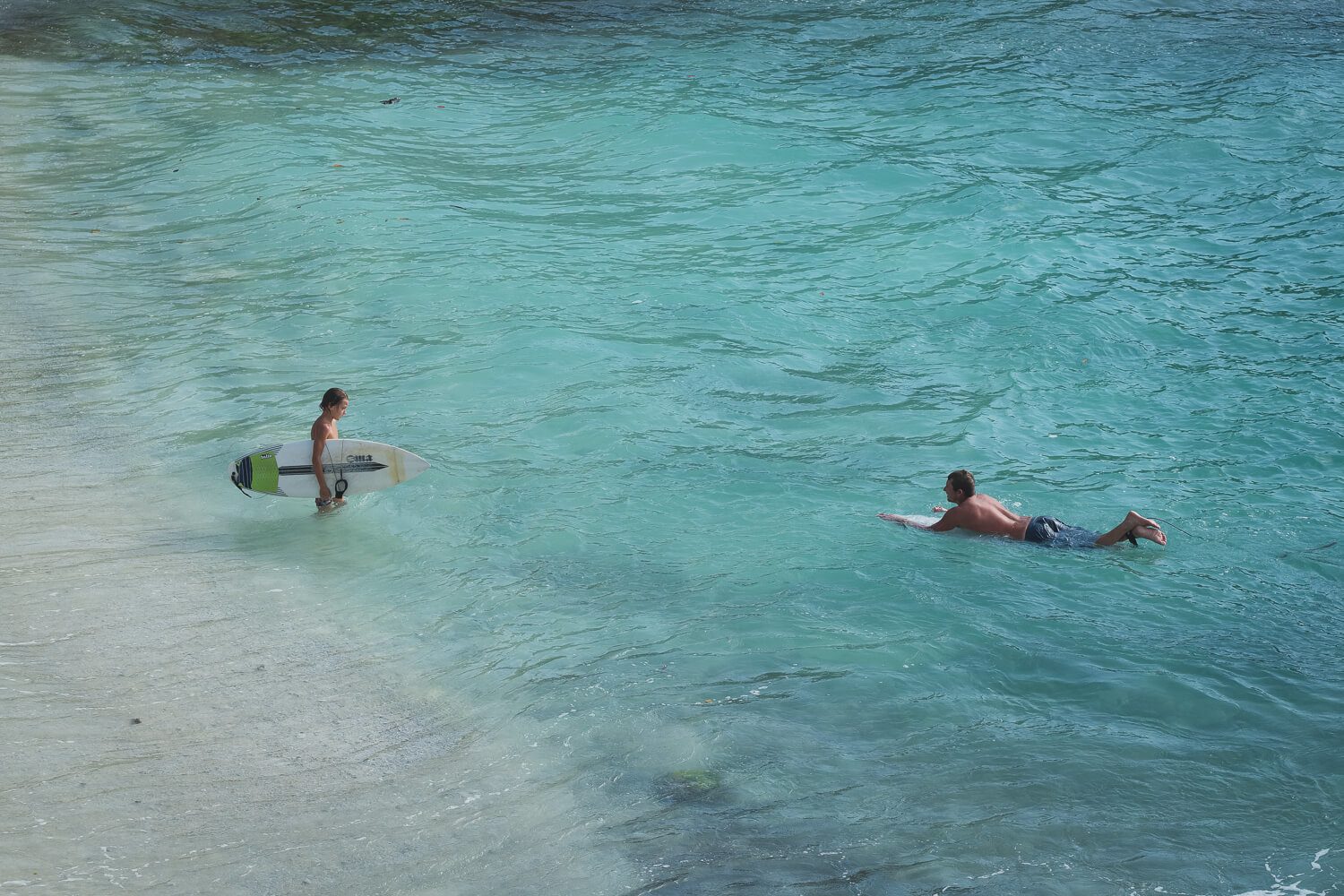
Photo: Roaming Ralph
In many places, you can ride some epic waves with little to no crowd. It helps that there are about 2,500 km of Coast. Surfing is also an option year-round in Mexico.
Some of the best places to go surfing include Baja California, Sayulita, and Puerto Escondido. You don’t need to bring your own board as there are always some available for hire. If you’re like me and can’t stand on a board of any kind, there are several options for surf classes in the more popular destinations. If you plan on doing a road trip in Baja too, the perfect itinerary is to hit up all the best surf breaks.
Final Advice Before Visiting Mexico
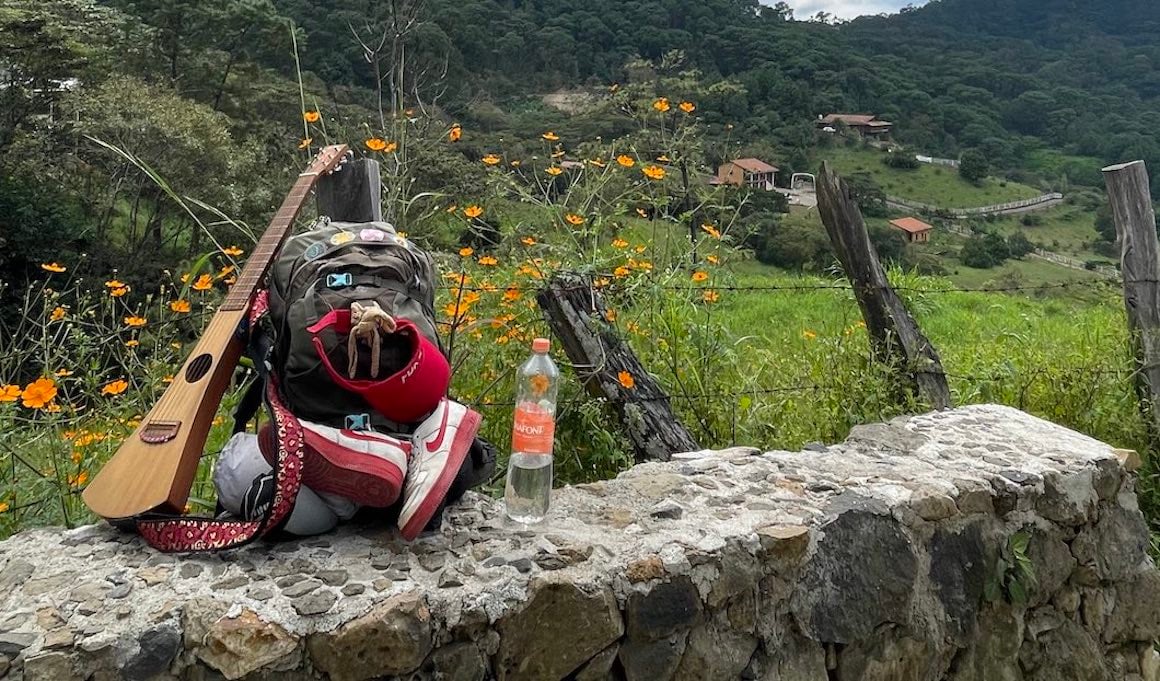
Photo: @audyscala
Mexico is one of the most vibrant and diverse countries you’ll ever go backpacking in. The landscapes alone are enough to keep you travelling for months. There are deserts in the north, jungles in the south, mountains that disappear into the clouds, surf towns on the Pacific, colonial cities in the highlands, and Caribbean beaches that somehow manage to look exactly like the postcards.
And then there are the people, cultures, histories, foods, languages, traditions, and identities layered on top of all that geography. The deeper you travel, the more you realise there isn’t one Mexico, there are many Mexicos for you to find.
Whether you breeze in for a couple of weeks of sunshine and surfing or commit to six months of buses, hostels, volunteering, and slow travel, Mexico has a habit of leaving a mark on you. It’s a country that can surprise you. One day you’re learning about the legacy of ancient civilisations and colonial history, the next you’re drinking tequila on a beach at sunset wondering how you’ve somehow ended up here.
It isn’t always easy, though.
Travelling here can be messy. Plans change. Transport doesn’t always go to plan. Some destinations can feel overwhelming. Others can feel frustrating. Mexico occasionally demands a bit more patience and awareness than some backpacking destinations. But of course that complexity is part of what makes backpacking so rewarding.
So if there’s one final piece of advice I can leave you with, it’s this
Be good to Mexico.
Travel with curiosity. Learn a little Spanish. Respect local customs. Understand that many of the places you’re visiting are people’s homes, not just stops on a backpacking route. The more respect and openness you bring to your travels, the more Mexico tends to give back.
Vamos, amigo. It’s time to go backpacking Mexico.





Amazing!
hey,
i just had a bad experience with the cops in mexico and want to create a fb community about this topic. ” pick on a cop ” on FB.
take care and travel safe!
If I fly to the USA and then want to start my backpacking from there, entering Mexico via McAllen TX by car, how do I get my FMM for 180 days? You only really mention the southern boarder in this article (I’m British).
I’d like to add some information about hitchhiking in Mexico: It is extremely easy, as a solo female traveller I hardly wait more than 15 minutes and payment is not expected. However, as a solo female traveller it might happen that guys ask you for sex (although it is extremely rare, to me it happened only once in 3 months of hitchhiking all over the country), just say no and act confidently and don’t allow guys to overstep your boundaries. A much more common occurrence is drivers giving you food, beer or soft drinks and sometimes even inviting you to stay at their house! Mexico really is one of my favourite countries for hitchhiking.
Wow, I’m Mexicana and have done a lot of the recommendations that you have mentioned but you definitely have gone into depth on the back packing. Next year I’ll be doing the back packing and bringing my American boyfriend who is skeptical about traveling to Mexico. Your guide is definitely going to help him feel more comfortable. By the way do you sell this guy on website or Amazon? Thank you so much for the information. Happy travels
Ahhh what a fantastic guide! Thank you so much for all this quality info!
Our two month trip through Mexico starts tomorrow and we couldn’t be more excited! Will definitely be heading to Puerto Vallarta for at least a week of it during November. Envy you and your living there for six months – what a dream come true that is! Maybe see you there! Cheers
Definitely sounds like a great time! I’d love to do a solo trip like this someday!
This blog post is so helpful! It has EVERYTHING I need for my upcoming trip to Mexico for a month, although I definitely need to learn some Spanish. Thank you!