Backpacking in Vietnam hits you in a way few countries do. For me, it’s the clash of extremes that makes it unforgettable. From the chaos of crossing the street in Hanoi to the peaceful aura of the misty mountain passes, from squeezing onto a tiny plastic stool for the best bánh mì of your life to the semi-luxury sleeper bus that costs barely more.
Vietnam moves fast, but it’s traditional at its core. You’ll still see water buffalo plodding through rice paddies and gatherings of families plucking their chicken ready for dinner. While a few hours away, backpackers tear around the Ha Giang Loop on the back of motorbikes and sip iced coffees by the sea in Da Nang.
It’s like this country has been built for us backpackers. It’s cheap, energy charged and fairly easy to navigate (once you know the basics).
That’s where I come in! I’ve compiled all of the wisdom I have gathered from my trips into this freshly updated backpacking Vietnam guide. I will cover where to go, how much it costs, how to get around, when to go, what to prioritise, and so much more.
Avast! Let’s get into the good stuff and stock you up with everything you need to know before backpacking Vietnam.
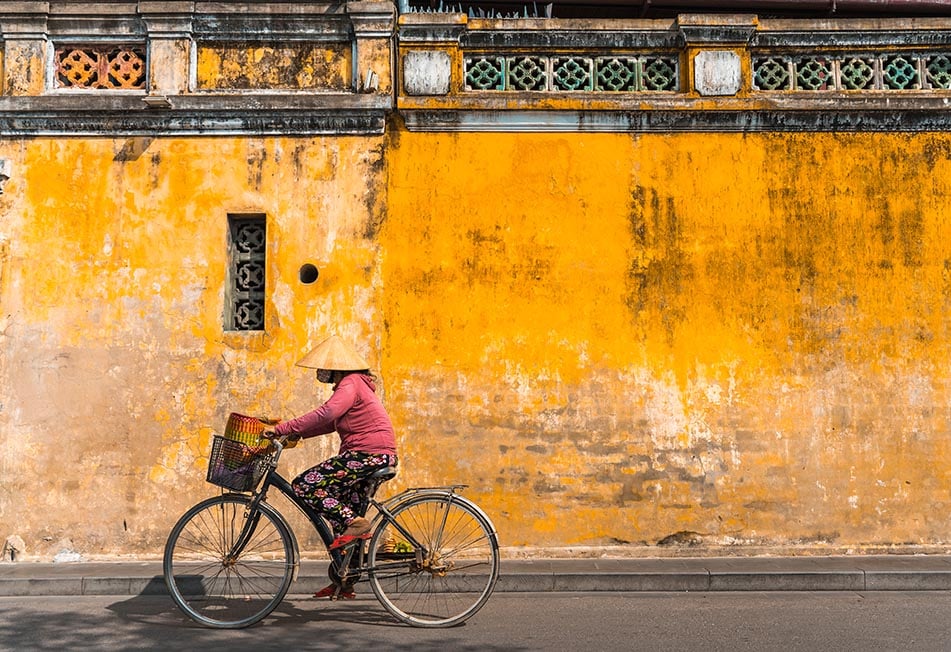
Image: Nic Hilditch-Short
The Broke Backpacker is supported by you. Clicking through our links may earn us a small affiliate commission, and that's what allows us to keep producing free content 🙂 Learn more.
- Why Backpacking Vietnam Gets Under Your Skin
- Best Travel Itineraries for Backpacking Vietnam
- Best Places to Visit in Vietnam
- 9 Top Things to Do in Vietnam
- Backpacker Accommodation in Vietnam
- What Backpacking Vietnam Actually Costs
- Get an eSIM for Vietnam
- Best Time to Travel to Vietnam
- Staying Safe in Vietnam
- How to Get Into Vietnam
- How to Get Around Vietnam
- What’s New for Backpacking in Vietnam?
- Working in Vietnam
- Culture in Vietnam
- Why Vietnam Stays With You
Why Backpacking Vietnam Gets Under Your Skin
I can still feel the addictive energy of Vietnam inside me. It’s not just another stop on the Southeast Asia backpacking loop… it feels sharper, more layered and more alive.
It’s a country that has been through a hell of a lot. Some of the mountains are still pockmarked from the insane bombing they endured in the war of the 1960s and 1970s. Its patriotism can be found lining the streets with endless flags at every turn.
The longer you stay in Vietnam, the more you peel back its layers, the more it rewards you. I urge you to slow down your time here, be curious, be flexible and don’t rush it. It’s a country that has a lot to teach you, if you lean in and listen.
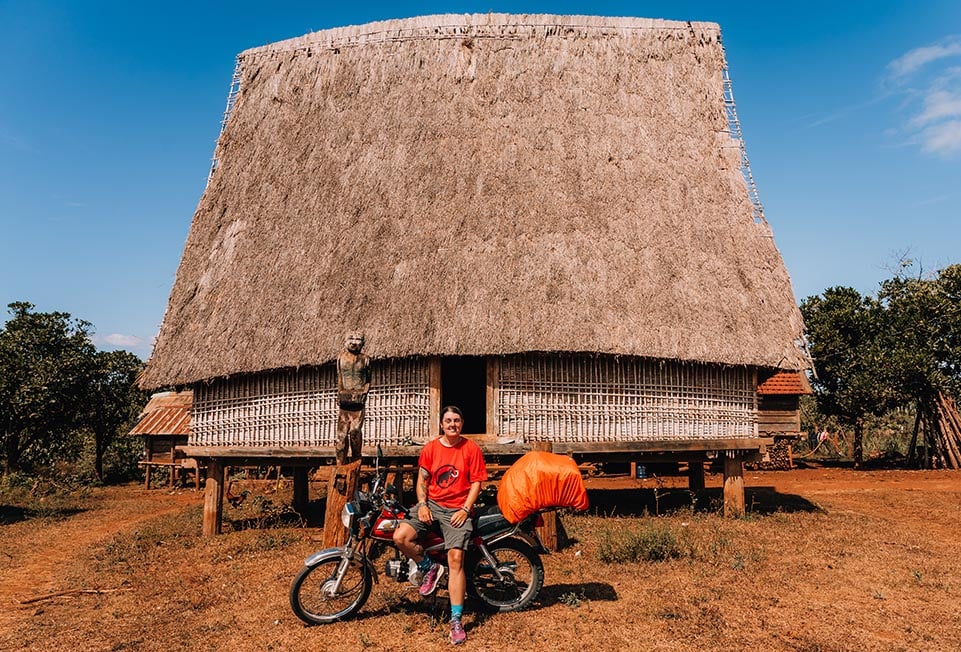
Image: Nic Hilditch-Short
Hop on the chicken-coop-topped local bus, take a few wrong turns and linger in the towns that spark your interest. While Vietnam is famously affordable, that’s only part of the appeal. The food is addictive, the motorbike culture is wild but beautiful, and the hostel scene is world-class. It’s literally the perfect backpacking destination.
From north to south, from the limestone peaks and the buffalo-filled rice paddy fields to the chaotic cities and high-rise beach strips. You’ll need to live and breathe these contrasts to truly understand.
Below we have put together the grand tour itinerary. This is great if you have over 3 weeks to backpack Vietnam, and best completed by motorbike or bus! If you only have 2 weeks, aim to complete the first or second half of the itinerary.
Vietnam is generally split into two regions, the north and the south. Deciding on where to stay in Vietnam, and what the best area for you is, can be a pretty hard decision.
If you only have less than two weeks, you can focus on one region. Another popular way to backpack in Vietnam is to combine a trip with a neighbouring country. For example, combining Southern Vietnam and Cambodia.
2-Week Travel Itinerary for Vietnam: The Quick Northern-Central Route
- Best for: Mountains, beaches, history and cities.
- Suggested route: Hanoi – Sapa – Ha Giang – Hue – Hoi An – Da Nang
- Total days: 12-17 nights.
- Transit intensity: Medium – High.
- Difficulty: Medium.
- Best season: Late September to early December. Or, March – early May.
- Budget: Cheap.
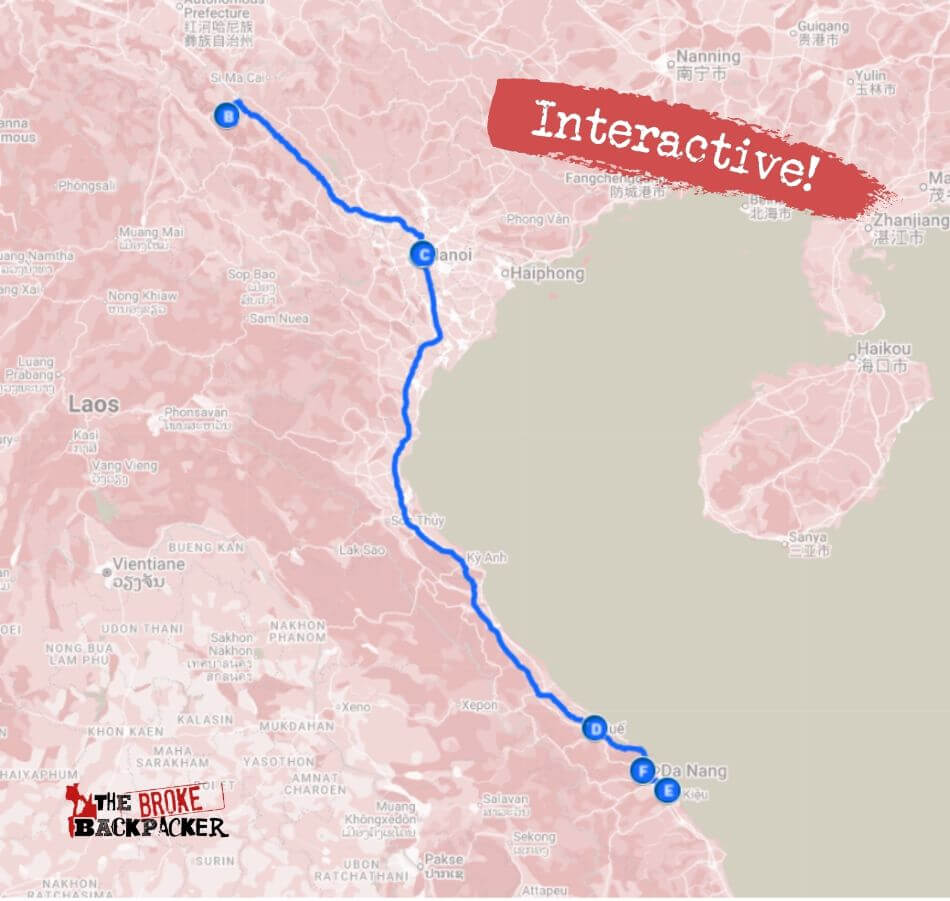
Ideally, you’ll want to fly into Hanoi to start this 2-week route. This is a big ol’ city, so depending on whether you love or hate cities, you can decide how long you want to stay. The first week of this itinerary is spent in the mountains between some of Vietnam’s most beautiful places.
- Hanoi (1-2 nights): Classic big Vietnamese city chaos, food and culture.
- Sapa (2-3 nights): Hiking through rice fields, staying in local villages and marvelling at the views.
- Ha Giang (4-5 nights): Ride the legendary Ha Giang Loop. It’s one of those backpacker experiences that is worth the hype. Please do it.
If you want to extend your time in the mountains, you can either venture to Cao Bang for another motorbike loop adventure or head to Ha Long Bay or Cat Ba Island to see the famous limestone cliffs protruding out of the sea. The latter is slightly too commercialised for me, but if it tickles your fancy, do it!
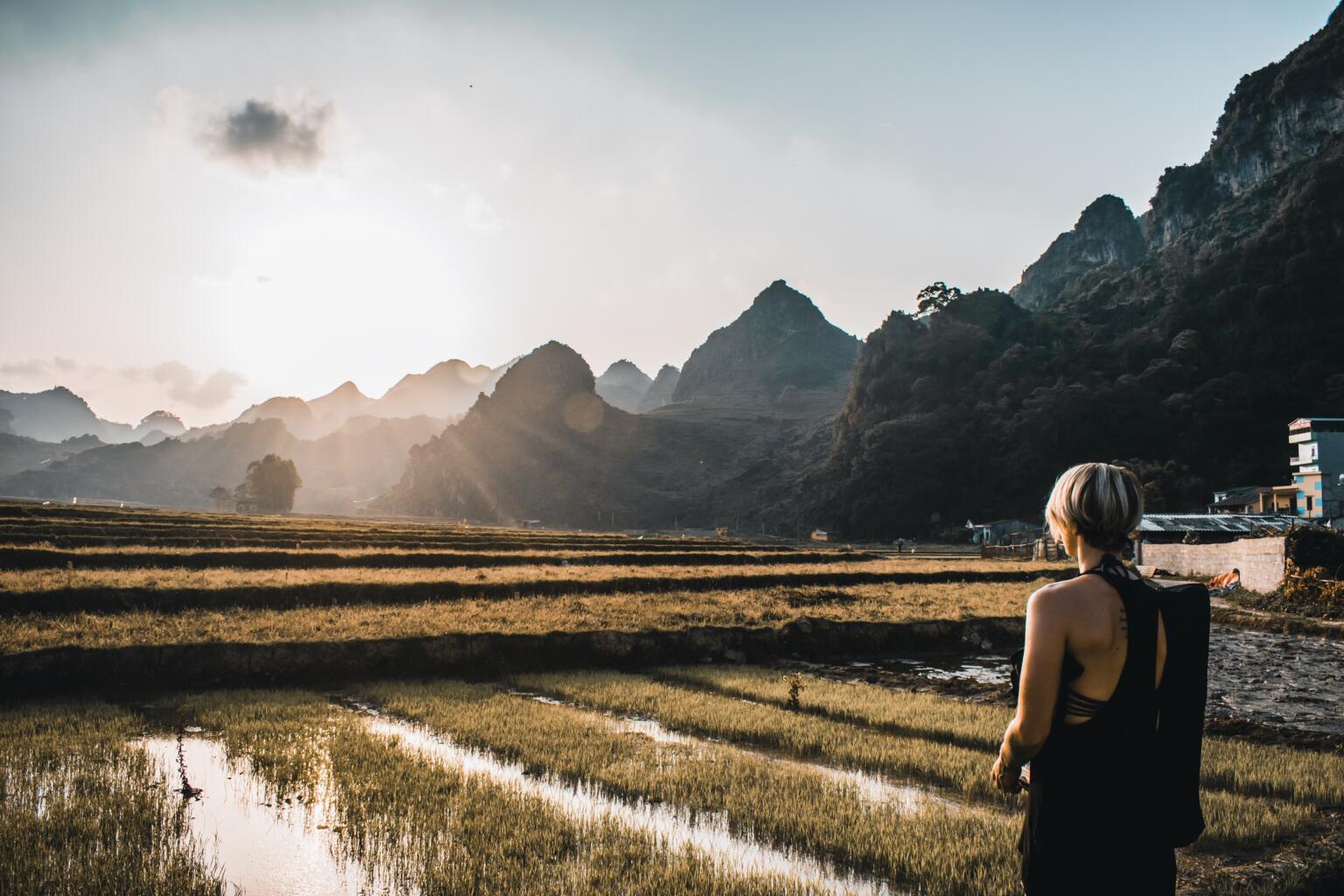
Next, we will be heading to central Vietnam to sample delicious food, lounge on stunning beaches and soak up some history.
- Hue (2 nights): Explore Vietnam’s imperial past through ancient citadels, royal tombs and delicious regional dishes. It adds a dash of history amongst the mountains and beaches.
- Hoi An (2-3 nights): This lantern-lit old town is extremely “touristy”, but I still love it. It’s filled with cafes, markets and if you hire a bicycle and get out of the Old Town, you’ll find endless rice paddies and gorgeous beaches.
- Da Nang (1-2 nights): This coastal city feels like a Vietnamese take on Miami. Its modern stretch of beach is partnered with endless cafes, restaurants, fancy places to stay and more.
Da Nang is the ideal place to finish your trip. You can book a hotel with a rooftop pool, looking over the sea, reminiscing on your trip for less than $20. It’s affordable luxury at its finest. This trip has the best of Vietnam in one neat little 2-week package!
1-Month Travel Itinerary for Vietnam: The Grand Tour
- Best for: Backpackers who enjoy being amongst nature, beaches, history and cities.
- Suggested route: Hanoi – Sapa – Ha Giang – Cat Ba/ Ha Long Bay – Ninh Binh – Phong Nha – Hue – Da Nang – Hoi An – Da Lat – Ho Chi Minh
- Total days: 28-36 nights.
- Transit intensity: Medium – High.
- Difficulty: Medium.
- Best season: Late September – Early December. Or, March to early May.
- Budget: Cheap.
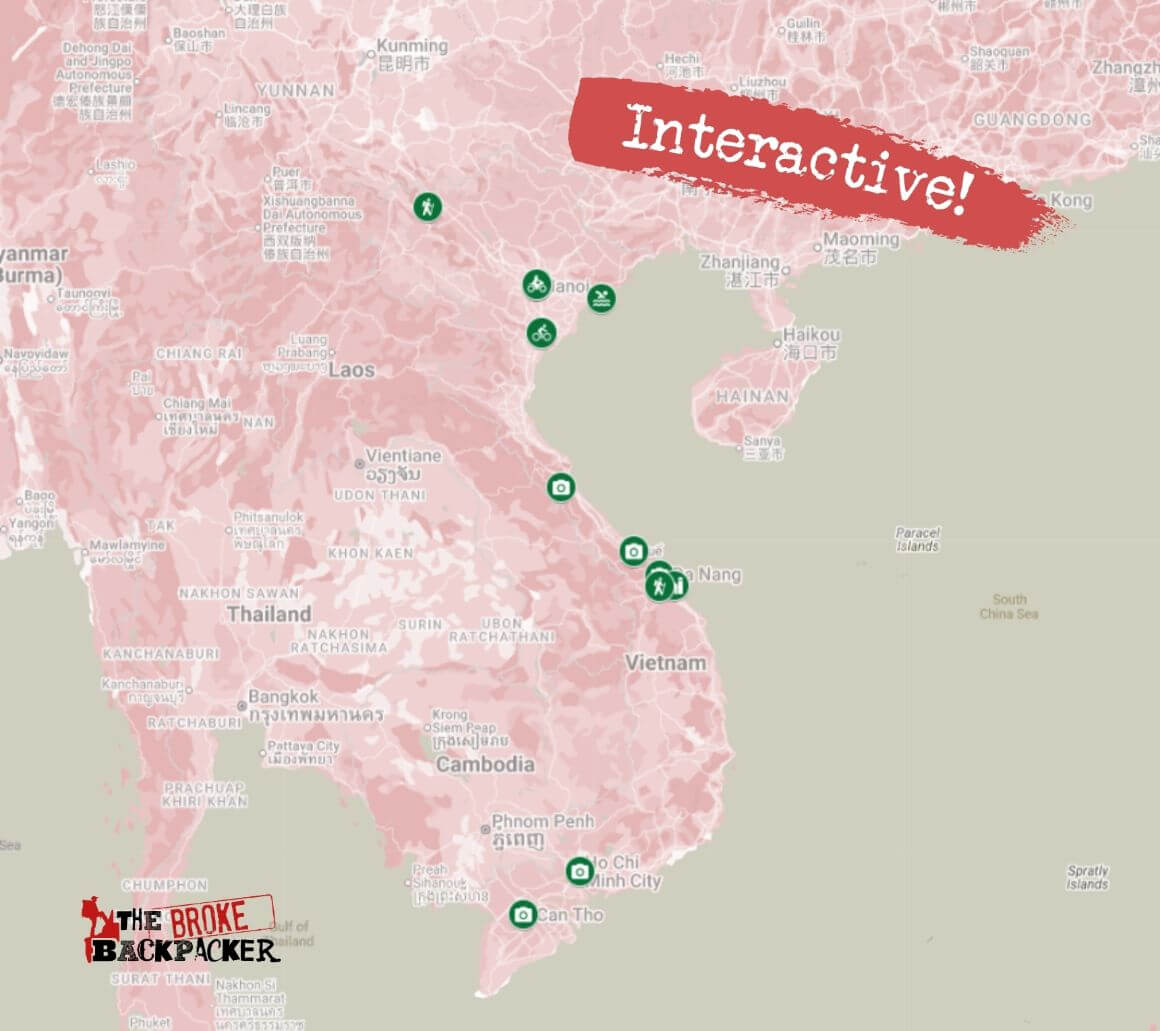
This itinerary covers pretty well all of my favourite places to visit in Vietnam. It can technically be done in either direction, but I refer to it from North to South. So, let’s start with where your journey will take you in the north:
- Hanoi (2-3 nights): Soak in the sensory overload of markets and street food to kick things off.
- Sapa (2-3 nights): Hike through rice paddy fields and stay in peaceful hill-tribe villages.
- Ha Giang Loop (4-5 nights): Ride through Vietnam’s most impressive landscapes on the back of a motorbike on the classic Ha Giang loop experience.
- Cat Ba/ Ha Long Bay (2-3 nights): Cruise between the famous karst islands or base yourself on Cat Ba for a cheaper, backpacker-style version of the bay.
- Ninh Binh (2 nights): Cycle through rice paddy fields and take a slow boat beneath towering cliffs through the “Ha Long Bay on land”.
- Phong Nha (2-3 nights): Explore insane caves and enjoy the relaxed rural, jungle vibe.
The transport routes between all of the above vary between 2.5 hours and 11 hours. Vietnam’s sleeper buses make this feel a lot more manageable, but there are a lot of travel days involved to get around Vietnam. You CAN fly between some of the big cities if you’d prefer, but costs can rack up, and you also miss out on seeing the rural views out the window.
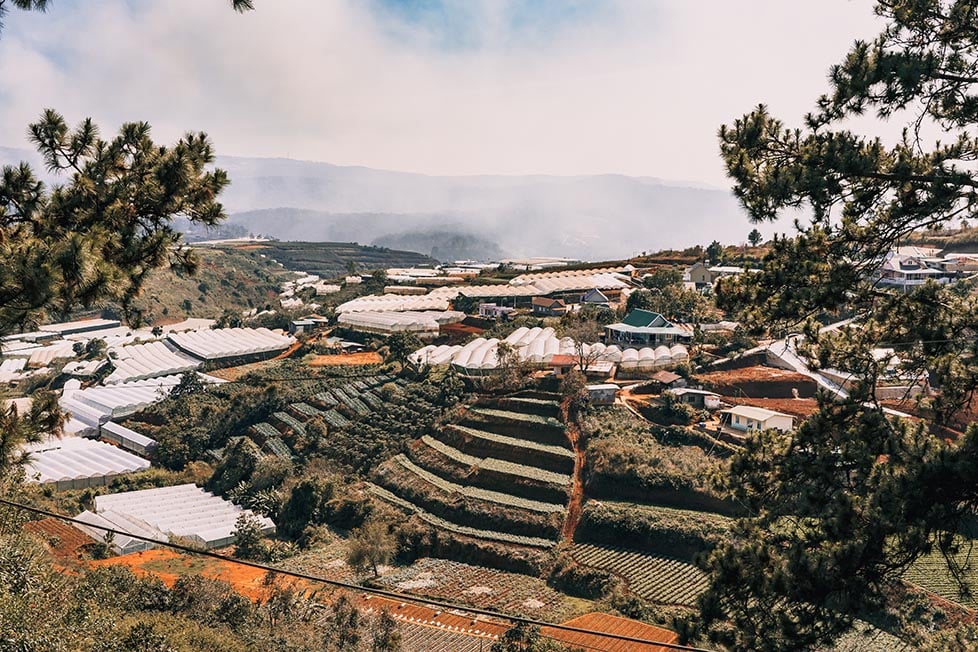
Image: Nic Hilditch-Short
Now let’s head down the country to Central Vietnam:
- Hue (2 nights): Explore the cultural city filled with imperial history, royal tombs and delicious food.
- Da Nang (1-2 nights): Relax by the sea in this modern, high-rise lined beach-city with easy access to the Marble Mountains.
- Hoi An (3-4 nights): Slow down in this lantern-lit riverside town. Get an outfit tailored, cycle to the beach at sunset or take a cooking class.
- Da Lat (3 nights): Take in the creative energy of this highland escape, full of forests, waterfalls and cafes.
Then we will head down for the finale, finished off with the infamous chaos of Ho Chi Minh city, with a stop out to the Mekong Delta.
- Ho Chi Minh City (2-3 nights): Fast, modern, high-energy city packed with history, rooftop bars and epic hostels.
- Mekong Delta (2 nights): A peaceful escape from the city, home to rivers, floating markets, coconut groves and a welcoming rural hospitality. It’s a common addition to a classic Ho Chi Minh itinerary.
And there you have it. A month in Vietnam. Just like that.
Before we get into the nitty-gritty, destination-by-destination breakdown, it’s worth mentioning that this list blends the classic backpacker bases with spots that give a wider, more authentic view of Vietnam. The big hitters are included, but so are the places that show you the magic of Vietnam beyond the usual banana-pancake route.
As I mentioned earlier, backpacking Vietnam is a collision of worlds. Some cities feel like old-world Asia, some still retain strong French colonial influences, and others are straight-up party hubs. Vietnamese cities are still among my favourites in the world – the heavy mix of skyscrapers and good internet with carts selling pig ears and Chinese medicine peddled throughout them.
There is so much to unpack and discover that I can give you my favourite places to go in Vietnam, but inevitably, you’ll discover your own hidden gems. Let’s get into it.
Backpacking Hanoi
- Best for: First-timers, foodies, culture lovers and anyone who likes a dash of beautiful chaos.
- Known for: Street food, egg coffee, its old quarter, temples and lakes.
- How long to stay: 2-3 days, exploring on foot or by bicycle.
- Don’t miss: The train street (check the train times), Military History Museum, Bun cha, Hoan Kiem Lake at sunrise, the Temple of Literature, and a bia hoi stool session – aka drinking beer on tiny plastic chairs!
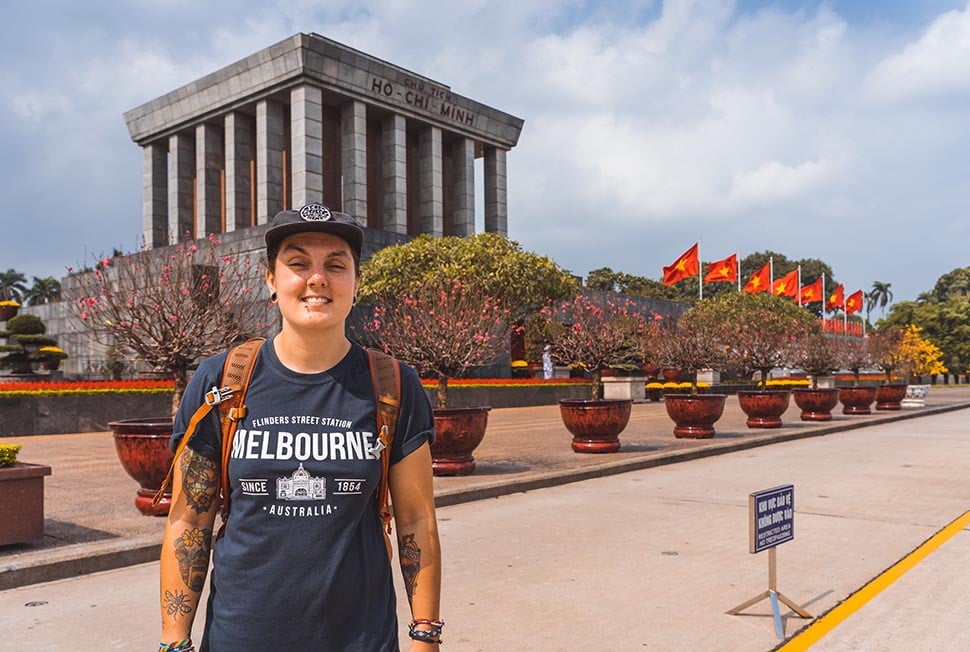
Image: Nic Hilditch-Short
Backpacking in Hanoi hits you like a chaotic wall of noise, flavour and zebra crossings that no one has ever stopped for. It’s a city packed with motorbikes, the strongest (and best) coffee you’ll have in your life, tiny alleys that look like they haven’t changed in 200 years, lakeside views, and epic rooftop bars. It’s one of my favourite cities in all of Southeast Asia.
Most backpackers base themselves in the Old Quarter. It’s the easiest place to base yourself if you want to stay at a hostel and meet fellow travellers. It’s loud, it’s kinda messy, but it’s really good fun. If you want the same kinda energy, but with a little less manic honking at 3 am, you can stay around Hoàn Kiếm or the French Quarter. I actually stayed in Tây Hồ (West Lake), and although there weren’t many other travellers around, it was ideal for cafes, sunsets, and actually being able to walk around on foot!




Backpacking Sapa
- Best for: Hiking, mountain views, cooler climate and escaping the city chaos.
- Known for: Rice terraces, misty mountain valley, homestays, Hmong and Dao communities and long hikes.
- How long to stay: 2-3 days, but if you’re trekking or want to spend more time relaxing in the mountains, you could stay up to 5.
- Don’t miss: A guided village trek (multi-day, if you have time), a homestay dinner, cable car up to Fansipan, watching the sunrise over the terraces, bike out to visit Thac Bac Waterfall or take a day trip to visit Ban Pho Village.
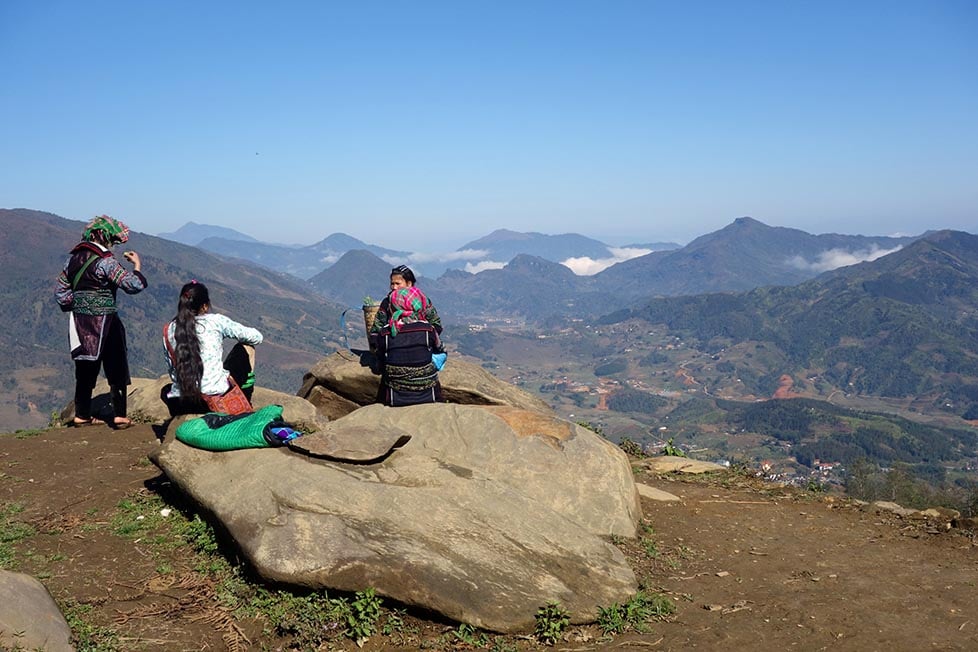
Image: Nic Hilditch-Short
An explorer’s paradise, you are likely to arrive here early in the morning. Check into one of the awesome hostels in Sapa, leave your bags here, and go in search of motorbikes for hire! It’s the best way to get out and explore the local area. Your hostel should be able to help you organise everything from guided village treks and restaurant recommendations.
Although I enjoyed my time in Sapa, I would caution that it’s not the same Sapa as it was 10 years ago. The town itself is now full of neon lights and even has a Starbucks (not exactly the remote mountain village that everyone will sell you). The locals have become quite the entrepreneurs and will follow and hassle you until you buy whatever they are selling that day.
There is still magic to be found in Sapa, but that’s even more reason to get out and explore the surrounding areas outside of the busy, overbuilt centre of town.
Backpacking Ha Giang
- Best for: Motorbiking, INSANE scenery, hiking and backpackers
- Known for: The Ha Giang Loop, towering limestone peaks, windy mountain passes, remote mountain villages and views that (almost) make you forget how numb your ass is from the bike seat.
- How long to stay: 3-4 days for the loop, plus an extra day if you want to recover.
- Don’t miss: Joining a group for the Ha Giang loop, I did it with Bong and felt safe. These guys run a fun trip with reliable drivers, happy water and karaoke each night, but with everyone in bed by 10 pm. Check the reviews before booking with a company – your safety is important.
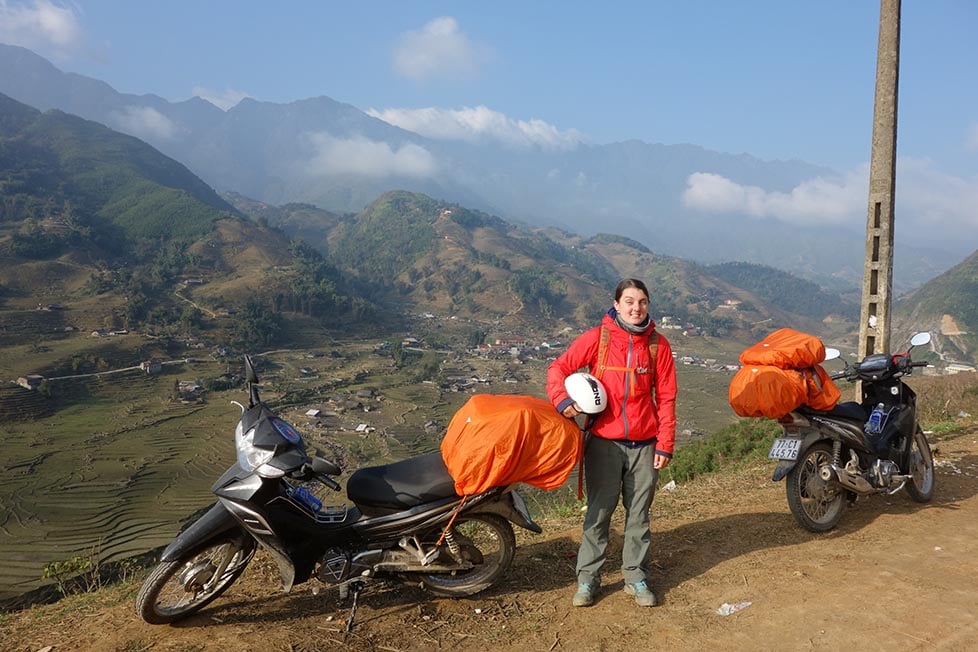
Image: Nic Hilditch-Short
The Ha Giang loop has become one of the most famous motorbike loops in the world (if not THE most famous), and for good reason. The scenery is AMAZING. However, it does attract the crowds. One minute you’ll be zooming through a remote village, feeling like you must’ve been the only one to pass through in years! Then, 5 minutes later, you’ll be stopped at a coffee shop with about 200 other motorbikes. It’s probably one of the most “backpackery” things I’ve ever done, but I don’t regret it one bit.
The town itself is OK, not a heap to do. The only reason travellers really visit is to do the motorbike loop. Although it’s getting more and more popular every day, there are still some hidden gems here, like the remote lake of Na Hang. There’s plenty of ripe adventure material left to find while travelling in this part of Vietnam.
Backpacking Halong Bay & Cat Ba Island
- Best for: Cruises and boat trips, island time, and incredible scenery.
- Known for: Out-of-this-world cliffs, boat trips, kayaking, hidden coves and Cat Ba’s more chilled, less tour-bus-chaotic vibes.
- How long to stay: 2-3 days. If you’re doing a cruise, you’ll probably stay a little longer.
- Don’t miss: A Lan Ha Bay boat trip (less crowded than Halong), kayaking trips, Cat Ba National Park and a cold beer on the waterfront, there’s no better way to end the day!
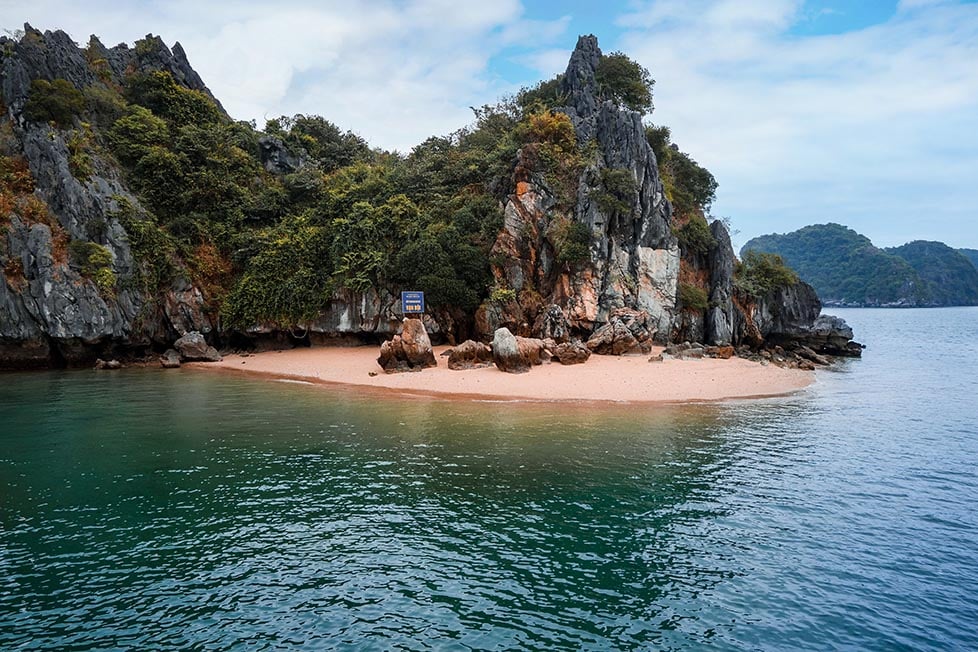
Image: Nic Hilditch-Short
This UNESCO World Heritage site, often known as the Eighth Wonder of the world, is an unmissable stop whilst backpacking Vietnam. Almost everyone who visits Halong Bay does it as part of a pre-arranged package. I’m not normally one for taking the tour option, but it is pretty impossible otherwise.
We had a great time and were surrounded by some awesome people. It’s essential to prebook your trip and accommodation in Halong Bay; we booked a two-day, two-night tour from our stay at the Central Hanoi Backpackers Hostel.
These days, many backpackers are skipping the classic Ha Long Bay cruise altogether and heading straight to Cat Ba. It’s cheaper, easier to organise yourself, and the scenery in Lan Ha Bay is just as dramatic (without as many of the crowds).
Backpacking Hue
- Best for: History, culture lovers, and anyone who wants a breather from the backpacker party route.
- Known for: The Imperial City, royal tombs, pagodas, the Perfume River and some of the best food in central Vietnam.
- How long to stay: 2-3 days to see everything properly.
- Don’t miss: The Imperial Citadel, a motorbike trip to the royal tombs, Thien Mu Pagoda, and a bowl of bún bò Huế in its hometown.
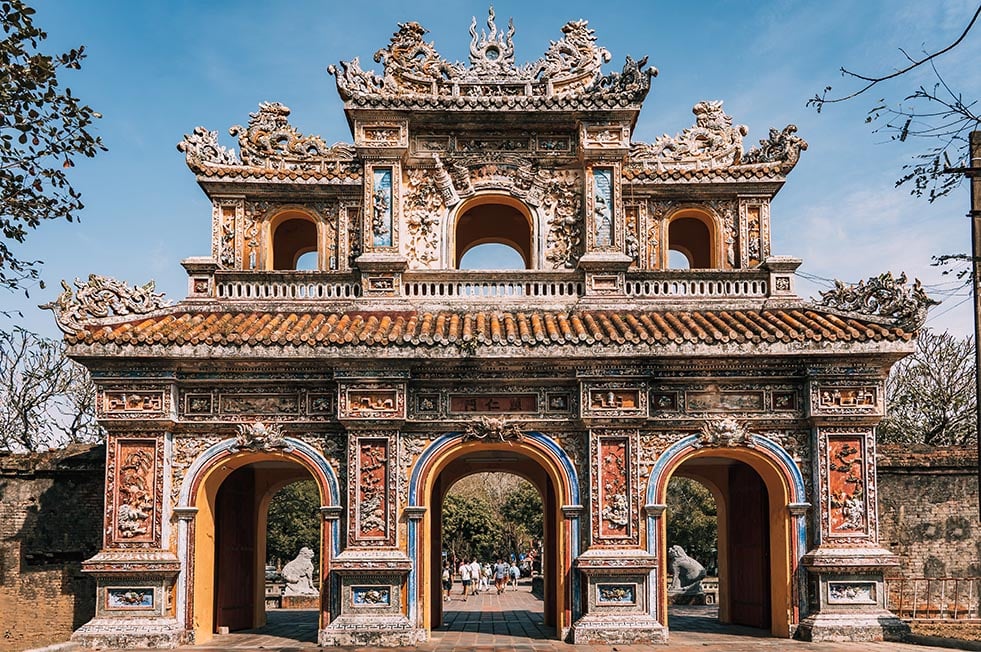
Image: Nic Hilditch-Short
This is a beautiful small town offering a great break in the journey from Hanoi to Hoi An. One of Vietnam’s most royal cities, Hue is littered with impressive historic sights, delighting the inner nerd in us all! There are also heaps of cool backpacker hostels in Hue with bouncing little traveller vibes.
It is one of Vietnam’s sticky spots – it’s just so easy to get stuck exploring and chilling out here. There is a slower pace of life compared with some of the other cities in Vietnam.
Backpacking Hoi An
- Best for: Chill vibes, beach breaks, getting clothes tailored and foodies.
- Known for: Lantern-lit streets, the Ancient Town, customer-tailored clothes, cooking classes, beaches and delicious food.
- How long to stay: 2-3 days.
- Don’t miss: A tailoring session, renting a bike and heading to An Bang Beach, the Ancient Town at night, a cooking class, and cycling through the rice paddies.
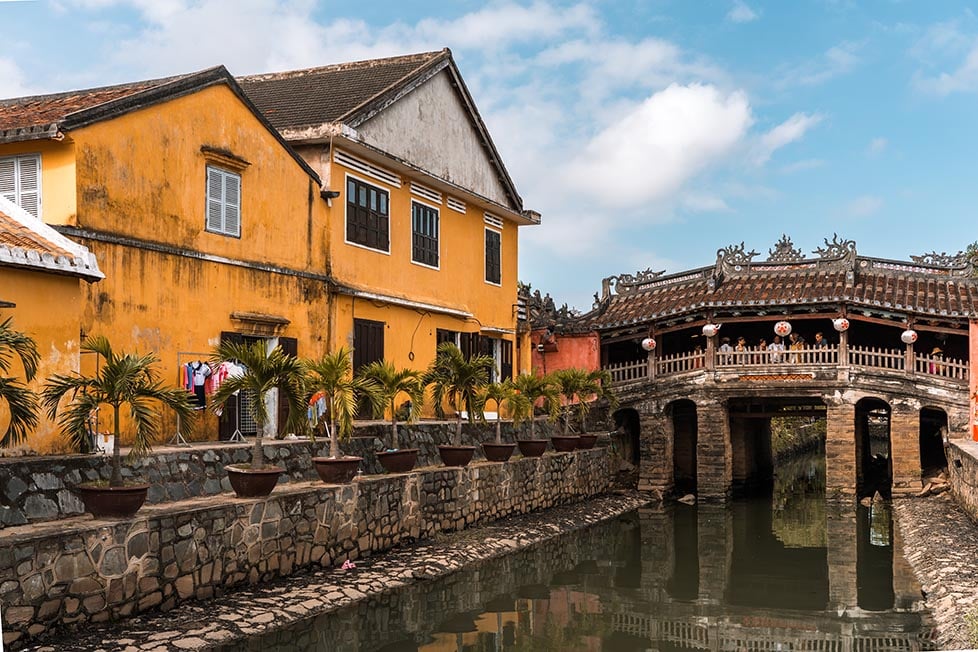
Image: Nic Hilditch-Short
A trip to Hoi An is another tourist hotspot that is worth the hype. The centre of the Old Town can be busy and rather overpriced. Getting clothes tailored here is the thing to do, but I’d highly recommend doing your research before you go and decide where you want to get them done. There are too many places to choose from on the spot.
I’d highly recommend getting outside of the Old Town. The rice paddy fields and the beach are stunning. If you want to treat Hoi An as a mini-escape, you can opt to stay just outside of town and cycle in.
While you’re in Hoi An, it’s worth popping down to stay in Da Nang if you have time. It’s only a 30-minute drive; it’s a bigger city by the beach and is home to an international airport, so it’s easy to come and go. The beach is surprisingly beautiful for a city stretch (I’d say it’s nicer than those in Hoi An!).
Backpacking Nha Trang
- Best for: Beach bums, divers, nightlife and anyone looking for a break from temples and trekking.
- Known for: Long sandy beaches, island-hopping, diving, mud-baths and wild nightlife.
- How long to stay: 1-2 days, longer if you want to dive or party for longer!
- Don’t miss: A boat trip to the islands, a mud bath session, Hon Mun Marine Park diving, and a sunset beverage along the beachfront.
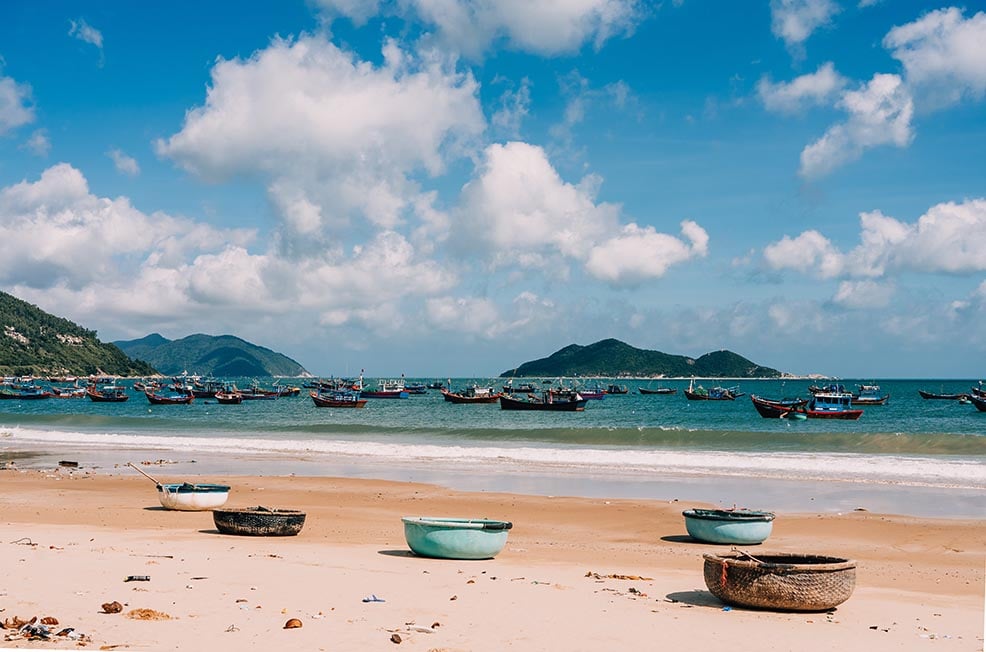
Image: Nic Hilditch-Short
Nha Trang is a perfect place to let loose, get a bit wild, and have some fun on the water. A popular water sports area with the likes of windsurfing, paragliding, and jet skiing on offer, there’s enough adrenaline here to keep even the most adventurous happy. The best area to stay in Nha Trang is down the side alleys and not on the main road. It’s quieter, cheaper, and just more chill.
Something I found interesting about Nha Trang was its popularity with wealthy Russian tourists. I wasn’t expecting to eat mystery meat soup next to a large Slavic man with a shiny watch, but hey, that’s travelling! Some of the bars popular with backpackers here can err on the side of dodgy, so keep your wits about you.
There is a strange feeling that hovers over Nha Trang that I can’t quite put my finger on. It made me love it all the more, but still, there’s an oddity to it.
Backpacking Mui Ne
- Best for: Kite surfing, beaches, and anyone after sun, sand and a slower pace of travel.
- Known for: Massive sand dunes, wind sports, cheap seafood and beach bars.
- How long to stay: 1-2 days, more if you want to kite-surf or spend more time decompressing.
- Don’t miss: The White Sand Dunes at sunrise, the Fairy Stream walk, kite-surfing lessons, and a seafood BBQ on the beach.
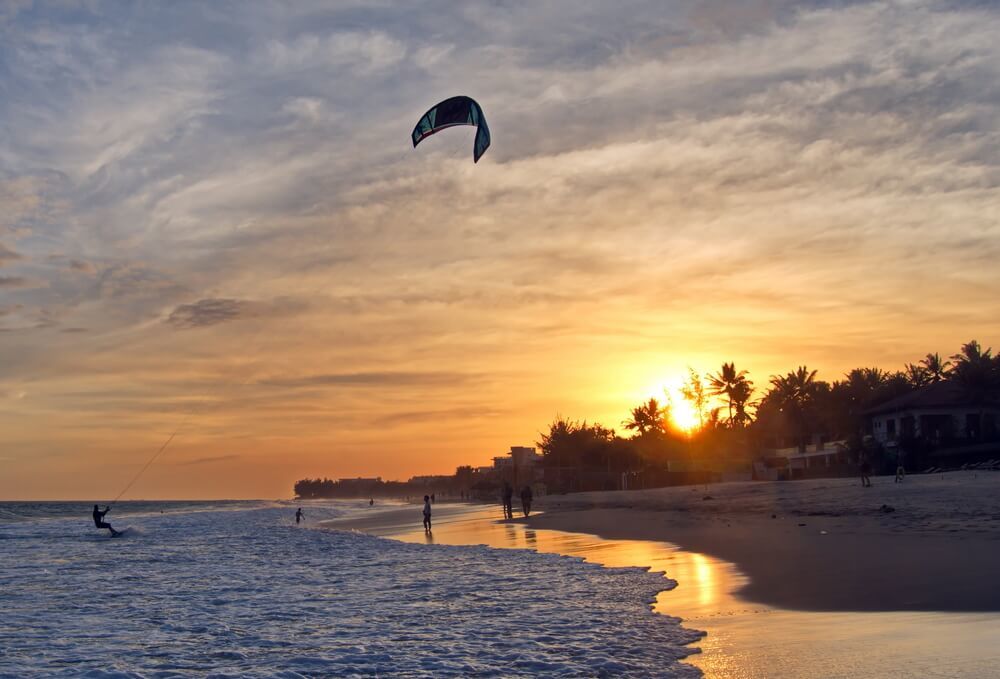
From Nha Trang, you can head to Mui Ne, which is home to some of the best beaches in Vietnam. You can check out the awesome sand dunes or hire a motorbike from Easy Rider and ride up the mountain paths to Dalat. There isn’t much other than the sand dunes, beaches, and a fairy stream in Mui Ne. Unless you’re into kite-surfing, there is a lot of that here!
Ostrich riding is totally a thing, though, which sounds totally awesome, but it’s really kind of fucked. I am going to please ask you to consider your actions when engaging with animal tourism. That is to say, please don’t ride the ostriches. Bombing the sand dunes is plenty fun, enough.
Backpacking Da Lat (Dalat)
- Best for: Cooler weather, nature, waterfalls, coffee, couples and architecture.
- Known for: Pine forests, waterfalls, coffee farms, quirky architecture, canyoning and a cool, mountain climate.
- How long to stay: 2-3 days.
- Don’t miss: Canyoning tours, Datanla or Elephant Waterfall, the Crazy House, a motorbike ride through the hills, and a cup of legit Vietnamese coffee straight from a local farm.
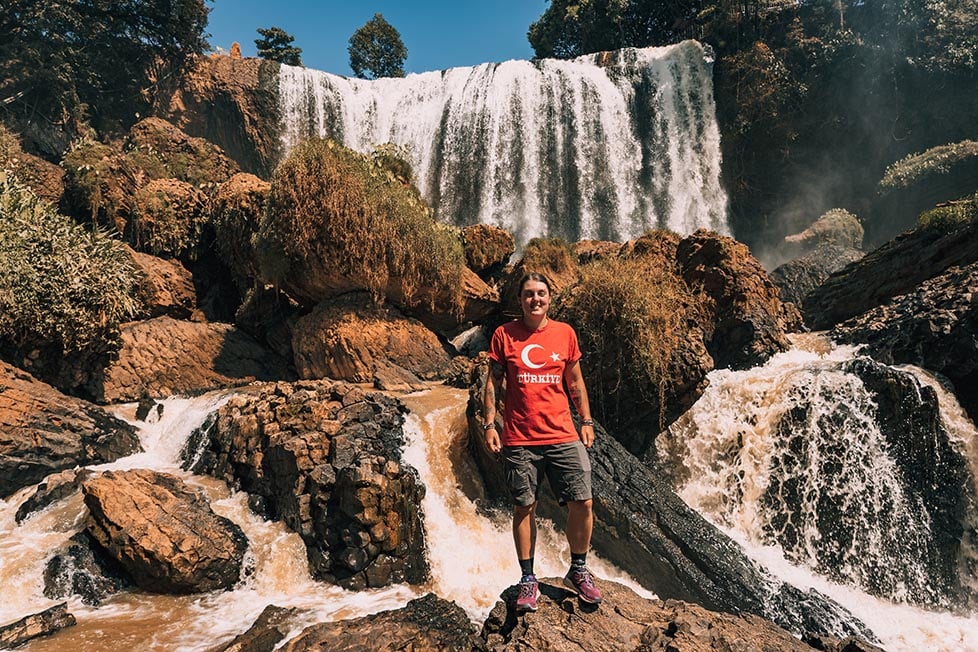
Image: Nic Hilditch-Short
There is not a whole lot to do in Da Lat, but the ride itself is very scenic. I managed to crash and hurt myself quite badly because the roads are difficult, and if you have limited riding experience, I suggest you hire a driver and just go on the back of the bike.
I liked slowing down and getting to know the quieter side of Vietnam while in Da Lat. I couchsurfed here, and we barbequed octopus and played hopscotch with the kids until late in the night. It’s one of those little memories that didn’t feel special at the time but has stuck out as a wonderful memory as the years have gone on.
Although it’s not as stacked with activities as a lot of other destinations in Vietnam, there are still awesome budget accommodations in Dalat for backpackers to stay at. It’s a nice place in Vietnam to stay and take a breather for a few days.
Backpacking Ho Chi Minh (Saigon)
- Best for: Big-city energy, nightlife, food, absolute chaos.
- Known for: War history, rooftop bars, swarms of scooters, market, street food and fast energy.
- How long to stay: 2-3 days to hit the highlights.
- Don’t miss: The War Remnants Museum, Cu Chi Tunnels, a rooftop sunset, Ben Thanh Market, and a street-side cơm tấm feast.
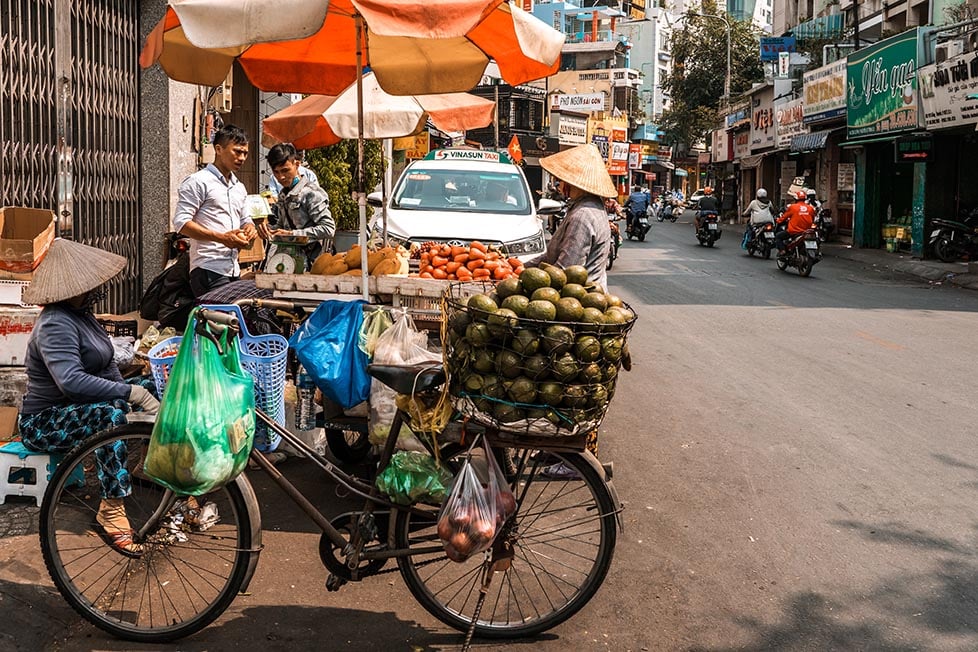
Image: Nic Hilditch-Short
The starting point for most visitors to Vietnam, backpacking in Ho Chi Minh City (formerly known as Saigon), is a crazy, bustling experience. It’s one of those places that you either love or you hate. The first time I visited, I fell into the hate – the chaos is hard to lean into and love at first sight. But now that I’ve been back a few times and found my bearings, I’ve switched buckets and have found myself loving it.
It’s not somewhere that most of us mere humans can stay for long! A few days is all you need. But it’s definitely worth experiencing (at least once). If you fly into HCMC to begin your trip, I would highly recommend visiting the War Museum – it’ll give you an insight into the tragedy that this country has suffered so recently, which might give you a better understanding as you travel onward.
Mekong Delta
- Best for: Slower travel, river life, foodies, anyone who wants to experience Vietnam at 5 km/h instead of the full throttle of the city.
- Known for: Floating markets, palm-lined canals, homestays, coconut candy, rice paddies, and that warm, relaxing Delta vibe.
- How long to stay: 2-3 days, longer if you want to explore places like Can Tho, Ben Tre and Vinh Long.
- Don’t miss: Cai Rang Floating Market at sunrise, a boat trip through Ben Tre’s canals, cycling between villages, and a homestay dinner made from whatever was growing 20m from the kitchen.
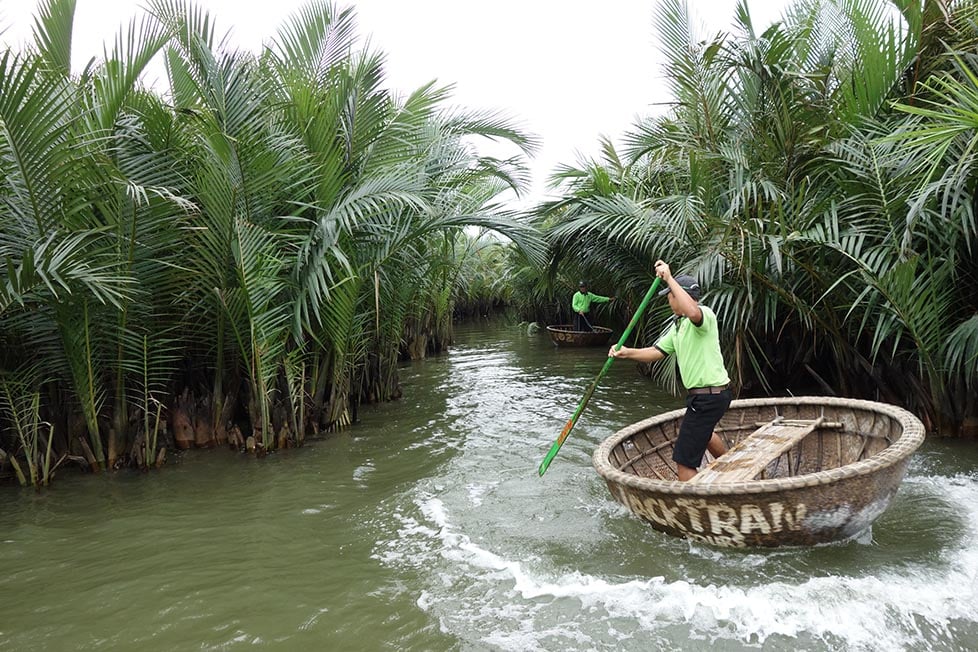
Image: Nic Hilditch-Short
Mekong Delta is often referred to as the ‘Rice Bowl’ of Vietnam (there are rice paddies everywhere). This maze of rivers, swamps and islands is home to tiny villages floating on the banks of the Delta. Paddle into the floating markets and pick up some cheap trinkets; you’ll find anything and everything.
If you have a day to kill in the Mekong, consider renting a vintage Vespa scooter and checking out the Delta countryside and local culture. Moving past the ‘tourist’ trap section, the Mekong Delta is a paradise for local wildlife.
Trips to the Mekong can be as quick as half a day or a couple of days, depending on budget. However, I would recommend spending at least a day exploring the Mekong Delta. The best place to stay when exploring the Mekong Delta is Can Tho, just south of Ho Chi Minh
Getting Off the Beaten Path in Vietnam
Vietnam is certainly shooting up as a popular destination for travelling off the beaten path. This doesn’t always mean getting completely remote; it can just mean less international-tourist-heavy. Step even slightly away from the classic routes and you’ll be rewarded.
The difficulty is that the bus routes in Vietnam can’t really take you too far off the trail. That’s why many travellers opt to travel in Vietnam by motorbike (while definitely a common activity for tourists), it brings more potential for exploring the unseen sides of the country. The good thing about having your own wheels is that you can go anywhere! No village is too far off the beaten track.
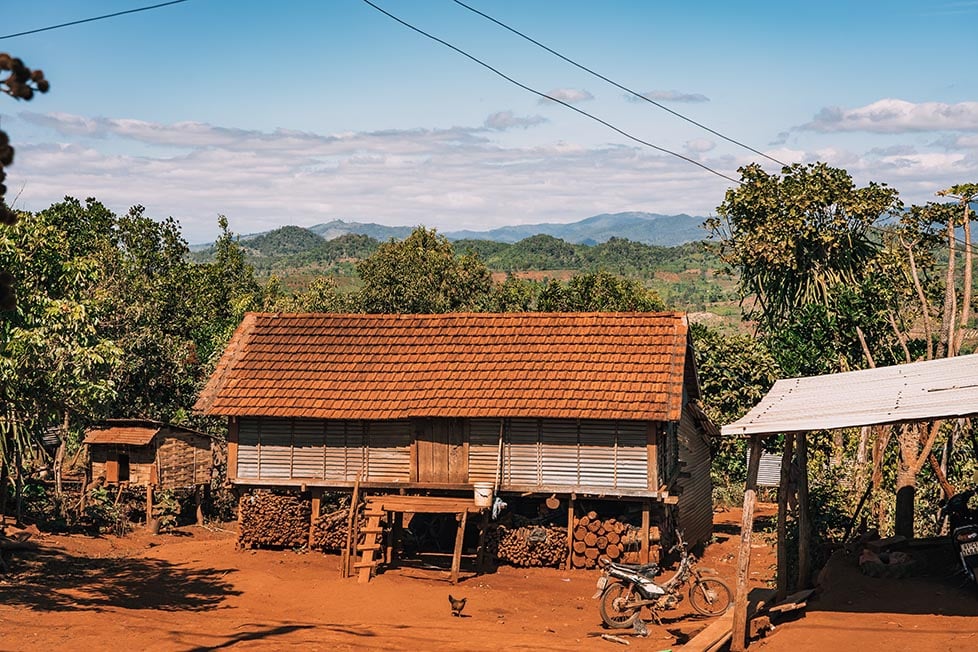
Image: Nic Hilditch-Short
I’m also going to throw the suggestion of the Ta Xua mountain range at you. Close to Moc Chau village (another underexplored locale), the Ta Xua mountains give the feeling of walking above the heavens themself. Mountain trails wind through the ranges over oceans of rolling cloud formations – sunrise is a real treat.
And lastly, if you’re packing for a beach day but prefer the feeling of lost isolation, Vietnam has heaps of lesser-known beaches to explore, too! Just heading north up the coast from Nha Trang is going to land you in some dope spots like Quy Nhon. If you’re still keen to branch out from there, just rent a bike and start looking!
9 Top Things to Do in Vietnam
Vietnam is loaded with cool activities – both for lovers of tourist affairs and for lovers of the road less travelled. Here’s my top pick of the coolest things to do in Vietnam!
1. Squeeze into the Cu Chi Tunnels
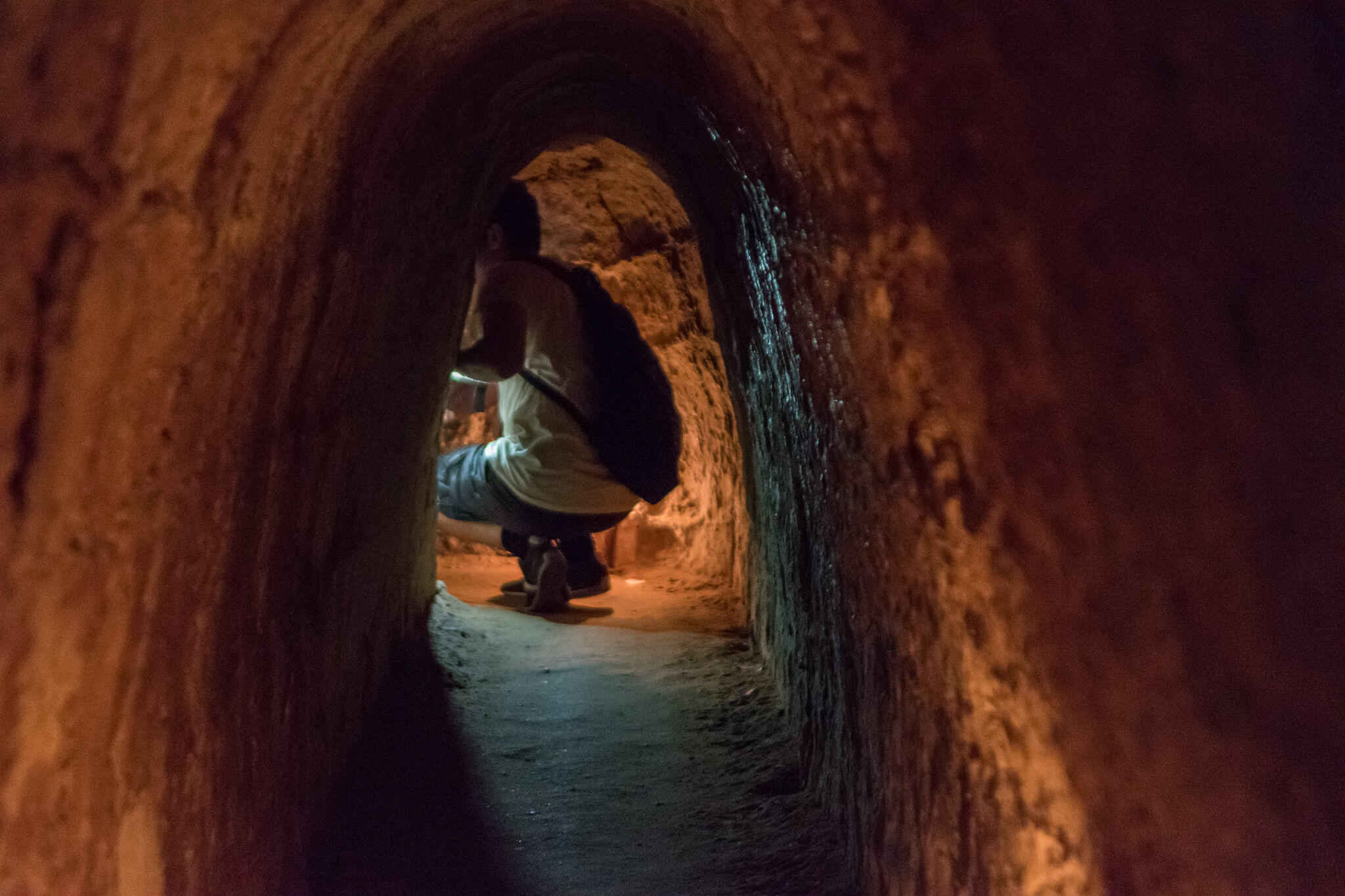
See how Vietnamese fighters used underground tactics during the Vietnam War by exploring the Cu Chi Tunnels. This vast network once stretched for hundreds of kilometres and acted as living quarters, supply routes, and strategic hideouts.
Squeeze yourself into the tiny tunnels, overcoming claustrophobia as you enter a few widened sections to understand just how confined and challenging daily life would have been for these soldiers in the 1950s and 60s.
2. Go trekking in Sapa
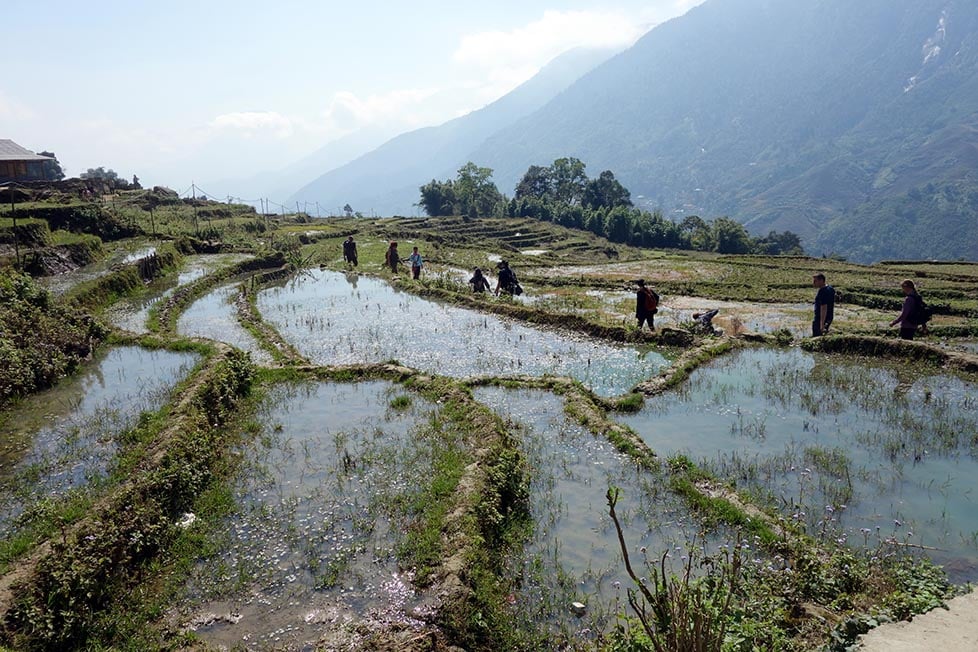
Image: Nic Hilditch-Short
Leave the hustle and bustle behind and check into some of the most beautiful mountainous landscapes in Asia. Home to Vietnam’s highest peak, Fansipan, Sapa is a dream to trek, and standing at 3,143m, it’s pretty impressive. If this is a bit too adventurous, enjoy the day walks or simply kick back and take in the beautiful views.
3. Try ALL different types of Vietnamese coffee
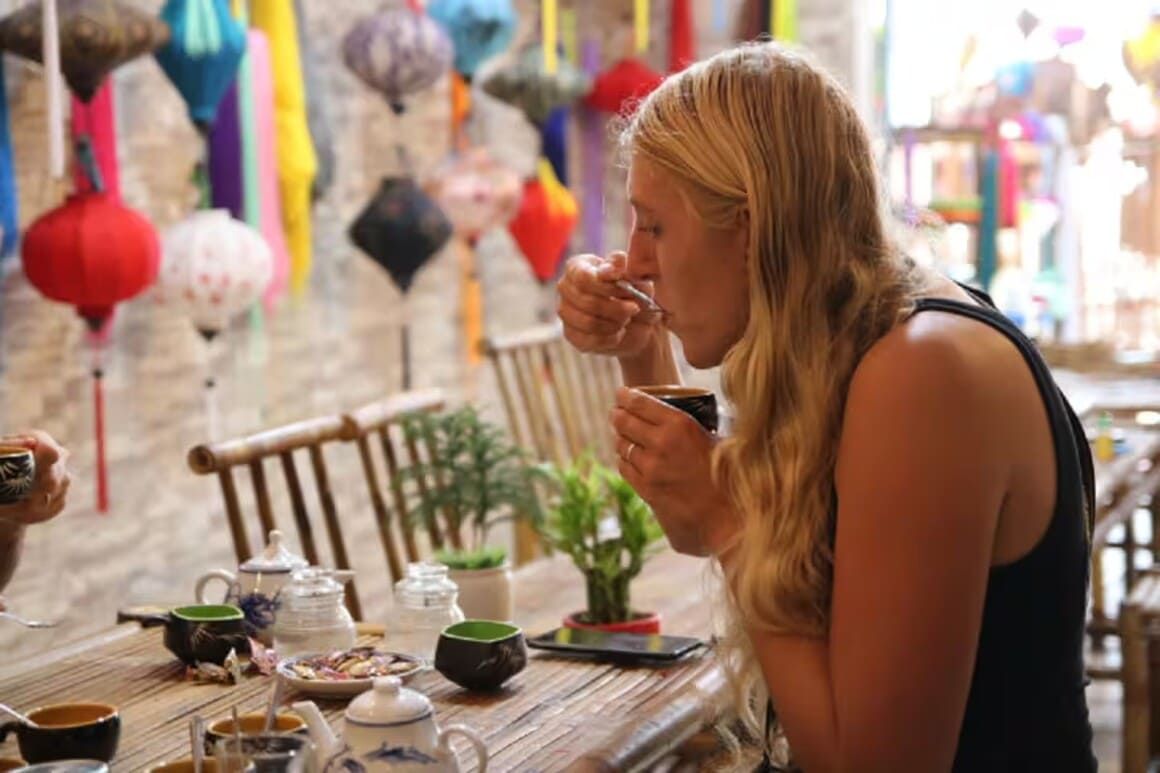
Vietnam’s coffee culture is out of this world, like seriously, you cannot visit this incredible country without diving into it headfirst. But be prepared… It’s hella strong! My favourite is the salted coffee, it’s a Hue speciality and is made from slightly salty cream on top of strong coffee.
Here are the different types that you need to sample on your trip:
- Vietnamese Iced Coffee – Cà phê sữa đá
- Egg Coffee – Cà phê trứn
- Coconut Coffee – Cà phê cốt dừa
- Salt Coffee – Cà phê muối
4. Cruise Halong Bay
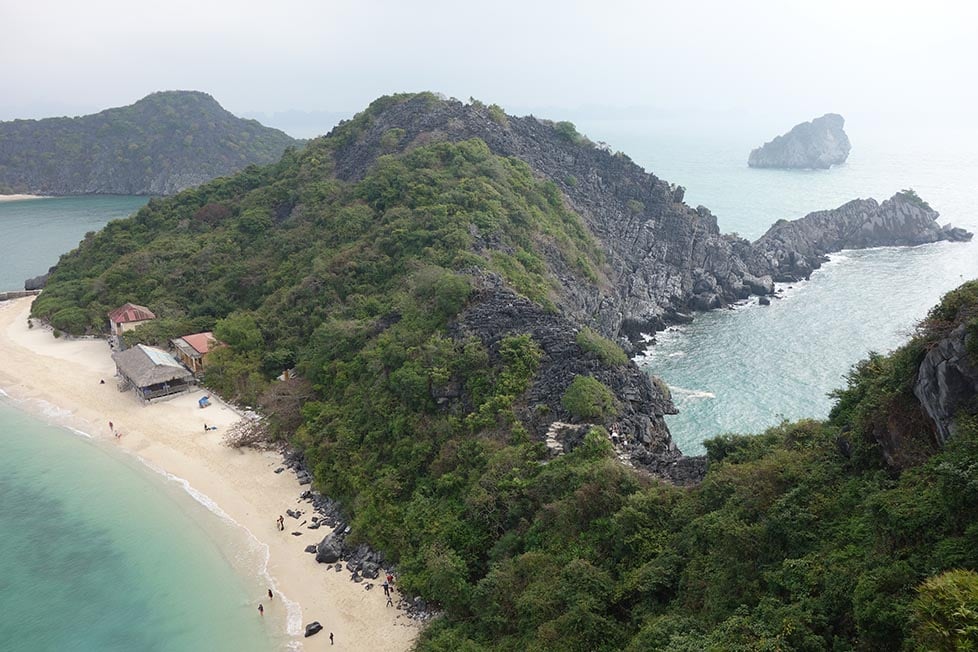
Image: Nic Hilditch-Short
No journey to Vietnam is complete without a trip to check out the infamous Ha Long Bay. Admire the breathtaking scenery of mountainous limestone rocks while cruising Halong Bay. When the humidity hits, take a leap off the side and into the tranquil water below, and splash around till your heart’s content.
5. Get clothes tailored in Hoi An
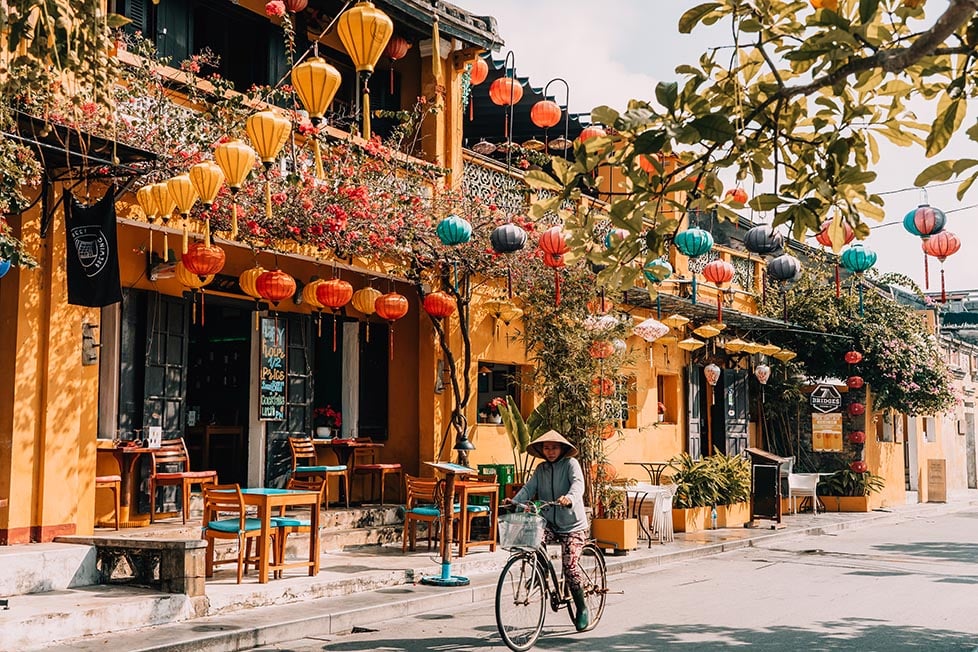
Image: Nic Hilditch-Short
Thailand has Elephant Pants, and Vietnam has incredible Silk Suits. Watch the talented tailors at work in Hoi An and get your own creation made cheaply, beautifully, and in just a few hours! Although their handiwork is impressive and wildly quick, make sure you research where you want to get your clothes tailored before you arrive.
There are SO many places to choose from… too many places, if you ask me. It’s incredibly overwhelming, and each of them will invite you in, give you a drink and flick through what they offer. It’s exhausting and will put you in a state of indecisiveness, as you’ve never felt before.
Do yourself a favour. Know your tailor, know your shop and what you want before you arrive.
6. Motorbike through Vietnam or Ha Giang
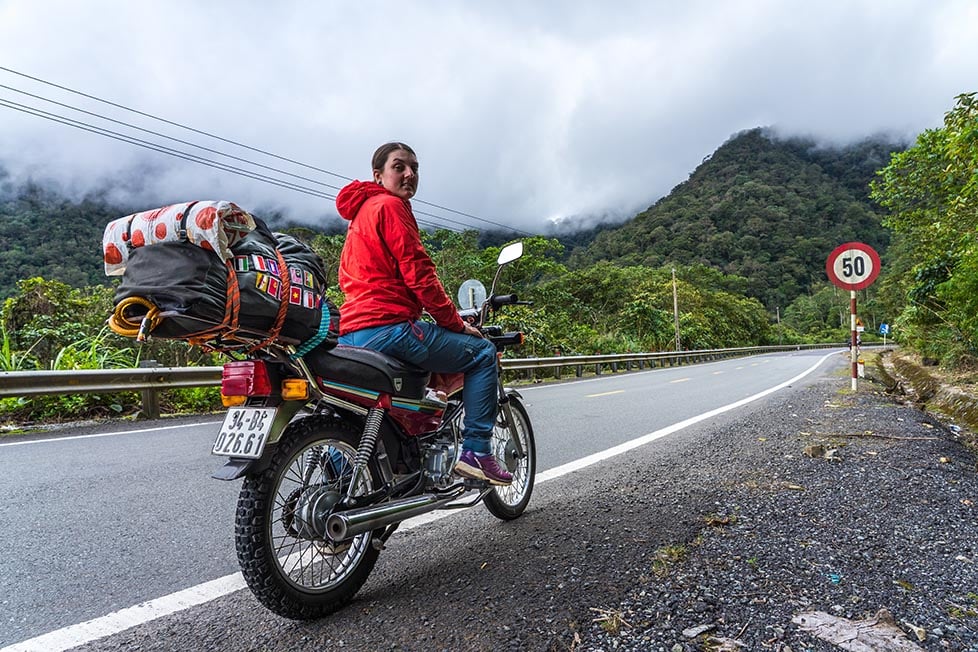
Image: Nic Hilditch-Short
When is having your own wheels ever a bad thing? It gives you a sense of freedom like no other. You can explore where you want, when you want. No relying on the bus schedule or other people. However, you must be a confident driver before you arrive in Vietnam; it’s not the place you’ll want to be learning.
It is not exactly the safest activity, and the roads seem to operate very differently from those of Western roads. Please only opt to do this if you genuinely feel confident to. Of course, more information is coming about exploring on 2 wheels in the motorbike travel section below.
7. Water Puppet Show
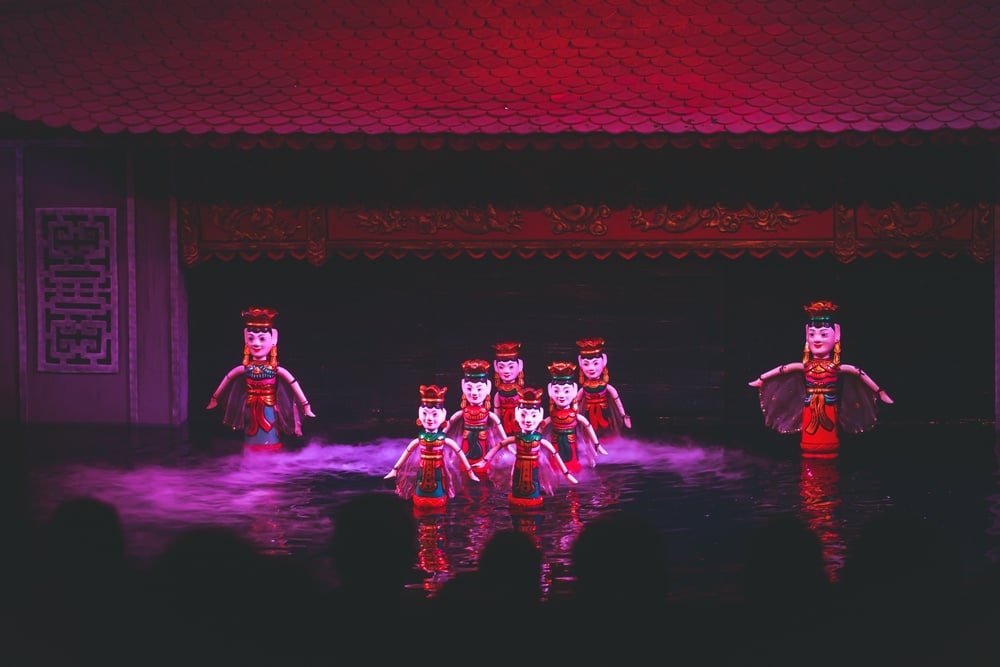
Originating as far back as the 11th Century from the villages of the Red River Delta in Northern Vietnam, Water Puppet Shows are incredible. Lasting from as little as 5 minutes to hours, these are shows that you have to check out when travelling in Vietnam.
8. Bar Hop Ba Hoi
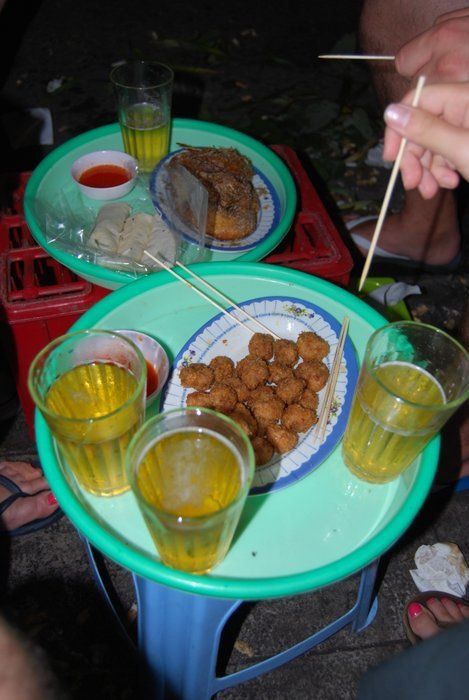
Photo: Sasha Savinov
What the heck is a “Bar Hop Ba Hoi”, I hear you ask! Well, this, my friends, is a classic Vietnamese drinking experience. Bà hơi (bia hơi) is a fresh, locally brewed draft beer that is brewed daily, delivered in metal kegs and sold for pennies.
This kind of bar hopping isn’t your usual pub crawl, it’s about squeezing onto tiny plastic stools, drinking beer that costs less than water and moving from one street-corner set up to the next. Often located on sketchy-looking side streets, these little bars are a great place for a laugh, cheap beer, and to get chatting to locals.
9. Go on a street food tour
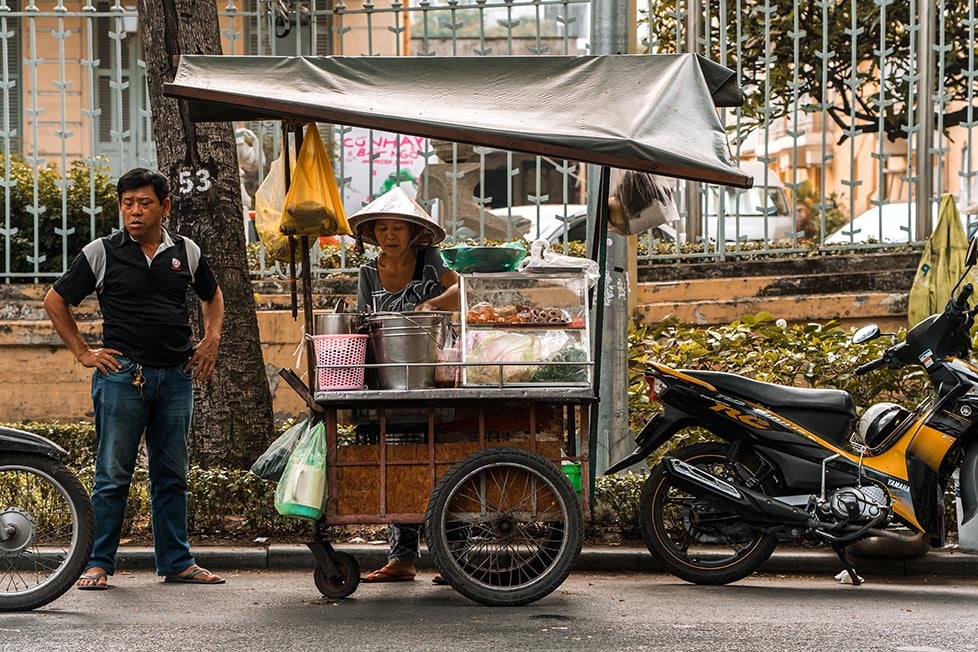
Image: Nic Hilditch-Short
For as little as $1 for a great meal, you really have no excuse not to try some of the local delicacies. We’re talking the classic Banh Mi and fetal duck eggs. There’s turtle soup, pho, and beef in every way you can imagine. This country is simply spoiled with the finest (and strangest) food in Southeast Asia.
Vietnam is one of the easiest places in Southeast Asia to find affordable, good-quality accommodation – no matter your travel style. It’s the broke backpacker dream.
Along the main tourist routes, you’ll find super modern hostels on Hostelworld, plenty of backpacker hubs, and coworking-friendly stays. They are well-set up for solo travellers in these hubs – with dorm beds running between $5-10 USD and private rooms for between $15-25 USD.
Outside of the main hubs, the vibe shifts. In the smaller towns and more rural regions, there may not be big social, backpacker scenes and party hostels. But there is almost always a family-run guest house, homestay or hotel nearby. These will often set you back around $10-20 for a private room. These are some of my favourite places to stay in Vietnam – you’ll meet local families and eat home-cooked meals.
Airbnbs are common in larger cities and beachy destinations; they can vary from cheap studio apartments to surprisingly boujee apartments. Prices vary a lot, but you can usually find a decent place for between $15-30 USD. It’s one of the best places in the world for affordable luxury. If you spent $50 USD per night, you’ll be staying somewhere hella NICE.
Wherever you choose to stay in Vietnam, it’s not going to be expensive – but it will be a great time!
The Best Places to Stay in Vietnam
| Destination | Why Visit! | Best Hostel | Best Private Stay |
|---|---|---|---|
| Hanoi | Hanoi is the bubbling metropolis that has everyone falling in love with Vietnam! Come for the pho, stay for the loveable chaos. | Little Charm Hanoi | Garden house |
| Sapa | Sapa still feels like the old Vietnam – the one of rolling rice paddies, moonshine, and friendly locals. It’s more than a little dreamy here! | Eco Rice Fields House | Sapa TT Homestay |
| Ha Giang | If you’re on your motorbike then get out to Ha Giang! It’s offbeat, beautiful, and an unforgettable experience. | Ha Giang Hostel | Be’s home & tours |
| Hue | The old imperial capital beckons you to come explore the ruins of ancient palaces and enjoy days wandering the cobblestone streets. | Amy Hostel | Tâm Homestay |
| Da Nang | Da Nang’s highlight is surely its Golden Bridge, although there is so much more to discover! A jungle city with a great food scene is always a good time. | Seahorse Signature | Chaca House |
| Hoi An | Hoi An is Vietnam’s city of lights. Enjoy the slower pace of life along the river and soak up the romantic atmosphere. | Mad Monkey Hoi An | Hoi An heart lodge |
| Nha Trang | Nha Trang is an interesting must-see. From the Russian (mafia?) tourists to the delicious seafood, there’s always something to discover along Nha Trang’s coast. | Bondi Backpackers | Azura Gold Hotel & Apartment |
| Mui Ne | Mui Ne is a charming beach town with epic sand dunes. Unleash your inner child and bomb your way down the dunes as quickly as possible! | Redhouse Dalat Hotel | Coconut Garden Mui Ne |
| Da Lat | Be careful on the motorbike ride into Da Lat, but be sure to enjoy the beauty and serenity once you do get here – this kind of quiet is hard to come by in Vietnam! | Dalat Central Stay | Lovely House |
| Ho Chi Minh | Ah, Saigon! The hustle to Hanoi’s bustle. The beers are cheap, the music scene is thriving, and the markets are full of the best food in all of Asia. Hell yeah! | The Hideout | Urban Studio |
Travelling in Vietnam can be cheap without you really having to think about it. I spent around 20 dollars a day in Vietnam, sometimes a little more when splurging on a day trip or imported beer. You could very easily travel on less than $15 a day, while still enjoying yourself.
As I’ve (hopefully) made clear in this guide, I LOVE Vietnamese food! Mostly that’s because it’s so damn delicious, but partly it’s because it’s so cheap. If you spend $3 on a meal in Vietnam, you’re going to be full to the brim and overdosing on tastiness.
A local beer costs around 80 cents, although imported beers are still expensive. Going out for a night to see some music or have drinks in a bar can be done for less than $10! (And that’s drinking A LOT!)
Local transport is very cheap; though an air-conditioned bus ride will be around $15. If you slow down your travels, you’ll save a ton on transport and get to immerse yourself in each place.
Generally speaking, the further from the tourist hot spots that you get, the cheaper life becomes.
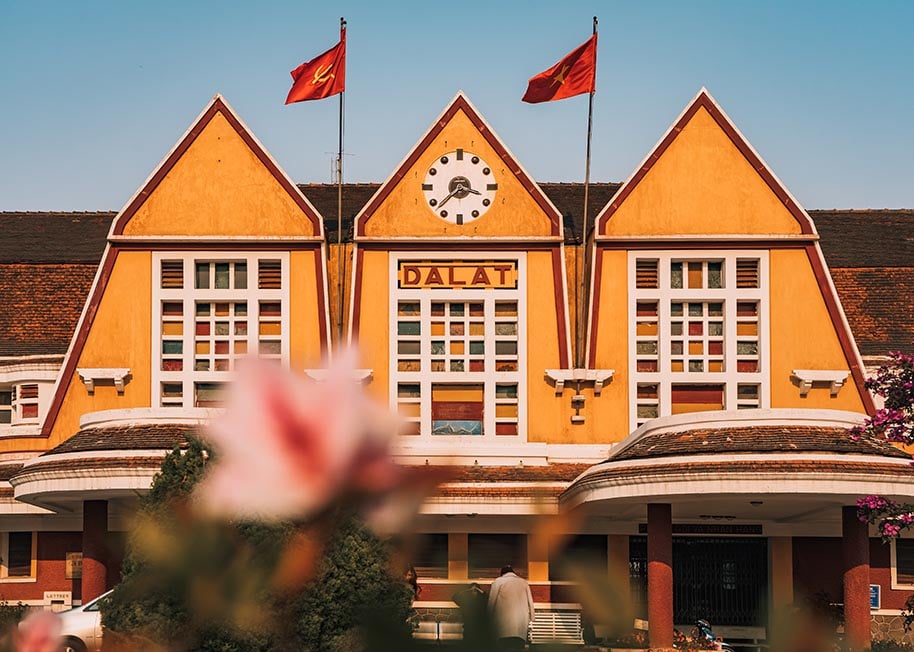
Image: Nic Hilditch-Short
A Daily Budget in Vietnam
| Expense | Broke Backpacker | Frugal Traveler | Creature of Comfort |
|---|---|---|---|
| Accommodation | $5-$8 | $10-$18 | $20+ |
| Food | $4-$7 | $8-$15 | $18+ |
| Transport | $3-$6 | $7-$12 | $15+ |
| Nightlife Delights | $1-$5 | $6-$12 | $15+ |
| Activities | $0-$12 | $12-$25 | $30+ |
| Total per day: | $13-$38 | $43-$82 | $98+ |
Travel Tips – Vietnam on a Budget
Vietnam is one of the cheapest destinations in Asia. However, it is still possible to go a little out of control, especially when the currency makes you feel like a millionaire. Standard budget backpacking tips aside, here are my top tips to keep it for backpacking Vietnam on a budget…
Image: Nic Hilditch-Short
- Camp: Vietnam has some incredible countryside and coastline, views that shouldn’t be wasted by sleeping inside. Camping is most popular within the National Parks throughout Vietnam. Pack up your best backpacking gear and take adventures outdoors.
- Take the Bus: The national bus service, or ‘the chicken bus’ has great links throughout Vietnam, even into some of the more remote areas. For as little as $1 a ticket, I’d happily sit next to a chicken for a few hours.
- Eat Street Food: Seriously, the food here is so cheap – and so delicious – you might as well indulge! Cooking for yourself probably won’t end up saving you much when you can get a meal on the street for $2 USD. Plus, you can’t make pho as the grandma up the road can!
- Avoid western cafes/restaurants: Western cafes can cost 2-4x more – oat milk flat whites and smoothie bowls will burn holes in your wallet.
- Understand the Money: If, like me, you don’t have a great mathematical brain, use a currency app to help you understand how much you are spending. Knowing the value of the currency will help you avoid being ripped off or spending too much without realising.
- Keep it Local: Where possible, drink the local beer, eat the local delicacies, and for day trips, try to use local companies. By using local companies, you can haggle a bargain price that larger, international tour operators won’t offer. Plus, supporting local businesses to thrive is awesome!
- Hitchhike: I didn’t hitchhike whilst backpacking Vietnam, but I have a couple of amigos who have hitched the whole length of the country, no worries. Getting around by hitchhiking is a great way to travel for free, meet local people, and kick plans to the kerb!
Get an eSIM for Vietnam
You know those tiny pieces of plastic you used to use to connect yourself to the internet abroad? Sim Cards, I think they were called? Well, yeah, we’re ditching those as well.

These days, wherever you go in the world, an eSIM is by far the best way to stay connected from the minute you land. You can download an eSim before you leave home and then activate it when you are still sitting on the plane waiting to disembark.
You skip all the hassle of trying to figure out different providers and navigating airport prices to make sure you’re not getting scammed when it comes to a Vietnamese SIM card.
Of all the many eSIM providers out there, we suggest Jetpac. Jetpac works just like an app: you download it, pick your plan, and BOOM! You’re connected before the pilot says you can stand up.
Best Time to Travel to Vietnam
Vietnam is a country with multiple weather patterns ranging from monsoon rains, cold snaps, and hot, humid sunny days. It can be hard to catch the whole country at a consistent time of year. But no fret, it is possible!
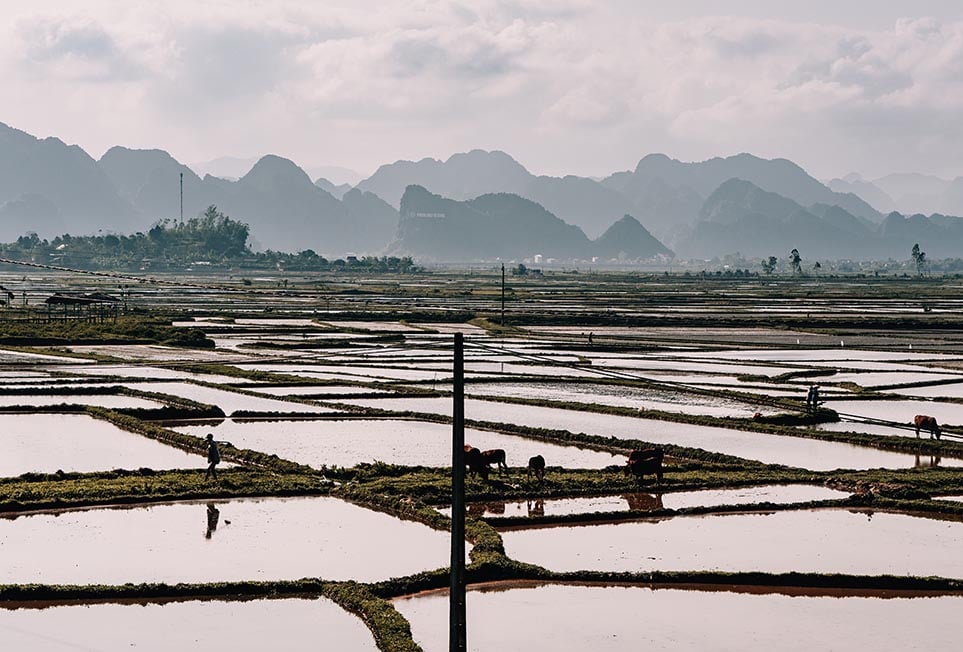
Image: Nic Hilditch-Short
If you are planning to backpack Vietnam from top to bottom, the best time of year generally is September – December (Autumn) and March – April (Spring). These times of the year are your best weather window, where you might be lucky enough to see the whole country in the sun!
Looking for specifics? Let me break down by regions, the best time of year for backpacking in Vietnam:
- North Vietnam: October to May will give you dry weather for the majority of months. Expect some colder temperatures in the mountains and from March onwards, a little more rain as it gets more humid.
- Central Vietnam: February to July is the best time of year to avoid heavy rain. Temperatures will hit the upper 30s in June to August.
- Southern Vietnam: December to April is the ‘dry’ season. Temperatures will rarely fall below 20 degrees and will reach up to 40 degrees come March/April.
What to Pack for Vietnam
Make sure you get your packing for Vietnam right! On every adventure, there are four things I never go travelling without:
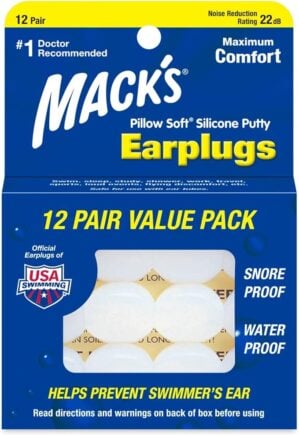
Ear Plugs
Snoring dorm-mates can ruin your nights rest and seriously damage the hostel experience. This is why I always travel with a pack of decent ear plugs.
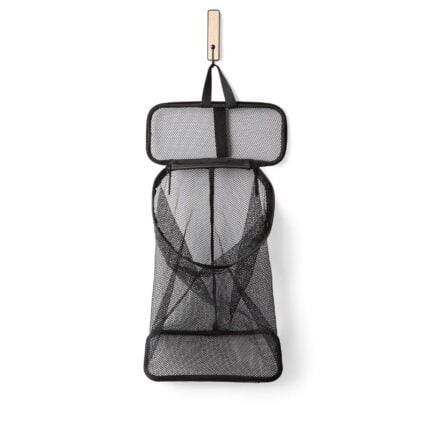
Hanging Laundry Bag
Trust us, this is an absolute game changer. Super compact, a hanging mesh laundry bag stops your dirty clothes from stinking, you don’t know how much you need one of these… so just get it, thank us later.
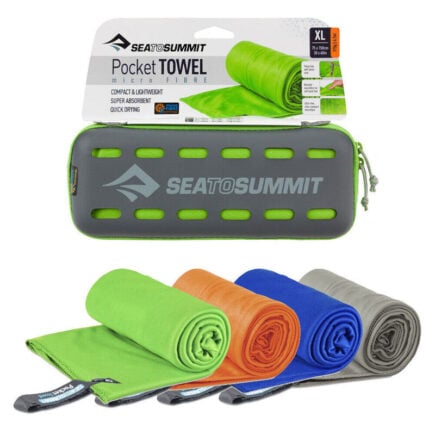
Sea To Summit Micro Towel
Hostel towels are scummy and take forever to dry. Microfibre towels dry quickly, are compact, lightweight, and can be used as a blanket or yoga mat if need be.
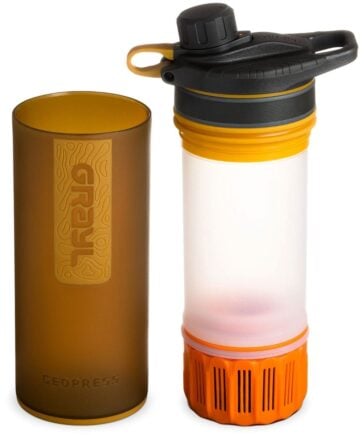
Grayl Geopress Water Bottle
Always travel with a water bottle! They save you money and reduce your plastic footprint on our planet. The Grayl Geopress acts as a purifier AND temperature regulator. Boom!
With these essentials, I still make sure to do a rundown of my full backpacking packing list.
Staying Safe in Vietnam
Vietnam is safe for travel. Violent crime against tourists is almost nonexistent in Vietnam. Although rare, petty crime and pickpocketing can happen in the cities; just watch your valuables or leave them locked at your hostel.
Where backpackers DO need to be careful is when riding a motorcycle.
Vietnam’s cities are hectic, and the countryside has windy roads and animals roaming around. Even though road tripping with a motorcycle is a huge part of Vietnam tourism, I don’t recommend this for beginners.
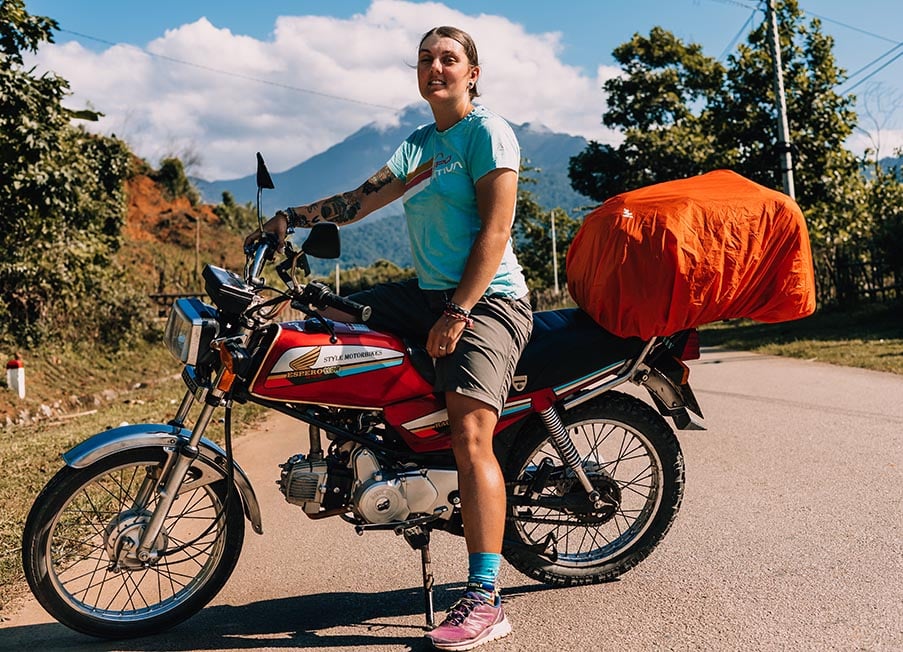
Image: Nic Hilditch-Short
Dense cities and tourist attractions are still questionable (as they usually are). Vietnam isn’t rife with petty crime, but keep an eye on your valuables.
Past that, Vietnam is pretty standard ‘travel in Southeast Asia’ stuff, and even by that metric, it’s very chill. Stick to the standard advice for safe travel, and you’ll be fine.
Sex, Drugs, and Rock ‘n’ Roll in Vietnam
The penalties for drugs are really harsh in Vietnam, like other neighbouring countries in Southeast Asia. Weed is the most commonly used drug throughout Vietnam, but you will get into a bunch of trouble for having it if you’re caught. I’d advise against travelling between cities with anything illegal; once you arrive somewhere new, ask around there.
As for sex? Of course, there will likely be a one-night stand in your backpacker travels – whether you bone down in a hostel or have a sensuous encounter with a particularly beautiful local. Through it all, you gotta be a good person. Free love is about love as much as it is about sex, y’know?
Also, I’d be remiss not to mention ‘sex tourism’. It exists, and it can be ethically murky. Whatever your views on sex work, there’s no excuse not to treat people with respect. There are enough people in the world with bad intentions; no need to add your name to that list.
Travel Insurance for Vietnam
Right, now let me be the first to admit that my travels sometimes involve some sketchy activities!
Sort out your insurance before you go. There are several good options, but our overall pick is SafetyWing. Most of the Broke Backpacker team has used it at one point or another, and we’ve filed claims for rabies jabs in Bali, a hospital stay in Mexico, and a clinic visit for a stomach bug that wouldn’t quit. All paid out.
It’s month-to-month, no lock-in, no itinerary required, and you can buy it after you’ve already left. A little over $2 a day if you’re under 40.
New SafetyWing customers: use code BROKEBACKPACKER for 8 free weeks of electronics theft coverage. You have to scroll down and click the pink camera on their landing page to enter it, and you have to do it before creating your account.
How to Get Into Vietnam
Vietnam is one of Southeast Asia’s most accessible countries. Whether you are travelling the Southeast Asia loop and entering by land, coming down from China, or flying directly there, border crossings are relatively straightforward.
Buses and trains from Bangkok to Ho Chi Minh City are no longer operating, due to the Thailand/Cambodia conflict leading to border closures. However, the crossing from Cambodia to Vietnam remains open.
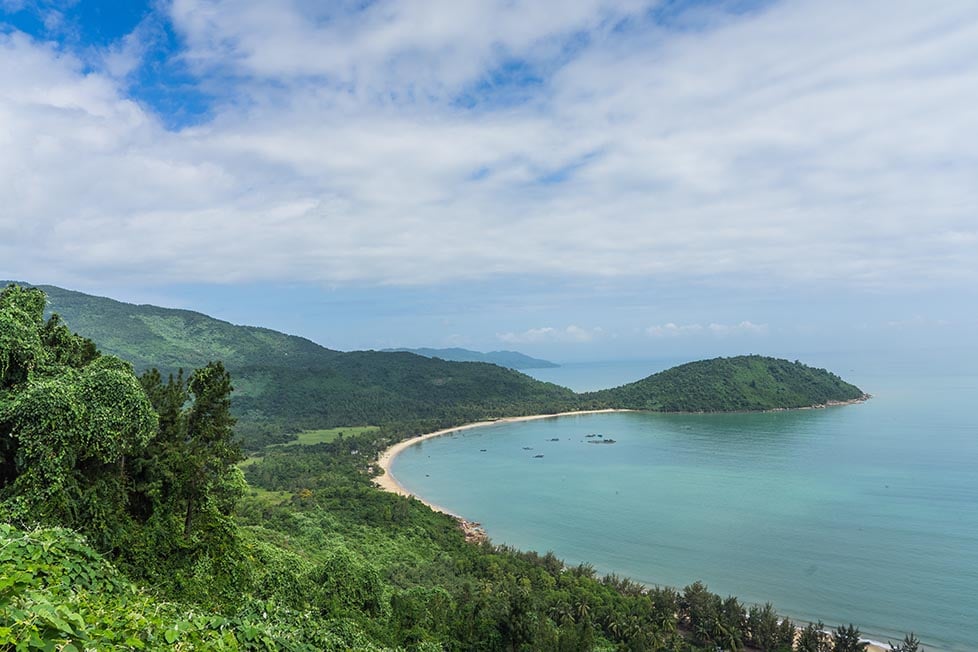
Image: Nic Hilditch-Short
For those backpacking in Vietnam without the luxury of time or a little extra cash to spend, the best way in is to catch a flight. I’ve found Vietnam Airlines, Vietjet and Thai AirAsia all tend to have good deals for flying direct from within Southeast Asia. Most flights will land in Ho Chi Minh, Hanoi or Da Nang.
You can enter Vietnam by motorbike easily, and you can easily travel from Cambodia across the border to Vietnam using local buses. Or, if you fancy travelling in style, there are VIP bus services available for flash-packers.
Entry Requirements for Vietnam
Most countries require a visa to enter Vietnam; however, there is a shortlist of countries that are exempt for stays of 14-90 days. The UK and EU qualify for 45 days visa-free.
Most countries, including the USA, Canada, Australia and New Zealand, need to organise a Vietnam e-visa for a 30-day stay – many people get caught out by this!
Vietnam now offers 90-day e-visas (single or multiple entry) to all nationalities. The visa exemptions expanded to include more European countries, so be sure to check this before your trip.
Anyone can visit Phu Quoc Island without a visa for 30 days, regardless of nationality. You must, however, have 6+ months left on your passport.
Thankfully, e-visas are relatively straightforward to sort before you travel to Vietnam. You can usually extend your stay by exiting and re‑entering with a new e‑visa.
How to Get Around Vietnam
Vietnam is a reasonably big (well, at least very long) country, but getting around it is surprisingly simple. There are plenty of different options for all types of travellers.
Most backpackers choose to explore Vietnam via the bus network. They are cheap and have an ever-increasing presence of air conditioning. Basically, they are a broke backpackers dream.
The most popular buses in Vietnam are the sleeper buses. Once you experience a VIP sleeper bus, there is no going back. Don’t skimp out, spend the extra couple of dollars for the VIP ones, you get a private bed, blanket, pillow and can fully stretch out.
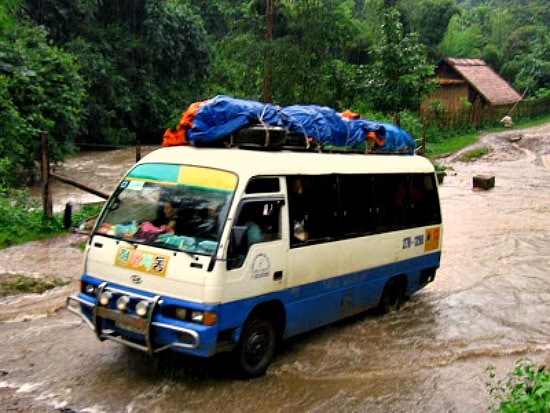
For some of the more remote routes, you might have to opt for a minivan or the “chicken bus”. The only time I had to do this was from Ha Giang to Cao Bang. We were crammed into a minivan with a basket of chickens on the roof and a crate of baby chicks in the back. It was a long, sweaty 7 hours, but on the bright side, it only cost a couple of bucks!
The train network is not the cheapest option, but rather a slow and scenic one. Vietnam Railways operates a single-track train network running from Ho Chi Minh City all the way to the Chinese border, with beautiful views of the countryside and coast. But it’s not the most popular mode of transport for backpackers.
Domestic flights are another solid, easy and relatively cheap option if you’re short on time. A 2hr flight from Ho Chi Minh to Hanoi is much more favourable than 30 hours + the time it can take on the train. Check out Vietnam Airlines or VietJet for cheap flights.
Grabs/ Taxis are everywhere in the cities; it is not hard to find a ride. They are very cheap for short rides, especially if you split the cost between a few of you. I’d recommend using Grab (Vietnam’s version of Uber) for your own safety and to avoid getting scammed :))
Travelling by Motorbike in Vietnam
Vietnam by motorbike is a classic adventure that rightfully deserves its own section. It gives you the freedom to really explore, get off the highway and go in search of raw adventure…
I picked myself up a Honda Win Manual Motorbike second-hand from one of the many backpackers selling their bikes in Ho Chi Minh. I paid around $300 and, for the few weeks I had it, only some minor repairs were needed. However, you can always rent your own bike, but this can end up racking up fast. Plus, you have to pay for gas along the way with either option.
I wouldn’t say it’s necessarily a “cheap” way to see the country compared to the buses, as the costs can add up. But it’s an adventure of a lifetime, and if you love to ride motorbikes already, it’s a must.
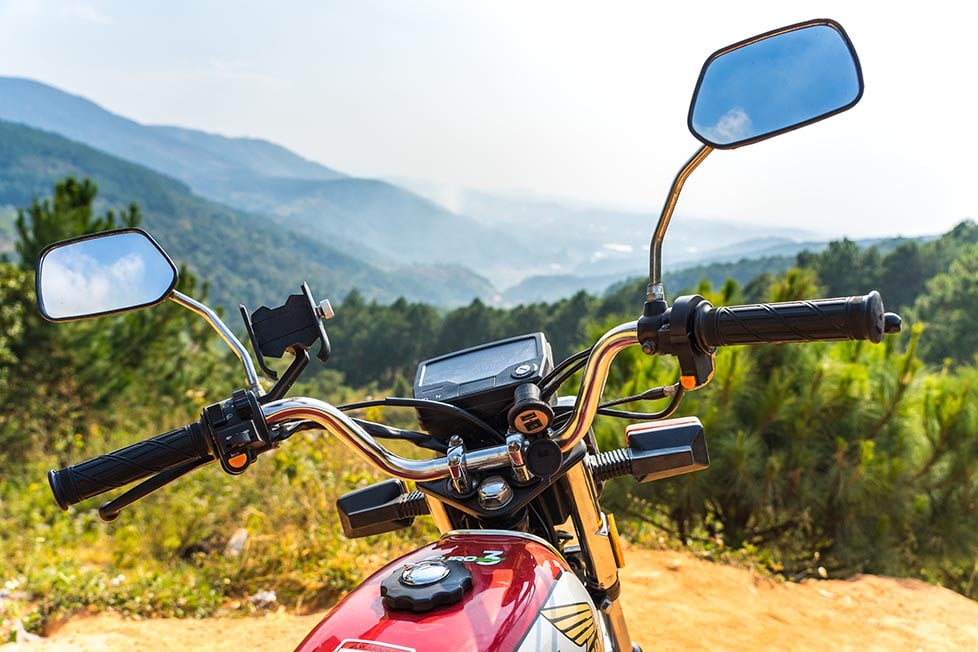
Image: Nic Hilditch-Short
I had this expectation that the roads in Vietnam were going to be dangerous dirt tracks. But for the most part, they are fairly decent besides a few potholes. The biggest threat to you on the road is your own lack of attention, other drivers and animals/people.
If you’re a beginner, I’d suggest getting comfortable on a bike before landing in Vietnam. It’s a pretty wild country to learn to ride in, and you don’t want to put yourself and others at risk.
Unfortunately, accidents among travellers are common; I came off my motorbike myself in Dalat and got away with just cuts and bruises… The bike flipped and hit me in the back of the head, and my helmet almost certainly saved my life – always wear a helmet and make sure your travel insurance covers you for riding a motorbike in Vietnam.
I’d also consider bringing a dedicated tent for your motorbike if you want to save money on accommodation. I usually rocked up to a restaurant for dinner & politely asked if I could set up there for the night. They nearly always said yes and never charged me a dime.
What’s New for Backpacking in Vietnam?
In the last few years, Vietnam has opened up to the world. These are the key changes that impact us, backpackers:
- Everyone is eligible for an e‑visa, and these now last up to 90 days, with single or multi-day options
- The processing is usually 3-5 working days, though this can vary depending on how busy they are!
- Some travellers now get 45-day visa-free entries. This applies mainly to European countries, Japan, South Korea, Russia and a few more.
It’s attracting a growing digital nomad scene, so you can expect to find a fair few remote workers, especially in the big cities these days.
It is also easier to pay with cards in the cities than ever before. Card acceptance has improved across the major cities. However, when looking at Vietnam as a whole, Vietnam is a QR-first (for local payments), and many small businesses still prefer cash.
On the downside, it’s slightly harder to reach from Thailand now. This is because the Thailand/Cambodia conflict, which began in 2025, led to borders closing, and the bus/train routes from Bangkok via Cambodia to Ho Chi Minh City coming to an end. Instead, if you’re heading to Vietnam from Thailand, you’ll have to fly or pass through Laos if you want to keep to overland, which is a more awkward route.
Working in Vietnam
Yes, yes, 1000 times, yes! Vietnam has a habit of turning a short trip into a long stay. I have no shortage of long-term travelling friends who do a stint working a backpacker job, teaching, volunteering or slipping into the digital-nomad lifestyle for a while.
Teaching English in Vietnam
Teaching English in Vietnam is one of the most popular forms of work for foreigners in the country. With the right qualifications (i.e. a TEFL certificate), you’ll find a lot of doors opening to you with some decent wages too, relative to the standards of Asia.
TEFL courses open up a huge range of opportunities, and you can find teaching work all over the world with one! Broke Backpacker readers get a 50% discount on TEFL courses through MyTEFL (using the code PACK50).
You will need a work permit to teach in Vietnam. A work permit/visa is valid for up to 2 years (non-renewable), and the pressure of the paperwork is off because the responsibility is on your employer! You’ll need to be sponsored by your prospective employer, who will then be responsible for the organisation of your working permit.
Digital Nomad Life
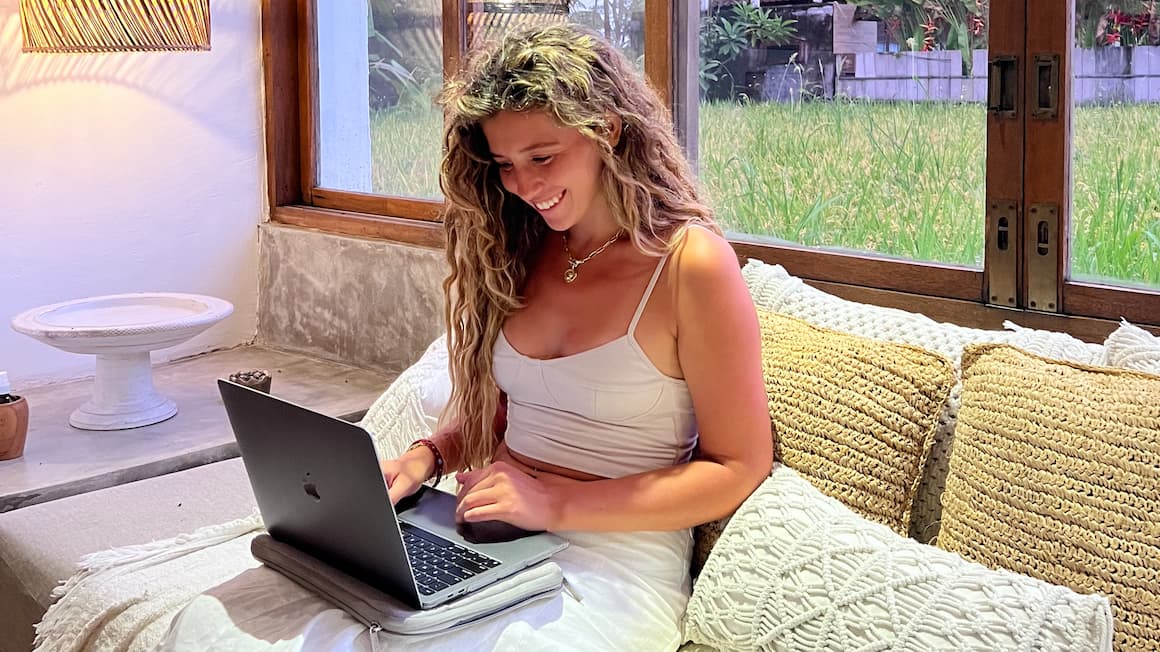
Vietnam is also an up-and-coming digital nomad hotspot. It’s got fast internet, a good ex-pat scene, and it is ridiculously cheap. There are not many other places in the world where you can get lunch for 2 dollars and a beer for 80 cents while working with lightning-fast internet.
The cities are packed with co-working spaces and cafes. I noticed that there were plenty of local people using these spaces too, especially students.
Volunteering in Vietnam
Volunteering abroad is an amazing way to experience a culture whilst helping your host community. There are plenty of different volunteer projects in Vietnam, including teaching, construction, agriculture, and pretty much anything. You’ll lower your travel costs and connect with local communities.
Volunteer programs run through reputable work exchange programs like Worldpackers and Workaway still have their flaws, but they’re a great way to get your foot in the door of the volunteering community.
Culture in Vietnam
Although only surpassed only by Indonesia as Southeast Asia’s most heavily populated country. Vietnam is the region’s most ethnically homogenous country, with the Vietnamese making up about 85% of the population. Most of the remaining population in Vietnam is made up of a variety of minority ethnic groups and peoples with their own customs and traditions.
Being a communist country, Vietnam has no state religion and atheism is encouraged. In truth, the majority of the Vietnamese people either identify with folk traditions or are just straight atheists. Buddhism and Catholicism are the other two big religions in the country. Across all beliefs, the family and ancestor worship remain pillar belief concepts.
There’s a lot of banter and a kind of humour that’s a second cousin of sarcasm in Vietnam. If you get to know the local people well, I’m sure you’ll experience it. I don’t know quite how to describe it, but there’s a lot of pointing out the randomness of life and having a good laugh about it.
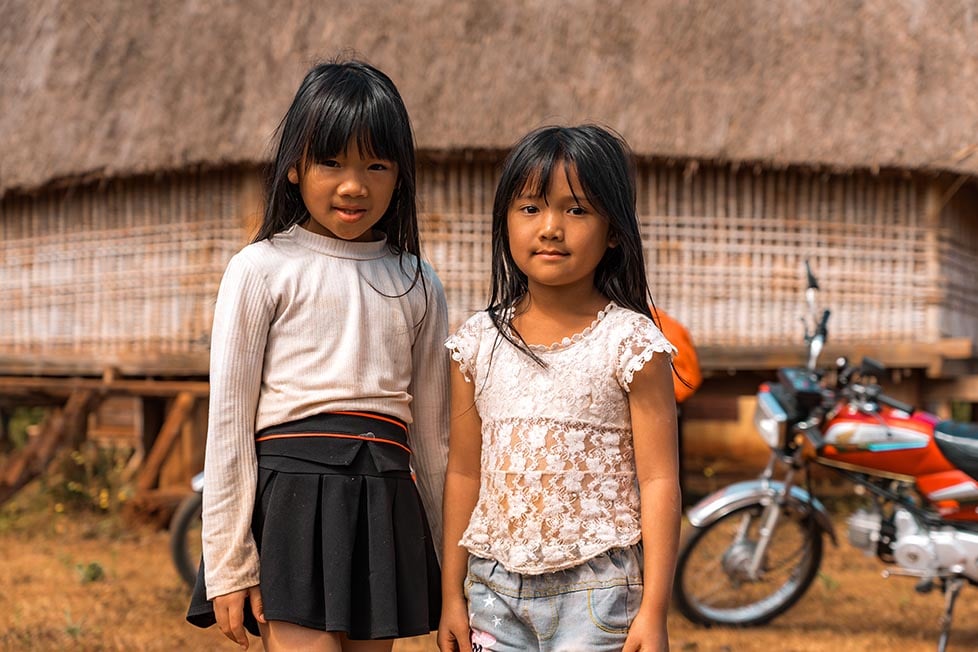
Useful Travel Phrases for Vietnam
Below, I have listed helpful travel phrases for Vietnam. It always pays to learn a new language as you travel to be able to communicate with the locals. At the very least, try!
On my first days in Vietnam, the only word I could remember was sorry – sin loi. This was lucky, as it’s something I found myself saying a lot as I tried to navigate the dense city of Ho Chi Minh.
Thankfully, the Vietnamese people are some of the most gracious and good-humoured people on the planet. Nobody cared that I was in the way, although it was pretty funny to hear a little, white foreigner saying sorry over and over!
- Hello – Xin Chao
- Goodbye – Tam biet
- Thank You – Cám on Ban
- No Problem – Khong Van De Gi
- I like to Eat – Toi Muon An
- What is this? – cái si te nài?
- I am Sorry – Toi Sin Loi
- No plastic bag – Không có túi nh?a
- No straw please – Không có r?m, xin vui lòng
- No plastic cutlery please – Không có dao nh?a xin vui lòng
- I’m Hungry – Tôi Doi
- What is your name? – Tên cua ban là si
- I don’t understand – Toi khong hieu
What to Eat in Vietnam
Vietnamese food is popular all around the world! As well as tasting absolutely sensational, Vietnamese food is one of the healthiest foods in the world. Prepared with fresh ingredients, vegetables, herbs, and either rice or noodles, each dish is different but delicious.
Yes, bánh mì is f*cking fantastic, don’t get me wrong – but don’t stop there. Vietnam’s food scene is HUGE, it’s cheap, and it’s wildly varied. Try the regional dishes, the weird snacks, the street-corner bowls of something you can’t pronounce (and maybe ask what’s in it after!)
I remember sitting in a sliver of an alleyway deep within the bowels of the old imperial capital of Hue. I was sweating my sweet tushy off and thought the best way to combat sweat was with sweat, so I proceeded to order the most memorable meal I had in Southeast Asia. Bun Bo Hue.
If you fancy yourself a coffee connoisseur, you’ll be in caffeinated heaven in Vietnam. It’s a huge part of the culture. Try their classic ca pha sue (with strong coffee and condensed milk), egg coffee, salt coffee and coconut coffee. It’s outrageously good.
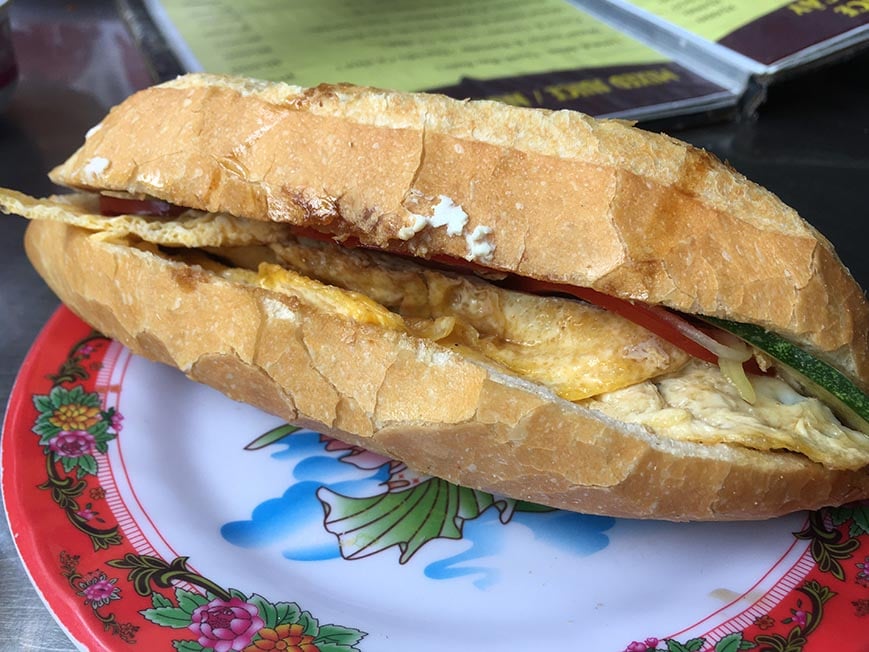
Image: Nic Hilditch-Short
Popular Vietnamese Dishes
- Bun cha – One of my favourites! This is basically a Pork Meatball Noodle Salad. Yum!
- Goi Cuon – The famous Vietnamese “Summer Rolls” are a perfect light bite. Normally filled with shrimp and/or pork, herbs and vegetables. They are wrapped in rice paper and served with Peanut dipping sauce.
- Mi Quang – A turmeric noodle dish from central Vietnam.
- Banh Xeo – A crispy rice flour pancake filled with pork, shrimp, and bean sprouts.
- Pho – Basically noodle soup. There are many varieties of Pho, perfect for those slightly unsure about Vietnamese food.
- Banh Mi Thit – Or in other words, the best sandwich in Asia! Basically, a well-sized baguette stuffed with yummy treats such as ham, cheese, fish, vegetables etc.
- Bun Bo Hue – A spicy beef noodle soup from Hue.
- Cao Lau – A darker noodle dish from Hoi An made with pork and greens.
Brief History of Vietnam
People have lived in Vietnam for thousands of years. In fact, it was one of the earliest places to cultivate rice! Long before colonial powers arrived, the region had its own dynasties and diverse indigenous groups that shaped its identity.
Vietnam spent centuries resisting Chinese influence; periods of occupation were met with periods of fierce pushback, leaving a lasting mark on the country’s language, food, and culture. The Mongols tried to invade, too, but were driven out.
French colonial rule arrived in the 19th century, pulling Vietnam into French Indochina. During World War II, the Viet Minh rose to power and declared independence in 1945, but France refused to leave, leading to the First Indochina War and the French defeat at Dien Bien Phu.
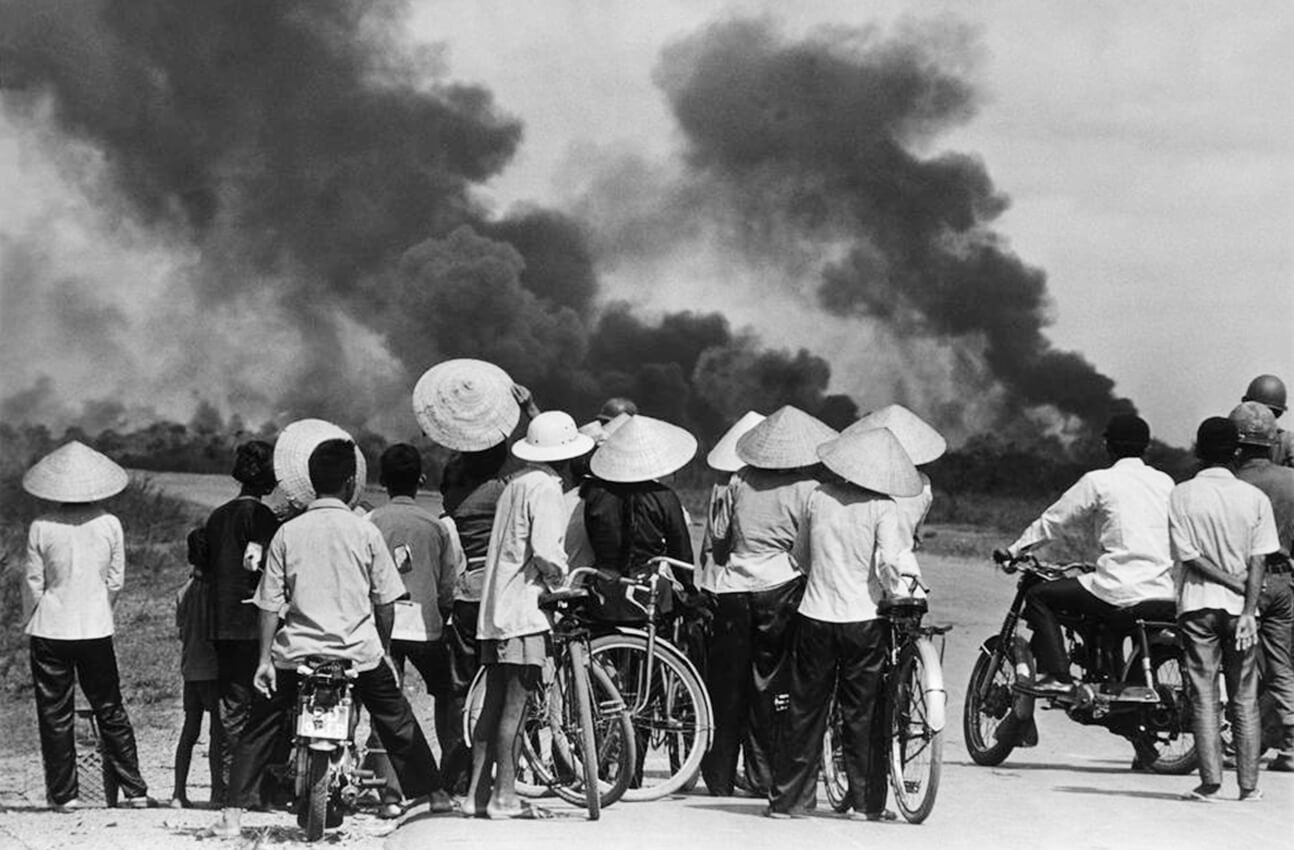
Photo: dronepicr (Flickr)
Afterwards, Vietnam split into North and South, setting the stage for what the world calls the Vietnam War (and Vietnam calls the American War). The U.S. withdrew in 1973, and in 1975, the North captured Saigon, reunifying the country.
Vietnam remained officially socialist, but the Đổi Mới economic reforms in 1986 opened the door to market-driven growth and foreign investment. Since then, the country has transformed rapidly. Today, Vietnam’s history is still very present, in its food, its cities, its museums, and the way people talk about the past, but it’s also a young, energetic country focused firmly on the future and luckily for us, welcoming foreign tourism.
Why Vietnam Stays With You
Go to Vietnam and have the time of your life. There are mountains to hike, cities to explore, beaches to marvel at and endless amounts of Banh Mi and Cafe Sua to consume along the way. Vietnam is one of those places that will forever be etched into your mind. There is no place like it in the world.
Vietnam is a country of chaos, patriotism, untouched remoteness and a rawness that you can’t explain or put a price tag on. In the cities, it can be like stepping into the future, but the mountains are like stepping into the past. It’s a country that rewards the curious, the patient and the calm.
Some places will excite your senses immediately. The smooth energy of the rice fields in Hoi An, the mountains of Ha Giang or the beaches of Da Nang. Others can be a slow burn; not everyone takes to the likes of Hanoi or HCMC straight away… but after enough time, the flame does get lit.
It’s an addictive country. It’s not just somewhere that you tick off, but instead it’s a country that you could spend years folding back the layers and still not feel finished.
Be good to Vietnam, and Vietnam will be good to you.